
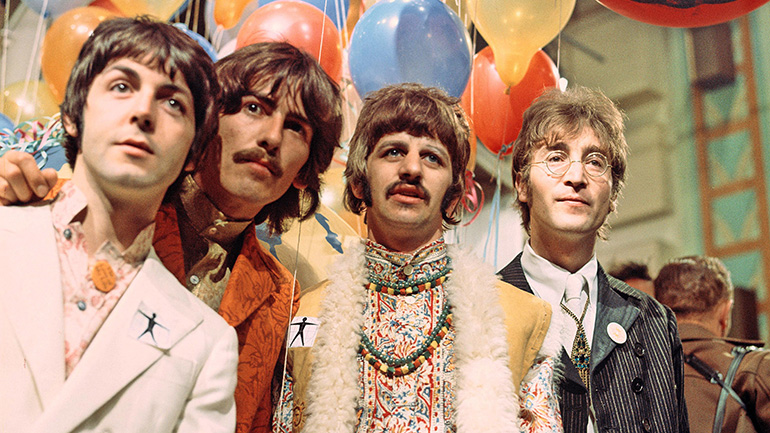
The Beatles are a four-piece rock band representing the 20th century that debuted in the United Kingdom in 1962. Their influence extended not only to their music, but also to their fashion, speech, and thought, creating a social phenomenon. One of the most notable aspects of their music is that their own musical development has directly influenced the musical development of the entire musical world and of their fans, who are their listeners.
Recording Details
1964
June 1.
Takes 1-8 are recorded.
This song was recorded in two parts, Section 1 and Section 2. Takes 1-6 are Section 1, and takes 7-8 are Section 2, which were later edited to tape.
June 4
Tape editing and mono mixing is performed based on takes 6 (Section 1) and 8 (Section 2).
June 22
Tape editing and stereo mixing based on take 6 (Section 1) and take 8 (Section 2).
Things We Said Today
This is Paul's work and the lead vocalist is also Paul.
John: "Paul's work. It's a great song."
Paul: "It's a little sentimental song about nostalgia for the present moment, while being sung about the future.
Paul wrote this song while on vacation in the Bahamas with his then girlfriend Jane Asher, Ringo Starr, and Ringo's wife Maureen Starkey.
*Recording details
1964
June 2.
First three takes are recorded.
June 3
Overdub on take 3. The contents are unknown.
June 9
Mono mixing based on take 3
June 22
Stereo mixing based on take 3.
When I Get Home
This is John's work and the lead vocalist is also John.
John said, "This one's mine, too. It's a Wilson Pickett-ish, Motown-ish, four-beat cowbell song."
The version of the chorus is different between the British version and the version on the U.S. version of "Something New".
In the version on the U.S. version of "Something New," the singing of the chorus "till I walk" starts half a tempo earlier than in the British version.
This part is also single-tracked, but this may be due to the fact that the vocal discrepancy is so large that it was judged that layering the vocals on a double-track would be too uncomfortable.
Recording Details
1964
June 2
Takes 1 to 11 are recorded.
June 4
Mono mixing based on the 11th take
June 22 (m&s)
Mono mixing based on take 11.
Although the intention is unknown, two mixings were done, one for the UK release and one for the US release. Therefore, the singing style of the chorus is different between the UK and US releases. Also, it was not included in the U.S. release "A Hard Day's Night" but was included in "Something New" released on July 20, 1964.
Stereo mixing based on the 11th take.
There is no distinction between the UK and US versions in terms of stereo mixing.
You Can't Do That
This is John's work and the lead vocalist is also John.
John: "I wrote this song in the style of Wilson Pickett."
John also plays lead guitar.
John says, "It's boring to play rhythm guitar all the time, so I always try to find something interesting to play. The best example is something like I did on "You Can't Do That. There is really no lead guitarist or rhythm guitarist on that song. The rhythm guitarist's role would be overshadowed on the record. It's just too much fun to keep playing zunchaka, zunchaka, zunchaka. Of course, I'm not as good as George as a lead guitarist. But sometimes I just want to play lead, so I do.
This is the first time George plays a Rickenbacker electric 12-string guitar.
*Recording Details
1964
February 25.
Takes 1 through 9 are recorded.
February 26
Mono mixing based on take 9
March 10
Stereo mixing based on take 9.
Stereo mixing on this day was not used.
May 22
George Martin's piano is overdubbed onto the 9th take, and the 10th take is recorded. However, this version was not used.
June 22
Stereo mixing based on take 9.
I'll Be Back
This is John's work and the lead vocalist is also John.
John said, "The middle part is a little bit fussy, but the melody is good." "I tweaked the chords of Del Shannon's song in my own way. Paul does the same thing."
This is a song about John's father, whom he has not seen in a long time. His father Alfred, who left home when John was five years old and was never heard from again, suddenly showed up after John became famous. It had been 18 years since he had seen him.
John said, "I never heard from him until I became successful, and then he came into my life in a threatening way using the media. At first I didn't even want to see him. In the end, I gave in and decided to take care of him.
Recording Details
1964
June 1
Takes 1-16 are recorded.
June 10
Mono mixing based on take 16.
The mono mixing on this day was not used.
June 22
Mono mixing based on take 16.
Although the intention is unknown, two mixings were done, one for the U.K. release and one for the U.S. release. However, there is no difference between the UK and US versions. Also, it was not included on the U.S. release "A Hard Day's Night" but was included on "Beatles '65" released on December 15, 1964.
Stereo mixing based on the 16th take.
There is no distinction between the U.K. and the U.S. in terms of stereo mixing.
Beatles For Sale
Side A
1. No Reply
I'm A Loser
Baby's In Black
Rock And Roll Music
I'll Follow The Sun
6. Mr Moonlight
Kansas City/Hey-Hey-Hey-Hey!
Side B
Eight Days A Week
2. Words Of Love
Honey Don't
Every Little Thing
I Don't Want To Spoil The Party
What You're Doing
Everybody's Trying To Be My Baby
The fourth album was released on December 4, 1964.
It was released after the single "I Feel Fine" and two four-song EPs cut from the previous album, A Hard Day's Night, but the single "I Feel Fine" was not included.
The album was heavily influenced by Bob Dylan, whom the band met for the first time in August of that year, and whose influence extended to the lyrics, chords, arrangements, and vocals.
The recording process is as follows.
● 1964.
June 3
The following demo recording was made.
No Reply
*The demo version of this day was later recorded on "Anthology 1".
August 11
The following songs are recorded
Baby's In Black
August 14
The following three songs were recorded
I'm A Loser
Mr. Moonlight
Leave My Kitten Alone
Mr. Moonlight" was later included in "Anthology 1". Leave My Kitten Alone" was also unreleased, but was later included on "Anthology 1".
Mono mixing of the following two songs.
I'm A Loser
Baby's In Black
The mono mixing of "I'm A Loser" and "Baby's In Black" were not used.
September 29
The following three songs are recorded.
Every Little Thing
I Don't Want To Spoil The Party
What You're Doing
September 30
The following three songs were recorded.
Every Little Thing
What You're Doing
No Reply
October 6
Recorded the following
Eight Days A Week
October 8
Recorded the following
She's A Woman
October 12
Mono mixing of the following
She's A Woman
Eight Days A Week
Stereo mixing of the following
She 's A Woman
October 16
Mono mixing of the following
No Reply
October 18
Recorded the following 8 songs
Eight Days A Week
Kansas City - Hey-Hey-Hey-Hey!
Mr. Moonlight
I Feel Fine
I'll Follow The Sun
Everybody's Trying To Be My Baby
Rock And Roll Music
Words Of Love
October 21
Mono mixing of the following four songs.
I Feel Fine
I'll Follow The Sun
She's A Woman
Everybody's Trying To Be My Baby
October 22
Mono-mixing of the following songs.
I Feel Fine
The version of this day ended up not being used.
October 26
Mono mixing of the following 6 songs
I Don't Want To Spoil The Party
Rock And Roll Music
Words Of Love
Baby's In Black
I'm A Loser
Kansas City - Hey-Hey-Hey-Hey!
Stereo mixing of the following.
The following two songs were recorded.
The following two songs were recorded.
Honey Don't
What You're Doing
Another Beatles' Christmas Record" for the fan club was also recorded on this day.
October 27
Mono mixing of the following 5 songs.
What You're Doing
Honey Don't
Mr. Moonlight
Every Little Thing
Eight Days A Week
Stereo mixing of the following four songs.
Eight Days A Week
Every Little Thing
What You're Doing
Honey Don't
November 4
Stereo mixing of the following 10 songs.
I'll Follow The Sun
Everybody's Trying To Be My Baby
Rock And Roll Music
Words Of Love
Mr. Moonlight
I Don't Want To Spoil The Party
I'm A Loser
Baby's In Black
No Reply
I Feel Fine
November 27
Single "I Feel Fine/She's A Woman" released.
December 4
Album "Beatles For Sale" is released.
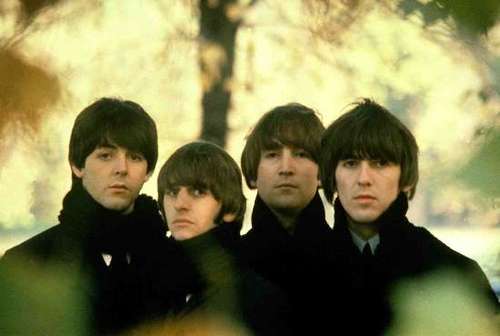
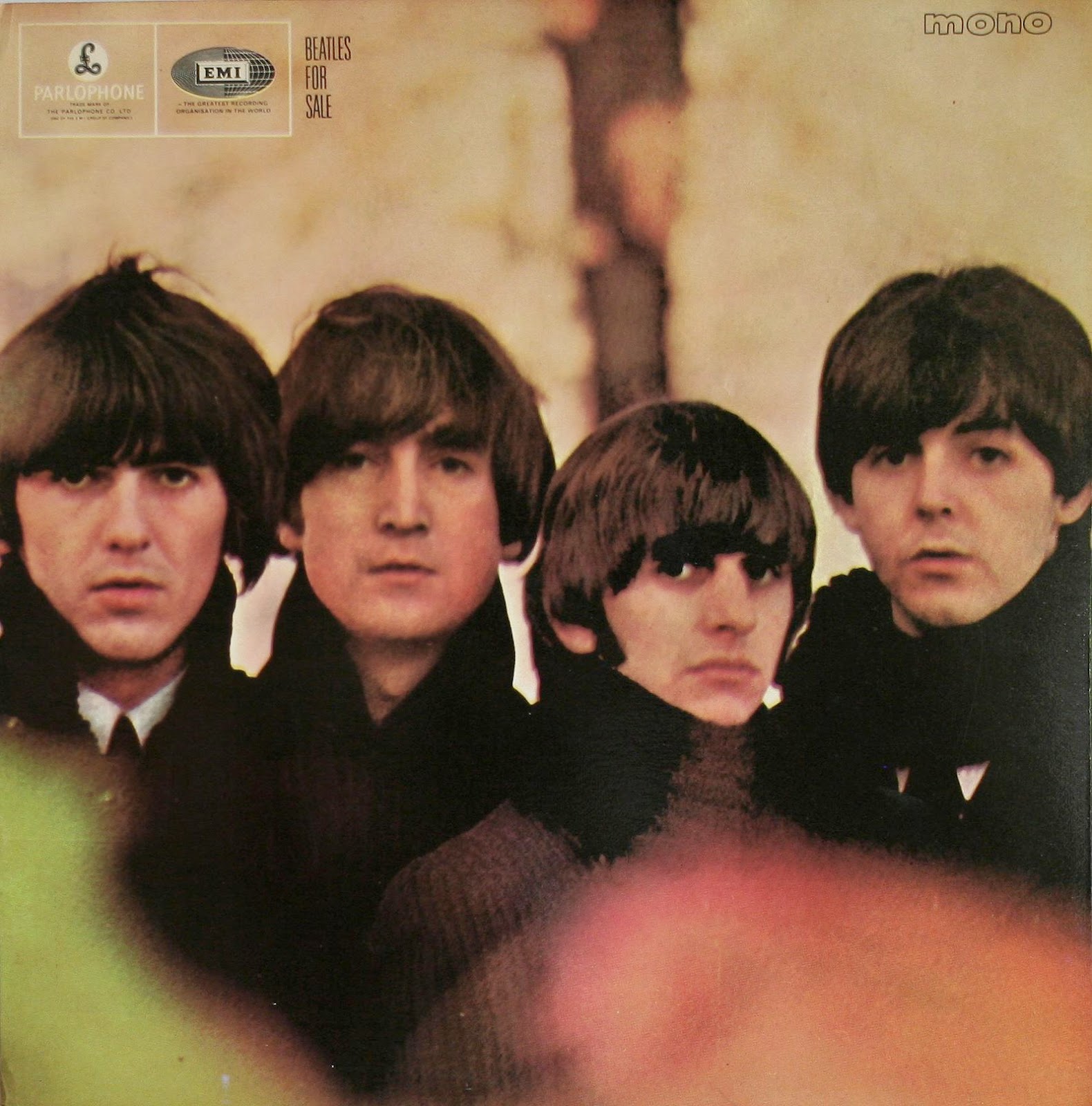
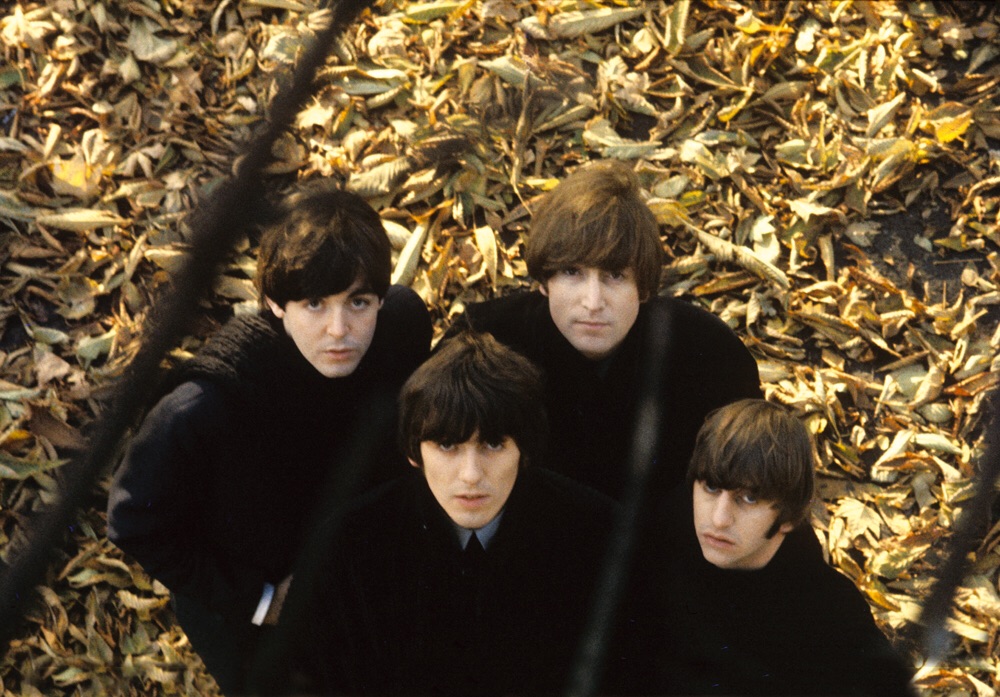
The cover was designed by Robert Freeman, as was "With The Beatles". It was shot in Hyde Park, London in the fall. Paul said, "It was a two to three hour photo session, but we got some decent shots. The photographer (Robert) was always telling us, 'Stand out! ' because we were all always wearing the same clothes. Because we were all dressed the same. Black coat, white shirt, black scarf.
The scarves around the members' necks were knitted by Astrit Kirchherr, a German photographer and lover of Stuart Sutcliffe, whom they had met at the Hamburg concert.
Paul said, "The album cover is pretty good. George's hair looks like a turnip.
In the U.S., no analog album with the exact same cover and songs as the U.K. version was ever released, and the CD version appeared for the first time in 1987.
In the U.S., "Beatles '65" corresponds to the British "Beatles For Sale. The cover shows four members with umbrellas, and the album consists of eight songs from the British "Beatles For Sale," two singles "I Feel Fine/She's A Woman," and "I'll Be Back," which was omitted from the American version of "A Hard Day's Night. The British version of "Beatles For Sale" was released in the U.K. The British version of "Beatles For Sale" included "Kansas City/Hey-Hey-Hey!", "Eight Days A Week", "Words Of Love", "Every Little Thing", "I Don't Want To Spoil The Party", "What You're Doing", "I Don't Want To Spoil The Party", "I Don't Want To Spoil The Party", and "I Don't Want To Spoil The Party". Party" and "What You're Doing" were not recorded and will be included on the album "Beatles VI" edited by Capitol in the United States. Eight Days A Week" and "I Don't Want To Spoil The Party" were released as singles unique to the US.
The Japanese version has almost the same jacket, but the words "BEATLES FOR SALE" is larger than the UK version. However, the Japanese title of the album was "The Beatles '65", the same as the U.S. version. The songs on the album were the same as those on the original British release. On June 20, 1976, an analog version with the same jacket as the original British version was released, but this version was also not mono. The first mono version of an analog album with the same specifications as the British version was a limited reissue in the original mono series on January 21, 1982.
In the charts of the British Melody Maker magazine, it reached No. 1 for the first time on December 12, 1964, kicking out "A Hard Day's Night" by The Beatles, which had been No. 1 up to that point. It remained at No. 1 for nine weeks until February 6, 1965. After holding the No. 2 spot for 10 weeks, it returned to No. 1 on April 24, and remained there for the next six weeks until May 29, 1965, for a total of 15 weeks at No. 1.
The album was created in a hurry to meet a deadline because it had to be released in time for the Christmas shopping season, while the band was busy with live performances, TV and radio appearances, and interviews. Therefore, while all of the songs on the previous album were originals, they could not find time to write originals for this album, and as a desperate measure, six cover songs were used to fill in the gaps. Their contract at the time required them to produce four singles and two albums per year.
This was the first album to feature a gatefold cover. On the right side of the cover spread, the members of The Beatles pose in front of a collage of celebrity photos, seemingly foreshadowing the album cover of "Sgt.
Martin said, "At the time of 'Beatles For Sale,' they were tired of fighting. They had been working their asses off for a year from 1963 to 1964. It's great to be successful, but it's very, very tiring. It was just a lot of work. When I look at it this way, "Beatles For Sale" doesn't really ring a bell for me. It's not one of the standout albums. They have since picked up their spirits again, though.
Derek Taylor, the Beatles' publicist, commented on the album, "Young people in 2000 will be drawn to music that evokes a sense of happiness and warmth, just as we are today. The magic of The Beatles' music transcends time and age. And it will be loved around the world.
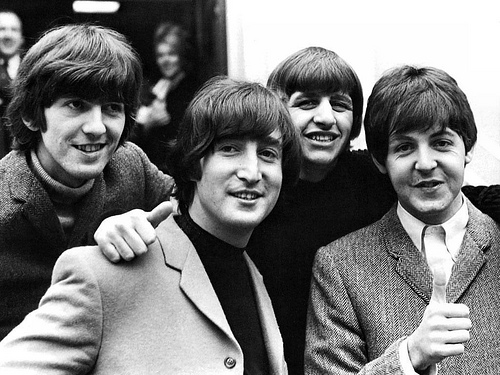
Outline of the tracks
No Reply
This song was written by John, and the lead vocalist is also John.
John "I wrote this song. It's my own version of 'Silhouettes' (a 1957 Rays song). I imagined the feeling you get when you're walking down the street and you see her shadow in the window, but she doesn't pick up the phone when you call her.
Dick James, president of Northern Songs, the music publishing company that managed Lennon-McCartney's copyrights at the time, heard the song and praised it.
John said, "After we finished the song, Dick James, the music publisher, came to me and said, 'You guys have done very well. John: "After we finished the song, Dick James, the music publisher, came to me and said, 'You guys, you've done a great job. It's a complete story. So I guess he thought my song was a bit of a mess until then.
The mono and stereo versions have different vocal parts.
John's vocal part is double-tracked on the stereo version, but the following three parts are single-tracked on the mono version.
The first part is "cause I looked up to see" and the second part is "I saw you walk to see".
Your" in "I saw you walk in your door" in No. 2.
The "in my" in "with another man in my place".
This is because there is a difference between the two vocals, and it was judged that overlapping them would cause a sense of discomfort, so it was processed.
Recording Details
1964
June 3.
A demo is recorded on this day. During the morning photo session, Ringo's tonsillitis condition worsens and he has to go home suddenly. A drummer named Jimmy Nicole is called in to replace Ringo, and an afternoon rehearsal is held.
The demo was recorded after this rehearsal, but it was neither Ringo nor Jimmy who played the drums, and it remains unclear who played.
Note that the demo at this time was made for Tommy Quickly (the first solo singer by Brian Epstein, who debuted on Paul's work "Tip Of My Tongue"), but Tommy did not release it, so John had to sing it himself. The demo was later included in "Anthology 1".
September 30.
Takes 1-8 were recorded.
October 16
Mono mixing is done based on the 8th take, and two remixes are made, one of which is adopted and one of which is kept.
November 4
Stereo mixing is done based on the eighth take.
I'm A Loser
This is John's work and the lead vocalist is also John.
John: "I wrote this song when I was obsessed with Bob Dylan. Some part of me thinks I'm a loser, but a part of me also thinks I'm God Almighty.
Paul: "I think now that I see why John had the courage to sing something like that."
When this song was recorded on August 14, 1964, John and Bob Dylan had not yet met. The Beatles and Dylan did not meet until August 28, two weeks after the recording.
The song was a candidate for the next single until "I Feel Fine" was written.
*Recording Details
1964
August 14.
Takes 1-8 are recorded.
Mono mixing is done based on take 8.
This mono mixing was not used.
October 26
Mono mixing is performed based on take 8.
November 4
Stereo mixing is performed based on Take 8.
Baby's In Black
This song was co-written by John and Paul, who also share vocals.
John: "We wrote this song together in the same room.
Paul: "It was the first three-quarter time waltz we ever wrote. We wanted it to be dark and bluesy. When we were writing the score, we were asked which one was the main melody, but since we totally co-wrote it, it didn't matter which one.
The song is said to have been modeled on Astrit Kirchherr, a German photographer who met in Hamburg, Germany in 1960 and became the lover of then-member Stewart Sutcliffe. She always wore black. Incidentally, the black scarf that the band members wear around their necks on the cover of the album "Beatles For Sale" was knitted by Astrit Kirchherr.
The lyrics and melody of the song "Oh Dear What Can I Do" are borrowed from the English nursery rhyme "Oh Dear!
Oh Dear! What Can The Matter Be?
English nursery rhyme.
Recording Details
1964
August 11.
Recording of the 1st to 14th takes.
August 14
Mono mixing is done based on the 14th take.
This mono mixing was not used.
October 26
Mono mixing is performed based on the 14th take.
November 4
Stereo mixing is performed based on take 14.
Rock And Roll Music
The original single was released on September 30, 1957 by Chuck Berry, one of the American rock originators.
The lead vocalist is John, and the song has only John's solo vocals from beginning to end.
George Martin played the piano, and the song was completed in only one take and one shot.
*There was a previous commentary that "John, Paul, and George Martin played one piano," but this is incorrect.
It was also the opening song for a concert held in Japan at Nippon Budokan from June 30 to July 2, 1966.
Rock And Roll Music/Chuck Berry
Recording Details
1964
October 18
The first take is recorded.
The first take was recorded with George Martin at the piano.
October 26
Mono mixing is performed based on the first take.
November 4
Stereo mixing is done based on the first take.
I'll Follow The Sun
This is Paul's work and the lead vocalist is also Paul.
John: "It's Paul's song. You know what I mean? I mean, it's called 'Tomorrow may rain so I'll follow the sun. It's one of Paul's early songs, and I think he wrote it before the Beatles were formed. That guy had a lot of stuff written down."
Paul: "I wrote it in my living room. I was recovering from the flu, but I was smoking, and I was 16."
*Recording details
1964
October 18.
First through eighth takes were recorded.
October 21
Mono mixing is performed based on take 8.
November 4
Stereo mixing based on take 8
Mr. Moonlight
The original single was released on January 15, 1962 by the American R&B band, Dr. Feelgood & the Interns.
The lead vocalist is John.
At the beginning of the special program of the Japan tour broadcast on TV at that time, this song was impressively played in the scene where a car carrying The Beatles led by a police car drove on the Metropolitan Expressway.

Related Articles
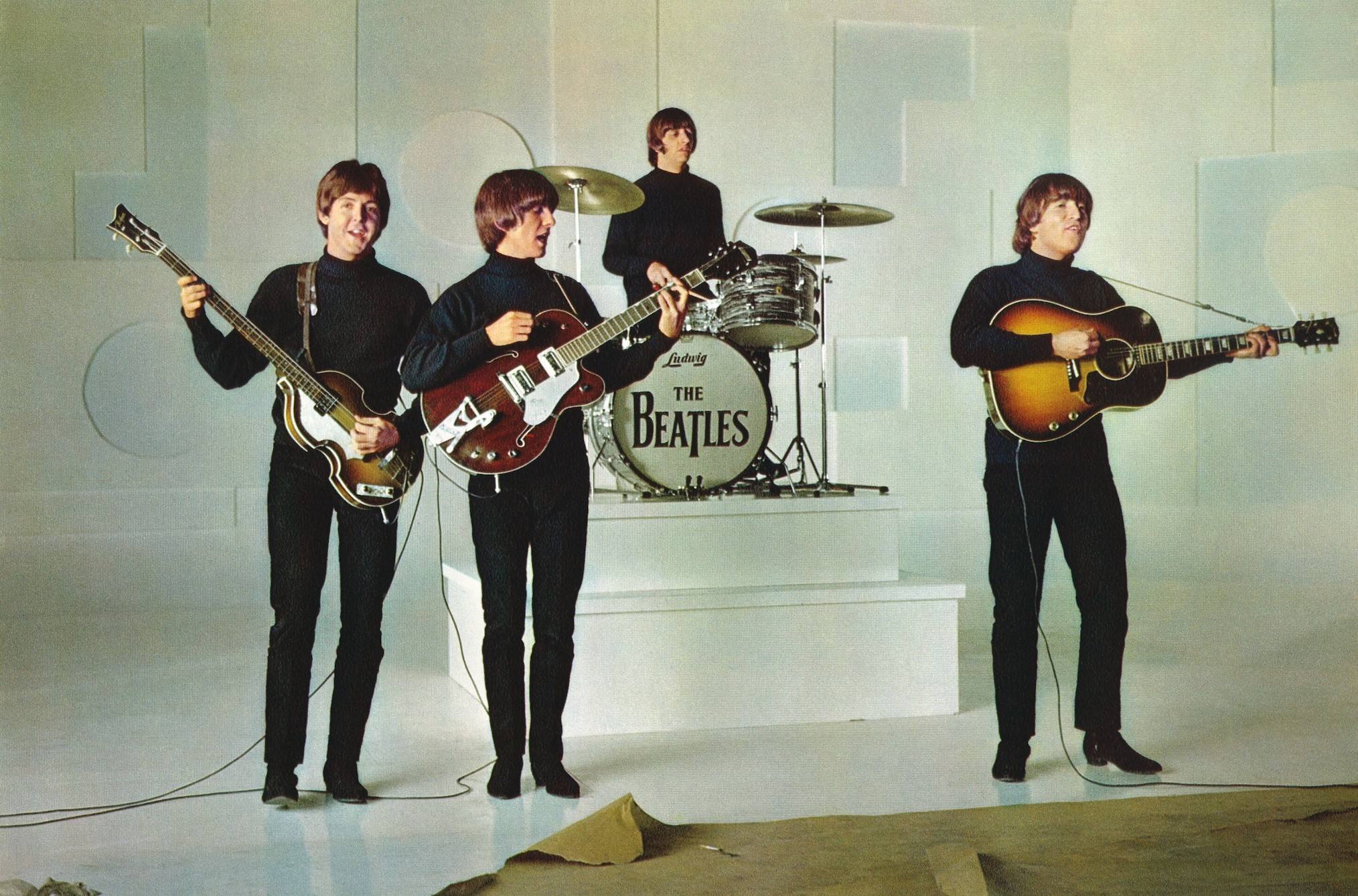
Summary of quotes and statements by The Beatles
The Beatles were one of the most popular rock bands of the 20th century, active from the 1960s to the 1970s, and made their record debut on October 5, 1962. The Beatles were ranked No. 1 on Rolling Stone's list of the 100 Greatest Artists of All Time, and are regarded around the world as one of the most influential rock bands of the 20th century. The band hails from Liverpool, England. Not only their music, but also their ideas and statements have attracted a great deal of attention and have had a great impact on the world.
Read Article

Yesterdays (film) spoiler alerts and discussion summary
Yesterday" is a stylish and heartfelt romantic comedy film produced in England. The main character, Jack, an unsuccessful singer-songwriter, is hit by a bus one day. He recovers from unconsciousness, but when he wakes up in the world, the legendary band "The Beatles" does not exist. For some reason, Jack is the only one who remembers the Beatles. The song "Yesterday," which he performed based on his memories, gradually changes Jack's ordinary life. This is a film that mixes fantastical elements with realism, and allows viewers to enjoy friendship, love, and anguish along with the Beatles' classic songs.
Read Article
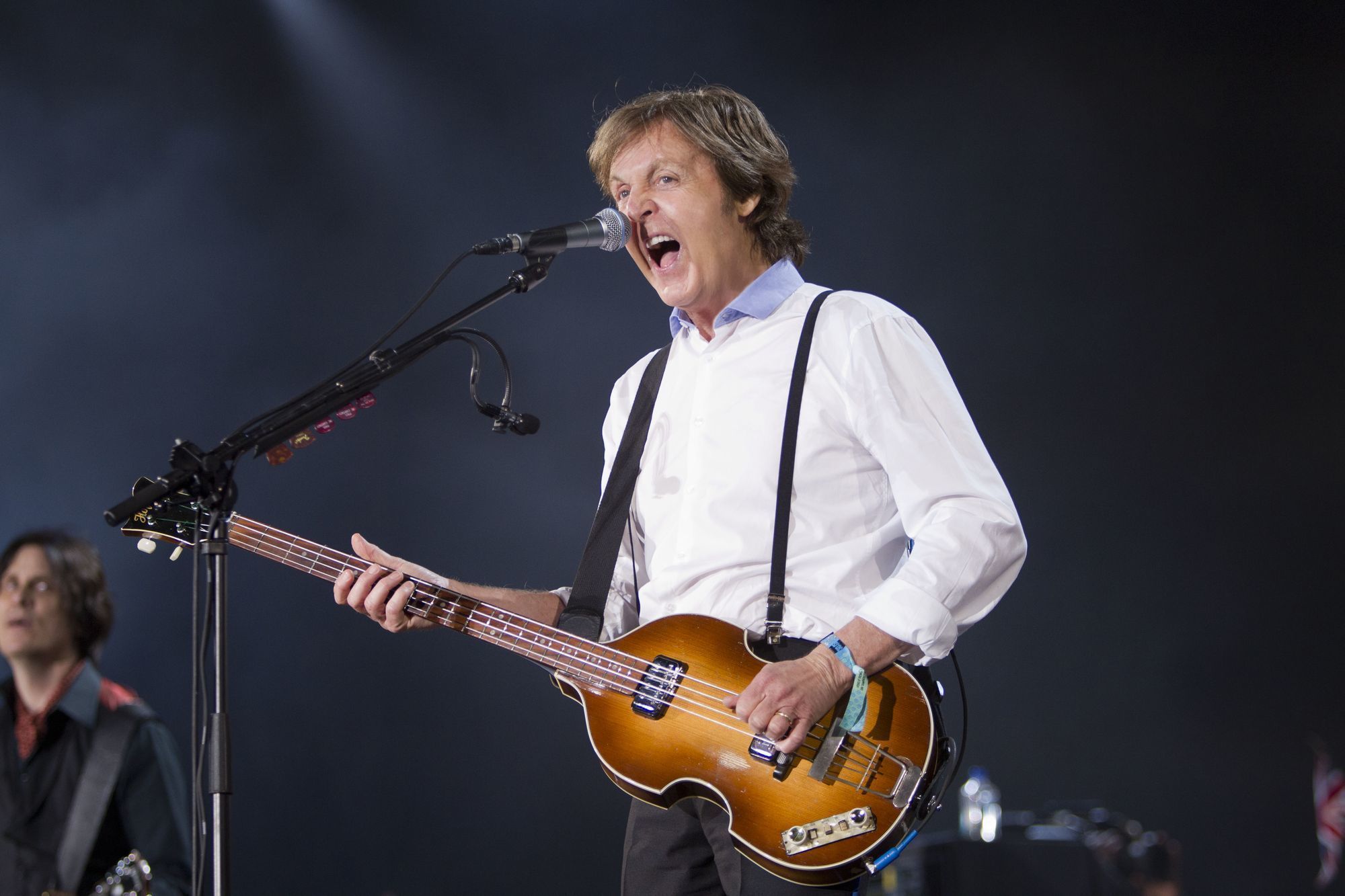
Paul McCartney was dead, former member Ringo Starr testifies! A new development in the urban legend?
Former Beatles drummer Ringo Starr stunned the world when he said in an interview with a publication that the "real" Paul McCartney died in a car accident on November 9, 1966. Here is Ringo's statement, urban legends about Paul, and his own reaction.
Read Article
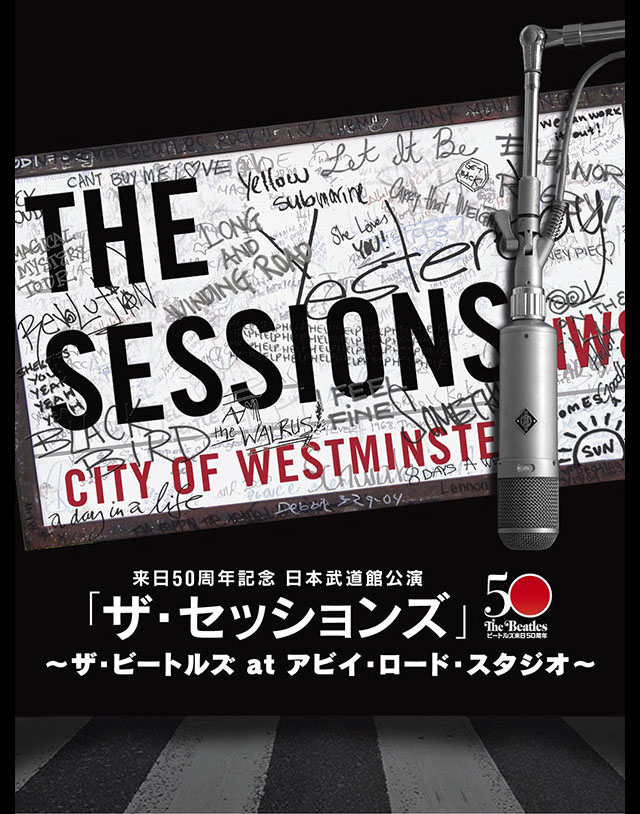
The Sessions, a recreation of the recording sessions of the legendary Beatles band, is coming!
It has been 50 years since the Beatles came to Japan. They were the first foreign artists to perform live at the Nippon Budokan on June 30 and July 1, 1966. On those very same days and at the same place, an event will be held to recreate the Beatles' recording sessions. The title of the event is "The Sessions. It is an attempt to perfectly recreate the Beatles' studio sessions at Abbey Road Studios using a variety of technologies.
Read Article
[John Lennon] Summary of celebrities and entertainers who died between the ages of 40 and 49 [Ken Maeda].
Entertainers and celebrities who have had a great impact on the world. Many of them have left this world at the young age of 40s. Diseases, accidents, suicides, assassinations.... In this article, we have compiled a list of such people. Although the causes vary, it is always painful to lose a person, no matter what time period or country.... We sincerely pray for the repose of their souls.
Read Article
![Paul McCartney] Summary of Hollywood stars and celebrities who are actually suspected of being anti-Japanese [Cameron Diaz](https://renote.net/files/blobs/proxy/eyJfcmFpbHMiOnsiZGF0YSI6NzA3OTE5MiwicHVyIjoiYmxvYl9pZCJ9fQ==--f54ed1968ea175d8f6be5ccbc0aac2b4b47ef326/5b111e621ae6624f008b472a.jpg)
Paul McCartney] Summary of Hollywood stars and celebrities who are actually suspected of being anti-Japanese [Cameron Diaz
The term "Hollywood star" is synonymous with world-famous performers. Of course, they are very well known in Japan, too! Some of them have openly stated that they "love Japan! but there are some who are suspected of being anti-Japanese. I don't know if it is true or not, but if these people are capable of world-class performances, they may be able to distinguish between their real intentions and their pretense in a matter of seconds.
Read Article
All Paul McCartney shows in Japan cancelled! Discussion of the possibility of a return visit to Japan!
Paul McCartney was scheduled to make his long-awaited return to Japan in May 2014, including his first Budokan concert in 48 years, but he became ill with a viral inflammation and canceled all shows shortly before the show. Many fans were disappointed and many wondered what would happen to him in the future. This article summarizes the situation at that time and the possibility of Paul's return to Japan for a replacement show, which he hopes to do.
Read Article
Paul McCartney suffered from "twisted intestines" and underwent emergency surgery in Japan!
Paul McCartney came to Japan for his first tour in six months, but canceled all shows due to poor health. The name of his illness was announced as viral inflammation, but it was later revealed that he had undergone surgery for intestinal sprain in Japan. The following is a summary of the illnesses that the great star suffered from in Japan.
Read Article
Paul McCartney cancels all shows! Explains the reason "viral inflammation"!
Paul McCartney, who was scheduled to return to Japan in May 2014, has become ill due to viral inflammation and has had to cancel all of his performances, including the Budokan concert. What is this "viral inflammation"? We will present a summary of Paul's sudden illness, which has several possibilities.
Read Article
Tags
Contents
- The Beatles Overview
- Members of The Beatles
- John Lennon
- Paul McCartney
- George Harrison
- Ringo Starr
- Former member of The Beatles
- Stuart Sutcliffe
- Pete Best
- People related to The Beatles
- Allan Williams
- Raymond Jones
- Brian Epstein
- George Martin
- A Brief History of The Beatles
- Birth and Death
- Major Events
- 1956-1961
- 1962-1966
- 1967-1970
- Analog release in the U.K.
- single
- 4-track EP
- album
- Analog release in the U.S.
- single
- 4-track EP
- album
- Analog release in Japan
- single
- 4-track EP
- album
- Solo Works
- Related Works
- The Beatles CDs
- The Beatles Discography
- original album
- Please Please Me
- With The Beatles
- A Hard Day's Night
- Beatles For Sale
- Help!
- Rubber Soul
- Revolver
- Sgt. Pepper's Lonely Hearts Club Band
- Magical Mystery Tour
- The Beatles
- Yellow Submarine
- Abbey Road
- Let It Be
- Editorial Albums & Other
- A Collection Of Beatles Oldies
- Hey Jude
- 1962-1966
- 1967-1970
- Rock 'N' Roll Music
- The Beatles At The Hollywood Bowl
- Love Songs
- Rarities (UK release)
- Rarities (U.S. version)
- The Beatles Ballads
- The Beatles Box
- Reel Music
- 20 Greatest Hits
- Past Masters Volume One
- Past Masters Volume Two
- Live At The BBC
- Baby It's You
- Anthology 1
- Free As A Bird
- Anthology 2
- Real Love
- Anthology 3
- Yellow Submarine Songtrack
- 1
- Let It Be... Naked
- love
- Mono Masters
- On Air - Live At The BBC Volume 2
- Live At The Hollywood Bowl
- Sgt. Pepper's Lonely Hearts Club Band (50th Anniversary Edition)
- The Beatles' most popular songs
- Love Me Do
- Please Please Me
- Twist And Shout
- From Me To You
- She Loves You
- All My Loving
- I Want To Hold Your Hand
- Can't Buy Me Love
- You Can't Do That
- A Hard Day's Night
- Long Tall Sally
- Baby's In Black
- Ticket To Ride
- Help!
- Yesterday
- Day Tripper
- We Can Work It Out
- Nowhere Man
- Paperback Writer
- Yellow Submarine
- Eleanor Rigby
- Strawberry Fields Forever
- Penny Lane
- A Day In The Life
- Hello Goodbye
- I Am The Walrus
- Lady Madonna
- Hey Jude
- Revolution
- Hey Bulldog
- Get Back
- Don't Let Me Down
- The Ballad Of John And Yoko
- Something
- Let It Be
- Free As A Bird
- Real Love
- The Beatles' backstory, trivia, small stories/episodes, anecdotes
- Dramatic departure of a member
- Paul's death theory
- The three major crises of 1966
- Mr. Toshitake Kotei
- Imelda Marcos
- Tommy Charles
- A Tribute to The Beatles