
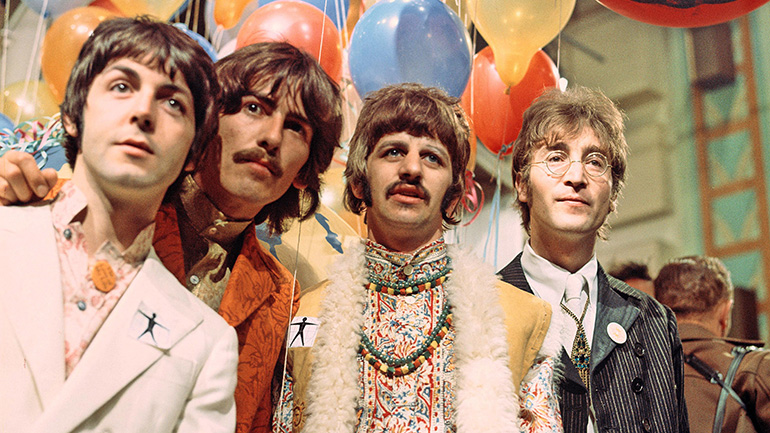
The Beatles are a four-piece rock band representing the 20th century that debuted in the United Kingdom in 1962. Their influence extended not only to their music, but also to their fashion, speech, and thought, creating a social phenomenon. One of the most notable aspects of their music is that their own musical development has directly influenced the musical development of the entire musical world and of their fans, who are their listeners.
Yes It Is
B-side of the ninth single "Ticket To Ride", not included on the original album.
It is John's work and the lead vocalist is also John.
John: "I tried to rewrite 'This boy,' but it didn't work out.
Paul "It's a nice ballad, which is rare for John."
The coupling of "Ticket To Ride/Yes It Is" is the first time since "Please Please Me/Ask Me Why" that both AB sides are John's work. These are also the only two original singles where both sides are John's work.
*Recording Details
1965
February 16.
Takes 1-14 are recorded.
February 18
Mono mixing is done based on the 14th take.
February 23
Stereo mixing is performed based on the 14th take.
*This stereo mixing is released for the first time on the album "Past Masters Volume One".
I'm Down
B-side of the 10th single "Help!
It is Paul's work and the lead vocalist is also Paul.
Paul: "I'm proud of this work. R&R with almost no melody is harder than ballads."
John: "It's Paul's song. I think I helped a little, too."
Steven Tyler, vocalist of the American rock band Aerosmith: "The very first song we recorded was 'I'm Down. That was 18 years ago (1969). We needed a demo tape to put on MGM Records, so we went to a Beatles store and bought a tape and listened to it three times. Then we jumped into the studio and did it live."
*In 1987, the band covered the song as Aerosmith (on the album "Permanent Vacation").
I'm Down/Aerosmith
Recording Details
1965
June 14.
Takes 1 through 7 were recorded.
*Yesterday" was recorded after 7 takes of this shouted rock number.
June 18
Mono and stereo mixing was done based on the 7th take.
Past Masters Volume Two
Past Masters Volume Two
1. Day Tripper
We Can Work It Out
Paperback Writer
4. rain
Lady Madonna
The Inner Light
7. Hey Jude
Revolution
9. Get Back
10. Don't Let Me Down
The Ballad Of John And Yoko
12. Old Brown Shoe
Across The Universe
14. Let It Be
You Know My Name (Look Up the Number)
Past Masters Volume One and Past Masters Volume Two were released simultaneously worldwide on March 7, 1988. This is a collection of singles, single versions, and rare versions of songs that were not included on the original albums. This means that all of The Beatles' officially released songs can be collected by combining all of their original albums and these two compilations. However, it is necessary to collect individual mono and stereo versions, and versions that differ from the original British versions on the Capitol release. The meaning of this is that the original British versions of the songs are all available. The tracks selected for this album and the commentary accompanying the CD were written by Mark Lewison, a leading researcher on The Beatles.
Overview of the songs on the album
Day Tripper
The 11th single and the first double A-side single by The Beatles, both sides were not included on the original album. One side is "We Can Work It Out".
It was written by John, who also sang lead vocals. Paul also helped with the song.
John: "I wrote it, but Paul helped me with the lyrics. The licks, the guitar breaks, the whole thing. It's just rock 'n' roll. Day Tripper" refers to day trippers, who are usually on a ferry or something. Usually on a ferry or something. But it's like, 'You're just a weekend hippie. You know what I mean?
Paul: "It's a sarcastic song about people who are just kind of dabbling and getting into it, like Sunday painters."
John and Paul say the song was "forced upon us" because they had to release a new single on short notice. Also, the members of the Beatles had pushed for "We Can Work It Out" to be the A-side, but those around them favored "Day Tripper," so the single was treated as a double A-side.
The stereo version of "Day Tripper" on the U.S. Capitol release of "Yesterday And Today" differs from the other regular stereo versions.
The intro guitar riff in the normal stereo version is a doublo track from the second note, but in the stereo version of "Yesterday And Today," one phrase is first played on a single track from the left channel, and from the second refrain, the right The guitar riff is heard from the right channel after the second refrain and becomes a double track.
Recording Details
1965
October 16.
First through third takes were recorded.
October 25
Mono mixing is done based on the 3rd take.
*This mix is not used.
October 26
Stereo mixing was done based on the third take.
*This mix is used for the U.S. and Australian albums.
October 29
Mono mixing is done based on the third take.
We Can Work It Out
The Beatles' 11th single and first double A-side single. One side is "Day Tripper".
It was co-written by John and Paul, with Paul on lead vocals.
John said, "Paul wrote the first half of the song, and I did the chorus. See, Paul's part is terribly optimistic, isn't it? I, on the other hand, am jittery."
The idea to change to three beats in the chorus part came from George.
Paul: "The idea for the up-tempo C&W, like a German waltz, was George's."
Recording Details
1965
October 20
First and second takes are recorded.
October 28
Mono mixing is done based on the 2nd take.
*Work done for use in the TV program "The Music Of Lennon And McCartney".
October 29
Additional vocal overdubs were added to the second take.
Mono mixing is done based on the second take.
November 10
Stereo mixing based on the second take.
*This mix is used for the U.S. and Australian albums.
Paperback Writer
The 12th single and not included in the original album.
It is Paul's work and the lead vocalist is also Paul. John is helping him.
Paul: "I started writing the lyrics as if I was writing a letter. Like a real letter, 'Dear Sir.
John: "It was Paul who wrote this. I may have helped with some of the lyrics. John: "I may have helped him with some of the lyrics. It's Paul's version of 'Day Tripper. It's Paul's version of 'Day Tripper,' a song made up of fuzzed-out, loud guitar riffs.
Engineer Jeff Emerick: "'Paperback Writer' is the first song that really captures the excitement of the bass sound. First, Paul was playing a different Rickenbacker bass. We used loudspeakers as microphones to amplify the sound. When you put it right in front of the bass speaker, the loudspeaker diaphragm moves and creates an electric current.
Part of the melody for the background chorus is taken from the French children's song "Frere Jacques," which was Paul's idea.
Frere Jacques
Phrases such as "Do, re, mi, do" are quoted in the first part of the song.
Recording Details
1966
April 13.
First and second takes are recorded.
April 14
Paul's vocals and John and George's backing vocals are overdubbed onto the second take.
Mono mixing is done based on the second take.
Rain
B-side of the single "Paperback Writer", not included in the original album.
It was written by John, and the lead vocalist is also John.
John: "This is the first song with the tape spinning backwards. I came home from the studio and listened to the tape we had recorded that day, as I always do when I'm high on marijuana. I came home from the studio and sat on the floor with a fat joint in my hand, earphones in my ears, listening to the tape I had recorded that day. I was sitting on the floor with my earphones in my ears and a fat joint in my hand, and I accidentally turned the tape the other way. The next day I ran into the studio. I said, 'All right. I don't know what to do. Listen to this! Listen to this! And I made them play it backwards. I'm singing backwards in the fade-out. Sharethsmnowthsmeaness.
The last part of the song is the lyric "Rain, if the rain comes they run and hide their heads" spun backwards.
Martin: "When you start something new, it becomes a fashion for a while. For example, I once put John's vocals in a song, "Rain," I think it was "Rain," by spinning them backwards, and then people said, 'This guy is great, let's all do it backwards,' and after that George started playing his guitar solos backwards too. In "Strawberry Fields Forever," there are even cymbals in reverse. That kind of thing went on and on until I got tired of the backwards rotation and came up with another new idea. We were all curious to find some new sound, some new way to express ourselves.
Engineer Jeff Emerick: "When we were messing around with the tape loop of "Tomorrow Never Knows" (recorded a week earlier), we discovered that slowing it down really improved the sound quality of certain instruments and added depth to the sound. With "Rain," the Beatles played the rhythm track at a much higher speed. Then when you play back the tape at normal speed, everything is much slower, and it changes the texture of the sound."
Paul: "It sounded as if we were hitting it on a giant drum set. Just slowing it down a little bit has a tremendous effect. It gives the sound a lot of weight. It gives the backing track a big, heavy, thunderous sound. It's not just slow. It's a big, loud sound. It was a lot of fun.
Ringo has listed the song as one of the best drumming Beatles numbers.
Ringo: "I think I did a great job myself. I was really into the snare and the hi-hat. I think that was the first time I used the technique of not starting directly with the drums, but starting with the hi-hat. It's one of the best records I've ever played. I'm really struggling with "Rain," because it's not normal at all. It's not normal at all. I thought I knew myself and what I was playing. I thought I knew myself and what I was playing, and then I ran into Rain.
Recording Details
1966
April 14.
First through fifth takes are recorded.
April 16
Overdub tambourine, bass, and additional vocals on take 5. Tape reduction of take 5 was used to create takes 6-8.
Mono mixing is done based on take 7.
1969.
December 2.
Stereo mixing is done based on take 7.
*Works for the U.S. Capitol edited version of "Hey Jude".
Lady Madonna
The 17th single and not included in the original album.
It is Paul's work and the lead vocalist is also Paul.
Paul: "'Lady Madonna' is all women. How do they make ends meet? Bless them. How on earth do they find the time to make ends meet with a baby on their chest? Where do you get your money from? Can you do what these women do?
John: "The piano phrasing is good, but the song itself is nothing to write home about.
Ringo: "Don't you think it's like Elvis (Presley)? No, no, not like Elvis. It's like Elvis himself. Even to the point where he gets really high."
Engineer Jeff Emerick: "It took a long time to get the right piano sound for 'Lady Madonna. I ended up using a cheap microphone on purpose, and I put a lot of compressors and limiters on it."
The Beatles themselves admit that the melody and arrangement were based on Humphrey Littleton's 1956 hit "Bad Penny Blues. The song was the first jazz record to reach the Top 20 on the U.K. hit charts.
*Although some books state that the producer of "Bad Penny Blues" was George Martin, the actual producer was a man named Dennis Preston. George Martin was the head A&R man at Parlophone at this time, but he did not participate in the actual recording. Incidentally, A&R stands for "Artists and Repertoire," the people in charge of finding, signing, and developing artists and finding, signing, and producing the right songs for them.
Bad Penny Blues/Humphrey Lyttleton
Recording Details
1968
February 3.
First through third takes are recorded.
February 6
A fourth take was made by tape reduction of the third take. The fourth take was overdubbed with Paul's additional vocals, additional piano, hand claps, backing vocals by Paul, John, and George, and a middle eight part sung by the three of them imitating the brass. The fourth take was tape reduced to make the fifth take. The brass part was overdubbed onto the fifth take.
Mono mixing was done based on the 5th take.
This mono mixing was not used.
February 15
Mono mixing is done based on the 5th take.
1969
January 31
Jam session performance at the "Get Back Session".
December 2
Stereo mixing based on the 5th take.
*Work done for the U.S. Capitol-edited version of "Hey Jude".
The Inner Light
B-side of the single "Lady Madonna", not included in the original album.
The song was written by George, and the lead vocalist is also George.
*This is the first time George's work was released as a single.
George: "I had lost interest in Western popular music. The words say it all. It's a great song."
Paul: "It's great when you forget it's Indian music and listen to the melody."
The January 12, 1968 recording took place at EMI Studios in Bombay, India, with all parts performed by Indian musicians. George's vocals were recorded on February 6 of the same year.
Tape operator Jerry Boys said, "George said the damnedest thing about not wanting to sing because he didn't have the confidence to sing it properly. He said, 'You should try it. Don't worry, it's perfect.' I remember Paul encouraging him."
*Recording Details
1968
January 12.
Takes 1-5 are recorded.
*At this point, it was titled "Untitled.
February 6
A copy of take 5 is made and this becomes take 6. George's vocals are overdubbed onto the 6th take.
Mono mixing is done based on the 6th take.
This mono mixing is not used.
February 8
John and Paul's backing vocals are overdubbed onto Take 6.
Mono mixing is performed based on Take 6.
1970
January 27
Stereo mixing is performed based on Take 6.
The recording had not been stereo mixed until this point. It was not scheduled for release at this stage, but was included for the first time on the bonus disc of "The Beatles EP Collection" released on December 7, 1981.
Hey Jude
The 18th single and not included in the original album.
It is Paul's work and the lead vocalist is also Paul.
This song was written to encourage Julian, the only son born to John and Cynthia. John and Cynthia had already separated and divorce was only a matter of time.
Peter Brown, a member of The Beatles' entourage: "(While John and Cynthia Lennon were separated) Paul was driving his Aston Martin to Weybridge to visit Cynthia and her son Julian. Along the way he wrote a song to cheer up the little boy (Julian). (Paul was humming "Hey Jules" as he drove.) Then he thought "Jude" would be a better name. It had a little more of a country-western feel to it.
John: "That's his masterpiece. Think about it. That was right around the time Yoko showed up. He says, 'Hey Jude,' or 'Hey John. I know I sound like a fan who likes to read too much into things. I know it sounds like a fan who likes to read too much into things, but I'm sure it could be taken as a song about me. When he says, "go out and get her," subconsciously he is saying, "go ahead, leave me. On some conscious level, he didn't want me to leave. The angel in him was saying, 'Bless you. But the devil in him didn't think so. He didn't want to lose his partner.
During the recording process, Paul and George had some trouble with their guitar playing.
Paul said, "I told George not to play the guitar on 'Hey Jude. He wanted to put a riff after the song that traced it, and I didn't think that was a good idea. But he thought it was, and so it was quite a crook to tell George Harrison--one of the greatest musicians of all time--not to play it. It was kind of insulting. But we did most of the songs that way. And that made George angry.
Ringo's drums come in halfway through the song, but there are quite a few books that say that Ringo was still in the bathroom when the recording started, and he happened to come in halfway through the song because he was too late to start the song, but as far as Paul's statement is concerned, the timing of the drums coming in was not decided from the beginning. However, from Paul's statement, it seems that the timing of the drummer's entrance was decided from the beginning.
Paul: "That take of 'Hey Jude' was very special. Actually, Ringo was in the bathroom. I started singing without drums. I thought Ringo was in the drum booth. He heard me singing, "Hey Jude, don't make it bad," and he zipped up his pants, strode back into the studio, and walked right past me. I continue the take, aware that the drummer is about to return to his booth. He made no sound at all and got to his city just in time for the drums to come in. That was totally a magical take."
In the middle of the song, Paul made a mistake on the piano and mumbled "Fucking hell," but John was amused and advised him to "leave it, don't erase it. The mumble can still be heard around the 2:59 mark. John also gave advice on the lyrics.
Paul: "I remember playing the demo tape of 'Hey Jude' to John and Yoko. I said, 'These lyrics are not final. There was a line in it that said, 'The movement you need is on your shoulder. And John said, 'Wow! And I said, 'This is crazy. I said, 'It's crazy, it doesn't make any sense,' and he said, 'Yeah, that's why it's so good! And he says, 'Yeah, that's why it's so good! I mean, that's who I am. I don't know if it's good or not. That's who I am. You know?"
John: "Paul is a very talented lyricist. He doesn't think so. Hey Jude" is one of the best lyrics I've ever heard. I didn't contribute anything to that. I've seen a few lines of his lyrics, and I know he's a good lyricist. He just doesn't want to move on.
Peter Brown, a close associate of The Beatles: "Paul decided to use the closed Apple boutique at Baker Street and Paddington Street to promote 'Hey Jude. He sneaked in late one night, plastered the windows with water and wrote 'Hey Jude' on them in block letters. The next morning, however, when the neighborhood shopkeepers came to open their stores, they were furious. They had never heard of the song "Hey Juden" and assumed it was anti-Semitic harassment. Before they could erase the letters and clear up the misunderstanding, bricks were being thrown into the store windows."
The song was the first song recorded by The Beatles using an 8-track recorder.
Paul has said that he was inspired by the hit song "Save The Last Dance For Me" by the American soul group The Drifters.
Paul: "I was playing 'Save The Last Dance For Me' on the guitar and it just came to me."
The Last Dance is Hey Jude/The Kingtones
Produced by Eiichi Otaki in 1981, this single synchronizes "Save The Last Dance For Me" with "Hey Jude".
Recording Details
1968
July 29.
Recording of takes 1-6.
July 30
Takes 7 to 23 were recorded. The 23rd take is tape reduced to make the 24th and 25th takes.
Stereo mixing was done based on the 25th take.
*George Martin arranges the orchestra based on the stereo mix.
July 31
Takes 1-4 are recorded. Take numbers are re-started from 1 for the remake.
August 1
Orchestral overdubs are added to take 1.
August 2
Overdub the first take (details unknown).
Stereo mixing is done on the first take (stereo remixes 1-3 are made).
August 6
Mono mixing was done based on stereo remix 3.
*The stereo remixes are used instead of the master tapes.
August 8
Mono mixing based on the first take.
*The master tape was used on this day.
1969
December 5
Stereo mixing is performed based on the first take.
*Works for the U.S. Capitol edited version of "Hey Jude".
Revolution
B-side of the single "Hey Jude", not included in the original album.
It was written by John and lead vocalist is also John.
Paul: "A very political and wonderful song about revolution."
John wanted to make "Revolution 1" from the album "The Beatles" into a single, but George and Paul opposed it.
John "The Beatles were very tense with each other. I wanted to release the slow version as a single as a statement of the Beatles' position on Vietnam and the revolution. But George and Paul objected, saying the tempo was too slow.
*"Revolution 1" has a much slower tempo than the single version of "Revolution.
So John recorded a louder version with an increased tempo and successfully released it as a single (albeit on the B-side).
Martin: "(The guitar distortion) was done on purpose. John wanted the guitar to sound really dirty. But I couldn't get that sound with my amp. So I ended up overloading one of the preamps."
Originally, "Revolution" was to be the A-side and "hey Jude" the B-side. However, this plan was reversed, and John reluctantly relegated his song to the B-side.
Pete Shotton, a friend of John's, "Paul didn't even try to hide the fact that he hated some of John's naked songs. To put it bluntly, 'Revolution' and 'Revolution 9. But "Revolution" meant more to John at the time than anything else he had written in years. He was determined that it would be the A-side of his forthcoming Apple Records debut. Besides being a return to the high-adrenaline, no-frills rock 'n' roll that he first fell in love with, "Revolution" was the first Beatles song with a clear political message. That's why Paul was so careful. He is a nonpolitician at heart. I don't think he would have been comfortable with the Beatles dealing with such a heavy subject matter.
In terms of the lyrics, the single version of the song takes an anti-violence stance, saying "count me out," but the slow version on the album "The Beatles" has "count me out" followed by "in," which means "count me in. Let me in," and is lost in the song.
John: "The underground left only has a problem with the ones like 'count me out. Even though the original version that ended up on the album also included 'count me in. I wasn't sure, so I put them both in. The version we released as a single said, 'When you talk about destruction you can count me out. I didn't want to get killed. It's the yin and the yang. We all have the urge for violence deep down inside of us," he said. After destroying everything, what are you going to do? I shouldn't have included the Mao Tse-Tung thing. I shouldn't have mentioned Mao, because I happened to be in the studio at the time, rushing to finish the film.
The electric piano on this song is played by Nicky Hopkins. He has played on many recordings by famous British rock bands such as The Who, The Kinks, T. Rex, and Jeff Beck, and is especially known for his work with The Rolling Stones. Unfortunately, he passed away on September 6, 1994. He was 50 years old.
In 1987, the song "Revolution" was used as part of a $7 million Nike shoe campaign. Nike reportedly paid $250,000 to Capitol Records, which owns the North American rights to the song, to use The Beatles' original version. The three Beatles and Yoko, through Apple Records, sued Nike, its advertising agency, Capitol Records, and EMI Records, the owner of the copyright outside North America (John was already gone). The complaint was that Nike had used the Beatles' "likeness and credit" in its advertising without permission, but Nike countered that this was a legitimate contract and that it was merely involved in a dispute between the Beatles, Capitol, and EMI.
Capitol later claimed that it was Yoko Ono who demanded that Nike use the Beatles' version.
Yoko said, "John's song should not be a kind of hymn in honor of a martyr. They should be enjoyed by children today."
Paul: "It means that some people used the Beatles catalog when they had no right to use it. They sold the rights to it when they didn't even have the right to do so. But the more difficult question is whether the songs should be used in commercials in the first place. I haven't made up my mind yet. Basically, I don't like it. Maybe 20 years from now, I'll be okay with it.
George: "If that were allowed, every Beatles song we've ever recorded would be a commercial song for women's underwear or sausages or something. We have to stop that from happening so that we don't set a precedent. Otherwise, we may soon be allowed to use anyone we want. If the artist is dead, we are still alive. They have no respect for the fact that we wrote and recorded this song and that it was our life.
Nike allowed its record rights to expire on March 22, 1988. The company said it was satisfied that a year-long advertising campaign had generated enough sales.
American singer/songwriter James Taylor: "I watched John record in the studio, and for me and my generation, 'Revolution' was an honest statement about social change. It was a song that was his basic message, a song that was true. And now it's being used in a commercial for running shoes.
John Fogerty, a member of the American rock band Creedence Clearwater Revival: "I was one of those people who got extremely angry when I saw the Nike commercial. I think I was in a hotel room somewhere. I was really pissed off. I was really pissed off. John Lennon didn't write that song to make money. And yet it was being used to benefit some company. I was so angry.
NIKI's commercial in which Revolution was used.
Recording Details
1968
July 9.
Rehearsal at the studio.
July 10
Takes 1-10 were recorded. Tape reduction of take 10 was made for takes 11-13. Overdub John's lead and second vocals on take 13. Tape reduction of take 13 was made for takes 14-15.
July 11
Take 15 is overdubbed with electric piano and bass. Take 16 was created by tape reduction of Take 15.
*Electric piano is played by Nicky Hopkins.
July 12
John's lead guitar and Paul's bass were overdubbed onto Take 16.
Mono mixing is performed based on take 16.
This mono mixing was not used.
July 15
Mono mixing is performed based on Take 16.
1969
December 5
Stereo mixing was done based on the 16th take.
*Works for the U.S. Capitol edited version of "Hey Jude".
● Get Back
The 19th single. It is different from the version on the album "Let It Be".
It is Paul's work and the lead vocalist is also Paul.
This single is the single version produced by George Martin, and the album version produced by Phil Spector is the one included in the album "Let It Be" released about a year later. The main difference between the two versions is in the introduction and the ending.
The intro to the album version includes John's dub song "Sweet Loretta Fart she thought she was a cleaner but she was a frying pan. The single version of the song contains the song "Sweet Loretta Fart she thought she was a cleaner but she was a frying pan" ("Fart" also means farts, by the way), as well as the sounds of the instruments being played to create the atmosphere just before the live performance.
The ending of the album version is Paul's "Thanks Mo! Mo" refers to Ringo's wife, Maureen. (Paul thanks her because she was the one who applauded the most.)" and John's "I'd like to say thank you on behalf of the group and ourselves, and I hope we passed the audision. I'd like to say thank you on behalf of the group and ourselves, and I hope we passed the audition. The single version of the song ends, starts again, and fades out. Overall, the album version has more of a live feel to it.
Paul: "We sat in the studio and created this song from nothing. We started with the lyrics, and when we finished, we recorded it at Apple's studio and made it into a song that would be perfect background music for a roller coaster ride.
John: "This is a better version of 'Lady Madonna. I wrote it again for Sorokei. I wrote it to get Yoko to be there. When we would sing 'Get back to where you once belonged' in the studio, he would always stare at Yoko.
An early version of the song included the following lyrics
Siddiatawher was a Pakistani living in another land. Always heard it all around. Don't dig no Pakistanis taking all the people's jobs. Siddiatawher was a Pakistani living in another land. Always heard it all around. Don't dig no Pakistanis taking all the people's jobs.
Some pointed out that the lyrics were meant to indicate that Paul is a racist.
Paul said, "When we were doing 'Let It Be,' there were two different lyrics in 'Get Back,' and it's outrageous that either one is racist. I'm against racism. There were a lot of articles in the newspapers back then about Pakistanis overflowing into apartments, 16 people living together in one room. So in the lyrics of "Get Back," which we wrote on the set of "Let It Be" and lost, there was a line that said, "Too many Pakistani's living in a council apartment. If any group is against racism, it's the Beatles. Because all the musicians we patronized were black. In a way, we were the first to introduce Motown to the world.
Playing the organ is American keyboardist and soul singer Billy Preston. The "Get Back" single was released under the name "The Beatles with Billy Preston," but it was the first and last time a guest musician appeared on The Beatles' single title.
From this song, singles released in the U.S. became stereo (they had been mono before). In the UK, the single is still in mono, and the ending is about 5 seconds longer than the stereo version in the US. Incidentally, the next single in the UK, "The Ballad Of John And Yoko", became stereo.
Recording Details
The take numbers of the songs recorded in "Get Back Session" are vague or unknown, and are not listed in "The Beatles Recording Sessions Complete Edition" written by Mark Lewison or "The Beatles Complete Song Bible" published by Nikkei BP, so they are omitted here. The Beatles Recording Sessions Complete Edition" by Mark Lewison and "The Beatles Complete Song Bible" published by Nikkei BP.
1969
January 23.
Performs at "Get Back Session".
January 27
Performs at "Get Back Session
January 28
Performed at "Get Back Session
January 30
Recorded at the so-called "Rooftop Concert" on the roof of the Apple Building.
February 5
Stereo mixing is done based on the "Roof Top Concert" recording.
This stereo mixing was not used.
March 26
Mono mixing is performed.
*Works for the creation of an acetate disc. An acetate is a test disc made for the members and staff. April 4
Mono and stereo mixing is performed.
The mono version will be used for the UK release and the stereo version for the US release. The original recording was made on January 27, 1969 as the main part, and the version recorded on January 28, 1969 was used for the ending part that fades out after the break.
This mono and stereo mixing was never used.
April 7, 1969
Mono and stereo mixing is done.
Paul, who was dissatisfied with the April 4 remix, re-mixed the track with Glyn Johns, and this became the master. The version recorded on this album is the version from this day.
1970
Produced by Phil Spector
March 26th
Stereo mixing is done.
*Dialogues, etc. were added to the master used for the single. Also, the refrain after the break was cut to give it a live feel.
Don't Let Me Down
B-side of the single "Get Back", not included in the original album.
The lead vocalist is also John.
Paul: "It's a great song. I think it's a cry from John's heart for help. John and Yoko were in a dangerous situation, having gotten into heroin and paranoia."
At a rehearsal on January 22, 1969, John asked Ringo to hit the cymbals loudly "to get the momentum going to start screaming.
Billy Preston is playing electric piano.
Recording Details
The songs recorded in the "Get Back Session" are not listed in "The Beatles Recording Sessions Complete Edition" by Mark Lewison or "The Beatles Complete Song Bible" by Nikkei BP, so they are omitted here. The Beatles Recording Sessions Complete Edition" by Mark Lewison and "The Beatles Complete Song Bible" published by Nikkei BP.
1969
January 22.
Performs at "Get Back Session.
January 28
Performs at "Get Back Session
January 30
Performed at "Get Back Session
February 5
Stereo mixing is done based on the version recorded at the "Rooftop Concert" on January 30.
April 4
Mono and stereo mixing was performed.
The mono and stereo mixes are not used.
April 7
Mono and stereo mixing is performed.
The Ballad Of John And Yoko
The 20th single and not included in the original album.
It is John's work and the lead vocalist is also John.
John: "You're Johnny B. Pay-Per-Back Writer.
Paul: "John said, 'A wedding song. John said, "I said, 'Jesus Christ! Somebody's gonna get mad.'"
This song is about John and Yoko from their wedding to their honeymoon. From their wedding in Gibraltar, the song includes songs such as "Bed In," "Bag In," and "Acorns for Peace," which were done as part of the peace movement. Peter Brown, who appears in the song, was an Apple executive who witnessed the wedding.
The recording was done by John on guitar and percussion. Paul played drums, piano, bass, and maracas. The recording was done by just the two of them, and the whole process from recording to stereo mixing was done in one day.
John and Paul were at a difficult point in their relationship, but during the recording of this song, for example, when John asked Paul, "Ringo, please pick up the tempo," Paul replied to John, "Okay, George! Paul would reply to John, "Roger, George!
The BBC in England and many radio stations in the U.S. banned the song. The reason was the lyrics, "Christ! you know it ain't easy, You know how hard it can be. The way things are going They're gonna crucify me! The way things are going They're gonna crucify me.
*Christ" means Christ. The word "crucify" also means "to crucify.
From this song, singles released in the U.K. became stereo (they had been mono before). In the U.S., the song has been in stereo since the previous album "Get Back".
The last guitar solo is taken from Johnny Burnett's "Lonesome Tears In My Eyes" released in 1957. The Beatles also covered the song, and it appears on their album "Live At the BBC," released November 30, 1994.

Related Articles
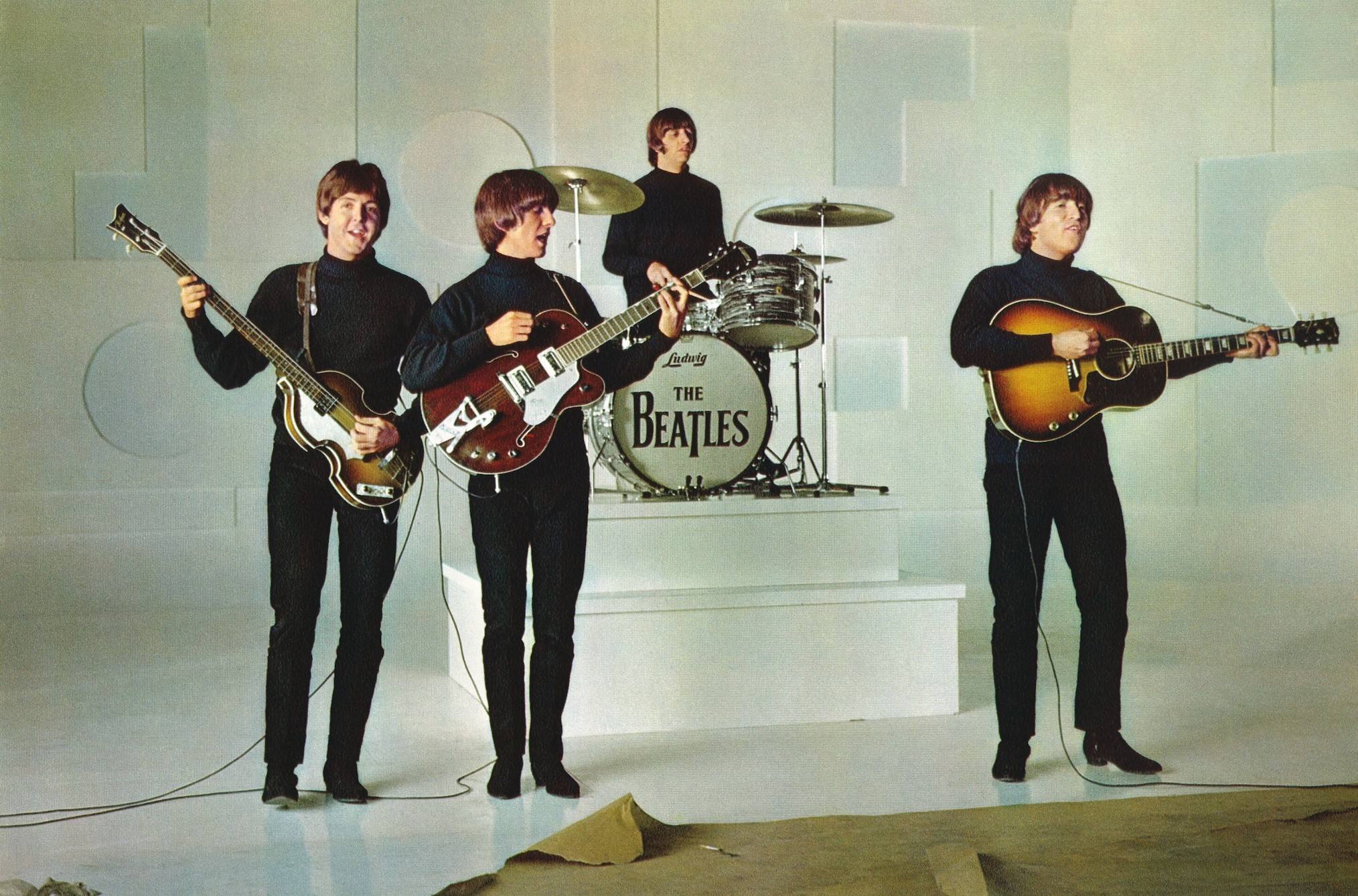
Summary of quotes and statements by The Beatles
The Beatles were one of the most popular rock bands of the 20th century, active from the 1960s to the 1970s, and made their record debut on October 5, 1962. The Beatles were ranked No. 1 on Rolling Stone's list of the 100 Greatest Artists of All Time, and are regarded around the world as one of the most influential rock bands of the 20th century. The band hails from Liverpool, England. Not only their music, but also their ideas and statements have attracted a great deal of attention and have had a great impact on the world.
Read Article
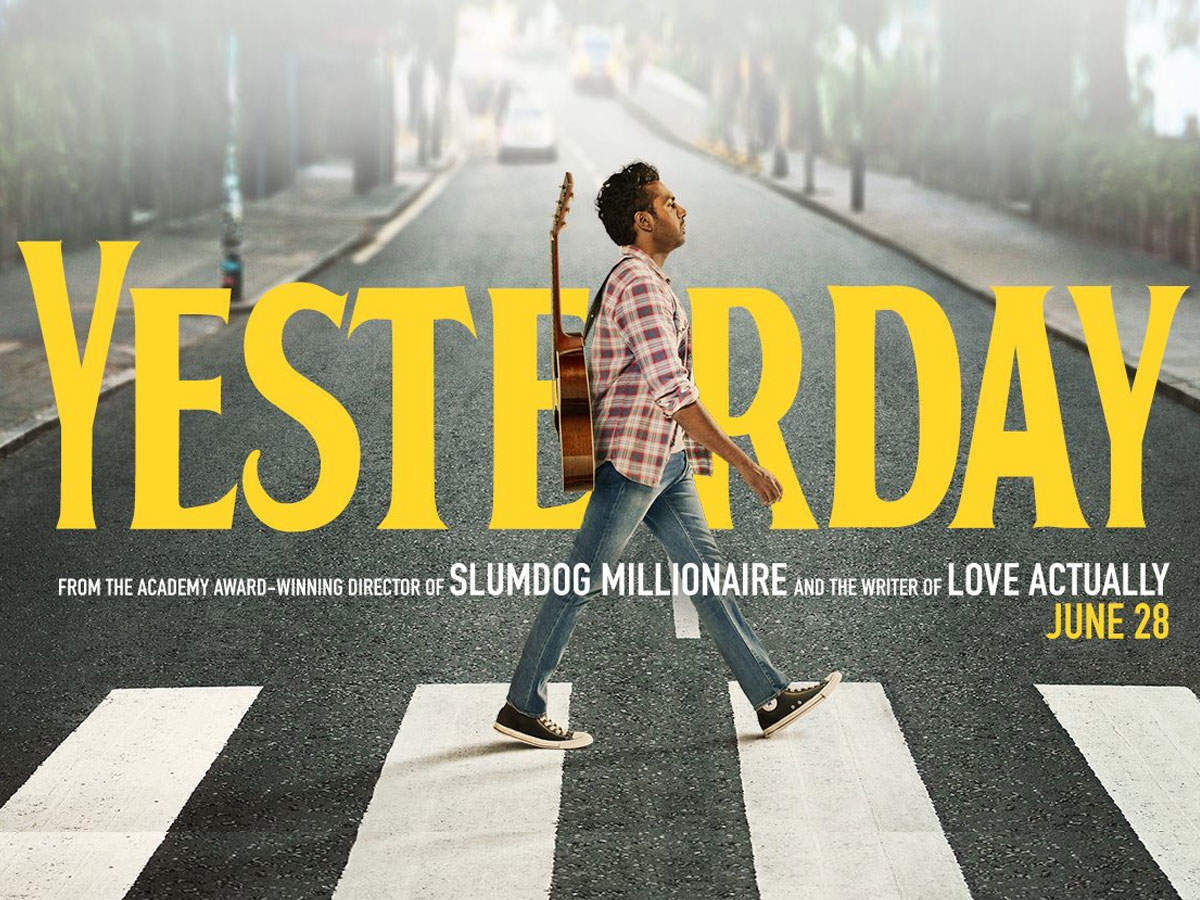
Yesterdays (film) spoiler alerts and discussion summary
Yesterday" is a stylish and heartfelt romantic comedy film produced in England. The main character, Jack, an unsuccessful singer-songwriter, is hit by a bus one day. He recovers from unconsciousness, but when he wakes up in the world, the legendary band "The Beatles" does not exist. For some reason, Jack is the only one who remembers the Beatles. The song "Yesterday," which he performed based on his memories, gradually changes Jack's ordinary life. This is a film that mixes fantastical elements with realism, and allows viewers to enjoy friendship, love, and anguish along with the Beatles' classic songs.
Read Article
Paul McCartney was dead, former member Ringo Starr testifies! A new development in the urban legend?
Former Beatles drummer Ringo Starr stunned the world when he said in an interview with a publication that the "real" Paul McCartney died in a car accident on November 9, 1966. Here is Ringo's statement, urban legends about Paul, and his own reaction.
Read Article
The Sessions, a recreation of the recording sessions of the legendary Beatles band, is coming!
It has been 50 years since the Beatles came to Japan. They were the first foreign artists to perform live at the Nippon Budokan on June 30 and July 1, 1966. On those very same days and at the same place, an event will be held to recreate the Beatles' recording sessions. The title of the event is "The Sessions. It is an attempt to perfectly recreate the Beatles' studio sessions at Abbey Road Studios using a variety of technologies.
Read Article
[John Lennon] Summary of celebrities and entertainers who died between the ages of 40 and 49 [Ken Maeda].
Entertainers and celebrities who have had a great impact on the world. Many of them have left this world at the young age of 40s. Diseases, accidents, suicides, assassinations.... In this article, we have compiled a list of such people. Although the causes vary, it is always painful to lose a person, no matter what time period or country.... We sincerely pray for the repose of their souls.
Read Article
![Paul McCartney] Summary of Hollywood stars and celebrities who are actually suspected of being anti-Japanese [Cameron Diaz](https://renote.net/files/blobs/proxy/eyJfcmFpbHMiOnsiZGF0YSI6NzA3OTE5MiwicHVyIjoiYmxvYl9pZCJ9fQ==--f54ed1968ea175d8f6be5ccbc0aac2b4b47ef326/5b111e621ae6624f008b472a.jpg)
Paul McCartney] Summary of Hollywood stars and celebrities who are actually suspected of being anti-Japanese [Cameron Diaz
The term "Hollywood star" is synonymous with world-famous performers. Of course, they are very well known in Japan, too! Some of them have openly stated that they "love Japan! but there are some who are suspected of being anti-Japanese. I don't know if it is true or not, but if these people are capable of world-class performances, they may be able to distinguish between their real intentions and their pretense in a matter of seconds.
Read Article
All Paul McCartney shows in Japan cancelled! Discussion of the possibility of a return visit to Japan!
Paul McCartney was scheduled to make his long-awaited return to Japan in May 2014, including his first Budokan concert in 48 years, but he became ill with a viral inflammation and canceled all shows shortly before the show. Many fans were disappointed and many wondered what would happen to him in the future. This article summarizes the situation at that time and the possibility of Paul's return to Japan for a replacement show, which he hopes to do.
Read Article
Paul McCartney suffered from "twisted intestines" and underwent emergency surgery in Japan!
Paul McCartney came to Japan for his first tour in six months, but canceled all shows due to poor health. The name of his illness was announced as viral inflammation, but it was later revealed that he had undergone surgery for intestinal sprain in Japan. The following is a summary of the illnesses that the great star suffered from in Japan.
Read Article
Paul McCartney cancels all shows! Explains the reason "viral inflammation"!
Paul McCartney, who was scheduled to return to Japan in May 2014, has become ill due to viral inflammation and has had to cancel all of his performances, including the Budokan concert. What is this "viral inflammation"? We will present a summary of Paul's sudden illness, which has several possibilities.
Read Article
Tags
Contents
- The Beatles Overview
- Members of The Beatles
- John Lennon
- Paul McCartney
- George Harrison
- Ringo Starr
- Former member of The Beatles
- Stuart Sutcliffe
- Pete Best
- People related to The Beatles
- Allan Williams
- Raymond Jones
- Brian Epstein
- George Martin
- A Brief History of The Beatles
- Birth and Death
- Major Events
- 1956-1961
- 1962-1966
- 1967-1970
- Analog release in the U.K.
- single
- 4-track EP
- album
- Analog release in the U.S.
- single
- 4-track EP
- album
- Analog release in Japan
- single
- 4-track EP
- album
- Solo Works
- Related Works
- The Beatles CDs
- The Beatles Discography
- original album
- Please Please Me
- With The Beatles
- A Hard Day's Night
- Beatles For Sale
- Help!
- Rubber Soul
- Revolver
- Sgt. Pepper's Lonely Hearts Club Band
- Magical Mystery Tour
- The Beatles
- Yellow Submarine
- Abbey Road
- Let It Be
- Editorial Albums & Other
- A Collection Of Beatles Oldies
- Hey Jude
- 1962-1966
- 1967-1970
- Rock 'N' Roll Music
- The Beatles At The Hollywood Bowl
- Love Songs
- Rarities (UK release)
- Rarities (U.S. version)
- The Beatles Ballads
- The Beatles Box
- Reel Music
- 20 Greatest Hits
- Past Masters Volume One
- Past Masters Volume Two
- Live At The BBC
- Baby It's You
- Anthology 1
- Free As A Bird
- Anthology 2
- Real Love
- Anthology 3
- Yellow Submarine Songtrack
- 1
- Let It Be... Naked
- love
- Mono Masters
- On Air - Live At The BBC Volume 2
- Live At The Hollywood Bowl
- Sgt. Pepper's Lonely Hearts Club Band (50th Anniversary Edition)
- The Beatles' most popular songs
- Love Me Do
- Please Please Me
- Twist And Shout
- From Me To You
- She Loves You
- All My Loving
- I Want To Hold Your Hand
- Can't Buy Me Love
- You Can't Do That
- A Hard Day's Night
- Long Tall Sally
- Baby's In Black
- Ticket To Ride
- Help!
- Yesterday
- Day Tripper
- We Can Work It Out
- Nowhere Man
- Paperback Writer
- Yellow Submarine
- Eleanor Rigby
- Strawberry Fields Forever
- Penny Lane
- A Day In The Life
- Hello Goodbye
- I Am The Walrus
- Lady Madonna
- Hey Jude
- Revolution
- Hey Bulldog
- Get Back
- Don't Let Me Down
- The Ballad Of John And Yoko
- Something
- Let It Be
- Free As A Bird
- Real Love
- The Beatles' backstory, trivia, small stories/episodes, anecdotes
- Dramatic departure of a member
- Paul's death theory
- The three major crises of 1966
- Mr. Toshitake Kotei
- Imelda Marcos
- Tommy Charles
- A Tribute to The Beatles