
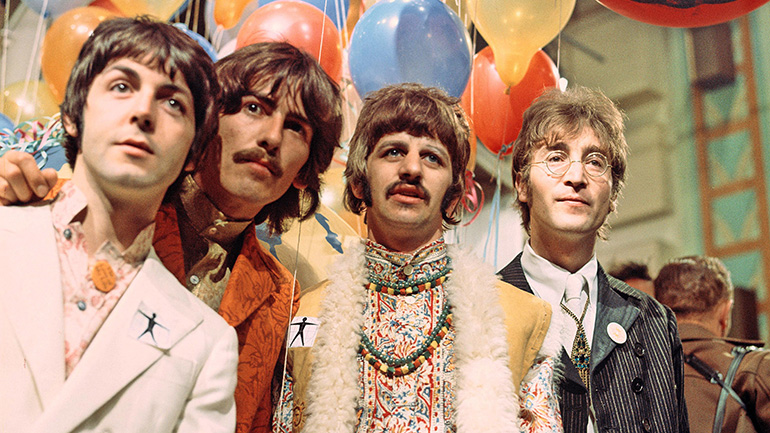
The Beatles are a four-piece rock band representing the 20th century that debuted in the United Kingdom in 1962. Their influence extended not only to their music, but also to their fashion, speech, and thought, creating a social phenomenon. One of the most notable aspects of their music is that their own musical development has directly influenced the musical development of the entire musical world and of their fans, who are their listeners.
This is their 11th album, released on January 17, 1969, only about two months after their previous album, The Beatles. It is the soundtrack to the animated film of the same name, and features only four new songs by The Beatles, while the B-side is dominated by orchestral music by George Martin that was used in the film.
The recording process is as follows.
●1966
May 26.
Recorded the following songs
Yellow Submarine
June 1
Recorded the following
Yellow Submarine
June 2
Mono mixing of
Yellow Submarine
June 3
Mono mixing of
Yellow Submarine
June 22
Stereo mixing of
Yellow Submarine
August 5
Single "Yellow Submarine/Eleanor Rigby" released
1967
February 13
The following are recorded
Not Known (later "Only A Northern Song")
February 14
Recorded the following
Only A Northern Song
Mono mixing of
Only A Northern Song
April 19
Mono mixing of the following
Only A Northern Song
April 20
Recorded the following
Only A Northern Song
April 21
Mono mixing of the following
Only A Northern Song
May 12
Recorded the following
All Together Now
Mono mixing of the following
All Together Now
May 25
Recorded the following
Too Much (later "It's All Too Much")
May 31
The following was recorded
Too Much (later "It's All Too Much")
June 2
The following is recorded
It's All Too Much
June 14
Recorded the following
All You Need Is Love
Mono mixing of
All You Need Is Love
June 19
Recorded the following
All You Need Is Love
June 21
Mono mixing of the following
All You Need Is Love
June 23
Recorded the following
All You Need Is Love
June 24
Recorded the following
All You Need Is Love
June 25
Recorded the following
All You Need Is Love
June 26
Mono mixing of the following
All You Need Is Love
July 7
Single "All You Need Is Love/Baby, You're A Rich Man" released
October 12
The following mono mixing is done.
It's All Too Much
November 1
Mono mixing of the following
All You Need Is Love
Work for the soundtrack of the animated film "Yellow Submarine". However, it was not recorded.
1968
February 11
The following songs were recorded.
Hey Bulldog
Mono mixing of
Hey Bulldog
October 16-17
The Beatles work 24 hours straight for the first and last time.
Mono mixing of the following songs
It's All Too Much
Stereo mixing of
It's All Too Much
October 29
Stereo mixing of the following four songs
Hey Bulldog
All Together Now
All You Need Is Love
Only A Northern Song
1969
January 17
Album "Yellow Submarine" is released.
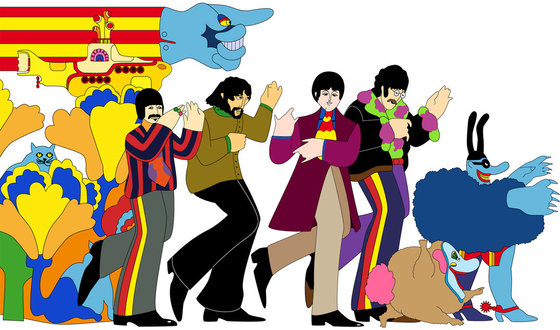
The jacket is designed with a scene from the animated film "Yellow Submarine".
Both the U.S. and Japanese versions had the same jacket and the same songs as the original U.K. release. However, both the U.S. and Japanese versions were in stereo instead of mono. In the U.S., there was no mono version of the analog album, and it was first released on CD in 1987.
The first mono version of the analog album in Japan was a limited reissue in the original mono series on January 21, 1982.
Yellow Submarine" was the last mono album to be released in the UK.
As far as the mono version of this album is concerned, it is a "pseudo-mono" version of the stereo mix. Therefore, this album was not included in the CD "The Beatles In Mono" released in 2009. However, four new songs from this album were properly mixed in mono and included in the bonus CD "Mono Masters" of "The Beatles In Mono".
It first appeared in the UK Melody Maker magazine charts at #14 on February 1, 1969; its highest position was #4 from February 25 to March 8, 1969. It became the only original British album to fail to reach No. 1.
On the U.S. Billboard chart, it first appeared at No. 86 on February 8, 1969; its highest position was No. 2 on March 1.
Before his death, manager Brian Epstein had signed a contract with an American company called King Features Syndicate to produce an animated film about The Beatles. Although this was actually Brian's decision without the permission of the members of The Beatles, the contract remained after Brian's death, and the film was produced. The Beatles themselves were not at all enthusiastic about the project, and they offered two existing songs and four songs that had not yet been released.
Martin said, "Whenever the Beatles had a bad song, they would joke that it was good enough to be included in Yellow Submarine.
However, the completed film was so much better than expected that the four members of The Beatles were hastily included in the final scene of the film, and an orchestral score by Martin was included on the B-side of the film, which was also released as a soundtrack album.
Since there were only four new songs by The Beatles (a volume that could have been included on a four-song EP) and the B-side was Martin's orchestral score used in the film, this album is one of the least popular of The Beatles' original albums.
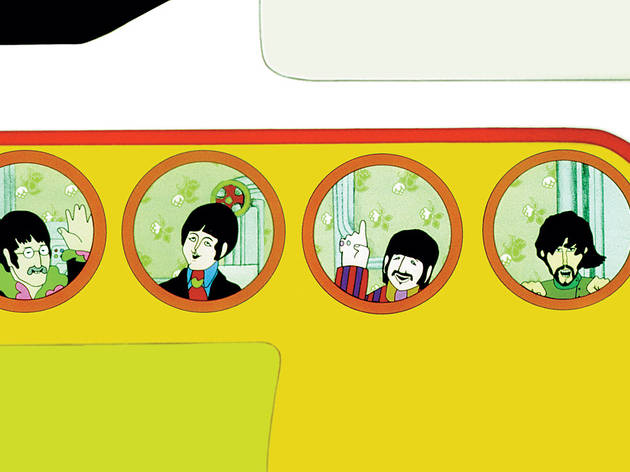
Outline of the tracks
Yellow Submarine
This song was written mainly by Paul, with John's help. Ringo sings lead vocals.
Paul: "I wrote this in bed one night. It's a story I tell my kids. I knew the song had been called out for its connection to drugs, but it's really a children's song. But it's really a kid's song. But it's really a kid's song, and I thought it would be nice if a kid sang it. I just thought, 'It would be great to run into kids singing this song someday. So it's very easy to sing, and there are no long, difficult lyrics. I think kids will understand it more easily than adults."
John: "Paul wrote that memorable chorus part. I helped him with the bum bum bum bum bum bum bum bum bum bum bum bum bum bum bum bum bum bum bum bum bum bum bum bum bum bum bum bum. Donovan (an English singer/songwriter) helped with the lyrics, and I helped a little bit. It's actually kind of like we were in the studio making sounds, but it's basically Paul's idea and conception. And the title."
Ringo: "It's a song for kids, there's no hidden meaning. Some people interpret it as a song about a battle and how the people of the world will end up living in a Yellow Submarine, but it's not like that.
Martin: "We were always trying to do something different. It's always been a fun process, and it's made life a little more interesting. The best example of that is the Yellow Submarine. You can hear the sound of the water bubbling in the tank, the chain rattling, all kinds of sounds. We actually made those sounds in the studio. John plugged a small hand mic into his vox amp so he could talk into it. So lines like 'Full Stream ahead' were recorded live while the main vocalist was singing. People would giggle."
Engineer Jeff Elemec: "When we were recording backing vocals for Yellow Submarine, for example, we always used an echo chamber. EMI had echo plates at the time, but we never used them."
Mono and stereo intros and interludes are different.
In the mono intro, the acoustic guitar stroke comes from the "In" in "In the town," but in stereo it comes from the "town" (one tempo slower).
The length of the wave sound in the interlude is slightly different.
John's recapitulation of the 4th verse starts with "Life of ease" in mono, but "every one of us" in stereo.
Recording Details
1966
May 26.
Takes 1-4 were recorded. Tape reduction of take 4 was used to create take 5. Ringo's vocals and backing vocals by John, Paul, and George are overdubbed into the fifth take.
June 1
Sound effects were overdubbed onto the fifth take.
June 2
Mono mixing is performed based on take 5.
This mixing is a rough remix and is not used as the master.
June 3
Mono mixing was performed based on the 5th take.
June 22
Stereo mixing was done based on the 5th take.
Only A Northern Song
This song was written by George, and the lead vocalist is also George.
George said, "This song is a joke about Liverpool, the holy city in the north of England. And the song is copyrighted by Northern Songs Limited, which means it's not mine.
Northern Songs" refers to Northern Songs, a company founded on February 22, 1963 by Brian Epstein and Dick James, the president of a music publishing company, to manage the Beatles' music (the Beatles' copyrights were later owned by Michael Jackson). (The Beatles' copyrights were later owned by Michael Jackson, and the company became involved in some mess.) John and Paul were also shareholders in the company, but George and Ringo were only contractors as songwriters, and George's share was much smaller than John and Paul. This song was written with such anger and irony in mind.
It is said that Paul played the trumpet (I could not find an official description).
It was originally recorded during the "Sgt. Pepper's~" sessions, but was not included on "Sgt. Pepper's~". Also, there is no authorized stereo version of this song (see "*Recording Details" below).
*Recording Details
1967
February 13.
Takes 1 through 9 are recorded.
February 14
Tape reduction of take 3 was made for takes 10-12. George's vocals are overdubbed onto take 12.
Mono mixing is done based on the 12th take.
This mono mixing was not used.
April 19
Mono mixing is done based on the 12th take.
*This mono mixing was done for the creation of an acetate disc. The acetate is a test disc made for the members and staff.
April 20
Bass, trumpet, and glockenspiel are dubbed in the third take. These were all re-recorded and over-dubbed over the sounds that had been recorded on the same track. Vocals were overdubbed on take 11.
April 21
Mono mixing was done based on take 3 and 11.
1968
October 29
Stereo mixing is done based on the mono mixing. This is presumably because the mono mixing was a complicated process that involved synchronizing the third and eleventh takes. Therefore, there is no official stereo version of "Only A Northern Song".
A mono version of the "Yellow Submarine" album was released only in the UK, but it contains a pseudo-mono version based on the stereo version. The authentic mono version of "Only A Northern Song" will be included in the bonus CD "Mono Masters" of the CD "The Beatles In Mono" released in 2009.
All Together Now
This is Paul's work and the lead vocalist is also Paul.
Paul: "It's a simple song with maybe two chords."
John: "The crowd used to sing 'All Together Now' at the soccer field, and that was fun.
Recording Details
1967
May 12, 1967
Takes 1 through 9 recorded. The ninth take is overdubbed with acoustic guitar, harmonica, drums, triangle, bass, horns, hand claps, Paul's vocals, and background vocals by people present.
Mono mixing was done based on the 9th take.
1968
October 29.
Stereo mixing was done based on the 9th take.
The mono version of the "Yellow Submarine" album was released only in the UK, but it contains a pseudo-mono version based on the stereo version. The official mono version of "All Together Now" will be included on the bonus CD "Mono Masters" on the CD "The Beatles In Mono" released in 2009.
Hey Bulldog
This is a work by John, who also sings lead vocals.
When they were tied up in the studio during the filming of the promotional film for the single "Lady Madonna," Paul suggested that they spend some time in the studio recording a new song. He then asked John to write something for him, and John brought along some lyrics he had left at home. The Beatles completed the lyrics in the studio, John explained the synopsis of the song, and the band began to play. The backing track was completed during the filming of the promotional film (thus, the performance of "Hey bulldog" is shown in the promotional film for "Lady Madonna", not "Lady Madonna"). The original title was "Hey Bullfrog," but the title was changed to "Hey Bulldog" after Paul barked "Woof, woof" at the end of the song, imitating a bulldog, in an attempt to make John laugh.
It was the first time Yoko stopped by The Beatles' recording session, and John said, "It was awkward to be recording such a light, silly song.
John: "It sounds great, but it's just a meaningless record."
Paul: "We banged on tables and packing boxes. That's why people say we didn't do the same thing.
Engineer Jeff Emerick: "This is the last song the four of us worked together on and recorded as best we could."
This song was cut from the film when it was released theatrically. It was originally supposed to be played during the scene where the blue-colored canine with four heads appears, but the entire scene was cut because the canine was grotesque; the scene was restored on the 1998 DVD release.
Recording Details
1968
February 11, 1968
Takes 1-10 were recorded.
Mono mixing is done based on the 10th take.
October 29
Stereo mixing is done based on the 10th take.
The mono version of the "Yellow Submarine" album was released only in the UK, but a pseudo-mono version based on the stereo version was recorded there. The official mono version of "Hey Bulldog" will be included in the bonus CD "Mono Masters" on the CD "The Beatles In Mono" released in 2009.
It's All Too Much
This is George's work and lead vocals are also by George.
George: "This song was written in a childlike state of purity, based on perceptions that emerged during and after my LSD experience and later innovated through meditation."
The lyric "With your long blond hair and your eyes of blue" in the last verse of the song is taken from "Sorrow" by The Merseys (the melody is also very similar). The trumpet solo that appears in the song is taken from "Trumpet Voluntary - The Prince of Denmark's March" by Jeremiah Clarke.
Sorrow/The Merseys
Trumpet Voluntary - The Prince of Denmark's March/Jeremiah Clarke
Recording Details
1967
May 25.
First through fourth takes were recorded.
May 31
Tape reduction of take 4 to create takes 1 and 2 (the reason for the backwards take numbering is unknown). George's vocals, John and Paul's backing vocals, percussion, and hand claps are overdubbed onto the second take.
June 2.
Overdubs of trumpet and bass clarinet on the second take.
October 12
Mono mixing is performed based on the second take.
1968
October 16-17
Tape copy of Take 2 is made, and Take 196 is created (the reason for the large increase in take numbers is unknown).
Mono and stereo mixing is performed based on the 196th take.
A mono version of the "Yellow Submarine" album was released only in the UK, but it contains a pseudo-mono version based on the stereo version. The official mono version of "It's All Too Much" will be included on the bonus CD "Mono Masters" on the CD "The Beatles In Mono" released in 2009.
All You Need Is Love
This is a work by John, who also sang lead vocals.
The song was written to be broadcast on "Our World," a TV program simultaneously broadcast to 31 countries around the world on June 25, 1967, as the world's first attempt to use a space communications satellite. It was the 58th take that was used for the TV broadcast.
Our World" was a six-hour television program that was viewed by approximately 400 million people in 24 countries around the world, and The Beatles appeared as representatives of the United Kingdom.
Martin: "The song was never to be known. The concept was that viewers would see the recording of a new Beatles single on television with their own eyes. It was impossible to really do that, given the nature of modern recording. So we started with the basic rhythm track, which presented a bit of a problem. George wanted to play the violin, which he couldn't do, and he wouldn't let go of it. I wrote the score for this piece, which was rather perfunctory because I was given very little time to do it. ...... I cut together the French State, Bach's two-part Inventions, Greensleeves, and sprinkled in a bit of In The Mood. I cut together the French State, Bach two-part Inventions, Greensleeves, and sprinkled a little In the Mood. And then I put it all together in one song, but I changed the tempo a little bit so that they sounded like they could stand on their own."
Paul: "George Martin is always involved in our songs, but some songs are more involved than others. For example, he wrote the last part of 'All You Need Is Love,' but because In the Mood was copyrighted, we got into a bit of trouble. We wanted to give it a random feel, so we came up with all kinds of common melodies. But it was a hectic session, so I didn't give any specific suggestions, just said, 'I want the last part to go on and on and on and on. The arrangement he wrote was more disjointed than I had expected. Then, when it came time to put it together, we asked ourselves, "Can't we put Greensleeves on top of that Bach? And we said, 'Can we put In the Mood on top of that Bach? Martin is a wise man. Sometimes he agrees with us, sometimes he disagrees with us, but he always guides us well. But it's not as big a contribution as people think. There were times when he had the whole arrangement in mind, but we would change it so easily.
George: "John had an amazing sense of rhythm, always coming up with very unusual rhythms. For example, 'All You Need Is Love. In that song, the beat is all over the place and the tempo changes one after another. But when I asked him what he was actually doing, he couldn't answer anything. He just does it very naturally.
Paul: "The whole world could see the recording of this song at the same time. So we wrote a message to the world, a love theme. The world needs more, and that is love.
Brian Epstein: "It's a wonderful, beautiful, thrilling record. There's no room for misunderstanding. It makes it clear that love is everything."
Backing vocals for the televised recording session included such luminaries as
Mick Jagger, Keith Richards, Gary Rees, Marianne Faithfull, Jane Asher, Patti Harrison, Keith Moon, Graham Nash, Mike McCartney, Hunter Davis, etc.
*Recording details
1967
June 14.
Takes 1-33 were recorded. The 10th take was tape reduced as the best.
June 19
Overdubs lead and background vocals, drums, piano, and banjo on take 10.
June 21
A mono mixing was made based on the 10th take.
This mono mixing was done for the creation of the acetate. The acetate is a test disc made for the members and staff.
June 23
Tape reduction of Take 10. Takes 34-43 are recorded for overdubs to Take 10. The orchestra is overdubbed.
June 24
Recorded takes 44-47 for overdubs to take 10. Additional rhythm tracks were overdubbed.
June 25
Takes 48-58 are recorded. Takes 48-58 are used for "Our World," the world's first television program to be broadcast simultaneously to 31 countries via space communications satellite. The first three takes were recorded as rehearsal takes for the BBC, with Ringo's drum roll and some of John's vocals re-recorded overdubbed onto Take 58.
June 26
Mono mixing is performed based on Take 58.
November 1
Mono mixing is performed based on Take 58.
Used for the soundtrack of the animated film "Yellow Submarine.
1968
October 29
Stereo mixing was done based on the 58th take.
The stereo version on the album "Magical Mystery Tour" was a pseudo-stereo version based on the mono version.
Abbey Road
Side A
1. Come Together
Something
Maxwell's Silver Hammer
Oh! Darling
Octopus's Garden
I Want You (She's So Heavy)
Side B
1. Here Comes The Sun
2. Because
You Never Give Me Your Money
Sun King
Mean Mr Mustard
Polythene Pam
She Came In Through The Bathroom Window
Golden Slumbers
9. Carry That Weight
10. The End
11. Her Majesty
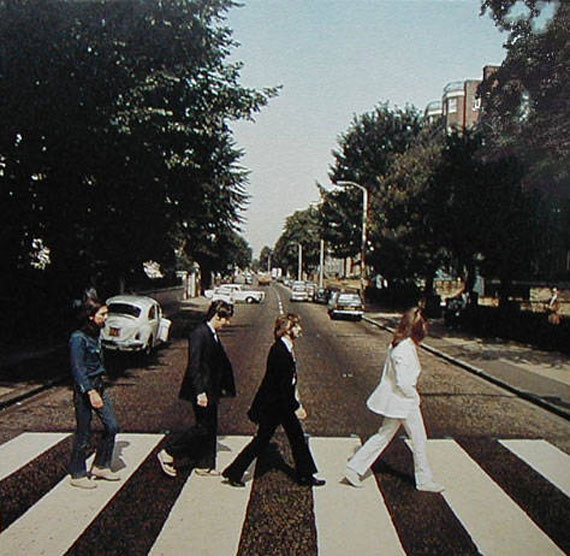
This is the 12th album, released on September 26, 1969.
Since this album was recorded after their next album, "Let It Be," it is considered to be their last album in effect.
It was released after the singles "Get Back" and "The Ballad Of John And Yoko", neither of which was included.
On October 31, "Something/Come Togetehr" (a double A-side single) was released from this album, but this was the first single cut after the album's release.
The recording process is as follows.
The recording for the next album, "Let It Be," is also included in this list, as it is listed in chronological order.
The sessions at Twickenham Film Studios from January 2 to January 16, 1969, will be omitted, and the list will begin with the recording at Apple Studios, which officially started on January 22.
1969
January 22.
The following seven songs were recorded.
Going Up The Country
All I Want Is You (later "Dig A Pony")
I've Got A Feeling
Don't Let Me Down
Rocker
Save The Last Dance For Me
Bathroom Window (later "She Came In Through The Bathroom Window")
*"Going Up The Country" is a cover of the American blues-rock band Canned Heat.
Rocker" is a short instrumental.
Save The Last Dance For Me" is a cover by an American chorus group "The Drifters". The Japanese title is "Save The Last Dance For Me.
January 23
The following two songs are recorded
Get Back
Blues
Blues" is a one-minute jam session.
January 24
The following 6 songs were recorded.
On Our Way Home (later released on "Two Of Us")
Teddy Boy (later recorded on Paul's solo album "McCartney")
Maggie Mae
Dig It
Dig A Pony
I've Got A Feeling
January 25
Recorded the following 5 songs
Untitled Jamming
On Our Way Home (later to become Two Of Us)
Bye Bye Love
George's Blues (Because You're Sweet And Lovely) (later "For You Blue")
Let It Be
Untitled Jamming" is a short instrumental.
Bye Bye Love" is a cover of the American duo "The Everly Brothers".
January 26
The following 11 songs were recorded.
Dig It
Shake, Rattle And Roll
Kansas City
Miss Ann
Lawdy Miss Clawdy
Blue Suede Shoes
You Really Got A Hold On Me
Tracks Of My Tears
Let It Be
George's Demo (later "Isn't It A Pity", included on George's solo album "All Things Must Pass")
The Long And Winding Road
Shake, Rattle And Roll" is a cover of American bluesman "Big Joe Turner".
Miss Ann" is a cover of American rocker "Little Richard".
Lawdy Miss Clawdy" is a cover by American bluesman Lloyd Price.
Blue Suede Shoes" is a cover of American rockabilly singer Carl Perkins.
*"Tracks Of My Tears" is a cover by American soul group "Smokey Robinson & The Miracles".
January 27
The following five songs were recorded
Untitled Jamming
Get Back
Oh! Darling
I've Got A Feeling
The Walk
Untitled Jamming" is an 11-minute instrumental.
The Walk" is a cover of American R&B singer "Jimmy McCracklin.
January 28
The following 9 songs are recorded.
Dig A Pony
Get Back
Love Me Do
Don't Let Me Down
The One After 909 (later to become One After 909)
I've Got A Feeling
Billy's Song (1)
Billy's Song (2)
Teddy Boy (later recorded on Paul's solo album "McCartney")
Billy's Song (1) and (2) are untitled demos featuring keyboardist Billy Preston, who participated in the recording sessions.
January 29.
The following six songs are recorded.
I Want You (later "I Want You (She's So Heavy)")
The One After 909 (later "One After 909")
Not Fade Away
Mailman Bring Me No More Blues
Teddy Boy (later recorded on Paul's solo album "McCartney")
Besame Mucho
Not Fade Away" was covered by American rocker Buddy Holly.
Mailman Bring Me No More Blues" is a cover of American rocker Buddy Holly.
Besame Mucho" is a cover of "Consuelo Velázquez," a Mexican female composer, which the Beatles had in their repertoire before their debut.
January 30.
The Beatles record the following six songs
Get Back
Don't Let Me Down
I've Got A Feeling
The One After 909 (later to become "One After 909")
Dig A Pony
God Save The Queen
God Save The Queen" is the national anthem of the United Kingdom.
The so-called "Rooftop Concert" was held on the rooftop of the Apple Building on the same day as the recording.
January 31
The following four songs are recorded.
The Long And Winding Road
Lady Madonna
Let It Be
On Our Way Home (later "Two Of Us")
February 5
Stereo mixing of the following five songs recorded at the Rooftop Concert on January 30.
I've Got A Feeling
Don't Let Me Down
Get Back
The One After 909 (later to be called "One After 909")
Dig A Pony
February 22
Recorded the following songs
I Want You (later "I Want You (She's So Heavy)")
February 23
Recorded the following
I Want You (later "I Want You (She's So Heavy)")
February 25
Recorded the following three songs
Old Brown Shoe
All Things Must Pass (later included on George's solo album "All Things Must Pass")
Something
March 26
Mono mixing of the following songs.
Get Back
April 3
Production work on the album "Get Back" by engineer Glyn Johns.
April 4
Mono mixing of the following two songs
Get Back
Don't Let Me Down
Stereo mixing of the following two songs
Get Back
Don't Let Me Down
Production work on the "Get Back" album by engineer Glyn Johns.
April 7
Mono mixing of the following two songs
Get Back
Don't Let Me Down
Stereo mixing of the following two songs
Get Back
Don't Let Me Down
Production work on the "Get Back" album by engineer Glyn Johns.
April 11
Single "Get Back/Don't Let Me Down" is released.
April 14
The following recordings are made
The Ballad Of John And Yoko (They're Gonna Crucify Me) (later "The Ballad Of John And Yoko")
Stereo mixing of the following
The Ballad Of John And Yoko (They're Gonna Crucify Me) (Later "The Ballad Of John And Yoko")
April 16
Recorded the following two songs
Old Brown Shoe
Something
Stereo mixing of the following two songs
Old Brown Shoe
April 18
Recorded the following two songs
Old Brown Shoe
I Want You (later "I Want You (She's So Heavy)")
Stereo mixing of the following two songs
Old Brown Shoe
I Want You (later "I Want You (She's So Heavy)")
April 20
Recorded the following two songs
I Want You (later "I Want You (She's So Heavy)")
Darling (I'll Never Do You No Harm) (later "Oh! Darling")
April 25
Mono mixing of the following songs
On Our Way Home (later "Two Of Us")
April 26
Recorded the following two songs
Darling (I'll Never Do You No Harm) (later "Oh! Darling")
Octopus's Garden
April 29
The following songs are recorded
Octopus's Garden
Stereo mixing of
Octopus's Garden
April 30
Recorded the following two songs
Let It Be
You Know My Name (Look Up The Number)
Mono mixing of the following songs
You Know My Name (Look Up The Number)
May 1
Stereo mixing of the following
Oh! Darling
May 2
Record the following
Something
engineer Glyn Johns for the "Get Back" album.
May 5
Recorded the following
Something
May 6
Recorded the following
You Never Give Me Your Money
Mono mixing of the following
Something
May 7
Production work on the album "Get Back" by engineer Glyn Johns.
May 9
Production work on the album "Get Back" by engineer Glyn Johns.
May 15
Production work on the album "Get Back" by engineer Glyn Johns.
May 28
Stereo mixing of the following tracks
Let It Be
Production work on the album "Get Back" by engineer Glyn Johns.
May 30
Single "The Ballad Of John And Yoko/Old Brown Shoe" is released.
July 1
The following recordings are made
You Never Give Me Your Money
July 2
Recorded the following two songs
Her Majesty
Golden Slumbers (later to be called "Golden Slumbers/Carry That Weight")
July 3
The following songs were recorded
Golden Slumbers (later "Golden Slumbers/Carry That Weight")
July 4
Recorded the following
Golden Slumbers (later "Golden Slumbers/Carry That Weight")
July 7
Recorded the following
Here Comes The Sun
July 8
Recorded the following
Here Comes The Sun
Mono mixing of the following
Here Comes The Sun
July 9
Recorded the following
Maxwell's Silver Hammer
July 10
Recorded the following
Maxwell's Silver Hammer
Stereo mixing of the following
Maxwell's Silver Hammer
July 11
Recorded the following three songs
Maxwell's Silver Hammer
Something
You Never Give Me Your Money
Stereo mixing of the following songs
Something
July 15
Recorded the following
You Never Give Me Your Money
Stereo mixing of the following
You Never Give Me Your Money
July 16
Recorded the following two songs
Here Comes The Sun
Something
July 17
Recorded the following two songs
Oh! Darling
Octopus's Garden
July 18
The following two songs were recorded
Oh! Darling
Octopus's Garden
Mono mixing of the following songs
Octopus's Garden
Stereo mixing of
Octopus's Garden
July 21
Record the following
Come Together
July 22
Recorded the following two songs
Oh! Darling
Come Together
July 23
Recorded the following three songs
Oh! Darling
Come Together
Ending (later "The End")
July 24
The following three songs are recorded.
Come And Get It
Here Comes The Sun-King (later "Sun King" and "Mean Mr. Mustard")
Come And Get It" is a song for Apple's band "Badfinger," and a demo for "Badfinger" is recorded here.
July 25
The following five songs are recorded.
Here Comes The Sun-King (later to become "Sun King" and "Mean Mr. Mustard")
Come Together
Polythene Pam
She Came In Through The Bathroom Window
July 28
Recorded the following two songs
Polythene Pam
She Came In Through The Bathroom Window
July 29
Recorded the following 3 songs
Come Together
Sun King
Mean Mr. Mustard
July 30
Recorded the following 6 songs
Come Together
Polythene Pam
She Came In Through The Bathroom Window
You Never Give Me Your Money
Golden Slumbers
Carry That Weight
Stereo mixing of the following 9 songs.
You Never Give Me Your Money
Sun King
Mean Mr. Mustard
Her Majesty
Polythene Pam
She Came In Through The Bathroom Window
Golden Slumbers
Carry That Weight
Ending (later "The End")
The following 9 songs were edited (cross-faded, etc.) into a medley format.
You Never Give Me Your Money
Sun King
Mean Mr. Mustard
Her Majesty
Polythene Pam
She Came In Through The Bathroom Window
Golden Slumbers
Carry That Weight
Ending (later "The End")
At this point, Paul ordered that "Her Majesty" be cut because he did not like it. Second engineer John Kurlander cut "Her Majesty" from the medley as ordered, but since there was a rule that "anything related to The Beatles must not be thrown away," he left a space of about 20 seconds behind the edited tape and attached it. This was the reason why "Her Majesty" later became a kind of "secret track".
July 31.
The following three songs are recorded.
You Never Give Me Your Money
Golden Slumbers
Carry That Weight
August 1
Recorded the following
Because
August 4
Recorded the following
Because
Stereo mixing of the following two songs
Something
Here Comes The Sun
August 5
Recorded the following three songs
You Never Give Me Your Money
Because
Ending (later "The End")
August 6
Recorded the following two songs
Here Comes The Sun
Maxwell's Silver Hammer
Stereo mixing of the following songs
Maxwell's Silver Hammer
August 7
Stereo mixing of the following
Come Together
Recorded the following
Ending (later "The End")
August 8
Recorded the following three songs
Ending (later "The End")
I Want You (later "I Want You (She's So Heavy)")
Oh! Darling
August 11
The following two songs are recorded.
I Want You (She's So Heavy)
Oh! Darling
August 12
Stereo mixing of the following three songs
Oh! Darling
Because
Maxwell's Silver Hammer
August 13
Stereo mixing of the following.
You Never Give Me Your Money
August 14
Stereo mixing of the following 6 songs
Sun King
Mean Mr. Mustard
Maxwell's Silver Hammer
Polythene Pam
She Came In Through The Bathroom Window
You Never Give Me Your Money
August 15
The following five songs were recorded.
Golden Slumbers
Carry That Weight
Ending (later "The End")
Something
Here Comes The Sun
August 18
Stereo mixing of the following two songs.
Golden Slumbers
Carry That Weight
Recording of the following songs
Ending (later "The End")
Stereo mixing of the following
Ending (later The End)
August 19
Stereo mixing of the following four tracks
Ending (later "The End")
Golden Slumbers
Carry That Weight
Something
Recording of the following
Here Comes The Sun
Stereo mixing of the following
Here Comes The Sun
August 20
Stereo mixing of the following
I Want You (She's So Heavy)
August 21
Stereo mixing of the following four songs
You Never Give Me Your Money
Sun King
Mean Mr. Mustard
Ending (later "The End")
August 25
The following recordings are made
Maxwell's Silver Hammer
September 11
Stereo mixing of
What's The New Mary Jane
What's The New Mary Jane" was unreleased but later included in "Anthology 3".
September 26
The album "Abbey Road" is released.
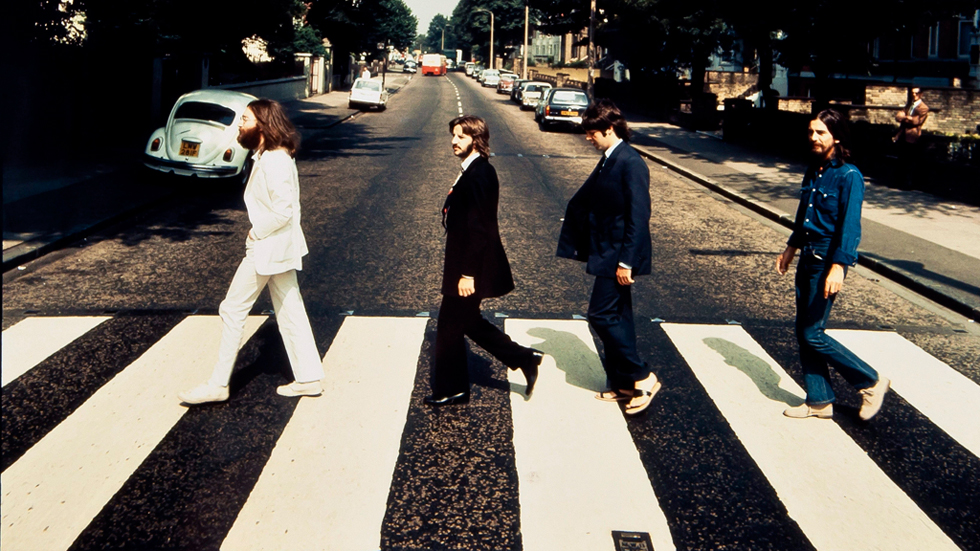
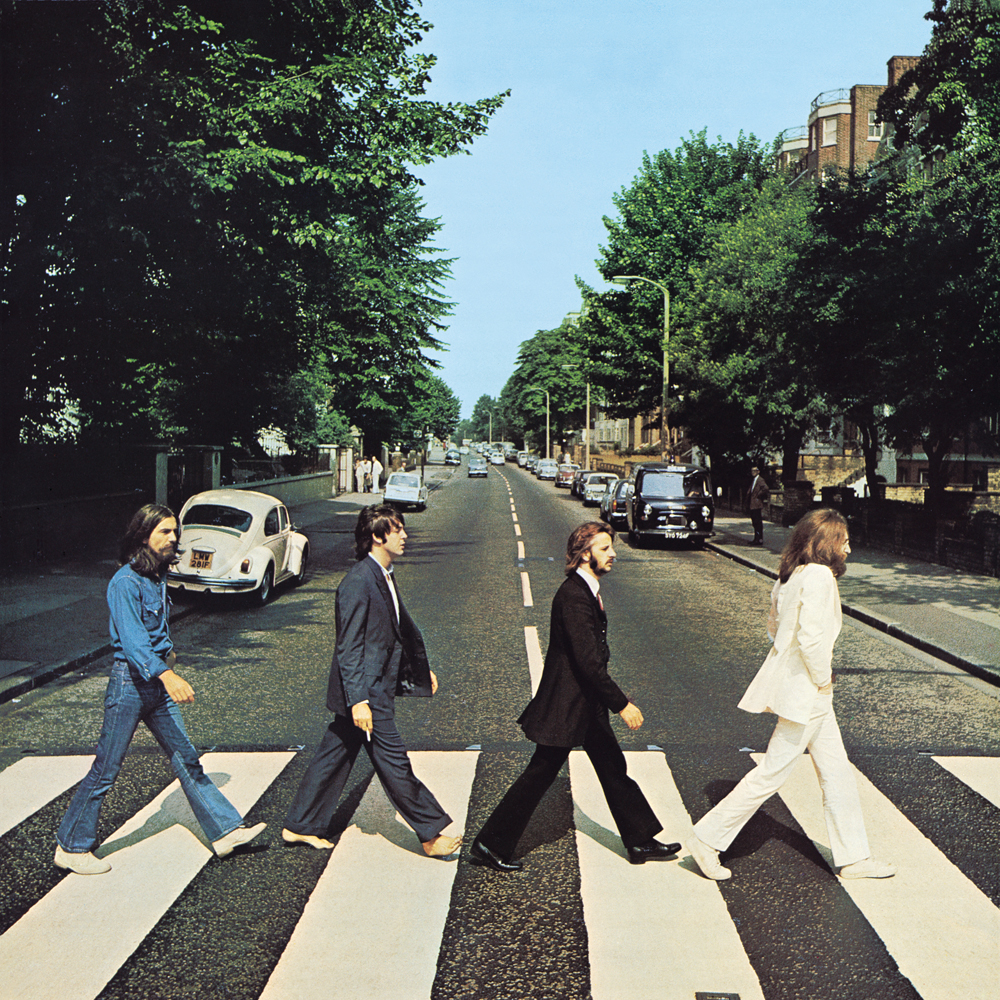
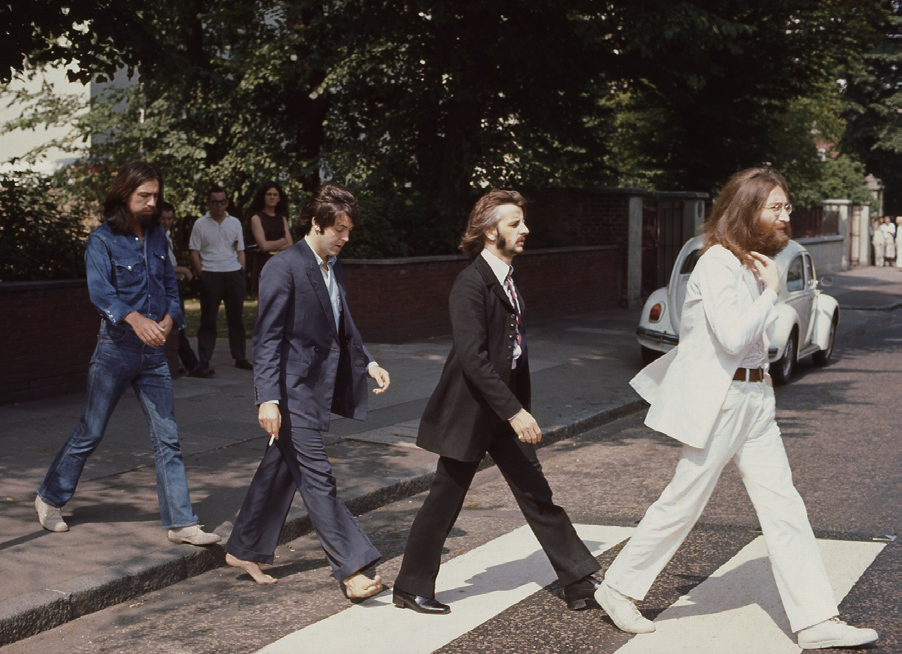
The cover was taken by Ian McMillan, a Scottish photographer who knew John and Yoko. The photo session took place on August 8, 1969, in the crosswalk in front of EMI Studios. Incidentally, the name of this EMI studio was changed to "Abbey Road Studios" after the release of this album "Abbey Road". Three round trips were made along the pedestrian crossing, and a total of six photos were taken. The time required was approximately 10 minutes. This makes for one of the most famous album covers in the history of rock music.
Jeff Emerick, who had taken off during the recording of the album "The Beatles," was called back. There was a proposal to name the album "Everest" after the brand of cigarettes "Everest" that Jeff used to smoke. There was also a plan to shoot the album cover at the foot of Everest. However, Paul said, "It's too much trouble to go to the Himalayas to take the album jacket photo. We could just go out and shoot around there and use the name of a street (Abbey Road) for the title of the album. This idea was accepted, and the current "Abbey Road" album title and album cover were completed.
The photo taken just before this photo session was used for the cover of the Japanese single "Oh Darling/Hear Comes the Sun".
Photographer Ian McMillan continued to work on the album cover for John's Plastic One Band - Live Peace In Toronto after shooting the "Abbey Road" cover. Ian also worked on the analog label for John and Yoko's album "Sometime in New York City", which features a photo of John's face changing into Yoko's face.
Both the U.S. and Japanese versions of the album had the same jacket and the same songs as the original U.K. release. Also, since the mono version of this album was not released in the UK, this was the first time an album with the same specifications was released in the UK, the US, and Japan.
Although the monaural version of this album does not exist as an analog album, there used to be an "open reel version" recorded on an open reel tape, and this open reel version has a pseudo-monaural version (a monaural version of the stereo version).
The open-reel version of "A Hard Day's Night" differs from the analog version in that the ending of the title track "A Hard Day's Night" is a much longer version than the analog version.
In the charts of Melody Maker magazine in the U.K., it reached No. 1 for the first time on October 4, 1969. It then reigned at #1 for 20 weeks until the following February 14, 1970.
On the U.S. Billboard magazine chart, it first appeared at #178 on October 18, 1969. It dropped to No. 2 on December 27, but returned to No. 1 the following week on January 3, 1970, and again the following week on January 10, and again on January 17, but returned to No. 1 the following week on January 24, and remained at No. 1 for a total of 11 weeks. It remained at No. 1 for a total of 11 weeks.
It was recorded after the next album, "Let It Be," and was effectively the last album to be released. John had already begun working under the name Plastic Ono Band, and George had also released two solo albums, "Wonderwall" and "Electronic Sound. Martin, who had been removed as producer for the "Get Back" album (later released as "Let It Be"), which was supposed to be released before "Abbey Road," said, "After the disastrous experience of 'Let It Be,' I never thought they would get together again. I was surprised when Paul called me. I was surprised when Paul called me. We want to make another record. We want you to produce us. I said, 'Sure, if you'll let me produce it for real. If you try to tell me what to do and annoy me again, I'll say no.' And I said, 'Well, I'm not going to do that. It turned out very well. They tended to mind their own business and were in different studios, so I had to jump from one place to another.
By the time we made 'Abbey Road,' John and I were openly criticizing each other's songs. John was almost unwilling to do anything except play his own songs.
With Abbey Road, I began to take a producer's role with the other members. George Martin was really the producer, but I started to express my opinions more clearly. George and Ringo said, 'Don't say unnecessary things. We're not kids. We can do it without you. People like me, who don't know when I'm being overbearing, are very surprised when people say things like that to me. So I stopped talking at all. I said, 'Oh, all right, you're right. You're right. I was an idiot. And after a couple of days, the sessions started to get a little less and less lively, and finally Ringo came to me and said, 'Well, you know, you're right. Ringo came to me and said, "Come on. Produce it. It was a two-for-one thing. I had to do what I wanted to do or ...... think it was bad to say the least ...... or I had to take a step back and be paranoid myself," he said.
To put a finer point on the timing of the recording, "Abbey Road" was not the last one. After "Abbey Road" was released, Paul, George, and Ringo gathered at EMI Studios on January 3 and 4, 1970 to record "I Me Mine" and "Let It Be. Also on April 1 of the same year, Ringo overdubs the drums on "Across The Universe," "The Long And Winding Road," and "I Me Mine. Therefore, it is possible to say that April 1, 1970 was the last time any member of The Beatles participated in a recording session, and that "Let It Be" was the last album actually recorded.
The members had already implicitly agreed to disband, and the album was produced with the awareness that "this is the last one, so let's make it the best one we can. Especially the medley on the B-side was described by Rolling Stone magazine as "the B-side alone rivals 'Sgt. John commented, "The A-side is good, but the B-side is a bunch of junk," while Paul and Ringo said, "The medley on the B-side is one of our best works.
Ringo says, "I think when we're in the groove, it just comes out on the record. When the songs are exciting, everything just clicks. It doesn't matter what state we're in on a personal, trivial level. We put 1000% into it.
George said, "The vibe was positive on this album. We played the whole medley through, although we overdubbed some of it. We played the backing tracks in order and recorded everything in one take. I felt like a real musician again. We rehearsed the vocal tracks, all the different harmonies, and learned all the backing choruses. We even made up our own parts on the spot. We were all trying to become proper singers.
John said, "I think this is a cohesive and complete album, just like 'Rubber Soul. But 'Abbey Road' has no heart," he said.
Martin said, "That was a compromised album. It was made with John's taste on one side and Paul's and my taste on the other. I tried to get them to make an album with the whole 'symphonic' album experience in mind. By "symphonic," I mean, for example, the counterpoint between songs. If I had continued to make the record, I would have let him. But then we were already falling apart. Abbey Road was a harbinger of the apocalypse.
Outline of the tracks
Come Together
This is a work by John, and the lead vocalist is also John.
John was accused of plagiarizing the opening melody and the first two lines of lyrics from Chuck Berry's "You Can't Catch Me" on this song. John denied copying the song, but settled the matter in October 1973 by agreeing to record three songs for which Big Seven Music had the publishing rights. The three songs were "You Can't Catch Me" and "Sweet Little Sixteen" by Chuck Berry and "Ya Ya" by Lee Dorsey and Maurice Levy, which were included on John's solo album "Rock 'n' Roll" released in 1975 after the Beatles' breakup. written by Lee Dorsey and Maurice Levy.
John: "'Come Together' was roughly inspired by a certain old Chuck Berry song I wrote. I kept the 'Here comes old flat-top' line. I kept the 'Here comes old flat-top' line, because it didn't sound like a Chuck Berry song at all. But I admitted his influence once, years ago, and it ended up in court. I could have changed the lyrics to 'Here comes old iron face,' but anyway, the song doesn't belong to Chuck Berry or anyone else."
You Can't Catch Me/Chuck Berry
The lyric "Here comes old flat-top" is sung around 1:10 (actually, the song is sung as "Here comes a flat-top").
The phrase "Come Together" was the slogan of American psychologist Timothy Leary as he ran for Governor of California. John was asked by Timothy to write a song in support of his campaign, but it did not work out, and this song was born instead.
John said, "We wrote this in the studio. It's a little complicated, but 'Come Together' was a phrase that Timothy Leary (who was running against Ronald Reagan for governor of California) came up with for his campaign. He asked me to write the campaign song. I tried many different ideas, but I couldn't come up with a good one. But I managed to come up with "Come Together. But I guess it didn't work for him. It's not possible to have a campaign song like this. Right?
The part that sounds like "Shoot Me" is actually sung as "Shoot Me.
Engineer Jeff Emerick: "On the finished record, all you hear is the word 'Shoot. The bass guitar overshadowed the 'me' part."
Paul: "If John ever complimented any of the members, it was a tremendous compliment. In fact, he rarely praised people. For example, in "Come Together," he wanted the piano to have a smoky, swampy sound. And when I played it that way, he really liked it, which made me very happy.
The song was banned by the BBC because of the mention of "Coca Cola" and the name of the product in the lyrics.
John: "Funky record. One of my favorite songs by The Beatles."
Come Together" and "I Saw Her Standing There" are the only Beatles songs that John and Paul have performed together since the breakup of The Beatles.
*Recording Details
1969
July 21
Takes 1-8 were recorded. Tape copy of take 6 was made and used as take 9.
July 22
Vocals, electric piano, guitar, and maracas were overdubbed onto take 9.
July 23
Overdubs on take 9 (details unknown).
July 25
Overdubs of background vocals on take 9.
July 29
Guitar overdub on take 9.
July 30
Guitar overdub on take 9
August 7
Stereo mixing is performed on Take 9.
Something
This is George's work and the lead vocalist is also George.
This is the first and only Beatles single with George's song on the A-side (treated as a double A-side). This is also the first and only time "Something/Come Together" has been cut as a single from an existing album in the UK.
According to Ray Coleman, who wrote a biography of John Lennon, "The song was released as a single disc because Alan Klein claimed it would be instant gold.
George said, "I've had it featured on the B-side about twice, but this is the first time it's been on the A-side. I'm very grateful."
John: "'Something' was the first time George's work was on the A-side. John: "'Something' was George's first A-side, because it was always written by both Paul and myself. It wasn't that we were trying to put him on the back burner. It was just that his songs weren't up to par.
*John said several years after the release of "Abbey Road" that "Something" was the best song on the album.
George: "'Something' is a song I wrote on the piano while we were working on the White album. I went into an empty studio and started writing it while Paul was overdubbing something. I was able to write it quickly, but it took me a while to decide on the middle part. But I couldn't record the white album because I had just finished recording all the songs. So I gave it to Joe Cocker a year before I sang it. And I recorded it myself a year later. The melody was within the upper and lower pentatonic range, as I recall. Most singers can sing within their own vocal range without difficulty. It is probably my biggest hit of all my songs, with over 150 different cover versions. My favorite is the James Brown one, which was great. When I wrote the song, I imagined Ray Charles singing it, and years later he really sang it. I also like Smokey Robinson's version."
Something/James Brown
Paul: "I heard 'Something' in a car advertisement and I laughed. It was in bad taste."
American singer Frank Sinatra: "It's the greatest love song of the last 50 years.
The beginning of the lyrics, "Something in the way she moves," is taken from "Something In the Way She Moves" by American singer-songwriter James Taylor, who made his debut with Apple.

Related Articles
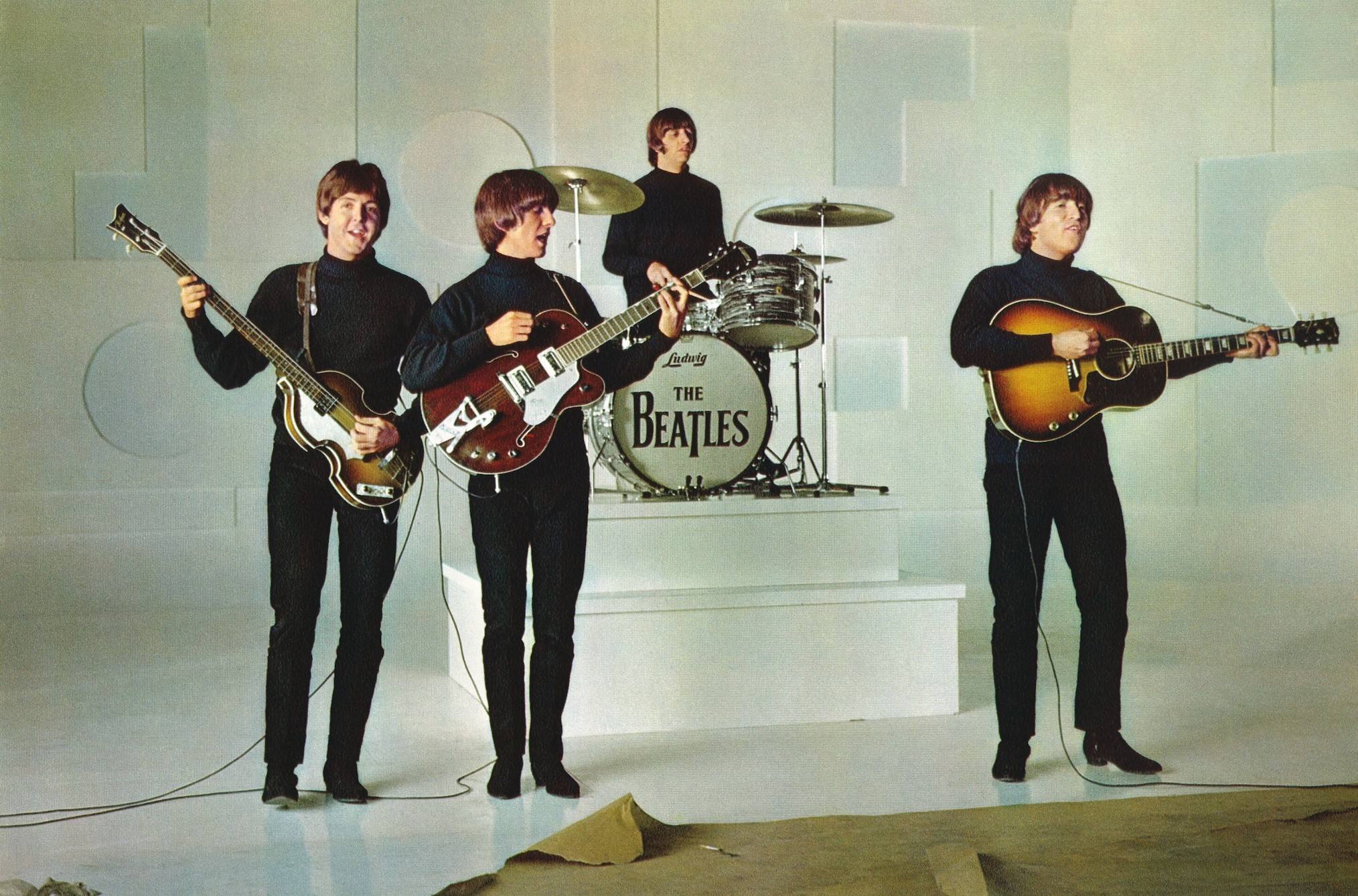
Summary of quotes and statements by The Beatles
The Beatles were one of the most popular rock bands of the 20th century, active from the 1960s to the 1970s, and made their record debut on October 5, 1962. The Beatles were ranked No. 1 on Rolling Stone's list of the 100 Greatest Artists of All Time, and are regarded around the world as one of the most influential rock bands of the 20th century. The band hails from Liverpool, England. Not only their music, but also their ideas and statements have attracted a great deal of attention and have had a great impact on the world.
Read Article

Yesterdays (film) spoiler alerts and discussion summary
Yesterday" is a stylish and heartfelt romantic comedy film produced in England. The main character, Jack, an unsuccessful singer-songwriter, is hit by a bus one day. He recovers from unconsciousness, but when he wakes up in the world, the legendary band "The Beatles" does not exist. For some reason, Jack is the only one who remembers the Beatles. The song "Yesterday," which he performed based on his memories, gradually changes Jack's ordinary life. This is a film that mixes fantastical elements with realism, and allows viewers to enjoy friendship, love, and anguish along with the Beatles' classic songs.
Read Article
Paul McCartney was dead, former member Ringo Starr testifies! A new development in the urban legend?
Former Beatles drummer Ringo Starr stunned the world when he said in an interview with a publication that the "real" Paul McCartney died in a car accident on November 9, 1966. Here is Ringo's statement, urban legends about Paul, and his own reaction.
Read Article
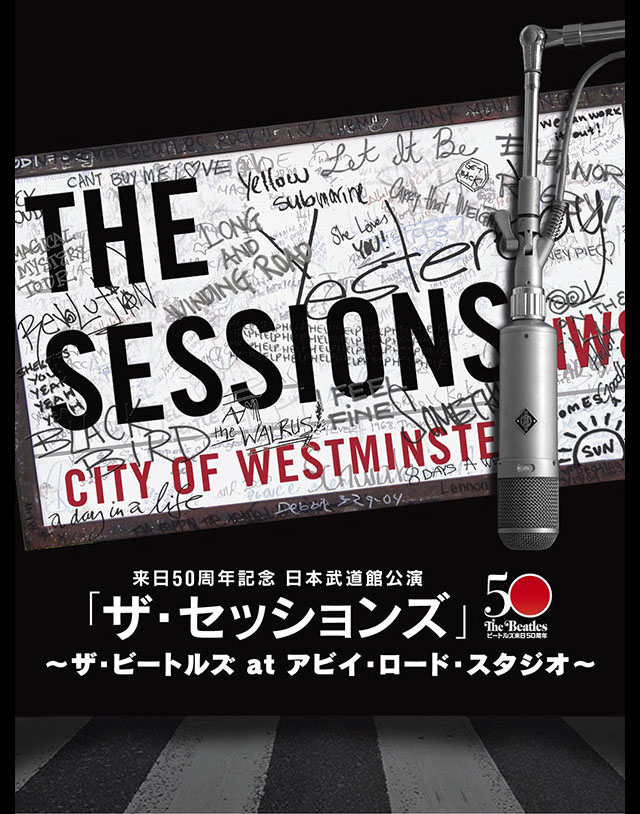
The Sessions, a recreation of the recording sessions of the legendary Beatles band, is coming!
It has been 50 years since the Beatles came to Japan. They were the first foreign artists to perform live at the Nippon Budokan on June 30 and July 1, 1966. On those very same days and at the same place, an event will be held to recreate the Beatles' recording sessions. The title of the event is "The Sessions. It is an attempt to perfectly recreate the Beatles' studio sessions at Abbey Road Studios using a variety of technologies.
Read Article
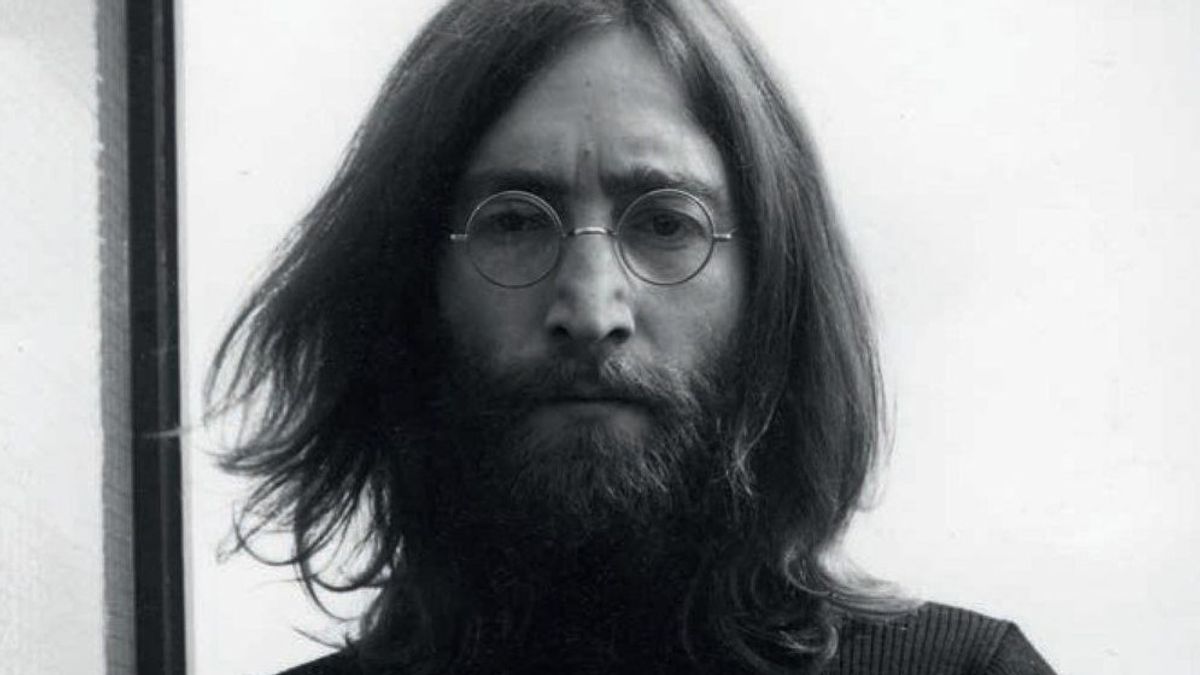
[John Lennon] Summary of celebrities and entertainers who died between the ages of 40 and 49 [Ken Maeda].
Entertainers and celebrities who have had a great impact on the world. Many of them have left this world at the young age of 40s. Diseases, accidents, suicides, assassinations.... In this article, we have compiled a list of such people. Although the causes vary, it is always painful to lose a person, no matter what time period or country.... We sincerely pray for the repose of their souls.
Read Article
![Paul McCartney] Summary of Hollywood stars and celebrities who are actually suspected of being anti-Japanese [Cameron Diaz](https://renote.net/files/blobs/proxy/eyJfcmFpbHMiOnsiZGF0YSI6NzA3OTE5MiwicHVyIjoiYmxvYl9pZCJ9fQ==--f54ed1968ea175d8f6be5ccbc0aac2b4b47ef326/5b111e621ae6624f008b472a.jpg)
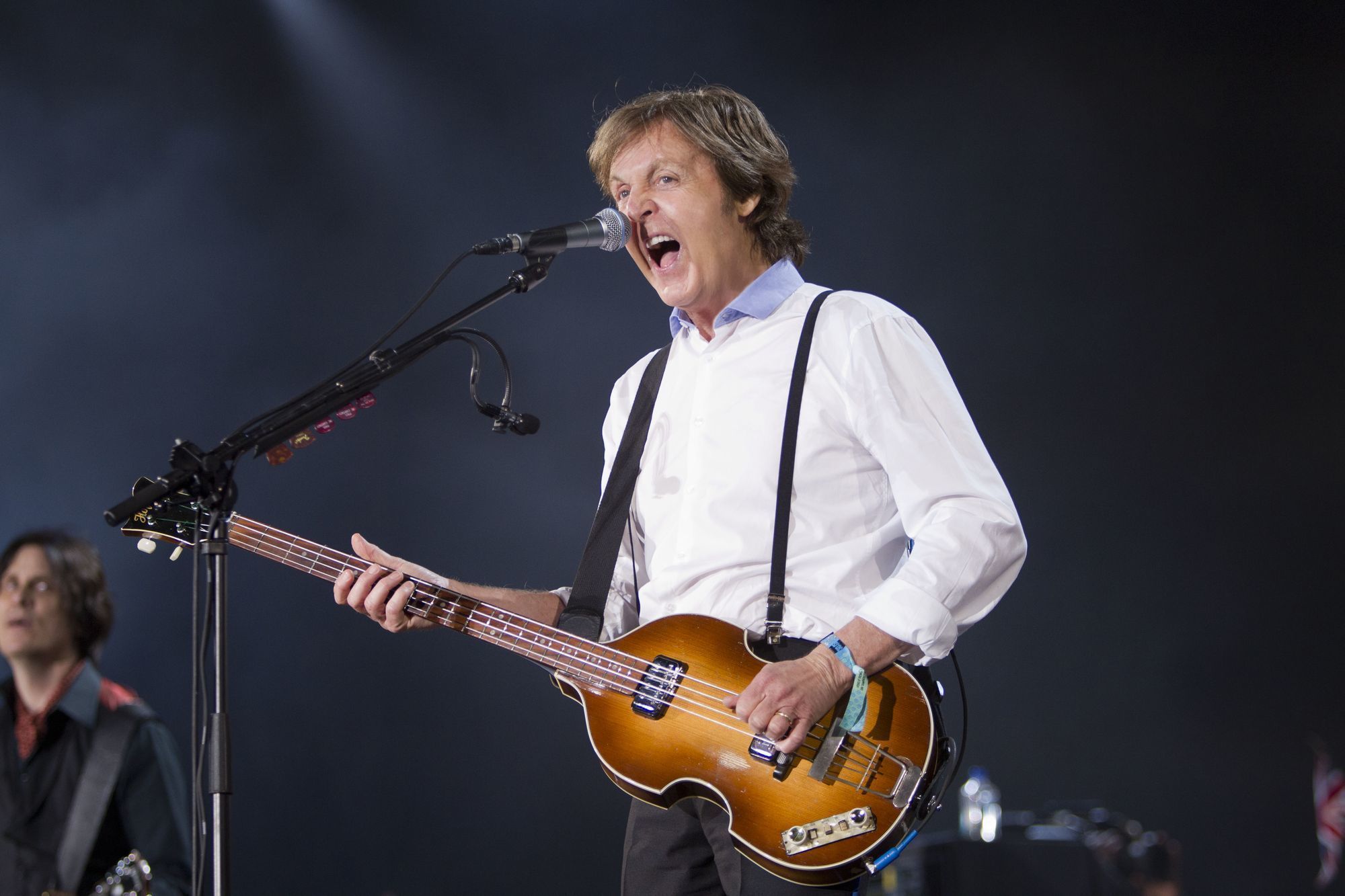
Paul McCartney] Summary of Hollywood stars and celebrities who are actually suspected of being anti-Japanese [Cameron Diaz
The term "Hollywood star" is synonymous with world-famous performers. Of course, they are very well known in Japan, too! Some of them have openly stated that they "love Japan! but there are some who are suspected of being anti-Japanese. I don't know if it is true or not, but if these people are capable of world-class performances, they may be able to distinguish between their real intentions and their pretense in a matter of seconds.
Read Article
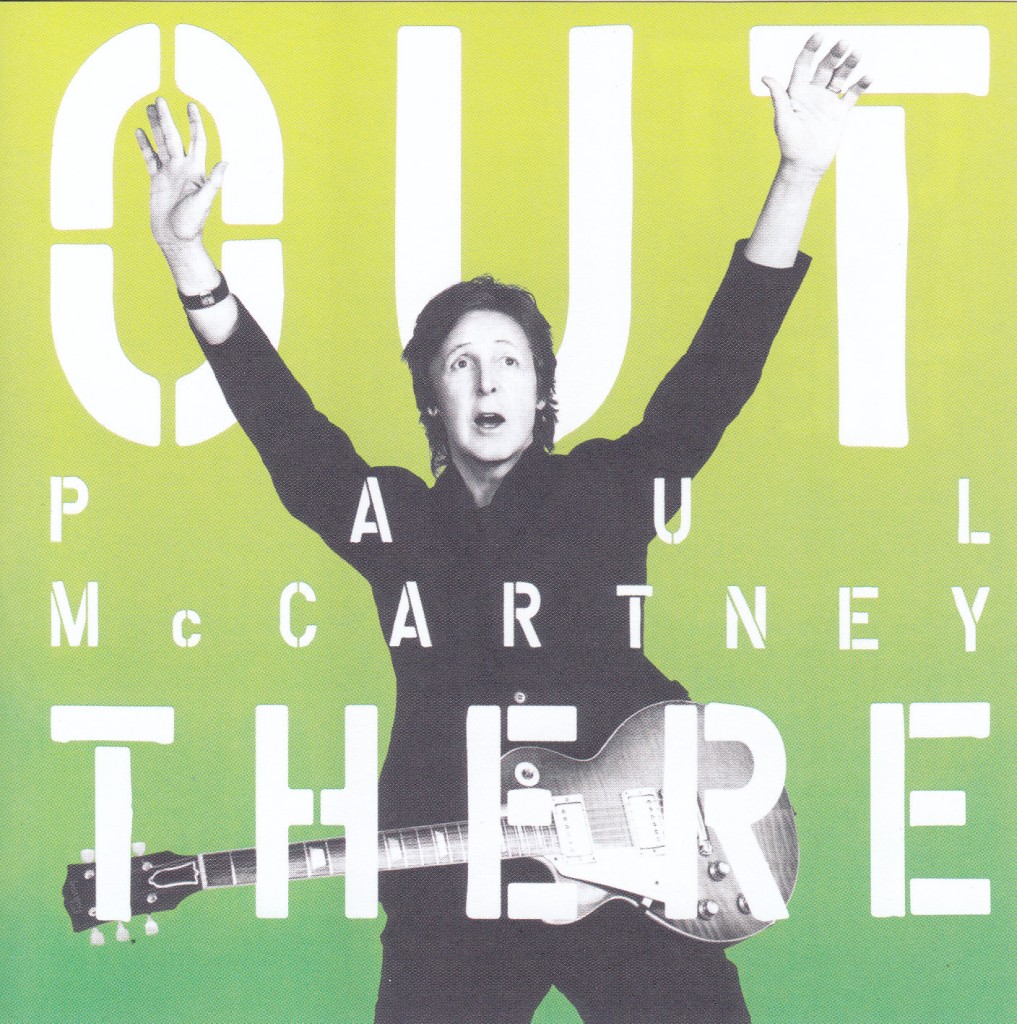
All Paul McCartney shows in Japan cancelled! Discussion of the possibility of a return visit to Japan!
Paul McCartney was scheduled to make his long-awaited return to Japan in May 2014, including his first Budokan concert in 48 years, but he became ill with a viral inflammation and canceled all shows shortly before the show. Many fans were disappointed and many wondered what would happen to him in the future. This article summarizes the situation at that time and the possibility of Paul's return to Japan for a replacement show, which he hopes to do.
Read Article
Paul McCartney suffered from "twisted intestines" and underwent emergency surgery in Japan!
Paul McCartney came to Japan for his first tour in six months, but canceled all shows due to poor health. The name of his illness was announced as viral inflammation, but it was later revealed that he had undergone surgery for intestinal sprain in Japan. The following is a summary of the illnesses that the great star suffered from in Japan.
Read Article
Paul McCartney cancels all shows! Explains the reason "viral inflammation"!
Paul McCartney, who was scheduled to return to Japan in May 2014, has become ill due to viral inflammation and has had to cancel all of his performances, including the Budokan concert. What is this "viral inflammation"? We will present a summary of Paul's sudden illness, which has several possibilities.
Read Article
Tags
Contents
- The Beatles Overview
- Members of The Beatles
- John Lennon
- Paul McCartney
- George Harrison
- Ringo Starr
- Former member of The Beatles
- Stuart Sutcliffe
- Pete Best
- People related to The Beatles
- Allan Williams
- Raymond Jones
- Brian Epstein
- George Martin
- A Brief History of The Beatles
- Birth and Death
- Major Events
- 1956-1961
- 1962-1966
- 1967-1970
- Analog release in the U.K.
- single
- 4-track EP
- album
- Analog release in the U.S.
- single
- 4-track EP
- album
- Analog release in Japan
- single
- 4-track EP
- album
- Solo Works
- Related Works
- The Beatles CDs
- The Beatles Discography
- original album
- Please Please Me
- With The Beatles
- A Hard Day's Night
- Beatles For Sale
- Help!
- Rubber Soul
- Revolver
- Sgt. Pepper's Lonely Hearts Club Band
- Magical Mystery Tour
- The Beatles
- Yellow Submarine
- Abbey Road
- Let It Be
- Editorial Albums & Other
- A Collection Of Beatles Oldies
- Hey Jude
- 1962-1966
- 1967-1970
- Rock 'N' Roll Music
- The Beatles At The Hollywood Bowl
- Love Songs
- Rarities (UK release)
- Rarities (U.S. version)
- The Beatles Ballads
- The Beatles Box
- Reel Music
- 20 Greatest Hits
- Past Masters Volume One
- Past Masters Volume Two
- Live At The BBC
- Baby It's You
- Anthology 1
- Free As A Bird
- Anthology 2
- Real Love
- Anthology 3
- Yellow Submarine Songtrack
- 1
- Let It Be... Naked
- love
- Mono Masters
- On Air - Live At The BBC Volume 2
- Live At The Hollywood Bowl
- Sgt. Pepper's Lonely Hearts Club Band (50th Anniversary Edition)
- The Beatles' most popular songs
- Love Me Do
- Please Please Me
- Twist And Shout
- From Me To You
- She Loves You
- All My Loving
- I Want To Hold Your Hand
- Can't Buy Me Love
- You Can't Do That
- A Hard Day's Night
- Long Tall Sally
- Baby's In Black
- Ticket To Ride
- Help!
- Yesterday
- Day Tripper
- We Can Work It Out
- Nowhere Man
- Paperback Writer
- Yellow Submarine
- Eleanor Rigby
- Strawberry Fields Forever
- Penny Lane
- A Day In The Life
- Hello Goodbye
- I Am The Walrus
- Lady Madonna
- Hey Jude
- Revolution
- Hey Bulldog
- Get Back
- Don't Let Me Down
- The Ballad Of John And Yoko
- Something
- Let It Be
- Free As A Bird
- Real Love
- The Beatles' backstory, trivia, small stories/episodes, anecdotes
- Dramatic departure of a member
- Paul's death theory
- The three major crises of 1966
- Mr. Toshitake Kotei
- Imelda Marcos
- Tommy Charles
- A Tribute to The Beatles