
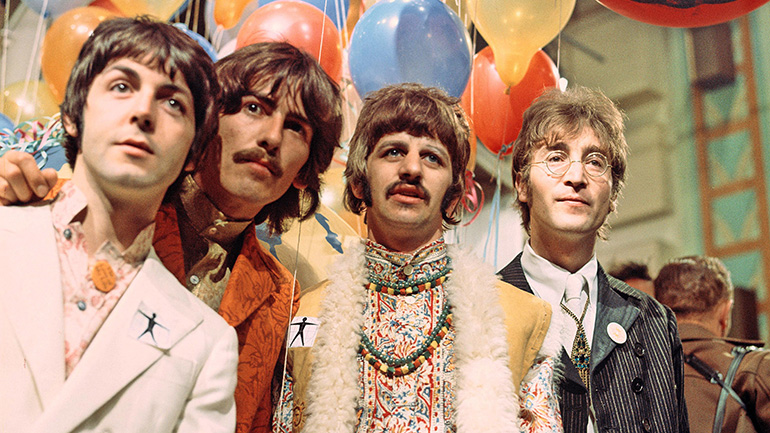
The Beatles are a four-piece rock band representing the 20th century that debuted in the United Kingdom in 1962. Their influence extended not only to their music, but also to their fashion, speech, and thought, creating a social phenomenon. One of the most notable aspects of their music is that their own musical development has directly influenced the musical development of the entire musical world and of their fans, who are their listeners.
Something In The Way She Moves/James Taylor
Recording Details
1969
February 25th
The first take is recorded.
The first take was recorded.
May 2
Takes 1-36 are recorded.
May 5
George's guitar and Paul's bass are overdubbed on Take 36.
May 6
Mono mixing is performed, but details are unknown.
July 11
Stereo mixing is done on Take 36.
This stereo mixing was not used.
Take 36 is tape reduced to make Take 37.
July 16
George's vocals, Paul's background vocals, and hand claps are overdubbed onto Take 36. Take 36 is tape-reduced to make takes 38-39.
August 4
Stereo mixing is done based on take +39.
This mixing is a rough remix and is not used as the master.
August 15
Strings were overdubbed onto the 39th take.
August 19
Stereo mixing was performed based on Take 39.
Maxwell's Silver Hammer
This is Paul's work and the lead vocalist is also Paul.
Paul: "This is about the darker side of life. Just when everything is going great, Maxwell's Silver Hammer goes 'boom, boom, boom' and ruins everything.
When recording began on July 9, 1969, it was John's first session since his automobile accident.
Balanced engineer Phil McDonald: "We were all waiting for John and Yoko to come in. Paul, George, and Ringo were downstairs and we were upstairs. They didn't know how John was doing either, so they were obviously upset. The three of us were a little scared to see him. But when he actually walked in, everyone was relieved, and we had a good rapport."
John: "I think the Beatles could have appealed to a much wider audience if they had written little folk songs like 'Maxwell's Silver Hammer' that grandma would have liked. All I remember is that we had to redo it over and over again. He tried so hard to make it a single, but it didn't work. He tried so hard to make it a single, but it didn't work.
Paul: "When we were making 'Abbey Road,' we got a lot of buzz because it took us three days to do 'Maxwell's Silver Hammer. But do you know how many days it takes Trevor Horn to do Frankie's mix? It took him two days just to turn on Fairlight! The group I worked with the other day took two days to find the 'on' switch!"
George: "'Maxwell's Silver Hammer' is Paul's work that he's been working on for years. It took a long time, but it's a melody that can be whistled right off the bat, so listeners will probably be at two extremes in their tastes. It's a novelty song, like "Honey Pie. Sometimes Paul makes us do outlandish songs. Sometimes Paul makes us do outlandish songs, like 'Maxwell's Silver Hammer. Just when we think it's working, Paul comes up with a new idea or arrangement a little while later.
Recording Details
1969
July 9
Takes 1 through 21 are recorded.
July 10.
Paul's piano, Martin's Hammond organ, George's guitar, Paul's vocals, and backing vocals by Paul, George, and Ringo were overdubbed on Take 21. Also overdubbed was the sound of Kajiya's use of a real hammer hitting the floor.
*The Beatles Recording Sessions: The Complete Edition" by Mark Lewison lists Ringo as the one who hit the hammer, but "The Beatles Sound: The Last Truth" by Jeff Emerick lists Mal Evans as the one who hit the hammer. Both accounts are Jeff Emerick's recollections.
There is a scene in the movie "Let It Be" where this song is performed, and in that scene, Mal Evans is the one who played it.
Stereo mixing is done based on the 21st take.
This stereo mixing was never used.
July 11
Guitar and vocal overdubs were added to take 21.
August 6
Paul overdubs the Moog synthesizer while tape reducing take 21, creating takes 22-27.
August 12
Stereo mixing is performed based on Take 27.
August 14
Stereo mixing for editing was done based on take 27, and remix 37 was created. It is incorporated into the best remix 34.
August 25
The master tape itself was edited and the performance time was shortened by 7 seconds. Various sound effects were created for the opening, but were never used.
Oh! Darling
This is Paul's work, and the lead vocalist is also Paul.
Paul: "When I recorded this, I went into the studio early every day for a week and sang by myself first. My voice was too clear at first. I wanted it to sound like I was doing it on stage."
Second engineer Alan Parsons: "Paul would come into the studio, sing this song, and say, 'No, not this one. 'No, not this one. Let's do it again tomorrow. He only sang it once a day. I think he wanted to give it a kind of rough-and-tumble feel, right before his voice changed. He also said, "Three years ago, I could have done this in no time. I'm sure he was referring to the time of "Long Tall Sally" and "Kansas City.
George: "'Oh! Darling' is Paul's song, and as you can see from the chord progression, it's in the pattern that was popular in the 1950s and 60s. In fact, it's mostly Paul's solo singing, and you can hardly hear what we're doing in the background. Paul's shouts are the only thing you hear."
John: "'Oh! Darling' is one of Paul's masterpieces, but he doesn't sing it very well. I always thought I could do better. It's a style that suits me better than him.
Engineer Jeff Emerick: "Actually, it was the perfect song for John. But Paul's ego didn't allow him to sing it.
You can hear John's vocals on "Oh! Darling," which appears on "Anthology 3.
*Recording Details
1969
January 27.
Rehearsal during "Get Back Session".
April 20
Takes 1 through 26 are recorded.
Stereo mixing was done based on the 26th take.
The stereo mixing was not used.
April 26
Paul's vocals are overdubbed onto take 26.
May 1
Stereo mixing is performed based on the 26th take.
This stereo mixing was not used.
July 17
Paul's vocals are overdubbed onto take 26.
July 18
Paul's vocals are overdubbed on take 26.
July 22
Overdub Paul's vocals on Take 26 (re-recorded)
July 23
Paul's vocals are overdubbed (rerecorded) on Take 26.
August 8
Overdubs of Paul's guitar and tambourine were added to Take 26.
August 11
Overdubs of background vocals were added to Take 26.
August 12
Stereo mixing is performed on Take 26.
Octopus's Garden
This is Ringo's work and the lead vocalist is also Ringo.
During the recording of the album "The Beatles," Ringo, who had "left" The Beatles for a time, traveled with his family to Sardinia, Italy. Then the captain of the boat they rented from a local friend served them octopus for lunch. Ringo did not touch the dish, but he and the captain had a good talk. That experience was the inspiration for this song.
Ringo said, "He (the captain) told me everything about octopus. He told me everything about octopuses, how they crawl around on the ocean floor and collect rocks and shiny things to make a garden. I thought, 'This is cool! I thought. At the time, I was in the mood to dive, and I wanted to get away for a while.
In the movie "Let It Be," there is a scene in which George and I write this song together on the piano.
George said, "'Octopus's Garden' is Ringo's song. It's only the second song he's written, and it's a totally lovelorn song. Ringo got tired of playing drums all the time, so he sometimes played the piano at home. Unfortunately, he only knew three chords. Same with guitar. But this song goes deep into my heart. It's a very peaceful song. I think Ringo has been writing songs with a cosmic dimension lately, without even realizing it.
A picture book titled "Octopus's Garden" with a CD of Ringo's songs and poetry readings was released in 2013 (the Japanese edition was released in 2015. The translation is by Peter Barakan).
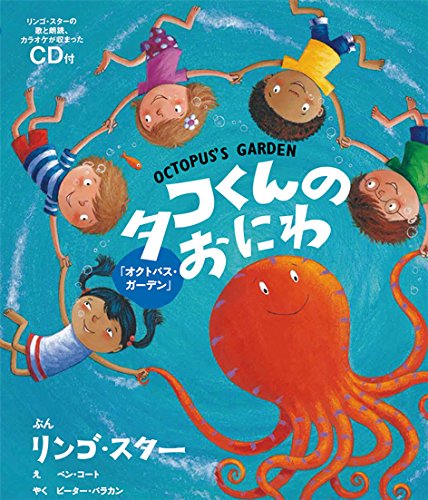
Octopus-kun no Oniwa" is the Japanese version of the picture book "Octopus's Garden.
Recording Details
1969
April 26.
Recording of the 1st to 32nd takes.
April 29
Ringo's vocals are overdubbed onto the 32nd take.
Stereo mixing is done based on the 32nd take.
This stereo mixing is not used.
July 17
Paul and George's backing vocals, Paul's piano, and sound effects are overdubbed onto Take 32.
July 18
Ringo's vocals (re-recorded) and percussion were overdubbed onto Take 32.
Mono and stereo mixing is performed based on Take 32.
The purpose of the mono remix is unknown.
I Want You (She's So Heavy)
This is John's work and the lead vocalist is also John.
John "read the lyrics of 'I Want You (She's So Heavy)' mockingly on '24 Hours (a BBC TV program). I Want You. She's So Heavy." That's all there is to it, of course, but I think it's better lyrically than songs like "I Am The Walrus" and "Elenoa Rigby. It's progress for me. It was probably Yoko's influence that made me want to write songs with no or few lyrics."
Engineer Chef Jarrett: "John and George went to the back left hand side of the second studio and overdubbed the guitars, and you had a lot of overdubbing to try to get a volume sound."
George: "It's a really heavy song. John plays lead guitar and sings. It's basically an old blues riff he's doing, but it's a great John song. And I like the chord progression he uses."
The song does not fade out, but rather ends abruptly and cut off.
Second engineer Alan Parsons: "When we were finishing that side of the album, I was listening to the mix. Then John said, 'That's it! Cut the tape there!' ' and he yelled, 'Cut the tape right there! Jeff (Emerick) cut the tape, and there it was. That was the end of the A-side!"
Robbie Robertson, guitarist for the rock band The Band, "Just a loud bum.
A version with Paul on vocals, not John, exists on pirate copies.
I Want You (She's So Heavy) Version with Paul on vocals.
Recording Details
1969
January 29.
Rehearsal in "Get Back Session".
February 22
Recording of takes 1-33
February 23
Edit and make master tapes of takes 9, 20, and 32.
April 18
John and George's guitars were overdubbed onto the February 23 master tape. The master tape was tape reduced to make the first take. Overdubs of John and George's guitars were done again on the first take.
April 20
Overdubs Hammond organ and congas on the first take.
August 8
Overdubs of John's Moog synthesizer and Ringo's drums on the master tape made on February 23.
August 11
Overdubs of John, Paul, and George's backing vocals on the first take. A portion of the first take was inserted into the master tape made on February 23.
August 20
Stereo mixes were made from two tapes: the February 23 master tape (with overdubs and insertions from the first take made on April 18, August 8, and August 11), and the first take made on April 18 by tape reduction of the February 23 master tape (with overdubs on April 20 and August 11). Stereo mixing was performed on these two tapes.
Here Comes The Sun
Written by George, with lead vocals by George.
George: "I wrote this when Apple was like a school you had to go to every day and we were all signing papers here and accounts there like businessmen. Anyway, winter in England seemed to last forever, and I was really happy when spring came. So one day I decided to skip Apple. Instead of going to a meeting I headed over to Eric's (Clapton) house and took a walk in his garden. It was a great feeling just to not have to go to the office and look at those dumb accounting guys. And as I was walking around the yard with Eric's acoustic guitar, 'Here Comes The Sun' was written."
John: "It reminds me of Buddy Holly. It shows how much George has grown."
*Recording details
1969
July 7.
First through thirteenth takes are recorded.
July 8
George's vocals and George and Paul's backing vocals were overdubbed onto take 13. Tape reduction of take 13 was made for takes 14-15.
Mono mixing was done based on take 15.
This mono remix was made for George to take home.
July 16
Hand claps and harmonium overdubs were added to take 15.
August 4
Stereo mixing was done based on Take 15.
This mixing was a rough remix and was not used as the master.
August 6
Guitar overdubs were added to take 15.
August 15
Strings were overdubbed on Take 15.
August 19
George's Moog synthesizer overdubbed on take 15.
Stereo mixing was done on Take 15.
Because
John's work, sung in a nine-voice chorus with three overlapping three-voice choruses of John, Paul, and George.
Martin: "After recording the backing, John, Paul, and George sang the harmony. We layered it twice more to make it a nine-part harmony. That means we recorded the three voices three times."
John: "I was lying on the couch at home, listening to Yoko play Beethoven's piano sonata Moonlight Sonata, when suddenly I had an idea. I suddenly had a flash of inspiration and said to Yoko, "Why don't you play that chord backwards? She did. She did, and I wrote "Because" with that as a hint. So the atmosphere of the song is like "Moonlight," isn't it? The lyrics are simple and clear, not a trick, not a metaphor, not an allusion to anything.
Moonlight Sonata/Beethoven
Paul and George say it is their favorite song on "Abbey Road".
George said, "It's like 'If I Needed Someone. You know, it's much the same basic riff going on forever, but it's a really simple melody. John, Paul and I do the three-part harmony. It's my favorite song on the album, but that's probably because it's so simple. The lyrics are simple, but the harmonies were pretty tricky. We had to practice seriously. But I think it's one of those songs that will stay with you.
This was the first Beatles song to use a synthesizer.
*Recording details
1969
August 1
Takes 1 through 23 are recorded. Overdub to take 16 (details unknown).
August 4
Overdubs John, Paul, and George three times for a total of nine choruses on Take 16.
August 5
George's Moog synthesizer is overdubbed on Take 16.
August 12
Stereo mixing is done on the 16th take.
You Never Give Me Your Money
This is Paul's work and the lead vocalist is also Paul.
Paul: "I belittled Alan Klein's attitude. It's a song about someone I don't trust at all."
At the time, Alan Klein signed a business contract with John, George, and Ringo, but Paul adamantly refused to sign a contract. Instead, he recommended Lee Eastman, father of his wife Linda, and his brother John Eastman. Alan Klein wanted to extort 20 percent of The Beatles' and Apple's gross income. He also undertook a major restructuring within Apple. Paul was outraged by this attitude.
George said, "It's us. It seemed like we couldn't actually get our money's worth." "First of all, there are two verses, and in the bridge it's a completely different song. I mean, it's a very melodic song."
The so-called "The Long One/Huge Medley" on the "Abbey Road" album begins with this song.
Recording Details
1969
May 6.
Takes 1-36 are recorded.
July 1
Paul's vocals are overdubbed onto take 30.
July 11
Overdubs Paul's bass on take 30.
July 15
Paul's vocals and chimes were overdubbed onto take 30.
Stereo mixing is performed based on take 30.
This mixing was a rough remix and was not used as the master.
July 30
Take 30 was tape reduced to create Takes 37-42. Vocals were overdubbed to take 40.
Stereo mixing was done based on take 40.
This stereo mixing was not used.
July 31
Takes 37-42 made by tape reduction on July 30 were discarded. Overdubbed bass and piano on take 30.
August 5
Recorded sound effects (takes 1-5), including insect noises as a bridge to the next song, "Sun King," which is a medley.
August 13
Stereo mixing was done based on the 30th take.
This stereo mixing was not used.
August 14
Stereo mixing was performed from the 30th take and the 5th take of sound effects in a medley format with the next song "Sun King".
This stereo mixing was not used.
August 21
Stereo mixing was done from the 30th take and the 5th take of sound effects as a medley with the next song "Sun King".
Sun King
This is John's work and the lead vocalist is also John.
John: "This is still one of those songs that sounds like a piece of junk.
George "This was right around the time Fleetwood Mac's 'Albatross' came out. It's got a revved-up guitar. So we decided to do something like Fleetwood Mac's Albatross. It didn't end up sounding anything like that, but that was the starting point for this song anyway.
Albatross/Fleetwood Mac
*Recording details (recording proceeded as "one song" with the next song "Mean Mistr Mustard" in medley format).
1969.
July 24.
Takes 1-35 were recorded.
July 25.
Overdubbed the "Sun King" part of Take 35 with vocals, piano, and organ, and the "Mean Mistr Mustard" part with backing vocals.
July 29
Vocals, piano, organ, and percussion overdubs on Take 35.
July 30
Stereo mixing is performed on Take 35.
This mixing is a rough remix and not used as the master.
August 14
Stereo mixing was performed from Take 35.
This mixing was a rough remix and was not used as the master.
August 21
Stereo mixing was done from Take 35 in a medley format with the previous song "You Never Give Me Your Money".
Mean Mr Mustard
This is John's work and the lead vocalist is also John.
John: "This is one of the songs I wrote in India in early 1968" "I wrote this scabby song. I read about it in a newspaper once. I read in some newspaper once that a sodden man had a five-pound bill hidden somewhere else, not in his nose. No, it had nothing to do with cocaine.
Paul: "That's very John-like. I like it. But I don't know what he sang."
Although "Pam" appears in the lyrics as the sister of "Mr Mustard", her name was originally "Shirley", not "Pam". Since the next song in the medley was "Polythene Pam", it was changed to "Pam" accordingly.
Originally, "Her Majesty" was supposed to appear between this song and the next song, "Polythene Pam," but Paul changed his mind and it was cut.
*Recording details (recording proceeded as "one song" in combination with the previous song "Sun King" in a medley format).
1969
July 24.
Takes 1-35 were recorded.
July 25.
Overdubbed the "Sun King" part of Take 35 with vocals, piano, and organ, and the "Mean Mistr Mustard" part with backing vocals.
July 29
Vocals, piano, organ, and percussion overdubs on Take 35.
July 30
Stereo mixing is performed on Take 35.
This mixing is a rough remix and not used as the master.
August 14
Stereo mixing was performed from Take 35.
This mixing was a rough remix and was not used as the master.
August 21
Stereo mixing was done from Take 35 as a medley with the previous two tracks "You Never Give Me Your Money".
Polythene Pam
This is John's work and the lead vocalist is also John.
John: "I wrote this song in memory of a little incident with a woman in Jersey and the man who first woke us up, the British version of Allen Ginsberg. I met this guy on tour and he took me to his apartment. I was with a girl and he had a girl who wanted to meet me. He said that the girl was dressed in polyester, and she really was. However, she was not wearing jackboots or a kilt. I made this up. Kinky sex in a plastic bag. When I recorded the song, I deliberately sang it in a harsh Liverpool accent, because it's about jackboots and kilts. When we recorded it, I deliberately sang it in a harsh Liverpool accent, because it's a song about a legendary Liverpool hooker clad in jackboots and a kilt.
Paul said, "A girl was wearing polyethylene in John's apartment. That's an unusual sight."
According to one book, the above story differs slightly. The "British version of Allen Ginsberg" that John is referring to is Royston Ellis, a budding writer whom he met between tours in 1963. The story goes that he went to Royston's apartment with Pat (called Polyscene Pat because he chewed polyester a lot), who had been following John since before The Beatles' debut, and there John, Royston, and Royston's girlfriend Stephanie, wrapped in plastic bags, went to bed together. We wrapped ourselves in plastic bags and went to bed.
Royston Ellis is the writer who inspired Paul to write "Paperback Writer". He is also said to have suggested that the name "The Beatles" be spelled "The Beatles" instead of "The Beetles" (although some say that he only insisted on this).
*Recording details (the recording proceeded as "one song" in combination with the next song "She Came In Through The Bathroom Window" in a medley format).
1969.
July 25.
Takes 1-39 were recorded.
July 28.
Overdubbed take 39 with vocals, acoustic guitar, tambourine, percussion, electric piano, and acoustic piano. Take 39 is tape reduced to make Take 40.
July 30
Vocals, guitar, and percussion were overdubbed onto Take 40.
Stereo mixing is performed based on take 40.
August 14
Stereo mixing was done with the previous song "Sun King" as a medley from the 40th take.
She Came In Through The Bathroom Window
This is Paul's work and the lead vocalist is also Paul.
It is said that what is sung here is true. It is said to be based on an incident in which a female fan broke into Paul's house one day without his consent and stole a picture of his father. Some books call it a "burglary" rather than a "fan. John also said that it was probably Paul's wife, Linda, who broke in through the window.
John: "Paul wrote this song when we were in New York (in 1968) for the announcement of the founding of Apple. We met Linda for the first time then. So maybe it was her who came through the window."
George: "Very strange Paul song. The lyrics are great, but it's hard to explain what they mean.
*Recording details (recording proceeded as "one song" with the next song "Polythene Pam" in medley form).
1969
January 22.
Played in "Get Back Session" to determine the chord progression.
July 25.
Takes 1-39 are recorded.
July 28
Overdubbed take 39 with vocals, acoustic guitar, tambourine, percussion, electric piano, and acoustic piano. Take 39 is tape reduced to make Take 40.
July 30
Vocals, guitar, and percussion were overdubbed onto Take 40.
Stereo mixing is performed based on take 40.
August 14
Stereo mixing was done on the 40th take in a medley format with the previous two tracks "Sun King".
Golden Slumbers
This is Paul's work and the lead vocalist is also Paul. The lyrics are taken from "Cradle Song" by English playwright Thomas Dekker (1572?-1632).
Paul: "I was playing on the piano at my father's house in Cheshire when I found a traditional 'Golden Slumbers' in (my half-sister) Ruth's nursery rhyme book, and I decided to write my own 'Golden Slumbers'. I couldn't read music and I couldn't remember the melody. I couldn't read music and couldn't remember the melody, so I played my own melody on the piano and used the lyrics as I liked them.
The poem by Thomas Dekker that Paul quoted (with some changes) is as follows
Golden slumbers kiss your eyes.
(Golden slumbers kiss your eyes.)
Smiles awake you when you rise.
(Smiles awake you when you rise.)
Sleep, pretty wantons, do not cry.
(Sleep, pretty wantons, do not cry.)
And I will sing a lullaby.
(And I will sing a lullaby.)
Rock them, rock them, lullaby
(Rock them, rock them, lullaby)
John: "Paul layered the strings. I guess he wanted some serious backing."
George: "This is another one of Paul's creations with a lovely melody line."
Filmmaker Bob Zemeckis: "I made my first 8mm film when I was 13, and I used a Beatles song for the soundtrack. And when I made my first 16mm film at the University of Southern California, I also used "Golden Slumbers" as the background music.
*Recording details (recorded as "one song" in combination with the next song "Carry That Weight" in a medley format).
1969
July 2.
Takes 1-15 were recorded.
July 3
Edited take 13 and 15, making this the 13th take. Guitar and vocal overdubs were added to take 13. Tape reduction of take 13 was made to create takes 16 and 17.
July 4
Overdubs on take 17 (details unknown).
July 30
Vocals were overdubbed onto take 17.
Stereo mixing is done on the 17th take.
This stereo mixing was not used.
July 31
Drums, timpani, and vocals were overdubbed onto take 17.
August 15
Strings were overdubbed on take 17.
August 18
Stereo mixing is performed on take 17.
August 19
Edited to a medley with the following song "The End" based on the master tape.
Carry That Weight
Paul's work with three chorus members except John.
John: "Paul was really tense when he wrote this song.
Paul: "Actually, our mood was getting really heavy." "I'm usually optimistic, but sometimes I can't be. I'm usually optimistic, but sometimes I can't be. It was the same when I was writing this. We were doing too much marijuana and drugs, and on top of that, I was having a ridiculous exchange with Alan Klein, and it was just a mess. But we had to live with the pressure. That's how I wrote it."
*Recording details (recorded as "one song" in combination with the previous song "Golden Slumbers" in medley form).
1969
July 2.
Takes 1 through 15 were recorded.
July 3
Edited takes 13 and 15, making this the 13th take. Guitar and vocal overdubs were added to take 13. Tape reduction of take 13 was made to create takes 16 and 17.
July 4
Overdubs on take 17 (details unknown).
July 30
Vocals were overdubbed onto take 17.
Stereo mixing is done on the 17th take.
This stereo mixing was not used.
July 31
Drums, timpani, and vocals were overdubbed onto take 17.
August 15
Strings were overdubbed on take 17.
August 18
Stereo mixing is performed on take 17.
August 19
Edited into a medley with the next track, "The End," based on the master tape.
The End
Paul's work and lead vocalist is also Paul.
John: "This is Paul's song, too. Unfinished. Isn't it? He writes in it, 'The love you take is equal to the love you make,' which is a very cosmic and philosophical statement. It's a very cosmic and philosophical phrase, which means that he can think about it, too, if he wants to.
Paul: "I wanted to mimic Shakespeare and end with two meaningful phrases."
On this song, Ringo played his first and last drum solo as The Beatles.
Paul: "Ringo didn't want to do the solo no matter how much we told him. He said, 'I don't want to do a solo,' and he said, 'I don't want to do a solo. He insisted, 'I don't want a solo.
The lead guitar exchanges are played three times, two bars each, in the order of "Paul → George → John.
*Recording details
1969
July 23
Takes 1 through 7 are recorded.
July 30
Stereo mixing is done from take 7.
This stereo mixing was not used.
August 5
Vocals are overdubbed onto take 7.
August 7
Vocals and guitars are overdubbed on take 7.
August 8
Drums and bass overdubs on take 7
August 15
Strings overdubbed on take 7
August 18
Piano overdubs on take 7.
Stereo mixing is performed based on take 7.
This stereo mixing was not used.
August 19
Stereo mixing is performed based on Take 7.
This stereo mixing was not used.
August 21
Stereo mixing was performed based on take 7.
Her Majesty
This is Paul's work and the lead vocalist is also Paul.
Paul: "It's funny that it's an irreverent yet monarchist song. But it's quite ironic. It's a love song to the queen.
Originally inserted between "Mean Mr. Mustard" and "Polythene Pam," the intro guitar stroke was also the ending of "Mean Mr. Mustard. Paul changed his mind and it was cut.
Second engineer John Kurlander: "I had just finished all the remixes and crossfades to overlap the song, and I listened to the tape through for the first time with Paul, who was in the room, and he said, 'Her Majesty' is not good. He said, "Throw it out. So I cut it, but for some reason the last note remained. But he said, "It's okay, it's a rough edit, so it doesn't matter. He said, 'It's just a rough mix, so there's no need to edit it properly. He told me not to throw away any tapes, so after he was gone I picked up the cut tape off the floor, put a 20-second red leader tape on the head, and stuck it to the butt of the edit tape. So the next day, Malcolm Davis cut a lacquer disc for playback at Apple, and even though I had written on the box that "Her Majesty" was not needed, he still said, "Hmmm. I had written on the box that I didn't want "Her Majesty", but he also thought, "Hmmm.... My guess is that Paul heard the lacquer version and liked "Her Majesty" attached at the end. In the end, we never remixed "Her Majesty". That mix went straight onto the finished LP."
Her Majesty" was not initially listed on the album cover. It is the originator of what we now call secret tracks.
*Recording details
1969
July 2
First three takes are recorded.
July 30
Stereo mixing is done from the 3rd take.
Let It Be
Side A
Two Of Us
Dig A Pony
Across The Universe
I Me Mine
Dig It
Let It Be
Maggie Mae
Side B
I've Got A Feeling
2. One After 909
The Long And Winding Road
4. For You Blue
5. Get Back
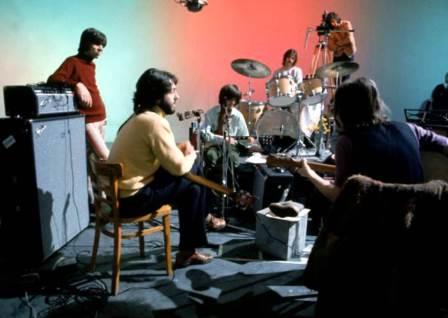
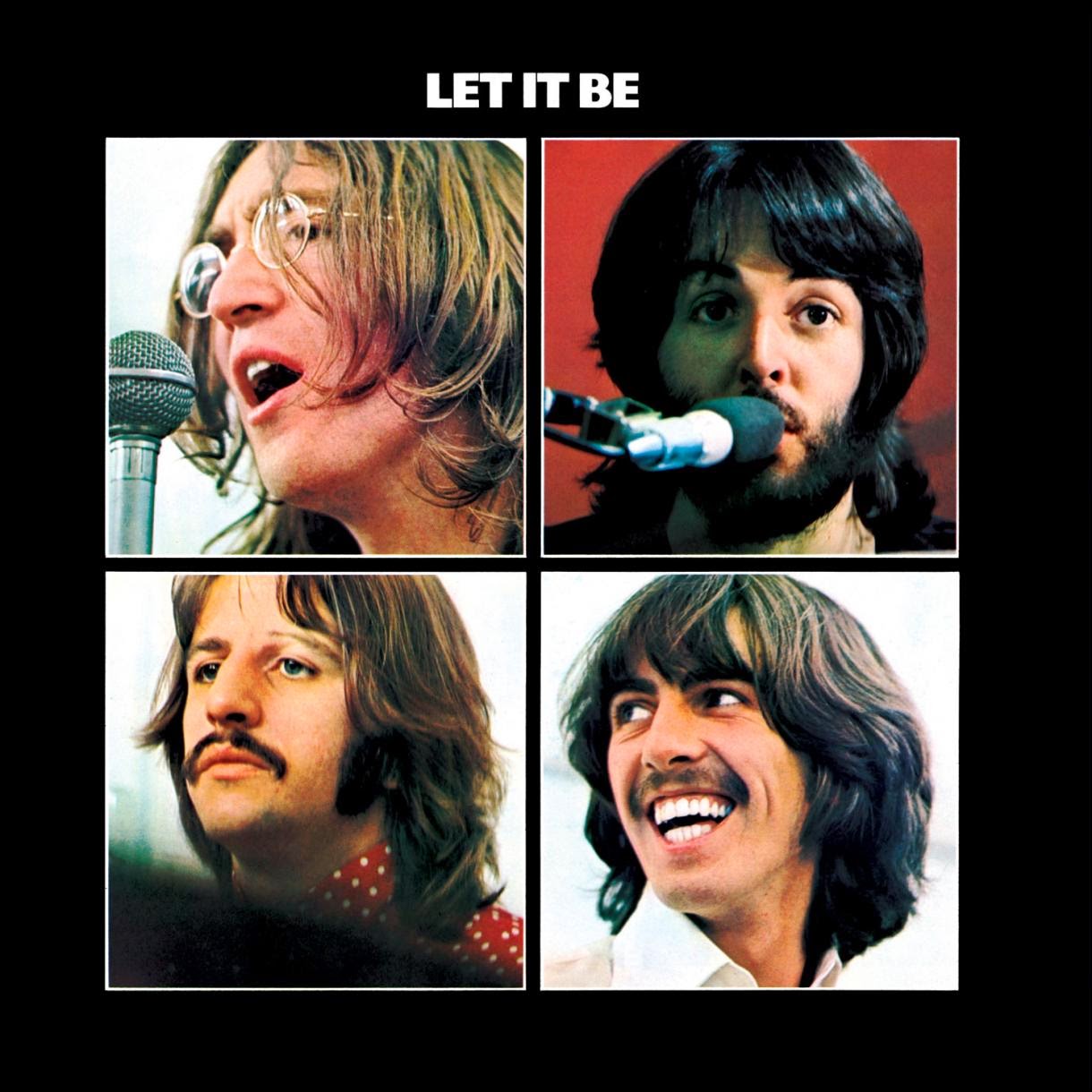
This was the 13th album released on May 8, 1970, and the last original album in the order of release. It was the last original album in the order of release; the May 8 release was a boxed album with a photo book, while the regular edition was released on November 6 of the same year. It is also the soundtrack to the third movie in which he starred (if this is the right way to put it).
It was released after the single "Let It Be," but the version included on this album is a different version, and the single version could only be heard as a single at this point. The B-side "You Know My Name (Look Up The Number)" is also not included on this album.
The B-side "You Know My Name (Look Up The Number)" is also not included in this album. "Get Back" is also included in this album, but it is the album version, and the single version was only available as a single at this point.
The recording process is as follows.
For the main recording process, please refer to the previous album "Abbey Road". Only the actions after the release of "Abbey Road" are listed here.
1969
October 2
Stereo mixing of the following.
Across The Universe
*Recordings were made on February 4 and 8, 1968.
October 31
Single "Something/Come Together" released. This was the first single cut from an already released album in the UK.
November 26
The following stereo mixing was done.
What's The New Mary Jane
What's The New Mary Jane" was unreleased but later included in "Anthology 3".
December 2
Stereo mixing of the following three songs.
Lady Madonna
Rain
Octopus's Garden
*"Lady Madonna" and "Rain" were done for the U.S. Capitol edit "Hey Jude".
Octopus's Garden" was done for George Martin's special TV program "With A Help From My Friends.
December 5
Stereo mixing of the following two songs
Hey Jude
Revolution
Work for the American Capitol edited version of "Hey Jude".
December 8
Recorded the following songs
Octopus's Garden
Work for George Martin's special TV program "With A Help From My Friends
December 12
Released the charity album "No One's Gonna Change Our World" which includes "Across The Universe".
December 15
Second production work on the album "Get Back" by engineer Glyn Johns.
December 21
Second production work on the album "Get Back" by engineer Glyn Johns.
1970
January 3
The following are recorded
I Me Mine
January 4
Recorded the following
Let It Be
Stereo mixing of
Let It Be
January 5
Stereo mixing of the following two songs
I Me Mine
Across The Universe
Creation of the master tape for the "Get Back" album by engineer Glyn Johns.
January 8
Recorded the following songs
For You Blue
Stereo mixing of the following two songs
Let It Be
For You Blue
January 27
Stereo mixing of the following two songs
The Inner Light
*This song was not stereo mixed and was included on the bonus disc of "The Beatles EP Collection" released on December 7, 1981.
February 28.
Stereo mixing of the following songs.
For You Blue
March 6
Single "Let It Be/You Know My Name (Look Up The Number)" released
March 23
Stereo mixing of the following five songs
I've Got A Feeling
Dig A Pony
The One After 909 (later "One After 909")
I Me Mine
Across The Universe
Phil Spector" appeared as a producer from this day.
March 25
Stereo mixing of the following three songs.
For You Blue
Teddy Boy (later recorded on Paul's solo album "McCartney")
Two Of Us
March 26
Stereo mixing of the following four songs.
The Long And Winding Road
Let It Be
Get Back
Maggie Mae
March 27
Stereo mixing of the following
Dig It
March 30
Stereo mixing of the following
For You Blue
April 1
Recorded the following three songs
Across The Universe
The Long And Winding Road
I Me Mine
The last recording with the Beatles members (Ringo only).
The last recording session. The introduction of the orchestra to "The Long And Winding Road," which Paul would later become furious about, was done on this day.
April 2
Stereo mixing of the following three songs.
The Long And Winding Road
I Me Mine
Across The Universe
May 8
The album "Let It Be" is released.

Related Articles
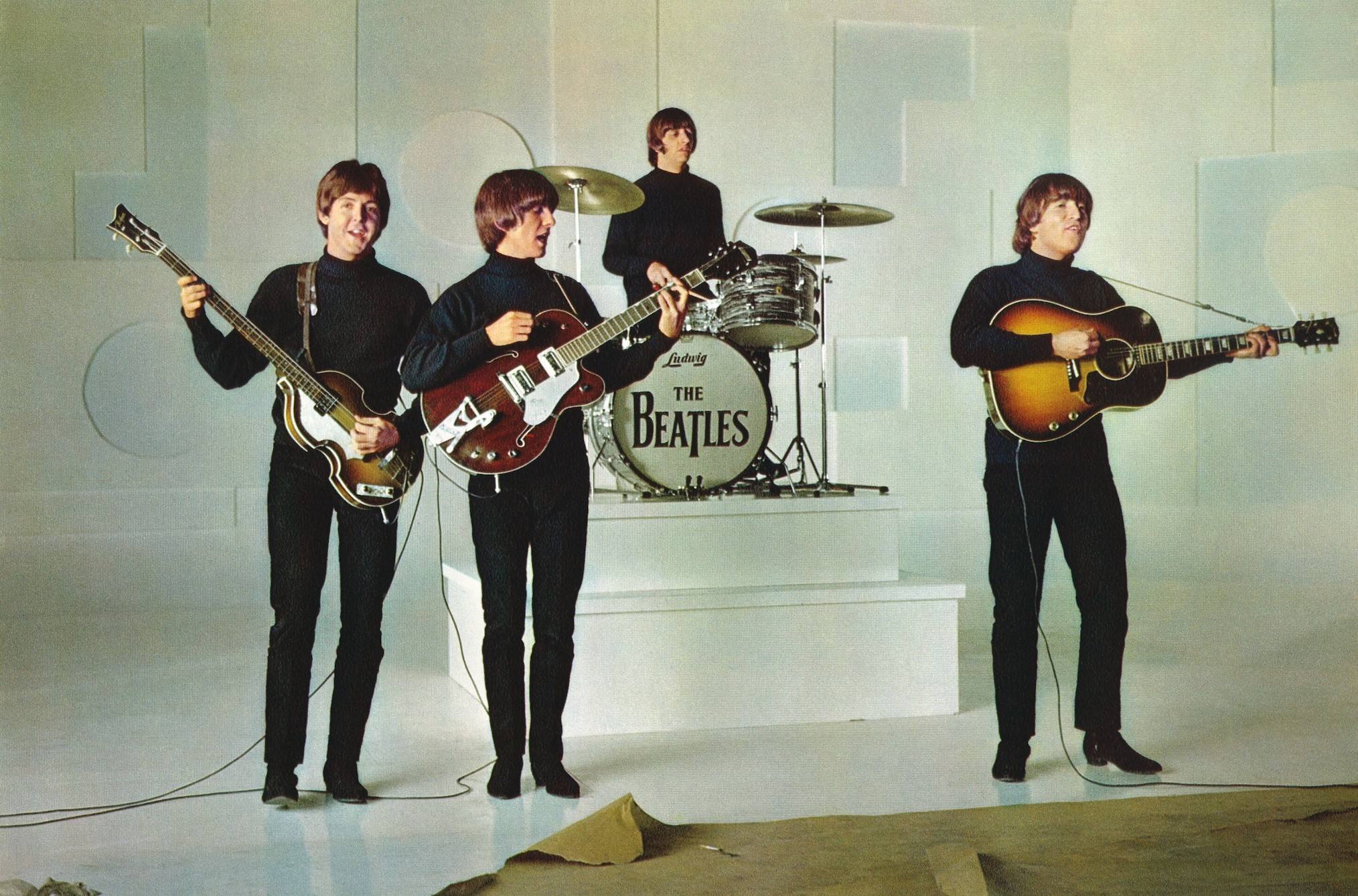
Summary of quotes and statements by The Beatles
The Beatles were one of the most popular rock bands of the 20th century, active from the 1960s to the 1970s, and made their record debut on October 5, 1962. The Beatles were ranked No. 1 on Rolling Stone's list of the 100 Greatest Artists of All Time, and are regarded around the world as one of the most influential rock bands of the 20th century. The band hails from Liverpool, England. Not only their music, but also their ideas and statements have attracted a great deal of attention and have had a great impact on the world.
Read Article

Yesterdays (film) spoiler alerts and discussion summary
Yesterday" is a stylish and heartfelt romantic comedy film produced in England. The main character, Jack, an unsuccessful singer-songwriter, is hit by a bus one day. He recovers from unconsciousness, but when he wakes up in the world, the legendary band "The Beatles" does not exist. For some reason, Jack is the only one who remembers the Beatles. The song "Yesterday," which he performed based on his memories, gradually changes Jack's ordinary life. This is a film that mixes fantastical elements with realism, and allows viewers to enjoy friendship, love, and anguish along with the Beatles' classic songs.
Read Article
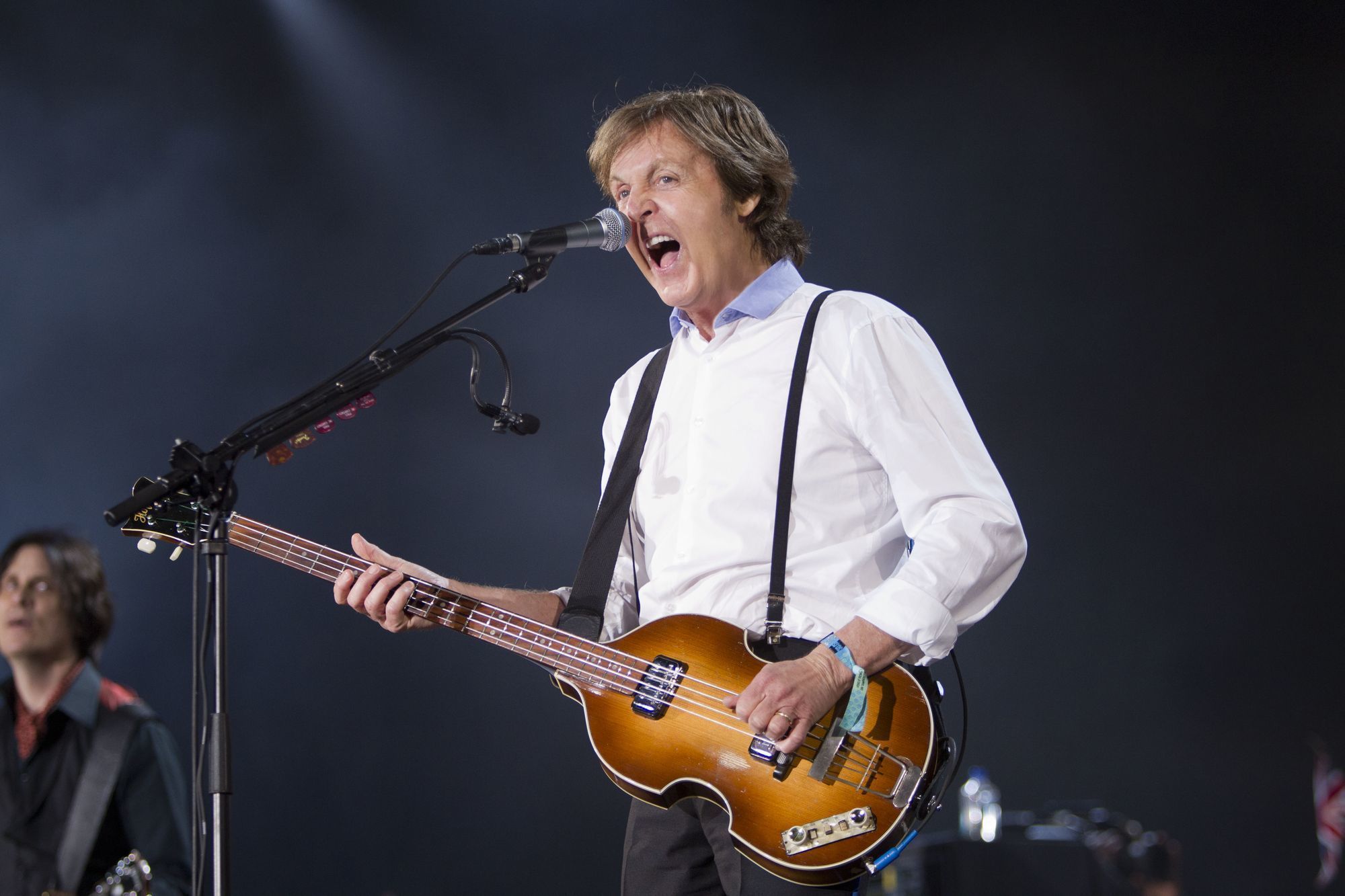
Paul McCartney was dead, former member Ringo Starr testifies! A new development in the urban legend?
Former Beatles drummer Ringo Starr stunned the world when he said in an interview with a publication that the "real" Paul McCartney died in a car accident on November 9, 1966. Here is Ringo's statement, urban legends about Paul, and his own reaction.
Read Article
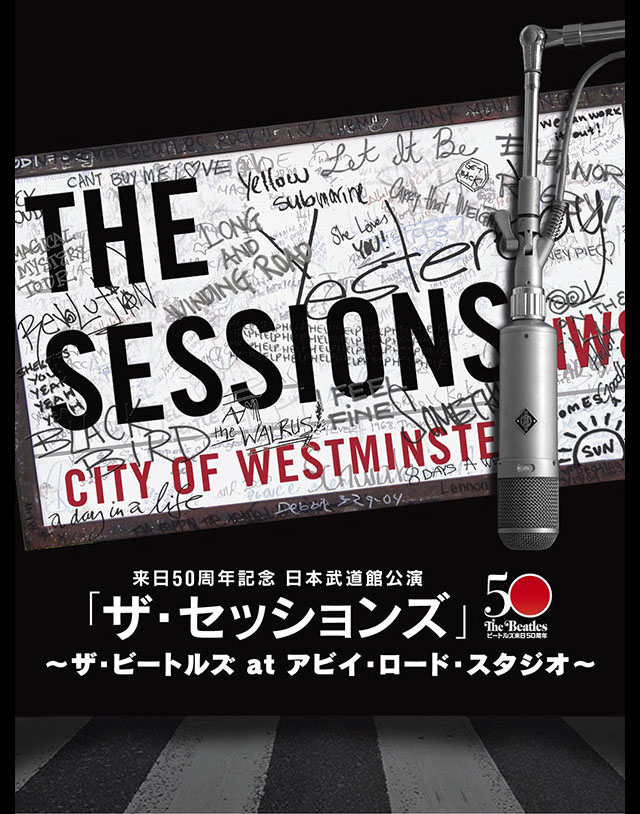
The Sessions, a recreation of the recording sessions of the legendary Beatles band, is coming!
It has been 50 years since the Beatles came to Japan. They were the first foreign artists to perform live at the Nippon Budokan on June 30 and July 1, 1966. On those very same days and at the same place, an event will be held to recreate the Beatles' recording sessions. The title of the event is "The Sessions. It is an attempt to perfectly recreate the Beatles' studio sessions at Abbey Road Studios using a variety of technologies.
Read Article
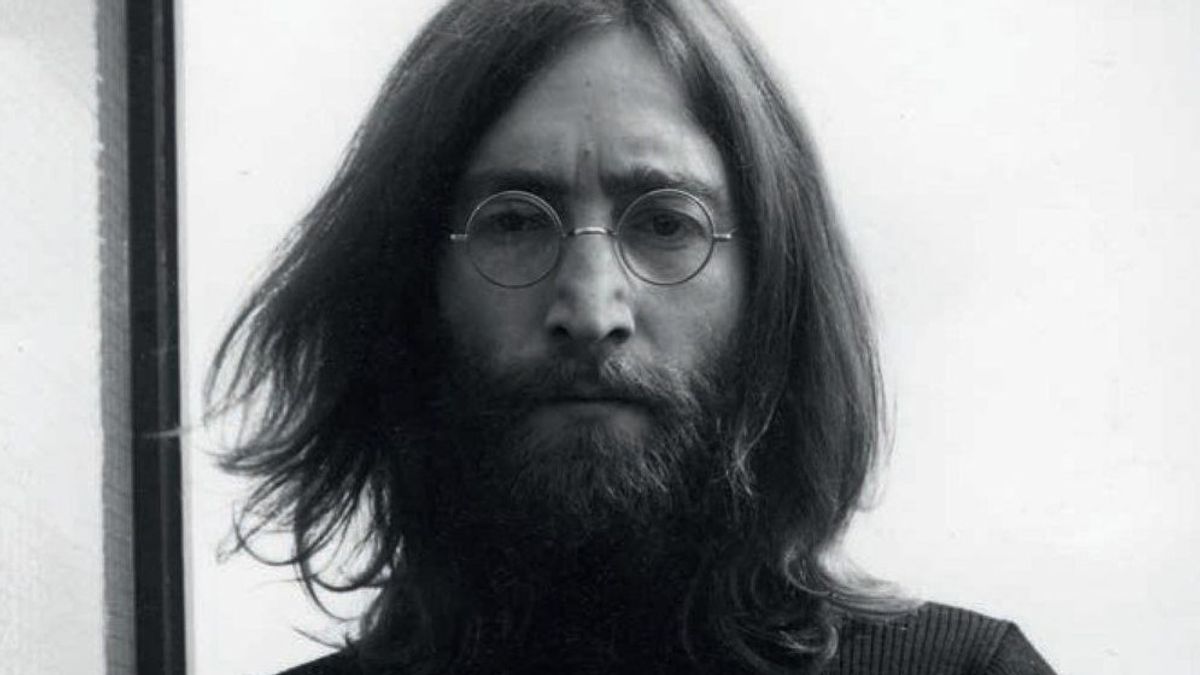
[John Lennon] Summary of celebrities and entertainers who died between the ages of 40 and 49 [Ken Maeda].
Entertainers and celebrities who have had a great impact on the world. Many of them have left this world at the young age of 40s. Diseases, accidents, suicides, assassinations.... In this article, we have compiled a list of such people. Although the causes vary, it is always painful to lose a person, no matter what time period or country.... We sincerely pray for the repose of their souls.
Read Article
![Paul McCartney] Summary of Hollywood stars and celebrities who are actually suspected of being anti-Japanese [Cameron Diaz](https://renote.net/files/blobs/proxy/eyJfcmFpbHMiOnsiZGF0YSI6NzA3OTE5MiwicHVyIjoiYmxvYl9pZCJ9fQ==--f54ed1968ea175d8f6be5ccbc0aac2b4b47ef326/5b111e621ae6624f008b472a.jpg)
Paul McCartney] Summary of Hollywood stars and celebrities who are actually suspected of being anti-Japanese [Cameron Diaz
The term "Hollywood star" is synonymous with world-famous performers. Of course, they are very well known in Japan, too! Some of them have openly stated that they "love Japan! but there are some who are suspected of being anti-Japanese. I don't know if it is true or not, but if these people are capable of world-class performances, they may be able to distinguish between their real intentions and their pretense in a matter of seconds.
Read Article
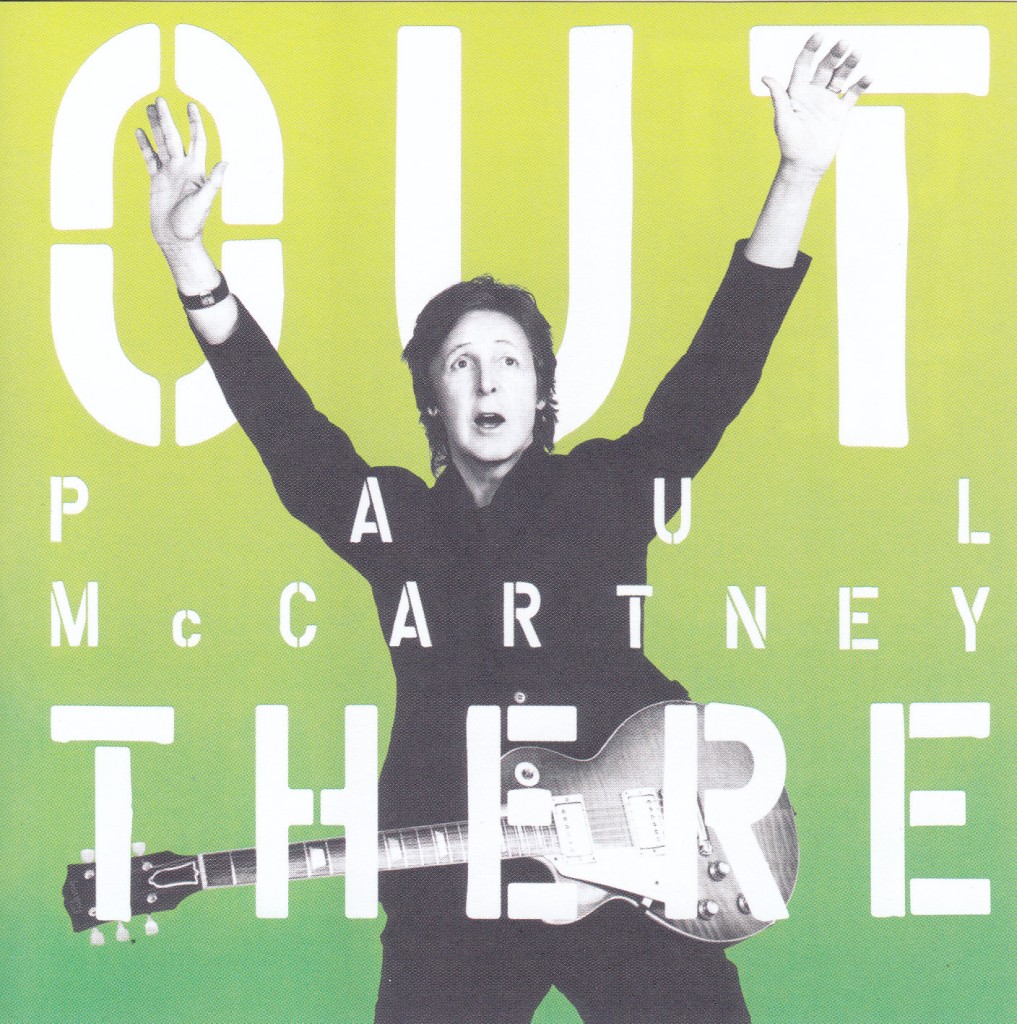
All Paul McCartney shows in Japan cancelled! Discussion of the possibility of a return visit to Japan!
Paul McCartney was scheduled to make his long-awaited return to Japan in May 2014, including his first Budokan concert in 48 years, but he became ill with a viral inflammation and canceled all shows shortly before the show. Many fans were disappointed and many wondered what would happen to him in the future. This article summarizes the situation at that time and the possibility of Paul's return to Japan for a replacement show, which he hopes to do.
Read Article
Paul McCartney suffered from "twisted intestines" and underwent emergency surgery in Japan!
Paul McCartney came to Japan for his first tour in six months, but canceled all shows due to poor health. The name of his illness was announced as viral inflammation, but it was later revealed that he had undergone surgery for intestinal sprain in Japan. The following is a summary of the illnesses that the great star suffered from in Japan.
Read Article
Paul McCartney cancels all shows! Explains the reason "viral inflammation"!
Paul McCartney, who was scheduled to return to Japan in May 2014, has become ill due to viral inflammation and has had to cancel all of his performances, including the Budokan concert. What is this "viral inflammation"? We will present a summary of Paul's sudden illness, which has several possibilities.
Read Article
Tags
Contents
- The Beatles Overview
- Members of The Beatles
- John Lennon
- Paul McCartney
- George Harrison
- Ringo Starr
- Former member of The Beatles
- Stuart Sutcliffe
- Pete Best
- People related to The Beatles
- Allan Williams
- Raymond Jones
- Brian Epstein
- George Martin
- A Brief History of The Beatles
- Birth and Death
- Major Events
- 1956-1961
- 1962-1966
- 1967-1970
- Analog release in the U.K.
- single
- 4-track EP
- album
- Analog release in the U.S.
- single
- 4-track EP
- album
- Analog release in Japan
- single
- 4-track EP
- album
- Solo Works
- Related Works
- The Beatles CDs
- The Beatles Discography
- original album
- Please Please Me
- With The Beatles
- A Hard Day's Night
- Beatles For Sale
- Help!
- Rubber Soul
- Revolver
- Sgt. Pepper's Lonely Hearts Club Band
- Magical Mystery Tour
- The Beatles
- Yellow Submarine
- Abbey Road
- Let It Be
- Editorial Albums & Other
- A Collection Of Beatles Oldies
- Hey Jude
- 1962-1966
- 1967-1970
- Rock 'N' Roll Music
- The Beatles At The Hollywood Bowl
- Love Songs
- Rarities (UK release)
- Rarities (U.S. version)
- The Beatles Ballads
- The Beatles Box
- Reel Music
- 20 Greatest Hits
- Past Masters Volume One
- Past Masters Volume Two
- Live At The BBC
- Baby It's You
- Anthology 1
- Free As A Bird
- Anthology 2
- Real Love
- Anthology 3
- Yellow Submarine Songtrack
- 1
- Let It Be... Naked
- love
- Mono Masters
- On Air - Live At The BBC Volume 2
- Live At The Hollywood Bowl
- Sgt. Pepper's Lonely Hearts Club Band (50th Anniversary Edition)
- The Beatles' most popular songs
- Love Me Do
- Please Please Me
- Twist And Shout
- From Me To You
- She Loves You
- All My Loving
- I Want To Hold Your Hand
- Can't Buy Me Love
- You Can't Do That
- A Hard Day's Night
- Long Tall Sally
- Baby's In Black
- Ticket To Ride
- Help!
- Yesterday
- Day Tripper
- We Can Work It Out
- Nowhere Man
- Paperback Writer
- Yellow Submarine
- Eleanor Rigby
- Strawberry Fields Forever
- Penny Lane
- A Day In The Life
- Hello Goodbye
- I Am The Walrus
- Lady Madonna
- Hey Jude
- Revolution
- Hey Bulldog
- Get Back
- Don't Let Me Down
- The Ballad Of John And Yoko
- Something
- Let It Be
- Free As A Bird
- Real Love
- The Beatles' backstory, trivia, small stories/episodes, anecdotes
- Dramatic departure of a member
- Paul's death theory
- The three major crises of 1966
- Mr. Toshitake Kotei
- Imelda Marcos
- Tommy Charles
- A Tribute to The Beatles