
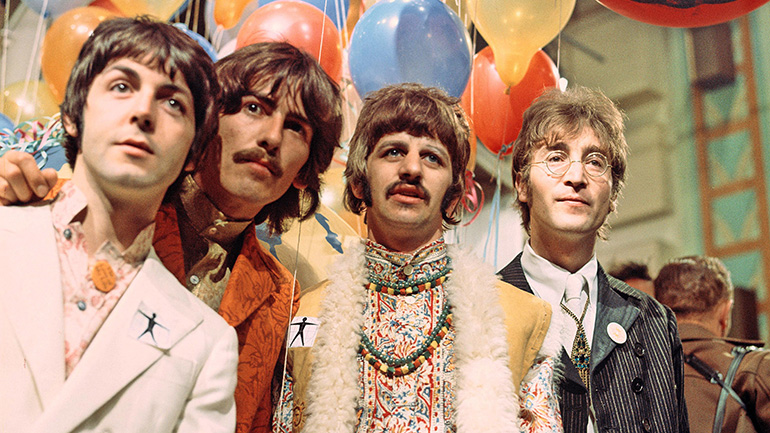
The Beatles are a four-piece rock band representing the 20th century that debuted in the United Kingdom in 1962. Their influence extended not only to their music, but also to their fashion, speech, and thought, creating a social phenomenon. One of the most notable aspects of their music is that their own musical development has directly influenced the musical development of the entire musical world and of their fans, who are their listeners.
The 21st single released on October 31, 1969. It was a double A-side single with "Come Together". It was also a single cut from their 12th album "Abbey Road" released on September 26, 1969.
The video was also created by Apple Film, according to the commentary on the November 6, 2015 release of "1+," although details are unknown. It shows the members of the band and their wives (although some of them were also wives at the time).
Let It Be
22nd single released March 6, 1970. It was the last original single.
The details of the video are unknown, but it may be an outtake from the movie "Let It Be". It consists only of close-ups of Paul, and no other members appear. Unfortunately, I could not find any other suitable footage.
Free As A Bird
The 23rd single released on December 4, 1995. It was the first single cut from "Anthology 1" released on November 20 of the same year, and was indeed the first original single in 25 years.
The. The visual concept of this single is to take a bird's eye view of the Beatles' history and the songs they have released so far. In "A Day In The Life," a man in a car accident, "Mr. Kite," "Helter Skelter," and "Strawberry Fields" appear one after another in visual form.
Real Love
The 24th single released on March 4, 1996. It was the first single from "Anthology 2" released on March 18 of the same year.
One of the directors of this promotional video was Kevin Godley, he is a former member of "Godley & Cream" and "10CC". The other director is Jeff Wonfor, who also directed the documentary video for "Anthology. Kevin filmed the Beatles recording in the studio where Jeff filmed, and combined the footage with the Beatles' documentary footage.
The Beatles' backstory, trivia, small stories/episodes, anecdotes
Dramatic departure of a member
The first to "leave" The Beatles was drummer Ringo Starr.
On August 22, 1968, Ringo "left" The Beatles.
Ron Richards, who had produced for The Beatles, said, "Ringo was always sitting in the lobby or reading the newspaper to pass the time. He would wait for hours for the other members to arrive. One night he finally got tired of waiting and walked out, angry. When I heard that George Martin was having trouble with Ringo, I was not surprised. It was kept a secret that Ringo had quit. Paul was playing drums in his place.
Richard Rush, former tape operator for The Beatles: "I think Ringo was probably in the hardest position in the band. He had to play for hours on end, and I'm sure he felt the same way we did. We had to play for hours on end, and I'm sure he felt the same way we did, 'I played for nine hours last night, and now I have to do it all over again? He was trying to please the other guys. He was just trying to please the other guys.
Ringo's "departure" lasted until his "return" on September 3. In the meantime, The Beatles recorded "Back In The U.S.S.R." and "Dear Prudence" with Paul on drums. In other words, the opening two songs on the album "The Beatles" are Beatles works without Ringo.
On the occasion of his return, Mal Evans greeted Ringo with flowers around his drum kit. Paul also wrote "You are the greatest drummer in the world. Really.
After Ringo, George was the next to leave The Beatles.
On January 10, 1969, during a rehearsal at Twickenham Film Studios, George suddenly left the group after losing patience with Paul's bothering and berating him. In the end, George quickly returned on the condition that the tour be resumed and that the TV show be canceled, among other things.
When George "left" the group, John is said to have said, "Let's put Eric Clapton in George's place.
According to "The Truth About the Breakup of The Beatles" by Peter Dockett, on September 19, 1969, at a meeting at Apple with The Beatles (excluding George), Alan Klein, and John Eastman, John said, "I'm leaving the group. However, this fact never came out.
On April 10, 1970, Paul announced his departure from The Beatles in the Daily Mirror, a popular British newspaper. However, Paul's announcement of his departure from the Beatles was not Paul's intention, as it was reported by the Daily Mirror, a popular newspaper in England.
Paul's death theory
The theory of Paul's death was one of the so-called "urban legends" that Paul McCartney, a member of The Beatles, had already died in 1966, and that a look-alike had been substituting for him since then.
*Partly quoted from Wikipedia
The general outline of the Paul McCartney death story was as follows
Three years earlier (November 9, 1966), Paul McCartney was driving home from a recording session with The Beatles when he got into an argument. He then caused an automobile accident and lost his life as a result. In order not to cause public grief, the Beatles decided to substitute "William Campbell," the winner of the Paul look-alike contest, as their substitute.
Until rumors spread.
1969.
September 17.
An article titled "Is Paul McCartney Dead?" appears in the student newspaper of Drake University, Iowa.
October 11.
Derek Taylor, former Beatles publicist: "I've been getting a mountain of inquiries lately about the news that Paul is dead. Of course those kinds of questions are not limited to this year, but I've been getting them at home and in the office day and night for the past few weeks. I've also been getting calls from American disc jockeys and people like that."
October 12
A caller to Detroit radio station WKNR-FM tells DJ Russ Gibb about the rumor and its clues. Gibb and the other callers then spent an hour on the air, arguing about the topic.
October 14.
The Michigan Daily ran a satirical review of "Abbey Road" by University of Michigan student Fred Laver. Its headline was also "McCartney Dead. New Evidence Comes to Light".
...October 19.
WKNR-FM accelerated the rumor mill by putting together a special two-hour program on the issue, "The Beatle Plot.
October 21.
Robby Young, a disc jockey at New York radio station WABC, spent an hour discussing the rumor before the program was forced to stop.
...October 21.
The Beatles' publicist issues a statement denying the rumors, which have been widely discussed in the national and international media.
*****
Below are some of the "evidence" cited as "proof" of Paul's death theory. Most of them are rubbish and we know, at the very least, that Paul is still alive and kicking.
From the album "Sgt. Pepper's Lonely Hearts Club Band.
On the album cover, a hand is held above Paul's head, symbolizing God's blessing on a man who was religiously buried in the East.
On the back jacket, Paul is the only one with his back to us. The lyrics are printed on the back jacket, but the words "without you" are printed just above Paul's head.
The badge Paul wears on his left arm on the inside jacket reads "O.P.D.", which stands for "Officially Pronounced Dead".
The beginning of the lyrics of the song "She's Leaving Home" is "Wednesday morning at five o'clock as the day begins," which is the time of Paul's death.
The beginning of the lyrics of the song "Good Morning Good Morning", "Nothing to do to save his life", refers to Paul.
The man who died in the car accident in the song "A Day In The Life" is Paul.
From the album "Magical Mystery Tour".
The ending of the song "I Am The Walrus" contains a line from Shakespeare's "King Lear", which means "Bury my corpse".
If you reverse the ending chorus "everybody got one" of "I Am The Walrus", you will hear "Wahahahaha, Paul is dead".
In the TV movie "Magical Mystery Tour," Paul is dressed as a walrus (=Walrus), and the word "Walrus" is a symbol of death in Scandinavian culture, and means "corpse" in Greek.
*The word "Walrus" is a symbol of death in Scandinavian culture, and means "corpse" in Greek.
In the last scene of the TV movie "Magical Mystery Tour," Paul sings "Your Mother Should Know," but only Paul wears a black rose on his chest (the other members wear red roses). Only Paul wears a black rose on his chest (the other members wear red roses). The black rose reminds us of death.
The line "I buried Paul" is inserted at the end of the song "Strawberry Fields Forever".
*The actual words are "Cranberry Souce".
From the album "The Beatles".
The reason why the album cover is all white is because of Paul's mourning.
The song "Glass Onion" has the lyric "The Walrus Was Paul".
The last line of the song "I'm So Tired" sounds like "Paul is dead, I miss him, I miss him, I miss him, I miss him" when the song is reversed.
When the song "Revolution 9" is spun backwards, the words "Turn Me On, Dead Man" can be heard.
From the album "Abbey Road".
In the jacket, Paul is holding a cigarette in his right hand even though he is left-handed.
In the jacket, only Paul has his right foot outstretched (the other members have their left feet outstretched).
Only Paul is barefoot in the jacket. Barefoot means dead body.
The members in the jacket mean a funeral procession. In other words, John is the pastor, Ringo is the undertaker, Paul is the corpse, and George is the gravedigger.
The car (a Volkswagen Beetle) in the back of the jacket has the license plate number "28IF", which means "Paul would be 28 years old if he were alive".
*In fact, Paul was only 27 years old at that time, not 28.
The "S" in the word "BEATLES" on the back jacket is cracked.
The lyrics of the song "Come Together" say "One And One And One Is Three," which means that there are only three members except for Paul.
*Paul released a live album "Paul Is Live" in 1993, and the album cover is a parody of "Abbey Road". In that jacket, he is wearing proper shoes instead of barefoot, he is stepping out on his left foot, he is holding a dog leash with his dominant left hand, and the license plate number of his car is "51IS (I'm 51 years old)".
Other.
The voices of "Yesterday" and "Hey Jude" are analyzed by a machine, and they are different people.
The face is completely different from the middle of the song.
The height suddenly became taller.
The color of his eyes changed.

Paul Is Live jacket.
The three major crises of 1966
Tony Barlow, the Beatles' publicist, says that in 1966, the Beatles were facing three major crises. The three crises were
The anti-Beatles movement in Japan
The anti-Beatles movement in the Philippines
The anti-Beatles movement in the U.S.
Below is a brief introduction of these three major crises, focusing on the key players.
Mr. Toshitake Kotei
Toshitake Kotei is a journalist and current affairs critic. He was famous as a reviewer for the TBS television program "Jiji Houdan," a round-table discussion. He died in 1972. Below, we will discuss some of his statements as an anti-Beatles representative.
1965.
On November 29, 1965, he appeared on Tokyo 12 Channel's "Objection," a debate program on the theme of "Electric Monkey Bastards.
The theme of the program was "electrics, monkeys, and assholes. That kind of thing should be played in the mountains with bears! Your intelligence is lowered because of the popularity of such things.
1966
May 22, 1966, TBS TV "Jiji Houdan
In general, electric guitars, monkey dances, and other noisy things are an obstacle to the progress of mankind. What is the Yomiuri, a major newspaper, doing with its precious foreign currency and time, inviting something as trivial as the Beatles? Minister of Finance Fukuda also has too much sense to give permission for foreign currency to such people.
TBS TV "Jiji Houdan" on May 29.
I won't let a koji geisha use the Budokan!
June 5, TBS "Jiji Houdan" (TBS TV)
"We should do it at Yumenoshima.
He's a Kojiki comedian.
I heard you can't enter in France.
June 19, TBS TV "Jiji Houdan", confrontation with Beatles fans (9 girls).
The Beatles, who grew up in England, the land of pirates, also received a cheap medal from the Queen for looting foreign currencies from the idiots of the world. Now the crazies in Japan are making noise again and trying to spend foreign currency."
The fan girl said, "I play good music so I can make money. That's why I got the medal.
Mr. Takamoto Hosokawa, who was also present, said, "Even Mr. Kotei received the Order of the First Class.
A young girl who was a fan of the Beatles said, "You gave it to me because you have a short life ahead of you, didn't you? I'm just saying that the Beatles are a bunch of old farts. You're just jealous because your hair is getting thinner, uncle.
[The crazies get all huffy and puffy over that nonsense, and that's why they get all huffy and puffy. Beatles fans are low class. Fine art attracts fine people. No matter which one you look at, you've got a very bad brain.
*Reiko Ohara, the director in charge of the project, said, "The conflict between a stubborn old man and a crazy girl is a style that exists in every family. I planned this project in the hope of expanding on the differences of opinion between the two generations."
June 22
Tokyo Sports: "The Beatles are taking advantage of the Japanese" (in Japanese)
The Beatles are not music, but a noise that a bunch of idiots who have neither the ability to think nor have any education like. There's no way there's anything good in that kind of thing.
Gem, magazine, August 1966
*A trilogy talk with Toshitake Kotei, Yukio Aoshima, and Akiyuki Nosaka.
Nosaka: "I heard that you don't like the Beatles.
Mr. Kojei said, "I hate them. I have a special disdain for the Beatles, electrics, monkey dancing, and all those people who are making a fuss about it. It's not good for the progress of mankind. It's a movement to corrupt mankind, you know.
Mr. Nosaka: "Then, what is a movement that does not corrupt mankind?"
Mr. Kojoing "It is to think quietly and read books. I don't think there is anything so easy, cheap, and substantial as this, which can be a tool or a propellant to improve human beings.
(omission omitted).
Mr. Aoshima: "On what basis do you say that the Beatles are low class?
Mr. Kojo: "No matter what I say as the basis, such a noisy thing is no good.
Mr. Nosaka "However, when Beethoven appeared, it might have been noisy from the point of view of conservative people at that time, right?
Mr. Kotei said, "However, there is a limit to things. Beethoven is a quiet one.
Mr. Nosaka "No, jajajajan is quite noisy.
Mr. Kojoing: "That happens sometimes. But the Beatles, on the other hand, are like a series of mess, mess itself.
Mr. Aoshima: "When you put it that way, I think it's rather low class on your part.
Mr. Kotei: "I don't care what you think about that. But why am I low class?
Mr. Aoshima: "That's because you are a critic, so if you say that those things are harmful to human sentiments, that's fine. But in that case, I think it would be kind of you to explain it in a way that young people can understand.
Mr. Kotei said, "I think I have already explained it in a convincing way. I am not a music expert, so I don't talk about music theory, but I have a certain policy on life theory and how human beings should be, and I am constantly spreading it to the world," said Aoshima.
Aoshima: "It would be educationally wrong to say "low class, low class" without trying to convince people.
Mr. Kojoing: "That can't be helped. If you are so uneducated that you cannot be convinced after saying all this, you are the one who is guilty of not being convinced.
Mr. Aoshima: "Just saying it's noise is a very weak basis, though.
Mr. Kojo: "No, it's just noise, too. It is also anti-social. Even at around 12:30 at night, they still gather around and yell and yell. It's despicable.
Aoshima: "If you look at monkey dancing as a form of entertainment, and if you look at what the Beatles have in terms of music, there are different aspects, right?
Kotei: "Yes, there are, but as I said before, I am not a music specialist. I don't want to say it from a musical standpoint, and I am not qualified to say it.
Mr. Aoshima: "If you are not qualified to say it, why don't you just shut up?
Mr. Kojo: "No, I won't shut up! In terms of its social impact, I am 100% qualified to say it, because I have been a newspaper reporter for 50 years.
I've been a newspaper reporter for fifty years.
The Beatles have received death threats over their use of Budokan.
Tony Barlow, publicist for The Beatles: "(Omitted) In Japan, we received threats from a student organization in Tokyo that considers the Budokan, where The Beatles were to hold a concert, a sacred place. They said that it was a sacred place for various sporting events and that it would be outrageous to use it for frivolous purposes such as a rock concert. They said they would kill the Beatles if I held a concert at the Budokan. I managed to find out what was going on from the young people in the lobby of the Tokyo Hilton. It was only after these Japanese youths read the newspaper that they learned of the murder threat. The Beatles had never been informed of such a situation. They only saw lots of armed policemen everywhere. They had no idea that their lives were in danger in Japan.
Imelda Marcos
Imelda Marcos is the wife of Ferdinand Marcos, the 10th President of the Philippines.
She was forced to flee the Philippines with President Ferdinand and went into exile in Hawaii after the assassination of Ninoy Aquino at the Manila International Airport on August 31, 1983, and the Edsa Revolution, the so-called "People Power Revolution" that occurred from February 22 to 25, 1986.
President Ferdinand died in exile in Hawaii on September 28, 1989. Mrs. Imelda received permission from the Philippine government to return to Japan on November 4, 1991. The next day, however, she was arrested on charges of tax evasion and bribery. She is still alive and is 88 years old as of 2018.
Mrs. Imelda's involvement with The Beatles is as follows.
*Partially quoted from Wikipedia
In 1966, Imelda was invited to host a breakfast reception at the Malacanian Palace for the Beatles, who were in Japan on a concert tour. This had already been approached during the Japan tour, but Brian Epstein, the Beatles' manager, declined without informing the members. The local promoter in the Philippines also did not inform Imelda of the refusal. On July 4, the day of the event, the local promoter negotiated until just before the start, but Epstein never shook his head, and the Beatles never visited.
The next day, the newspaper reported widely, "The Beatles insult the President and his family!" and on TV Imelda said, "I feel sorry for the children who were looking forward to seeing the Beatles because they broke their promise. They betrayed us. She was outraged that the Beatles had broken their promise. This quickly spread antipathy toward the Beatles in the Philippines.
When the Beatles returned to the Philippines, they were beaten and kicked by the public at the airport, and they could not get permission to take off on their return flight. In an interview after his return to England, John Lennon said, "I'm never going back to that crazy country again. Paul McCartney also expressed his relief that they were able to prove their innocence, saying that "the hidden truth was revealed" after Marcos' ouster, and recalled that "George Harrison was angry that the next time he went to the Philippines, it would be to drop an atomic bomb on it. In Japanese newspapers at the time, the photo option in the newspaper article on the assault identified the accompanying photographer, Robert Stragger, as John, and John as George Harrison.
Incidentally, this July 4, 1966 concert was the most attended concert in the history of The Beatles' live shows. The venue was the Rizal Memorial Football Stadium. The concert drew 30,000 people for the daytime show and 50,000 people for the evening show, for a total of 80,000 people in one day.
Tony Barlow, publicist for The Beatles: "(Forward) Then we went straight to Manila, Philippines. And then disaster struck. We were hit with the second of the three major crises of 1966, when news broke that the Beatles had mocked the first lady and stood up to her invitation to the White House. In a region like the Philippines, one should never mock a man like Marcos. If you do, you will regret it for the rest of your life. Immediately there was a sort of anti-Beatles movement that spread overnight. I think it's worth mentioning here that Brian Epstein and I, and others who were involved with the Beatles, used to avoid official events because of them. They hated formal events that required formal attire. And we didn't even try to make a good excuse, especially at that time. We didn't even try to make a good excuse, because we hadn't received a formal invitation. We had no idea that there were over 200 Filipino aristocrats waiting to meet the Beatles, and we had no idea that there would be an official luncheon attended by the president and his wife. We hadn't heard anything about that at all, you know. We had only received an invitation for an informal visit, like a drop-in and Imelda Marcos, the president's wife, would meet with us. It didn't occur to us that it was such a formal event.
Tommy Charles
Tommy Charles is a disc jockey at WAQY radio in Birmingham, Alabama, USA.
He was the first person to ban The Beatles' songs from his radio station after John's statement that The Beatles were more popular than Christ. He may be said to be the one who caused the uproar over John's Christ comment by launching the "No Beatles Campaign."
*Partly quoted from Wikipedia
1966.
March 4.
John's interview is published in the London Evening Standard.
John: "Christianity will be ruined. It will disappear or weaken. There's no argument about that. I'm right, and I'll be proven right one day. Right now, we Beatles are more famous than Christ. I don't know which will go away first, rock or Christianity. Christ was good, but his disciples were mediocre to the last degree. For me, it seems to me that the disciples distorted it and ruined it."
The reaction to this article in the UK was not particularly large, and was taken as "John's usual tongue-in-cheek". It was distributed to the New York Times and other publishers around the world, but even then it did not cause any problems.
July 29.
An excerpt of this interview is published in the American magazine "Datebook.
Tommy Charles, a disc jockey at WAQY radio in Birmingham, Alabama, USA, reads the article and declares that he will ban the Beatles' songs from the airwaves. He launched the "Ban the Beatles" campaign, calling for the burning of all Beatles records.
Tommy Charles: "The response was enormous. We got 99% support here in Birmingham, and you know, radio stations all over the U.S. agreed with us. That's fantastic. The cause was an article in Datebook magazine. The article, reprinted from an interview Maureen Cleeve gave in London, quoted John Lennon as saying that Christianity was on the decline and that the Beatles were more famous than Jesus Christ. I thought that was a silly statement that was out of line. Feeling we had a duty to serve the public, we banned Beatles records from the airwaves, encouraged listeners to bring all Beatles-related merchandise and Beatlemania to the radio station, planned a big bonfire for August 19, and had the Beatles' records banned from the airwaves. I also spoke with a reporter. He asked about my involvement with religion and asked if I was a fanatic or something. I replied that I was not. I go to church regularly, but this had nothing to do with it. I was just intensely offended that a group like the Beatles, idolized by young people, had come along and made such a statement. Responsibility should grow with success, don't you think?
The radio stations that banned The Beatles' songs ranged from Ogdensburg, New York, to as far away as Salt Lake, Utah. The reaction was especially strong in the Bible Belt region, where Beatles records were burned and there was a great uproar in the South.
*Bible Belt: A region of the United States stretching across several states from the Midwest to the Southeast, where Protestantism, fundamentalist Christianity, the Southern Baptist Convention, and evangelicalism are fervently practiced and are part of the local culture.
Maureen Cleave, who conducted the interview, felt responsible and defended John's comments as "a depressing look at the reality of the recent decline of Christianity in England."
Maureen Cleeve: "I was surprised that John's words were taken out of context from my article and misinterpreted that way. I do not believe for one second that he had any frivolous or disrespectful feelings. He wasn't comparing the Beatles to Jesus Christ. He was merely stating objectively that the Beatles are known by more people. And he was lamenting the situation, not feeling good about it. The American people were being given the wrong impression. It was absolutely ridiculous."
The manager, Brian Epstein, immediately went to the United States and held a press conference.
Brian Epstein: "What John Lennon said to a London columnist over three months ago was quoted in a way that completely ignored the context before and after. Lennon has a deep interest in religion, and at that time he was having a serious discussion with Maureen Cleeve, a friend of the Beatles and an agent for the London Evening Standard. His point was that over the last 50 years there has been a considerable loss of interest in the Church and Christ in England. He wasn't trying to brag about the Beatles' fame. He was trying to make the point that to the younger generation, the Beatles seem to have had a more direct influence."
August 11.
John's apologetic press conference is held in Chicago.
John: "I was merely pointing out the fact of the decline of Christianity in England. I did not intend to say anything anti-religious or objectionable at all. We did not compare Christ as a person with ourselves. I had no other intention in what I said. I am sorry that I said it. The remark was misinterpreted."
John: "I was just talking to a reporter, Maureen Cleave, who happens to be a friend of mine. She was doing a sort of in-depth interview series. So I wasn't thinking about promoting it or trying to explain what I was saying. I'm not saying that the Beatles are better than Jesus or God or Christianity. I used the name Beatles because it was easier. I used the name because it was easier for me to separate myself from the Beatles and just talk about them as an example. Especially since they were close friends. I was just trying to be a good friend, and I was trying to be a good friend of the Beatles, especially since they were close friends. Cars are bigger than Jesus. The Beatles was the easiest name for me to use, so I just used that name. I didn't expect it to cause a stir. When I heard there was controversy in the US, I didn't think it was true. I thought it was just a bad joke around Adelaide. When I learned that it was serious, I stiffened with anxiety, knowing that the ripples would continue to spread and that there was nothing I could do about it. I knew that if things got too big, I would have no way to respond, because then I would no longer have anything to do with it. All I can say is that from what I have read and what I have observed, Christianity seems to be on the decline. I'm not attacking Christianity or saying it's bad. I'm just saying that it seems to be losing touch with the people and declining.
Paul: "We all regret that fact.
John: "There is no such thing as an alternative to Christianity. That's not what we're talking about. It's ridiculous to say that Christianity is all right, or that we do this or we don't do that. We were raised Christians. We don't say we are devout believers. Christ is Christ, and if someone tells me how great he is, I believe them. I don't hold any non-Christian beliefs."
Paul: "I don't think Americans lack a sense of humor just because we're in this mess. There are Americans who don't understand humor. There are Americans who don't have a sense of humor, and there are British who don't have a sense of humor. There are people everywhere who don't have a sense of humor. But we have a large population of them in the United States. That's why they pick on the minority.
John: "We are still looking forward to the Amelia tour. John: "We're still looking forward to the Amelia tour, even though it's been reported over here that they only want to play in California. Maybe it's because someone asked me where I like best in the U.S. and I said I was looking forward to going to L.A., where I know a lot of people.
George: "When I'm in California, I eat things a lot. I eat different food than I do at the hotel. It's not that I have a problem with hotel food. We have a house there. It's a temporary escape from the endless hotel food."
(omitted).
Reporter: "Why couldn't American journalists do justice to the 'Bigger than Christ' remark?"
John: "I don't know. When the article came out in England, very few people said, 'What the hell is he talking about? Who is he?' and posted it in the newspaper. Some said, 'He's entitled to his opinion. After that, there were no repercussions. The response was very small. But by the time the remarks got over here and were published in a children's magazine, the original meaning and context were lost, and everybody suddenly started making up their own selfish versions."
Reporter: "John, it seems that many priests are in full agreement with your statement, and it seems that it is almost exclusively in the area we call the Bible Belt that people are very concerned about your statement and oversimplify it. The Bible Belt is a region notorious for its Christian fundamentalism."
Paul: "Yeah, they seem to think that John was trying to attack them by making that statement, but he didn't mean that at all. It was just an honest statement with no agenda. He may be right, he may be wrong, but he was being honest about what he thought. If someone thinks it's wrong for John to say something like that, then that person doesn't recognize the freedom of speech. I thought everyone here recognized that."
[Afterword
In response to John's apology, Tommy Charles said
Tommy Charles: "We have decided to accept John's apology and his attitude when he made it. That's the least we can do. An off-the-cuff remark like that is not only dangerous but can have a strong influence on young people. I think the Beatles made a wise decision."
In later years, New York radio DJ Murray Kaufman said, "I think the Beatles made a smart decision.
Murray Kaufman (also known as Maleeza K.) "There were a lot of young people who were more impressed with what the Beatles were doing through their music and their shows than they were with going to church and listening to the teachings of Jesus Christ. When John Lennon said to his friend Maureen Cleave, 'Oh, the Beatles are more popular than Jesus Christ, it's amazing,' what he meant was not that the Beatles were trying to supplant Jesus Christ, but that Christianity had many problems. Christianity has a lot of problems. He was saying that young people can't fit into the religion as it is now. Very interestingly, after that statement, Christianity started holding concerts in churches and taking new approaches to attracting young people. I think that statement stimulated and inspired church officials to admit that John was following the truth. So they began to take steps to address the issue. Think back to those days. It wasn't that long ago, yet some of the civil rights, customs, and values were very archaic compared to today's standards. John's use of language may have been inappropriate, and the media certainly put a tail on it, but that statement was the catalyst for the theologians to discuss it. If it had been a theologian who made that statement, the media wouldn't have covered it so extensively. And because John Lennon said it, there were some positive consequences."
Tony Barlow, publicist for The Beatles: "(The) third thing that happened in the year of disaster (1966) was the last U.S. tour. It was just at the time when Beatles records were being burned and John Lennon was receiving assassination threats from fanatics in the southern United States, or Bible Belt region. All because of a misinterpreted remark John made about the declining popularity of Jesus Christ. His remarks were not boastful in any sense of the word. It was simply a critique. And yet, by the time the statement reached the southern states, it had been interpreted in a terribly bad way by some religious groups, and John was surrounded by murder threats throughout the entire tour. We were in that area, in a southern state, during a concert in Memphis, when a firecracker went off. We were on the side of the stage and the three Beatles on stage all instantly looked at John Lennon. I am sure they would not have been surprised to see him fall at that moment. Of course, that was about 14 years too early for that. At the earlier press conference, John joked about the Memphis concert, as if he was not in the right frame of mind. When we arrived in Memphis, everything seemed to be under control and calm, but underneath the facade, there was a certain grimness in the air. It was a very bad day. It was a day of terrible tension and pressure."
A Tribute to The Beatles
The Beatles' activities have had a tremendous impact on music fans as well as on the same artists.
I would like to conclude by introducing some (but only a few) quotes from artists who have been influenced by The Beatles.
Phil Collins
*Former drummer and vocalist of Genesis. He appeared as a child actor in the Beatles' movie "A Hard Day's Night" as an extra.
In "A Hard Day's Night," there is a boy walking along the riverbank with Ringo. People say that's me, but they're wrong. I was one of the boys screaming at the Beatles at the end. It was a bizarre experience. I went to a stage school. All the students, there were about 80 to 100 of them, and they took me to La Scala in London's West End on March 31st, and I screamed at the Beatles. They even paid us! We were sitting there, and they didn't even have to tell us to scream. Because they showed up. The Beatles! It was 1964, and they were the band that everybody wanted to be in. So, sure enough, I was in that movie, and at the end of the day, I got the cash."
●Spencer Davis
*Vocalist and guitarist for the British band Spencer Davis Group. This was the band that Steve Winwood was in. Spencer Davis has performed on the "Magical Mystery Tour.
1967 was an incredibly busy year for the Spencer Davis Group. The parents of one of our road managers owned a pub in Cornwall. We used to go there and stay there whenever we got a day off. I had a couple of days off, so I hopped in the Mini with my wife and two kids and we went there and rested for a couple of days. I was watching the news and they were talking about the Beatles getting on a bus and heading west. They were trying to cross a narrow bridge and the bus got stuck in the middle of the road. I made some careful inquiries and discovered that they were headed to the Atlantic Hotel in Devon. I called the hotel and got Mal Evans [the Beatles' personal assistant]. I said, 'What are you doing? He said, 'We're doing the Magical Mystery Tour. Paul and the other guys want you and your family to join us. So I went out and they were busy taking pictures. If you look at the back of the photo page of Magical Mystery Tour, you'll see me standing in the back with John and Paul. My wife is sitting next to George with our youngest, Lisa, on her lap. That's how we are in the jacket. I got a couple of rejected photos, and in one of them, my other daughter Sarah is playing peek-a-boo and giving Paul a hard time.
James Taylor
*James Taylor is an American singer and songwriter. His debut album was released on the Apple label.
I was really shocked by 'Sgt. I distinctly remember taking it home and saying, 'Holy shit, you gotta hear this. I looked at the cover all over, read through the lyrics, and listened to the record over and over. I loved "She's Leaving Home" and "With A Little Help From My Friends" was great. I couldn't believe it! I couldn't believe that after "Rubber Soul" and "Revolver" there would be such a great album. They were all phenomenal albums. Later, I signed with Apple, and I told that company, "I'm not going to do it, but I'm going to do it with John and with Paul and with Bieber. But I never got to sit down with John or Paul and talk about the Beatles records. We were both very busy at the time.
Bill Wyman
*Former bassist of The Rolling Stones.
Bill Wyman, former bassist for The Rolling Stones. "The impression was created by the media that we [The Beatles and The Stones] were enemies. It was always the Rolling Stones versus the Beatles. The press was always trying to create a rivalry between us, the two biggest bands in England. But it was a big lie. We were very good friends and we both liked each other's music. And our music was opposite. So there was room for the two bands to coexist.
Billy Joel
*American singer, songwriter, and pianist.
Billy Joel* American singer, songwriter, and pianist. I might not even exist in this world. They are the reason my life is so vibrant. I never thought I would be a rock and roll star until the Beatles came along. I was all about soul music until the Beatles came along, but I didn't realize that a kid from Levittown, New York, had a soul soul soul. I thought you had to be from the Philadelphia ghetto to qualify. Those were the heyday of the intentionally made-up rock stars. Cute little singers like Fabian and Frankie Avalon were being pumped out of the Hollywood singer mills by the power of money.
It really never occurred to me that I could play the piano, make my own music, do a concert career, and make it big. It seemed so impossible. Then I saw the Beatles on the Ed Sullivan Show.
The four young men in front of me looked distinctly different from those from San Fernando Valley. John's face had a shrewdness to it that us town kids couldn't match. They came on TV with their own instruments, their own arrangements, and their own songs! On the Ed Sullivan Show! They were on there with Robert Peters and who knows who else.
It opened things up and I saw the light and I said, 'This is what I want to do! I said, 'This is what I want to do!
Smokey Robinson
*American soul singer and singer/songwriter. One of Motown's most famous artists.
One of the reasons I liked the Beatles and Elvis Presley so much was that they were the first people to admit that they were listening to black artists, that they were listening to black music with a passion all along, even though they were big white stars. At the time, the world was at odds between whites and blacks, so their public admission was the best news of all. Especially because musically, the polarization was nothing compared to what it is today.
I don't know why we need to put labels on music, especially today. But it was worse back then. Most blacks couldn't play on white radio stations at all. So it was a wonderful and validating recognition for me that Elvis Presley and the Beatles had listened to black music and modeled their style on the black people they knew and loved. So I was very proud that the Beatles told me that they liked Motown and that they had recorded a number of my songs."
●Sting
*Bassist and vocalist for the British rock band The Police.
Sting* Bassist and vocalist for the British rock band The Police. They were similar to me in that they came from working-class backgrounds but were educated. The fact that they wrote their own songs was a big influence on me. This is a landmark achievement of the Beatles. I owe my success to the fact that I could write my own songs."
Andy Summers
*Andy Summers is the guitarist for the British rock band The Police.
George Harrison was a very good guitar player, and he played with great precision. You should listen to his guitar playing again. I'll let you hear it anyway.
I know he hated his guitar playing. He was not a great guitar player. Eric Clapton was the master at that time. George captured the feeling of the songs very well and played guitar wonderfully and tastefully.
I always thought the guitar solo on "Something" was great, but he didn't like it himself. I know he hated his guitar solo. At the end of "Help!" he did a little guitar solo in the style of Chet Atkins, and it was really good.
He was a true player in the sense that he put his life into his instrument. He studied Indian music, admired Segovia, and listened to Chet Atkins. He was obsessed with the guitar. I can tell you he was a sincere player."
Bruce Springsteen
*American rock 'n' roller.
The first song I learned was 'Twist And Shout. If John hadn't sung 'Twist And Shout,' we wouldn't be here.
Peter Tork
*Peter Tork is the bassist and organist of The Monkees, a band formed in the United States to compete with The Beatles.
Peter Tork* Bassist and organist for The Monkees, a band formed in the U.S. to compete with The Beatles. I was a folk singer before they came along. Elvis Presley was at the height of his popularity at the time, but he wasn't much of a musician either. He was intimidated when he first started selling out, but as he toured more and more, he became "old El. And the commercial musicians were no longer respected by anyone, and all that was left was Pete Seeger and folk music. So we hung out on Village Street. Me, Stephen Stills, John Hopkins, John. Sebastian, Ritchie Havens, and even Richard Pryor were doing comedy in underground clubs. Then the Beatles came along. It was a big turning point for America.
They had a different way of expressing themselves than Elvis did, but they had a certain timidity about them. The Beatles played sweet harmonies and even flirted with the blues on their guitars. And most of all, their original music was thoughtful and creative. It was tremendous. So when someone said to me, "Are the Monkees going to sing and play and do comedy and be like the Beatles? And that's when I naturally fell in love with the Beatles."
Taylor Swift
*American female pop singer.
My parents liked that I was into the Beatles and country. It was definitely better than being into heavy metal, and my aunts and uncles loved the Beatles. But they were not popular with my friends. None of my friends around me knew the Beatles, and they thought country music was lame. But the Beatles in particular taught me that writing songs was a very healthy thing to do. What would have been a problem if we had just talked about it, we were allowed to do with a song."
Bryan Ferry
*Vocalist for the British rock band Roxy Music.
Bryan Ferry* Vocalist for the British rock band Roxy Music. But the Beatles, especially Lennon and McCartney, they probably showed me a brighter path. I was working class like them, and their music was a bit like a work of art. The poetry of the Sargent Peppers was especially great. I had never heard anything like that before.
George Benson
*American jazz guitarist
The Beatles were different from most white musicians in that they took their influences from black people and gave them back to us in a much better form. They weren't thieves. They did new things and pushed the envelope for musicians. And in a way, I was one of their influences. I used to be a jazz musician myself, but I moved on."
Jaco Pastorius
*American jazz bassist.
The Beatles were playing on the turntables, and I was talking to McCartney in my head the whole time. I never actually met him, and I never saw any article mentioning his bass playing. McCartney was speaking in his own words the whole time. In a very melodic way, in a way that had never been done before. It was as new as the Beatles turning popular music upside down. I used to listen to the Beatles when I was in school, and I'm a fan of theirs. Paul McCartney's bass lines are magic. He used to play melodies on bass. There are a lot of people who have bass, but only a handful of people can really call themselves bass players.
Sly Stone
*Leader of the American soul-funk band Sly & the Family Stone.
The Beatles probably influenced most musical groups. I mean, they had an impact on the world. They had some sort of impact on most popular music, even in very small parts, very naturally. Because their music seemed to be like the top of the line. I mean, you could naturally recognize the Beatles' style of music, couldn't you?
Kurt Cobain
*Guitarist and vocalist of the American rock band Nirvana.
When I was a teenager, I listened to anything and everything. When I got an allowance, which was really only sometimes, I could buy singles. My aunts gave me Beatles records, so for a while I listened to Beatles all the time. I loved the Beatles. My mother was always concerned about bringing British culture into the house.
My aunt gave me a Beatles record...so I listened to most of their songs when I was little. On my lucky days, she would buy me singles.
My favorite Beatle was definitely John Lennon. I would listen to any Lennon-McCartney piece of Beatles music any day of the week, and I don't know exactly which of the two wrote which parts of which songs, but when I was listening to a Paul McCartney song, the song enveloped me, whereas John Lennon's songs were clearly I was disturbed. I could relate to that."
David Byrne
*Leader of the American rock band Talking Heads.
Lennon-McCartney is like George Gershwin or Cole Porter in America. Lennon is minor, bitter, and heavy. McCartney was major and sang sweetly. My overall impression was that the Beatles were major and harsh. No other band could do that. I mean, the Beatles were doing it together."
*Jeff Beck.
*Jeff Beck is a British guitarist.
"The Beatles would probably only have gone down in history as a pretty great 'bar band' if it weren't for producer George Martin. Of course John Lennon and Paul McCartney are great songwriters, but that was raw raw material. George Martin embellished it well, as evidenced by the Yeah Yeah Yeahs part in She Loves You."

Related Articles
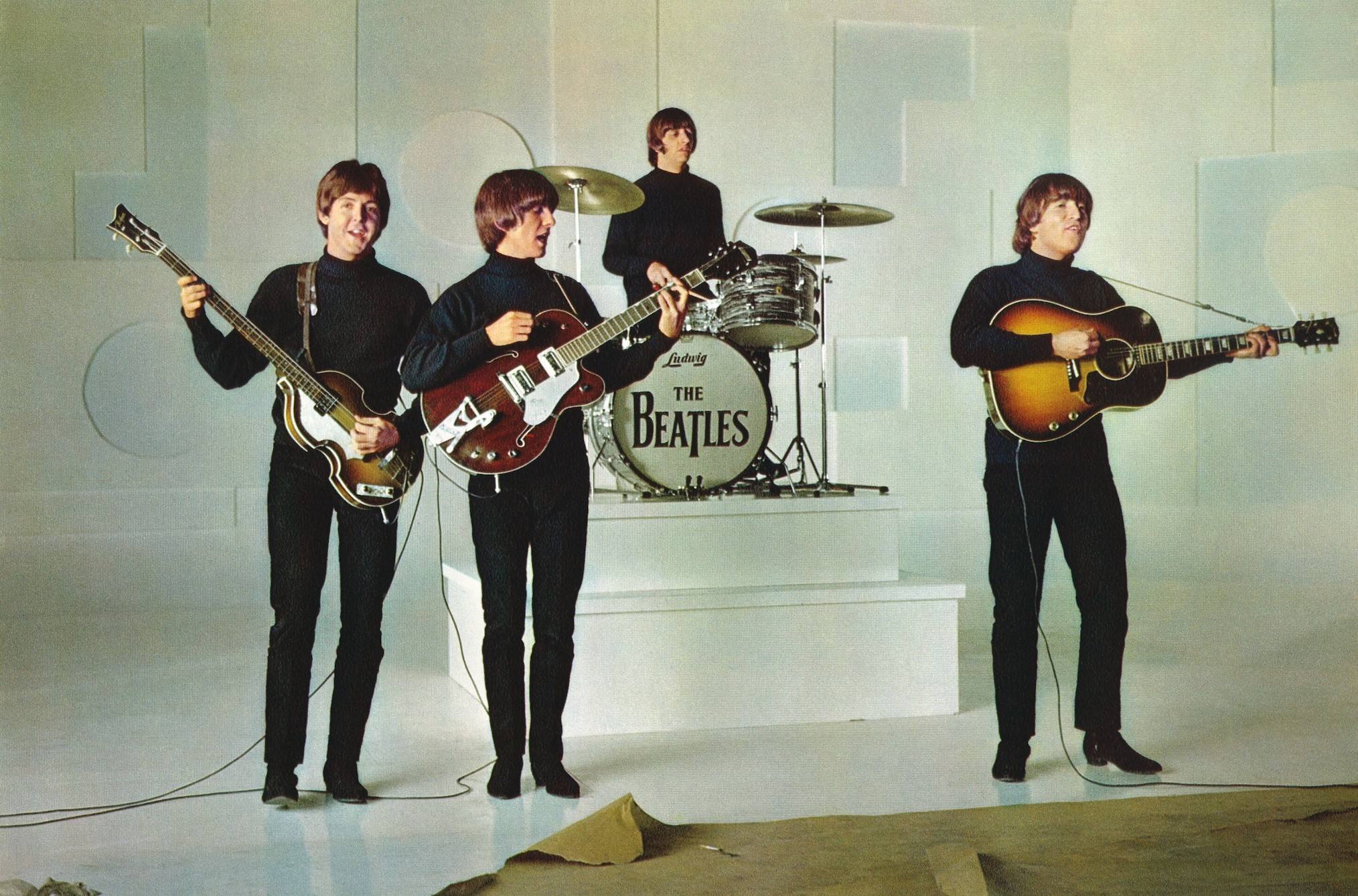
Summary of quotes and statements by The Beatles
The Beatles were one of the most popular rock bands of the 20th century, active from the 1960s to the 1970s, and made their record debut on October 5, 1962. The Beatles were ranked No. 1 on Rolling Stone's list of the 100 Greatest Artists of All Time, and are regarded around the world as one of the most influential rock bands of the 20th century. The band hails from Liverpool, England. Not only their music, but also their ideas and statements have attracted a great deal of attention and have had a great impact on the world.
Read Article
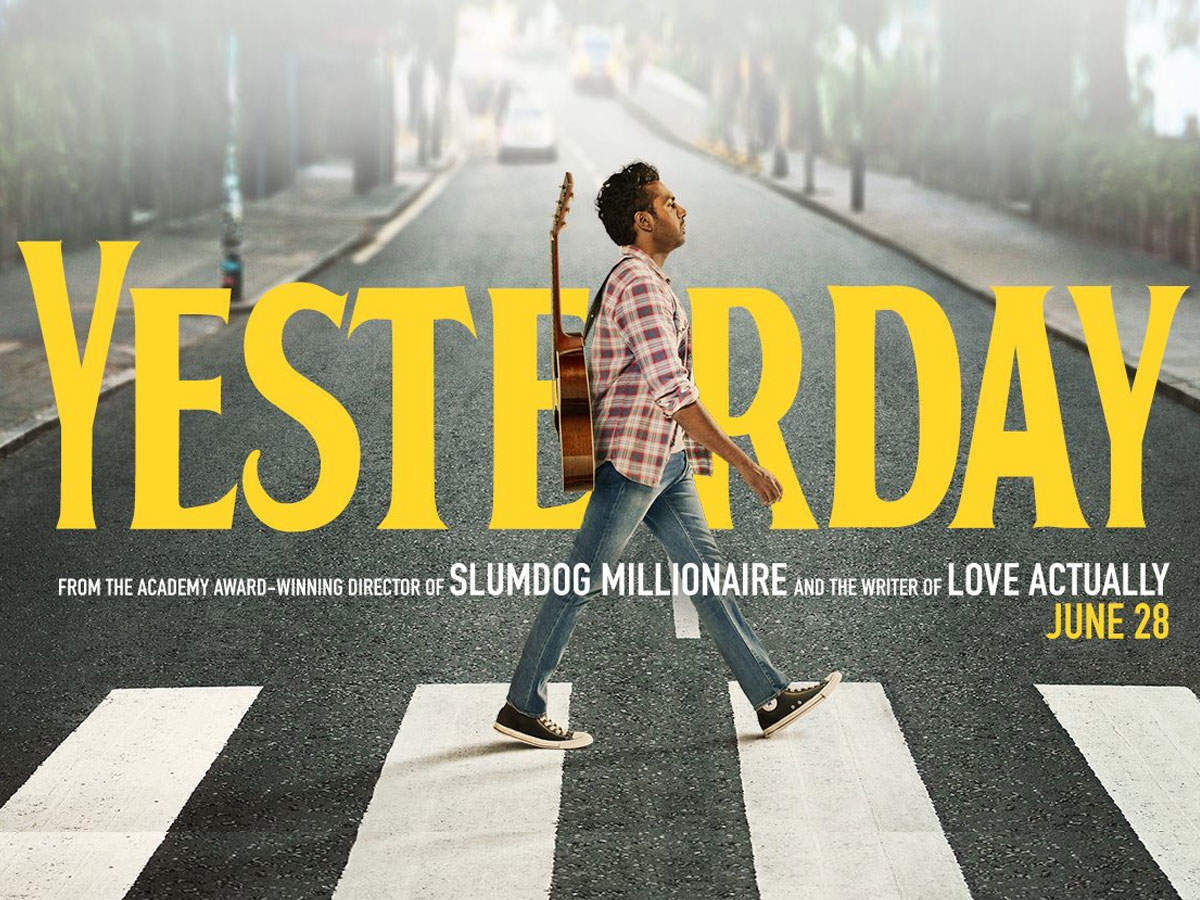
Yesterdays (film) spoiler alerts and discussion summary
Yesterday" is a stylish and heartfelt romantic comedy film produced in England. The main character, Jack, an unsuccessful singer-songwriter, is hit by a bus one day. He recovers from unconsciousness, but when he wakes up in the world, the legendary band "The Beatles" does not exist. For some reason, Jack is the only one who remembers the Beatles. The song "Yesterday," which he performed based on his memories, gradually changes Jack's ordinary life. This is a film that mixes fantastical elements with realism, and allows viewers to enjoy friendship, love, and anguish along with the Beatles' classic songs.
Read Article
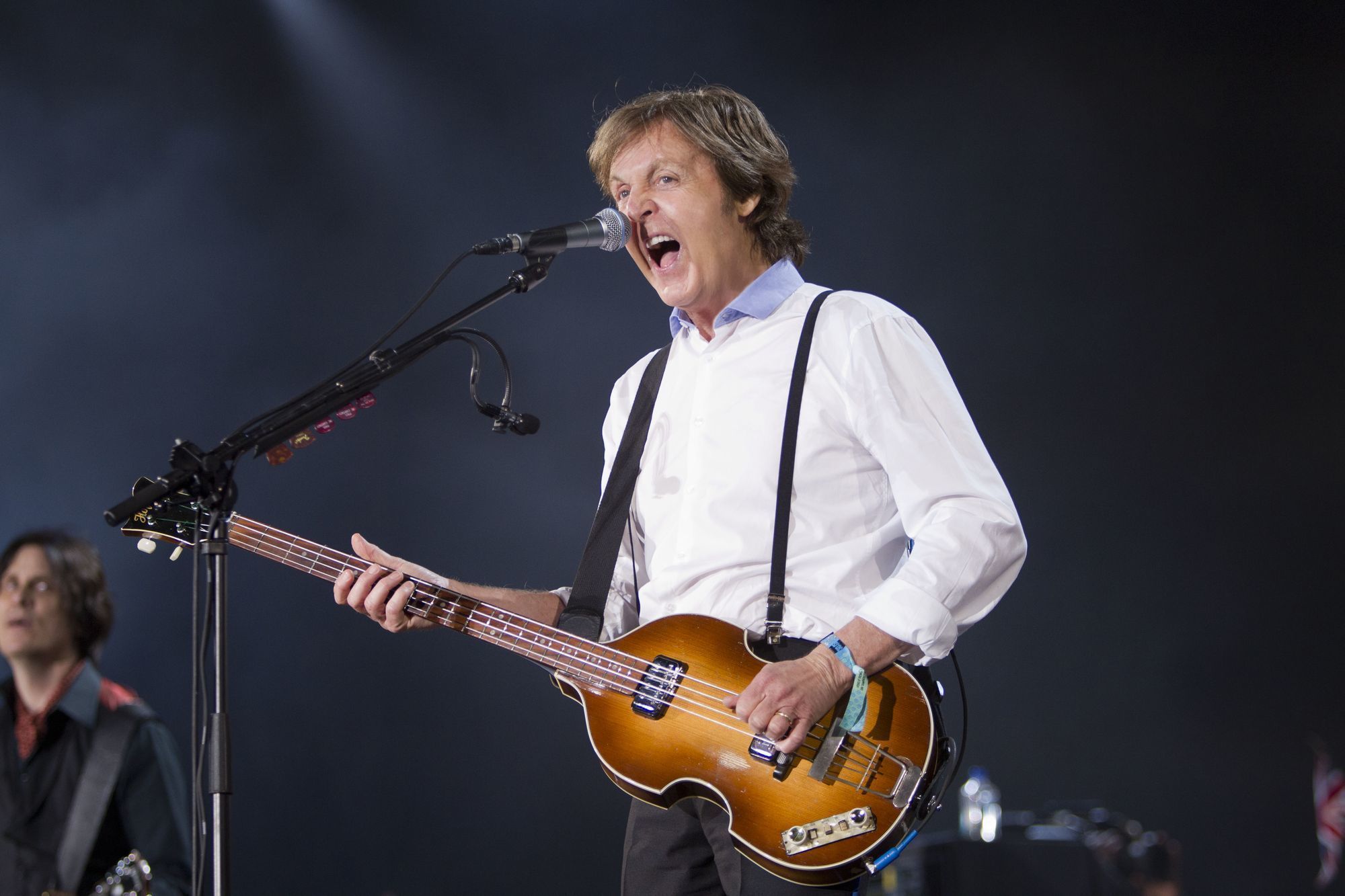
Paul McCartney was dead, former member Ringo Starr testifies! A new development in the urban legend?
Former Beatles drummer Ringo Starr stunned the world when he said in an interview with a publication that the "real" Paul McCartney died in a car accident on November 9, 1966. Here is Ringo's statement, urban legends about Paul, and his own reaction.
Read Article
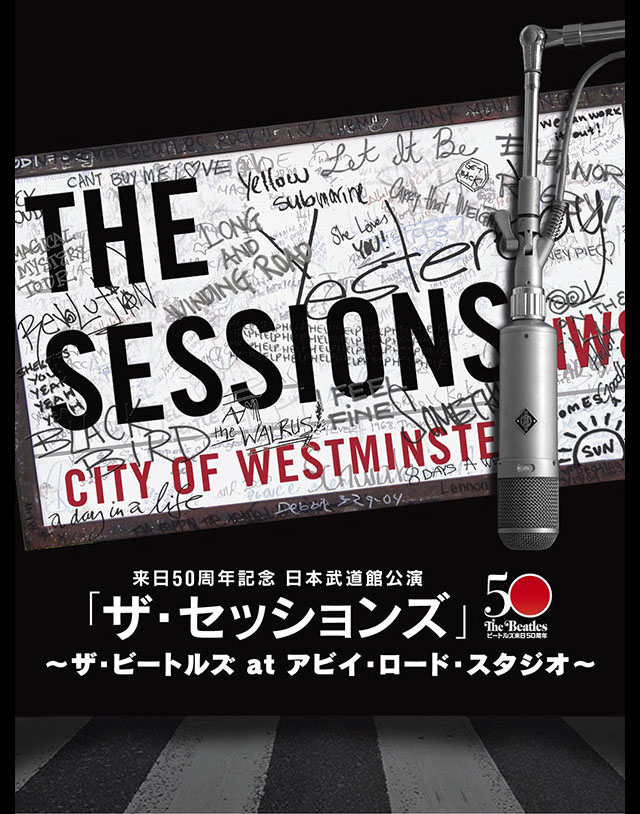
The Sessions, a recreation of the recording sessions of the legendary Beatles band, is coming!
It has been 50 years since the Beatles came to Japan. They were the first foreign artists to perform live at the Nippon Budokan on June 30 and July 1, 1966. On those very same days and at the same place, an event will be held to recreate the Beatles' recording sessions. The title of the event is "The Sessions. It is an attempt to perfectly recreate the Beatles' studio sessions at Abbey Road Studios using a variety of technologies.
Read Article
[John Lennon] Summary of celebrities and entertainers who died between the ages of 40 and 49 [Ken Maeda].
Entertainers and celebrities who have had a great impact on the world. Many of them have left this world at the young age of 40s. Diseases, accidents, suicides, assassinations.... In this article, we have compiled a list of such people. Although the causes vary, it is always painful to lose a person, no matter what time period or country.... We sincerely pray for the repose of their souls.
Read Article
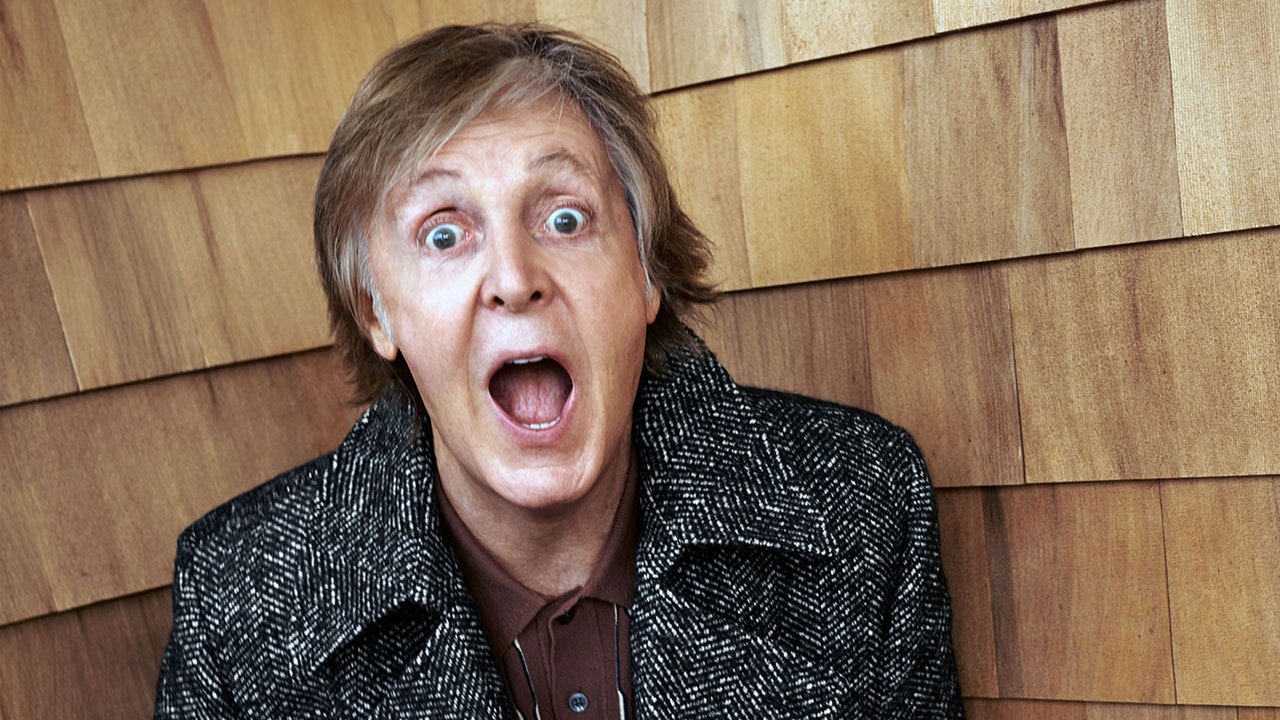
![Paul McCartney] Summary of Hollywood stars and celebrities who are actually suspected of being anti-Japanese [Cameron Diaz](https://renote.net/files/blobs/proxy/eyJfcmFpbHMiOnsiZGF0YSI6NzA3OTE5MiwicHVyIjoiYmxvYl9pZCJ9fQ==--f54ed1968ea175d8f6be5ccbc0aac2b4b47ef326/5b111e621ae6624f008b472a.jpg)
Paul McCartney] Summary of Hollywood stars and celebrities who are actually suspected of being anti-Japanese [Cameron Diaz
The term "Hollywood star" is synonymous with world-famous performers. Of course, they are very well known in Japan, too! Some of them have openly stated that they "love Japan! but there are some who are suspected of being anti-Japanese. I don't know if it is true or not, but if these people are capable of world-class performances, they may be able to distinguish between their real intentions and their pretense in a matter of seconds.
Read Article
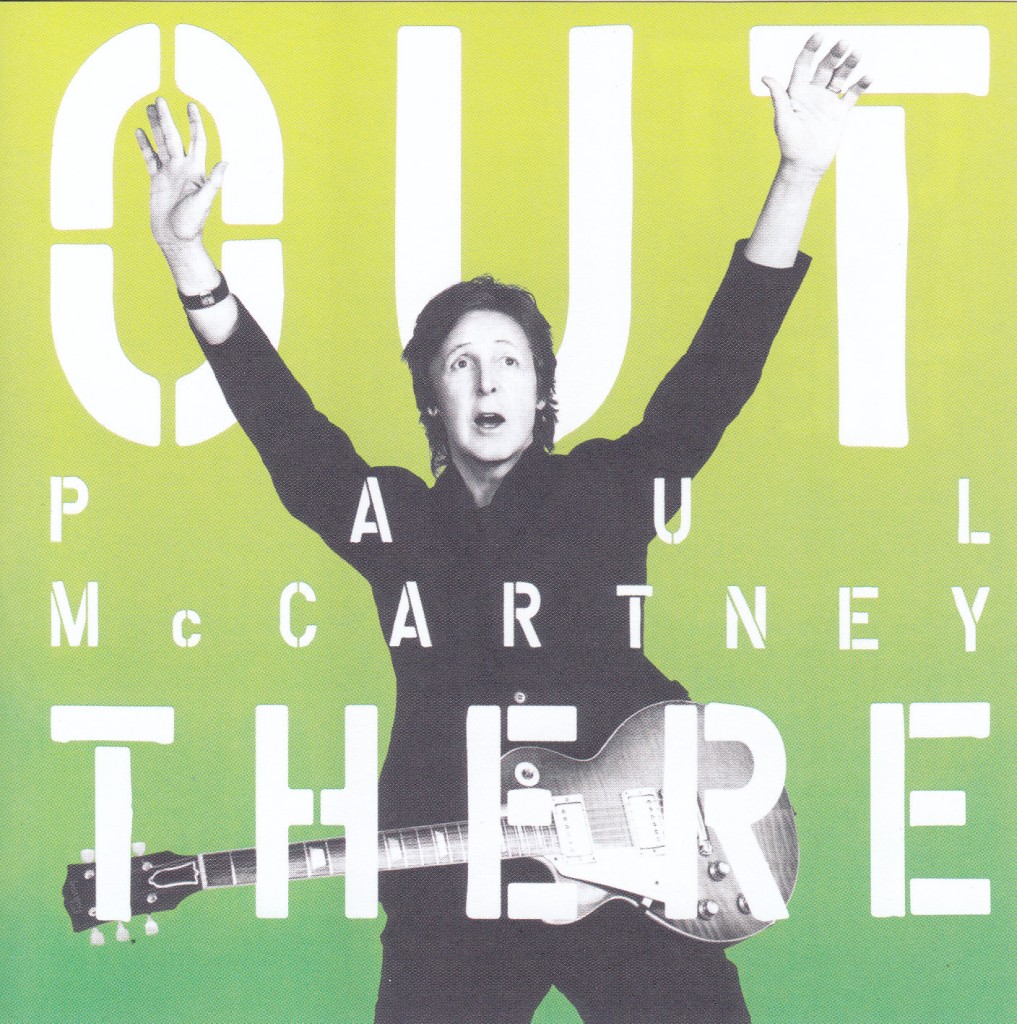
All Paul McCartney shows in Japan cancelled! Discussion of the possibility of a return visit to Japan!
Paul McCartney was scheduled to make his long-awaited return to Japan in May 2014, including his first Budokan concert in 48 years, but he became ill with a viral inflammation and canceled all shows shortly before the show. Many fans were disappointed and many wondered what would happen to him in the future. This article summarizes the situation at that time and the possibility of Paul's return to Japan for a replacement show, which he hopes to do.
Read Article
Paul McCartney suffered from "twisted intestines" and underwent emergency surgery in Japan!
Paul McCartney came to Japan for his first tour in six months, but canceled all shows due to poor health. The name of his illness was announced as viral inflammation, but it was later revealed that he had undergone surgery for intestinal sprain in Japan. The following is a summary of the illnesses that the great star suffered from in Japan.
Read Article
Paul McCartney cancels all shows! Explains the reason "viral inflammation"!
Paul McCartney, who was scheduled to return to Japan in May 2014, has become ill due to viral inflammation and has had to cancel all of his performances, including the Budokan concert. What is this "viral inflammation"? We will present a summary of Paul's sudden illness, which has several possibilities.
Read Article
Tags
Contents
- The Beatles Overview
- Members of The Beatles
- John Lennon
- Paul McCartney
- George Harrison
- Ringo Starr
- Former member of The Beatles
- Stuart Sutcliffe
- Pete Best
- People related to The Beatles
- Allan Williams
- Raymond Jones
- Brian Epstein
- George Martin
- A Brief History of The Beatles
- Birth and Death
- Major Events
- 1956-1961
- 1962-1966
- 1967-1970
- Analog release in the U.K.
- single
- 4-track EP
- album
- Analog release in the U.S.
- single
- 4-track EP
- album
- Analog release in Japan
- single
- 4-track EP
- album
- Solo Works
- Related Works
- The Beatles CDs
- The Beatles Discography
- original album
- Please Please Me
- With The Beatles
- A Hard Day's Night
- Beatles For Sale
- Help!
- Rubber Soul
- Revolver
- Sgt. Pepper's Lonely Hearts Club Band
- Magical Mystery Tour
- The Beatles
- Yellow Submarine
- Abbey Road
- Let It Be
- Editorial Albums & Other
- A Collection Of Beatles Oldies
- Hey Jude
- 1962-1966
- 1967-1970
- Rock 'N' Roll Music
- The Beatles At The Hollywood Bowl
- Love Songs
- Rarities (UK release)
- Rarities (U.S. version)
- The Beatles Ballads
- The Beatles Box
- Reel Music
- 20 Greatest Hits
- Past Masters Volume One
- Past Masters Volume Two
- Live At The BBC
- Baby It's You
- Anthology 1
- Free As A Bird
- Anthology 2
- Real Love
- Anthology 3
- Yellow Submarine Songtrack
- 1
- Let It Be... Naked
- love
- Mono Masters
- On Air - Live At The BBC Volume 2
- Live At The Hollywood Bowl
- Sgt. Pepper's Lonely Hearts Club Band (50th Anniversary Edition)
- The Beatles' most popular songs
- Love Me Do
- Please Please Me
- Twist And Shout
- From Me To You
- She Loves You
- All My Loving
- I Want To Hold Your Hand
- Can't Buy Me Love
- You Can't Do That
- A Hard Day's Night
- Long Tall Sally
- Baby's In Black
- Ticket To Ride
- Help!
- Yesterday
- Day Tripper
- We Can Work It Out
- Nowhere Man
- Paperback Writer
- Yellow Submarine
- Eleanor Rigby
- Strawberry Fields Forever
- Penny Lane
- A Day In The Life
- Hello Goodbye
- I Am The Walrus
- Lady Madonna
- Hey Jude
- Revolution
- Hey Bulldog
- Get Back
- Don't Let Me Down
- The Ballad Of John And Yoko
- Something
- Let It Be
- Free As A Bird
- Real Love
- The Beatles' backstory, trivia, small stories/episodes, anecdotes
- Dramatic departure of a member
- Paul's death theory
- The three major crises of 1966
- Mr. Toshitake Kotei
- Imelda Marcos
- Tommy Charles
- A Tribute to The Beatles