
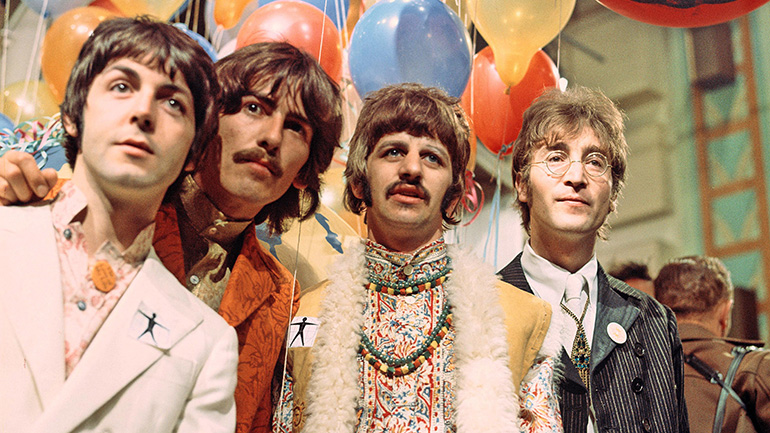
The Beatles are a four-piece rock band representing the 20th century that debuted in the United Kingdom in 1962. Their influence extended not only to their music, but also to their fashion, speech, and thought, creating a social phenomenon. One of the most notable aspects of their music is that their own musical development has directly influenced the musical development of the entire musical world and of their fans, who are their listeners.
Run For Your Life
This is John's work and the lead vocalist is also John.
John said, "This is one of my trashy songs, and I don't have any deep thoughts about it. But George seems to like it. I borrowed the lyrics 'I'd rather see you dead, little girl, than to be with another man' from an old Presley blues song.
*The Presley song John is talking about is "Baby Let's Play House," and the lyric appears in number 4. John uses this lyric verbatim in the beginning of the song "Run For Your Life".
Paul: "John was in a hurry to live. That's an unthinkable idea for a song of mine."
Baby Let's Play House/Elvis Presley
The phrase "I'd rather see you dead, little girl, than to be with another man" appears in the fourth verse.
Recording Details
1965
October 12.
First through fifth takes were recorded.
November 9
Mono mixing is done based on the 5th take.
November 10
Stereo mixing based on take 5
Revolver
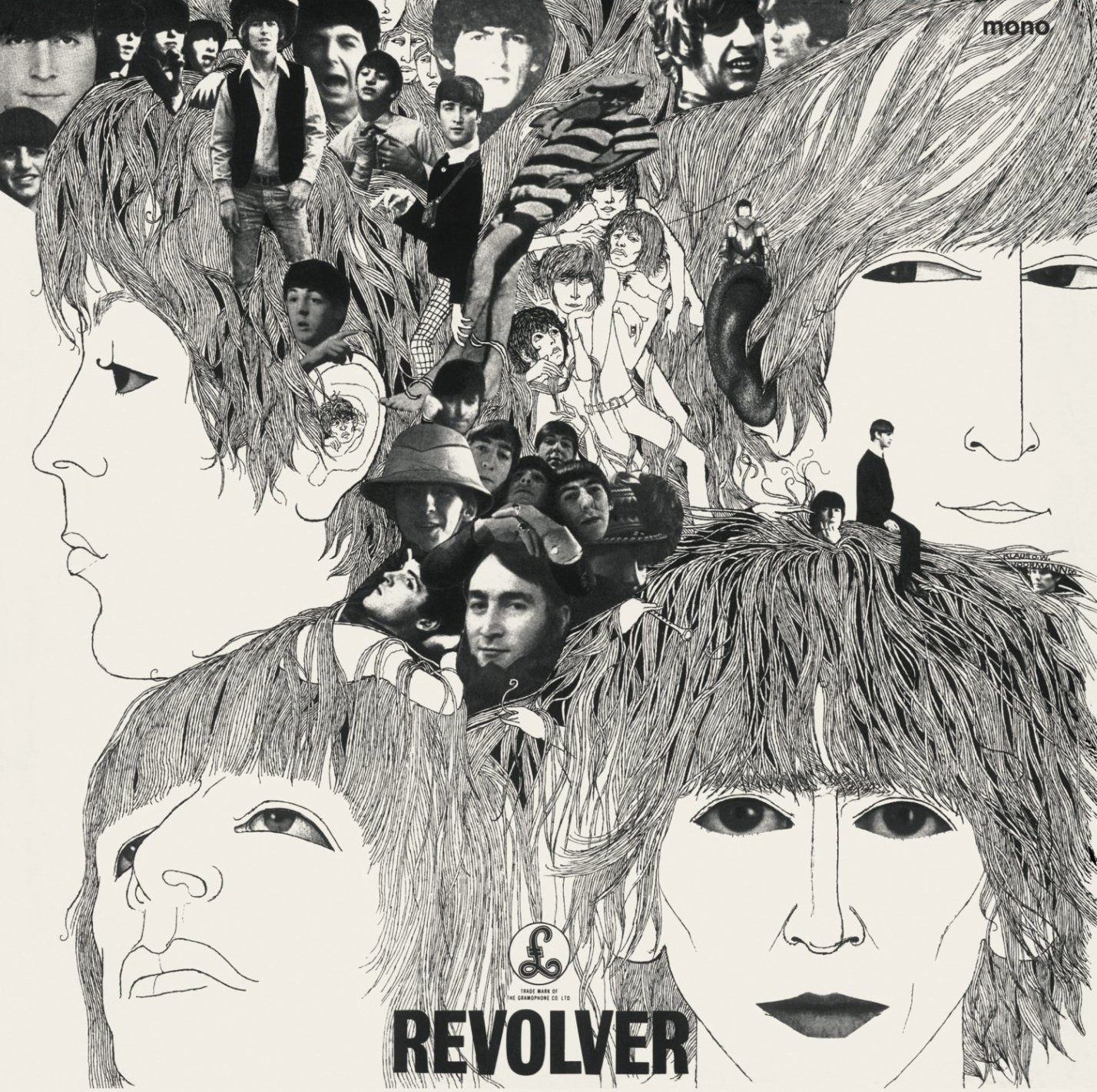
Side A
1. Taxman
2. Eleanor Rigby
I'm Only Sleeping
Love You To
Here, There And Everywhere
Yellow Submarine
She Said She Said
Side B
1. Good Day Sunshine
And Your Bird Can Sing
For No One
4. Doctor Robert
I Want To Tell You
Got To Get You Into My Life
Tomorrow Never Knows
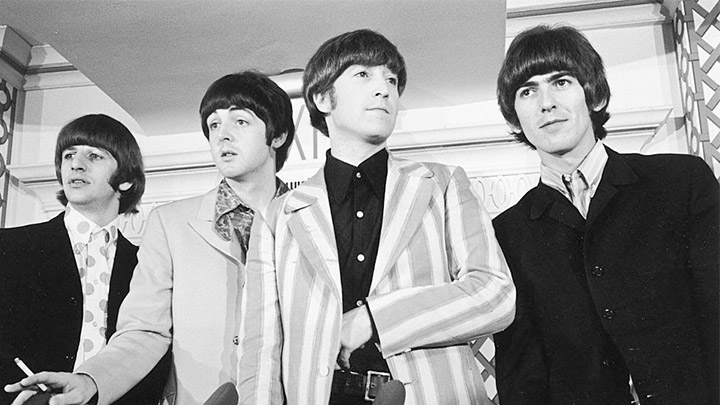
The seventh album was released on August 5, 1966.
It was released after the single "Paperback Writer" and two four-song EPs of previously released songs, but did not include any of the songs from the singles. A single from this album, "Eleanor Rigby/Yellow Submarine" (a double A-side single) was also released on the same day.
The recording process is as follows.
●1966
April 6
Recorded the following songs
Mark I (later "Tomorrow Never Knows")
April 7
The following two songs were recorded
Mark I (later "Tomorrow Never Knows")
Got To Get You Into My Life
April 8
Recorded the following two songs
Got To Get You Into My Life
April 11
Recorded the following two songs
Got To Get You Into My Life
Granny Smith (later "Love You To")
Mono mixing of the following songs
Granny Smith (later "Love You To")
Mixing work for George to take home.
April 13
Recorded the following two songs
Granny Smith (later "Love You To")
Paperback Writer
Mono mixing of the following songs
Granny Smith (later "Love You To")
April 14
Recorded the following two songs
Paperback Writer
Rain
Mono mixing of the following songs
Paperback Writer
April 16
Recorded the following
Rain
Mono mixing of the following
Rain
April 17
Recorded the following
Doctor Robert
April 19
Recorded the following
Doctor Robert
Mono mixing of the following
Doctor Robert
April 20
Recorded the following two songs
And Your Bird Can Sing
Taxman
Mono mixing of the following songs
And Your Bird Can Sing
April 21
Recorded the following
Taxman
April 22
Recorded the following two songs
Taxman
Mark I (later "Tomorrow Never Knows")
April 25
Mono mixing of the following songs
Got To Get You Into My Life
April 26
Recorded the following
And Your Bird Can Sing
April 27th
Mono mixing of the following three songs
Taxman
And Your Bird Can Sing
Mark I (later "Tomorrow Never Knows")
The following songs were recorded
I'm Only Sleeping
April 28
Recorded the following
Eleanor Rigby
April 29
Recorded the following two songs
Eleanor Rigby
I'm Only Sleeping
Mono mixing of the following songs
Eleanor Rigby
May 5
Recording of the following
I'm Only Sleeping
May 6
Recorded the following
I'm Only Sleeping
Mono mixing of the following
I'm Only Sleeping
May 9
Recorded the following
For No One
May 12
Mono mixing of the following three songs
Doctor Robert
I'm Only Sleeping
And Your Bird Can Sing
May 16
Recorded the following two songs
Taxman
For No One
Mono mixing of the following songs
Taxman
May 18
Recorded the following
Got To Get You Into My Life
Mono mixing of the following
Got To Get You Into My Life
May 19
Recorded the following
For No One
May 20
Stereo mixing of the following three songs
And Your Bird Can Sing
Doctor Robert
I'm Only Sleeping
May 26
Recorded the following songs
Yellow Submarine
June 1
Recorded the following
Yellow Submarine
June 2
The following is recorded
Laxton's Superb (later "I Want To Tell You")
Mono mixing of the following
Yellow Submarine
June 3
Recorded the following
I Don't Know (called "Laxton's Superb" and later "I Want To Tell You")
Mono mixing of the following two songs
I Don't Know (called "Laxton's Superb" and later "I Want To Tell You")
Yellow Submarine
June 6
Mono mixing of the following four songs.
And Your Bird Can Sing
For No One
I'm Only Sleeping
Tomorrow Never Knows
Recording of the following
Eleanor Rigby
June 8
The following is recorded
A Good Day's Sunshine (later to become Good Day Sunshine)
June 9
Recorded the following
A Good Day's Sunshine (later Good Day Sunshine)
Mono mixing of the following
A Good Day's Sunshine (later "Good Day Sunshine")
June 10
Single "Paperback Writer/Rain" is released.
June 14
The following recordings are made
Here, There And Everywhere
June 16
Recorded the following
Here, There And Everywhere
June 17
Recorded the following two songs
Here, There And Everywhere
Got To Get You Into My Life
Mono mixing of the following two songs
Got To Get You Into My Life
Here, There And Everywhere
June 20
Recorded the following songs
Got To Get You Into My Life
Mono mixing of the following
Got To Get You Into My Life
June 21
Stereo mixing of the following five songs
Granny Smith (later "Love You To")
I Want To Tell You
Here, There And Everywhere
For No One
Taxman
Mono mixing of the following four songs.
Here, There And Everywhere
For No One
Doctor Robert
Taxman
Recorded the following
Untitled (later She Said She Said)
Mono mixing of the following
She Said She Said
June 22
Mono mixing of the following three songs
Eleanor Rigby
She Said She Said
Good Day Sunshine
Stereo mixing of the following 6 songs
Eleanor Rigby
She Said She Said
Good Day Sunshine
Yellow Submarine
Tomorrow Never Knows
Got To Get You Into My Life
August 5
Single "Yellow Submarine/Eleanor Rigby" is released.
Album "Revolver" is released.
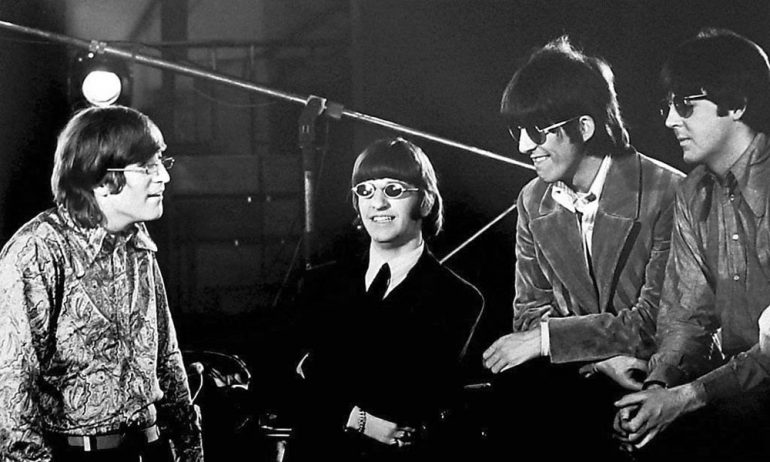
The jacket is a collage by Klaus Foreman, a German friend from his days in Hamburg. It is a hand-drawn close-up of four people's faces, cut and pasted with a photo of Klaus himself. In an interview with the British newspaper "The Guardian" on the occasion of the 50th anniversary of the release of "Revolver," Klaus Foreman said, "I've been thinking about this for a long time. The following is a quote from the interview, which is a bit long.
The memories are still there. People keep asking me about that time. I remember the place where I made this jacket. I made it in the kitchen of a small attic on the third floor of my apartment. It was in a place called Parliament Hill in Hampstead (a residential area in London), and I used to sleep in that room. I went to that house recently, and the building hadn't changed at all."
The year 1966 was when the Beatles got really busy. They were churning out album after album. By now, the Beatles were happier in the control room of the studio making different sounds than they were doing the same thing they had been doing. A tour in Germany was to be followed by a tour of Japan. They only had a few weeks left to work on the new record - later called Revolver. We were to go on tour immediately after a few weeks."
"I got a call from John. 'Do you have any ideas for a new album cover?' I said, 'Seriously? You're going to do an album cover for the most famous band in the world? I thought, 'Oh my God, I'm going to do an album cover for the most famous band in the world! And I thought, 'Oh my God, I can't do it. And you think, 'Oh my God, I can't do it! ' And I thought, 'Oh my God, I can't do it!'"
"Eventually, the Beatles asked me to come to Abbey Road Studios. I had already finished recording about two-thirds of that album. When I heard the music, I was shocked. I was shocked when I heard the music, because it was so great. It was amazing. The last thing they let me hear was "Tomorrow Never Knows," so I was scared. Tomorrow Never Knows" was a far cry from the early Beatles songs. So I even thought the average Beatles fan wouldn't buy the record."
When I finished the album cover, Brian Epstein was very impressed with my design. He said to me, 'Klaus, what you've created is what we really needed. ' I was worried that the Beatles' new music wouldn't be accepted by their fans. But your jacket bridged the gap.'"
It took me about three weeks to finish the jacket. But I really concentrated on the work for about a week. I chose the black-and-white design not only because I wanted to create something shocking, but also because I wanted this album cover to stand out amongst all the colorful stuff."
You say you see psychedelic influences on the cover of Revolver? Well, what is psychedelic then? Look at Bruegel or Hieronymus Bosch. They are truly amazing painters! I don't know if they ate mushrooms or anything like that. But I do know that whatever is inside of us, it doesn't come out through drugs."
I got 50 or 40 pounds for drawing this jacket. I think I would have done the job even if it was for free. EMI Records said the maximum payment for an album cover was 50 pounds. So I paid them that amount. Of course, I could have thought, 'Brian, if you think this jacket looks great, bring me the money. But Brian let EMI pay for the jacket."
In the U.S., the album was released in the same jacket as the U.K. version, but the songs on the album were different. Three songs, "I'm Only Sleeping," "And Your Bird Can Sing," and "Doctor Robert," were included on the Capitol-edited "Yesterday And Today," which was released in the US about two months before "Revolver" was released in the UK. And Your Bird Can Sing" and "Doctor Robert" are included on the Capitol edit "Yesterday And Today". Therefore, the American version of "Revolver" contains a total of 11 songs excluding these three. In the U.S., "Revolver" was never released in the form that The Beatles intended it to be, i.e., an analog album with the same specifications as the U.K. version, and it was only released on CD in 1987.
The reason why three songs from this "Revolver" album were included in the U.S. Capitol-edited "Yesterday And Today" album before the original "Revolver" album was released was because Capitol asked Parlophone in the U.K. to "do something about the lack of songs for the edited album," and Parlophone in the U.K. responded, "Well then, we'll have to do something. The reason for this was that Parlophone in the U.K. had sent the unreleased material to Capitol. The reason was that Capitol in the U.S. had higher sales.
George responded to this by saying, "'Yesterday And Today'? We've never released an album like that," he said sarcastically.
The Japanese version was released with the same specifications as the original UK release. The Japanese version was released with the same specifications as the original UK version, but in stereo instead of mono. The first mono version of an analog album with the same specifications as the UK version was a limited reissue in the original mono series on January 21, 1982.
The album was first placed at No. 1 on the British Melody Maker chart on August 13, 1966. It then reigned at #1 for nine weeks until October 8.
When this album, "Revolver," was released in 1966, the third movie starring the group, "A Talent for Living," was scheduled to be canceled, allowing The Beatles to take a four-month vacation, the first since their debut.
Just prior to the creation of their last album, "Rubber Soul," they had taken about a month off. This gave the Beatles a chance to get their creative juices flowing, but just prior to the creation of "Revolver," as mentioned above, they took almost four months off. If "Rubber Soul" was created after a month's vacation, it may be no surprise that "Revolver," created after a nearly four-month vacation, is a more ambitious and experimental work than "Rubber Soul.
The concert at the Capital Cinema in Cardiff, Wales, on December 12, 1965, the previous year, was the last show in England, and the concert at Candlestick Park in San Francisco on August 29, 1966, the following year, was The Beatles' last concert. It was the last concert of The Beatles. Since the members had already decided to stop playing live, they did not need to write songs with live performances in mind, and they could use the time they had spent on live performances to record and come up with new songs. In fact, there was an unwritten rule during the recording process: "No need to think about reproducing the music live," and "Use as many adjunct musicians as you want. This meant that the band could freely use musicians other than the members of the band, if necessary, without worrying about live performances. The Beatles, who had opened the door for recording artists with their previous album "Rubber Soul," opened the door wide with this album "Revolver.
Recording engineer Jeff Emerick began working with The Beatles on this album. Norman Smith, who had been the engineer up to the previous album, "Rubber Soul," was promoted to producer of Pink Floyd, and Jeff was asked to take his place. Jeff was suddenly proposed by Martin to take over Norman Smith's job and was asked to respond on the spot. Without really understanding the situation, Jeff said "I'll do it," and was promoted to recording engineer, contributing to the creation of the Beatles' experimental sound.
The nearly four-month vacation allowed the band members to develop a wide range of musical ideas and experimentation, including tape loops, tape reversals, the introduction of horns, authentic Indian music, and daring sound effects. Martin's support was a major contributor, but the recording engineers Jeff Emerick and Ken Townsend, mentioned above, were also instrumental. The tape loop and reverse tape rotation ideas mentioned above would not have been possible without the technical support of the engineers. Jeff Emerick pioneered the tape loop, and Ken Townsend's development of "ADT" (Artificial Double Tracking, which artificially shifts the sound to create the effect of double tracking with a single vocal insertion) was also significant.
Jeff says, "The Beatles actively encouraged us to break the rules. From the start, there was a thorough awareness of the need to make every instrument sound unlike any other instrument. I had a lot of things I wanted to try. We were listening to a lot of American records that sounded different. The engineers at EMI Studios had been doing things the same old way for years.
Paul says, "I was on tour in Germany right after 'Revolver' was released. But as I was listening to the album, I was getting more and more depressed. I felt like I was out of tune. Everyone tried so hard to convince me that I wasn't.
The album title "Revolver" means a revolver, and it was once said that it was named after a Japanese policeman who had a revolver on his waist when The Beatles visited Japan. Revolver!" Great!" but in fact it was taken from a conversation among members of the group, "What does a record do? Originally, "Abracadabra" and "Magic Circle" were suggested as possible titles.
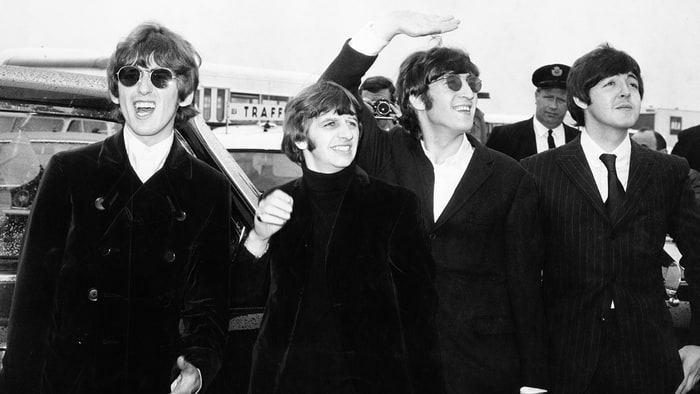
Outline of the tracks
Taxman
This is George's work and the lead vocalist is also George.
George: "'Taxman' was written with an awareness for the first time that no matter how much money we make, most of it is taken away by taxes, a situation that was then and still is today. Why is that? Is it a fine for forgetting to do something that needs to be done?
John helped with the lyrics.
John: "'Taxman' is one of his early works, but I remember the day he asked me to help him. I came up with some clever phrases to make the song develop nicely. That's what he wanted.
Paul plays lead guitar.
George: "I'm happy with Paul's playing. See, it's got a little bit of an Indian feel to it.
The low, slow count heard in the intro is overdubbed later, but you can hear the quick "real count" behind it.
The timing of the cowbell coming in differs between mono and stereo. In mono, it comes in after the "small" in "Should five per cent appear too small" in the second verse, and in stereo it comes in after the "Cause" in the following "Cause I'm the taxman, yeah I'm the taxman.
*Recording details
1966
April 20.
First through fourth takes are recorded.
April 21
Takes 1 to 11 were recorded.
The recording was a re-recording, so we started again from take 1.
April 22
Tape reduction of the 11th take and creation of the 12th take. Cowbell and backing vocals are overdubbed into the 12th take.
April 27
Mono mixing was done on the 12th take.
This mono mixing was not used.
May 16
Overdub the counts (one, two, three, four) at the beginning of the song onto Take 12.
Mono mixing is done based on the 12th take.
This mono mixing was not used.
June 21
Mono and stereo mixing is done based on the 12th take.
Two mixes are made for both mono and stereo, which are then edited to create the final mix.
Eleanor Rigby
The lead vocalist is Paul. As mentioned in the "In My Life" section, there are two songs in the Beatles' catalog that John and Paul both claim to have written. One is "In My Life" and the other is this "Eleanor Rigby".
Paul: "This song started when I came up with the melody on the piano and added the lyrics as I went along. I think the original title was 'Miss Daisy Hawkins. Then it went on to the part where she picks up some rice at the church after the wedding. That's usually the pattern when we write songs. We come up with the first line from a book or newspaper. At first Miss Daisy Hawkins was supposed to be a young woman. Like "Annabel Lee" (a poem by Edgar Allan Poe). But not a very sexy woman. But she was picking up rice at the church, so she must have been a cleaning lady, and I thought she must have missed the wedding and suddenly got lonely. No, as a matter of fact, she was an Old Miss type of woman who couldn't make it to everything. Jane Asher (Paul's girlfriend at the time) was performing in Bristol at the time, and I didn't like "Miss Daisy Hawkins" much as I wandered the streets, waiting for her to splash on the stage. I wanted a more realistic name." "I got the name Elinor from Eleanor Bronn, an actress I co-starred with in the movie Help! But the only thing I liked about it was the name. I was looking for a name that sounded natural. Then we went to John's house in Weybridge, and we wrote it while we were both laughing and stoned on drugs. At first I was going to go with Father McCartney, but I knew my dad wouldn't feel very good about him being in this lonely song. So I flipped through the pages of the phone book. I found one at random, and it was much better than trying to figure it out in my head."
John: "That's how I came up with the name Mackenzie. McCartney sounded better.
Paul: "Anyway, Father McKenzie was the character I had in mind. He's lonely and mends his own socks. For the second verse, we thought of an old man scavenging in a dumpster, but that seemed a little too much. But that seemed a little too much. John and I wanted to have a relationship between Elinor Rigby and the garbage man, but we had no idea what to do. Eventually, John asked me about it and we decided to leave that line out. Anyway, that's the point of the song. She didn't know a single guy, and she didn't look like she was going to. That's the kind of woman she was."
John: "I wrote most of the lyrics, 70 percent. Paul wrote only the first verse, and I wrote the rest basically. He came up with the idea first. He had the whole storyline in mind. George was there when I came up with the lyric, "Ah look at all the lonely people. I was leaving the studio to go to the bathroom, and he and George were talking about what they thought of it. I heard the lyrics and turned around and yelled, 'That's it! That's it!
Paul: "I know John mentioned somewhere that he helped with 'Eleanor Rigby. Yeah, maybe halfway down one line."
Pete Shotton, a friend of John's, claims to have been at the site where the song was written. According to him, it was Ringo who came up with the crap about Father McKenzie mending his socks in the middle of the night. He then made this statement about John's contribution to the song.
Pete Shotton: "John said in one interview before he died that he wrote most of the lyrics to this song, but as I recall, 'Eleanor Rigby' is one of those typical Lennon-McCartney compositions that John had little help with.
Paul: "I had the idea for the backing, but it was George Martin who finished it. I just banged away on the piano. He knew what I was talking about.
John: "The version that Ray Charles sang is the best. I have no words.
Eleanor Rigby/Ray Charles
Recording Details
1966
April 28.
Takes 1-14 were recorded. Tape reduction of take 14 was made for take 15.
April 29
Paul's vocals are overdubbed onto Take 15.
Mono mixing is done based on Take 15.
This mono mixing is not used.
June 6
Paul's vocals are overdubbed onto Take 15 again.
June 22
Mono and stereo mixing is done on Take 15.
I'm Only Sleeping
This is John's work and the lead vocalist is also John.
The guitar sound by reverse rotation was used effectively in this song.
Paul said, "It's a song about luxury. I could hear the amazing effects from the reversed tape, and George Martin was very receptive to the idea.
Martin: "When I record reverse guitar on a song like 'I'm Only Sleeping,' I take the chords first and score them in reverse order. It's as if it's coming at you. That way, I can get a grasp of it. Then I follow the chord progression and play as vigorously as I can, but I don't know what it will sound like until I hear it on the tape. Of course, it's one of two things: I'll hit it or I'll miss it, but I'll try it a few times and if I like the sound, I'll keep it.
Pete Shotton: "'I'm Only Sleeping' beautifully depicts John's drug-induced lethargy.
The timing of the reverse rotation coming in differs slightly between the mono, stereo, UK and US versions.
The British version in mono: "Running everywhere at such a pace.
The reverse rotation appears in the "-where at such a speed" and "there's no need" parts of "Running everywhere at such a speed, till they find there's no need".
The interlude is not included in the "taking my time, lying there and staring at the ceiling" part.
The interlude comes in on the first beat.
The ending comes in at full volume right after the vocal.
British stereo version: "Running everywhere at such a a ceiling".
The "running everywhere at such a speed, till they find there's no need" part starts from the middle of "every" to "speed" and from the middle of "find" to "need".
The interlude begins at the end of "there" in "taking my time, lying there and staring at the ceiling".
The interlude comes in from the first beat.
The ending comes in at full volume right after the vocal ends.
American mono version: "Running everywhere at such a a ceiling
Running everywhere at such a speed, till they find there's no need" part is not included.
It comes in the "time, lying" and "the ceiling" parts of "taking my time, lying there and staring at the ceiling".
The interlude comes in from the first beat.
The ending part comes in right after the vocal, but the sound is quiet for the first two beats.
American stereo version: "Running everywhere at such a a ceiling".
The ending of the song comes right after the vocals, except for the "till" part of "Running everywhere at such a speed, till they find there's no need".
The "taking my time, lying there and staring at the ceiling" part is not included.
The interlude comes in from the second beat.
The ending comes in at full volume right after the vocal.
The American stereo version is a little more complicated. I'm Only Sleeping" was recorded not on "Revolver" but on "Yesterday And Today" in the US. Yesterday And Today" was hastily mixed on May 20, 1965, at the request of Capitol Records in the US. The mono mixing was completed in time for release, but the stereo mixing was not, so the first pressing of "Yesterday And Today" was a pseudo-stereo version based on the mono mix, and at this point, both the US mono and US stereo versions were identical. When the label of "Yesterday And Today" was switched from Capitol to Apple in 1971, the stereo mixing was re-done, and the stereo version of the American version was created at that time.
Recording Details
1966
April 27.
Takes 1 through 11 are recorded.
April 29
Takes 12-16 are recorded.
John's vocals are overdubbed on take 11.
May 5
Overdubs guitar backwards on take 11.
The reverse rotation does not mean that the tape was recorded normally and played back in reverse. The guitar was first played normally, scored from the opposite direction, and then replayed.
May 6
John, Paul, and George's backing vocals were overdubbed onto the 11th take. The 11th take is tape reduced and the 12th and 13th takes are made.
Mono mixing is done based on the 13th take.
This mixing is a rough remix and not used as a master.
May 12
Mono mixing is performed based on the 13th take.
This is the same mixing that was done for the U.S. Capitol edit of "Yesterday And Today". This means that three songs including "I'm Only Sleeping" will be included on "Yesterday And Today" ahead of "Revolver". The mixing for the U.K. version will be done in the future, so there will be some differences in the mixes.
May 20
Stereo mixing is done from the 13th take.
Remix 1 was used for the U.S. Capitol edit of "Yesterday And Today" and Remix 2 was used for the U.K. version of "Revolver. Therefore, even in stereo mixing, there were differences in the mix between the U.S. and U.K. versions.
However, the first version of "Yesterday And Today" was a pseudo-stereo version made from a monaural master.
June 6
Mono mixing was done based on the 13th take.
*Mixing for the UK release "Revolver".
Love You To
A work by George, with lead vocals by George.
Love You To" was one of the first songs I wrote for the sitar. The sitar on "Norwegian Wood" was just an accident, but this one was consciously written from the beginning with the idea of having sitar and tabla in the background. I overdubbed the guitar and vocals later."
*Recording details
1966
April 11, 1966
Takes 1-6 were recorded.
Mono mixing is done based on the 6th take.
April 13
Take 6 is tape reduced to make Take 7.
George's vocals, Ringo's tambourine, and Paul's background vocals are overdubbed onto Take 7. Paul's backing vocals were not used in the final version.
Mono mixing was done based on the seventh take.
Three mixes are created, which are then edited to create the final mix.
June 21
Stereo mixing was done based on the 7th take.
Three mixes are created, which are then edited to create the final mix.
Here, There And Everywhere
This song was written by Paul, and the lead vocalist is also Paul.
Paul: "I wrote this song at John's house on the prucide. I wrote it mostly by myself while I was waiting for John to wake up.
John: "This is his masterpiece. It's one of my favorite Beatles songs."
This song was inspired by "God Only Knows" by the American rock band, The Beach Boys.
God Only Knows/The Beach Boys
Recording Details
1966
June 14.
First through fourth takes were recorded.
June 16
Takes 5 to 13 were recorded.
Tape reduction of take 13 was made for take 14.
Overdub the 14th take with backing vocals by John, Paul, and George.
June 17
Paul's second vocals are overdubbed onto the 14th take.
Mono mixing is performed based on the 14th take.
This mono mixing is not used.
June 21
Mono and stereo mixing is done based on take 14.
Yellow Submarine
This song was written mainly by Paul, with John assisting. Ringo sings lead vocals.
Paul: "I wrote this in bed one night. It's a story I tell my kids. I knew the song had been called out for its connection to drugs, but it's really a children's song. But it's really a kid's song. But it's really a kid's song, and I thought it would be nice to have a kid sing it. I just thought, 'It would be great to run into kids singing this song someday. So it's very easy to sing, and there are no long, difficult lyrics. I think kids will understand it more easily than adults."
John: "Paul wrote that memorable chorus part. I helped him with the bum bum bum bum bum bum bum bum bum bum bum bum bum bum bum bum bum bum bum bum bum bum bum bum bum bum bum bum. Donovan (an English singer/songwriter) helped with the lyrics, and I helped a little bit. It's actually kind of like we were in the studio making sounds, but it's basically Paul's idea and conception. And the title."
Ringo: "It's a song for kids, there's no hidden meaning. Some people interpret it as a song about a battle and how the people of the world will end up living in a Yellow Submarine, but it's not like that.
Martin: "We were always trying to do something different. It's always been a fun process, and it's made life a little more interesting. The best example of that is the Yellow Submarine. You can hear the sound of the water bubbling in the tank, the chains clanking, all those kinds of sounds. We actually made those sounds in the studio. John plugged a small hand mic into his vox amp so he could talk into it. So lines like 'Full Stream ahead' were recorded live while the main vocalist was singing. People would giggle."
Engineer Jeff Elemec: "When we were recording backing vocals for Yellow Submarine, for example, we always used an echo chamber. EMI had echo plates at the time, but we never used them."
The mono and stereo intros and interludes are different.
In the mono intro, the acoustic guitar strokes come from the "In" part of "In the town," but in stereo they come from the "town" part (one tempo later).
The length of the wave sound in the interlude is slightly different.
John's recapitulation of the 4th verse starts with "Life of ease" in mono, but "every one of us" in stereo.
Since around the 1980s, the Beatles' copyright protection was tightened, and changes to The Beatles' lyrics were no longer authorized worldwide. However, Paul McCartney, after hearing a certain Japanese cover song, gave permission to change the lyrics. This was "Yellow Submarine Ondo" produced by the late Eiichi Otaki and sung by Akiko Kanazawa.
Yellow Submarine Ondo / Akiko Kanazawa
Recording Details
1966
May 26.
Takes 1-4 were recorded. Tape reduction of take 4 was used to create take 5. Ringo's vocals and backing vocals by John, Paul, and George are overdubbed into the fifth take.
June 1
Sound effects were overdubbed onto the fifth take.
June 2
Mono mixing is performed based on take 5.
This mixing is a rough remix and is not used as the master.
June 3
Mono mixing was performed based on the 5th take.
June 22
Stereo mixing was done based on the 5th take.
She Said She Said
This is John's work and lead vocalist is also John.
John: "I wrote this song after I was tripping on LSD with the guys and girls from The Byrds in Los Angeles while the Beatles were off tour (in August 1965). While we were tripping, (American actor) Peter Fonda sat down next to me and whispered. I know what it feels like to die. He was talking about his own experience of tripping. I like it, it's a good song.
During the recording session, an argument broke out between the band members, and Paul left the studio. Therefore, Paul did not participate in this song. It is said that George played the bass guitar.
Paul: "It's very John-like. I didn't take part in the recording at all. I think George played the bass."
*Recording details
1966
June 21
Takes 1-3 were recorded. Tape reduction of take 3 was used to create take 4. Guitar and organ overdubs were added to take 4.
Mono mixing is done based on the 4th take.
This mono mixing was not used.
June 22
Mono and stereo mixing based on take 4.
Good Day Sunshine
This is Paul's work and the lead vocalist is also Paul.
John: "This is Paul's song. But I may have helped a little with the lyrics.
Inspired by the song "Daydream" by the American rock band Lovin' Spoonful.
Paul: "I wrote this one when I was at John's house. The sun was blinding. It's also influenced by Lavin' Spoonful." "It's a trad-jazz type of song that mimics Lavin' Spoonful's 'Daydream'. It's a summer song that was born upstairs at John's house on a nice, breezy day."
The ending is different in mono and stereo.
When repeating the lyrics of "Good Day Sunshine" in the ending, the mono version has a snare and bass drum, while the stereo version has only a snare.

Related Articles
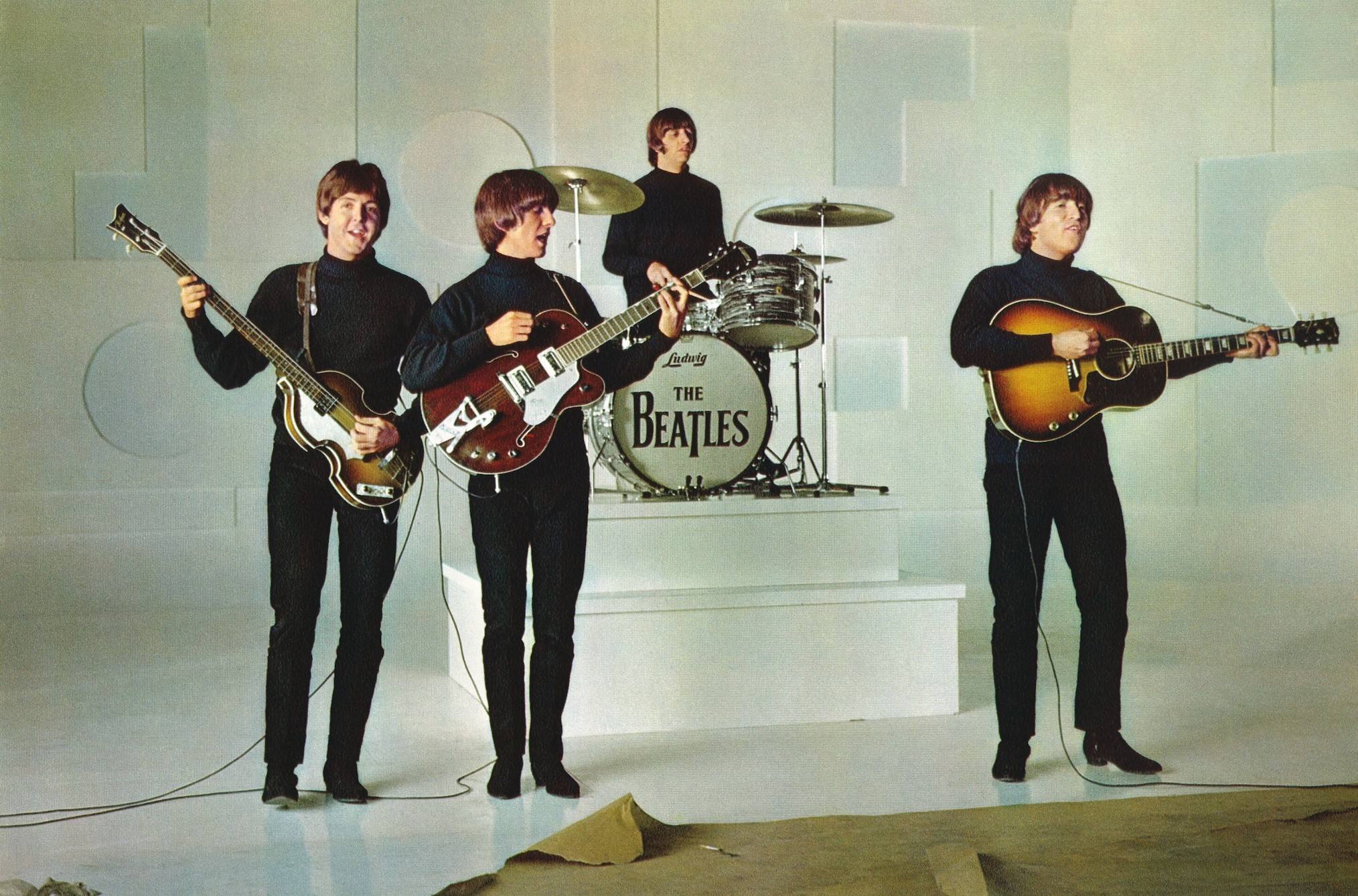
Summary of quotes and statements by The Beatles
The Beatles were one of the most popular rock bands of the 20th century, active from the 1960s to the 1970s, and made their record debut on October 5, 1962. The Beatles were ranked No. 1 on Rolling Stone's list of the 100 Greatest Artists of All Time, and are regarded around the world as one of the most influential rock bands of the 20th century. The band hails from Liverpool, England. Not only their music, but also their ideas and statements have attracted a great deal of attention and have had a great impact on the world.
Read Article

Yesterdays (film) spoiler alerts and discussion summary
Yesterday" is a stylish and heartfelt romantic comedy film produced in England. The main character, Jack, an unsuccessful singer-songwriter, is hit by a bus one day. He recovers from unconsciousness, but when he wakes up in the world, the legendary band "The Beatles" does not exist. For some reason, Jack is the only one who remembers the Beatles. The song "Yesterday," which he performed based on his memories, gradually changes Jack's ordinary life. This is a film that mixes fantastical elements with realism, and allows viewers to enjoy friendship, love, and anguish along with the Beatles' classic songs.
Read Article
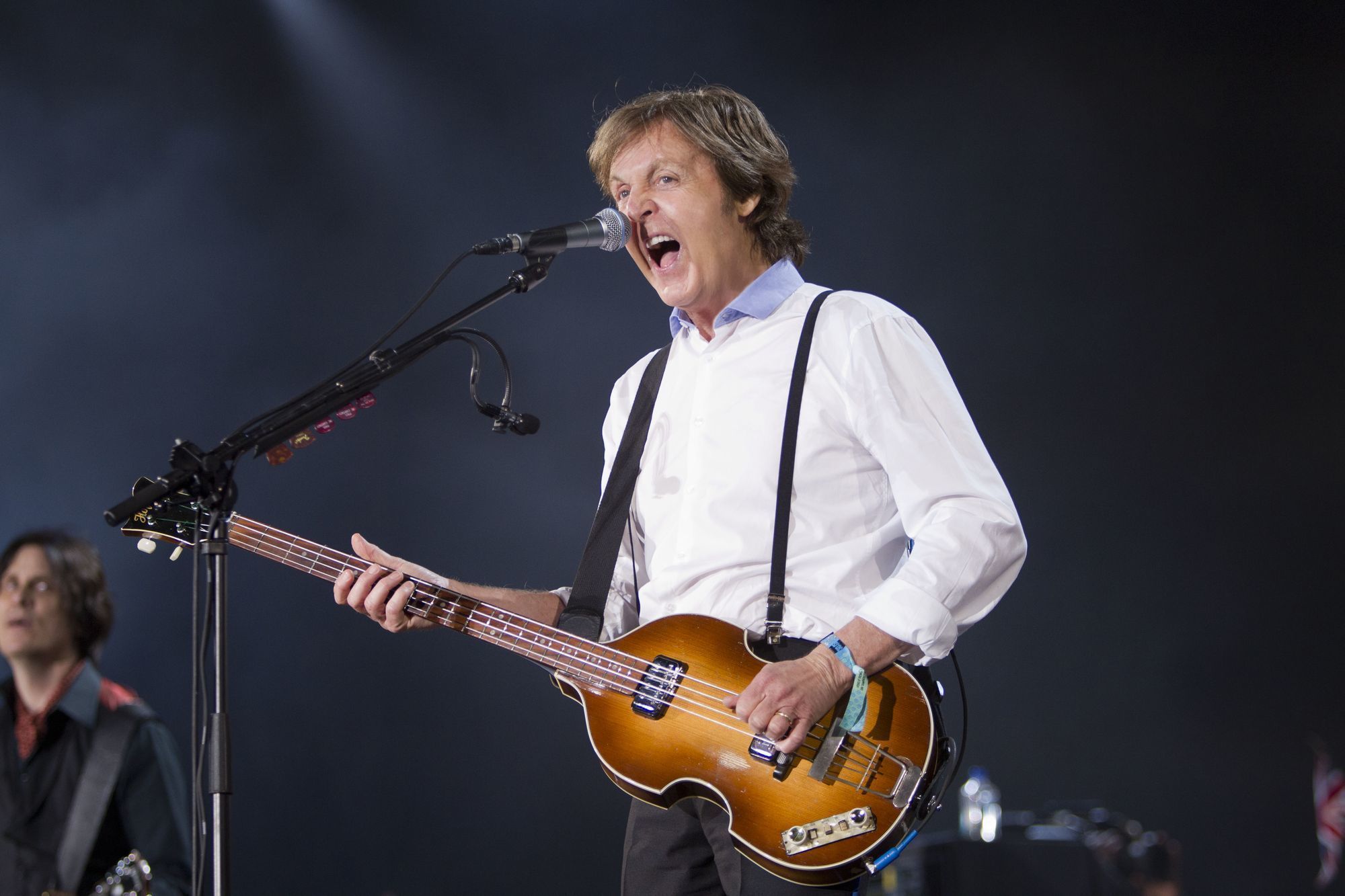
Paul McCartney was dead, former member Ringo Starr testifies! A new development in the urban legend?
Former Beatles drummer Ringo Starr stunned the world when he said in an interview with a publication that the "real" Paul McCartney died in a car accident on November 9, 1966. Here is Ringo's statement, urban legends about Paul, and his own reaction.
Read Article
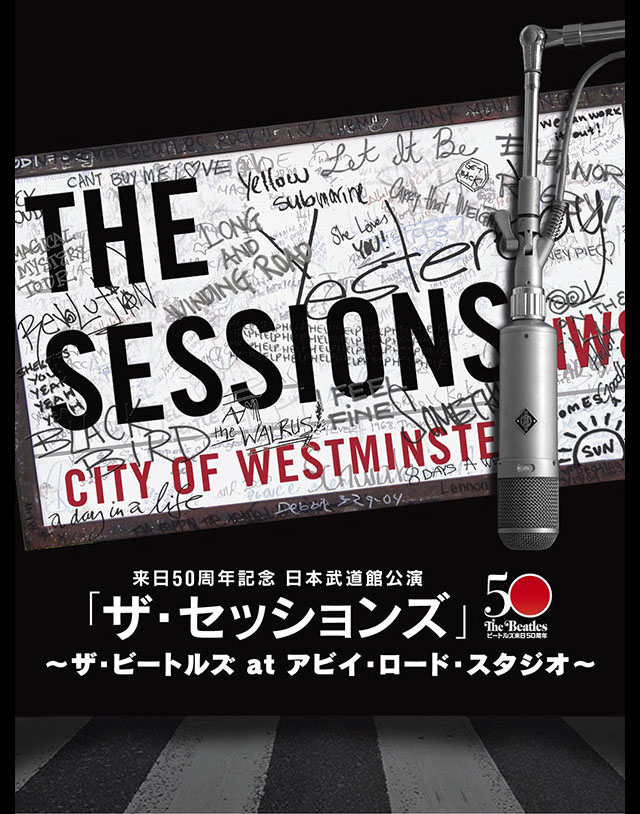
The Sessions, a recreation of the recording sessions of the legendary Beatles band, is coming!
It has been 50 years since the Beatles came to Japan. They were the first foreign artists to perform live at the Nippon Budokan on June 30 and July 1, 1966. On those very same days and at the same place, an event will be held to recreate the Beatles' recording sessions. The title of the event is "The Sessions. It is an attempt to perfectly recreate the Beatles' studio sessions at Abbey Road Studios using a variety of technologies.
Read Article
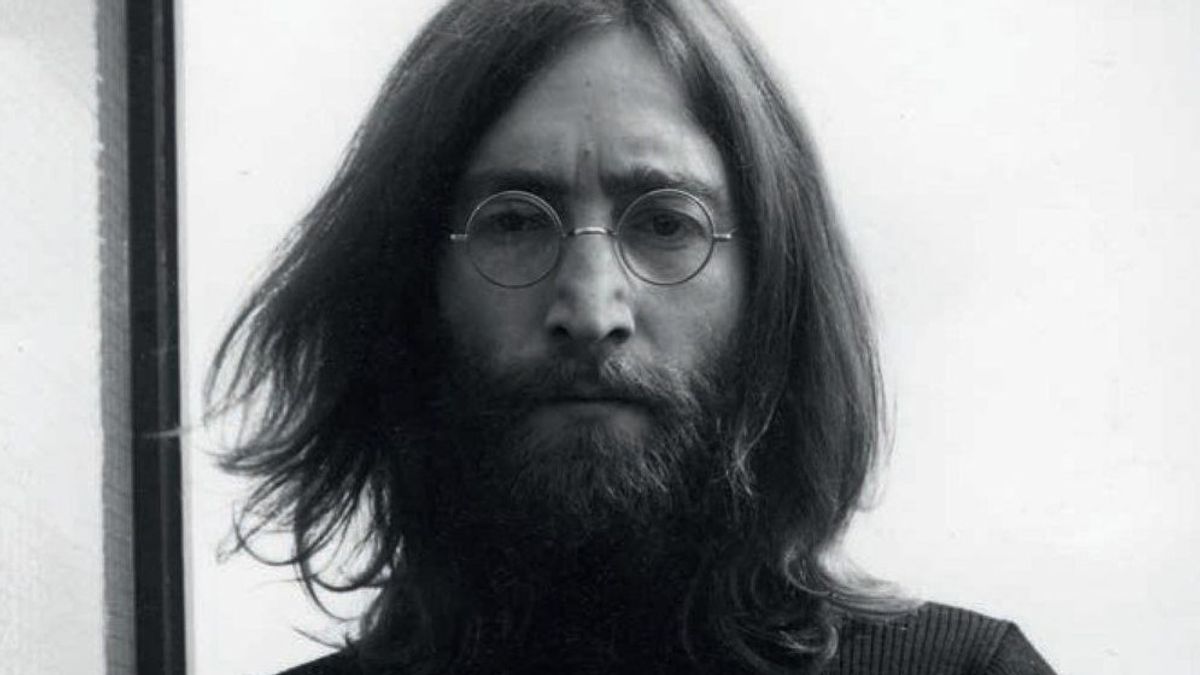
[John Lennon] Summary of celebrities and entertainers who died between the ages of 40 and 49 [Ken Maeda].
Entertainers and celebrities who have had a great impact on the world. Many of them have left this world at the young age of 40s. Diseases, accidents, suicides, assassinations.... In this article, we have compiled a list of such people. Although the causes vary, it is always painful to lose a person, no matter what time period or country.... We sincerely pray for the repose of their souls.
Read Article
![Paul McCartney] Summary of Hollywood stars and celebrities who are actually suspected of being anti-Japanese [Cameron Diaz](https://renote.net/files/blobs/proxy/eyJfcmFpbHMiOnsiZGF0YSI6NzA3OTE5MiwicHVyIjoiYmxvYl9pZCJ9fQ==--f54ed1968ea175d8f6be5ccbc0aac2b4b47ef326/5b111e621ae6624f008b472a.jpg)
Paul McCartney] Summary of Hollywood stars and celebrities who are actually suspected of being anti-Japanese [Cameron Diaz
The term "Hollywood star" is synonymous with world-famous performers. Of course, they are very well known in Japan, too! Some of them have openly stated that they "love Japan! but there are some who are suspected of being anti-Japanese. I don't know if it is true or not, but if these people are capable of world-class performances, they may be able to distinguish between their real intentions and their pretense in a matter of seconds.
Read Article
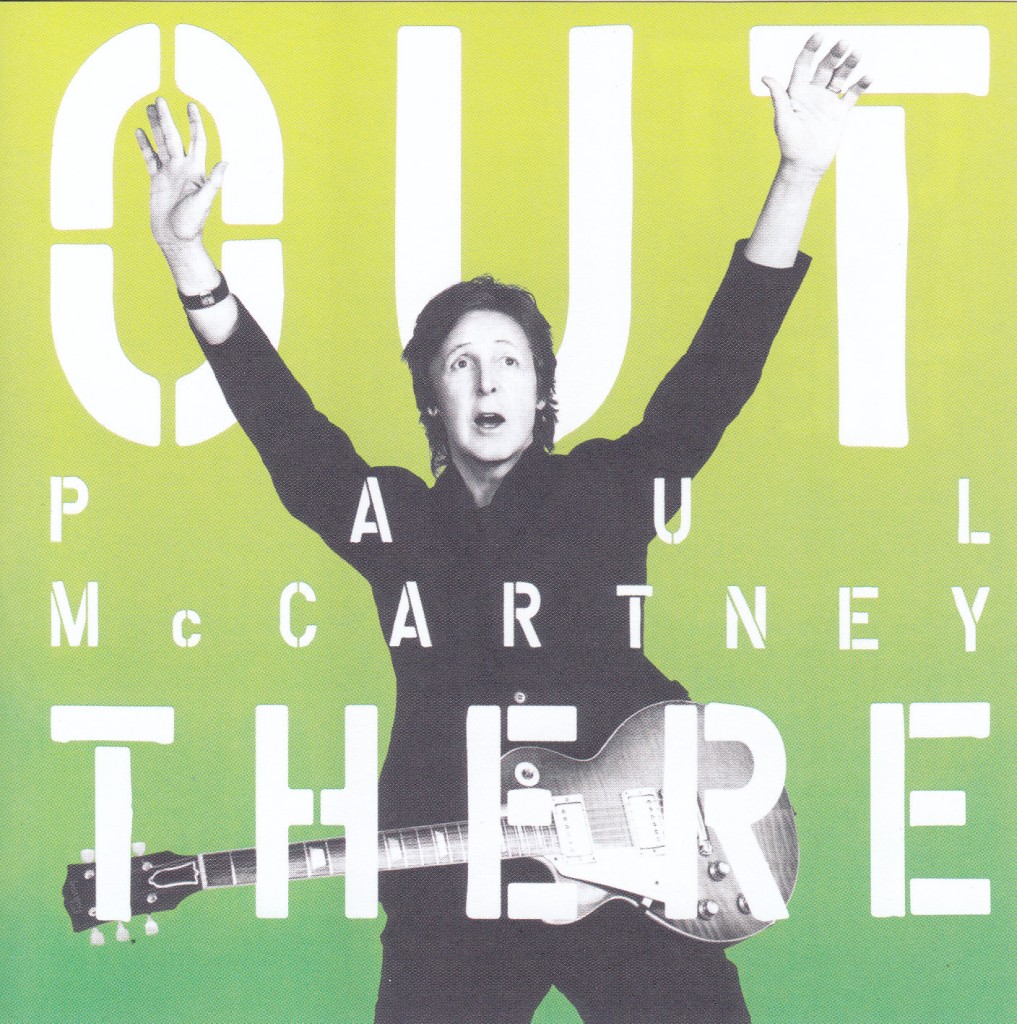
All Paul McCartney shows in Japan cancelled! Discussion of the possibility of a return visit to Japan!
Paul McCartney was scheduled to make his long-awaited return to Japan in May 2014, including his first Budokan concert in 48 years, but he became ill with a viral inflammation and canceled all shows shortly before the show. Many fans were disappointed and many wondered what would happen to him in the future. This article summarizes the situation at that time and the possibility of Paul's return to Japan for a replacement show, which he hopes to do.
Read Article
Paul McCartney suffered from "twisted intestines" and underwent emergency surgery in Japan!
Paul McCartney came to Japan for his first tour in six months, but canceled all shows due to poor health. The name of his illness was announced as viral inflammation, but it was later revealed that he had undergone surgery for intestinal sprain in Japan. The following is a summary of the illnesses that the great star suffered from in Japan.
Read Article
Paul McCartney cancels all shows! Explains the reason "viral inflammation"!
Paul McCartney, who was scheduled to return to Japan in May 2014, has become ill due to viral inflammation and has had to cancel all of his performances, including the Budokan concert. What is this "viral inflammation"? We will present a summary of Paul's sudden illness, which has several possibilities.
Read Article
Tags
Contents
- The Beatles Overview
- Members of The Beatles
- John Lennon
- Paul McCartney
- George Harrison
- Ringo Starr
- Former member of The Beatles
- Stuart Sutcliffe
- Pete Best
- People related to The Beatles
- Allan Williams
- Raymond Jones
- Brian Epstein
- George Martin
- A Brief History of The Beatles
- Birth and Death
- Major Events
- 1956-1961
- 1962-1966
- 1967-1970
- Analog release in the U.K.
- single
- 4-track EP
- album
- Analog release in the U.S.
- single
- 4-track EP
- album
- Analog release in Japan
- single
- 4-track EP
- album
- Solo Works
- Related Works
- The Beatles CDs
- The Beatles Discography
- original album
- Please Please Me
- With The Beatles
- A Hard Day's Night
- Beatles For Sale
- Help!
- Rubber Soul
- Revolver
- Sgt. Pepper's Lonely Hearts Club Band
- Magical Mystery Tour
- The Beatles
- Yellow Submarine
- Abbey Road
- Let It Be
- Editorial Albums & Other
- A Collection Of Beatles Oldies
- Hey Jude
- 1962-1966
- 1967-1970
- Rock 'N' Roll Music
- The Beatles At The Hollywood Bowl
- Love Songs
- Rarities (UK release)
- Rarities (U.S. version)
- The Beatles Ballads
- The Beatles Box
- Reel Music
- 20 Greatest Hits
- Past Masters Volume One
- Past Masters Volume Two
- Live At The BBC
- Baby It's You
- Anthology 1
- Free As A Bird
- Anthology 2
- Real Love
- Anthology 3
- Yellow Submarine Songtrack
- 1
- Let It Be... Naked
- love
- Mono Masters
- On Air - Live At The BBC Volume 2
- Live At The Hollywood Bowl
- Sgt. Pepper's Lonely Hearts Club Band (50th Anniversary Edition)
- The Beatles' most popular songs
- Love Me Do
- Please Please Me
- Twist And Shout
- From Me To You
- She Loves You
- All My Loving
- I Want To Hold Your Hand
- Can't Buy Me Love
- You Can't Do That
- A Hard Day's Night
- Long Tall Sally
- Baby's In Black
- Ticket To Ride
- Help!
- Yesterday
- Day Tripper
- We Can Work It Out
- Nowhere Man
- Paperback Writer
- Yellow Submarine
- Eleanor Rigby
- Strawberry Fields Forever
- Penny Lane
- A Day In The Life
- Hello Goodbye
- I Am The Walrus
- Lady Madonna
- Hey Jude
- Revolution
- Hey Bulldog
- Get Back
- Don't Let Me Down
- The Ballad Of John And Yoko
- Something
- Let It Be
- Free As A Bird
- Real Love
- The Beatles' backstory, trivia, small stories/episodes, anecdotes
- Dramatic departure of a member
- Paul's death theory
- The three major crises of 1966
- Mr. Toshitake Kotei
- Imelda Marcos
- Tommy Charles
- A Tribute to The Beatles