
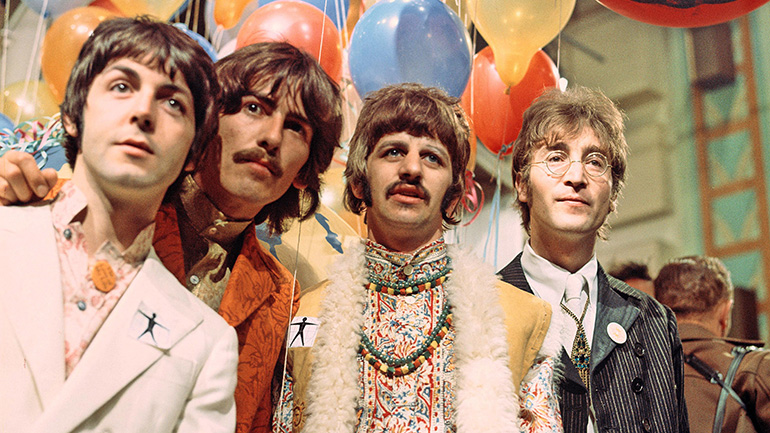
The Beatles are a four-piece rock band representing the 20th century that debuted in the United Kingdom in 1962. Their influence extended not only to their music, but also to their fashion, speech, and thought, creating a social phenomenon. One of the most notable aspects of their music is that their own musical development has directly influenced the musical development of the entire musical world and of their fans, who are their listeners.
The cover of the album was designed by Robert Freeman, as on the previous album, with the four members wearing hand signals, and although rumor had it that they were representing "H-E-L-P," the actual alphabet is "N-U-J-V." Robert Freeman said, "I had the idea of representing 'H-E-L-P' with hand signals. Robert Freeman said, "I had the idea of using hand signals to represent 'H-E-L-P,' but when I actually tried it, it didn't look so good. But when I actually tried it, it didn't look very good. In the end, I improvised and adopted the best looking poses.
Incidentally, the film was shot in a studio in London, although it looks like the Austrian snowfields where the movie was shot.
In the U.S., no analog album with the same cover and songs as the U.K. release was ever released, and it was only released on CD in 1987.
The U.S. version of "Help!" differed greatly from the British version, consisting of seven Beatles songs used in the film and five orchestral songs by Ken Thorne, also used in the film. The title track "Help!" begins with a reference to the "James Bond Theme.
The cover also differs slightly from the British version, with the four members in a different order. The alphabet used in the flag sign is "N, V, U, and J".
The Japanese version was released with the same specifications as the original British version. However, it was stereo instead of mono. The first mono version of an analog album with the same specifications as the UK version was a limited reissue in the original mono series on January 21, 1982.
The album was first placed at No. 1 on the British Melody Maker chart on August 14, 1965. It remained at No. 1 until October 9, and then dropped to No. 2 on October 16, but returned the following week on October 23, and remained at No. 1 until November 27, reigning at No. 1 for a total of 15 weeks.
The film's title changed two or three times before it was decided. The director, Richard Lester, had originally titled the film "BEATLES 2," but rejected the title when John said, "There is no way I could write a song with that title! John said, "You can't write a song with that title! Next, Ringo proposed "Eight Arms To Hold You," but the other members did not like it and rejected it as well. John said, "I'm glad Ringo's idea was rejected. I couldn't write a song with that title. I probably would have pushed it to Paul. Meanwhile, director Richard Lester originally wanted to use the title "Help Help," but had given up because it was already registered with the Writers Guild of America. However, he was told by his lawyer that there would be no legal problem as long as he added an exclamation point at the end, and it eventually became "Help! Therefore, although the title song seems to be an expression of John's feelings at the time, the title was actually decided first.
The recording format of this album is slightly different from the previous ones. The first and second tracks were recorded during rehearsals. Next, while listening to the rehearsal, the bass rhythm was recorded on tracks 3 and 4. Then the first and second tracks are erased, and the vocals and other items are overdubbed onto the third and fourth tracks while listening to the base rhythm on the third and fourth tracks.
This was the first album to feature outside musicians other than Martin. This was the first album to feature outside musicians other than Martin, including flutist Johnny Scott and a string quartet. It was also the first album to have a more fluid instrumentation, with Paul playing lead guitar, the bass guitar not participating on some tracks, and John playing electronic piano.
This was also the first album to feature two George Harrison songs.
Regarding the film, Paul said, "It wasn't quite right for us. We were like guest stars.
John said of the film, "It's a piece of crap! The director, Richard Lester, had no idea who we were or what we were doing. That's why the movie didn't work. It was like a clam in a frog movie.
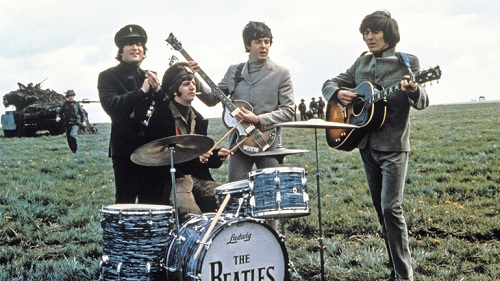
Outline of the tracks
Help!
This is John's work and the lead vocalist is also John. Paul helps a little.
John: "Later, I found out that I was screaming really loudly for help. So you could say that was my fat Elvis period. Look at the movie. He ...... and I ...... are very fat, very insecure, and completely out of touch with ourselves. Strawberry Fields Forever" are the only songs I've ever written that are true.
Paul: "John wrote that one. Paul: "John wrote that one. No, John and I did that one. We wrote it at John's house in Weybridge for the movie. The title came about out of desperation. The title was the director's idea. It was my idea to have a melody relative to John's melody.
George: "It's a pretty complicated song. It's a little bit like 'It Won't Be Long.
John sang the song at a faster tempo to make it more commercial, which he later regretted.
The recording recordings claim that both mono and stereo versions are based on the 12th take, but the vocals are different between the mono version and the stereo version. The lyrics are also different in places, and the tambourine is different (as discussed below, it is assumed that this tambourine is the key).
According to "The Beatles Recording Sessions, The Complete Edition" by Mark Lewison, the vocals used on the mono mix were "newly recorded in the fourth week of May 1965" at C.T.S. Studios in London, where the recording for the movie "Help! It is estimated that it was "newly recorded" at C.T.S. Studios in London, where the recording of the movie "Help!
According to "The Beatles Complete Songs Bible" published by Nikkei Business Publications, the following is a speculation as to why this work was done.
The song was recorded as the theme song for the movie of the same name, and was used as the title background at the beginning of the movie, superimposed on a video of the Beatles playing a pseudo-performance of the song. The decision was also made to distribute the footage to British television stations as promotional material. However, because the tambourine player on the same track as the vocal part was not shown in the film, there was a strong possibility that the film would fall under the "no pseudo-performances on television" rule of the Musicians Union in England at the time. Therefore, the Beatles recorded the vocal parts (which also had to be sung in sync with the film's mouth movements) at CTS, a film studio. It was more convenient to use this source for the film, so that was also done." "Furthermore, it was decided that it would be preferable to include the same vocals on the single disc, so the mono version was also remixed on June 18 with the newly recorded vocals, but the opening section was replaced by the traditional 12th take. However, the opening part of the song was left as the original 12th take was better. The gradual slowing of the tempo compared to the stereo version is thought to be a remnant of the work that went into synchronizing it with the video."
Recording Details
1965
April 13.
Recordings of the 1st to 12th takes.
April 18
Mono mixing is done based on the 12th take.
Three remixes are made, and Remix 3 is given to the film company "United Artists" as the best.
Stereo mixing is performed based on the 12th take.
This stereo remix was also given to the film company United Artists, but it was not used.
June 18
Stereo mixing was done based on the 12th take.
The Night Before
This is Paul's work and the lead vocalist is also Paul.
Paul: "This is mostly my song.
John plays electric piano for the first time on this song.
John and George play the lead guitars in octaves for the interlude and the ending. The top is George and the bottom is John.
*Recording Details
1965
February 17.
First and second takes are recorded.
February 18
Mono mixing is done based on the 2nd take.
February 23
Stereo mixing based on the second take
April 18
Stereo mixing was performed based on the second take.
This stereo mixing was not used.
You've Got To Hide Your Love Away
John sings lead vocals on this track.
John: "I wrote this when I was really into Dylan. I'm like a chameleon, I'm influenced by everything around me.
Paul: "This song was influenced by Dylan. The wordy phrases and verses really struck a chord with John.
John's friend Pete Shotton: "The first Beatles number written in front of me was 'You've Got To Hide Your Love Away,' and I contributed the idea for the chorus, 'Hey! The lyrics of this Dylan-inspired song initially begin, "I can't go on, feeling two feet tall. I can't go on, feeling two feet tall. But the first time John played it for Paul, he somehow sang, "two foot small. John tried to correct him, but he blurted it out and shouted, "Let's leave it as it is. All the pretentious people will like it better.
The Beatles hired outside musicians for the first time (aside from Andy White and George Martin) on this song. The Beatles hired a flutist named Johnny Scott (then called John Scott) for this song.
Johnny Scott "was given a general description of what to do on a piece in three-quarter time. The best way to meet their requirements was to play the tenor flute first and overdub the alto flute. All four members were there. I remember Ringo was newlywed and buoyant. We had just come back from our honeymoon.
Tom Robinson, a British rocker who had come out as gay, called the song the first rock number about homosexuality. According to him, the lyrics were a message to Brian Epstein, a homosexual.
*Recording Details
1965.
February 18.
First through ninth takes were recorded.
February 20
Mono mixing is performed based on the 9th take.
February 23
Stereo mixing based on take 9
I Need You
George's work with lead vocals by George.
This is the first time that George's work has been included on this album since "Don't Bother Me" from his second album "With The Beatles".
*Recording Details
1965 Year
February 15
First through fifth takes are recorded.
February 16
George's second vocal, cowbell, and electric guitar with foot-controlled tone pedal are overdubbed on take 5.
February 18
Mono mixing was done on Take 5.
February 23
Stereo mixing based on take 5.
Another Girl
Another Girl" was written by Paul, and the lead vocalist is also Paul.
Paul: "I think it's a bit harsh to call it a "joiner's song. I think it's much more than that."
Paul also plays lead guitar.
*Recording details
1965
February 15
First take is recorded.
February 16
Paul's guitar overdubs on the first take
February 18
Mono mixing is performed based on the first take
February 23
Stereo mixing based on the first take
You're Going To Lose That Girl
John sings lead vocals.
Paul: "I think it was a 6 to 4 John song."
Recording Details
1965
February 19.
Second and third takes are recorded.
Normally, this would be takes 1 and 2, but due to a mistake in the control room, take 1 was announced as take 2, so this is how it ended up.
February 20
Mono mixing is done based on the third take.
February 23
Stereo mixing was performed based on the third take.
March 30
Recording of the overdub part (details unknown)
April 2
Stereo mixing was done based on the third take.
This stereo mixing was not used, and the February 23 remix was used.
Ticket To Ride
This is a song by John, and the lead vocalist is also John.
John said, "This is a pioneering work in heavy metal. The drumming pattern was Paul's idea.
Paul: "It's amazing how he changed the ending tempo only for the melody. It takes a new turn at the end.
Not only did Paul come up with the idea for the drumming pattern, but he also played lead guitar during the interlude and at the end of the song.
There is a port town called Ryde on the Isle of Wight, England, where Paul's cousin Bett Robbins and her husband Mike ran a pub. This "Ticket To Ride" was inspired by John and Paul's trip to that pub. The title "Ticket To Ride" is a play on the phrase "Ticket To Ryde.
The Beatles were inspired to write "Ticket To Ride" by their rival group, The Searchers' "When You Walk In The Room" (originally by Jackie di Shannon). The Searchers released "He's Got No Love" as their answer song.
When You Walk In The Room/The Searchers
He's Got No Love/The Searchers
Recording Details
1965
February 15.
First and second takes are recorded.
February 18
Mono mixing is done based on the second take.
February 23
Stereo mixing based on the second take
March 15
Mono mixing based on the second take
The remixes from this day were given to the film company, United Artists, and to Capitol Records as the masters for the new single. Therefore, "Ticket To Ride" used in the film is a different mix with one of the tambourine and John's double tracks suppressed, but there is no difference from the U.S. version of the single.
● Act Naturally
Originally released by American country singer Buck Owens on March 11, 1963, this single reached number one on the U.S. country charts.
The lead vocalist is Ringo.
Paul sings backing vocals, but this is the only song by The Beatles that features the duo of Ringo and Paul.
Act Naturally/Buck Owens
Recording Details
1965
June 17.
Recordings of the 1st to 13th takes
June 18
Mono and stereo mixing was done based on the 13th take.
It's Only Love
This is John's work and the lead vocalist is also John.
John: "It's one of the songs I hate with all my heart. The lyrics suck."
Paul: "Even though I could only come up with uninspired lyrics, I had to give up there. It's not literature."
The song was originally titled "That's A Nice Hat (Cap). The George Martin Orchestra later recorded an instrumental version of "It's Only Love" under this title.
Recording Details
1965
June 15.
Takes 1-6 are recorded.
June 18
Mono and stereo mixing based on take 6.
You Like Me Too Much
Recorded by George, lead vocalist is also George.
This is the first time that two of George's songs are included on one album.
John plays electric piano, and Paul and Martin both play Stanway grand pianos.
*Recording Details
1965
February 17.
First through eighth takes are recorded.
February 18
Mono mixing is performed based on take 8.
February 23
Stereo mixing based on take 8
Tell Me What You See
Paul's work, with Paul on lead vocals.
Paul: "It's not a particularly memorable work. It's just a filler for the album, and we need some songs for the B-side.
Recording Details
1965.
February 18
First through fourth takes are recorded.
February 20
Mono mixing is done based on the 4th take.
February 23
Stereo mixing based on take 4
I've Just Seen A Face
Paul's work with lead vocals by Paul.
Paul: "It's up-tempo in a C&W style. I'm pretty happy with how it turned out.
Paul's Auntie Gin liked the song, so it was tentatively titled "Auntie Gin's Theme. The George Martin Orchestra later recorded an instrumental version of "I've Just Seen A Face" under this title.
Recording Details
1965
June 14.
First through sixth takes are recorded.
June 18
Mono and stereo mixing based on take 6.
Yesterday
This is Paul's work and the lead vocalist is also Paul.
Paul: "It's a song that rolled off the bed. I probably heard it in a dream. There was a piano by the bed, and I rolled out of bed and put my hand on the piano keys. I had the melody in my head. I had the whole song. I couldn't believe it. I couldn't believe it. It came to me so easily that I couldn't believe I had actually written it. I thought it must have been another song I had heard somewhere before. So I went around for a few weeks asking people about it. I played the chords and said, 'Doesn't this sound like a song? I think I wrote it. But they said, 'No, I've never heard of it. No, I've never heard of it. But it's a good song.
John: "I've given Yesterday a lot of credit. It's Paul's song, it's like his baby. It's well done. It's beautiful. I've never wished it was mine.
Paul tentatively titled the song "Scrambled Egg" until the lyrics were officially written and titled. The first lyrics he sang were "Scrambled Egg. Oh may baby how I loved your legs.
Martin: "I first heard "Yesterday" in January 1964 at the Georges Cinq Hotel in Paris. Paul called it by the tentative title 'Scrambled Egg. He said, "I wanted to give it a one-word title, and I'm thinking 'Yesterday,' but I don't think it's too melodramatic. So I told him, 'No, it's not.
John: "Paul wrote the lyrics to 'Yesterday. They don't make sense, but they're good lyrics. It certainly fits well. You see what I'm saying? It's okay, but if you look at it as a whole, I'm not saying anything. I don't know what happened. So she leaves and he wishes it had been yesterday, and that doesn't really solve anything. Mine wasn't resolved either."
The Beatles used a string quartet for the first time on this song. This was also the Beatles' first solo recording, as no other members of the band participated in the recording except Paul.
Martin: "Certainly this 'Yesterday' was a turning point. Looking back, I was able to leave my mark on the music from that point on. It was when I started to partially develop my own style. From "Yesterday," I started to arrange their music properly. (Technically, "You've Got To Hide Your Love Away" was about four months earlier.) The element added to Yesterday was just a string quartet, but it was a big step forward in the pop music world at the time. It was around the time of Yesterday that we began to move beyond just playing four instruments. Then we moved on to something more experimental. At first we were limited to the primitive tools we could use, and I had to draw on my recording experience.
We agreed that an acoustic guitar was not enough. Drums would have been too heavy. All I could think of was strings. But Paul was worried, because he didn't want any sweet elements that reminded him of MOR. So I suggested a classical string quartet. He liked the idea, but he said, 'No vibrato. No vibrato! He insisted. For a good violinist, it is very difficult to play without vibrato. Paul wanted the musicians to sound raw, but they couldn't do that. They couldn't do that, because it would sound like a children's orchestra. But Paul realized later that it was fine the way it was.
Paul and I wrote the score together. Paul and I wrote the score together. We put the cello here, the violin there, and so on. It was Paul's idea, especially the cello's second transition to the seventh. Unfortunately, it wasn't my idea. He also wanted to do the last part where the first violin keeps playing very high notes. To be honest, I thought it was a bit boring, but I went along with him. The rest of the arrangement was mostly my idea. During the recording that day, Paul sang and played guitar at the same time. Then I wrote and overdubbed the strings, and on the fourth track, I had Paul record the vocals again. I thought I might be able to get a better song. It didn't work out that way. The only good part, at least in my opinion, was at the end of the first section. I said something wrong. I had forgotten about that for the past 20 years, and I thought I had double-tracked that part, but it wasn't double-tracked. But it wasn't double-tracked. It's actually the voice coming out of the speakers. I didn't use headphones.
The members of the string quartet are as follows
First Violin: Tony Gilbert
Second Violin: Sidney Sachs
Viola: Kenneth Essex
Cello: Francisco Gabarro
Francisco Gavarro, who played the single-layer cello: "(When I met Paul in the studio esophagus a week after the recording) he came up to me and said, 'That "Yesterday" is a sure hit. I said, 'Well, that's great! Congratulations! I said, 'That's great!
At the time of its release, the song was not released as a single in the UK.
Paul: "A hit song is always something that you don't think is going to be a hit. For example, 'Yesterday' and 'Mull Of Kintyre' were not supposed to be hits, but they were. I didn't want to release them. I didn't release "Yesterday" in the UK, and it only came out as a single in the US. I didn't think it was such a good idea. I can't believe it's come to this.
I got a little bit ridiculed because of it. George said, 'He's always talking about Yesterday. I think he's Beethoven or something. But I can tell you that it's the most perfect song I've ever written. It's very catchy, but it's not corny, and sometimes when you're trying to write a song, you get the essence of it when it's all coming together. It's like when an egg is laid, there's not a scratch, not a crack, not a thing.
The song was recorded only about an hour and a half after the band finished seven takes of the throaty, shouty rock number "I'm Down.
Recording Details
1965
June 14.
First and second takes are recorded.
June 17
Second vocal and strings are overdubbed onto the second take.
Mono mixing is done based on the second take.
June 18
Stereo mixing was done based on the second take.
Dizzy Miss Lizzy
The original single was released by American R&B singer Larry Williams on February 24, 1958.
Incidentally, the coupling song for this single is "Slow Down," also covered by The Beatles.
The lead vocalist was John.
In the U.S., the Beatles did not record any more cover songs until "Maggie Mae," which appeared on the album "Let It Be" released on May 8, 1970.
*In the UK, "Bad Boy" on the compilation "A Collection Of Beatles Oldies" released on December 10, 1966 will be the last. Incidentally, "Dizzy Miss Lizzy" and "Bad Boy" were recorded on May 10, 1965, both originals by Larry Williams.
Dizzy Miss Lizzy/Larry Williams
Recording Details
1965
May 10.
Takes 1 through 7 are recorded.
Mono and stereo mixing was done based on take 7.
On this day, two songs, "Dizzy Miss Lizzy" and "Bad Boy" (both originals by Larry Williams) are recorded, mono mixed, and stereo mixed all at once, and the completed master is sent to Capitol Records in Los Angeles by air the next day. The masters were sent by air the next day to Capitol Records in Los Angeles.
Rubber Soul
Side A
1. Drive My Car
Norwegian Wood (This Bird Has Flown)
You Won't See Me
Nowhere Man
Think For Yourself
The Word
7. Michelle
Side B
What Goes On
2. Girl
I'm Looking Through You
In My Life
5. Wait
If I Needed Someone
Run For Your Life
The sixth album was released on December 3, 1965.
It was released after the single "Day Tripper/We Can Work It Out" (a double A-side single), but did not include the songs from this single.
The recording process is as follows.
● 1965.
June 17
Recorded the following
Wait
June 18
Mono mixing of the following
Wait
Wait" was recorded for the album "Help!
October 12
Recorded the following two songs
Run For Your Life
This Bird Has Flown (later to become "Norwegian Wood (This Bird Has Flown)")
October 13
The following songs are recorded
Drive My Car
October 16
Recorded the following two songs
Day Tripper
If I Needed Someone
October 18
Recorded the following two songs
If I Needed Someone
In My Life
October 20
Recorded the following two songs
We Can Work It Out
October 21
Recorded the following two songs
Norwegian Wood (This Bird Has Flown)
Nowhere Man
October 22
Recorded the following two songs
In My Life
Nowhere Man
October 24
Recorded the following two songs
I'm Looking Through You
October 25
Mono mixing of the following 6 songs
Drive My Car
In My Life
If I Needed Someone
Day Tripper
Norwegian wood (This Bird Has Flown)
Nowhere Man
October 26
Stereo mixing of the following 6 songs.
Drive My Car
Day Tripper
In My Life
If I Needed Someone
Norwegian wood (This Bird Has Flown)
Nowhere Man
October 28
The following mono-mixing was done.
We Can Work It Out
Work for the TV program "The Music Of Lennon And McCartney".
October 29
Recorded the following
We Can Work It Out
Mono mixing of the following two songs
We Can Work It Out
Day Tripper
November 3
Recorded the following songs
Michelle
November 4
Recorded the following two songs
What Goes On
12-Bar Original
12-Bar Original" was unreleased, but was later included in "Anthology 2".
November 6
The following songs are recorded
I'm Looking Through You
November 8
The following is recorded
Won't Be There With You (later "Think For Yourself")
The Beatles' Third Christmas Record" for the fan club was also recorded on this day.
November 9
Mono mixing of the following four songs
Michelle
What Goes On
Run For Your Life
Think for Yourself
Stereo mixing of the following three songs
Think for Yourself
Michelle
What Goes On
November 10
Stereo mixing of the following two songs.
Run For Your Life
We Can Work It Out
Recorded the following two songs
The Word
I'm Looking Through You
November 11
Mono mixing of the following songs
The Word
Stereo mixing of
The Word
The following four songs were recorded
You Won't See Me
Girl
Wait
I'm Looking Through You
November 15
Mono mixing of the following 5 songs.
I'm Looking Through You
You Won't See Me
Girl
Wait
Michelle
Stereo mixing of the following five songs.
Wait
I'm Looking Through You
You Won't See Me
Girl
The Word
November 30
Mono-mixing of the following
12-Bar Original
December 3
Single "We Can Work It Out/Day Tripper" is released
Album "Rubber Soul" is released.
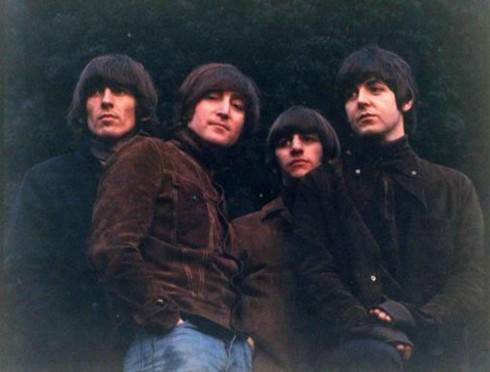
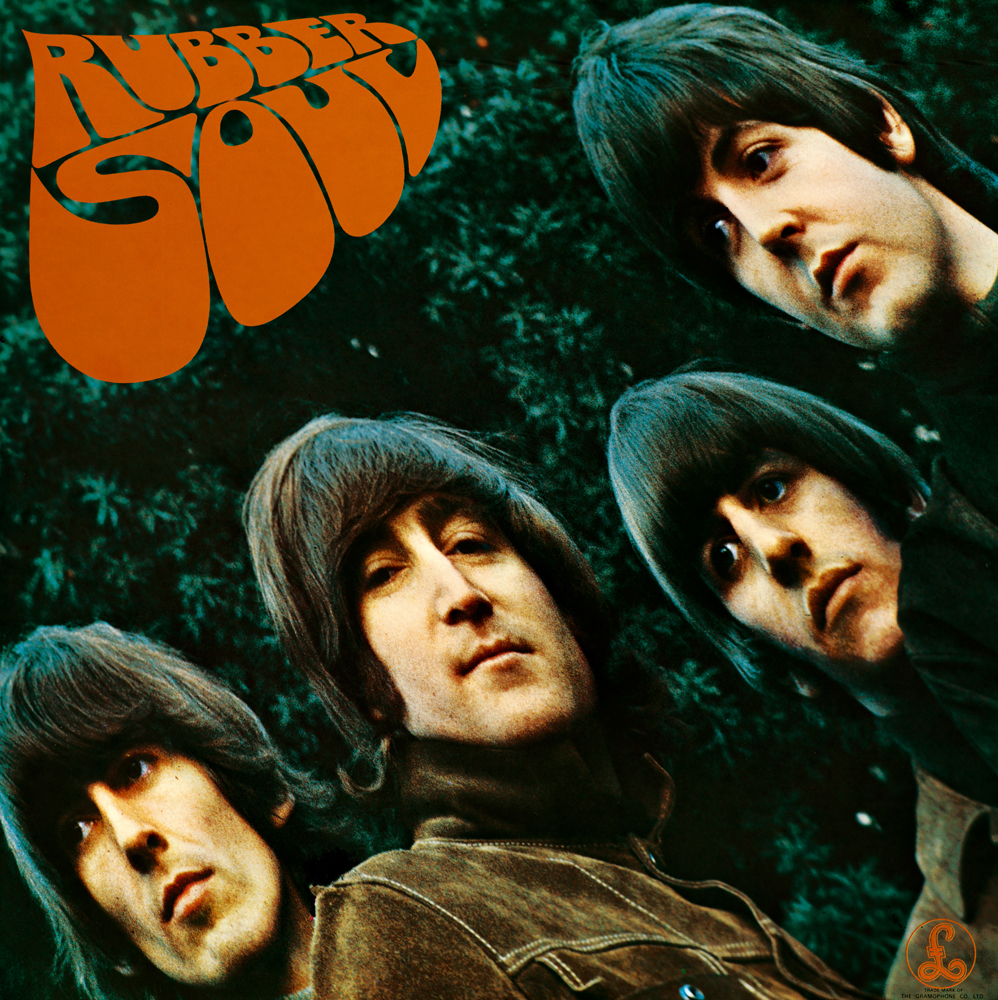
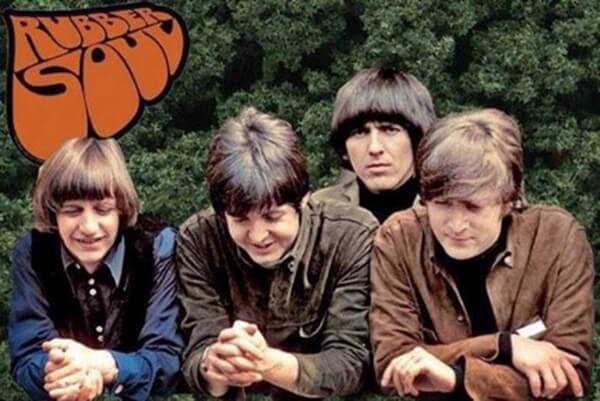
The cover was again done by Robert Freeman. He had photographed The Beatles at Lennon's house and used a projector to explain to the members of the band using photographs projected on album-sized cardboard slides. Eventually, the cardboard used for the slides tilted back and appeared oddly stretched. One of the members, amused by this, asked Robert, "Can you take a picture like that?" Robert replied, "Yes, I can! Robert replied, "Yes! Robert replied, "Yes, I can!" The result was this jacket with the members in a slightly drawn-out state.
In the book "Let's Listen to the Beatles" published by Chuo Bunko, it is stated that "Robert Freeman, who took the jacket photo, says it was taken at John's house in Weybridge, but it is clear from the shrubbery in the background that it was taken on the banks of Lake Boldamere in Surrey". Although he asserts that it is "obvious," my guess is that he first took the photo at John's home, showed it to the members, and then took the photo on the banks of Lake Boldamere, where it has a stretched effect.
In the U.S., the album was released with the same jacket as the U.K. version, but the songs are different: the first song on side A is "I've Just See A Face," which was omitted from the U.S. version of the previous "Help! The first song on the B-side was "I've Just See A Face," and the first song on the B-side was "It's Only Love," which was omitted from the American version of "Help! Drive My Car," "Nowhere Man," "What Goes On," and "If I Needed Someone" were not included on the U.S. release, but were later included on the American Capitol-edited "Yesterday And Today. Nowhere Man" and "What Goes On" were also released as singles unique to the US.
In the U.S., "Rubber Soul" was never released in the same format as the U.K. version, i.e., as The Beatles had intended, and only appeared on CD in 1987.
The Japanese version was released with the same specifications as the original British version. However, it was in stereo instead of mono. The first mono version of an analog album with the same specifications as the UK version was a limited reissue in the original mono series on January 21, 1982.
The album was first released in the UK on December 11, 1965, reaching No. 1 on the Melody Maker chart. It then reigned at #1 for 13 weeks until March 5, 1966.
Our first album as recording artists was Rubber Soul. We got to use the studio the way we wanted to. Before that, we had to finish everything in two hours, or we had to do no more than three takes, and that was just crippling," says John. This is a work that truly shows his emergence as a creative artist beyond the framework of a mere rock band or an idol who dominates the world. Although there have been glimpses of him in the past, this is the first time that he has been so fully or boldly exposed in this work. The fact that he was given about a month's vacation just prior to the production of the album also helped to boost his creative drive. John added, "I went into the making of the record with a clearer idea than I had for previous albums. We came up with the cover concept and the album title ourselves.
The album title "Rubber Soul" refers to the rubber soles of shoes, and it was Paul's idea to use this as the album title. On the tape on which "I'm Down" was recorded, a black American bluesman said of Mick Jagger of The Rolling Stones, "The music isn't bad, but that's like plastic soul," a comment Paul himself had made. Paul found this amusing and replaced the plastic with rubber, creating a double meaning with the rubber soles.
At the end of "I'm Down" on "Anthology 2," Paul can be heard muttering, "Plastic Soul Man Plastic Soul.
Paul started using a Rickenbacker bass on this album. This is because Paul saw the Rickenbacker bass used by John Entwistle, the Who's bassist, and liked it.
This album was the first time that the sitar, an instrument of "Indian music" that would later become synonymous with The Beatles, was used. In addition to Indian music, the Beatles also tried various other things, such as offering Baroque-style pieces, inserting French lyrics, and applying fuzz to the bass guitar.
Paul says, "I think John and I both agree that the songs are different from what they were a few years ago. I don't know which is better, but it's different anyway. We're happy with it. The status quo is boring. We don't want our music to stagnate.
The Beatles have established themselves. The fans will continue to follow us, and we will be able to expand the boundaries of pop. We don't have to imitate anyone else anymore.
If someone says, 'Here's a picture of you taken two years ago,' I don't care, it's a new picture," he said. That's the relationship between the old album and this "Rubber Soul" album. This is the Beatles now. People want us to stay the same, but then we're in a rut...no one wants to peak at 23 and never grow ...... after that. Why do you ask us to do that? Rubber Soul is the beginning of a mature life for me.
John said, "The Beatles' music has evolved and become more like The Beatles. It used to be music that anyone could copy.
George says, "I like this album the best. We took our time and tried new things. It's the best Beatles album we made in the midst of growing up.
Martin said, "This was the first Beatles album that introduced the world to the new Beatles. Up until then, albums were more like a collection of singles. But by this time, I had come to see the album as a kind of art in its own right. Rubber Soul was the first time I had given form to that.
Engineer Norman Smith said, "With 'Rubber Soul,' John and Paul's disagreements became more noticeable. That and George had to put up with Paul's cold treatment of him. We had already been able to record four tracks, so George was able to add solos later, but as far as Paul was concerned, George never got a passing grade. Paul was too fine anyway."
So on some of the songs, Paul ended up soloing himself. I wondered how long this awkwardness would last. George would do a couple of takes. George would do a couple of takes, and we'd have enough, but Paul would shake his head and say, 'No, no, no.' And then he'd bring in an American song. Then he would bring up an American song and tell George to listen to it and do it that way. And we'd start all over again. George does it, and this time he says, 'OK, the first 16 novels aren't bad. OK, the first 16 novels aren't bad, but the middle one, , is. But the middle one ......." Eventually, Paul does the solo himself instead. He always had a left-handed guitar. Eventually I realized that George had always hated Paul's nature because of this. He didn't show it outwardly, but ......"
You get the idea. There is no doubt that Paul played a central role in the group. He was equally powerful in the sense that he was a producer. When George Martin couldn't do it, Paul was usually there, and he did it as well as Martin did. The only thing he couldn't do was put symbols on chords. He couldn't read music. But he could sing the part and tell the arranger approximately exactly what he wanted to say. I didn't know whether the strings or the winds could produce the sound I wanted, but most of the ideas came from Paul. But most of the ideas came from Paul.
Brian Wilson of The Beach Boys said, "The first time I heard 'Rubber Soul' was when a friend came over and said, 'Listen to this. You'll love it. I listened to it, and I was hooked. I must have listened to it four times in a row. I couldn't sleep for two nights. It's like every song on the album is tied together by a thread. It was like a collection of folk songs. Not just a folk record with a lot of acoustic guitar and a little less drums. I had never heard a rock album with all those great songs. That was the turning point for me. It all started with Rubber Soul. From now on, I wanted to express something with a full album, not just a collection of singles. Incidentally, Brian listened to the U.S. version of "Rubber Soul" at this time.

Related Articles
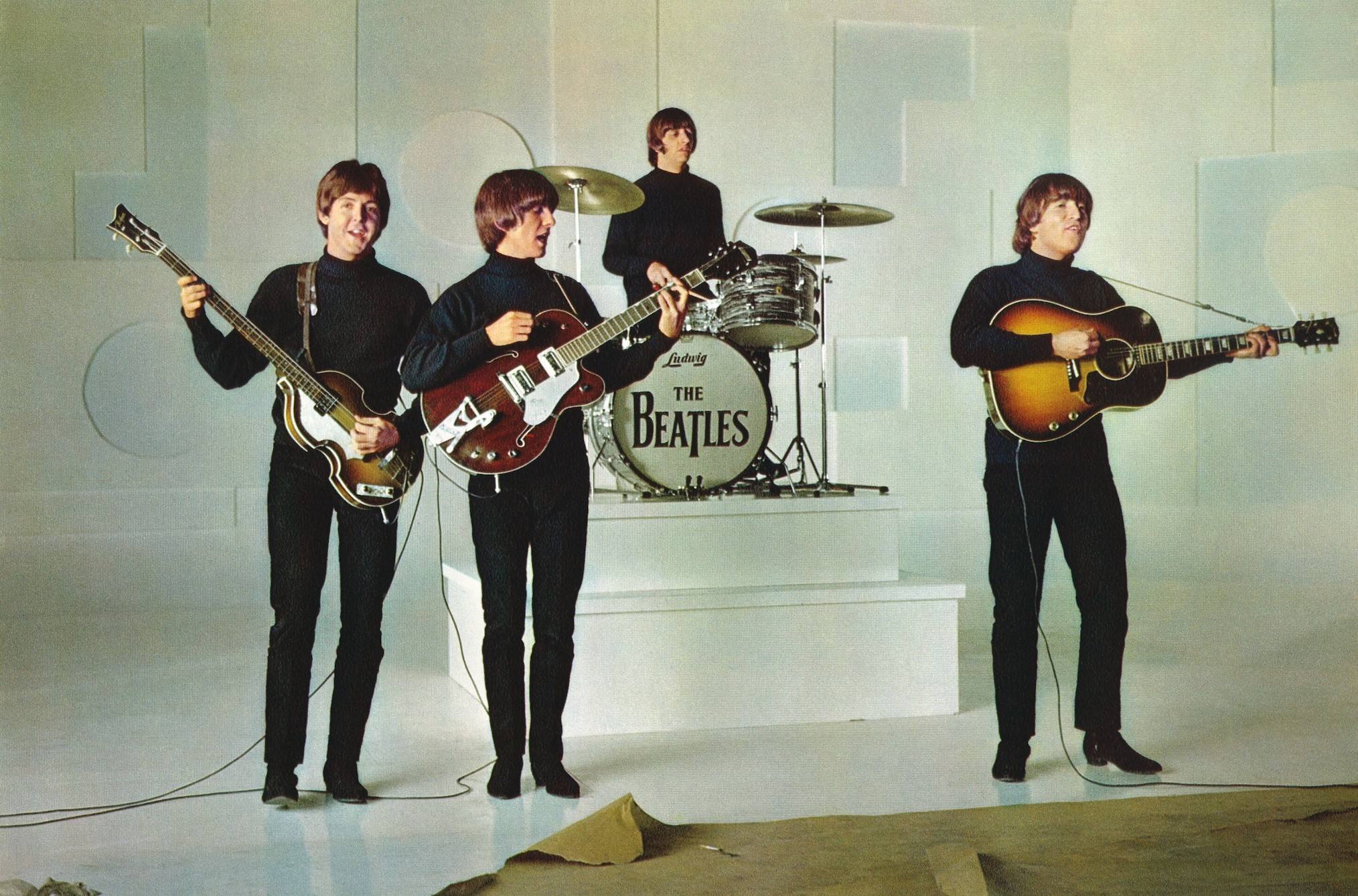
Summary of quotes and statements by The Beatles
The Beatles were one of the most popular rock bands of the 20th century, active from the 1960s to the 1970s, and made their record debut on October 5, 1962. The Beatles were ranked No. 1 on Rolling Stone's list of the 100 Greatest Artists of All Time, and are regarded around the world as one of the most influential rock bands of the 20th century. The band hails from Liverpool, England. Not only their music, but also their ideas and statements have attracted a great deal of attention and have had a great impact on the world.
Read Article
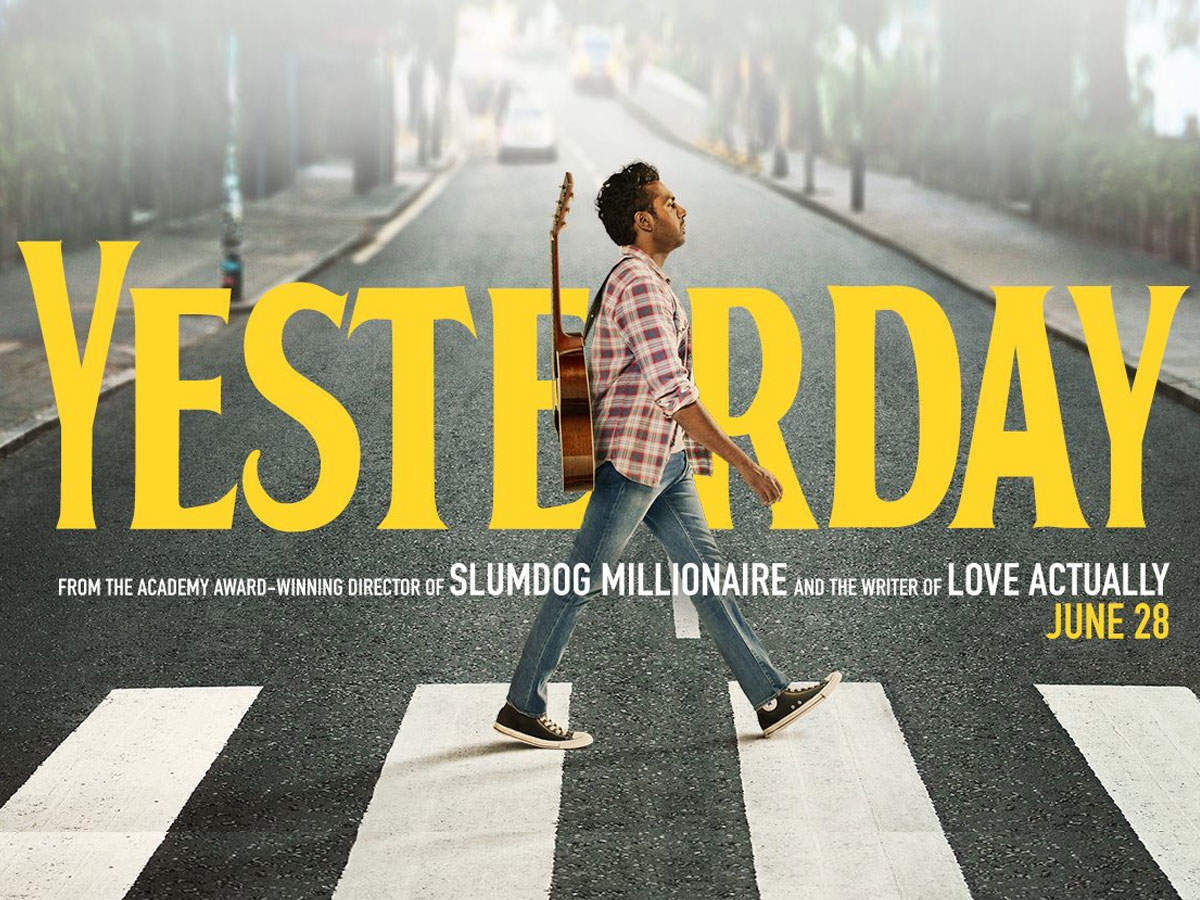
Yesterdays (film) spoiler alerts and discussion summary
Yesterday" is a stylish and heartfelt romantic comedy film produced in England. The main character, Jack, an unsuccessful singer-songwriter, is hit by a bus one day. He recovers from unconsciousness, but when he wakes up in the world, the legendary band "The Beatles" does not exist. For some reason, Jack is the only one who remembers the Beatles. The song "Yesterday," which he performed based on his memories, gradually changes Jack's ordinary life. This is a film that mixes fantastical elements with realism, and allows viewers to enjoy friendship, love, and anguish along with the Beatles' classic songs.
Read Article
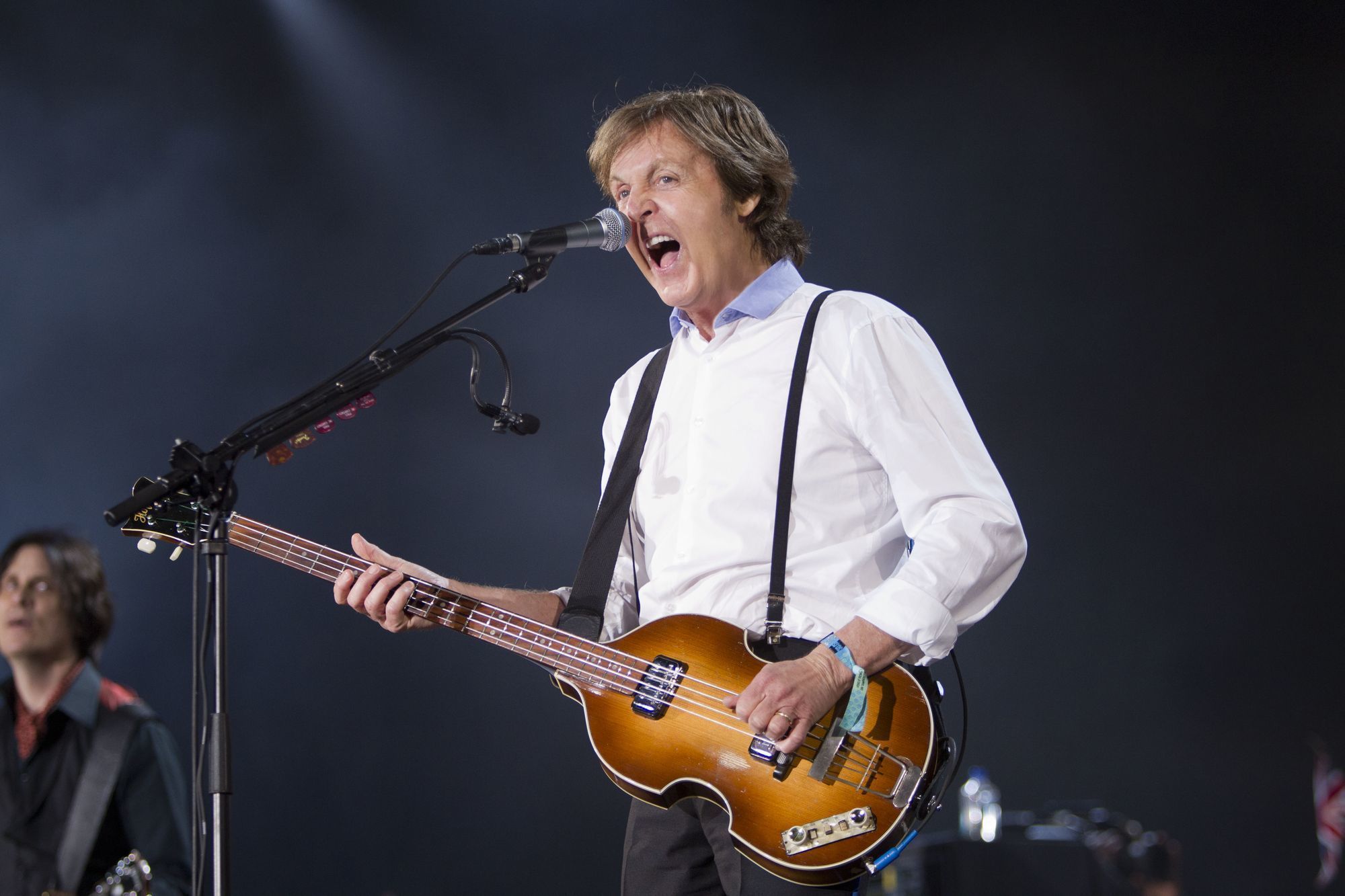
Paul McCartney was dead, former member Ringo Starr testifies! A new development in the urban legend?
Former Beatles drummer Ringo Starr stunned the world when he said in an interview with a publication that the "real" Paul McCartney died in a car accident on November 9, 1966. Here is Ringo's statement, urban legends about Paul, and his own reaction.
Read Article
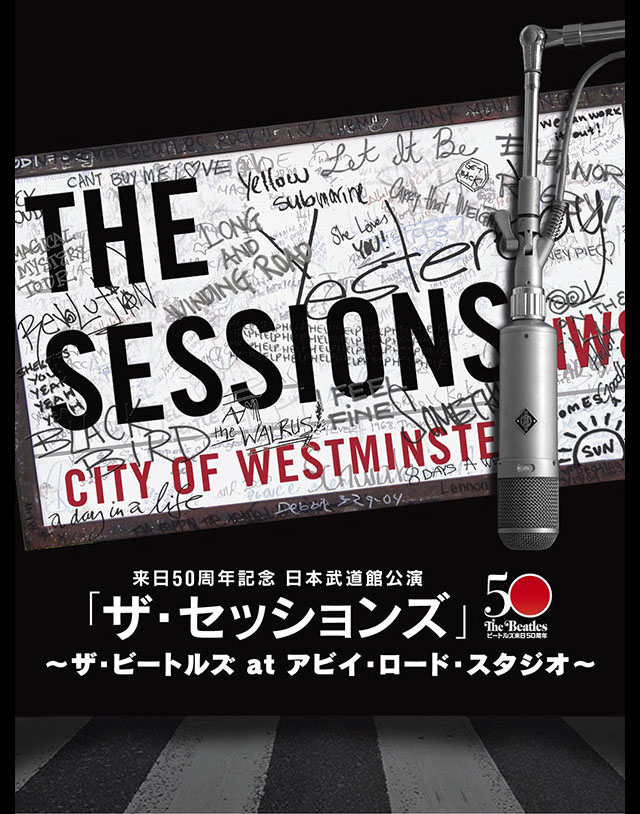
The Sessions, a recreation of the recording sessions of the legendary Beatles band, is coming!
It has been 50 years since the Beatles came to Japan. They were the first foreign artists to perform live at the Nippon Budokan on June 30 and July 1, 1966. On those very same days and at the same place, an event will be held to recreate the Beatles' recording sessions. The title of the event is "The Sessions. It is an attempt to perfectly recreate the Beatles' studio sessions at Abbey Road Studios using a variety of technologies.
Read Article
[John Lennon] Summary of celebrities and entertainers who died between the ages of 40 and 49 [Ken Maeda].
Entertainers and celebrities who have had a great impact on the world. Many of them have left this world at the young age of 40s. Diseases, accidents, suicides, assassinations.... In this article, we have compiled a list of such people. Although the causes vary, it is always painful to lose a person, no matter what time period or country.... We sincerely pray for the repose of their souls.
Read Article
![Paul McCartney] Summary of Hollywood stars and celebrities who are actually suspected of being anti-Japanese [Cameron Diaz](https://renote.net/files/blobs/proxy/eyJfcmFpbHMiOnsiZGF0YSI6NzA3OTE5MiwicHVyIjoiYmxvYl9pZCJ9fQ==--f54ed1968ea175d8f6be5ccbc0aac2b4b47ef326/5b111e621ae6624f008b472a.jpg)
Paul McCartney] Summary of Hollywood stars and celebrities who are actually suspected of being anti-Japanese [Cameron Diaz
The term "Hollywood star" is synonymous with world-famous performers. Of course, they are very well known in Japan, too! Some of them have openly stated that they "love Japan! but there are some who are suspected of being anti-Japanese. I don't know if it is true or not, but if these people are capable of world-class performances, they may be able to distinguish between their real intentions and their pretense in a matter of seconds.
Read Article
All Paul McCartney shows in Japan cancelled! Discussion of the possibility of a return visit to Japan!
Paul McCartney was scheduled to make his long-awaited return to Japan in May 2014, including his first Budokan concert in 48 years, but he became ill with a viral inflammation and canceled all shows shortly before the show. Many fans were disappointed and many wondered what would happen to him in the future. This article summarizes the situation at that time and the possibility of Paul's return to Japan for a replacement show, which he hopes to do.
Read Article
Paul McCartney suffered from "twisted intestines" and underwent emergency surgery in Japan!
Paul McCartney came to Japan for his first tour in six months, but canceled all shows due to poor health. The name of his illness was announced as viral inflammation, but it was later revealed that he had undergone surgery for intestinal sprain in Japan. The following is a summary of the illnesses that the great star suffered from in Japan.
Read Article
Paul McCartney cancels all shows! Explains the reason "viral inflammation"!
Paul McCartney, who was scheduled to return to Japan in May 2014, has become ill due to viral inflammation and has had to cancel all of his performances, including the Budokan concert. What is this "viral inflammation"? We will present a summary of Paul's sudden illness, which has several possibilities.
Read Article
Tags
Contents
- The Beatles Overview
- Members of The Beatles
- John Lennon
- Paul McCartney
- George Harrison
- Ringo Starr
- Former member of The Beatles
- Stuart Sutcliffe
- Pete Best
- People related to The Beatles
- Allan Williams
- Raymond Jones
- Brian Epstein
- George Martin
- A Brief History of The Beatles
- Birth and Death
- Major Events
- 1956-1961
- 1962-1966
- 1967-1970
- Analog release in the U.K.
- single
- 4-track EP
- album
- Analog release in the U.S.
- single
- 4-track EP
- album
- Analog release in Japan
- single
- 4-track EP
- album
- Solo Works
- Related Works
- The Beatles CDs
- The Beatles Discography
- original album
- Please Please Me
- With The Beatles
- A Hard Day's Night
- Beatles For Sale
- Help!
- Rubber Soul
- Revolver
- Sgt. Pepper's Lonely Hearts Club Band
- Magical Mystery Tour
- The Beatles
- Yellow Submarine
- Abbey Road
- Let It Be
- Editorial Albums & Other
- A Collection Of Beatles Oldies
- Hey Jude
- 1962-1966
- 1967-1970
- Rock 'N' Roll Music
- The Beatles At The Hollywood Bowl
- Love Songs
- Rarities (UK release)
- Rarities (U.S. version)
- The Beatles Ballads
- The Beatles Box
- Reel Music
- 20 Greatest Hits
- Past Masters Volume One
- Past Masters Volume Two
- Live At The BBC
- Baby It's You
- Anthology 1
- Free As A Bird
- Anthology 2
- Real Love
- Anthology 3
- Yellow Submarine Songtrack
- 1
- Let It Be... Naked
- love
- Mono Masters
- On Air - Live At The BBC Volume 2
- Live At The Hollywood Bowl
- Sgt. Pepper's Lonely Hearts Club Band (50th Anniversary Edition)
- The Beatles' most popular songs
- Love Me Do
- Please Please Me
- Twist And Shout
- From Me To You
- She Loves You
- All My Loving
- I Want To Hold Your Hand
- Can't Buy Me Love
- You Can't Do That
- A Hard Day's Night
- Long Tall Sally
- Baby's In Black
- Ticket To Ride
- Help!
- Yesterday
- Day Tripper
- We Can Work It Out
- Nowhere Man
- Paperback Writer
- Yellow Submarine
- Eleanor Rigby
- Strawberry Fields Forever
- Penny Lane
- A Day In The Life
- Hello Goodbye
- I Am The Walrus
- Lady Madonna
- Hey Jude
- Revolution
- Hey Bulldog
- Get Back
- Don't Let Me Down
- The Ballad Of John And Yoko
- Something
- Let It Be
- Free As A Bird
- Real Love
- The Beatles' backstory, trivia, small stories/episodes, anecdotes
- Dramatic departure of a member
- Paul's death theory
- The three major crises of 1966
- Mr. Toshitake Kotei
- Imelda Marcos
- Tommy Charles
- A Tribute to The Beatles