
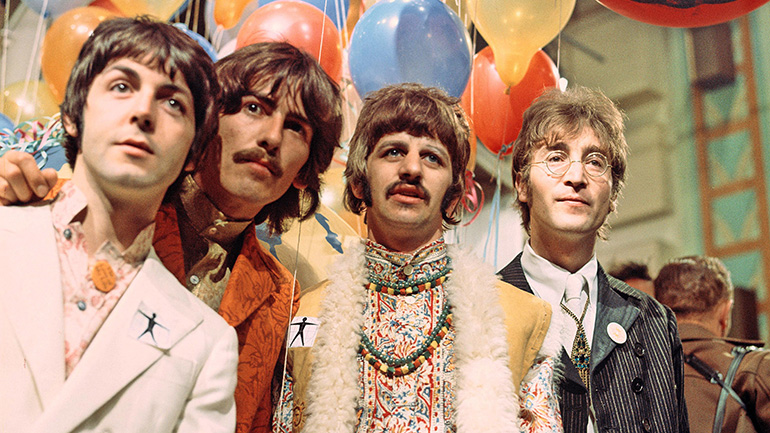
The Beatles are a four-piece rock band representing the 20th century that debuted in the United Kingdom in 1962. Their influence extended not only to their music, but also to their fashion, speech, and thought, creating a social phenomenon. One of the most notable aspects of their music is that their own musical development has directly influenced the musical development of the entire musical world and of their fans, who are their listeners.
Lonesome Tears In My Eyes/Johnny Burnette & The Rock 'N Roll Trio
Recording Details
1969
April 14.
Takes 1 through 11 were recorded.
Stereo mixing was done based on the 10th take.
Old Brown Shoe
B-side of the single "The Ballad Of John And Yoko", not included on the original album.
It was written by George, and the lead vocalist is also George.
George said, "I started with the piano chords and then wrote down all the antonyms. I wrote down all kinds of antonyms, you know, like 'yes--no,' 'up--down,' 'right--left,' 'right--wrong,' and so on.
Many books describe George as playing the bass on this song, and George himself has stated in interviews that he played the bass on this song himself. However, according to "The Beatles Recording Sessions: The Complete Edition" by Mark Lewison, "This extremely impressive bass sound is actually a combination of George's lead guitar and Paul's bass guitar.
*Recording Details
1969
February 25.
First and second takes are recorded.
April 16
The first take was recorded in the morning.
The 1st to 4th takes were recorded in the afternoon.
*Including the recording on February 25, there are three takes of the song.
Stereo mixing was done based on the fourth take recorded in the afternoon.
This stereo mixing was not used.
April 18
Hammond organ and lead guitar are overdubbed on the fourth take.
Stereo mixing is performed based on the 4th take.
Across The Universe
The version recorded on the charity album "No One's Gonna Change Our World" released on December 12, 1969, differs from the version on the "Let It Be" album in that sound effects such as flapping birds were added to the introduction and ending of the song. The version on the album "No One's Gonna Change Our World" differs from the version on the album "Let It Be" in that sound effects such as birds flapping their wings are added to the introduction and ending. This version was produced by George Martin, and the album version was produced by Phil Spector.
It is John's work and the lead vocalist is also John.
John: "I was lying next to his first wife in bed. I was frustrated. I was frustrated, probably because she was rambling on and on about some unimportant thing. Eventually she fell asleep, but I kept hearing her words over and over again, like a never-ending stream. I went downstairs. Then it changed from a song of frustration to a cosmic song. I was in no mood to stay in bed. I didn't want to write, but I was a little frustrated, so I went downstairs. I wasn't going to be able to sleep until I wrote it."
There is another theory as to the origin of the song, which states that John woke up one morning in 1967 around 7:00 a.m. and thought of a line from "Pools of sorrow, waves of joy," wrote it down, and later rewrote the lyrics.
Originally intended to appear on the B-side of the single "Lady Madonna" released in March 1968, the song was changed at the last minute.
On February 4, 1968, during the first day of recording sessions, John and Paul decided to include falsetto harmonies in the song. So Paul chose two of his fans who had gathered outside the studio and invited them inside to do the chorus.
John said, "The original take was really boring. My singing was out of tune, and they used the fans outside instead of a proper chorus. They're called Apple Scruffs or something. I sang, but I was out of tune the whole time. Nobody wanted to do that song in the first place."
John: "One of my favorite songs. The recording wasn't the best, but I love the lyrics. Sometimes we unintentionally, and by "we" I really mean mostly Paul, I mean Paul unintentionally ruins a good song. In other words, he would take my masterpieces like "Strawberry Fields Forever," for example, and turn it into an experiment. The recording of that song was terrible. The song did manage to take shape, though. When it comes to Paul's songs, he usually spends hours and hours correcting every little detail. But with my songs, especially when they are masterpieces like 'Strawberry Fields Forever' or 'Across The Universe,' they always end up sounding loose, sloppy, and experimental.
On February 4, 2008, NASA in the United States celebrated its 50th anniversary, and as part of the celebration, this song is being sent to the North Star.
*Recording Details
*Take numbers of the songs recorded in the "Get Back Session" are vague or unknown, and are not listed in "The Beatles Recording Sessions Complete Edition" written by Mark Lewison or "The Beatles Complete Song Bible" published by Nikkei BP, so they are omitted here. The Beatles Recording Sessions Complete Edition" by Mark Lewison and "The Beatles Complete Song Bible" published by Nikkei BP.
1968
February 4, 1968
Takes 1 through 7 are recorded. John's vocals and the backing vocals of two female Beatles fans outside the studio were overdubbed onto take 7. The seventh take was tape reduced to make the eighth take. An overdub of the drums and bass backwards was added to the eighth take (but this backwards was not used).
February 8
Discarded drums and bass reversals overdubbed on February 4, and overdubbed John, Paul, and George's backing vocals on Take 8.
Mono mixing was done based on the eighth take.
1969
October 2
Stereo mixing is performed based on take 8. At the same time, a sound effect of birds flapping their wings was added to the intro and ending. The version recorded on this album is the version from this day.
1970
January 5.
Stereo mixing was done based on the eighth take.
*The mixing was done for the phantom album "Get Back" by Glyn Johns, which has never been released.
Produced by Phil Spector from this point forward.
March 23.
Stereo mixing was done based on the 8th take.
This stereo mixing ended up being unused.
April 1
Take 8 is tape reduced to make Take 9. Strings and chorus are overdubbed onto Take 9.
April 2
Stereo mixing was done based on take 9.
Let It Be
The 22nd and last original single released about 2 months before the "Let It Be" album. It is a single version, different from the album version.
It is Paul's work and the lead vocalist is also Paul.
Paul: "(When asked if the woman in the lyrics is his own mother) Yes, I had a very difficult time in the 60's. I was lying in bed, and I was thinking about what I was going to do. I was going crazy lying in bed thinking about what was going to happen to me. It must have been the drugs. Then one day, I had a dream about my mother. I hadn't heard my mother's voice for a long time, since she passed away when I was 14, so it was a truly wonderful experience. She gave me strength.
The single version recorded here was produced by George Martin, while the version on the "Let It Be" album was produced by Phil Spector. The version on the "Let It Be" album was produced by Phil Spector. The version differs from the album version in the interlude with George's lead guitar and one less refrain. In a book written by Kunihiko Fujimoto, a Beatles researcher, this single version is said to have Mary Hopkin on backing vocals, but unfortunately, I could not find any data to corroborate the claim.
John: "I think it was inspired by Simon & Garfunkel's 'Bridge over Troubled Water.
*Simon & Garfunkel's "Bridge over Troubled Water" was released in the US on January 20, 1970. The studio premiere of "Let It Be" was a year earlier, on January 25, 1969, which makes it difficult to believe that John's statement was inspired by "Bridge over Troubled Water". Incidentally, "Bridge over Troubled Water" has been No. 1 on the U.S. Billboard magazine for six consecutive weeks since February 28, 1970, and "Let It Be" has taken the No. 1 spot from there for two consecutive weeks since April 11, 1970.
Recording Details
*Take numbers of the songs recorded in "Get Back Session" are vague or unknown, and are not listed in "The Beatles Recording Sessions Complete Edition" written by Mark Lewison or "The Beatles Complete Song Bible" published by Nikkei BP, Inc. The Beatles Recording Sessions Complete Edition" by Mark Lewison and "The Beatles Complete Song Bible" published by Nikkei BP.
1969
January 25, 1969
Performs at "Get Back Session.
January 26.
Performs at "Get Back Session
January 31
Performed at "Get Back Session
April 30
The guitar is overdubbed on the 27th take (called "Take 27" after the film crew's labeling). The lead guitar on the single version heard on this album is from this time.
May 28
Stereo mixing is done based on the 27th take.
1970
January 4
Paul, George, and Linda McCartney's backing vocals were overdubbed onto take 27. The brass section was overdubbed over the 27th take with tape reduction. Takes 28 through 30 were created. George's guitar, Ringo's drums, Paul's maskara, and cello were overdubbed onto take 30. John's bass, which had already been recorded, is deleted, and a new bass is overdubbed by Paul. January 8
Stereo mixing is done based on the 30th take.
This version is used for the single. This version is also included in this album.
Phil Spector produces the rest of the album.
March 26th
Stereo mixing was done based on the 30th take.
George's lead guitar was replaced from the overdubbed version on April 30, 1969 to the overdubbed version on January 4, 1970.
You Know My Name (Look Up the Number)
B-side of the single "Let It Be", not included on the original album.
It was written by John, and the lead vocalist is also John.
John: "This is a song that I was working on, and Paul and I turned it into a comic song. When I was waiting for him at his house, I wrote in the phone book on the piano, 'You know the name, look up the number. You know the name, look up the number. It's just a logo, but I kind of twisted it. It was originally going to be a Four Tops kind of song, and the chord progression was supposed to be like that, but it didn't go anywhere from there, and it ended up being a joke.
Paul: "I think it might be my favorite Beatles song. It's just so crazy. It's also a very memorable song. You know, if a guy like John showed up in the studio and said, 'I've got a new song,' what would you do? What lyrics? I ask, and his answer is, 'You know my name, look up the number. And then? I said, 'No, there's no more. I want to chant it like a mantra. I want to chant this like a mantra. ...... We had a crazy session that went on and on. We had a crazy session going on and on. It's not that the melody is great or anything, but it's unique. But it's just unique.
The saxophone in the second half of the song is played by Brian Jones of The Rolling Stones. The single was released in the UK on March 6, 1970. Brian Jones died on July 3, 1969, so we never got to hear the finished version of this song.
The song was originally scheduled to be released as a single under John's Plastic Ono Band name on December 5, 1969, coupled with "What's The New Mary Jane". The record number was also set to be "APPLES1002," but it was canceled at the last minute (cause unknown).
*Recording details
1967
May 17
Takes 1-14 are recorded.
June 7
Overdub on take 9 (details unknown).
A new instrumental part is recorded beginning with take 20 and continuing through take 24.
June 8
Part 1 was recorded on May 17 and June 7, and takes 1-12 of Part 2, takes 1-4 of Part 3, takes 1-6 of Part 4, and take 1 of Part 5 were recorded.
*Brian Jones of The Rolling Stones plays saxophone.
June 9
Part 1 take 9, Part 2 take 12, Part 3 take 4, Part 4 take 6, Part 5 take 1 to take 30 are edited.
Mono mixing will be done based on the 30th take.
*This mixing was done for the creation of the acetate. An acetate is a test disc made for the members and staff.
1969
April 30.
John and Paul's vocals and various sound effects were overdubbed onto the 30th take. This was the first time in about 22 months that this track had been modified.
Mono mixing was done on the 30th take.
November 26th
Remix mono 3 was tape copied and made into remix mono 4. Editing is done on Remix Mono 4. This was done in order to release it as a single for John's band, Plastic Ono Band, coupled with an unreleased song called "What's the New Mary Jane".
This single ended up being unreleased ("What's the New Mary Jane" was included on "Anthology 3").
Live At The BBC

Disc One
Beatle Greetings
From Us To You
Riding On A Bus
I Got A Woman
Too Much Monkey Business
Keep Your Hands Off My Baby
I'll Be On My Way
Young Blood
A Shot Of Rhythm And Blues
10. Sure To Fall (In Love With You)
Some Other Guy
12. Thank You Girl
Sha La La La La La!
14. Baby It's You
15. That's All Right (Mama)
16. Carol
Soldier Of Love (Lay Down Your Arms)
18. A Little Rhyme
19. Clarabella
20. I'm Gonna Sit Right Down And Cry (Over You)
21. Crying, Waiting, Hoping
22. Dear Wack!
23. You Really Got A Hold On Me
24. To Know Her Is To Love Her
25. A Taste Of Honey
26. Long Tall Sally
27. I Saw Her Standing There
28. The Honeymoon Song
29. Johnny B Goode
30. Memphis, Tennessee
31. Lucille
Can't Buy Me Love
From Fluff To You
34. Till There Was You
Disc Two
Crinsk Dee Night
2. A Hard Day's Night
Have a Banana!
I Wanna Be Your Man
Just A Rumour
Roll Over Beethoven
All My Loving
Things We Said Today
9. She's A Woman
10. Sweet Little Sixteen
11. 1822!
Lonesome Tears In My Eyes
Nothin' Shakin' (But The Leaves On The Trees)
14. The Hippy Hippy Shake
15. Glad All Over
16. I Just Don't Understand
17. So How Come (No One Loves Me)
18. I Feel Fine
19. I'm A Loser
Everybody's Trying To Be My Baby
21. Rock And Roll Music
22. Ticket To Ride
Dizzy Miss Lizzy
Kansas City/Hey-Hey-Hey-Hey!
Set Fire To That Lot!
26. Matchbox
I Forgot To Remember To Forget
Love These Goon Shows!
29. I Got To Find My Baby
30. Ooh! My Soul
My Arms
32. Don't Ever Change
33. Slow Down
34. Honey Don't
35. Love Me Do
2013 version
Disc One
Beatle Greetings
From Us to You (Opening)
Riding on a Bus
I Got a Woman
Too Much Monkey Business
Keep Your Hands Off My Baby
I'll Be on My Way
Young Blood
A Shot of Rhythm and Blues
10. Sure to Fall (In Love with You)
Some Other Guy
12. Thank You Girl
13. Sha La La La La La!
14. Baby It's You
15. That's All Right (Mama)
16. Carol
What Is It, George?
Soldier of Love (Lay Down Your Arms)
19. A Little Rhyme
20. Clarabella
21. I'm Gonna Sit Right Down and Cry (Over You)
22. Crying, Waiting, Hoping
23. Dear Wack!
24. You Really Got a Hold on Me
25. To Know Her Is to Love Her
A Taste of Honey
27. Long Tall Sally
28. I Saw Her Standing There
29. The Honeymoon Song
30. Johnny B Goode
31. Memphis, Tennessee
32. Lucille
Can't Buy Me Love
From Fluff to You
35. Till There Was You
Disc Two
Crinsk Dee Night
A Hard Day's Night
Ringo?
I Wanna Be Your Man
Just a Rumour
Roll Over Beethoven
All My Loving
Things We Said Today
9. She's a Woman
10. Sweet Little Sixteen
11. 1822!
Lonesome Tears in My Eyes
Nothin' Shakin' (But the Leaves on the Trees)
14. The Hippy Hippy Shake
15. Glad All Over
16. I Just Don't Understand
17. So How Come (No One Loves Me)
18. I Feel Fine
19. I'm a Loser
Everybody's Trying to Be My Baby
21. Rock and Roll Music
22. Ticket to Ride
23. Dizzy Miss Lizzy
Kansas City/Hey-Hey-Hey-Hey!
Set Fire to That Lot!
26. Matchbox
I Forgot to Remember to Forget
Love These Goon Shows!
29. I Got to Find My Baby
30. Ooh! My Soul
My Arms
32. Don't Ever Change
33. Slow Down
34. Honey Don't
35. Love Me Do
From Us to You (Closing)
This album was released simultaneously worldwide on November 30, 1994, and is a collection of live recordings made for BBC radio broadcasts in the UK between 1963 and 1965.
*BBC" is an abbreviation of "British Broadcasting Corporation," a public broadcasting organization that collectively operates television and radio in the United Kingdom. Some books describe it as a state-run broadcaster, but that is incorrect. The BBC itself is a public broadcaster, but only its international broadcasting division is funded by the state. Incidentally, Japan's NHK is also a public broadcaster, not a state-run broadcaster.
The book was once discontinued in 1995 and re-released with a new commentary in 2001, and was remastered and re-released in 2013 for the second release, adding a conversation track and other features.
The BBC has destroyed most of the tapes it had recorded, and some of this album is on listeners' private tapes or analog copies made for overseas broadcast. Some of the recordings are private tapes of listeners or analog copies made for overseas broadcasts, and some are bootlegs, so-called illegally released pirate recordings. In addition, although the program is titled "Live," there are cases where recordings (including overdubs) are actually made in the studio prior to broadcast, making it difficult to consider it a perfect "live" performance. Since conversations between the members and the DJs are included, it is also a documentary of the contents of the BBC radio broadcast.
Baby It's You
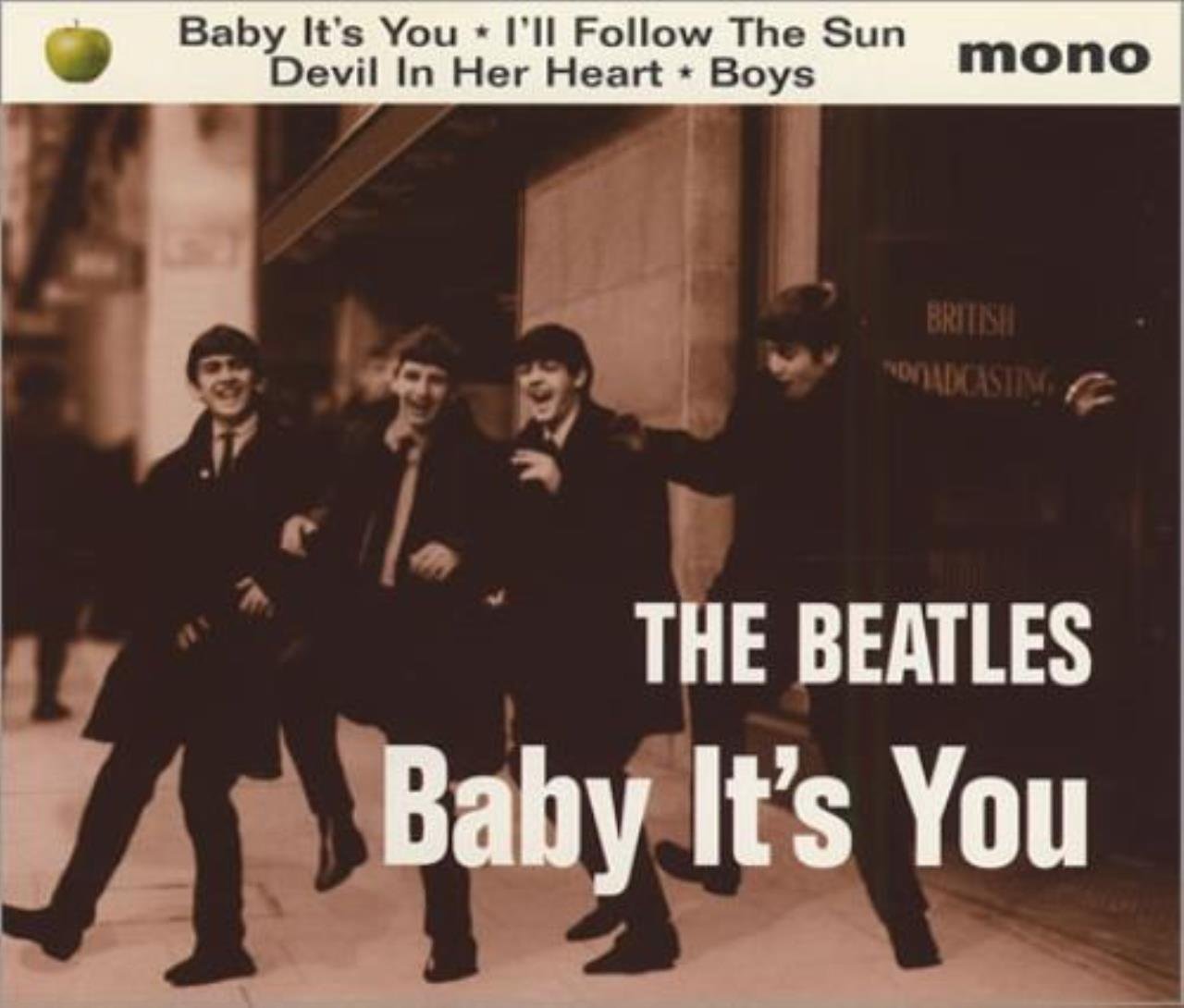
Baby It's You
2. I'll Follow the Sun
3. Devil in Her Heart
4. boys
This single was released simultaneously worldwide on April 8, 1995, about 5 months after the release of "Live At The BBC" album.
Baby It's You" is the same version as "Live At The BBC", but "I'll Follow the Sun", "Devil in Her Heart", and "Boys" are not included on "Live At The BBC".
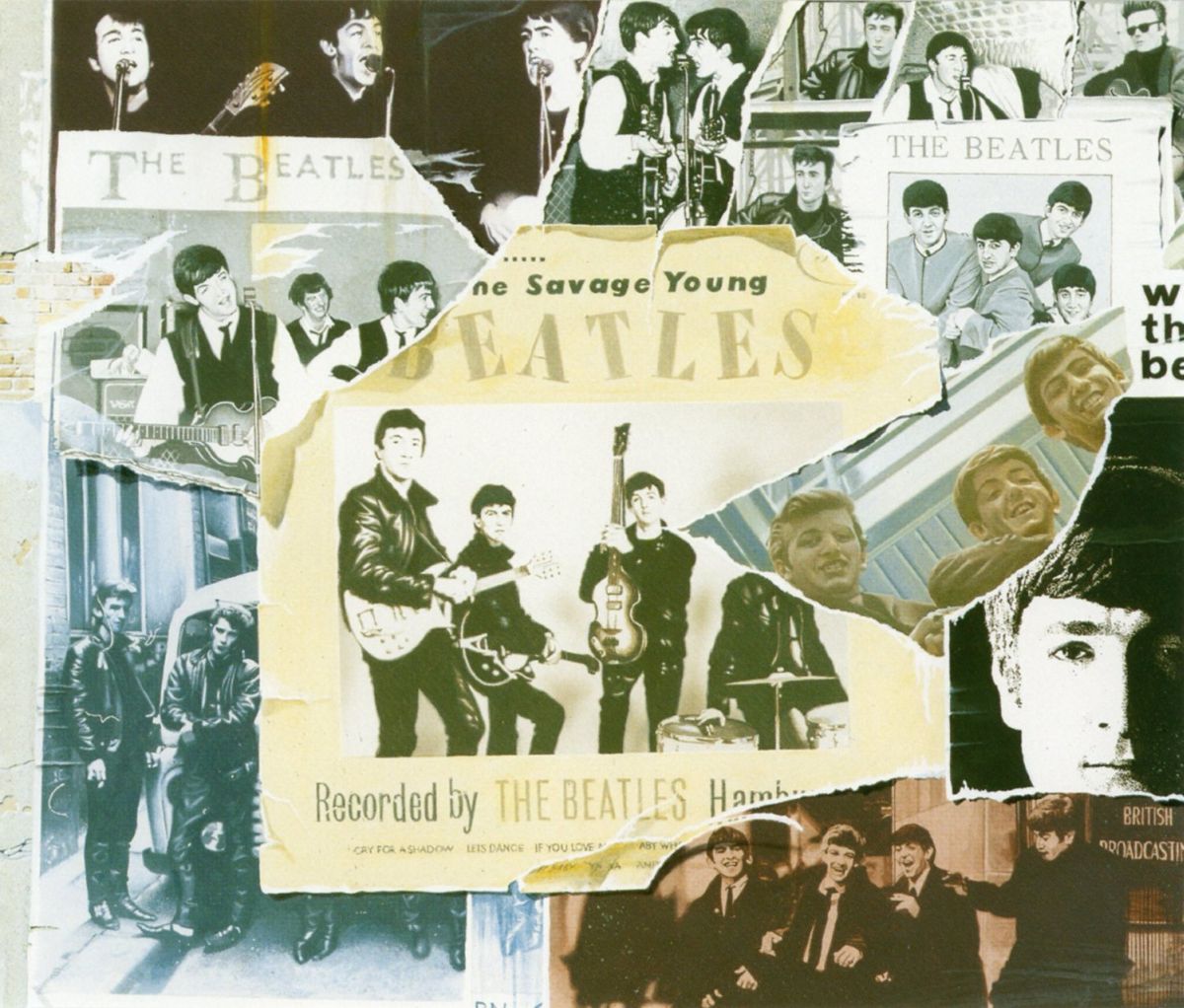
Anthology 1
1. Free As a Bird
2. We Were Four Guys ... That's All
3. That'll Be The Day
4. In Spite Of All The Danger
Sometimes I'd Borrow ... Those Still Exist
6. Hallelujah, I Love Her So
7. You'll Be Mine
8. Cayenne
9. First Of All ... It Didn't Do A Thing Here
10. My Bonnie
11. Ain't She Sweet
12. Cry For A Shadow
13. Brian Was A Beautiful Guy ... He Presented Us Well
14. I Secured Them ... A Beatle Drink Even Then
15. Searchin'
16. Three Cool Cats
17. The Sheik Of Araby
18. Like Dreamers Do
19. Hello Little Girl
20. Well, The Recording Test ... By My Artists
21. Besame Mucho
22. Love Me Do
23. How Do You Do It
24. Please Please Me
25. One After 909
One After 909
27. Lend Me Your Comb
28. I'll Get You
29. We Were Performers ... In Britain In Britain
30. I Saw Her Standing There
31. From Me To You
32. Money (That's What I Want)
33. You Really Got A Hold On Me
34. Roll Over Beethoven
Disc Two
1. She Loves You
2. Till There Was You
Twist And Shout
4. This Boy
I Want To Hold Your Hand
Boys, What I Was Thinking... 7.
7. Moonlight Bay
Can't Buy Me Love
9. All My Loving
10. You Can't Do That
11. And I Love Her
12. A Hard Day's Night
I Wanna Be Your Man
14. Long Tall Sally
15. Boys
16. Shout
I'll Be Back
18. I'll Be Back
19. You Know What To Do
20. No Reply
21. Mr. Moonlight
22. Leave My Kitten Alone
23. No Reply
Eight Days A Week
Eight Days A Week
26. Kansas City/Hey-Hey-Hey-Hey!
This album was produced as part of the "Anthology Project" to summarize the history and achievements of The Beatles. The Anthology Project consists of three parts: an album, a documentary video, and a documentary book.
The album was released simultaneously worldwide on November 20, 1995 (November 21 in Japan due to time differences).
It contains previously unreleased songs, alternate takes, live takes, and demo takes from The Quarrymen era (before the formation of The Beatles) to the "Beatles For Sale" album released in 1964.
Free As A Bird" was produced by Jeff Lynne, who was a member of George's project band, the Traveling Wilburys, and was modified by Paul, George, and Ringo from material recorded before John's death. The album was originally produced by George Martin. The original plan was to ask George Martin to produce the song, but he declined, citing declining hearing.
As with the Anthology series in general, this album is more of a subtext album than the Beatles' main work.
Free As A Bird
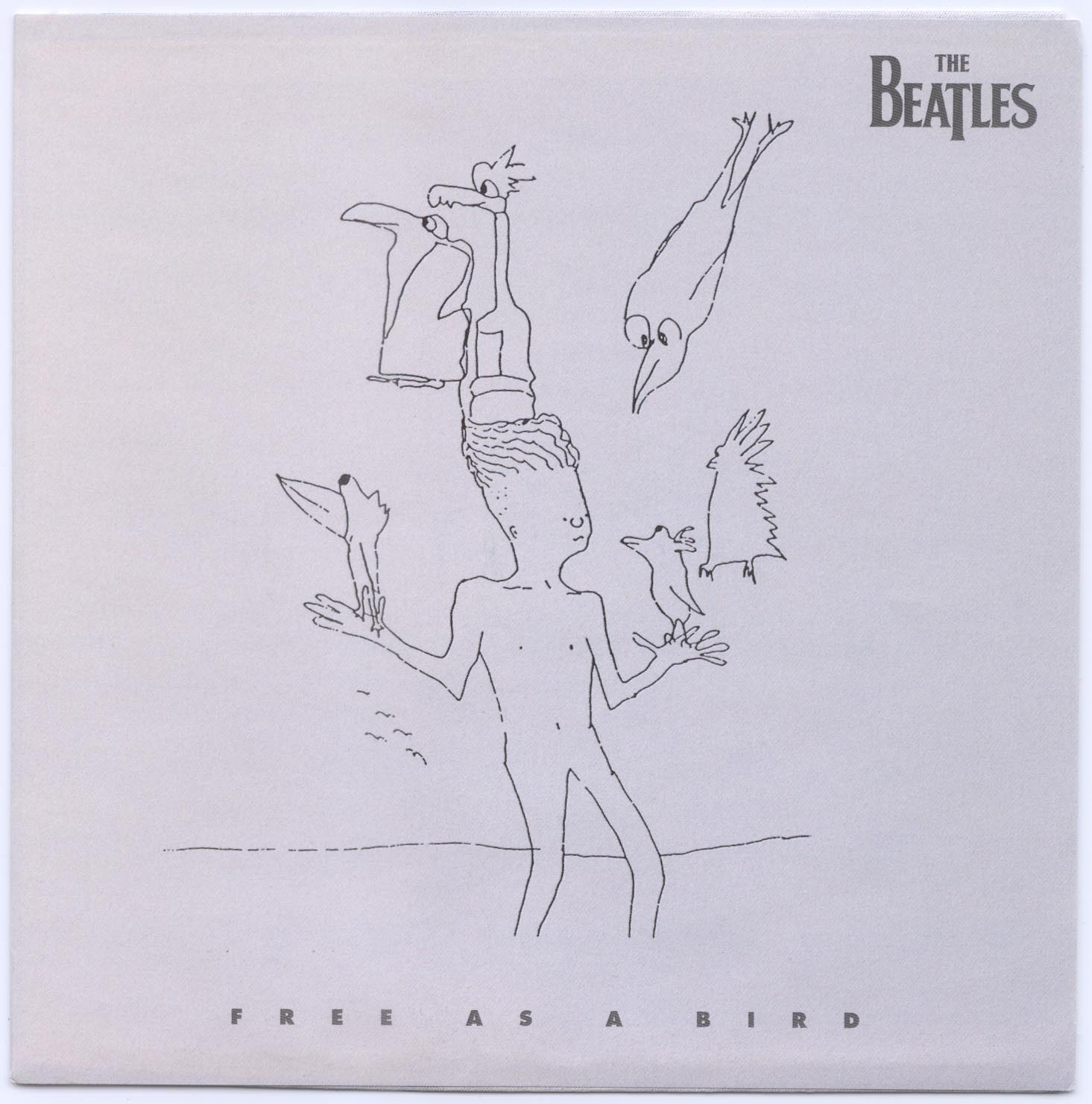
1. Free as a Bird
2. I Saw Her Standing There
3. This Boy
Christmas Time (Is Here Again)" ? 3:02
The Beatles' first new single in 25 years, released in the UK on December 4, 1995, in the US on December 31 of the same year, and in Japan on January 1 of the following year.
In 1994, as part of an anthology project, Paul asked Yoko, "Do you have any unreleased John songs?" Yoko gave Paul a demo tape that had been recorded around 1977. Paul, George, and Ringo modified the tape, and the song was essentially produced by "the four Beatles.
Paul: "I tried to think that John had finished recording his part early and had gone on vacation, leaving the rest to me to do.
As for the chorus, it was not completed, so Paul and George wrote a new version. Therefore, the song was co-written by "John, Paul, and George.
Take 9 of "I Saw Her Standing There" is included, but only the count "one, two, three, four" at the beginning of the official version was used. The full version is now being performed for the first time.
Anthology 2
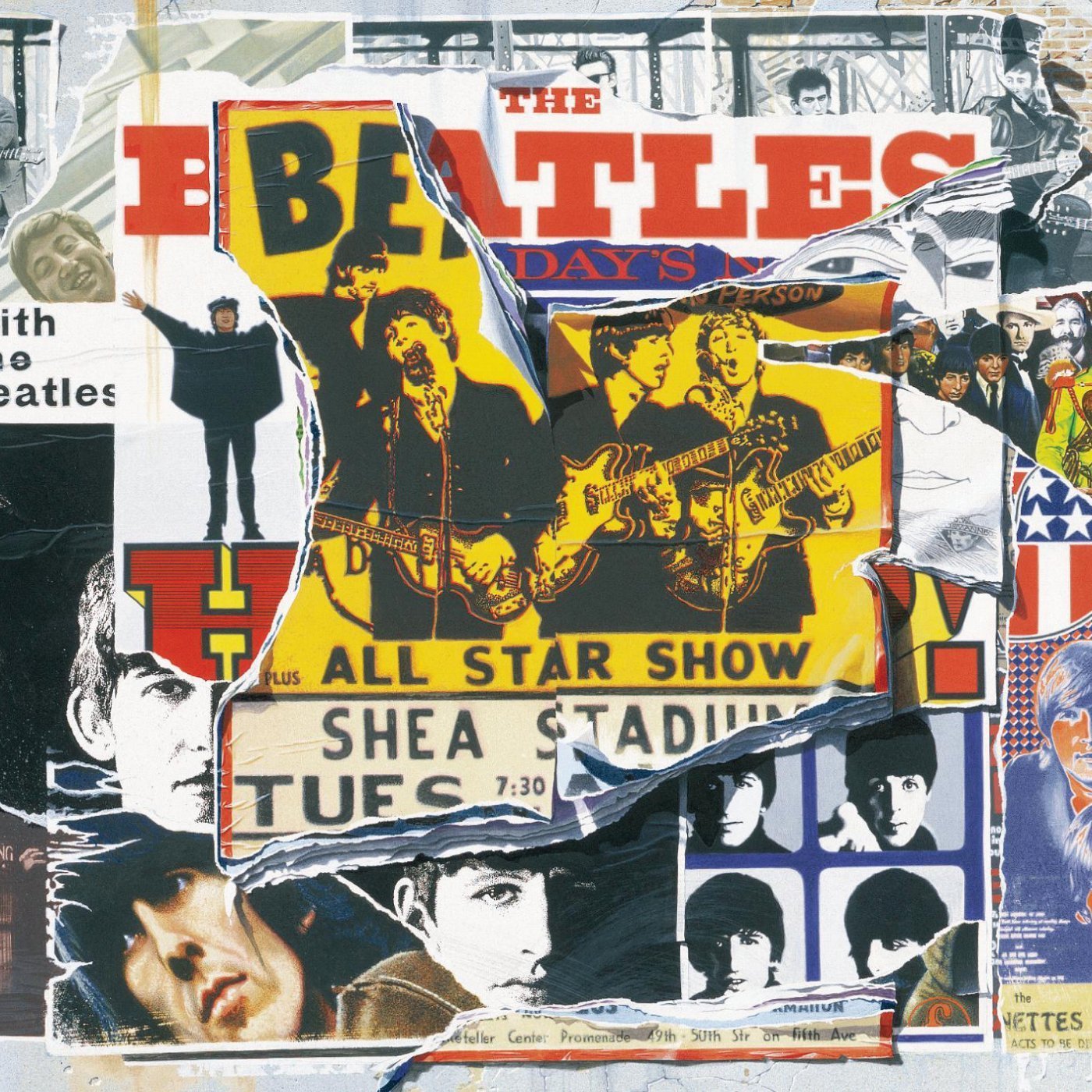
Disc One
1. Real Love
2. Yes It Is
3. I'm Down
You've Got To Hide Your Love Away
If You've Got Trouble
That Means A Lot
Yesterday
It's Only Love
I Feel Fine
Ticket To Ride
Yesterday
12. Help!
Everybody's Trying To Be My Baby
Norwegian Wood (This Bird Has Flown)
15. I'm Looking Through You
16. 12-Bar Original
Tomorrow Never Knows
Got to Get You Into My Life
19. And Your Bird Can Sing
20. Taxman
21. Eleanor Rigby
22. I'm Only Sleeping
I'm Only Sleeping
Rock And Roll Music
25. She's A Woman
Disc Two
Strawberry Fields Forever
Strawberry Fields Forever
Strawberry Fields Forever
Penny Lane
A Day In The Life
Good Morning Good Morning
Only a Northern Song
Being for the Benefit Of Mr. Kite!
Being for the Benefit of Mr. Kite!
10. Lucy In The Sky With Diamonds
Within You Without You
Sgt. Pepper's Lonely Hearts Club Band (Reprise)
13. You Know My Name (Look Up the Number)
I Am the Walrus
15. The Fool On The Hill
Your Mother Should Know
The Fool On The Hill
18. Hello, Goodbye
19. Lady Madonna
20. Across The Universe
This album was produced as part of the "Anthology Project" to summarize the history and achievements of The Beatles. The Anthology Project consists of three parts: the album, a documentary video, and a documentary book.
The album was released simultaneously worldwide on March 18, 1996 (March 19 in Japan due to the time difference).
It contains previously unreleased songs, alternate takes, live takes, and demo takes from the "Help!" album released in 1965 to the "Magical Mystery Tour" album released in 1967.
Like "Anthology 1," this album includes "Real Love" as a new song by The Beatles. The song itself was included as a demo on "Imagine," which was released as the soundtrack for John's documentary film. However, according to Yoko, the exact song included on "Imagine" was "Boys And Girls," and "Real Love" is an adaptation of "Boys And Girls.
The last two songs on Disc One, "Rock And Roll Music" and "She's A Woman," were recorded at a concert held at Nippon Budokan.
As with the "Anthology" series in general, this album is more of a subtext album than the main work of The Beatles.
Real Love
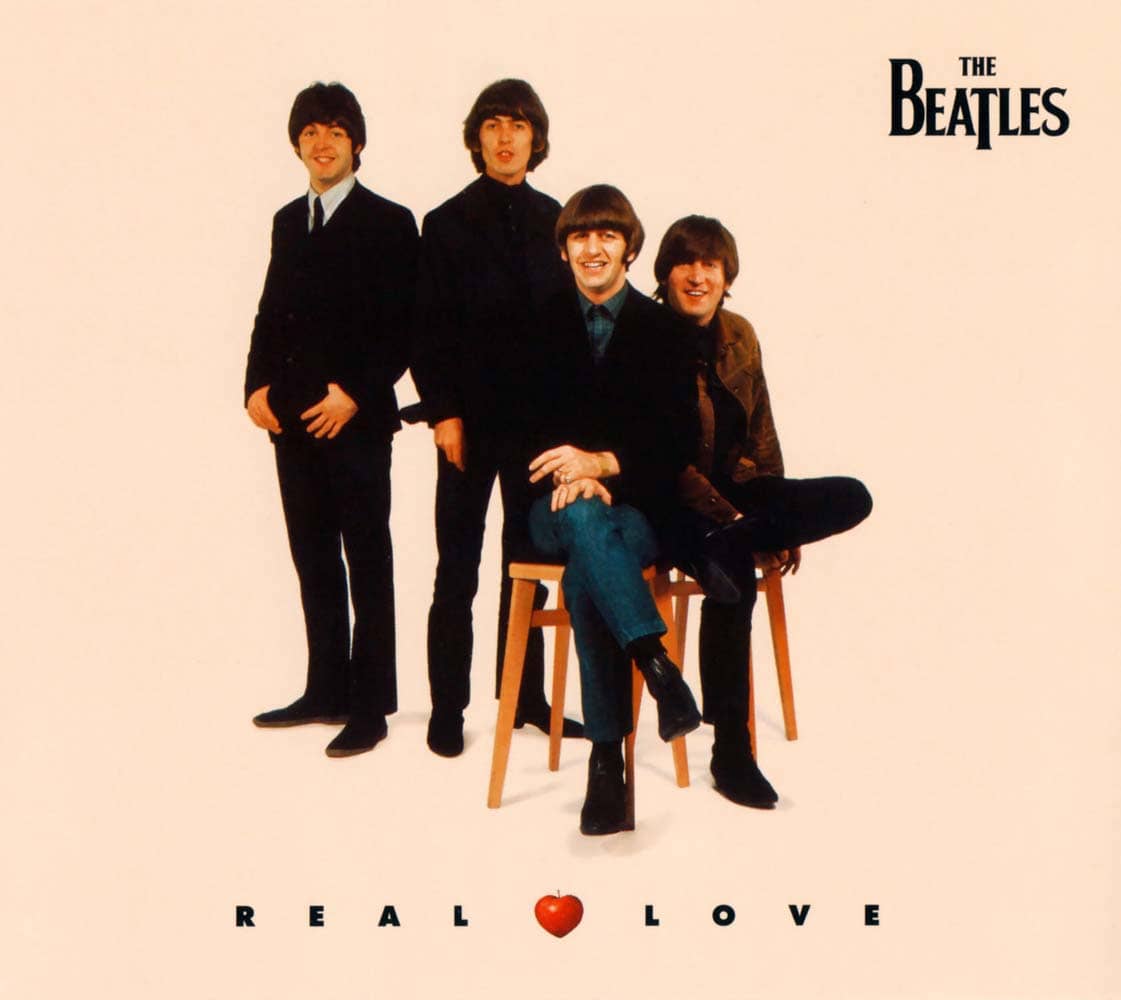
1. Real Love
2. Baby's in Black
3. Yellow Submarine
Here, There and Everywhere
This single was released simultaneously worldwide on March 4, 1996, and is currently the last single by The Beatles.
It was first released as a demo version on "Imagine," the soundtrack to John's documentary film. Like "Free As A Bird," Paul, George, and Ringo added their own touches to the song, making it essentially a song created by "the four Beatles.
Originally titled "Boys And Girl," "Real Love" is an adaptation of the original. According to Yoko, the song on the "Imagine" soundtrack is also technically "Boys And Girls". A demo version different from "Imagine" was also recorded on John's edited album "John Lennon Anthology," and another take with guitar was recorded on John's edited album "Acoustic," also by John. According to Yoko, the song recorded on "Acoustic" is also "Boys And Girls" to be exact.
Anthology 3

Related Articles
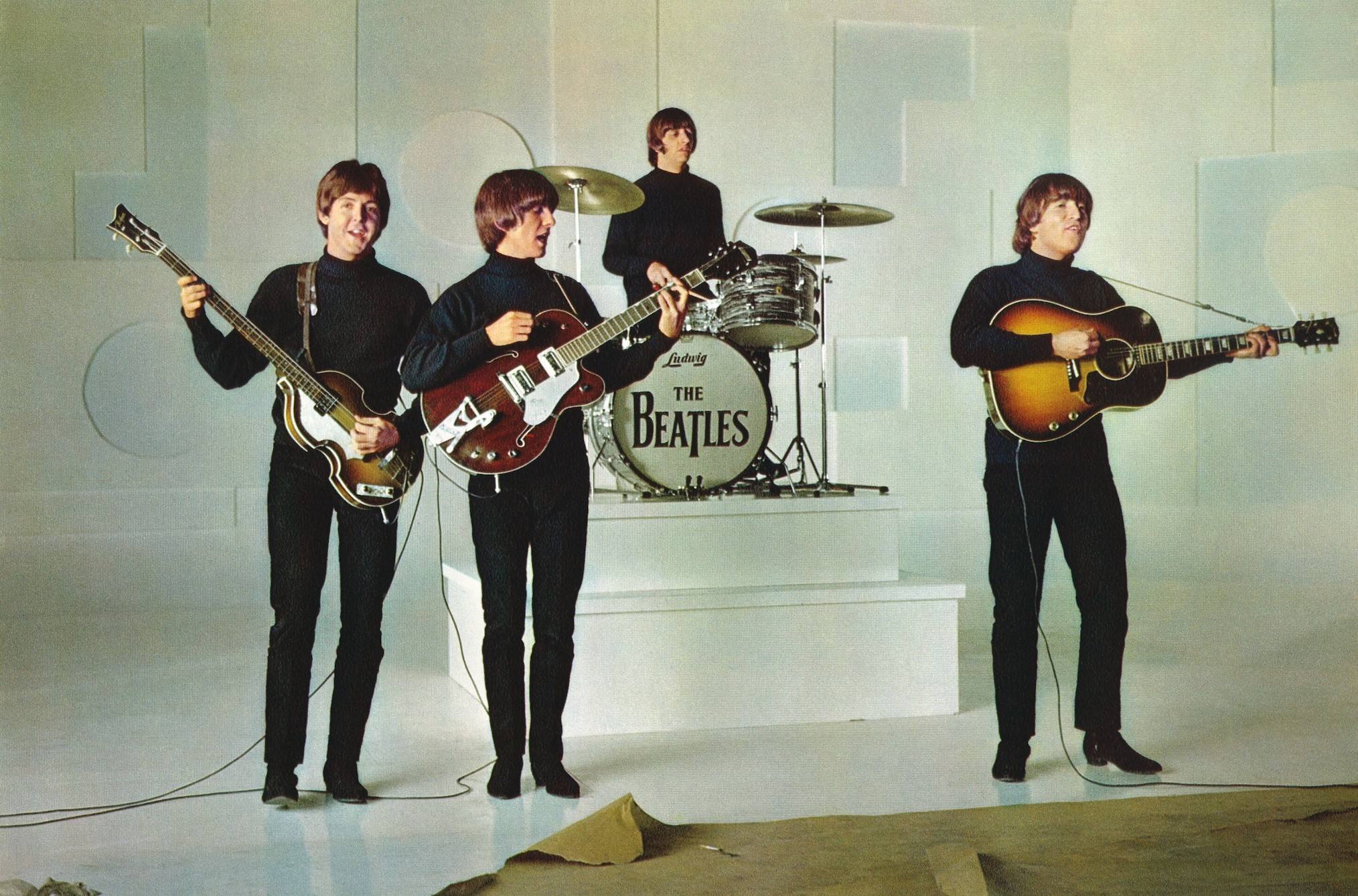
Summary of quotes and statements by The Beatles
The Beatles were one of the most popular rock bands of the 20th century, active from the 1960s to the 1970s, and made their record debut on October 5, 1962. The Beatles were ranked No. 1 on Rolling Stone's list of the 100 Greatest Artists of All Time, and are regarded around the world as one of the most influential rock bands of the 20th century. The band hails from Liverpool, England. Not only their music, but also their ideas and statements have attracted a great deal of attention and have had a great impact on the world.
Read Article
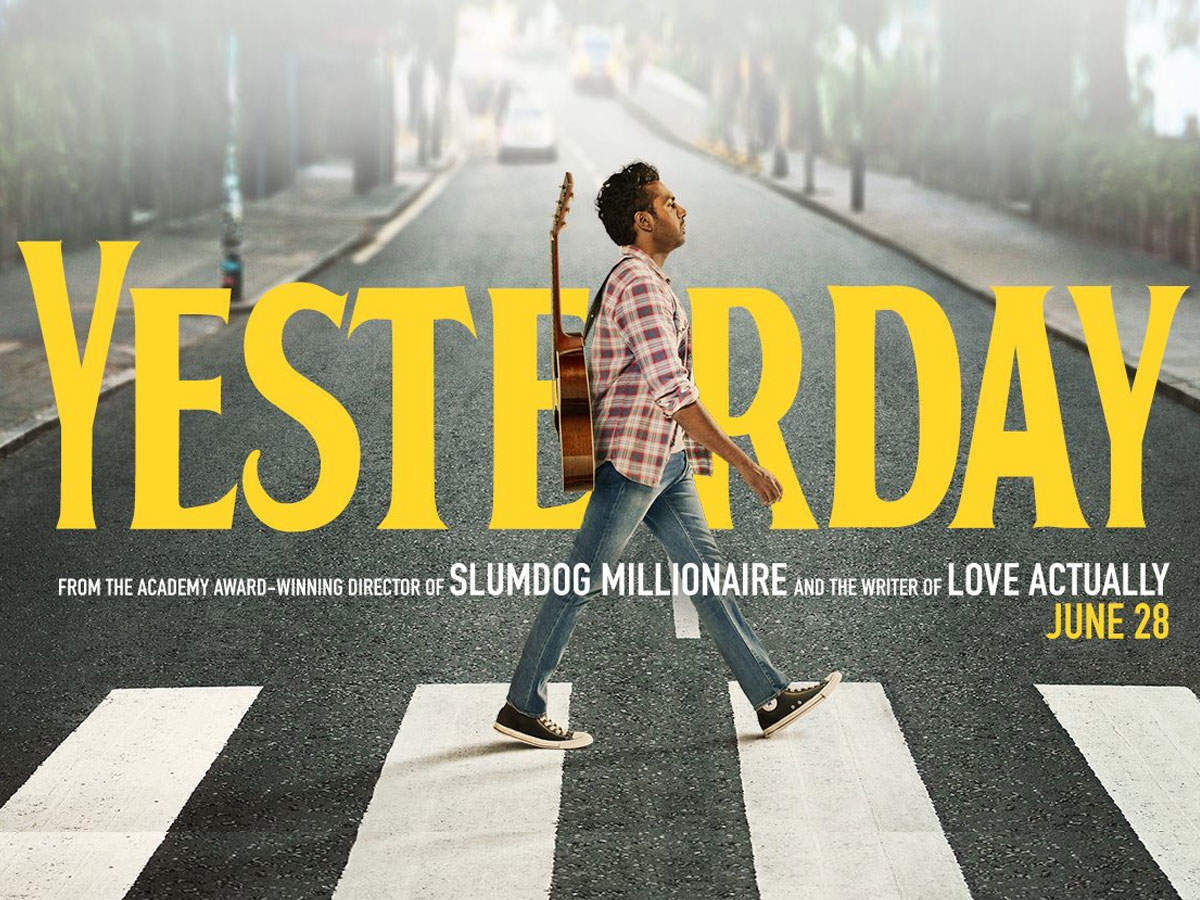
Yesterdays (film) spoiler alerts and discussion summary
Yesterday" is a stylish and heartfelt romantic comedy film produced in England. The main character, Jack, an unsuccessful singer-songwriter, is hit by a bus one day. He recovers from unconsciousness, but when he wakes up in the world, the legendary band "The Beatles" does not exist. For some reason, Jack is the only one who remembers the Beatles. The song "Yesterday," which he performed based on his memories, gradually changes Jack's ordinary life. This is a film that mixes fantastical elements with realism, and allows viewers to enjoy friendship, love, and anguish along with the Beatles' classic songs.
Read Article
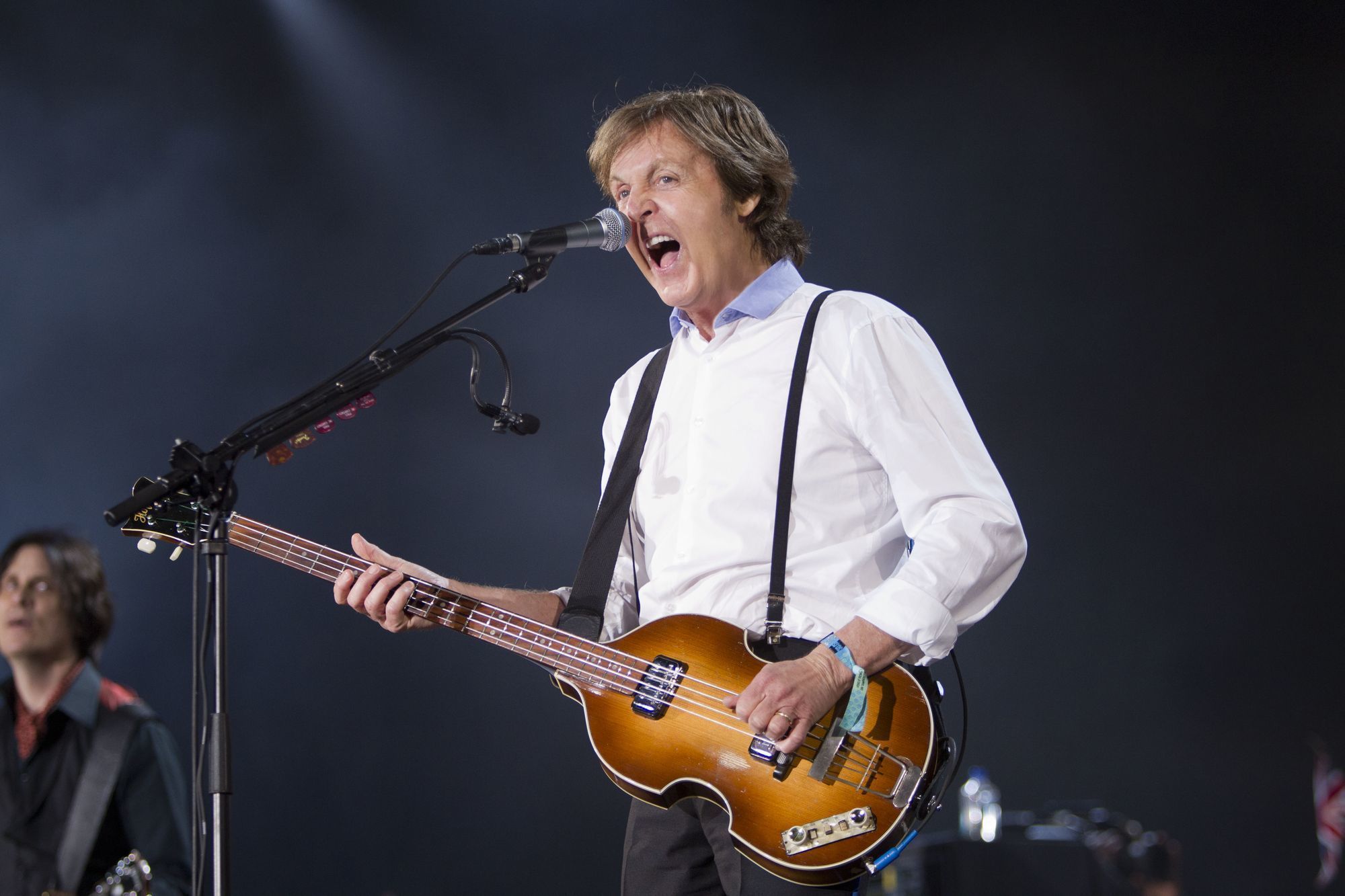
Paul McCartney was dead, former member Ringo Starr testifies! A new development in the urban legend?
Former Beatles drummer Ringo Starr stunned the world when he said in an interview with a publication that the "real" Paul McCartney died in a car accident on November 9, 1966. Here is Ringo's statement, urban legends about Paul, and his own reaction.
Read Article
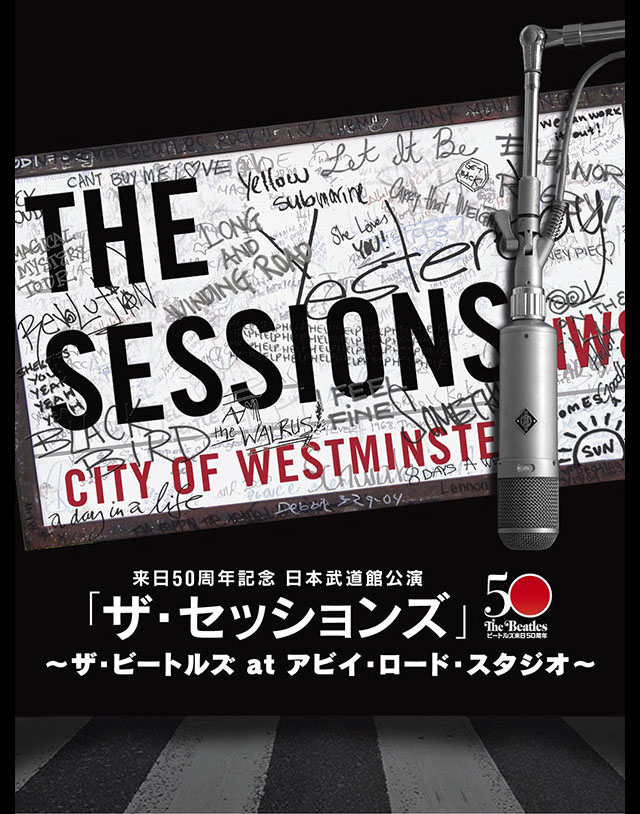
The Sessions, a recreation of the recording sessions of the legendary Beatles band, is coming!
It has been 50 years since the Beatles came to Japan. They were the first foreign artists to perform live at the Nippon Budokan on June 30 and July 1, 1966. On those very same days and at the same place, an event will be held to recreate the Beatles' recording sessions. The title of the event is "The Sessions. It is an attempt to perfectly recreate the Beatles' studio sessions at Abbey Road Studios using a variety of technologies.
Read Article
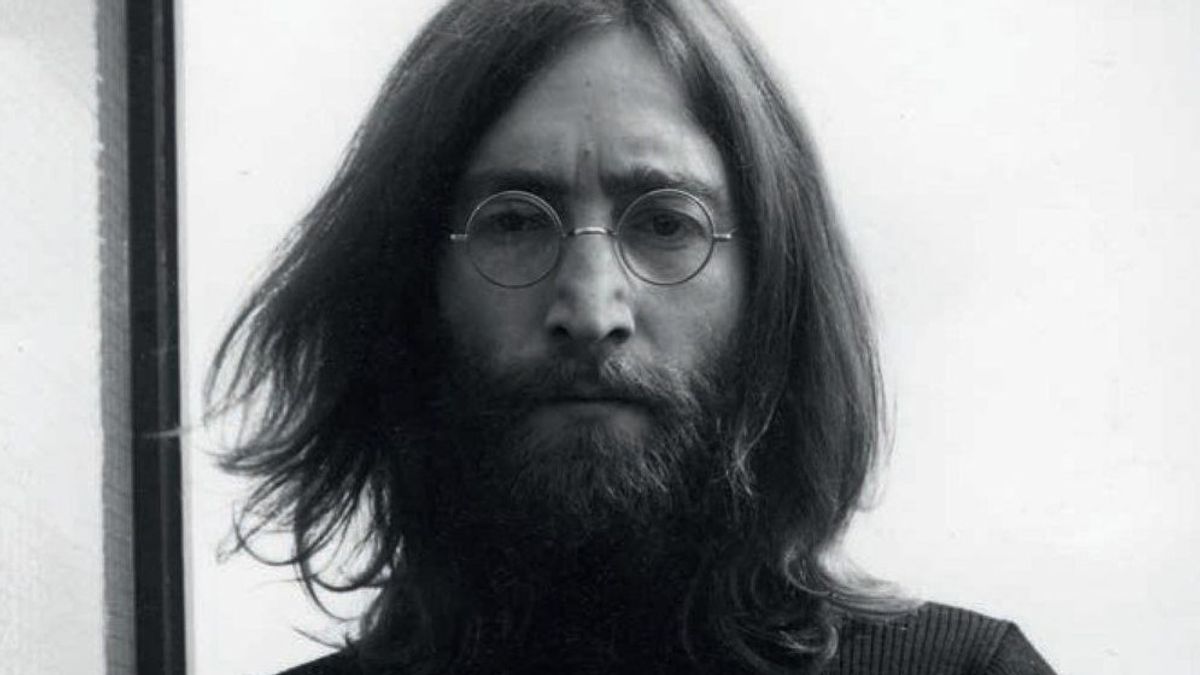
[John Lennon] Summary of celebrities and entertainers who died between the ages of 40 and 49 [Ken Maeda].
Entertainers and celebrities who have had a great impact on the world. Many of them have left this world at the young age of 40s. Diseases, accidents, suicides, assassinations.... In this article, we have compiled a list of such people. Although the causes vary, it is always painful to lose a person, no matter what time period or country.... We sincerely pray for the repose of their souls.
Read Article
![Paul McCartney] Summary of Hollywood stars and celebrities who are actually suspected of being anti-Japanese [Cameron Diaz](https://renote.net/files/blobs/proxy/eyJfcmFpbHMiOnsiZGF0YSI6NzA3OTE5MiwicHVyIjoiYmxvYl9pZCJ9fQ==--f54ed1968ea175d8f6be5ccbc0aac2b4b47ef326/5b111e621ae6624f008b472a.jpg)
Paul McCartney] Summary of Hollywood stars and celebrities who are actually suspected of being anti-Japanese [Cameron Diaz
The term "Hollywood star" is synonymous with world-famous performers. Of course, they are very well known in Japan, too! Some of them have openly stated that they "love Japan! but there are some who are suspected of being anti-Japanese. I don't know if it is true or not, but if these people are capable of world-class performances, they may be able to distinguish between their real intentions and their pretense in a matter of seconds.
Read Article
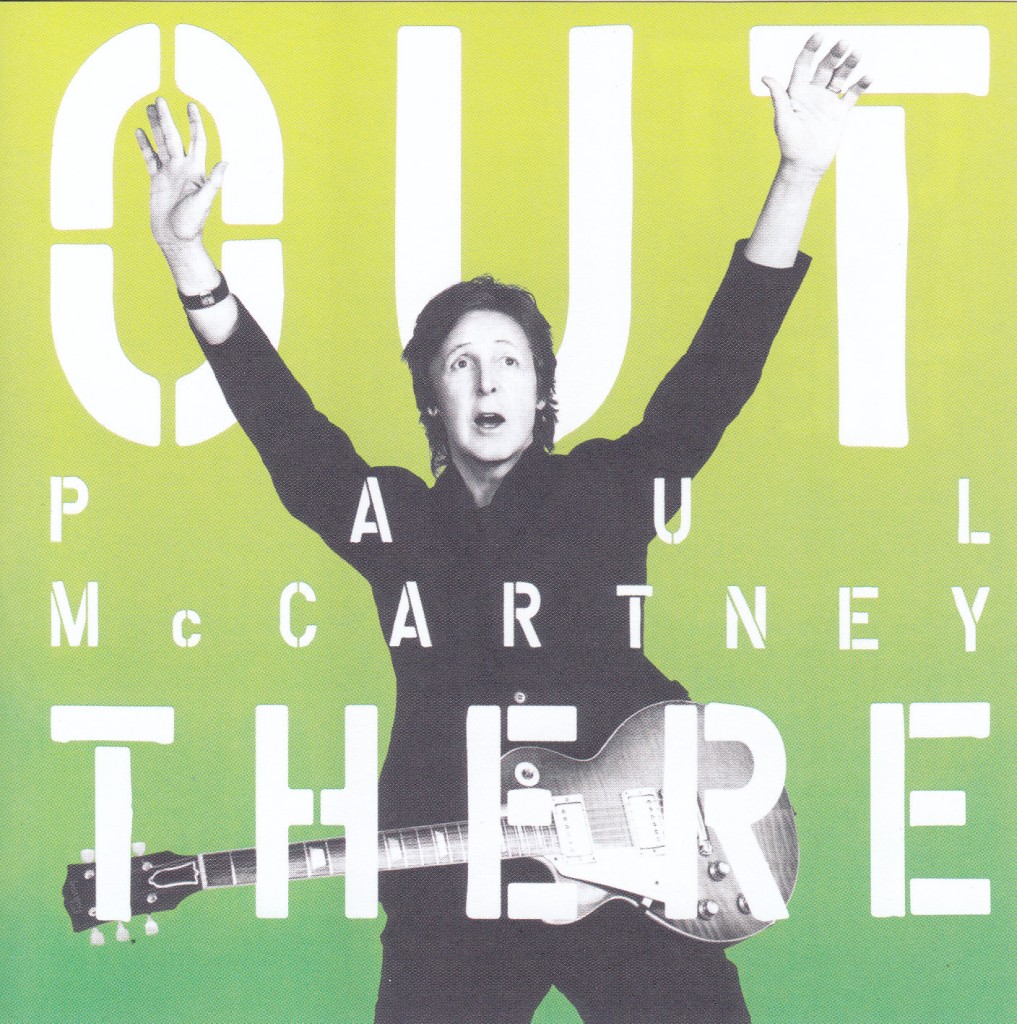
All Paul McCartney shows in Japan cancelled! Discussion of the possibility of a return visit to Japan!
Paul McCartney was scheduled to make his long-awaited return to Japan in May 2014, including his first Budokan concert in 48 years, but he became ill with a viral inflammation and canceled all shows shortly before the show. Many fans were disappointed and many wondered what would happen to him in the future. This article summarizes the situation at that time and the possibility of Paul's return to Japan for a replacement show, which he hopes to do.
Read Article
Paul McCartney suffered from "twisted intestines" and underwent emergency surgery in Japan!
Paul McCartney came to Japan for his first tour in six months, but canceled all shows due to poor health. The name of his illness was announced as viral inflammation, but it was later revealed that he had undergone surgery for intestinal sprain in Japan. The following is a summary of the illnesses that the great star suffered from in Japan.
Read Article
Paul McCartney cancels all shows! Explains the reason "viral inflammation"!
Paul McCartney, who was scheduled to return to Japan in May 2014, has become ill due to viral inflammation and has had to cancel all of his performances, including the Budokan concert. What is this "viral inflammation"? We will present a summary of Paul's sudden illness, which has several possibilities.
Read Article
Tags
Contents
- The Beatles Overview
- Members of The Beatles
- John Lennon
- Paul McCartney
- George Harrison
- Ringo Starr
- Former member of The Beatles
- Stuart Sutcliffe
- Pete Best
- People related to The Beatles
- Allan Williams
- Raymond Jones
- Brian Epstein
- George Martin
- A Brief History of The Beatles
- Birth and Death
- Major Events
- 1956-1961
- 1962-1966
- 1967-1970
- Analog release in the U.K.
- single
- 4-track EP
- album
- Analog release in the U.S.
- single
- 4-track EP
- album
- Analog release in Japan
- single
- 4-track EP
- album
- Solo Works
- Related Works
- The Beatles CDs
- The Beatles Discography
- original album
- Please Please Me
- With The Beatles
- A Hard Day's Night
- Beatles For Sale
- Help!
- Rubber Soul
- Revolver
- Sgt. Pepper's Lonely Hearts Club Band
- Magical Mystery Tour
- The Beatles
- Yellow Submarine
- Abbey Road
- Let It Be
- Editorial Albums & Other
- A Collection Of Beatles Oldies
- Hey Jude
- 1962-1966
- 1967-1970
- Rock 'N' Roll Music
- The Beatles At The Hollywood Bowl
- Love Songs
- Rarities (UK release)
- Rarities (U.S. version)
- The Beatles Ballads
- The Beatles Box
- Reel Music
- 20 Greatest Hits
- Past Masters Volume One
- Past Masters Volume Two
- Live At The BBC
- Baby It's You
- Anthology 1
- Free As A Bird
- Anthology 2
- Real Love
- Anthology 3
- Yellow Submarine Songtrack
- 1
- Let It Be... Naked
- love
- Mono Masters
- On Air - Live At The BBC Volume 2
- Live At The Hollywood Bowl
- Sgt. Pepper's Lonely Hearts Club Band (50th Anniversary Edition)
- The Beatles' most popular songs
- Love Me Do
- Please Please Me
- Twist And Shout
- From Me To You
- She Loves You
- All My Loving
- I Want To Hold Your Hand
- Can't Buy Me Love
- You Can't Do That
- A Hard Day's Night
- Long Tall Sally
- Baby's In Black
- Ticket To Ride
- Help!
- Yesterday
- Day Tripper
- We Can Work It Out
- Nowhere Man
- Paperback Writer
- Yellow Submarine
- Eleanor Rigby
- Strawberry Fields Forever
- Penny Lane
- A Day In The Life
- Hello Goodbye
- I Am The Walrus
- Lady Madonna
- Hey Jude
- Revolution
- Hey Bulldog
- Get Back
- Don't Let Me Down
- The Ballad Of John And Yoko
- Something
- Let It Be
- Free As A Bird
- Real Love
- The Beatles' backstory, trivia, small stories/episodes, anecdotes
- Dramatic departure of a member
- Paul's death theory
- The three major crises of 1966
- Mr. Toshitake Kotei
- Imelda Marcos
- Tommy Charles
- A Tribute to The Beatles