
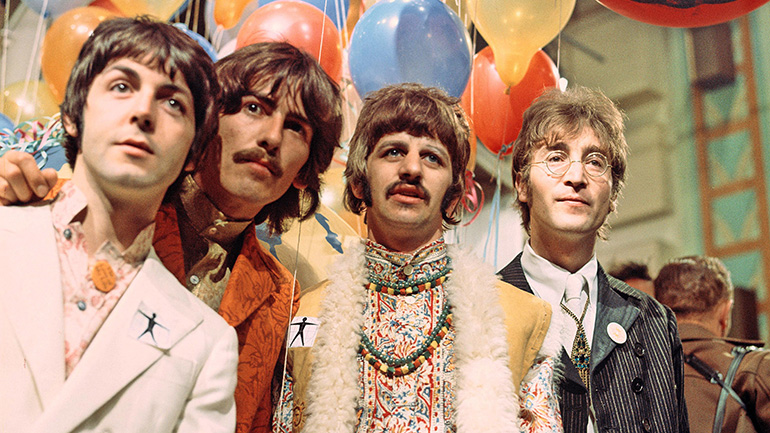
The Beatles are a four-piece rock band representing the 20th century that debuted in the United Kingdom in 1962. Their influence extended not only to their music, but also to their fashion, speech, and thought, creating a social phenomenon. One of the most notable aspects of their music is that their own musical development has directly influenced the musical development of the entire musical world and of their fans, who are their listeners.
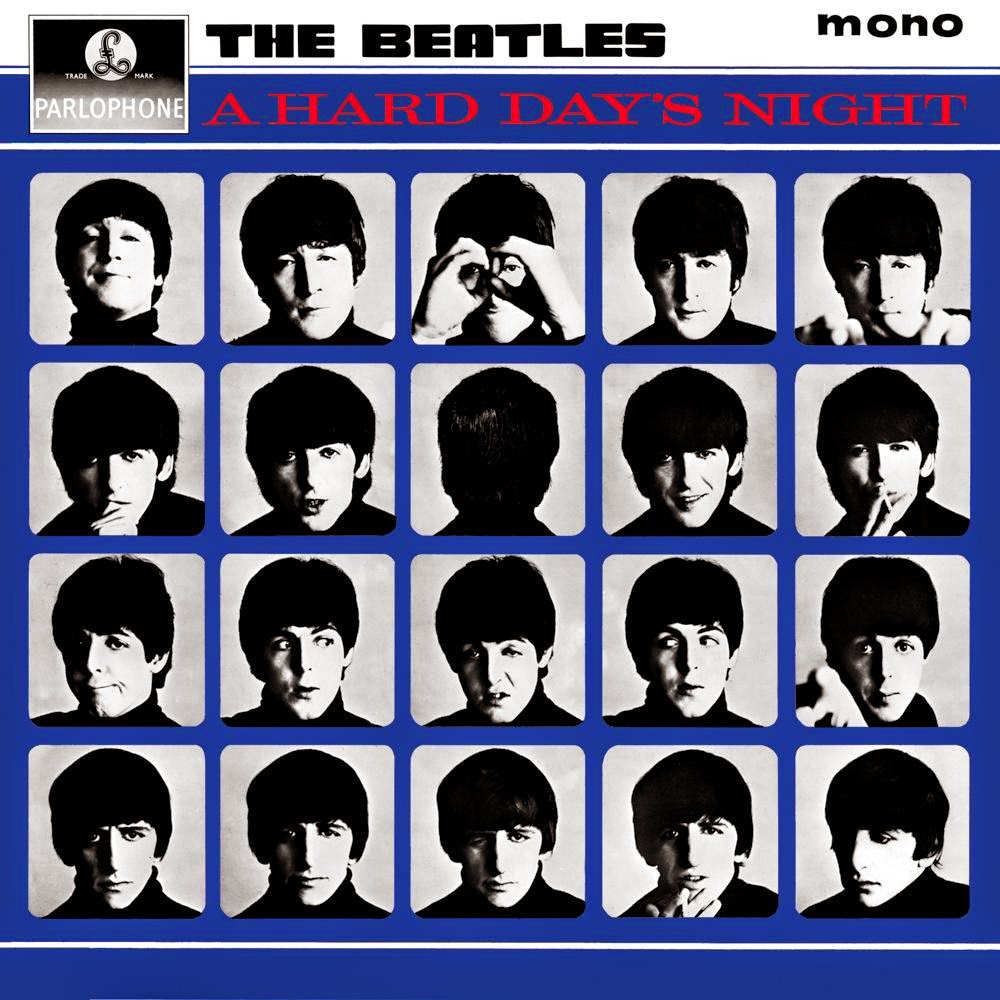
Side A
1. A Hard Day's Night
I Should Have Known Better
If I Fell
I'm Happy Just To Dance With You
5. And I Love Her
Tell Me Why
Can't Buy Me Love
Side B
Any Time At All
I'll Cry Instead
Things We Said Today
When I Get Home
You Can't Do That
I'll Be Back
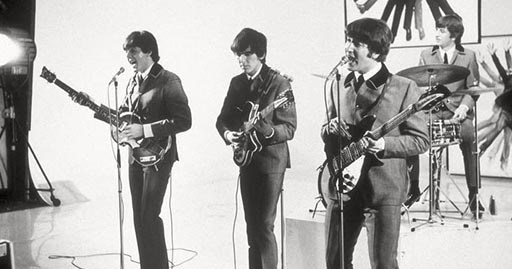
Released on July 10, 1964, this third album is the soundtrack to the first film of the same name. Side A consists of seven songs from the film.
It was released after the singles "I Want To Hold Your Hand" and "Can't Buy Me Love" and the four-song EPs "All My Loving" and "Long Tall Sally," but the songs from the singles "I Want To Hold Your Hand" and the four-song EP "Long Tall Sally" were not included on this album. The single "A Hard Day's Night" from this album was also released on the same day.
The recording process is as follows
1964
January 29.
Stereo mixing of the following
I Want To Hold Your Hand
*This is the process of creating the rhythm track that will be the backing track for "Komm, Gib Mir Deine Hand" (German version of "I Want To Hold Your Hand").
The following three songs were recorded.
Komm, Gib Mir Deine Hand (German version of "I Want To Hold Your Hand")
Sie Liebt Dich (German version of "She Loves You")
Can't Buy Me Love
February 25
The following four songs were recorded.
Can't Buy Me Love
You Can't Do That
And I Love Her
I Should Have Known Better
February 26
Mono mixing of the following two songs.
Can't Buy Me Love
You Can't Do That
Recorded the following two songs
I Should Have Known Better
And I Love Her
February 27
Recorded the following three songs
And I Love Her
Tell Me Why
If I Fell
March 1
The following three songs were recorded.
I'm Happy Just To Dance With You
Long Tall Sally
I Call Your Name
March 3
Mono mixing of the following 6 songs.
I Should Have Known Better
If I Fell
Tell Me Why
And I Love Her
I'm Happy Just To Dance With You
I Call Your Name
March 4
Mono-mixing of the following songs
I Call Your Name
March 10
Recorded the following
Can't Buy Me Love
Stereo mixing of the following four songs
Can't Buy Me Love
Long Tall Sally
I Call Your Name
You Can't Do That
Mono mixing of the following three songs
Long Tall Sally
Komm, Gib Mir Deine Hand (German version of I Want To Hold Your Hand)
Sie Liebt Dich (German version of She Loves You)
March 12
Stereo mixing of the following two songs
Komm, Gib Mir Deine Hand (German version of I Want To Hold Your Hand)
Sie Liebt Dich (German version of She Loves You)
March 20
Single "Can't Buy Me Love/You Can't Do That" released in U.K.
April 16
The following songs are recorded
A Hard Day's Night
April 20
Mono mixing of the following
A Hard Day's Night
Stereo mixing below.
A Hard Day's Night
*Rough mixing in both mono and stereo was done on this day.
April 23
Mono mixing as follows
A Hard Day's Night
May 22
Recorded the following
You Can't Do That
*George Martin overdubs the piano, but this take is unused.
June 1
Recorded the following four songs
Matchbox
I'll Cry Instead
Slow Down
I'll Be Back
June 2
The following three songs were recorded.
Any Time At All
Things We Said Today
When I Get Home
June 3
Recorded the following three songs.
You Know What To Do
It's For You
No Reply
*These three songs were demo recordings. You Know What To Do" and "No Reply" were later recorded for "Anthology 1". It's For You" is unreleased.
Overdubs of the following two songs
Any Time At All
Things We Said Today
*The contents of the overdubs are unknown.
June 4
Mono mixing of the following 7 songs.
Long Tall Sally
Matchbox
I Call Your Name
Slow Down
When I Get Home
Any Time At All
I'll Cry Instead
When I Get Home" and "Any Time At All" were not used.
The following were recorded.
Slow Down
*George Martin overdubs the piano.
June 9
Mono mixing of the following
A Hard Day's Night
Things We Said Today
June 10
Mono mixing of the following
I'll Be Back
*Unused.
June 19
Four song EP "Long Tall Sally" is released in the UK. It contains the following 4 songs.
Long Tall Sally
I Call Your Name
Slow Down
Matchbox
June 22
Mono mixing of the following four songs.
Any Time At All
When I Get Home
I'll Be Back
And I Love Her
Although the intent is unclear, "Any Time At All," "When I Get Home," and "I'll Be Back" were mixed twice, once for the UK release and once for the US release. Furthermore, these three songs are not included on the U.S. release of "A Hard Day's Night.
Any Time At All" and "When I Get Home" appeared on "Something New" released on July 20, 1964, and "I'll Be Back" on "Beatles '65" released on December 15, 1964.
Stereo mixing of the following 17 songs.
And I Love Her
When I Get Home
Any Time At All
I'll Be Back
If I Fell
A Hard Day's Night
I Should Have Known Better
I'm Happy Just To Dance With You
I Call Your Name
Can't Buy Me Love
You Can't Do That
Tell Me Why
Things We Said Today
Matchbox
Slow Down
Long Tall Sally
I'll Cry Instead
July 10
Single "A Hard Day's Night/Things We Said Today" is released.
Album A Hard Day's Night is released.
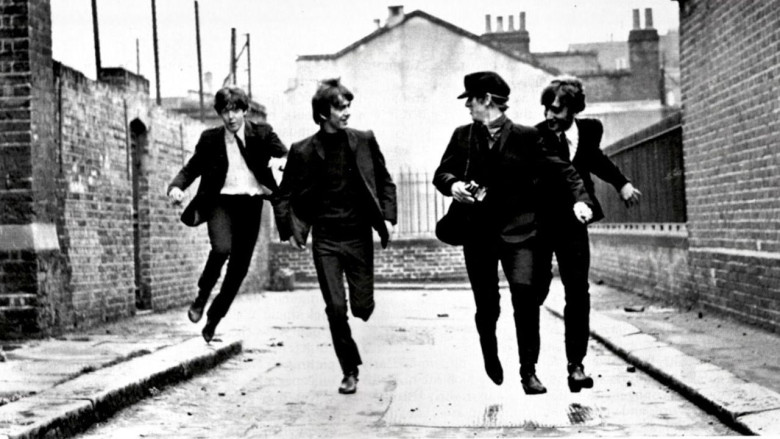
The original U.K. version of the jacket was designed to resemble the film, while the U.S. version was designed to show a close-up of the upper half of the faces of the four performers, and the Japanese version used live scenes from the film.
The Japanese version used a live scene from the film.
The U.S. version of "A Hard Day's Night" differed significantly from the British version, consisting of eight songs by The Beatles that were used in the film, and four songs by the George Martin Orchestra that were also used in the film.
The Japanese version was released with a different jacket, but the tracks were identical to the original British version. An analog version with the same jacket as the original UK release was released on June 20, 1976, but again, it was not mono. The first mono version of an analog album with the same specifications as the British version was a limited reissue in the original mono series on January 21, 1982.
In the charts of the British Melody Maker magazine, it reached No. 1 for the first time on July 18, 1964. It then reigned at No. 1 for 21 weeks until December 5 of the same year. The Beatles' next album, "Beatles For Sale," kicked the album off the No. 1 spot on December 12.
Unlike the previous two albums, this is the first album without cover songs, and the first and last album with "Lennon-McCartney" on every track. Ten of the thirteen songs were written mainly by John, and many fans consider it to be his best work with The Beatles.
The Japanese title "The Beatles Are Coming! Yeah! Ya! was named by the late Haruo Mizuno, who was working for Unite Films of Japan at the time. There are various theories as to the origin of the title. One theory is that the title was derived from the news film "The Beatles Come To Town" produced in the U.K. in 1963, the year before the film was made, and that the title was mistakenly translated into Japanese. YEAH! Hiroyuki Takashima, who was in charge of The Beatles at Toshiba Music Industry at the time, says, "The possibility of a mix-up cannot be denied, but I think it was more a result of successfully capturing the situation of that era and the feelings of the fans.
The title "A Hard Day's Night" was decided upon by John, who found Ringo's misquote amusing. After a very busy day, Ringo thought it was still daytime and was about to say "A Hard Day," but when he realized it was already nighttime, he changed it to "A Hard Day's Night. Ringo occasionally used unique phrases that defied grammar, and John was amused and took note of them, calling them "Ringo-isms.
One of the musical features of this album is the presence of the "Rickenbacker 360/12". This was a rare electric 12-string guitar at the time, and none of the artists used it. This guitar was used on seven of the thirteen songs, about half of the total. Roger Mackin, a member of The Byrds, an American band and the father of folk rock, was so inspired by the sound of The Beatles' electric 12-string guitar that he immediately acquired one.
This was the first album after a four-track recording deck was installed at EMI Studios, and the sound was richer than on all two albums.
Regarding the film, John says, "I was a little pissed off at the frivolous storyline and the stupidity of the dialogue.
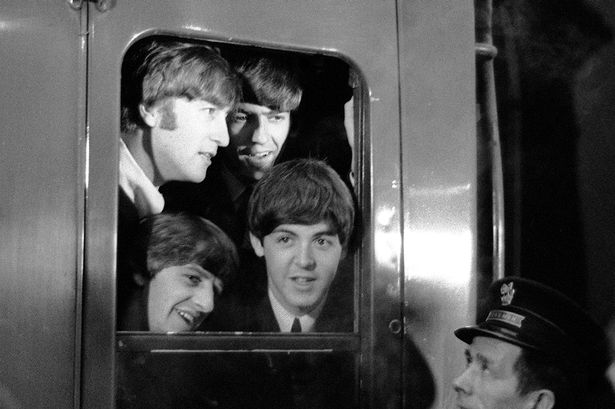
Outline of the tracks
A Hard Day's Night
This is John's work. John sings the lead vocal, but Paul sings the chorus. This is because the key was too high for John.
John: "The only reason Paul sang on 'A Hard Day's Night' is because I couldn't hit the high notes.
The title "A Hard Day's Night" was decided upon by John, who was amused by Ringo's misstatement. Ringo, thinking it was still daytime after a very busy day, was about to say "A Hard Day," but when he realized it was already nighttime, he changed it to "A Hard Day's Night. Ringo occasionally used unique phrases that defied grammar, and John called them "Ringo-isms," which he found amusing and took note of.
John said, "On the drive home, Dick Lester (referring to Richard Lester, who directed the movie "A Hard Day's Night") suggested the title 'Hard Day's Night' (for the movie). It was inspired by Ringo's previous words. I used the same phrase in "In His Own Words," but it was something Ringo said casually. It's not a wrong word, it's more like ...... Ringo-speak. I didn't mean it to be funny. It just came out of my mouth. So the morning after Dick Lester told me he was going to use that phrase for the title, I contributed a song. There was a little competition between me and Paul. Who would get more A-sides, and who would write the hit single?
Paul: "Ringo's funny mispronunciation became the title. It has a Lewis Carroll flavor.
First, a title was chosen, and then the songwriting began, a first for The Beatles.
The interlude is a unison of George Martin's piano and George Harrison's guitar. First, Martin recorded the piano on tape at normal rpm. Then, George plays the guitar to a slower tempo, with the tape speed reduced to half the normal speed. Then the rpm is returned to normal and the fast phrase is completed, and so on.
The intro and ending are said to have been largely contributed by film director Richard Lester. In other words, Lester insisted that he wanted something with impact at the beginning of the film, and that impressive intro "Ta-da! was born. He also insisted that he wanted a dreamy fade-out, which gave birth to the ending with George's Rickenbacker 12-string guitar.
In addition to analog records and cassette tapes, there used to be "open reel" tapes, and an open reel version of this "A Hard Day's Night" also existed. This open-reel version of "A Hard Day's Night" used a version that repeated the ending much longer than usual.
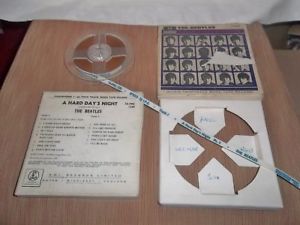
A Hard Day's Night open reel version.
Recording Details
1964
April 16.
Recording of takes 1 to 9.
April 20
Mono and stereo mixing is done based on take 9.
The recordings from this day are given to United Artists for use in the soundtrack of the film.
April 23
Mono mixing is performed based on take 9.
The sound source of this day is not for the film but for the record. This is the best mix, replacing the previous mix on April 20. Both mixes are based on the 9th take, but to avoid confusion, the mixing on this day is called Mix 10.
June 9.
Mono mixing was done based on the 9th take.
The sound from this day was given to United Artists again for the film's audio. The ending is lengthened by editing.
June 22
Stereo mixing is done based on the 9th take.
● I Should Have Known Better
This is John's work and the lead vocalist is also John.
John: "It doesn't have any message, it's just a song."
The mono version and stereo version have different intros.
In stereo, there is a break in the fourth bar of the intro harmonica. Also, there is no cowbell.
In the mono version, there is no break in the fourth bar of the introductory harmonica, but the cowbell is included.
This is because during the mono mixing on March 3, 1964, the third bar of the intro was cut and pasted into the fourth bar during tape editing, but this tape editing was not done during the stereo mixing on June 22, 1964.
This means that the harmonica break was present in the original take and the cowbell was not in the fourth measure.
The March 22, 1982 release of "Reel Music" included a stereo version of the intro bar 4 without the break and with the cowbell. This was not a pseudo-stereo version of the mono version, but a tape edit in which the second measure of the intro of the conventional stereo version was cut and pasted into the fourth measure.
Recording Details
1964
February 25.
First through third takes are recorded.
February 26
Takes 4 to 22 are recorded
March 3
Mono mixing is performed based on the 22nd take.
At this time, the intro harmonica is corrected.
June 22
Stereo mixing was done based on the 22nd take.
*The intro harmonica was omitted from the intro, resulting in a difference in the intro between mono and stereo.
● If I Fell
This is John's work, and John and Paul share the vocals.
John: "That was the first time I tried to write a ballad that sounded like a ballad. It is the prototype for "In My Life. The chord progression is similar: D to Bm, then Em, and so on. There's an autobiographical element to it, but it's not a conscious decision.
Paul: "This is our close harmony period. Some of the songs ...... like 'This Boy' and 'If I Fell' and 'Yes It Is' ...... are in the same vein."
The recording was done at their request, with John and Paul singing between one microphone.
The vocal parts differ between the mono and stereo versions.
In stereo, the intro vocal is double-tracked by John, and Paul's vocal in the second chorus "was in vain" sounds like he is out of breath.
In mono, the intro vocals are single-tracked by John, and Paul's vocals in the second chorus "was in vain" part sound smooth.
The intention of the difference in the vocals in the intro part is unclear, but it is because the second chorus "was in vain" was corrected in the tape editing during the mono mixing on March 3, 1964, but this correction was not made during the stereo mixing on June 22, 1964.
As with "I Should Have Known Better," mono was considered more important than stereo in the UK at that time (stereo was neglected), and it can be inferred that the corrections were made properly during mono mixing, but were often skimped during stereo mixing. It can be inferred that the British often made corrections in mono mixing, but cut corners in stereo mixing.
Recording Details
1964
February 27.
Recordings of takes 1 to 15.
March 3
Mono mixing is performed based on the 15th take.
Vocal parts are corrected at this time.
June 22
Stereo mixing is performed based on take 15.
*The vocal parts were omitted from the stereo mixing, resulting in differences between the mono and stereo mixes in the intro, the second chorus, and other parts of the vocal part.
I'm Happy Just To Dance With You
This song was written by John, and the lead vocalist is George.
John: "I wrote that song to give George a place to work. I couldn't bring myself to sing it."
Paul: "We weren't going to sing it ourselves. It's like we're taking on the fans.
Japanese version: "The Beatles are coming! Yah! Yeah! jacket features a scene from the film in which the song is performed.
Recording Details
1964
March 1
First through fourth takes are recorded.
March 3
Mono mixing is performed based on the 4th take.
June 22
Stereo mixing based on take 4
And I Love Her
This is Paul's work, but John lent his hand to compose the music. Paul sings lead vocals.
John: "We wrote it together. Paul wrote the first half, and I wrote the middle eight. The middle eight is me." "It's a precursor to the great classic 'Yesterday.
Paul: "It's just a love song. It's not a song for anyone in particular. The title starting in the middle of a sentence seemed like a pretty good idea. You know, Perry Como also did 'And I Love You So' much later. I wanted to take that idea and use it. I like it, it's a great song. I still like it." "I like the image of the stars and the sky. I like the image of the stars and the sky, and it's important to have "And" in the title of the song.
The American version of "A Hard Day's Night" and the version used in the film have Paul's vocals mostly on a single track, while the British version has Paul's vocals mostly on a double track.
See "Recording Details" below for speculation as to the cause of this difference.
The German version of "And I Love Her" on "Something New" has six repetitions of the ending guitar riff (compared to four on both the UK and US versions).
The reason for this difference is unknown.
This version was released on the US edition of "Rarities," the UK edition of "The Beatles Box" (an 8-album compilation set designed by World Records, the mail order division of EMI, and distributed only by mail order), and its Japanese edition, "From Liverpool With Love, The Beatles Box" (which was distributed by general retailers). The Beatles Box" (which was also distributed through general retail stores).
Recording Details
1964
February 25.
First and second takes are recorded.
February 26
Takes 3 to 19 were recorded.
February 27
Takes 20 to 21 were recorded
March 3
Mono mixing based on take 21
According to "The Beatles Recording Sessions: The Complete Edition" by Mark Lewison, the mixing on this day was done for EMI and United Artists, a film production company.
The book states that the "And I Love Her" remix was not used on the record because it was to be modified later, which I assume means that it was not used on the British version of the record.
There is a difference in Paul's vocal on "And I Love Her" between the American and British versions.
Paul's vocals on the U.S. version and the version used in the movie are mostly single-tracked, whereas Paul's vocals on the U.K. version are mostly double-tracked.
If the version given to United Artists on June 22 was the single-track version, and the vocal was double-tracked during mixing on June 22, then the mystery of the difference can be solved.
June 22.
Mono and stereo mixing was done based on the 21st take.
*As mentioned above, the mono mixing of the American version of "A Hard Day's Night" and "And I Love Her" used in the movie had already been done on March 3, and if it is interpreted that the mixing done on this day was used only for the British version, the mystery of the difference in versions is solved.
Tell Me Why
This is a work by John, and the lead vocalist is also John.
John said, "They wanted another up-tempo song, so I made one up on the spot. The song sounds like a black girl group from New York."
Paul: "I think it was based on John's actual experiences with cheating and arguing with Cynthia."
The vocal parts differ between the mono and stereo versions.
In stereo, John's vocals are double-tracked.
In mono, John's vocals are either single-tracked or thinly double-tracked.
The mono mixing was done on March 3, 1964, the same day "If I Fell" and "And I Love Her" were also mixed in mono.
John's intro vocal on "If I Fell" is a single track, and most of Paul's vocal on "And I Love Her" is also a single track. In other words, "If I Fell," "And I Love Her," and "Tell Me Why" were all mixed in mono on that day, and the vocals on all three songs were mainly single-tracked. The intent of this is unknown.
Recording Details
1964
February 27.
First through eighth takes are recorded.
March 3
Mono mixing is performed based on take 8.
June 22
Stereo mixing based on take 8
Can't Buy Me Love
This is Paul's work and the lead vocalist is also Paul.
John: "That was totally Paul. I may have helped with the chorus, but I don't really remember. I always thought it was Paul's song.
Paul: "I was so proud when I found out that Ella Fitzgerald also recorded this song. Personally, I think you can interpret everything any way you want. But when people say 'Can't Buy Me Love' is about a prostitute, I draw the line at that. That's going too far.
It was George Martin's idea to start the song with the chorus.
Martin: "The first version of 'Can't Buy Me Love' started with the verse. But I said, 'We need an intro, or something that immediately catches your ear. Let's start with the chorus.
The song is used memorably in the film "A Hard Day's Night. Director Richard Lester heightens the sense of claustrophobia by filming most of the film's opening scenes in an enclosed space. This was inspired by Lester's question to John, "How was the Swedish tour the other day?" to which John replied, "Room, room, car, room, room, car ......."
From such a claustrophobic scene, The Beatles finally revolt (the scene where they push open the heavy iron door and run out into the bright light).
Lester: "That's where they are liberated. We had to show that liberation visually. Suddenly the film feels spacious. That was the point of Can't Buy Me Love."
The scene in the film "A Hard Day's NIght" where "Can't Buy Me Love" was used was originally intended to be John's "I'll Cry Instead," but director Richard Lester decided that "'Can't Buy Me Love' was more appropriate. I'll Cry Instead" by John was originally scheduled to be used. John loved "I'll Cry Instead" and was disappointed that the song was no longer used in the film.
The song was recorded on January 29, 1964 at the "EMI Pathé Marconi Studios" in France. The Beatles had recorded the German versions of "She Loves You" and "I Want To Hold Your Hand" that day, and used the spare time to record this song, which they completed (in only four takes) that day.
During the mono mixing, the hi-hat sound was overlaid by engineer Norman Smith. This was revealed in Jeff Emerick's memoir, "The Beatles Sound: The Last Truth.
Jeff Emerick: "When I played back the tape I brought back (from France), I discovered that the reel had been improperly wound and the tape was slightly wavy. As a result, the high notes of Ringo's hi-hat cymbals were missing in places. However, there was little time left for mixing. The tape had to be delivered to the pressing plant as soon as possible, and the Beatles were tied up with their touring schedule. So George (Martin) and Norman decided to make a few adjustments of their own.
As I sat happily in the engineer's chair for the first time in my life, Norman entered the studio and quickly assembled the hi-hats from the drum kit that was provided. Norman entered the studio and quickly assembled the hi-hats from the drum kit, and when he got to the point where he needed them, he hit the hi-hats while I recorded and dubbed from two tracks to two tracks at the same time. Fortunately, Norman was a very good drummer, so the restoration was done quickly, and the joints were not noticeable at all. Perhaps the Beatles themselves were unaware that their performance had been secretly repaired.
According to "The Beatles Recording Sessions, The Complete Edition" by Mark Lewison, on March 10, 1964, "someone 'drummed' and overdubbed" and "this solved the mystery of the slight difference in the drumming on the stereo mix from the mono mix. The Beatles' related books are also available. Some Beatles books speculate that the "someone" on this day was Norman Smith, and that the hi-hats were repaired on this day.
In fact, the stereo mixing on this day went unused. The Beatles Recording Sessions Complete Edition" also states that it was never used, so it is impossible to "solve the mystery" based on a version that has never seen the light of day.
It is smooth to assume that the mono version is the one that Norman Smith repaired by hitting the hi-hat during the mono mixing on March 3, and the stereo version is the one that the hi-hat was not repaired during the stereo mixing on June 22.
Incidentally, a single of "Can't Buy Me Love" was released in the UK on March 20, 1964, which was in mono.
The U.S. version of "Can't Buy Me Love" on "A Hard Day's Night" was a pseudo-stereo version from mono, and the real stereo version of "Can't Buy Me Love" did not appear in the U.S. until the album "Hey Jude" released on February 26, 1970. The real stereo version of "Can't Buy Me Love" did not appear in the U.S. until the album "Hey Jude" released on February 26, 1970.
Recording Details
1964
January 29.
First through fourth takes are recorded.
February 25
Overdubs George's lead guitar and Paul's vocals on take 4.
February 26
Mono mixing is performed based on take 4.
The hi-hat sound was a problem, so engineer Norman Smith added a hi-hat, and the mixing was done with the corrected take.
March 10.
Drums overdub on the fourth take.
A professional drummer was hired to correct the hi-hat sound again.
Stereo mixing was performed based on the fourth take with drums overdubbed, but the stereo mixing was not used on this day.
June 22
Stereo mixing is performed based on the 4th take.
The hi-hat sound was not corrected at this time, resulting in differences between the mono and stereo mixes.
Any Time At All
This is John's work and lead vocal is also sung by John. Paul sings some parts.
John said, "I tried to write a song like 'It Won't Be Long. C to Am, C to Am, and I'm shouting.
The second part, which is in a higher key, is sung by Paul, not John. This is because the key was too high for John.
This song was not included in the U.S. version of "A Hard Day's Night," but was included in the U.S. edit of "Something New," but in a different version from the U.K. version.
In the British version, the guitar and piano are in unison from the beginning of the interlude, but in "Something New," the piano fades in around the 6th bar. The intention of using different versions is unclear, but it is assumed that there was some kind of intention since the UK version and the US version were mixed during the mono mixing on June 22.
Recording Details
1964
June 2
Takes 1 to 11 are recorded.
June 3
Overdub on take 11. The contents are unknown.
June 4
Mono mixing based on the 11th take.
This mono mixing was not used.
June 22
Mono mixing based on take 11.
Although the intention is unclear, two mixings were done, one for the UK release and one for the US release. Therefore, the interlude is different between the U.K. and U.S. releases. Also, it was not included in the U.S. release "A Hard Day's Night" but was included in "Something New" released on July 20, 1964.
Stereo mixing based on the 11th take.
There is no distinction between the UK and US versions in terms of stereo mixing.
I'll Cry Instead
John's work, with lead vocals by John.
John: "I wrote it for 'A Hard Day's Night,' but (director) Dick Lester didn't even seem to want it. He pulled out 'Can't Buy Me Love' instead. I like the middle-eight part, though."
The song structures on the UK and US versions of "A Hard Day's Night" and "Something New" differ as follows.
The song structure of the British version is as follows
No. 1
2nd verse
Rust
No. 3
Rust
No. 4 (lyrics are the same as No. 1)
The song structure of the American version of "A Hard Day's Night" and "Something New" is
No. 1
No. 2
Rhythm
No. 3
No. 4
Rust
No.5
Although "No. 4" on the American version has the same lyrics as "No. 1," it was not simply cut and pasted from "No. 1" in the tape edit, as the singing style and performance are different.
It is speculated that the song was originally intended to be used in the movie "A Hard Day's Night," and a longer version was made in anticipation of this. In fact, only this song was recorded separately in Section 1 and Section 2, and it is assumed that this was done with the assumption that the song would be used in the movie, so that it would be easier to edit.
It is also likely that the song was given to United Artists on the assumption that it would be used in the film.
As for the work, it is likely that during the mono mixing on June 4, 1964, a mix was made for the U.S. versions of "A Hard Day's Night" and "Something New" and for the U.K. version.

Related Articles
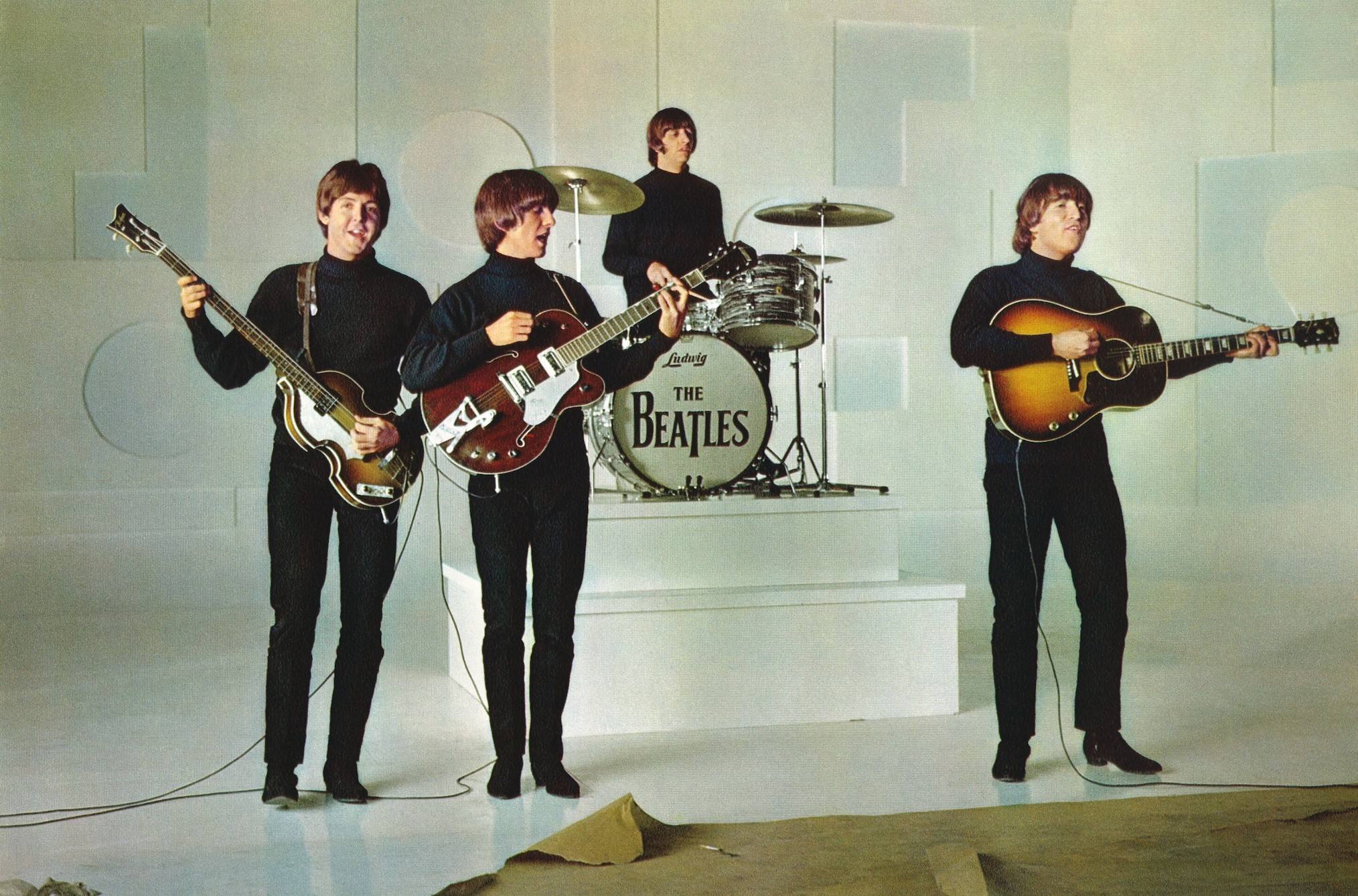
Summary of quotes and statements by The Beatles
The Beatles were one of the most popular rock bands of the 20th century, active from the 1960s to the 1970s, and made their record debut on October 5, 1962. The Beatles were ranked No. 1 on Rolling Stone's list of the 100 Greatest Artists of All Time, and are regarded around the world as one of the most influential rock bands of the 20th century. The band hails from Liverpool, England. Not only their music, but also their ideas and statements have attracted a great deal of attention and have had a great impact on the world.
Read Article

Yesterdays (film) spoiler alerts and discussion summary
Yesterday" is a stylish and heartfelt romantic comedy film produced in England. The main character, Jack, an unsuccessful singer-songwriter, is hit by a bus one day. He recovers from unconsciousness, but when he wakes up in the world, the legendary band "The Beatles" does not exist. For some reason, Jack is the only one who remembers the Beatles. The song "Yesterday," which he performed based on his memories, gradually changes Jack's ordinary life. This is a film that mixes fantastical elements with realism, and allows viewers to enjoy friendship, love, and anguish along with the Beatles' classic songs.
Read Article
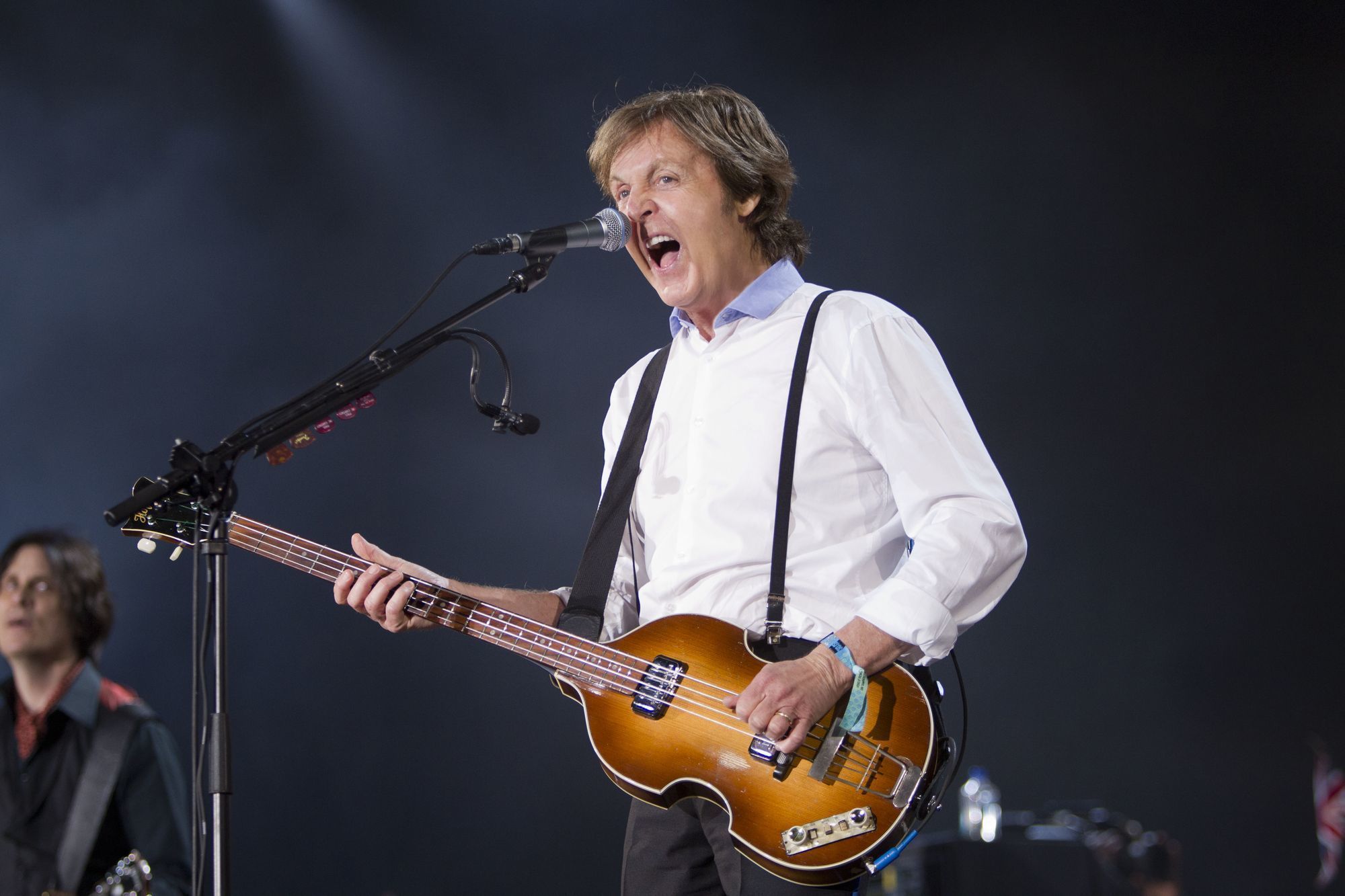
Paul McCartney was dead, former member Ringo Starr testifies! A new development in the urban legend?
Former Beatles drummer Ringo Starr stunned the world when he said in an interview with a publication that the "real" Paul McCartney died in a car accident on November 9, 1966. Here is Ringo's statement, urban legends about Paul, and his own reaction.
Read Article
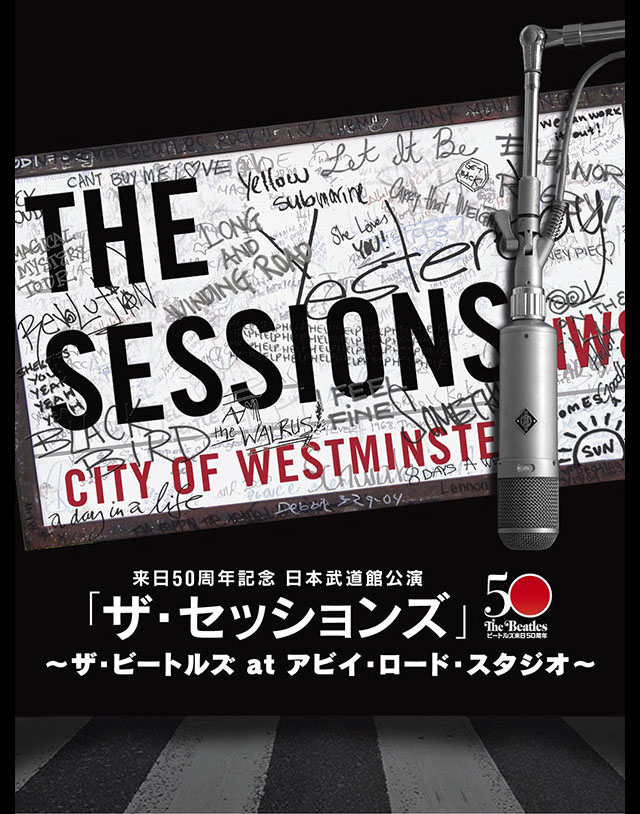
The Sessions, a recreation of the recording sessions of the legendary Beatles band, is coming!
It has been 50 years since the Beatles came to Japan. They were the first foreign artists to perform live at the Nippon Budokan on June 30 and July 1, 1966. On those very same days and at the same place, an event will be held to recreate the Beatles' recording sessions. The title of the event is "The Sessions. It is an attempt to perfectly recreate the Beatles' studio sessions at Abbey Road Studios using a variety of technologies.
Read Article
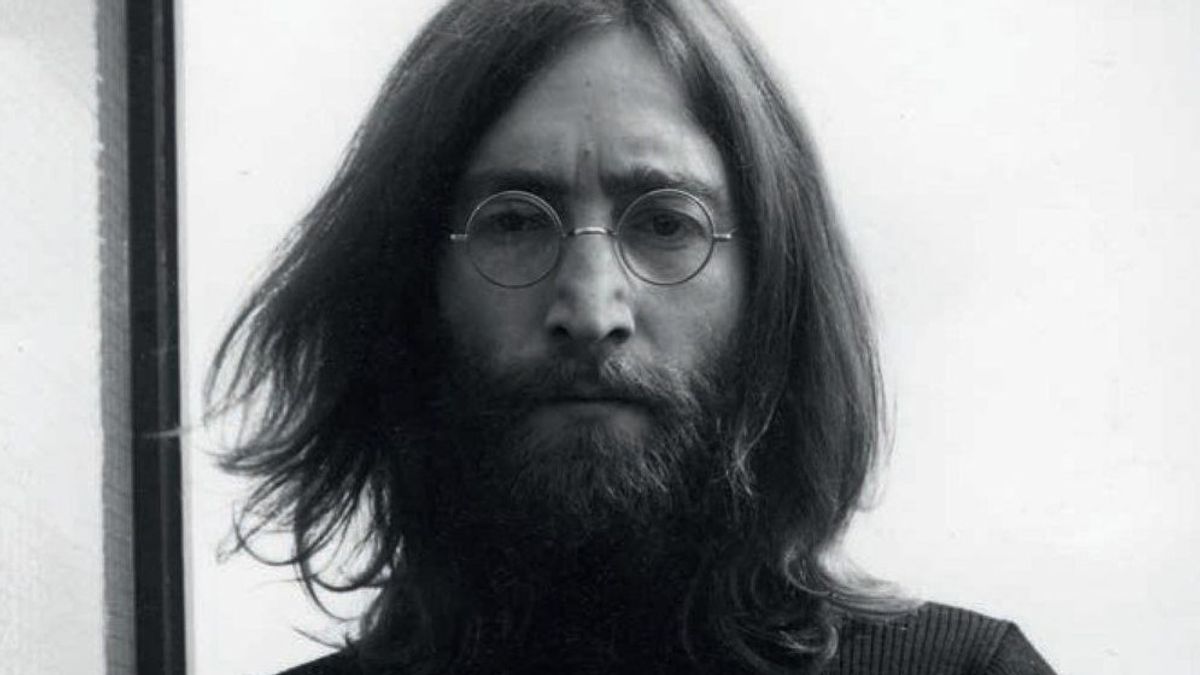
[John Lennon] Summary of celebrities and entertainers who died between the ages of 40 and 49 [Ken Maeda].
Entertainers and celebrities who have had a great impact on the world. Many of them have left this world at the young age of 40s. Diseases, accidents, suicides, assassinations.... In this article, we have compiled a list of such people. Although the causes vary, it is always painful to lose a person, no matter what time period or country.... We sincerely pray for the repose of their souls.
Read Article
![Paul McCartney] Summary of Hollywood stars and celebrities who are actually suspected of being anti-Japanese [Cameron Diaz](https://renote.net/files/blobs/proxy/eyJfcmFpbHMiOnsiZGF0YSI6NzA3OTE5MiwicHVyIjoiYmxvYl9pZCJ9fQ==--f54ed1968ea175d8f6be5ccbc0aac2b4b47ef326/5b111e621ae6624f008b472a.jpg)
Paul McCartney] Summary of Hollywood stars and celebrities who are actually suspected of being anti-Japanese [Cameron Diaz
The term "Hollywood star" is synonymous with world-famous performers. Of course, they are very well known in Japan, too! Some of them have openly stated that they "love Japan! but there are some who are suspected of being anti-Japanese. I don't know if it is true or not, but if these people are capable of world-class performances, they may be able to distinguish between their real intentions and their pretense in a matter of seconds.
Read Article
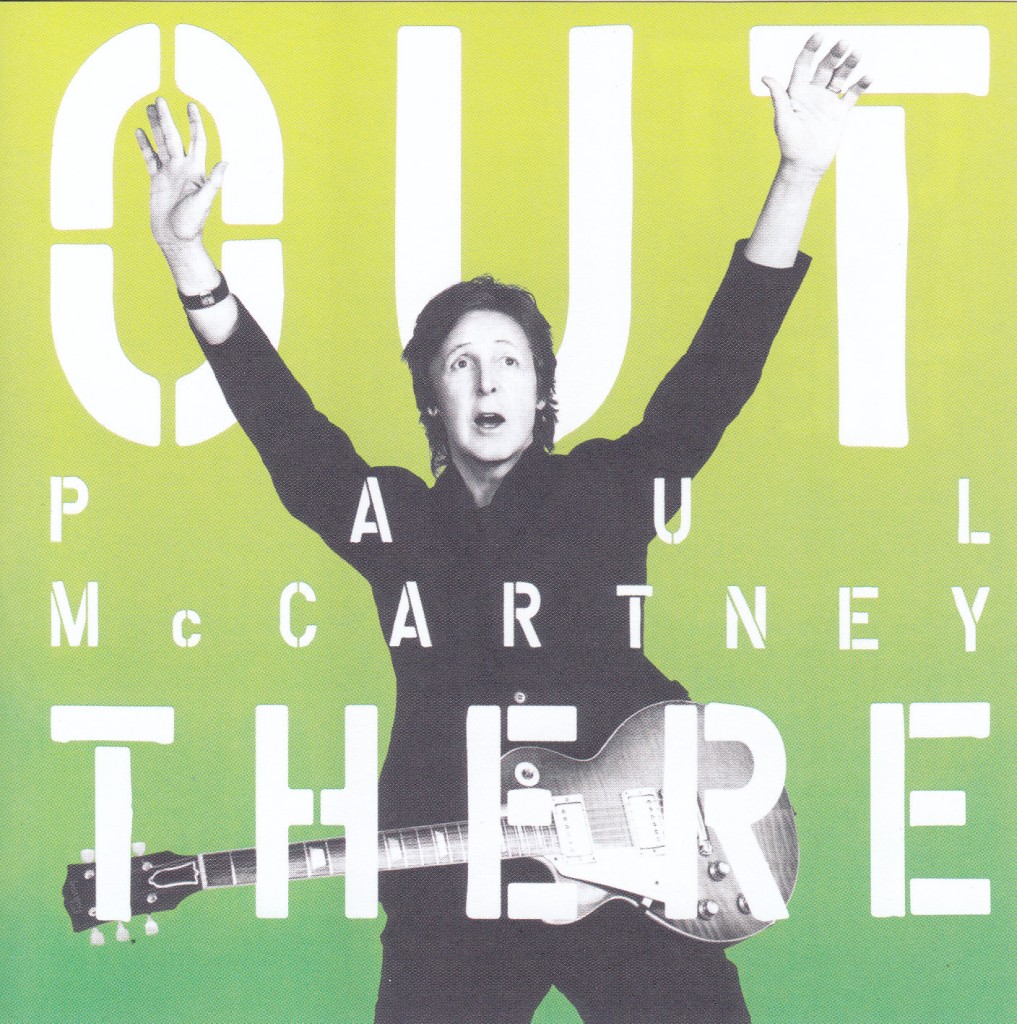
All Paul McCartney shows in Japan cancelled! Discussion of the possibility of a return visit to Japan!
Paul McCartney was scheduled to make his long-awaited return to Japan in May 2014, including his first Budokan concert in 48 years, but he became ill with a viral inflammation and canceled all shows shortly before the show. Many fans were disappointed and many wondered what would happen to him in the future. This article summarizes the situation at that time and the possibility of Paul's return to Japan for a replacement show, which he hopes to do.
Read Article
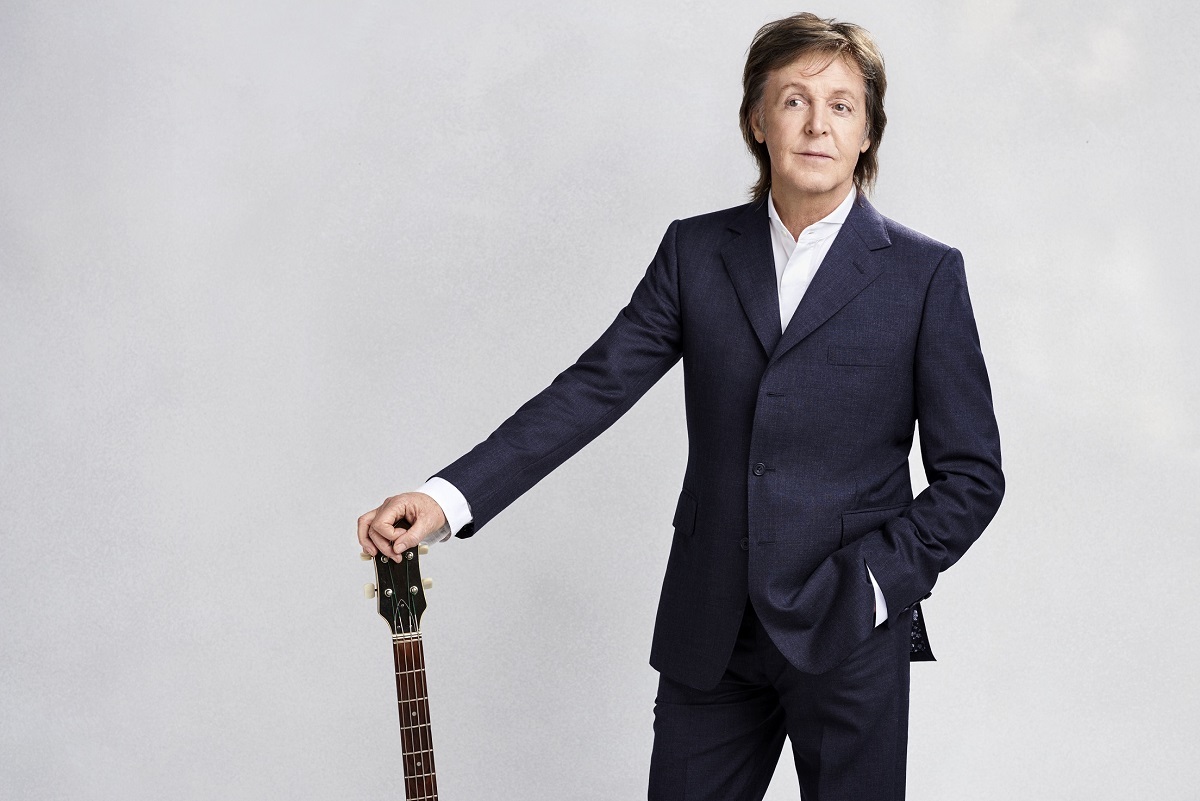
Paul McCartney suffered from "twisted intestines" and underwent emergency surgery in Japan!
Paul McCartney came to Japan for his first tour in six months, but canceled all shows due to poor health. The name of his illness was announced as viral inflammation, but it was later revealed that he had undergone surgery for intestinal sprain in Japan. The following is a summary of the illnesses that the great star suffered from in Japan.
Read Article
Paul McCartney cancels all shows! Explains the reason "viral inflammation"!
Paul McCartney, who was scheduled to return to Japan in May 2014, has become ill due to viral inflammation and has had to cancel all of his performances, including the Budokan concert. What is this "viral inflammation"? We will present a summary of Paul's sudden illness, which has several possibilities.
Read Article
Tags
Contents
- The Beatles Overview
- Members of The Beatles
- John Lennon
- Paul McCartney
- George Harrison
- Ringo Starr
- Former member of The Beatles
- Stuart Sutcliffe
- Pete Best
- People related to The Beatles
- Allan Williams
- Raymond Jones
- Brian Epstein
- George Martin
- A Brief History of The Beatles
- Birth and Death
- Major Events
- 1956-1961
- 1962-1966
- 1967-1970
- Analog release in the U.K.
- single
- 4-track EP
- album
- Analog release in the U.S.
- single
- 4-track EP
- album
- Analog release in Japan
- single
- 4-track EP
- album
- Solo Works
- Related Works
- The Beatles CDs
- The Beatles Discography
- original album
- Please Please Me
- With The Beatles
- A Hard Day's Night
- Beatles For Sale
- Help!
- Rubber Soul
- Revolver
- Sgt. Pepper's Lonely Hearts Club Band
- Magical Mystery Tour
- The Beatles
- Yellow Submarine
- Abbey Road
- Let It Be
- Editorial Albums & Other
- A Collection Of Beatles Oldies
- Hey Jude
- 1962-1966
- 1967-1970
- Rock 'N' Roll Music
- The Beatles At The Hollywood Bowl
- Love Songs
- Rarities (UK release)
- Rarities (U.S. version)
- The Beatles Ballads
- The Beatles Box
- Reel Music
- 20 Greatest Hits
- Past Masters Volume One
- Past Masters Volume Two
- Live At The BBC
- Baby It's You
- Anthology 1
- Free As A Bird
- Anthology 2
- Real Love
- Anthology 3
- Yellow Submarine Songtrack
- 1
- Let It Be... Naked
- love
- Mono Masters
- On Air - Live At The BBC Volume 2
- Live At The Hollywood Bowl
- Sgt. Pepper's Lonely Hearts Club Band (50th Anniversary Edition)
- The Beatles' most popular songs
- Love Me Do
- Please Please Me
- Twist And Shout
- From Me To You
- She Loves You
- All My Loving
- I Want To Hold Your Hand
- Can't Buy Me Love
- You Can't Do That
- A Hard Day's Night
- Long Tall Sally
- Baby's In Black
- Ticket To Ride
- Help!
- Yesterday
- Day Tripper
- We Can Work It Out
- Nowhere Man
- Paperback Writer
- Yellow Submarine
- Eleanor Rigby
- Strawberry Fields Forever
- Penny Lane
- A Day In The Life
- Hello Goodbye
- I Am The Walrus
- Lady Madonna
- Hey Jude
- Revolution
- Hey Bulldog
- Get Back
- Don't Let Me Down
- The Ballad Of John And Yoko
- Something
- Let It Be
- Free As A Bird
- Real Love
- The Beatles' backstory, trivia, small stories/episodes, anecdotes
- Dramatic departure of a member
- Paul's death theory
- The three major crises of 1966
- Mr. Toshitake Kotei
- Imelda Marcos
- Tommy Charles
- A Tribute to The Beatles