
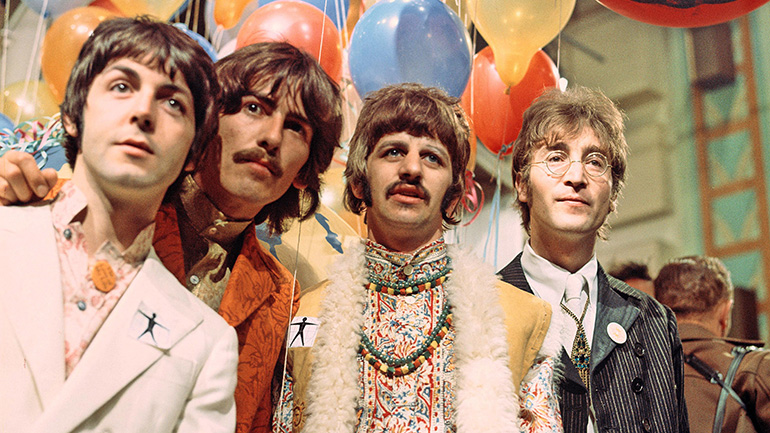
The Beatles are a four-piece rock band representing the 20th century that debuted in the United Kingdom in 1962. Their influence extended not only to their music, but also to their fashion, speech, and thought, creating a social phenomenon. One of the most notable aspects of their music is that their own musical development has directly influenced the musical development of the entire musical world and of their fans, who are their listeners.
May 21, 1983 (Japan)
May 21 (Japan)
Abbey Road
*The world's first Beatles CD was the Japanese version of "Abbey Road. However, EMI in the U.K. asked the Beatles to "Wait! from EMI in the U.K., the CD was discontinued after only the first production run.
September 21, 1985 (Japan)
September 21 (Japan)
Rare Live '62
*The May 10, 1977 release of "Debut! The Beatles Live '62" released on May 10, 1977. The label is Overseas.
●1986
March 1 (Japan)
The Silver Beatles
*This is a recording from the Decca session held on January 1, 1962. Label is Overseas.
July 1 (Japan)
Young Beatles
*CD of songs recorded with Tony Sheridan in Germany.
Label: Overseas.
Feb. 26 (Japan)
Please Please Me
With The Beatles
A Hard Day's Night
Beatles For Sale
*The Beatles' original albums were first released on CD at this time.
April 30
The Beatles' original albums were first released on CD at this time.
Rubber Soul
Revolver
June 1
Sgt. Pepper's Lonely Hearts Club Band
August 24
The Beatles
Yellow Submarine
September 21
Magical Mystery Tour
October 19
Abbey Road
Let It BE
1988
March 8
Past Masters Volume One
Past Masters Volume Two
October 31
The Beatles Ultimate Collection
*This box set contains all 15 titles of The Beatles' CD releases.
November 6, 1989
Nov. 6
The Beatles CD Singles Collection
*Box containing all 3-inch CD singles of The Beatles.
June 5, 1992
June 5, 1992
The Beatles Compact Disc EP Collection
*Box containing CD versions of The Beatles' EPs.
November 2
The Beatles CD Singles Collection
*Box containing 5-inch CD singles of The Beatles.
1993
1962-1966
1967-1970
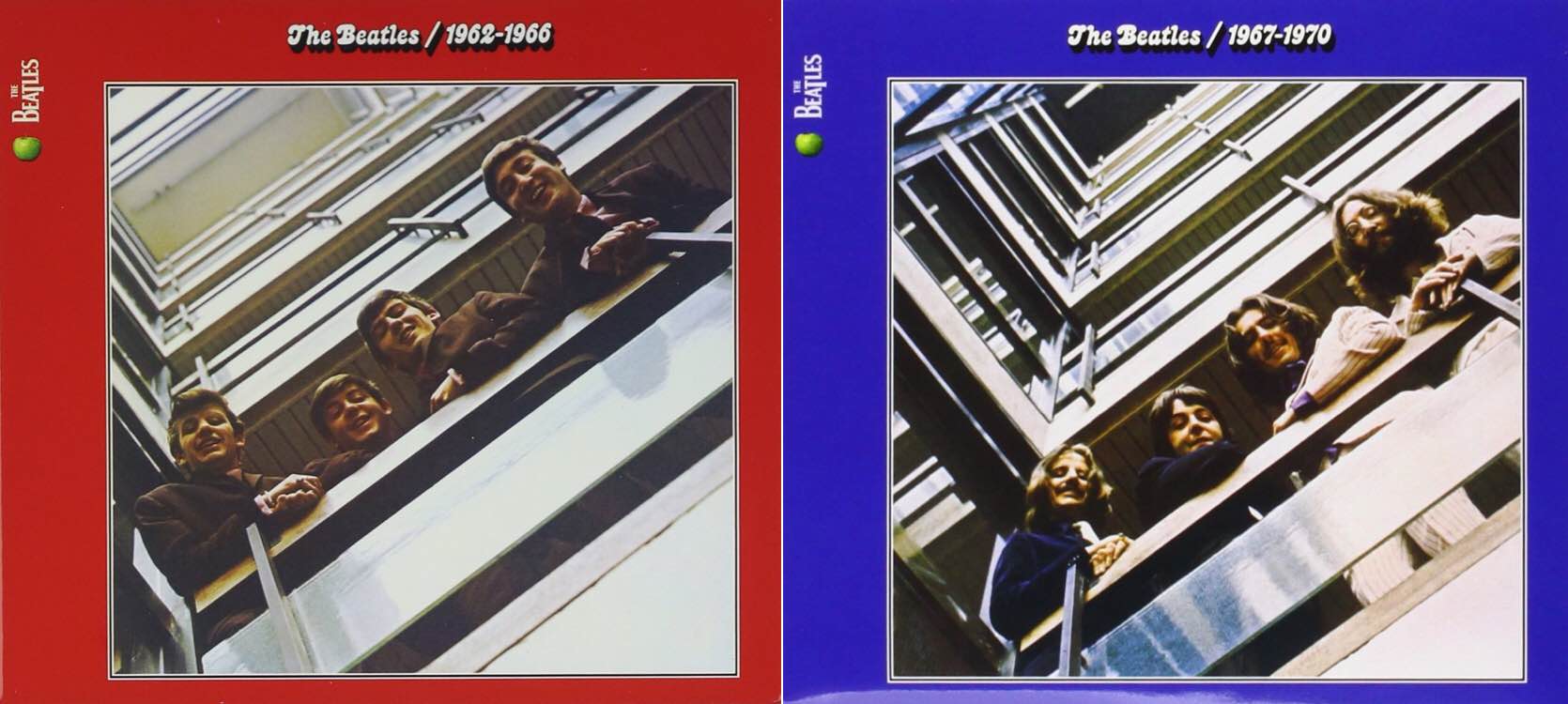
1962-1966 and 1967-1970.
November 30, 1994
November 30
Live At The BBC
March 20, 1995
March 20
Baby It's You/I'll Follow The Sun/Devil In Her Heart/Boys
*Cut from the album "Live At The BBC".
November 21
Anthology 1
December 4
Free As A Bird/I Saw Her Standing There/This Boy/Christmas Time (Is Here Again)
1996
March 4
Real Love/Baby's In Black/Yellow Submarine/Here, There And Everywhere
March 18
Anthology 2
October 28
Anthology 3
September 13, 1999
September 13
Yellow Submarine Soungtrack
2000
October 17 (USA)
1962 Live At Star Club In Hamburg
*The Beatles' last live performance in Hamburg in 1962. The label is "Walters".
November 13
1.
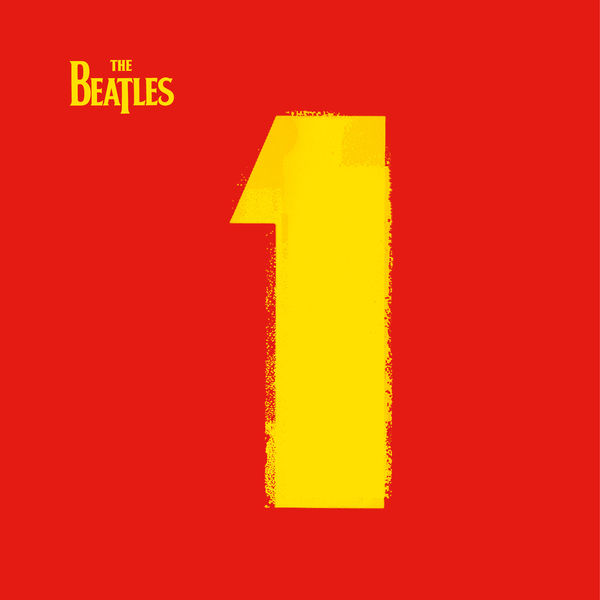
1.
November 17, 2003
November 17
Let It Be.... Naked
November 15, 2004 (U.S.A.)
November 15 (USA)
The Capitol Albums Vol. 1
*This is a box set of four U.S. edited albums "Meet The Beatles", "The Beatles' Second Album", "Something New" and "Beatles '65" released by Capitol. The label is Capitol.
December 21.
The Beatles' First!
(Deluxe Edition) *This is a tape of The Beatles' last performance in Hamburg in 1962, which was unearthed by Polydor. Label: Polydor.
April 11, 2006 (U.S.A.)
April 11 (USA)
*A box set of four U.S. compilation albums "The Early Beatles," "Beatles VI," "Help!" and "Rubber Soul" released by Capitol. Label is Capitol.
May 2
Love
September 9, 2009
September 9
Please Please Me
With The Beatles
A Hard Day's Night
Beatles For Sale
Help!
Rubber Soul
Revolver
Sgt. Pepper's Lonely Hearts Club Band
Magical Mystery Tour
The Beatles
Yellow Submarine
Abbey Road
Let It BE
Past Masters
*Remastered reissue. Only the stereo version was sold separately, and the monaural version was only released as a box set.
September 9
The Beatles In Stereo
*Box set of 14 CDs of remastered stereo versions of The Beatles, 16 CDs in all.
September 9
The Beatles In Mono
*Boxed set of 11 CDs of remastered mono versions of The Beatles, 13 CDs in all.
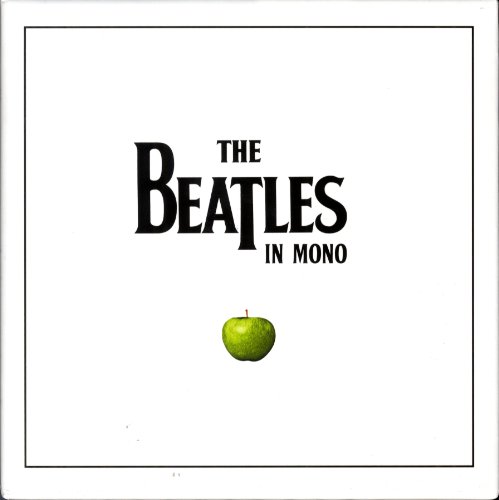
The Beatles In Mono.
2010
October 18
1962-1966
1967-1970
*Remastered reissue.
●2011
September 2
September 2, 2011
*Remastered reissue.
November 11, 2013
November 11
On Air - Live At The BBC Volume 2
November 6, 2015
November 6
...1+.
Limited deluxe edition of *CD "1" with two Blu-rays.
●2016
Sept. 9.
Live At The Hollywood Bowl
May 26, 2017
May 26
Sgt. Pepper's Lonely Hearts Club Band
*50th anniversary of original release; Super Deluxe Edition of 4 CDs + Blu-ray + DVD and Deluxe Edition of 2 CDs were released.
The Beatles Discography
original album
*"Magical Mystery Tour" is not an original album, but since it was regarded as an original album and included in the CD lineup in 1987, it is also included here as an original album.
The "Recording Details" section of the song list compares "The Beatles Recording Sessions Complete Edition" written by Mark Lewison and "The Beatles Complete Song Bible" published by Nikkei BP and edited by From B. If there are any discrepancies, the new "The Beatles Complete Song Bible" is used as the correct version. If there are any discrepancies, the new "The Beatles Complete Music Bible" is assumed to be the correct version, and I have checked all the related books and web sites I could find.
Please Please Me
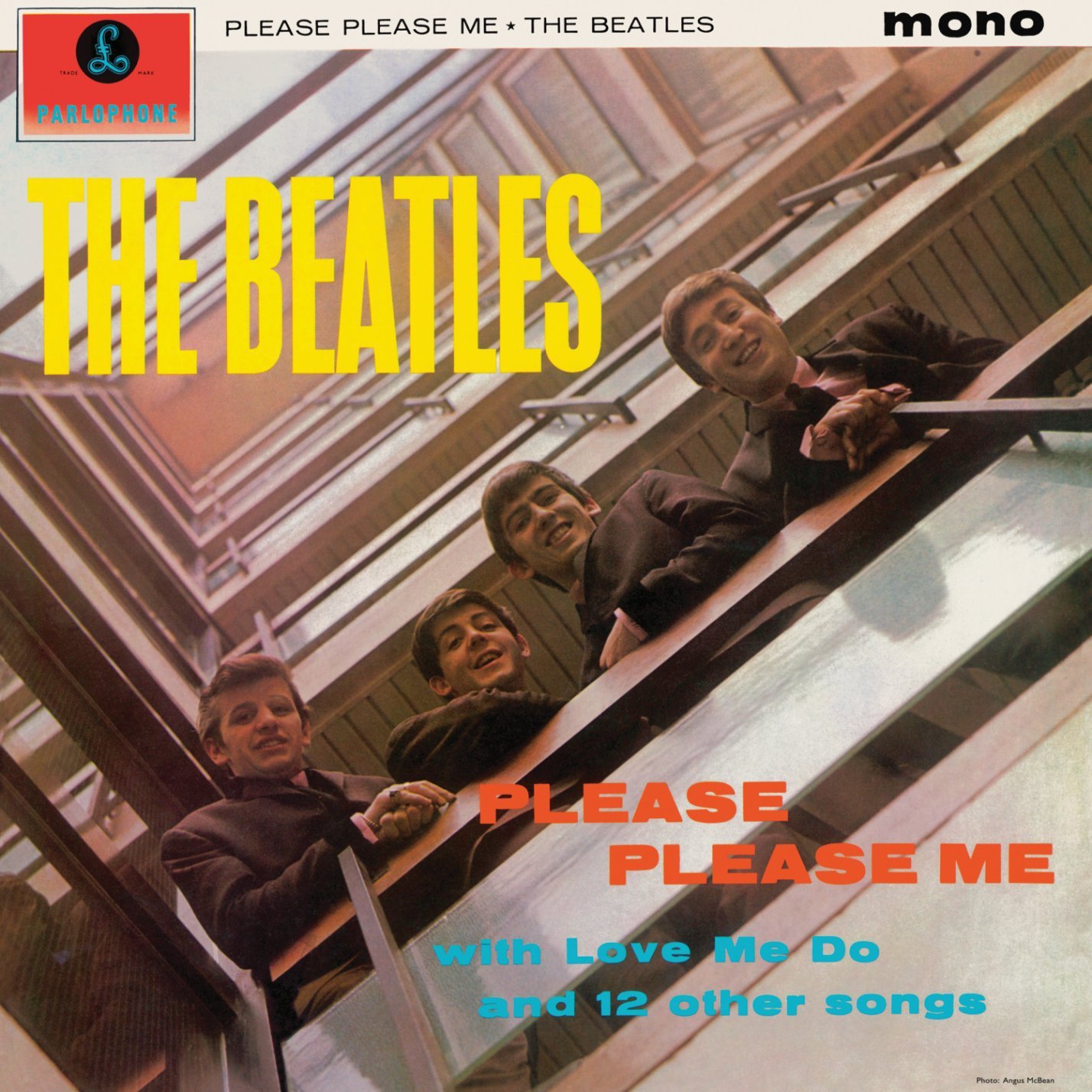
Side A
I Saw Her Standing There
2. Misery
3. Anna (Go To Him)
4. Chains
5. boys
6. Ask Me Why
Please Please Me
Side B
1. Love Me Do
2. P.S. I Love You
Baby It's You
4. Do You Want To Know A Secret
A Taste Of Honey
There's A Place
7. Twist And Shout

The Beatles' memorable debut album was released on March 22, 1963.
It was released after the debut single "Love Me Do" and the second single "Please Please Me," and four songs from these two singles are also included on this album. However, the version of "Love Me Do" was not performed by Ringo but by Andy White on drums.
Eight of the 14 songs on this album are "Lennon-McCartney" songs, but they were originally labeled as "McCartney-Lennon" songs.
The following is a brief chronological summary of the events leading up to the release of the album.
1962
May 9
A recording test at EMI is promised.
June 6.
From 7:00 to 8:00 p.m., a recording test is conducted at EMI's Studio 2 in St. John's Wood, Abbey Road, London. The commentary on the "Anthology 1" album states that "Studio 3" was used, but in "The Beatles Recording Sessions: The Complete Edition" by Mark Lewison, "In '91, EMI released documents that revealed 'Studio 2, 7:00 to 10:00 p.m.'". The Beatles recorded at Studio 2 from 7:00 to 10:00 p.m. in 1991.
The following four songs were recorded.
Besame Mucho
Love Me Do
P.S. I Love You
Ask Me Why
The drummer at this time was still Pete Best. From this recording, "Besame Mucho" and "Love Me Do" were later included on the "Anthology 1" album.
Also, when George Martin asked, "What's not to like?" to which George Harrison replied, "I don't like your tie," and the mood was relaxed at the end of the recording session.
As a result of this day's recording test, Martin's decision led to The Beatles signing a recording contract with EMI.
August 16.
Pete Best is fired from The Beatles.
August 18.
Live at Hulme Hall in Birkenhead, England.
Ringo Starr performs as a member of The Beatles for the first time.
September 4
Second recording session. This day was the recording of a song for their debut single.
The following two songs were recorded.
How Do You Do It
Love Me Do
How Do You Do It" was a song that Martin had suggested for the debut single, but The Beatles said they wanted to compete with their own compositions, and in the end, their wish was granted. How Do You Do It" was recorded at this time and is included on the "Anthology 1" album.
Ringo played drums on "Love Me Do.
Both "How Do You Do It" and "Love Me Do" were mono-mixed on this day.
On the same day, a slower tempo version of "Please Please Me" without harmonica was practiced in the studio (but not recorded).
September 11.
Third recording. This time, session drummer Andy White was called into the studio, as the previous recording was deemed to have a "poor drum sound.
The following three songs were recorded.
P.S. I Love You
Love Me Do
Please Please Me
On "P.S. I Love You," Ringo plays maracas and Andy plays rim shot.
On "Love Me Do," Ringo plays tambourine and Andy plays drums.
Please Please Me" recorded on this day is included in the album "Anthology 1," but "The Beatles Recording Sessions: The Complete Edition" argues that it is not the version recorded on this day but the version recorded on November 26 of the same year. The reason is that "Please Please Me" was still a slow Roy Orbison-style song on this September 11, and Martin suggests, "Why not speed up the tempo and add a tighter harmonica?" Martin suggested, "Why don't you speed up the tempo and add a tighter harmonica? The version on "Anthology 1" is not much different in tempo from the official release. If Martin's suggestion is correct, the version on "Anthology 1" was not recorded on September 11, and the drummer is not Andy White.
Both "P.S. I Love You" and "Love Me Do" were mono-mixed on this date.
October 5
Debut single "Love Me Do/P.S. I Love You" is released in the UK.
November 26
The following three songs are recorded
Please Please Me
Ask Me Why
Tip Of My Tongue
Tip Of My Tongue" was considered for the B-side of the single, but Martin did not like it, and it was eventually offered to one of Brian's artists, Tommy Quickley.
November 30.
Mono mixing of the following two songs.
Please Please Me
Ask Me Why
1963
January 11
Second single "Please Please Me" is released in the U.K.
February 11
Recorded the following 11 songs for the debut album in about 10 hours, 585 minutes in total, with two breaks from 10:00 to 13:00, 14:30 to 18:00, and 19:30 to 22:45.
There's A Place
I Saw Her Standing There
A Taste Of Honey
Do You Want To Know A Secret
Misery
Hold Me Tight
Anna (Go To Him)
Boys
Chains
Baby It's You
Twist And Shout
Hold Me Tight" was not included on the debut album, but a remade version was included on the second album.
February 20
Overdub work begins.
Misery
Baby It's You
The Beatles do not participate in the recording. Martin overdubs piano on "Misery" and celesta and piano on "Baby It's You".
February 25.
Again, The Beatles do not participate in the recording. Martin's team mixes mono and stereo. Also, at the beginning of the 12th take of "I Saw Her Standing There," the count of the 9th take (One Two Three Four!) is added. is added at the beginning of the 12th take of "I Saw Her Standing There. Incidentally, some sources say "the count of take 9 is added to take 1" and some say "the count of take 9 is added to take 12", but the total of "The Beatles Complete Song Bible" and "The Beatles Recording Sessions Complete Edition" published by Nikkei Business Publications, Inc. However, the description in "The Beatles Complete Song Bible" and "The Beatles Recording Sessions: The Complete Edition" published by Nikkei Business Publications, Inc.
March 5
The following three songs were recorded.
From Me To You
Thank You Little Girl (later "Thank You Girl")
The One After 909
The One After 909" is the same song as "One After 909" that would later appear on the "Let It Be" album. The version recorded on this day is included in "Anthology 1".
March 13
The following songs are recorded
Thank You Little Girl (later "Thank You Girl")
Harmonica overdub.
Mono mixing of the following
Thank You Little Girl (later "Thank You Girl")
Stereo mixing as follows.
Thank You Little Girl (Later "Thank You Girl")
March 14
Mono mixing as follows
From Me To You
Stereo mixing of the following
From Me To You
March 22
Debut album "Please Please Me" is released.
April 11
Single "From Me To You/Thank You Girl" released
The jacket was shot on the balcony of the EMI Records headquarters building at the time. 1969 album "Get Back", which was scheduled for release in 1969, was also shot at the same location and in the same composition, but it was not released. In the end, another photo of the "Please Please Me" cover was used for the edited album "1962-1966" released in 1973, the so-called red and blue discs, and the photo that was to be used for the album "Get Back" was used for "1967-1970" as the cover.
This album was released in the U.S. in 1987, and it was the first time to be released on CD.
In Japan, the album was released on May 25, 1966, with a different jacket and song order, "Stereo! This is the Beatles Vol. 1" was the British version of "Please Please Me", but it was not in mono. The first mono version of an analog album with the same specifications as the UK release was a limited reissue in the original mono series on January 21, 1982.
It first appeared in the UK Melody Maker chart at #10 on April 6, 1963. Since then, it rose to #7, then #5, then #3, and reached #1 on May 4. It remained at No. 1 for 30 weeks until November 30 of the same year, when it was given up to "With The Beatles," the second album by the same Beatles.
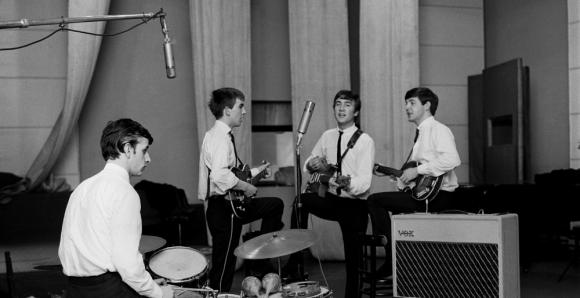
Martin initially considered recording live at the Cavern Club, but decided against it because of the reverberating sound of the low brick ceiling and the difficulty of getting recording equipment into the small space and setting it up. However, the band's intention to record in a manner similar to a live performance continued, and in fact, the members' standing positions in the studio were the same as those used in the live performance.
Martin also proposed the album title "Off The Beatles Track," but it was never used. However, it was used as the title of an album released in 1964, which featured George Martin's Orchestra recreating songs by The Beatles.
The Beatles' debut album was recorded on February 11, 1963, and lasted approximately 585 minutes. It was the harshest winter in England that year since 1947. John had a severe cold and survived the recording session with the help of a large amount of throat lozenges, tea, and cigarettes. Many books describe February 11, 1963 as a memorable day in rock history.
According to Ringo's recollection, there were no rehearsals for each song, but rather a run-through of all the songs played that day first, so that the staff could get a feel for the sound of each song.
John said of the album, "It's the closest to the sound of the shows we used to play in the clubs in Hamburg and Liverpool, which is to say, the closest to the sound we had before we became the clever Beatles. The fact that the basic recording was done in just one day, that the count was added at the beginning of "I Saw Her Standing There," and that overdubs were kept to a minimum were all done with this live feel in mind. The reason for this was to keep the live feel of the show in mind.
John added, "One of the best things about this recording was that it was done without echo. When we started using echo, we couldn't afford it. By the time we could afford it, we hated it. So we never used it on stage. By not using echoes, we were able to record vocals that sounded more like live vocals. He says.
Engineer Norman Smith said, "The sound is pretty dry. I hated the echo that was so popular at the time. So I put the singer's mic in the same place as the band. Normally, the singer would be in a separate recording booth, but I didn't think that was a good idea. I didn't think it was a good idea, because it would take away from the live feel of the session.
Martin said, "Actually, we just recreated the performance at Cavern in a much quieter studio. I was in charge of the intro, the ending, and the instrumental part in the middle. For example, "Please Please Me" was only one minute and ten seconds long at the beginning. So I told them that they needed two choruses, and to do this and that in the second chorus. But that was the extent of the arrangement.
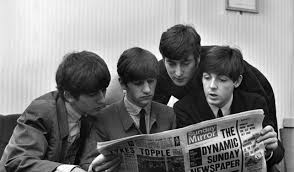
Outline of the tracks
I Saw Her Standing There
Paul wrote this song when he was 16 years old and sang lead vocals. John helped with some of the lyrics.
John said, "As usual, Paul did a great job with what George Martin calls 'trying to get people to like it. I also helped a little with the lyrics.
Paul: "I was stuck on the first phrase, but John came up with "You know what I Mean" instead of "She'd never been a beauty queen" in "Well, she was just seventeen/She'd never been a beauty queen. I thought of "You know what I Mean" instead of "She'd never been a beauty queen" and said, 'That's it! That's it!"
The count "1-2-3-4!" at the beginning of the song was deliberately extracted from the ninth take and only that part was added, but this treatment gives the song a more live feel. There is no better opening call for The Beatles' debut album.
Paul has said that he borrowed the bass line from Chuck Berry's "I'm Talking About You.
I'm Talking About You/Chuck Berry
Although there is no strictly speaking a different take, "Introducing The Beatles" released on "Vee Jay" in the U.S. starts with a count of "4" instead of "1-2-3-4! The same is true of "Vee Jay.
Similarly, "Songs, Pictures And Stories Of The Fabulous Beatles" (a different cover for "Introducing The Beatles" with the same content), "The Beatles VS. The Four Seasons" (two albums, one with The Beatles and the other with The Four Seasons). The song also begins with the cry of "Four!
On November 28, 1974, John Lennon jumped in to perform at an Elton John show at Madison Square Garden. At that time, he played this song after jokingly announcing, "I'm going to play a song by Paul, my fiancé who abandoned me.
I Saw Her Standing There" and "Come Together" are the only Beatles songs that John and Paul have performed together since the Beatles broke up.
I Saw Her Standing There/John Lennon & Elton John
I Saw Her Standing There - Twist And Shout/Paul McCartney & Bruce Springsteen & The E. Street Band

Related Articles
Summary of quotes and statements by The Beatles
The Beatles were one of the most popular rock bands of the 20th century, active from the 1960s to the 1970s, and made their record debut on October 5, 1962. The Beatles were ranked No. 1 on Rolling Stone's list of the 100 Greatest Artists of All Time, and are regarded around the world as one of the most influential rock bands of the 20th century. The band hails from Liverpool, England. Not only their music, but also their ideas and statements have attracted a great deal of attention and have had a great impact on the world.
Read Article
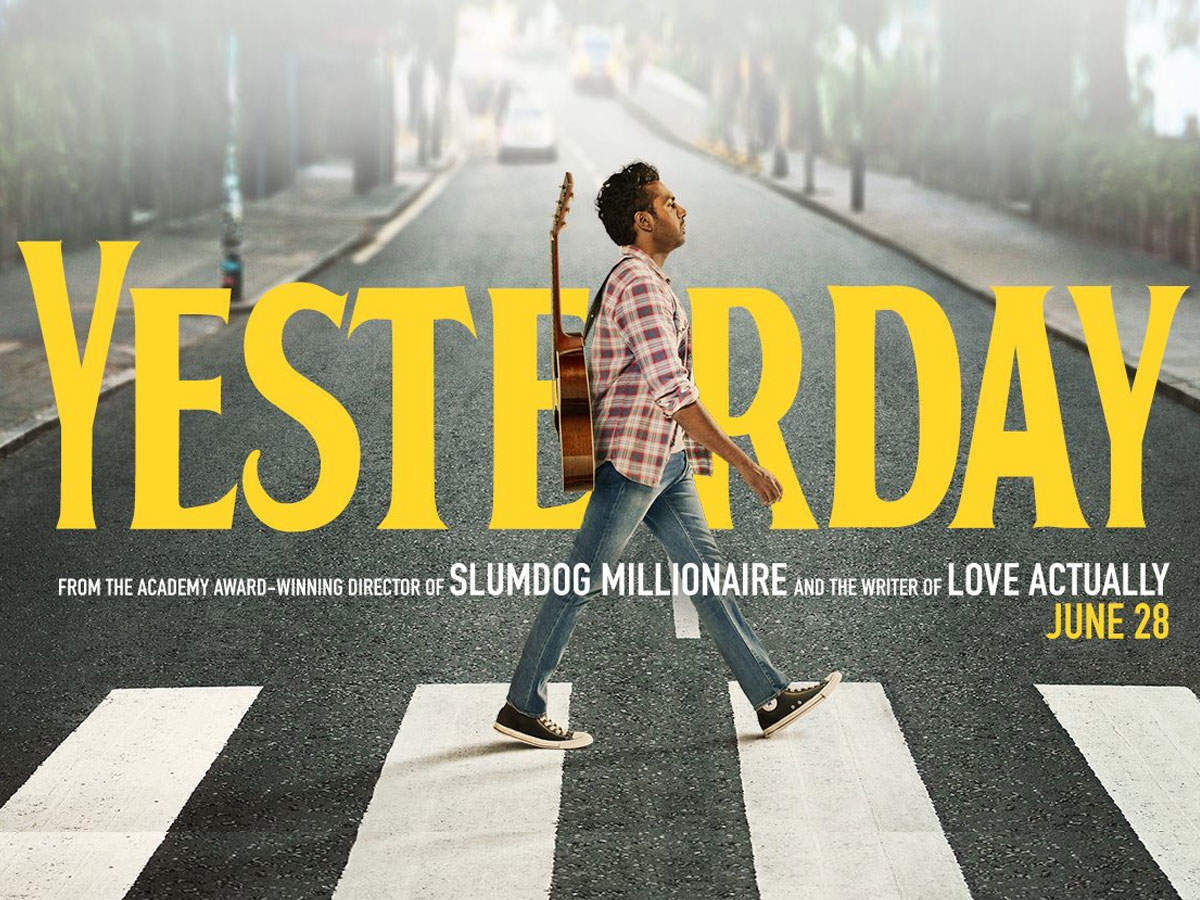
Yesterdays (film) spoiler alerts and discussion summary
Yesterday" is a stylish and heartfelt romantic comedy film produced in England. The main character, Jack, an unsuccessful singer-songwriter, is hit by a bus one day. He recovers from unconsciousness, but when he wakes up in the world, the legendary band "The Beatles" does not exist. For some reason, Jack is the only one who remembers the Beatles. The song "Yesterday," which he performed based on his memories, gradually changes Jack's ordinary life. This is a film that mixes fantastical elements with realism, and allows viewers to enjoy friendship, love, and anguish along with the Beatles' classic songs.
Read Article
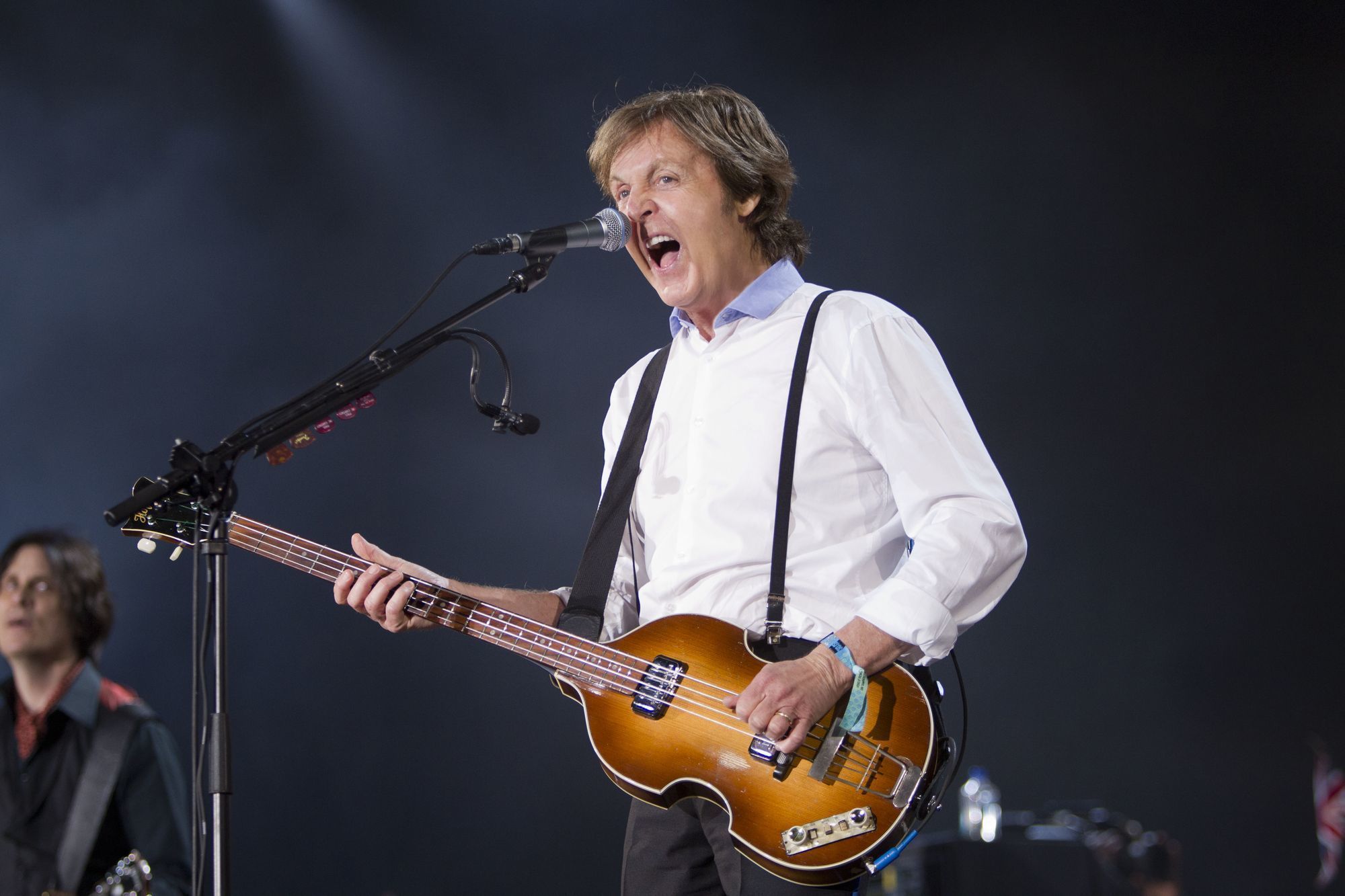
Paul McCartney was dead, former member Ringo Starr testifies! A new development in the urban legend?
Former Beatles drummer Ringo Starr stunned the world when he said in an interview with a publication that the "real" Paul McCartney died in a car accident on November 9, 1966. Here is Ringo's statement, urban legends about Paul, and his own reaction.
Read Article
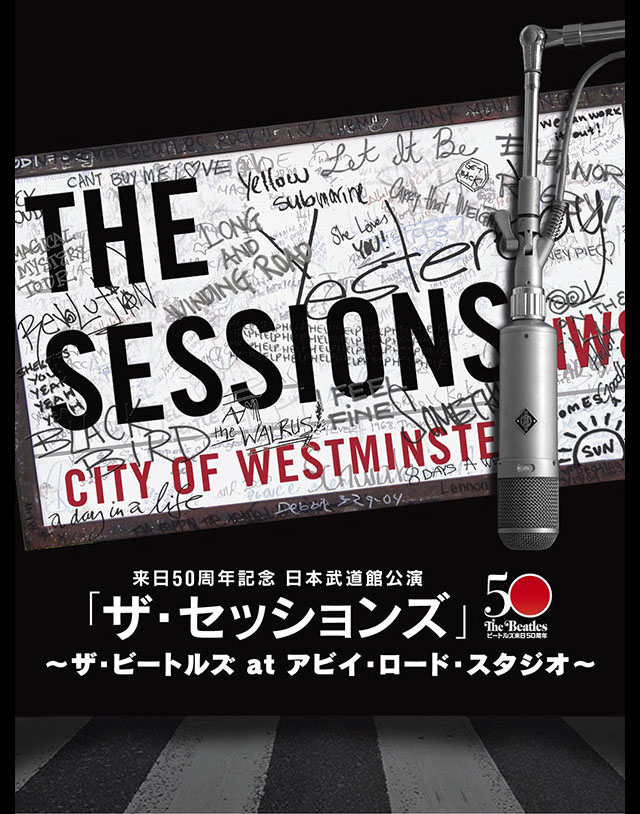
The Sessions, a recreation of the recording sessions of the legendary Beatles band, is coming!
It has been 50 years since the Beatles came to Japan. They were the first foreign artists to perform live at the Nippon Budokan on June 30 and July 1, 1966. On those very same days and at the same place, an event will be held to recreate the Beatles' recording sessions. The title of the event is "The Sessions. It is an attempt to perfectly recreate the Beatles' studio sessions at Abbey Road Studios using a variety of technologies.
Read Article
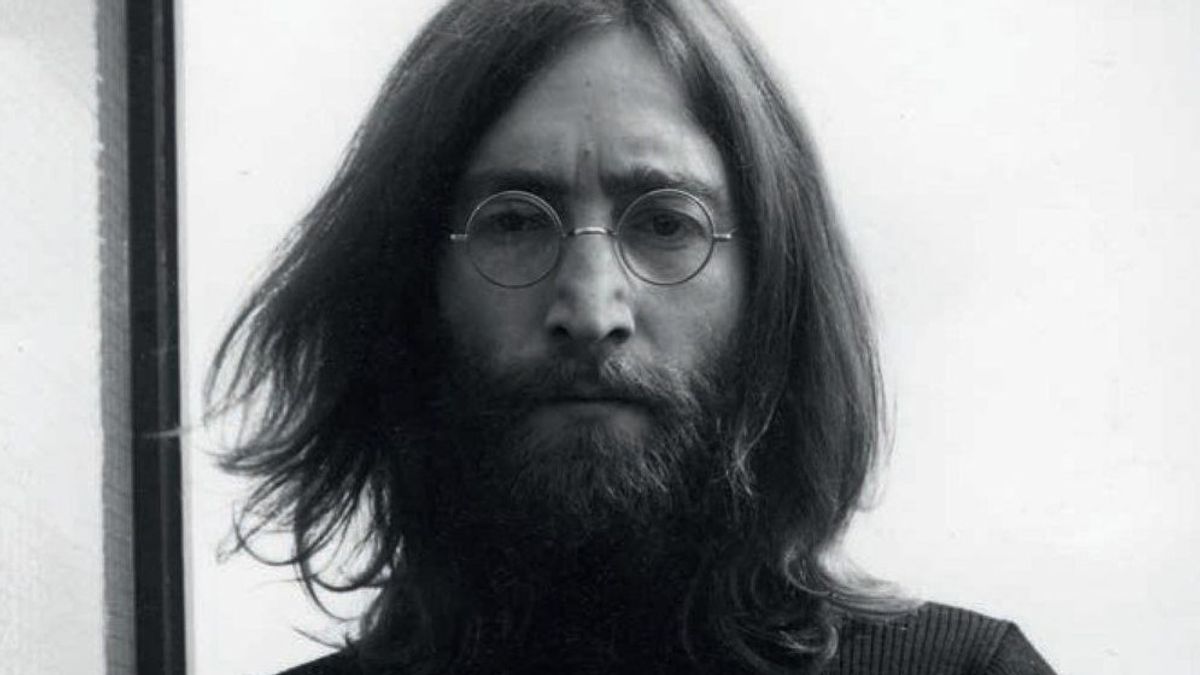
[John Lennon] Summary of celebrities and entertainers who died between the ages of 40 and 49 [Ken Maeda].
Entertainers and celebrities who have had a great impact on the world. Many of them have left this world at the young age of 40s. Diseases, accidents, suicides, assassinations.... In this article, we have compiled a list of such people. Although the causes vary, it is always painful to lose a person, no matter what time period or country.... We sincerely pray for the repose of their souls.
Read Article
![Paul McCartney] Summary of Hollywood stars and celebrities who are actually suspected of being anti-Japanese [Cameron Diaz](https://renote.net/files/blobs/proxy/eyJfcmFpbHMiOnsiZGF0YSI6NzA3OTE5MiwicHVyIjoiYmxvYl9pZCJ9fQ==--f54ed1968ea175d8f6be5ccbc0aac2b4b47ef326/5b111e621ae6624f008b472a.jpg)
Paul McCartney] Summary of Hollywood stars and celebrities who are actually suspected of being anti-Japanese [Cameron Diaz
The term "Hollywood star" is synonymous with world-famous performers. Of course, they are very well known in Japan, too! Some of them have openly stated that they "love Japan! but there are some who are suspected of being anti-Japanese. I don't know if it is true or not, but if these people are capable of world-class performances, they may be able to distinguish between their real intentions and their pretense in a matter of seconds.
Read Article
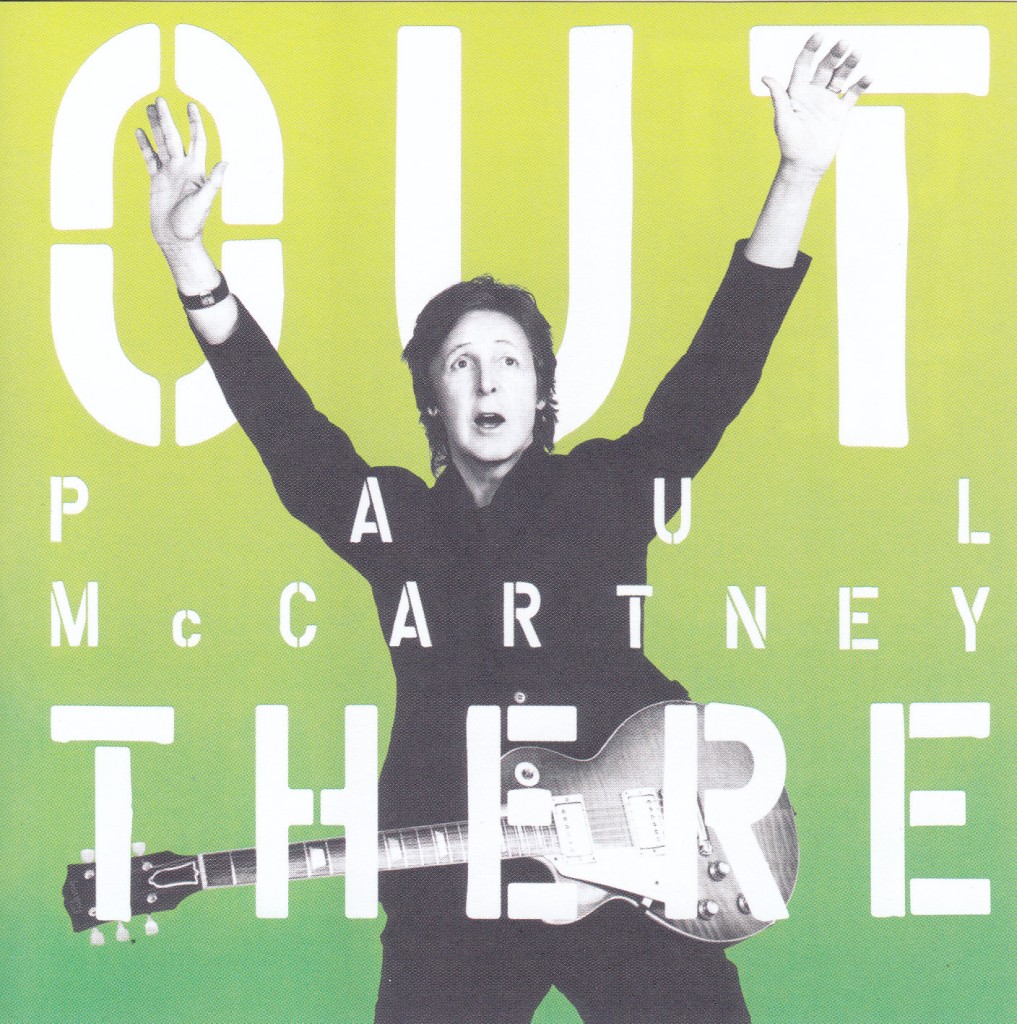
All Paul McCartney shows in Japan cancelled! Discussion of the possibility of a return visit to Japan!
Paul McCartney was scheduled to make his long-awaited return to Japan in May 2014, including his first Budokan concert in 48 years, but he became ill with a viral inflammation and canceled all shows shortly before the show. Many fans were disappointed and many wondered what would happen to him in the future. This article summarizes the situation at that time and the possibility of Paul's return to Japan for a replacement show, which he hopes to do.
Read Article
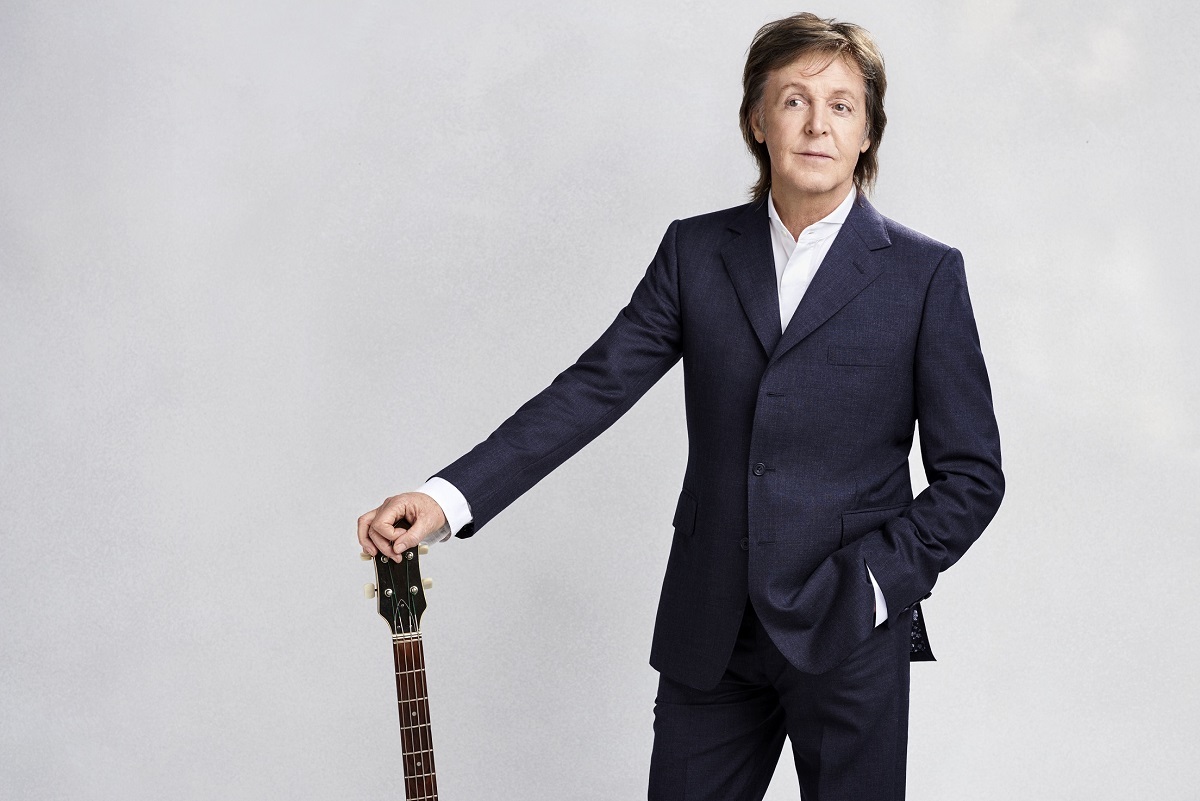
Paul McCartney suffered from "twisted intestines" and underwent emergency surgery in Japan!
Paul McCartney came to Japan for his first tour in six months, but canceled all shows due to poor health. The name of his illness was announced as viral inflammation, but it was later revealed that he had undergone surgery for intestinal sprain in Japan. The following is a summary of the illnesses that the great star suffered from in Japan.
Read Article
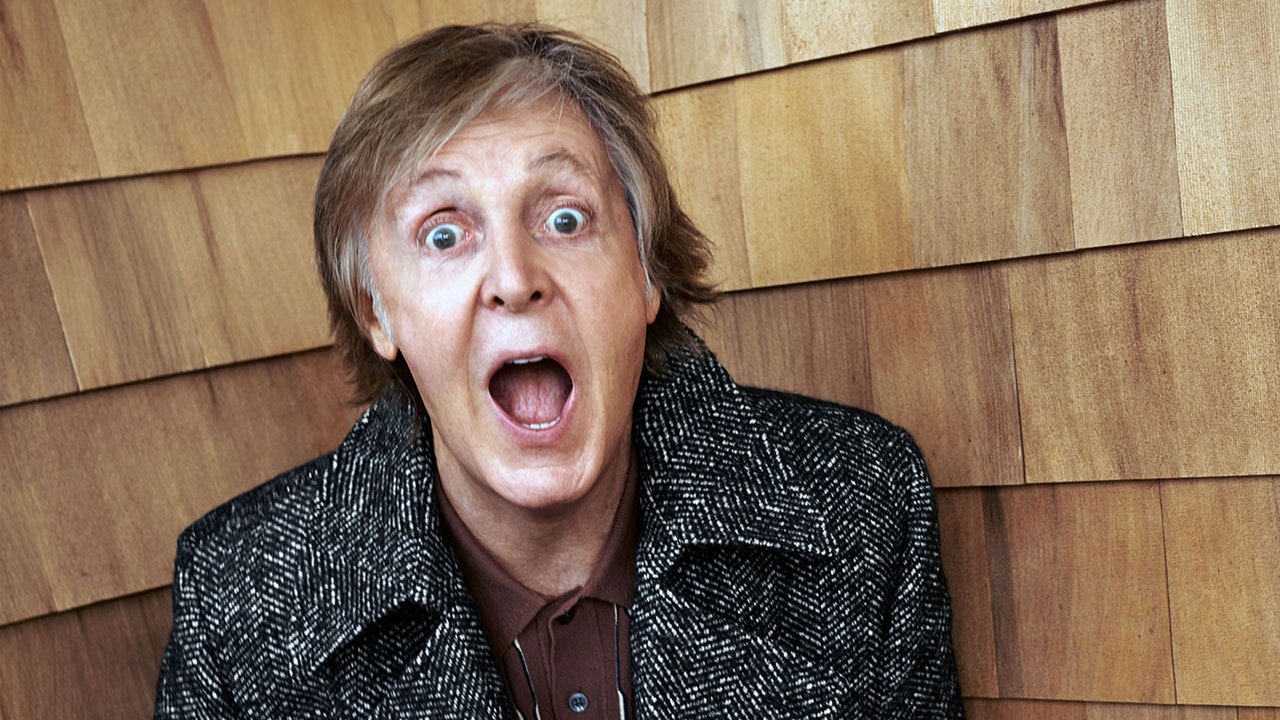
Paul McCartney cancels all shows! Explains the reason "viral inflammation"!
Paul McCartney, who was scheduled to return to Japan in May 2014, has become ill due to viral inflammation and has had to cancel all of his performances, including the Budokan concert. What is this "viral inflammation"? We will present a summary of Paul's sudden illness, which has several possibilities.
Read Article
Tags
Contents
- The Beatles Overview
- Members of The Beatles
- John Lennon
- Paul McCartney
- George Harrison
- Ringo Starr
- Former member of The Beatles
- Stuart Sutcliffe
- Pete Best
- People related to The Beatles
- Allan Williams
- Raymond Jones
- Brian Epstein
- George Martin
- A Brief History of The Beatles
- Birth and Death
- Major Events
- 1956-1961
- 1962-1966
- 1967-1970
- Analog release in the U.K.
- single
- 4-track EP
- album
- Analog release in the U.S.
- single
- 4-track EP
- album
- Analog release in Japan
- single
- 4-track EP
- album
- Solo Works
- Related Works
- The Beatles CDs
- The Beatles Discography
- original album
- Please Please Me
- With The Beatles
- A Hard Day's Night
- Beatles For Sale
- Help!
- Rubber Soul
- Revolver
- Sgt. Pepper's Lonely Hearts Club Band
- Magical Mystery Tour
- The Beatles
- Yellow Submarine
- Abbey Road
- Let It Be
- Editorial Albums & Other
- A Collection Of Beatles Oldies
- Hey Jude
- 1962-1966
- 1967-1970
- Rock 'N' Roll Music
- The Beatles At The Hollywood Bowl
- Love Songs
- Rarities (UK release)
- Rarities (U.S. version)
- The Beatles Ballads
- The Beatles Box
- Reel Music
- 20 Greatest Hits
- Past Masters Volume One
- Past Masters Volume Two
- Live At The BBC
- Baby It's You
- Anthology 1
- Free As A Bird
- Anthology 2
- Real Love
- Anthology 3
- Yellow Submarine Songtrack
- 1
- Let It Be... Naked
- love
- Mono Masters
- On Air - Live At The BBC Volume 2
- Live At The Hollywood Bowl
- Sgt. Pepper's Lonely Hearts Club Band (50th Anniversary Edition)
- The Beatles' most popular songs
- Love Me Do
- Please Please Me
- Twist And Shout
- From Me To You
- She Loves You
- All My Loving
- I Want To Hold Your Hand
- Can't Buy Me Love
- You Can't Do That
- A Hard Day's Night
- Long Tall Sally
- Baby's In Black
- Ticket To Ride
- Help!
- Yesterday
- Day Tripper
- We Can Work It Out
- Nowhere Man
- Paperback Writer
- Yellow Submarine
- Eleanor Rigby
- Strawberry Fields Forever
- Penny Lane
- A Day In The Life
- Hello Goodbye
- I Am The Walrus
- Lady Madonna
- Hey Jude
- Revolution
- Hey Bulldog
- Get Back
- Don't Let Me Down
- The Ballad Of John And Yoko
- Something
- Let It Be
- Free As A Bird
- Real Love
- The Beatles' backstory, trivia, small stories/episodes, anecdotes
- Dramatic departure of a member
- Paul's death theory
- The three major crises of 1966
- Mr. Toshitake Kotei
- Imelda Marcos
- Tommy Charles
- A Tribute to The Beatles