
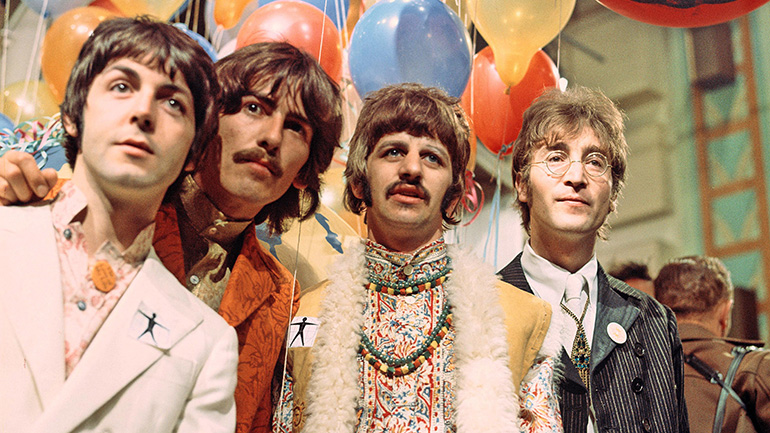
The Beatles are a four-piece rock band representing the 20th century that debuted in the United Kingdom in 1962. Their influence extended not only to their music, but also to their fashion, speech, and thought, creating a social phenomenon. One of the most notable aspects of their music is that their own musical development has directly influenced the musical development of the entire musical world and of their fans, who are their listeners.
Recording Details
1963
February 11.
First through third takes are recorded.
February 20
George Martin overdubs celesta and piano on take 3 and creates takes 4-6.
February 25
Mono mixing and stereo mixing were done on the same day based on take 5.
Do You Want To Know A Secret
This is a work by John, with George on lead vocals.
John: "When I was about one or two years old, my mother used to sing this melody. It was a number from a Disney movie. I took the melody that was stuck in my head and made George sing it.
George: "I think this song was more or less influenced by the Stereos' 1961 hit "I Really Love You.
It is said that John's original Disney song was "I'm Wishing," a song from "Snow White," but there are also theories that it was "Cinderella" or "Fantasia," or that John remembered a passage from Jiminy Cricket's song that Pinocchio sings to him in "Pinocchio" and expanded it from there. John remembered a line from Jiminy Cricket's song that Pinocchio sings to him in "Pinocchio".
Billy J. Kramer & The Dakotas, who were under Brian's management, covered this song and it was number one in the UK. John made a demo tape for Billy J. Kramer on acoustic guitar, but recorded it in a bathroom because "it sounded good and it was the quietest and most suitable place," and the tape ends with the sound of running water.
*Recording details
1963
February 11.
Takes 1-8 were recorded.
Take 8 is an overdub of Take 6 with harmonies and drumstick tapping.
February 25
Mono mixing and stereo mixing were done on the same day based on take 8.
A Taste Of Honey
The original song was the theme song for the 1960 Broadway musical of the same name, and was an instrumental that was performed repeatedly in the musical. It was originally a Broadway musical adaptation of the 1958 British play of the same name, which was made into a 1961 British movie of the same name. The first vocal version was recorded by Billy Dee Williams in 1961. The Beatles based their version on Lenny Welch's version released on September 17, 1962.
Paul was the lead vocalist.
John hated the song and once sang the chorus "A Taste Of Honey" part as "A Waste Of Money" at a live show.
A taste of honey/Lenny Welch
Recording Details
1963
February 11.
Takes 1-8 were recorded.
The vocal from take 5 is overdubbed onto the vocal from take 7, making this the only vocal double-tracking song on the album.
February 25th
Mono mixing and stereo mixing are done on the same day based on the 7th take.
There's A Place
John's work and lead vocalist is also John.
John: "'There's A Place' is a darker song, aiming for the Motown line. The lyrics are in the usual Lennon style.
Paul: "The 'place' is in my head. I'm writing on an intellectual level.
The 10-hour recording session on February 11, 1963 began with the recording of this song.
The title is taken from the song "Somewhere," an insert from the musical "West Side Story.
The opening lyrics of "Somewhere" are as follows
There's a place for us, Somewhere a place for us.
Somewhere a place for us.
Recording details
1963
February 11
Takes 1 to 13 were recorded.
Take 13 is an overdub of harmonica over Take 10.
February 25
Mono and stereo mixing is done on the same day based on the 13th take.
Twist And Shout
The original Top Notes single was released in 1961 and produced by Phil Spector, who would later produce "Let It Be. One of the song's authors, Bert Russell (then known as Bert Berns), told Phil Spector that he had "ruined the song" and produced his own version by the Isley Brothers. The Beatles used the Isley Brothers' version as a reference. Thinking back, the Beatles and Phil Spector may not have been a good match from this time on.
Twist and Shout/Top Notes
Twist and Shout/The Isley Brothers
The lead vocalist was John, and the song was played at the end of a recording session that lasted about 10 hours on February 11, 1963. The recording session was so long that the studio was about to close, but there was still one song missing, so this song was recorded in a hurry.
Engineer Norman Smith: "Someone suggested that we do the Isley Brothers' 'Twist And Shout' with John on lead vocals. But by then, we were all using our voices so much that our throats were already hurting a lot. It had been 12 hours since we started the session. John, in particular, was one step away from completely destroying his voice, so we really had to decide on a one-shot recording. So the Beatles went into the studio, we went back to the control room, John popped a couple of throat lozenges in his mouth, gargled some milk, and we went to work.
George Martin: "There was one song that was always a big deal when we played it at Cavern. That was 'Twist And Shout. John was just screaming. God only knows what he was doing to his throat every time he sang it. He was singing like he was tearing his flesh out. That was a song that should have been finished on the first take, and I knew it would never get any better the second time around.
John: "I was just noodling with the lyrics."
Second engineer Richard Langham: "I just wanted to jump up and down when I heard them sing that song. It was a phenomenal performance."
Engineer Chris Neal, who was not in charge that day but happened to be in the control room, said, "John got naked on top and recorded that incredible vocal. The next morning Norman Smith and I walked around the copy room of the studio playing the tape to everyone and saying, 'Isn't it amazing?
George Martin: "I don't know what's going on with these guys, they're recording all day and the longer they work on it, the better it gets.
The song was a regular part of the live repertoire from 1962 to 1965, and was performed as the closing number. When Paul's "Long Tall Sally" replaced the closing number, it was played as the opening number.
John said, "I don't like playing 'Twist And Shout' at concerts with black artists. Something about it just doesn't feel right. It feels like their music, and it makes me uncomfortable. It makes me want to squirm. Black people's music is much more interesting. Black people's music is much more interesting, because it's very simple. You're asking them to shake their asses and dicks and stuff. That's a great reform. Black people sing about their pain, about sex, without any hesitation. That's why I like it.
The song "Twist And Shout" was used in the 1986 American film "Ferris Suddenly One Morning.
Paul: "I saw 'Ferris Suddenly One Morning. I liked it as a movie, but what a surprise, they overdubbed the lame brass into 'Twist And Shout! If we needed brass, we would have put it on ourselves a long time ago.
Twist And Shout/from the movie "Ferris Suddenly One Morning
Recording Details
1963
February 11.
First and second takes recorded.
One of the anecdotes about The Beatles is that they recorded only one take of "Twist And Shout," but actually two takes were recorded.
February 25.
Mono mixing and stereo mixing are done on the same day based on the first take.
With The Beatles
Side A
It Won't Be Long
All I've Got To Do
3. All My Loving
Don't Bother Me
5. Little Child
Till There Was You
Please Mister Postman
Side B
Roll Over Beethoven
2. Hold Me Tight
You Really Got A Hold On Me
I Wanna Be Your Man
Devil In Her Heart
Not A Second Time
Money (That's What I Want)
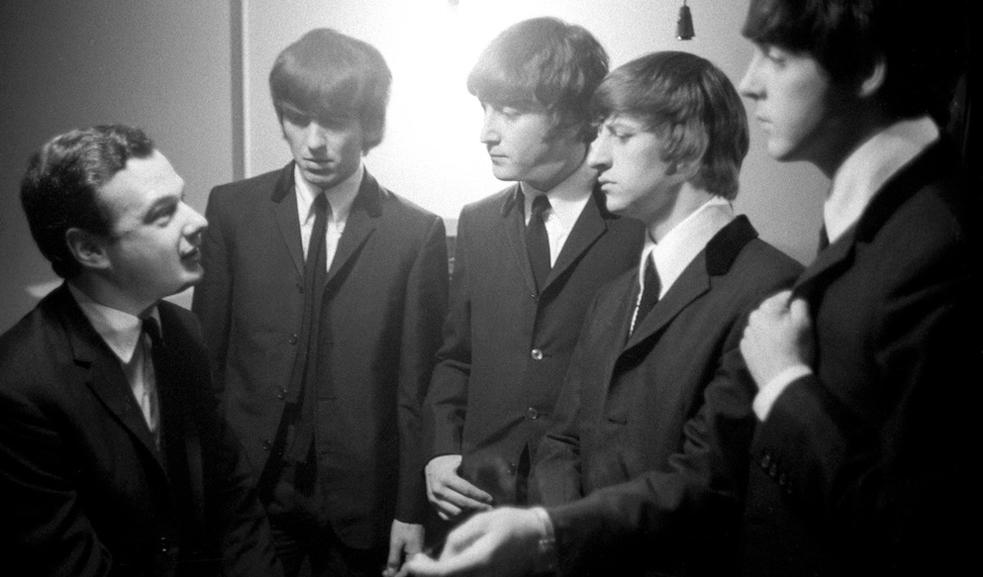
The second album was released on November 22, 1963.
It was released after the singles "From Me To You" and "She Loves You," but these two singles were not included.
The recording process is as follows.
● 1963.
July 1
The following two songs were recorded.
She Loves You
Get You In The End (later "I'll Get You")
July 4
Mono mixing of the following two songs
She Loves You
Get You In The End (later "I'll Get You")
July 18
The following four songs are recorded
You Really Got A Hold On Me
Money (That's What I Want)
Devil In Her Heart
Till There Was You
All songs recorded on this day were covers, and no original recordings were made.
July 30
The following 6 songs were recorded.
Please Mister Postman
It Won't Be Long
Money (That's What I Want)
Till There Was You
Roll Over Beethoven
All My Loving
August 21
Mono mixing of the following 8 songs
Devil In Her Heart
Money (That's What I Want)
You Really Got A Hold On Me
Please Mister Postman
Till There Was You
Roll Over Beethoven
All My Loving
It Won't Be Long
August 23
Single "She Loves You/I'll Get You" released
September 11
The following five songs are recorded
I Wanna Be Your Man
Little Child
All I've Got To Do
Not A Second Time
Don't Bother Me
September 12
The following four songs were recorded.
Hold Me Tight
Don't Bother Me
Little Child
I Wanna Be Your Man
September 30
The Beatles do not participate on this day.
Martin worked on overdubs, recording, and mono mixing.
Overdubs.
Little Child
Hold Me Tight
Recording.
Money (That's What I Want)
I Wanna Be Your Man
Mono mixing
All I've Got To Do
Don't Bother Me
Little Child
Hold Me Tight
Not A Second Time
Martin overdubs another take of piano on "Money (That's What I Want)" and Hammond organ on "I Wanna Be Your Man".
October 3.
The following two songs are recorded
I Wanna Be Your Man
Little Child
Ringo's maracas and vocals on "I Wanna Be Your Man" and John and Paul's vocals on "Little Child" were overdubbed.
October 17
The following three songs are recorded.
You Really Got A Hold On Me
I Want To Hold Your Hand
This Boy
On this day, a 4-track recording deck is set up in the studio.
You Really Got A Hold On Me" is recorded on a 4-track, but it is finished in one take.
Also recorded was "The Beatles' Christmas Record" for the fan club.
October 21.
Mono mixing of the following two songs.
I Want To Hold Your Hand
This Boy
Stereo mixing of the following two songs
I Want To Hold Your Hand
October 23
Recorded the following
I Wanna Be Your Man
Mono mixing of the following three songs
I Wanna Be Your Man
Little Child
Hold Me Tight
October 29
Stereo mixing of the following 14 songs.
It Won't Be Long
All I've Got To Do
All My Loving
Don't Bother Me
Little Child
Till There Was You
Please Mister Postman
Roll Over Beethoven
Hold Me Tight
You Really Got A Hold On Me
I Wanna Be Your Man
Devil In Her Heart
Not A Second Time
Money (That's What I Want)
October 30
Stereo mixing was done again.
Money (That's What I Want)
November 22
Second album "With The Beatles" is released.
November 29
Single "I Want To Hold Your Hand/This Boy" is released
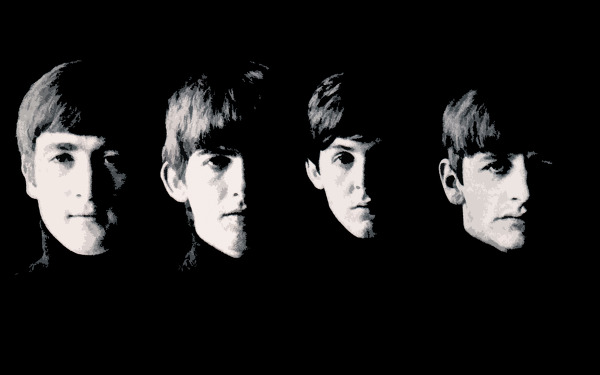
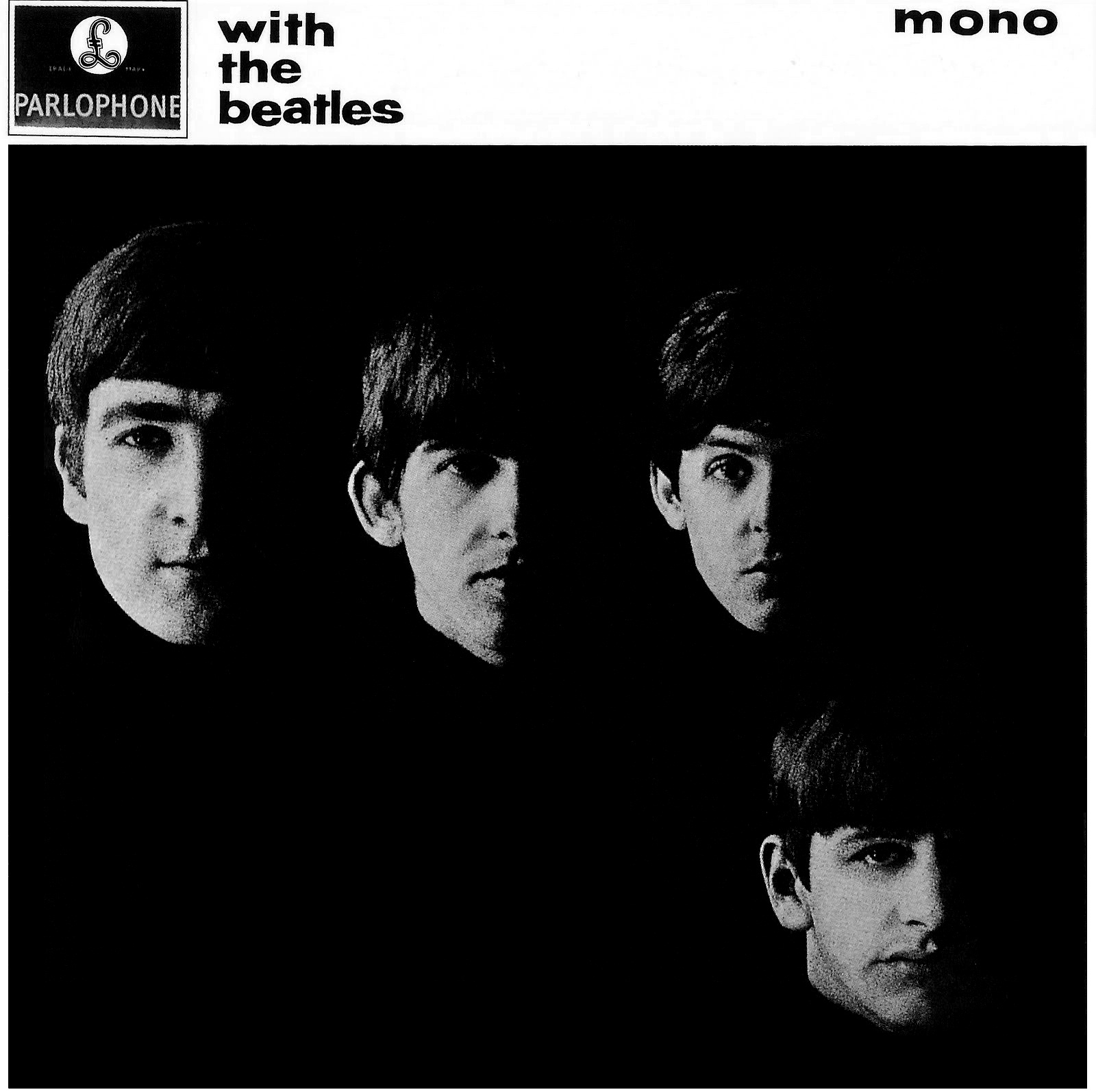
The cover is "Half Shadow" taken by photographer Robert Freeman at the Palace Court Hotel in Bournemouth, England on August 22, 1963. He would go on to work on the jackets for "Beatles For Sale," "Help!" and "Rubber Soul. He also published a book of photographs of The Beatles.
This "Half Shadow" was originally taken by Astrit Kirchherr, a friend of The Beatles whom they met during a concert in Hamburg, and the members showed Robert the photo taken by Astrit and asked him to make it look like this.
Paul said, "Robert Freeman was the closest to our feeling of any photographer up to that point. That one was shot in a little dark hallway in a hotel with four chairs in just one hour. There was a window at the end of the hallway, and I used the natural light coming in from the right side to take that picture.
The cover has inspired numerous parodies and homages, including works by Genesis, The Residents, Queen, and Momoiro Clover Z.
It was first released on CD in 1987.
Their debut album for Capitol, "Meet The Beatles," was released on January 20, 1964, using the cover of the British "With The Beatles" album, but the songs on the album were edited in the U.S. The album was released in the U.S. on January 20, 1964.
In Japan, "Stereo!" was released on May 25, 1966, with a different jacket and song order. With The Beatles Vol. 2" was released on June 5, 1976, with the same jacket and song order, but again, not in mono. The first mono analog album with the same specifications as the UK release was a limited reissue in the original mono series on January 21, 1982.
Their debut album in Japan, "The Beatles! was released on April 5, 1964, using the cover of the British release "With The Beatles," but the songs on the album were edited in Japan.
In the charts of the British Melody Maker magazine, the album reached No. 1 for the first time on November 30, 1963, kicking out "Please Please Me" by The Beatles, which was also No. 1 at the time. It remained at No. 1 for 22 weeks until April 25, 1964. During that time, "Please Please Me" held the No. 2 position for a long period of time, except for March 7, 1964, when it held the No. 1 and No. 2 positions. Please Please Me" was #3 on March 7, 1964.
The Beatles' second album, this album was released on November 22, 1963, which coincidentally was also the day President Kennedy was assassinated in the United States.
There are five covers by black artists, including three from Motown, and the album has a strong R&B influence.
It is also the first album to feature George's own compositions, and his second debut album to feature no single songs at all.
Ringo said, "Everyone brought their own favorite songs for the cover songs on this album. When I joined The Beatles, we didn't know each other very well. Of course, the other three knew each other. And yet our record collections were almost identical. We all had Miracles and Bullet Strong.
George says, "Before we went to the show, the guys would get together at NEMS (owned by manager Brian Epstein), a record store after it closed, and go through the shelves looking for songs that people didn't know. We found 'Some Other guy,' 'Money (That's What I Want),' and 'Devil In Her Heart.
John says, "The first trick I used was double-tracking on the second album. I was told I could do it. That set everything in motion. The second album is literally 'double-tracked to exhaustion. John says, "I was very happy with the way it turned out.
Pete Thomas, drummer for Elvis Costello & The Attractions, says, "I got 'With The Beatles' when I was nine, and then my grandma bought me a used drum and cymbals. Then my grandma bought me used drums and cymbals. What else do you need? Drums, cymbals, and With The Beatles. Has the world come any closer since then? He said.
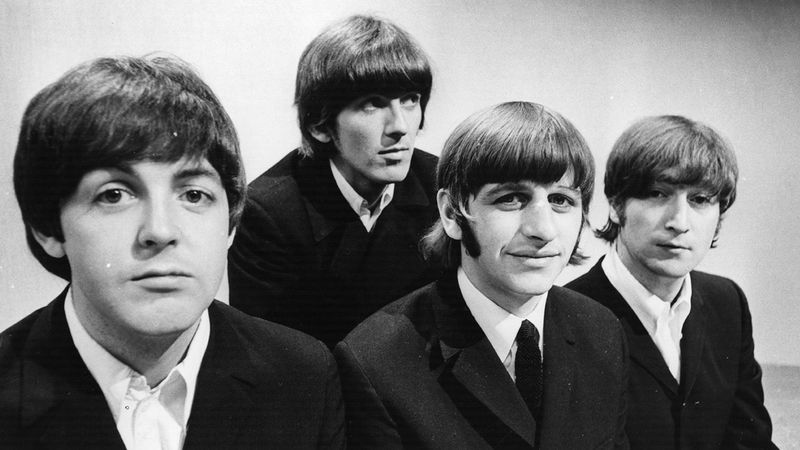
Outline of the tracks
It Won't Be Long
This is John's work and the lead vocalist is also John. The song begins with vocals without an introduction, and "Yeah," one of the Beatles' most famous songs, appears for the first time.
John: "I tried to write it for a single, but it didn't come out perfect. I figured it would fail, so I turned it in for the album."
Canadian singer/songwriter Neil Young sang this song for the first time in public.
*Recording Details
1963
July 30
First through 23rd takes are recorded.
August 21
Takes 17 and 21 are edited and mono-mixed based on them.
October 29
Editing of takes 17 and 21, based on which mono mixing was done.
All I've Got To Do
This is John's work, and the lead vocalist is also John.
John: "This is another song where I tried to do Smokey Robinson."
This is the first time that Paul plays chords on the bass guitar.
As an example, in "I" after the opening "Whenever," he first plays the E on the free string, then plays C#, G#, and C# at the same time. In addition, he plays chords in many other places.
Recording Details
1963
September 11.
Takes 1 through 15 are recorded.
Paul and George overdub the chorus from take 14 and create take 15.
September 30
Mono mixing is done based on take 15.
October 29
Stereo mixing is done based on take 15.
All My Loving
Paul's work, with lead vocals by Paul.
John: "It's one of his early masterpieces." "All My Loving" is Paul's. I'm sorry to say, but it's ....... Because it's a really good song. But I play some pretty nifty guitar in the background, too.
Paul: "This is the first song I ever wrote that had lyrics before the song. I wrote the lyrics on the tour bus and wrote the song after the bus got there.
Although there are no different takes in the strict sense of the word, there is a version of the song that begins with a high-hat count of "tsk, tsk, tsk, tsk, tsk" five times before the song begins.
The "hi-hat version" is included in the following albums.
German albums "With the Beatles", "Beatles Greatest", and "All my Loving" (4-song EP)
The Beatles Greatest" for the Netherlands
The Beatles Box" (an 8-album compilation set designed by World Records, the mail-order division of EMI, and distributed only by mail order)
(This is a set of 8 albums compiled by World Records, the mail order division of EMI, and distributed only by mail order. Greatest" (domestic edition of "The Beatles Greatest")
Recording Details
1963
July 30.
Takes 1 to 14 were recorded. However, take 5 is missing, so a total of 13 takes were actually recorded.
Paul's second vocal and electric guitar were overdubbed onto the 11th take to create the 14th take.
August 21
Mono mixing is performed based on the 14th take.
October 29
Stereo mixing is done based on the 14th take.
Don't Bother Me
This is George's work, and lead vocals are also by George.
There are other examples such as "Cry For A Shadow" (an instrumental co-written by John and George) recorded in Hamburg, and "In Spite Of All The Danger" (co-written by Paul and George), an independent single from the Quarrymen era that was released on "Anthology 1", but this is the first time that a song written by George has been released. This is the first time that a song written by George has been released on the album.
Paul commented on "In Spite Of All The Danger" as follows.
I think I actually wrote the song, even though the label says it was me and George. George played the guitar solo. We were buddies and nobody said anything about copyrights or copyrights. Nobody knew. Even after we went to London, I actually thought the songs were shared by all of us. I really thought they were just floating in the air and no one could grab them. I've said this several times and it's true. George played the guitar solo and we interpreted it as 'George wrote it.
George: "The first time I wrote a song was to see if I could write a song. I wrote it in a hotel in Bournemouth, England. We played there in the summer of 1963, but I was ill and laid up. Maybe that's why it was titled "Don't Bother Me" (leave me alone). I don't think it's a very good song. I don't think it's a very good song, or maybe I can't even call it a song. But thanks to this, I can at least think that as long as I keep writing, I might be able to write a good song someday. I still feel the same way: "I hope I can write a good song. The criteria for a "good song" change. It is because of this that composing has become my life's work."
Bill Harry, then editor-in-chief of Mersey Beat magazine, said, "Why don't you write songs like John and Paul? He wrote a letter to them saying, "Write something other than 'Cry For A Shadow' as soon as possible," to which the song was written as a response (leave me alone).
John: "(In response to George's complaint that his song was being treated unfairly) We've been working on your song a lot since "Don't Bother Me". We spent a long time bloovin' together and ....... I still remember those riffs you used to play."
George: "Writing a song, even a song like ...... "Don't Bother Me," for example, relieves some of the unconscious burden. Writing a song is like going to confession."
*Recording details
1963
September 11.
The first through seventh takes are recorded. The recording was not satisfactory, so a remake was made the next day.
September 12
Take numbers are rounded up from 10 for the remake, and takes 10 through 19 are recorded.
George's second vocal, Paul's claves (a percussion instrument made by striking two sticks together), John's tambourine, and Ringo's Arabian bongo were overdubbed onto take 13 to make take 15.
September 30
Mono mixing is done based on the 15th take.
October 29
Stereo mixing is done based on Take 15.
Little Child
Co-written by John and Paul, with John on lead vocals.
John: "We wrote it together. Paul and I made up this song together.
Originally Ringo was supposed to sing, but he sang "I Wanna Be Your Man," so John sang instead.
John said, "I think we both wrote it for Ringo. We put a lot of effort into writing that song, and it didn't go over very well."
Paul: "I took Elton Hayes' melody (for the "I'm so sad and Lonely" part)." Paul: "(I'm so sad and Lonely) was given a melody by Elton Hayes, and we were supposed to do a Ringo song in the next two hours."
Paul played the piano, which was the first time a member of the band played it outside of George Martin.
Recording Details
1963
September 11.
First and second takes are recorded.
September 12
Takes 3 to 18 are recorded.
Take 7 was used as the basic track, to which John's harmonica was overdubbed to create Take 13. Then Paul's piano was overdubbed to take 15. Finally, John's harmonica (solo) was overdubbed to take 18.
September 30
Take 15 and Take 18 are edited, and mono mixing is done based on them.
This mono mixing is not used.
October 3
John and Paul's vocals are overdubbed, and takes 19 through 21 are created.
October 23
Mono mixing is done based on take 21.
October 30
Stereo mixing is performed based on Take 21.

Related Articles
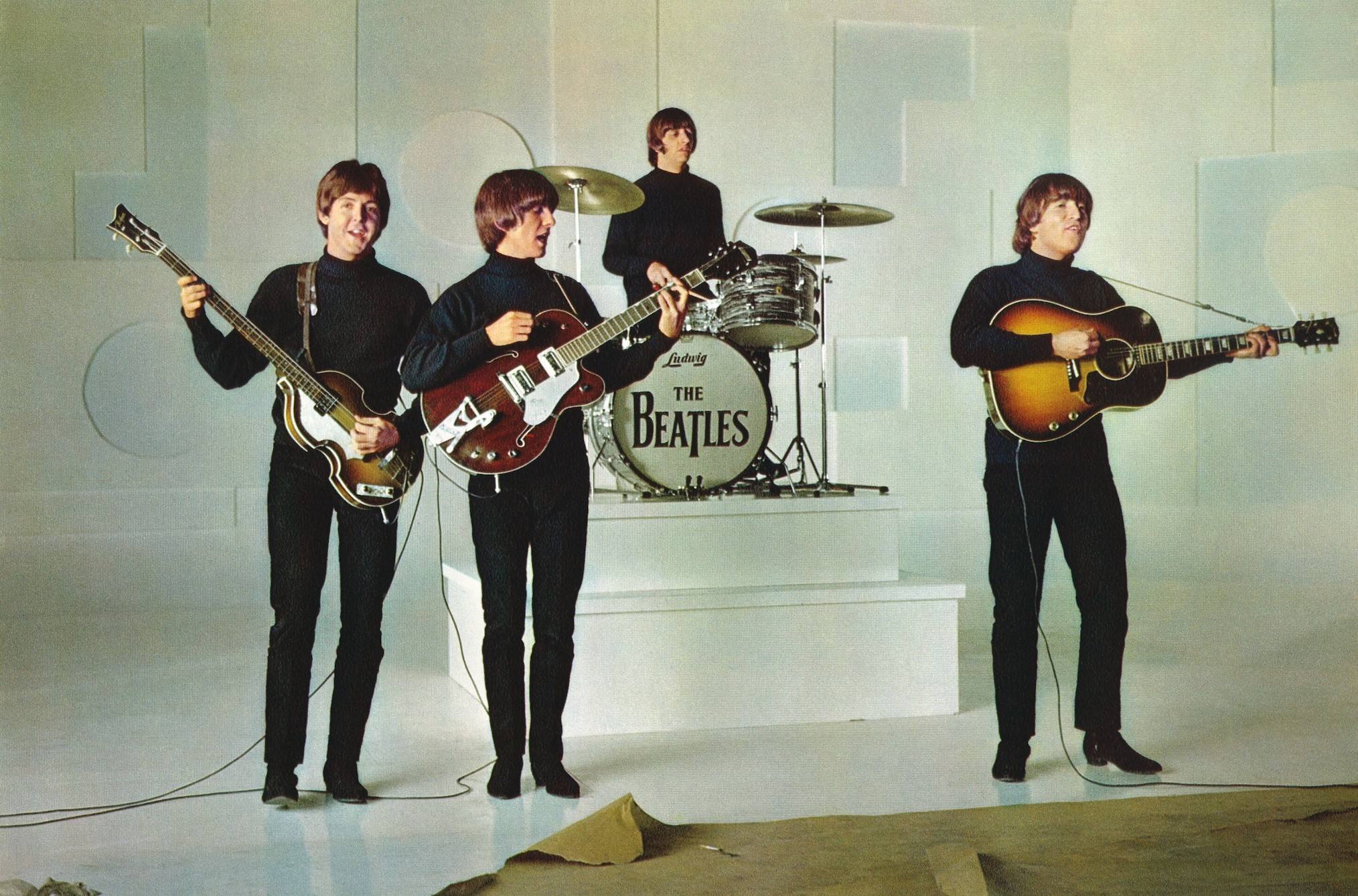
Summary of quotes and statements by The Beatles
The Beatles were one of the most popular rock bands of the 20th century, active from the 1960s to the 1970s, and made their record debut on October 5, 1962. The Beatles were ranked No. 1 on Rolling Stone's list of the 100 Greatest Artists of All Time, and are regarded around the world as one of the most influential rock bands of the 20th century. The band hails from Liverpool, England. Not only their music, but also their ideas and statements have attracted a great deal of attention and have had a great impact on the world.
Read Article
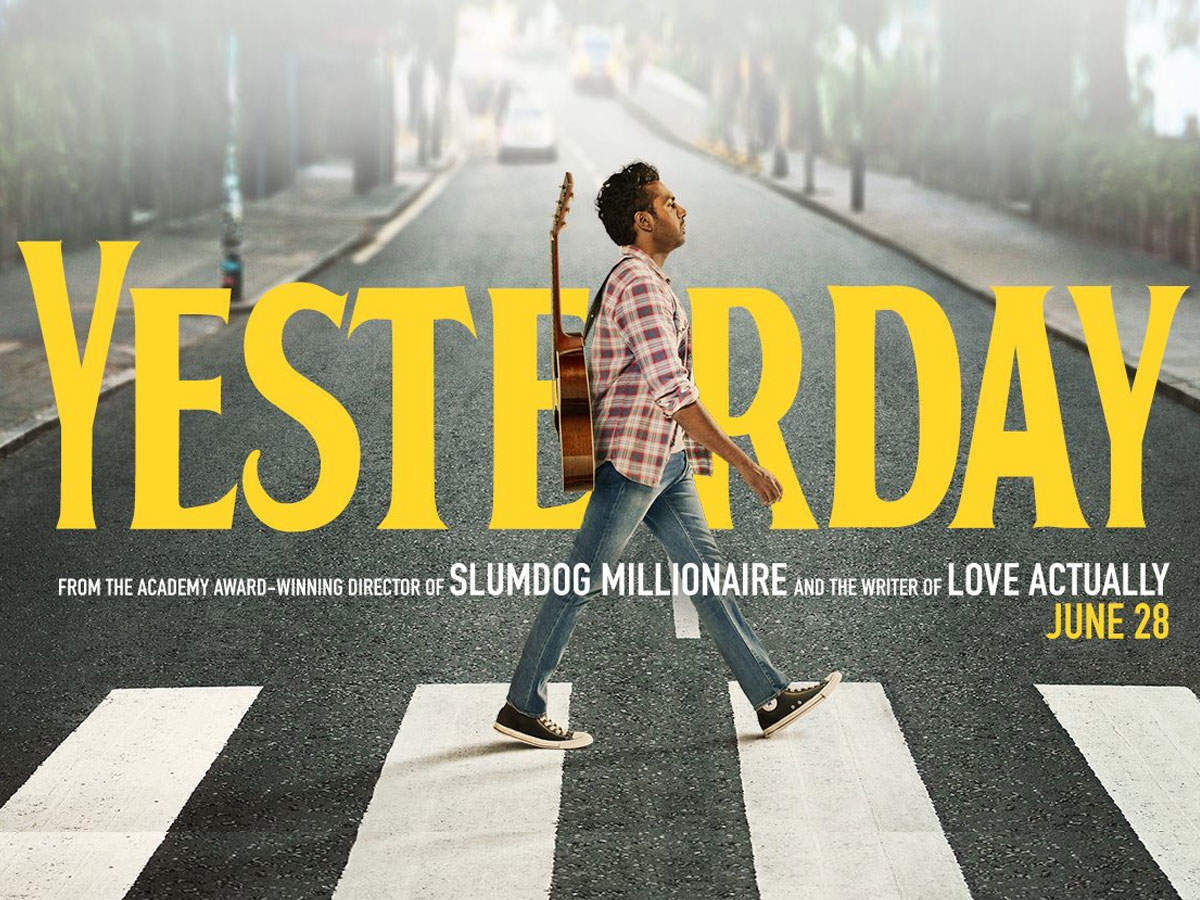
Yesterdays (film) spoiler alerts and discussion summary
Yesterday" is a stylish and heartfelt romantic comedy film produced in England. The main character, Jack, an unsuccessful singer-songwriter, is hit by a bus one day. He recovers from unconsciousness, but when he wakes up in the world, the legendary band "The Beatles" does not exist. For some reason, Jack is the only one who remembers the Beatles. The song "Yesterday," which he performed based on his memories, gradually changes Jack's ordinary life. This is a film that mixes fantastical elements with realism, and allows viewers to enjoy friendship, love, and anguish along with the Beatles' classic songs.
Read Article
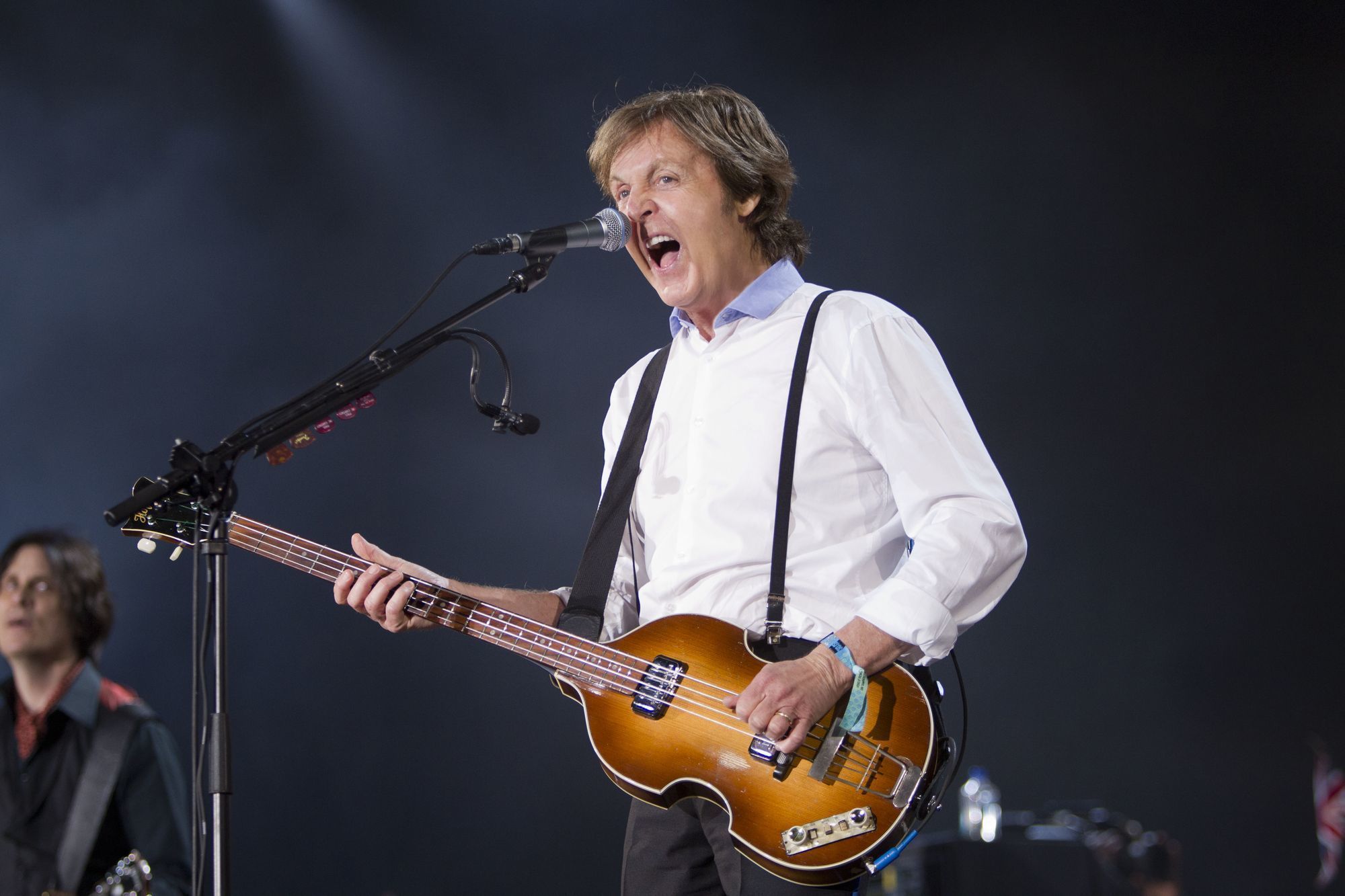
Paul McCartney was dead, former member Ringo Starr testifies! A new development in the urban legend?
Former Beatles drummer Ringo Starr stunned the world when he said in an interview with a publication that the "real" Paul McCartney died in a car accident on November 9, 1966. Here is Ringo's statement, urban legends about Paul, and his own reaction.
Read Article
The Sessions, a recreation of the recording sessions of the legendary Beatles band, is coming!
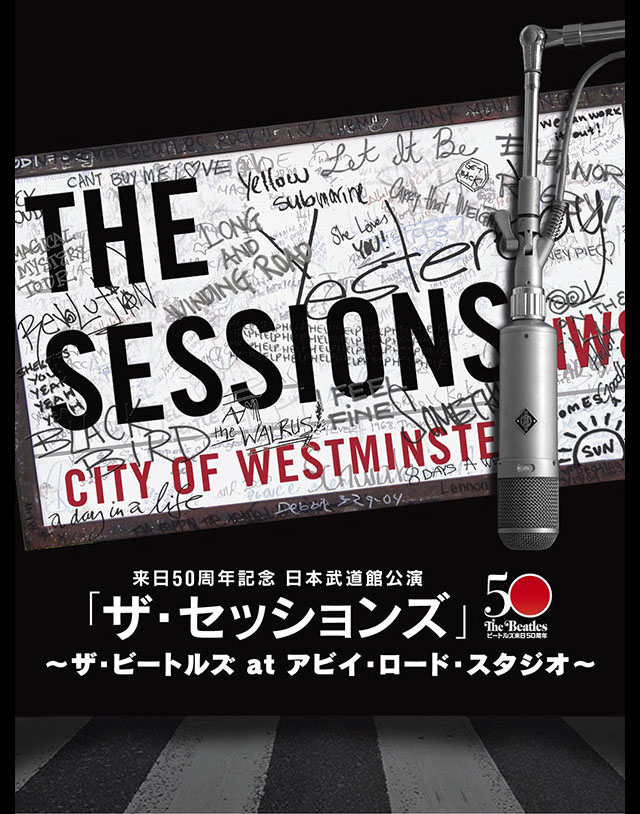
It has been 50 years since the Beatles came to Japan. They were the first foreign artists to perform live at the Nippon Budokan on June 30 and July 1, 1966. On those very same days and at the same place, an event will be held to recreate the Beatles' recording sessions. The title of the event is "The Sessions. It is an attempt to perfectly recreate the Beatles' studio sessions at Abbey Road Studios using a variety of technologies.
Read Article
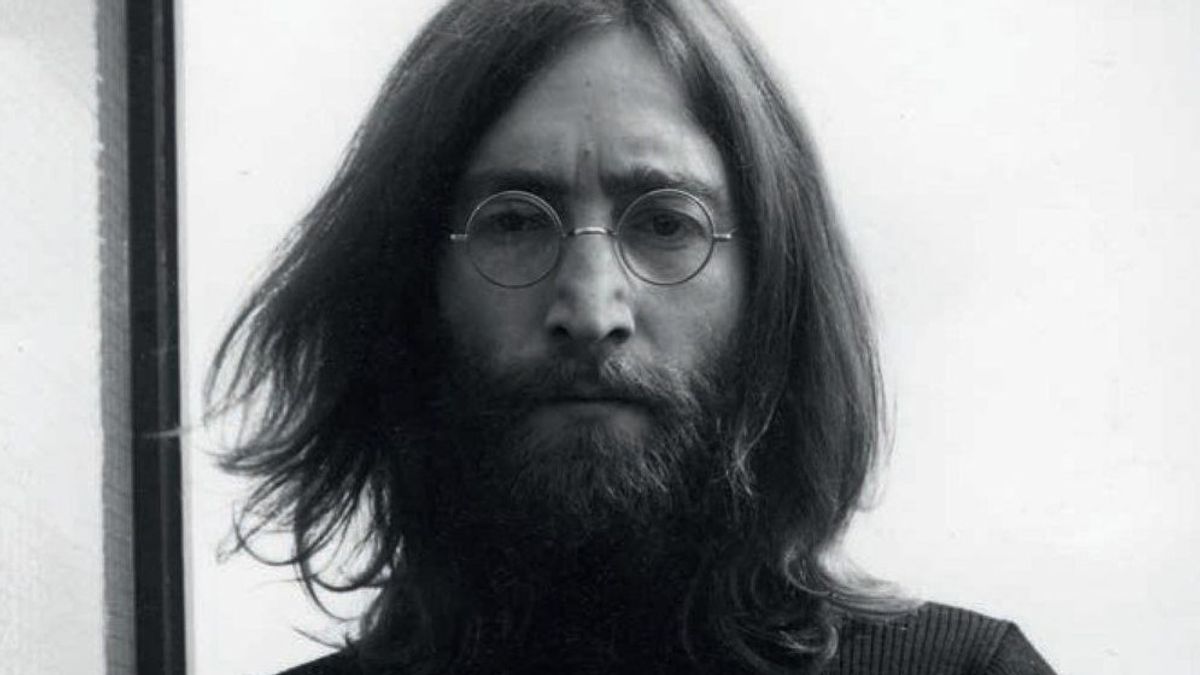
[John Lennon] Summary of celebrities and entertainers who died between the ages of 40 and 49 [Ken Maeda].
Entertainers and celebrities who have had a great impact on the world. Many of them have left this world at the young age of 40s. Diseases, accidents, suicides, assassinations.... In this article, we have compiled a list of such people. Although the causes vary, it is always painful to lose a person, no matter what time period or country.... We sincerely pray for the repose of their souls.
Read Article
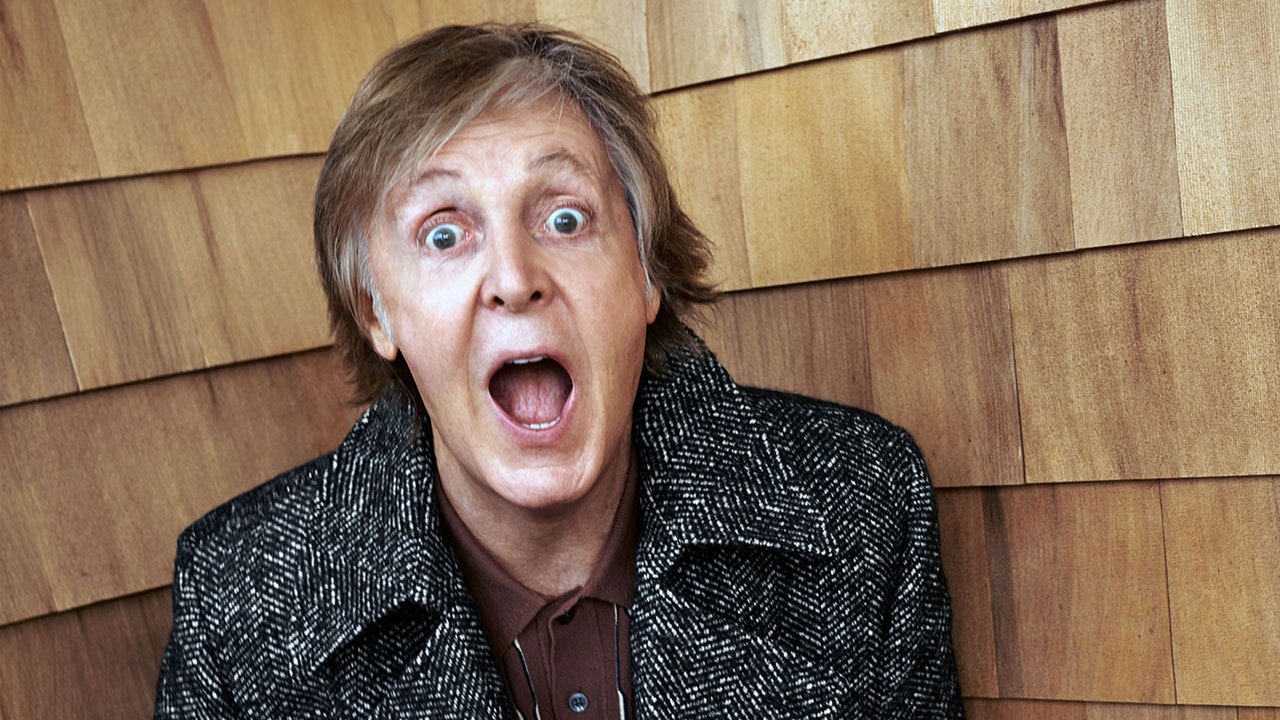
![Paul McCartney] Summary of Hollywood stars and celebrities who are actually suspected of being anti-Japanese [Cameron Diaz](https://renote.net/files/blobs/proxy/eyJfcmFpbHMiOnsiZGF0YSI6NzA3OTE5MiwicHVyIjoiYmxvYl9pZCJ9fQ==--f54ed1968ea175d8f6be5ccbc0aac2b4b47ef326/5b111e621ae6624f008b472a.jpg)
Paul McCartney] Summary of Hollywood stars and celebrities who are actually suspected of being anti-Japanese [Cameron Diaz
The term "Hollywood star" is synonymous with world-famous performers. Of course, they are very well known in Japan, too! Some of them have openly stated that they "love Japan! but there are some who are suspected of being anti-Japanese. I don't know if it is true or not, but if these people are capable of world-class performances, they may be able to distinguish between their real intentions and their pretense in a matter of seconds.
Read Article
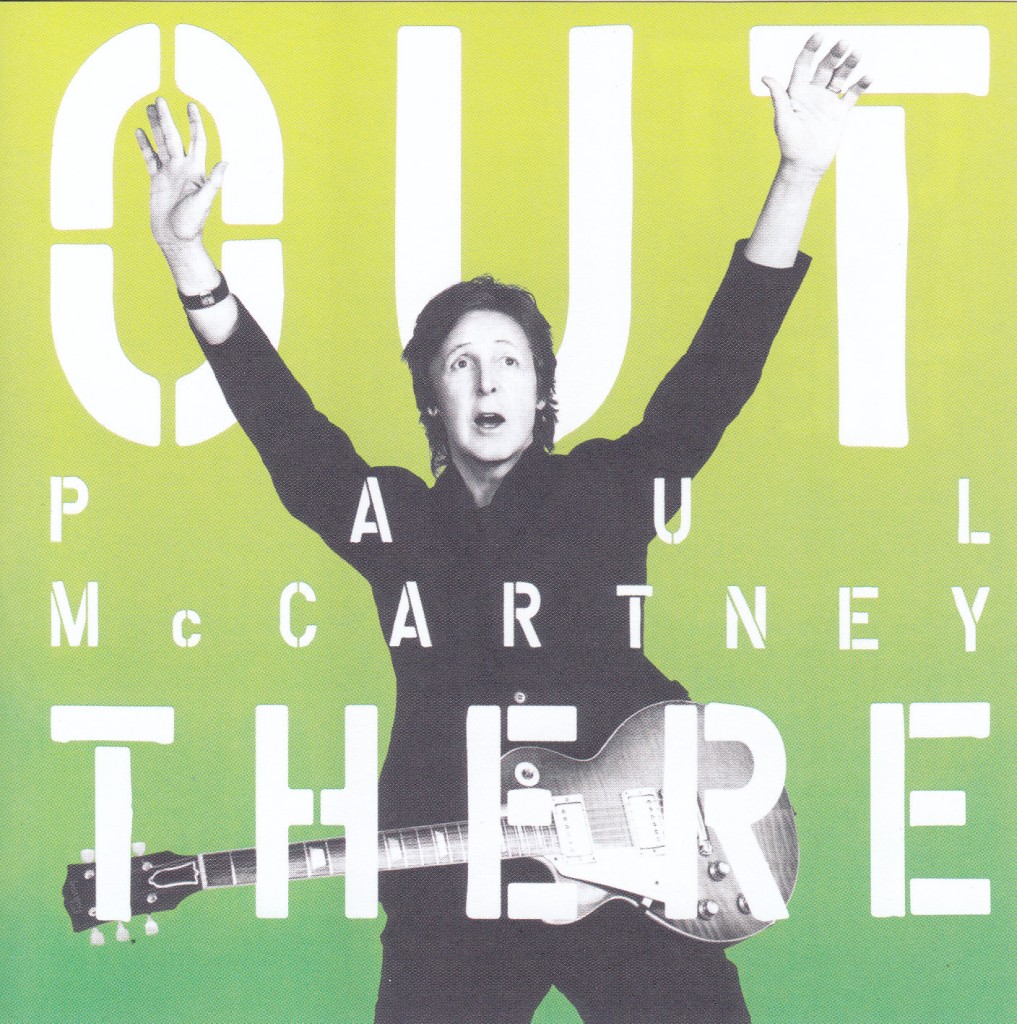
All Paul McCartney shows in Japan cancelled! Discussion of the possibility of a return visit to Japan!
Paul McCartney was scheduled to make his long-awaited return to Japan in May 2014, including his first Budokan concert in 48 years, but he became ill with a viral inflammation and canceled all shows shortly before the show. Many fans were disappointed and many wondered what would happen to him in the future. This article summarizes the situation at that time and the possibility of Paul's return to Japan for a replacement show, which he hopes to do.
Read Article
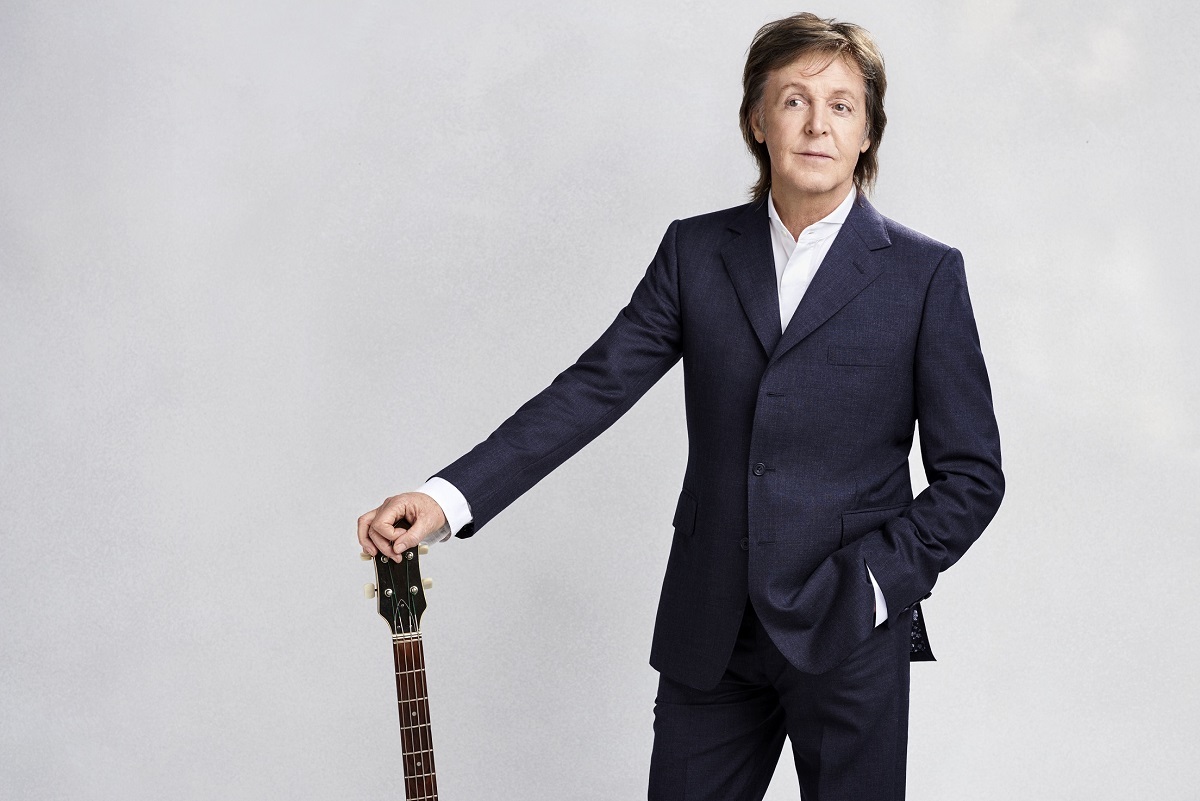
Paul McCartney suffered from "twisted intestines" and underwent emergency surgery in Japan!
Paul McCartney came to Japan for his first tour in six months, but canceled all shows due to poor health. The name of his illness was announced as viral inflammation, but it was later revealed that he had undergone surgery for intestinal sprain in Japan. The following is a summary of the illnesses that the great star suffered from in Japan.
Read Article
Paul McCartney cancels all shows! Explains the reason "viral inflammation"!
Paul McCartney, who was scheduled to return to Japan in May 2014, has become ill due to viral inflammation and has had to cancel all of his performances, including the Budokan concert. What is this "viral inflammation"? We will present a summary of Paul's sudden illness, which has several possibilities.
Read Article
Tags
Contents
- The Beatles Overview
- Members of The Beatles
- John Lennon
- Paul McCartney
- George Harrison
- Ringo Starr
- Former member of The Beatles
- Stuart Sutcliffe
- Pete Best
- People related to The Beatles
- Allan Williams
- Raymond Jones
- Brian Epstein
- George Martin
- A Brief History of The Beatles
- Birth and Death
- Major Events
- 1956-1961
- 1962-1966
- 1967-1970
- Analog release in the U.K.
- single
- 4-track EP
- album
- Analog release in the U.S.
- single
- 4-track EP
- album
- Analog release in Japan
- single
- 4-track EP
- album
- Solo Works
- Related Works
- The Beatles CDs
- The Beatles Discography
- original album
- Please Please Me
- With The Beatles
- A Hard Day's Night
- Beatles For Sale
- Help!
- Rubber Soul
- Revolver
- Sgt. Pepper's Lonely Hearts Club Band
- Magical Mystery Tour
- The Beatles
- Yellow Submarine
- Abbey Road
- Let It Be
- Editorial Albums & Other
- A Collection Of Beatles Oldies
- Hey Jude
- 1962-1966
- 1967-1970
- Rock 'N' Roll Music
- The Beatles At The Hollywood Bowl
- Love Songs
- Rarities (UK release)
- Rarities (U.S. version)
- The Beatles Ballads
- The Beatles Box
- Reel Music
- 20 Greatest Hits
- Past Masters Volume One
- Past Masters Volume Two
- Live At The BBC
- Baby It's You
- Anthology 1
- Free As A Bird
- Anthology 2
- Real Love
- Anthology 3
- Yellow Submarine Songtrack
- 1
- Let It Be... Naked
- love
- Mono Masters
- On Air - Live At The BBC Volume 2
- Live At The Hollywood Bowl
- Sgt. Pepper's Lonely Hearts Club Band (50th Anniversary Edition)
- The Beatles' most popular songs
- Love Me Do
- Please Please Me
- Twist And Shout
- From Me To You
- She Loves You
- All My Loving
- I Want To Hold Your Hand
- Can't Buy Me Love
- You Can't Do That
- A Hard Day's Night
- Long Tall Sally
- Baby's In Black
- Ticket To Ride
- Help!
- Yesterday
- Day Tripper
- We Can Work It Out
- Nowhere Man
- Paperback Writer
- Yellow Submarine
- Eleanor Rigby
- Strawberry Fields Forever
- Penny Lane
- A Day In The Life
- Hello Goodbye
- I Am The Walrus
- Lady Madonna
- Hey Jude
- Revolution
- Hey Bulldog
- Get Back
- Don't Let Me Down
- The Ballad Of John And Yoko
- Something
- Let It Be
- Free As A Bird
- Real Love
- The Beatles' backstory, trivia, small stories/episodes, anecdotes
- Dramatic departure of a member
- Paul's death theory
- The three major crises of 1966
- Mr. Toshitake Kotei
- Imelda Marcos
- Tommy Charles
- A Tribute to The Beatles