
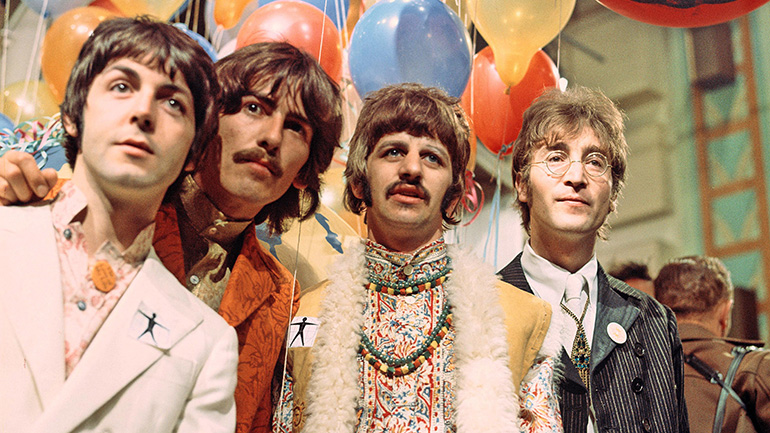
The Beatles are a four-piece rock band representing the 20th century that debuted in the United Kingdom in 1962. Their influence extended not only to their music, but also to their fashion, speech, and thought, creating a social phenomenon. One of the most notable aspects of their music is that their own musical development has directly influenced the musical development of the entire musical world and of their fans, who are their listeners.
Recording Details
1963
February 11.
Takes 1 through 12 were recorded.
Overdubbed handclaps to the first take and made the 12th take.
February 25
The count of "one, two, three, four" from take 9 was added to the beginning of take 12.
Based on this edited take, mono mixing and stereo mixing were done on the same day.
The full version of Take 9 with only the count is included on the coupling of the single "Free As A Bird" released on December 4, 1995.
Misery
This song was written mainly by John. John and Paul share the vocals.
At the time, The Beatles were opening for Helen Shapiro (then 16 years old), a female idol singer who was touring in the UK. The song was written backstage in anticipation of Helen Shapiro, a popular singer, singing their song to encourage their creative work, but unfortunately, it was not adopted because "the lyrics were too dark for an idol song.
Paul: "This was my first attempt at a ballad. I wrote it for Helen Shapiro, thinking it would benefit our songwriting career if she recorded it, even if it was a B-side."
Instead of Helen, the song was covered by Kenny Lynch, who was on the same tour. The first Beatles song to be covered by Kenny Lynch.
Misery/Kenny Lynch
You Don't Know/Helen Shapiro
This was her second single when she was 14 years old, and it reached number one in the UK.
The Japanese title of the song is "Sad Kata Kanga", which was covered in Japanese by Mieko Hirota when she was also 14 years old.
Recording Details
1963
February 11.
Recording of the first through the eleventh takes
February 20
George Martin overdubs piano on take 11 and creates takes 12-16.
February 25
Mono mixing and stereo mixing are done on the same day based on take 16.
Anna (Go To Him)
The original single was released by American R&B singer Arthur Alexander on September 17, 1962. The song was not a big hit, peaking around #70 on the U.S. hit chart.
The lead vocalist is John.
Anna (Go To Him)/Arthur Alexander
Recording Details
1963
February 11.
First through third takes are recorded.
February 25
Mono and stereo mixing is done on the same day based on the 3rd take.
● Chains
The original single was released on October 2, 1962 by the Cookies, a female vocal group from New York. It was a smash hit, reaching No. 17 on the U.S. hit chart.
The song was written by Jerry Goffin and Carole King, who are known for their hit "Locomotion," and Cookies sang backing vocals on the song.
Lead vocals were sung by George.
Chains/The Cookies
Recording Details
1963
February 11.
First through fourth takes are recorded.
February 25
Mono and stereo mixing is done on the same day based on the first take with the ending faded out in the remix process.
Boys
The original song was included on the B-side of the single "Will You Still Love Me Tomorrow" released on November 7, 1960 by the Shirelles, an American female vocal group, and became a big hit.
The lead vocalist was Ringo. Pete Best sang vocals on the song at shows when the previous drummer, Pete Best, was with the group.
BOYS/THE SHIRELLES
Recording Details
1963
February 11
The first take is recorded.
February 25
Mono and stereo mixing is done on the same day based on the first take with the ending faded out in the remix process.
Ask Me Why
John took the lead in writing this song, and John is also the lead vocalist.
Paul: "We sat down and wrote this song together based on John's idea."
Regarding the songwriting, he says that it was influenced by Smokey Robinson & The Miracles, John's favorite group at the time. Leonard Bernstein, music director of the New York Philharmonic Orchestra at the time, also praised the song.
The song was first performed on BBC Radio's "Teenagers Turn" on June 11, 1962, seven months before its release as a coupling to the single "Please Please Me".
Recording Details
1962
June 6.
First recording at EMI studios.
It was a test recording to try out the band, and the drummer was still Pete Best.
November 26
First through sixth takes are recorded.
November 30
Mono mixing is done based on the 6th take.
The single "Please Please Me" was released on January 11, 1963.
1963
February 25
Mono and stereo mixing is done on the same day based on the sixth take.
This is the second mono mixing, but there is no difference in takes.
Please Please Me
This is John's work, and the lead vocalist is also John.
John: "'Please Please Me' is completely my song. I wanted to write a song like Roy Orbison. You wouldn't believe it. I wrote it in my bedroom at my house on Menloav Ave. My aunt's house. ...... I remember that day well. The bed was embroidered in pink and I was listening to Roy Orbison singing "Only The Lonely" or something. That's where I got my inspiration. And the lyric 'Please, please, listen to my wish with your little ears' really stuck with me, and I found it in a song by ...... Bing Crosby." I've always wanted to use the word "Please" over and over. So it's a combination of Bing Crosby and Roy Orbison.
The first version (recorded on September 11, 1962) had a slower tempo. Martin advised him to increase the tempo and add tighter harmonies.
Martin said, "That song was boring at first. It was very slow, the vocals were bluesy, and it sounded like a Roy Orbison number. I knew I had to speed up the tempo to make it useful in any way."
On the second recording (November 26 of the same year), a version with a faster tempo was recorded.
Martin said, "I heard it and it was great. ...... I came up with the idea for the intro and ending, and they started recording in Studio 2. It was really great. The whole session was full of joy. At the end, I pressed the intercom button in the control room and said, "You just did your first number. You just got your first number one record!
Paul: "George Martin's contribution was actually quite significant. It was with 'Please Please Me' that I first realized that he had a much broader range of ideas for the songs we put out. It was originally a Roy Orbison tune, but then Martin said, 'Let's pick up the tempo a little more. We did as he said, and we all thought it was much better. And it became a big hit.
Please Please Me" was one of the first two singles British rocker Elvis Costello ever bought (the other was John Layton's "The Folk Singer"). Costello was a member of The Beatles Fan Club when he was 11 years old.
The mono and stereo takes are different. The mono is based on an unknown take number, but the stereo is based on three newly edited takes 16, 17, and 18 for stereo mixing. Therefore, the vocals and performances are completely different versions. The main differences are as follows.
In the stereo version, John sings "Why know I never even try girl" instead of "I know you never even try girl".
John sings the following phrase "Come on" with a shy smile because he made a mistake in the third verse of the stereo version.
The stereo version of the song has George's lead guitar, which comes in after the end of the chorus "Why do you make me blue," sounding like he is making a mistake (he plays a slightly different phrase than the harmonica).
*There are several books related to The Beatles that state that the lyrics of the second verse are also sung incorrectly, but unfortunately I (the author) could not discern the difference.
*It sounds like George's lead guitar is making a mistake, but the live video shows that he is tracing the phrases from the stereo version, so I assume that this is the arrangement.
Recording Details
1962
September 11.
Number of takes is unknown. At this stage, it was still a slow version.
November 26
Takes 1 through 18 were recorded. Harmonica was added in overdubs.
November 30
Mono mixing is done (take number unknown); released as a single on January 11, 1963.
1963
February 25.
Three takes (16th, 17th, and 18th) were edited and stereo mixing was done based on them. Thus, the single and mono album versions of "Please Please Me" are identical, but the stereo album version is a different take.
Love Me Do
This song was written mainly by Paul, who also sings lead vocals. John also helped with the middle part.
John: "Paul wrote most of this song, when he was 16, or maybe even younger. I think I helped with the middle part."
The Beatles' debut song. Producer George Martin had initially prepared "How Do You Do It," a song written by an outside author, as their debut song, and The Beatles actually recorded it, but they chose "Love Me Do" as their debut song because they wanted to stick to their own compositions. Incidentally, "How Do You Do It" was later sung by Jerry and the Pacemakers, and it went to number one in the UK. The Beatles' recording of "How Do You Do It" was included in "Anthology 1.
On September 4, 1962, they recorded a total of 17 takes with Ringo on drums, but Paul was not satisfied with Ringo's drumming.
Engineer Norman Smith: "Paul was not happy with Ringo's drumming. He thought it wasn't very good. In fact, it took a lot of editing."
Producer George Martin was also dissatisfied with Ringo's drumming, and the following week, September 11, session drummer Andy White was hired for the recording, with Ringo playing tambourine.
Ringo: "I was shocked. I thought I was going to be cut off like Pete." "How can you call yourself The Beatles if you let someone else play on your first record? That's not fair.
There is an anecdote that George Martin later apologized to Ringo for his rudeness, to which Ringo responded with a laugh.
Andy White: "I already knew about them. My wife was in Verno's Girls, a group also from Liverpool. I thought they would give me the cold shoulder, but they were very nice and we joked around. I was impressed that they were doing their own songs, because back then most groups were covering American songs or songs written by American composers.
The first recording (June 6, 1962) was very nerve-wracking for the members and did not get off to a smooth start.
Norman Smith: "After the first take, I listened to the tape, and it was a terrible mess. Their equipment wasn't very good. Paul's guitar was hooked up to our bass amp and John's amp was rattling so much we had to tie it down. He was very scared in the studio, and he couldn't tell the difference between what he heard on the studio floor and what he heard in the control room. He didn't want to use headphones. In fact, he hardly ever used them after that."
On June 6, 1962, the lead vocalist was initially John, but since John also sang harmonica, the lead vocalist was changed to Paul at the last minute.
Paul said, "I was very nervous. John was supposed to take the lead, but they changed their mind and asked me to sing at the last minute. They wanted John to play harmonica. We hadn't rehearsed with harmonica at all. George Martin arranged it on the spot. I was pretty upset about that.
Incidentally, the harmonica that John played at that time was one that he had shoplifted in Anaheim, Holland.
His manager, Brian Epstein, ordered 10,000 copies of the single from his record store, NEMS, with the intention of making it chart. Brian himself denies this, but his subordinates and friends at the time testify that he was "almost certain.
John said, "I'm sure everyone thought it was a cheat because it charted in two days.
In the end, it reached a high of #21 in Melody Maker magazine and #17 in Record Retailer magazine.
Paul: "It was popular in Hamburg and in Cavern. But if you ask me when I really thought it was going to become a thing, it was when 'Love Me Do' hit the charts. That was the deciding factor. We had a destination."
John: "It's pretty funky."
Paul: "Some of the songs don't seem worthy of such a far-reaching philosophy. Love Me Do" is our most philosophical song. It's a terribly simple song that tells a simple truth.
George: "When I first heard this song on the radio, I got chills all over. It was one of the best feelings I've ever had in my entire life."
Martin: "That was the best they could do with what they had. I thought it was pretty poor." (George Martin hated the lyrics of this song.)
John's aunt, Mimi Smith: "If you're going to make a fortune on this (after hearing the acetate version of this song), you should think twice.
Sting of The Police heard the song when he was 11 years old, swimming with friends in a public swimming pool. It struck him almost spiritually, and he sang and danced to it while naked. It was then that he decided to devote his life to music.
There are three different takes of "Love Me Do. The three different takes of "Love Me Do" are listed below in order of recording date.
Pete Best on drums (recorded on June 6, 1962) on "Anthology 1".
Ringo Starr on drums (recorded on September 4, 1962) on "Past Masters" and others.
Andy White's take on drums (recorded on September 11, 1962) appears on "Please Please Me" and other albums.
Pete's take has a much slower tempo and is clearly different from the other takes, so it is easy to distinguish between the two.
Ringo and Andy's takes are easily distinguishable by the presence or absence of tambourine and hand clapping. Ringo plays drums on the one with no tambourine and hand claps during the interlude, and Andy plays drums on the one with tambourine and no hand claps during the interlude.
Recording Details
1962
June 6.
First recording at EMI studios.
It was a test recording to try out the band, and the drummer was still Pete Best.
September 4
First through 17th takes recorded. Drummer is Ringo. The song is included in the first version of the debut single released on October 5. The master from that day was later destroyed, so the second version of the single uses the Andy White version recorded on September 11. In later years, the "Ringo version" on "Rarities" and "Past Masters" was directly dropped from the single recordings.
September 11.
Takes 1 to 18 were recorded. Drummer is Andy White. Mono mixing is done based on the 18th take. The second version of the single and the mono version of the album "Please Please Me" include the version with Andy White on drums.
1963
February 25.
Stereo mixing is done based on the mono mix made on September 11. Therefore, the stereo version of "Please Please Me" includes Andy White on drums.
P.S. I Love You
Paul took the lead in writing this song, and Paul is also the lead vocalist.
John: "Paul was trying to write a song like 'Soldier Boy' by the Shirelles."
It was recorded on September 11, 1962, when session drummer Andy White was hired, so Andy played rim shots and Ringo played maracas.
Since George Martin was not available that day, it was Ron Richards who produced on his behalf.
Ron Richards said, "Ringo was sitting quietly next to me in the control room. I asked him if he could wave the maracas on 'P.S. I Love You. Ringo is a nice guy. ...... He is always calm and poised. 'If you want me to do something, I'll do it. Don't I have to do anything? Yeah, okay,' and then he's like, 'Me! I'll do it! Me! ' There's no 'me, me, me' at all."
Initially, there was talk of putting this song on the A-side instead of "Love Me Do," but because of the existence of the song of the same name, it ended up on the B-side. However, due to the existence of a song with the same name, it was decided to include it on the B-side.
Ron Richards: "I was originally in charge of publicity for a music publishing company, so I knew someone was doing a song with the same name. So I said to Paul, 'You can put it on the B-side, but you can't put it on the A-side.'"
*It is unclear which song of the same name Ron Richards is referring to, but there is a song of the same name, "P.S. I Love You," written in 1934 by Gordon Jenkins with lyrics by Johnny Mercer. The song has been sung by Billie Holiday and Frank Sinatra and is now one of the standard jazz numbers.
*Recording Details
1962
June 6.
First recording at EMI Studios.
It was a test recording to try out the band, and the drummer was still Pete Best.
September 11
First through tenth takes are recorded. Ringo plays maracas and Andy plays rim shot.
Mono mixing is done based on the 10th take.
The song is included as a coupling to the debut single "Love Me Do" released on October 5.
1963
February 25.
Stereo mixing is performed based on the mono mix made on September 11.
Baby It's You
The original single was released on December 4, 1961 by the Shirelles, an American female vocal group. It became a hit in the U.S., reaching No. 8. It was co-written by three members, one of whom was Burt Bacharach, who wrote "Harukanaru Kage" by The Carpenters and B.J. Thomas' hit song "Even When It's Wet With Rain. This is the second Shirelles cover, following "Boys."
Lead vocals are by John.
George Martin's celesta is played in unison with George's lead guitar during the interlude. A celesta is a kind of keyboard instrument shaped like a small upright piano, in which a metal plate is struck with a hammer to produce high notes.
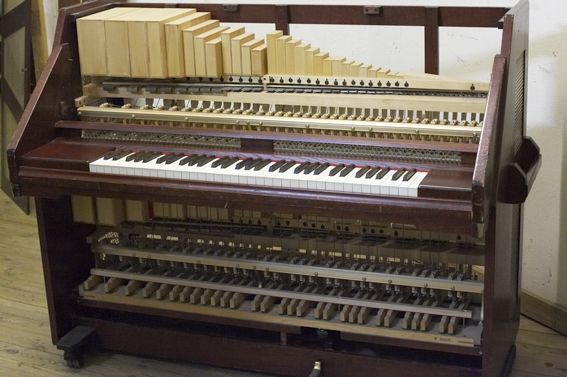
celesta
Baby It's You/The Shirelles

Related Articles
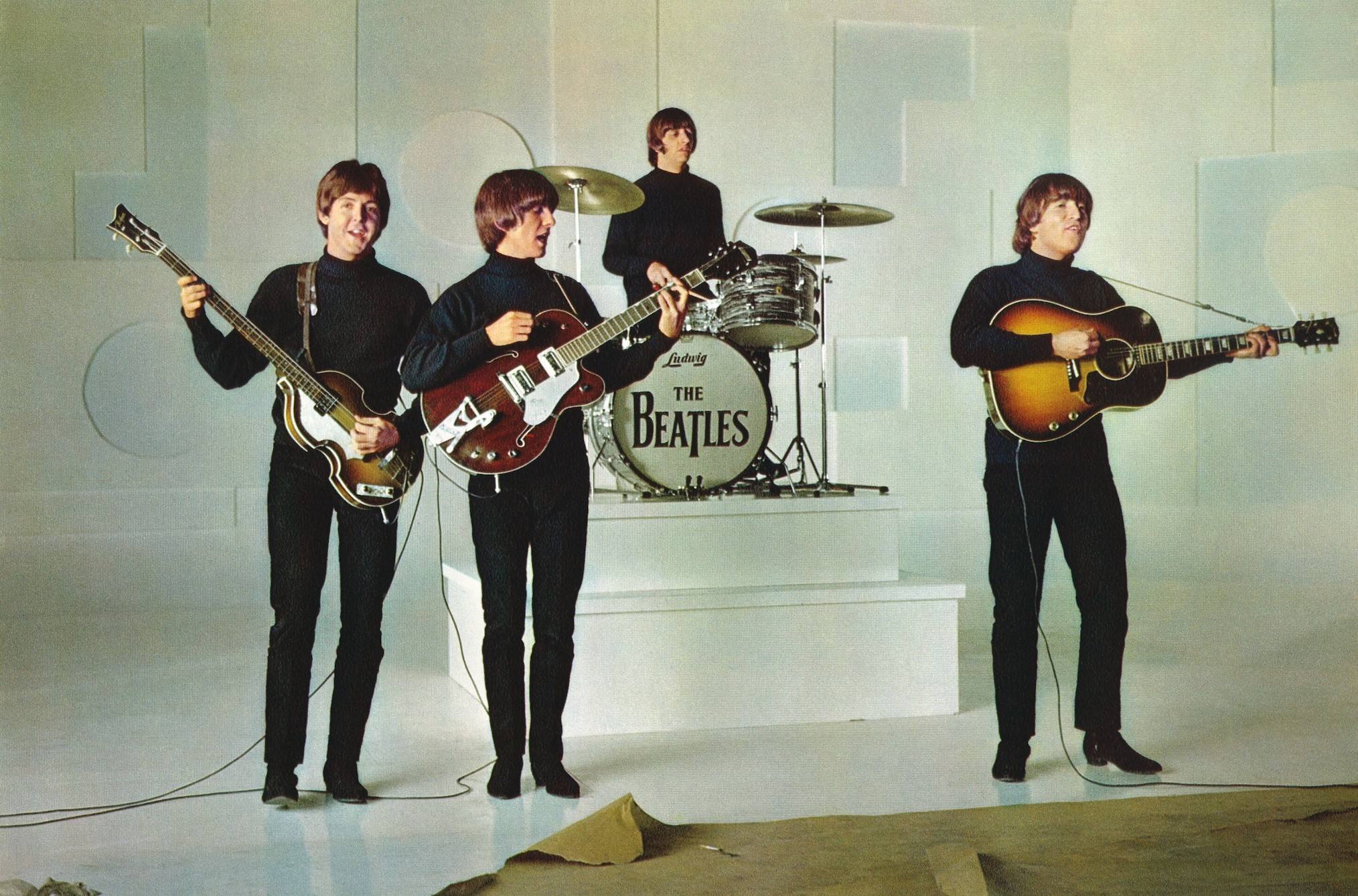
Summary of quotes and statements by The Beatles
The Beatles were one of the most popular rock bands of the 20th century, active from the 1960s to the 1970s, and made their record debut on October 5, 1962. The Beatles were ranked No. 1 on Rolling Stone's list of the 100 Greatest Artists of All Time, and are regarded around the world as one of the most influential rock bands of the 20th century. The band hails from Liverpool, England. Not only their music, but also their ideas and statements have attracted a great deal of attention and have had a great impact on the world.
Read Article

Yesterdays (film) spoiler alerts and discussion summary
Yesterday" is a stylish and heartfelt romantic comedy film produced in England. The main character, Jack, an unsuccessful singer-songwriter, is hit by a bus one day. He recovers from unconsciousness, but when he wakes up in the world, the legendary band "The Beatles" does not exist. For some reason, Jack is the only one who remembers the Beatles. The song "Yesterday," which he performed based on his memories, gradually changes Jack's ordinary life. This is a film that mixes fantastical elements with realism, and allows viewers to enjoy friendship, love, and anguish along with the Beatles' classic songs.
Read Article
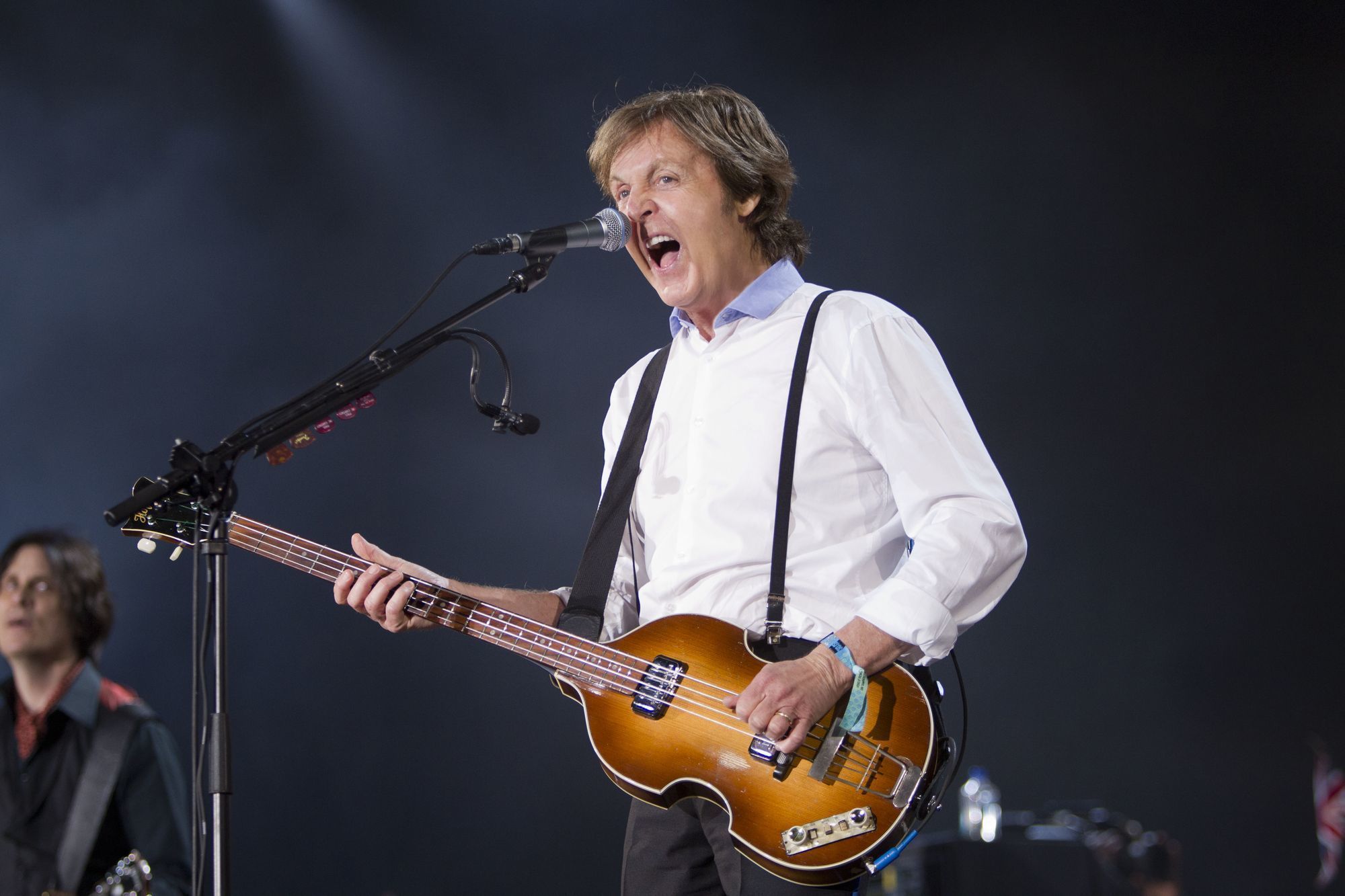
Paul McCartney was dead, former member Ringo Starr testifies! A new development in the urban legend?
Former Beatles drummer Ringo Starr stunned the world when he said in an interview with a publication that the "real" Paul McCartney died in a car accident on November 9, 1966. Here is Ringo's statement, urban legends about Paul, and his own reaction.
Read Article
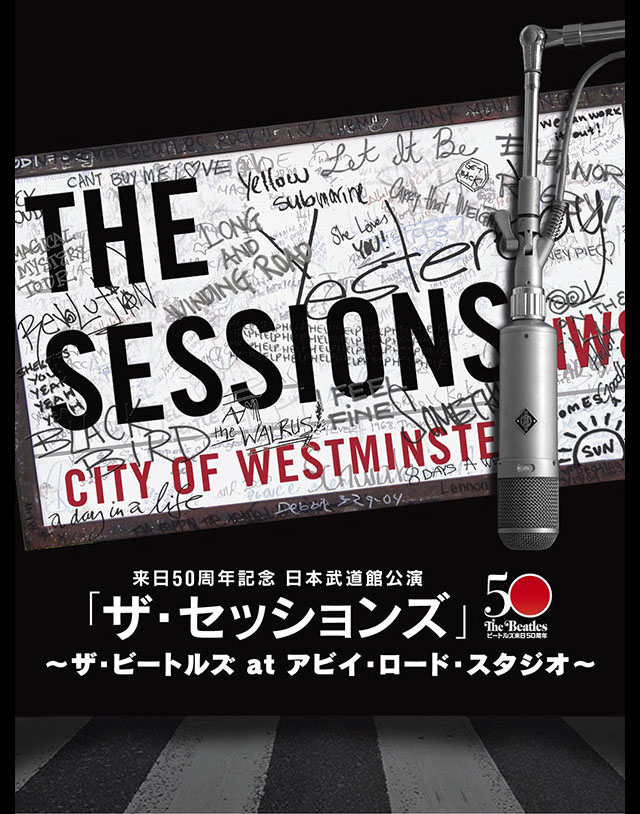
The Sessions, a recreation of the recording sessions of the legendary Beatles band, is coming!
It has been 50 years since the Beatles came to Japan. They were the first foreign artists to perform live at the Nippon Budokan on June 30 and July 1, 1966. On those very same days and at the same place, an event will be held to recreate the Beatles' recording sessions. The title of the event is "The Sessions. It is an attempt to perfectly recreate the Beatles' studio sessions at Abbey Road Studios using a variety of technologies.
Read Article
[John Lennon] Summary of celebrities and entertainers who died between the ages of 40 and 49 [Ken Maeda].
Entertainers and celebrities who have had a great impact on the world. Many of them have left this world at the young age of 40s. Diseases, accidents, suicides, assassinations.... In this article, we have compiled a list of such people. Although the causes vary, it is always painful to lose a person, no matter what time period or country.... We sincerely pray for the repose of their souls.
Read Article
![Paul McCartney] Summary of Hollywood stars and celebrities who are actually suspected of being anti-Japanese [Cameron Diaz](https://renote.net/files/blobs/proxy/eyJfcmFpbHMiOnsiZGF0YSI6NzA3OTE5MiwicHVyIjoiYmxvYl9pZCJ9fQ==--f54ed1968ea175d8f6be5ccbc0aac2b4b47ef326/5b111e621ae6624f008b472a.jpg)
Paul McCartney] Summary of Hollywood stars and celebrities who are actually suspected of being anti-Japanese [Cameron Diaz
The term "Hollywood star" is synonymous with world-famous performers. Of course, they are very well known in Japan, too! Some of them have openly stated that they "love Japan! but there are some who are suspected of being anti-Japanese. I don't know if it is true or not, but if these people are capable of world-class performances, they may be able to distinguish between their real intentions and their pretense in a matter of seconds.
Read Article
All Paul McCartney shows in Japan cancelled! Discussion of the possibility of a return visit to Japan!
Paul McCartney was scheduled to make his long-awaited return to Japan in May 2014, including his first Budokan concert in 48 years, but he became ill with a viral inflammation and canceled all shows shortly before the show. Many fans were disappointed and many wondered what would happen to him in the future. This article summarizes the situation at that time and the possibility of Paul's return to Japan for a replacement show, which he hopes to do.
Read Article
Paul McCartney suffered from "twisted intestines" and underwent emergency surgery in Japan!
Paul McCartney came to Japan for his first tour in six months, but canceled all shows due to poor health. The name of his illness was announced as viral inflammation, but it was later revealed that he had undergone surgery for intestinal sprain in Japan. The following is a summary of the illnesses that the great star suffered from in Japan.
Read Article
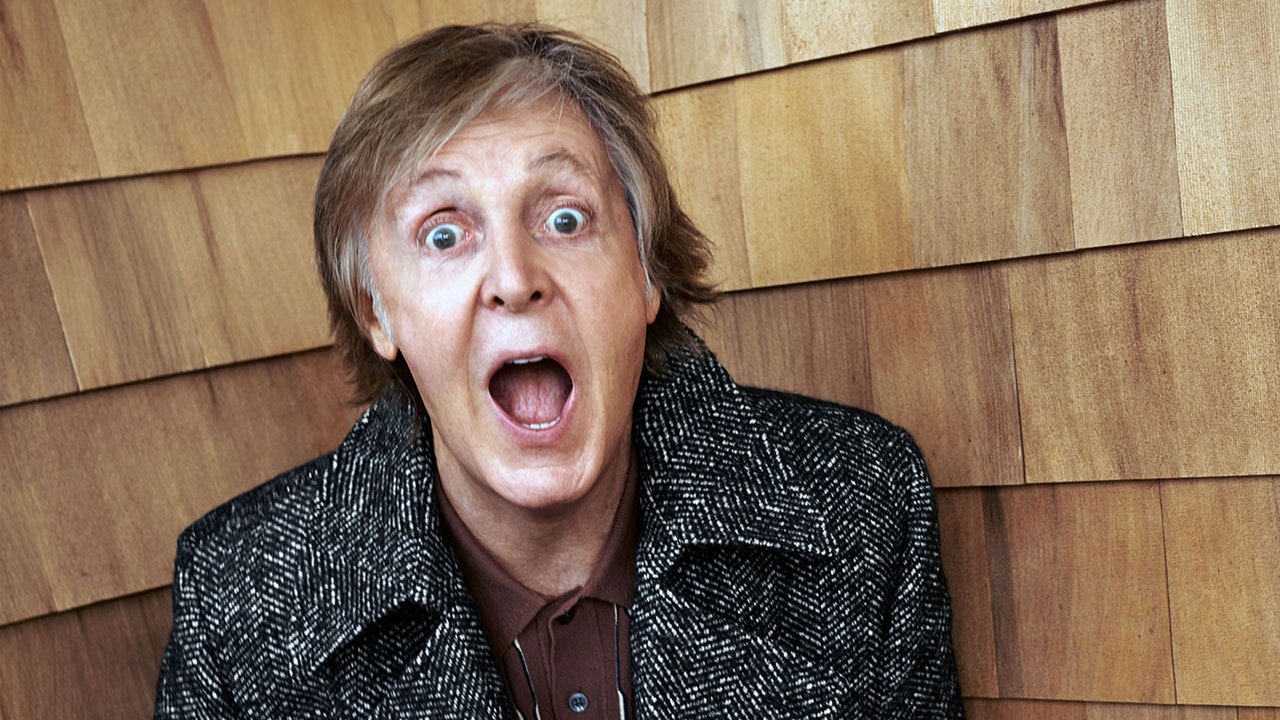
Paul McCartney cancels all shows! Explains the reason "viral inflammation"!
Paul McCartney, who was scheduled to return to Japan in May 2014, has become ill due to viral inflammation and has had to cancel all of his performances, including the Budokan concert. What is this "viral inflammation"? We will present a summary of Paul's sudden illness, which has several possibilities.
Read Article
Tags
Contents
- The Beatles Overview
- Members of The Beatles
- John Lennon
- Paul McCartney
- George Harrison
- Ringo Starr
- Former member of The Beatles
- Stuart Sutcliffe
- Pete Best
- People related to The Beatles
- Allan Williams
- Raymond Jones
- Brian Epstein
- George Martin
- A Brief History of The Beatles
- Birth and Death
- Major Events
- 1956-1961
- 1962-1966
- 1967-1970
- Analog release in the U.K.
- single
- 4-track EP
- album
- Analog release in the U.S.
- single
- 4-track EP
- album
- Analog release in Japan
- single
- 4-track EP
- album
- Solo Works
- Related Works
- The Beatles CDs
- The Beatles Discography
- original album
- Please Please Me
- With The Beatles
- A Hard Day's Night
- Beatles For Sale
- Help!
- Rubber Soul
- Revolver
- Sgt. Pepper's Lonely Hearts Club Band
- Magical Mystery Tour
- The Beatles
- Yellow Submarine
- Abbey Road
- Let It Be
- Editorial Albums & Other
- A Collection Of Beatles Oldies
- Hey Jude
- 1962-1966
- 1967-1970
- Rock 'N' Roll Music
- The Beatles At The Hollywood Bowl
- Love Songs
- Rarities (UK release)
- Rarities (U.S. version)
- The Beatles Ballads
- The Beatles Box
- Reel Music
- 20 Greatest Hits
- Past Masters Volume One
- Past Masters Volume Two
- Live At The BBC
- Baby It's You
- Anthology 1
- Free As A Bird
- Anthology 2
- Real Love
- Anthology 3
- Yellow Submarine Songtrack
- 1
- Let It Be... Naked
- love
- Mono Masters
- On Air - Live At The BBC Volume 2
- Live At The Hollywood Bowl
- Sgt. Pepper's Lonely Hearts Club Band (50th Anniversary Edition)
- The Beatles' most popular songs
- Love Me Do
- Please Please Me
- Twist And Shout
- From Me To You
- She Loves You
- All My Loving
- I Want To Hold Your Hand
- Can't Buy Me Love
- You Can't Do That
- A Hard Day's Night
- Long Tall Sally
- Baby's In Black
- Ticket To Ride
- Help!
- Yesterday
- Day Tripper
- We Can Work It Out
- Nowhere Man
- Paperback Writer
- Yellow Submarine
- Eleanor Rigby
- Strawberry Fields Forever
- Penny Lane
- A Day In The Life
- Hello Goodbye
- I Am The Walrus
- Lady Madonna
- Hey Jude
- Revolution
- Hey Bulldog
- Get Back
- Don't Let Me Down
- The Ballad Of John And Yoko
- Something
- Let It Be
- Free As A Bird
- Real Love
- The Beatles' backstory, trivia, small stories/episodes, anecdotes
- Dramatic departure of a member
- Paul's death theory
- The three major crises of 1966
- Mr. Toshitake Kotei
- Imelda Marcos
- Tommy Charles
- A Tribute to The Beatles