
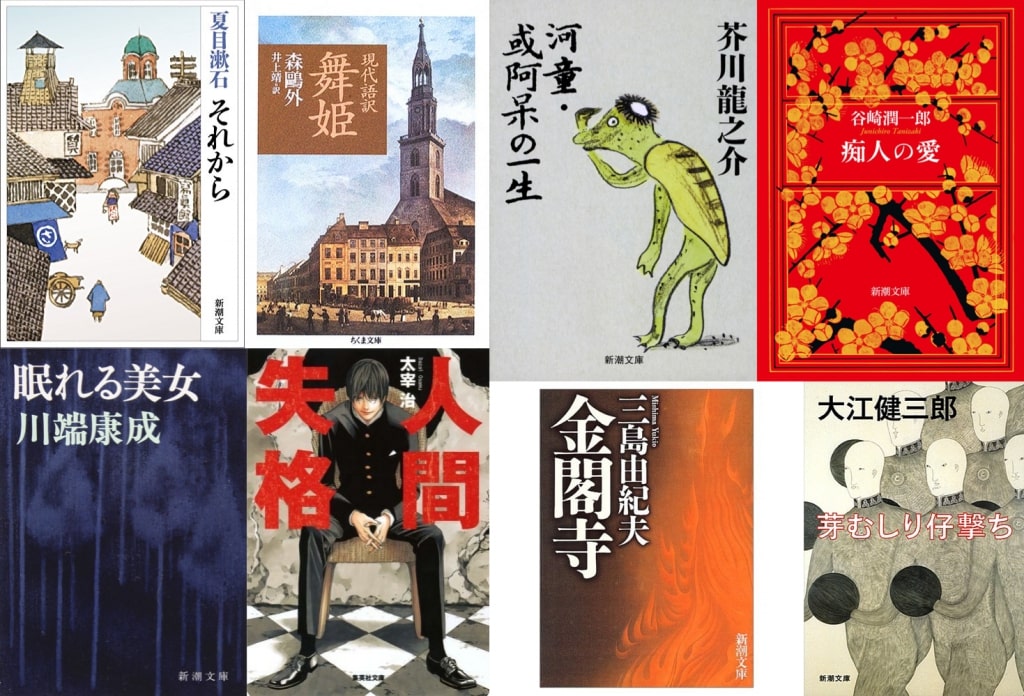
The works of novelists who have left their mark on the history of Japanese literature, such as Miyazawa Kenji and Dazai Osamu, have appeared in many Japanese language textbooks at school. However, unless you are a great lover of literature, it is probably difficult to find someone who has taken the time to read them outside of class. As a Japanese, all of them should be read at least once, so you should definitely give it a shot before you die! It is fun to become the main character of the works and live various lives.
近々独り身なるので、狭小部屋に引っ越すのだけど、岡倉天心の茶の本を読んで、茶室の狭小における精神性の高さを見出し、現実の哀れとの平衡を保とうとしています。
— 漢字トーク7.5マン (@fndsh7) February 11, 2020
『茶の本』岡倉覺三 著
— モナミ(読書垢・旅垢) (@VoyageurLibre09) February 5, 2020
読了。茶道を通じて日本の伝統精神を海外に紹介した本(だそう。すらすら読み進めてしまったが、内容が(。-_-。)ムムム)“茶室”の章は興味深かった。茶室の空間こそが日本の美意識を体現していると思う。不完全さへの崇拝。完全を追い求めていく過程こそが、真の美である!!
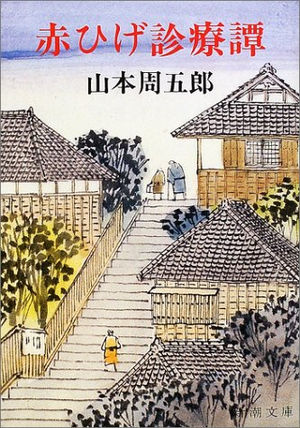
Akahige Iryo Tan
Source: www.amazon.co.jp
Akahige Iryo Tan (Shincho Bunko) written by Shugoro YAMAMOTO
The story centers on a spiritual encounter between a doctor called "Akahige" of Koishikawa Yojosho and an apprentice doctor, and depicts the robust Edo common people despite their poverty and illness.
前に読んだ作品と縁あって 初めて赤ひげ診療譚読んだんだけど…頭なぐられるような でもなんていうのか…本があるから救われるっていうのは 間違いではないとおもう。それが文章作品でなくても。どんな人でも 本はその傍に在っていいんだ。
— 慎弥@三つ子の魂百まで物書 (@mino_r27) 2016.08.25 21:26
Japan's Longest Day
Source: www.amazon.co.jp
The Longest Day in Japan (Bunshun Bunko) by Kazutoshi HANDO
With the dropping of an atomic bomb on Hiroshima on Aug. 6, 1945, and the invasion of Manchuria by the Soviet army, the fate of the Japanese government has already come to an end. The Japanese government, however, cannot make a decision on the Potsdam Declaration, which was issued earlier, because it is being dragged by the army, which is calling for all-out resistance. Based on detailed interviews and testimonies, this nonfiction book recreates the 24 hours surrounding Aug. 15, the longest day in history.
小説「日本の一番長い日」を読んだ。終戦(つまり、無条件降伏)に対する様々な人の想いと1945/8/14正午から翌日の玉音放送に至るまでの混乱を描いた小説。僕にとって終戦って当たり前の歴史だったけど、その当時にこんな壮絶なストーリーがあるなんて知らなかった。
— りょーーー (@RyoDaShi) October 24, 2010
終戦記念特番で「日本の一番長い日」をやってる。
— ゆうさん@ケイバとゲンバとおひるねおひたし( ´_ゝ`) (@yu_san0310) August 14, 2016
まだ全ては見てないけど、DVDは買った。
半藤一利の小説で何回も読んだ。
現在、昭和天皇実録を読んでいますが、
あの終戦に対して、いかに命を懸けていた人々がいたかが分かる作品です。
今ある平和に、先達者が命を捧げた歴史のドラマです。
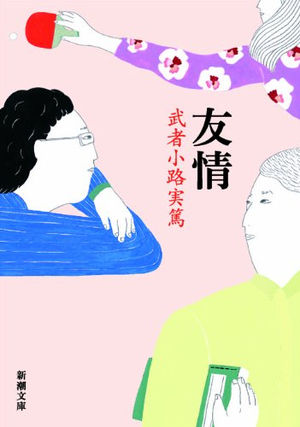
Friendship
Source: www.amazon.co.jp
Friendship (Shincho Bunko) by Saneatsu MUSHANOKOJI
The playwright Nojima and the up-and-coming writer Omiya have a strong friendship. Nojima loves Sugiko, a friend of Omiya's cousin, and asks Omiya for help, but Sugiko, who is attracted to Omiya, rejects Nojima's love and sends a letter of love to Omiya, who has left for Paris. Nojima endured the pain of a broken heart and vows to fight a duel with Omiya on the job. This is a representative work of Mushanokoji literature that describes the conflict between friendship and love in youth and is read over time.
武者小路実篤「友情」を読んだ。なにこれ!今まで読んだ全てが二人の恋物語に変換される。
— 砂糖猫 (@cat_shugar) 2020.02.13 11:16
Manners of men
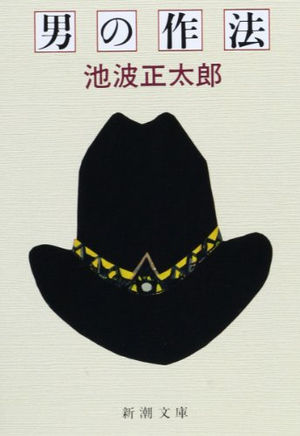
Source: www.amazon.co.jp
Otoko no Saho (Manners for Men) (Shincho Bunko) written by Shotaro IKENAMI
When I go to a tempura restaurant, I have to go with my stomach open and bite into the fried noodles like I met my parents' enemy. The author, who has a wealth of life experiences such as accounts, personnel affairs, organization, neckties, diaries, gifts, pocket money, furniture, alcohol, and monthly pay bags, talks about the timeless "common sense of men" and subtly explains the "way of men's life." Once you read this book, you will never be embarrassed wherever you go!
池波正太郎の「男の作法」という本の中で、「天ぷらは揚げたてをむさぼれ」「すし屋でトロばかり頼むのは店に失礼」といった話があり、とても合点がいきました。
— ゆーかぜ (@yufukaze) November 11, 2019
一定の食べ方が何か変だ、というのは分かっても、じゃあどうすればいいか、というのは、教えてくれる人がいないと分からないですからね。
THE WIND RISES
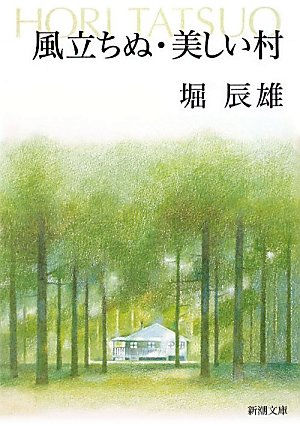
Source: www.amazon.co.jp
THE WIND RISES: Utsukushii Mura (Beautiful Village) (Shincho Bunko) written by Tatsuo HORI
"THE WIND RISES," which captures the essence of human beings in the flow of time that leaves like the wind, asks the meaning of dying rather than living, and at the same time asks the meaning of living beyond death. "Beautiful Village," which is said to have been inspired by Bach's fugue, is a masterpiece that musically represents the experiences of a young novelist living alone in Karuizawa and the image of a girl he met, both of which are representative works of the mid Tatsuo Hori period.
八ケ岳山麓、富士見総合病院の資料館にも行ってみました。この病院は昭和初期は結核療養のサナトリウムで、竹久夢二、横溝正史、堀辰雄などの文化人が入院していました。堀辰雄の「風立ちぬ」はここが舞台。当時の本物の寝台、療養生活の時間割表など、小説の世界に直結してなんかぐっときました。 pic.twitter.com/NF7sAgCPKo
— 焼き菓子日々 (@yakigashi_hibi) October 18, 2016
The Dark Night
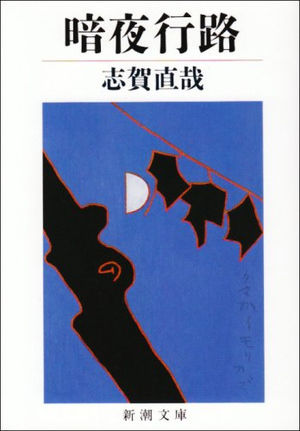
Source: www.amazon.co.jp
A Dark Night's Passing (Shincho Bunko) by Naoya SHIGA
As a result of the negligence of his grandfather and mother, Kensaku was brought to this world, and after the death of his mother, he suddenly appeared in front of his grandfather and grew up. Kensaku, who spent time with his depressed heart, fell in love with Naoko, his daughter in Kyoto, and eventually got married, but Naoko made a mistake with his cousin while Kensaku was away. It depicts Kensaku who tries to capture happiness with strong willpower while facing a harsh fate and being sometimes driven by desperation.
暗夜行路は気が沈みますねえ
— あすぱら (@asupara_kokusan) October 21, 2016
A Woman
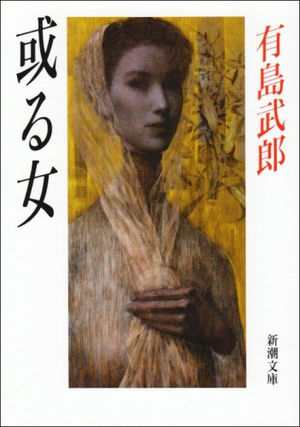
Source: www.amazon.co.jp
Aru Onna (Shincho Bunko) written by Takeo Arishima
The beautiful and talented Yoko Hayatsuki fell in love with and got married to the poet Kibe, who became famous as a war correspondent, but they divorced after two months. Later, on the ship to America where her fiancee Kimura was waiting, she was captivated by the strong charm of the chief clerk Kurachi and returned to Japan. This is one of the best works of realism literature that describes the passion and fate of a woman who defied social morals that suppressed her individuality, tried to live a carefree life and was defeated in vain.
実のところ『春』は未読です。私のお薦めは『夜明け前』。この作品と一緒に『明暗』(夏目漱石)、『或る女』(有島武郎)を本棚に揃えると、近代日本「本格小説」"三役揃い踏み"の完成…では横綱はどの作品?なんて悩み出すと、夜が明けます…。
— サイセイ (@saisei2014) 2016.08.30 17:46

Contents
- NIGHT ON THE GALACTIC RAILROAD
- Sand Woman
- The Makioka Sisters
- Spring Snow - The Sea of Fertility
- 枯木灘
- Silence
- Human disqualification
- Hyperthermic tunnel
- Sanshiro
- Hugging family
- Beyond love and hate
- Kafka by the Sea
- Football in the first year of the Manen era
- Country teacher
- Depravity
- Oh, yeah.
- Ryosuke Nagaoka
- Freezing point
- Rakunichi Moyu
- Kitan Bokuto
- Open fire
- Children of the Earth
- Lemon
- Muddy river
- Freezing
- Kitchen
- Rural melancholy
- Maihime
- Sangetsuki
- Black rain
- The Death of Hakkodasan
- Takekurabe
- Hakai
- Snow country
- Dunhuang
- Droopy hair
- The Book of Tea
- Akahige Iryo Tan
- Japan's Longest Day
- Friendship
- Manners of men
- THE WIND RISES
- The Dark Night
- A Woman
- Duzichun
- Summer darkness
- 病牀 rokushaku
- Kanikosen
- Mahjong Horoki
- Distant sunset
- Sei Takano
- Kirakira Hikaru
- Japan Sinks
- Silver spoon
- Oh, my God
- Shinobu River (Shincho Bunko) written by Tetsuro MIURA
- Living with my father.
- Three Kingdoms
- Gadara pigs
- Human construction
- In the corner of night and fog
- Sand vessel
- Lonely Voice
- Rabbit's eye
- Twenty four Eyes
- Ao Qiong no Subaru
- Konjiki Yasha
- Clouds on the slope
- Dogra Magra
- At the end of the matinee
- Cannibals
- All hands down!
- Ichimuan Furyuki
- Lagos of Travel
- Mountain ridge of the gods
- Torch
- Living alone
- Throw curve, one more ball.
- How do you live?
- Canned peach
- Shoryo Nagashi
- Bokko.
- Tono Monogatari