
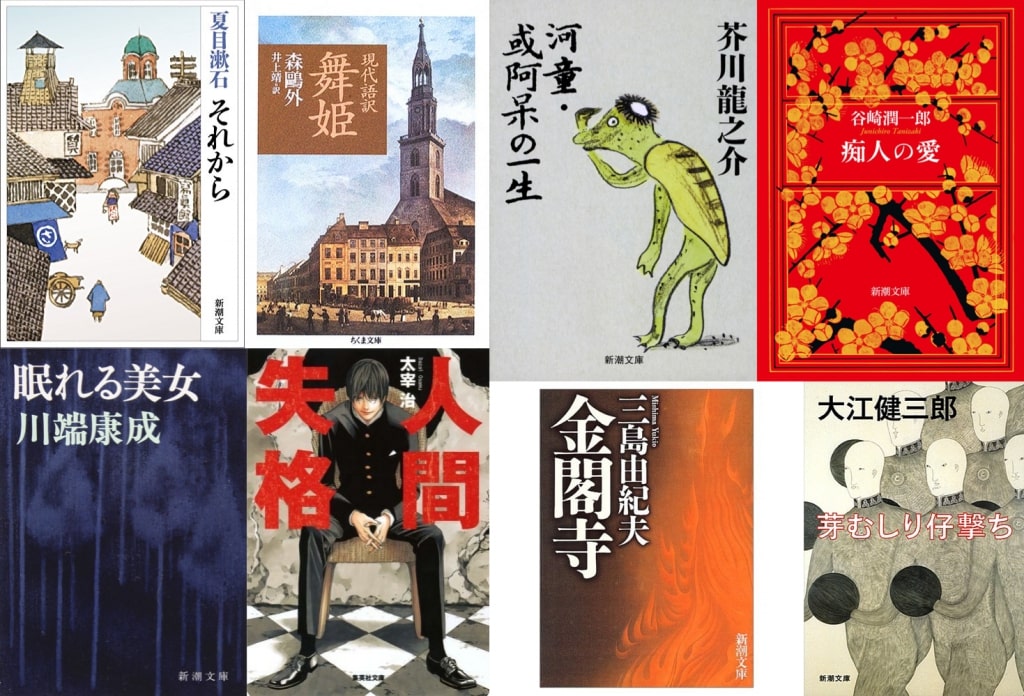
The works of novelists who have left their mark on the history of Japanese literature, such as Miyazawa Kenji and Dazai Osamu, have appeared in many Japanese language textbooks at school. However, unless you are a great lover of literature, it is probably difficult to find someone who has taken the time to read them outside of class. As a Japanese, all of them should be read at least once, so you should definitely give it a shot before you die! It is fun to become the main character of the works and live various lives.
The Death of Hakkodasan
Source: www.amazon.co.jp
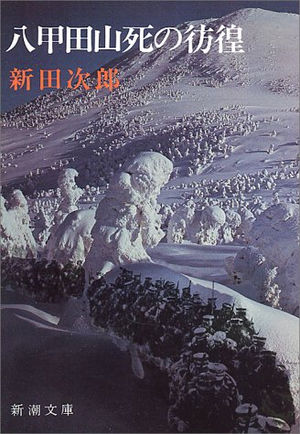
Hakkodasan Shinshi no Kyoryu (The Wandering of Hakkodasan Death) (Shincho Bunko) written by Jiro NITTA
On the eve of the Russo-Japanese War, the Aomori 5th Regiment, led by Captain Kanda, was forced to carry out severe human experiments in the extremely cold Hakkoda Mountains. While the Aomori 5th Regiment, led by Captain Kanda, was discussing its future course in the snow, the Battalion Commander suddenly issued an order to "move forward," resulting in the death of 199 people due to confusion in the chain of command. The 31st Regiment of Hirosaki, led by Captain Tokushima, who is an elite of a small number of soldiers, will complete the entire journey of more than 210 kilometers for 11 days. This is a long novel that contrasts the two squads and describes the struggle between nature and humans with a realistic brush.
@mitsuo_gorukamu 八甲田山映画では見たことないんですが、新田次郎の小説「八甲田山死の彷徨」読んだことあります!涙なくしては語れないですよね!!(T_T)
— まさきR (@masakir_com) 2016.09.27 16:45
新田次郎の『八甲田山死の彷徨』読了。明治末期に199人の死者を出した雪中行軍の実話に基づく話。文章わかりやすいし、よく調べられてるしで一気読み。無能な指揮官の容喙はいつの時代でもトラブルのもとだなぁと。
— 飛び出しあずにゃん (@tobidashiazunya) September 23, 2016
Takekurabe
Source: www.amazon.co.jp
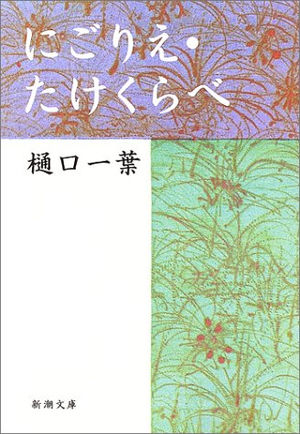
Nigorie Takekurabe (Shincho Bunko) written by Ichiyo HIGUCHI
"Nigorie" depicts a woman agonizing at the bottom of society through the power of 銘酒屋, who is unable to see her fallen lover Genshichi freely and is in despair. "Takekurabe" depicts the youthful and secret love between 14-year-old Mitoshi, whose older sister is a courtesan in the prime of life, and Shinnyo, who is destined to become a Buddhist monk in the future. It also contains eight short stories such as "Jusanya" and "Otsugomori," which contain the joys and sorrows of life and beautiful dreams of Ichiyo, a gifted female writer who decorates the Meiji literary world.
樋口一葉たけくらべと知ってるけどたけくらべの内容知ってる人何人いるの。
— もこ(どこもかしもこ) (@dokomokashimoko) 2016.10.20 23:53
Hakai
Source: www.amazon.co.jp
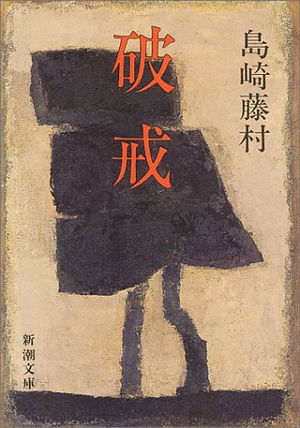
Hakai (Breaking the Precepts) (Shincho Bunko) written by Toson SHIMAZAKI
In the latter part of the Meiji period, the main character, Ushimatsu SEGAWA, who was born in a buraku (hamlet) near Komorojo Castle in Shinshu, was raised by a warning from his father that he should hide his background and identity. Ushimatsu strictly followed the warning and became an adult, becoming a teacher at an elementary school. However, he came to love Rentaro Inoko, a liberation activist who was also born in a buraku. Ushimatsu would like to tell Inoko about his birth, and sometimes he comes to his lips, but his heart wavers and his days pass by. Soon, a rumor spread at school that Ushimatsu was from a buraku (hamlet), and Inoko dies in desperation. Either because of the intensity of the shock or because of the suspicion of his colleagues, Ushimatsu is driven into a corner and finally breaks his father's warning and reveals his identity.
島崎藤村教え子と恋愛事件で退職して、姪と不倫してフランスとか尊敬するわ。そんな彼の代表作は破戒、新生、若菜集などでこざいます
— ネギトロ (@56swts) 2012.11.14 23:14
島崎藤村「破戒」読了。主人公のような生まれでなくとも人間誰しも秘密を抱えるのだから、現在に生きる読者でも移入できるのではないか。社会問題を告発するというより人間の在り方を問う小説なのだろう。自然主義の先陣にして登場人物の魅力や飽きさせない展開が古さを感じさせない。よい読書だった。
— coilcoils (@coilcoils) 2016.10.15 23:34
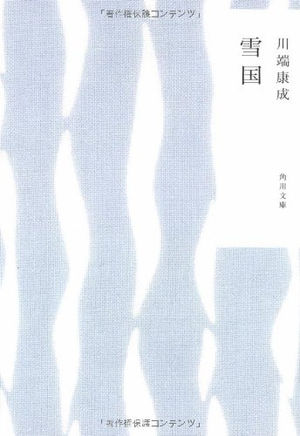
Snow country
Source: www.amazon.co.jp
Snow Country (Kadokawa Bunko) written by Kosei KAWABATA
After passing through a long tunnel on the border, we came to a snowy country. Shimamura, a young man who is ruthlessly protecting the "Solitude of Idleness", and Komako, a geisha from a snowy country, are pure and innocent. This is a masterpiece by a Nobel Prize laureate in literature that expresses the sadness and beauty of life by depicting the souls touching each other on the ingredients.
今でも衝撃を受けている小説家は川端康成ですね。
— 三才P駅(おせんべい) (@panorama007kita) October 22, 2016
あんなに文体が美しいと衝撃を受けたのが川端の作品です。
古都、伊豆の踊子、雪国、山の音、美しい景色は文体によって出来上がっていったのではないかと思っています。
川端康成「雪国」を改めて再読してる。「雪国」は傑作だ。改めて再読してみると新たな発見もあり、懐の深さに驚愕する。川端康成さんの小説を読んでいると、遠くへ、遠くへ、距離というより別の美しい何処に連れていかれる。澄んだ鏡の中に。そして知らぬ間に鋭利な刃に斬られ気がつかず血を流してる。
— 理 (@hinatoucyan) November 5, 2017
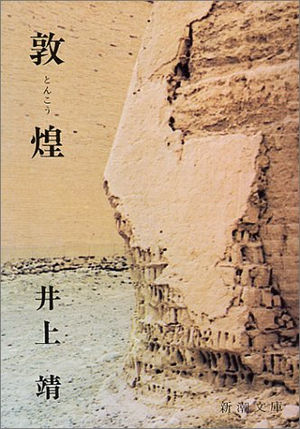
Dunhuang
Source: www.amazon.co.jp
Dunhuang (Shincho Bunko) written by Yasushi INOUE
Zhao Gyotoku, who failed in the appointment examination for government officials, saved a naked Xinxia woman for sale in the town of Kaifeng. At that time, she gave Zhao a small piece of cloth, on which the strange-shaped letters would change his destiny. A magnificent historical romance based on the historical fact that the ten thousand volumes of Buddhist scriptures hidden in the cave when Dunhuang was destroyed by the battle with Xinxia saw the eye of the sun for the first time in the 20th century.
わたしがこの世で一番大好きな、最高傑作だと思っている本は井上靖の「敦煌」です。死んだら棺に入れてください。
— リューバ(イワヌイロ) (@bai3mei4) 2016.10.11 01:39
井上靖の敦煌読んだら、世界旅したくなってきた!まだまだ知らない世界がたくさんあるな!
— さわぺー (@buffalo1358) March 7, 2020
Droopy hair
Source: www.amazon.co.jp
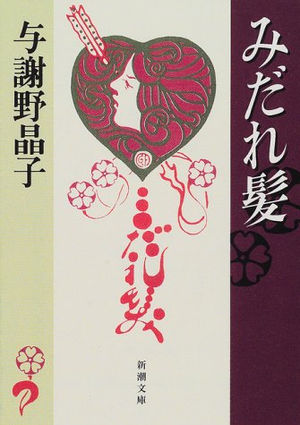
Midaregami (Flowing hair) (Shincho Bunko) written by Akiko Yosano
In 1901 (1901), "Midaregami" was published by the man of destiny, Yosano Tekkan. Adults frown and young men shout for pleasure. A total of 399 poems that truly ushered in the 20th century will be presented along with a fresh "translation and appreciation" and a critical biography. Atsuki
@mosskomule 与謝野晶子は激情型ですよね。うろ覚えですが、当時妻のいた与謝野鉄幹のもとに恋い焦がれて「みだれ髪」を堂々と発表したりして、戦争の時期には「弟よ、死んではならぬ」と歌い。短歌の世界にいながらも、なかなかに耽美的で。源氏物語の現代語訳は谷崎と共に好きですね。
— SickMotherFucker (@up_your_bum) June 29, 2014
The Book of Tea
Source: www.amazon.co.jp
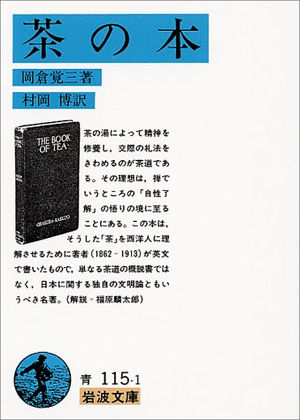
Cha no hon (Book of Tea) (Iwanami bunko) written by Kakuzo OKAKURA, translated by Hiroshi MURAOKA
The ideal of the tea ceremony is to reach the point of self-understanding, as in Zen. This book was written in English by the author (1862 - 1913) in order to make Westerners understand the tea ceremony. It is not only an overview of the tea ceremony but also an excellent book that can be said to be a unique theory of civilization about Japan.

Contents
- NIGHT ON THE GALACTIC RAILROAD
- Sand Woman
- The Makioka Sisters
- Spring Snow - The Sea of Fertility
- 枯木灘
- Silence
- Human disqualification
- Hyperthermic tunnel
- Sanshiro
- Hugging family
- Beyond love and hate
- Kafka by the Sea
- Football in the first year of the Manen era
- Country teacher
- Depravity
- Oh, yeah.
- Ryosuke Nagaoka
- Freezing point
- Rakunichi Moyu
- Kitan Bokuto
- Open fire
- Children of the Earth
- Lemon
- Muddy river
- Freezing
- Kitchen
- Rural melancholy
- Maihime
- Sangetsuki
- Black rain
- The Death of Hakkodasan
- Takekurabe
- Hakai
- Snow country
- Dunhuang
- Droopy hair
- The Book of Tea
- Akahige Iryo Tan
- Japan's Longest Day
- Friendship
- Manners of men
- THE WIND RISES
- The Dark Night
- A Woman
- Duzichun
- Summer darkness
- 病牀 rokushaku
- Kanikosen
- Mahjong Horoki
- Distant sunset
- Sei Takano
- Kirakira Hikaru
- Japan Sinks
- Silver spoon
- Oh, my God
- Shinobu River (Shincho Bunko) written by Tetsuro MIURA
- Living with my father.
- Three Kingdoms
- Gadara pigs
- Human construction
- In the corner of night and fog
- Sand vessel
- Lonely Voice
- Rabbit's eye
- Twenty four Eyes
- Ao Qiong no Subaru
- Konjiki Yasha
- Clouds on the slope
- Dogra Magra
- At the end of the matinee
- Cannibals
- All hands down!
- Ichimuan Furyuki
- Lagos of Travel
- Mountain ridge of the gods
- Torch
- Living alone
- Throw curve, one more ball.
- How do you live?
- Canned peach
- Shoryo Nagashi
- Bokko.
- Tono Monogatari