
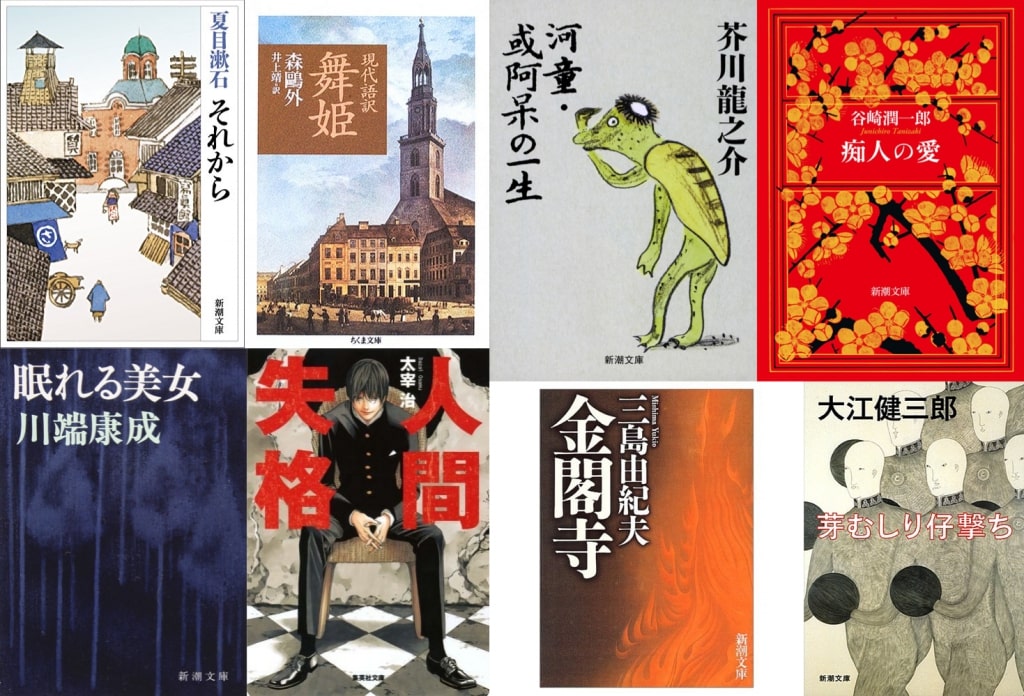
The works of novelists who have left their mark on the history of Japanese literature, such as Miyazawa Kenji and Dazai Osamu, have appeared in many Japanese language textbooks at school. However, unless you are a great lover of literature, it is probably difficult to find someone who has taken the time to read them outside of class. As a Japanese, all of them should be read at least once, so you should definitely give it a shot before you die! It is fun to become the main character of the works and live various lives.
【海辺のカフカ (下) (新潮文庫)】村上春樹の最高傑作なんじゃないかなと思う。 http://book.akahoshitakuya.com/b/4101001553
— 読書メーター (@bookmeter) July 27, 2009
Football in the first year of the Manen era
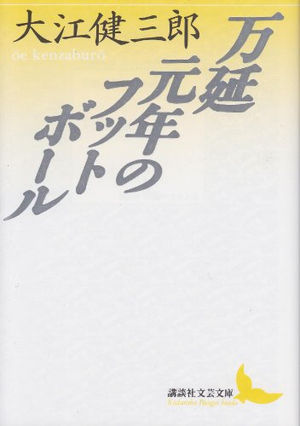
Source: www.amazon.co.jp
Manen Gannen no Football (Kodansha Bungei Bunko) written by Kenzaburo OE
Guided by the deaths of his friends, I am a Uzukumaru in the hole of dawn. I own the hell and have been hurt by the security war. 菜採子 gave birth to a disabled child. The characters, who are full of bitterness, set off peacefully to the valley village of Shikoku. As if tracing the uprising in the village in the first year of the Banen era, a riot occurs in the forest of myth. This is an epoch-making long novel that beautifully embodies the minds of the people from the end of the Edo period to the present and brings to fruition the earnest experiences and aspirations of the post-war generation. Received the Tanizaki Prize.
やっと大江健三郎の万延元年のフットボール読み終わった……長いし難しいし読みづらいしで一週間かかった…
— 永 (@shelovesyouyay3) July 27, 2016
でも素晴らしかったな〜健三郎これ32歳で書いたのかよ…日本が誇る作家だね。本当にノーベル文学賞に値する作家だわ…
日本文学史上最高の長編小説は大江健三郎の「万延元年のフットボール」で、日本文学史上最高の短編小説は梶井基次郎の「檸檬」だと私は思っています。村松
— 伊豆・松崎町地域おこし協力隊 (@matsuzaki_town) June 28, 2016
Country teacher
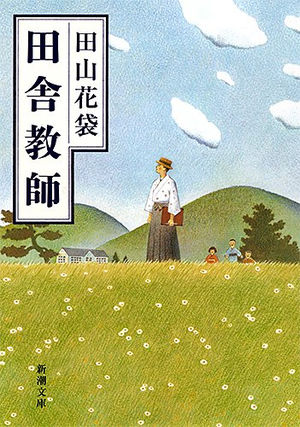
Source: www.amazon.co.jp
Country Teacher (Shincho Bunko) by Hanabukuro Tayama
It is a representative work of naturalist literature that describes the success and failure of a young man who spent his short life as a teacher in the countryside despite his ambition for literature.
田山花袋『田舎教師』読了。明治30年代の暮らしを知る資料のつもりで読み始めたのだが、とても面白かった。予想以上の収穫!
— 松村正直 (@masanao1970) February 9, 2020
田山花袋 田舎教師
— ほんほんほんほん (@_hn_hn_hn_hn) July 13, 2019
志半ばで死ぬ田舎教師の話
21って早すぎないか、、、意欲はあっても環境に阻まれることのしんどさ、みたいなのはすごく伝わってきた。そこにうまく折り合いをつけるところとかこれまた。実在の日記が元になっているとは知らなかった。
Depravity
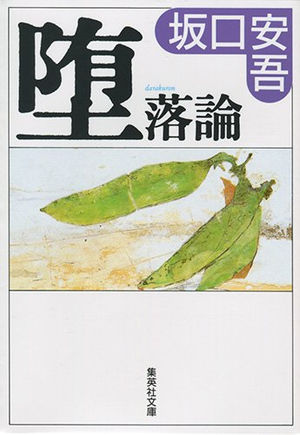
Source: www.amazon.co.jp
Depravity (Shueisha Bunko) by Ango SAKAGUCHI
"Depravity" is an essay and critique written by Ango Sakaguchi and a representative work of Sakaguchi. In the chaotic Japanese society after World War II, this book uses a paradoxical expression to coldly dissect the existing ethics and to show the index for the people who just lost the war to step forward to the next day. It is written that it is not possible to prevent the soldiers of the Tokko Tai from falling into the black market and the holy women from falling in the face of defeat, but they only return to being human, not because they lost the war, but because they are human and only because they are alive. It is not a dimension of denial of traditional ethics and morality, but it shows the determination to look at the true figure of great and small human beings.
坂口安吾「堕落論」青空文庫に載ってるのだなあ。あれは必読。
— ジョージ2世 (@GEORGE221) August 23, 2015
でも「堕落論」はいつ読んでもパンク魂が込み上げてきます。ロック者必読の書です。
— おのてらむねむね (@edgbaston98) 2013.06.27 23:58
Oh, yeah.
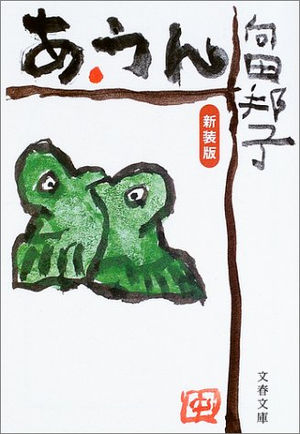
Source: www.amazon.co.jp
(Bunshun Bunko) Kuniko Mukaida
Set in the hilly section of the early Showa period, it depicts the lives of ordinary people on the eve of the China Incident in the dark Showa period, with Senkichi Mizuta, an office worker at a pharmaceutical company, Shuzo Kadokura, a close friend of Senkichi, Senkichi's wife who seems to be a Kadokura, Satoko, the only daughter of Senkichi and his wife, and Kunshi, the wife who does not get the love of Kadokura. The title "A / Un" indicates that Senkichi's father, Hatsutaro, referred to the two as "A and Un, the guardian dogs of the shrine."
何年かに一度読む『あ・うん』(向田邦子)を今また読んでいるんだけど、日本語の味わい、軽やかさ、匂ってくるような人物描写に、一行ごと一頁ごとにうーんうーん唸っちゃって涙がにじんじゃって、ちっとも読み進められない。
— 橘 めい (@TachibanaMay) July 22, 2016
向田邦子の凄さは、例えば「あうん」で、友情という世間一般に「美しい」とされるものを題材にしながらも、決してそれを美しさでのみ描かない所です。友情とは、嫉妬や劣等感の入り交じった一見醜悪とも取れる互いの結び付きなのだと、真っ向から読者へ叩きつけている。凄いよね。
— 三条京阪 (@sanjou_keihan) February 5, 2020
Ryosuke Nagaoka
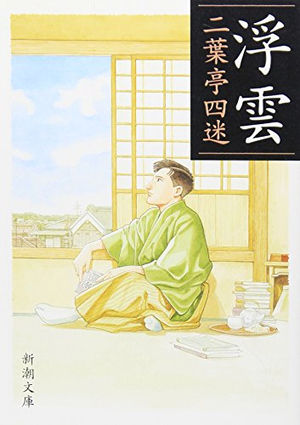
Source: www.amazon.co.jp
Ryosuke Nagaoka (Shincho Bunko) written by Shimei FUTABATEI
Released in 1887, Shimei's first novel surprised the people of the time with its fresh and coherent writing. "Ryosuke Nagaoka," which accurately depicted the inner anguish of Bunzo UTSUMI, a young government official who was gifted but not popular due to his age, and shaped the Japanese intellectual class as a human being for the first time, is a work that went far beyond the literary world of the time and is considered to be the forerunner of modern Japanese novels.
【「文学」の課題図書選び】二葉亭四迷の『浮雲』は、思ったより読みやすくて、むしろクセになる。最近は読むのに慣れて、1回のページ数も増えてきました。
— 稀子 (@Kiko_Mareko3) 2020.02.08 23:12
Twitterで夏目漱石のこころについて流れてきたけど、読書感想文とかでこころ好きだった人絶対二葉亭四迷の「浮雲」も好きだから読んで欲しい…
— 鴨ネギ (@wkamow) 2020.02.08 00:13
Freezing point
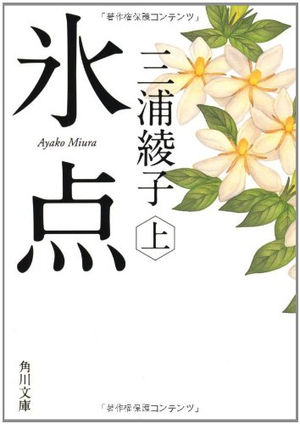
Source: www.amazon.co.jp
Hyoten (Ue) (Kadokawa Bunko) written by Ayako MIURA
While the wife of the director of Tsujiguchi Hospital, Natsue, was dating the young doctor, Murai, her 3-year-old daughter, Ruriko, was killed. Because of the Bible's teaching to "love your enemy" and the desire to take revenge on his wife, Tsujiguchi secretly adopted the criminal's daughter, Yoko. Natsue, who knew nothing, and Yoko, who was loved by her eldest son, Toru, grew up happily. Natsue, who eventually became aware of Tsujiguchi's actions, put her hand on Yoko's throat out of intense hatred and suffering. A long-seller, the author's representative work on the themes of love, sin and forgiveness.
うちのおかんがサガンの悲しみよこんにちはを学生の時に読んで、その本をずっと大事にしているのをわたしはめちゃくちゃお洒落だなと思っていて、わたしに置き換えるとそれは三浦綾子の氷点。10年以上読んでるナア。
— めりしゃん (@LiGmelt_m) 2016.10.14 00:33

Contents
- NIGHT ON THE GALACTIC RAILROAD
- Sand Woman
- The Makioka Sisters
- Spring Snow - The Sea of Fertility
- 枯木灘
- Silence
- Human disqualification
- Hyperthermic tunnel
- Sanshiro
- Hugging family
- Beyond love and hate
- Kafka by the Sea
- Football in the first year of the Manen era
- Country teacher
- Depravity
- Oh, yeah.
- Ryosuke Nagaoka
- Freezing point
- Rakunichi Moyu
- Kitan Bokuto
- Open fire
- Children of the Earth
- Lemon
- Muddy river
- Freezing
- Kitchen
- Rural melancholy
- Maihime
- Sangetsuki
- Black rain
- The Death of Hakkodasan
- Takekurabe
- Hakai
- Snow country
- Dunhuang
- Droopy hair
- The Book of Tea
- Akahige Iryo Tan
- Japan's Longest Day
- Friendship
- Manners of men
- THE WIND RISES
- The Dark Night
- A Woman
- Duzichun
- Summer darkness
- 病牀 rokushaku
- Kanikosen
- Mahjong Horoki
- Distant sunset
- Sei Takano
- Kirakira Hikaru
- Japan Sinks
- Silver spoon
- Oh, my God
- Shinobu River (Shincho Bunko) written by Tetsuro MIURA
- Living with my father.
- Three Kingdoms
- Gadara pigs
- Human construction
- In the corner of night and fog
- Sand vessel
- Lonely Voice
- Rabbit's eye
- Twenty four Eyes
- Ao Qiong no Subaru
- Konjiki Yasha
- Clouds on the slope
- Dogra Magra
- At the end of the matinee
- Cannibals
- All hands down!
- Ichimuan Furyuki
- Lagos of Travel
- Mountain ridge of the gods
- Torch
- Living alone
- Throw curve, one more ball.
- How do you live?
- Canned peach
- Shoryo Nagashi
- Bokko.
- Tono Monogatari