
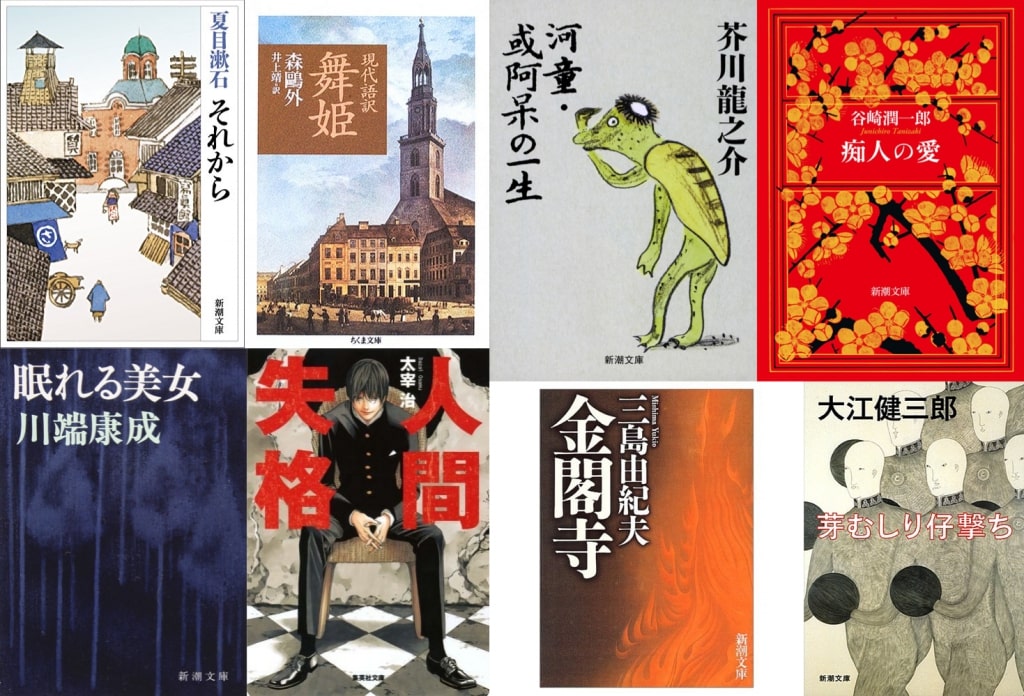
The works of novelists who have left their mark on the history of Japanese literature, such as Miyazawa Kenji and Dazai Osamu, have appeared in many Japanese language textbooks at school. However, unless you are a great lover of literature, it is probably difficult to find someone who has taken the time to read them outside of class. As a Japanese, all of them should be read at least once, so you should definitely give it a shot before you die! It is fun to become the main character of the works and live various lives.
電車で宮本輝の「泥の河」読んでもた。胸に迫ってくる。やばい。せやった。この本、こころがきゅうぅってなるやつ。涙が止まらんやつ。でも、読むのやめられへん。のぶちゃん、頑張れ!ってなるし、あぁ。やってもた。鼻水も止まらんし。なんべん読んでも。あぁ。
— ビリヤードCOZY長居 (@CozyNagai) November 25, 2019
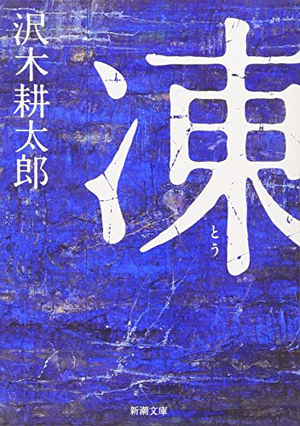
Freezing
Source: www.amazon.co.jp
Hioki (Shincho Bunko) written by Kotaro SAWAKI
Yasushi Yamanoi has been called the most powerful climber of all time. He is a world-renowned climber who continues to climb mountain peaks with a stoic intensity. He chose the Himalayan Gyachung Kang. But when he and his wife began to challenge the beautiful ice wall, he never knew the outcome of the fierce battle waiting for them. In the midst of despair, it was the ultimate choice. The miraculous mountain climbing and the human bond that vividly surfaced, the extreme north of nonfiction.
沢木耕太郎『凍』#読了
— リエコ@読書 (@Riekooo15) May 22, 2019
とにかく凄い、の一言です。
凄い夫婦。
自然を相手にしてるから何が起こるか分からない。
「死」が隣にいるような状況。
その強い精神力はどこから来るんだろう。
指を失ってもまだ山に登ろうとする。
本当に「凄い」の一言。#読書好きな人と繋がりたい
沢木耕太郎は「深夜特急」が有名だけど、とりあえず「血の味」と「凍」を読んで頂きたい。
— VAN (@brutus_765) September 27, 2016
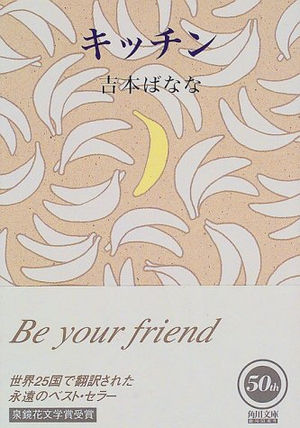
Kitchen
Source: www.amazon.co.jp
Kitchen (Kadokawa Bunko) by Banana Yoshimoto
When I suddenly think that I am here alone, all of the things in front of me look like a lie. Mikage, who lost his grandmother, the only relative of his family, lives with Yuichi, who was close to his grandmother, and her mother (her father). In everyday life, Mikage calms the lonely heart with the thoughtless kindness of the two. An eternal best-seller novel that is translated and read in 25 countries around the world. Awarded the Kyoka Izumi Literature Prize.
吉本ばななのキッチンを読んでいる。はやくページをめくりたくて仕方ないほど物語にのめり込めるけども、感情移入しすぎて読むのがつらい。こまかい描写やひとことに読んでいるこっちがいちいち傷ついて励まされて気付かされる。
— 栗 (@kurigohan_125) October 19, 2016
キッチン/吉本ばなな
— すずはら (@suzulab) March 5, 2020
読了〜!
心情描写ひとつひとつどれも良くて、なるほどロングセラーだと
自分にとって譲れない大切なものってなんだろうって考えさせられた
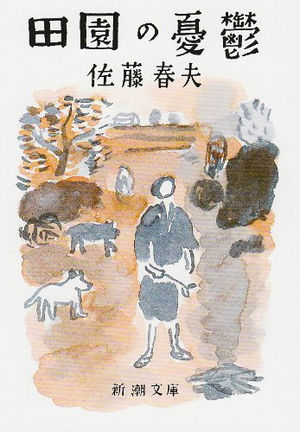
Rural melancholy
Source: www.amazon.co.jp
Pastoral Melancholy (Shincho Bunko) by Haruo Sato
Suffering from the heavy pressure and bustle of the city, a young man who lost the meaning of his life moves to a corner of the grassy Musashino with his lover, two dogs, and a cat. The young man gazes at the soil, weeds, and hills, gnawing with melancholy and boredom, calms himself down inside. There are endless hallucinations, premonitions, feelings of panic, groping.
This book, which tells the crisis of youth and art, and describes various natural phenomena in sensual writing, is the author's representative work and an everlasting masterpiece of romantic literature.
去年読んだ本の中で一番「田園の憂鬱」が最高だった
— 概念 (@kaii0519) 2020.02.17 22:47
勉強に行き詰まったから本を読んでるんですが…
— ずんだよりご飯 (@AdPMFhOazZ7yp4U) January 25, 2020
佐藤春夫先生の「田園の憂鬱」はいいですよ!ちょっと読みにくいかも知れないけど薔薇や風景などの描写がとっても美しいです…
Maihime
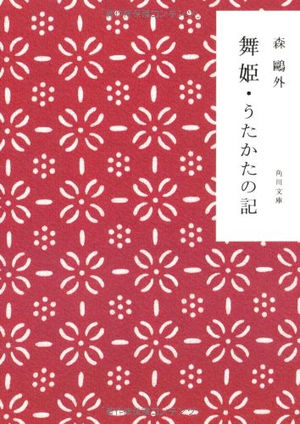
Source: www.amazon.co.jp
Maihime Utakata no Ki (Kadokawa Bunko) written by Ogai MORI
A few years later, Toyotaro Ota, who had been excellent since he was a child and was ordered to go abroad by the ministry where he worked, felt lonely and fell in a violent love with Ellis Maihime, who had a beautiful face. Toyotaro tried to live in love by throwing everything away, but his friend Aizawa made every effort to go back to Japan. It describes a violent and sad youth that takes place in Berlin at the end of the 19th century.
森鴎外「舞姫」読了
— 秋田の緋鯉 (@akita_carp_bbl) February 27, 2020
初めてちゃんと読んだけど…なんだかなぁ
仕事を取るか、女を取るかという男にとって永遠のテーマではあるんだけど…
なぜ!あそこまでいって仕事を取ったんだ!!!
そんな覚悟もないのに愛しちゃいけないだろ…
ただまた時が経ってから読むと変わってしまうのかなぁ#読書
森鴎外「舞姫」
— ので (@ego_ego_) October 8, 2016
ちゃんと読むとなぜ評価されるのかがわかる気がする
Sangetsuki
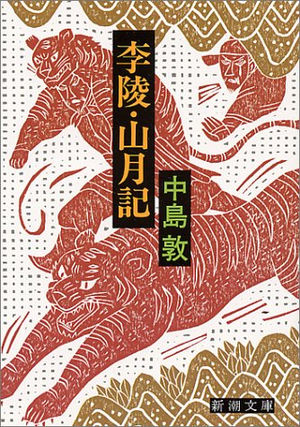
Source: www.amazon.co.jp
Li Ling and Sangetsuki (Shincho Bunko) written by Atsushi NAKAJIMA
At what times do people give up humans and turn into beasts? Inspired by Chinese classics, "Sangetsuki" depicts the deepest part of the human mind. It contains four masterpieces, such as "Li Ling," which depicts the hardships and destiny of a Li Ling who pledges loyalty to his home country, a lonely man of letters, Sima Qian, an indomitable man of action, Su Wu, and the three of them. The author left only two medium-length stories and more than a dozen short stories until he was no longer young at the age of 33. It is full of tension as if he condensed his short life.
高校の授業で読まされた山月記は今読むとクルなあ…漫画家や作家、ミュージシャン志望の人は必読。ていうかこんなの、高校生に読ませたってわかるわけないじゃん!!著者の中島敦はこれを発表した33歳で喘息で亡くなっている。業深すぎ!!http://t.co/Lk73nZLz4P
— 高波伸(たかなみ・しん) (@takanamishin) February 12, 2015
Black rain
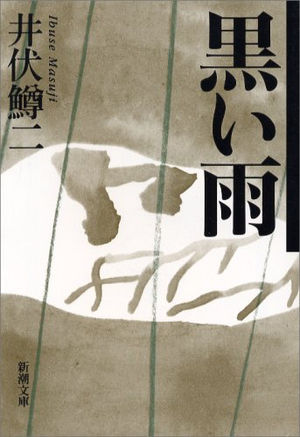
Source: www.amazon.co.jp
Kuroi Ame (Black Rain) (Shincho Bunko) by Masuji 井伏
A flash of light burns the city, and people wander in the rain of radioactivity. The Hiroshima of the Atomic Bomb -- This masterpiece vividly depicts the true face of the tragedy as a matter of humanity, while covering the daily life of suffering and anxiety with my niece, who faced the unprecedented tragedy that an innocent citizen had to bear, and suffered from the atomic bomb disease just by being hit by the "black rain." It is a monumental masterpiece that established the experience of the century of the atomic bombing as literature in everyday life.
最後の1ページで涙する的な広告を見ると井伏鱒二の「黒い雨」の最後の1ページは読んでて哀しいよなあっていつも思い出す。
— ちよ (@mk_ty1) 2016.09.03 18:02
【黒い雨 (新潮文庫)/井伏 鱒二】日記形式で被災からの数日間が淡々と書かれているところで逆に当時の広島にいる気分にさえさせられる。泣いたり感動したりするようなものではないもっと深いところから込み上げ... →https://t.co/wJHPWShz3u #bookmeter
— ☁根無し草☁ (@nenashigusa1234) August 22, 2016

Contents
- NIGHT ON THE GALACTIC RAILROAD
- Sand Woman
- The Makioka Sisters
- Spring Snow - The Sea of Fertility
- 枯木灘
- Silence
- Human disqualification
- Hyperthermic tunnel
- Sanshiro
- Hugging family
- Beyond love and hate
- Kafka by the Sea
- Football in the first year of the Manen era
- Country teacher
- Depravity
- Oh, yeah.
- Ryosuke Nagaoka
- Freezing point
- Rakunichi Moyu
- Kitan Bokuto
- Open fire
- Children of the Earth
- Lemon
- Muddy river
- Freezing
- Kitchen
- Rural melancholy
- Maihime
- Sangetsuki
- Black rain
- The Death of Hakkodasan
- Takekurabe
- Hakai
- Snow country
- Dunhuang
- Droopy hair
- The Book of Tea
- Akahige Iryo Tan
- Japan's Longest Day
- Friendship
- Manners of men
- THE WIND RISES
- The Dark Night
- A Woman
- Duzichun
- Summer darkness
- 病牀 rokushaku
- Kanikosen
- Mahjong Horoki
- Distant sunset
- Sei Takano
- Kirakira Hikaru
- Japan Sinks
- Silver spoon
- Oh, my God
- Shinobu River (Shincho Bunko) written by Tetsuro MIURA
- Living with my father.
- Three Kingdoms
- Gadara pigs
- Human construction
- In the corner of night and fog
- Sand vessel
- Lonely Voice
- Rabbit's eye
- Twenty four Eyes
- Ao Qiong no Subaru
- Konjiki Yasha
- Clouds on the slope
- Dogra Magra
- At the end of the matinee
- Cannibals
- All hands down!
- Ichimuan Furyuki
- Lagos of Travel
- Mountain ridge of the gods
- Torch
- Living alone
- Throw curve, one more ball.
- How do you live?
- Canned peach
- Shoryo Nagashi
- Bokko.
- Tono Monogatari