
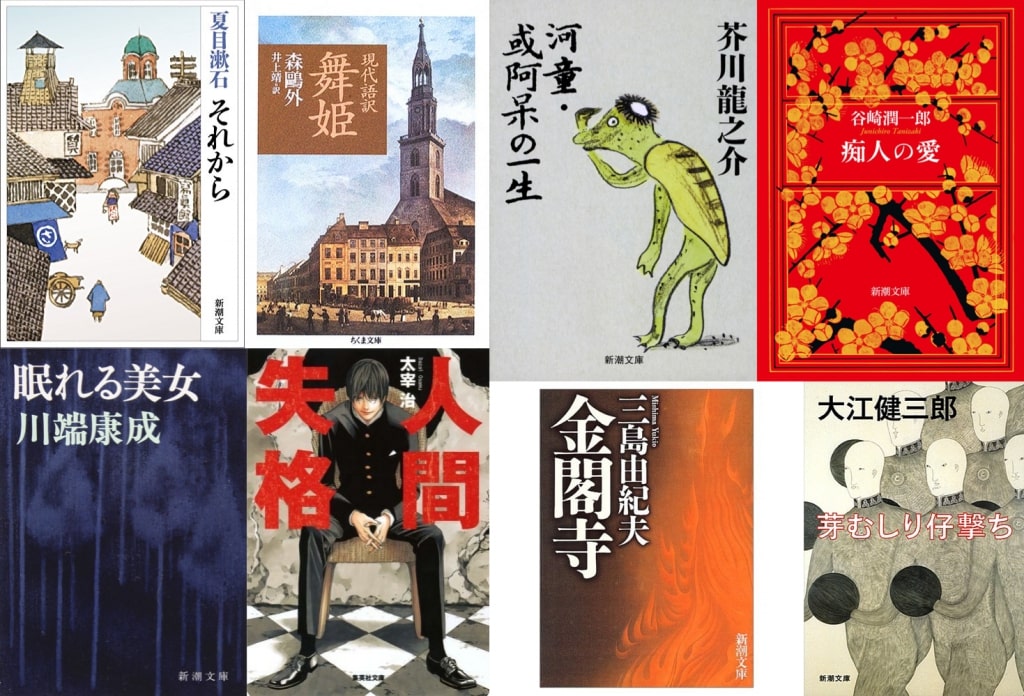
The works of novelists who have left their mark on the history of Japanese literature, such as Miyazawa Kenji and Dazai Osamu, have appeared in many Japanese language textbooks at school. However, unless you are a great lover of literature, it is probably difficult to find someone who has taken the time to read them outside of class. As a Japanese, all of them should be read at least once, so you should definitely give it a shot before you die! It is fun to become the main character of the works and live various lives.
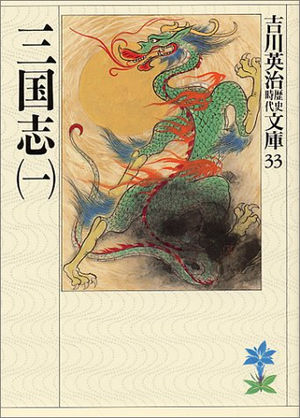
Source: www.amazon.co.jp
Three Kingdoms (1) (Eiji Yoshikawa Rekishi Jidai Bunko) written by Eiji Yoshikawa
When Himiko governed the Yamatai-koku Kingdom, the Later Han Dynasty and the reign of Emperor Ling of Han were in power, the rot of politics brought yellow bandits to various parts of the country, and the people panicked and suffered. At this time, Hitoto no Toshi Liu Bei of Taku no Agata no Ro Kuwamura made an alliance with his comrades Guan Yu, Zhang Fei and Taoyuan to kill the bandits and save the world. -- This is a drama of the magnificent century that has been going on for 100 years since then. Her splendid investigation and pathos are the best in Yoshikawa literature.
吉川英治氏「三国志」を読んだ。「三国志演義」をベースに、独自に人間ドラマとして再構成され、三国志の知名度を上昇させた画期的な小説で、曹操を人間味あふれる人物として描くなど日本人好みにアレンジされている。個人的には三国志を、小説としては本格的に楽しまれたのが本書で正解だったと思う。
— ヨシツネ (@tomoyukintoki) 2016.10.25 07:54
Gadara pigs
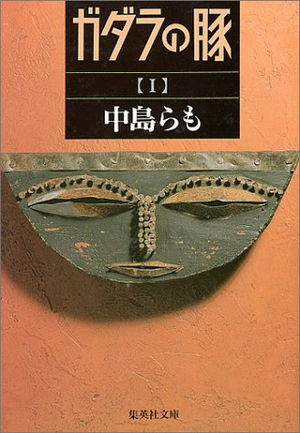
Source: www.amazon.co.jp
Gadara no Buta (1) (Shueisha Bunko)
An ethnologist and professor of popular television personality, Daiseibe Taichiro, who has made remarkable achievements in the study of witch doctors in Africa, is also a professor. His book, "Jujutsu Power: Nende de Kisei" (Magic Power: Killing with Remorse), became a best-selling book due to the popularity of supernatural powers. Since his eldest daughter, Shiori, fell from a balloon and died in East Africa eight years ago, Daiseibe has become an alcoholic. His wife, Itsumi, has become nervous and obsessed with new religions that sell miracles. Daiseibe tries to recapture Itsumi with the magician, Mirakuru. Supernatural powers, fortune-telling, and religion. A story that digs out the darkness of the present time. A great entertainment without any complications. A work that received the Japan Mystery Writers Association Award.
らもさん著「ガタラの豚」はやっぱり面白いなぁ。
— デックスフレッチファン (@DexstarFandotJP) January 9, 2013
中島らもの「ガタラの豚」という話がぶっとんでてとても面白いので、読書の習慣がない人にも知ってもらえるように映像化しないかなあ。。
— chiyo 知誉 (@chiyo_bb) November 16, 2012
Human construction
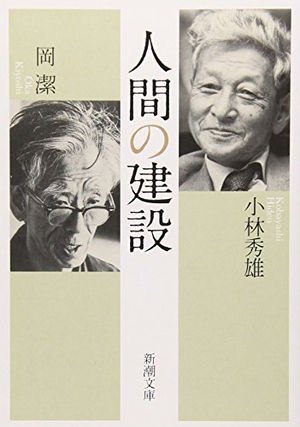
Source: www.amazon.co.jp
Ningen no Kensetsu (Construction of Humans) (Shincho Bunko) by Hideo Kobayashi and Kiyoshi Oka
In other words, it is a small talk. However, it is not an ordinary small talk. It is a small talk between a historical genius with a scientific brain and a historical genius with a scientific brain. Learning, art, sake, modern mathematics, Einstein, haiku, simple reading, Motoori Norinaga, Dostoyevsky, evsky, Van Gogh, non-Euclidean geometry, trigonometric functions, platon, reason. The subjects of study, art, sake, modern mathematics, Einstein, haiku, simple reading, Motoori Norinaga, Dostoyevsky, Van Gogh, non-Euclidean geometry, trigonometric functions, platon, reason. The subjects of study, art, sake, modern mathematics, Einstein
いまは学問が好きになるような教育をしていませんね。だから、学問が好きという意味が全然わかっていないのじゃないかな。小林秀雄・岡潔『人間の建設』新潮文庫 p.tl/cnys
— 読書ノート(名言,格言etc...) (@lucubrate_bot) 2020.02.22 15:11
In the corner of night and fog
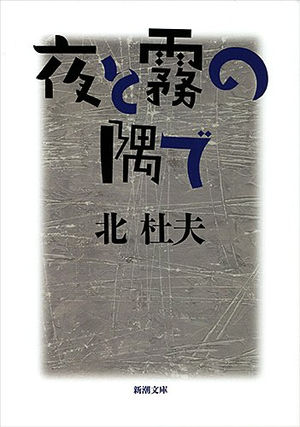
Source: www.amazon.co.jp
By the Corner of Night and Mist (Shincho Bunko) by Kita 杜夫
Five of his early works, including the title piece that captures human anxiety in extreme situations, depict psychiatrists who resist Nazi orders and struggle to save patients.
いおりんがくれた「夜と霧の隅で」、めっちゃ重たくて読み応えのある話だった。ナチスが治る見込みのない精神病患者を安楽死させる話。
— ナギノ (@SuperiorMoon) 2016.10.17 20:51
Sand vessel
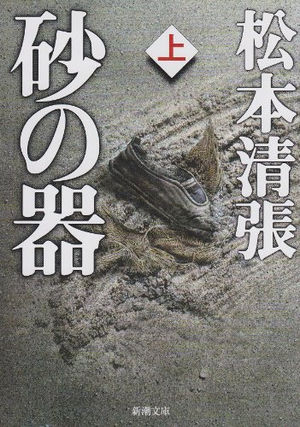
Source: www.amazon.co.jp
Sand Bowl (Jo) (Shincho Bunko) written by Seicho MATSUMOTO
Fate means being born and alive in this world. The body of a man who was strangled to death was found at a train yard in Kamata station, Tokyo Prefecture. The investigation headquarters is disbanded after a desperate investigation using the victim's Tohoku accent and the word "Kameda" as the only clue, but the veteran detective Imanishi persistently follows the case in between other cases. The investigation, in which Imanishi forgot to eat or sleep, begins to reveal fragmentary but valuable facts. However, as if to mock his efforts, the second and third murders occur.
砂の器おもしろかったー。松本清長作品は重いのでたまに見る位で自分には丁度いいけど…。
— argylegirl💉💉🚀 (@argyle_girl) September 11, 2011
Lonely Voice
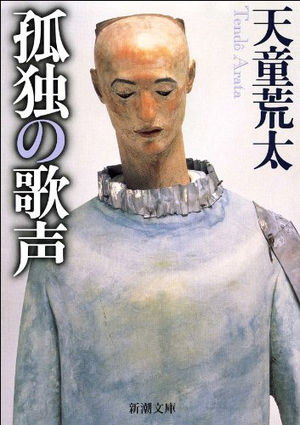
Source: www.amazon.co.jp
Lonely Song (Shincho Bunko) by Arata TENDO
A series of horrendous murders have occurred. Women living alone have been confined and stabbed all over their bodies, but there are no signs of. The female detective who was in charge of the robbery at the convenience store where one of the victims was going went after a suspicious man who was present at the scene, but suddenly her friend went missing. A thrilling psycho-horror of a man and a woman who are lonely, with the endless love and violence. An excellent work in the Japan Mystery Suspense Grand Prize.
天童荒太は、本という括りならば思春期に最も密接していたと言ってもいい。『孤独の歌声』が1番好きなのだ。
— 意思川鳩子 (@JINMENDORI) 2016.09.17 22:09
Rabbit's eye
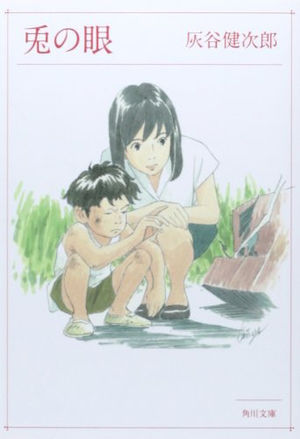
Source: www.amazon.co.jp
Usagi no Gan (Hare's Eye) (Kadokawa Bunko) written by Kenjiro HAITANI
The new teacher, Fumi Kotani, who has just graduated from university, is in charge of Tetsuzo, a freshman who never says a word at school. Kotani was overwhelmed by Tetsuzo, who never opens his heart. However, through contact with Tetsuzo's grandfather, Baku-ji, his colleague, Adachi Sensei, and the school's children, Kotani decided to face Tetsuzo despite suffering. Kotani gradually became aware of the richness of the possibilities hidden in Tetsuzo. Now that the devastation of schools and families is being talked about, the meaning of true education is being questioned once again. This is a representative work of Kenjiro Haitani that impresses the overwhelming impression that will never fade away in the soul of everyone.
灰谷健次郎『兎の眼』
— ayaha (@ayasehairi) October 1, 2016
大事なの忘れてた。新品で買ってもらったのに表紙の縁々がぼろぼろになるまで読んだすごくすごく好きな本。新任教師の女の先生とゴミ処理場の子どもたちのお話だけど、そんな言葉じゃこの本の感動を1ミリだって表せない。 pic.twitter.com/eRkZoxsuyk
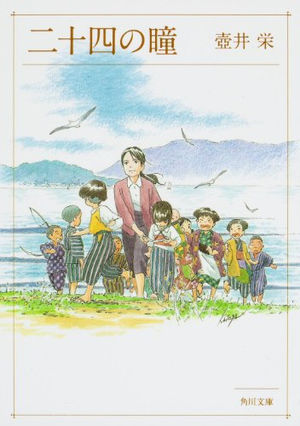
Twenty four Eyes
Source: www.amazon.co.jp
Twenty four Eyes (Kadokawa Bunko) by Sakae Tsuboi
At the beginning of the Showa period, Mr. Oishi, who had just been assigned to an elementary school in a village along the coast of the Seto Inland Sea, and his 12 unique students tell a story full of humanity. They were young teachers and children who had deepened their ties through contact at a branch school, but as they were caught up in the whirlpool of war, their fates were drastically changed. This is an immortal masterpiece that appeals to the bitter anger of the unfortunate and tragic consequences of war and the constant oppression of the poor.
ナイス【二十四の瞳 (角川文庫)/壺井 栄】恥ずかしながら初読みでした。なるほど、名作です。地面にへばりついて生きているような貧しい過疎の寒村も、否応なしに時代に飲み込まれていく。 →https://t.co/2fmzc9jUHb #bookmeter
— チョッピー (@tyoppi) September 2, 2016

Contents
- NIGHT ON THE GALACTIC RAILROAD
- Sand Woman
- The Makioka Sisters
- Spring Snow - The Sea of Fertility
- 枯木灘
- Silence
- Human disqualification
- Hyperthermic tunnel
- Sanshiro
- Hugging family
- Beyond love and hate
- Kafka by the Sea
- Football in the first year of the Manen era
- Country teacher
- Depravity
- Oh, yeah.
- Ryosuke Nagaoka
- Freezing point
- Rakunichi Moyu
- Kitan Bokuto
- Open fire
- Children of the Earth
- Lemon
- Muddy river
- Freezing
- Kitchen
- Rural melancholy
- Maihime
- Sangetsuki
- Black rain
- The Death of Hakkodasan
- Takekurabe
- Hakai
- Snow country
- Dunhuang
- Droopy hair
- The Book of Tea
- Akahige Iryo Tan
- Japan's Longest Day
- Friendship
- Manners of men
- THE WIND RISES
- The Dark Night
- A Woman
- Duzichun
- Summer darkness
- 病牀 rokushaku
- Kanikosen
- Mahjong Horoki
- Distant sunset
- Sei Takano
- Kirakira Hikaru
- Japan Sinks
- Silver spoon
- Oh, my God
- Shinobu River (Shincho Bunko) written by Tetsuro MIURA
- Living with my father.
- Three Kingdoms
- Gadara pigs
- Human construction
- In the corner of night and fog
- Sand vessel
- Lonely Voice
- Rabbit's eye
- Twenty four Eyes
- Ao Qiong no Subaru
- Konjiki Yasha
- Clouds on the slope
- Dogra Magra
- At the end of the matinee
- Cannibals
- All hands down!
- Ichimuan Furyuki
- Lagos of Travel
- Mountain ridge of the gods
- Torch
- Living alone
- Throw curve, one more ball.
- How do you live?
- Canned peach
- Shoryo Nagashi
- Bokko.
- Tono Monogatari