
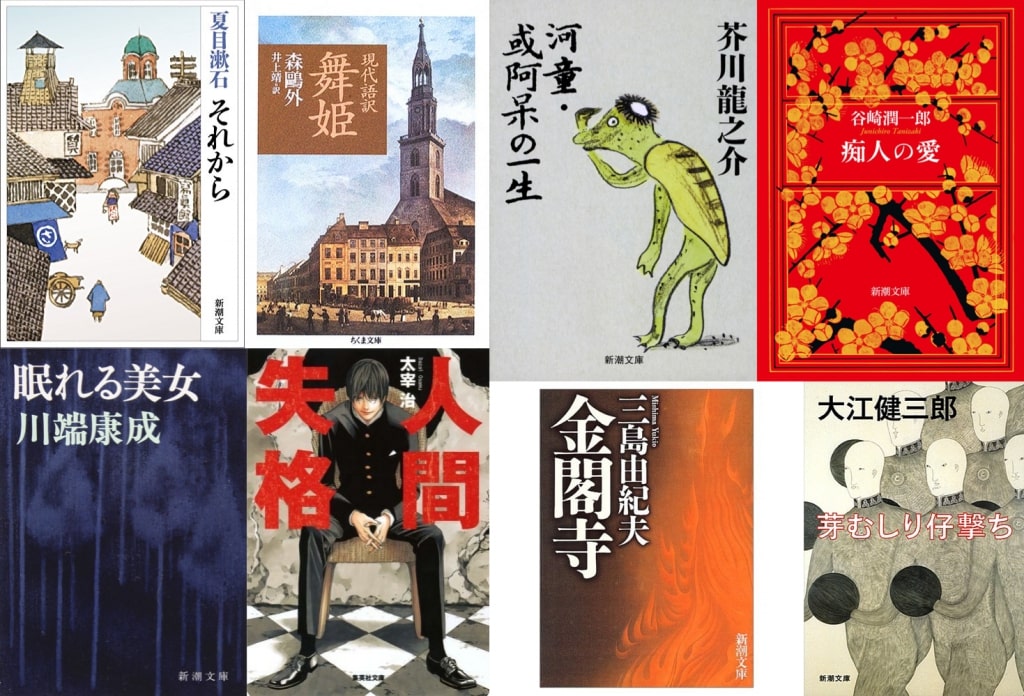
The works of novelists who have left their mark on the history of Japanese literature, such as Miyazawa Kenji and Dazai Osamu, have appeared in many Japanese language textbooks at school. However, unless you are a great lover of literature, it is probably difficult to find someone who has taken the time to read them outside of class. As a Japanese, all of them should be read at least once, so you should definitely give it a shot before you die! It is fun to become the main character of the works and live various lives.
Ao Qiong no Subaru
Source: www.amazon.co.jp
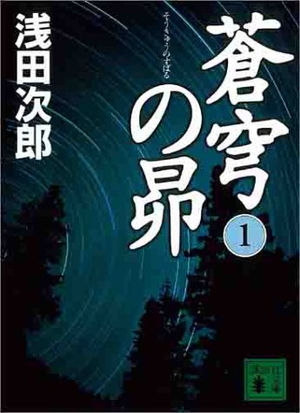
Ao Qiong no Subaru (1) (Kodansha Bunko) written by Jiro ASADA
In the end of the Qing Dynasty, Chunji (チュンル), a boy who was a poor dung hunter, believed in the prophecies of a fortune-teller and went to the capital with his childhood friend Wenshu (ウェンシウ), his older brother, who was taking the Kakyo exam. The path of destiny that awaits the two, who have separated from each other in the capital and have begun to walk with their respective aspirations in their hearts. This is a best-selling masterpiece that touches the souls of all!
蒼穹の昴は本当におすすめです!!!!清朝末期の王室をつぶさに描いた歴史ロマンファンタジー要素含む長編です!!主人公の李春雲が宦官になって出仕し、皇太后付きになるまでのストーリーも胸熱だけど、皇太后とその息子を取り巻く国家の企みめぐる物語は涙無しには……読めない!!!!
— しきまこと (@see_key_) 2016.10.21 21:43
Source: www.amazon.co.jp
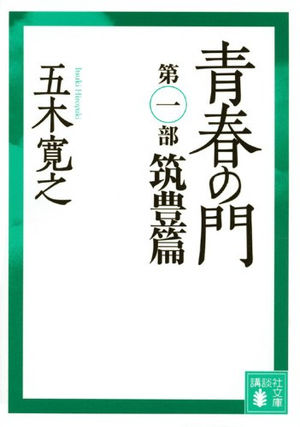
Seishun no mon (The Gate of Youth) (Part I) Chikuho hen (Kodansha Bunko) Hiroyuki Itsuki
The gate of youth through which everyone passes once and is only allowed to pass once. Nobusuke Ibuki who lived in the hot and bloody land of Chikuho. The love and sex of a boy who is waking up, the hope of life and departure.
五木寛之『青春の門』
— ゴクラクトンボ 🧷🌈 (@takayukiigokura) June 17, 2019
新宿二丁目赤線街の娼婦「カオル」
凄まじい読書量を持ち、生の苦しみを知る女性
青臭い左翼学生の理想論など鼻で嗤う凛とした賢者として描写されていた。
高校生のときに読んだ。
彼女ならどういう答えを出すだろう?
また読み返してみるか。
ミシェルフーコーもだ。
今日は、月イチの診察日。 調剤薬局で新聞読んでいたら、五木寛之の『青春の門』が来年また動き出すとのこと。 待ってたんだ、嬉しいな! これで来年の楽しみが1つできた。
— kao 926 (@raintree811) 2016.10.14 11:59
Konjiki Yasha
Source: www.amazon.co.jp
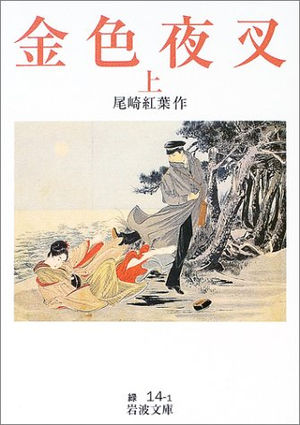
Konjiki Yasha (Ue) (Iwanami Bunko) written by Koyo OZAKI
Kanichi IKKO, who was betrayed by his fiancee, Shigisaku no Miya, who was attracted by the temptation of money, stops studying and tries to retaliate against society by becoming the ogre of money power, Konjiki Yasha (Golden Yasha). However, his heart is not satisfied. This is a masterpiece with all his heart and soul, dedicated by Ozaki Koyo (1868-1903) in his last years.
初めて金色夜叉読んだ時は結構衝撃だった。イメージと違うというか
— 清弥 (@saya_ssn030) September 3, 2016
Clouds on the slope
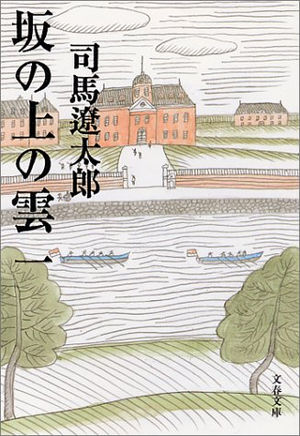
Source: www.amazon.co.jp
Saka no Ue no Kumo (1) (Bunshun Bunko) written by Ryotaro SHIBA
Shiki Masaoka, who was also born and raised in Matsuyama, and the Akiyama brothers, who were active in the Russo-Japanese War. While Shiki struggled with his illness to innovate haikai, the Akiyama brothers worked hard to improve the skills of the Japanese cavalry and navy. His older brother, Yoshifuru, devoted himself to work to defeat the Russian Cossack cavalry, which was touted as the strongest at the time, and his younger brother, Saneyuki, who joined the navy and continued to study naval tactics while remaining attached to the world of literature. The results of the two men's earnest efforts are proven by history. How did they find the meaning of their lives in an era when everyone was trying to rise to stardom? This book is especially highly regarded among Ryotaro Shiba's great river novels and is read by many people, including business people. It is one of those books that I want to read in the age of reform.
NHKドラマ「坂の上の雲」を夢中で観てる。司馬遼太郎先生の原作が傑作なのはもちろん…。ドラマの完成度、はんぱない!!豪華キャスト陣の演技も演出もすごいけど、ほんとにとにかく脚本が素晴らしすぎる。なんて優れた本なのか…。こんなに脚本のすごさに圧倒される作品って無いなあ。天晴れ。
— 南々井梢🌸 (@nanaicozue) February 19, 2016
Dogra Magra
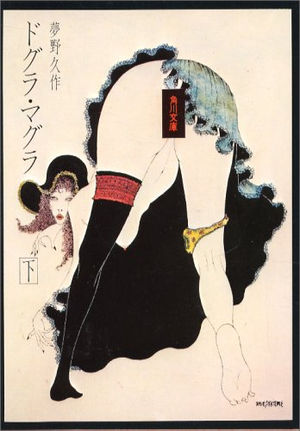
Source: www.amazon.co.jp
Dogra Magra (Kadokawa Bunko) written by Kyusaku YUMENO
"Dogra Magura" is said to be the representative novel of detective novelist Yumeno Kyusaku, and was published in 1935 after more than 10 years of planning and writing. It is counted as one of the three most eccentric books of Japanese detective novels along with "Kuroseikan Satsujin Jiken" (The Murder at the Black Death Pavilion) by Mushitaro Oguri and "Kubutsu no Zukue" (Offerings to Nothingness) by Hideo Nakai. The original meaning of' Dogra Magura' is said to be a dialect of the Nagasaki region that refers to the magic of Kirishitan Bateren (Vatechlen of Kirishitan) in the novel, or it is explained that it is a corrupted form of' bewilderment and embarrassment' or' domawari (turning around the hall) and dizziness,' but the details are not clear.
ドグラマグラ読了した奴、素直に尊敬するわ
— ପおず㌠ଓ @フォロバ100% (@Oz_oksk) 2016.08.13 09:44
ドグラ・マグラ(夢野久作)
— 文学作品紹介bot (@bunsyo_bot) October 22, 2016
管理者が1番好きな本。これを読む者は一度は精神に異常をきたす、というのが売り文句。難解な本としてよく挙げられますが、最後まで読むと案外泣ける本でした。内容の9割は理解不能だけど、分かる1割がとても面白い、といった感じです。
At the end of the matinee
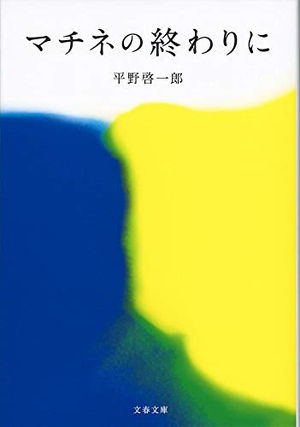
Source: www.amazon.co.jp
Behind the Matinee (Bunshun Bunko) by Keiichiro Hirano
The story centers on the tragic love between Satoshi 蒔野, a gifted classical guitarist, and Yoko KOMINE, an international journalist. They meet in front of the "dark forest of life" where they are in their 40s. The story is about art and life, father and daughter, globalism, life and death, and more.
【マチネの終わりに (文春文庫)/平野 啓一郎】本当に本当に本当に面白かった。オシャレな大人の恋愛小説としても読めるし、人間の業や原罪について表現された、ある種の哲学的な小説としても読める。
— ゆうきなかもと (@yuukinakamoto) February 11, 2020
本… → https://t.co/TZrrDzJnqr #bookmeter
夜更かししてマチネの終わりに読了。結果良かったと思うしかない。でも腹立つ。美しいと思う気持ちもわかる。でも腹立つ。独占欲ゆえの衝動も存在することは知っている。でも腹立つ。でも好きな小説だった。笑
— いう (@ERRRi0v0) February 11, 2020
Cannibals
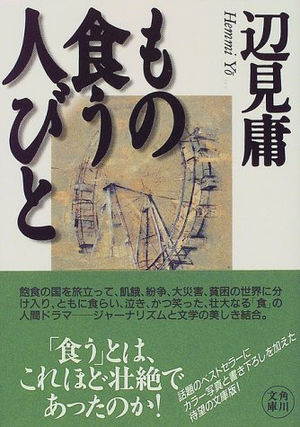
Source: www.amazon.co.jp
Eating People (Kadokawa Bunko) by Yo HENMI
What do people eat now, how do they eat, and how much they can't eat? A dramatic reportage that has received a great response since the time of the series that appealed people's violent association with "food". When it became a paperback edition, it contains newly written monologues and color photos.
「もの食う人びと」たまにすごいグッときて、泣いてしまう。いまチェルノブイリのくだりで泣いたもうた(電車の中です)。
— むムスカ (@muskajp) September 23, 2016
311のずっと前の本だから、書かれた当時に読んだら、きっと泣いたりしないんだろうなあ。いま作者がなにを思っているか知りたい。
All hands down!

Contents
- NIGHT ON THE GALACTIC RAILROAD
- Sand Woman
- The Makioka Sisters
- Spring Snow - The Sea of Fertility
- 枯木灘
- Silence
- Human disqualification
- Hyperthermic tunnel
- Sanshiro
- Hugging family
- Beyond love and hate
- Kafka by the Sea
- Football in the first year of the Manen era
- Country teacher
- Depravity
- Oh, yeah.
- Ryosuke Nagaoka
- Freezing point
- Rakunichi Moyu
- Kitan Bokuto
- Open fire
- Children of the Earth
- Lemon
- Muddy river
- Freezing
- Kitchen
- Rural melancholy
- Maihime
- Sangetsuki
- Black rain
- The Death of Hakkodasan
- Takekurabe
- Hakai
- Snow country
- Dunhuang
- Droopy hair
- The Book of Tea
- Akahige Iryo Tan
- Japan's Longest Day
- Friendship
- Manners of men
- THE WIND RISES
- The Dark Night
- A Woman
- Duzichun
- Summer darkness
- 病牀 rokushaku
- Kanikosen
- Mahjong Horoki
- Distant sunset
- Sei Takano
- Kirakira Hikaru
- Japan Sinks
- Silver spoon
- Oh, my God
- Shinobu River (Shincho Bunko) written by Tetsuro MIURA
- Living with my father.
- Three Kingdoms
- Gadara pigs
- Human construction
- In the corner of night and fog
- Sand vessel
- Lonely Voice
- Rabbit's eye
- Twenty four Eyes
- Ao Qiong no Subaru
- Konjiki Yasha
- Clouds on the slope
- Dogra Magra
- At the end of the matinee
- Cannibals
- All hands down!
- Ichimuan Furyuki
- Lagos of Travel
- Mountain ridge of the gods
- Torch
- Living alone
- Throw curve, one more ball.
- How do you live?
- Canned peach
- Shoryo Nagashi
- Bokko.
- Tono Monogatari