
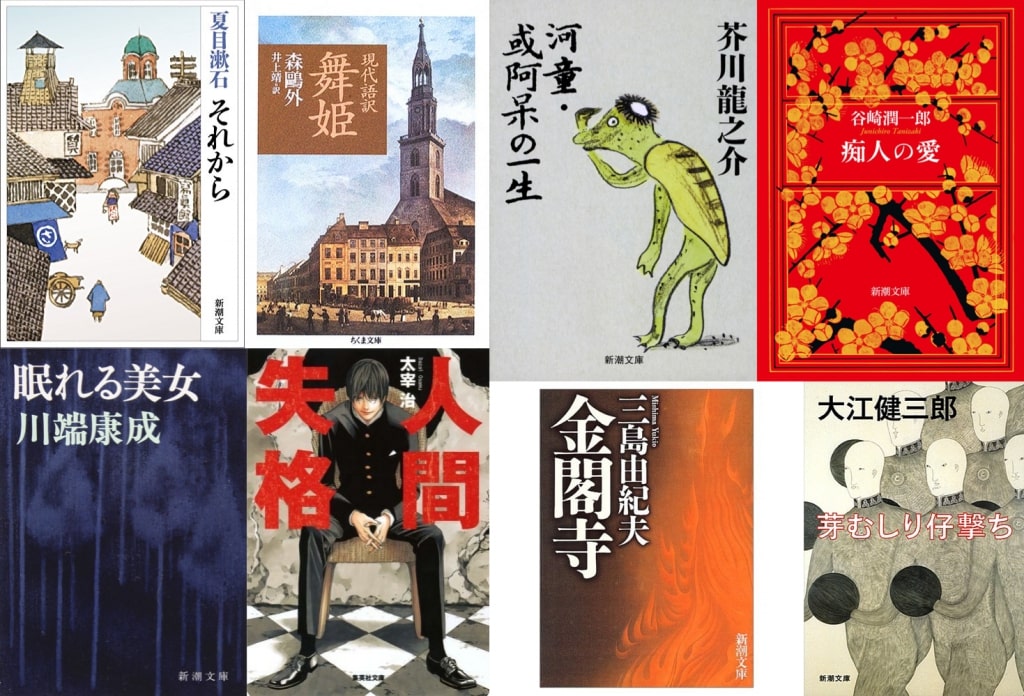
The works of novelists who have left their mark on the history of Japanese literature, such as Miyazawa Kenji and Dazai Osamu, have appeared in many Japanese language textbooks at school. However, unless you are a great lover of literature, it is probably difficult to find someone who has taken the time to read them outside of class. As a Japanese, all of them should be read at least once, so you should definitely give it a shot before you die! It is fun to become the main character of the works and live various lives.
遠藤周作の小説は20代のときに全作品を読んだ。のめり込んだきっかけは名作『わたしが・棄てた・女』。東西線の車内で涙が止まらなくなったのを覚えている。 マーティン・スコセッシが映画化した『沈黙』の公開が待ち遠しい。
— chaaka (@chaaka_jp) 2016.10.21 20:16
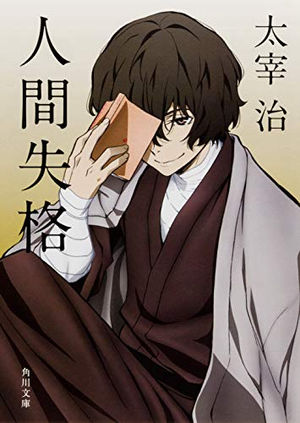
Human disqualification
Source: www.amazon.co.jp
Human Disqualification (Kadokawa Bunko) by Osamu DAZAI
"I have lived a life full of shame. I have no idea what a human life is like." This is a representative work of Dazai literature that sublimates his life into a heroic work, borrowing a note by Ohba Yōzō, the son of a large landowner in Aomori Prefecture and a morphinism patient like an out-of-date person. In addition to "There is no happiness or misfortune for me now. Only one passing away.", this book also contains "Cherry", which describes the anguish of wishing for the happiness of your family and letting it collapse with your own hands.
太宰治『人間失格』傑作やと思う。多分あと少しで読み終わるけど、読んでいてつい感情移入されてしまう。
— ニシ (@nisidesu082800) October 29, 2019
夏休みも後半に入りました。読書感想文の宿題が残っている人はいませんか?そんな人におすすめの1冊、「人間失格」です。太宰治の超有名作品ですが、色あせることのない内容で読んで考えることの多い名作です。今ならプレミアムカバー付きです。悩みがある人は必読です。
— ふたば書房 ヒカリ屋山科店 (@futabahikari) 2015.08.18 19:08
Hyperthermic tunnel
Source: www.amazon.co.jp
High Heat Tunnel (Shincho Bunko) by Akira YOSHIMURA
Kurobe Daisan Power Plant -- Construction began in August 1936 and was completed in November 1940. It was a difficult work to excavate a tunnel in the high temperature zone of the highest bedrock temperature of 165 degrees Celsius in the deep canyon that continued to refuse human invasion. The victims numbered more than 300. It is a documentary that recreates the strange space-time where the tenacity of men who are obsessed with tunnel penetration and the violence of unpredicted nature confront each other through close coverage and research, and 描破 human figures in extreme situations.
『高熱隧道』(吉村昭)岩盤最高温度165℃。そこは人が手を出してよい場所だったのか……。黒部第三発電所建設を背景に極限で生きる人間を描いた傑作。 https://t.co/7HDPcUjjfx #ebook #電子書籍
— 【新潮社の電子書籍】既刊紹介 (@shinchoebookbot) October 22, 2016
高熱隧道やばい。これは、読むべき
— Генгоя (@enso0909) October 13, 2016
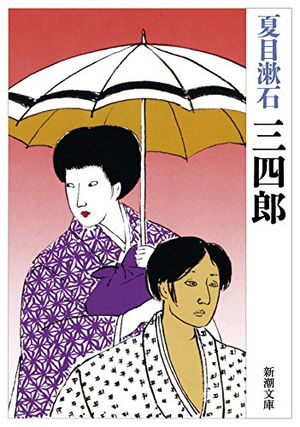
Sanshiro
Source: www.amazon.co.jp
Sanshiro (Shincho Bunko) Soseki Natsume
He was born and raised in a farming village in Fukuoka-ken, and after graduating from high school in Kumamoto-ken, he moved to Nagoya-ken. On the way to Nagoya-ken, Sanshiro accidentally shared a room with a woman who had been riding with him in Kyoto-ken. When the floor was laid down, Sanshiro took care of himself, but at the time of parting, he was told, "You don't have much courage." He came to Tokyo to enter Tokyo Imperial University, but Tokyo was a world completely different from his common sense. He met various people, and Sanshiro summarized that he was surrounded by three worlds. The first was the country of his mother's hometown, Kyushu-ken. The second was the academic world with Nonomiya and Hirota-sensei. The third was a world full of splendor.
夏目漱石「三四郎」を読んでいたんだけど、電車の窓から弁当のゴミを思いっきり投げ捨てるシーンがあって、今では考えられないけど壮快でいいなと思った http://t.co/HOm35g11
— メモ (@tily) January 11, 2013
童貞大学生の心情を綴った名作。「気になる女の子と親しげな男全員『彼氏なんじゃねぇ?』と疑っちゃう」症候群の三四郎。童貞なのに「あなたは余っ程度胸のない人ですね」って見ず知らずの美女に言われるなんて羨ましい。RT夏目漱石『三四郎 』 https://t.co/tYgWsY7fGs
— ( ´ー`) .。oO( (@m_obuchizawa) May 11, 2016
Hugging family
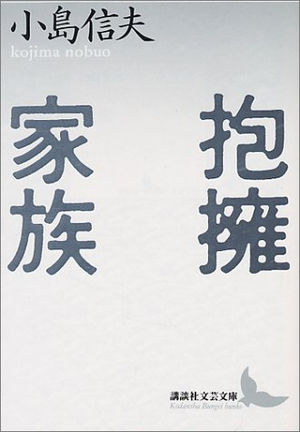
Source: www.amazon.co.jp
Hug Family (Kodansha Bungei Bunko) by Nobuo KOJIMA
The husband, a college instructor, is very upset when the housekeeper tells him that his wife and an American soldier who visits his home are having a series of love affairs. He suddenly starts wiping the house with his children in an attempt to somehow restore his relationship with his wife. He also tries to behave in a high-handed manner to the American soldiers on purpose, but all of these things are nothing but comical and miserable. He decides to build a new house in Setagaya, and when the relationship is finally on the path to restoration, he feels a lump in his wife's breast. It was breast cancer.
小島信夫、好きだー。抱擁家族は名作です。学生時代に頭がおかしくなるほど読んだなあw。
— ふみな (@fumi_fumi0) December 17, 2013
読みおわってからツイートしろよといわれそうですけど、読みおわったらおわったでわすれてしまいがちなんで書いてしまいますが、いま読んでる小島信夫『抱擁家族』、ほんまにMAXよいですよ。1ページ読むごとにつらすぎてぶったおれそうになりますよ。パワーがありますよ。是非読んでね
— 碓氷 (@onet5516) 2016.10.15 01:38
Beyond love and hate
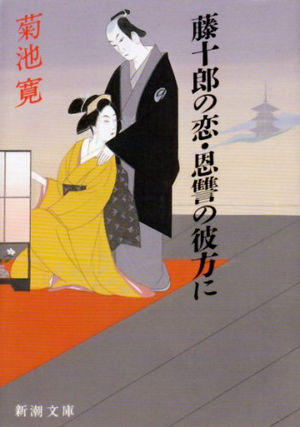
Source: www.amazon.co.jp
Tojuro's Love, Love and Hate (Shincho Bunko) written by Hiroshi KIKUCHI
This collection contains all of Kikuchi's early historical masterpieces, and it is clear from these works that Kikuchi, as a liberalist, worked to defeat feudalism through his creations.
The themes of these works may not be so unusual in modern times, but they have become popular among the writers of many historical works since the time of Mr. Kikuchi. Thirty years ago, these themes were all unique and original ideas of Mr. Kikuchi.
-- Eiji Yoshikawa
復讐とは「何の罪もない人が殺されて、殺した奴がなんの罰も受けずのうのうと生きている」という不公平を是正しようとする行為だから、作品中で突然「復讐しても死んだ人が喜ばないからやめます」となるのは納得がいかないなー。
— 満福神社@17話DVD3/25ショップ委託開始 (@manpuku_jinja) November 13, 2019
菊池寛の『恩讐の彼方に』くらいの描写があれば納得する
昔、詩人サトウハチローが、菊池寛の容貌を一言「汚れた手で結んだ(握った?)おにぎり🍙」と妹の佐藤愛子に語ったという逸話があって、それから菊池寛の写真をみた瞬間に吹き出した事がある私なのですが、この度読んだ「恩讐の彼方に」は素晴らしかったです。あの時は吹き出してすみませんでした。
— 浅西マサ (@asa24masa) June 16, 2019
Kafka by the Sea
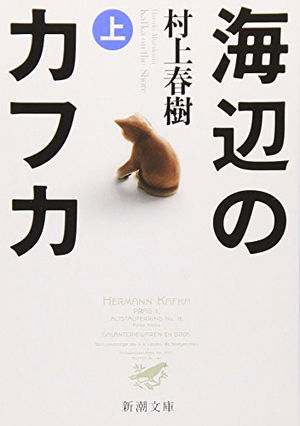
Source: www.amazon.co.jp
Kaihen no Kafka (Above) (Shincho Bunko) written by Haruki Murakami
"Kaihen no Kafka" is Haruki Murakami's 10th full-length novel, based on the Greek tragedy and Japanese classical literature. Under the thought of Franz Kafka, the story of the Greek tragedy of the King of Oedipus and Japanese classical novels such as "The Tale of Genji" and "Ugetsu Monogatari" are used in various parts of the story. It is unusual for Murakami's novels, which have many protagonists in their late 20s and early 30s, to have a 15-year-old boy called "Boku" as the main character. This is a story in which a person grows mentally by going back and forth in a strange world. The theme of violence and war from "Nejimaki Bird Chronicle" has been carried over to this novel, and there are also vivid and cruel scenes.
村上春樹に手を出してみたいという人には『海辺のカフカ』がオススメ。サービスシーンが多いから #読書
— 正しい読書法bot (@readbookread) October 22, 2016

Contents
- NIGHT ON THE GALACTIC RAILROAD
- Sand Woman
- The Makioka Sisters
- Spring Snow - The Sea of Fertility
- 枯木灘
- Silence
- Human disqualification
- Hyperthermic tunnel
- Sanshiro
- Hugging family
- Beyond love and hate
- Kafka by the Sea
- Football in the first year of the Manen era
- Country teacher
- Depravity
- Oh, yeah.
- Ryosuke Nagaoka
- Freezing point
- Rakunichi Moyu
- Kitan Bokuto
- Open fire
- Children of the Earth
- Lemon
- Muddy river
- Freezing
- Kitchen
- Rural melancholy
- Maihime
- Sangetsuki
- Black rain
- The Death of Hakkodasan
- Takekurabe
- Hakai
- Snow country
- Dunhuang
- Droopy hair
- The Book of Tea
- Akahige Iryo Tan
- Japan's Longest Day
- Friendship
- Manners of men
- THE WIND RISES
- The Dark Night
- A Woman
- Duzichun
- Summer darkness
- 病牀 rokushaku
- Kanikosen
- Mahjong Horoki
- Distant sunset
- Sei Takano
- Kirakira Hikaru
- Japan Sinks
- Silver spoon
- Oh, my God
- Shinobu River (Shincho Bunko) written by Tetsuro MIURA
- Living with my father.
- Three Kingdoms
- Gadara pigs
- Human construction
- In the corner of night and fog
- Sand vessel
- Lonely Voice
- Rabbit's eye
- Twenty four Eyes
- Ao Qiong no Subaru
- Konjiki Yasha
- Clouds on the slope
- Dogra Magra
- At the end of the matinee
- Cannibals
- All hands down!
- Ichimuan Furyuki
- Lagos of Travel
- Mountain ridge of the gods
- Torch
- Living alone
- Throw curve, one more ball.
- How do you live?
- Canned peach
- Shoryo Nagashi
- Bokko.
- Tono Monogatari