
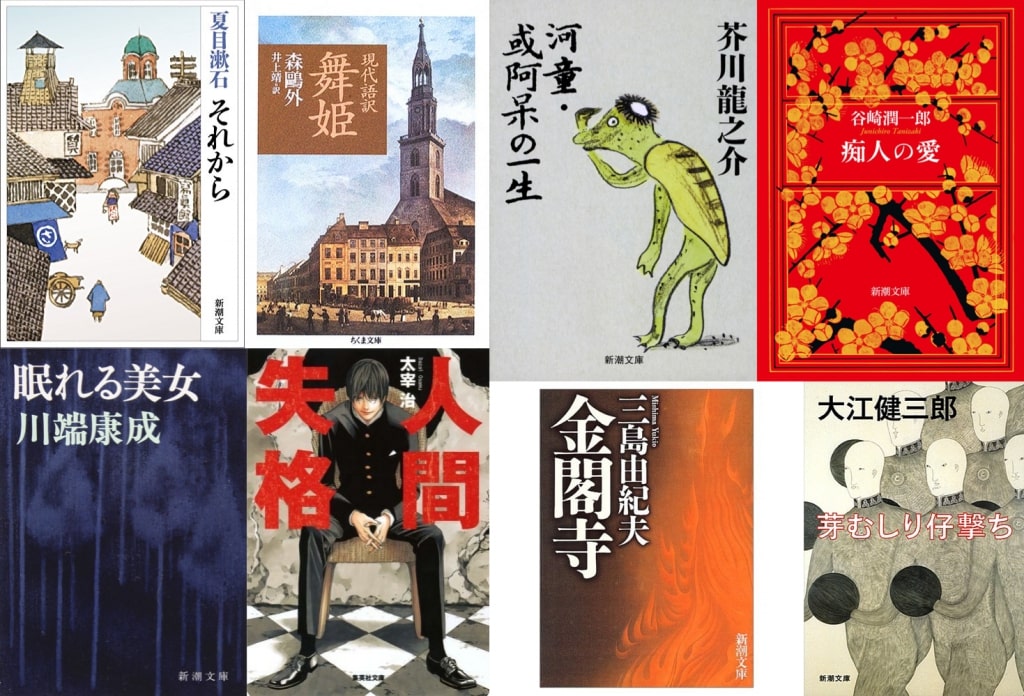
The works of novelists who have left their mark on the history of Japanese literature, such as Miyazawa Kenji and Dazai Osamu, have appeared in many Japanese language textbooks at school. However, unless you are a great lover of literature, it is probably difficult to find someone who has taken the time to read them outside of class. As a Japanese, all of them should be read at least once, so you should definitely give it a shot before you die! It is fun to become the main character of the works and live various lives.
山際淳司の「スローカーブを、もう一球」は、多分山際の数多い著作の中でこれからも読み継がれる唯一の本になるんじゃないかと思う。
— キタトシオ (@kitatoshio1982) August 22, 2019
「江夏の21球」が収録されているのは確かに大きい。しかし若者のいくらか乾いた青春(とその挫折)を都会的な感性で切り取った他の作品も不変的な輝きを放っている。
東海大四の西嶋投手の投球を見て、ふと山際淳司の『スローカーブをもう一球』を思い出し、読みなおしました。名作!
— 中島岳志 (@nakajima1975) August 19, 2014
How do you live?
Source: www.amazon.co.jp
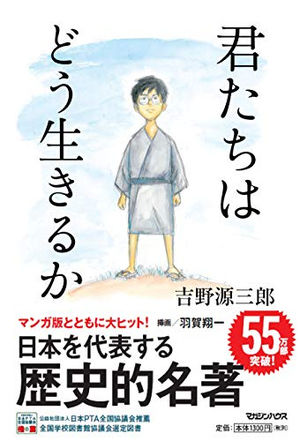
How You Live, Genzaburo Yoshino
This is an excellent book that transcends time. How should we, as human beings, deal with the themes of poverty, bullying, courage, learning, etc. that have not changed in the past and now?
君たちはどう生きるか、小説読んだ〜( ¨̮ ) だいぶ前の作品ですが、考えさせられる内容でした重版かさねて人気になるの分かるわ( ゚ー゚)ウ ( 。_。)ン
— モーメント (@mooment8823) 2020.02.23 15:58
Canned peach
Source: www.amazon.co.jp
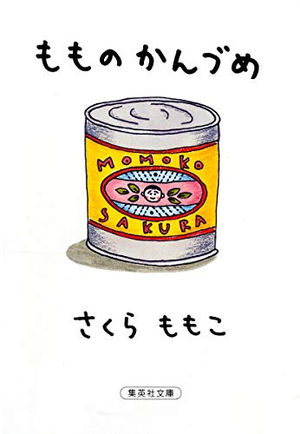
Momo no Kanzume (Peach Scroll) (Shueisha Bunko) written by Momoko SAKURA
"Was there such an interesting book!" This is a masterpiece of a burst of laughter essay that engulfs everyone from elementary school students to the elderly in a whirlpool of laughter! This book is full of fun and fun laughter, with familiar family members such as father Hiroshi, mother and sister appearing in the events that the author experienced in his daily life. In the "Fun conversation at the end of the book", once again, the whole body becomes a laughing point. It comes with a color illustration.
ちびまる子ちゃんが始まった時の衝撃たるや。もう、言葉にならない。さくらももこ先生は、エッセイも天才的に上手かったし。『もものかんづめ』と『さるのこしかけ』は名著中の名著。合掌。
— あずま鑑 (@HQVJF9) August 27, 2018
Shoryo Nagashi
Source: www.amazon.co.jp
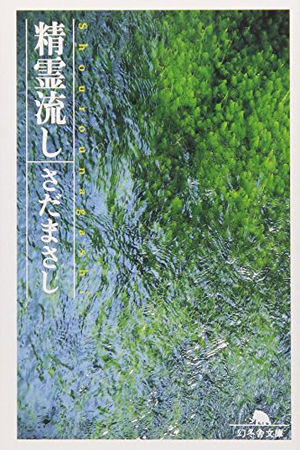
Shoryo Nagashi (Gentosha Bunko) written by Masashi Sada
It was a chaotic period after the war. Born in Nagasaki, Masahiko was given a violin by his parents when he was three years old. He came to Tokyo at a young age with a promising future. As he grew up, Masahiko had many happy encounters and terrible divorces with his important family, friends, and colleagues. This is a long, tearful autobiographical novel that laments his feelings for the people who have lived a small but beautiful life and have never returned.
さだ沼に落ちかけてる人にはさださんの小説「精霊流し」をぜひ読んでほしい……私は初めて小説で泣きました……
— みすたー (@mister_alfee) December 11, 2019
そしてドラマ化した精霊流しのテーマソングのきみを忘れない〜タイムカプセル〜を聞くのです……
「精霊流し」読了。想像以上に素晴らしく、最後は泣いた。人生は出会いと別れなのだなと思った。よく考えると、いままでの私の人生で、別れ(死別)というのは、ほとんどない。ある意味、幸せなのだと思う。
— tac2917 (@tac2917) October 18, 2014
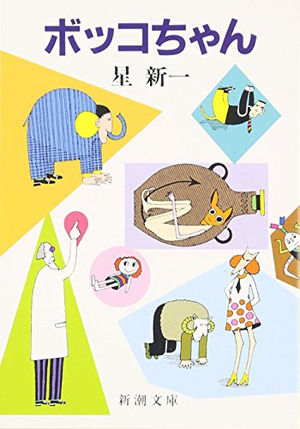
Bokko.
Source: www.amazon.co.jp
Bokko Chan (Shincho Bunko) by Shinichi HOSHI
The author has selected 50 masterpieces. An introduction to the science fiction writer Shinichi Hoshi.
"Bokko chan", a popular beauty shop assistant at the bar. She had a big secret.
星新一大好き民としては、真鍋博氏のイラストには特別な思い入れがあります。初めて目にしたのは小学生の頃で、その洒脱な雰囲気や、ちょっと皮肉の効いた切り口には「大人の本を読んでる」気分にさせてくれるものがありました。星新一の描く未来図と併せて、本の楽しみを教わったと思います。好き。
— うみねこ博物堂 (@umineko22) February 7, 2020
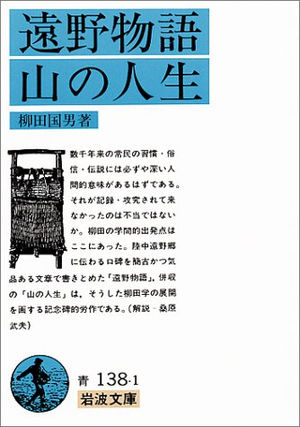
Tono Monogatari
Source: www.amazon.co.jp
Tono Monogatari: Yama no Jinsei (Life of the Mountain) (Iwanami Bunko) written by Kunio YANAGIDA
The customs, superstitions, and legends of ordinary people over thousands of years must surely have profound human meaning. Isn't it unfair that this has not been documented and investigated? This was the starting point of Yanagida's learning.' Tono Monogatari' (The Tale of Tono) and 併収's' Yama no Jinsei' (Life in the Mountain), both written in simple, old, and elegant sentences, are monumental efforts that illustrate the development of Yanagida's learning.
連綿と語り継がれた民話・説話から古きよき時代の日本を感じよう!【遠野物語】https://t.co/Alnv10KJ3q
— 商社うーまん (@MC_businesslady) October 14, 2016
遠野物語はいいですよね
— よしこ う (@yooosikou) October 13, 2016
あの時代の伝承、迷信や人々の暮らしが書いてあって民俗学勉強するには必需品ですよね!

Contents
- NIGHT ON THE GALACTIC RAILROAD
- Sand Woman
- The Makioka Sisters
- Spring Snow - The Sea of Fertility
- 枯木灘
- Silence
- Human disqualification
- Hyperthermic tunnel
- Sanshiro
- Hugging family
- Beyond love and hate
- Kafka by the Sea
- Football in the first year of the Manen era
- Country teacher
- Depravity
- Oh, yeah.
- Ryosuke Nagaoka
- Freezing point
- Rakunichi Moyu
- Kitan Bokuto
- Open fire
- Children of the Earth
- Lemon
- Muddy river
- Freezing
- Kitchen
- Rural melancholy
- Maihime
- Sangetsuki
- Black rain
- The Death of Hakkodasan
- Takekurabe
- Hakai
- Snow country
- Dunhuang
- Droopy hair
- The Book of Tea
- Akahige Iryo Tan
- Japan's Longest Day
- Friendship
- Manners of men
- THE WIND RISES
- The Dark Night
- A Woman
- Duzichun
- Summer darkness
- 病牀 rokushaku
- Kanikosen
- Mahjong Horoki
- Distant sunset
- Sei Takano
- Kirakira Hikaru
- Japan Sinks
- Silver spoon
- Oh, my God
- Shinobu River (Shincho Bunko) written by Tetsuro MIURA
- Living with my father.
- Three Kingdoms
- Gadara pigs
- Human construction
- In the corner of night and fog
- Sand vessel
- Lonely Voice
- Rabbit's eye
- Twenty four Eyes
- Ao Qiong no Subaru
- Konjiki Yasha
- Clouds on the slope
- Dogra Magra
- At the end of the matinee
- Cannibals
- All hands down!
- Ichimuan Furyuki
- Lagos of Travel
- Mountain ridge of the gods
- Torch
- Living alone
- Throw curve, one more ball.
- How do you live?
- Canned peach
- Shoryo Nagashi
- Bokko.
- Tono Monogatari