
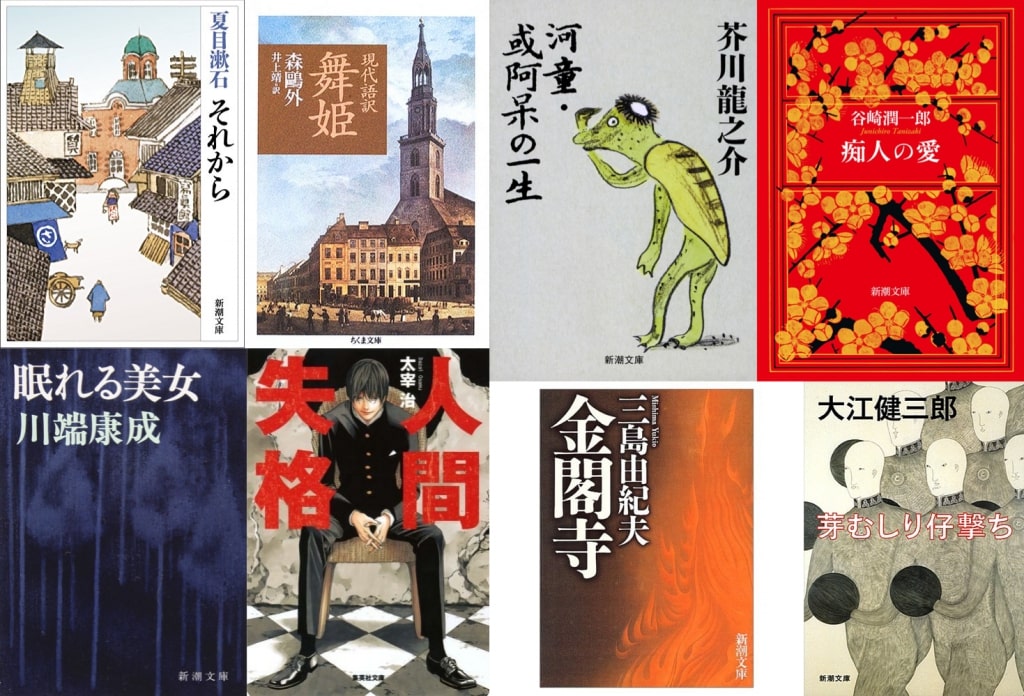
The works of novelists who have left their mark on the history of Japanese literature, such as Miyazawa Kenji and Dazai Osamu, have appeared in many Japanese language textbooks at school. However, unless you are a great lover of literature, it is probably difficult to find someone who has taken the time to read them outside of class. As a Japanese, all of them should be read at least once, so you should definitely give it a shot before you die! It is fun to become the main character of the works and live various lives.
『氷点』(三浦綾子)を読みました。すごい感情のジェットコースターに乗れる作品です。富士急ハイランドにこの名前を冠したジェットコースターを作った方がいいと思います。「降ろして!!」じゃなくて「止めて!!」と登場人物達に言い続けながらも、乗り続けることになるでしょう。
— いぞ (@izo_izo) May 16, 2019
Rakunichi Moyu
Source: www.amazon.co.jp
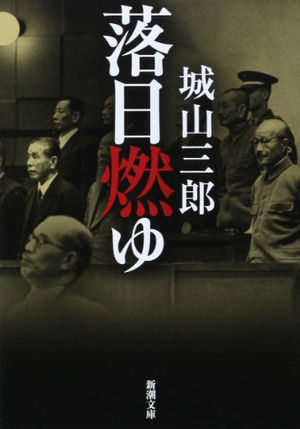
Rakunichi Moyu (Shincho Bunko) written by Saburo SHIROYAMA
Former Prime Minister and Foreign Minister Koki Hirota was the only civilian among the seven Class-A war criminals sentenced to hanging at the Tokyo Trial. Hirota was forced to face the fate of being executed along with other soldiers who tried hard to prevent war but continued to throw cold water on their efforts. The life of Hirota, who accepted it as a form of entertainment and did not make any excuses, is retraced in a restrained manner with the turbulent history of the Showa period. He received the Mainichi Publishing Culture Award and the Eiji Yoshikawa Literature Award.
「落日燃ゆ」読了!
— nobuko (@aokishin10) August 22, 2016
解説にもあったけど、著者が感情を文章に入れずに書いた本。読む価値のある本だと思いました。えらそうなこと言ってるけど既に評価されている作品なので、間違いないです(笑)広田弘毅の信念は頭ではわかるけどそれを貫いたのはすごかった。臨終只今で生きていたんだと思う。
その総選挙はまた、新憲法公布下の最初の総選挙である。「日本を滅ぼした長州の憲法」の終焉を告げる総選挙でもあった。
— 小説の中のある一文 (@of_the_novel) February 23, 2020
ー城山三郎『落日燃ゆ』
Kitan Bokuto
Source: www.amazon.co.jp
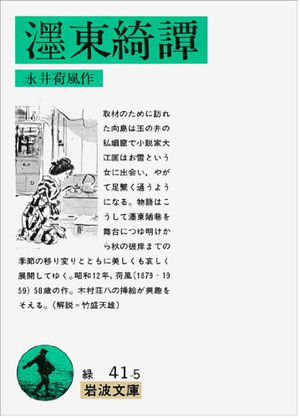
Bokuto Kitan (Iwanami Bunko) written by Kafu NAGAI
"Bokuto Kidan" is a novel written by Kafu Nagai. Set in Tamanoi, a private house, it depicts the encounter and parting of the novelist OE no Tadashi and the Oyuki in a beautiful and pitiful way as the seasons change. In "Danchitei Nichijo," Kafu's diary, there is a description of Kafu's visits to Tamanoi, and the main character, OE, is thought to be the author's alter ego. It is considered to be the masterpiece of Kafu's novels and was made into a movie in 1960, 1992 and 2010.
濹東綺譚 永井荷風
— どり@ (@de_riz29) February 15, 2020
前回読んだ荷風追想でいろんな方が荷風のピークは濹東綺譚だと書き残していたので気になって読み返し2回目。前回読んだ時の感想見返したら淡白って書いてあったんだけど、今回はその逆、なんて生々しいんだろうって思った。 #どり読書
耽美派とは、「メッセージや思想よりも、美を描き出すことを最も重視する」と唱えた一派です。谷崎潤一郎の「痴人の愛」や永井荷風の「すみだ川」が有名ですね。作風としては官能的・享楽的な美といったところでしょうか。
— 文学たん (@bungakutan) October 24, 2016
Open fire
Source: www.amazon.co.jp
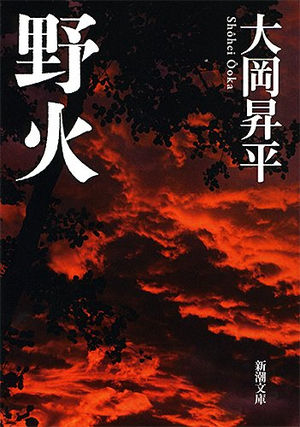
Noka (Wildfire) (Shincho Bunko) by Shohei Ooka
Private Tamura was attacked by tuberculosis on the Philippine front, where defeat was decisive. He was given only a few potatoes and expelled from the main unit. He wandered in the wild, where fires were burning. He was so hungry that he even ate a leech that sucked his own blood. After that, he turned his eyes to the corpses of his comrades. Based on the unusual war experience of an ordinary middle-aged man, this is a masterpiece of war literature that traces why he did not go into cannibalism.
「野火」は大岡昇平の原作を以前読んだが、これは日本人として読んでおいた方がいい。
— #06 HB (@Lhb_pg) October 23, 2016
人肉捕食なんて……
いや、あったんだよ。
大岡昇平『野火』で軍人が発狂して天使になるシーンは最高だからみんな見てくれよな
— 🦂KRNG💉💉💉継続登録ENo.11『Memorabilia.』 (@kuronaga_R) October 4, 2016
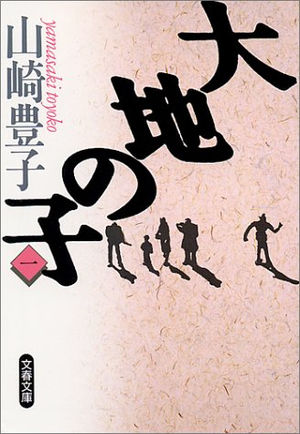
Children of the Earth
Source: www.amazon.co.jp
Daichi no Ko (1) (Bunshun Bunko) by toyoko Yamazaki
Lu Isshin is a Japanese war orphan who lost his grandfather and mother immediately after the war ended and left his daughter alive. Because he was Japanese, he was lynched by the Cultural Revolution and sent to a labor camp in Inner Mongolia where he was sentenced to 15 years in prison for espionage. In his working days, he recalls the kindness of his adoptive father, Lu Tokushi, and the nurse, Ezuki Ume, who helped him with a serious illness.
故・山崎豊子さんの「大地の子」がめっちゃ好きで、受験期にドラマの再放送を見て感動したのと、卓球が大好きで中国人選手もカッコよくて好きだったので、ノリでチャイ科を選んでしまいました
— 黒亜ティア🇭🇷コミティア140さ08a (@Lijepa_Domovina) October 23, 2016
山崎豊子『大地の子』読み始めたけど、面白すぎる。
— ゴンザ (@thefangon) August 25, 2016
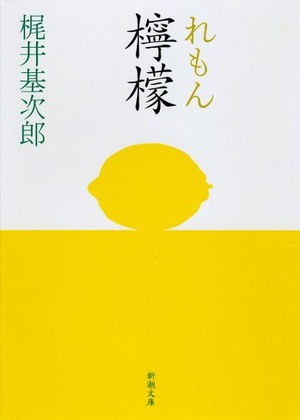
Lemon
Source: www.amazon.co.jp
Remon (Shincho Bunko) written by Motojiro KAJII
The work left by the author who died at the young age of 31 is highly acclaimed as a miracle in the history of Showa literature. The book contains 20 works that purify the anxiety and irritation of youth with a unique sense and inner stare, such as "Remon" that is captivated by its unusual beauty and leaves a purchased lemon on the bookshelf of a foreign book store, "Winter Day" that looks at human suffering and is terrible, "Caress" that symbolizes the wonder of living things, "In a Town with a Castle" and "The Picture Scroll of the Darkness".
梶井基次郎の檸檬、学生の頃読んだ時は何が檸檬爆弾じゃいという気持ちだったけど今読んだらわかるわかるあるある~~すぎてなんだろう心がスレてしまったのかな…。
— いちはや@コミティアJ33a (@plustech17) 2016.10.18 01:08
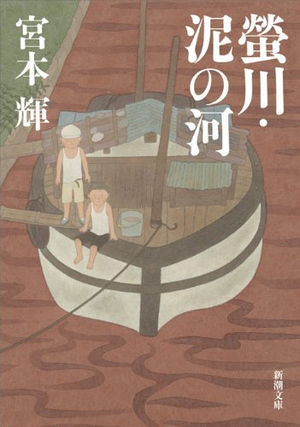
Muddy river
Source: www.amazon.co.jp
Hotaru-gawa and Doi-no-kawa (Shincho Bunko) written by Teru MIYAMOTO
"Dei-no-kawa" (River of Mud), a Osamu Dazai Prize-winning novel that portrays the short friendship between a boy who lives by a river and his sister and brother who live in a red-light boat. "Hotaru-gawa" (Hotaru River), a Akutagawa Prize-winning novel that portrays the death of a fallen father, the accident of a friend of a friend, and a faint first love in the transition from spring to summer in Hokuriku Toyama, where snow clouds finally gather. "Hotaru-gawa" is a masterpiece that captures the joys and sorrows of the human world reflected on the surface of two rivers with the two perspectives of childhood and puberty.
@Saki_jn0 小説、いいですね!僕は中学学習参考書で解いた「螢川(宮本輝)」で、宮本輝が好きになりました。まだ「螢川・泥の河」「道頓堀川」「ドナウの旅人」しか読めていませんが、何度も読みたくなる本ばかりです。どこで良書に出会うか、ということも、わからないですよね。
— Tatsuya YABUUCHI (@TYashf7) December 23, 2011
なんで夜はきっちゃんの家に行ったらあかんの?
— とある本より (@1linefrom1book) March 7, 2020
『螢川・泥の河』 宮本輝

Contents
- NIGHT ON THE GALACTIC RAILROAD
- Sand Woman
- The Makioka Sisters
- Spring Snow - The Sea of Fertility
- 枯木灘
- Silence
- Human disqualification
- Hyperthermic tunnel
- Sanshiro
- Hugging family
- Beyond love and hate
- Kafka by the Sea
- Football in the first year of the Manen era
- Country teacher
- Depravity
- Oh, yeah.
- Ryosuke Nagaoka
- Freezing point
- Rakunichi Moyu
- Kitan Bokuto
- Open fire
- Children of the Earth
- Lemon
- Muddy river
- Freezing
- Kitchen
- Rural melancholy
- Maihime
- Sangetsuki
- Black rain
- The Death of Hakkodasan
- Takekurabe
- Hakai
- Snow country
- Dunhuang
- Droopy hair
- The Book of Tea
- Akahige Iryo Tan
- Japan's Longest Day
- Friendship
- Manners of men
- THE WIND RISES
- The Dark Night
- A Woman
- Duzichun
- Summer darkness
- 病牀 rokushaku
- Kanikosen
- Mahjong Horoki
- Distant sunset
- Sei Takano
- Kirakira Hikaru
- Japan Sinks
- Silver spoon
- Oh, my God
- Shinobu River (Shincho Bunko) written by Tetsuro MIURA
- Living with my father.
- Three Kingdoms
- Gadara pigs
- Human construction
- In the corner of night and fog
- Sand vessel
- Lonely Voice
- Rabbit's eye
- Twenty four Eyes
- Ao Qiong no Subaru
- Konjiki Yasha
- Clouds on the slope
- Dogra Magra
- At the end of the matinee
- Cannibals
- All hands down!
- Ichimuan Furyuki
- Lagos of Travel
- Mountain ridge of the gods
- Torch
- Living alone
- Throw curve, one more ball.
- How do you live?
- Canned peach
- Shoryo Nagashi
- Bokko.
- Tono Monogatari