
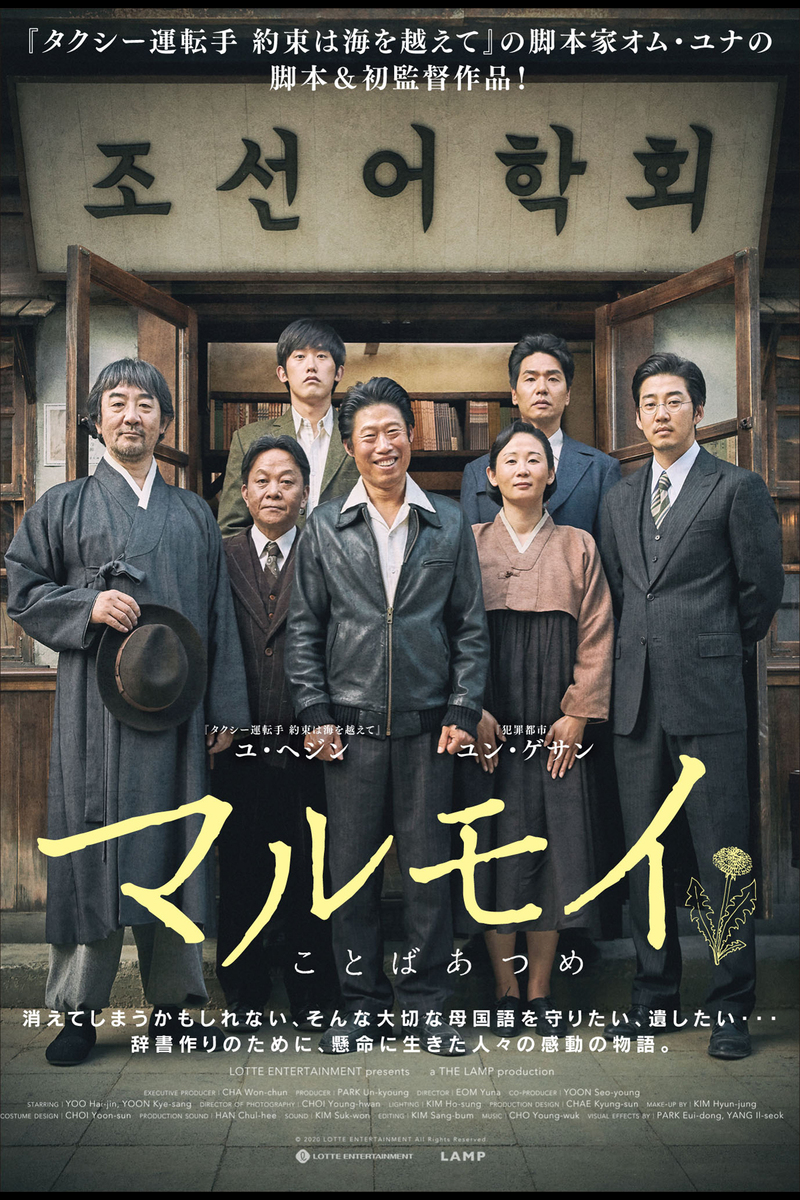
Marmoi Kotoba Atsume" is a Korean film released in Japan in 2020. Directed and written by Om Yoon-ah, the film is based on the "Korean Language Society Incident" that actually occurred in Korea during World War II. Kim Pang-soo, a poor man living in Gyeongseong on the Korean Peninsula under Japanese rule, happens to meet Ryu Jung-hwan, a representative of the Korean Language Society, which compiles a dictionary of the Korean language. The two are at odds with each other, but as they collect various Korean words, they form a strong bond as comrades. This film is a story about people who live wisely with national pride.
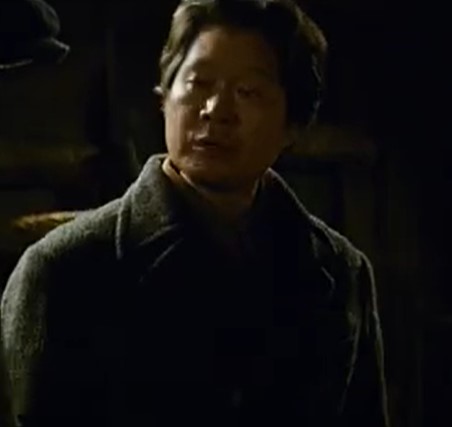
A Korean independence activist. At the beginning of the film, he delivers Korean language materials to Jung Hwan while being chased by the Governor-General of Korea.
Terms for "Marmoi Kotoba Atsume
era of Japanese colonial rule
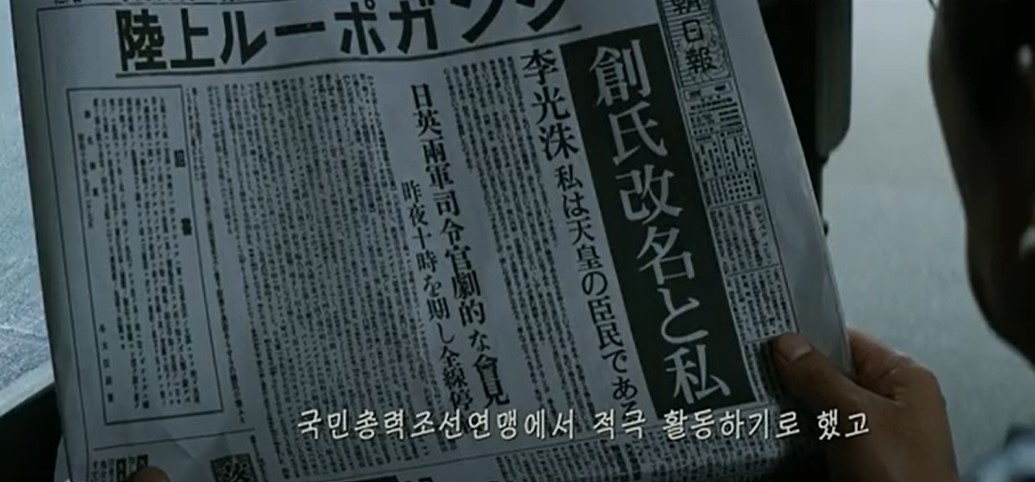
Newspapers published in Korea during the Japanese colonial period
The Japanese colonial period refers to the period from the Meiji era (1868-1912) until the acceptance of the Potsdam Declaration, when Japan ruled the countries, lands, and regions it had acquired through diplomacy and war. At that time, the 47 prefectures of Japan were called "inner regions" while the rest of the country was called "outer regions. In Korea, the period of Japanese rule was from 1910 to 1945. This film depicts Korea and Japanese language education during the Japanese colonial period.
Korean Language Institute
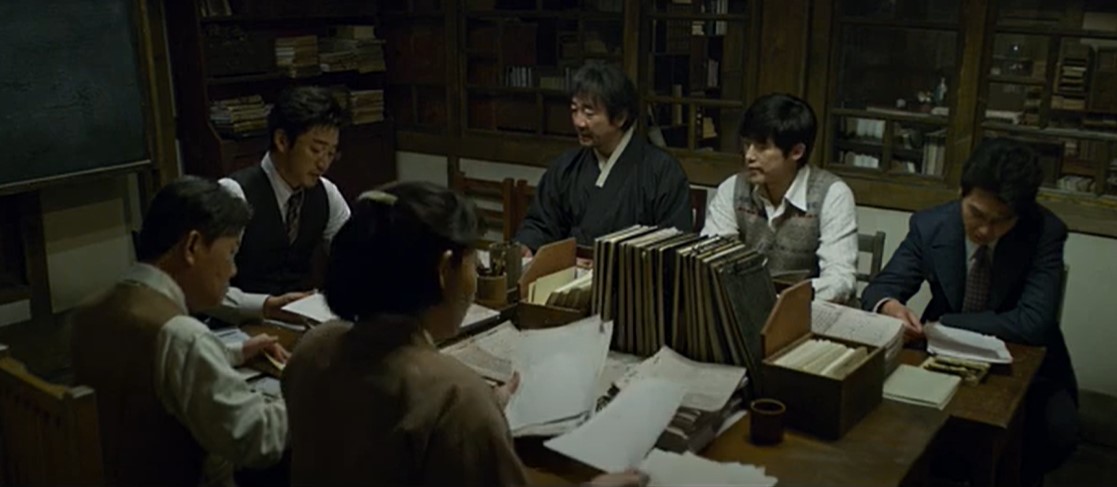
Members of the Korean Language Society working on the compilation of the dictionary
The Korean Language Society was established in 1921 for the purpose of studying the Korean language and promoting the nationalist movement; in 1949, it changed its name to the "Korean Language Society. In 1942, during the Japanese occupation of Korea, when Japanese language education was being promoted, a suppression incident called the "Korean Language Society Incident" occurred. This incident, in which the Japanese arrested and imprisoned members of the society out of concern for the rebellion of the Korean people, was the model for the storyline of this film. In the historical fact as well as in this film, the whereabouts of the manuscript of the Korean dictionary were temporarily lost. However, it was discovered in 1945 at the Chosun Express warehouse in Seoul Station, and a dictionary based on the manuscript was published in 1947.
Urimaru/Urinara
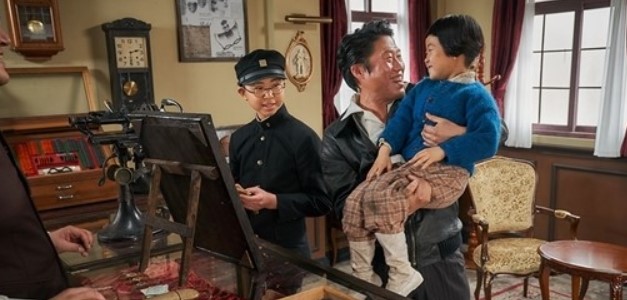
Pansu (center) hugs "Ulisunhi."
Urimaru" is a term used by Koreans to refer to the Korean language itself. When translated directly into Japanese, "uli" is "our" and "maru" is "word. Similarly, "Uri-nara" is used by Koreans to refer to Korea itself, although the literal translation in Japanese would be "our country," since "nara" is "country. Koreans, especially Koreans, have a strong sense of community, so they often use "Uri" to refer to something that is familiar to them. In this film, the fact that Pangsu refers to Sunhee as "Uri Sunhee" in most cases, rather than just "Sunhee," shows that Koreans tend to add "Uri" to those who are important to them.
Gyeongseong (Prefecture)
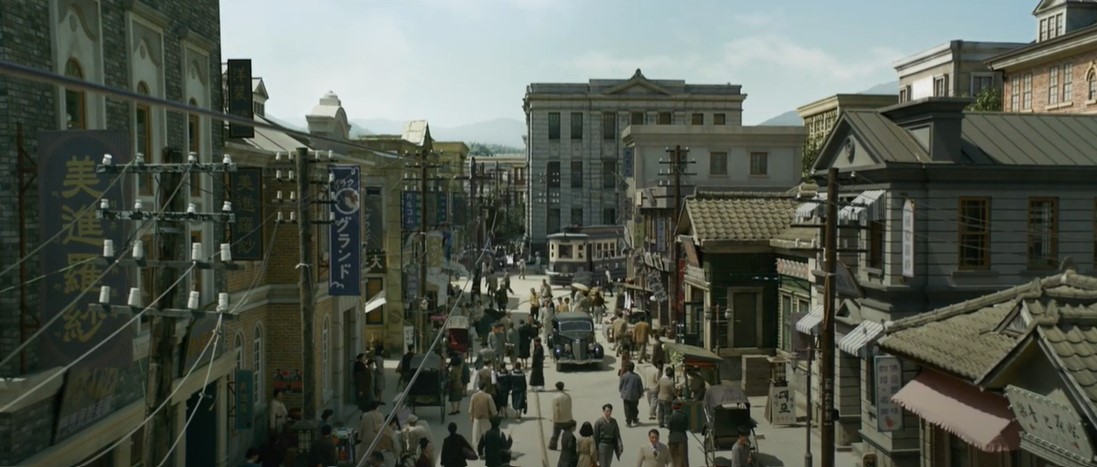
Gyeongseong under Japanese rule
Gyeongseong is the administrative district that later became Seoul Special City. Before the Japanese occupation, it was called Hanseong, and after Korea came under Japanese rule in 1910, it was renamed Gyeongseong until 1946, based on the official regulations of the Office of the Governor-General of Korea. In this film, it is where Pang-su and Jung-hwan live and where the office of the Governor-General of Korea is located, which is the place that antagonizes them.
Governor-General of Korea
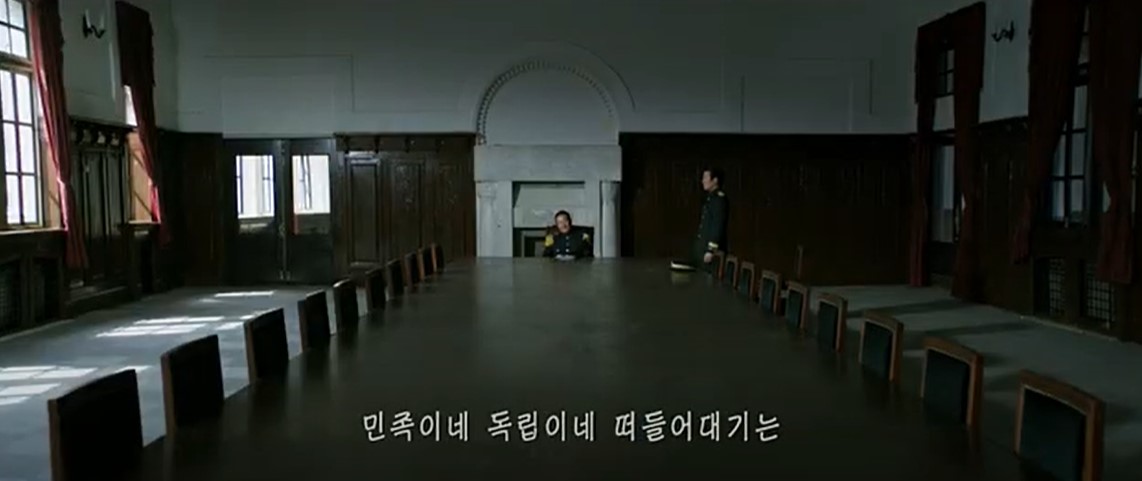
Interior view of the Governor-General's Office of Korea
The Office of the Governor-General of Korea was established in 1910 to organize Korea during the Japanese colonial period. In the same year, the Chosun Governor-General's Administration was established, and education in the Japanese language and imperialization of Korea were promoted. The Chosun Governor-General also had authority over a wide range of matters, including military, legislative, judicial, and administrative powers in Korea. Furthermore, it was an institution composed of not only Japanese but also many Korean officials, as it employed government employees of the former Korean Empire. The film depicts the interaction with Ueda, a member of the Korean Governor-General's Office, who tries to crack down on Jung-hwan and others.
the order forced on Koreans to change their names to Japanese ones
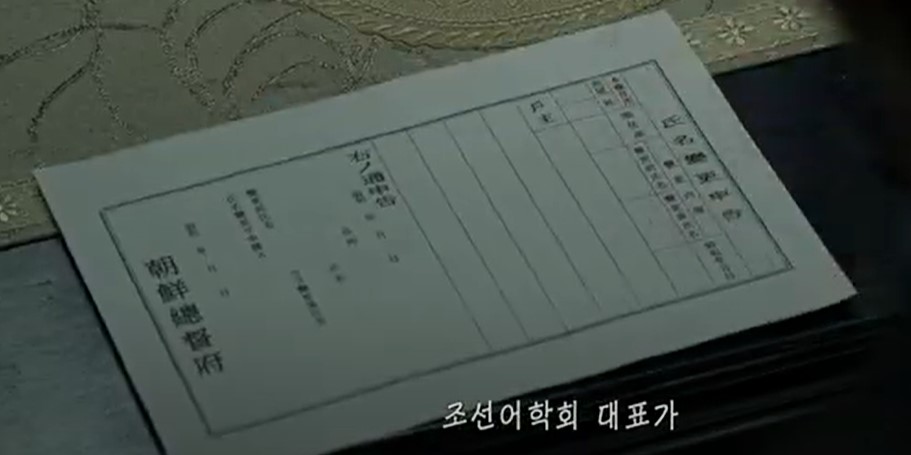
Forms to be used in the process of renaming a family name
The "Souji Kaei" (name change) was the permission given by the Korean Governor-General to Koreans to create a new Japanese-style "clan" and change their "name" during the Japanese colonial period in Korea. Although not legally enforced in historical fact, it is believed to have been "de facto" enforced in Korea at that time. In this film, there is a scene in which Jung-hwan is forced to obey the Governor-General of Korea along with the creation and renaming of his own name.
General Federation of Korean Industries
The National Federation of Korea was formed in 1940 as an organization to promote the New System Movement in Korea during the Japanese occupation. Its headquarters was located in the Office of the Governor-General of Korea, and its president was also the head of the Office of the Governor-General of Korea. In this film, a meeting is held with Ueda, Wangtek, and others who are directors of the Federation of the National Alliance for Korea.
Gyeongseong First Middle School

Tags
Contents
- Outline of "Marmoi Kotoba Atsume
- The story of "Marmoi Kotoba Atsume
- encounter
- comrade
- public hearing
- 1945
- Characters in "Marmoi Kotoba Atsume
- key people
- Kim Pang-soo (played by Yoo Hye-jin)
- Ryu Jung-hwan (played by Yoon Gesang)
- Figures from the Korean Language Society
- Cho Gap-in (played by Kim Hong-pa)
- Im Dong-ik (played by Woo Hyun)
- Park Hoon (played by Kim Tae-hoon)
- Koo Ja-young (played by Kim So-young)
- Min Woo-chul (played by Min Jin-woong)
- Persons hostile to the Korean Language Society
- Ryu Wan-taek (played by Song Young-chang)
- Ueda (played by Ho Seong-dae)
- People around Pance
- Kim Duk-jin (played by Cho Hyun-do)
- Adult Duk-jin (played by Kim Dong-young)
- Kim Sun-hee (played by Park Ye-na)
- Seung Hee (played by Yoo Eun Mi) in junior high school
- Jang Choon-sam (played by Lee Sung-wook)
- PARK Pondoo (played by CHO Hyun-cheol)
- Optician's president (played by Yoon Kyung-ho)
- Collaborators of the Korean Language Society
- Jeju Teacher (played by Lee Jung-eun)
- Postman (Actor: Choi Gui Hwa)
- Cho Gap-Yoon (played by Ye Su-Jeong)
- Kim Doo-bong (played by Yoo Jae-myung)
- Terms for "Marmoi Kotoba Atsume
- era of Japanese colonial rule
- Korean Language Institute
- Urimaru/Urinara
- Gyeongseong (Prefecture)
- Governor-General of Korea
- the order forced on Koreans to change their names to Japanese ones
- General Federation of Korean Industries
- Gyeongseong First Middle School
- illiterate person
- public hearing
- Famous quotes, lines, scenes and scenes from "Marmoi Kotoba Atsume
- Koo, Ja-young: "Language is a vessel that contains the spirit of a people.
- Ryu Jung-hwan: "I'm an important comrade... please forgive me."
- Letter from Pance.
- Behind the Scenes, Trivia, Episodes, and Anecdotes of "Marmoi Kotoba Atsume" (Marmoi Kotoba Atsume)
- Director Yuna Ohm sublimates somber & dark themes into entertainment
- Korean People's Thoughts on "Urimaru
- The reality of the script that brings tears to the audience's eyes.
- Theme and insert songs for "Marmoi Kotoba Atsume
- Insert song: "반달 (Half Moon)" written by Yoon Kuk-young