
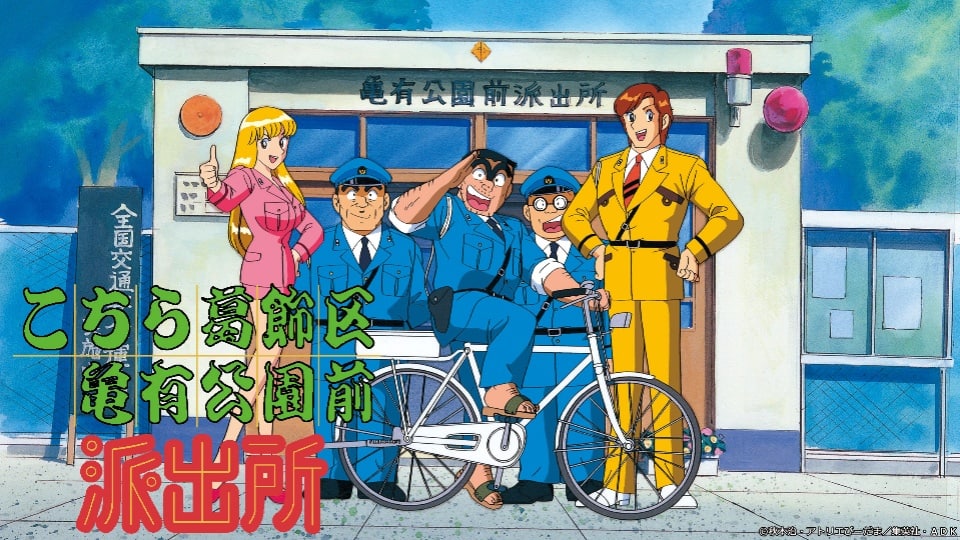
Kochira Katsushika-ku Kameari Koen Mae Hashutsujo (Kochikame) is a Japanese manga series by Osamu Akimoto. It was serialized in Weekly Shonen Jump from 1976 to 2016, and has since been adapted into live-action, anime, and video games. It has been recognized by Guinness World Records as "the single manga series with the most number of volumes published. It is a gag manga featuring Kankichi Ryotsu, a police officer working at the Kameari Koen-mae Police Station in Tokyo's Katsushika Ward, and the characters around him. It has been serialized for 40 years without a single break, and as of June 2016, a total of 156.5 million copies have been sold.
Theatrical version of "Kochikame"
LaSalle Ishii, who played the role of Ryotsu in the TV anime series, played the main role in the play, and also wrote the script and directed the play. According to the original author, Akimoto, Kochikame had been staged several times in the past, but the cast for the role of Ryotsu had been difficult and had been stalled. However, LaSalle, who played the role of Ryotsu in the anime series, thought he was the right person to stage Kochikame. The theme songs for the TV anime series, "Come on, Kameari" and "Kameari wa Kijitsu mo Hareta" (It was sunny yesterday, too), were originally the theme songs for theme songs for this stage version.
Akimoto Trading
AKIMOTO Hikomaru, the father of AKIMOTO Reiko, is the president of a trading company based in Kobe. It is a large company with annual sales of about 200 billion yen. It handles everything from jewelry to oil. In addition to trading, it handles a wide range of businesses such as hotel management overseas. By the way, SHIRATORI TEKKO, which was run by Reiji SHIRATORI's father, was a subcontractor of AKIMOTO Boeki.
Words, lines, scenes from "Kochira Katsushika-ku Kameari Koen-mae Hashutsujo"
Ryotsu: "If I let Carl Lewis sing an enka, I will win."
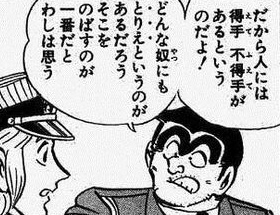
Everyone has what they are good at and what they are bad at, and that is their personality. It is important not to envy the good things of others, but to have confidence in your own good things and to develop them. You may not have the same level of confidence as you, but in our lives, we want to keep this idea in mind.
Ryotsu: "He's so selfish that he doesn't even study. He does what he wants to do, and he just gets back to normal."
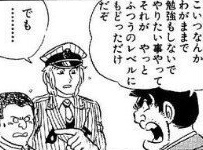
Some people may have been shocked, but when a delinquent boy is rehabilitated, people around him praise him without thinking. However, in fact, the words of Ryo-san remind us that the people who suffered from him and the people who lived seriously from the beginning are many times more important. This is called the gap effect, and it is a word that we should be aware of in our lives.
Ryotsu: "If you are worried, first switch to' live' mode and start!"
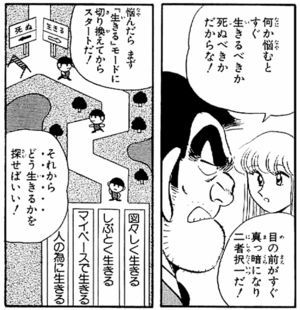
There are many suicides in modern times. There are many people who easily give up their lives, but it is important to live anyway. It is not whether you live or die, but if you look for a solution on the premise that you live first, there will always be a way. This is a phrase that we, who have many worries, should learn from.
Ryotsu: "It's not shameful to stumble! It's shameful not to stand up!"
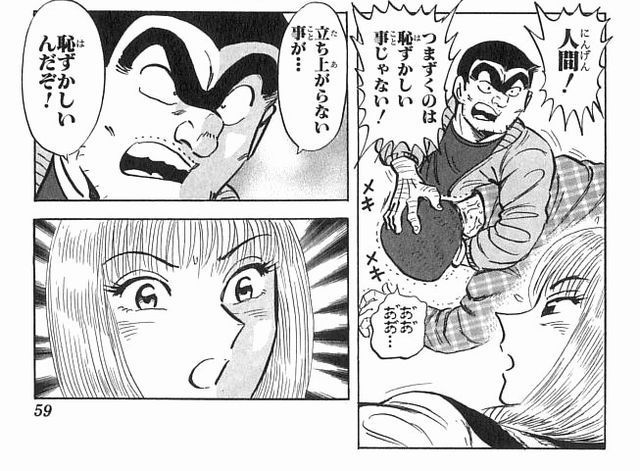
Every human being stumbles over and over again, so it's not a bad thing in itself. It's not that you get frustrated by it, but that it's always important after that. This is a persuasive phrase that can only be said by Ryo-san, who has failed over and over again and stood up with tremendous life force each time.
Ryotsu: "It's enough to enjoy today happily."
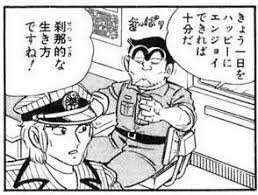
When I hear this word alone, it sounds as if I am not thinking about anything, but it is a deep word unique to Ryo-san who thinks that the most important thing is to enjoy the present moment as much as possible rather than regretting the failure or worrying about the future.
Ryotsu: "Women have no imagination, so they should just think about these three things: eat, sleep, and play."
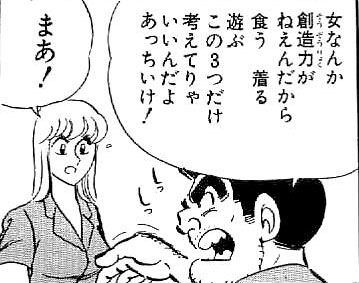
A word that is typical of Ryo-san, who looks down on a woman. It is a word that is typical of Ryo-san, who tries to flatter a woman and gets out of the way, while there are many men who are said to be herbivorous. It is understandable that he always takes first place in Katsushika Police Station's ranking survey of men he dislikes.
Behind the Scenes, Trivia, Small Stories / Episodes and Anecdotes of "Kochira Katsushika-ku Kameari Koen-mae Hashutsujo"

Related Articles
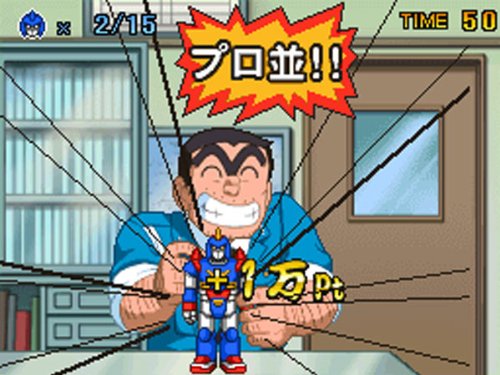
Summary of "Kochira Katsushika-ku Kameari Koen Mae Hashutsujo" game titles
A collection of games based on the long-running manga "Kochira Katsushika-ku Kameari Koen Mae Hashutsujo" (Over 100 volumes). We have also included a few that are not so well known and are only known to those in the know!
Read Article
Summary of Jump's past heroines
Weekly Shonen Jump, the most widely circulated manga magazine in Japan, is at the pinnacle of manga culture in terms of popularity and name recognition, and has produced many masterpieces. As a shōnen manga magazine, most of the main characters are male, but the heroines who support them are also fascinating characters. Some are adults, some are children, some are just protectors, some are sidekicks who fight alongside the hero, some are heroines who have kicked out the regular heroines and are united with the hero, and some are heroines and female protagonists that go beyond the norm of "shōnen manga. Here we introduce some of the heroines who have graced the pages of JUMP.
Read Article
Kochikame: A list of characters from the Kochikame Police Station (1)
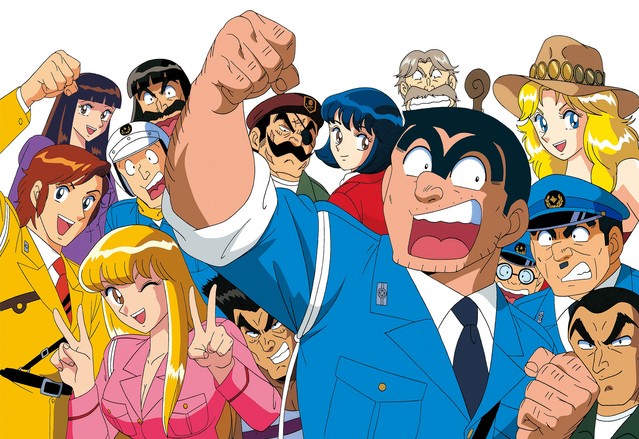
The manga "Kochira Katsushika-ku Kameari Koen Mae Hashutsujo" (commonly known as "Kochikame") began serialization in 1976 and is still running nearly 40 years later. The manga has been published up to volume 196, and is on track to reach volume 200! Here is a summary of the characters who have worked at the hachidosho so far.
Read Article
Kochikame: Kankichi Ryotsu vs. Ono Komachi! The fierce battle that unfolded in the anime and the items that belonged to Ono Onomachi!
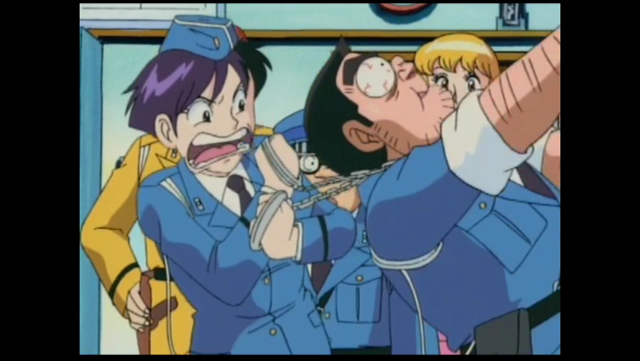
Kochikame" a.k.a. "Kochira Katsushika-ku Kameari Koen Mae Hashutsujo"! In addition to the 200-volume book series, the anime series featuring the voice of Mr. LaSalle Ishii is also very popular, and still remains very entertaining. In the midst of all this, this time we will be looking at the eternal rivals! I have compiled scenes of fierce battles and battles between Ryosan and Komachi, the eternal rivals! Since his goods and items were also introduced in the program, please also see the comparison.
Read Article
![Weekly Shonen Jump] Manga from the late 80's to the mid 90's [Golden Age].](https://renote.net/files/blobs/proxy/eyJfcmFpbHMiOnsiZGF0YSI6MjM4ODkzLCJwdXIiOiJibG9iX2lkIn19--cc2dd65e70fb4742d9b63b02febb4cbc447f7095/db19ee5b.jpg)
Weekly Shonen Jump] Manga from the late 80's to the mid 90's [Golden Age].
Manga from the Golden Age of Jump (manga started in the late 80's to mid 90's) are summarized here.
Read Article
![Popular Manga] Summary of Weekly Shonen Jump censored and terminated manga from 2007 to 2018!](https://renote.net/files/blobs/proxy/eyJfcmFpbHMiOnsiZGF0YSI6ODY0ODcxMCwicHVyIjoiYmxvYl9pZCJ9fQ==--e384d68667dd29080aaccf33e97192c229dfc521/m27539133936_1.jpg)
Popular Manga] Summary of Weekly Shonen Jump censored and terminated manga from 2007 to 2018!
This is a list of manga that were censored or ended in Weekly Shonen Jump between 2007 and 2018. The works are those that ended after the first issue of 2007. We will introduce not only representative manga of Jump such as "Gintama", "Bleach", "Naruto", and "Kochira Katsushika-ku Kameari Koen Mae Hashutsujo", but also works that were unfortunately censored and hidden good works that did not resonate with readers even though the content was not bad.
Read Article
No longer a different person? Kochikame Characters Then and Now!
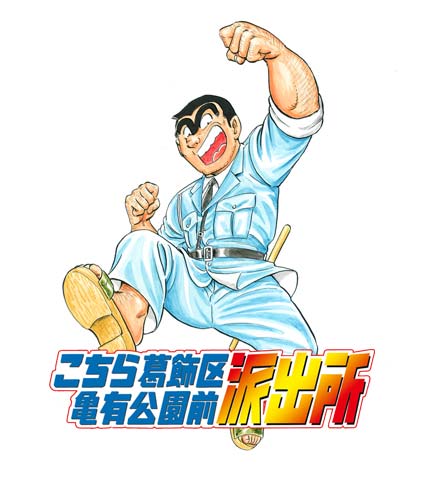
The popular manga "Kochira Katsushika-ku Kameari Koen Mae Hashutsujo" began serialization in 1976 and will celebrate its 40th anniversary next year. In this issue, we will introduce the changes in the design of the main characters, including the main character, Kankichi Ryotsu, over the past 40 years!
Read Article
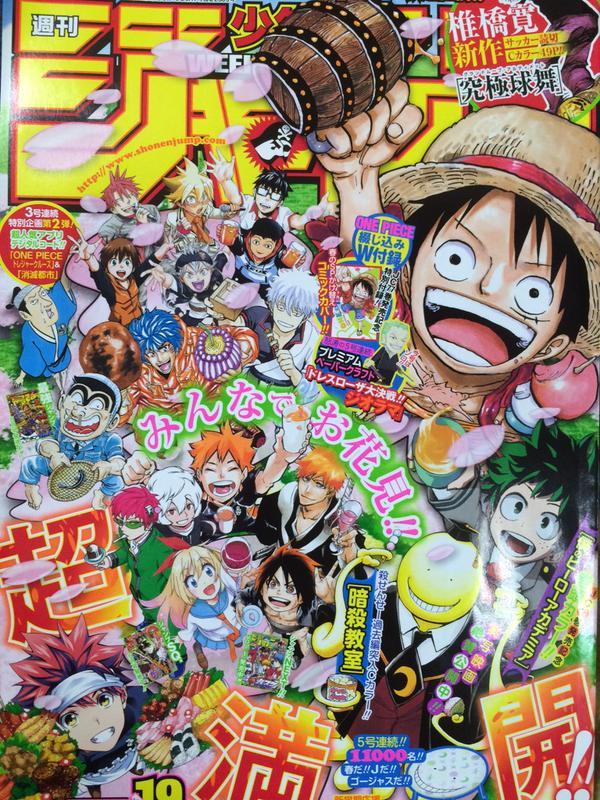
Summary of changes in the cover of Weekly Shonen Jump from the past to the present
Weekly Shonen Jump" has a long history. Jump" started serialization in 1968 as "Shonen Jump" and was very famous as a representative of hot-blooded or white-hot manga that gave dreams to boys and girls. However, now that about 50 years have passed, the manga, its contents, and its treatment of the genre have changed drastically with the times. In this article, we focus on "JUMP covers" and summarize their transition and changes.
Read Article
![Kochikame] Urban legend and trivia related to Kochira Katsushika-ku Kameari Koen-mae Hashutsujo](https://renote.net/files/blobs/proxy/eyJfcmFpbHMiOnsiZGF0YSI6ODg3NDc3LCJwdXIiOiJibG9iX2lkIn19--7acf1e7bf90125b01a0588063e6a6a87700c0e3c/maxresdefaultKOTIKAME.jpg)
Kochikame] Urban legend and trivia related to Kochira Katsushika-ku Kameari Koen-mae Hashutsujo
Kochikame" is popular for its unique characters such as Kankichi Ryotsu, a very unique and unprecedented police officer, and Reiko and Nakagawa, his junior colleagues who have a lot of money, and the head of the department whom even Ryotsu cannot get his head around. It is a major work with as many as 200 comic books sold. Here is a collection of urban legends and trivia about Kochikame.
Read Article
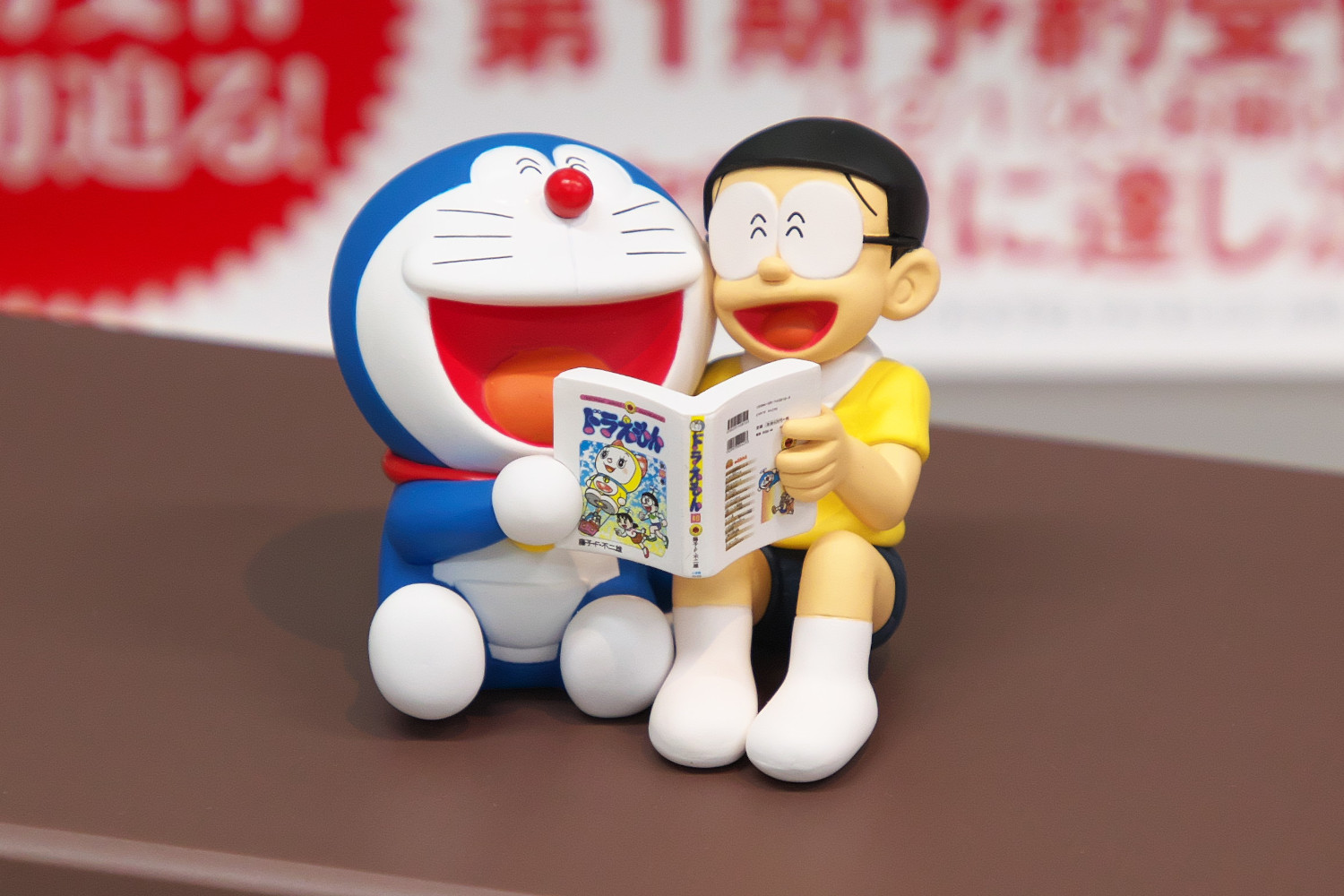
Now you're out! Summary of problematic depictions of national cartoons [such as "Doraemon"].
Doraemon," "Kochikame," and other classic manga have been loved for a long time and transcended time. We have compiled a list of expressions that are out of place in today's world. We will explain what kind of expressions are problematic, including Nazi-inspired poses in "Kinnikuman" and discriminatory expressions and depictions of corporal punishment in "Kochikame," with images of the relevant sections.
Read Article
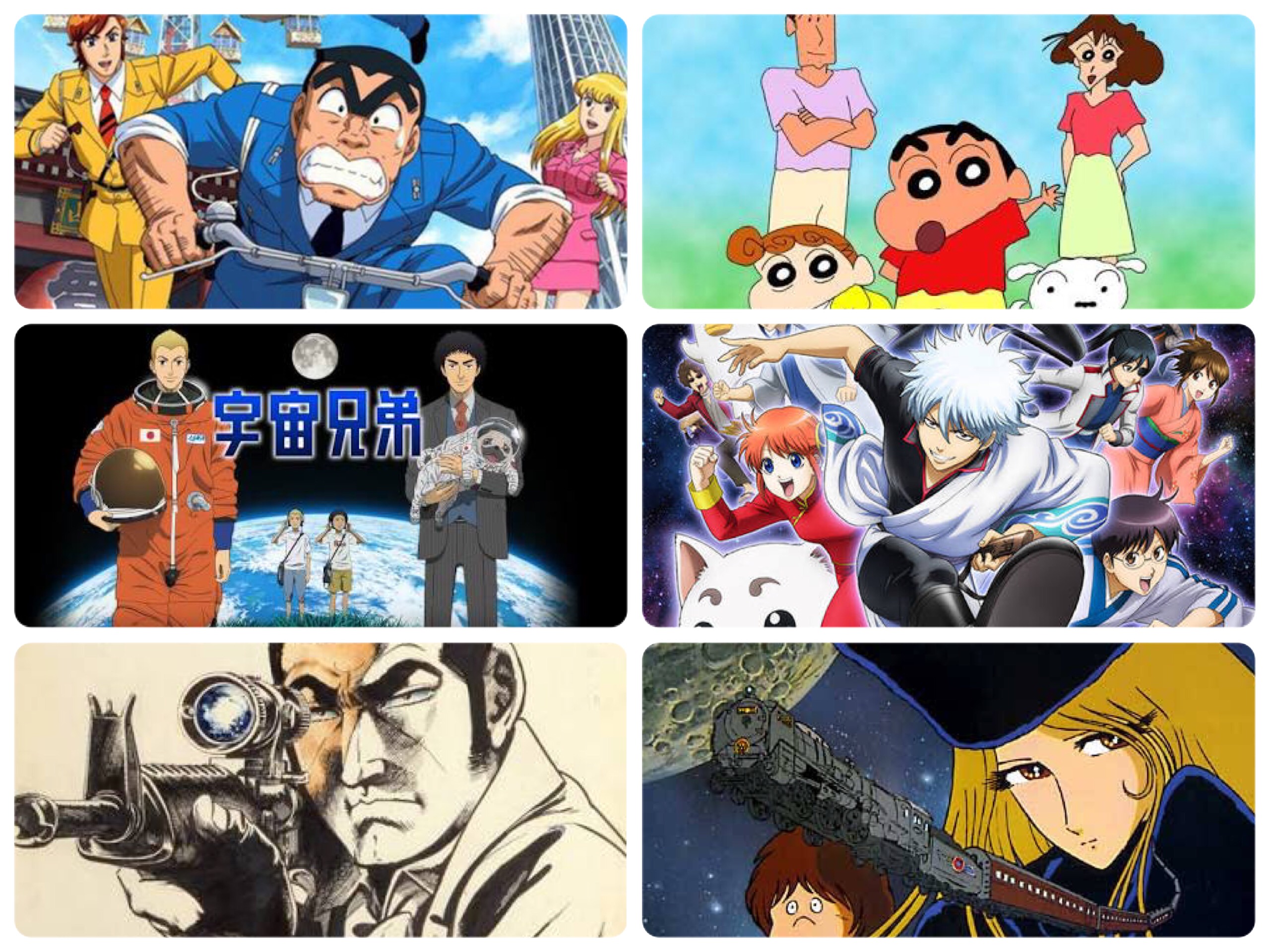
The Unknown Production, Birth, and Behind-the-Scenes Stories of Manga and Anime
This article introduces the creation, birth, and backstory of that manga/anime that is rarely known to the public, the industry, and even among fans.
Read Article
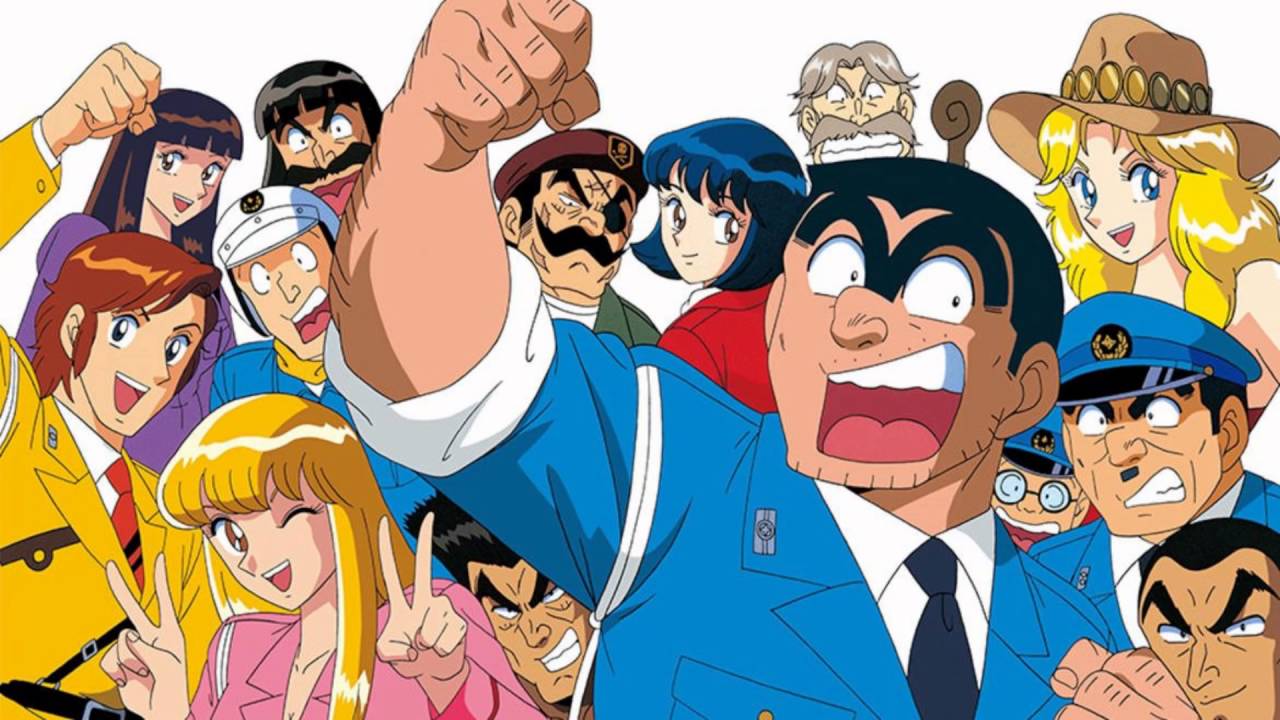
Outrageous episodes of rich characters from cartoons and comics!
Anime and manga often feature characters with a level of great wealth that is hard to find in real life. Here are some outrageous episodes that show the financial power of "rich characters" in famous works.
Read Article

Karina, who played Reiko in the live-action version of Kochikame, now
The comedy manga "Kochikame" or "Kochira Katsushika-ku Kameari Koen Mae Hashutsujo" has been produced as a live-action drama starring Shingo Katori. Karina, who played Reiko Akimoto Catherine, was a successful TV personality at the time, but her exposure seems to have declined dramatically due to a series of scandals.
Read Article
![Kochikame] Little-known backstories and urban legends of Kochira Katsushika Kameari Koen-mae Hashutsujo.](https://renote.net/files/blobs/proxy/eyJfcmFpbHMiOnsiZGF0YSI6NTM0NjExLCJwdXIiOiJibG9iX2lkIn19--c114e91162fdf78106a80e5052d3c32d9bd28d02/ryotsu.jpg)
Kochikame] Little-known backstories and urban legends of Kochira Katsushika Kameari Koen-mae Hashutsujo.
Osamu Akimoto's legendary long-lived work "Kochira Katsushika Kameari Koen Mae Hashutsujo". In this issue, we will bring you some little-known backstories, urban legends, trivia, and small stories of Kochikame. Please enjoy the backstories that you may know but may not be aware of.
Read Article
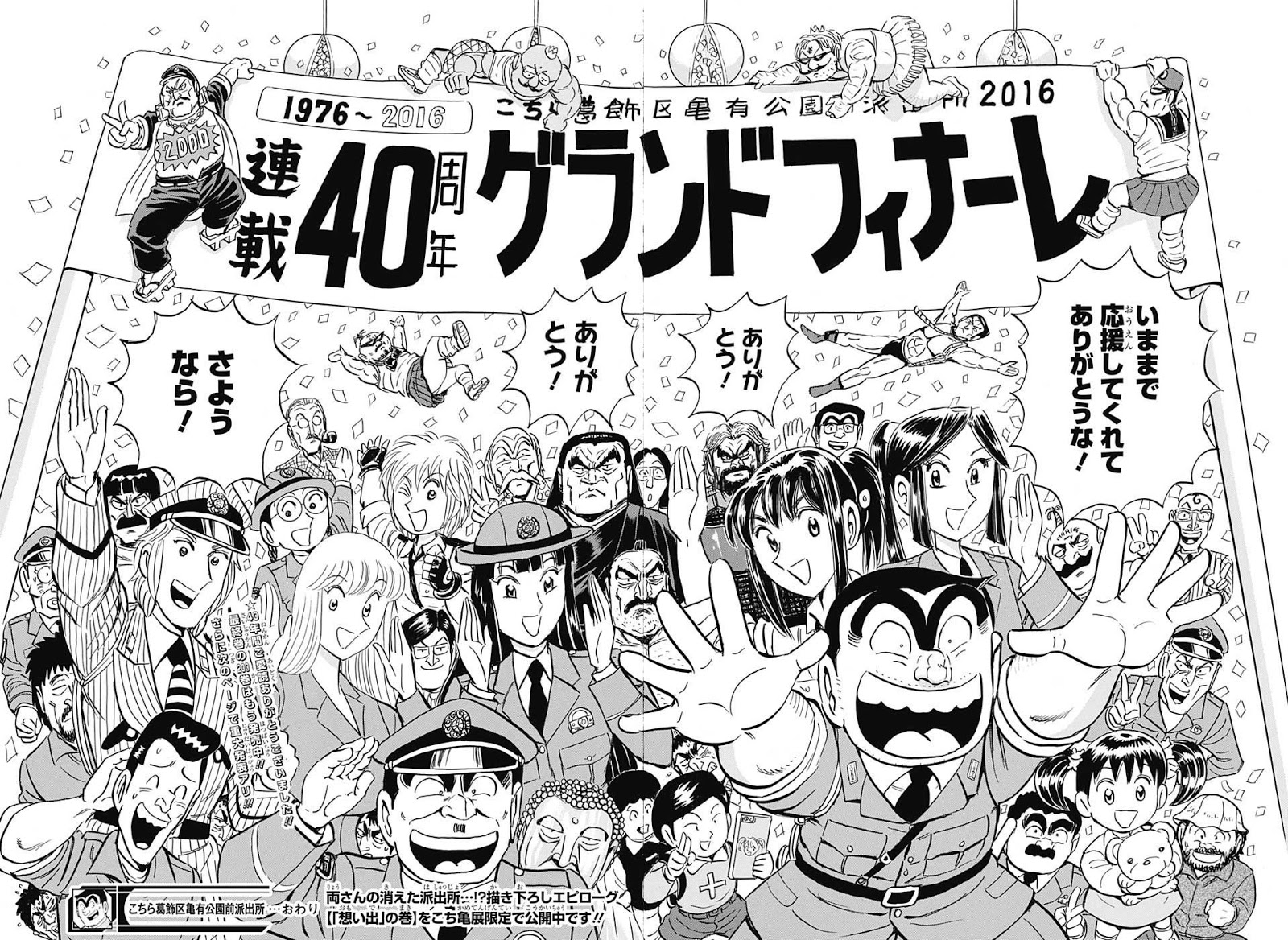
Final Kochikame finale with cover and opening colors! A feat second only to "Slam Dunk"!
Kochira Katsushika-ku Kameari Koen Mae Hashutsujo," or "Kochikame," a.k.a. "Kochikame," which had been serialized in Weekly Shonen Jump for about 40 years, reached its finale. In the issue of JUMP in which the final episode was published, Kochikame was on the cover and in the front cover color. Until then, only "Ring ni Kakero," "Dragon Ball," and "Slam Dunk" had had their final episodes in the front cover color, making this the second greatest accomplishment after "Slam Dunk.
Read Article
Contents
- Overview of Kochira Katsushika-ku Kameari Koen-mae Hashutsujo
- Outline and story of "Kochira Katsushika-ku Kameari Koen-mae Hashutsujo"
- Memories of Shirahige Bridge
- Dear Brothers
- Asakusa Nanatsuboshi Monogatari
- Kachidokibashi Bridge, open up!
- Bonus contest
- Ryou-san and Reiko's Love
- Reiko contest
- Two New Businesses
- Online communication
- Game Gacha Billing
- My Number
- List of Kochira Katsushika-ku Kameari Koen-mae Hashutsujo characters
- 『こちら葛飾区亀有公園前派出所』のゲーム作品
- Terms of the Kochira Katsushika-ku Kameari Koen-mae Hashutsujo
- Police station
- Nakagawa Zaibatsu
- Kochikame
- Shin Katsushika Police Station
- Super Kanda Sushi
- Aircraft carrier Carl Vinson
- Kappa Badge
- Motoguchi Motors
- Theatrical version of "Kochikame"
- Akimoto Trading
- Words, lines, scenes from "Kochira Katsushika-ku Kameari Koen-mae Hashutsujo"
- Ryotsu: "If I let Carl Lewis sing an enka, I will win."
- Ryotsu: "He's so selfish that he doesn't even study. He does what he wants to do, and he just gets back to normal."
- Ryotsu: "If you are worried, first switch to' live' mode and start!"
- Ryotsu: "It's not shameful to stumble! It's shameful not to stand up!"
- Ryotsu: "It's enough to enjoy today happily."
- Ryotsu: "Women have no imagination, so they should just think about these three things: eat, sleep, and play."
- Behind the Scenes, Trivia, Small Stories / Episodes and Anecdotes of "Kochira Katsushika-ku Kameari Koen-mae Hashutsujo"
- THE FINAL EPISODE WAS "WEEKLY SHONEN JUMP," WHICH HAD A SINGLE COVER AND A COLOR AT THE BEGINNING.
- The end of the series was the author's intention to work on a new work.
- The original author, Akimoto, used the long title to attract the attention of the judges.
- The police station in front of Kameari Park doesn't exist.
- Over the course of the series, the design changed.
- The age of the characters is unknown
- I received a complaint from Tatsuhiko Yamagami about the pen name at the beginning of the series.
- There are many bronze statues of Kochikame around Kameari.
- Theme song and insert song of "Kochira Katsushika-ku Kameari Koen-mae Hashutsujo"
- Kochira Katsushika-ku Kameari Koen-mae Hashutsujo
- OP (opening): Queen "Natsu ga Katta! (Diamond Head) 〜 Nagisa no Josama" (Story 1 to Story 12)
- OP (opening): Tokio "Everybody Can Do!" (Chapter 13 to Chapter 35, SP1)
- OP (opening): Kohei Dojima "Katsushika Rapsody" (Chapter 36 to Chapter 135, SP4, SP23, SP24, SP27)
- OP (opening): Osamu Yamada and Hello Knights "Kochira Kameza no Onna" (Chapter 136 to Chapter 144)
- OP (opening): RYOTSU Kankichi and Kochikame Uoin choir "Okeyyo Kameari" (Chapter 145 to Chapter 191)
- OP (opening): Yoshimi Tendo "Shut Up and Follow Me" (Episodes 192 to 299, SP13 to SP15)
- OP (opening): Yum!Yum!ORANGE "Katsushika Rapsody" (Episodes 300 to 344 and 343, SP17 to SP19)
- ED (ending): Hoff Dylan "Smiley Face" (Episodes 1 to 12)
- ED (ending): THE COLLECTORS "Iikoto arusa" (Chapter 13 to Chapter 35, SP1)
- ED (ending): Megumi Okina, "Shijyo no Yume wa Mangekyo" (CHAPTER 36 to CHAPTER 72)
- ED (ending): George Tokoro "ブウェー no Biyabiya" (Episodes 73 to 120, SP4, SP5)
- ED (ending): Kanae "Kyun" (Chapter 121 to Chapter 135)
- ED (ending): The Love "Kimi to Boku" (Episode 136 to Episode 143)
- ED (ending): Komachi & Naoko "Mainichi, No Problem" (except for episodes 152 to 191 and 163, SP8)
- ED (ending): Ara-C "Nice Heart" (Chapter 229 to Chapter 252, SP11, SP12)
- ED (ending): Tetsu and Tomo "Nanedake 〜 Ryosan version" (Chapter 271 〜 Chapter 281, SP14)
- ED (ending): Tetsu and Tomo "Nani Dake 〜 Kochikame version 〜" (Chapter 282 〜 Chapter 291, SP15)
- ED (ending): NICEGUY人 "HAI, IRASSHAI (hai! irasshai)" (Chapter 292 to Chapter 299, SP16)
- ED (ending): Kankichi RYOZU and Taifuzoku of Oedo "Jugemu 〜 Kochikame version 〜" (Episode 327, Episode 340, Episode 343, SP18)
- Ed Ending: "Katsushika Rapsody" (SP7, SP26) by Kohei Dojima
- ED (ending): Takuro Yoshida "Omoiyade-yo" (Episodes 144 to 151, SP7)
- ED (ending): Ryotsu & Mari Ai "Just A Little Love ~ Maria's Mambo ~" (SP8)
- ED (ending): Kankichi RYOTSU "Robo Keiji Bancho no Uta" (Episode 163)
- ED (ending): RYOTSU Kankichi and Kochikame Uoin choir "Okeyyo Kameari" (Episode 192, Episode 228, Episode 260, Episode 270, Episode 309 to Episode 326, Episode 341, Episode 342, Episode 344, Episode 343, SP9, SP10, SP13, SP19, SP27)
- ED (ending): Queen "Natsu ga Katta! (Diamond Head) 〜 Nagisa no Queen" (Chapter 253 〜 Chapter 259)
- ED (ending): SEX MACHINEGUN "Talk! Cry!" (Chapter 300 to Chapter 308)
- Included song: "Tokyo Hustle Ondo" (Episode 136) by Charlie Kobayashi
- An inserted song: "Robo Keiji Bancho no Uta" (Story 162) written by Kankichi RYOTSU
- Included in the poem: "Shojo Manga - Detective's Song" (Chapter 167) written by 瑠理 ASOU Hana
- Inserted song: "Kameari wa Kijitsu mo Hareta" (It was sunny yesterday, too) by Rei Saito to Kochikame Ui-kun Choir (Chapter 172, 199, 237, 265, 301)
- Kochira Katsushika-ku Kameari Koen-mae Hashutsujo
- Poem: "Kochira Katsushika-ku Kameari Koen-mae Hashutsujo" by Ryo
- Deep Purple "Burn"
- Kochira Katsushika-ku Kameari Koen-mae Hashutsujo
- Theme song: "365 steps march" by Ryo-san