
This article introduces the creation, birth, and backstory of that manga/anime that is rarely known to the public, the industry, and even among fans.
EISHIRD 21
It is a sports manga written by Riichiro Inagaki and drawn by Yusuke Murata with the theme of American football, serialized in "Weekly Shonen Jump" for about 7 years from 2002 to 2009.
Aishield 21" was created by Riichiro Inagaki, who wrote the original story, and Yusuke Murata, who created the artwork, and thus the production methods used for the original story and artwork differ.
Production methods and stances of the original work and drawing
For the original story part, I have a meeting with the editor in charge and take notes at that time. After returning home, while looking at the notes, I create a plot on my computer depicting the general flow of the story. While looking at the plot, I create a text-only scenario with dialogues and tographs. At the time of the scenario, I also decide on the page layout for the manga. Because football is a sport, we also draw formation diagrams for each play so that we can see where the characters are.
We will also draw the name of the character in our notebooks, using the scenario as a guide. We draw in the dialogue, onomatopoeia, character poses, and even each individual character. The drawings are detailed in order to accurately convey the story to the drawing teacher, Murata-sensei, who does not know much about football. A week is allotted for meetings, plot creation, scenario creation, one day each for Murata-sensei's name check, and three days for name creation.
For the manga portion, Murata-sensei receives Inagaki-sensei's name from Inagaki-sensei, which is then used as a reference for the formal name creation process. The name is then sent to Mr. Inagaki, who checks it for any inconsistencies in the rules. When the manuscript is returned to us, we use it as a basis for penning and completing the work.
In terms of production stance, Inagaki-sensei and Murata-sensei decided at the start of the serialization of this work that they would work with a ratio of 40% realistic and 60% fantasy. According to Mr. Inagaki, the depiction of the ball crashing through the goal is 30% and 70% fantasy, so this work is less staged than that.
The crossover step, a basic football move, looks like an alter ego when used by Sena Kobayakawa, aka Sena, the main character in this work, who becomes a devil-bat ghost. Another example is the Eyeshield 21, which was banned in the high school football team, and Sena lied about being deaf and should have been allowed to make an exception, but later Akahane also wore an Eyeshield and participated in the team. (In this film, Akabane's red eyes are a disease.)
One year before the serialization began, in 2001, Inagaki-sensei, Murata-sensei, and Takanori Asada, the first editor in charge, carefully interviewed high school and college football teams in an attempt to draw a manga with a realistic feel.
The model for "Eyeshield 21" was "SLAM DUNK"!
Aishield 21" is popular both as a manga and an anime. However, there is a manga that served as a model for this work. It is "SLAM DUNK," a sports manga serialized in the same "Weekly Shonen Jump" magazine. In the United States, the home of football and basketball, it is no exaggeration to say that they are the most popular sports in the country. Aishield 21" has many fans in Japan, and has also been made into an anime that has gained popularity. The original author, Riichiro Inagaki, appeared on the radio program "Suntory Saturday Waiting Bar "AVANTI"" and talked about how the manga based on football came to be.
SLAM DUNK," a coming-of-age basketball manga by Mr. Takehiko Inoue, was serialized in Weekly Shonen Jump in the 1990s. Mr. Inagaki himself was a favorite reader. The best part of the manga is a scene from a game between Shohoku High School and Sanno Kogyo High School, where the main character, Hanamichi Sakuragi, attends. Sakuragi is competing with Nobe of Sanno Kogyo for a rebound, and after much thought, he pulls on his uniform to take the rebound so that the referee cannot see it.
When Dr. Inagaki read it, he was shocked and said, "What a guy to do such a maneuver even though he is the main character! and he laughed so hard that he became a complete fan of Hanamichi Sakuragi. He wanted to create a protagonist who, like Sakuragi, would not hesitate to use any means necessary to win, so he decided to set the story in a football game instead of a basketball game and entrusted the role to "Yoichi Hiruma.
The first protagonist was Yoichi Hiruma. He is a clever player who loves football more than anyone else and will not hesitate to use any means to achieve his goals. His character has an atmosphere similar to that of Hanamichi Sakuragi. Hiruma made Sena Kobayakawa, a junior player, into a registered player named "Eyeshield 21," and Sena eventually became the main character of the game.
Mr. Inagaki seems to have extracted the charm of Hanamichi Sakuragi, who "acts purely by thinking of ways to win," and put it into Hiruma. In the anime, Hiruma was voiced by Atsushi Tamura of London Boots No. 1 and No. 2, and his appearance seems like a realistic Hiruma. Eyeshield 21" still has many fans, but you can enjoy reading it more if you think that its origin is modeled on Hanamichi Sakuragi of "SLAM DUNK".
space brothers
It is a human drama manga by the author, Mr. Uchiya Koyama, in which the elder brother, Rokuta Namba, and the younger brother, Hibito, aim to go to space together and become the first siblings to land on the moon. In addition to the "space" theme of the manga, it also addresses various social issues such as setbacks and difficulties in life, illnesses such as ALS and panic disorder, withdrawal, and restructuring, and links them to the main characters through "real life".
It was broadcast on NTV from April 1, 2012 until March 22, 2014 as a follow-up to the "Beruze Babu" anime.
It won second place in Takarajimasya's "This Manga is Amazing! 2009" Otoko Hen and the 2009 and 2010 Mamanga Grand Prize for two consecutive years.
In 2011, it won the 56th Shogakukan Manga Award in the general category and the 35th Kodansha Manga General Category, respectively.
The beginning of "Space Brothers" was in "Space Couple"!
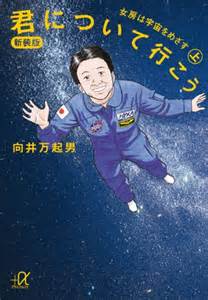
The story of "Space Brothers" is based on "realism," and the depiction of space development and NASA's space missions are quite faithful to reality. Did you know that "Space Brothers" was based on a book?
The model for this book was Mukai Makio, the husband of Chiaki Mukai, the first Japanese female astronaut in space, who left a strong and lasting impression on JAXA's President Nasuda. When Chiaki left for space, her husband, Mikio Mukai, took up the pen and wrote a book entitled "Kimi ni Tsuitegokoro - Wife Aimed for Space.
A conversation between Dr. Koyama and Ms. Chiaki Mukai's husband, Makio Mukai (excerpts)
Mr. Mukai: "By the way, may I ask you a question? I heard that you came up with the idea of a space manga after reading "Kimi ni Tsuitegokoro" (Let's follow you), but how did that turn into "Space Brothers"?
Mr. Koyama: "There was a discussion that we could make a manga as it is, but when we decided to make an original manga, we decided to make them brothers since they are a couple at Mukai-san's place (omission).
Mr. Mukai: "If there were only one brother, the story would be completely different. If it had been just one brother, the story would have been completely different.
And that's all I can disclose! Sorry!
For the rest of the story, please check out the current issue of "Space Brothers": The Complete Dissection of Space Brothers by Koyama Chuya.
Space Brothers" Koyama Chuya dissected
corkshop.jp
Space Brothers" Koyama Chuya dissected
In other conversations.
-Why did you choose Chancellor Nasuda as a model for Mr. Makio?
-What is Mr. Makio's unique experience as his wife is an astronaut?
-Another discussion about the end of "Space Brothers"!
and more, fans will not be able to take their eyes off the show, so it is sure to be enjoyable!
Space Battleship Yamato
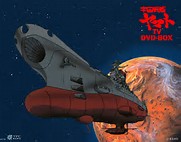
It is an animated television series that was broadcast in 1974 on Yomiuri Telecasting Corporation and Nippon Television Network, and was released in theaters in 1977.
In the year 2199 A.D., the Earth was invaded by the mysterious aliens, Gamilas aliens. Since 2192 A.D., the planet has been indiscriminately attacked by planetary bombs, killing all life on Earth due to radioactive pollution. In it was a message from the planet "Iskandar" that they had received a "Radioactivity Eliminator Cosmo Cleaner D" and the blueprints of the wave engine necessary for the voyage. Then, the legendary battleship Yamato, which had been sunk off the coast of Bonomisaki, Kyushu, for 250 years during the World War II, was equipped with the wave motion engine and converted into the space battleship Yamato. With Juso Okita as captain and Susumu Ancient, Daisuke Shima, Moriyuki, and other crew members, they set out for the planet Iskandar, 148,000 light-years away, on a journey of 296,000 light-years round trip as humanity's last hope.
Background of Production
The project began around the beginning of 1973, when Yoshinobu Nishizaki, a producer at Office Academy, who was also a member of Mushi Productions Trading and Mizutaka Enterprises, approached Eiichi Yamamoto of Mushi Productions. After the commercial failure of two of his previous works (Triton of the Sea and Wansa-kun), Mr. Nishizaki was inspired by the content of Robert A. Heinlein's "Escape from Earth" (later retitled "Children of Methuselah"), a story about "escaping from a critical situation on Earth and seeking a place in space to settle," and this inspired Aritsune Toyoda and The story was developed with the participation of Aritsune Toyoda and the members of Studio Nue. Mr. Toyoda, who had been writing animation scripts at Mushi Productions during the pioneering days of TV animation, was away from the animation industry at the time, but joined the project in response to a request from Mr. Nishizaki and Mr. Yamamoto, a former Mushi Productions employee.
Mr. Nishizaki was influenced as a child by the science fiction adventure works of Jyuzo Unno and Yoichiro Minami, and had a yearning for mecha and robots.
The first project proposal was created in competition between Mr. Keisuke Fujikawa and Mr. Toyoda. Mr. Fujikawa proposed the title "Space Battleship Cosmo (tentative title)," while Mr. Toyoda proposed the original title "Asteroid 6. The basic storyline was based on "Journey to the West" in which a ship goes to a distant alien planet to receive a radioactivity removal device that will save humanity, and the enemy at this stage was a computer. The spaceship was named "Icarus, the rocky spaceship," with its engines mounted on the asteroid itself. The crew also consisted of a United Nations-style group of people from all over the world, and drafts of their names and personalities were also proposed. It is like "Terraformers" today.
Mr. Toyoda's idea became the draft of the proposal, which was changed to the idea of the "Asteroid Ship Yamato" with a battleship inside the rocky spaceship. Remnants of this idea can be seen in the asteroid ring.
The spaceship was designed by Kenichi Matsuzaki of Studio Nue, and the image of the battleship "Mikasa" was changed to "Nagato" and finally to "Yamato," the largest battleship ever built by the Empire of Japan.
The world at that time was experiencing large-scale social problems such as pollution and oil shocks, the movie "Godzilla vs. Hedorah," the science fiction novel "Sinking of Japan" by Sakyo Komatsu published in 1973, "The Great Prophecy of Nostradamus" which was taken up as a fin de siècle problem, the manga work "Drifting Classroom" by Kazuo Umezu The "doomsday boom" of the early 70's was recognized from the very beginning of the project. The "apocalypse boom" was in the forefront of our minds from the very beginning of the project.
After repeated trial and error, the project was completed with the addition of former Mushi Productions writer Arashi Ishizu, screenwriter Fujikawa, illustrator Kazuaki Saito, and background art director Hachiro Tsukima, and the result was that the enemy would be an alien, and in order to save the radioactively contaminated earth, Yamato would go to the planet Iskandar in search of a device to remove the radiation. This was the general plan that was completed. At this point, the warp navigation and the wave motion cannon, which symbolize Yamato, were also devised.
By the end of the summer of 1973, a proposal bearing the name "Space Battleship Yamato" was completed. The 45-page proposal began with an introduction that touched on the "Poseidon Adventure" and the "Sinking of Japan," followed by the plot of all 52 episodes, a chart of the Yamato ship's chain of command, the specifications of the Yamato itself, the schedule and itinerary for the arrival at Iskandar, the crew's uniforms and weapons, and settings related to various planets, aliens, space ships, etc. The images were compiled in illustrations and storyboards.
Around April 1974, Leiji Matsumoto was asked to join the design staff, partly on the recommendation of Kinhiro Nozaki, who was in charge of setting production. Although the title "Space Battleship Yamato" had already been decided and the TV broadcast had already begun, I was involved in the story development and the individual character settings, and I was deeply involved in the work. Mr. Yamamoto, who was scheduled to direct the film, had to leave at the end of June of the same year due to other commitments, and Mr. Matsumoto took over as director with the support of Noboru Ishiguro, who was the animation director. Mr. Matsumoto was in charge of character and mechanical design, as well as the creation of a group drama for young people based on "Shinsengumi Kofuroku.
According to one theory, Mr. Nishizaki was impressed by "sexaloids" (one of the names given to androids and robots in various science fiction works that have added or specialized in sexual functions with humans) and approached Mr. Matsumoto to supervise their design. However, when Mr. Yamamoto left the company to take on other work, Mr. Nishizaki accepted Mr. Matsumoto's conditions and accepted the offer. In a 1978 essay, Nishizaki wrote that he sympathized with the depiction of the coexistence of machines and humans in "Sexaroid," and that the image of women in the film became his ideal image.
Matsumoto wrote the first draft of the basic story on May 21, 1974, updating the character and mechanical settings from the above-mentioned 1973 proposal. It was also in this manuscript that the name "Gamilas" was first used.
Mobile Suit Gundam
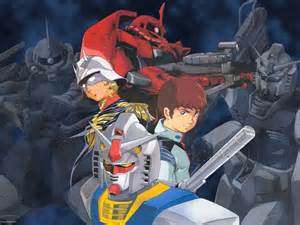
Mobile Suit Gundam is a robot animation produced by Sunrise Japan that was broadcast as a TV animation series in 1979 on Nagoya TV and other channels.

Related Articles
Summary of Jump's past heroines
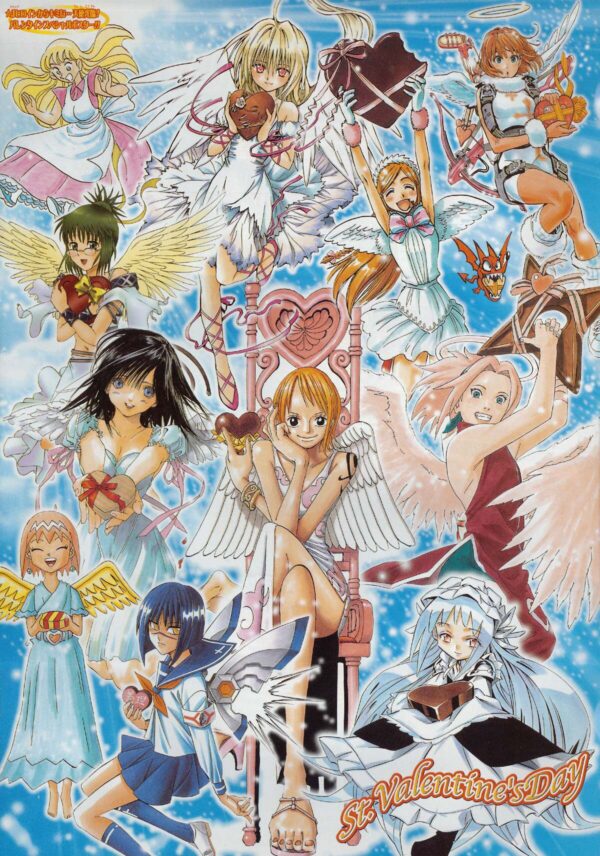
Weekly Shonen Jump, the most widely circulated manga magazine in Japan, is at the pinnacle of manga culture in terms of popularity and name recognition, and has produced many masterpieces. As a shōnen manga magazine, most of the main characters are male, but the heroines who support them are also fascinating characters. Some are adults, some are children, some are just protectors, some are sidekicks who fight alongside the hero, some are heroines who have kicked out the regular heroines and are united with the hero, and some are heroines and female protagonists that go beyond the norm of "shōnen manga. Here we introduce some of the heroines who have graced the pages of JUMP.
Read Article
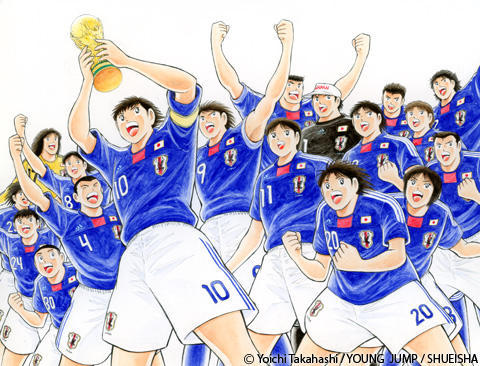
Captain Tsubasa (Captain Tsubasa) Spoiler Commentary and Discussion Summary
Captain Tsubasa" is a soccer manga and anime series by Yoichi Takahashi, serialized in Weekly Shonen Jump, Weekly Young Jump, and Grand Jump since 1981. The main character, Tsubasa Ozora, grows and develops through friendship with his teammates and fierce battles with rivals, mainly depicting his soccer life. The series has sold more than 70 million copies in Japan and has been published in about 20 countries and regions, including France and Italy.
Read Article

Spoiler commentary and discussion of Mobile Suit Gundam (first and first generation)
A robot animation produced and broadcast by Sunrise Japan from 1979 to 1980. It is a well-known work with many fans, but was cancelled due to poor viewer ratings at the time of broadcast. It is the first work in the Gundam series and is also called the "first generation (Gundam)" or "first (Gundam). It is a story of Amuro and his comrades in the Gundam who grow up through encounters, partings, and battles with various people, including his arch-enemy Char, as they fight their way from place to place.
Read Article
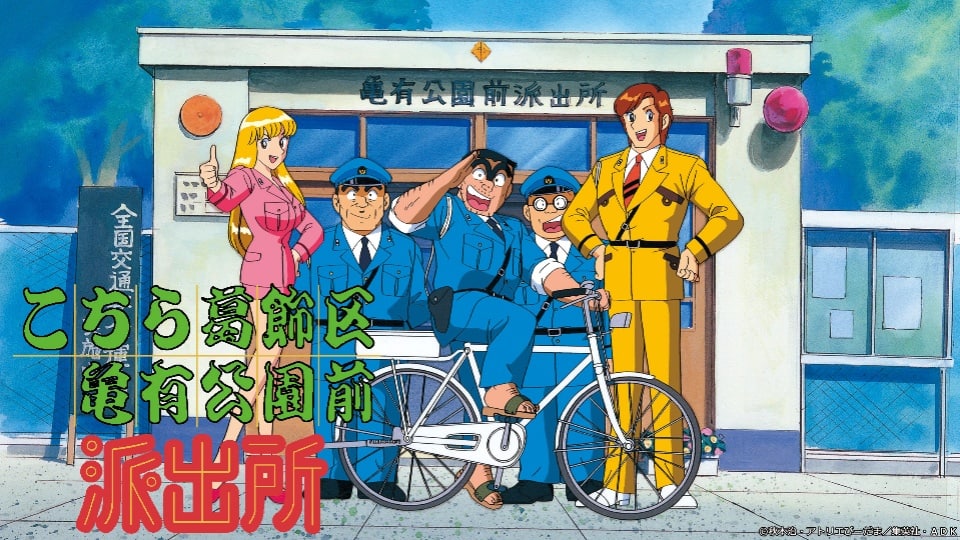
Spoiler commentary and discussion of Kochira Katsushika-ku Kameari Koen-mae Hashutsujo (Kochikame)
Kochira Katsushika-ku Kameari Koen Mae Hashutsujo (Kochikame) is a Japanese manga series by Osamu Akimoto. It was serialized in Weekly Shonen Jump from 1976 to 2016, and has since been adapted into live-action, anime, and video games. It has been recognized by Guinness World Records as "the single manga series with the most number of volumes published. It is a gag manga featuring Kankichi Ryotsu, a police officer working at the Kameari Koen-mae Police Station in Tokyo's Katsushika Ward, and the characters around him. It has been serialized for 40 years without a single break, and as of June 2016, a total of 156.5 million copies have been sold.
Read Article
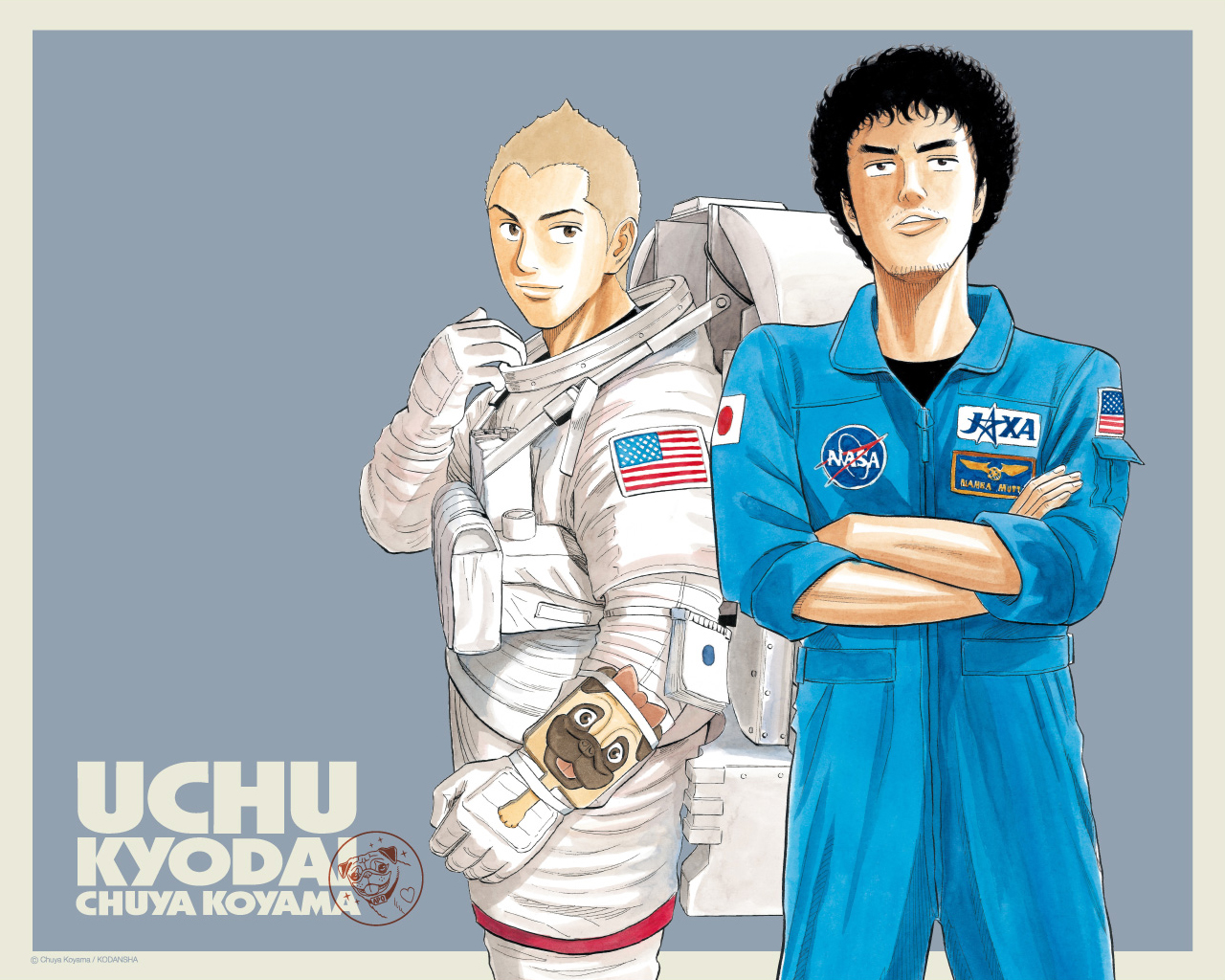
Space Brothers (anime and manga) spoiler commentary and discussion summary
Space Brothers" is a manga by Koyama Chuya and an anime based on the original work, which began serialization in Kodansha's "Morning" magazine in 2007. The series became very popular and was later made into an anime and live-action film. The two brothers made a promise in their childhood to become astronauts together. The younger brother fulfilled his dream and became an astronaut. However, the older brother Rokuta (Mutta) gives up on his dream and goes his separate way, and is given another chance to go to space. This work is filled with the fascination of space, including the process of becoming an astronaut, facilities, training, and missions.
Read Article
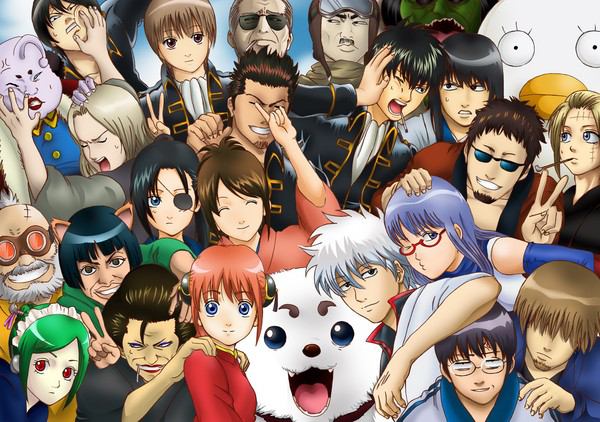
Spoiler commentary and discussion summary of Gintama
Gintama" has established its own genre, the "fake science fiction human-interest comedy. The appeal of "Gintama" is its large scale storyline involving both earthlings and aliens, as well as its characters who are as strong as each other. This long-established manga, written and drawn by Hideaki Sorachi, has been published in Shonen Jump for over 10 years. The worldview of the original work has become so popular that it has been adapted into an animated television series, an animated film version, a spin-off novel, and even a live-action film.
Read Article
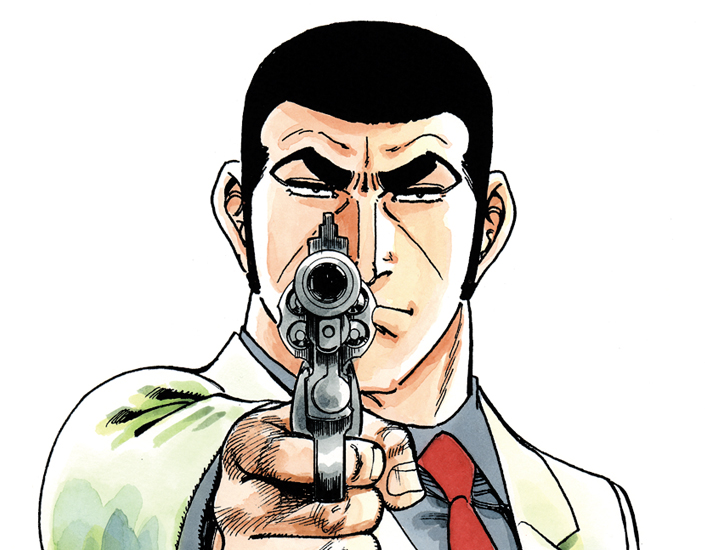
Spoilers and discussion of Golgo 13 (Takao Saito)
A manga series published in Shogakukan's "Big Comic" that is one of the longest-lived manga series and an animated work based on it. Basically, the only major character is Golgo 13 (Duke Togo), and each episode is complete. Golgo 13 (Duke Togo) is a super A-class sniper who takes on nearly impossible requests all over the world, and always manages to accomplish them. How does he make the "impossible" possible? His unpredictable and brilliant sniping and single bullet moves the world.
Read Article
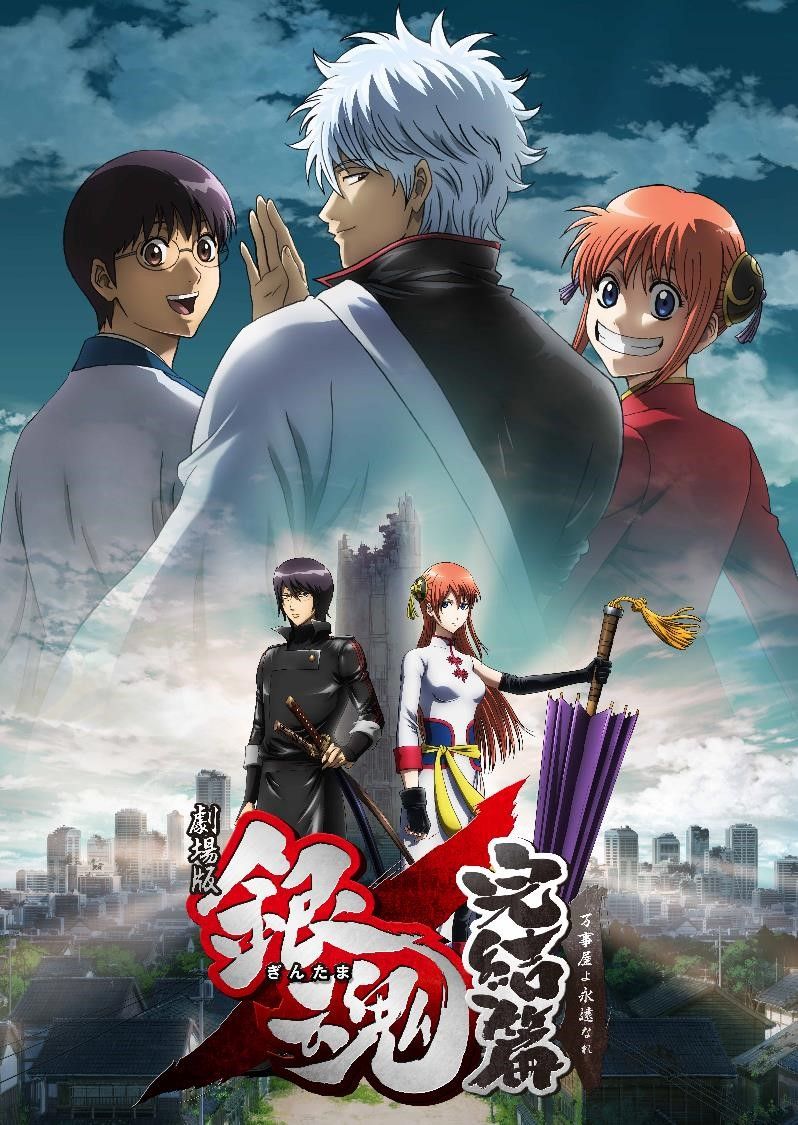
Spoiler commentary and discussion of Gintama the Movie: The Complete Arc of Gintama the Movie - Bankotsuya yo Eien no Eien.
Gintama the Movie: The Complete Arc of Gintama" is the second film adaptation based on the manga "Gintama" by Hideaki Sorachi, which was released in 2013. It is considered to be the final part of the anime series, and is a completely new episode with the story and characters drafted by Hideaki Sorachi, the author of the original manga, and its box-office revenue exceeded 1.7 billion yen, far exceeding the previous film. One day, Gintoki is on patrol at a movie theater when he is transported five years into the future by a time thief. There, Gintoki sees his own tomb and the town of Edo, which has been cruelly devastated.
Read Article
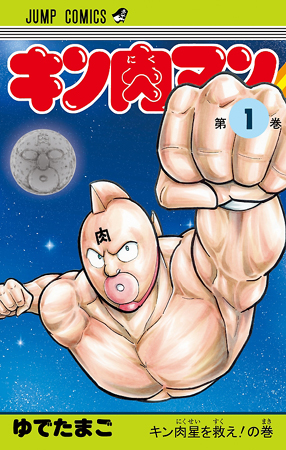
Kinnikuman (manga and anime) spoiler commentary and discussion
Manga and anime by Yudetamago, serialized in Weekly Shonen Jump from 1979 to 1987. A sequel, the first in 24 years, has been serialized in Weekly Playboy Web comic since 2011. It is a fighting gag manga in which Kinnikuman fights with various superheroes in a superhero wrestling match. The first season (137 episodes) aired from 1983 to 1986, and the second season (46 episodes) from 1991 to 1992.
Read Article
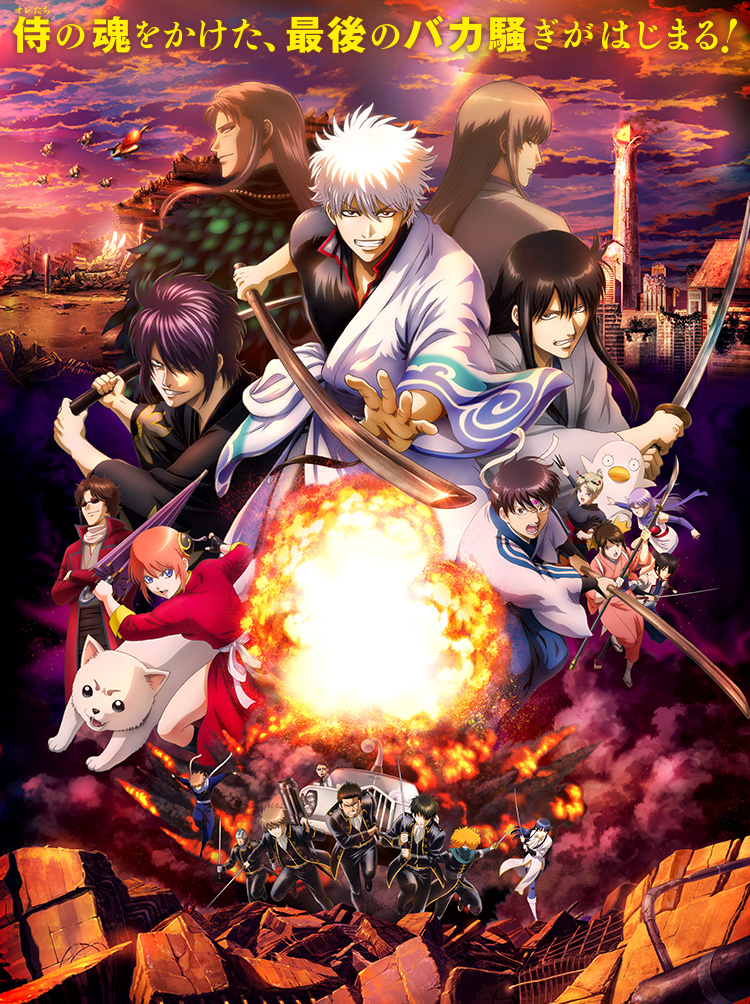
Gintama the Final (movie) spoiler commentary and discussion summary
GINTAMA THE FINAL" is an anime film based on the final part of the story of the manga "Gintama" by Hideaki Sorachi. It is the final version of "Gintama", which has been adapted to anime and film many times. It is a science fiction world modeled on the end of the Edo period and the beginning of the Meiji era. In order to save their teacher Shoyo, the main character Sakata Gintoki and his schoolmates enter the Terminal Tower. There, they find the Tendoshu waiting for them, who want to use Shoyo's alternate identity, the immortal monster "Kyou," to their advantage. Shinpachi, Kagura, and the rest of Gintoki's friends rush to support them, opening the final battle for the fate of the Earth and the fate of the Exclusionist War.
Read Article
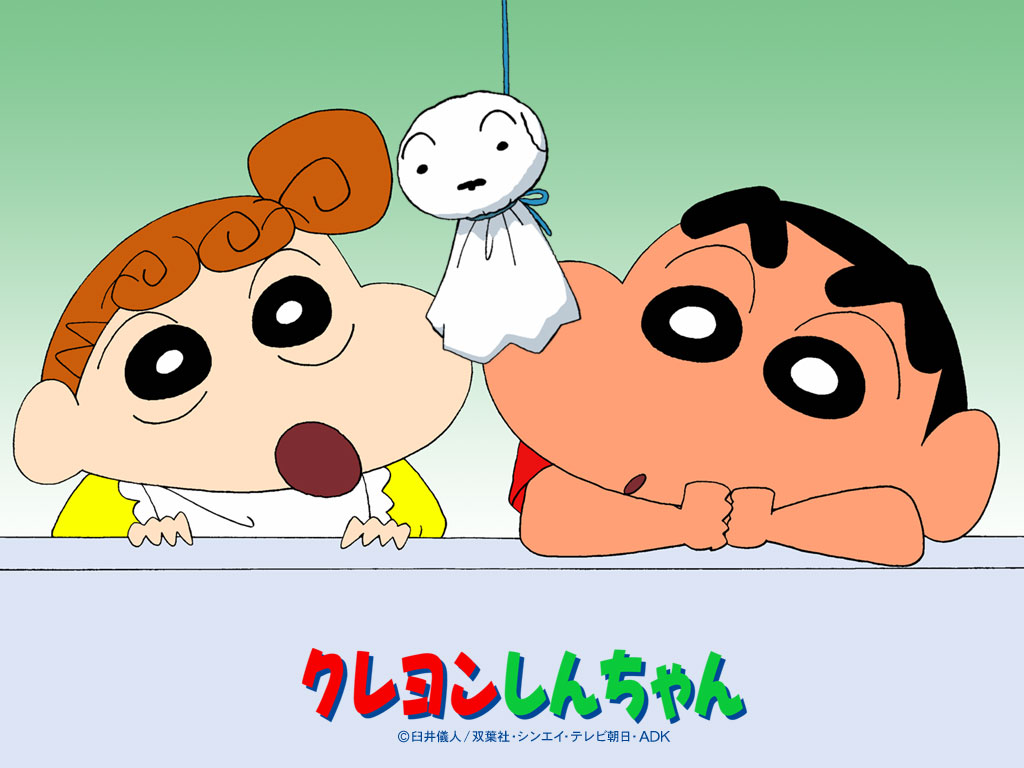
Crayon Shin-chan (Crayon Shin-chan) Spoiler Commentary and Discussion Summary
An animated work based on a manga series that began serialization in "Manga Action" by Usui Yoshito in 1990. The manga depicts the slapstick jokes of Shinnosuke Nohara, a wild "storm-bringing preschooler" living in Kasukabe City, Saitama Prefecture, and the people around him. The following year, "UY Studio," which was created by Usui Yoshito's assistants, took over the series under the title "Shin Crayon Shin-chan" (New Crayon Shin-chan).
Read Article
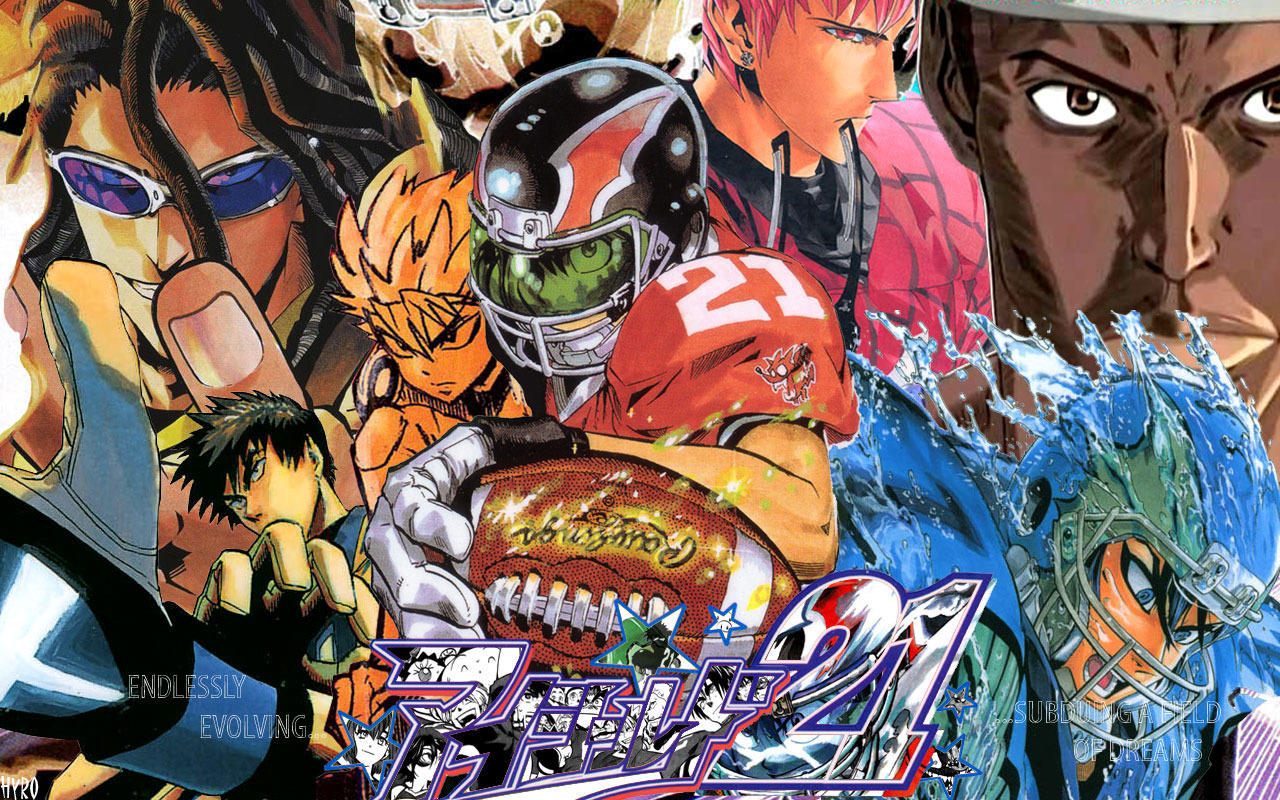
Spoiler commentary and discussion of Aishield 21 (manga and anime)
Aishield 21" is a boys' manga and TV animation based on the manga, which was originally written by Riichiro Inagaki and drawn by Yusuke Murata and published in "Weekly Shonen Jump". Sena Kobayakawa is forced to become a football player at Doromon High School because of his athleticism trained by Pasiri. As a registered player named "Eyeshield 21," he and his friends struggle against a variety of powerful opponents as they aim for the Christmas Bowl, the pinnacle of the Japanese football world.
Read Article
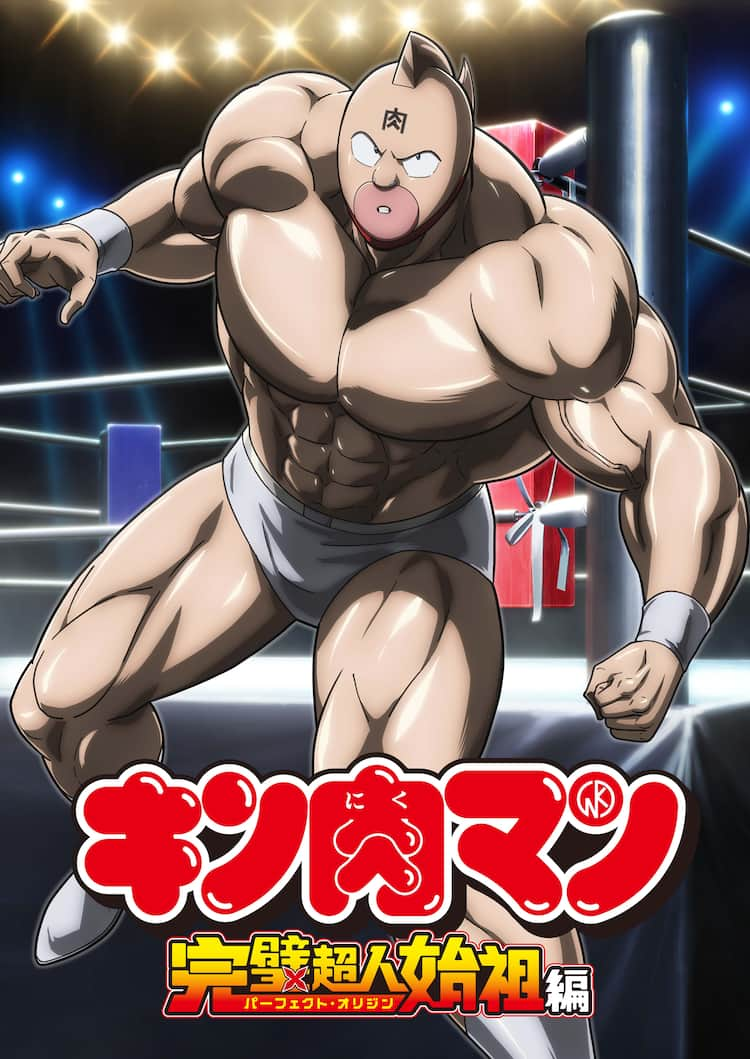
Kinnikuman: Perfect Choujin Hajime Hen (Perfect Origin) Spoiler Commentary and Discussion Summary
Kinnikuman: Perfect Choujin Hajime Hen" is a feature-length episode of the manga "Kinnikuman" by Yudetamago, which depicts the three-way battle between superhero wrestlers and the secret about their origins. It was serialized for six years starting in 2011, and will be adapted into an anime in 2024. After the Justice Choujin, Demon Choujin, and Perfect Choujin conclude a non-aggression pact at the end of a long battle, those who call themselves the "Main Squad of Perfect Choujin" intrude. They declare the extermination of all superhumans except themselves, and engage in mortal combat with the righteous superhumans led by Kinnikuman and the demon superhumans led by the Demon Shogun.
Read Article
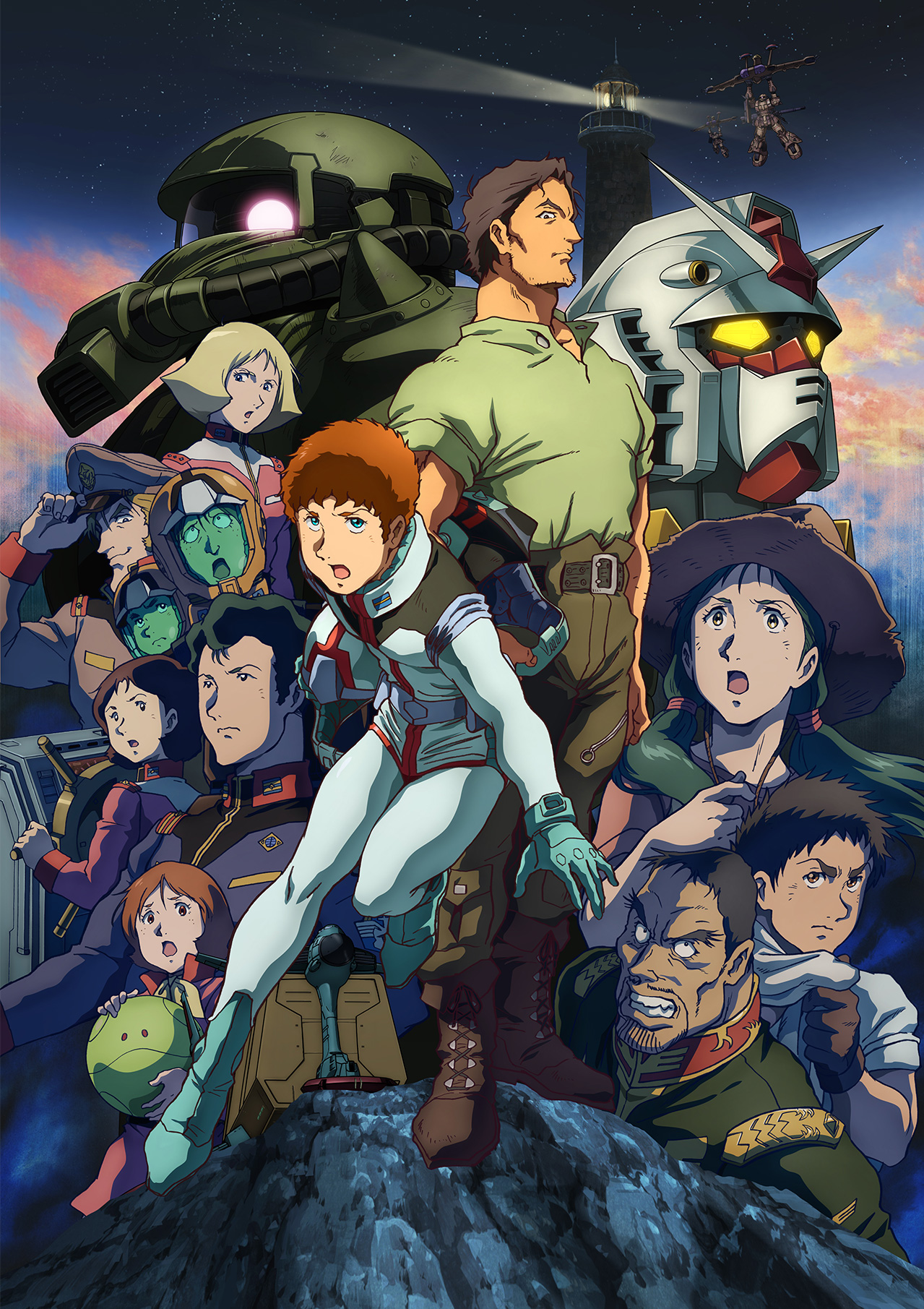
Mobile Suit Gundam: The Island of Cruz Doan (film) Spoiler Commentary and Discussion Summary
Mobile Suit Gundam: The Island of Cruz Doan" is a film remake of "The Island of Cruz Doan," episode 15 of the "Mobile Suit Gundam" TV anime. Yoshikazu Yasuhiko, one of the creators of the Gundam series, directed the film, and veteran staff who grew up watching the series were involved in its production. Amuro Rei, a soldier in the Federation Army, falls off a cliff during a forced reconnaissance and is saved by an enemy soldier, Cruz Doan. Doan is a deserter, living with war orphans on an island, but his pursuers are quietly creeping there.
Read Article
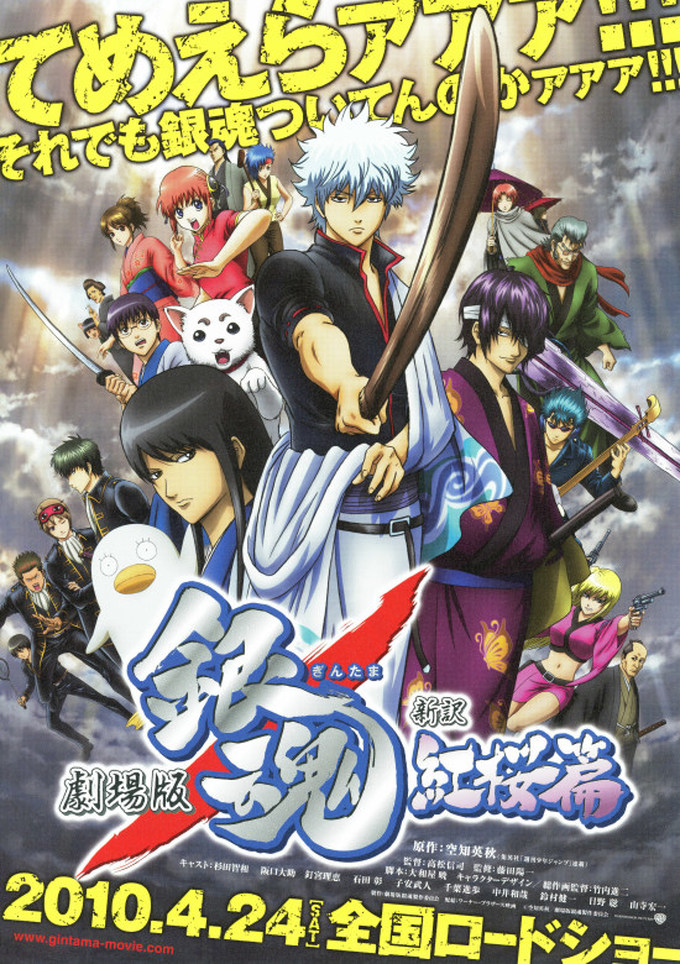
Spoiler commentary and discussion of Gintama the Movie: A New Translation of the Red Cherry Blossom Arc.
Gintama the Movie: The New Translation of "Gintama: Benizakura Arc" is the first film adaptation based on the manga "Gintama" by Hideaki Sorachi, which was released in 2010. It is a new interpretation of the popular episode "Benizakura-hen" and its box-office revenue surpassed the 1 billion yen mark. One day, Elizabeth visits Bankotsuya with a request to find Katsura, who is missing. Meanwhile, Gintoki receives a request from the Murata brothers to retrieve the stolen yokatana Benizakura. Although the Manjiya received two separate requests, they tracked down the two requests to the Onibeitai led by Takasugi, who was an ally of both Gintoki and Katsura.
Read Article
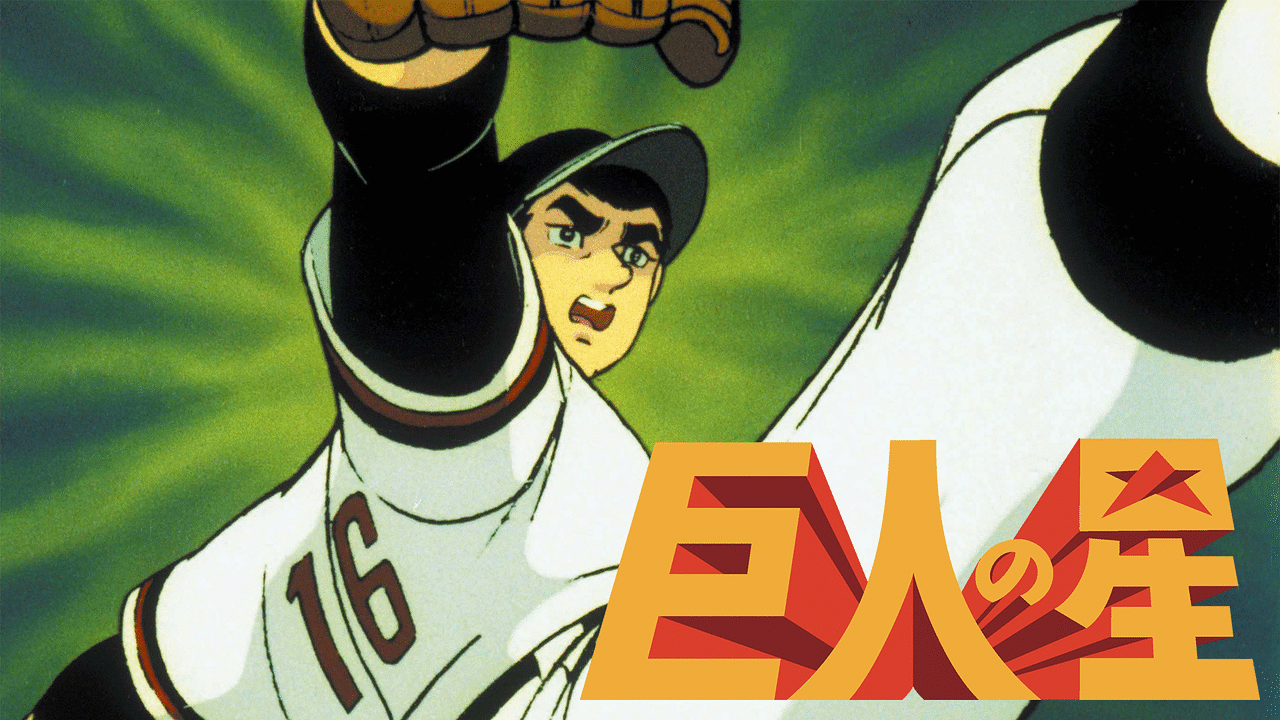
巨人の星(漫画・アニメ)のネタバレ解説・考察まとめ
『巨人の星』とは星飛雄馬が主人公の日本を代表する野球マンガで、1960年代と1970年代に大ヒットした。その後も続編『新・巨人の星』が制作されただけではなく、原作を母体とした別の作品まで制作された。『巨人の星【特別編】 猛虎 花形満』などである。『巨人の星』の内容は、飛雄馬が野球のスターを目指していく物語。最初は速球での勝負だが通用しなくなると魔球で戦っていくことに。この基本ストーリーに、父、姉、ライバル、巨人軍実在選手との人間関係を絡ませていき、当時の社会情勢も背景に取り入れている。
Read Article
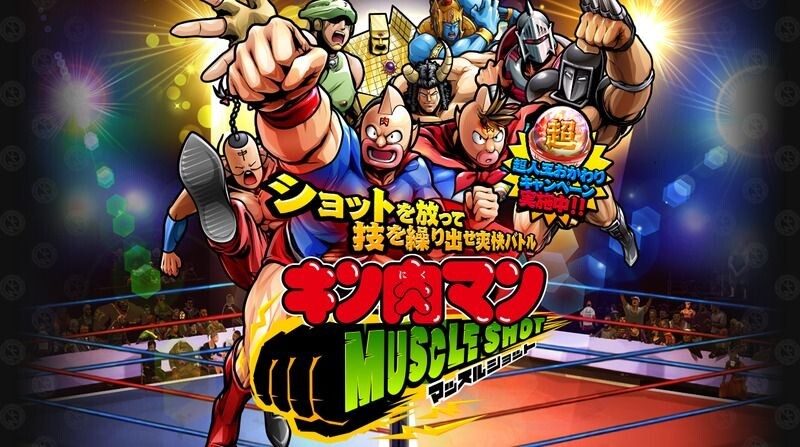
Introducing Muscle Shot, a smartphone game by Kinnikuman!
Did you know that there is a smartphone game of the manga "Kinnikuman" that everyone knows? The game, called "Kinnikuman Muscle Shot," started in 2015 and has been improved frequently with additional characters and new features announced every so often. We would like to introduce this smartphone game.
Read Article
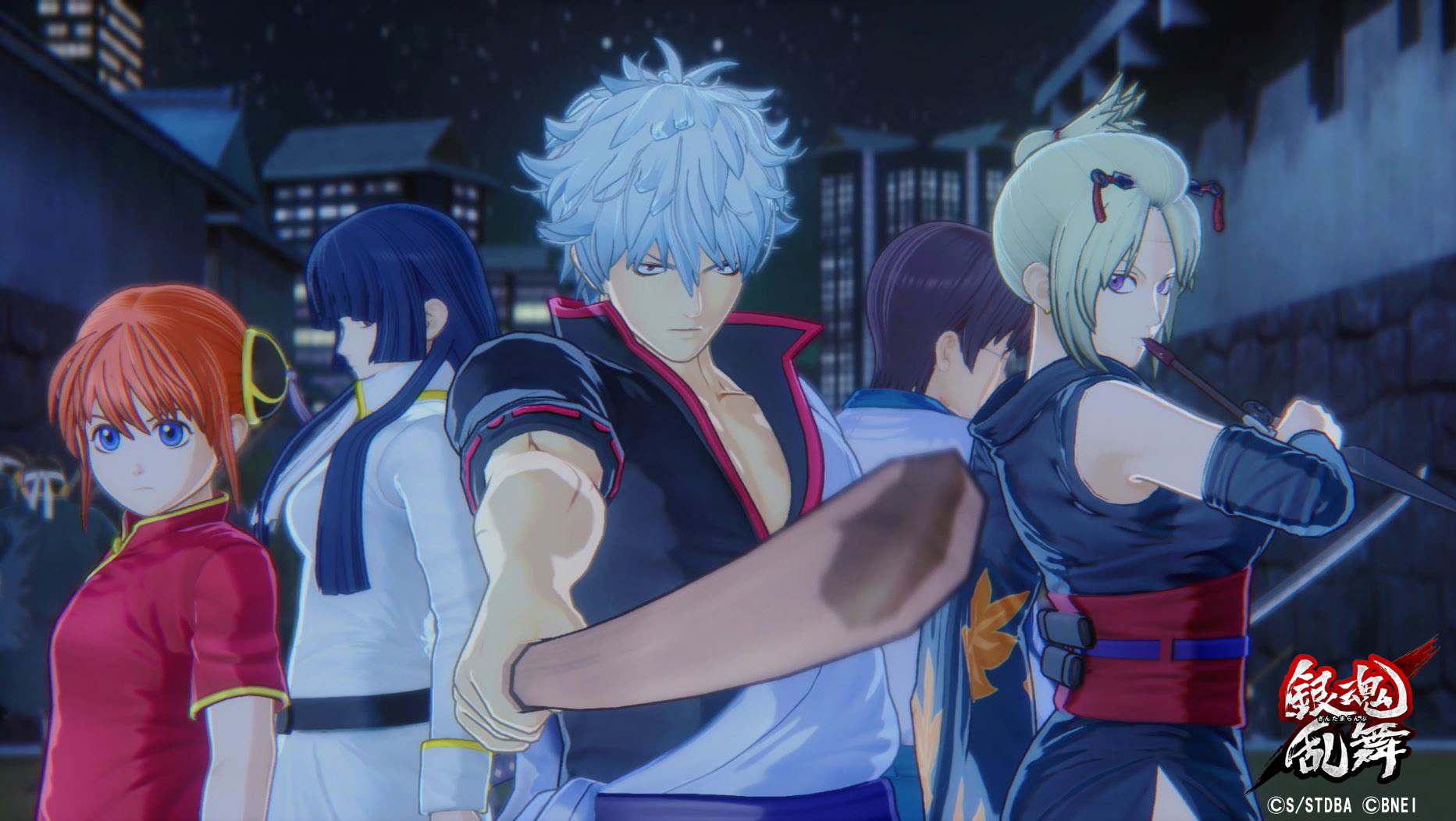
Summary of game works from the popular manga "Gintama
A compilation of games of "Gintama", a popular manga from Weekly Shonen Jump. Many of them are games that capture the atmosphere of the original work, and can be confidently recommended to fans.
Read Article
Summary of Kinnikuman's Special Moves, Favourites and Special Holds
Kinnikuman" is a manga series published in Weekly Shonen Jump by Yudetamago, the author of the original manga, and an anime series based on the manga. Kinniku Suguru, aka Kinnikuman, a superhero living in Japan, along with his fellow righteous superheroes, fights in the ring against a series of powerful enemies. The work is based on professional wrestling, and the flashy special moves used in the fights are one of the charms of the work. The characters use original finishing holds in their fights.
Read Article
Summary of Kinnikuman's Perfect Superhuman, Muhojin Muhojin Gundan, and Perfect Superhuman Hajimeji.
Kinnikuman" is a manga and anime work by Yudetamago, the author of the original manga, which was serialized in Weekly Shonen Jump from 1979 to 1987. It is a fighting gag manga in which the main character, Kinnikuman, fights a number of superhumans. The perfect superhuman is a category of superhuman that appears in "Kinnikuman," a superhuman who has acquired a strength that transcends all emotions and is usually in training in the heavenly realm. Later, in the new series, the true perfect superhuman army, called the Muteki Taisen Gundan, and the 11 superhumans who became the first perfect superhumans, called the Perfect Superhuman Founder, have been introduced.
Read Article
Summary of "Kochira Katsushika-ku Kameari Koen Mae Hashutsujo" game titles
A collection of games based on the long-running manga "Kochira Katsushika-ku Kameari Koen Mae Hashutsujo" (Over 100 volumes). We have also included a few that are not so well known and are only known to those in the know!
Read Article
Gintama Special Moves, Gag Moves, and Parody Moves
Gintama," a work modeled on the end of the Tokugawa shogunate, is a mixture of laughter, tears, and action, and is known for the fact that the main characters do not have any special moves, even though there are battles. While this is a topic of conversation throughout the work, the comedic parts of the story are filled with gags and techniques from other works, which elicit laughter from the readers and enliven the story. The "Cavalier Smile" throws down a stroke of bad-tasting egg rolls. The "Pudding Counter" to intercept pudding thieves. The "Curse Return," a very rare and ordinary special move. Here we introduce some of the special moves, gag moves, and parody moves that colored "Gintama.
Read Article
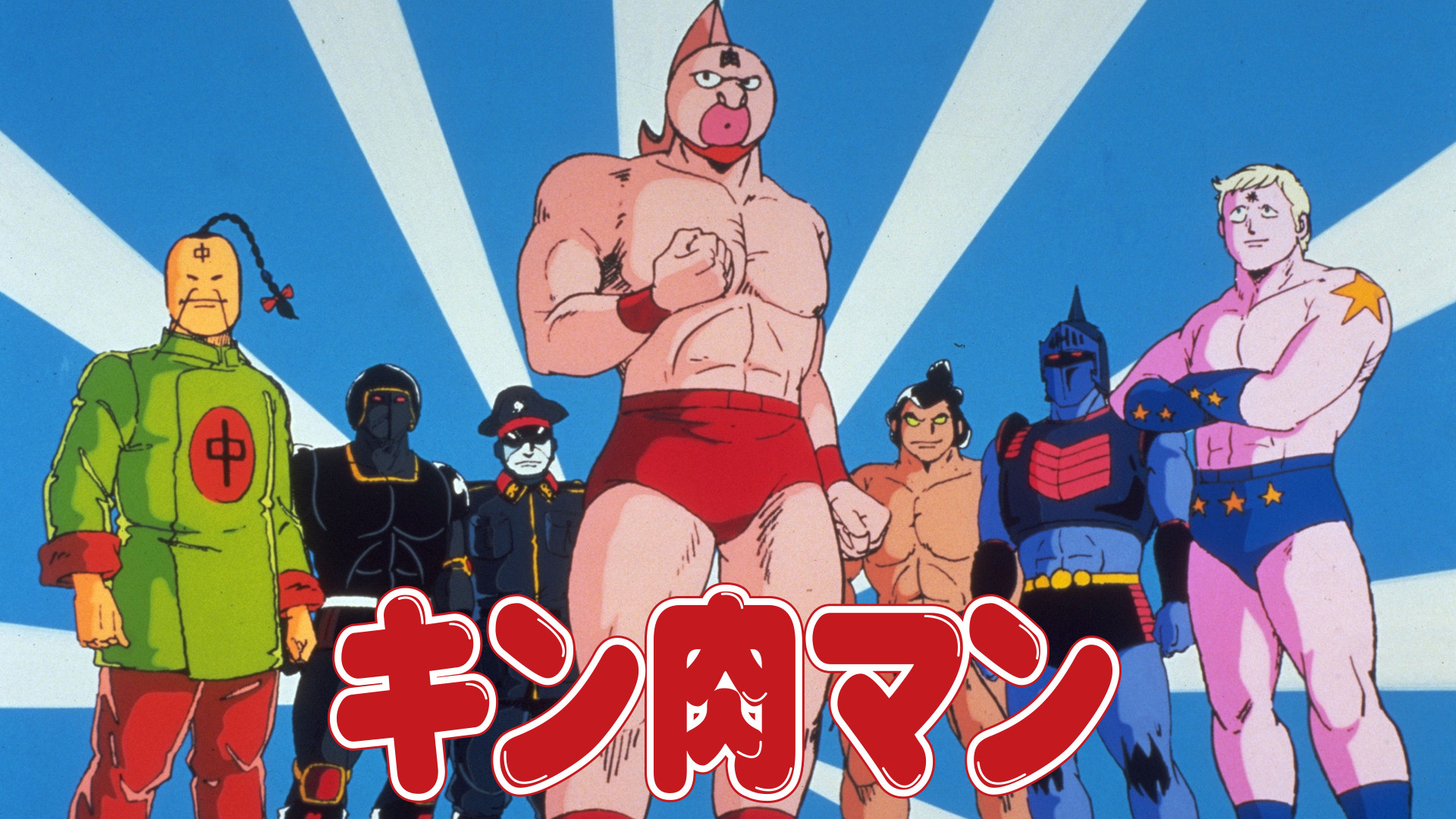
Summary of Kinnikuman's Justice Superheroes
Kinnikuman" is a manga and anime work by Yudetamago, the author of the original manga, which was serialized in Weekly Shonen Jump from 1979 to 1987. It is a fighting gag manga in which the main character, Kinnikuman, fights a number of superheroes. The "righteous superheroes" are a category of superheroes who fight monsters and demon superheroes to protect the peace of the earth. Kinnikuman and other righteous superheroes value friendship and join forces with their friends to fight their enemies. Influenced by their friendship, some of them, such as Ashraman and Neptune Man, have turned from demon superheroes and perfect superheroes to righteous superheroes.
Read Article
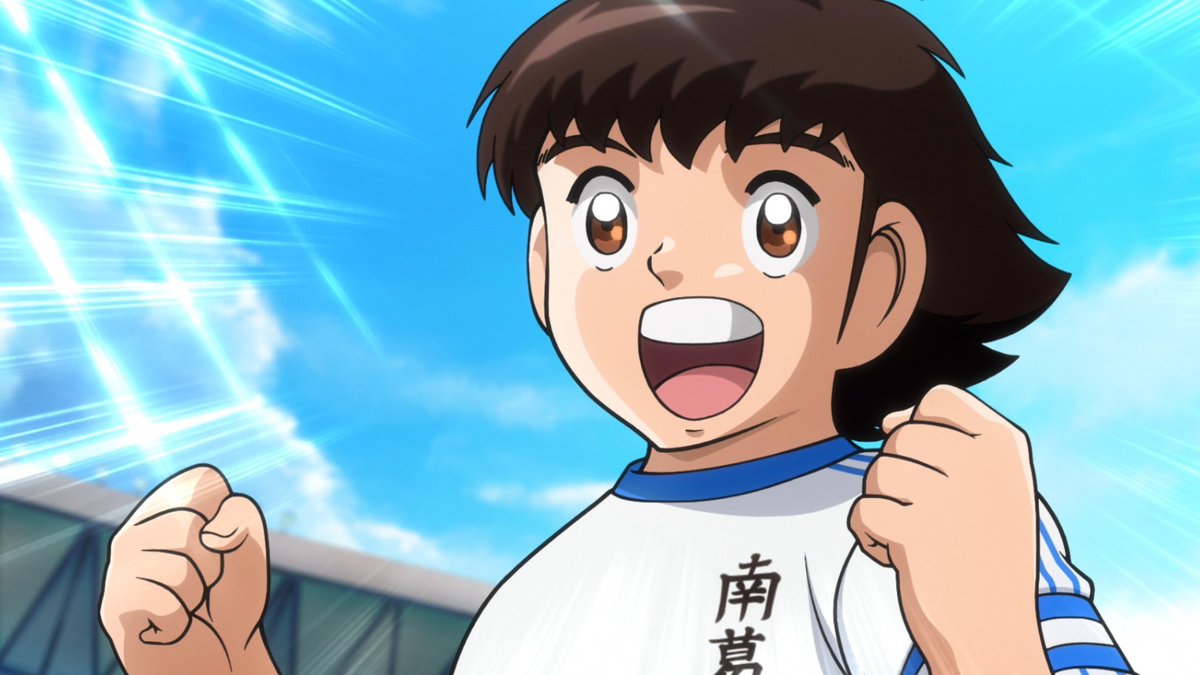
A compilation of characters with different names from the popular manga Captain Tsubasa! Tsubasa Ozora is the "poster child of soccer"!
The popular soccer manga "Captain Tsubasa" has many characters and characters who have aliases. Here is a list of those characters and their aliases. Some of them are combination names or names of techniques, so if you are interested in them, please check them out.
Read Article
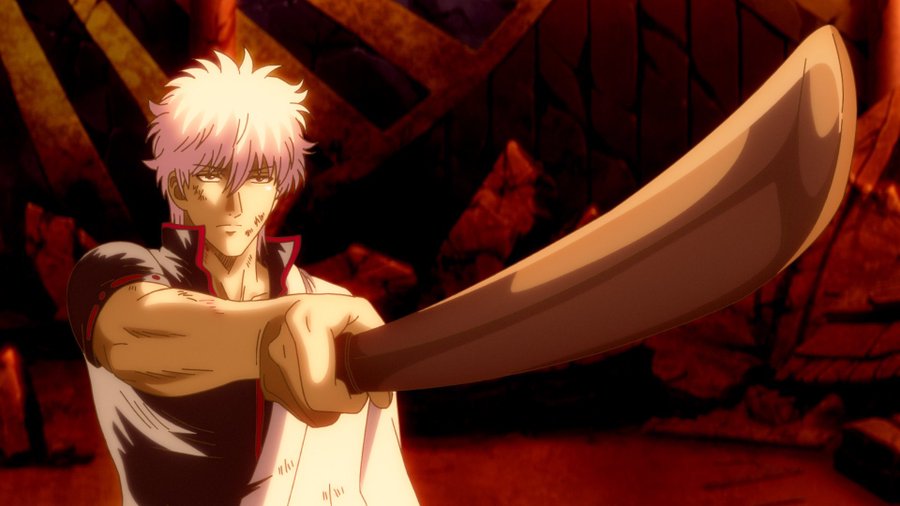
Summary of Gintama Weapons and Equipment
A wide variety of weapons appear in "Gintama," a science fiction period drama that is full of laughter, tears, gripping action, and heartrending parodies. The wooden sword Hoshi-Shattered is the favorite weapon of the main character Sakata Gintoki. The iron umbrella with a gun inside is the standard equipment of the Ya-Usagi, the fighting tribe. The yokatana Muramasa, which torments Hijikata Jushiro and gave birth to a new personality called "Tossie. The yokuto Maganagi, which tried to manipulate Okita Sogo but was horrified by his dossier and controlled him in the opposite direction. Toratetsu-chan, the pride and joy of Isao Kondo, the director of the Shinseigumi bureau. The bomb used by Kotaro Katsura, the "mad nobleman. Here we introduce some of the weapons that enlivened the story of "Gintama" (Gintama: The Soul of Gintama).
Read Article
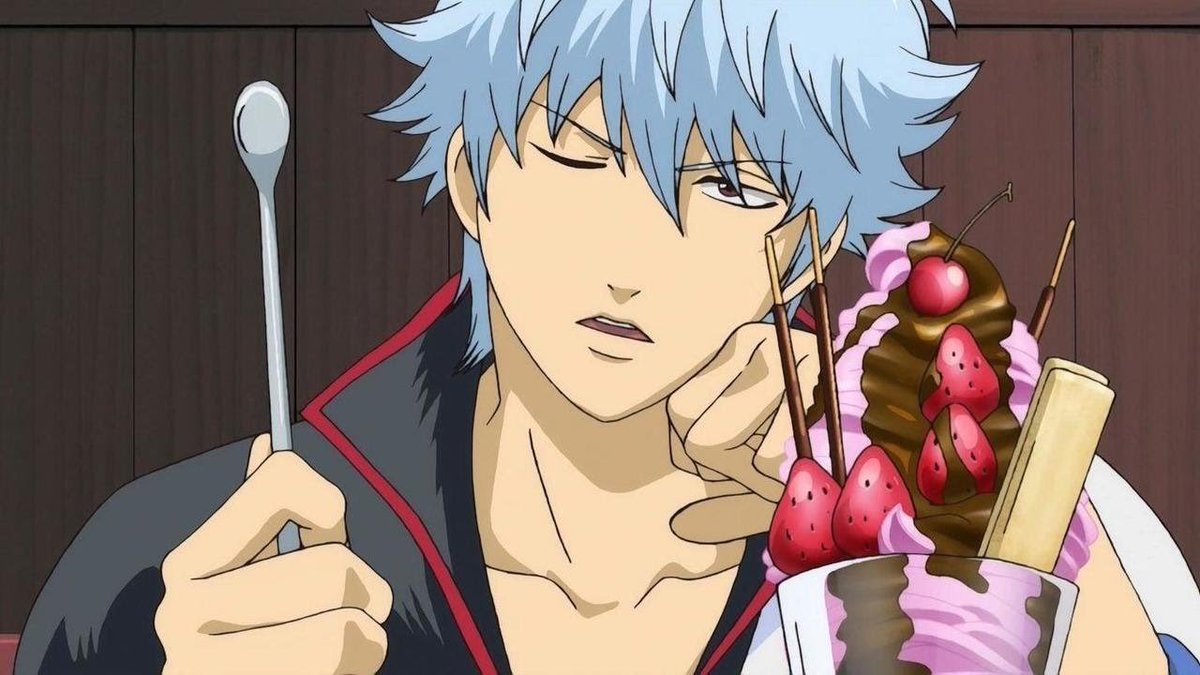
Gintama Cooking, Meals, Food, Sweets, and Drinks Summary
Gintama" is a manga series written by Hideaki Sorachi. The story takes place in Edo, a city that was forced to open its doors to the world by an alien invasion, and depicts the members of "Bankotsuya," run by Gintoki Sakata, a hero of the Exclusionist War, as they solve a variety of cases. Because of the outlandish setting of "aliens, not Westerners, coming to Edo," "Edo period," "modern times," and "science fiction" coexist in a jumbled state, and the dishes that appear in the work vary from those seen in period dramas to modern sweets and science fiction-like food. The dishes that appear in the work also vary from those seen in period dramas to modern sweets and sci-fi food. Here, we will introduce a collection of dishes, meals, food, sweets, and beverages from "Gintama".
Read Article
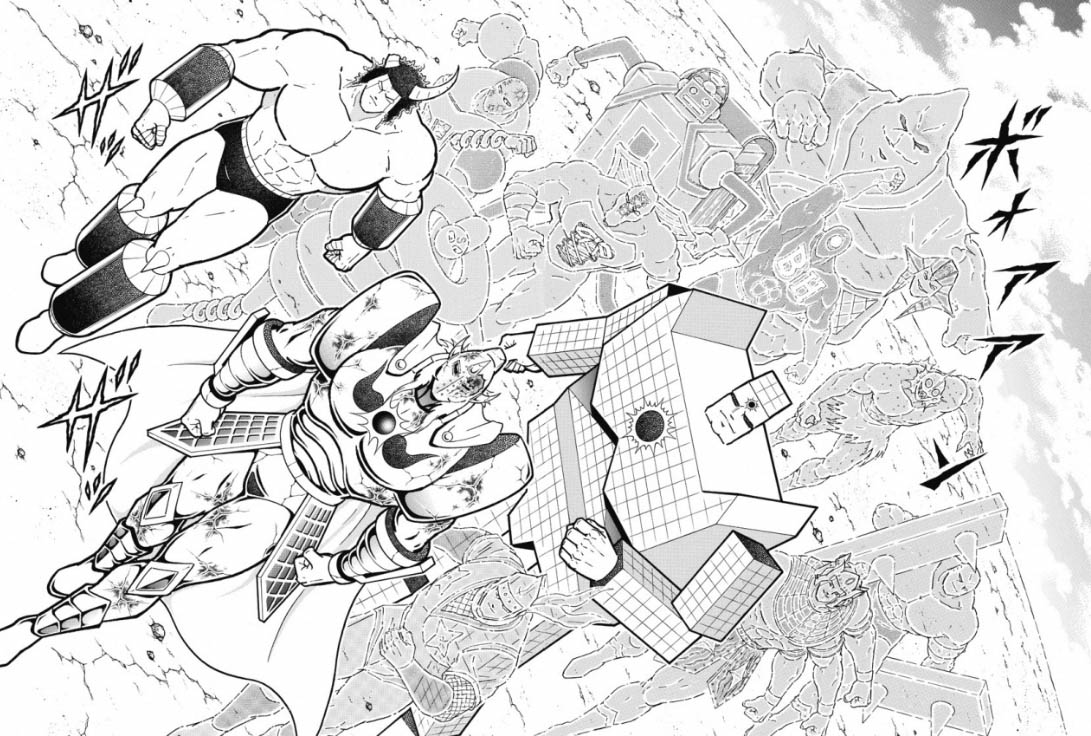
Kinnikuman's Demon Superhuman Summary
Kinnikuman" is a manga and anime work by Yudetamago, the author of the original manga, which was serialized in Weekly Shonen Jump from 1979 to 1987. It is a fighting gag manga in which the main character, Kinnikuman, fights a number of superheroes. Demon superheroes are a category of superheroes who develop a demonic, cold-blooded, ruthless, and cool-headed fighting style and pledge allegiance to Goldman, the Demon Shogun. In some cases, influenced by the friendship of a righteous superhero, they turn from demon superheroes to righteous superheroes, as in the case of Ashraman and Buffalo Man.
Read Article
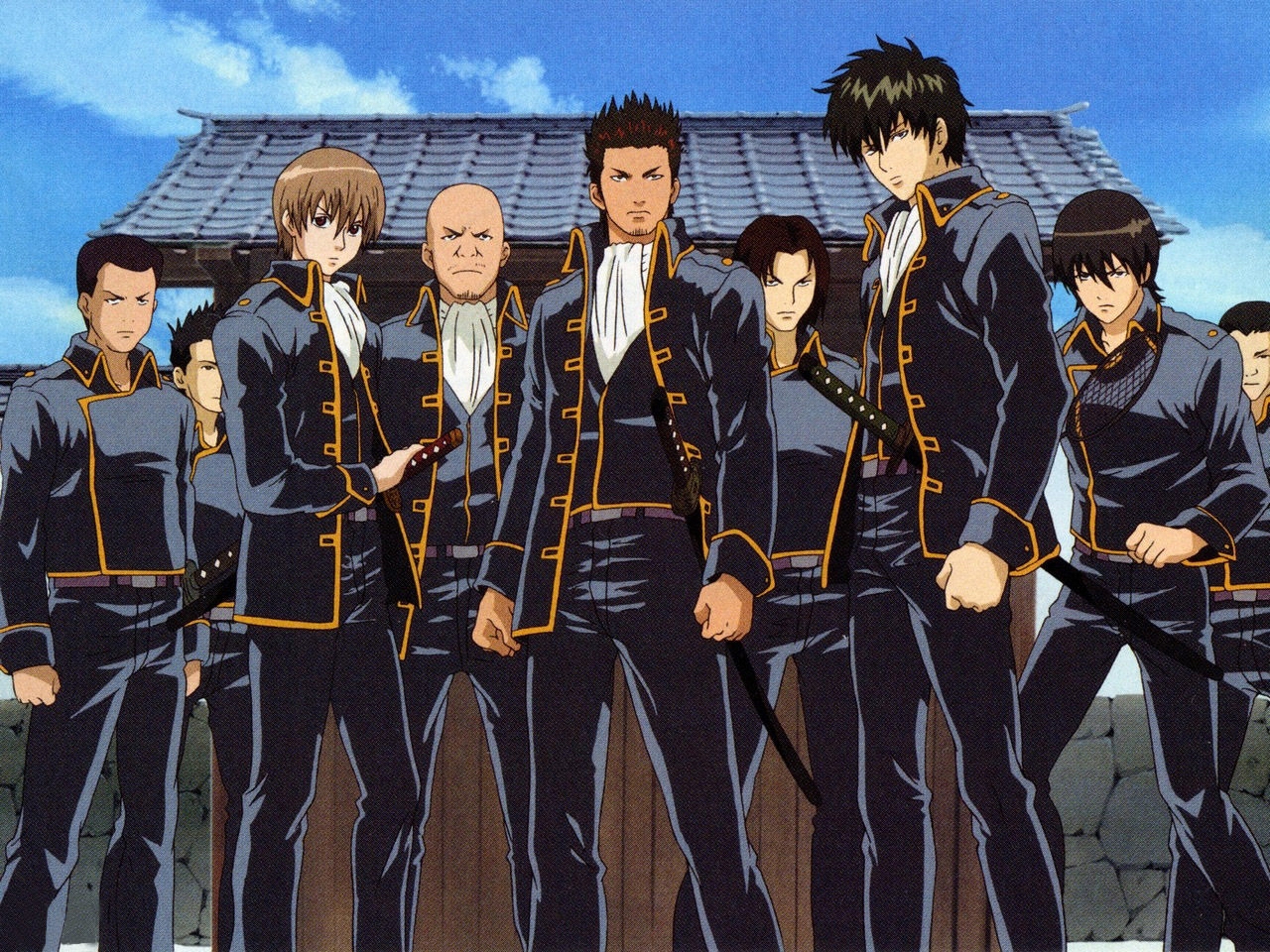
Gintama Shinsei Summary
The Shin-Sen-Gumi is a group of swordsmen under the direct control of the Shogunate who work to protect the security of Edo (Tokyo). It is a police organization that engages in everything from crackdowns on outlaws and criminals to traffic control, suppression of terrorists, and protection of dignitaries. Although they are highly skilled in combat, the members of the group, including Isao Kondo, the bureau chief; Jushiro Hijikata, the deputy chief; and Sogo Okita, the captain of the first squad, are all highly individualistic and often display comedic skills. They sometimes fight with Gintoki Sakata, the hero of the story, and sometimes fight together, and in time they form a bond that resembles that of comrades-in-arms.
Read Article
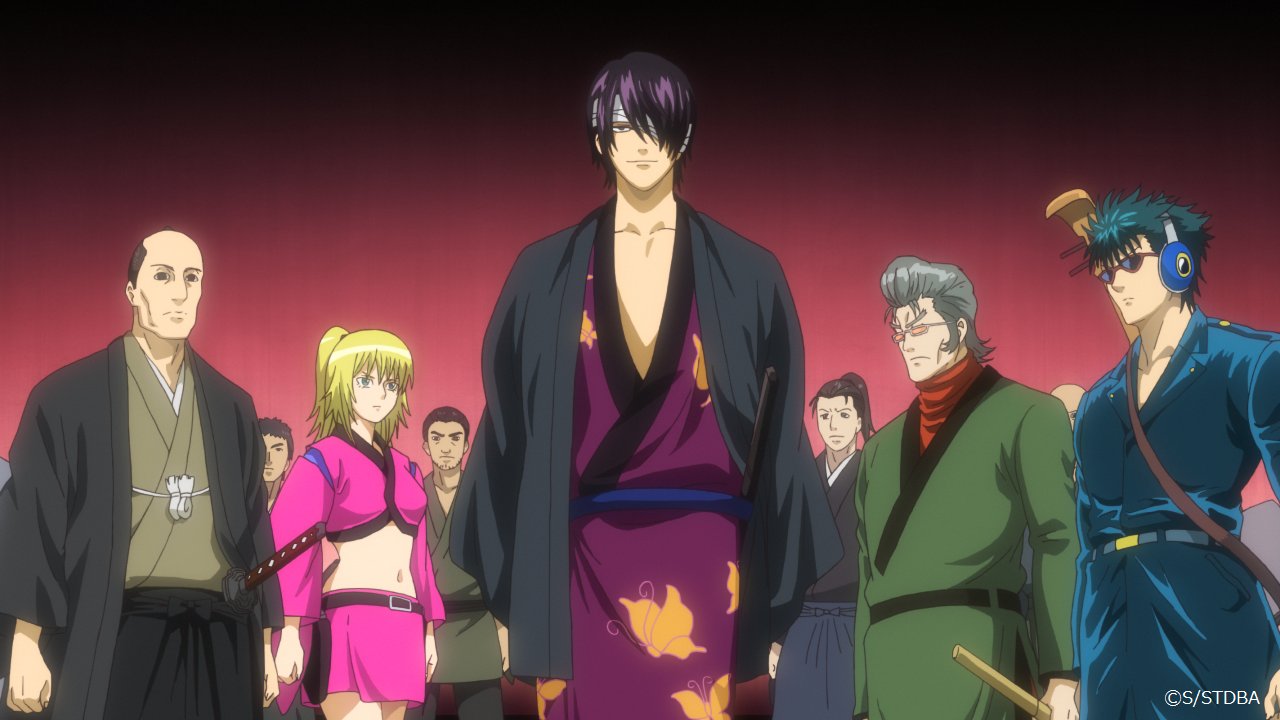
Gintama Onibei Summary
The Kiheitai is an organization that appears in the science fiction period-style boys' manga "Gintama" by Hideaki Sorachi. It is an armed group led by Shinsuke Takasugi, an old friend of the main character Gintoki Sakata. From the beginning to the middle of the story, it played a dark role as the mastermind behind various plots. Rather than sympathizing with Takasugi's ideology of overthrowing the Shogunate, the group was attracted by Takasugi's personal charisma, and is strongly bonded around him. Their true purpose is to "lure out and defeat the enemy that lurks in the darkness and undermines the country," and although they suffered a devastating blow at the end of the story, they fought together with Gintoki and his men against the same enemy.
Read Article
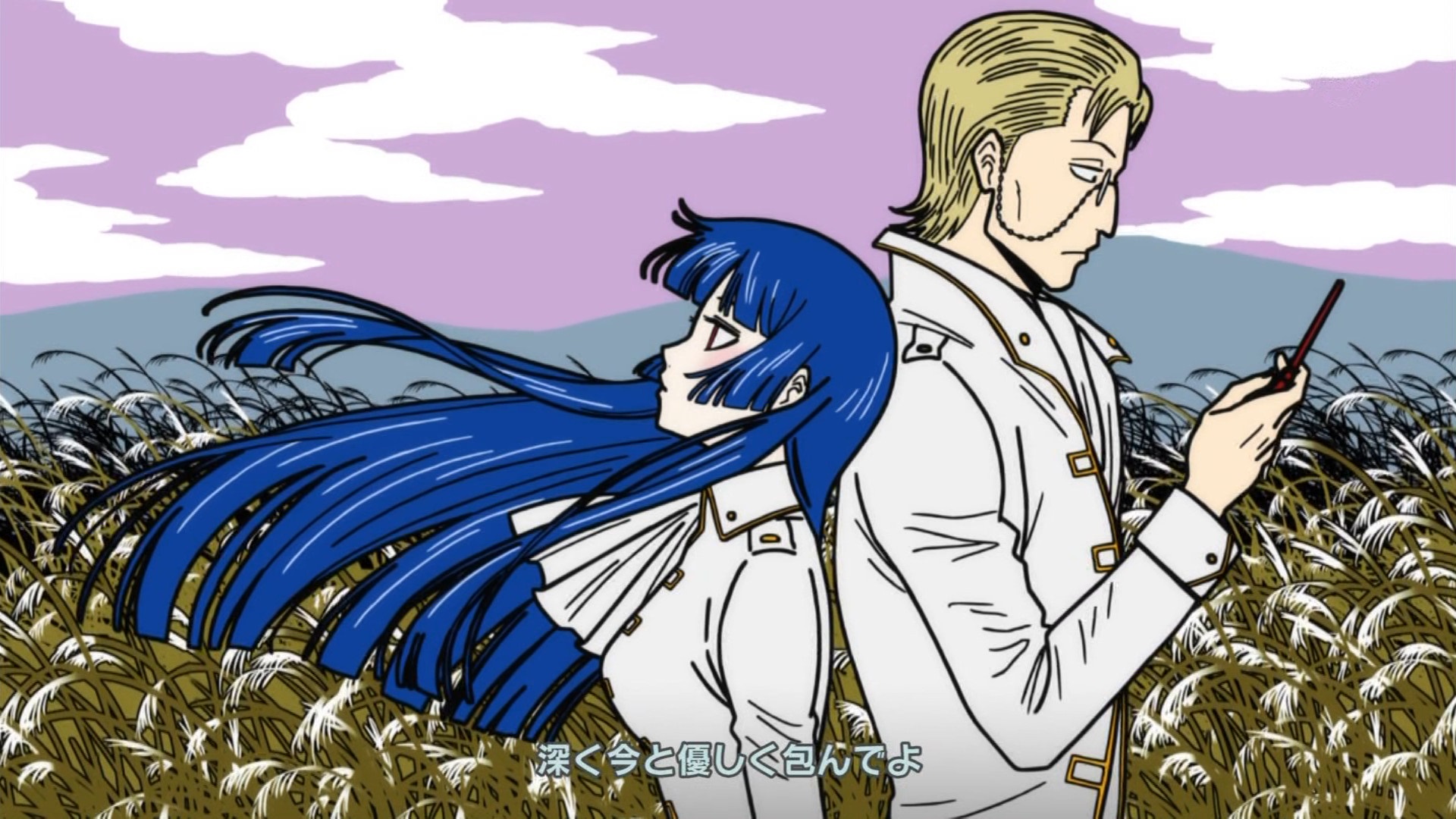
Summary of Gintama's Mimamigumi
The Mimawarigumi is an organization that appears in the science fiction period-style boys' manga "Gintama" (Gintama) by Hideaki Sorachi. It is an armed police force composed of the elite of the shogunate. The organization is led by its director, Sasaki Iizaburo, and deputy director, Imai Nobume, and mainly controls terrorists and criminals who are active in the city of Edo. However, behind the scenes, they collude with these organizations and those who are even further behind the scenes to promote various schemes. His true goal is to destroy the current Shogunate system, which is rife with contradictions, abuses, and tragedies stemming from these contradictions and abuses. Although destroyed during the course of the story, his aspirations were inherited by the main character Sakata Gintoki and his followers.
Read Article
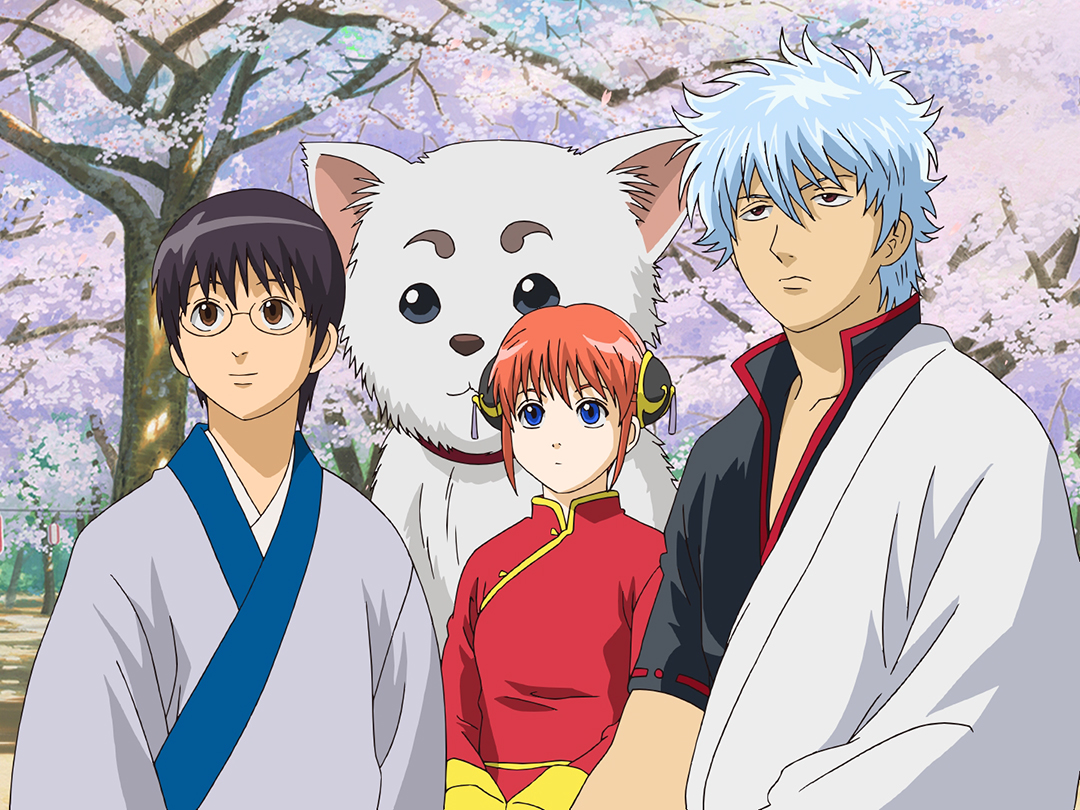
Summary of All Things Gintama
Yorozuya is an organization that appears in the science fiction period-style boys' manga "Gintama" by Hideaki Sorachi. It has an office on the second floor of "Snack Otose" in Kabukicho, and undertakes any kind of work, from searching for people to investigating affairs, from bodyguards to doubling for important persons targeted by terrorists. The business is loose and it is not uncommon for the company to run at a loss, often going unpaid. Thanks in part to Gintoki's mischievous but compassionate personality, he is trusted by many individuals and organizations, and eventually plays a central role in the epic battle to save the world.
Read Article
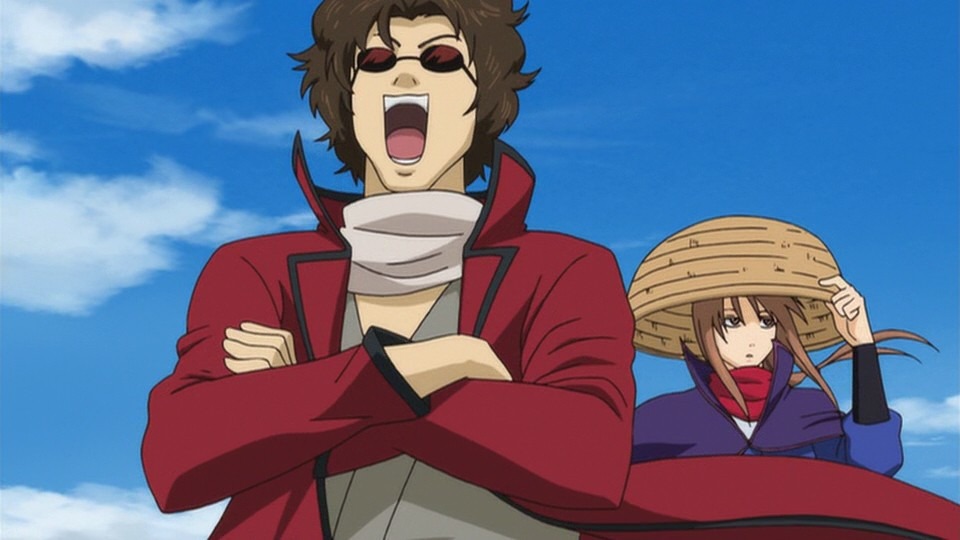
Summary of Gintama's Kaiyentai
Kaientai is an organization that appears in the science fiction period drama-style boys' manga "Gintama" by Hideaki Sorachi, and is a corporation that trades across the universe. Its official name is "Kaientai Shoji Co. Tatsuma Sakamoto, an old friend of the main character Gintoki Sakata, serves as the representative, and Mutsu, a celestial (alien), serves as his deputy. Although they are troublemakers who frequently come to Earth and cause unusual incidents, they boast outstanding organizational skills among Gintoki's friends, and are often indispensable in resolving situations. The episodes in which they appear are not numerous, but many of them are large in scale.
Read Article
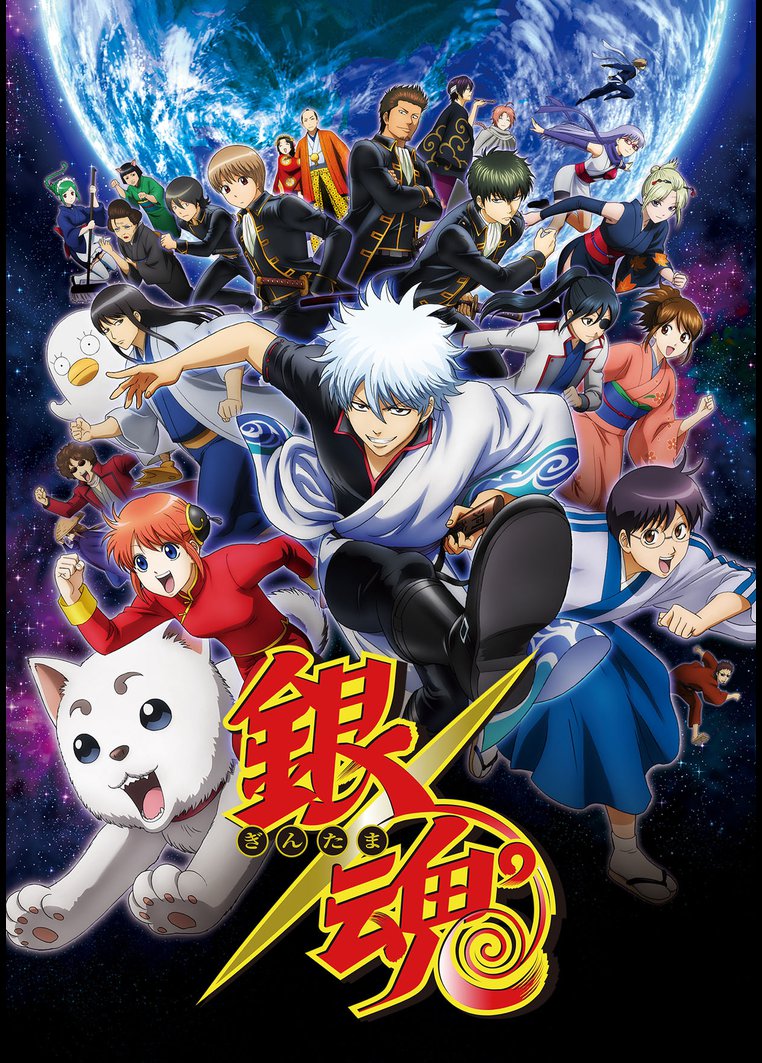
Summary of Gintama's love relationships, couples, couples, couples, and lovers
Gintama" is a manga series written by Hideaki Sorachi. The story is set in Edo (Tokyo), which was forcibly opened to the outside world by an alien invasion, and depicts how the members of "Bankotsuya," run by Gintoki Sakata, a hero of the Exclusionist War, solve various crimes. The story is inspired by the Meiji Restoration, and many characters appear in the work. Although the depiction of romance in the work tends to be modest, many of the characters are in romantic relationships or are almost couples, which adds to the excitement of the story in a subplot sense. This section introduces romantic relationships, couples, couplings, married couples, and lovers in "Gintama.
Read Article
Gundam series space century timeline summary
The Space Century is a fictional history that exists between "Mobile Suit Gundam" and "G-SAVIOUR". It is a so-called "war chronicle" in which years are applied to the wars and other struggles between nations and organizations depicted in the above works, allowing the reader to enjoy the story as if the history of the Gundam world were really continuing. On the other hand, the Gundam series of the space century is based on a chronological table, which makes it difficult to understand the works if one does not know this setting.
Read Article
Space Brothers Love Relationships, Couples, Couplings, Couples, and Lovers Summary
Space Brothers" is a manga series by Koyama Chuya that has been serialized in "Morning" since 2008, focusing on space and astronauts, as well as an anime and movie based on the manga. The work also depicts a subtle love story between the main character Rokuta Namba (Mutta) and his classmate Serika Ito, as well as Mutta's younger brother Hibito and the Russian ballerina Oliga. In addition, many episodes focus on "family ties," and many of the characters are married. This article introduced the romantic relationships, couplings, and married couples in "Space Brothers.
Read Article

Summary of the magazine's past heroines
Shonen Magazine" is one of the longest running weekly shonen manga magazines in Japan. Over its long history, the magazine has produced numerous masterpieces and supported Japanese manga culture. Because of the "shōnen manga" (boys' manga) concept, most of the main characters are boys, but the heroines who support them are also an integral part of the story, and are depicted in an attractive manner. The heroines are childhood friends, students, outsiders, and people from other worlds, and their relationships range from lovers to friends to rivals. Here we introduce some of the heroines who have graced the pages of the magazine.
Read Article
Tags
- Captain Tsubasa
- Crayon Shin-chan
- Eyeshield 21
- First Gundam
- Gintama
- Golgo 13
- Gundam 0079
- Kinnikuman
- KochiKame: Tokyo Beat Cops
- Mobile Suit Gundam
- Space Battleship Yamato
- Space Brothers
- Star Blazers
- こちら葛飾区亀有公園前派出所
- こち亀
- アイシールド21
- キャプテン翼
- キャプ翼
- キン肉マン
- クレしん
- クレヨンしんちゃん
- ゴルゴ13
- ファーストガンダム
- 初代ガンダム
- 宇宙兄弟
- 宇宙戦艦ヤマト
- 巨人の星
- 機動戦士ガンダム
- 銀魂
Contents
- EISHIRD 21
- Production methods and stances of the original work and drawing
- The model for "Eyeshield 21" was "SLAM DUNK"!
- space brothers
- The beginning of "Space Brothers" was in "Space Couple"!
- Space Battleship Yamato
- Background of Production
- Mobile Suit Gundam
- Background of the project
- Captain Tsubasa
- Background to Serialization
- Giant Star
- drawing pictures
- Historical background - from the sports world to society as a whole
- Historical background - description of life and recreational aspects
- chronology
- Gintama (Shueisha: Weekly Shonen Jump)
- Original author Sorachi talks about the birth of his "Oedo science fiction gag manga" → Troublesome!
- Kin-niku Man
- Kinnikuman" was born from a doodle. The "Niku" mark was conceived just before the deadline!
- Crayon Shin-chan
- About the original work
- Kochira Katsushika-ku Kameari Koen-mae Hashutsujo
- Transition of the work's setting and setting
- Kameari Koen-mae Detention Center
- Kameari Police Station - Katsushika Police Station - Shin-Katsushika Police Station
- Golgo 13
- Ken Takakura was the model for Golgo 13!