
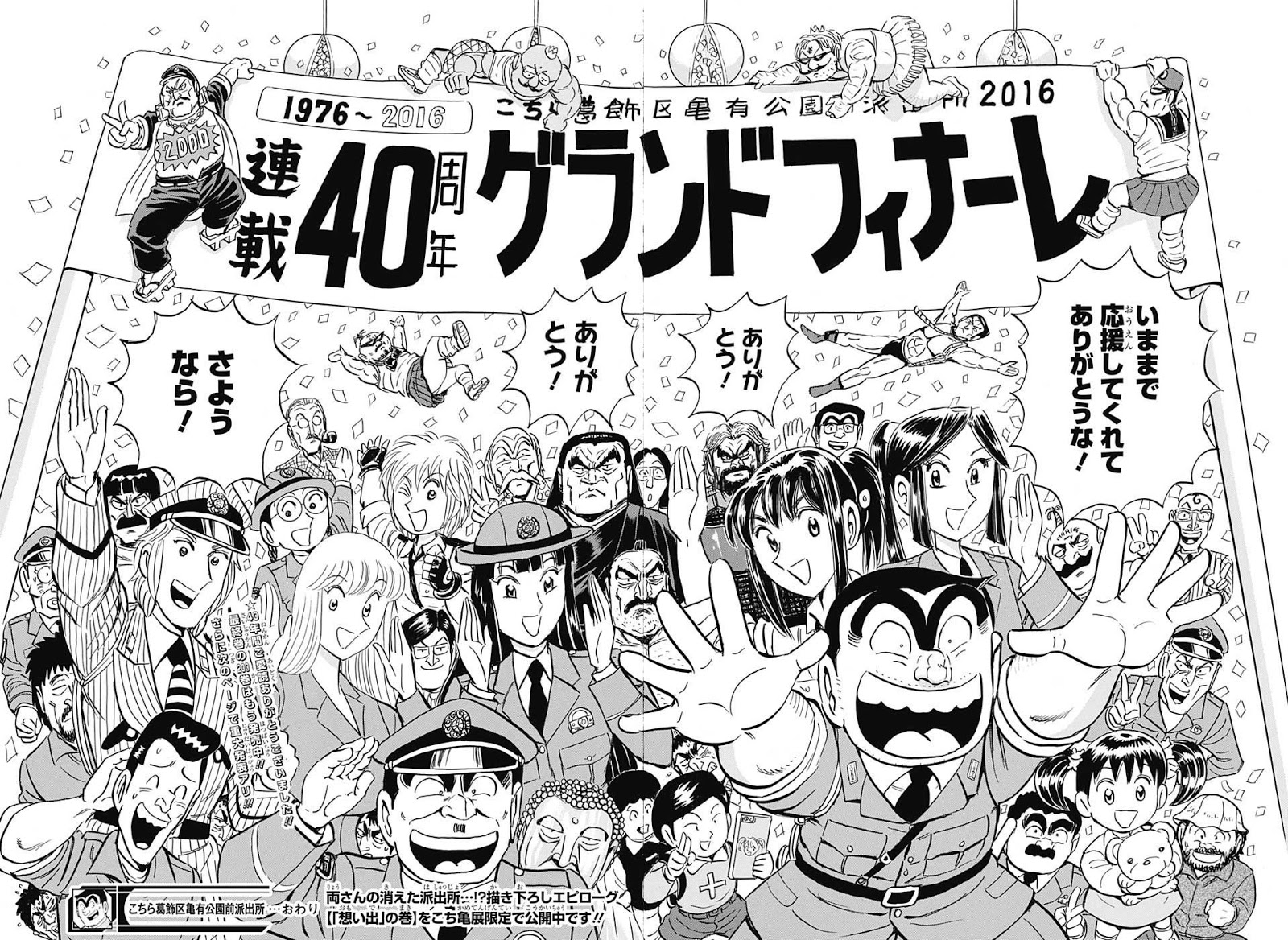
Kochira Katsushika-ku Kameari Koen Mae Hashutsujo," or "Kochikame," a.k.a. "Kochikame," which had been serialized in Weekly Shonen Jump for about 40 years, reached its finale. In the issue of JUMP in which the final episode was published, Kochikame was on the cover and in the front cover color. Until then, only "Ring ni Kakero," "Dragon Ball," and "Slam Dunk" had had their final episodes in the front cover color, making this the second greatest accomplishment after "Slam Dunk.
■ Popular manga "Kochikame" series to end
Reuters to end popular comic series' Kochi-kame'
jp.reuters.com
At an event held at the Kanda Myojin Shrine in Chiyoda Ward, Tokyo, Osamu Akimoto, 63, the author of the manga "Kochira Katsushika-ku Kameari Koen-mae Hashutsujo," which has been serialized since September 1976 in Weekly Shonen Jump, a magazine published by Shueisha Inc., will finish a 40-year run at the magazine's March 17 release. On March 17, 200 volumes of comic books will also be released.
Weekly Shonen Jump, published by Shueisha Inc., has been running a manga series called "Kochira Katsushika-ku Kameari Koen-mae Hashutsujo" (Kochikame) since September 1976. Osamu Akimoto, 63, the manga's author, said at an event held at Kanda Myojin in Chiyoda Ward, Tokyo, on Monday that the series will end after about 40 years.
Source: jp.reuters.com
■ Osamu Akimoto - Wikipedia
Osamu Akimoto - Wikipedia
ja.wikipedia.org
Osamu Akimoto Source: Free Encyclopedia "Wikipedia" Go to: Guide, Search Osamu Akimoto Real Name Osamu Akimoto Date of birth: December 11, 1952 (Age 63) Katsushika Ward, Tokyo Prefecture Kameari, Tokyo Nationality Japanese professional manga artist Activity period 1976 (1976) - Award of "Kochira Katsushika-ku Kameari Koen-mae Hashutsujo," the representative work of genre boy comics, 30th Nihon Manga Artist Association Award, 50th Shogakukan Manga Award, Judging Committee:
■ Shueisha "Weekly Shonen Jump" official site - ShonEn Jump
Shueisha's "Weekly Shonen Jump" official website
www.shonenjump.com
The official website of Shueisha's comic magazine "Weekly Shonen Jump". All jump related information is gathered here!
■ Shonen Jump Editorial Department Official Twitter Account
Shonen Jump Editorial Department (@ jump _ henshubu), Twitter
twitter.com
This is the latest tweet from the editorial staff of Shonen Jump (@ jump _ henshubu). This is the official account for Weekly Shonen Jump. The editorial staff (H = Hosono N = Nakano M = Momiyama Y = Yamanaka) will be tweeting the latest information. Thanks in advance! There are times when I can't answer specific questions here.
Shonen Jump Editorial Department (@ jump _ henshubu), Twitter
■ ■ ■ Attention already! At the end of the "Kochikame" series, will you be able to decorate the cover and the color at the beginning of the last episode?
"Kochira Katsushika-ku Kameari Koen-mae Hashutsujo (Kochikame)," which has been serialized in Shonen Jump for about 40 years, will end with the release of "Weekly Shonen Jump No. 42" (Shueisha) on March 17. What worries me is the content and how the editorial department of Shonen Jump will handle the final episode. In this year's final edition of the magazine's popular series "Bleach," fans were disappointed with the use of the center color instead of the opening color. Recently, NARUTO, Nisekoi, ASSASSINATION CLASSROOM isekoi,, and Bleach were discontinued and the HUNTER×HUNTER was suspended.
■ ■ ■ A great achievement that even NARUTO could not achieve. Can "Kochikame" decorate the beauty of the end?
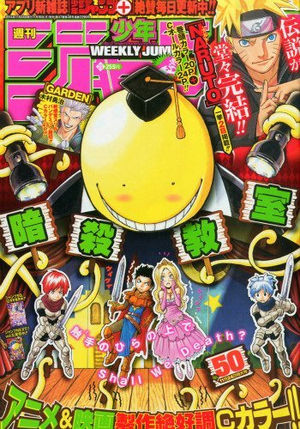
Source: www.amazon.co.jp
Weekly Shonen Jump, November 24, 2014, issue 50
NARUTO Final Edition Cover (Shonen Jump Shueisha)
■ ■ ■ By the way, only three of the boy's jumps, "Ring on Me," "Dragon Ball," and "Slam Dunk," had the opening color in the final episode.
■ ■ ■ Cover & Opening Color It was only Slum-dunk that achieved the feat.

Source: p.twpl.jp
Final Slum-Dunk Boys Jump
■ ■ ■ By the way, in the last episode of Shonen Jump, only 3 works of "Ring on Me", "Dragon Ball" and "Slam Dunk" were in the opening color.
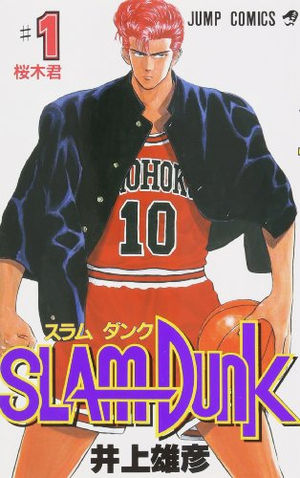
Source: www.amazon.co.jp
Slam Dunk (1) (Jump Comics) Comic - 1991/2
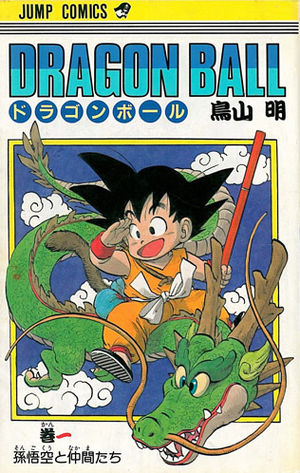
Source: www.mangazenkan.com
Dragon Ball Comics

Source: www.amazon.co.jp
Put it on the ring. 1 1 (Jump Comics Digital) Kindle Edition
Is there a comic book of Shonen Jump in the opening color of the last episode?
The last episode of Shonen Jump was the opening color.
"Put it in the ring."
"Dragon Ball"
"Slam dunk."
It is only these 3 works.
Only works that received the final round while remaining at the top of the questionnaire.
By the way, "NARUTO" is the first to be available in all 4 colors of the center color in the final series.
Source: detail.chiebukuro.yahoo.co.jp
■ Is the center color of the magazine the same as the beginning color? How are they different?
The center color is the color page in the middle of the magazine.
The opening color is the first color page of the magazine.
Source: detail.chiebukuro.yahoo.co.jp
■ "Bleach", which ended its 15-year history, is in the center color!
おはようございます!お待たせしました、本日ジャンプ最新号発売日です!!
— 少年ジャンプ編集部 (@jump_henshubu) August 21, 2016
表紙&巻頭カラーは山本亮平先生による新連載「ラブラッシュ!」!!
伝説完結「BLEACH」大センターカラーも必見!!よろしくどうぞ!/M pic.twitter.com/AZ8ukioiug

Related Articles
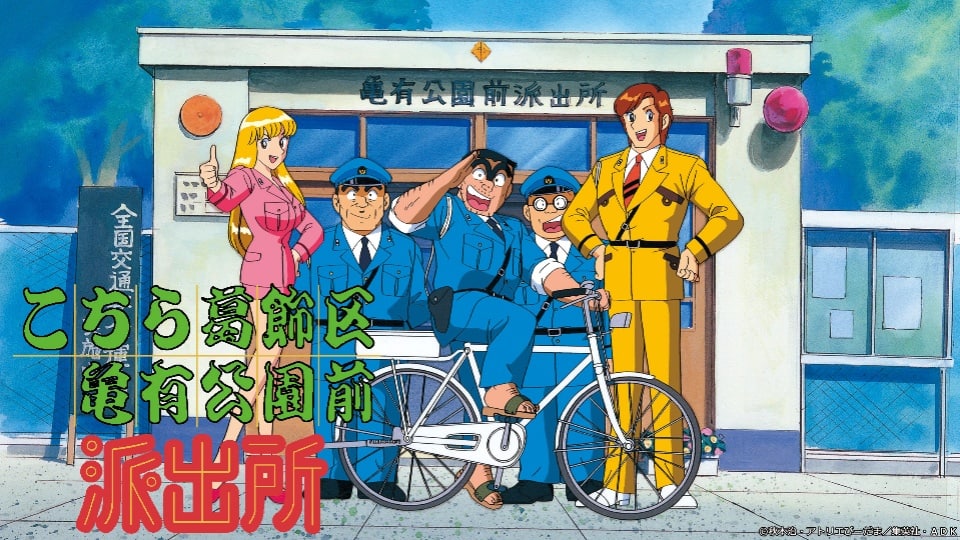
Spoiler commentary and discussion of Kochira Katsushika-ku Kameari Koen-mae Hashutsujo (Kochikame)
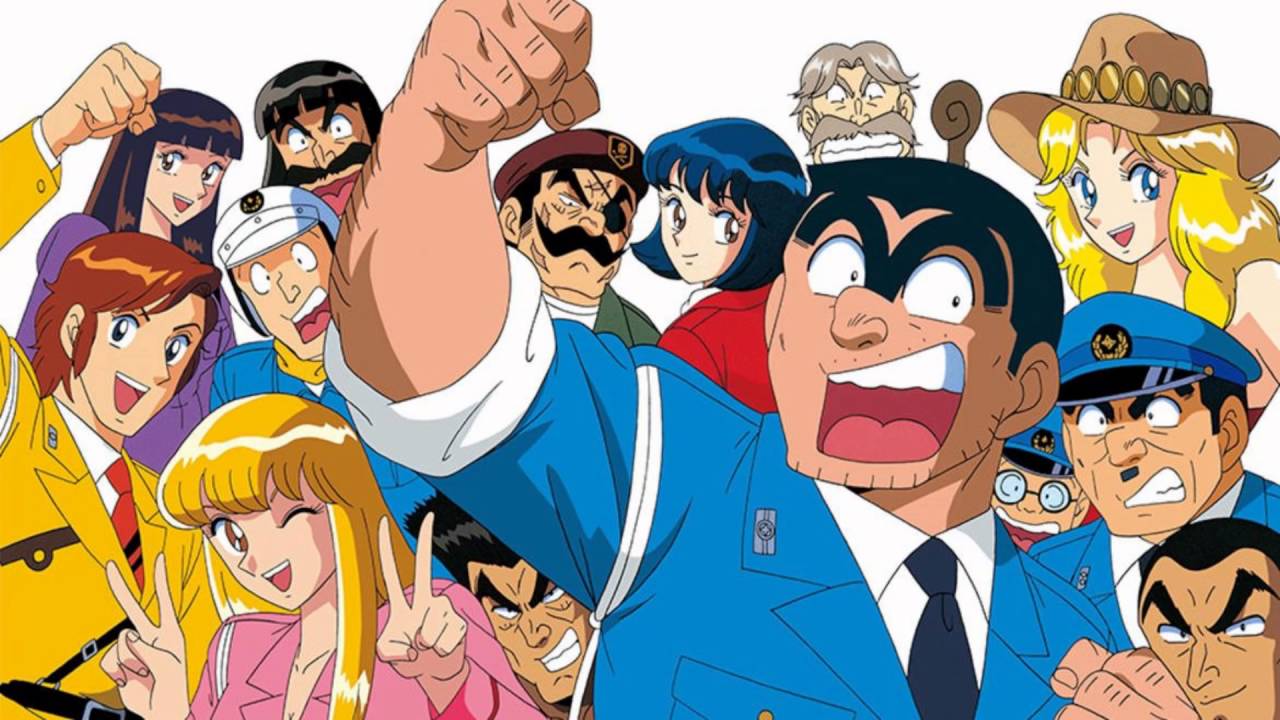
Kochira Katsushika-ku Kameari Koen Mae Hashutsujo (Kochikame) is a Japanese manga series by Osamu Akimoto. It was serialized in Weekly Shonen Jump from 1976 to 2016, and has since been adapted into live-action, anime, and video games. It has been recognized by Guinness World Records as "the single manga series with the most number of volumes published. It is a gag manga featuring Kankichi Ryotsu, a police officer working at the Kameari Koen-mae Police Station in Tokyo's Katsushika Ward, and the characters around him. It has been serialized for 40 years without a single break, and as of June 2016, a total of 156.5 million copies have been sold.
Read Article
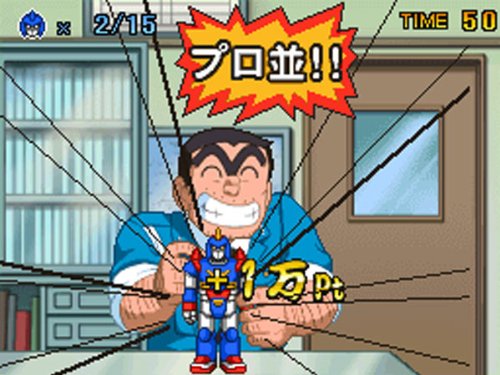
Summary of "Kochira Katsushika-ku Kameari Koen Mae Hashutsujo" game titles
A collection of games based on the long-running manga "Kochira Katsushika-ku Kameari Koen Mae Hashutsujo" (Over 100 volumes). We have also included a few that are not so well known and are only known to those in the know!
Read Article
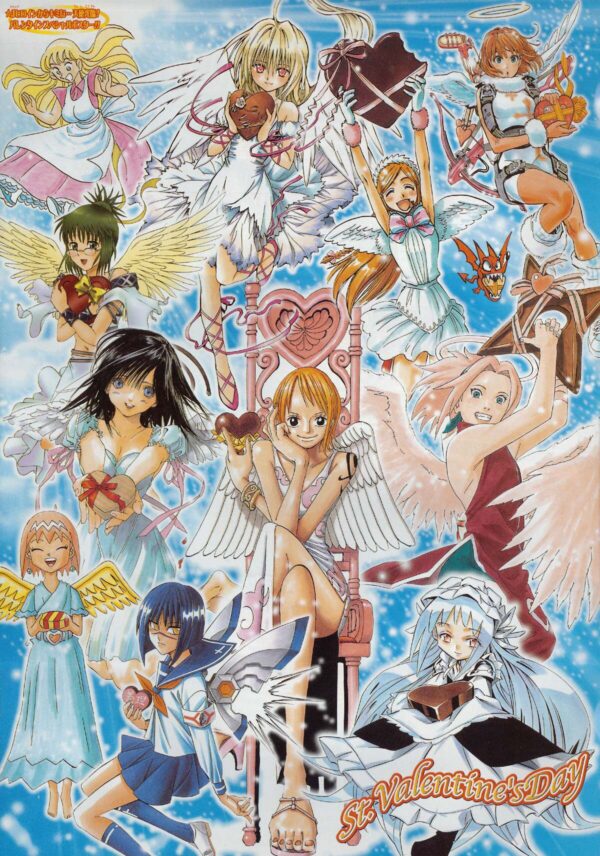
Summary of Jump's past heroines
Weekly Shonen Jump, the most widely circulated manga magazine in Japan, is at the pinnacle of manga culture in terms of popularity and name recognition, and has produced many masterpieces. As a shōnen manga magazine, most of the main characters are male, but the heroines who support them are also fascinating characters. Some are adults, some are children, some are just protectors, some are sidekicks who fight alongside the hero, some are heroines who have kicked out the regular heroines and are united with the hero, and some are heroines and female protagonists that go beyond the norm of "shōnen manga. Here we introduce some of the heroines who have graced the pages of JUMP.
Read Article
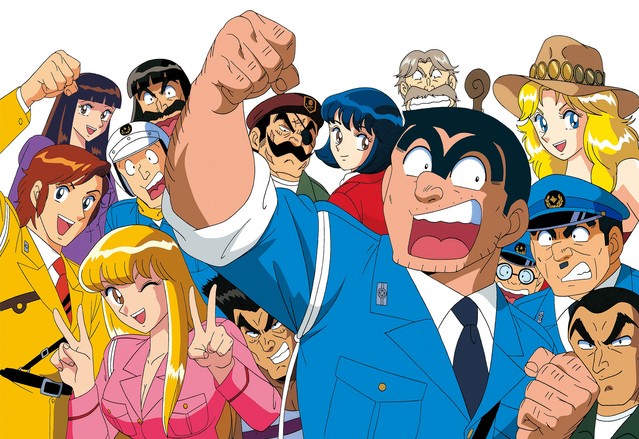
Kochikame: A list of characters from the Kochikame Police Station (1)
The manga "Kochira Katsushika-ku Kameari Koen Mae Hashutsujo" (commonly known as "Kochikame") began serialization in 1976 and is still running nearly 40 years later. The manga has been published up to volume 196, and is on track to reach volume 200! Here is a summary of the characters who have worked at the hachidosho so far.
Read Article
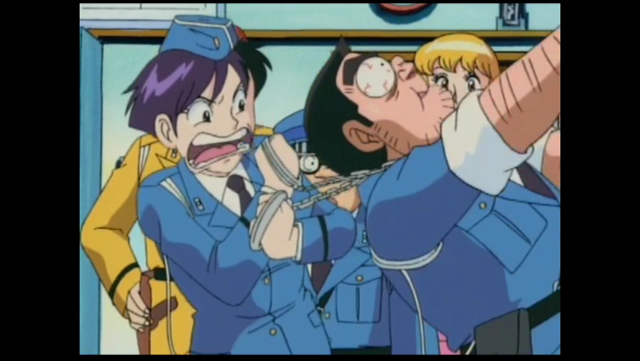
Kochikame: Kankichi Ryotsu vs. Ono Komachi! The fierce battle that unfolded in the anime and the items that belonged to Ono Onomachi!
Kochikame" a.k.a. "Kochira Katsushika-ku Kameari Koen Mae Hashutsujo"! In addition to the 200-volume book series, the anime series featuring the voice of Mr. LaSalle Ishii is also very popular, and still remains very entertaining. In the midst of all this, this time we will be looking at the eternal rivals! I have compiled scenes of fierce battles and battles between Ryosan and Komachi, the eternal rivals! Since his goods and items were also introduced in the program, please also see the comparison.
Read Article
![Weekly Shonen Jump] Manga from the late 80's to the mid 90's [Golden Age].](https://renote.net/files/blobs/proxy/eyJfcmFpbHMiOnsiZGF0YSI6MjM4ODkzLCJwdXIiOiJibG9iX2lkIn19--cc2dd65e70fb4742d9b63b02febb4cbc447f7095/db19ee5b.jpg)
Weekly Shonen Jump] Manga from the late 80's to the mid 90's [Golden Age].
Manga from the Golden Age of Jump (manga started in the late 80's to mid 90's) are summarized here.
Read Article
![Popular Manga] Summary of Weekly Shonen Jump censored and terminated manga from 2007 to 2018!](https://renote.net/files/blobs/proxy/eyJfcmFpbHMiOnsiZGF0YSI6ODY0ODcxMCwicHVyIjoiYmxvYl9pZCJ9fQ==--e384d68667dd29080aaccf33e97192c229dfc521/m27539133936_1.jpg)
Popular Manga] Summary of Weekly Shonen Jump censored and terminated manga from 2007 to 2018!
This is a list of manga that were censored or ended in Weekly Shonen Jump between 2007 and 2018. The works are those that ended after the first issue of 2007. We will introduce not only representative manga of Jump such as "Gintama", "Bleach", "Naruto", and "Kochira Katsushika-ku Kameari Koen Mae Hashutsujo", but also works that were unfortunately censored and hidden good works that did not resonate with readers even though the content was not bad.
Read Article
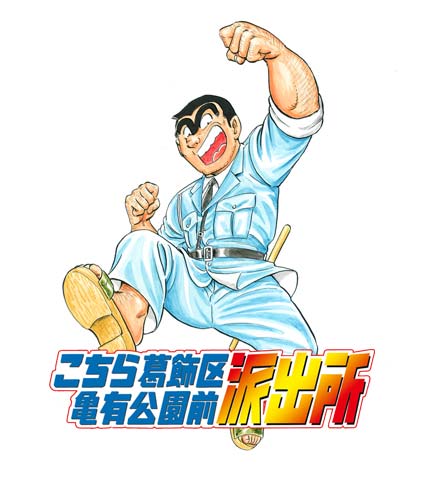
No longer a different person? Kochikame Characters Then and Now!
The popular manga "Kochira Katsushika-ku Kameari Koen Mae Hashutsujo" began serialization in 1976 and will celebrate its 40th anniversary next year. In this issue, we will introduce the changes in the design of the main characters, including the main character, Kankichi Ryotsu, over the past 40 years!
Read Article
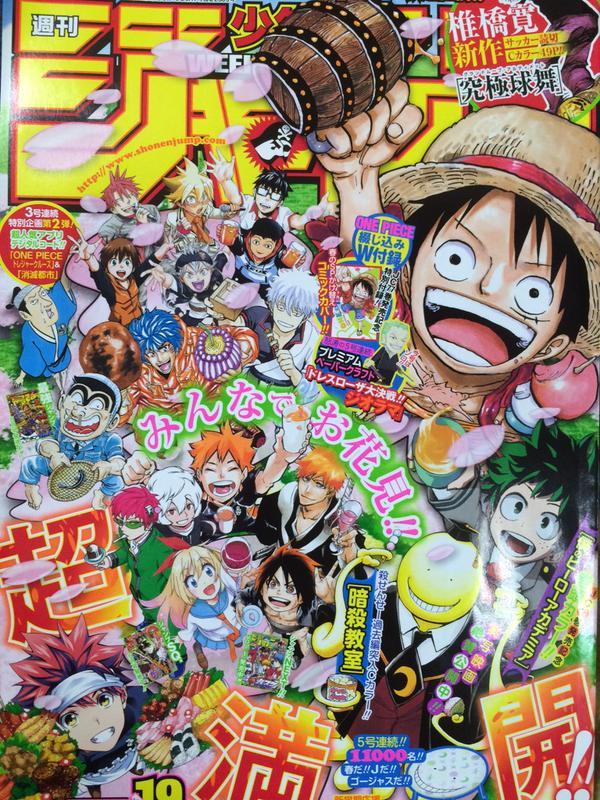
Summary of changes in the cover of Weekly Shonen Jump from the past to the present
Weekly Shonen Jump" has a long history. Jump" started serialization in 1968 as "Shonen Jump" and was very famous as a representative of hot-blooded or white-hot manga that gave dreams to boys and girls. However, now that about 50 years have passed, the manga, its contents, and its treatment of the genre have changed drastically with the times. In this article, we focus on "JUMP covers" and summarize their transition and changes.
Read Article
![Kochikame] Urban legend and trivia related to Kochira Katsushika-ku Kameari Koen-mae Hashutsujo](https://renote.net/files/blobs/proxy/eyJfcmFpbHMiOnsiZGF0YSI6ODg3NDc3LCJwdXIiOiJibG9iX2lkIn19--7acf1e7bf90125b01a0588063e6a6a87700c0e3c/maxresdefaultKOTIKAME.jpg)
Kochikame] Urban legend and trivia related to Kochira Katsushika-ku Kameari Koen-mae Hashutsujo
Kochikame" is popular for its unique characters such as Kankichi Ryotsu, a very unique and unprecedented police officer, and Reiko and Nakagawa, his junior colleagues who have a lot of money, and the head of the department whom even Ryotsu cannot get his head around. It is a major work with as many as 200 comic books sold. Here is a collection of urban legends and trivia about Kochikame.
Read Article
Now you're out! Summary of problematic depictions of national cartoons [such as "Doraemon"].
Doraemon," "Kochikame," and other classic manga have been loved for a long time and transcended time. We have compiled a list of expressions that are out of place in today's world. We will explain what kind of expressions are problematic, including Nazi-inspired poses in "Kinnikuman" and discriminatory expressions and depictions of corporal punishment in "Kochikame," with images of the relevant sections.
Read Article
The Unknown Production, Birth, and Behind-the-Scenes Stories of Manga and Anime
This article introduces the creation, birth, and backstory of that manga/anime that is rarely known to the public, the industry, and even among fans.
Read Article
Outrageous episodes of rich characters from cartoons and comics!
Anime and manga often feature characters with a level of great wealth that is hard to find in real life. Here are some outrageous episodes that show the financial power of "rich characters" in famous works.
Read Article

Karina, who played Reiko in the live-action version of Kochikame, now
The comedy manga "Kochikame" or "Kochira Katsushika-ku Kameari Koen Mae Hashutsujo" has been produced as a live-action drama starring Shingo Katori. Karina, who played Reiko Akimoto Catherine, was a successful TV personality at the time, but her exposure seems to have declined dramatically due to a series of scandals.
Read Article
![Kochikame] Little-known backstories and urban legends of Kochira Katsushika Kameari Koen-mae Hashutsujo.](https://renote.net/files/blobs/proxy/eyJfcmFpbHMiOnsiZGF0YSI6NTM0NjExLCJwdXIiOiJibG9iX2lkIn19--c114e91162fdf78106a80e5052d3c32d9bd28d02/ryotsu.jpg)
Kochikame] Little-known backstories and urban legends of Kochira Katsushika Kameari Koen-mae Hashutsujo.
Osamu Akimoto's legendary long-lived work "Kochira Katsushika Kameari Koen Mae Hashutsujo". In this issue, we will bring you some little-known backstories, urban legends, trivia, and small stories of Kochikame. Please enjoy the backstories that you may know but may not be aware of.
Read Article
Contents
- ■ Popular manga "Kochikame" series to end
- ■ Osamu Akimoto - Wikipedia
- ■ Shueisha "Weekly Shonen Jump" official site - ShonEn Jump
- ■ Shonen Jump Editorial Department Official Twitter Account
- ■ ■ ■ Attention already! At the end of the "Kochikame" series, will you be able to decorate the cover and the color at the beginning of the last episode?
- ■ ■ ■ A great achievement that even NARUTO could not achieve. Can "Kochikame" decorate the beauty of the end?
- ■ ■ ■ By the way, in the last episode of Shonen Jump, only 3 works of "Ring on Me", "Dragon Ball" and "Slam Dunk" were in the opening color.
- ■ Is the center color of the magazine the same as the beginning color? How are they different?
- ■ "Bleach", which ended its 15-year history, is in the center color!
- ■ #Breach final round
- ■ "Kochikame" ends with Osamu Akimoto's explanation: "The 40th anniversary festival is the best time for both of you"
- ■ Golgo's author "Lonely and Envious" at the end of Kochikame
- ■ On the Internet! Twitter People at the End of the Series. #Kochikame ended #End of the Series #Comic 200 volumes and 3 hashtags are also in trend.
- ■ Kochikame Amazon Amazon
- ■ ■ ■ In the 42nd issue of Weekly Shonen Jump, which will be released on September 17th, it was revealed that "Kochikame" will be decorated with the cover and the color at the beginning, and the serial will end in the same issue.
- ■ The cover of the last volume of "Kochikame" has a ripple. "Looking at this, I guess it was the limit."
- Summary of Kochira Katsushika-ku Kameari Koen-mae Hashutsujo