
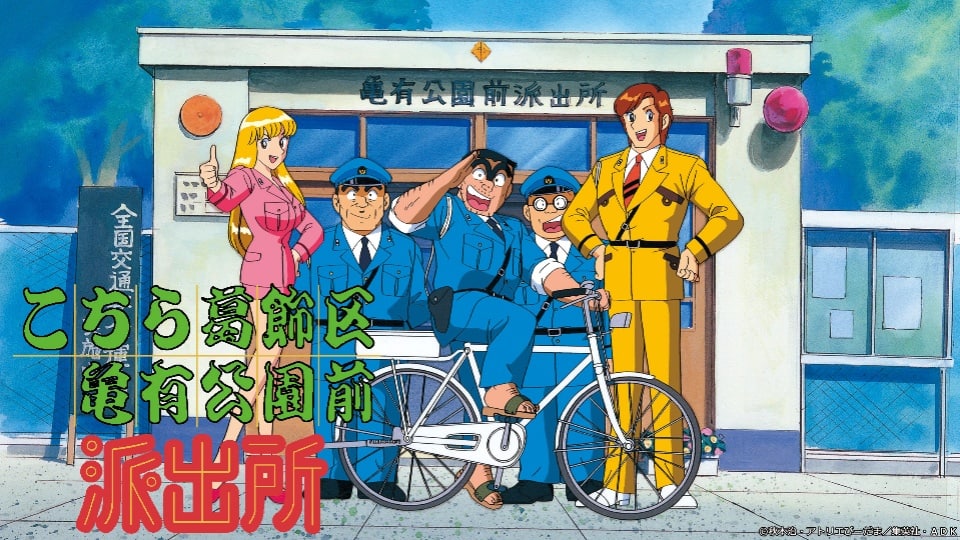
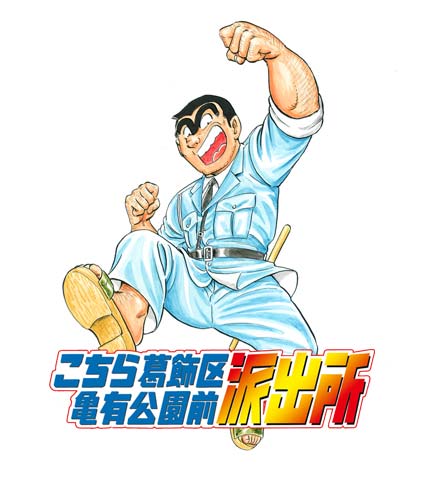
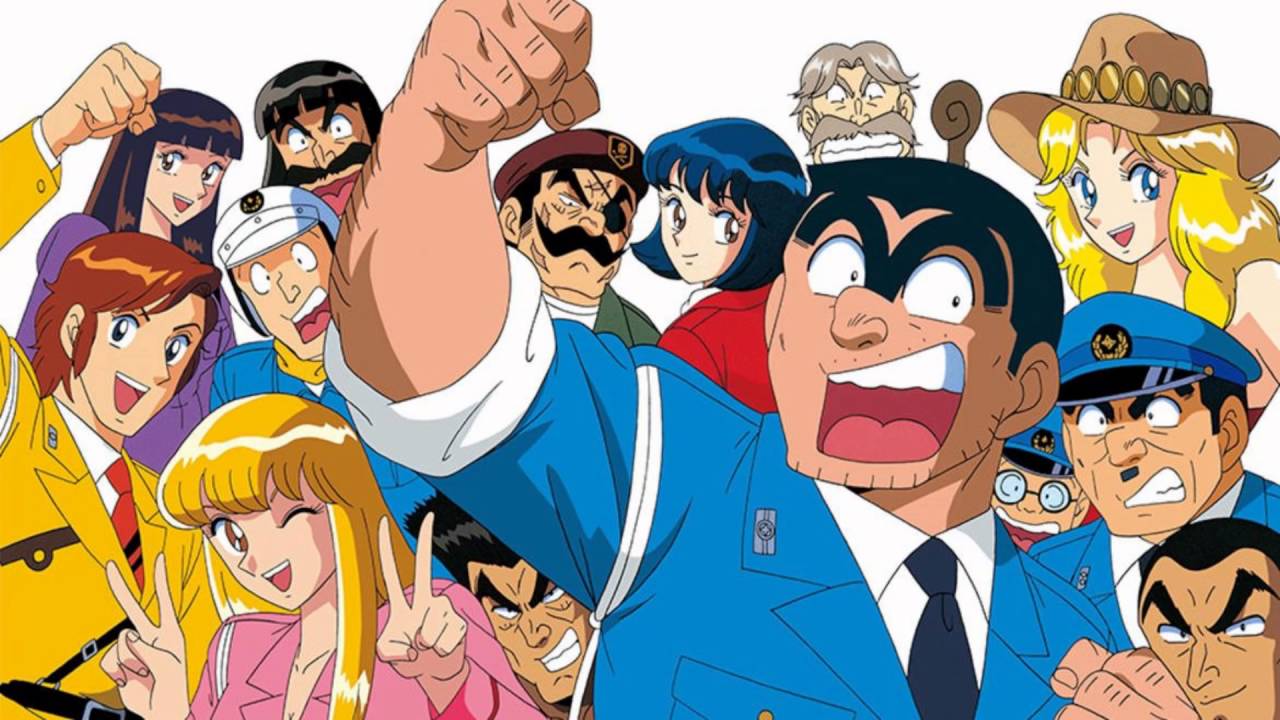
Kochira Katsushika-ku Kameari Koen Mae Hashutsujo (Kochikame) is a Japanese manga series by Osamu Akimoto. It was serialized in Weekly Shonen Jump from 1976 to 2016, and has since been adapted into live-action, anime, and video games. It has been recognized by Guinness World Records as "the single manga series with the most number of volumes published. It is a gag manga featuring Kankichi Ryotsu, a police officer working at the Kameari Koen-mae Police Station in Tokyo's Katsushika Ward, and the characters around him. It has been serialized for 40 years without a single break, and as of June 2016, a total of 156.5 million copies have been sold.
Overview of Kochira Katsushika-ku Kameari Koen-mae Hashutsujo
Kochira Katsushika-ku Kameari Koen Mae Hashutsujo" is a manga series that ran in Weekly Shonen Jump from 1976 to 2016, and has since been developed into numerous other media, including live-action, anime, and video games. With a total of 200 volumes, it has been recognized by Guinness World Records as "the single manga series with the most number of volumes published. The story is a gag manga featuring Kankichi Ryotsu, a police officer working at the Kameari Koen-mae Police Station in Tokyo's Katsushika Ward, and his colleagues and surrounding characters. It is a pioneering gag manga that uses relatively realistic drawings similar to gekiga, and although it is basically a complete story, it sometimes spans multiple episodes.
In the early years of the series, the story focused on Ryotsu, an unconventional police officer, and his friends at work, but gradually the author Akimoto Osamu's hobbies, opinions, and ideas came to the forefront, and the manga became a maniac with a lot of nonsense, ironic stories about trends and current affairs, touching humanistic stories, and serious episodes with no gags at all. In addition to maniacal stories with a lot of nonsense, ironic stories about current trends and current affairs, and touching humanistic stories, serious episodes without any gags were also drawn. Even after the serialization got underway in the mid-1990s, he continued to actively incorporate popular fads and subcultures into his stories, and was characterized by his meticulous reporting, ability to structure his stories to make use of them, meticulous attention to detail in the background, witty use of dialogue, and experimental ideas.
After being published in the June 20, 1976 issue of Shukan Shonen Jump (Weekly Shonen Jump) (No. 29), it was serialized from No. 42 in 1976 to No. 42 in 2016 without a single break. This is the record for the longest serialization of a work in a shōnen magazine and the longest serialization of a work in "Weekly Shōnen Jump" in its history. As of June 2016, it had sold 156.5 million copies. The final volume was released in conjunction with the magazine's 42nd issue, which featured the final episode.
It won the Grand Prize of the 30th Japan Cartoonists Society Award in 2001 and the Special Jury Prize of the 50th Shogakukan Manga Award in 2004.
In 2006, the series celebrated its 30th anniversary and the "Kochikame 30th Anniversary Project" was held in Weekly Shonen Jump magazine, and in 2016, the series celebrated its 40th anniversary and the "Kochikame 40th Anniversary Project" was held to commemorate it. In recognition of its influence on the general public, a monument was erected at Asakusa Shrine to commemorate the 130 millionth book in circulation, and a bronze statue of Ryotsu in his school uniform was erected at the north exit of JR Kameari Station by the local shopping district. The unveiling ceremony was held on February 11, 2006, with the author Akimoto and LaSalle Ishii, who played Ryotsu in the TV drama version of "Kochikame. A bronze statue of Ryotsu in happi coat was also erected at the south exit, and the unveiling ceremony was held on November 18, 2006.
Outline and story of "Kochira Katsushika-ku Kameari Koen-mae Hashutsujo"
Memories of Shirahige Bridge
Ryosan was talking on the phone with his younger brother, Kinjiro. Kinjiro has just returned from his honeymoon after a grand wedding, and Ryosan makes an early appointment to visit his new home. Nakagawa, Ryotsu's junior and subordinate at the police station, is invited by Ryosan half-heartedly, as she is a distant relative of Keiko Kirigaya, Kinjiro's wife. Then, Ryosan forcefully brings Nakagawa to visit Kinjiro's new house. After chatting about old times and the view from the window, they decide to go shopping together for dinner, and arrive at Shirahigabashi Bridge, where Ryosan, who knows the area so well that he is called a human directional magnet, guides them along the Sumida River and tells them stories about the town. When Ryosan leaves the three to get some juice, Kinjiro tells them that he has deep memories of Shirahigebashi Bridge.
When I was a child, I was chasing after a picture-story show house alone and came to an unfamiliar place. In fact, this was the opposite direction from Asakusa. It was getting dark, he was hungry, and he was at his wit's end. Ryosan came dashing up to him like a hero at full speed. Kinjiro still remembers the emotion and keeps in mind that it was one of his experiences of the cool big brother image.
When Nakagawa told Ryosan about it in the car on the way home, it turned out that it was actually for a different reason that Ryosan came running to him at the Shirahige Bridge. In fact, Ryosan was forced by his parents to study at home that day, but he was unable to do so because his younger brother was missing. Ryosan had heard that stamps that were popular at the time were on sale at a discount, so he pretended to look for Kinjiro and dashed to the coin shop at the foot of the Shirahige Bridge, where he happened to find Kinjiro at the foot of the bridge and saved him. He took Kinjiro to the coin shop and bought the stamps without incident. The episode of the cool older brother that Kinjiro cherished was actually a coincidence.
Ryosan's hilariousness had worked in a roundabout way, but there was no need to tell the truth if it was a wonderful memory for the other party. Finally, Nakagawa has a nice line. Nakagawa's last line, "It's happier to believe that Santa Claus exists, too.
Dear Brothers
Unlike his older brother, Kinjiro, a younger brother with a good head on his shoulders, is inspired by "Suda Narimichi," a lawyer he met one day in a park, and sets his sights on a difficult national high school to become a lawyer. Under poor circumstances, with Ryosan interrupting his studies and forcing him to study outside the house, Kinjiro studies hard. One day, he desperately asks his parents to let him take the entrance exam for a national high school. The high school that Kinjiro was to take the entrance exam to was a very difficult one. Ryosan, who had been riding around on the Toden using the "Kappa no Batch" (unlimited one-day ride on the Toden tram) on Tokyo Citizen's Day, and his classmates and bad friends, Butahei and Chinkichi, happened to pass by the high school that Kinjiro was applying to, and Ryosan, who had also been picking on Kinjiro on a daily basis, was worried about his entrance examination.
On the day of the examinations for the difficult high school, when Kinjiro was on his way to the high school on the streetcar, the streetcar was stopped due to a traffic accident. He was at a loss as he would not be able to make it in time for the exam if he stayed in the crowded street, when Ryosan appeared on his bicycle like a dashing hero. He had heard about the accident and had come to the rescue. Kinjiro straddled his bicycle behind him and the two were frantically flying toward the examination hall, but due to Kinjiro's carelessness, the examination voucher fell into the river. Kinjiro fell into despair again. Then Ryosan, displaying his natural energy, jumps from the bridge into the river without any hesitation. As the adults around him look on in confusion, Ryosan successfully picks up the examination voucher and hands it to Kinjiro, who arrives safely at the venue. Ryosan sends Kinjiro off with the words, "You will definitely pass the examination.
Although he is bullied on a daily basis, Kinjiro has learned firsthand that his brothers are the ones he trusts the most. He successfully passed the six-fold odds and was accepted into a difficult high school, and later became a lawyer.
Ryosan always interfered with his brother, but when his brother was in trouble, Ryosan helped him and trusted him the most.
Asakusa Nanatsuboshi Monogatari
Ryosan, his junior and subordinate Nakagawa and Reiko patrol near Hanayashiki, a small amusement park in Asakusa. Ryosan recounts his childhood memories of Hanayashiki.
One day, Ryosan, Tonpei and Chinkichi meet Kotone Tachibana, a member of a traveling troupe that had come to Asakusa. The traveling troupe is a theatrical troupe that tours around Japan, and Kotone is one of their daughters. Kotone, who was about the same age as Ryosan, and Ryosan and his friends hit it off right away, and they became friends while rehearsing scripts and lines and doing stand-up routines together.
Kotone, who had been troubled by the play when they first met, gradually became more energetic and said that her dream was to become the biggest star in Japan and tour the country with her troupe. Ryosan and Kotone promise to be the first to ride on the soon-to-be-completed "artificial satellite" attraction at Hanayashiki, a 50-meter tower with six pillars at the end of which a satellite capsule rises and falls.
One day, Kotone makes a shocking revelation. As a traveling troupe, they have to perform in various places and will soon be leaving Asakusa. Ryosan, who had been acting nonchalant in front of Kotone, his first love, cannot hide his regret at having to leave her after having gone through the trouble of getting to know each other so well. Then, in an attempt to fulfill their promise to ride together before Kotone disappears, Ryosan steals a capsule of the "artificial satellite" of Hanayashiki and rolls it away with his foolish power. He stops Kotone just as she is about to leave Asakusa, and the two of them get into the "artificial satellite" capsule that Ryosan has rolled away, and Ryosan gives her one last tour of Asakusa. In the midst of their love affair, which has been pulled back even though they have become friends, Kotone is moved to tears at the thought that he would go to such lengths for her. Promising to become the best traveling troupe in Japan, Kotone sets out on her journey.
After parting, Ryosan tries to return the capsule he stole, but the capsule rolls down a slope with Ryosan inside, and disappears into the Sumida River. Ryosan barely escaped by swimming, but he was severely scolded.
Thus, Hanayashiki completed the current "artificial satellite" by building another capsule, but with the current six capsules and Ryosan's capsule sinking in the Sumida River, there were really seven stars.
Kachidokibashi Bridge, open up!
The center of the Kachidokibashi Bridge opens and closes in order to allow ships to pass through. It is one of the largest movable bridges, and the way it opens and closes is a famous sight along the Sumida River. However, the era was shifting from marine to land transportation, and the bridge had not been opened or closed for more than 20 years.
Jun Shiratori was a classmate of Ryosan and his friends at junior high school. He was rich and smart, but weak from birth and always observed physical education. Ryosan and his friends became friends with Shirotori-kun, who was the complete opposite, but one day they heard that Shirotori-kun was going to move to a better environment in the countryside to recuperate from an illness.
When they asked Shirotori-kun what he wanted to do before moving, he said that he wanted to see the Kachidokibashi Bridge open, even if it was just once. Ryosan and his friends decided to take Shiratori-kun to see the Kachidokibashi Bridge. It turns out that the era has changed from shipping to land transportation, and the movable bridge is no longer in use. They were told that they would not have a chance to see it open again.
Ryosan learns that he will never be able to see the Kachidokibashi Bridge open again due to the passage of time. Seeing Shirotori-kun's regretful look, Ryosan wants to show him the Kachidokibashi Bridge before he moves away. With this in mind, Ryosan and his friends decide to take a hard-line approach.
Telling Shiratori-kun, "I'm going to open Kachidokibashi, so watch closely," the three idiot trio of Ryosan, Tohei Pig, and Chinkichi pick the lock with their specialties and sneak into the investigation room of Kachidokibashi. They then lock the door from the inside and occupy the investigation room. Police officers
The police officers surrounded the investigation room and told them to open the door, but Ryosan and the others ignored their attempts to stop them. They knew that now was their only chance, so they operated the panel to turn on the power, and then operated the lever. Then the Kachidokibashi Bridge began to open with a resounding noise. The crowd goes wild and the policemen shout for the bridge to be restored immediately.
The sudden opening of the bridge causes passing cars to fall into the Sumida River. Having achieved their goal, Ryosan and his friends dive from the investigation room into the Sumida River, leaving the Kachidoki Bridge open to escape from the police officers. It was a messy situation, but it was all the result of a strong bond of friendship.
The whole town was confused, and Ryosan and his friends were severely scolded. Shiratori-kun, on the other hand, was so moved by the experience that he later became a doctor of engineering and published a book about his research on bridges.
Bonus contest
A winter tradition at the local police station is the bonus fight between Ryosan and the shopkeepers of the shopping district, who are after Ryosan's bonus to settle the year's bill, and Ryosan, who is trying to defend it to the death. One year, Ryosan comes to the police chief to negotiate for his bonus to be paid a day earlier in order to outsmart the debt collectors who come every year on the bonus payment day, but he is not allowed to do so.
Then, as she left the chief's office and walked around the station with Maria, thinking about measures against debt collectors, she found a large number of computers sitting in the hallway. As Maria said, "They must be throwing away the old ones because they bought new ones," Ryosan looked for usable computers among them, but found that they were all junk and could not be sold even if they were taken to a second-hand store.
Then, among them, Ryosan found a slightly different type of computer that he had never seen before. Ryosan turned it on and found that it was a special computer called the "Katsushika Police Department Payroll Management Program," which was used to manage the salaries of the department's employees, and that all the data had been carelessly left in the computer. Thinking that it was not a real computer anyway, Ryosan rewrites the data and begins to change the bonus amount.
First, Ryosan's bonus was set to 800 million yen, 1,000 times the original amount, but then he halved it, saying, "It's too much, and even if I become police commissioner, I can't do it. Mariai's amount was 2 million yen. Terai was given 10 million yen because she had a mortgage on her house and had to suffer the hell of commuting to work every day, which was pitiful. The chief turned down the offer, so he lowered his offer by about two digits to 30,025 yen. Reiko gave 5 yen for a good match. Nakagawa likes to be number one in everything, so 1 yen. The chief lowered his offer by three digits to 980 yen.
The director walks by, but she manages to evade him by deception. In fact, the computer was the real one that someone had mistakenly mixed in with the discarded items, and the amount was really transferred to each of them on their bonus day.
On bonus day, when Ryosan went to the bank to withdraw the money, he had to go with Ozaki, the owner of the plastic model shop, who was a debt collector. When they checked the bonus amount, complaining that it was too little anyway, they were surprised to find that 40 million yen had been transferred to their account. Assuming that the bank had made a mistake, Ryosan took the money and fled from the shopkeeper. Meanwhile, the police station staff is in turmoil because the amount of the bonus payment has been changed. When they learn the truth from Maria, who knows what happened, all the Katsushika police officers mobilize to chase after Ryosan. However, after spending a lot of money on transportation and scattering the money when he escaped, all the bonuses are lost.
Ryou-san and Reiko's Love
The heroine of "Kochikame" is Officer Reiko Akimoto, who has appeared in the series since its early stages. Reiko is a beautiful and rich police officer who works at the same police station as Kankichi Ryotsu, the main character of this work. She spends a lot of time with Ryotsu Kankichi, calling him "Ryo-chan" and often working together with him. She knows Ryotsu's behavior patterns and what he is thinking, and she is usually able to read Ryotsu's simple and silly behavior patterns and cajole him well.
Rather than a boss-subordinate relationship, they are more like colleagues, and although she is often pushed around by Ryozan's eccentricity, there are many episodes in which she seems to be in love with Ryozan. Keiichi Nakagawa, another colleague, also seems to think that Reiko, who is well versed in Ryotsu's thinking, is in love with Ryosan.
In "Watashi no Ryosan no Maki," a sergeant from the Yasui Zaibatsu appears as Reiko's blind date. However, Reiko turns him down. Reiko's father strongly recommends it because he sees no better match, but Reiko gives her reason for refusing: "There is someone I have a crush on. His name is Ryosan. She knows that Ryotsu adores her and that they get along well, but it was as if she was looking at him not as a boss but as a love interest.
In "Natsuhairi...", Ryosan and Reiko go sailing together on a hot summer day. In the car while driving to the beach, Ryosan tells Reiko that he is worried that she will miss out on marriages and encounters if she keeps hanging out with him. Reiko replies to Ryosan, "If I miss out, I might go to Ryo-chan's place. Although it is not clear whether she was joking or serious, the episode suggests that she is looking up to Ryosan as an object of admiration.
In "MATOI AND RYOSAN? In fact, Kudo was not pregnant and did not marry Ryosan, but when Reiko heard the rumor of the marriage, she said "Congratulations" to Kudo and had a sad and complicated expression on her face, which made us think that she still loves Ryosan. It was an episode that made us think that she was still in love with Ryosan.
As you can see, Ryosan and Reiko were not just boss and subordinate, but more like colleagues and less like lovers, but they never had a romantic relationship nor did they get married during the series.
Reiko contest
Akimoto Hibimaru, the father and president of Akimoto Trading Company, wants Reiko to get married. He has the computer generate 1,300 candidates for the groom, and decides to hold a contest for Reiko. Actually, Tobimaru has arranged for Nakagawa, a wealthy man, to win the contest, but for some reason Ryotsu is also entered among the candidates.
Ryosan, who is preoccupied with marrying Reiko and riding on the back of the throne, wins the contest with a strength that amazes even the computer. Feeling threatened by Ryotsu's increasing dominance, Hibimaru manipulates the computer to change the test to one that requires knowledge and education, which gives Nakagawa an advantage. Ryosan, impatient that he would not be able to win if the test continued, approached Reiko with no choice but to negotiate directly with her. I will make you happy.
Nakagawa saw this and said, "You liked Reiko, didn't you, senpai?" Ryotsu replied, "Not at all. It's a strategy, of course, to get a son-in-law. I am a man who will do anything to acquire wealth. Nakagawa retorted, "Love must be stronger than money," but Ryotsu replied, "Don't be silly, money is everything. Honda also quipped, "A nice body is also attractive, but ......," but he would not budge, saying, "Nice money is better than a nice body. He added, "I've been making money the long way around, but now I realize that the best way to make money is to get attached to Reiko and leave her. Happiness can be bought with money. That's my motto.
Ryosan wins the final match against Nakagawa in the Sumo wrestling match, and with the power of money, he wins the right to marry Reiko. Reiko was also impressed by Ryosan's willingness to go to such great lengths for her.
However, Nakagawa told Reiko that he had entered the tournament for her fortune, and when Reiko learned the truth, she refused to marry him. Hibimaru, too, said, "The jokes end here," and the whole thing was forgotten. Thus, the efforts of Ryosan, who had been dazzled by money and continued to exert his power, disappeared.
Two New Businesses
Ryo-san, who has various hobbies such as building plamo, gambling, playing games, and using computers, uses his knowledge in the movie to start various businesses. Many of the strange ideas that appeared in the movie have become reality over time.
Online communication
One day, Ryo-san visits a company for a part-time job due to a lack of money. In order to provide a class meeting for people who are scattered all over the country and cannot see each other in person, camera-equipped TVs are distributed to the participants, and they are projected at the same time. By installing camera-equipped TVs on both sides, it is possible to have a conversation with a person at a distance. This idea is the same as the current conversation systems such as Skype and ZOOM, as well as online drinking party and conferencing. In the 80s, when there was no Internet or even mobile phones, this idea of online communication was disseminated in cartoons.
Game Gacha Billing
One day, when Honda started a computer romance simulation game he had purchased, a woman in the game pleaded with him to call her and had him call a number she had specified. Honda then made the call and was impressed by the "voice. The woman then started shopping and demanded, "I want some clothes," and "I want the name and membership number of your cash card. Honda tells her over the phone without any doubt.
The female character then escalated her begging, demanding a swimsuit and a coat. Ryotsu, watching the situation, says, "Buy, buy, buy! Honda, you're getting paid in cash," exclaimed Ryotsu, and Nakagawa broke out in a cold sweat, saying, "This is a bad pattern. Nakagawa also broke out in a cold sweat, saying, "This is a bad pattern. Honda shouts, "I'll buy it for you," and Ryotsu gets impatient and says, "Someone stop him. Nakagawa also stopped him, saying, "Please stop shopping already.
Currently, the mainstream in smartphone games and other games is to purchase items that give you an advantage by charging money to advance in the game. High game fees have also become a social problem. This work pointed out the dangers of high fees in 1996, when home video game consoles were the mainstream.
My Number

Related Articles
Summary of "Kochira Katsushika-ku Kameari Koen Mae Hashutsujo" game titles
A collection of games based on the long-running manga "Kochira Katsushika-ku Kameari Koen Mae Hashutsujo" (Over 100 volumes). We have also included a few that are not so well known and are only known to those in the know!
Read Article
Summary of Jump's past heroines
Weekly Shonen Jump, the most widely circulated manga magazine in Japan, is at the pinnacle of manga culture in terms of popularity and name recognition, and has produced many masterpieces. As a shōnen manga magazine, most of the main characters are male, but the heroines who support them are also fascinating characters. Some are adults, some are children, some are just protectors, some are sidekicks who fight alongside the hero, some are heroines who have kicked out the regular heroines and are united with the hero, and some are heroines and female protagonists that go beyond the norm of "shōnen manga. Here we introduce some of the heroines who have graced the pages of JUMP.
Read Article
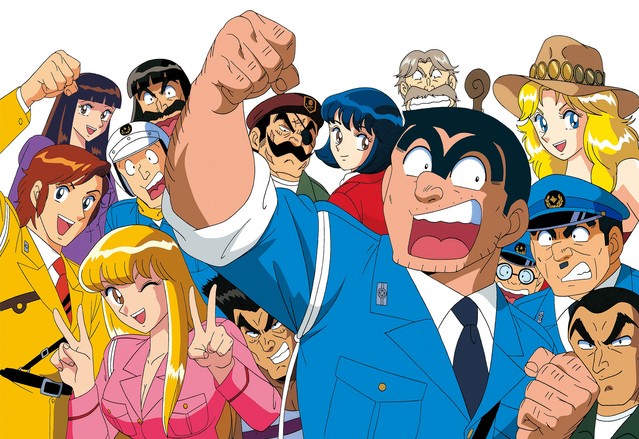
Kochikame: A list of characters from the Kochikame Police Station (1)
The manga "Kochira Katsushika-ku Kameari Koen Mae Hashutsujo" (commonly known as "Kochikame") began serialization in 1976 and is still running nearly 40 years later. The manga has been published up to volume 196, and is on track to reach volume 200! Here is a summary of the characters who have worked at the hachidosho so far.
Read Article
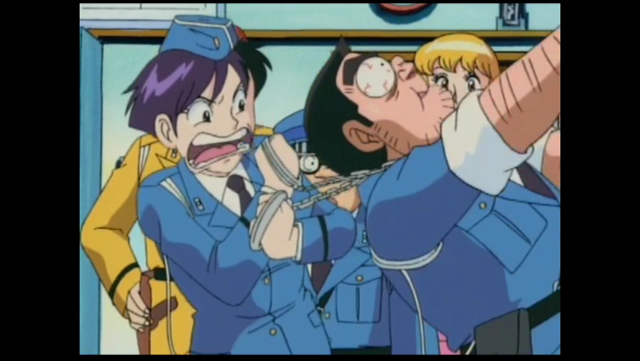
Kochikame: Kankichi Ryotsu vs. Ono Komachi! The fierce battle that unfolded in the anime and the items that belonged to Ono Onomachi!
Kochikame" a.k.a. "Kochira Katsushika-ku Kameari Koen Mae Hashutsujo"! In addition to the 200-volume book series, the anime series featuring the voice of Mr. LaSalle Ishii is also very popular, and still remains very entertaining. In the midst of all this, this time we will be looking at the eternal rivals! I have compiled scenes of fierce battles and battles between Ryosan and Komachi, the eternal rivals! Since his goods and items were also introduced in the program, please also see the comparison.
Read Article
![Weekly Shonen Jump] Manga from the late 80's to the mid 90's [Golden Age].](https://renote.net/files/blobs/proxy/eyJfcmFpbHMiOnsiZGF0YSI6MjM4ODkzLCJwdXIiOiJibG9iX2lkIn19--cc2dd65e70fb4742d9b63b02febb4cbc447f7095/db19ee5b.jpg)
Weekly Shonen Jump] Manga from the late 80's to the mid 90's [Golden Age].
Manga from the Golden Age of Jump (manga started in the late 80's to mid 90's) are summarized here.
Read Article
![Popular Manga] Summary of Weekly Shonen Jump censored and terminated manga from 2007 to 2018!](https://renote.net/files/blobs/proxy/eyJfcmFpbHMiOnsiZGF0YSI6ODY0ODcxMCwicHVyIjoiYmxvYl9pZCJ9fQ==--e384d68667dd29080aaccf33e97192c229dfc521/m27539133936_1.jpg)
Popular Manga] Summary of Weekly Shonen Jump censored and terminated manga from 2007 to 2018!
This is a list of manga that were censored or ended in Weekly Shonen Jump between 2007 and 2018. The works are those that ended after the first issue of 2007. We will introduce not only representative manga of Jump such as "Gintama", "Bleach", "Naruto", and "Kochira Katsushika-ku Kameari Koen Mae Hashutsujo", but also works that were unfortunately censored and hidden good works that did not resonate with readers even though the content was not bad.
Read Article
No longer a different person? Kochikame Characters Then and Now!
The popular manga "Kochira Katsushika-ku Kameari Koen Mae Hashutsujo" began serialization in 1976 and will celebrate its 40th anniversary next year. In this issue, we will introduce the changes in the design of the main characters, including the main character, Kankichi Ryotsu, over the past 40 years!
Read Article
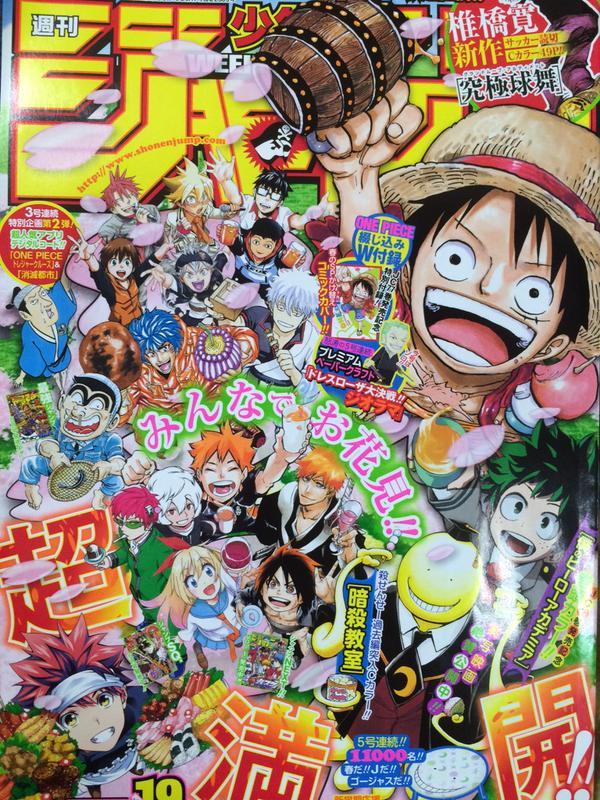
Summary of changes in the cover of Weekly Shonen Jump from the past to the present
Weekly Shonen Jump" has a long history. Jump" started serialization in 1968 as "Shonen Jump" and was very famous as a representative of hot-blooded or white-hot manga that gave dreams to boys and girls. However, now that about 50 years have passed, the manga, its contents, and its treatment of the genre have changed drastically with the times. In this article, we focus on "JUMP covers" and summarize their transition and changes.
Read Article
![Kochikame] Urban legend and trivia related to Kochira Katsushika-ku Kameari Koen-mae Hashutsujo](https://renote.net/files/blobs/proxy/eyJfcmFpbHMiOnsiZGF0YSI6ODg3NDc3LCJwdXIiOiJibG9iX2lkIn19--7acf1e7bf90125b01a0588063e6a6a87700c0e3c/maxresdefaultKOTIKAME.jpg)
Kochikame] Urban legend and trivia related to Kochira Katsushika-ku Kameari Koen-mae Hashutsujo
Kochikame" is popular for its unique characters such as Kankichi Ryotsu, a very unique and unprecedented police officer, and Reiko and Nakagawa, his junior colleagues who have a lot of money, and the head of the department whom even Ryotsu cannot get his head around. It is a major work with as many as 200 comic books sold. Here is a collection of urban legends and trivia about Kochikame.
Read Article
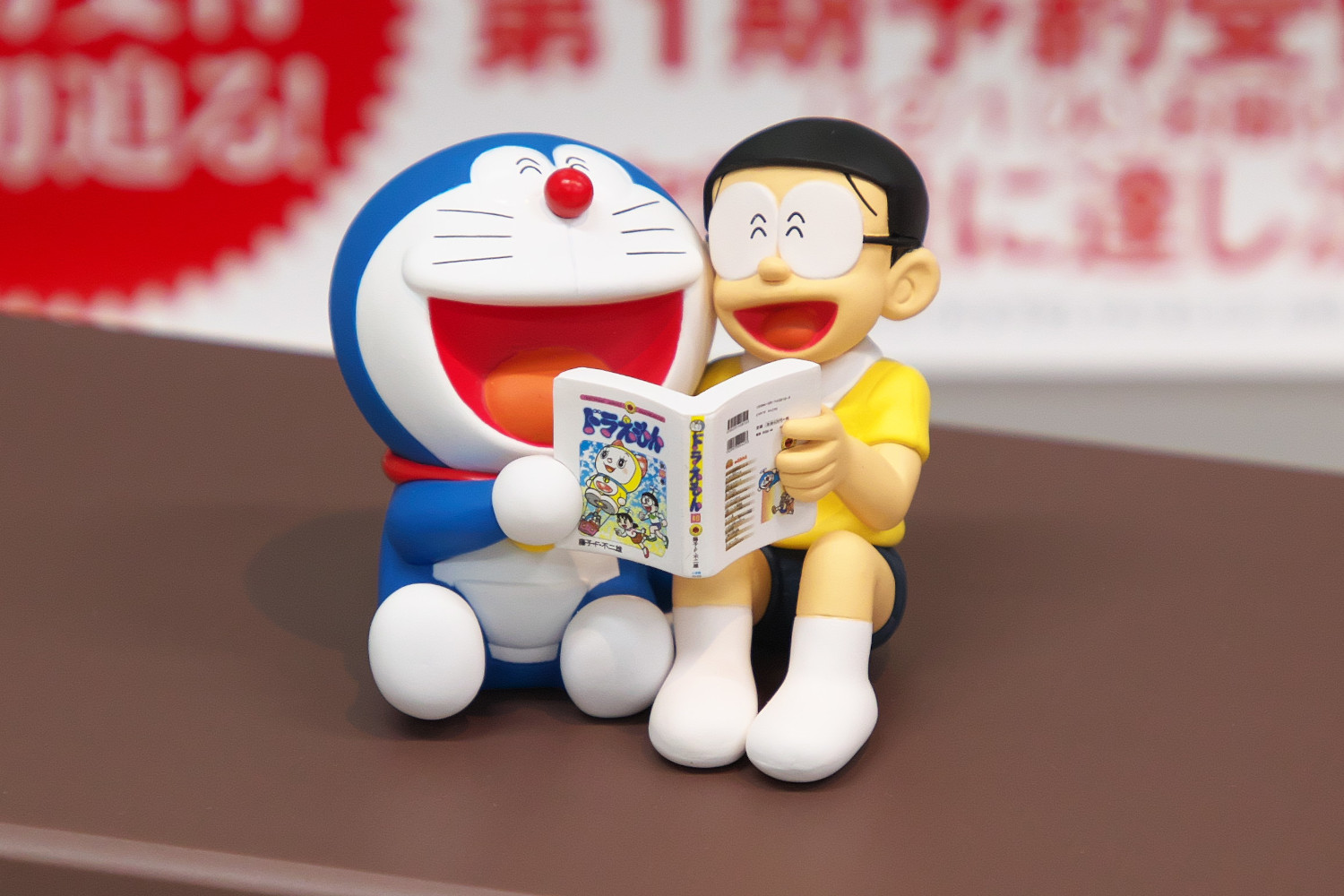
Now you're out! Summary of problematic depictions of national cartoons [such as "Doraemon"].
Doraemon," "Kochikame," and other classic manga have been loved for a long time and transcended time. We have compiled a list of expressions that are out of place in today's world. We will explain what kind of expressions are problematic, including Nazi-inspired poses in "Kinnikuman" and discriminatory expressions and depictions of corporal punishment in "Kochikame," with images of the relevant sections.
Read Article
The Unknown Production, Birth, and Behind-the-Scenes Stories of Manga and Anime
This article introduces the creation, birth, and backstory of that manga/anime that is rarely known to the public, the industry, and even among fans.
Read Article
Outrageous episodes of rich characters from cartoons and comics!
Anime and manga often feature characters with a level of great wealth that is hard to find in real life. Here are some outrageous episodes that show the financial power of "rich characters" in famous works.
Read Article
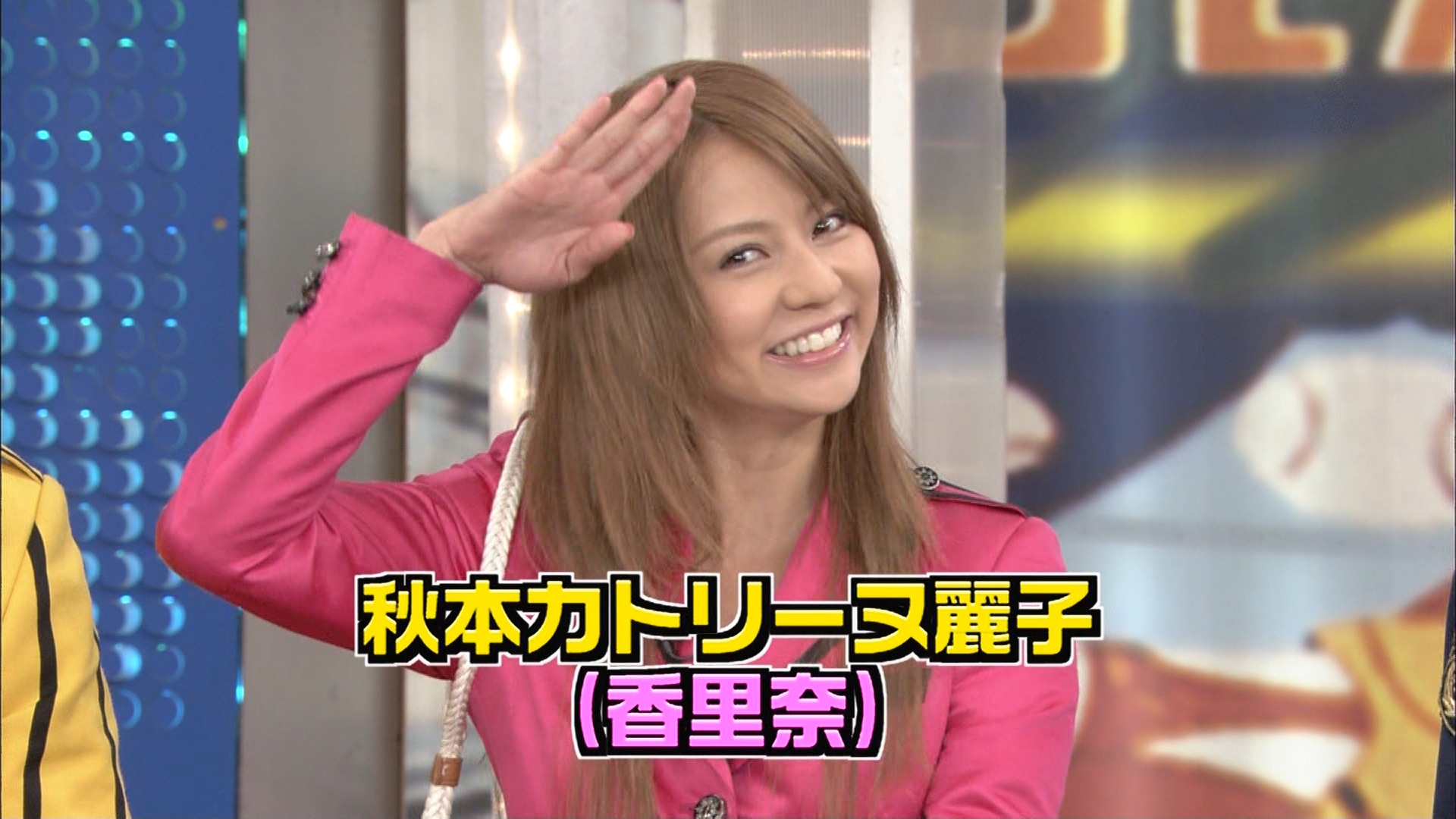
Karina, who played Reiko in the live-action version of Kochikame, now
The comedy manga "Kochikame" or "Kochira Katsushika-ku Kameari Koen Mae Hashutsujo" has been produced as a live-action drama starring Shingo Katori. Karina, who played Reiko Akimoto Catherine, was a successful TV personality at the time, but her exposure seems to have declined dramatically due to a series of scandals.
Read Article
![Kochikame] Little-known backstories and urban legends of Kochira Katsushika Kameari Koen-mae Hashutsujo.](https://renote.net/files/blobs/proxy/eyJfcmFpbHMiOnsiZGF0YSI6NTM0NjExLCJwdXIiOiJibG9iX2lkIn19--c114e91162fdf78106a80e5052d3c32d9bd28d02/ryotsu.jpg)
Kochikame] Little-known backstories and urban legends of Kochira Katsushika Kameari Koen-mae Hashutsujo.
Osamu Akimoto's legendary long-lived work "Kochira Katsushika Kameari Koen Mae Hashutsujo". In this issue, we will bring you some little-known backstories, urban legends, trivia, and small stories of Kochikame. Please enjoy the backstories that you may know but may not be aware of.
Read Article
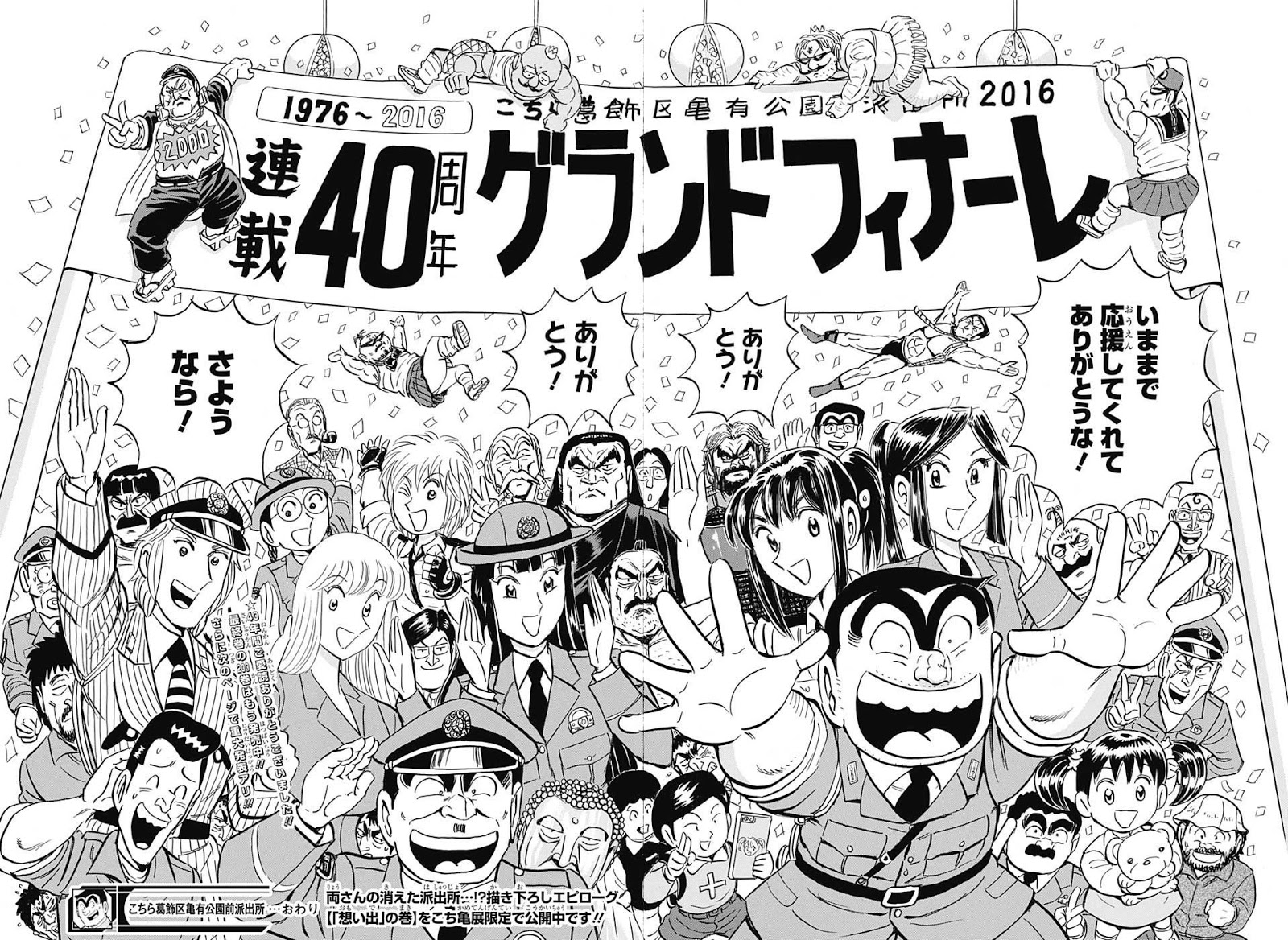
Final Kochikame finale with cover and opening colors! A feat second only to "Slam Dunk"!
Kochira Katsushika-ku Kameari Koen Mae Hashutsujo," or "Kochikame," a.k.a. "Kochikame," which had been serialized in Weekly Shonen Jump for about 40 years, reached its finale. In the issue of JUMP in which the final episode was published, Kochikame was on the cover and in the front cover color. Until then, only "Ring ni Kakero," "Dragon Ball," and "Slam Dunk" had had their final episodes in the front cover color, making this the second greatest accomplishment after "Slam Dunk.
Read Article
Contents
- Overview of Kochira Katsushika-ku Kameari Koen-mae Hashutsujo
- Outline and story of "Kochira Katsushika-ku Kameari Koen-mae Hashutsujo"
- Memories of Shirahige Bridge
- Dear Brothers
- Asakusa Nanatsuboshi Monogatari
- Kachidokibashi Bridge, open up!
- Bonus contest
- Ryou-san and Reiko's Love
- Reiko contest
- Two New Businesses
- Online communication
- Game Gacha Billing
- My Number
- List of Kochira Katsushika-ku Kameari Koen-mae Hashutsujo characters
- 『こちら葛飾区亀有公園前派出所』のゲーム作品
- Terms of the Kochira Katsushika-ku Kameari Koen-mae Hashutsujo
- Police station
- Nakagawa Zaibatsu
- Kochikame
- Shin Katsushika Police Station
- Super Kanda Sushi
- Aircraft carrier Carl Vinson
- Kappa Badge
- Motoguchi Motors
- Theatrical version of "Kochikame"
- Akimoto Trading
- Words, lines, scenes from "Kochira Katsushika-ku Kameari Koen-mae Hashutsujo"
- Ryotsu: "If I let Carl Lewis sing an enka, I will win."
- Ryotsu: "He's so selfish that he doesn't even study. He does what he wants to do, and he just gets back to normal."
- Ryotsu: "If you are worried, first switch to' live' mode and start!"
- Ryotsu: "It's not shameful to stumble! It's shameful not to stand up!"
- Ryotsu: "It's enough to enjoy today happily."
- Ryotsu: "Women have no imagination, so they should just think about these three things: eat, sleep, and play."
- Behind the Scenes, Trivia, Small Stories / Episodes and Anecdotes of "Kochira Katsushika-ku Kameari Koen-mae Hashutsujo"
- THE FINAL EPISODE WAS "WEEKLY SHONEN JUMP," WHICH HAD A SINGLE COVER AND A COLOR AT THE BEGINNING.
- The end of the series was the author's intention to work on a new work.
- The original author, Akimoto, used the long title to attract the attention of the judges.
- The police station in front of Kameari Park doesn't exist.
- Over the course of the series, the design changed.
- The age of the characters is unknown
- I received a complaint from Tatsuhiko Yamagami about the pen name at the beginning of the series.
- There are many bronze statues of Kochikame around Kameari.
- Theme song and insert song of "Kochira Katsushika-ku Kameari Koen-mae Hashutsujo"
- Kochira Katsushika-ku Kameari Koen-mae Hashutsujo
- OP (opening): Queen "Natsu ga Katta! (Diamond Head) 〜 Nagisa no Josama" (Story 1 to Story 12)
- OP (opening): Tokio "Everybody Can Do!" (Chapter 13 to Chapter 35, SP1)
- OP (opening): Kohei Dojima "Katsushika Rapsody" (Chapter 36 to Chapter 135, SP4, SP23, SP24, SP27)
- OP (opening): Osamu Yamada and Hello Knights "Kochira Kameza no Onna" (Chapter 136 to Chapter 144)
- OP (opening): RYOTSU Kankichi and Kochikame Uoin choir "Okeyyo Kameari" (Chapter 145 to Chapter 191)
- OP (opening): Yoshimi Tendo "Shut Up and Follow Me" (Episodes 192 to 299, SP13 to SP15)
- OP (opening): Yum!Yum!ORANGE "Katsushika Rapsody" (Episodes 300 to 344 and 343, SP17 to SP19)
- ED (ending): Hoff Dylan "Smiley Face" (Episodes 1 to 12)
- ED (ending): THE COLLECTORS "Iikoto arusa" (Chapter 13 to Chapter 35, SP1)
- ED (ending): Megumi Okina, "Shijyo no Yume wa Mangekyo" (CHAPTER 36 to CHAPTER 72)
- ED (ending): George Tokoro "ブウェー no Biyabiya" (Episodes 73 to 120, SP4, SP5)
- ED (ending): Kanae "Kyun" (Chapter 121 to Chapter 135)
- ED (ending): The Love "Kimi to Boku" (Episode 136 to Episode 143)
- ED (ending): Komachi & Naoko "Mainichi, No Problem" (except for episodes 152 to 191 and 163, SP8)
- ED (ending): Ara-C "Nice Heart" (Chapter 229 to Chapter 252, SP11, SP12)
- ED (ending): Tetsu and Tomo "Nanedake 〜 Ryosan version" (Chapter 271 〜 Chapter 281, SP14)
- ED (ending): Tetsu and Tomo "Nani Dake 〜 Kochikame version 〜" (Chapter 282 〜 Chapter 291, SP15)
- ED (ending): NICEGUY人 "HAI, IRASSHAI (hai! irasshai)" (Chapter 292 to Chapter 299, SP16)
- ED (ending): Kankichi RYOZU and Taifuzoku of Oedo "Jugemu 〜 Kochikame version 〜" (Episode 327, Episode 340, Episode 343, SP18)
- Ed Ending: "Katsushika Rapsody" (SP7, SP26) by Kohei Dojima
- ED (ending): Takuro Yoshida "Omoiyade-yo" (Episodes 144 to 151, SP7)
- ED (ending): Ryotsu & Mari Ai "Just A Little Love ~ Maria's Mambo ~" (SP8)
- ED (ending): Kankichi RYOTSU "Robo Keiji Bancho no Uta" (Episode 163)
- ED (ending): RYOTSU Kankichi and Kochikame Uoin choir "Okeyyo Kameari" (Episode 192, Episode 228, Episode 260, Episode 270, Episode 309 to Episode 326, Episode 341, Episode 342, Episode 344, Episode 343, SP9, SP10, SP13, SP19, SP27)
- ED (ending): Queen "Natsu ga Katta! (Diamond Head) 〜 Nagisa no Queen" (Chapter 253 〜 Chapter 259)
- ED (ending): SEX MACHINEGUN "Talk! Cry!" (Chapter 300 to Chapter 308)
- Included song: "Tokyo Hustle Ondo" (Episode 136) by Charlie Kobayashi
- An inserted song: "Robo Keiji Bancho no Uta" (Story 162) written by Kankichi RYOTSU
- Included in the poem: "Shojo Manga - Detective's Song" (Chapter 167) written by 瑠理 ASOU Hana
- Inserted song: "Kameari wa Kijitsu mo Hareta" (It was sunny yesterday, too) by Rei Saito to Kochikame Ui-kun Choir (Chapter 172, 199, 237, 265, 301)
- Kochira Katsushika-ku Kameari Koen-mae Hashutsujo
- Poem: "Kochira Katsushika-ku Kameari Koen-mae Hashutsujo" by Ryo
- Deep Purple "Burn"
- Kochira Katsushika-ku Kameari Koen-mae Hashutsujo
- Theme song: "365 steps march" by Ryo-san