
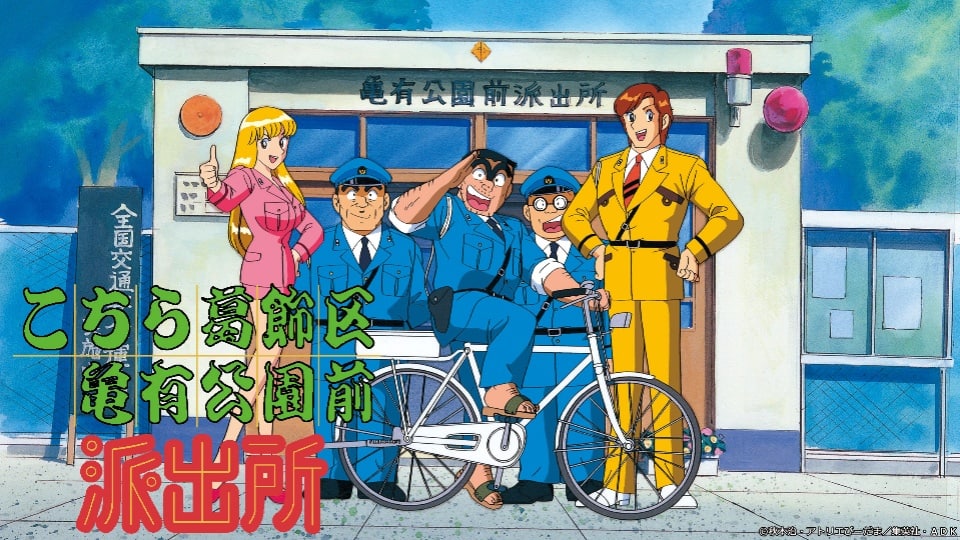
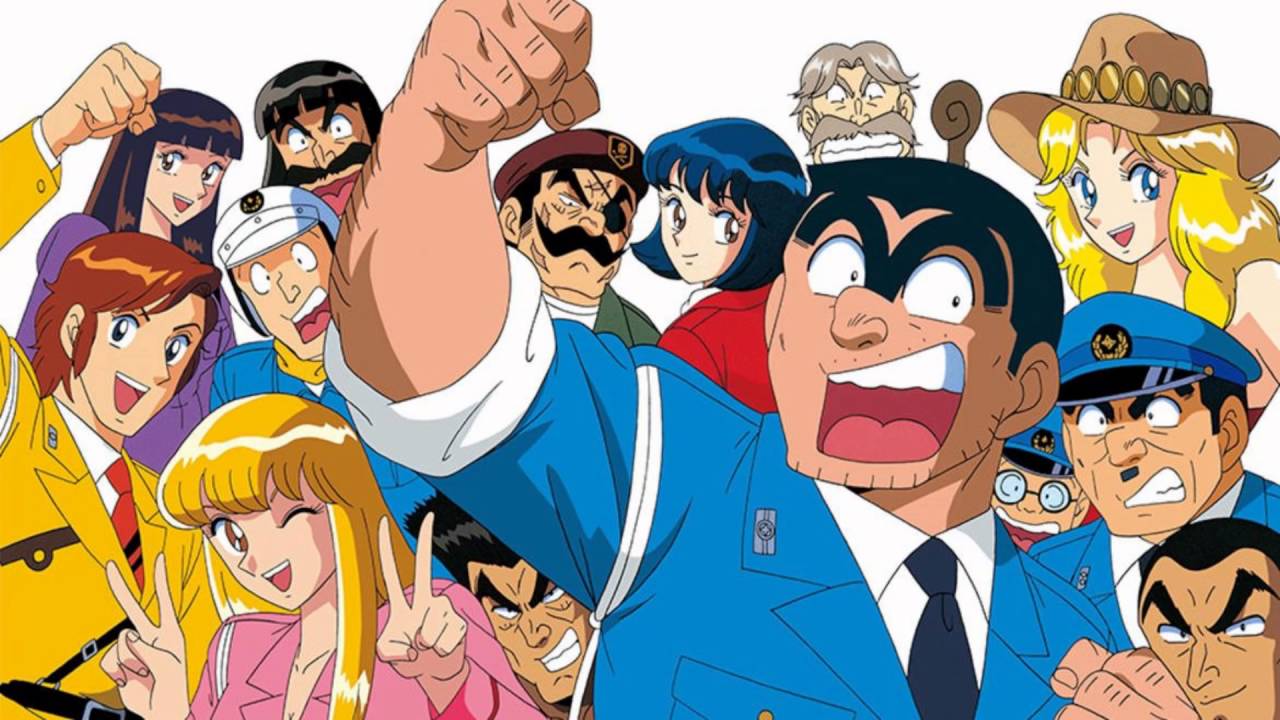
Kochira Katsushika-ku Kameari Koen Mae Hashutsujo (Kochikame) is a Japanese manga series by Osamu Akimoto. It was serialized in Weekly Shonen Jump from 1976 to 2016, and has since been adapted into live-action, anime, and video games. It has been recognized by Guinness World Records as "the single manga series with the most number of volumes published. It is a gag manga featuring Kankichi Ryotsu, a police officer working at the Kameari Koen-mae Police Station in Tokyo's Katsushika Ward, and the characters around him. It has been serialized for 40 years without a single break, and as of June 2016, a total of 156.5 million copies have been sold.
Ryotsu pointed out to his colleagues at the police station, "We don't even need a paper residence card," he said, "We can just send it as data. We can use the license number as an ID and set a password," he said. He also stressed the government's pain points, saying, "The reason we don't use online processing is because we are afraid of personnel cuts," "We need drastic reforms," and "There are too many government officials, hundreds of thousands of them. However, "We don't need you first and foremost. That's right, you don't even write reports." "There are too many local government officials, too," said Ohara, Reiko, and Nakagawa, all of whom were impatient to hit the government's sore spot. Ryotsu said, "Let's stop using the online system after all. It would be better to have about 10 contact points, have them fill out about 20 forms, and have them stamp at least 5 different stamps.
This also points to the problems that modern government offices face. Currently, my number is not linked to the number on my driver's license, but the government is promoting the integration of my number and driver's license, and the idea of managing resident information online can be said to be the same as my number. Ryosan had already talked about this prototype idea in 1998.
List of Kochira Katsushika-ku Kameari Koen-mae Hashutsujo characters
本作には、言わずと知れた主人公の両津勘吉はもちろん、紅一点の秋本・カトリーヌ・麗子や、両津の上司である大原大次郎、大企業の社長もこなすイケメンの中川圭一など、多数の個性的なキャラクターが登場する。
こちら葛飾区亀有公園前派出所(こち亀)の登場人物・キャラクターまとめ - RENOTE [リノート]
renote.net
『こちら葛飾区亀有公園前派出所』とは、秋本治による日本の漫画作品。『週刊少年ジャンプ』において1976年から2016年まで連載され、その後実写やアニメ、ゲームなどに展開されている。本作には、言わずと知れた主人公の両津勘吉はもちろん、紅一点の秋本・カトリーヌ・麗子や、両津の上司である大原大次郎、大企業の社長もこなすイケメンの中川圭一など、本作に欠かせない個性的なキャラクターが存在している。
『こちら葛飾区亀有公園前派出所』のゲーム作品
『こちら葛飾区亀有公園前派出所』は多方面でのメディアミックスが展開されているが、中には本作テーマにしたゲーム作品もある。原作のストーリーや特徴を生かした作品も多く、ファンは楽しめるものばかりである。
こちら葛飾区亀有公園前派出所(こち亀)のゲーム作品まとめ - RENOTE [リノート]
renote.net
『こちら葛飾区亀有公園前派出所』とは、『週刊少年ジャンプ』において1976年から2016年まで連載された秋本治による漫画作品、およびそれを原作としたアニメやテレビドラマ、ゲームなどのメディアミックス作品。東京都葛飾区にある亀有公園前派出所に勤務する警察官の両津勘吉とその周辺の人物を中心としたギャグ漫画である。『こちら葛飾区亀有公園前派出所』をテーマにしたゲーム作品には、原作のストーリーや特徴を生かした作品も多く、ファンは楽しめるものばかりである。
Terms of the Kochira Katsushika-ku Kameari Koen-mae Hashutsujo
Police station
"Police box" is an old name for "koban" (police box). It is a facility set up by the Japanese police, and it is a police station set up in various places in the city. Usually, two or more police officers of the Regional Division of the police station work in rotation. Ryotsu and his colleagues work at the police box in front of Kameari Park of the Katsushika Police Station.
Nakagawa Zaibatsu
Also known as the Nakagawa Konzern, it is a fictitious, world-class conglomerate that has existed since the Meiji period and is one of the largest in the country and the world. The current head of the family is Paul Nakagawa, the grandfather of Keiichi NAKAGAWA, and Paul's father, Ryunosuke, was a former baron, while Nakagawa Family was from a family that had received the title of baron before World War II. At present, the major group companies seem to be run by the Nakagawa family, including Paul and his brothers, Ryuichiro, the eldest son of Paul, Keiichi, the eldest son of Ryuichiro, and Toshie, the eldest daughter.
Kochikame
"Kochi-kame" is now widely used as the abbreviation for this work, but it started with the comment made by the original author, Akimoto, at the end of "Kochira Katsushika-ku Kameari Koen-mae Hashutsujo - Shitamachi Gansenki Shitamachi Gansenki" published in 1988,' From now on, please abbreviate it as Kochi-kame,' and at the beginning of the series, it was sometimes abbreviated as "Hashiguchi," but "Kochi-kame" became the official abbreviation. Incidentally, the first person to use' Kochi-kame' was Shinpei Hayashiya, who wrote a comment at the end of the 18th volume of Comics.
Shin Katsushika Police Station
The police station to which the Kameari In front of Park belonged was the actual' Kameari Police Station' for more than ten years from the start of this series, but it was revised to the fictitious' Katsushika Police Station' around 1992. However, in 2002, the Honda Police Station, which had jurisdiction over the southern part of Katsushika Ward, was renamed as the Katsushika Police Station, and the' Katsushika Police Station' became the actual police station; therefore, the' Katsushika Police Station' in the story was reconstructed and changed again to the' New Katsushika Police Station.' Katsushika Police Station' was described as' Katsushika Police Station' in the anime version.
Super Kanda Sushi
When Ryotsu and Matoi worked part-time at a sushi restaurant run by the Giboshi family, which was Matoi's parents' home, they decided to become sushi chefs as Ichiro Asakusa. Ryotsu and Matoi had different opinions about what kind of sushi they should produce for foreign customers, and they competed by opening two restaurants at the same time on a trial basis. Ryotsu and Matoi came up with creative sushi called "Japan Sushi (GETA)" and "FUJI" to attract foreign customers.
Aircraft carrier Carl Vinson
The Carl Vinson, the third Nimitz-class aircraft carrier of the U.S. Navy, was named after Congressman Carl Vinson, who worked to strengthen the navy around World War II. It was the first aircraft carrier in history to have a living name.
Kappa Badge
Since the Great Tokyo Festival in 1956, the Tokyo Metropolitan Government has been selling the "Great Tokyo Festival Memorial Badge" every year to commemorate Metropolitan Citizens' Day. This badge is used as a sign for free admission to public facilities. It is sold to the general public at each municipal office and Lottery Ticket Shop in Tokyo, and is also purchased by organizations at elementary and junior high schools in Tokyo. As a result, from the 1960s to around the 1990s, it became widely popular as a kappa badge among the generation who spent their childhood in Tokyo. However, since 1972, a set of five pieces in different colors in a plastic case has been sold, which made it too expensive for children to buy, and the purpose of the badge has faded as the number of facilities open for free has decreased, so the badges have not been sold since Metropolitan Citizens' Day in 1997.
Motoguchi Motors
Soichiro is a major motorcycle importer whose president is former racer Soichiro Motoguchi. The president's daughter is Rika Honguchi, who is also a member of the Traffic Riot Police. She puts her dog, Motogoro, in the sidecar of her beloved Motoguchi, and cracks down on traffic violations. Soichiro is particular about motorcycles and continues to develop them with the dream of selling large bikes one day, but all he can do is unusual bikes.

Related Articles
Summary of "Kochira Katsushika-ku Kameari Koen Mae Hashutsujo" game titles
A collection of games based on the long-running manga "Kochira Katsushika-ku Kameari Koen Mae Hashutsujo" (Over 100 volumes). We have also included a few that are not so well known and are only known to those in the know!
Read Article
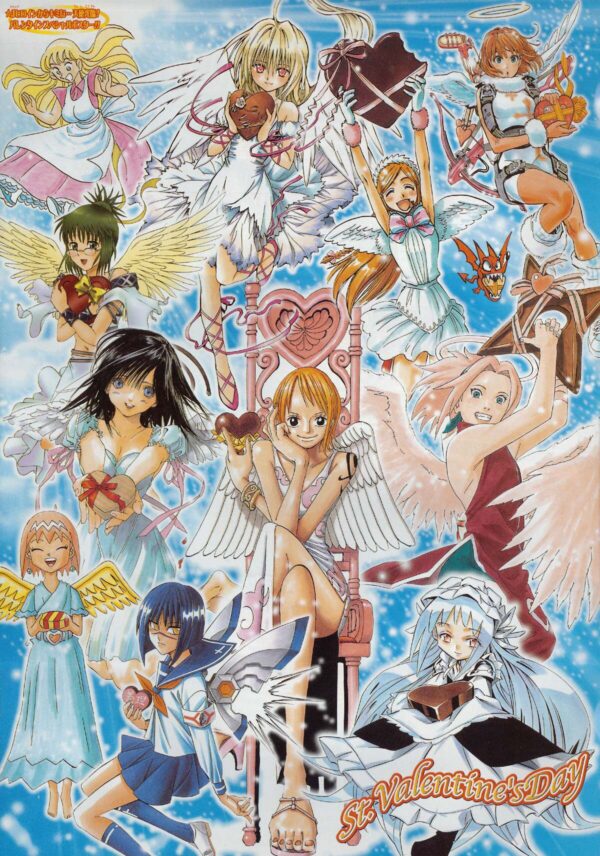
Summary of Jump's past heroines
Weekly Shonen Jump, the most widely circulated manga magazine in Japan, is at the pinnacle of manga culture in terms of popularity and name recognition, and has produced many masterpieces. As a shōnen manga magazine, most of the main characters are male, but the heroines who support them are also fascinating characters. Some are adults, some are children, some are just protectors, some are sidekicks who fight alongside the hero, some are heroines who have kicked out the regular heroines and are united with the hero, and some are heroines and female protagonists that go beyond the norm of "shōnen manga. Here we introduce some of the heroines who have graced the pages of JUMP.
Read Article
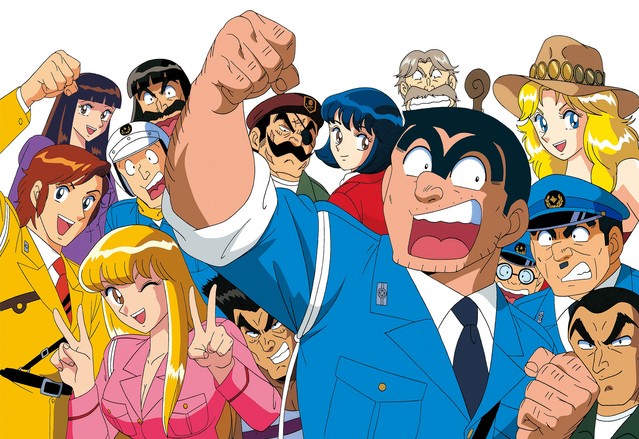
Kochikame: A list of characters from the Kochikame Police Station (1)
The manga "Kochira Katsushika-ku Kameari Koen Mae Hashutsujo" (commonly known as "Kochikame") began serialization in 1976 and is still running nearly 40 years later. The manga has been published up to volume 196, and is on track to reach volume 200! Here is a summary of the characters who have worked at the hachidosho so far.
Read Article
Kochikame: Kankichi Ryotsu vs. Ono Komachi! The fierce battle that unfolded in the anime and the items that belonged to Ono Onomachi!
Kochikame" a.k.a. "Kochira Katsushika-ku Kameari Koen Mae Hashutsujo"! In addition to the 200-volume book series, the anime series featuring the voice of Mr. LaSalle Ishii is also very popular, and still remains very entertaining. In the midst of all this, this time we will be looking at the eternal rivals! I have compiled scenes of fierce battles and battles between Ryosan and Komachi, the eternal rivals! Since his goods and items were also introduced in the program, please also see the comparison.
Read Article
![Weekly Shonen Jump] Manga from the late 80's to the mid 90's [Golden Age].](https://renote.net/files/blobs/proxy/eyJfcmFpbHMiOnsiZGF0YSI6MjM4ODkzLCJwdXIiOiJibG9iX2lkIn19--cc2dd65e70fb4742d9b63b02febb4cbc447f7095/db19ee5b.jpg)
Weekly Shonen Jump] Manga from the late 80's to the mid 90's [Golden Age].
Manga from the Golden Age of Jump (manga started in the late 80's to mid 90's) are summarized here.
Read Article
![Popular Manga] Summary of Weekly Shonen Jump censored and terminated manga from 2007 to 2018!](https://renote.net/files/blobs/proxy/eyJfcmFpbHMiOnsiZGF0YSI6ODY0ODcxMCwicHVyIjoiYmxvYl9pZCJ9fQ==--e384d68667dd29080aaccf33e97192c229dfc521/m27539133936_1.jpg)
Popular Manga] Summary of Weekly Shonen Jump censored and terminated manga from 2007 to 2018!
This is a list of manga that were censored or ended in Weekly Shonen Jump between 2007 and 2018. The works are those that ended after the first issue of 2007. We will introduce not only representative manga of Jump such as "Gintama", "Bleach", "Naruto", and "Kochira Katsushika-ku Kameari Koen Mae Hashutsujo", but also works that were unfortunately censored and hidden good works that did not resonate with readers even though the content was not bad.
Read Article
No longer a different person? Kochikame Characters Then and Now!
The popular manga "Kochira Katsushika-ku Kameari Koen Mae Hashutsujo" began serialization in 1976 and will celebrate its 40th anniversary next year. In this issue, we will introduce the changes in the design of the main characters, including the main character, Kankichi Ryotsu, over the past 40 years!
Read Article
Summary of changes in the cover of Weekly Shonen Jump from the past to the present
Weekly Shonen Jump" has a long history. Jump" started serialization in 1968 as "Shonen Jump" and was very famous as a representative of hot-blooded or white-hot manga that gave dreams to boys and girls. However, now that about 50 years have passed, the manga, its contents, and its treatment of the genre have changed drastically with the times. In this article, we focus on "JUMP covers" and summarize their transition and changes.
Read Article
![Kochikame] Urban legend and trivia related to Kochira Katsushika-ku Kameari Koen-mae Hashutsujo](https://renote.net/files/blobs/proxy/eyJfcmFpbHMiOnsiZGF0YSI6ODg3NDc3LCJwdXIiOiJibG9iX2lkIn19--7acf1e7bf90125b01a0588063e6a6a87700c0e3c/maxresdefaultKOTIKAME.jpg)
Kochikame] Urban legend and trivia related to Kochira Katsushika-ku Kameari Koen-mae Hashutsujo
Kochikame" is popular for its unique characters such as Kankichi Ryotsu, a very unique and unprecedented police officer, and Reiko and Nakagawa, his junior colleagues who have a lot of money, and the head of the department whom even Ryotsu cannot get his head around. It is a major work with as many as 200 comic books sold. Here is a collection of urban legends and trivia about Kochikame.
Read Article
Now you're out! Summary of problematic depictions of national cartoons [such as "Doraemon"].
Doraemon," "Kochikame," and other classic manga have been loved for a long time and transcended time. We have compiled a list of expressions that are out of place in today's world. We will explain what kind of expressions are problematic, including Nazi-inspired poses in "Kinnikuman" and discriminatory expressions and depictions of corporal punishment in "Kochikame," with images of the relevant sections.
Read Article
The Unknown Production, Birth, and Behind-the-Scenes Stories of Manga and Anime
This article introduces the creation, birth, and backstory of that manga/anime that is rarely known to the public, the industry, and even among fans.
Read Article
Outrageous episodes of rich characters from cartoons and comics!
Anime and manga often feature characters with a level of great wealth that is hard to find in real life. Here are some outrageous episodes that show the financial power of "rich characters" in famous works.
Read Article
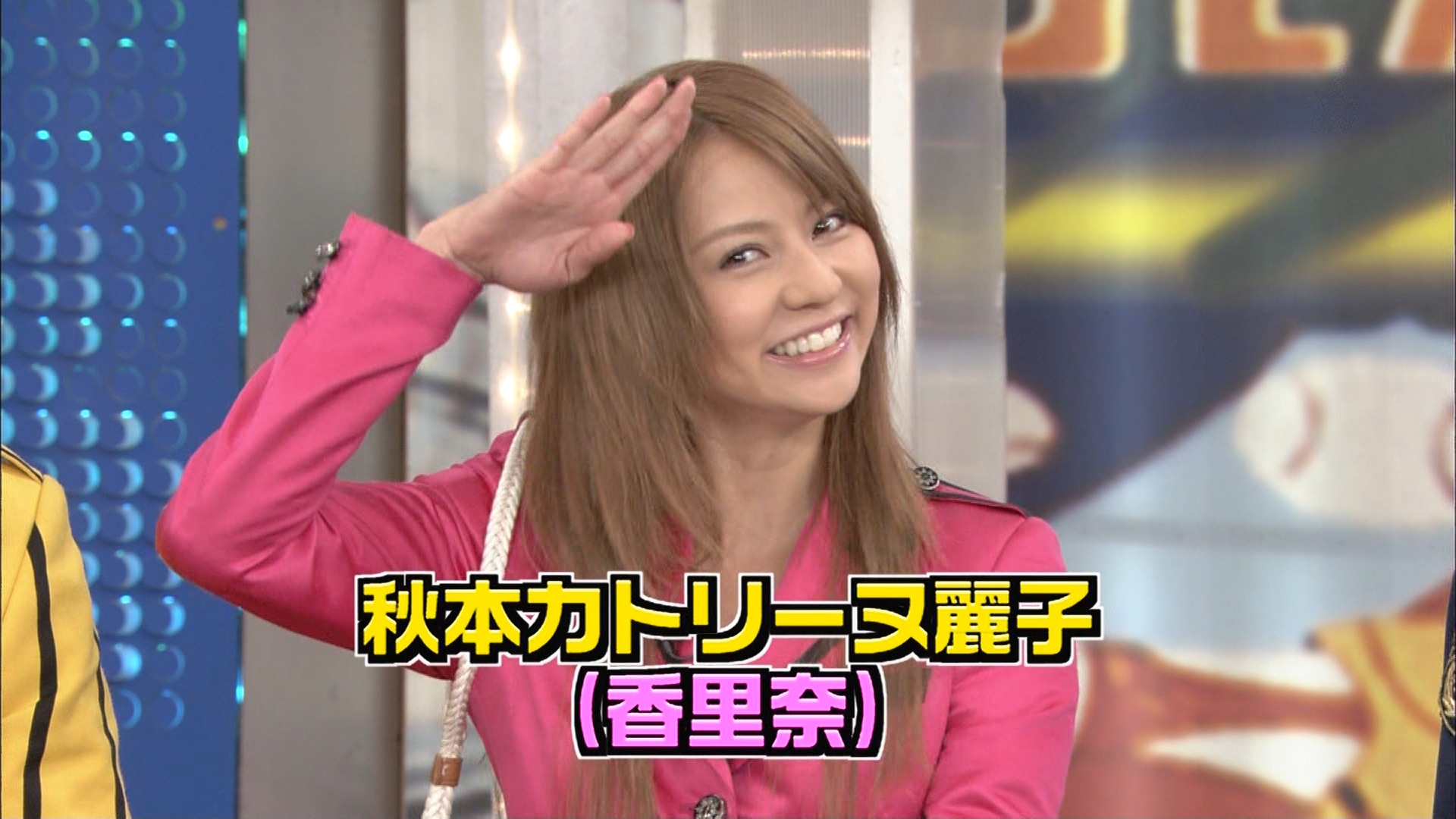
Karina, who played Reiko in the live-action version of Kochikame, now
The comedy manga "Kochikame" or "Kochira Katsushika-ku Kameari Koen Mae Hashutsujo" has been produced as a live-action drama starring Shingo Katori. Karina, who played Reiko Akimoto Catherine, was a successful TV personality at the time, but her exposure seems to have declined dramatically due to a series of scandals.
Read Article
![Kochikame] Little-known backstories and urban legends of Kochira Katsushika Kameari Koen-mae Hashutsujo.](https://renote.net/files/blobs/proxy/eyJfcmFpbHMiOnsiZGF0YSI6NTM0NjExLCJwdXIiOiJibG9iX2lkIn19--c114e91162fdf78106a80e5052d3c32d9bd28d02/ryotsu.jpg)
Kochikame] Little-known backstories and urban legends of Kochira Katsushika Kameari Koen-mae Hashutsujo.
Osamu Akimoto's legendary long-lived work "Kochira Katsushika Kameari Koen Mae Hashutsujo". In this issue, we will bring you some little-known backstories, urban legends, trivia, and small stories of Kochikame. Please enjoy the backstories that you may know but may not be aware of.
Read Article
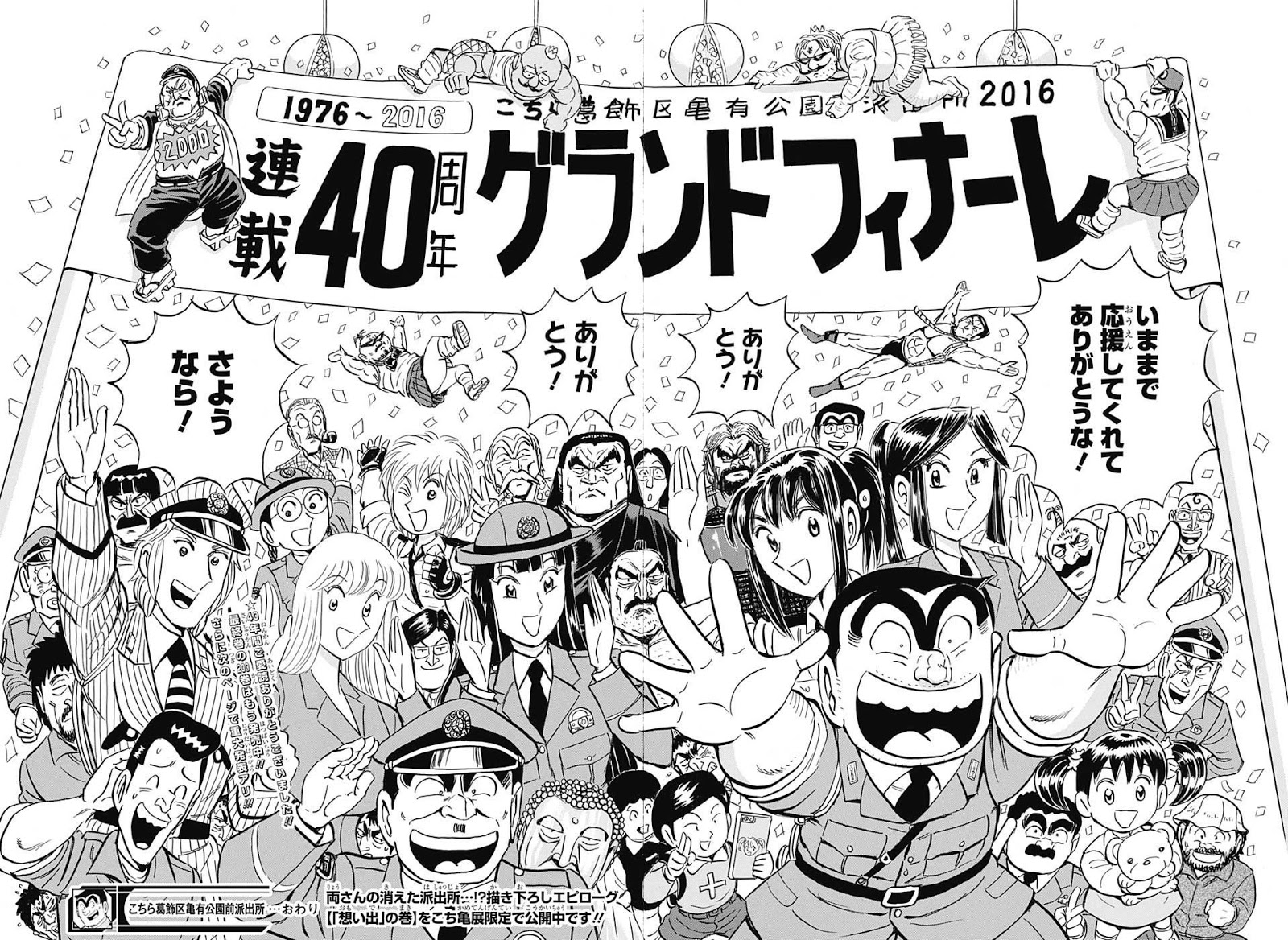
Final Kochikame finale with cover and opening colors! A feat second only to "Slam Dunk"!
Kochira Katsushika-ku Kameari Koen Mae Hashutsujo," or "Kochikame," a.k.a. "Kochikame," which had been serialized in Weekly Shonen Jump for about 40 years, reached its finale. In the issue of JUMP in which the final episode was published, Kochikame was on the cover and in the front cover color. Until then, only "Ring ni Kakero," "Dragon Ball," and "Slam Dunk" had had their final episodes in the front cover color, making this the second greatest accomplishment after "Slam Dunk.
Read Article
Contents
- Overview of Kochira Katsushika-ku Kameari Koen-mae Hashutsujo
- Outline and story of "Kochira Katsushika-ku Kameari Koen-mae Hashutsujo"
- Memories of Shirahige Bridge
- Dear Brothers
- Asakusa Nanatsuboshi Monogatari
- Kachidokibashi Bridge, open up!
- Bonus contest
- Ryou-san and Reiko's Love
- Reiko contest
- Two New Businesses
- Online communication
- Game Gacha Billing
- My Number
- List of Kochira Katsushika-ku Kameari Koen-mae Hashutsujo characters
- 『こちら葛飾区亀有公園前派出所』のゲーム作品
- Terms of the Kochira Katsushika-ku Kameari Koen-mae Hashutsujo
- Police station
- Nakagawa Zaibatsu
- Kochikame
- Shin Katsushika Police Station
- Super Kanda Sushi
- Aircraft carrier Carl Vinson
- Kappa Badge
- Motoguchi Motors
- Theatrical version of "Kochikame"
- Akimoto Trading
- Words, lines, scenes from "Kochira Katsushika-ku Kameari Koen-mae Hashutsujo"
- Ryotsu: "If I let Carl Lewis sing an enka, I will win."
- Ryotsu: "He's so selfish that he doesn't even study. He does what he wants to do, and he just gets back to normal."
- Ryotsu: "If you are worried, first switch to' live' mode and start!"
- Ryotsu: "It's not shameful to stumble! It's shameful not to stand up!"
- Ryotsu: "It's enough to enjoy today happily."
- Ryotsu: "Women have no imagination, so they should just think about these three things: eat, sleep, and play."
- Behind the Scenes, Trivia, Small Stories / Episodes and Anecdotes of "Kochira Katsushika-ku Kameari Koen-mae Hashutsujo"
- THE FINAL EPISODE WAS "WEEKLY SHONEN JUMP," WHICH HAD A SINGLE COVER AND A COLOR AT THE BEGINNING.
- The end of the series was the author's intention to work on a new work.
- The original author, Akimoto, used the long title to attract the attention of the judges.
- The police station in front of Kameari Park doesn't exist.
- Over the course of the series, the design changed.
- The age of the characters is unknown
- I received a complaint from Tatsuhiko Yamagami about the pen name at the beginning of the series.
- There are many bronze statues of Kochikame around Kameari.
- Theme song and insert song of "Kochira Katsushika-ku Kameari Koen-mae Hashutsujo"
- Kochira Katsushika-ku Kameari Koen-mae Hashutsujo
- OP (opening): Queen "Natsu ga Katta! (Diamond Head) 〜 Nagisa no Josama" (Story 1 to Story 12)
- OP (opening): Tokio "Everybody Can Do!" (Chapter 13 to Chapter 35, SP1)
- OP (opening): Kohei Dojima "Katsushika Rapsody" (Chapter 36 to Chapter 135, SP4, SP23, SP24, SP27)
- OP (opening): Osamu Yamada and Hello Knights "Kochira Kameza no Onna" (Chapter 136 to Chapter 144)
- OP (opening): RYOTSU Kankichi and Kochikame Uoin choir "Okeyyo Kameari" (Chapter 145 to Chapter 191)
- OP (opening): Yoshimi Tendo "Shut Up and Follow Me" (Episodes 192 to 299, SP13 to SP15)
- OP (opening): Yum!Yum!ORANGE "Katsushika Rapsody" (Episodes 300 to 344 and 343, SP17 to SP19)
- ED (ending): Hoff Dylan "Smiley Face" (Episodes 1 to 12)
- ED (ending): THE COLLECTORS "Iikoto arusa" (Chapter 13 to Chapter 35, SP1)
- ED (ending): Megumi Okina, "Shijyo no Yume wa Mangekyo" (CHAPTER 36 to CHAPTER 72)
- ED (ending): George Tokoro "ブウェー no Biyabiya" (Episodes 73 to 120, SP4, SP5)
- ED (ending): Kanae "Kyun" (Chapter 121 to Chapter 135)
- ED (ending): The Love "Kimi to Boku" (Episode 136 to Episode 143)
- ED (ending): Komachi & Naoko "Mainichi, No Problem" (except for episodes 152 to 191 and 163, SP8)
- ED (ending): Ara-C "Nice Heart" (Chapter 229 to Chapter 252, SP11, SP12)
- ED (ending): Tetsu and Tomo "Nanedake 〜 Ryosan version" (Chapter 271 〜 Chapter 281, SP14)
- ED (ending): Tetsu and Tomo "Nani Dake 〜 Kochikame version 〜" (Chapter 282 〜 Chapter 291, SP15)
- ED (ending): NICEGUY人 "HAI, IRASSHAI (hai! irasshai)" (Chapter 292 to Chapter 299, SP16)
- ED (ending): Kankichi RYOZU and Taifuzoku of Oedo "Jugemu 〜 Kochikame version 〜" (Episode 327, Episode 340, Episode 343, SP18)
- Ed Ending: "Katsushika Rapsody" (SP7, SP26) by Kohei Dojima
- ED (ending): Takuro Yoshida "Omoiyade-yo" (Episodes 144 to 151, SP7)
- ED (ending): Ryotsu & Mari Ai "Just A Little Love ~ Maria's Mambo ~" (SP8)
- ED (ending): Kankichi RYOTSU "Robo Keiji Bancho no Uta" (Episode 163)
- ED (ending): RYOTSU Kankichi and Kochikame Uoin choir "Okeyyo Kameari" (Episode 192, Episode 228, Episode 260, Episode 270, Episode 309 to Episode 326, Episode 341, Episode 342, Episode 344, Episode 343, SP9, SP10, SP13, SP19, SP27)
- ED (ending): Queen "Natsu ga Katta! (Diamond Head) 〜 Nagisa no Queen" (Chapter 253 〜 Chapter 259)
- ED (ending): SEX MACHINEGUN "Talk! Cry!" (Chapter 300 to Chapter 308)
- Included song: "Tokyo Hustle Ondo" (Episode 136) by Charlie Kobayashi
- An inserted song: "Robo Keiji Bancho no Uta" (Story 162) written by Kankichi RYOTSU
- Included in the poem: "Shojo Manga - Detective's Song" (Chapter 167) written by 瑠理 ASOU Hana
- Inserted song: "Kameari wa Kijitsu mo Hareta" (It was sunny yesterday, too) by Rei Saito to Kochikame Ui-kun Choir (Chapter 172, 199, 237, 265, 301)
- Kochira Katsushika-ku Kameari Koen-mae Hashutsujo
- Poem: "Kochira Katsushika-ku Kameari Koen-mae Hashutsujo" by Ryo
- Deep Purple "Burn"
- Kochira Katsushika-ku Kameari Koen-mae Hashutsujo
- Theme song: "365 steps march" by Ryo-san