
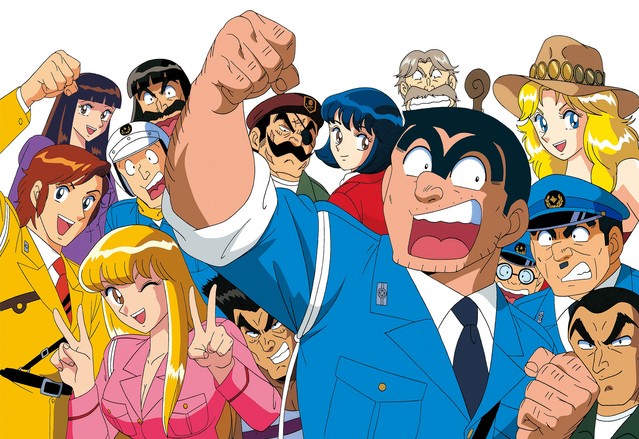
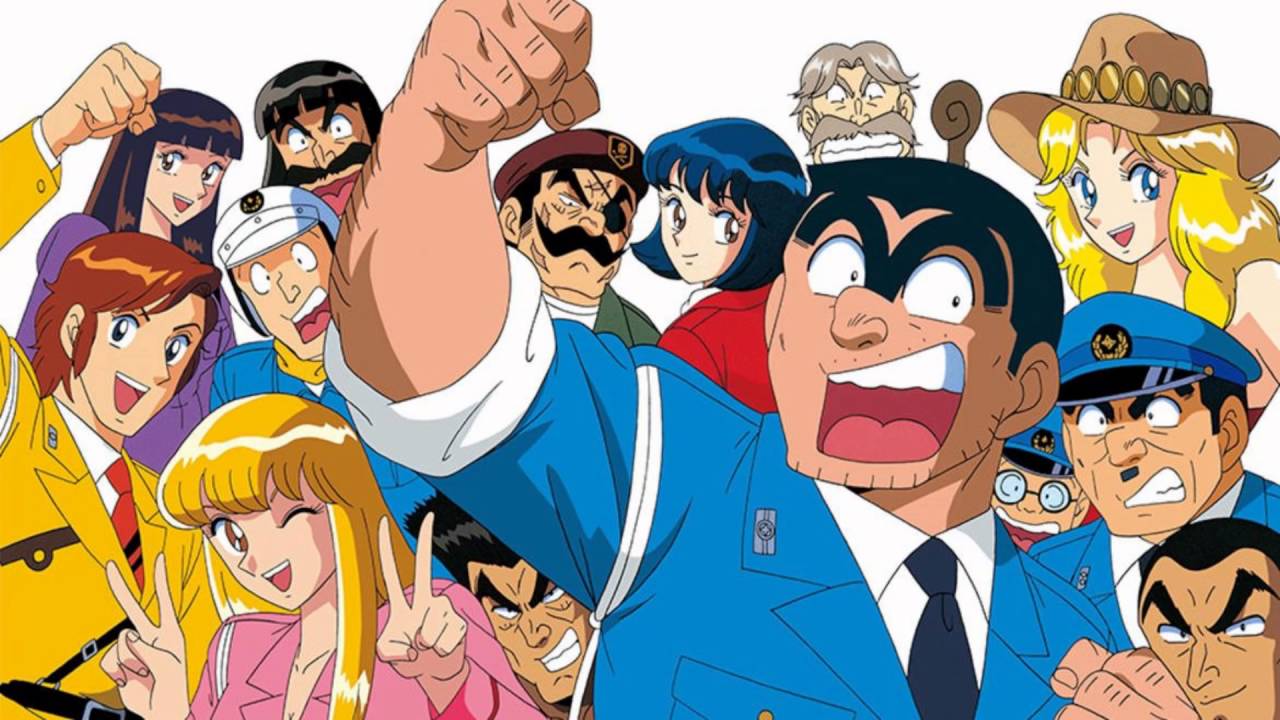
The manga "Kochira Katsushika-ku Kameari Koen Mae Hashutsujo" (commonly known as "Kochikame") began serialization in 1976 and is still running nearly 40 years later. The manga has been published up to volume 196, and is on track to reach volume 200! Here is a summary of the characters who have worked at the hachidosho so far.
Yoichi Terai => Marui Young Kan (Marui Young Hall)
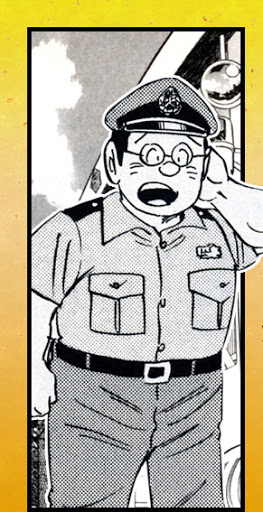
CV: Chafurin (CHAPTER 1-92) => Kobuhei HAYASHIYA (CHAPTER 98 -)
Actor: Chu Arai (1977 live-action film version)
HE WORKED AT THE Kameari PARK POLICE STATION IN KATSUSHIKA WARD. HE WAS A a POLICE OFFICER. HE WAS THE MOST ORDINARY AND GENTLE POLICE OFFICER AMONG THE INDIVIDUAL MEMBERS OF THE POLICE STATION. HE HAD BEEN CALLED "Terai YOICHI" FOR MANY YEARS, BUT LATER WAS FORCED TO CHANGE HIS NAME TO "MARUI YOUNG KAN" BY RYOZU, FOR THE REASON THAT HE WOULD INCREASE HIS FORTUNE. AS A RESULT, HIS FORTUNE INCREASED, HE WON 30 million YEN IN THE LOTTERY, THE LAND OF HIS HOUSE WAS BOUGHT BY A BIG COMPANY FOR A HIGH PRICE, AND HE BOUGHT A DETACHED HOUSE IN MINATO-KU. HIS CHILDREN'S NAMES WERE "KENJI" AND "
Kinji TOTSUKA
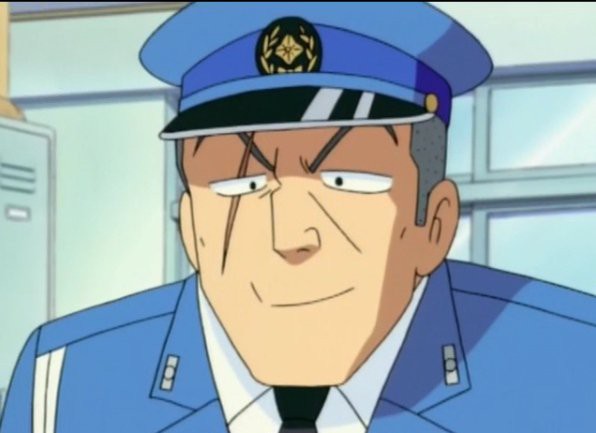
CV: Eiji Takemoto, portrayed by Mitsuo Hamada (1977 live-action film)
He worked at the police station in front of Kameari Park. He was born in Soka City, Saitama Prefecture. He had a bald head and had a sword-like cut on his face. He also had tattoos on his back. He looks scary even to the yakuza. His rank was a police officer. Before becoming a police officer, he was a truck driver for 10 years. His skills were as good as those of Nakagawa. His other career is unknown. He had strong arms, and when he had a fight with Ryotsu that did not require any rules, the match was almost even, and in the end, he was thrown out of the police station by Ryotsu, and he was defeated in a scuffle outside the police station, but Ryotsu himself was also considerably damaged. At the beginning of the series, they were so good that they could be called Ryotsu's first partner, but they gradually became less active, and at the end of the series, they almost became less active because they belonged to a different time group from Ryotsu.
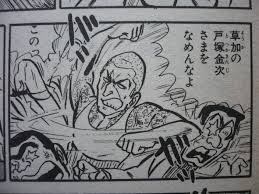
こち亀初期の両津の相方、戸塚金次。
全身入れ墨が特徴で、性格も両津そっくり。両津と戸塚でふたりでしょっちゅう喧嘩をしては、派出所を破壊していた。
連載初期の頃は両津の最初の相棒とも言えるほど良いコンビであったが、段々と出番が少なくなり、末期には両津とは違う時間帯の班に所属しているためほぼ出番がなくなった。
徐々に登場の機会が減っていってしまったのは、両津とキャラがかぶってしまったからなのだそう。
Mari Ai
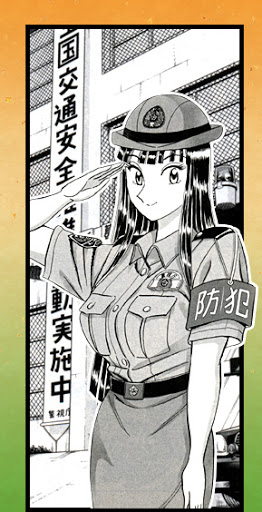
CV: Kaori Asoh
She is commonly known as Maria. She looks like a beautiful woman with black hair, but she is a man who used to be a kickboxer and has great physical strength more than Ryotsu. Triggered by the words of Iwao IWATETSU, who was a coach in the era of kickboxers, she decided to live as a woman. She fell in love with Ryotsu at first sight, who was very similar in appearance to Iwatetsu, and approached her as a policewoman. She was a new half for a while, but later became a woman physically.
Police characters
Tonden Gomokusu
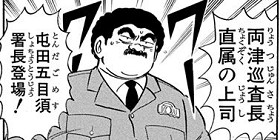
CV: Eimei Esumi (CHAPTER 25 - 328) => Jin Nishimura (CHAPTER 329 -)
Chief of Katsushika Police Station. Characterized by perm and mustache. Rank: Senior Superintendent of Police. Changed name from' 亀森 Tsuruyoshi' based on family name judgment. Lived in Shibamata, Katsushika Ward. His wife is a former female police officer. She told him, "If you don't marry me, I'll die!" She ran away and married him. At one time, they worked together as direct bosses of Ohara. His position as Senior Superintendent of Police is widely separated from that of Ohara, who is a sergeant, by four ranks, but they are still close to each other regardless of their ranks.
Hayato HONDA
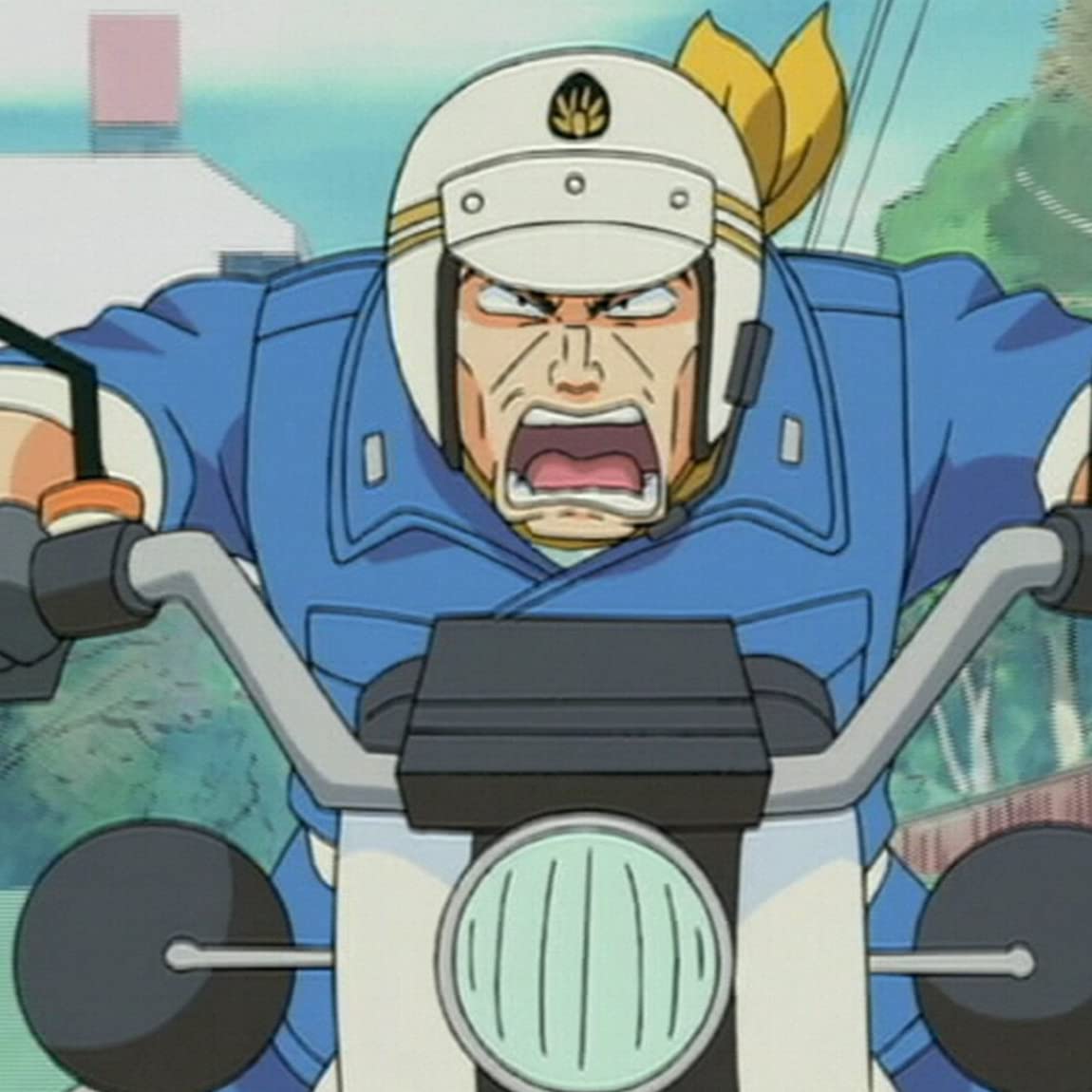
CV: Hiroshi Yanaka, Starring: Teruyoshi Uchimura (TV drama version)
He belonged to the Cross-Air Force of Katsushika Station. He adores Ryotsu as a' senpai' (senior) and often goes along with him, but each time he gets involved in various incidents. He is usually weak, extremely cowardly and unreliable, but when he grabs the wheel, his face changes. His words and deeds become violent and he calls Ryotsu' Ryotsu no danna' (husband of Ryotsu) and shows off his amazing driving skills. His parents' home is Honda Ringyo, a motorcycle shop specializing in Kawasaki, where Honda himself can maintain and build his own bikes.
Higurashi Shinneruo
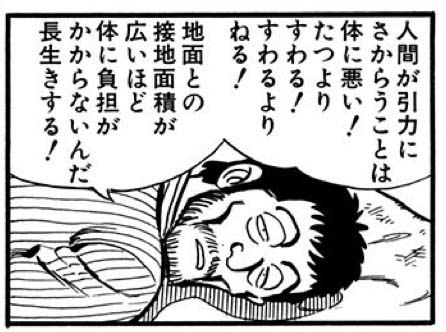
CV: Shigeru Ushiyama (Chapter 7 - 125) => Atsushi Imai (Chapter 126 -); Starring: Kankuro Kudo (TV drama version)
A police officer who appears only once every four years in the year of the Summer Olympics. He belongs to the PsychIc Division of the Katsushika Police Station. He is a police officer. He sleeps all the time except during the Summer Olympics and wakes up only once every four years. However, he is not dismissed and can continue to be a police officer because he solves difficult cases using various psychic abilities. However, he does not feel well when he has just woken up and cannot handle psychic abilities well.
Volvo Saigo
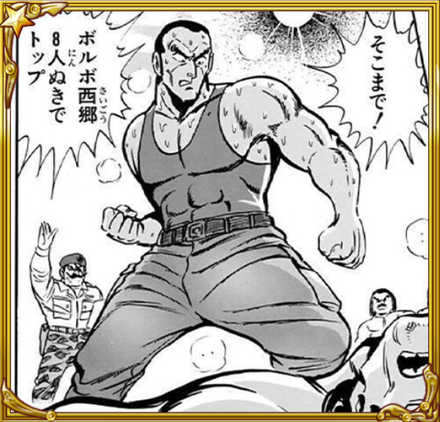
CV: Yuji Kishi
A police officer working for Shin Katsushika Police Station. Born in Kagoshima Prefecture. Birth date is December 31. Height is 182 cm, weight is 95 kg. Blood type is A. He used to master FBI gunnery in the United States of America. As a mercenary Green Beret, he spent five years on battlefields around the world. He also worked for the New York City Police Department. For this reason, he always wears all kinds of weapons all over his body, but he is actually quite timid and very weak when all his weapons are taken.

Related Articles
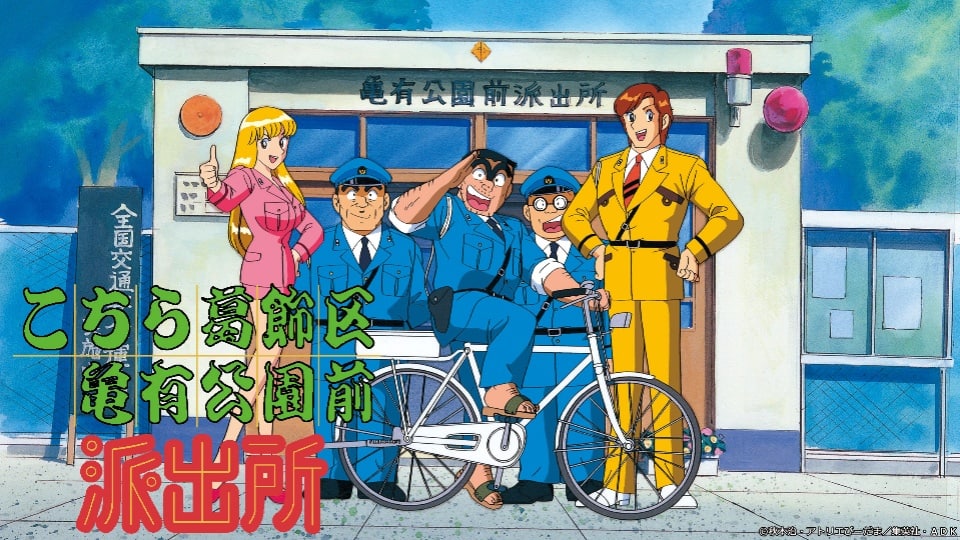
Spoiler commentary and discussion of Kochira Katsushika-ku Kameari Koen-mae Hashutsujo (Kochikame)
Kochira Katsushika-ku Kameari Koen Mae Hashutsujo (Kochikame) is a Japanese manga series by Osamu Akimoto. It was serialized in Weekly Shonen Jump from 1976 to 2016, and has since been adapted into live-action, anime, and video games. It has been recognized by Guinness World Records as "the single manga series with the most number of volumes published. It is a gag manga featuring Kankichi Ryotsu, a police officer working at the Kameari Koen-mae Police Station in Tokyo's Katsushika Ward, and the characters around him. It has been serialized for 40 years without a single break, and as of June 2016, a total of 156.5 million copies have been sold.
Read Article
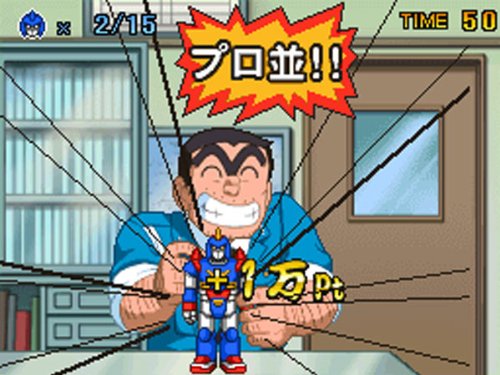
Summary of "Kochira Katsushika-ku Kameari Koen Mae Hashutsujo" game titles
A collection of games based on the long-running manga "Kochira Katsushika-ku Kameari Koen Mae Hashutsujo" (Over 100 volumes). We have also included a few that are not so well known and are only known to those in the know!
Read Article
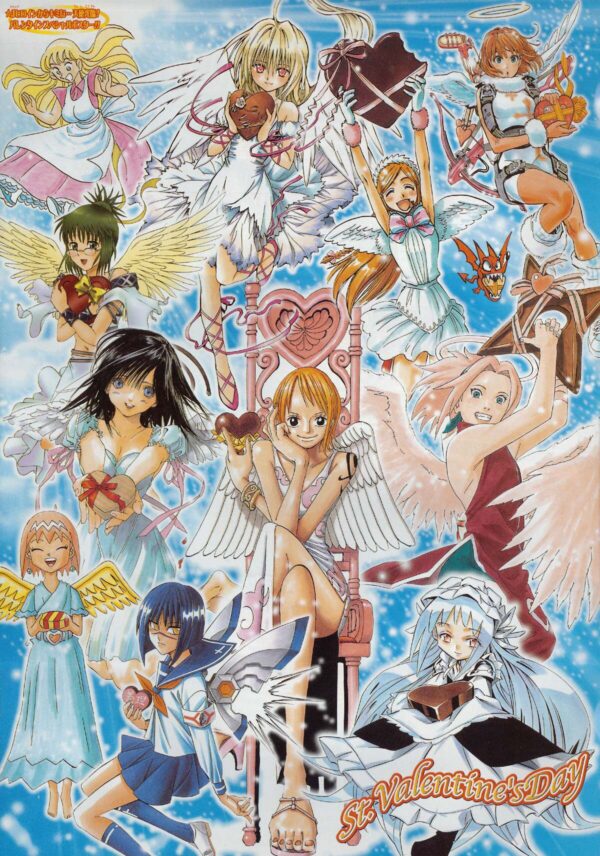
Summary of Jump's past heroines
Weekly Shonen Jump, the most widely circulated manga magazine in Japan, is at the pinnacle of manga culture in terms of popularity and name recognition, and has produced many masterpieces. As a shōnen manga magazine, most of the main characters are male, but the heroines who support them are also fascinating characters. Some are adults, some are children, some are just protectors, some are sidekicks who fight alongside the hero, some are heroines who have kicked out the regular heroines and are united with the hero, and some are heroines and female protagonists that go beyond the norm of "shōnen manga. Here we introduce some of the heroines who have graced the pages of JUMP.
Read Article
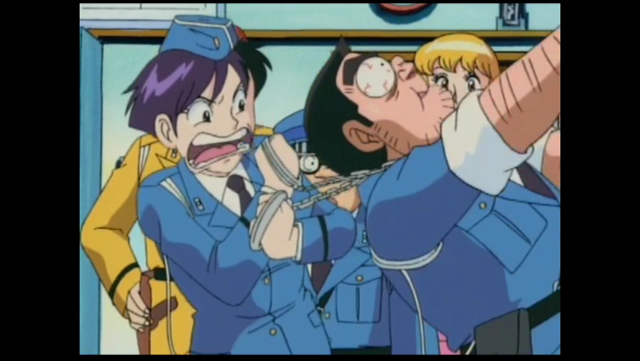
Kochikame: Kankichi Ryotsu vs. Ono Komachi! The fierce battle that unfolded in the anime and the items that belonged to Ono Onomachi!
Kochikame" a.k.a. "Kochira Katsushika-ku Kameari Koen Mae Hashutsujo"! In addition to the 200-volume book series, the anime series featuring the voice of Mr. LaSalle Ishii is also very popular, and still remains very entertaining. In the midst of all this, this time we will be looking at the eternal rivals! I have compiled scenes of fierce battles and battles between Ryosan and Komachi, the eternal rivals! Since his goods and items were also introduced in the program, please also see the comparison.
Read Article
![Weekly Shonen Jump] Manga from the late 80's to the mid 90's [Golden Age].](https://renote.net/files/blobs/proxy/eyJfcmFpbHMiOnsiZGF0YSI6MjM4ODkzLCJwdXIiOiJibG9iX2lkIn19--cc2dd65e70fb4742d9b63b02febb4cbc447f7095/db19ee5b.jpg)
Weekly Shonen Jump] Manga from the late 80's to the mid 90's [Golden Age].
Manga from the Golden Age of Jump (manga started in the late 80's to mid 90's) are summarized here.
Read Article
![Popular Manga] Summary of Weekly Shonen Jump censored and terminated manga from 2007 to 2018!](https://renote.net/files/blobs/proxy/eyJfcmFpbHMiOnsiZGF0YSI6ODY0ODcxMCwicHVyIjoiYmxvYl9pZCJ9fQ==--e384d68667dd29080aaccf33e97192c229dfc521/m27539133936_1.jpg)
Popular Manga] Summary of Weekly Shonen Jump censored and terminated manga from 2007 to 2018!
This is a list of manga that were censored or ended in Weekly Shonen Jump between 2007 and 2018. The works are those that ended after the first issue of 2007. We will introduce not only representative manga of Jump such as "Gintama", "Bleach", "Naruto", and "Kochira Katsushika-ku Kameari Koen Mae Hashutsujo", but also works that were unfortunately censored and hidden good works that did not resonate with readers even though the content was not bad.
Read Article
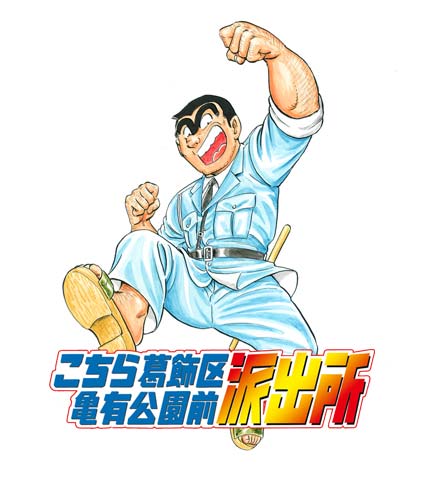
No longer a different person? Kochikame Characters Then and Now!
The popular manga "Kochira Katsushika-ku Kameari Koen Mae Hashutsujo" began serialization in 1976 and will celebrate its 40th anniversary next year. In this issue, we will introduce the changes in the design of the main characters, including the main character, Kankichi Ryotsu, over the past 40 years!
Read Article
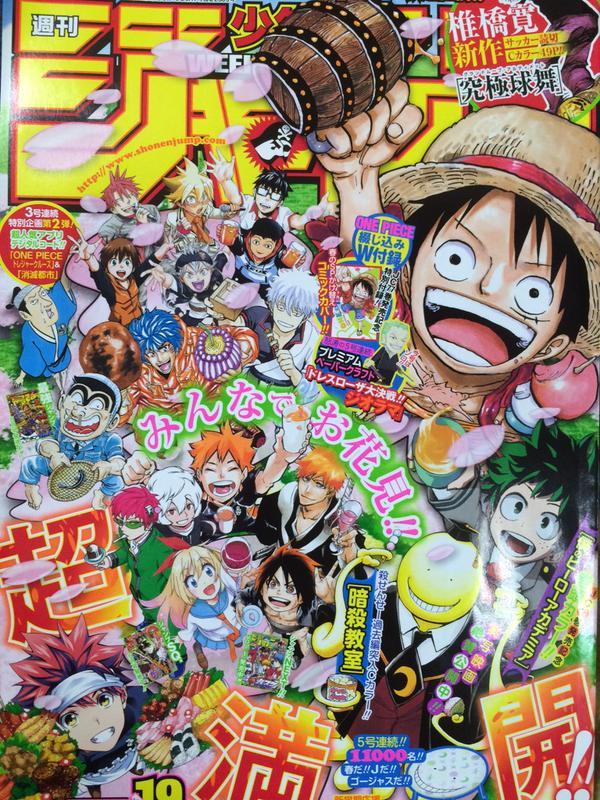
Summary of changes in the cover of Weekly Shonen Jump from the past to the present
Weekly Shonen Jump" has a long history. Jump" started serialization in 1968 as "Shonen Jump" and was very famous as a representative of hot-blooded or white-hot manga that gave dreams to boys and girls. However, now that about 50 years have passed, the manga, its contents, and its treatment of the genre have changed drastically with the times. In this article, we focus on "JUMP covers" and summarize their transition and changes.
Read Article
![Kochikame] Urban legend and trivia related to Kochira Katsushika-ku Kameari Koen-mae Hashutsujo](https://renote.net/files/blobs/proxy/eyJfcmFpbHMiOnsiZGF0YSI6ODg3NDc3LCJwdXIiOiJibG9iX2lkIn19--7acf1e7bf90125b01a0588063e6a6a87700c0e3c/maxresdefaultKOTIKAME.jpg)
Kochikame] Urban legend and trivia related to Kochira Katsushika-ku Kameari Koen-mae Hashutsujo
Kochikame" is popular for its unique characters such as Kankichi Ryotsu, a very unique and unprecedented police officer, and Reiko and Nakagawa, his junior colleagues who have a lot of money, and the head of the department whom even Ryotsu cannot get his head around. It is a major work with as many as 200 comic books sold. Here is a collection of urban legends and trivia about Kochikame.
Read Article
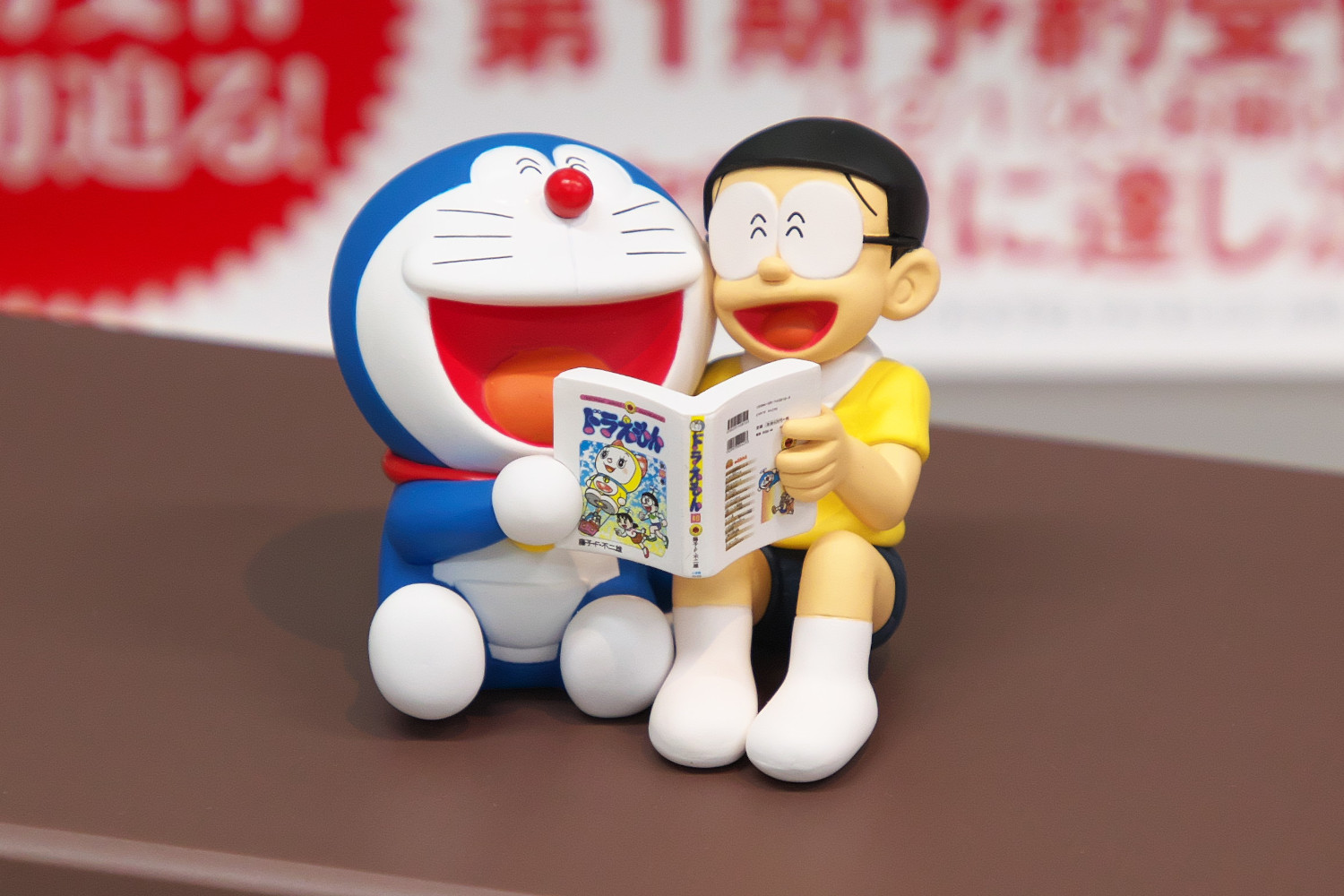
Now you're out! Summary of problematic depictions of national cartoons [such as "Doraemon"].
Doraemon," "Kochikame," and other classic manga have been loved for a long time and transcended time. We have compiled a list of expressions that are out of place in today's world. We will explain what kind of expressions are problematic, including Nazi-inspired poses in "Kinnikuman" and discriminatory expressions and depictions of corporal punishment in "Kochikame," with images of the relevant sections.
Read Article
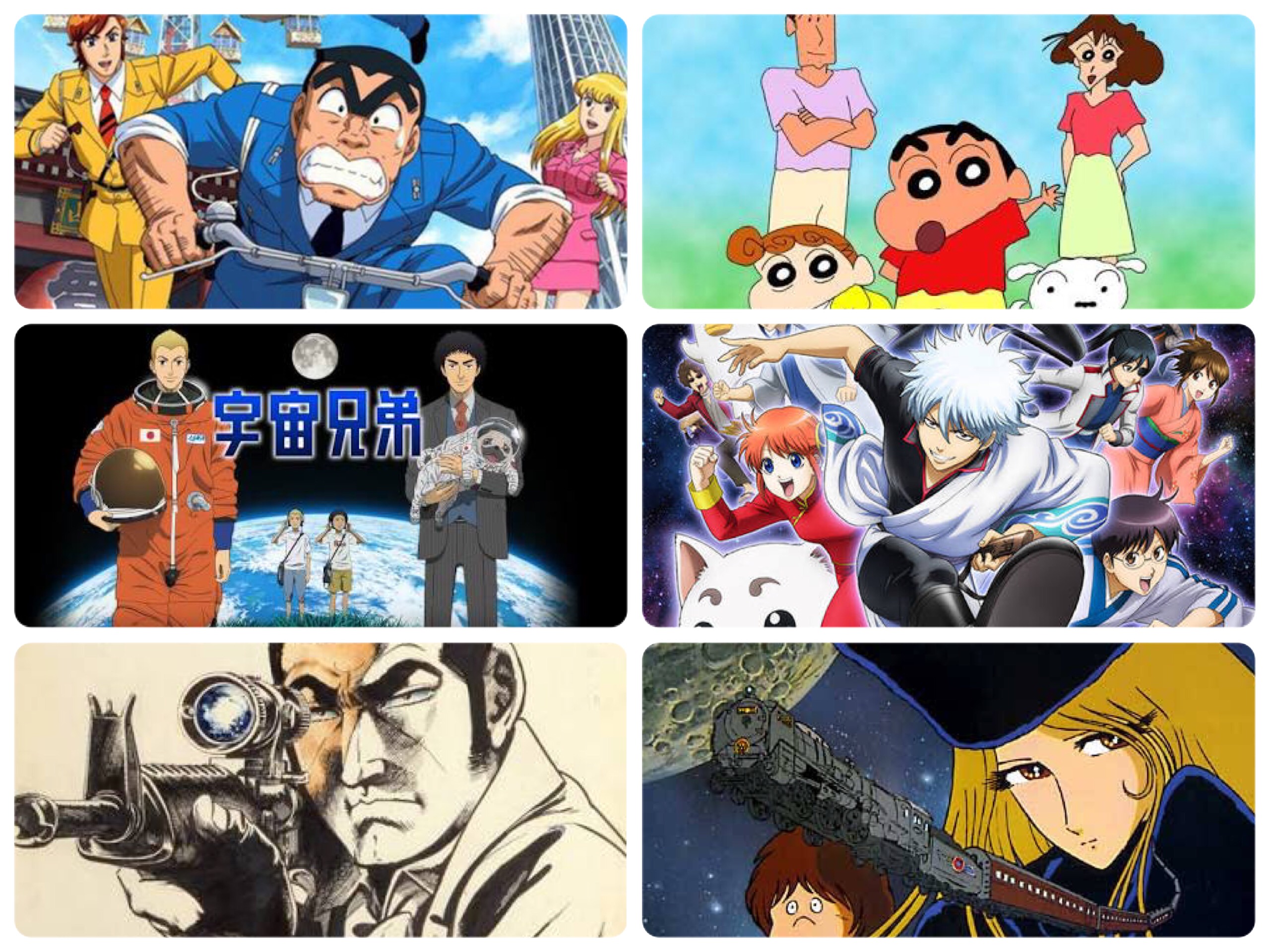
The Unknown Production, Birth, and Behind-the-Scenes Stories of Manga and Anime
This article introduces the creation, birth, and backstory of that manga/anime that is rarely known to the public, the industry, and even among fans.
Read Article
Outrageous episodes of rich characters from cartoons and comics!
Anime and manga often feature characters with a level of great wealth that is hard to find in real life. Here are some outrageous episodes that show the financial power of "rich characters" in famous works.
Read Article
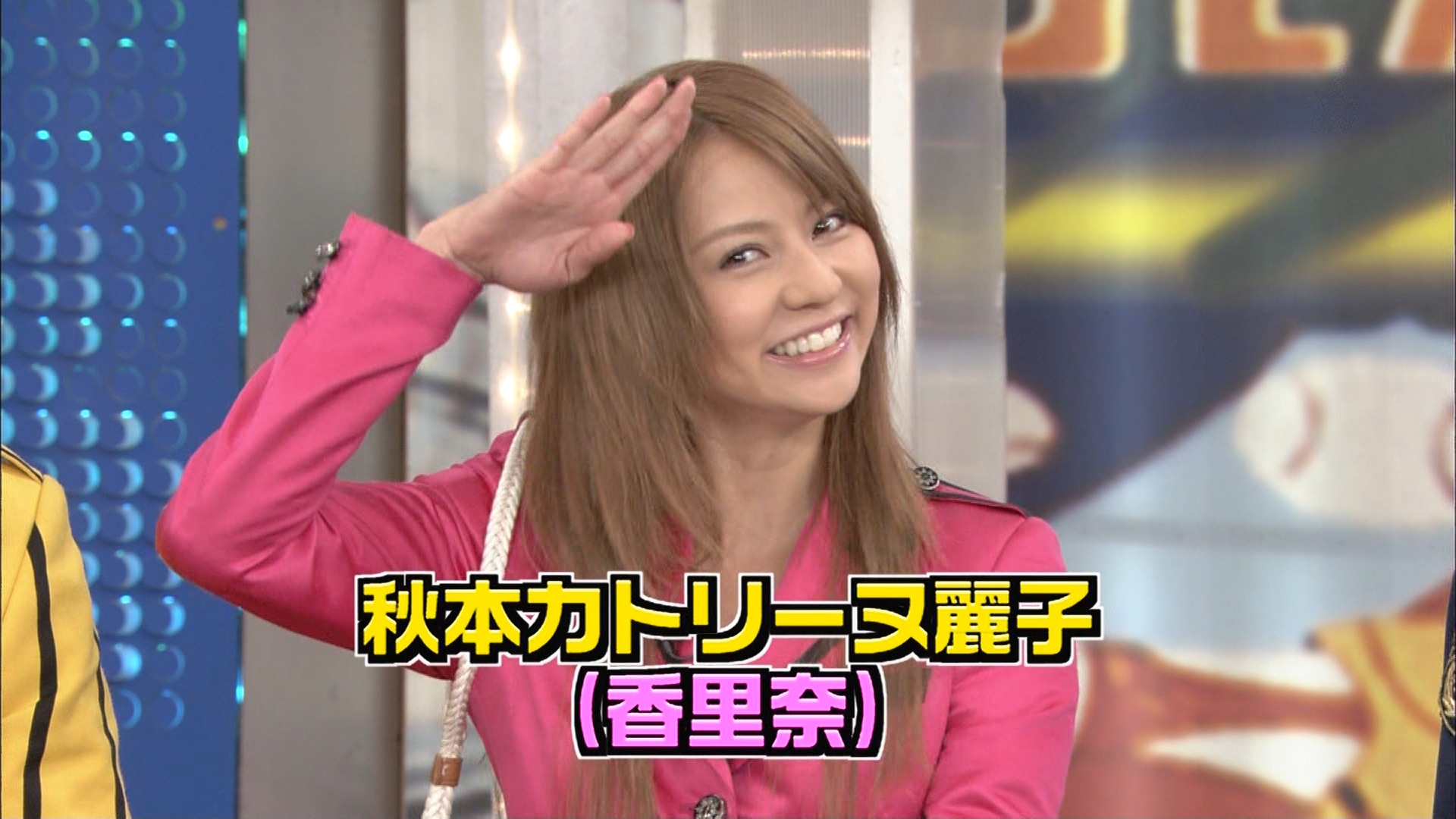
Karina, who played Reiko in the live-action version of Kochikame, now
The comedy manga "Kochikame" or "Kochira Katsushika-ku Kameari Koen Mae Hashutsujo" has been produced as a live-action drama starring Shingo Katori. Karina, who played Reiko Akimoto Catherine, was a successful TV personality at the time, but her exposure seems to have declined dramatically due to a series of scandals.
Read Article
![Kochikame] Little-known backstories and urban legends of Kochira Katsushika Kameari Koen-mae Hashutsujo.](https://renote.net/files/blobs/proxy/eyJfcmFpbHMiOnsiZGF0YSI6NTM0NjExLCJwdXIiOiJibG9iX2lkIn19--c114e91162fdf78106a80e5052d3c32d9bd28d02/ryotsu.jpg)
Kochikame] Little-known backstories and urban legends of Kochira Katsushika Kameari Koen-mae Hashutsujo.
Osamu Akimoto's legendary long-lived work "Kochira Katsushika Kameari Koen Mae Hashutsujo". In this issue, we will bring you some little-known backstories, urban legends, trivia, and small stories of Kochikame. Please enjoy the backstories that you may know but may not be aware of.
Read Article
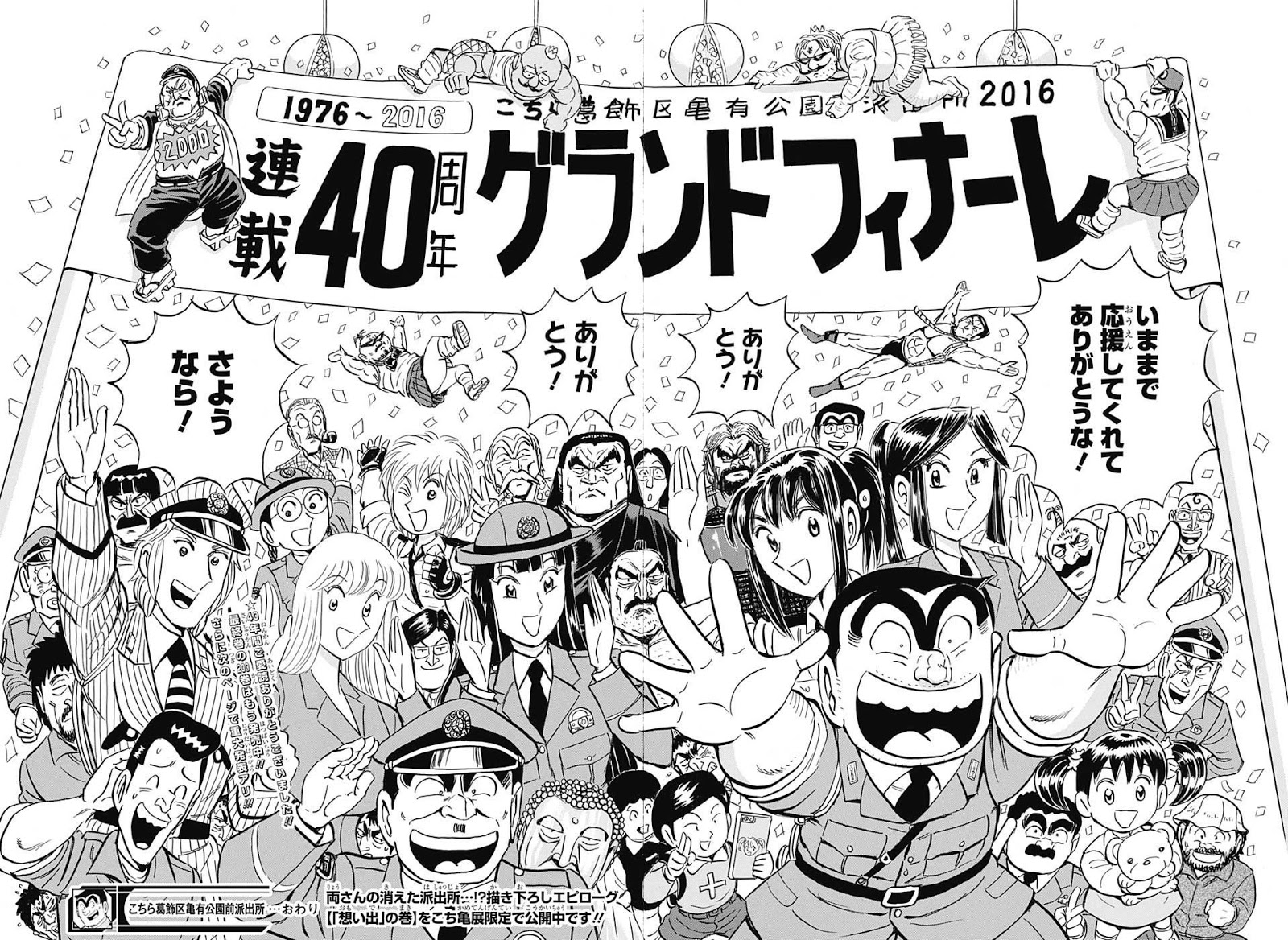
Final Kochikame finale with cover and opening colors! A feat second only to "Slam Dunk"!
Kochira Katsushika-ku Kameari Koen Mae Hashutsujo," or "Kochikame," a.k.a. "Kochikame," which had been serialized in Weekly Shonen Jump for about 40 years, reached its finale. In the issue of JUMP in which the final episode was published, Kochikame was on the cover and in the front cover color. Until then, only "Ring ni Kakero," "Dragon Ball," and "Slam Dunk" had had their final episodes in the front cover color, making this the second greatest accomplishment after "Slam Dunk.
Read Article
Contents
- 『こちら葛飾区亀有公園前派出所』の概要
- Kameari Kouen-mae Police Station characters
- Ryotsu Kankichi
- Nakagawa Keiichi
- Akimoto, Catherine, and Reiko
- Daijiro OHARA
- Yoichi Terai => Marui Young Kan (Marui Young Hall)
- Kinji TOTSUKA
- Mari Ai
- Police characters
- Tonden Gomokusu
- Hayato HONDA
- Higurashi Shinneruo
- Volvo Saigo
- Ryunosuke SAKONJI
- Giboshi Matoi
- Isowashihaya
- Nana Otohime
- Sao Tome Rika
- 雛野 no Himeka
- Hojo Masayoshi (literally, "justice of the Articles of Hojo") => Gekkan Kannen (literally, "tremendous pain and regret")
- Matasaki
- Negatebu Fukichi
- Zakmanabu (miscellaneous learning)
- Rajio 枷人
- Hokairo 衣土
- Mahira
- EZAKI / Z1
- Shun Kazanami
- Goryu Juzo
- Kyoka ARISUGAWA
- Maeda
- Shima Yukinojo Castle
- Ishizutetsuo
- Ebisu Ebi Cha (Ebisu-Ebi-chan)
- Yōko Sasaki
- Karuta 塁巣
- Rum
- Mai Kon
- Kojiro SASAKI
- Itake (wooden pond)
- Iezumi
- Machiya
- ONO no Komachi
- 忘田
- Mugetsu (queasiness)
- Nanbu (south)
- Jicho
- Fuyumoto
- Metamon Pikachu
- Hoshi 逃田 (Star Garden)
- 亜里衣 HASEGAWA
- Development No. 001
- Development No. 002
- Development No. 003
- Development No. 004
- Development No. 005
- Mido-haru
- Electrologist
- Electrode Spark
- Electrode Cooling
- Electrode +
- Electrode
- Electrode P
- Foreign characters and characters
- David.
- Sandy.
- Paul
- Colonel Keppel
- Characters and characters from Ryo-san's childhood
- Toda Tonpei
- Chinkichi SENDA
- Kenji Murase (Murase)
- Himeno no Yukiko
- Tachibana Kotone
- Jun Shiratori
- Takashi Asahina
- Natsuki 風乃
- SAEKI no 羊子
- Hitakaya
- Nitetsu HIDAKA
- Hidaka Ukyo (Western Capital of Hida)
- Hidaka Sakyo
- Hitaka: Nikko, Gekko
- Iso Washika
- Isowashi 剣之介
- 爆竜 family
- 爆竜 鬼虎
- Jody 爆竜 Karen
- Hanayamaya
- Rika HANAYAMA
- Hanayamakome (Cherry Blossom Viewing)
- Goshogawara Gumi
- Goshogawara Kim Oh-rang no 助佐 門太郎
- Masa
- 絵崎 family
- 絵崎 Korosuke
- 絵崎 Haruko, Natsuko, Akiko, and Fuyuko (Natsuko, Akiko, and Fuyuko)
- The Ryotsu family and relatives
- Ryotsu Ginji Akaminai
- Ryotsu Yone
- Kinjiro RYOTSU
- Kanbe RYOTSU
- Giboshi family
- Giboshi: Summer and Spring
- Giboshi lemon
- Giboshi mikan (Japanese sweet orange)
- Giboshi melancholy
- Giboshi Yoru Shiro Yoru
- Giboshi Kikyo
- Nakagawa Family
- Nakagawa Ryuichiro
- Nakagawa Sayuri
- Nakagawa 登志恵
- Nakagawa Mikimatsu
- Akimotoya
- ぴゅんぴゅん AKIMOTO Maru
- Yu Akimoto
- House of Mari
- Mari Banchi
- Mari Rin
- Honguchi family
- Rika Honguchi
- Soichiro Honguchi
- Other characters and characters
- Ryu Senshi Hyo
- Master of the Inchokido
- Fujita Bieo
- Shiratori 麗次 (White Swan)
- Saigo Koganemaru
- Amihiko Ozaki
- Futaro
- Charlie Kobayashi
- ヤークト Pantel, 貌丹 Village