

Psycho Romanchika" is a Japanese gag manga by Motoki Koide that crosses psychology and the daily lives of high school students. It was serialized in Monthly Shōnen Rival from 2014.
The main character, Ito, is a high school girl who has a crush on her childhood friend Abe. Fascinated by psychology, she decides to start a "psychology research club. In order for the club to be recognized as a club, it must have five members. There, Ito uses psychology to meet and recruit a variety of students, from dropouts to delinquents. This is a story filled with the slapstick daily lives of high school students and psychology that can be used from tomorrow.
The principle of small steps is to create a path to success by setting small goals.
For example, instead of suddenly setting a big goal, "Let's lose 20 kilograms!", you should set a small goal, "Let's start with 5 minutes of exercise a day." This is said to have a higher success rate.
Cognitive dissonance
Cognitive dissonance is when a person feels discomfort when there are two conflicting perceptions.
For example, if you have a perception that you like smoking and a perception that smoking is bad for your health, you will feel uncomfortable. In this case, stopping smoking is the best thing to do, but if you can't do that, you will try to maintain consistency, and as a result, you will come to believe dubious articles such as "There is no relationship between tobacco and lung cancer."
Haider's theory of balance
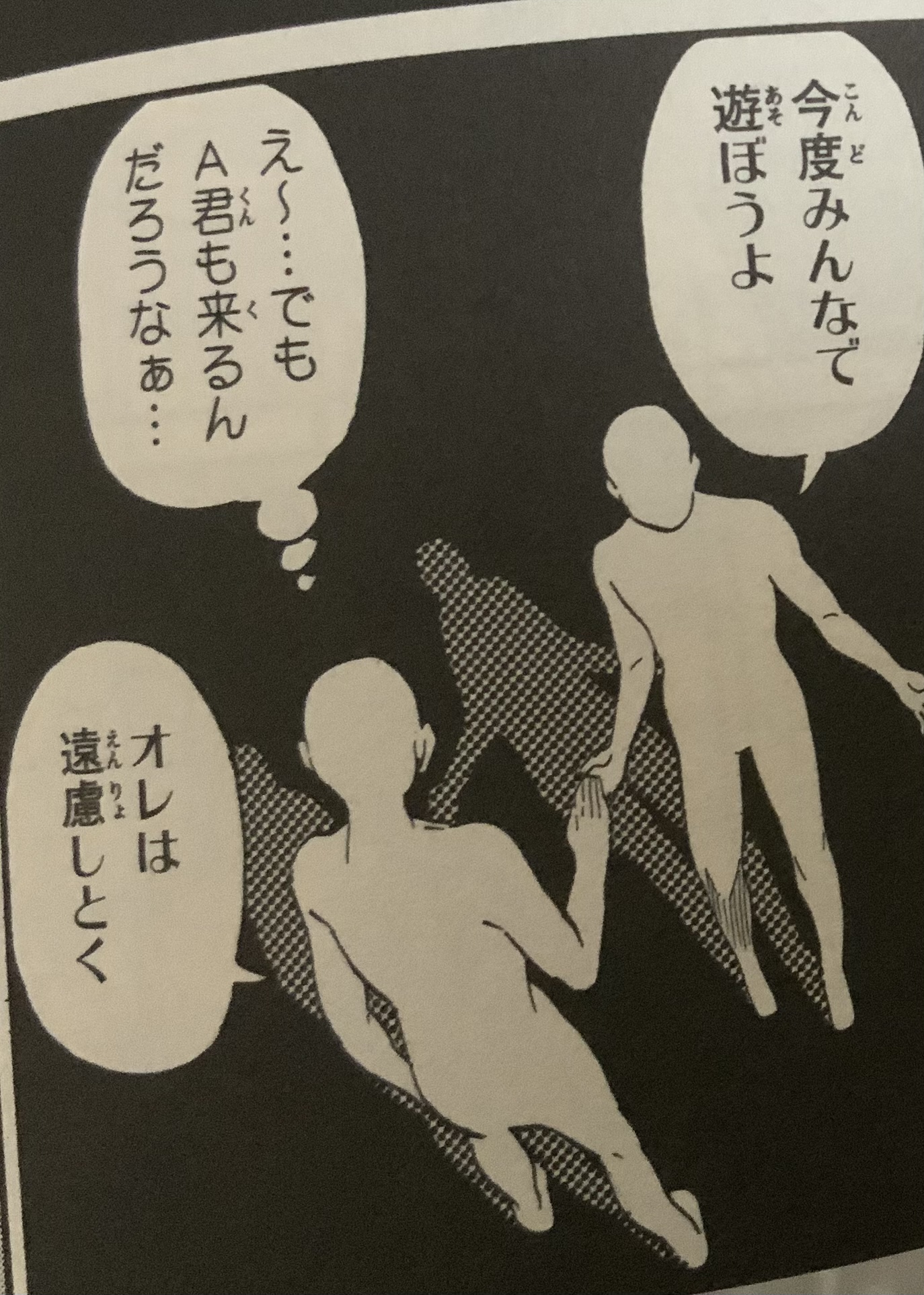
Psychology of becoming estranged from friends who are good friends with people you don't like
Haider's balance theory is a form of psychology advocated by the American psychologist Fritz Heider.
A psychological conflict caused by tension due to inequality. Simply put, people feel bad when their friends get along with people they don't like.
For example, A invites B, saying, "Let's go bowling next time!" However, A is very close to C, who is not good at B. B, expecting C to come to the bowling game, says, "I don't like it." On the other hand, C is not good at B, so even if A B to go bowling, C rejects A's invitation, imagining that B will come anyway. It becomes difficult for both B and C to get along with A.
Therefore, this relationship often comes to an end sooner or later.
Eiko Yoku (Glorious Bath)
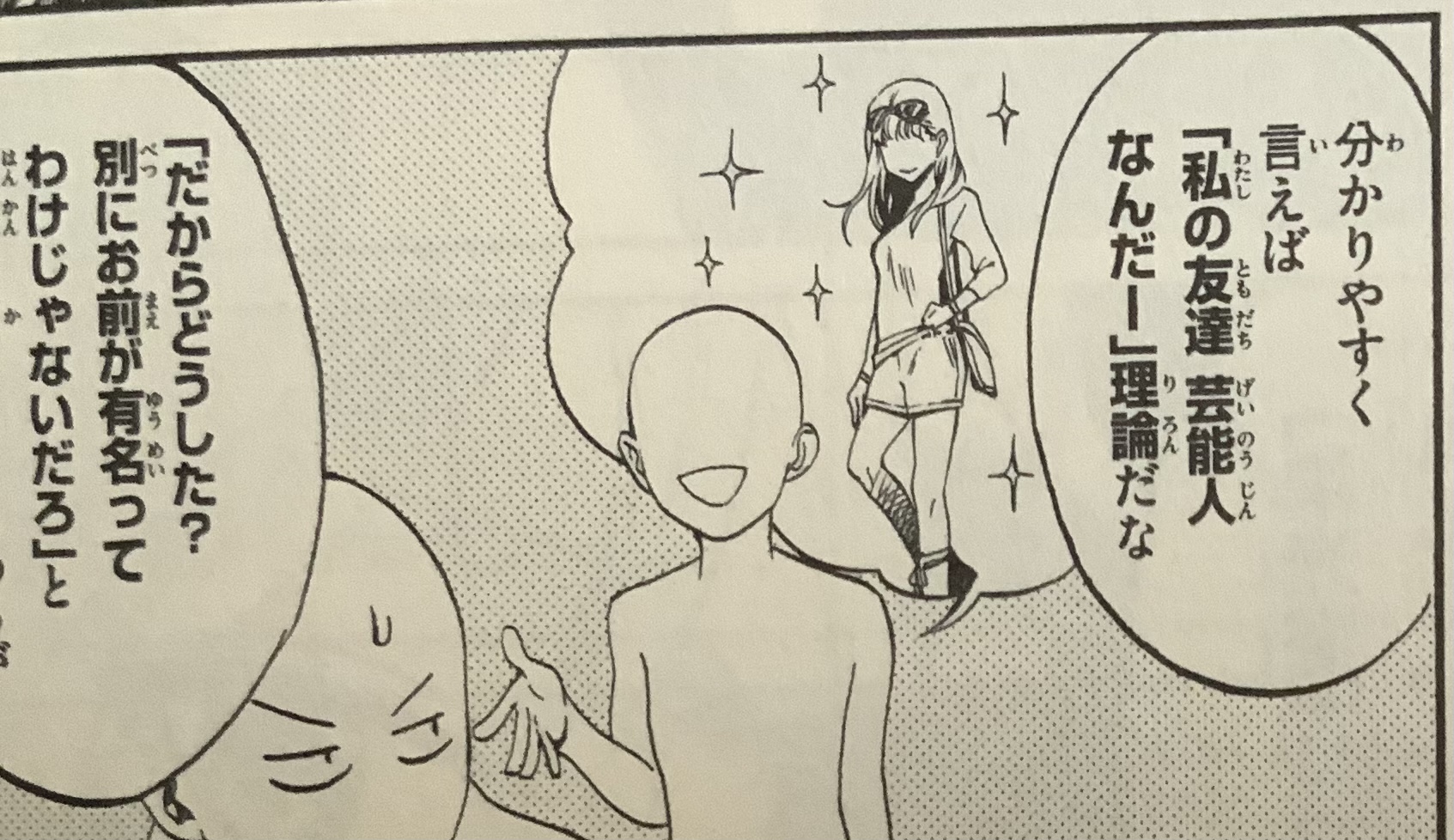
I'm connected to great people. I want to be great.
Glory bath is the psychology that people tend to boast about their close relationship with people who are socially evaluated.
For example, they say, "I know that actor," and even though they are not really great, they boast that they are great because they are connected to the actor.
Modeling
Modeling allows people to learn about things they are not experiencing by observing their experiences.
For example, if you see an advertisement on TV saying, "If you become muscular, you will become popular with women!" and start doing muscle training to see if you can become one too. However, it is a pitfall of modeling that it is only "The man in the advertisement became popular because he became muscular," not "If you become muscular, you will become popular."
Ringelmann effect
The Ringelmann effect is that when people do one thing in a group, they cut corners as the number of people increases.
For example, in a tug of war, if you increase the number of people while measuring the power of each individual, the power of each individual will decrease.
It is thought to be due to the fact that the importance of the individual is diminished and the power of the individual is weakened by the confusion with many people.
Self-Disclosure and Refunding
Self-disclosure is a way for people to feel trust and affection by exposing their breasts to someone who does so.
When you want to gain trust from others, you first expose your feelings and feelings to the other person. Then the other person will trust you and will often share your feelings with you.
Psychological reactance
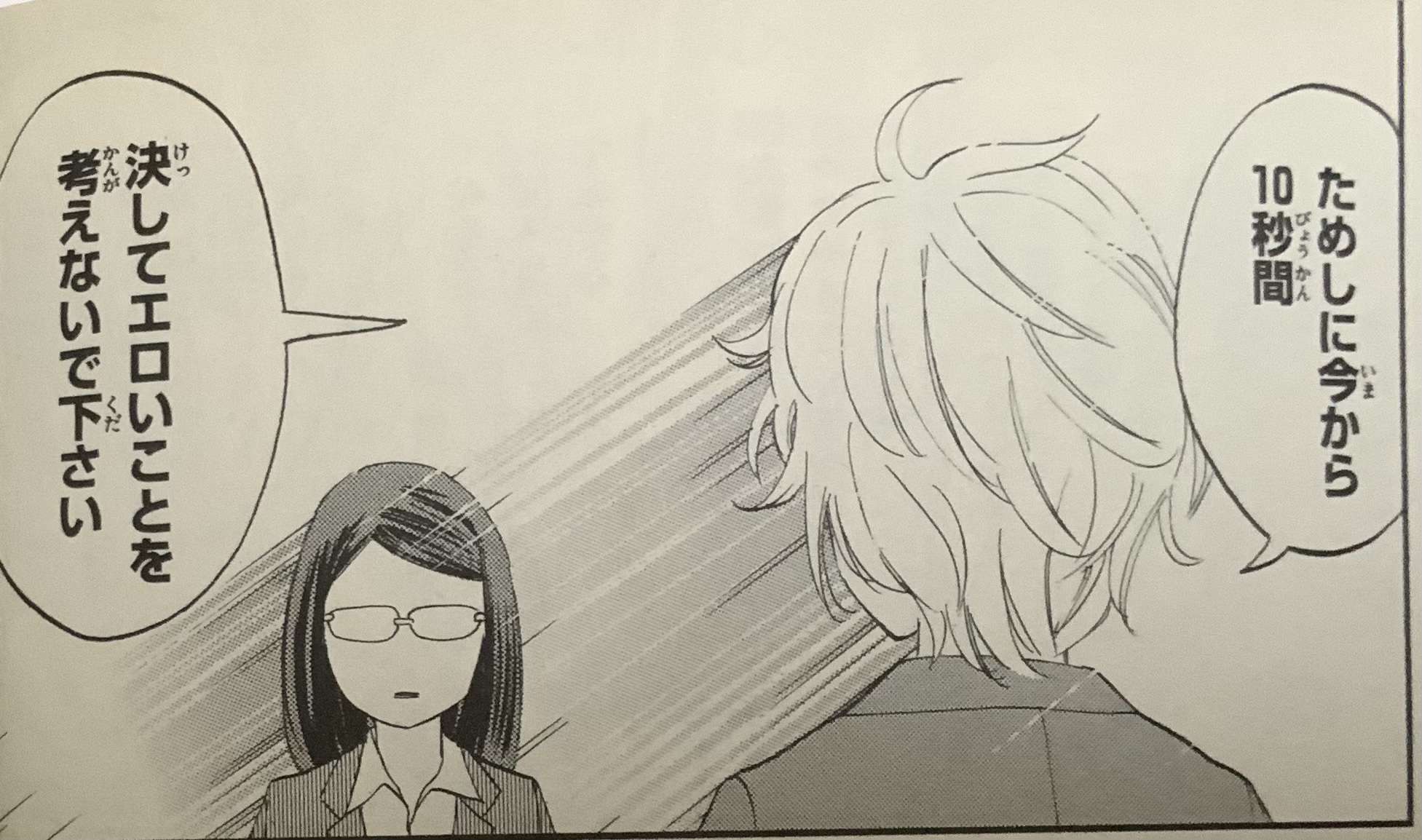
When it's banned, people start to think about it.
Psychological reactance is the type of psychology that makes people want to do the opposite of what is prohibited.
For example, if you are told not to think about giraffes for the next 10 seconds, you will think about giraffes.
Facial feedback hypothesis
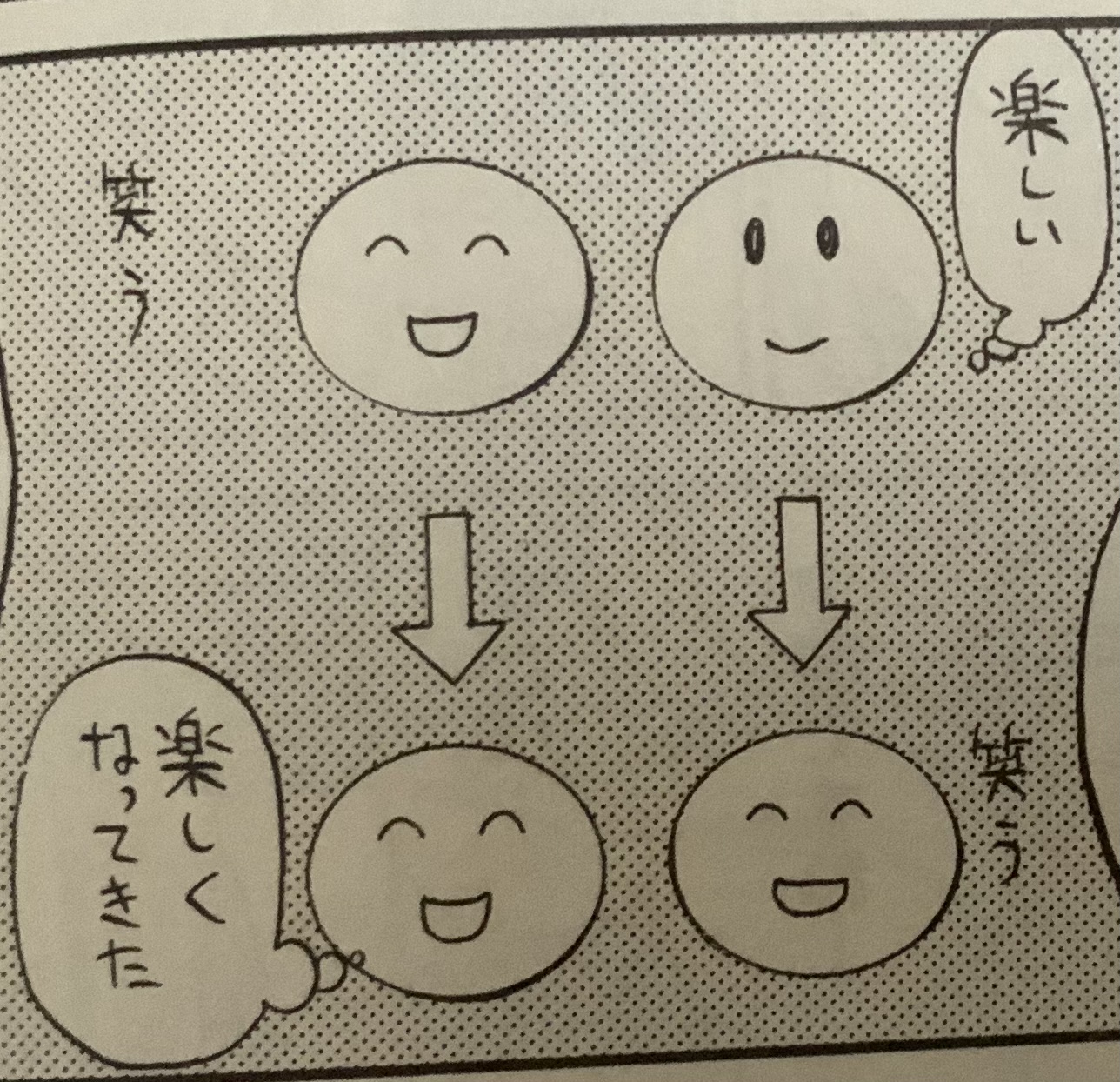
It's the feeling that comes with the expression.
The facial feedback hypothesis is a psychology in which facial expressions affect emotions.
For example, it is thought that people usually smile because they are happy, but there is a theory that people feel happy when they are smiling even if they are not happy.
Bandwagon effect
The bandwagon effect is the psychology of people wanting what they have.
For example, when you see a ramen shop with a long line and a ramen shop without a long line, you want to go to the "ramen shop with a long line." You want to go to a ramen shop and eat soy sauce ramen, but if all the other customers are eating tonkotsu ramen, you want to eat tonkotsu ramen too.
Snob effect

Tags
Contents
- Outline of "Psycho Romanchika"
- Outline and story of "Psycho Romanchika"
- Ito Launches "Psychology Research Department"
- Appearance of the fifth member, Senjo
- Love between Ito and Abe
- Characters in "Psycho Romanchika"
- Department of Psychology
- Ito
- Abe
- Ezaki
- Kyoichi 宇堂
- Senjo Naruko
- Friend
- Koi
- Mishima
- Tago
- Other students
- Kano
- Yagami (eight gods)
- 日々野
- Fuwa
- Yui HEYA
- Ikushima (Many Islands)
- Kuho
- Sachiko KAIYAMA
- 於田
- Medaki Fall
- Natsuki
- Faculty
- Soga
- Sakurako SERA
- Other
- Old buyer
- Term for "psycho-manchika"
- Psychology in the story
- Subjective contour
- Hello Effect
- Magical Number 7
- Priming effect
- Labeling Self-Fulfillment Prophecies
- Ash tuning experiment
- Psychodrama
- Space-filling effect
- Meravian's law
- Functional fixation
- Confirmation bias
- Positive transition
- Self-inconsistency
- Zeigarnik effect
- Sensory deprivation experiments
- Bystander effect
- Anchoring effect
- Foot in the Door
- Door in the Face
- Burnham effect
- Color bath effect
- Top-down effect
- Stanford Prison Experiment
- Motivation (dokezuke)
- Principle of small steps
- Cognitive dissonance
- Haider's theory of balance
- Eiko Yoku (Glorious Bath)
- Modeling
- Ringelmann effect
- Self-Disclosure and Refunding
- Psychological reactance
- Facial feedback hypothesis
- Bandwagon effect
- Snob effect
- Veblen effect
- Zinc pyrithione effect
- Status Quo Bias
- Learned helplessness
- Underdog effect
- Self-handy capping
- Pavlov dog (Pavlov dog)
- Sunk cost effect
- Error of basic attribution
- Holding effect
- Simple contact effect
- Reframing effect
- Broken window theory
- School-related
- Research School of Psychology
- Occult Research Club
- Drama Club
- Other
- Golden Bind
- Kichu Trading Card Game
- Words, lines, scenes, and scenes from "Psycho Romanchika"
- Ezaki: "I'll eat lunch with Koi."
- Ito: "Don't despair because you weren't born a lion! If you were born a hyena, fight as a hyena!"
- 宇堂: "I was miserable and frustrated, so I couldn't make a pass honestly. I'm sorry."
- Ito: "If only one person who can think' This person!' can tell me' Cute!' quietly, I can't talk about it in this world without the power to live to a foolish afterlife!"
- Ito: "If only I had once thought that something might have changed at this time. I could have gotten out of the deadlock at that time!"
- ABE: ". I. don't want to disband the psychology research department."
- Secret Stories, Trivia, and Small Stories / Episodes and Anecdotes of "Psycho Romanchika"
- Final episode that was not titled LAST
- Long-Term suspension and sudden termination
- The author's other work, "Airi Um," became a drama with "The Strangest Story."