
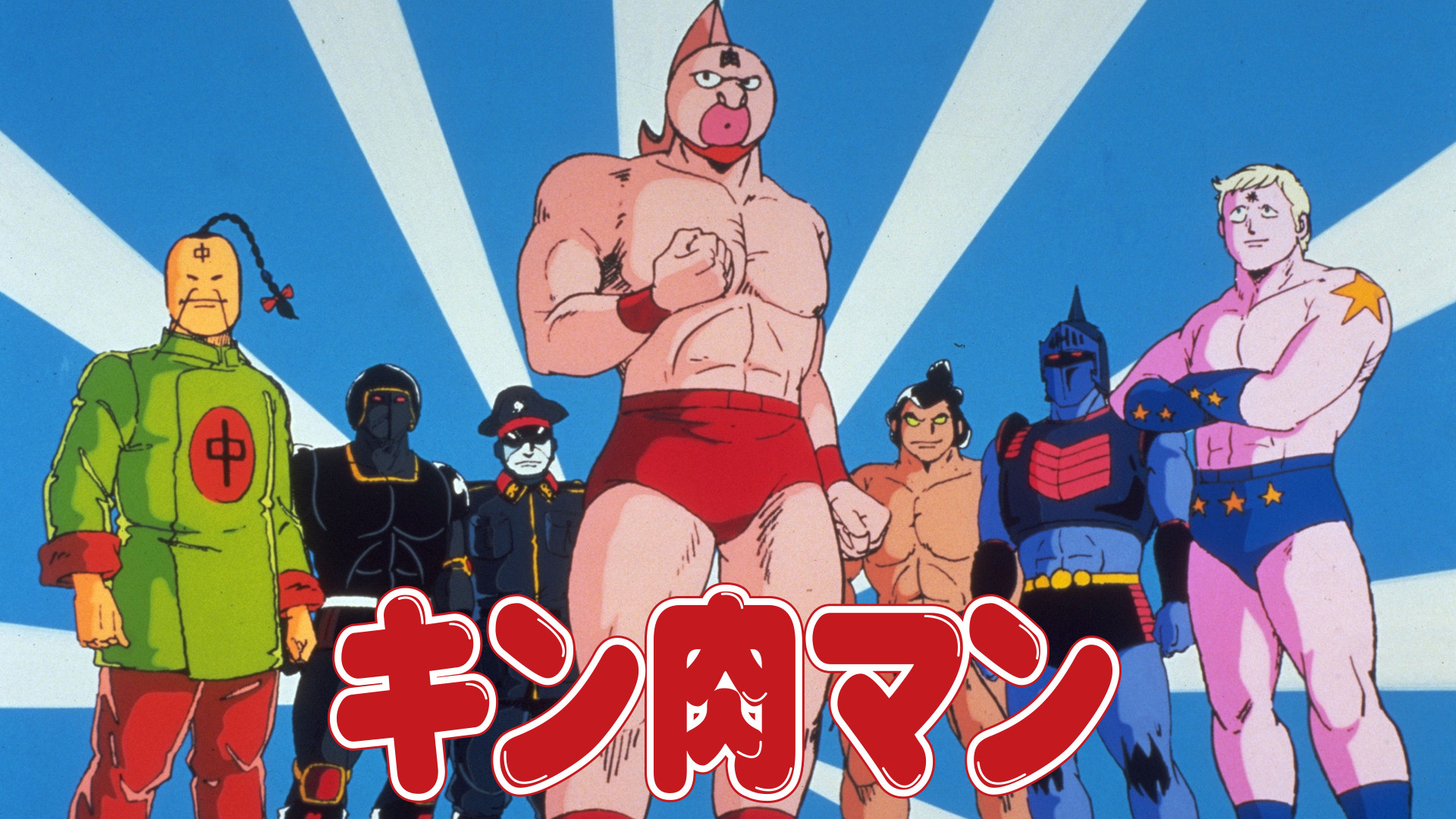
Kinnikuman" is a manga and anime work by Yudetamago, the author of the original manga, which was serialized in Weekly Shonen Jump from 1979 to 1987. It is a fighting gag manga in which the main character, Kinnikuman, fights a number of superheroes. The "righteous superheroes" are a category of superheroes who fight monsters and demon superheroes to protect the peace of the earth. Kinnikuman and other righteous superheroes value friendship and join forces with their friends to fight their enemies. Influenced by their friendship, some of them, such as Ashraman and Neptune Man, have turned from demon superheroes and perfect superheroes to righteous superheroes.
The "Justice Superman" of the Brocken family of Germany. He was originally a human being, but became a superman by acquiring the skull emblem, which is said to be given only to those who have endured rigorous training. He is compassionate and friendly, and willing to sacrifice himself for friendship. His ability is inferior to other idol supermen, but he covers it with his guts and feelings.
Alexandria Meat
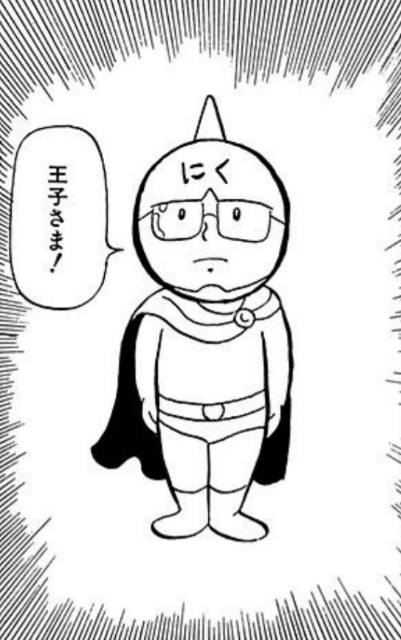
A metahuman from the churrasco tribe of Kinniku, he came to meet Kinniku Suguru, a resident of Earth. However, KINNIKUMAN chose to remain on Earth, and later remained with him as an inspector of KINNIKUMAN. He wears glasses and the word "Ku" on his forehead. He glasses. He sometimes plays in matches. He is the only partner who can get into KINNIKUMAN, and he is the place of his heart.
Kinniku Tatsunori
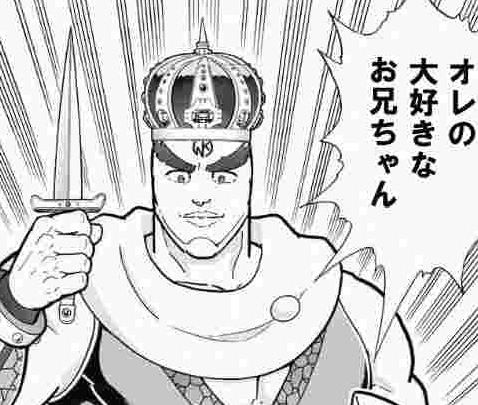
He is the grandfather of Kinnikusgul and the 56th great king of Kinnikusei. He is a legendary superman who was once kidnapped and confined by an evil superman. When he was about to lose his mask, even if he was attacked and kept on attacking for three days and three nights, he endured with the meat curtain that has been handed down from generation to generation by the Kinnikusei. It is said that he created the meat curtain based on the defensive technique used by his ancestor Silverman, Perfect Defender. The name comes from Tatsunori Hara.
Kinniku mayumi
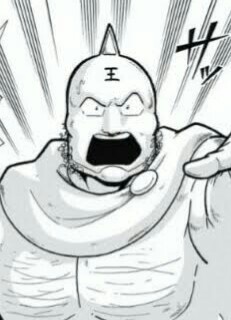
He is the father of Kinnikusgul and the 57th King of Kinnikusei. He used to be famous as a wrestler, and he is also a champion who won twice in the past Olympics. However, he cannot use the Three Secrets of the Kinnikusei, which is said to be used only by the legitimate successors of the Kinnikusei, or the Face Flash, which is said to be used only by a limited number of people in the same Kinnikusei. He is a good rival of the chairman. The name is derived from Mayumi of the former Hanshin, and the family name is used instead of the first name.
KINNIKUMAN Great
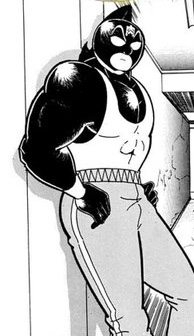
He was a masked man wearing a black KINNIKUMAN mask and a tank top and a pantaloon costume. He was actually a Prince Kamehame from Hawaii. He was actually wearing a black 肉襦袢. He appeared in front of KINNIKUMAN, who did not have a tag partner, and formed the Muscle Brothers. However, he could not compete with his age, and Kamehame died in place of Teriman. At that time, Teriman asked him to wear a mask in the waiting room, and he fought as a partner of KINNIKUMAN as the second Great. At first, he followed Kamehame's fighting style so much that it became an inconsistent fight, but after switching to his own style, he was reborn.
Pentagon
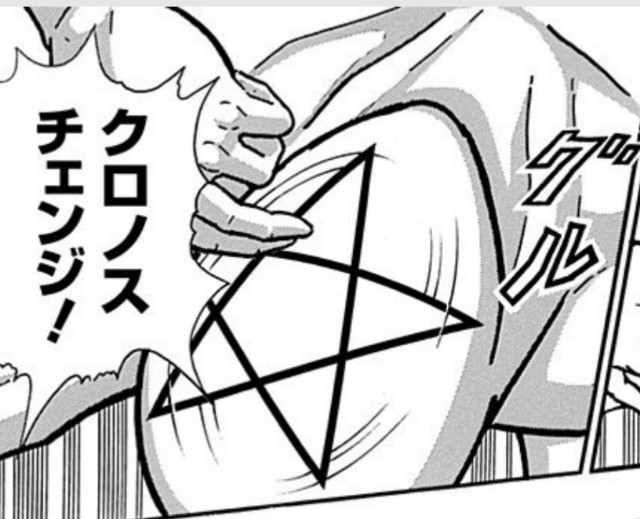
He is a Justice Superman who is good at spectacular aerial killing using his white body and face with a star mark and wings on his back. He is a master of Chronos Change, a technique close to a cheat that controls time and space. He is a cousin of the Demon Superman Black Hole. He is an opponent on the ring, but he is a close friend as a person. Together with him, he has formed a tag team called "Four Dimensional Killing Combination." He was defeated in the Superman Olympics against the Warsman.
Specialman
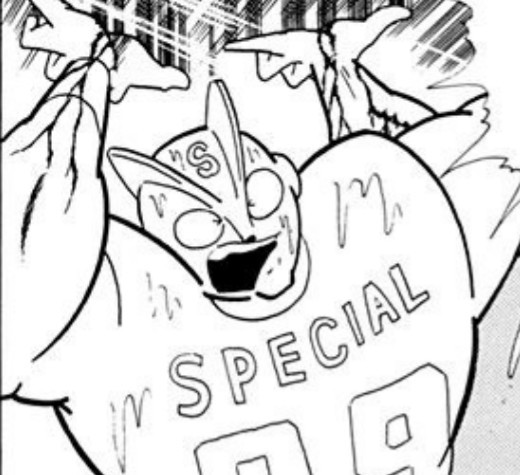
Superman from America. He wears an American football protector. On his chest, it says "SPECIAL" and "99." He is as popular a justice superman in America as Terry. He is also a good friend of Terry. He is a close friend of Canadian. He has a tag team. He trains with Canadian. He develops skills with Canadian. He looks like Ultraman, but he doesn't seem to be a mask man.
Canadian Man
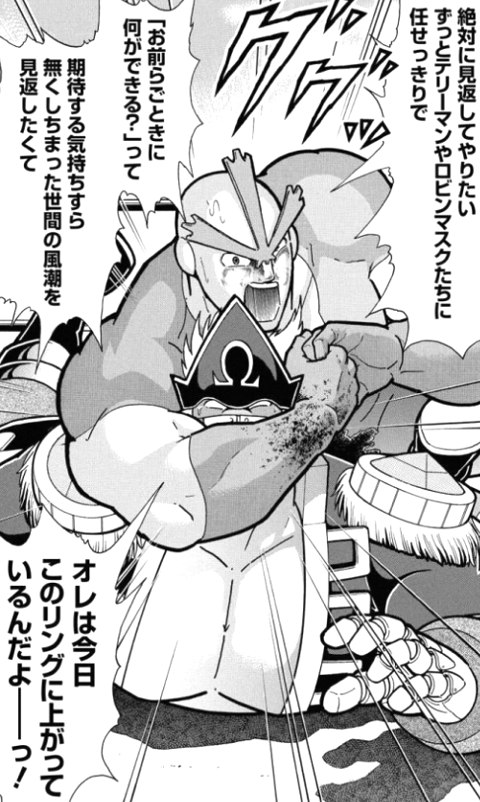
A Canadian justice superman who usually lives as a woodcutter. He has the Maple Leaf, the national flag of Canada, on his face. When he played against Robin Mask in the Superman Olympics, he became so huge that he lifted up the Korakuen Stadium and shook it up. He was so close to his sworn friend, the Special Man, that he developed techniques together, and he formed a tag team to form the Big Bombers. There weren't many scenes where he was active in the original work.
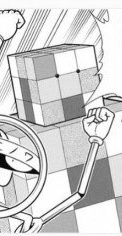
Cubeman

Related Articles
Kinnikuman (manga and anime) spoiler commentary and discussion
Manga and anime by Yudetamago, serialized in Weekly Shonen Jump from 1979 to 1987. A sequel, the first in 24 years, has been serialized in Weekly Playboy Web comic since 2011. It is a fighting gag manga in which Kinnikuman fights with various superheroes in a superhero wrestling match. The first season (137 episodes) aired from 1983 to 1986, and the second season (46 episodes) from 1991 to 1992.
Read Article
Kinnikuman: Perfect Choujin Hajime Hen (Perfect Origin) Spoiler Commentary and Discussion Summary
Kinnikuman: Perfect Choujin Hajime Hen" is a feature-length episode of the manga "Kinnikuman" by Yudetamago, which depicts the three-way battle between superhero wrestlers and the secret about their origins. It was serialized for six years starting in 2011, and will be adapted into an anime in 2024. After the Justice Choujin, Demon Choujin, and Perfect Choujin conclude a non-aggression pact at the end of a long battle, those who call themselves the "Main Squad of Perfect Choujin" intrude. They declare the extermination of all superhumans except themselves, and engage in mortal combat with the righteous superhumans led by Kinnikuman and the demon superhumans led by the Demon Shogun.
Read Article
Introducing Muscle Shot, a smartphone game by Kinnikuman!
Did you know that there is a smartphone game of the manga "Kinnikuman" that everyone knows? The game, called "Kinnikuman Muscle Shot," started in 2015 and has been improved frequently with additional characters and new features announced every so often. We would like to introduce this smartphone game.
Read Article
Summary of Kinnikuman's Special Moves, Favourites and Special Holds
Kinnikuman" is a manga series published in Weekly Shonen Jump by Yudetamago, the author of the original manga, and an anime series based on the manga. Kinniku Suguru, aka Kinnikuman, a superhero living in Japan, along with his fellow righteous superheroes, fights in the ring against a series of powerful enemies. The work is based on professional wrestling, and the flashy special moves used in the fights are one of the charms of the work. The characters use original finishing holds in their fights.
Read Article
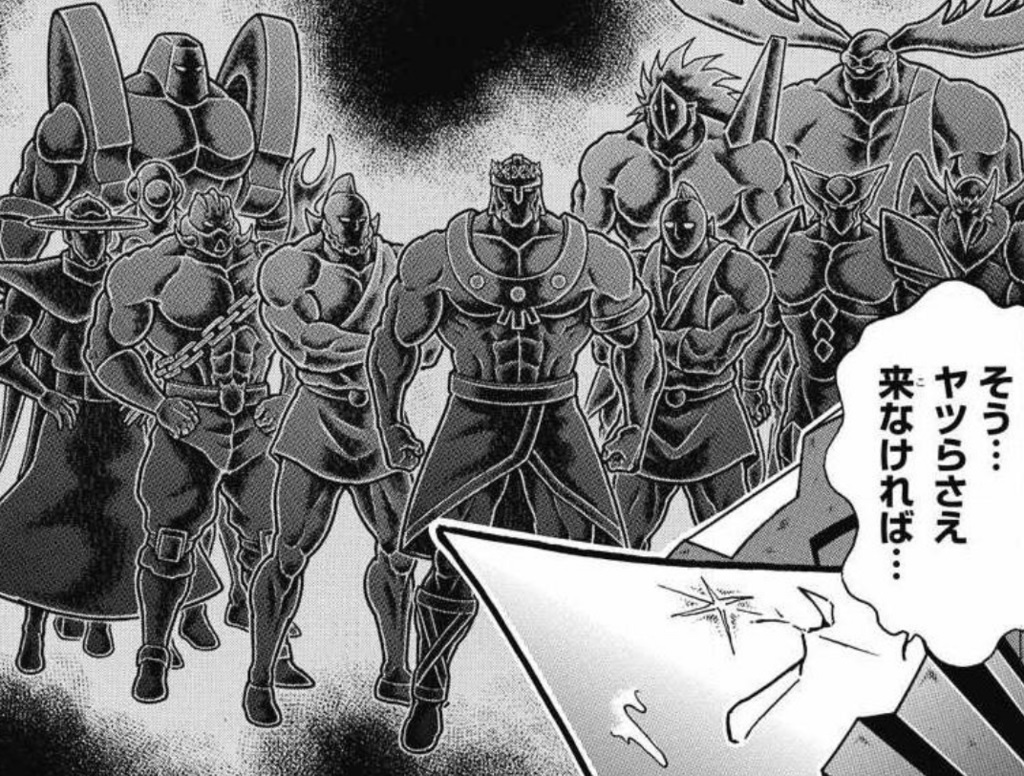
Summary of Kinnikuman's Perfect Superhuman, Muhojin Muhojin Gundan, and Perfect Superhuman Hajimeji.
Kinnikuman" is a manga and anime work by Yudetamago, the author of the original manga, which was serialized in Weekly Shonen Jump from 1979 to 1987. It is a fighting gag manga in which the main character, Kinnikuman, fights a number of superhumans. The perfect superhuman is a category of superhuman that appears in "Kinnikuman," a superhuman who has acquired a strength that transcends all emotions and is usually in training in the heavenly realm. Later, in the new series, the true perfect superhuman army, called the Muteki Taisen Gundan, and the 11 superhumans who became the first perfect superhumans, called the Perfect Superhuman Founder, have been introduced.
Read Article
Kinnikuman's Demon Superhuman Summary
Kinnikuman" is a manga and anime work by Yudetamago, the author of the original manga, which was serialized in Weekly Shonen Jump from 1979 to 1987. It is a fighting gag manga in which the main character, Kinnikuman, fights a number of superheroes. Demon superheroes are a category of superheroes who develop a demonic, cold-blooded, ruthless, and cool-headed fighting style and pledge allegiance to Goldman, the Demon Shogun. In some cases, influenced by the friendship of a righteous superhero, they turn from demon superheroes to righteous superheroes, as in the case of Ashraman and Buffalo Man.
Read Article
Summary of Jump's past heroines
Weekly Shonen Jump, the most widely circulated manga magazine in Japan, is at the pinnacle of manga culture in terms of popularity and name recognition, and has produced many masterpieces. As a shōnen manga magazine, most of the main characters are male, but the heroines who support them are also fascinating characters. Some are adults, some are children, some are just protectors, some are sidekicks who fight alongside the hero, some are heroines who have kicked out the regular heroines and are united with the hero, and some are heroines and female protagonists that go beyond the norm of "shōnen manga. Here we introduce some of the heroines who have graced the pages of JUMP.
Read Article
July 2024 Summer Anime (this season's anime) Summary
Summer anime to be broadcast in the July 2024 season are listed in alphabetical order.The July 2024 summer anime lineup includes many sequels to popular series. Information on anime broadcast and distribution information, voice actors and staff, and synopsis is compiled in an easy-to-understand format.
Read Article
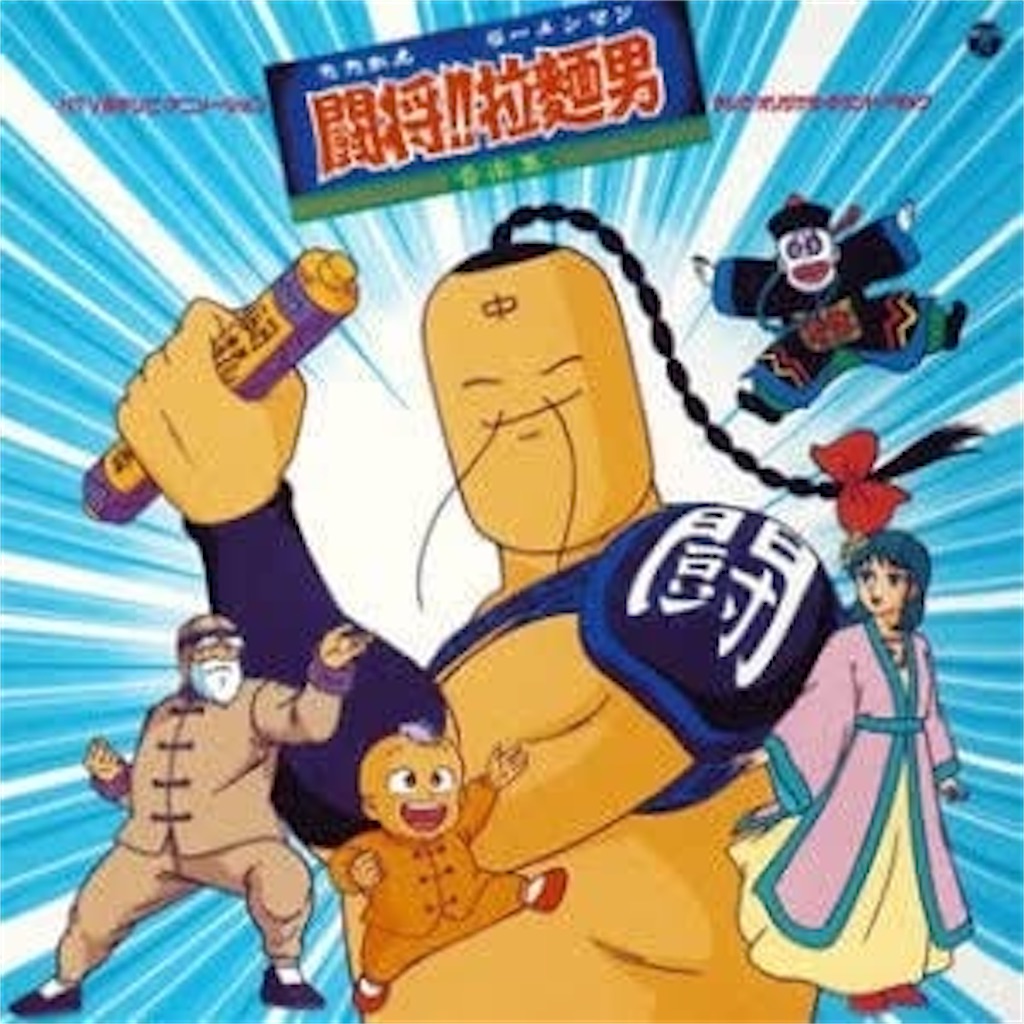
Fighting General! Ramen Man (たたかえ!!!! Ramen Man) Spoiler Commentary and Discussion Summary
Tatakae! Ramen Man" (たたかえ!!! Ramen Man) is a Japanese manga series serialized in Shueisha's Fresh Jump magazine from 1982 to 1988. Ramen Man" is a Japanese manga series published in Shueisha's "Fresh Jump" magazine from 1982 to 1988, written by Yudetamago. It is a spin-off work featuring Ramenman, a character from another work by the same author, "Kinnikuman", as the sole protagonist. Set in China, the story follows the training and battle journey of Ramenman, the heir to superhuman kung-fu, and was adapted into an anime and theater series in 1988, as well as a video game and other popular media.
Read Article
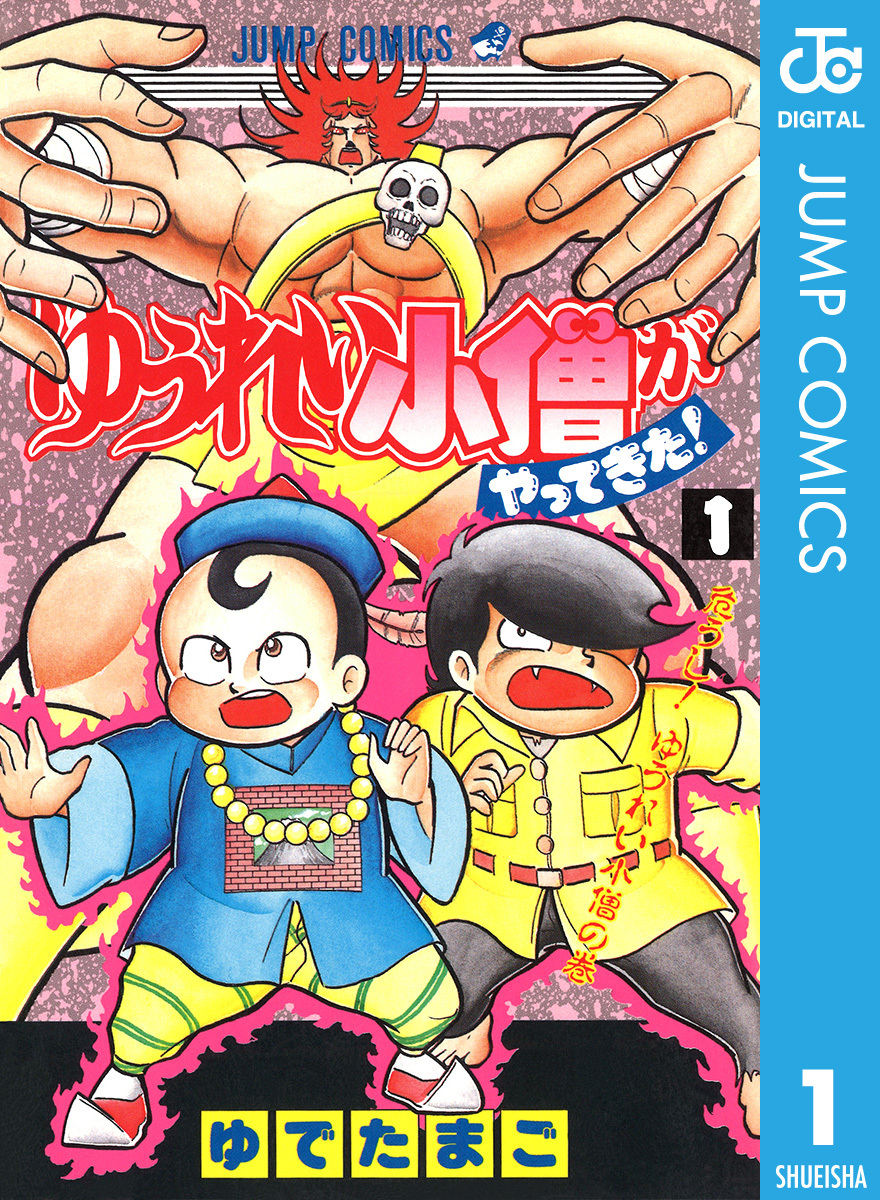
Yurei kobo ga kita! (Yudetamago) Spoilers and Discussion Summary
Yurei kobo ga kitaeru! is a manga work by Yudetamago about defeating ghosts. It was serialized in Weekly Shonen Jump from 1987 to 1988 with a total of 42 episodes. There were 5 volumes in the series. The story takes place in the Edo period (1603-1868), and the brothers Osoreyama Hyakutaro and Kototaro combine to transform themselves into the yokai Ajia Doji and exterminate the yokai. This work was a promising follow-up to "Kinnikuman," but it was cancelled early, and Yudetamago's period of limbo began from this point. Like "Kinnikuman," Yudetamago planned to have characters who were solicited from readers appear in this work.
Read Article
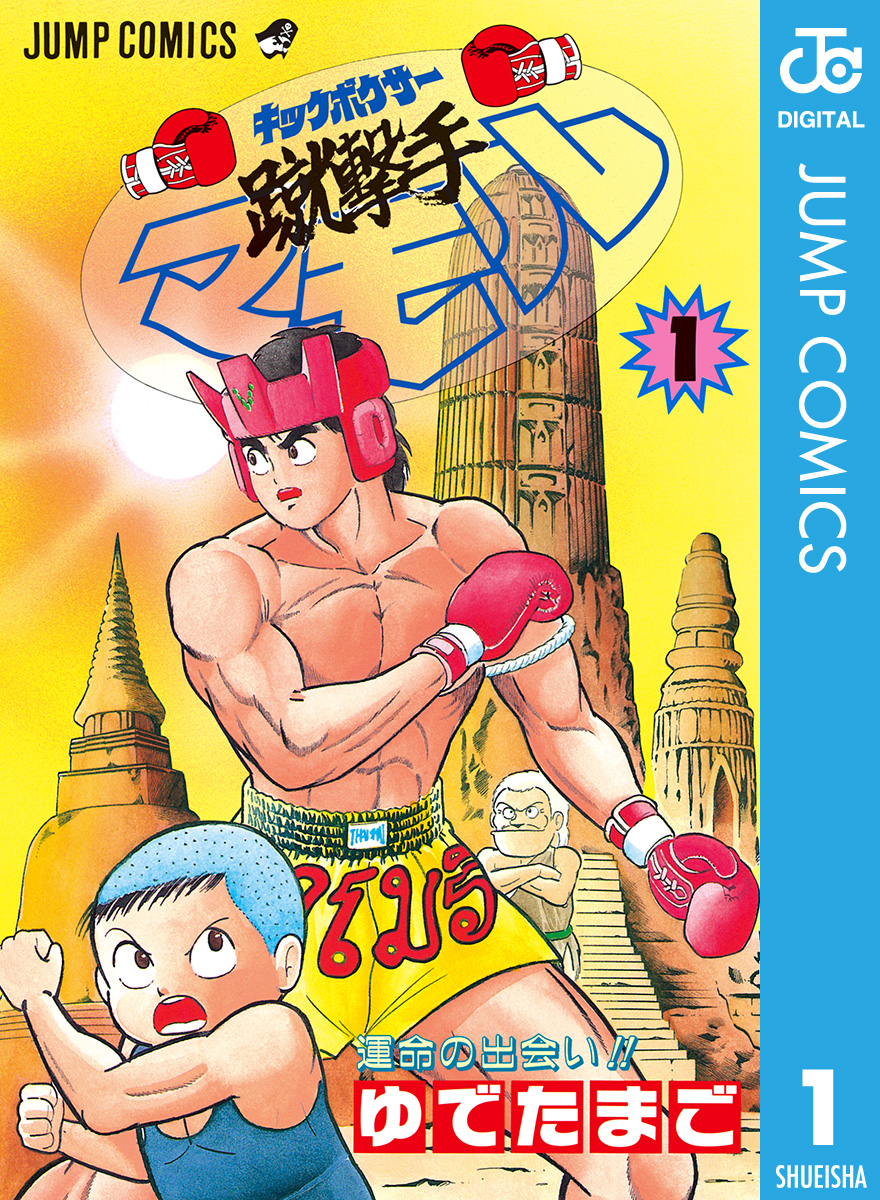
Spoiler commentary and discussion of Mamoru the Kicker (Yudetamago)
Kickboxer Mamoru" is a martial arts manga series written by Yudetamago and serialized in Shueisha's "Weekly Shonen Jump" from 1990 to 1991. It was published in four volumes. The story is about a junior high school student high jumper, Mamoru Kakeda, who begins training with a Muay Thai champion, Paison, in order to avenge his brother's death. The series began with the goal of promoting Muay Thai to Japanese children, but was discontinued after five months; an e-book version was announced for the summer of 2014.
Read Article
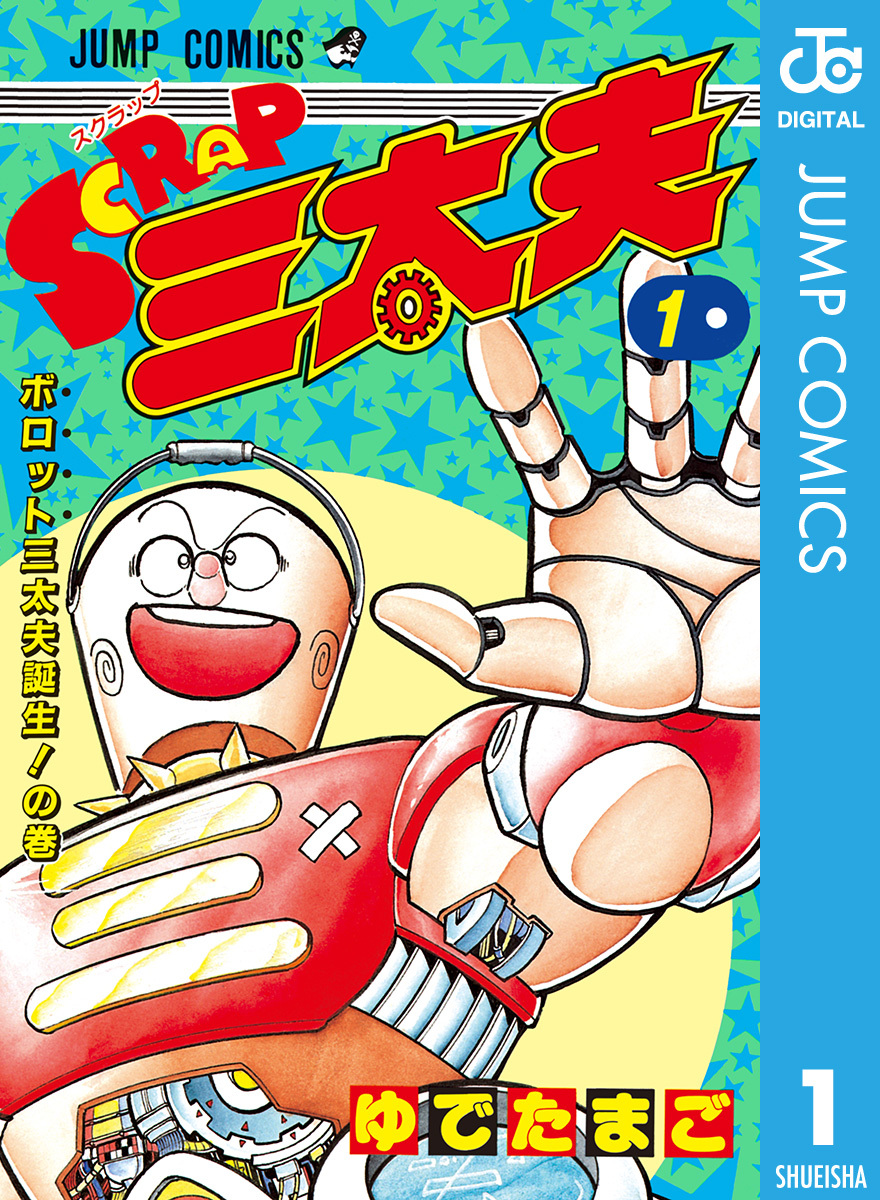
Spoiler commentary and discussion of SCRAP Santayu (boiled egg)
SCRAP Sandayu" is a gag manga by Yudetamago that was serialized in Shueisha's "Weekly Shonen Jump" from issue #24 to #40 in 1989. It was serialized after two read-throughs before being serialized. Set in the future in the year 20XX A.D., the story is about a no-good robot police officer named Santayu who defeats evil. In the first episode, the manga won second place in a popularity poll conducted by a reader survey, but its popularity declined rapidly from the second episode onward, and the serialization was terminated. As a guest character, the superhero Wordsman from Yudetamago's popular "Kinnikuman" appeared in the series.
Read Article
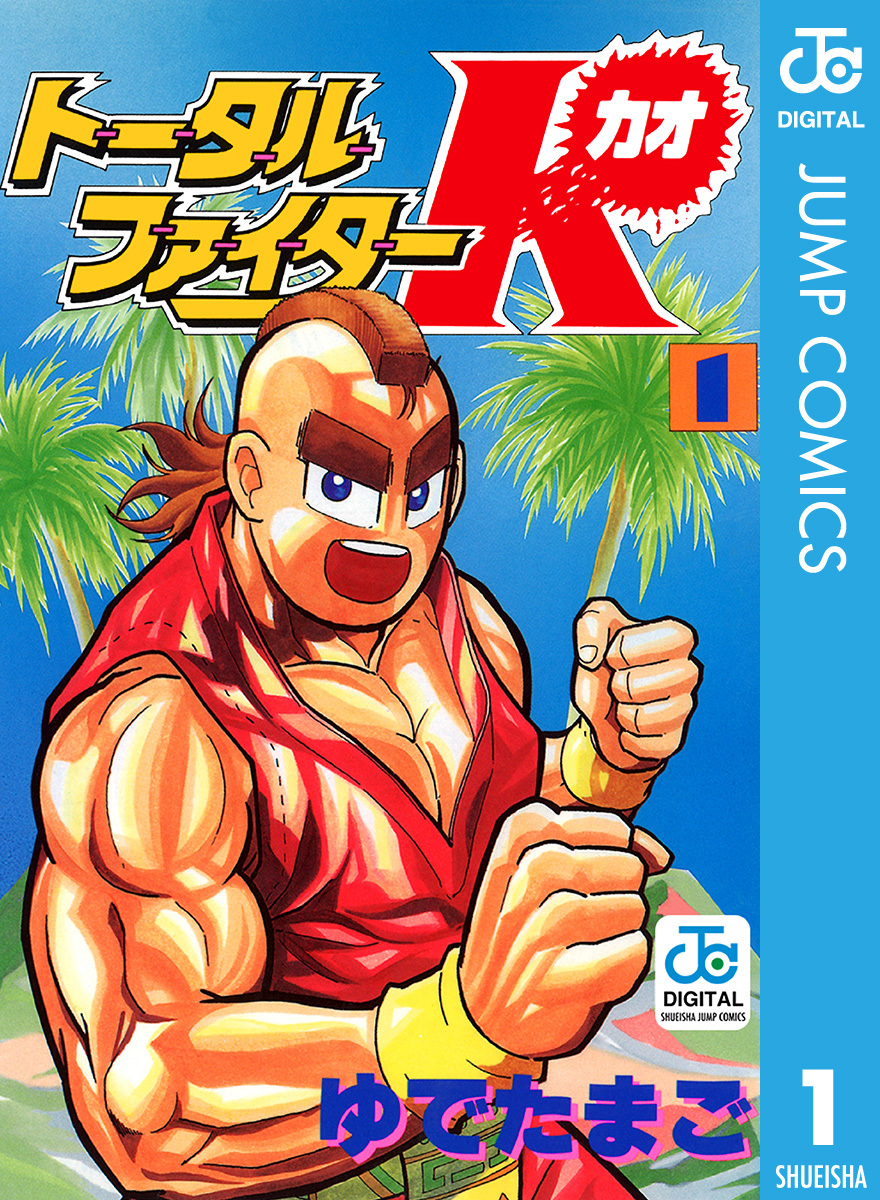
Total Fighter K (Yudetamago) Spoiler Commentary and Discussion Summary
Total Fighter K (Kao)" is a gag manga about martial arts by Yudetamago, the original author. It was serialized in Kodansha's "Deluxe Bonbon" from 1993 to 1995. Born as the fifth generation of the Muteki Kenka Tatejutsu (Invincible Fighting Body Art), a fantastic martial art that has been passed down on a fighting island somewhere in Japan, Kao, a catcher, spent all his childhood training. He began to fight other martial arts schools, putting the honor and prestige of the dojo on the line, starting with a different kind of martial arts tournament when he was 16 years old. The first half of the serialization takes place on Kenka-jima island, and the second half in Tokyo, but the serialization ended halfway through when the magazine ceased publication.
Read Article
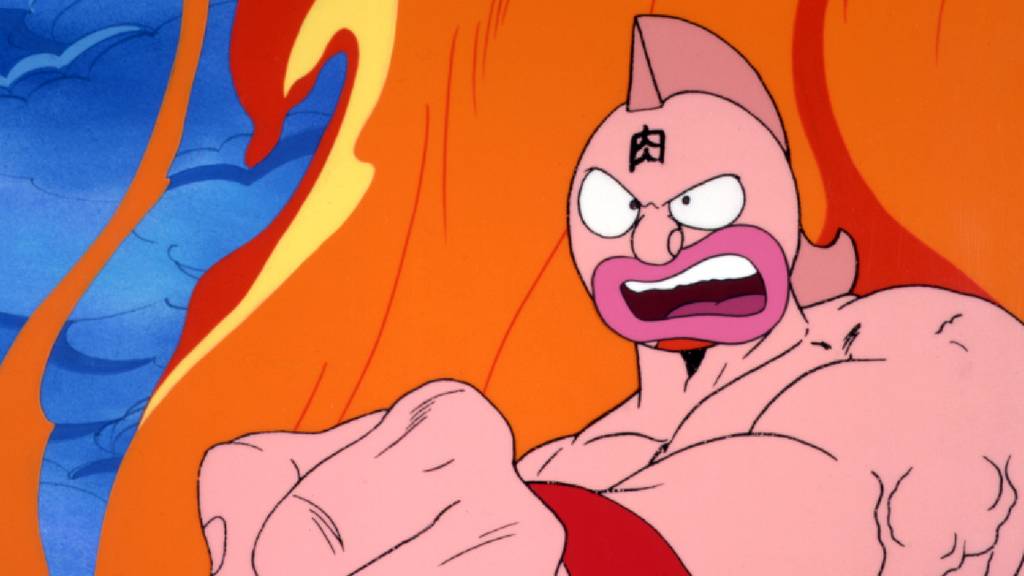
Kinnikuman: Lost Scenes in Famous Scenes? A compilation of tsukkomi spots
Kinnikuman" is a well-known fighting manga. Kinnikuman, or Kinniku Suguru, is the main character in this work, which is also famous for the song "Gyudon Ippsuji 300 nen. There are many famous scenes in this work. This article will discuss some of the most famous scenes in the film, and how to avoid them. In this article, we have compiled a list of such points to be pointed out. How many did you know?
Read Article
![Kinnikuman] How to Resemble "Muscle Shot", Summary of Recommended Characters](https://renote.net/files/blobs/proxy/eyJfcmFpbHMiOnsiZGF0YSI6NjYzNzczNCwicHVyIjoiYmxvYl9pZCJ9fQ==--ccbe5c171c95becb3538525d3a0d8cd94d5a02dc/FLmaJSIVcAQsr5D.jpg)
Kinnikuman] How to Resemble "Muscle Shot", Summary of Recommended Characters
Have you ever heard of a smartphone game called "Kinnikuman Muscle Shot"? It is a simple fighting game in which players battle using familiar characters. In this article, we summarize the app's resemara method and recommended characters. It also includes a strategy wiki, so if you are playing, please read on.
Read Article
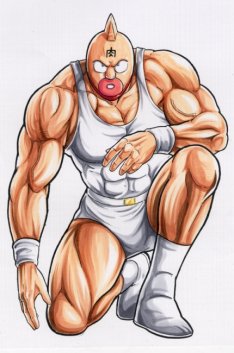
A funny collection of "Kinnikuman" stories!
The famous "Kinnikuman" captured the hearts of boys in the 80s. After "Kinnikuman II," which depicts the activities of his son's generation, the original Kinnikuman is now being serialized on the Web. Fans are enjoying the series again and again, but there have been many "unbelievable developments" in the Kinnikuman series. In the course of reading Kinnikuman, however, there have been many "outrageous developments." In this issue, we have compiled what fans consider to be the stories of the series!
Read Article
Summary of jump characters that weakened as soon as they became allies.
Characters that are weakened as soon as they become allies are, of course, a common story. Even in anime, manga, and video games, behind-the-scenes adjustments often result in the character being sidelined as a member of the main team, and if he or she is not good enough, he or she may become a standby or recovery character forever. With this fact in mind, we have decided to focus on Jump characters and summarize their sad reality with illustrations.
Read Article
Cartoons with a lot to go into.
While most people think of manga as easy to read and easy to understand, the manga we present here are 120 minutes of fun and insightful manga! Let's give them a good poke at the manga that are both enjoyable and poke-able. The compositions are funny, the characters are funny, and the things they do are funny.
Read Article
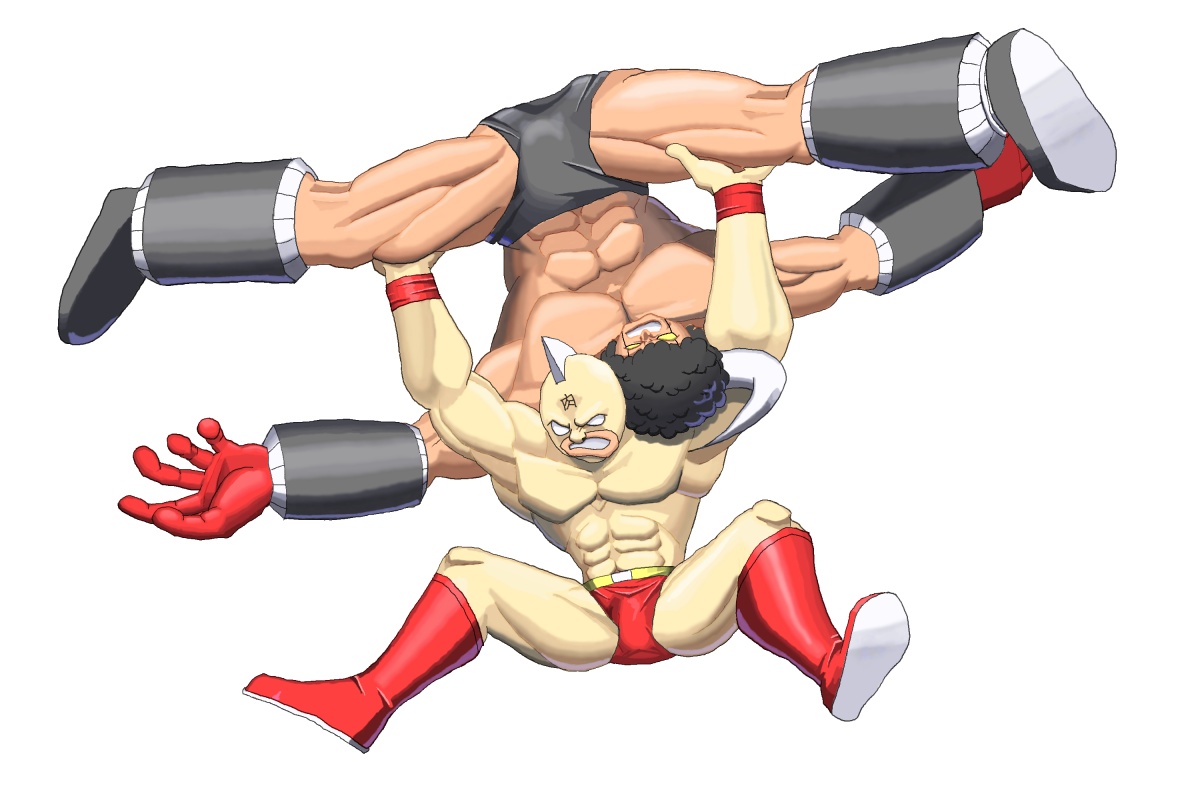
GO GO MUSCLE! A compilation of games based on the popular manga "Kinnikuman" & "Kinnikuman II
A compilation of video games based on the popular "Kinnikuman" works. Muscle Tag Match," which pioneered the competitive fighting action, and its sequel, "The Road to Justice Superhero," starring Kinnikuman II, are also compiled.
Read Article
A compilation of cartoonists working in duos! Surprisingly unknown, even among popular authors!
Manga works are the result of a great deal of hard work and effort in creating a story, creating characters that fit the worldview, and finishing the manuscript. The effort is even more immeasurable when the work is published in a weekly manga magazine. On the other hand, there are manga artists who share the same pen name and work together, dividing their work into drafting and drawing. This article introduces information on cartoonists who are actually working as a duo.
Read Article
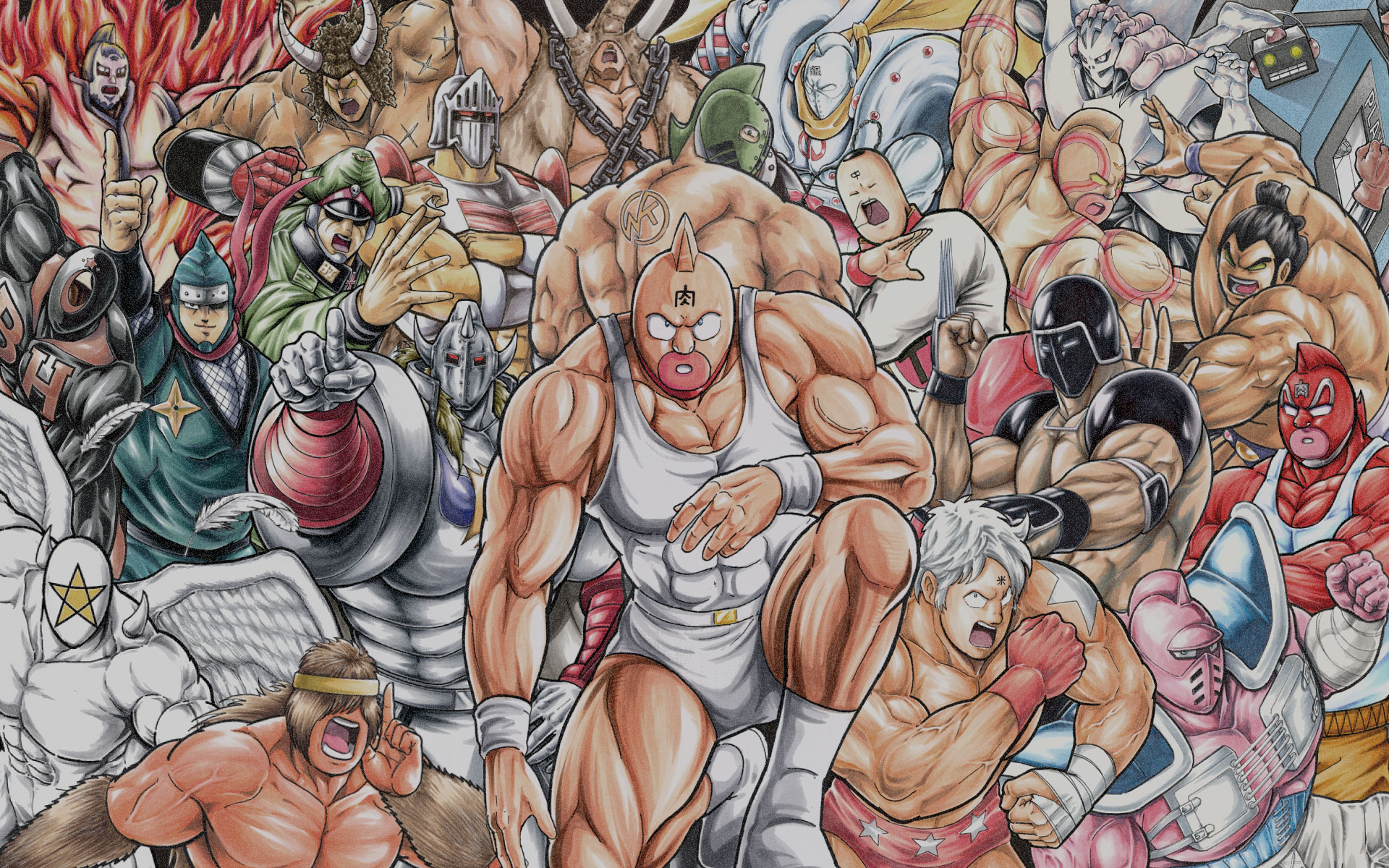
Kinnikuman superhuman strength ranking! The strongest superhuman is 100 million power!
In Yudetamago's manga "Kinnikuman," which began serialization in 1979, and its sequel "Kinnikuman II," fictional creatures called "choujin," who are said to transcend human existence, appear. Here we have compiled a list of the characters based on "superhuman strength," a numerical value that expresses the strength possessed by the superhumans!
Read Article
(2) 《Vol.16〜30》Summary of 《Anime and Manga》Story Performers by DVD of "AMETTOKU
This is a compilation of "Ametalk" DVDs from vol.16 to vol.30. All the DVDs are 2-disc sets, and they also come with special bonus videos that have not been broadcast on TV.
Read Article
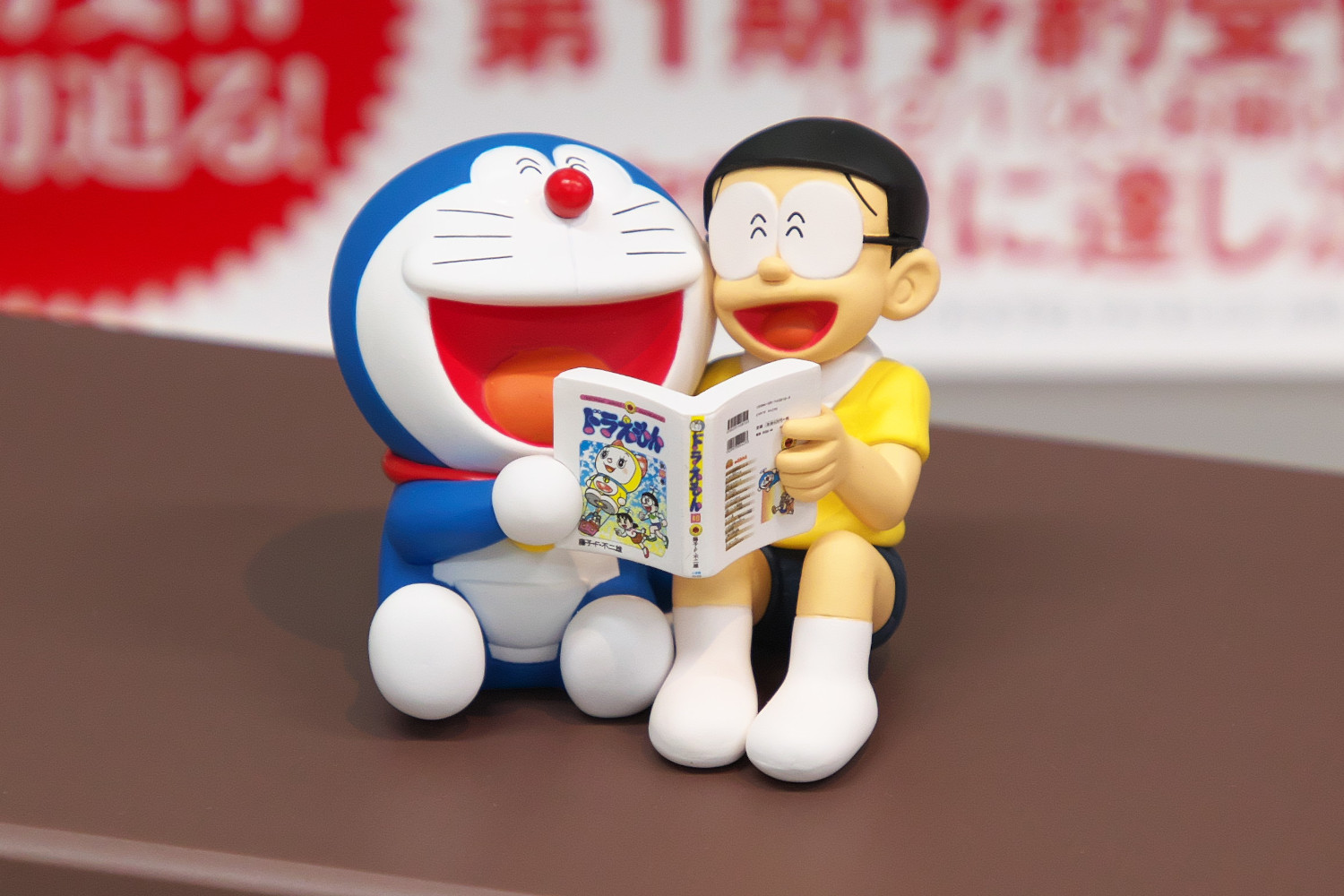
Now you're out! Summary of problematic depictions of national cartoons [such as "Doraemon"].
Doraemon," "Kochikame," and other classic manga have been loved for a long time and transcended time. We have compiled a list of expressions that are out of place in today's world. We will explain what kind of expressions are problematic, including Nazi-inspired poses in "Kinnikuman" and discriminatory expressions and depictions of corporal punishment in "Kochikame," with images of the relevant sections.
Read Article
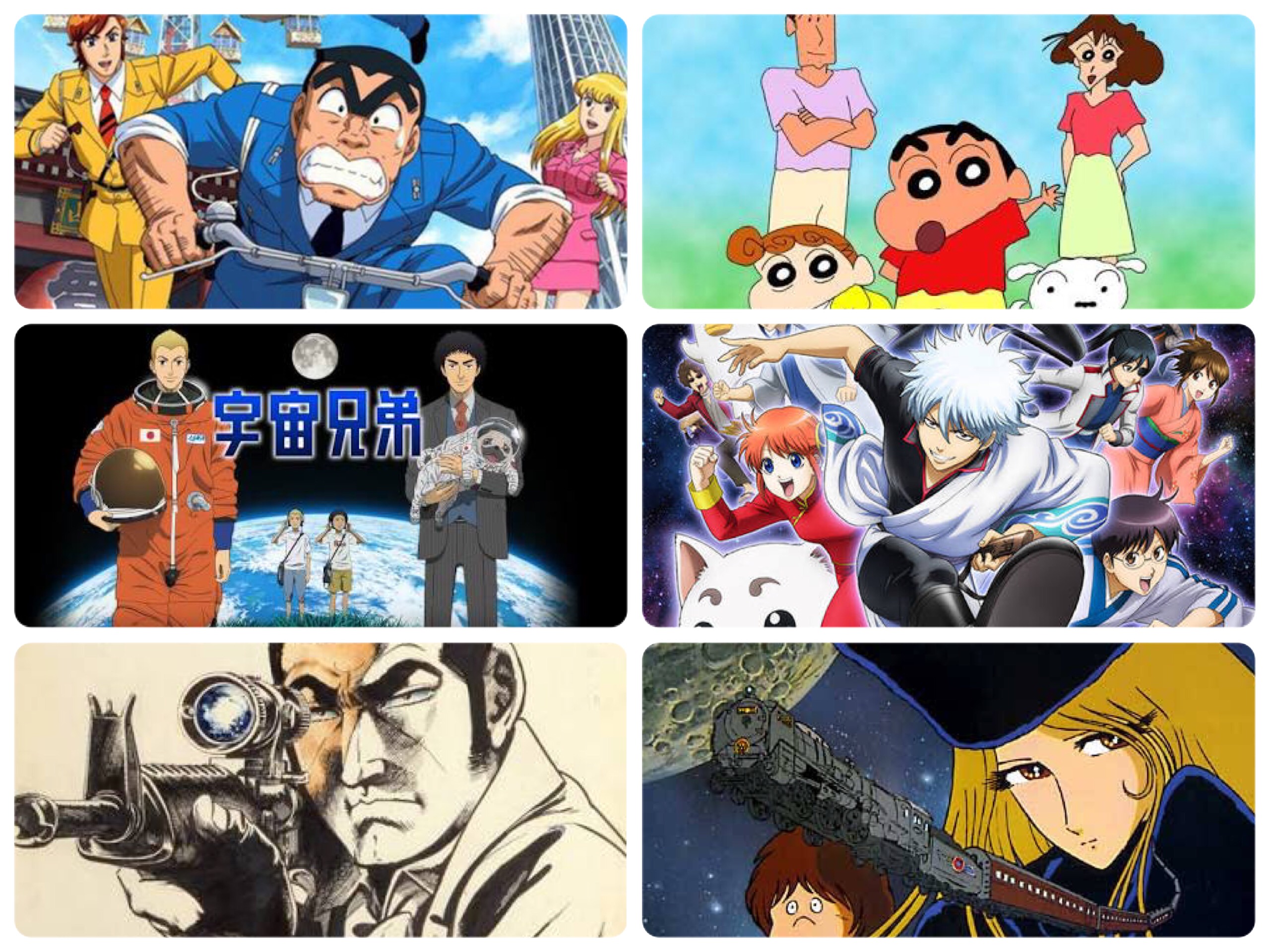
The Unknown Production, Birth, and Behind-the-Scenes Stories of Manga and Anime
This article introduces the creation, birth, and backstory of that manga/anime that is rarely known to the public, the industry, and even among fans.
Read Article
![Dragon Ball] Summary of works that the popular manga ONE PIECE seems to have influenced [Kinnikuman].](https://renote.net/files/blobs/proxy/eyJfcmFpbHMiOnsiZGF0YSI6ODM1MjM2NCwicHVyIjoiYmxvYl9pZCJ9fQ==--1395178e9a28c552bc68076e0bfae4e0cec2ef46/topic-04615-5.jpg)
Dragon Ball] Summary of works that the popular manga ONE PIECE seems to have influenced [Kinnikuman].
The manga "ONE PIECE" is now highly popular not only in Japan but also overseas. Looking at its style, it is clear that it has been influenced by various works. In this article, we have compiled a list of works that are believed to have influenced author Eiichiro Oda's manga creation. It makes sense that "Dragon Ball" and "Kinnikuman" would be among them!
Read Article
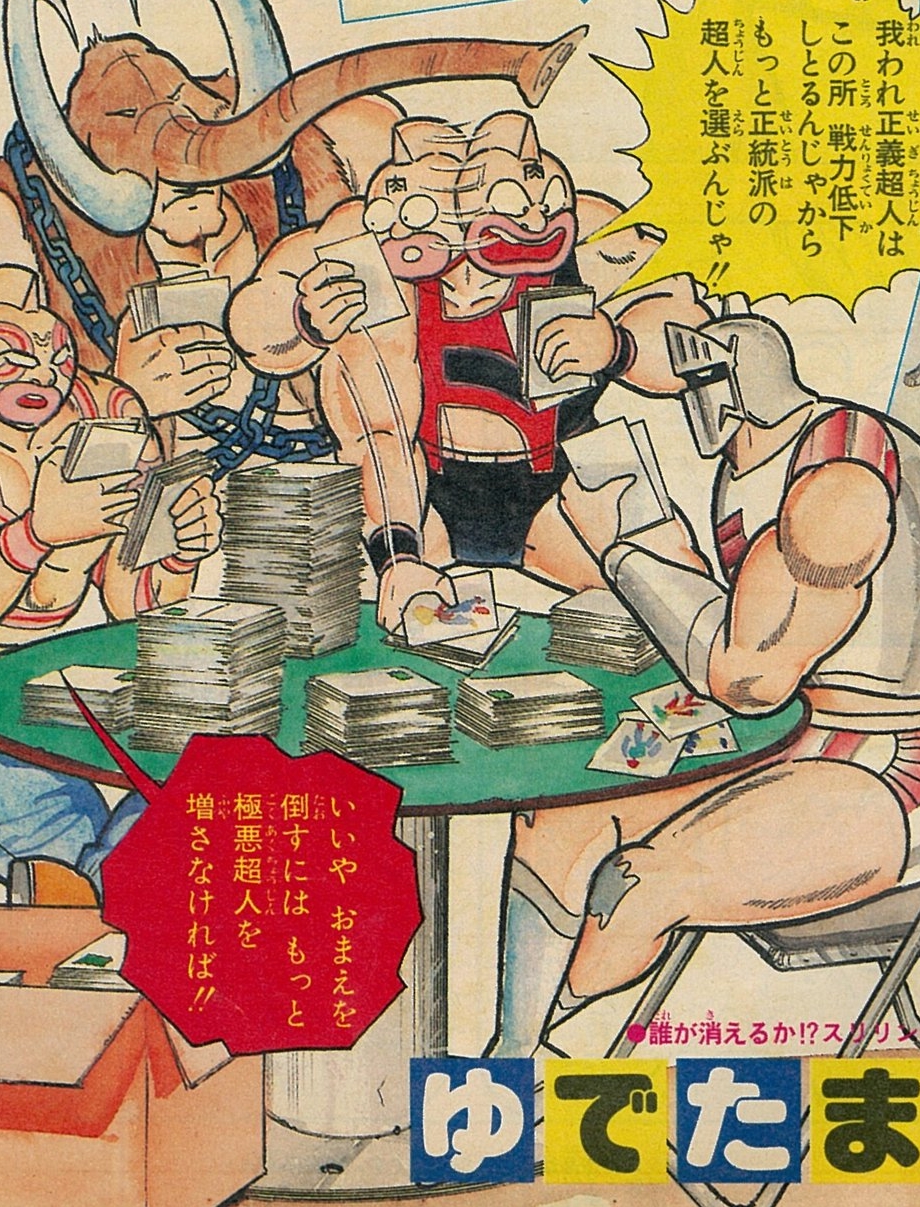
A tour de force of superhuman recruiting, which is a shame that only JC is introduced.
The works featured in the door picture of Weekly Shonen Jump's 1986 issue No. 50, episode 93 "The Secret of Big Tusk! (a story that explains why Big Tusk, the mammoth man, began to grow and chase prey regardless of his will). The award-winning works were originally scheduled to be announced around this time, but as you can see from the picture, the screening process took a long time due to the sheer volume of postcards submitted, and the award was carried over to the following year's issue No. 10 ("Ironic Master-Disciple Showdown!"). The award-winning work was originally scheduled to be announced around this time.
Read Article
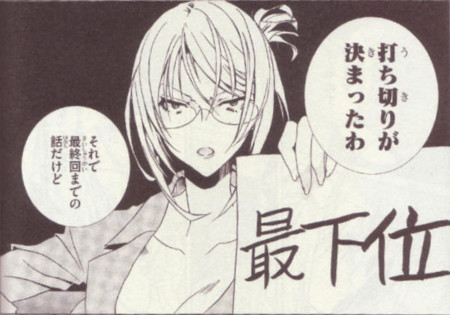
Manga that were outrageously fictionalized and eventually censored.
Have you ever had the experience that "my favorite work suddenly lost its direction and was censored? In this issue, we focus on the censored works.
Read Article
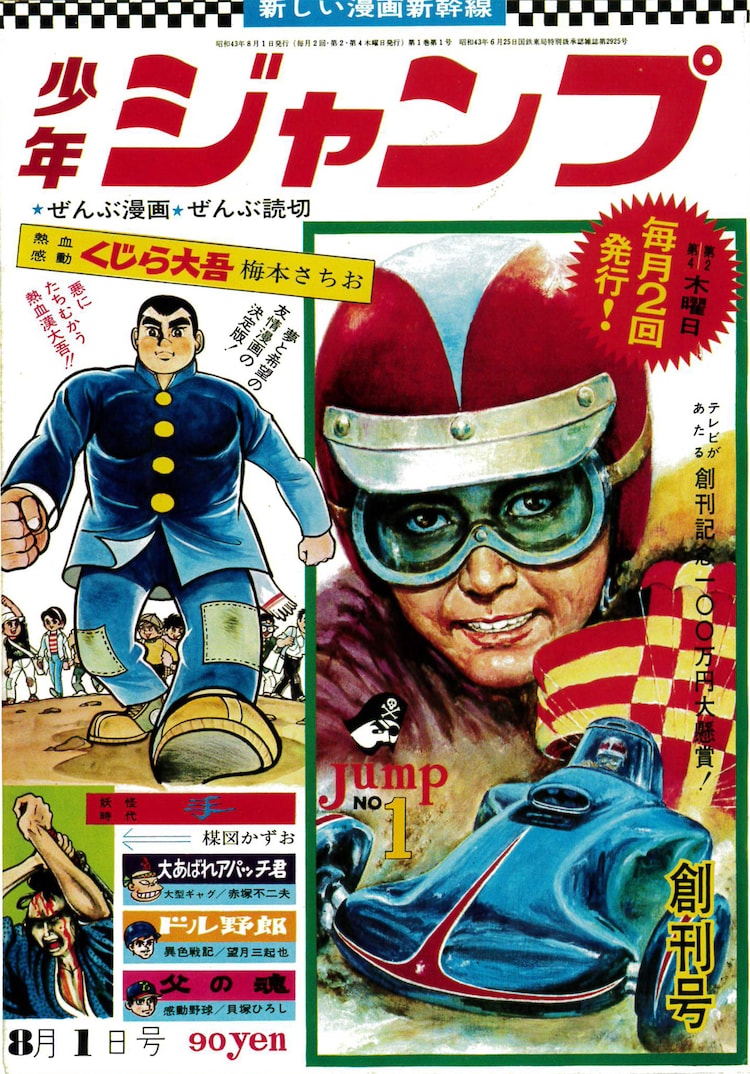
A compilation of short-lived and shitty manga from Weekly Shonen Jump [in chronological order] [first published 1968-1999].
Shonen Jump" has been giving boys dreams and hopes since its first issue in 1968. However, some of them have ended after only a short time in serialization because they did not gain much popularity. Although not necessarily limited to "crap manga," due to the author's reasons and short-run serialization, here is a list of manga that were short-lived in the history of the magazine from its first issue to 1999.
Read Article
Tags
Contents
- Overview of KINNIKUMAN
- The Meta-Humans of Justice
- List of "KINNIKUMAN" justice superhumans
- Idol Superman
- KINNIKUMAN
- Robin Mask
- Terrmann
- Jeronimo
- Wolfman
- Brocken Jr.
- Alexandria Meat
- Kinniku Tatsunori
- Kinniku mayumi
- KINNIKUMAN Great
- Pentagon
- Specialman
- Canadian Man
- Cubeman
- Watchman
- Jesse Mavia.
- Prince Kamehame
- Chabo Keroli
- Waldraman
- Doctor Bomb
- Ruppin
- Quinterman
- Tea Packman
- Skyman
- Oilman
- Tileman
- Fischer's
- Thienoringman
- Beauty Rhodes
- Jeanne Stimboard
- Barbarian superman
- Warsman
- Ramen Man
- Asashi Saito
- Brockenman
- Tirant
- Buki Boy
- The Chanelman
- Bulldozer man
- Woolman
- The God Shark
- KINNIKUMAN Soldier
- Heavy Metal
- KINNIKUMAN Zebra
- Dynamite Piper
- Crab base
- Skull Bose
- Devil Magician
- Ben Key man
- King Kobra
- Carecook
- Ex-demon superman
- Buffalo Man
- Ashrahman
- The Ninja
- Ex-perfect superman
- Neptunemann