
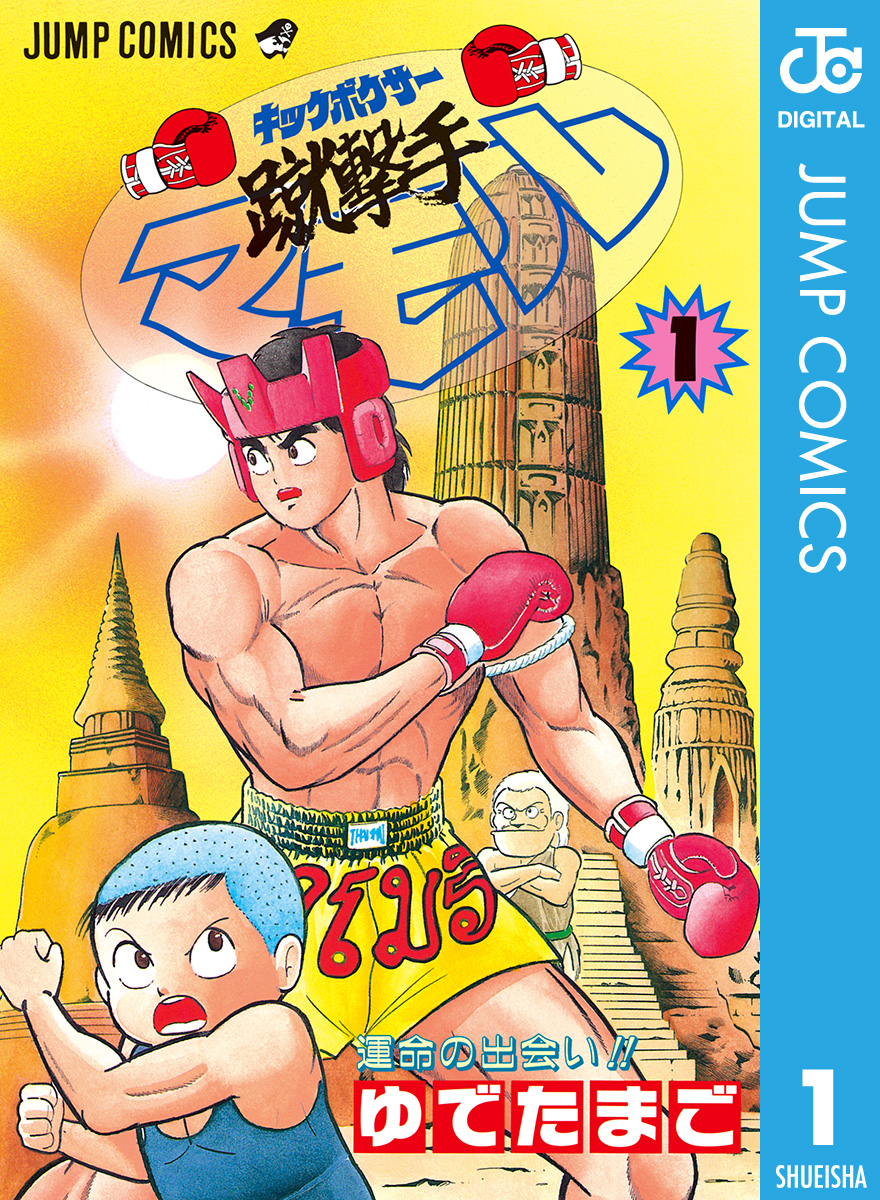
Kickboxer Mamoru" is a martial arts manga series written by Yudetamago and serialized in Shueisha's "Weekly Shonen Jump" from 1990 to 1991. It was published in four volumes. The story is about a junior high school student high jumper, Mamoru Kakeda, who begins training with a Muay Thai champion, Paison, in order to avenge his brother's death. The series began with the goal of promoting Muay Thai to Japanese children, but was discontinued after five months; an e-book version was announced for the summer of 2014.
Outline of "蹴撃 te Mamoru"
"蹴撃 Te Mamoru" is a manga about Muay Thai that was serialized in the 33rd issue in 1990 to the 13th issue in 1991 on "Weekly Shonen Jump" published by Shueisha. The comic book consists of four volumes. The prototype of this manga is "Kick Boxer Mamoru" which was published in the 12th issue in 1990 of "Weekly Shonen Jump" and is included at the end of the four volumes. This manga is also the last jump serial of the Shonen Jump.
蹴田 Mamoru, a junior high school high jump prodigy who took part in a track and field competition, happens to encounter a scene where 蹴田 Isao Yonezaki, Mamoru's older brother who wandered to become the strongest martial artist three years ago, challenges King Python, the Muay Thai champion. This is a fighting action story that depicts a boy Mamoru, a genius jumper who is going to challenge Python to avenge his defeated older brother, overcoming various trials while learning from his master, and approaching the essence of Muay Thai.
After "KINNIKUMAN" became a mega-hit, the original author Hardboiled Egg, who had been lackluster, tried for the first time to create a fighting comic with a realistic human as the main character. According to Hardboiled Egg, he was impressed by the real Muay Thai that he watched in Thailand and wanted to draw something for training, which was the reason for writing the series. He started the series with the intention of introducing Muay Thai, which is not yet a major trend, to Japanese children, but it was discontinued after only five months. The gag that Hardboiled Egg is good at was modest, and it is said that the main factor was that it was out of time with the martial arts boom that came after that. Many plots were never recovered and he did not fight against the boss of the enemy. Mamoru's line of "Battle is yet to come!" in the final episode is said to be the typical line of the discontinued comic. It is one of the comic books drawn during the straying period called the Dark Age of Hardboiled Egg after the completion of the popular comic "KINNIKUMAN" which built up a generation with "Weekly Shonen Jump."
Outline and story of "蹴撃 Te Mamoru"
Challenge to King Python
蹴田 Mamoru of Janpu Junior High School, who is said to be a gifted junior high school student in high jump, was staying in Thailand to participate in the track and field competitions in Bangkok, and had successfully won the finals. As a short break to the finals, Mamoru and his Thai guide, Puan, were touring the Japanese team, and they came across King Python, the Thai hero and Muay Thai champion. They were sanctioning the trainees who had dropped out of the practice at the Nishiki Snake Meeting presided over by Python. Python had studied Muay Thai since he was one year old, and is now a Thai hero reigning as a right-weight champion at the age of 20. In fact, Mamoru's older brother, 蹴田 Isao Yonezaki, is an amateur kickboxing champion, and he was told by his brother that he had far more talent in martial arts than he had. For this reason, Mamoru, who was originally interested in martial arts before starting track and field, could not stop thinking of Python's impressive strong figure and could not enter the high jump competitions.
Later, while walking in Bangkok, Mamoru happens to discover ラジャダムナンスタジアム, the site of the Muay Thai match. I can't stop thinking about the Python incident. Mamoru unconsciously enters the stadium and encounters a scene in which his older brother, Isao Yonezaki, is challenging the hero, Python, who is standing in the ring with the support of a large crowd. In fact, Isao Yonezaki is his real older brother, who went missing three years ago on a training trip for the strongest. Isao Yonezaki is in a state of one sided sandbag due to Python's overwhelming strength. Although the game is already over, Python, who thoroughly hurts the loser, even uses his own special techniques.
When Mamoru, who was in ringside, saw his older brother being brutally hurt, he could not stand, and when he broke into the ring, he released "Belly Roll Sobat", which made use of his good high jump, to Python. Python was blown away by the sudden attack, but Mamoru's subsequent punch and kick attacks were like amateurs and did not touch Python. However, looking at this Belly Roll Sobat, Python instantly recognized the potential of Mamoru's martial arts.
Pison, who was so proud that he could not allow the game to be interrupted, was enraged by Mamoru's intrusion that he ordered 蹴田 Mamoru, an amateur, to challenge within three months and to win over the four members of the Nishiki Snake Association. Furthermore, in order to prevent Mamoru from escaping from this challenge, he performed the secret' Ninety days killing snake incuse' on his older brother Isao Yonezaki, who had been ruined in the game. This technique is a special technique in which the bones on the instep of Isao Yonezaki's legs are broken, the bones go around inside the body like a snake and make a mark, and just ninety days later, the bones pierce the heart and die. Mamoru, who was forced to accept the challenge of Samoru, put on Muay Thai in only three months and defeated the five members of the Nishiki Snake Association including King Python. Three days later, Samoru abandoned the competition of the high jump competition and began to work hard for Muay Thai training to save his older brother.
Training to become a Muay Thai warrior
With the help of Maruo Buden, a friend of Mamoru's from the Japanese track and field team, and Puan, a Thai guide girl, Mamoru asks all the training halls in Bangkok to introduce him to Muay Thai skills to defeat Python. However, he is turned down by the people in the training halls who are afraid of the name of Python. The exhausted three finally leave Bangkok and arrive in Chiang Mai in the north. To the west, on Mount Stope, they meet the visionary master of Muay Thai, Zepett Changer. Mamoru applies to become a disciple of Changer and repeatedly asks him to become a disciple, but if there is no way that an amateur can easily wear Muay Thai, Zepett won't even touch his teeth. However, when he is turned down and turned down, Mamoru persistently pursues him. Finally, Zepett succumbs to Mamoru's passion for his life and his kindness to his older brother, and finally approves his entry. In fact, Zepett is not Muay Thai, but a master of martial arts called Batsuyari. Batsuyari is a Thai martial art that has the same roots as Muay Thai and is comparable in ability to Muay Thai. The Changer family has handed down this Batsuyari from generation to generation, and Zepett was once also a legendary Batsuyari player. After retirement, he is also an excellent leader who has produced many excellent Batsuyari fighters as a master of the Batsuyari training hall. However, he is tired of the current martial arts world that Python controls by force, and he is now living a secluded life in the mountains.
While giving Mamoru his spirit and skills through rigorous training, Zepetto recognized his potential for genius, such as the strong jumping ability that he had developed with Mamoru's high jump, his innate martial art sense, and his name similar to the マモォール bird that is a "symbol of strength and courage," and put more effort into training. On the other hand, his attendant Tanon Muaslin, who prides himself as an official disciple of Zepetto, was initially enraged by Mamoru for fear that his training with Zepetto would be cut in half because of him, and tried to beat him with sparring. However, after the friendship was formed through a serious match, he began to cooperate with Mamoru's special training as a friend.
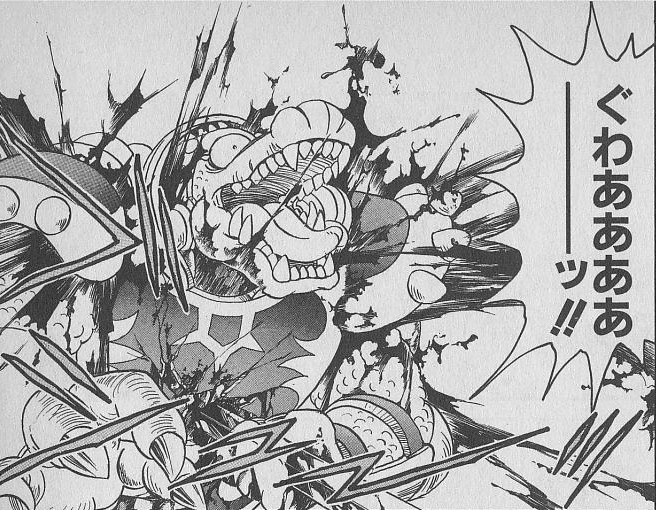
In this way, while Mamoru secluded himself in the mountain for training, he became a full-fledged kickboxer by mastering one after another the defense, kick, hiziki-uchi, hiziki-uchi from kubi zumo (head wrestling) and Chala bo through the strict but unique training of batsuyari. As the final test before the fight against the Nishiki Snake association led by Python, he also won the great giant Higante, who was the grand master of Muay Thai, a member of the Elephant Association. He cleared the hurdle and obtained a license for the マモォール bird headdress and the batsuyari training hall. After the strict training of batsuyari for more than two months, Mamoru challenged Python to defeat five members of the Nishiki Snake association and save his brother's life.
Fight to the Death with the Nishiki Snake Association
Mamoru's battle with the Nishiki Snake Club to save his brother finally arrived. The first assassin of the Nishiki Snake Club was Chingtao Scorpion, a 13-year-old scorpion fighter just like Mamoru. As his name suggests, he is a Muay Thai fighter who moves like a scorpion. He was tormented by the "Tim Tim Puppet Dance," a special move in which he kneed his opponent to death without allowing him to go down, but Mamoru was able to return the blow by pinning him with both feet in the ring, and then flexing his body to dodge the kick. Mamoru showed the results of his batu-yari training with Zeppetto and showed Python how much he had grown by defeating Scorpion despite his struggles. Before the fight began, Scorpion had a cowardly fighting style characteristic of the Nishiki Snake Club, but he was converted by Mamoru's clean fighting style to the end, and after the defeat, he reached out his hand to Mamoru and they shook hands firmly. Mamoru thus established a firm friendship with Scorpion, but the NISIKI SNAKE KAI's death code, which states that the defeated fighter must be made incapable of reanimation, was in effect a "death code" for Mamoru. Mantis Boy, the second assassin of the NISIKI SNAKE KAI, suddenly appeared in the ring and punished him with death, breaking his right hand, disabling him as a warrior, and making it impossible for him to ever enter a Muay Thai ring again. Mamoru wept with anger at the sight of this death sentence. Mamoru was again reminded of the horror of the Nishiki Snake Club led by Python, and at the same time he vowed to avenge Escorpion's death.
Mantis Boy, the second fighter of the NISIKI Snake Club, is a warrior based on the mantis motif, with mantis-like headgear, long hair, tall stature, and long original gloves, who sells brutal fights. As his nickname "Rubber Men" suggests, he has a soft, rubbery body that repels any attack. Mamoru struggles against Mantis Boy's tricky attacks using his rubbery body, punches and kicks that are absorbed, and his special move "Water Wheel Kick. Before the match, he had actually scouted for Mantis Boy on his own. However, Mantis Boy caught him spying on Mamoru and forced him to spar with him. During this time, Buda noticed that Mantis' rubbery body had a weakness in which only the belly part became hard, and he told Mamoru about it. When Mamoru heard this from Buda, he punched the hardened area and defeated him.
In fact, Mantis Boy had a sister, Pasady, and a younger brother, Pacun, who lived in poverty. He used to be a fighter who sold clean fights, but he was treated like a dog in front of his opponents' rough fights and was unable to make money. The siblings wanted him to return to being a clean warrior, and after his defeat by Mamoru, Mantis Boy was so ashamed of his actions that he vowed to leave the NISIKI Snake Society.
However, the Nishiki Snake Society has a code of death. Mantis Boy's defeat is sanctioned by death, and he is almost disqualified, but Mamoru, Tanon, and even Higante, who was hiding in the crowd, jump in just in time to save him and escape. The next opponent was supposed to be Daniel and Crocodile, the third and fourth opponents of the Nishiki Snake Club, but at this point, Tanon and Higante appeared with Mamoru wearing rabbit and elephant headgear, respectively. The series ended with the line, "The battle is just beginning! The series ended with the line "The battle is just beginning!
Characters from "蹴撃 Te Mamoru"
Main character
Mamoru 蹴田

He is the main character of this play, and is a genius high jump player. He later learns the Thai martial art called "Batsuyari." He is a member of Janpu Junior High School. He has a strong sense of justice, although he is easily affected. He originally had a talent for martial arts, but with his athletic nerve and jumping ability, his talent for martial arts blossomed. He met his older brother, Isao Yonezaki, who had been missing for the first time in three years. After that, he had a conflict with Muay Thai champion, King Python. In order to learn Muay Thai in three months, he became a pupil of Sepet Changer, a Batsuyari master living in northern Thailand.
蹴田 Isao Yonezaki
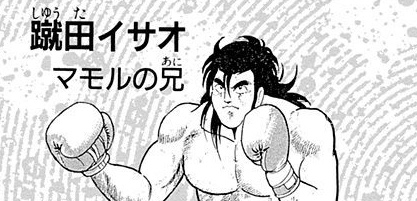
Mamoru 蹴田 is Mamoru's older brother. He is a Japanese amateur kickboxing champion. Despite being a champion, he left his family three years ago and went on a trip to train in the world. After that, he left for Thailand to train in Muay Thai, the world's strongest martial art. However, when he played against Python in Thailand, he was completely defeated. At that time, he met Mamoru, who had been visiting Thailand, for the first time in three years. In fact, when he was in Japan, he saw through Mamoru's talent in martial arts from an early stage and thought he had more talent than himself.
Zepet-Changer
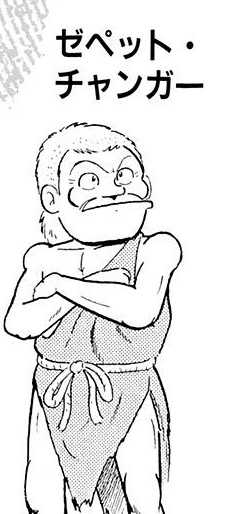
A man who lives on Mount Stope in western Chiang Mai and is a master of martial arts similar to Muay Thai. Although he looks like a small old man, he was a player of legendary strength when he was active. Even after his retirement, he was an excellent instructor at a martial arts training center that produced many martial artists, but he closed down his martial arts and holed up in the mountain because he was worried about the current state of the Muay Thai world that Python controls by force. At first, he did not even look at Mamoru who applied to become a disciple, but he accepted him as a disciple because of Mamoru's enthusiasm to save his older brother. After that, he generously gave him his own martial arts skills and spirit.
Tanon Muaslin
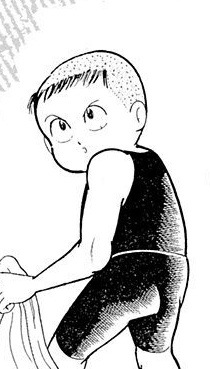
After his parents passed away, he lived with Zepetto Changer in the mountains. He was trained in martial arts by Zepetto in his spare time, so his martial arts skills are quite good. For fear of losing his training time, he treated Mamoru, who had become a pupil of Zepetto, as an enemy and sparred with him. But Mamoru did, Mamoru did not run away, and after they had finally had a serious match, they deepened their understanding of each other and began to cooperate in the special training of martial arts as a friend of Mamoru. In the final episode, he was depicted as wearing a rabbit headgear and fighting with Mamoru and Higante against the Nishiki Snake Association.
Nishiki Jakai

Related Articles
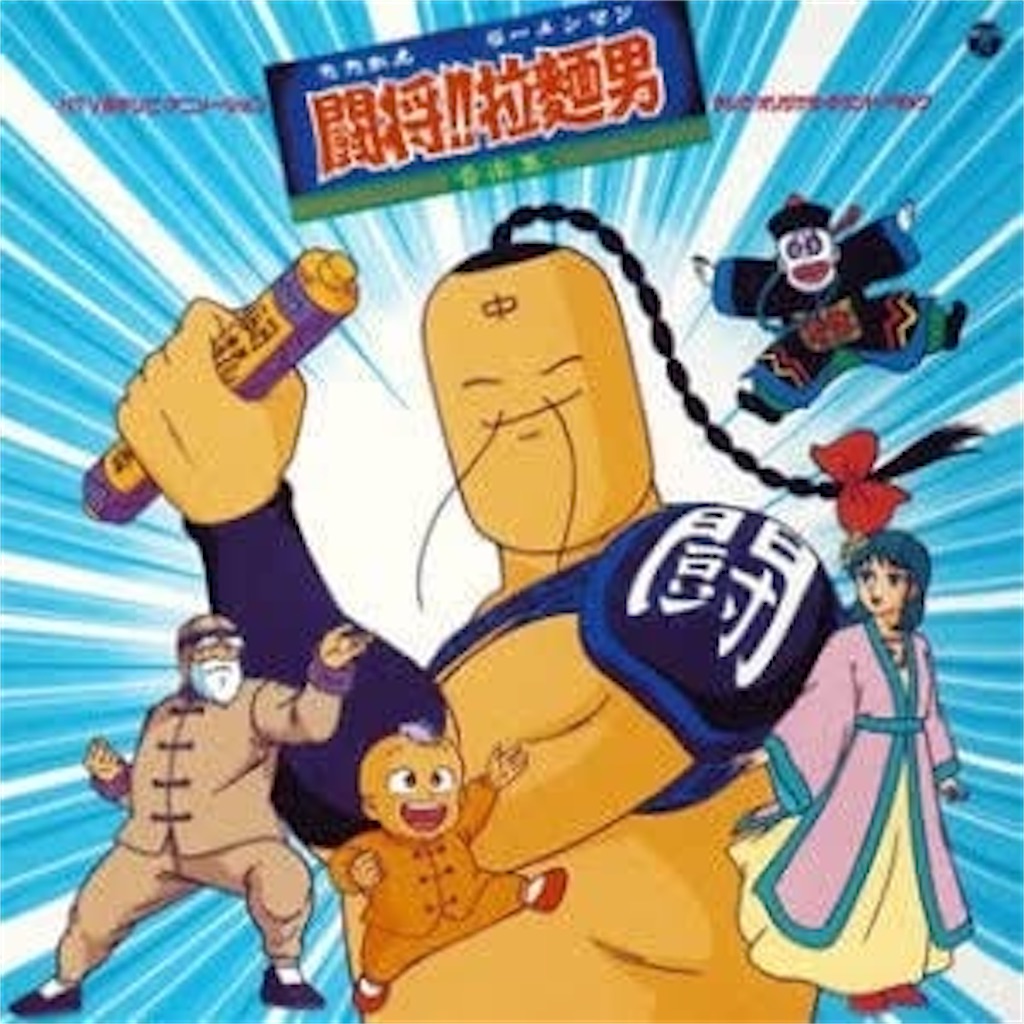
Fighting General! Ramen Man (たたかえ!!!! Ramen Man) Spoiler Commentary and Discussion Summary
Tatakae! Ramen Man" (たたかえ!!! Ramen Man) is a Japanese manga series serialized in Shueisha's Fresh Jump magazine from 1982 to 1988. Ramen Man" is a Japanese manga series published in Shueisha's "Fresh Jump" magazine from 1982 to 1988, written by Yudetamago. It is a spin-off work featuring Ramenman, a character from another work by the same author, "Kinnikuman", as the sole protagonist. Set in China, the story follows the training and battle journey of Ramenman, the heir to superhuman kung-fu, and was adapted into an anime and theater series in 1988, as well as a video game and other popular media.
Read Article
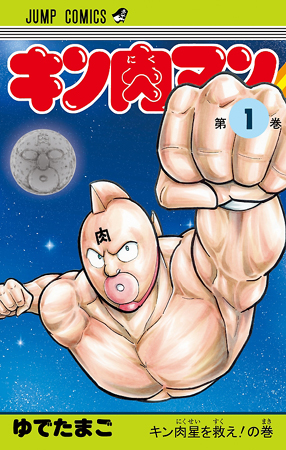
Kinnikuman (manga and anime) spoiler commentary and discussion
Manga and anime by Yudetamago, serialized in Weekly Shonen Jump from 1979 to 1987. A sequel, the first in 24 years, has been serialized in Weekly Playboy Web comic since 2011. It is a fighting gag manga in which Kinnikuman fights with various superheroes in a superhero wrestling match. The first season (137 episodes) aired from 1983 to 1986, and the second season (46 episodes) from 1991 to 1992.
Read Article
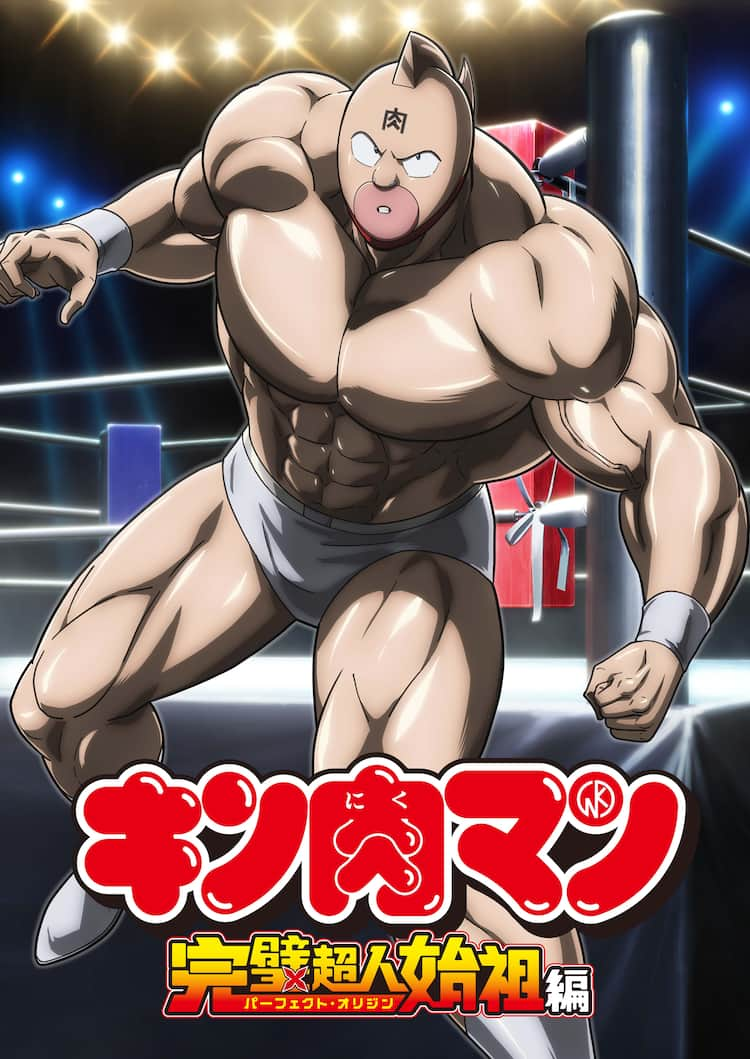
Kinnikuman: Perfect Choujin Hajime Hen (Perfect Origin) Spoiler Commentary and Discussion Summary
Kinnikuman: Perfect Choujin Hajime Hen" is a feature-length episode of the manga "Kinnikuman" by Yudetamago, which depicts the three-way battle between superhero wrestlers and the secret about their origins. It was serialized for six years starting in 2011, and will be adapted into an anime in 2024. After the Justice Choujin, Demon Choujin, and Perfect Choujin conclude a non-aggression pact at the end of a long battle, those who call themselves the "Main Squad of Perfect Choujin" intrude. They declare the extermination of all superhumans except themselves, and engage in mortal combat with the righteous superhumans led by Kinnikuman and the demon superhumans led by the Demon Shogun.
Read Article
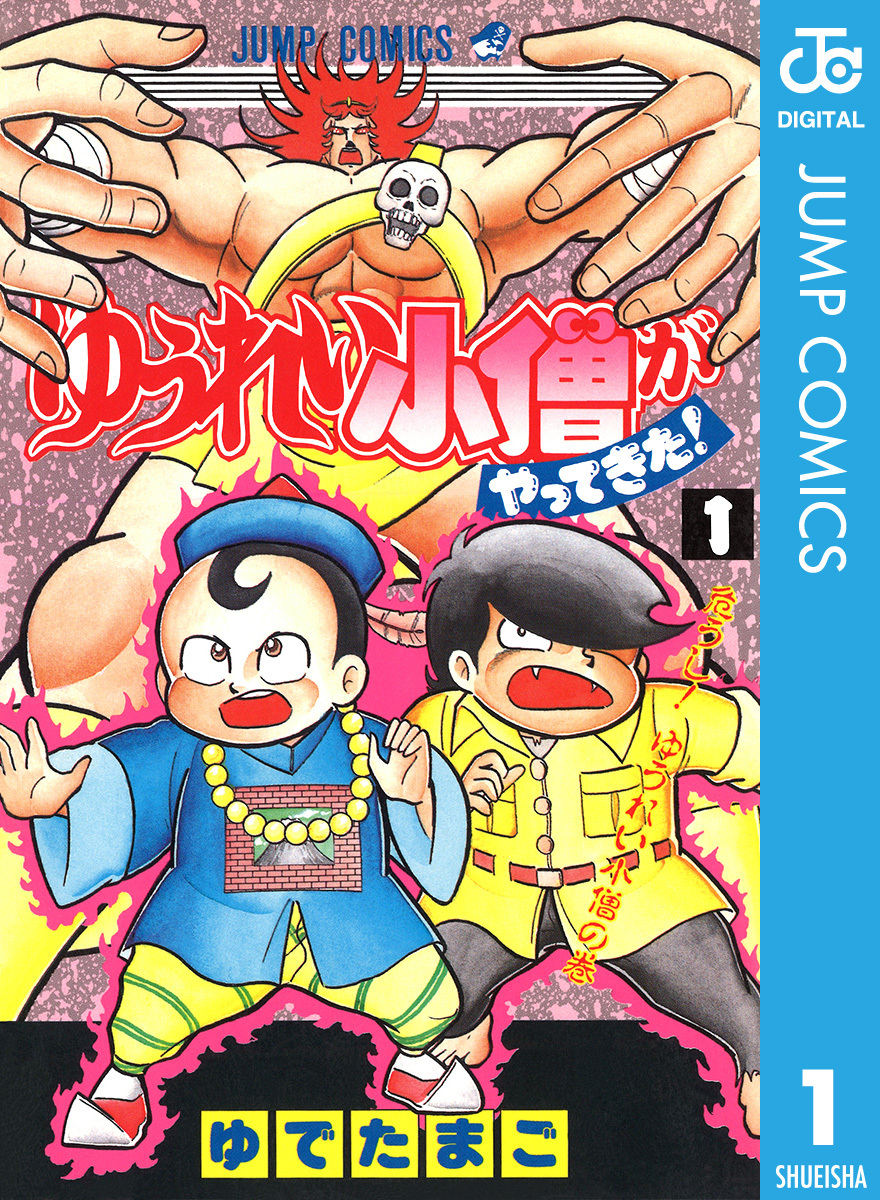
Yurei kobo ga kita! (Yudetamago) Spoilers and Discussion Summary
Yurei kobo ga kitaeru! is a manga work by Yudetamago about defeating ghosts. It was serialized in Weekly Shonen Jump from 1987 to 1988 with a total of 42 episodes. There were 5 volumes in the series. The story takes place in the Edo period (1603-1868), and the brothers Osoreyama Hyakutaro and Kototaro combine to transform themselves into the yokai Ajia Doji and exterminate the yokai. This work was a promising follow-up to "Kinnikuman," but it was cancelled early, and Yudetamago's period of limbo began from this point. Like "Kinnikuman," Yudetamago planned to have characters who were solicited from readers appear in this work.
Read Article
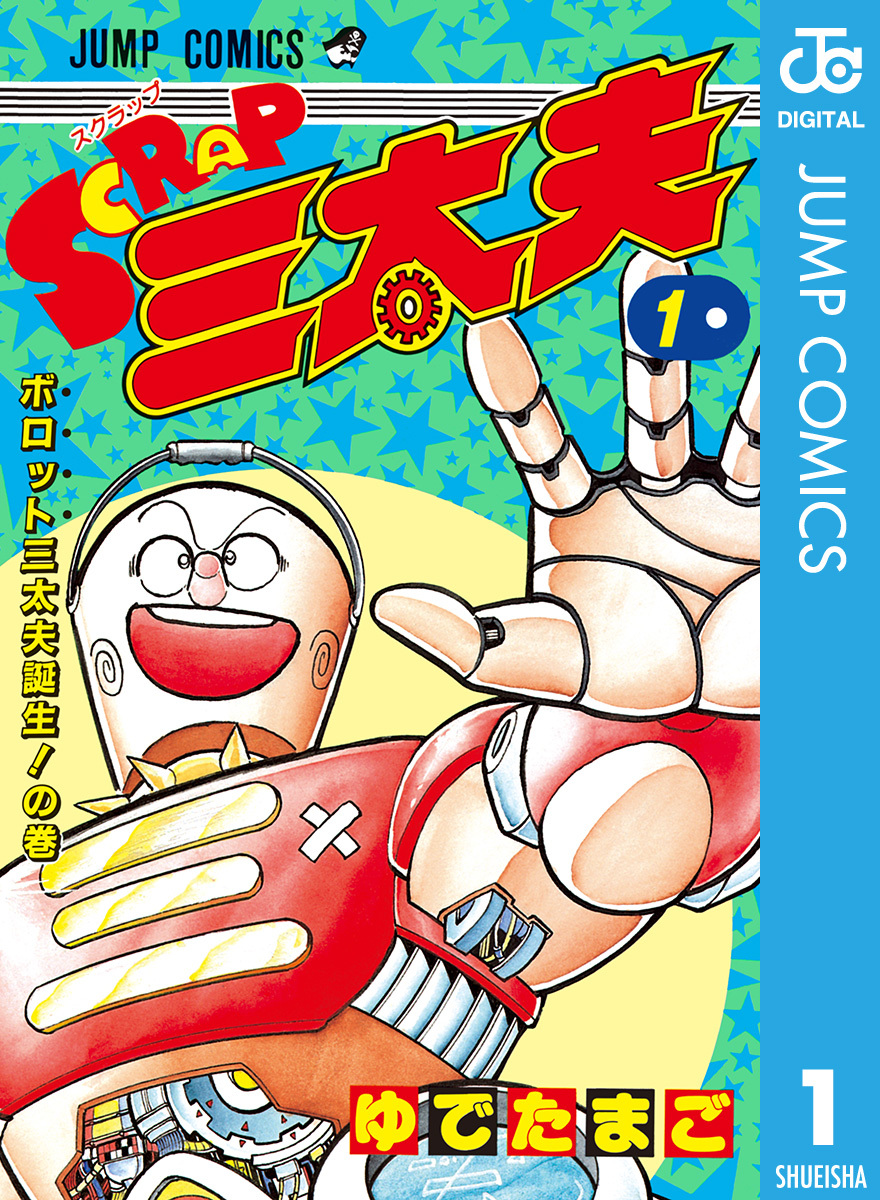
Spoiler commentary and discussion of SCRAP Santayu (boiled egg)
SCRAP Sandayu" is a gag manga by Yudetamago that was serialized in Shueisha's "Weekly Shonen Jump" from issue #24 to #40 in 1989. It was serialized after two read-throughs before being serialized. Set in the future in the year 20XX A.D., the story is about a no-good robot police officer named Santayu who defeats evil. In the first episode, the manga won second place in a popularity poll conducted by a reader survey, but its popularity declined rapidly from the second episode onward, and the serialization was terminated. As a guest character, the superhero Wordsman from Yudetamago's popular "Kinnikuman" appeared in the series.
Read Article
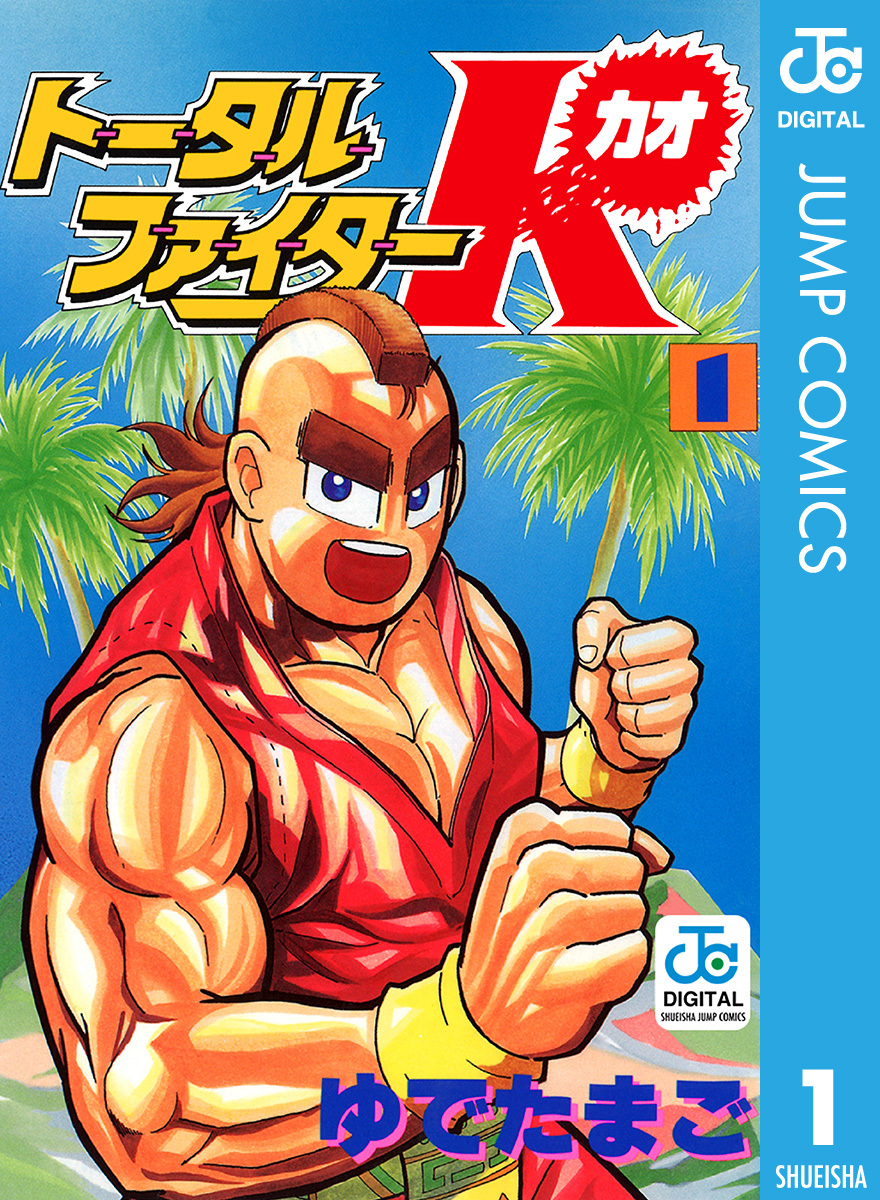
Total Fighter K (Yudetamago) Spoiler Commentary and Discussion Summary
Total Fighter K (Kao)" is a gag manga about martial arts by Yudetamago, the original author. It was serialized in Kodansha's "Deluxe Bonbon" from 1993 to 1995. Born as the fifth generation of the Muteki Kenka Tatejutsu (Invincible Fighting Body Art), a fantastic martial art that has been passed down on a fighting island somewhere in Japan, Kao, a catcher, spent all his childhood training. He began to fight other martial arts schools, putting the honor and prestige of the dojo on the line, starting with a different kind of martial arts tournament when he was 16 years old. The first half of the serialization takes place on Kenka-jima island, and the second half in Tokyo, but the serialization ended halfway through when the magazine ceased publication.
Read Article
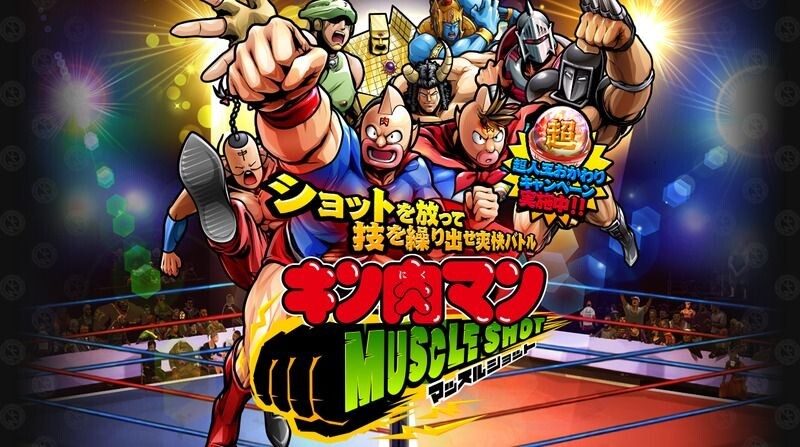
Introducing Muscle Shot, a smartphone game by Kinnikuman!
Did you know that there is a smartphone game of the manga "Kinnikuman" that everyone knows? The game, called "Kinnikuman Muscle Shot," started in 2015 and has been improved frequently with additional characters and new features announced every so often. We would like to introduce this smartphone game.
Read Article
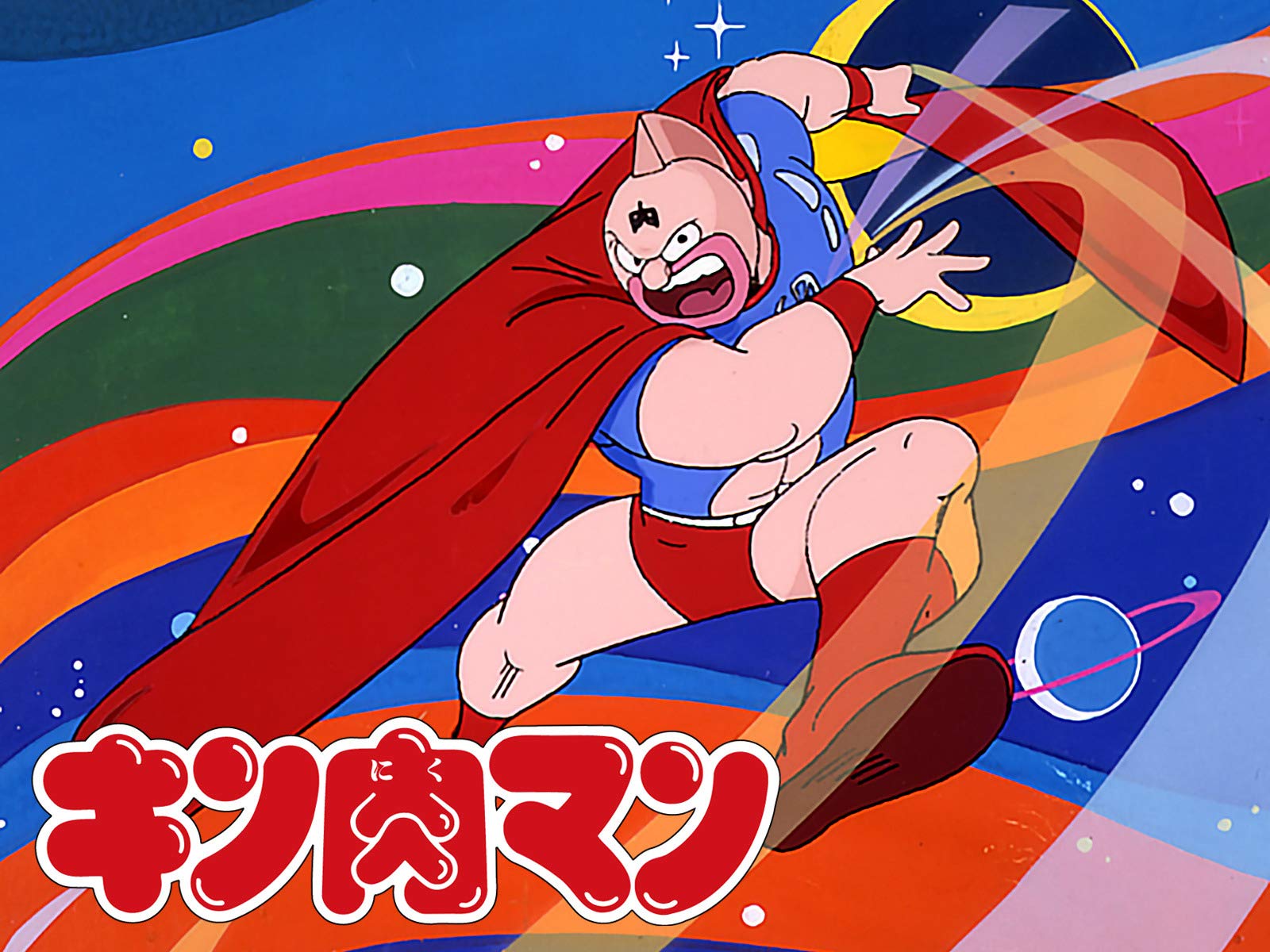
Summary of Kinnikuman's Special Moves, Favourites and Special Holds
Kinnikuman" is a manga series published in Weekly Shonen Jump by Yudetamago, the author of the original manga, and an anime series based on the manga. Kinniku Suguru, aka Kinnikuman, a superhero living in Japan, along with his fellow righteous superheroes, fights in the ring against a series of powerful enemies. The work is based on professional wrestling, and the flashy special moves used in the fights are one of the charms of the work. The characters use original finishing holds in their fights.
Read Article
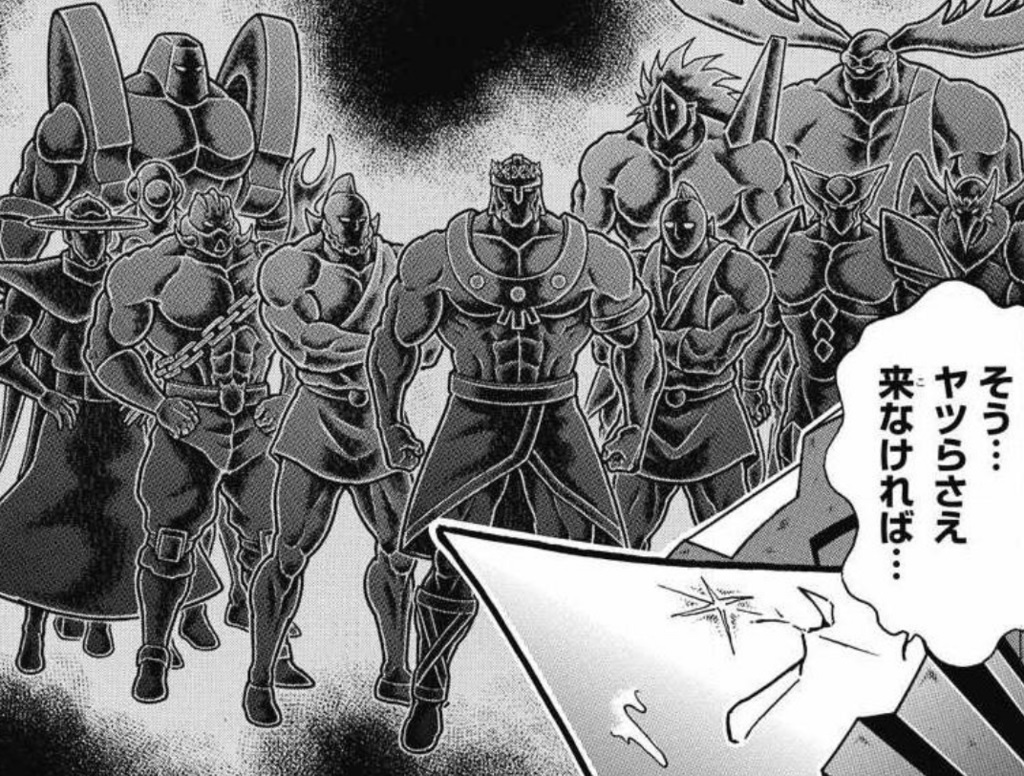
Summary of Kinnikuman's Perfect Superhuman, Muhojin Muhojin Gundan, and Perfect Superhuman Hajimeji.
Kinnikuman" is a manga and anime work by Yudetamago, the author of the original manga, which was serialized in Weekly Shonen Jump from 1979 to 1987. It is a fighting gag manga in which the main character, Kinnikuman, fights a number of superhumans. The perfect superhuman is a category of superhuman that appears in "Kinnikuman," a superhuman who has acquired a strength that transcends all emotions and is usually in training in the heavenly realm. Later, in the new series, the true perfect superhuman army, called the Muteki Taisen Gundan, and the 11 superhumans who became the first perfect superhumans, called the Perfect Superhuman Founder, have been introduced.
Read Article
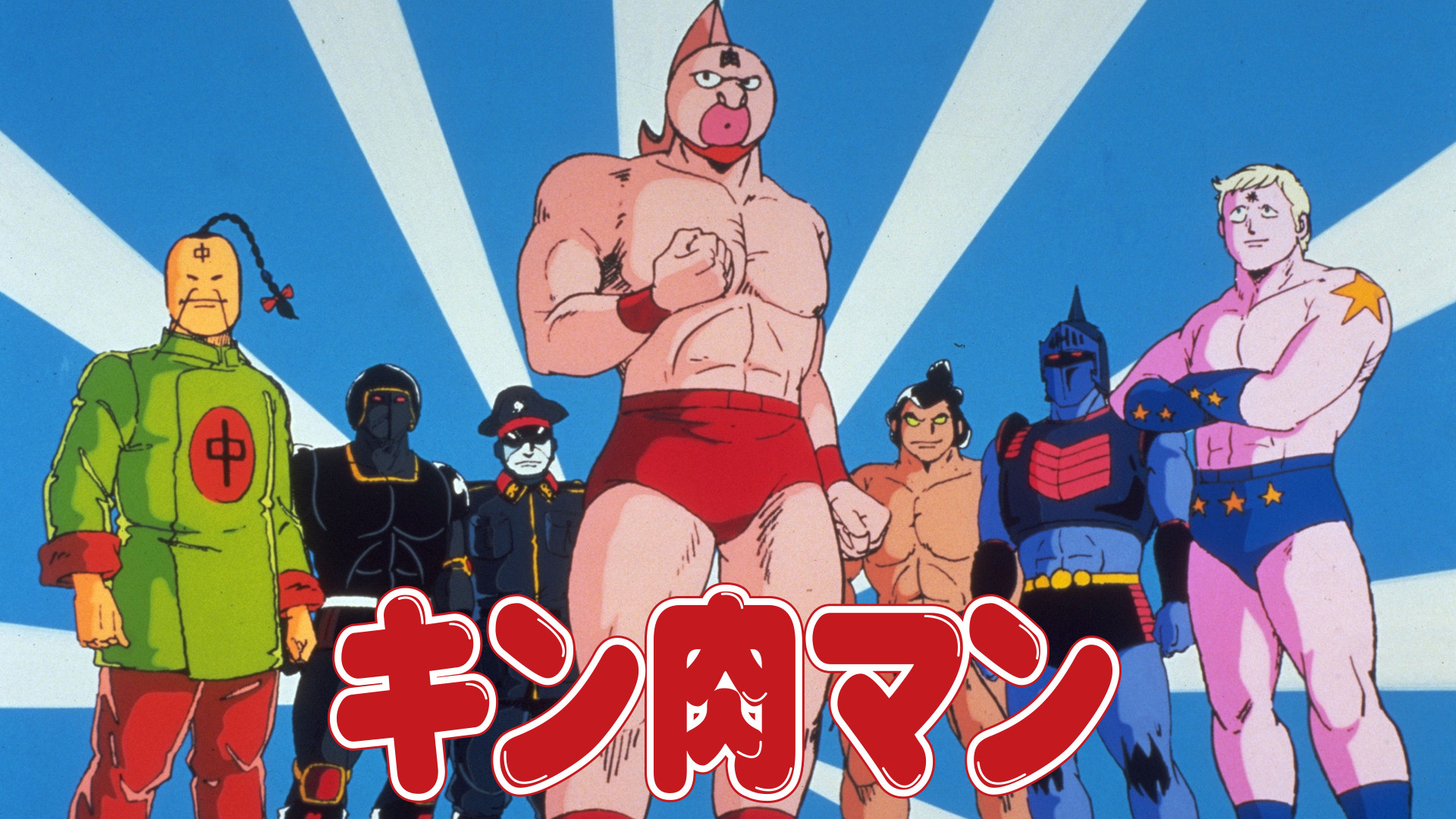
Summary of Kinnikuman's Justice Superheroes
Kinnikuman" is a manga and anime work by Yudetamago, the author of the original manga, which was serialized in Weekly Shonen Jump from 1979 to 1987. It is a fighting gag manga in which the main character, Kinnikuman, fights a number of superheroes. The "righteous superheroes" are a category of superheroes who fight monsters and demon superheroes to protect the peace of the earth. Kinnikuman and other righteous superheroes value friendship and join forces with their friends to fight their enemies. Influenced by their friendship, some of them, such as Ashraman and Neptune Man, have turned from demon superheroes and perfect superheroes to righteous superheroes.
Read Article
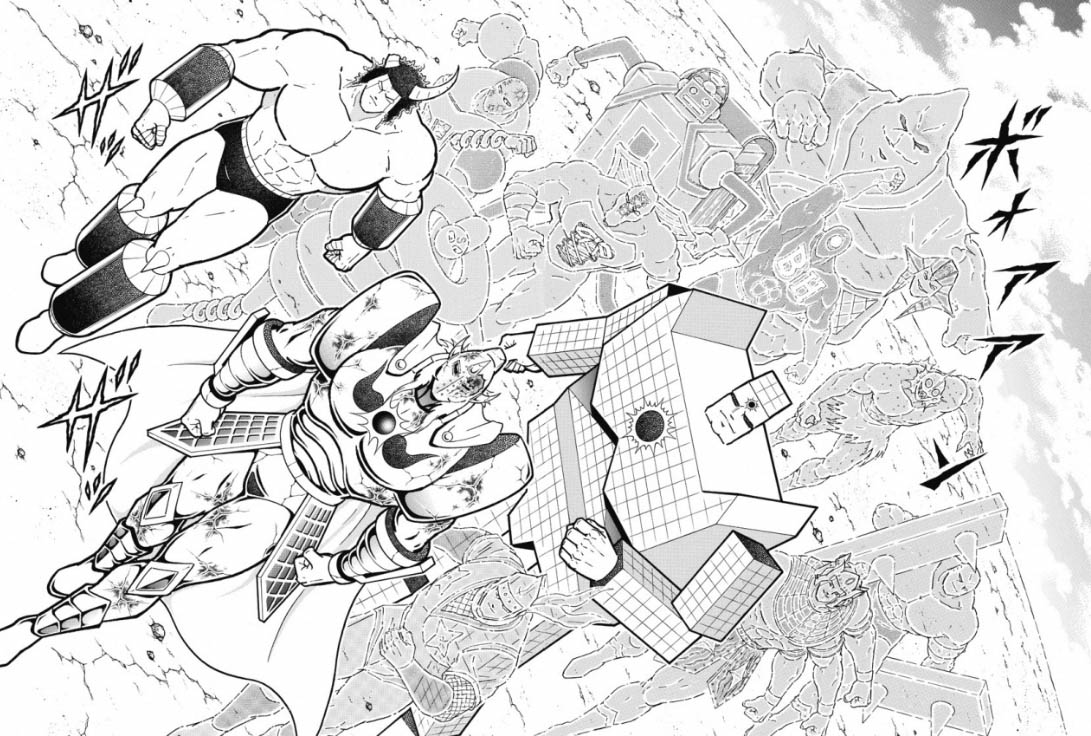
Kinnikuman's Demon Superhuman Summary
Kinnikuman" is a manga and anime work by Yudetamago, the author of the original manga, which was serialized in Weekly Shonen Jump from 1979 to 1987. It is a fighting gag manga in which the main character, Kinnikuman, fights a number of superheroes. Demon superheroes are a category of superheroes who develop a demonic, cold-blooded, ruthless, and cool-headed fighting style and pledge allegiance to Goldman, the Demon Shogun. In some cases, influenced by the friendship of a righteous superhero, they turn from demon superheroes to righteous superheroes, as in the case of Ashraman and Buffalo Man.
Read Article
Summary of Jump's past heroines
Weekly Shonen Jump, the most widely circulated manga magazine in Japan, is at the pinnacle of manga culture in terms of popularity and name recognition, and has produced many masterpieces. As a shōnen manga magazine, most of the main characters are male, but the heroines who support them are also fascinating characters. Some are adults, some are children, some are just protectors, some are sidekicks who fight alongside the hero, some are heroines who have kicked out the regular heroines and are united with the hero, and some are heroines and female protagonists that go beyond the norm of "shōnen manga. Here we introduce some of the heroines who have graced the pages of JUMP.
Read Article

July 2024 Summer Anime (this season's anime) Summary
Summer anime to be broadcast in the July 2024 season are listed in alphabetical order.The July 2024 summer anime lineup includes many sequels to popular series. Information on anime broadcast and distribution information, voice actors and staff, and synopsis is compiled in an easy-to-understand format.
Read Article
Manga that were outrageously fictionalized and eventually censored.
Have you ever had the experience that "my favorite work suddenly lost its direction and was censored? In this issue, we focus on the censored works.
Read Article
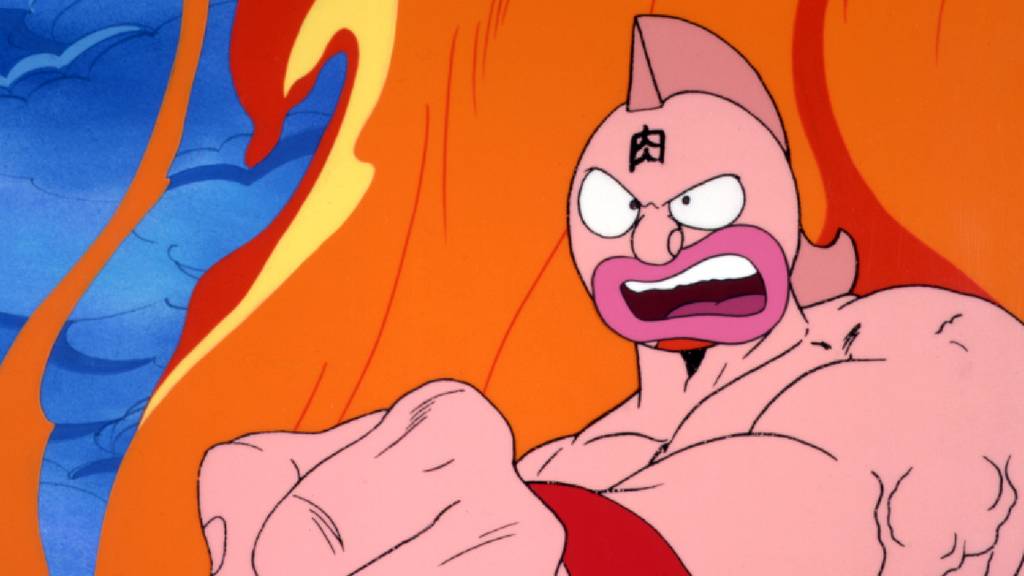
Kinnikuman: Lost Scenes in Famous Scenes? A compilation of tsukkomi spots
Kinnikuman" is a well-known fighting manga. Kinnikuman, or Kinniku Suguru, is the main character in this work, which is also famous for the song "Gyudon Ippsuji 300 nen. There are many famous scenes in this work. This article will discuss some of the most famous scenes in the film, and how to avoid them. In this article, we have compiled a list of such points to be pointed out. How many did you know?
Read Article
![Kinnikuman] How to Resemble "Muscle Shot", Summary of Recommended Characters](https://renote.net/files/blobs/proxy/eyJfcmFpbHMiOnsiZGF0YSI6NjYzNzczNCwicHVyIjoiYmxvYl9pZCJ9fQ==--ccbe5c171c95becb3538525d3a0d8cd94d5a02dc/FLmaJSIVcAQsr5D.jpg)
Kinnikuman] How to Resemble "Muscle Shot", Summary of Recommended Characters
Have you ever heard of a smartphone game called "Kinnikuman Muscle Shot"? It is a simple fighting game in which players battle using familiar characters. In this article, we summarize the app's resemara method and recommended characters. It also includes a strategy wiki, so if you are playing, please read on.
Read Article
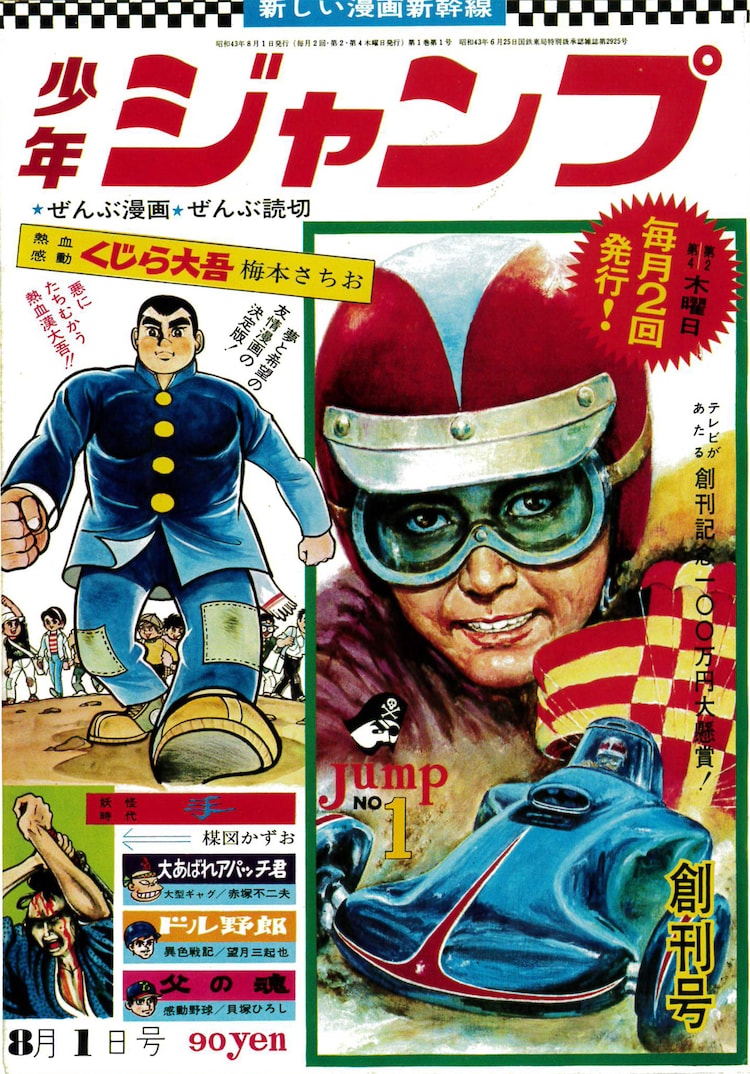
A compilation of short-lived and shitty manga from Weekly Shonen Jump [in chronological order] [first published 1968-1999].
Shonen Jump" has been giving boys dreams and hopes since its first issue in 1968. However, some of them have ended after only a short time in serialization because they did not gain much popularity. Although not necessarily limited to "crap manga," due to the author's reasons and short-run serialization, here is a list of manga that were short-lived in the history of the magazine from its first issue to 1999.
Read Article
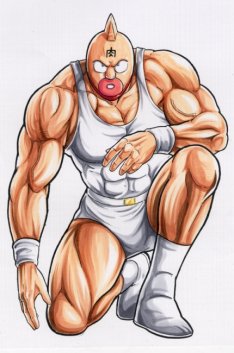
A funny collection of "Kinnikuman" stories!
The famous "Kinnikuman" captured the hearts of boys in the 80s. After "Kinnikuman II," which depicts the activities of his son's generation, the original Kinnikuman is now being serialized on the Web. Fans are enjoying the series again and again, but there have been many "unbelievable developments" in the Kinnikuman series. In the course of reading Kinnikuman, however, there have been many "outrageous developments." In this issue, we have compiled what fans consider to be the stories of the series!
Read Article
Summary of jump characters that weakened as soon as they became allies.
Characters that are weakened as soon as they become allies are, of course, a common story. Even in anime, manga, and video games, behind-the-scenes adjustments often result in the character being sidelined as a member of the main team, and if he or she is not good enough, he or she may become a standby or recovery character forever. With this fact in mind, we have decided to focus on Jump characters and summarize their sad reality with illustrations.
Read Article
Cartoons with a lot to go into.
While most people think of manga as easy to read and easy to understand, the manga we present here are 120 minutes of fun and insightful manga! Let's give them a good poke at the manga that are both enjoyable and poke-able. The compositions are funny, the characters are funny, and the things they do are funny.
Read Article
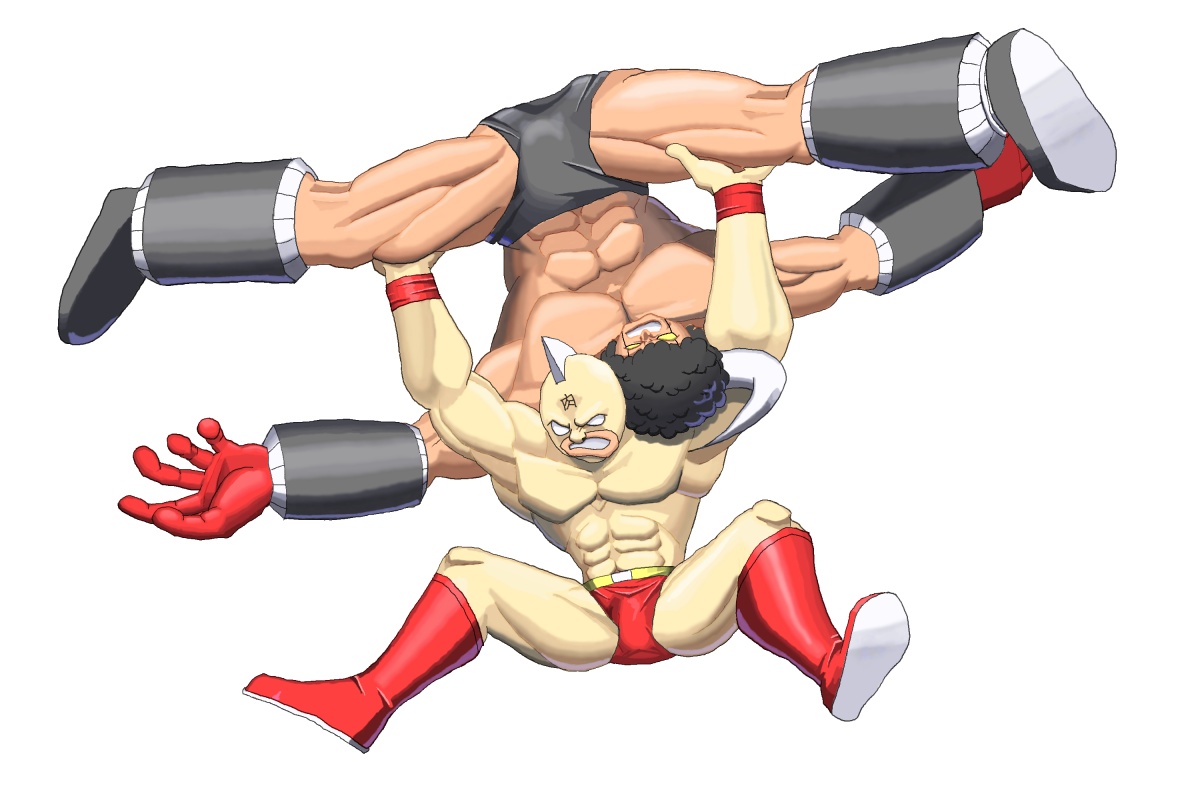
GO GO MUSCLE! A compilation of games based on the popular manga "Kinnikuman" & "Kinnikuman II
A compilation of video games based on the popular "Kinnikuman" works. Muscle Tag Match," which pioneered the competitive fighting action, and its sequel, "The Road to Justice Superhero," starring Kinnikuman II, are also compiled.
Read Article
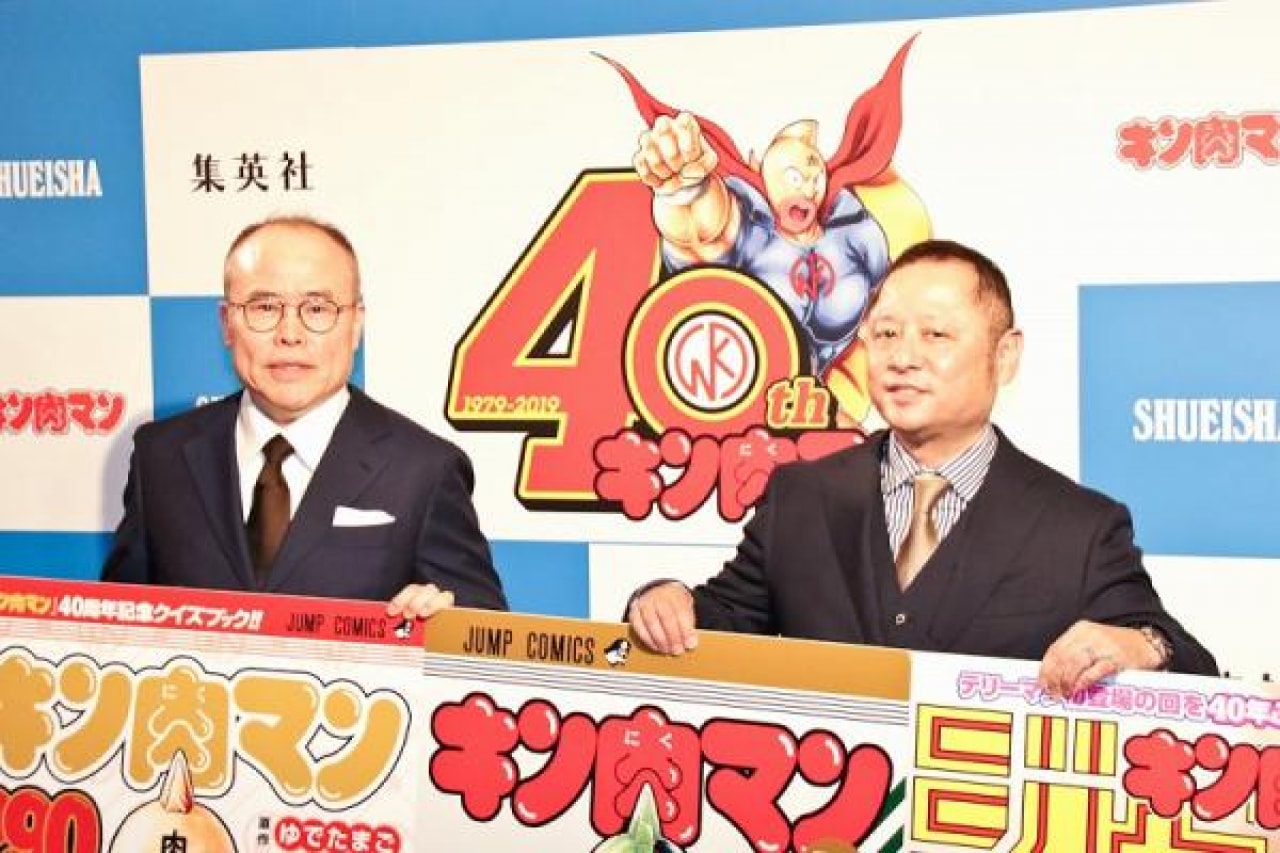
A compilation of cartoonists working in duos! Surprisingly unknown, even among popular authors!
Manga works are the result of a great deal of hard work and effort in creating a story, creating characters that fit the worldview, and finishing the manuscript. The effort is even more immeasurable when the work is published in a weekly manga magazine. On the other hand, there are manga artists who share the same pen name and work together, dividing their work into drafting and drawing. This article introduces information on cartoonists who are actually working as a duo.
Read Article
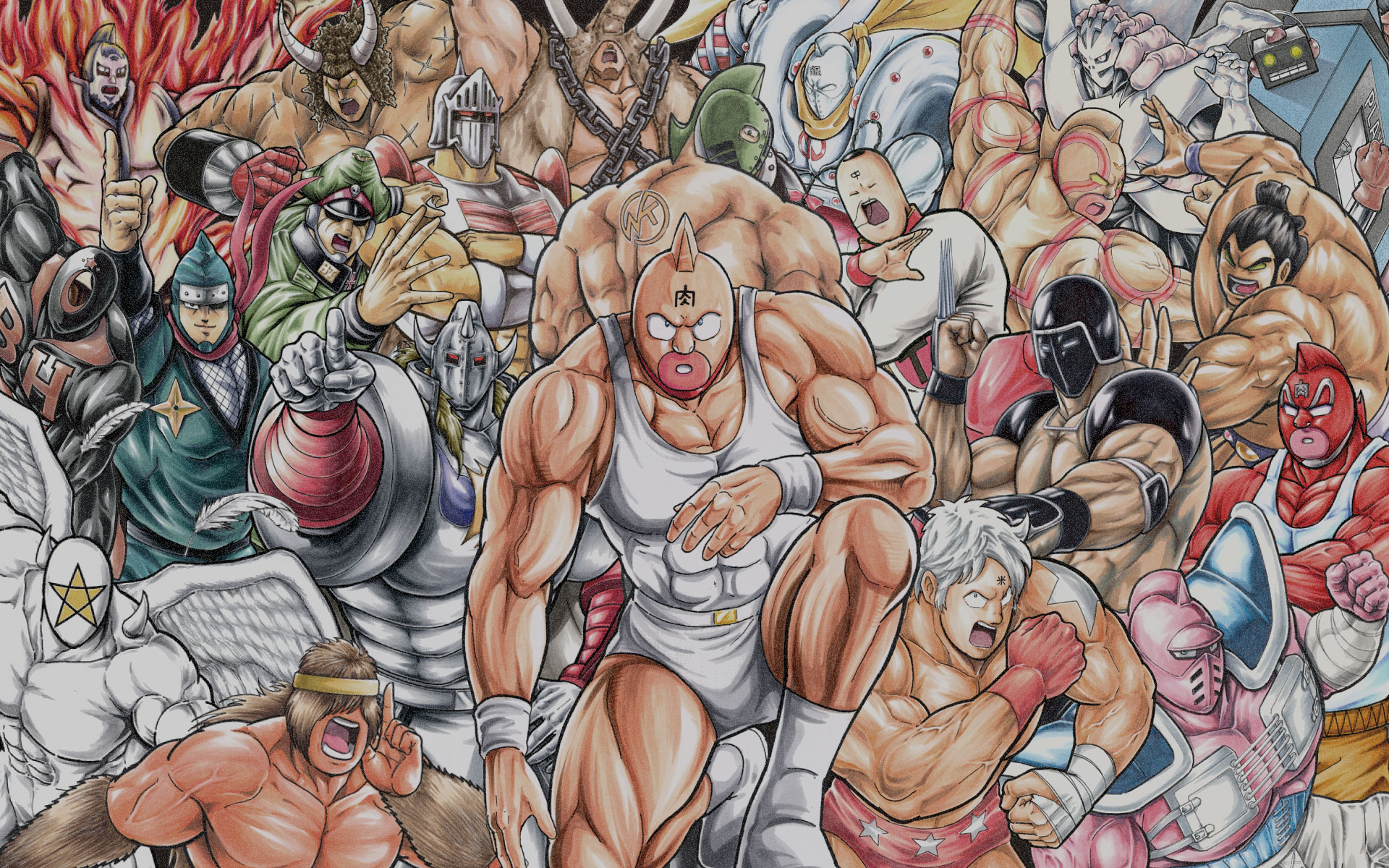
Kinnikuman superhuman strength ranking! The strongest superhuman is 100 million power!
In Yudetamago's manga "Kinnikuman," which began serialization in 1979, and its sequel "Kinnikuman II," fictional creatures called "choujin," who are said to transcend human existence, appear. Here we have compiled a list of the characters based on "superhuman strength," a numerical value that expresses the strength possessed by the superhumans!
Read Article
(2) 《Vol.16〜30》Summary of 《Anime and Manga》Story Performers by DVD of "AMETTOKU
This is a compilation of "Ametalk" DVDs from vol.16 to vol.30. All the DVDs are 2-disc sets, and they also come with special bonus videos that have not been broadcast on TV.
Read Article
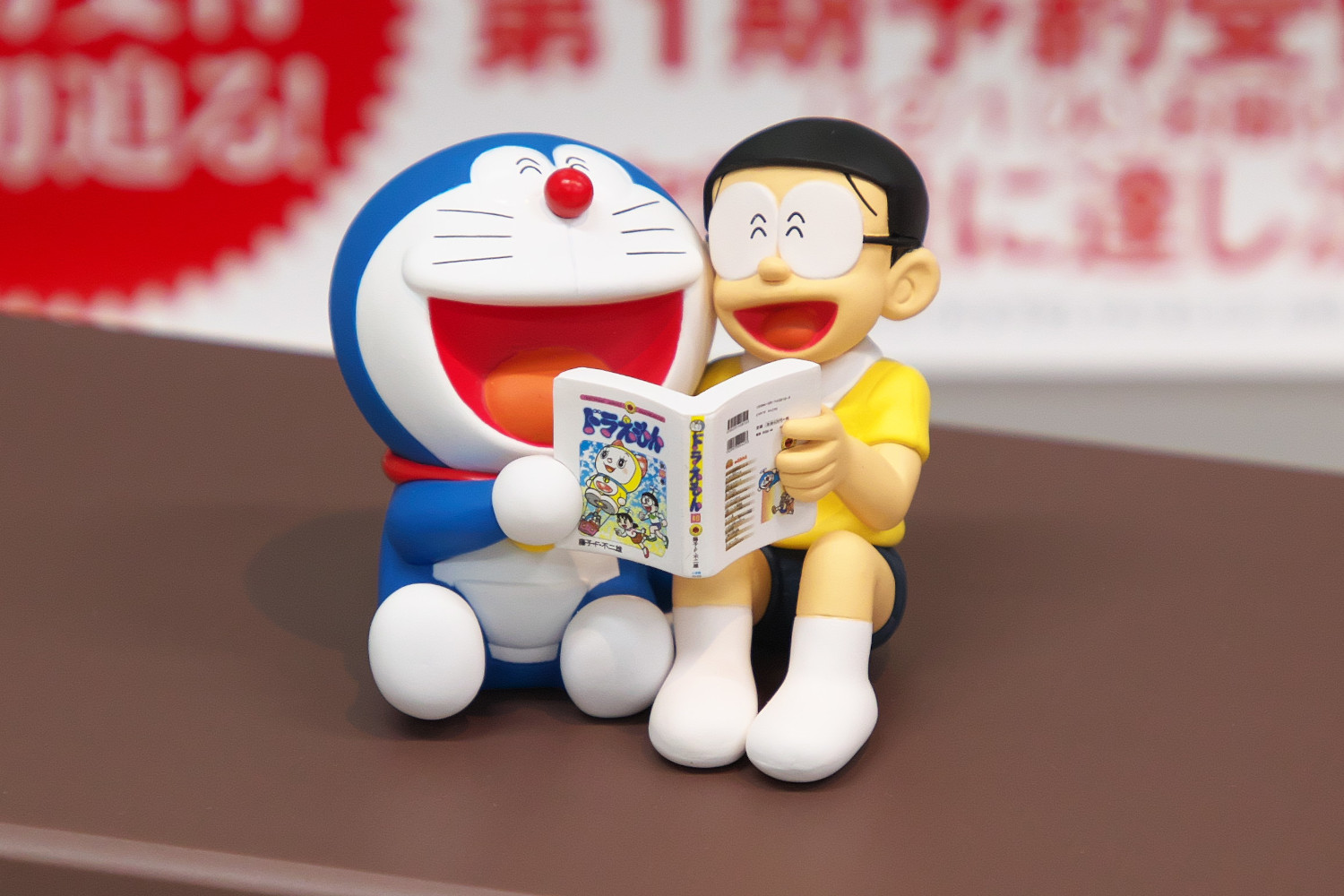
Now you're out! Summary of problematic depictions of national cartoons [such as "Doraemon"].
Doraemon," "Kochikame," and other classic manga have been loved for a long time and transcended time. We have compiled a list of expressions that are out of place in today's world. We will explain what kind of expressions are problematic, including Nazi-inspired poses in "Kinnikuman" and discriminatory expressions and depictions of corporal punishment in "Kochikame," with images of the relevant sections.
Read Article
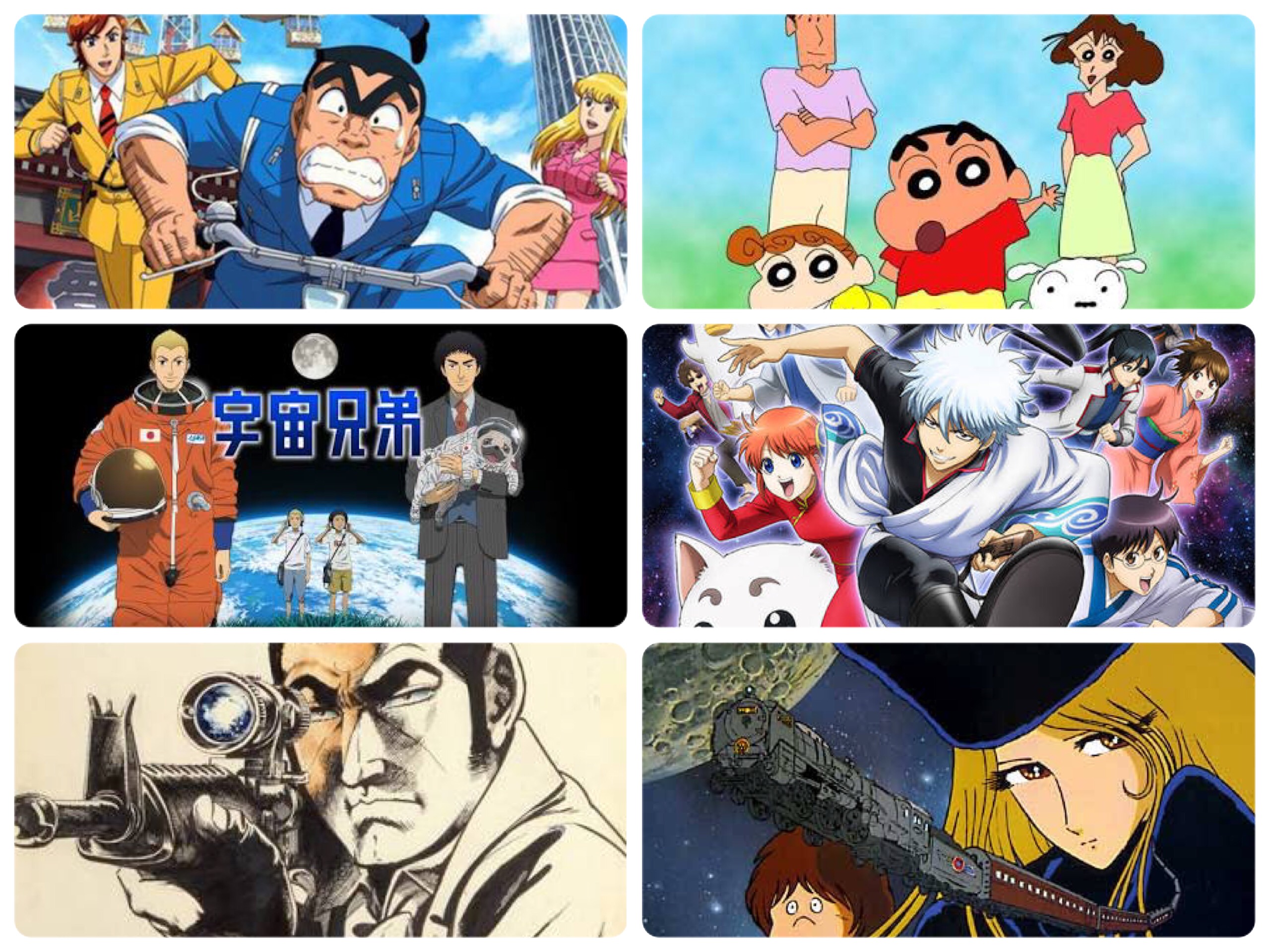
The Unknown Production, Birth, and Behind-the-Scenes Stories of Manga and Anime
This article introduces the creation, birth, and backstory of that manga/anime that is rarely known to the public, the industry, and even among fans.
Read Article
![Dragon Ball] Summary of works that the popular manga ONE PIECE seems to have influenced [Kinnikuman].](https://renote.net/files/blobs/proxy/eyJfcmFpbHMiOnsiZGF0YSI6ODM1MjM2NCwicHVyIjoiYmxvYl9pZCJ9fQ==--1395178e9a28c552bc68076e0bfae4e0cec2ef46/topic-04615-5.jpg)
Dragon Ball] Summary of works that the popular manga ONE PIECE seems to have influenced [Kinnikuman].
The manga "ONE PIECE" is now highly popular not only in Japan but also overseas. Looking at its style, it is clear that it has been influenced by various works. In this article, we have compiled a list of works that are believed to have influenced author Eiichiro Oda's manga creation. It makes sense that "Dragon Ball" and "Kinnikuman" would be among them!
Read Article
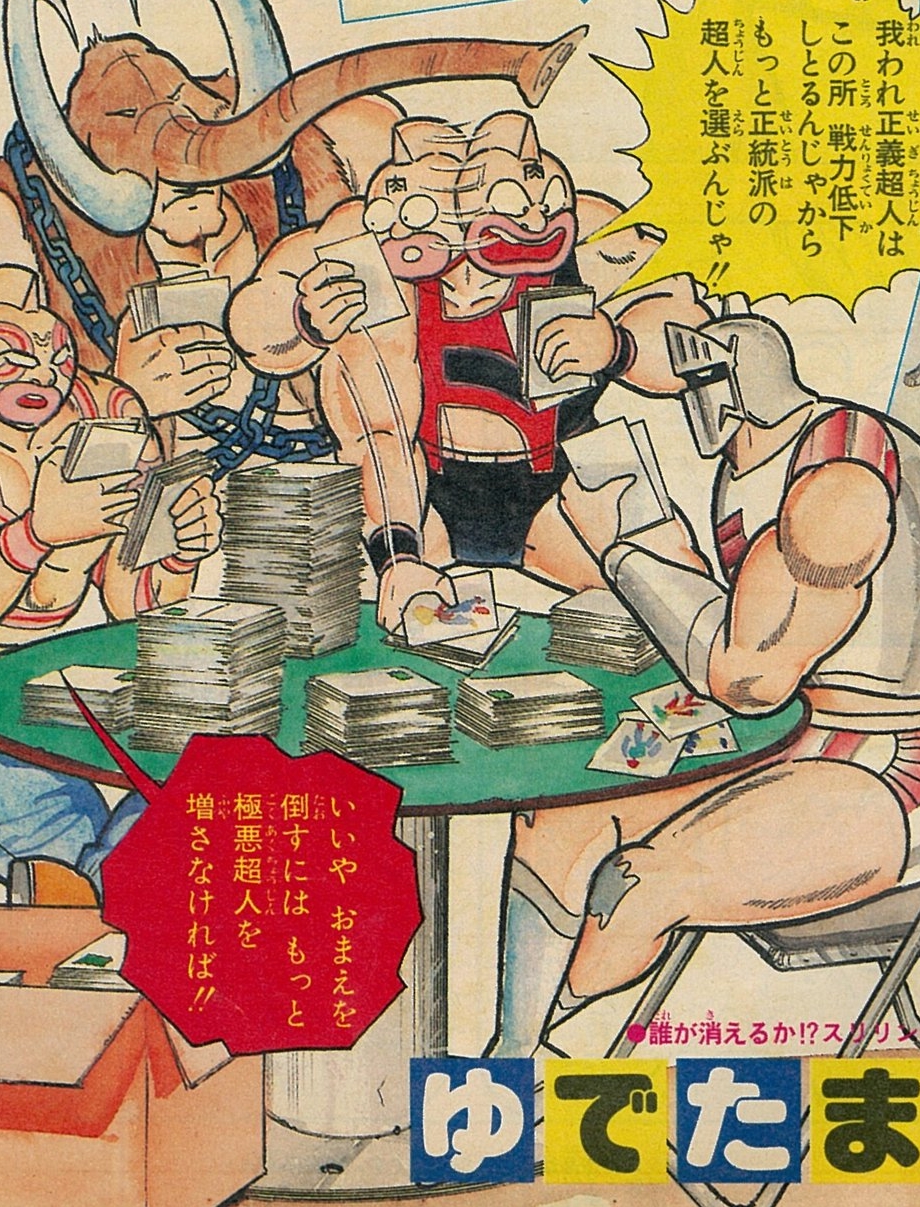
A tour de force of superhuman recruiting, which is a shame that only JC is introduced.
The works featured in the door picture of Weekly Shonen Jump's 1986 issue No. 50, episode 93 "The Secret of Big Tusk! (a story that explains why Big Tusk, the mammoth man, began to grow and chase prey regardless of his will). The award-winning works were originally scheduled to be announced around this time, but as you can see from the picture, the screening process took a long time due to the sheer volume of postcards submitted, and the award was carried over to the following year's issue No. 10 ("Ironic Master-Disciple Showdown!"). The award-winning work was originally scheduled to be announced around this time.
Read Article
Tags
Contents
- Outline of "蹴撃 te Mamoru"
- Outline and story of "蹴撃 Te Mamoru"
- Challenge to King Python
- Training to become a Muay Thai warrior
- Fight to the Death with the Nishiki Snake Association
- Characters from "蹴撃 Te Mamoru"
- Main character
- Mamoru 蹴田
- 蹴田 Isao Yonezaki
- Zepet-Changer
- Tanon Muaslin
- Nishiki Jakai
- King Python
- Qingdao Scorpion
- Mantis Boy
- Daniel.
- Crocodile
- Other Characters
- Puan
- Buta 丸男
- Director Yamada
- Higante
- バカンボ
- Terms used in "蹴撃 te mamoru"
- Batsuyari
- Muay Thai
- Kyuju Nichirogoshi Hebi Kokuken
- Tim. Tim. Doll Dance.
- Words, lines, scenes and scenes from "蹴撃 te Mamoru"
- Mamoru: "I'm standing at 90 degrees against the wall with only my legs!"
- King Python, "Mark of the Ninetieth Day Killer Snake!"
- MAMORU: "THE BATTLE IS YET TO COME!"
- Behind the Scenes, Trivia, and Small Stories / Episodes and Anecdotes of "蹴撃 te Mamoru"
- Discontinued after 5 months of series
- A fighting scene far from Muay Thai
- He spread the word "Chala bo" throughout the country.