
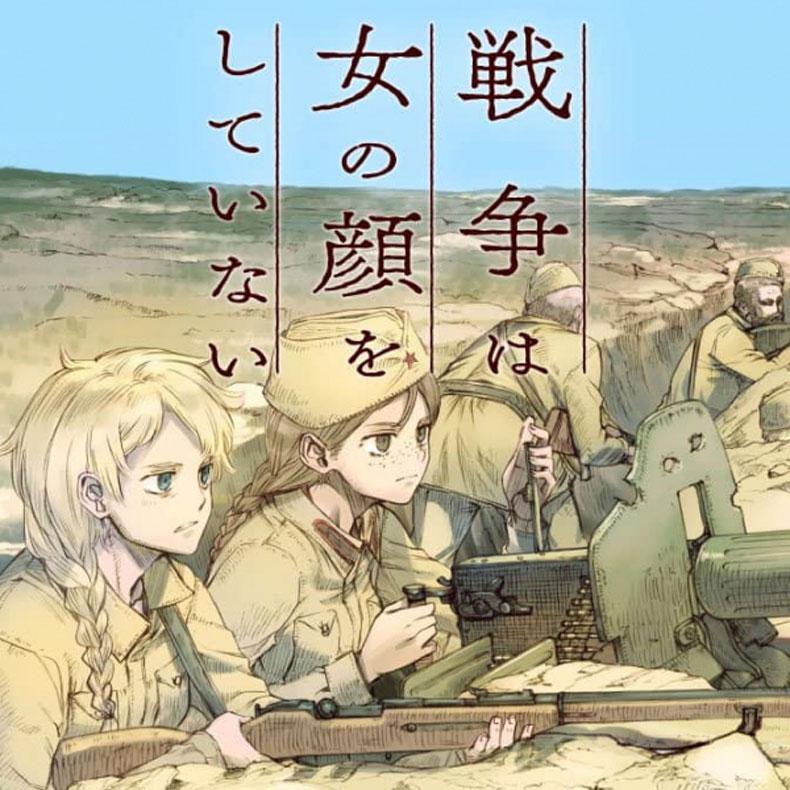
War Has No Woman's Face" is a non-fiction novel by Svetlana Alexievich and a comic book based on it. It is a compilation of interviews with women who served in the German-Soviet War of World War II. The original work was published in 1985 and won the Nobel Prize in Literature in 2015. The manga, based on the original work and drawn by Keito Koume, began serialization on the ComicWalker e-comics distribution site in 2019.
When Alexievich came to the interview, Laura told him that she knew what journalists wanted, but that she didn't. After a preface, she said, "The most scary thing about the war. is that I'm wearing men's pants." Despite being determined to stand on the front line in the war and die for my country, Laura felt that it was comical, stupid and ridiculous that she was wearing men's pants. After that, she made a funny story about receiving women's underwear from the military in a village in Poland, but Alexievich cried and Laura was confused.
At that time, many people thought that war was for men and that women were not allowed to participate in it. Because the military did not treat women well and did not decide what to distribute on the assumption that women would join the military, women's underwear was not included in the distribution. Therefore, women were given men's underwear. The fact that women had to give up their pride and femininity due to this treatment caused stress to many women, including Laura. This long-lasting situation became possible when women's underwear was distributed in Poland. Originally, it was natural for women to wear women's underwear, but this shows the severity of women's participation in the military, which was not allowed only during the military campaign.
Antonina: "Kill them. Kill them all. Kill them as much as you can. In the most cruel way."
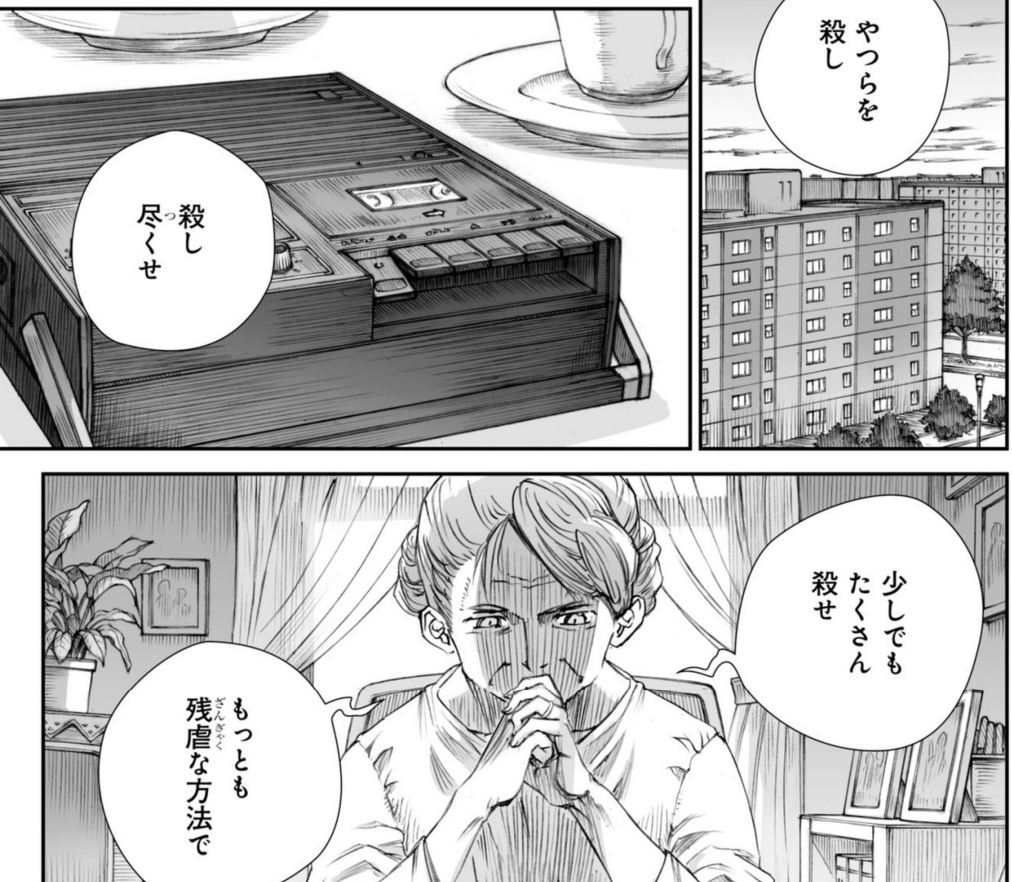
At the time of the interview at Are クシエーヴィチ, Antonina, who had joined the Partisans, expressed her hatred of the enemy, saying, "Kill them. Kill them all. Kill as many as you can. In the most cruel way." During the Russo-German War, the German army marched into the villages of the Soviet Union and repeatedly committed cruel acts against the villagers. They captured soldiers who had returned with injuries and relatives of the Partisans and tortured them in front of the villagers to urge them to surrender. In fact, the German soldiers had been hit hard by the attacks by the Partisans, so it is possible that they were also angry. In the village of Antonina, there was no exception. The children of the village were dropped in the well alive, and the Partisans were cut to pieces with a saw. Antonina's mother was captured by the German soldiers and tortured to death. During the war and even after the war, Antonina's heart was filled with hatred for the German soldiers who had committed the most atrocities.
Tamara: "How do I talk? What language do I use? What face do I have?"
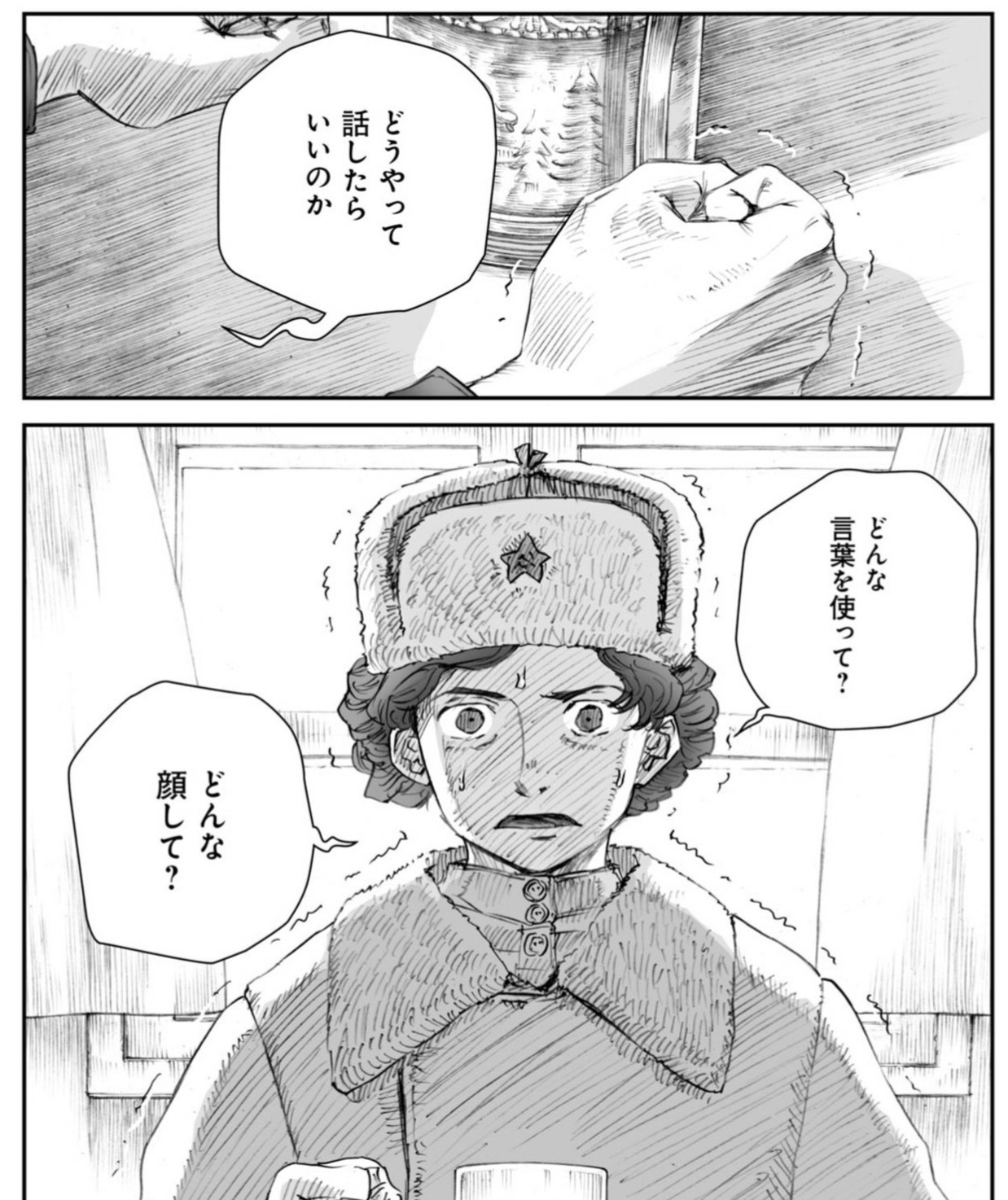
He told Alexievich, who came to the interview, about the cruelty and cruelty of the war he had experienced, and asked if people who had never been to the war could understand this. He said, "How can I tell? What kind of language do I use? What kind of face do I have?" In the process, Tamara, who was looking at various battlefields and rescuing his comrades, saw many of his comrades die. Tamara says that there is no way for people who have never been to the battlefield to understand the horrors of hand-to-hand combat and the horrors of humans attacking humans with bayonets, with more bodies than there are firewood. Tamara cries, wondering what kind of face she should have to remember the tragic scene. It was so painful for Tamara to talk about the war that she asked Alexievich, who was doing the interview, what kind of face she should have to talk about it. However, no matter how hard it was, she also said that the story of the war should be handed down to posterity, leaving behind the screams of the women who participated. She continued to answer the interview with tears.
Behind the Scenes, Trivia, and Small Stories / Episodes and Anecdotes of "Senso wa Onna ga Suru" (War Does Not Have a Woman's Face)
Many of the Partisans' equipment was taken from the Germans.
Since the partisans were irregular soldiers, they were not provided with official equipment and used what they had taken from German soldiers. They also wore Akaboshi badges over the German symbols of the eagle and the harkenkreutz on the German soldiers' belt buckles. Or they had holes in the parts of the eagle and the harkenkreutz.
Status of the "managed society" of the Stalin administration
It is often said that Stalin was a dictator who strictly controlled the Soviet Union and restricted the movement and freedom of the people, but there are many facts that cannot be said to have been properly controlled. There are many girls in the story who took part in the war without formal procedures. Even カラシニコバ, who developed the famous AK-47 automatic rifle, left his home country and lived in a different place. These things would not have happened if they had truly managed and controlled the people. There was no way they could manage the vast land of the Soviet Union. There was also some laxity in the customs, nature and culture of the people that had existed since ancient times. Perhaps because Stalin himself felt this, he was suspected of cooperating with the Germans, and forced the entire nation to migrate. The Stalin regime itself had a contradiction in that the construction of a new era was a mixture of elation, fear and tension. Therefore, there is a high possibility that the "controlled society" of the Stalin regime was just pretense and the real intention was somewhere else.
The girls have different military uniform designs because they were changed during the war.
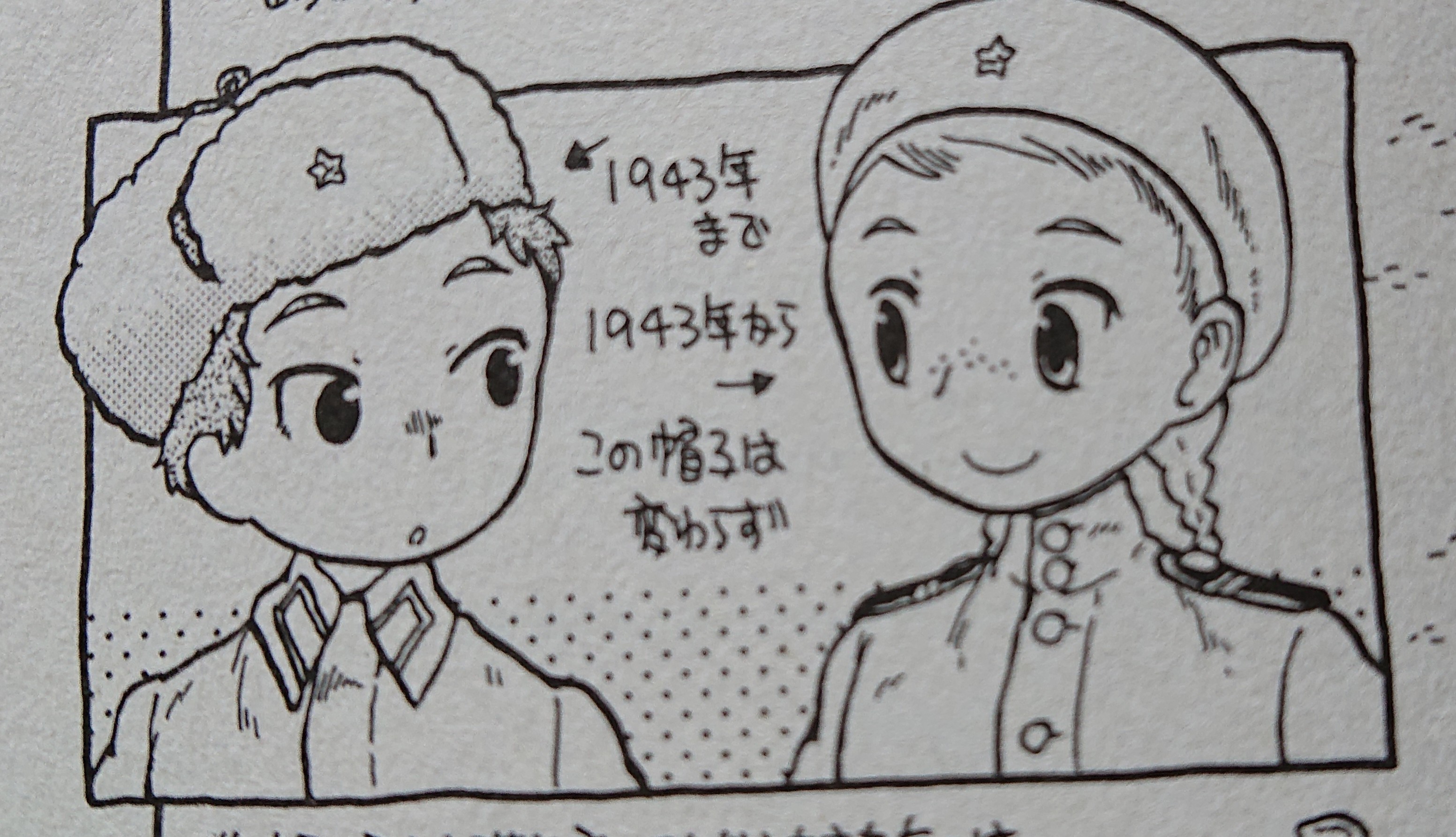
The war began in 1941. In 1943, despite the war, the military uniforms and the class emblems were redesigned to include elements of the Russian Imperial Army to encourage nationalism. As a result, the war between Germany and the Soviet Union since 1943 has been a mixture of elements of communism and the Russian military.

Related Articles
Spoiler commentary and discussion of Wolf and Spice (novella, manga, and anime)
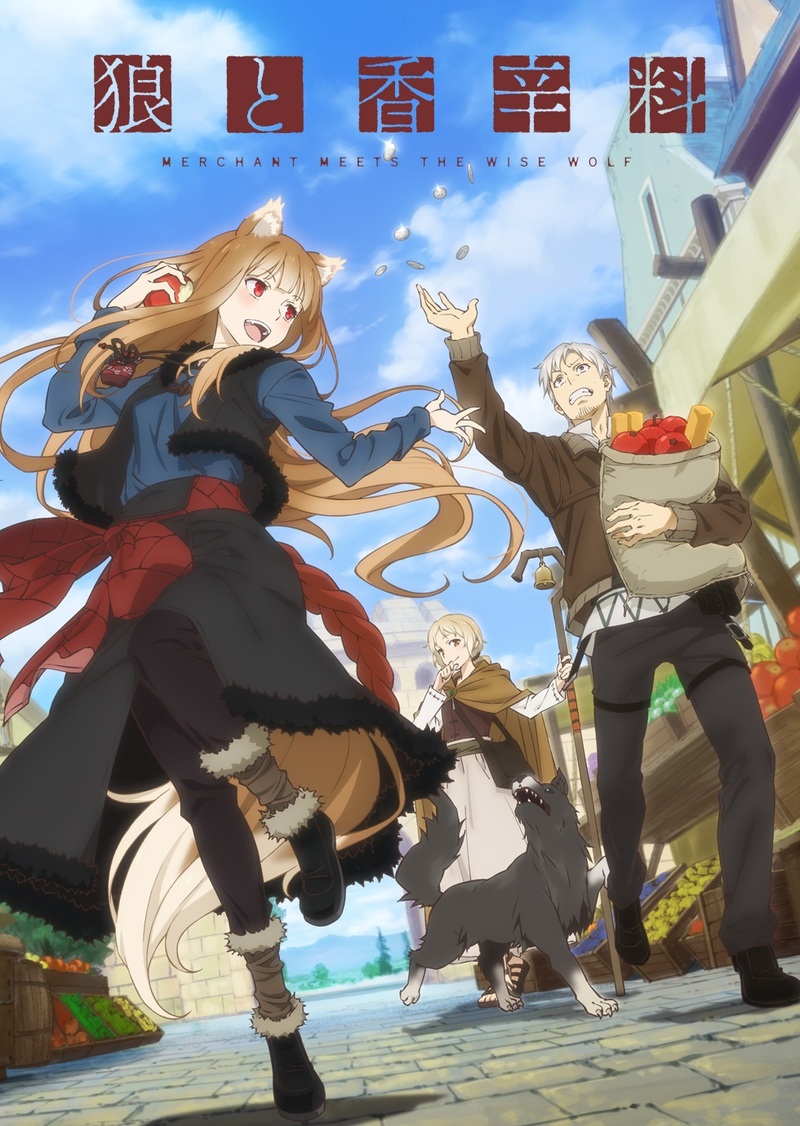
Wolf and Spice" is a light novel by Frozen Sand Shikura, as well as an anime, manga, and video game based on the novel. It is the author's debut work and the winner of the Silver Prize of the 12th Dengeki Novel Award. Set in a medieval fantasy-like world, the story follows a peddler and an incarnation of a wolf as they travel and overcome various problems related to their business. 17 volumes were published in 2011, and a sequel began in 2016. Lawrence, a peddler, meets the old god Horo, who calls himself the Wise Wolf. Aided by her wisdom, Lawrence sets out for the northern lands, the home of Horo.
Read Article

April 2024 Spring Anime (First Semester Anime) Summary
This is an alphabetical list of spring anime that will start airing in April 2024.The April 2024 spring anime lineup includes many hot new anime and sequels to popular series. Information such as anime titles, broadcast information, cast voice actors and staffs are compiled in an easy-to-understand format.
Read Article
Tags
Contents
- Outline of "War doesn't have a woman's face"
- Outline and story of "War does not have a woman's face"
- Interviews with two snipers
- Man is much bigger than the war
- Interview with a Partizan Woman
- Characters from "War Doesn't Have A Woman's Face"
- Protagonist
- Svetlana Aleksievich
- War woman
- Warren, Chi-na, クジミニチナ, Bratchikova, Borshi, Chevskaya.
- ワーリャ
- エフローシニヤ グリゴリエヴナ Breus
- クラヴヂヤ グリゴリエヴナ Krohina
- Mariya イワーノヴナ Morozova (イワーヌシュキナ)
- Mashinka Alhimova
- Maria ペトローヴナ Smirnova
- Anna イワーノヴナ ベリャイ
- Clara セミョーノヴナ チーホノヴィチ
- Maria セミョーノヴナ Cali Werder/Spree
- Lubofi イワーノヴナ オスモロフスカヤ
- Antonina グリゴリエヴナ Bondawale
- クラヴジヤ イワーノヴナ Telefoix
- Elena ヴィレンスカヤ
- Maria Alexandrovna Altentova
- Lola アフメートワ
- Nina ヤーコヴレヴナ ヴィシネフスカヤ
- Anna Nikolaevna フロロヴィチ
- Tamara ステパノヴナ ウムニャギナ
- Partizan
- Antonina Alekseeevna Condon Rasho
- Maria ワシーリエヴナ パーヴロヴェツ
- Term "war does not have the face of a woman"
- Soviet Union
- German-Soviet war
- Communist Youth League
- Partizan
- Communist Party
- Words, lines, scenes, and scenes from "War Doesn't Have A Woman's Face"
- Effusciniya "I don't bury my husband, I bury my love."
- Lola: "The scariest thing about the war. was that I was wearing men's pants."
- Antonina: "Kill them. Kill them all. Kill them as much as you can. In the most cruel way."
- Tamara: "How do I talk? What language do I use? What face do I have?"
- Behind the Scenes, Trivia, and Small Stories / Episodes and Anecdotes of "Senso wa Onna ga Suru" (War Does Not Have a Woman's Face)
- Many of the Partisans' equipment was taken from the Germans.
- Status of the "managed society" of the Stalin administration
- The girls have different military uniform designs because they were changed during the war.