
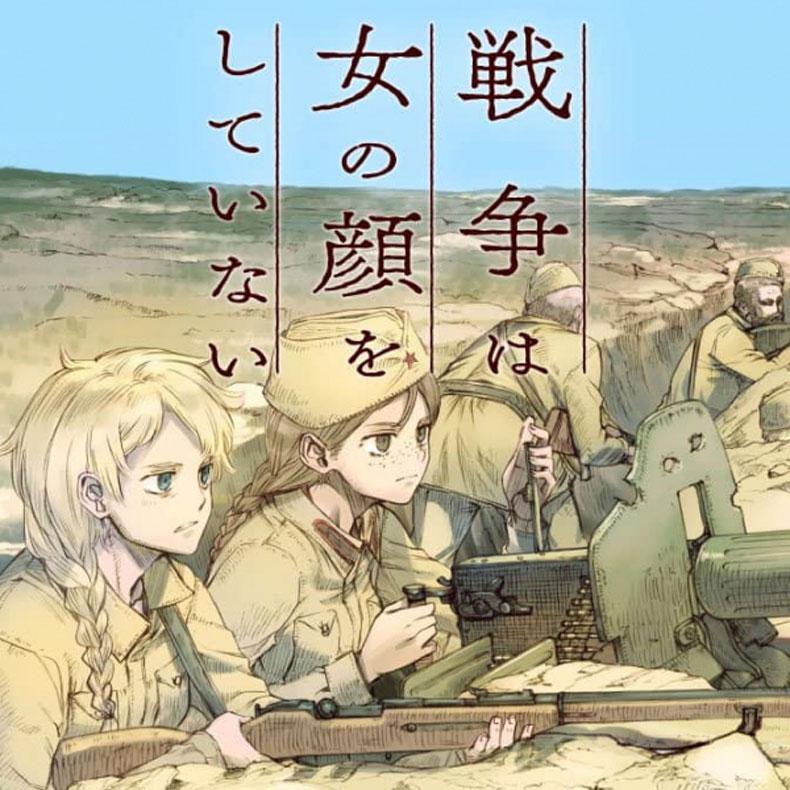
War Has No Woman's Face" is a non-fiction novel by Svetlana Alexievich and a comic book based on it. It is a compilation of interviews with women who served in the German-Soviet War of World War II. The original work was published in 1985 and won the Nobel Prize in Literature in 2015. The manga, based on the original work and drawn by Keito Koume, began serialization on the ComicWalker e-comics distribution site in 2019.
Antonina グリゴリエヴナ Bondawale
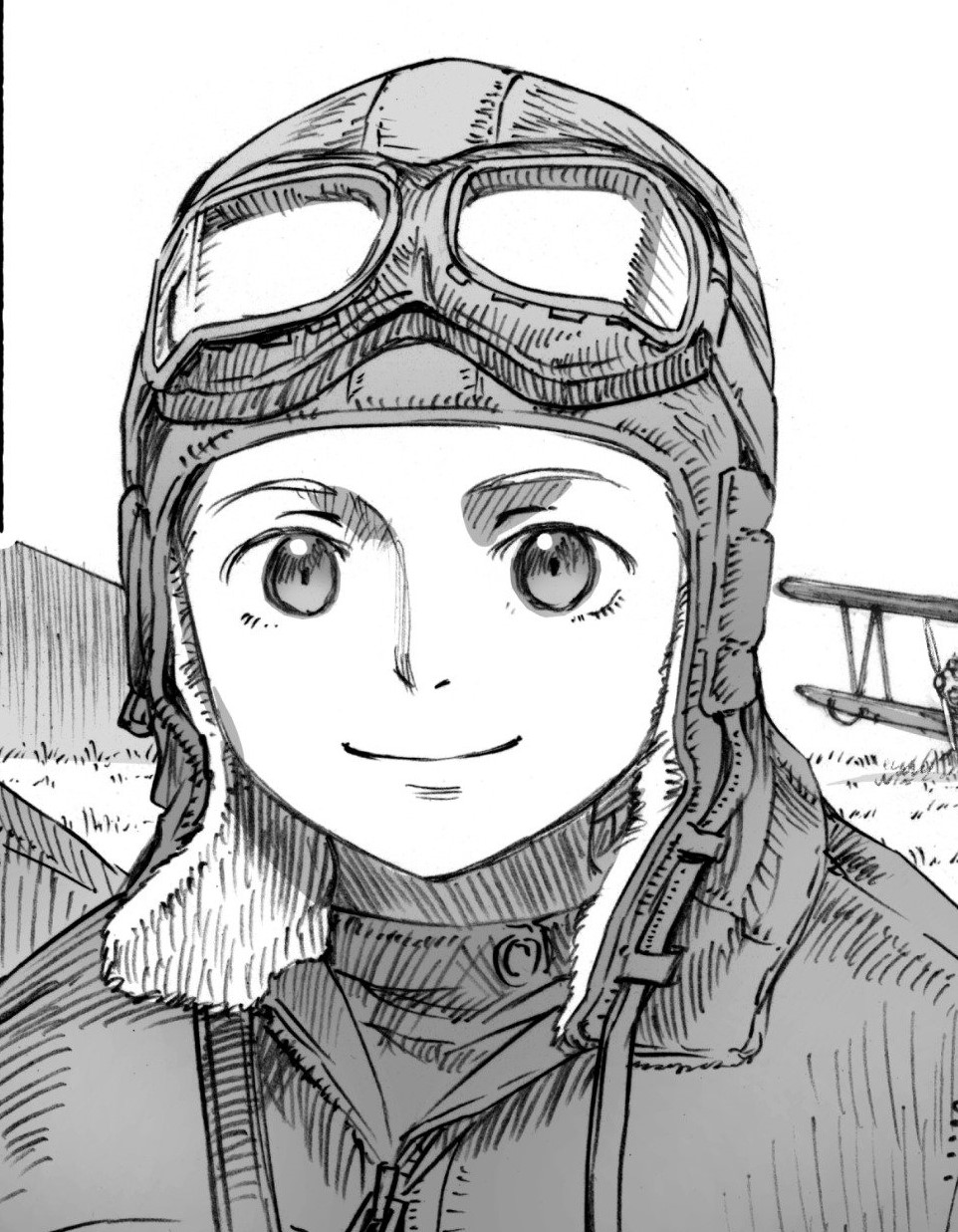
She was a lieutenant and served as a first class astronaut. Before the war started, she joined the flying club because she was a member of the Youth League of the Communist Party. However, her father initially opposed her becoming an astronaut because her family had worked in the steel industry for generations. However, she was allowed to become an astronaut because she liked the plane that she flew. When the war started, her husband, who was also an astronaut, went to the battlefield first and died in battle. Later, she left her daughter with her relatives and went to the battlefield herself.
クラヴジヤ イワーノヴナ Telefoix
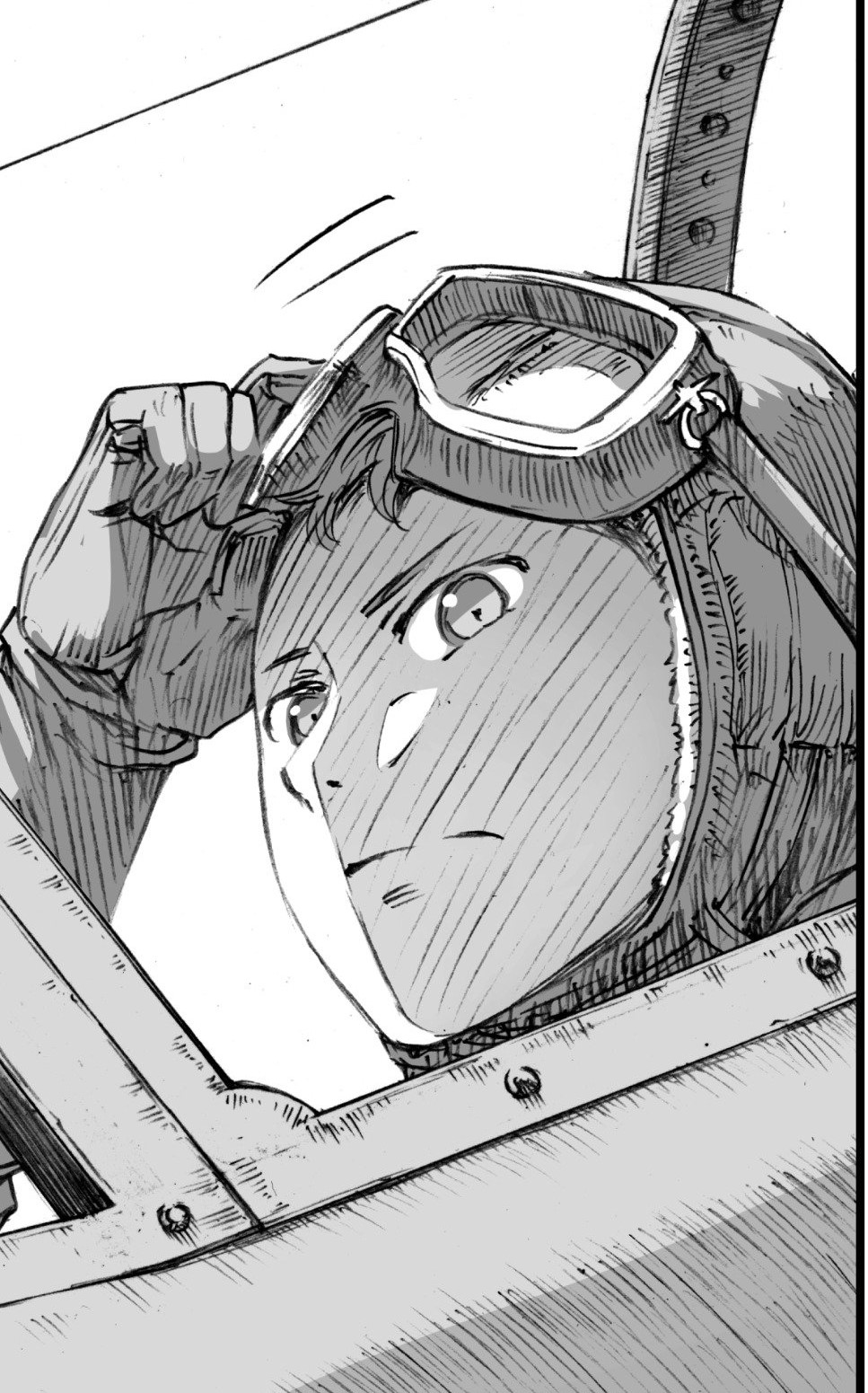
She was in the rank of captain and served in the Air Corps. She was a political instructor at an aviation school. She instructed her and other long-haired girls to have their hair cut at the command's order. At that time, she was scolded by the commander because there was only one colleague who refused to have his hair cut. She completed her study of airplanes in just six months, which would have taken two years in peacetime, and flew to the battlefield in a fighter plane.
Elena ヴィレンスカヤ
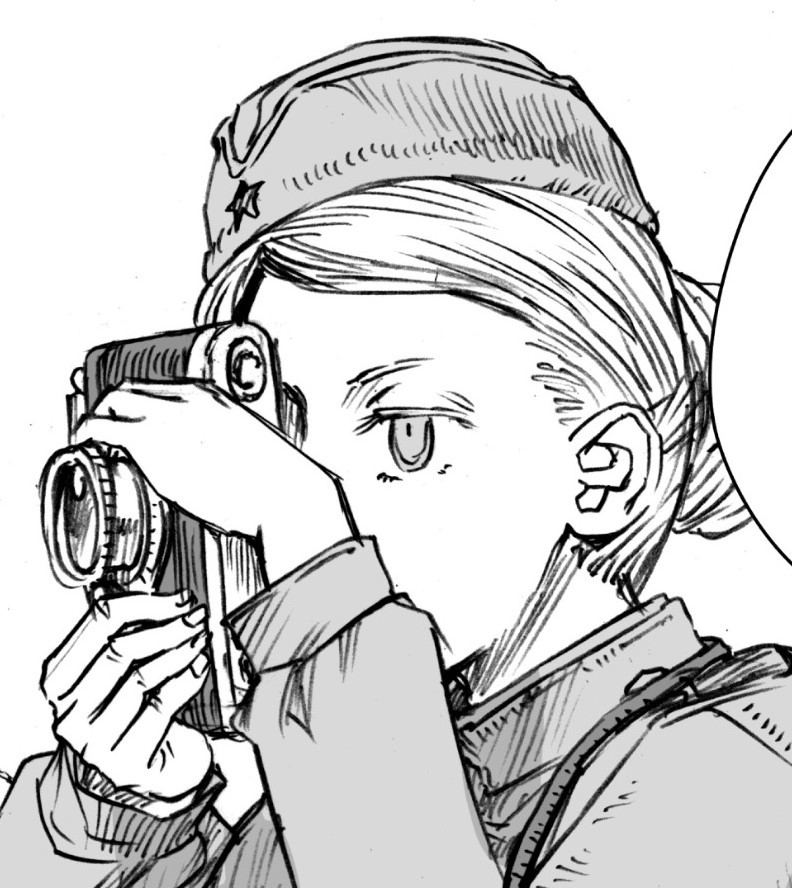
She was a sergeant and a secretary. She was a cameraman before World War II, so she was assigned to be a cameraman during World War II as well. She wanted to take pictures of the dead, so she took pictures of soldiers resting, receiving rewards, and holding up the flag of the regiment. When one of her friends died, she laughed and gave the picture to someone who wanted it.
Maria Alexandrovna Altentova
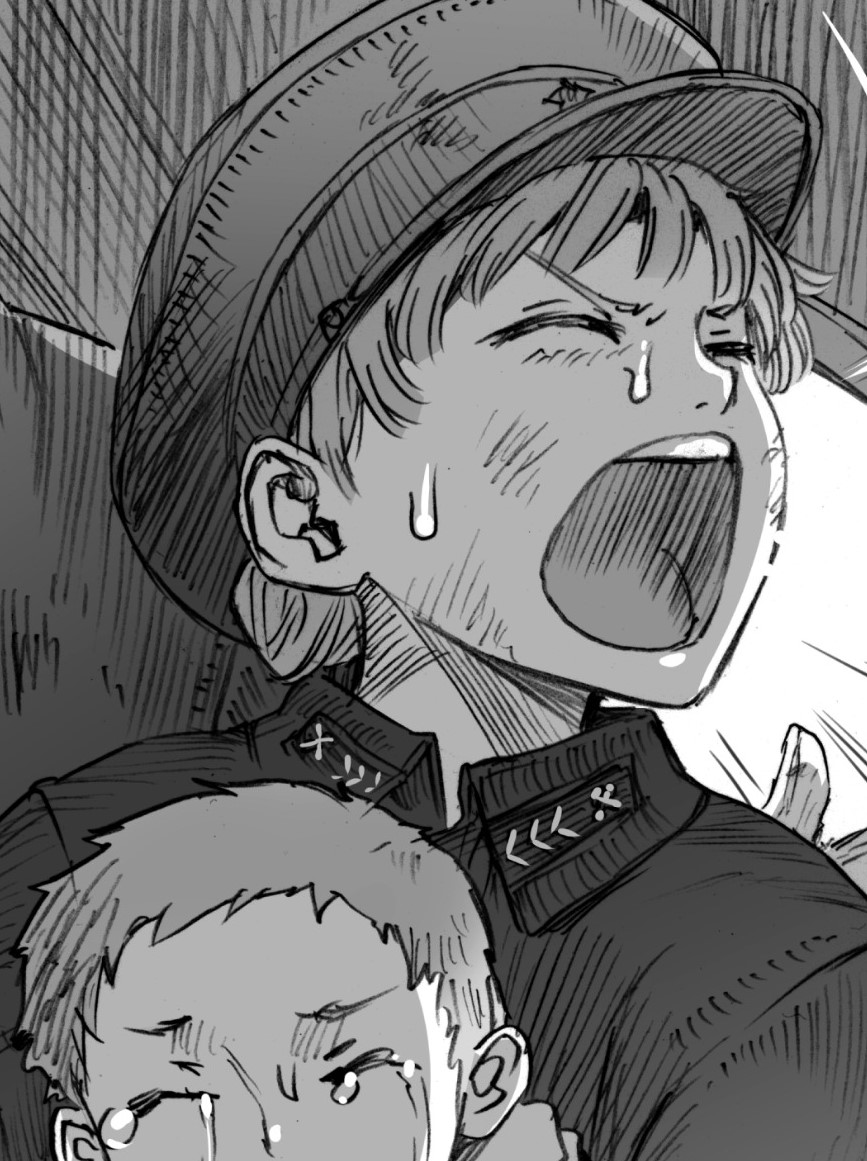
A woman who worked as a railway engineer. She was the first female engineer in the Soviet Union. She had a husband and children. When the war started, she evacuated to ウリヤーノフスク with her children. However, she decided to fight for her country and evacuated. Less than half a year later, she worked with her husband as an engineer for a locomotive of a transportation company. Her children also moved with her on the locomotive, picked up the kittens and took good care of them. The fact that the children picked up the kittens has become such a precious memory that she asks Aleksievich to put it in a book. She says that the locomotive is her life and youth, and she also thinks that it was the most beautiful thing in her life. After the war, she is traumatized with extreme fear of leaving her family.
Lola アフメートワ
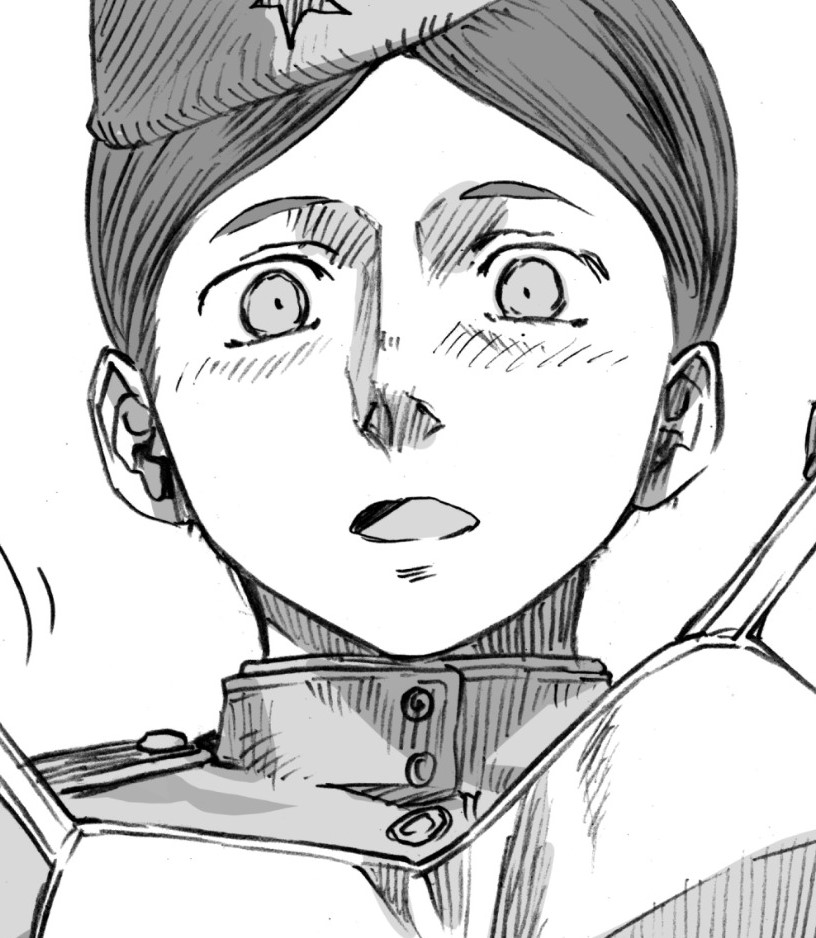
She was in the rank of private and served as a sniper. When Alexievich visited and was asked, "What you were afraid of in the war," she answered, "You were wearing men's pants on the battlefield." She had come to the battlefield with the determination to sacrifice her life for her country, but she was wearing men's pants. She felt that it was not terrible, that it was comical and stupid. She had worn men's pants for four years, but when she came to Poland, she was happy when she was finally given women's underwear. She told these stories to Alexievich like a funny story, but Alexievich cried at the content of the story, so she could not understand why she was crying and was puzzled.
Nina ヤーコヴレヴナ ヴィシネフスカヤ
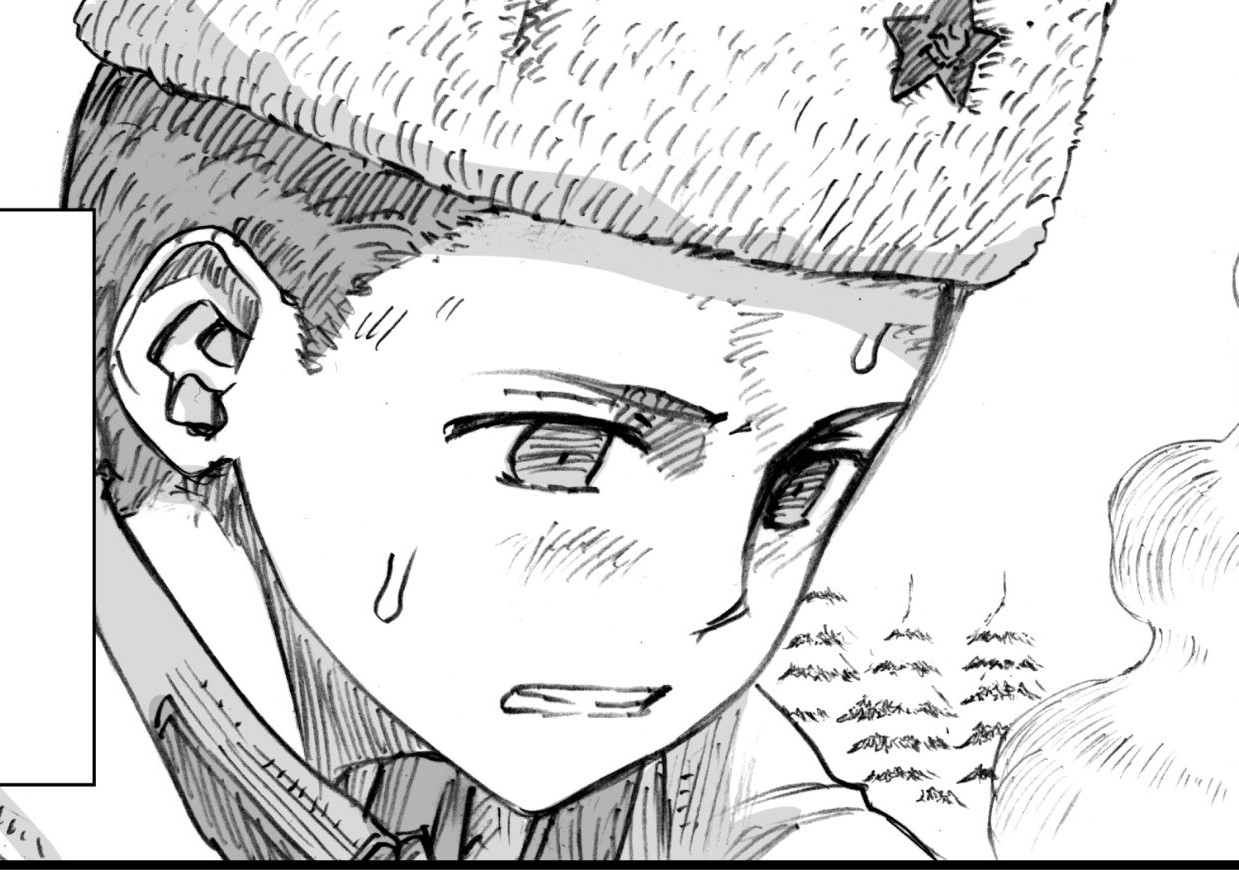
She was a sergeant major and served as a health guidance in a tank battalion. When she was in ninth grade, she was drafted into a national defense facility and was digging an antitank trench with her friends. At that time, she was bombarded by German planes and decided to fight on the battlefield with her friends. She ran to the conscription headquarters with her friends, but was once refused because of her small body size. However, at the discretion of the girls who had been recruited, she sneaked in and headed for the trench. So she half-forced herself to work as a nurse on the battlefield. Later, she received a formal military uniform and worked as a tank soldier to rescue and recover soldiers left behind in tanks. At the age of 18, she was awarded a medal for her distinguished service and the Order of Akaboshi, and at the age of 19, she was awarded the Second Class Order of the Fatherland. She was close to Ruba, Shurasena, Togna, and Gina from the same school, and the other tank soldiers called them the Conakovo Class.
When he read the manuscript written by Are クシエーヴィチ, he corrected it and sent it back with a note that said, "I am a hero to my son. I am a god. What does he think after reading this?" and instructed him to cut down on episodes of war that were separate from patriotic work.
Anna Nikolaevna フロロヴィチ
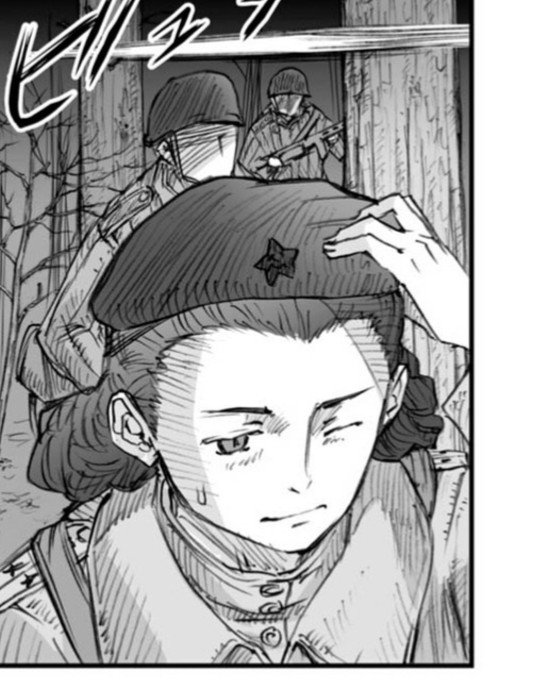
She was a lieutenant and served as an associate doctor. She was stationed near ダウガウピルス when the liberation of Latvia began. One night, she was entreated by a man who came to the camp. She had the courage to go to the woman who was giving birth without worrying about danger. The woman gave birth safely and Anna was impressed by the baby she had born on the front line. After that, she showed her caring side by going to her husband and wife for treatment after giving birth. When I told my husband and wife that I would leave the camp to march, my wife gave me a beautiful mother-of-pearl powder case. Even after the war ended, she cherishes this memory that reminded her of her feminine life during the war, such as the smell of powder, the cover of mother-of-pearl, and the appearance of the baby.
Tamara ステパノヴナ ウムニャギナ
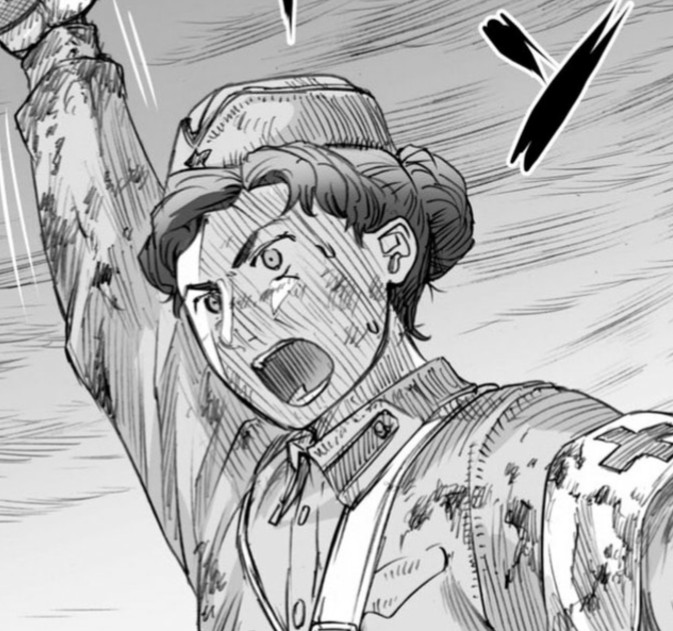
She was a corporal and served as a health guidance. When the war broke out, she ran to the conscription headquarters and volunteered to join the army. She was once rejected because of her age and gender, but she was allowed to join the army as a result of her persistent efforts. As a health guidance, she took on duties such as transporting and treating the wounded on the battlefield. She pointed out the battle at Stalingrad as the most frightening thing during the war. She talked about the extremely harsh environment in the battlefield, including the large number of corpses that filled the ground and young soldiers who died in two or three days after being restocked. Since she had seen many people die, she could not forget the faces of those who died even after the war ended. After the battle at Stalingrad ended, she worked on a steamship to carry out the seriously injured. When the victory was confirmed and the war ended, she was pleased with the soldiers around her and took a picture as a memory. She got married after the war, but when she visited her husband's parents' home, her husband's sister insulted her and her husband's mother burned her memorial picture. Even after the war ended, she was traumatized by the fact that she remembered the war in summer.

Related Articles
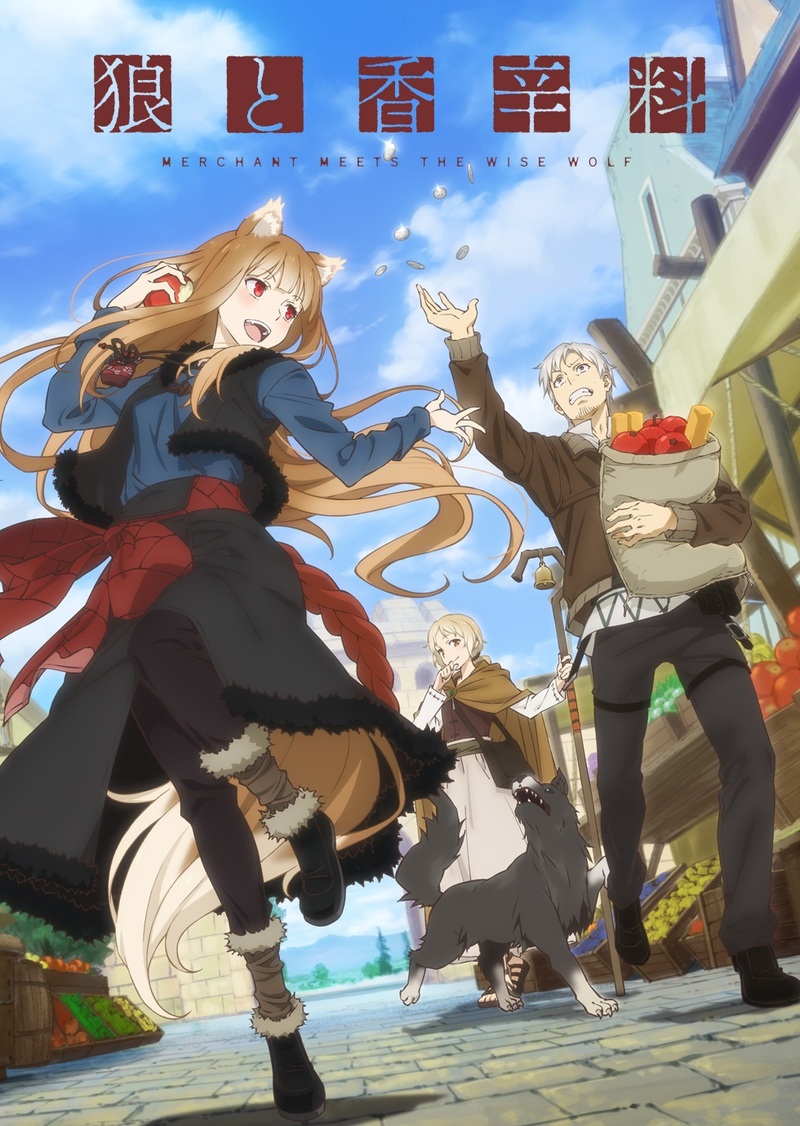
Spoiler commentary and discussion of Wolf and Spice (novella, manga, and anime)
Wolf and Spice" is a light novel by Frozen Sand Shikura, as well as an anime, manga, and video game based on the novel. It is the author's debut work and the winner of the Silver Prize of the 12th Dengeki Novel Award. Set in a medieval fantasy-like world, the story follows a peddler and an incarnation of a wolf as they travel and overcome various problems related to their business. 17 volumes were published in 2011, and a sequel began in 2016. Lawrence, a peddler, meets the old god Horo, who calls himself the Wise Wolf. Aided by her wisdom, Lawrence sets out for the northern lands, the home of Horo.
Read Article

April 2024 Spring Anime (First Semester Anime) Summary
This is an alphabetical list of spring anime that will start airing in April 2024.The April 2024 spring anime lineup includes many hot new anime and sequels to popular series. Information such as anime titles, broadcast information, cast voice actors and staffs are compiled in an easy-to-understand format.
Read Article
Tags
Contents
- Outline of "War doesn't have a woman's face"
- Outline and story of "War does not have a woman's face"
- Interviews with two snipers
- Man is much bigger than the war
- Interview with a Partizan Woman
- Characters from "War Doesn't Have A Woman's Face"
- Protagonist
- Svetlana Aleksievich
- War woman
- Warren, Chi-na, クジミニチナ, Bratchikova, Borshi, Chevskaya.
- ワーリャ
- エフローシニヤ グリゴリエヴナ Breus
- クラヴヂヤ グリゴリエヴナ Krohina
- Mariya イワーノヴナ Morozova (イワーヌシュキナ)
- Mashinka Alhimova
- Maria ペトローヴナ Smirnova
- Anna イワーノヴナ ベリャイ
- Clara セミョーノヴナ チーホノヴィチ
- Maria セミョーノヴナ Cali Werder/Spree
- Lubofi イワーノヴナ オスモロフスカヤ
- Antonina グリゴリエヴナ Bondawale
- クラヴジヤ イワーノヴナ Telefoix
- Elena ヴィレンスカヤ
- Maria Alexandrovna Altentova
- Lola アフメートワ
- Nina ヤーコヴレヴナ ヴィシネフスカヤ
- Anna Nikolaevna フロロヴィチ
- Tamara ステパノヴナ ウムニャギナ
- Partizan
- Antonina Alekseeevna Condon Rasho
- Maria ワシーリエヴナ パーヴロヴェツ
- Term "war does not have the face of a woman"
- Soviet Union
- German-Soviet war
- Communist Youth League
- Partizan
- Communist Party
- Words, lines, scenes, and scenes from "War Doesn't Have A Woman's Face"
- Effusciniya "I don't bury my husband, I bury my love."
- Lola: "The scariest thing about the war. was that I was wearing men's pants."
- Antonina: "Kill them. Kill them all. Kill them as much as you can. In the most cruel way."
- Tamara: "How do I talk? What language do I use? What face do I have?"
- Behind the Scenes, Trivia, and Small Stories / Episodes and Anecdotes of "Senso wa Onna ga Suru" (War Does Not Have a Woman's Face)
- Many of the Partisans' equipment was taken from the Germans.
- Status of the "managed society" of the Stalin administration
- The girls have different military uniform designs because they were changed during the war.