
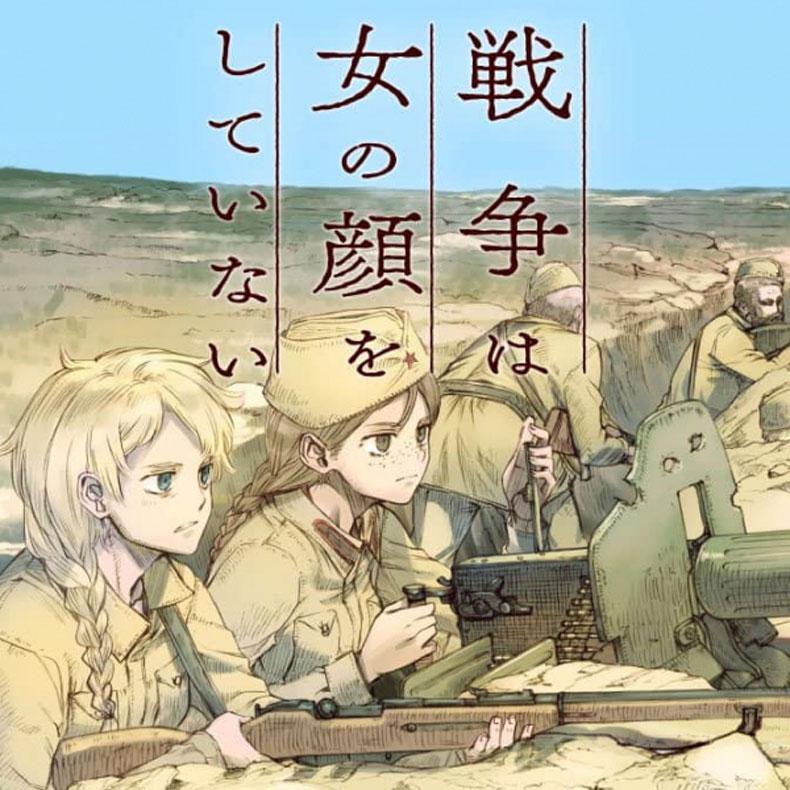
War Has No Woman's Face" is a non-fiction novel by Svetlana Alexievich and a comic book based on it. It is a compilation of interviews with women who served in the German-Soviet War of World War II. The original work was published in 1985 and won the Nobel Prize in Literature in 2015. The manga, based on the original work and drawn by Keito Koume, began serialization on the ComicWalker e-comics distribution site in 2019.
クラヴヂヤ グリゴリエヴナ Krohina
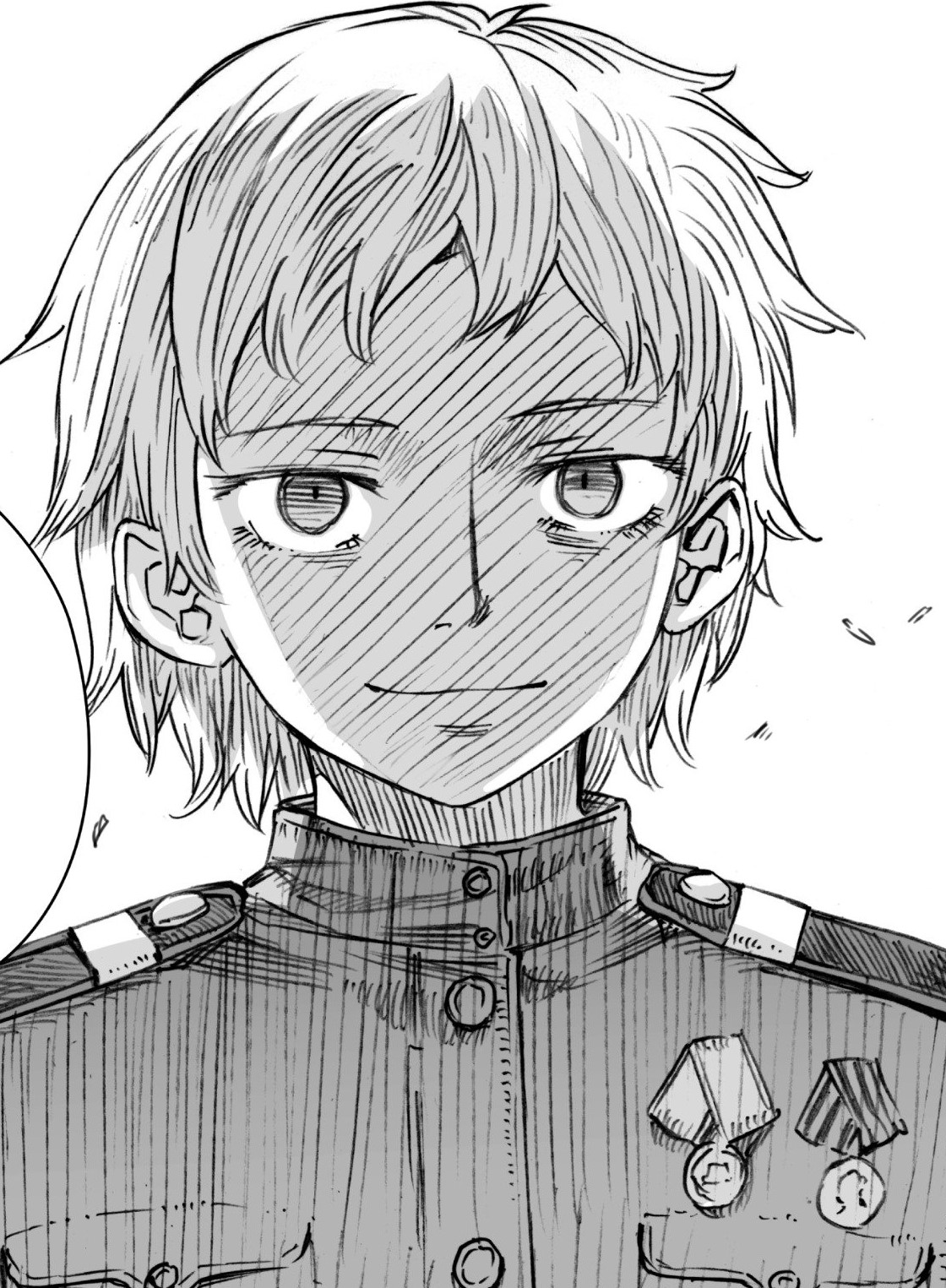
She was a senior sergeant and a former sniper. When she shot a German soldier for the first time, she trembled and shed tears at the fact that she had killed him, but after seeing her compatriots brutally killed by German soldiers in a small village in Ukraine, she never moved against the enemy. By the time the war ended, she was as young as 21, but her hair had turned gray due to the stress of the war. She was also deaf in one ear due to a brain contusion caused by an injury during the war. When she returned home after the war ended and reunited with her mother, she was told by her mother that she prayed every day, "Please kill the girl if she gets hurt so she won't be disabled." She had a complicated look. Even after the war ended, she suffered from post-traumatic stress disorder, and when she heard the sound of a blast at a mining site, she thought it was an attack and panicked. She appealed to Aleksievich, who visited her for the interview, that the pain in her heart was more painful than the pain in her body.
Mariya イワーノヴナ Morozova (イワーヌシュキナ)
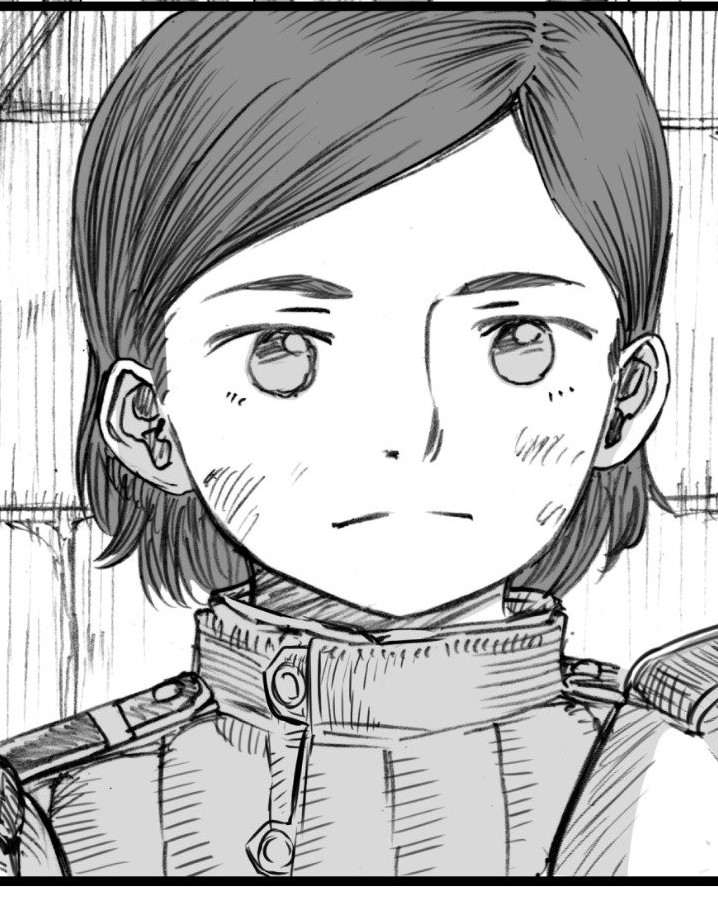
She was a high-ranking soldier and served as a sniper. She belonged to the same unit as クラヴヂヤ. Her troops were so fast that they couldn't get enough food, so she shot a young horse in the wild. When she saw her partner crying, "I feel sorry for the child horse," she felt a sense of guilt for the child horse and reprimanded her partner. After that, she had a delicate side as she jumped out of the local clan while crying, guessing the meaning of the fact that her co-workers didn't touch the soup of the child horse brought by the cook. On the other hand, she showed a brave side as she went so close to the trench of the German army that she could hear the voices of the German soldiers to watch the movement of the enemy. Since the army was rationed after the war ended, she had a hard time returning to her original life, such as forgetting to pay money when shopping at a store or feeling strange about her skirt. After the interview, she hugged Aleksievich and said, "I'm sorry." with tears running down her face. She had mixed feelings about young people, like hugging Aleksievich and saying, "I'm sorry." while crying.
Mashinka Alhimova
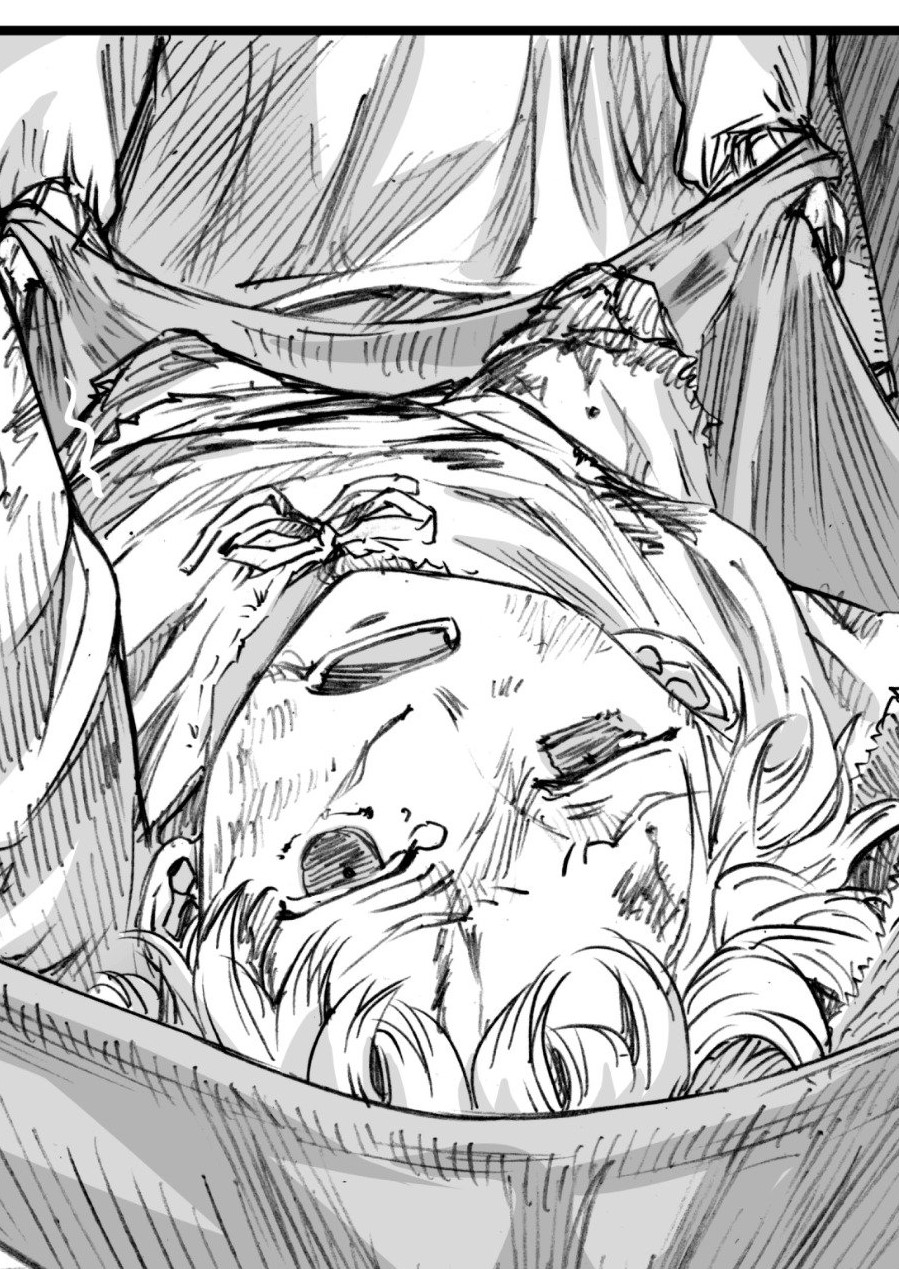
クラヴヂヤ. A woman who served as a sniper who belonged to the same unit as Mary. She headed for the rescue of the chief of the infantry division who was injured during the battle. However, a shell burst in front of Mashinka. The chief of the infantry division died instantly. Mashinka also lost both legs and was seriously injured. When she was taken to the first aid station, she begged him to kill her because she didn't want to live with both legs lost. After that, for 30 years after the war, she repeatedly underwent surgery on her legs while moving from one facility to another for the disabled. She did not tell her mother that she was alive because she was afraid that she would see her in a disabled state, but when she saw her mother again at Mary's arrangement, she shed tears and was happy.
Maria ペトローヴナ Smirnova
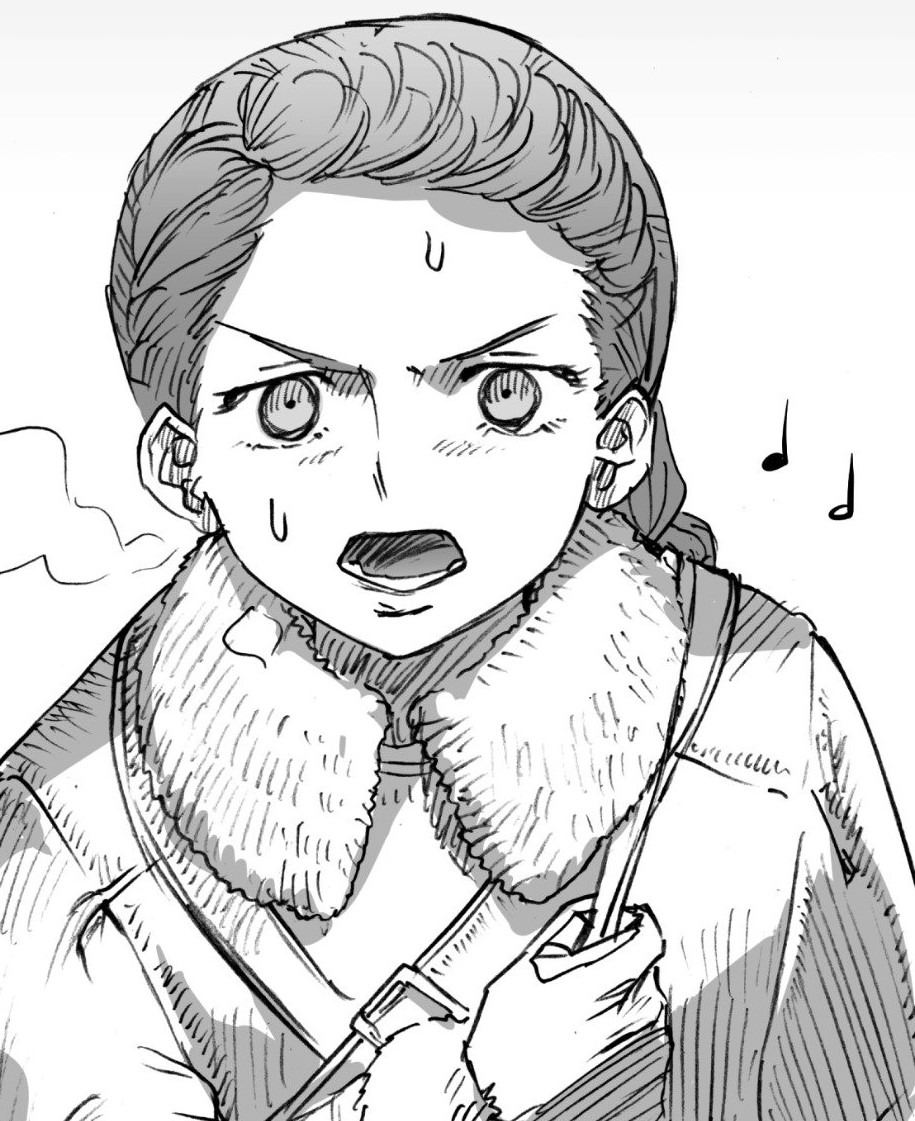
A woman who was a health guidance. At the beginning of the war, she heard on the radio that her country's army was retreating. She rushed to the conscription headquarters to fight, but was turned down. After that, she showed her energy by accompanying the retreating troops that had passed through the village without a summons. She went to the battlefield almost forcibly and was engaged in the treatment of the injured as a health guidance. When she entered a fierce battle with the German army, she stood in front of the German snipin front of the German snipers with her hands up to show that she had no intention of fighting to help the injured. She then walked to the injured while singing the song "I prayed you to take credit" which was a popular song before the war. Although she was in a situation where she could have been shot, she succeeded in rescuing the injured safely. Finally, she rescued 481 injured in the war.
Anna イワーノヴナ ベリャイ
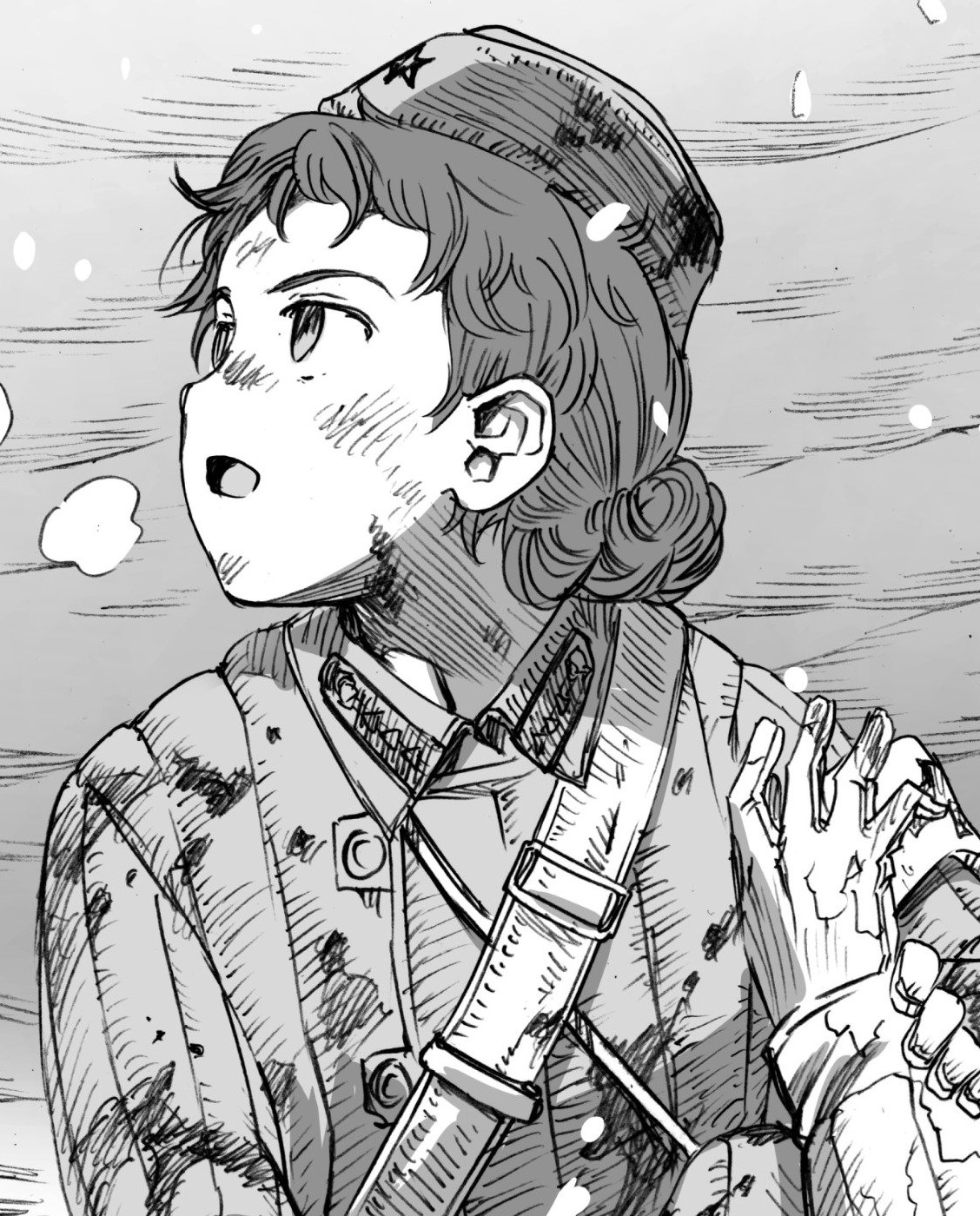
A woman who was a nurse. She had the courage to take care of the injured while running away from the bombing of German soldiers. When asked what happiness is, she answered, "Find a living person among the people who have been killed." She has a strong desire to save people.
Clara セミョーノヴナ チーホノヴィチ
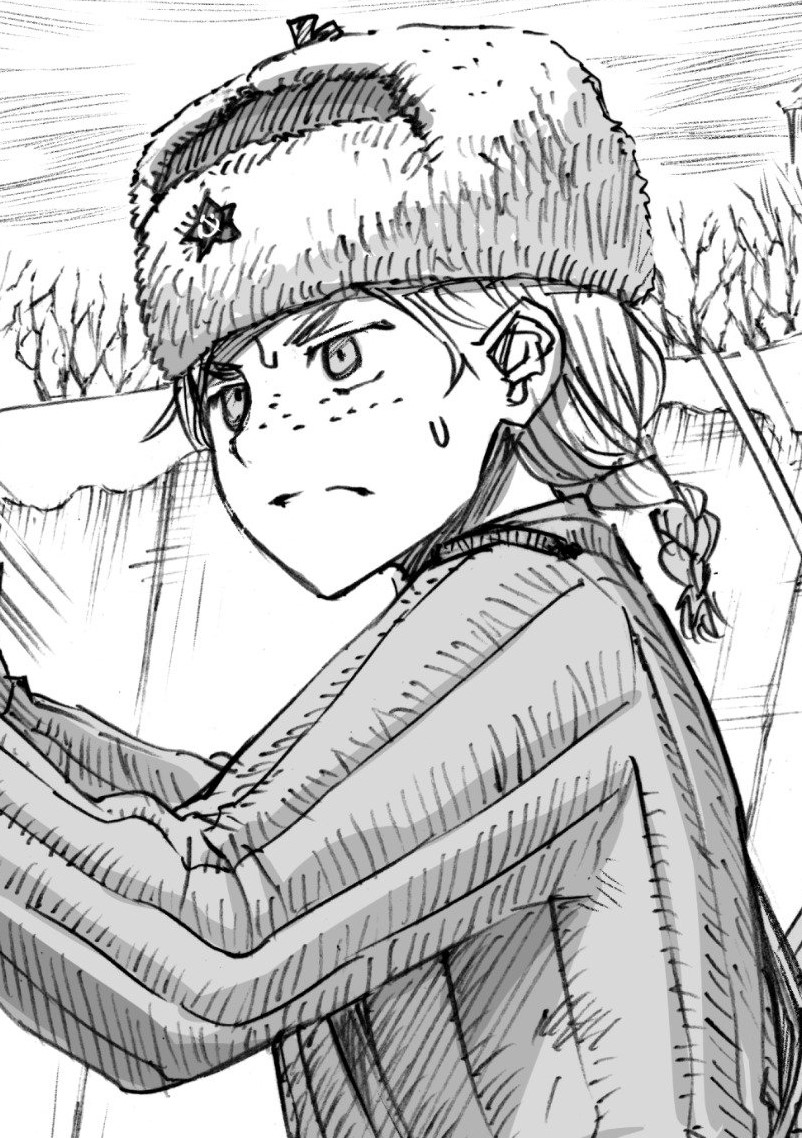
The rank was a woman who served as a sergeant and an anti-aircraft infantry. When the war started and a man from the village returned with an injury, she decided to go to the battlefield instead and joined the army. Immediately after joining the army, she cut her hair short to become like a man. However, as she saw another female soldier, she returned to a girlish appearance. Since there were no sanitary supplies for women in the army distribution, she used grass to wipe off menstrual blood under the shade of grass leaves. She also used her underwear with sleeves cut off so that she would not receive extra. A woman who wants to go to battle has heard that something is missing, and she thinks that it is natural as a human being to want to fight for her own country and that she will want to fight thousands of times.
Maria セミョーノヴナ Cali Werder/Spree
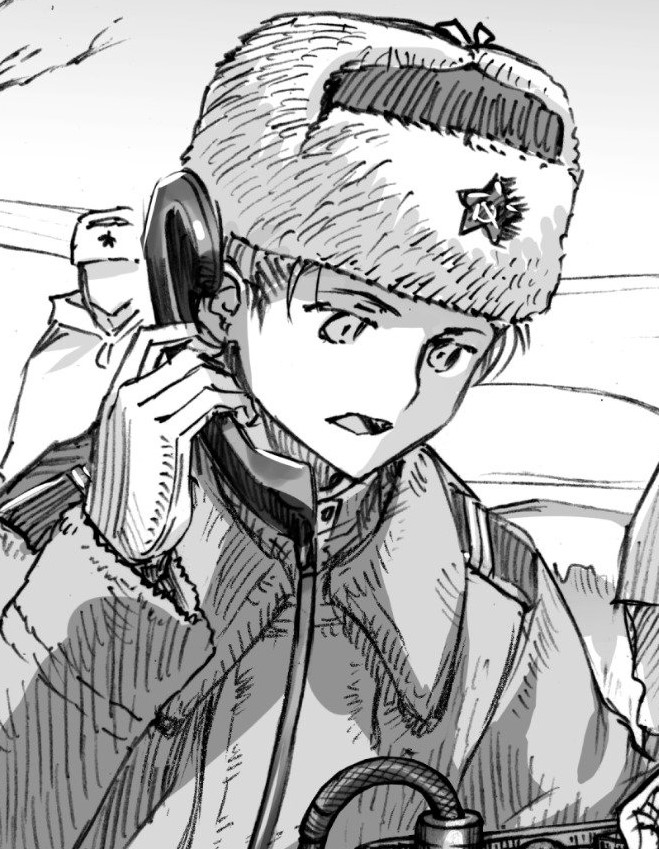
She was a sergeant in rank and served as a liaison officer. She worked harder than men because she was not accused of not being able to use women after participating in the war. She tried hard to prove that she was not inferior to men, but as she was a woman, she had a hard time during her menstrual period. When she had to march in the middle of summer, her trousers soaked with menstrual blood hardened like glass, and she endured the pain of having her thighs cut. When he reached the crossing point, he was bombarded by the enemy and hid in the shade. During the battle, he was more embarrassed than scared of death, so he jumped into the river to wash away the blood on his trousers.
Lubofi イワーノヴナ オスモロフスカヤ
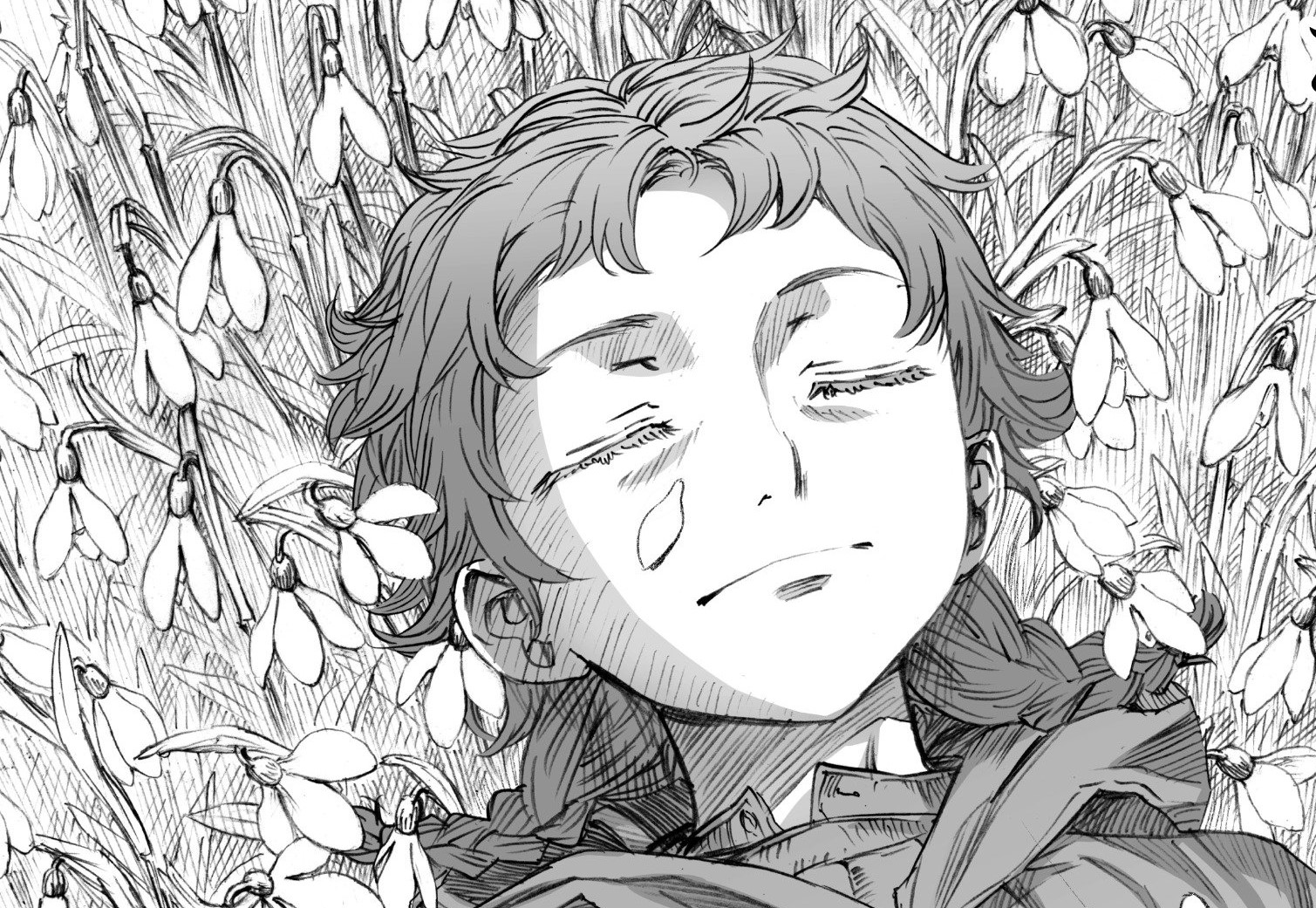
His rank was private and he served as a scout. He had gone to war at the age of 17. Seeing his co-workers' girls fall in the mud, he began to think he didn't want to die in the mud. If he died, he began to wish to be surrounded by sky blue snow grass.

Related Articles

Spoiler commentary and discussion of Wolf and Spice (novella, manga, and anime)
Wolf and Spice" is a light novel by Frozen Sand Shikura, as well as an anime, manga, and video game based on the novel. It is the author's debut work and the winner of the Silver Prize of the 12th Dengeki Novel Award. Set in a medieval fantasy-like world, the story follows a peddler and an incarnation of a wolf as they travel and overcome various problems related to their business. 17 volumes were published in 2011, and a sequel began in 2016. Lawrence, a peddler, meets the old god Horo, who calls himself the Wise Wolf. Aided by her wisdom, Lawrence sets out for the northern lands, the home of Horo.
Read Article

April 2024 Spring Anime (First Semester Anime) Summary
This is an alphabetical list of spring anime that will start airing in April 2024.The April 2024 spring anime lineup includes many hot new anime and sequels to popular series. Information such as anime titles, broadcast information, cast voice actors and staffs are compiled in an easy-to-understand format.
Read Article
Tags
Contents
- Outline of "War doesn't have a woman's face"
- Outline and story of "War does not have a woman's face"
- Interviews with two snipers
- Man is much bigger than the war
- Interview with a Partizan Woman
- Characters from "War Doesn't Have A Woman's Face"
- Protagonist
- Svetlana Aleksievich
- War woman
- Warren, Chi-na, クジミニチナ, Bratchikova, Borshi, Chevskaya.
- ワーリャ
- エフローシニヤ グリゴリエヴナ Breus
- クラヴヂヤ グリゴリエヴナ Krohina
- Mariya イワーノヴナ Morozova (イワーヌシュキナ)
- Mashinka Alhimova
- Maria ペトローヴナ Smirnova
- Anna イワーノヴナ ベリャイ
- Clara セミョーノヴナ チーホノヴィチ
- Maria セミョーノヴナ Cali Werder/Spree
- Lubofi イワーノヴナ オスモロフスカヤ
- Antonina グリゴリエヴナ Bondawale
- クラヴジヤ イワーノヴナ Telefoix
- Elena ヴィレンスカヤ
- Maria Alexandrovna Altentova
- Lola アフメートワ
- Nina ヤーコヴレヴナ ヴィシネフスカヤ
- Anna Nikolaevna フロロヴィチ
- Tamara ステパノヴナ ウムニャギナ
- Partizan
- Antonina Alekseeevna Condon Rasho
- Maria ワシーリエヴナ パーヴロヴェツ
- Term "war does not have the face of a woman"
- Soviet Union
- German-Soviet war
- Communist Youth League
- Partizan
- Communist Party
- Words, lines, scenes, and scenes from "War Doesn't Have A Woman's Face"
- Effusciniya "I don't bury my husband, I bury my love."
- Lola: "The scariest thing about the war. was that I was wearing men's pants."
- Antonina: "Kill them. Kill them all. Kill them as much as you can. In the most cruel way."
- Tamara: "How do I talk? What language do I use? What face do I have?"
- Behind the Scenes, Trivia, and Small Stories / Episodes and Anecdotes of "Senso wa Onna ga Suru" (War Does Not Have a Woman's Face)
- Many of the Partisans' equipment was taken from the Germans.
- Status of the "managed society" of the Stalin administration
- The girls have different military uniform designs because they were changed during the war.