
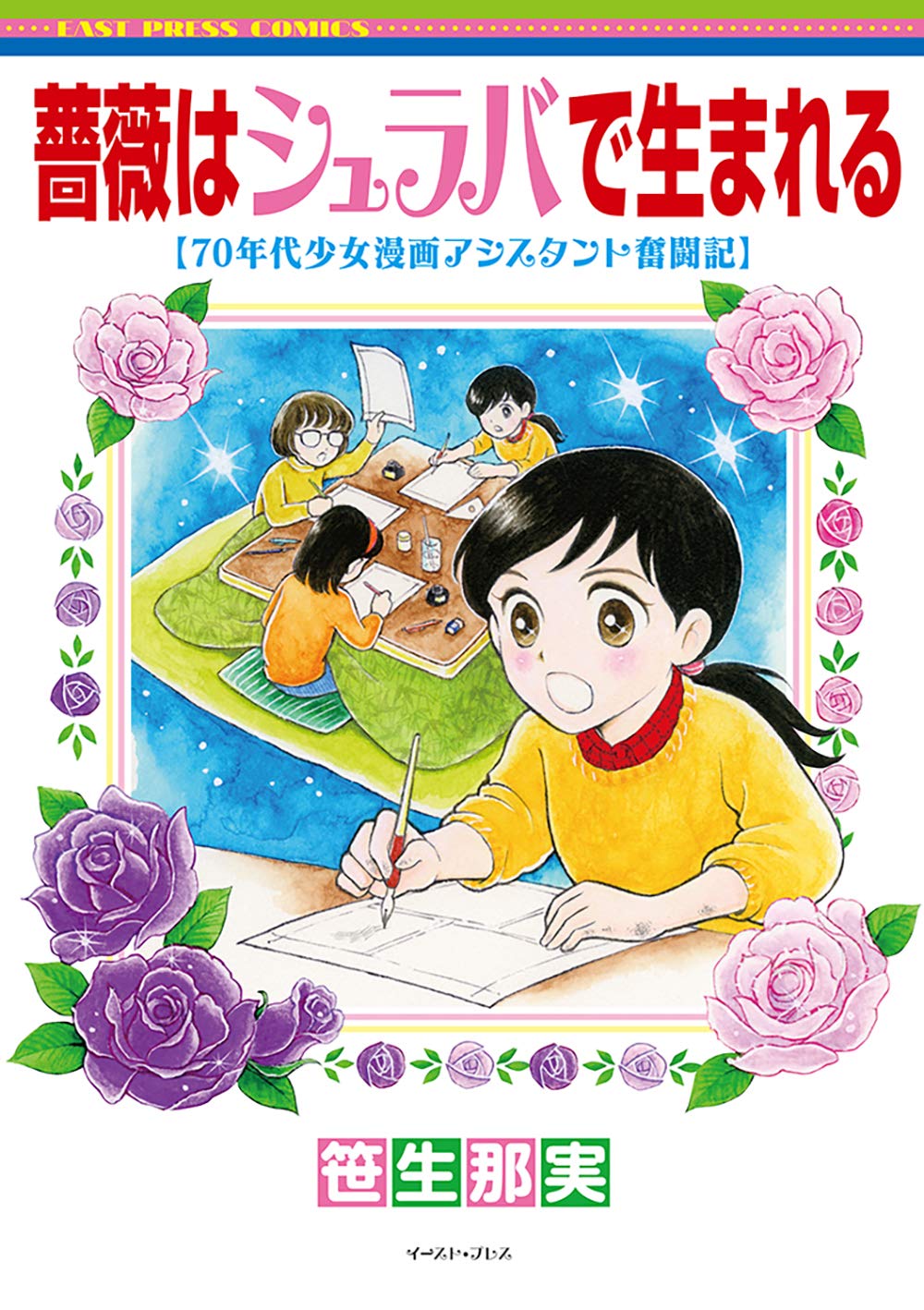
The year 1970 was known as the golden age of shoujo manga, and the author, who worked as an assistant to a manga artist at the time, was associated with many masterpieces. She sent the overall composition to each of the teachers for their approval, and when the names were ready, she checked them again, reread the works of the time, and created manga based on what she remembered. The author continued to see how masterpieces were created in the grueling workplace he called the manga artist's shul. This book is a record of that process.
Around November 1976, I worked as an assistant for Mr. Jun Mihara at the Kanzume Inn. I helped him with "And Mon no Kagi" (And The Key to the Gate), which is the ninth movie in the "Hamidashiko" series. The four boys who are the main characters of "Hamidashiko" are named Angie, Graham, Sanin and Max. They have complicated circumstances in their own homes. They abandon their parents or are abandoned by their parents, leave their parents' homes and live together. They have darkness in their hearts, and they move from town to town depending on each other's bonds. To the author, the faces of the teacher and these four boys look double. At the Kanzume Inn, Mr. Mihara calmly talks to Mr. U, the editor, like Graham. The teacher says to Mr. U, "A person who looks like Mr. U lives there." The assistants are shaking silently when they hear this. After U leaves, they burst into laughter. The assistants tell the author, "Mr. U, the editor looks like a dog in the neighborhood." After that, Mr. U appears in the comic as a bearded dog. While the teacher and the assistants exchange opinions on how to make the four people who appear in the feature page look like, it turns out that Mr. Mihara is very reluctant to draw kimonos. The teacher hates it like Max. Also, the teacher, who decided to do a little experiment, happily says, "Let's do it." His face becomes Sanin. The author looks at Mr. Mihara from behind, who is thinking of the story in the corner of the room, and feels that the four boys are active in his head.
Dr. Minori Kimura: "I won't lose anything like that."
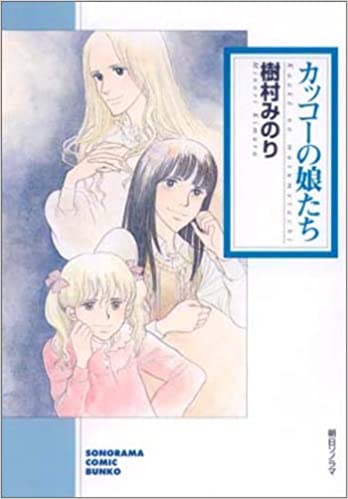
"40-0" is included here as a short story
"40 - 0," written by Minori Kimura, is about 樹村's assertion that "even if a girl is badly hurt, there is no need to hurt her dignity." 樹村 said in the movie, "I won't lose for something like that."
Minori Kimura: "It's better not to be perfectionist. New people who have just debuted can learn by drawing immature works and having readers read them."
There was a time when the author did not publish his work. In response to the author's comment that he did not want to publish his work that he was not confident about, Professor Minori Kimura advises the author, "It's better not to be perfectionist. New people who have just made their debut can learn by drawing immature works and having readers read them." This word is still remembered even today, when he is away from comic books. Furthermore, Professor 樹村 encourages the author by saying, "Don't just look at your faults on the ground. Look forward and stretch yourself out. It doesn't matter how many times you fall, you will find out as you fall."
MS. RYōKO YAMAGISHI: "I DO N'T WANT TO PAINT"
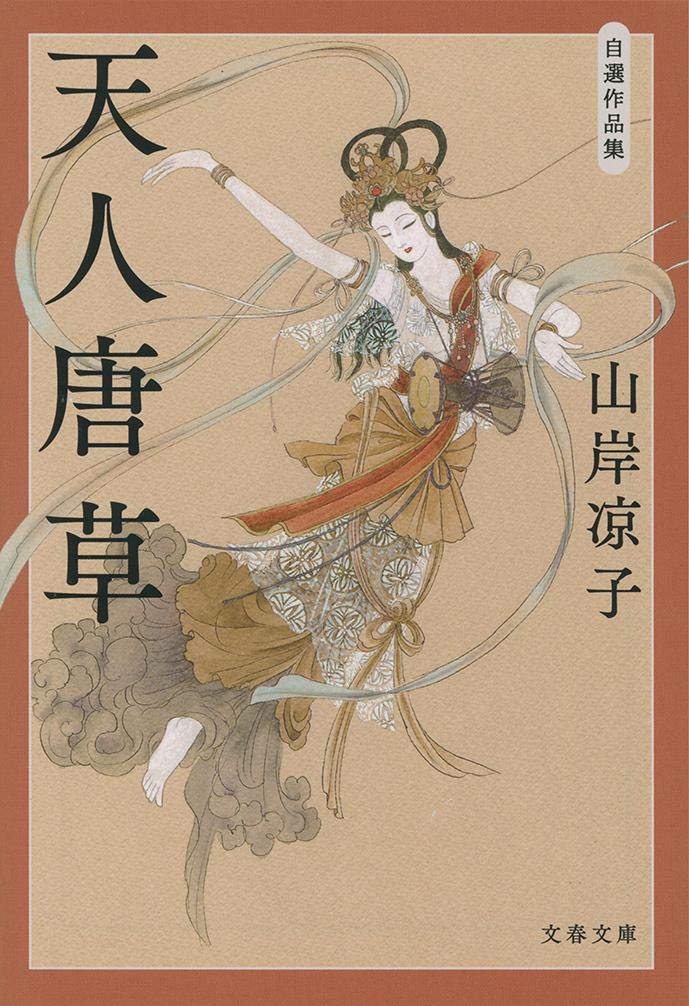
Mr. Yamagishi once said, "I don't want to draw' Tennin Karakusa.'" In girls' manga at that time, it was common sense for the main character to be in her teens or 20s, and the setting was unthinkable at the time, such as the main character being 30 years old and having blonde hair. After the release of this work, Mr. Yamagishi became known as a reformer in the world of girls' manga. In an interview program with Ms. Ryoko Yamagishi on TV since 1979, an interviewer asked, "What is your memorable work?" The teacher answered, "My memorable work is' Tennin Karakusa.'" Furthermore, Mr. Yamagishi answered, "By drawing that, I have become able to express myself. I think it was the work that triggered it." When I heard this word, the author recalls the scene where Mr. Yamagishi said, "I don't want to draw this work." At the same time, I recall the words in Hesse's book "Demian": "When a bird wants to be born, it struggles hard to get out of the eggs. To break the world and go out." The author then realizes that he was not only at the scene of drawing a masterpiece of girls' manga, but also at the moment when an author breaks his shell.
Psychic: "You draw works as a memorial for the people of the past."
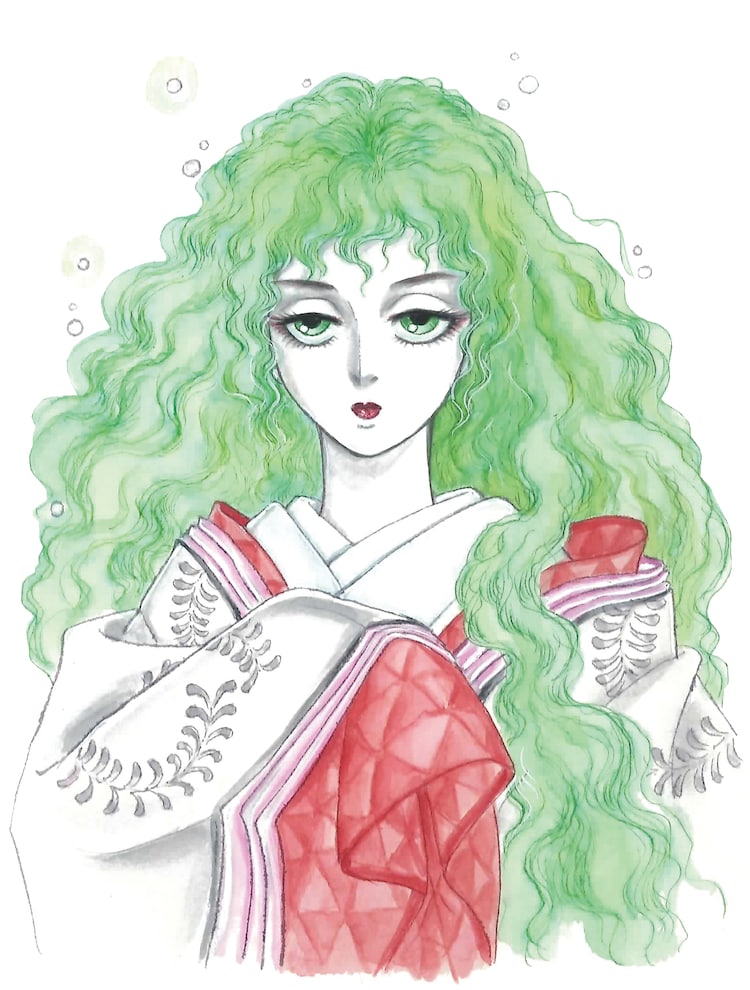
Daughter of Hakuyo
It is said that Toshie-sensei Kihara was said by a Reiki Teacher that' You are a reincarnation of a noble princess,' and that' The husband who married Toshie died young, and the child left behind also mourned and lived a lonely life, so you can't get married for the rest of your life.' It is also said that' You draw a work as a memorial service for the people of the past.' Mr. Kihara is such a woman with a noble atmosphere that people around him say such things.
Author Nami Sasou: "I want to apologize for my death"
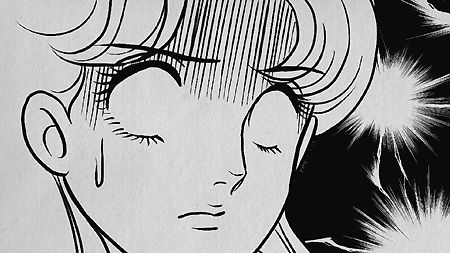
The author once apologized to Dr. Suzue Miuchi for his past blunders. When the author said, "I want to apologize after I die," Dr. Miuchi responded with a smile, "That's not good, I don't want my life, but I want my right arm." Hearing this, the author thanked Dr. Suzue Miuchi for his forgiveness and for calling himself "my right arm."
Behind the Scenes, Trivia, Small Stories / Episodes / Anecdotes of "Roses are born in Shulava"
This is the sequel to Nami Sasou's "Roses are born in Shulava."
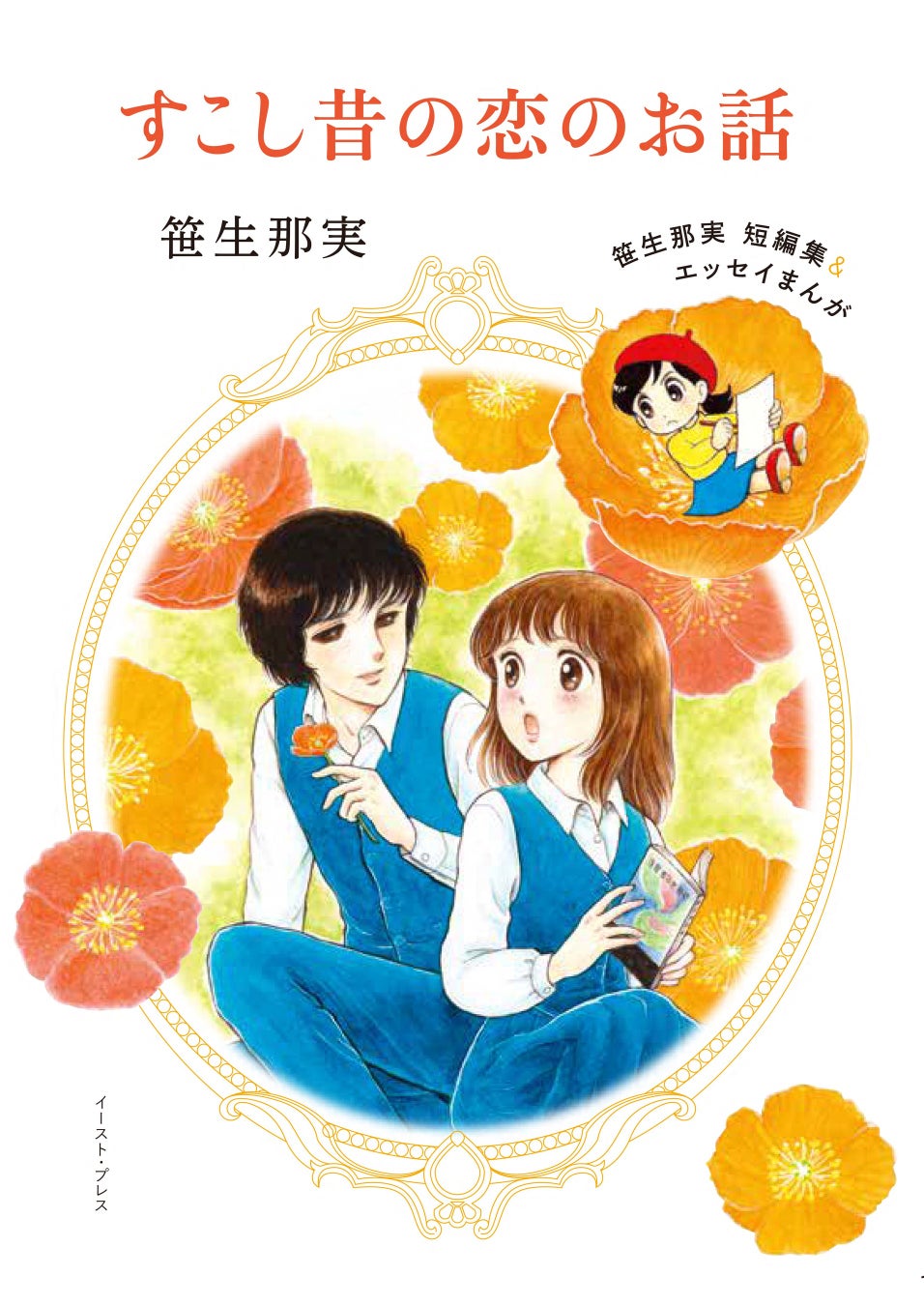
IT'S A STORY ABOUT LOVE WITHOUT A SMARTPHONE OR A CELL PHONE.
There is a sequel to "Roses are born in Shulava," titled "Tales of Somewhat Old Love," which was released in February 2022. After publishing his first painting in 32 years, "Roses are born in Shulava," the author was interviewed by TV, radio, Web magazines, magazines, and Internet news. At that time, the interviewer often asked, "What's the next work?" There are also times when people in the same industry introduce the author's works, but there are probably few people who read the works of new people from nearly 30 years ago. The project was to publish an essay comic book depicting the author's old works and the author's love at that time. The book contains the author's work "Telepathy Love" when he re-debuted at the age of 23 and an essay comic book written by him. The essay describes what kind of love the author had when he was in Shulava. The author is married to the cartoonist Tatsuo Nitta.
Beshima Manga School held
The Bekuma Manga School revises submitted manga once a month and awards prizes and prizes.
The awards are divided into Gold Prize, Silver Prize, Debut Prize, Expectation Prize, Challenge Prize, Kirari Prize, and Jr. Best Prize, each of which has a prize money.
Suzue Miuchi Sensei! Tantan-tanuki

Tags
Contents
- Outline of "Roses are born in Shulava"
- The plot and story of "Roses are born in Shulava"
- Looking Shulava
- Junior high school
- High school days
- After Debut
- I work in Shulava.
- Scary story
- "Tennin Karakusa"
- Experience of a new cartoonist
- The Truth of Shulava
- Farewell Schlaba
- Dr. Suzue Miuchi.
- Epilogue
- Fictional character from The Rose Is Born in Shulava
- Key person
- Dr. Nami Sasou.
- Dr. Suzue Miuchi.
- Editor in Chief Konagai Betsuma
- Cartoonist teachers
- Jun Chiaki
- Dr. Mitsuaki Suzuki.
- Dr. Jun Ichikawa.
- Dr. Shinji Wada.
- Dr. Chieko Hara.
- Dr. Mineko Yamada.
- Toshie-sensei Kihara
- Kunisensei Hazama
- Dr. Takao Yaguchi.
- Dr. Jun Hayase.
- Dr. Masahiro Shibata.
- Dr. Yoshiko Nagaoka.
- ASAKAWA Mayumi SENSEI
- Dr. Kazuko Yumeno.
- Dr. Satoru Makimura.
- Dr. Yu Asagiri.
- Ms. Tomoko Kuramochi
- Dr. Chie Shinohara.
- Dr. Moto Hagio.
- Dr. Fusako Kuramochi.
- Dr. Jun Mihara.
- Dr. Hiromu Ono.
- Dr. Minori Kimura.
- Ms. Ryoko Yamagishi
- Performing at the House of Books
- Yuuri KONISHI
- East Press representative
- First Editor: Mr. Machida
- Mr. Kobayashi, the second editor
- Assistants who assisted the author
- Dr. Kazuko Yumeno.
- Dr. Mayumi 淡川
- Term for "the rose is born in Shulava"
- Infrastructure and Environment
- Shulava
- Kanzume Ryokan
- Reed
- Manga School Selection
- Mikazuki-e
- Mitsuaki Suzuki's comic book class for girls
- "Shoujo Manga: From Basics to Becoming a Professional" published by Mitsuaki Suzuki
- Hana no 24 Nen
- Dear Doji
- Technical section
- Name
- Background material
- Blonde line
- White
- Eraser
- 3 cloves strong
- Mob
- Fukidashi
- Phototypesetting
- Fall
- Painting
- Cartoon
- Tone
- Carex japonicus
- Stippling
- Beta
- Words, lines, scenes and scenes of "Roses are born in Shulava"
- Dr. Suzue Miuchi. "Do you see that beetle over there?"
- Mr. Suzue Miuchi: "Manga artists have to be prepared to stay up all night for three days, sit down for a month, and fast for a day and a half."
- Dr. Suzue Miuchi, "Wake me up in 15 minutes."
- THE AUTHOR, Nami Sasou SENSEI: "WELL, THEN, WHY DO N'T YOU JOIN THE Ranmaru SQUAD?"
- Dr. Jun Mihara, "Let's try."
- Dr. Minori Kimura: "I won't lose anything like that."
- Minori Kimura: "It's better not to be perfectionist. New people who have just debuted can learn by drawing immature works and having readers read them."
- MS. RYōKO YAMAGISHI: "I DO N'T WANT TO PAINT"
- Psychic: "You draw works as a memorial for the people of the past."
- Author Nami Sasou: "I want to apologize for my death"
- Behind the Scenes, Trivia, Small Stories / Episodes / Anecdotes of "Roses are born in Shulava"
- This is the sequel to Nami Sasou's "Roses are born in Shulava."
- Beshima Manga School held
- Suzue Miuchi Sensei! Tantan-tanuki
- Miss Fusako Kuramochi, happy Christmas.
- Moto Hagio Etranze