
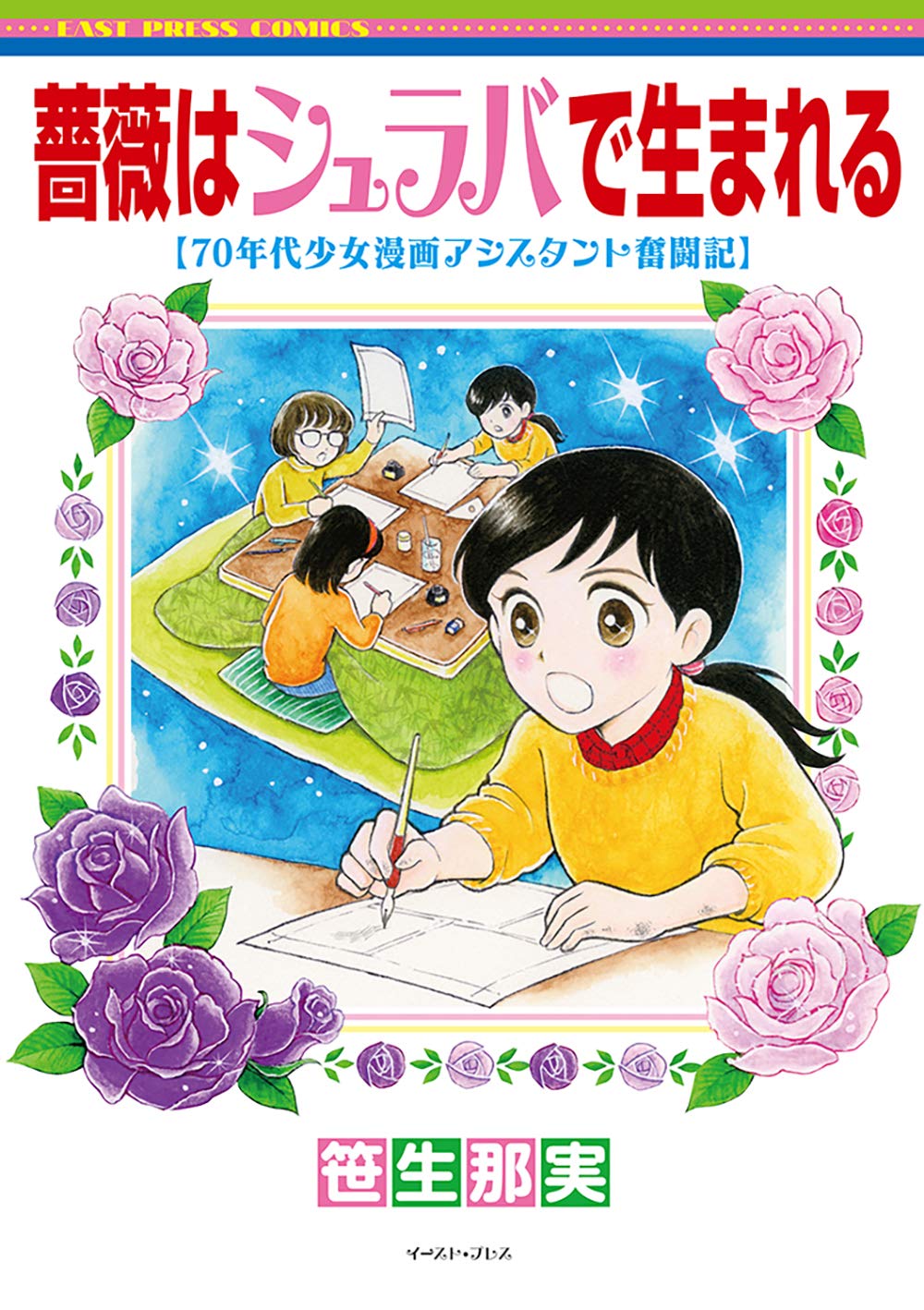
The year 1970 was known as the golden age of shoujo manga, and the author, who worked as an assistant to a manga artist at the time, was associated with many masterpieces. She sent the overall composition to each of the teachers for their approval, and when the names were ready, she checked them again, reread the works of the time, and created manga based on what she remembered. The author continued to see how masterpieces were created in the grueling workplace he called the manga artist's shul. This book is a record of that process.
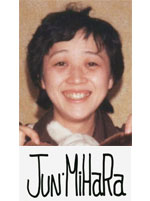
Dr. Jun Mihara.
Source: www.meiji.ac.jp
Born in 1952. Born in Hokkaido. Debuted with "Bokura no Omiai" in "Bessatsu Marguerite" in 1973. Characterized by a style that delves deeply into society and human beings. On the other hand, he also published works that show a comical side. His main works are "Hamidashiko" and "Lou and Solomon."
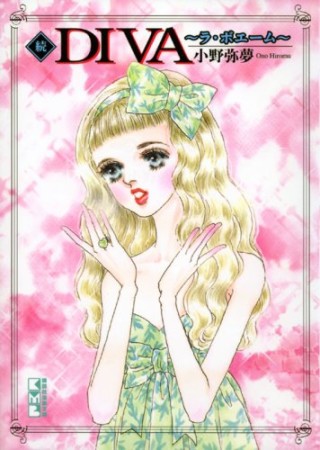
Dr. Hiromu Ono.
Source: comicspace.jp
He was born in Hiroshima. In 1977, he debuted with "Rock and Roll Petenshi". He was active mainly in "Shoujo Friend" and later moved to women's magazines. In 1984, he received the 8th Kodansha Manga Award for his work "Lady Love". His main works are "Lady Love" and "DIVA."
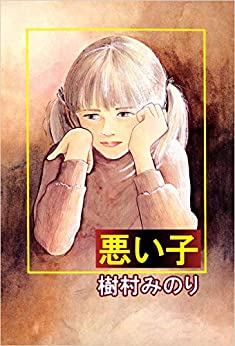
Dr. Minori Kimura.
Source: www.amazon.co.jp
Born in 1949. Born in Saitama Prefecture. Debuted with "Picnic" at Shueisha "Ribbon" in 1964. Active in "COM" and "Ribbon Comic" in 1970s. Temporarily stopped writing after graduating from university, but returned with "Bessatsu Shoujo Comic" in 1974. Since then, he has been active in Shoujo Magazine, Youth Magazine and Ladies' Magazine of Kodansha and Akita Shoten. His main works are "Kaibe no Kine" and "Wicked Child".
Ms. Ryoko Yamagishi
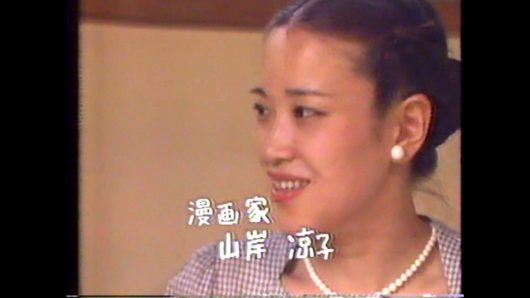
Source: mangakasan.com
Born in 1947. Born in Hokkaidō. Debuted with "Left and Right" in 1969 with "Ribbon Comic." Received the 7th Kodansha Manga Award for "Hiizurutokoronotenshi" in 1983. "Maihime Terepsi Cola" serialized in "Da Vinci" won the 11th Tezuka Osamu Cultural Award Manga Grand Prize in 2007. His main works are "Tennin Karakusa" and "Hiizurutokoronotenshi."
Performing at the House of Books
Yuuri KONISHI
The director of the Shoujo Manga Laboratory,' Zusho no Ie' (House of Books). Since 1999 he has been conducting research on Moto Hagio, and since the 1945 s he has been verifying the works of the writers of the early years of Shoujo Manga, creating lists of various Shoujo Manga-related works, and conducting his own unique research.
East Press representative
First Editor: Mr. Machida
He is an editor of East Press Co., Ltd. and the first person in charge of Dr. Nami Sasou.
Mr. Kobayashi, the second editor
He is an editor of East Press Co., Ltd. and takes over from Mr. Machida as the second generation of Professor Nami Sasou.
Assistants who assisted the author
Dr. Kazuko Yumeno.
The same person as cartoonist Kazuko Yumeno, who assisted Nami Sasou in creating "Roses are born in Shulava."
Dr. Mayumi 淡川

Tags
Contents
- Outline of "Roses are born in Shulava"
- The plot and story of "Roses are born in Shulava"
- Looking Shulava
- Junior high school
- High school days
- After Debut
- I work in Shulava.
- Scary story
- "Tennin Karakusa"
- Experience of a new cartoonist
- The Truth of Shulava
- Farewell Schlaba
- Dr. Suzue Miuchi.
- Epilogue
- Fictional character from The Rose Is Born in Shulava
- Key person
- Dr. Nami Sasou.
- Dr. Suzue Miuchi.
- Editor in Chief Konagai Betsuma
- Cartoonist teachers
- Jun Chiaki
- Dr. Mitsuaki Suzuki.
- Dr. Jun Ichikawa.
- Dr. Shinji Wada.
- Dr. Chieko Hara.
- Dr. Mineko Yamada.
- Toshie-sensei Kihara
- Kunisensei Hazama
- Dr. Takao Yaguchi.
- Dr. Jun Hayase.
- Dr. Masahiro Shibata.
- Dr. Yoshiko Nagaoka.
- ASAKAWA Mayumi SENSEI
- Dr. Kazuko Yumeno.
- Dr. Satoru Makimura.
- Dr. Yu Asagiri.
- Ms. Tomoko Kuramochi
- Dr. Chie Shinohara.
- Dr. Moto Hagio.
- Dr. Fusako Kuramochi.
- Dr. Jun Mihara.
- Dr. Hiromu Ono.
- Dr. Minori Kimura.
- Ms. Ryoko Yamagishi
- Performing at the House of Books
- Yuuri KONISHI
- East Press representative
- First Editor: Mr. Machida
- Mr. Kobayashi, the second editor
- Assistants who assisted the author
- Dr. Kazuko Yumeno.
- Dr. Mayumi 淡川
- Term for "the rose is born in Shulava"
- Infrastructure and Environment
- Shulava
- Kanzume Ryokan
- Reed
- Manga School Selection
- Mikazuki-e
- Mitsuaki Suzuki's comic book class for girls
- "Shoujo Manga: From Basics to Becoming a Professional" published by Mitsuaki Suzuki
- Hana no 24 Nen
- Dear Doji
- Technical section
- Name
- Background material
- Blonde line
- White
- Eraser
- 3 cloves strong
- Mob
- Fukidashi
- Phototypesetting
- Fall
- Painting
- Cartoon
- Tone
- Carex japonicus
- Stippling
- Beta
- Words, lines, scenes and scenes of "Roses are born in Shulava"
- Dr. Suzue Miuchi. "Do you see that beetle over there?"
- Mr. Suzue Miuchi: "Manga artists have to be prepared to stay up all night for three days, sit down for a month, and fast for a day and a half."
- Dr. Suzue Miuchi, "Wake me up in 15 minutes."
- THE AUTHOR, Nami Sasou SENSEI: "WELL, THEN, WHY DO N'T YOU JOIN THE Ranmaru SQUAD?"
- Dr. Jun Mihara, "Let's try."
- Dr. Minori Kimura: "I won't lose anything like that."
- Minori Kimura: "It's better not to be perfectionist. New people who have just debuted can learn by drawing immature works and having readers read them."
- MS. RYōKO YAMAGISHI: "I DO N'T WANT TO PAINT"
- Psychic: "You draw works as a memorial for the people of the past."
- Author Nami Sasou: "I want to apologize for my death"
- Behind the Scenes, Trivia, Small Stories / Episodes / Anecdotes of "Roses are born in Shulava"
- This is the sequel to Nami Sasou's "Roses are born in Shulava."
- Beshima Manga School held
- Suzue Miuchi Sensei! Tantan-tanuki
- Miss Fusako Kuramochi, happy Christmas.
- Moto Hagio Etranze