
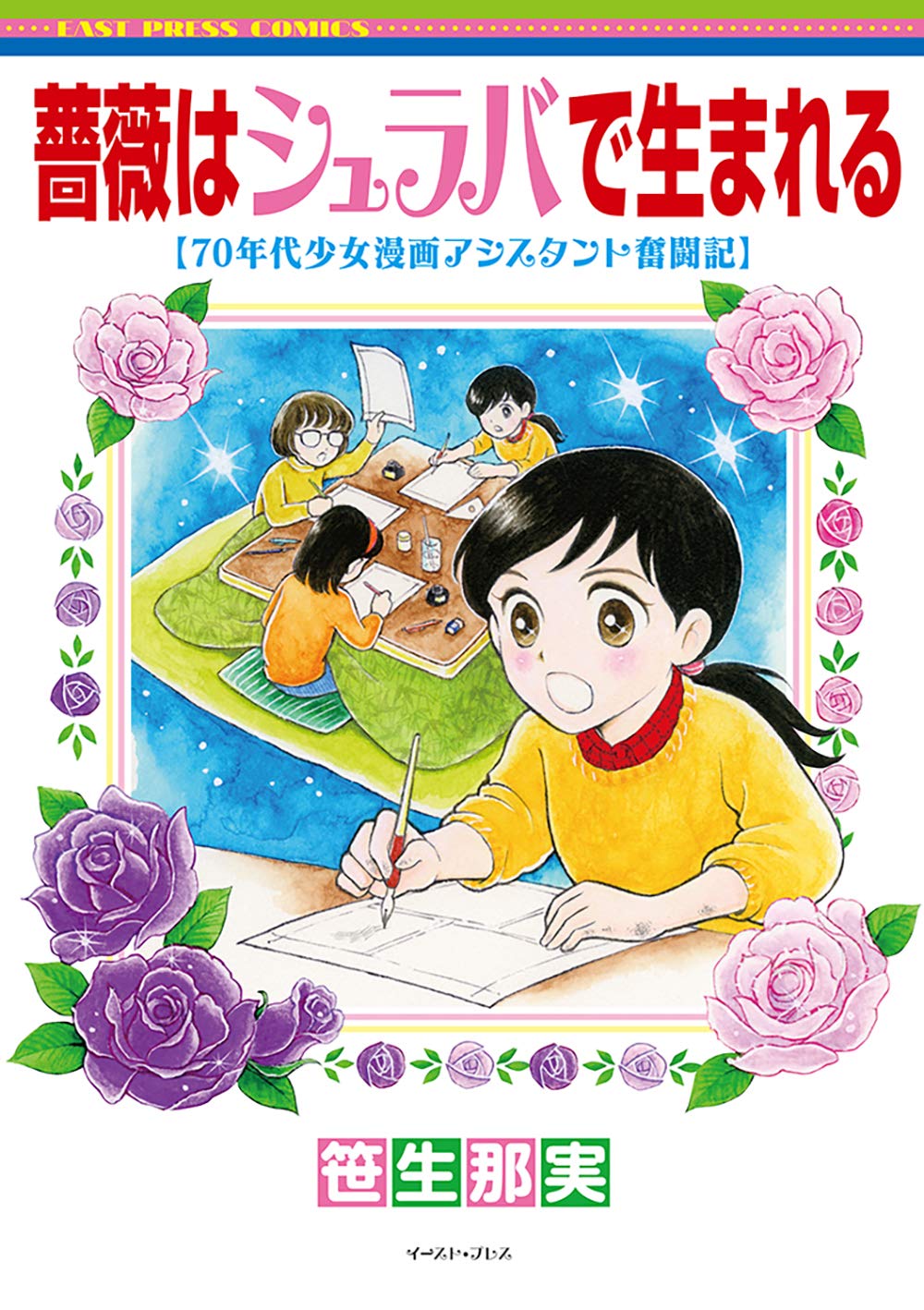
The year 1970 was known as the golden age of shoujo manga, and the author, who worked as an assistant to a manga artist at the time, was associated with many masterpieces. She sent the overall composition to each of the teachers for their approval, and when the names were ready, she checked them again, reread the works of the time, and created manga based on what she remembered. The author continued to see how masterpieces were created in the grueling workplace he called the manga artist's shul. This book is a record of that process.
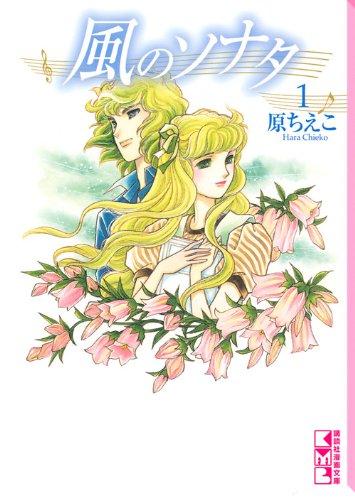
Dr. Chieko Hara.
Source: www.amazon.co.jp
Born in Kanagawa Prefecture. Debuted in 1972 with Shueisha's "Deluxe Margaret". Worked on historical, mystery, and horror productions, and in recent years also collaborated on "Harlequin Romance". His main works are "Kaze no Sonata" and "Kusekke Lalabai".
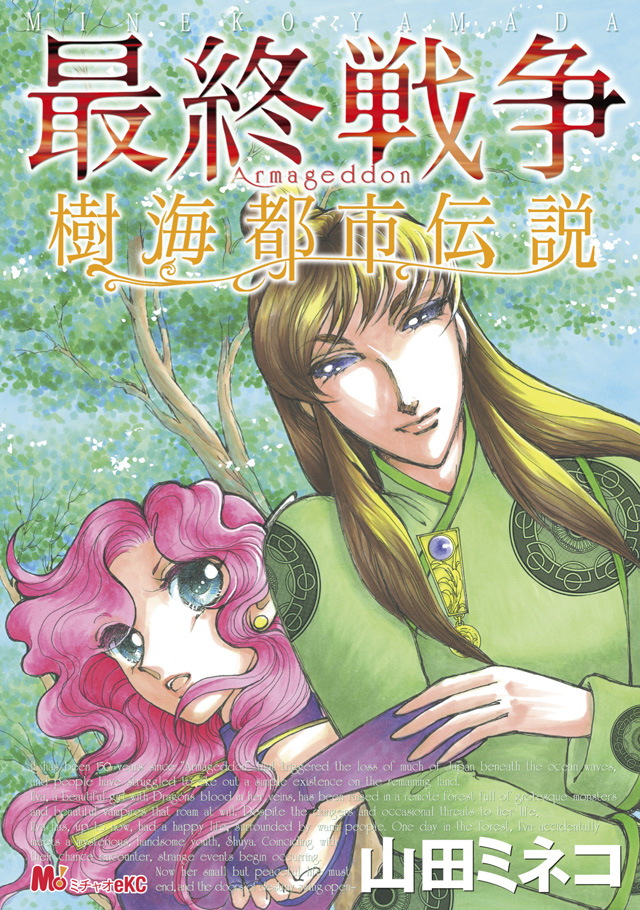
Dr. Mineko Yamada.
Source: kc.kodansha.co.jp
Born in 1969. Born in Kanagawa Prefecture. Debuted with "Haru no Uta" (Spring Song) in the rental book "Gakuen Calendar". He is a disciple of Mitsuaki Suzuki and one of the members of Hana no 24-nen Gumi. His main works are "The Last War Series" and "Hanasaku Teio no Kizui" (Flowering Imperial Trees).
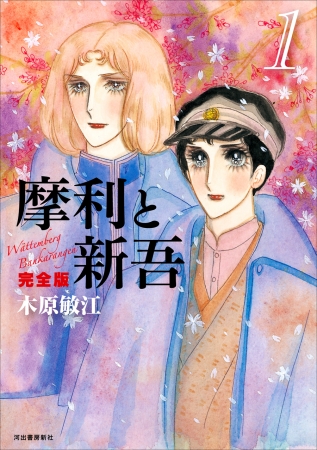
Toshie-sensei Kihara
Source: prtimes.jp
Born in 1948. Born in Tokyo. Debuted in 1969 with "Bessatsu Margaret" and "Neko Muite Mama!". Received the 30th Shogakukan Manga Award for "Yume no Hi" in 1985. Received the 1st Agency for Cultural Affairs Media Arts Festival Grand Prize for "Ugetsu Monogatari" in 1998. "Angelic", "Yume no Hi", "Oeyama Kaden Yume no Hi Bangumi" and "Kaikaebaya Ibun" are staged at Takarazuka. His main works are "Mari to Shingo" and "Angelic".
Kunisensei Hazama
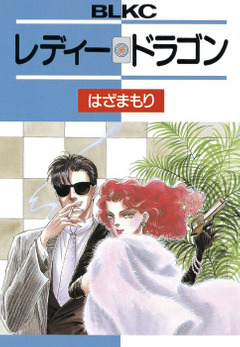
Source: viewer-trial.bookwalker.jp
In 1980, she made her debut with "Deshita Yoyo Hatsukoi Moyo" from "Lovely Friend" published by Kodansha, and worked on girls' manga and mystery manga. In 1980, she received the Kodansha Shinjin Manga Award for "Lady Dragon" and "Kaidan wa Shirasu".
Dr. Takao Yaguchi.
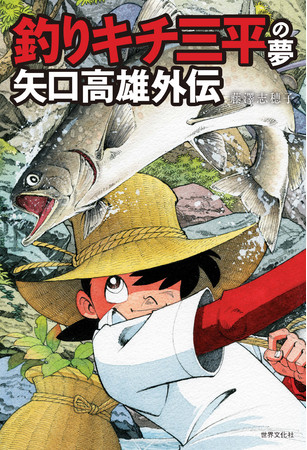
Born in 1939. Born in Akita Prefecture. Debuted with "Ayu" at Shogakukan's "Weekly Shonen Sunday". Received the 5th Kodansha Publishing Award for "Tsurikichi Sampei" and "Maboroshi no Kaibutsu Bachi Hebi". Received the 5th Nihon Mangaka Kyokai (Japanese Cartoonist Association) Award for "Matagi". Major works include "Matagi" and "Tsurikichi Sampei."
Dr. Jun Hayase.
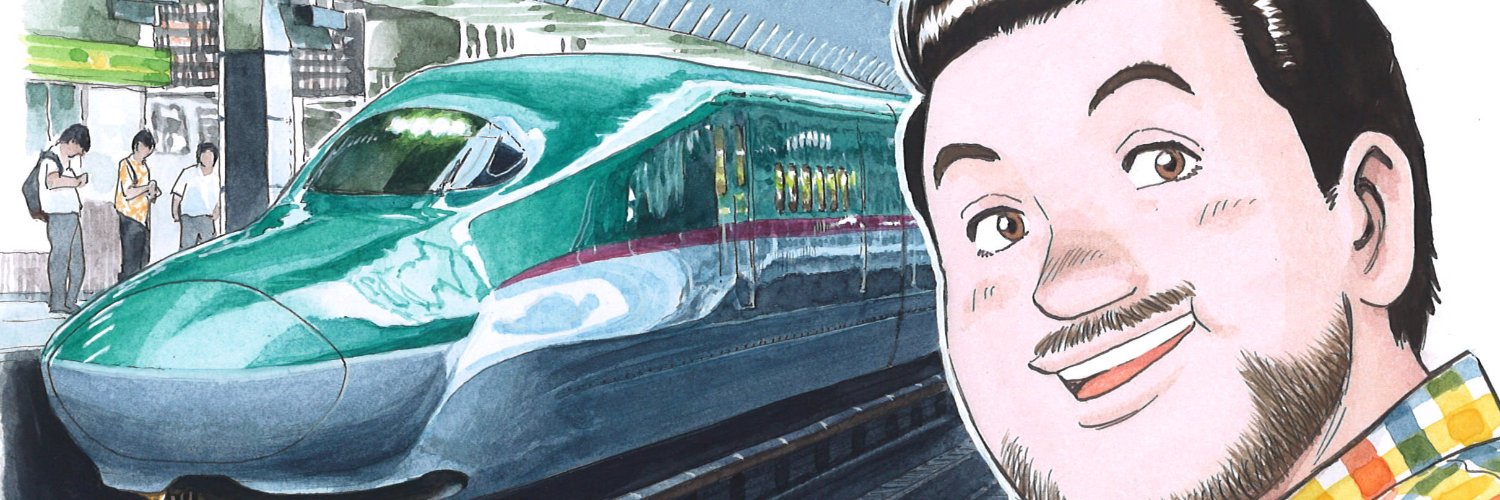
Source: twitter.com
In 1970, she made her debut with "Weekly Shonen Jump" and then "Senso Gokko" (Pretend War). Her main works were "Sogai Ikou yo" (Let's go out) and "Shatake" (Shutter
Dr. Masahiro Shibata.
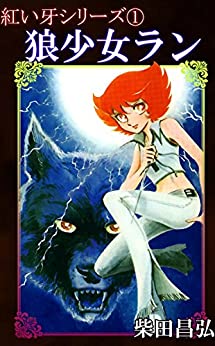
Source: www.amazon.co.jp
Born in 1949. Born in Mie Prefecture. Debuted in 1973 with "Bessatsu Margaret" and "White Rose no Chiru Umi". Later released mainly suspense films. Main works are "Wolf Girl Run" and "Birds Afternoon".
Dr. Yoshiko Nagaoka.
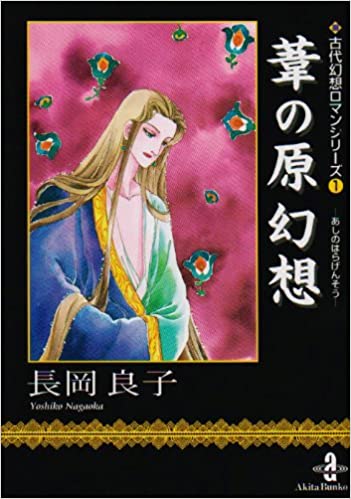
Source: www.amazon.co.jp
Born in 1948. Born in Yamagata Prefecture. Debuted in 1974 with "Poetry of the Nile" at Shueisha's "Ribbon". He has published many works on the subject of Japanese history and ancient Egypt. His main works are "Illusion of the Reeds" and "Night Rainbow."

Tags
Contents
- Outline of "Roses are born in Shulava"
- The plot and story of "Roses are born in Shulava"
- Looking Shulava
- Junior high school
- High school days
- After Debut
- I work in Shulava.
- Scary story
- "Tennin Karakusa"
- Experience of a new cartoonist
- The Truth of Shulava
- Farewell Schlaba
- Dr. Suzue Miuchi.
- Epilogue
- Fictional character from The Rose Is Born in Shulava
- Key person
- Dr. Nami Sasou.
- Dr. Suzue Miuchi.
- Editor in Chief Konagai Betsuma
- Cartoonist teachers
- Jun Chiaki
- Dr. Mitsuaki Suzuki.
- Dr. Jun Ichikawa.
- Dr. Shinji Wada.
- Dr. Chieko Hara.
- Dr. Mineko Yamada.
- Toshie-sensei Kihara
- Kunisensei Hazama
- Dr. Takao Yaguchi.
- Dr. Jun Hayase.
- Dr. Masahiro Shibata.
- Dr. Yoshiko Nagaoka.
- ASAKAWA Mayumi SENSEI
- Dr. Kazuko Yumeno.
- Dr. Satoru Makimura.
- Dr. Yu Asagiri.
- Ms. Tomoko Kuramochi
- Dr. Chie Shinohara.
- Dr. Moto Hagio.
- Dr. Fusako Kuramochi.
- Dr. Jun Mihara.
- Dr. Hiromu Ono.
- Dr. Minori Kimura.
- Ms. Ryoko Yamagishi
- Performing at the House of Books
- Yuuri KONISHI
- East Press representative
- First Editor: Mr. Machida
- Mr. Kobayashi, the second editor
- Assistants who assisted the author
- Dr. Kazuko Yumeno.
- Dr. Mayumi 淡川
- Term for "the rose is born in Shulava"
- Infrastructure and Environment
- Shulava
- Kanzume Ryokan
- Reed
- Manga School Selection
- Mikazuki-e
- Mitsuaki Suzuki's comic book class for girls
- "Shoujo Manga: From Basics to Becoming a Professional" published by Mitsuaki Suzuki
- Hana no 24 Nen
- Dear Doji
- Technical section
- Name
- Background material
- Blonde line
- White
- Eraser
- 3 cloves strong
- Mob
- Fukidashi
- Phototypesetting
- Fall
- Painting
- Cartoon
- Tone
- Carex japonicus
- Stippling
- Beta
- Words, lines, scenes and scenes of "Roses are born in Shulava"
- Dr. Suzue Miuchi. "Do you see that beetle over there?"
- Mr. Suzue Miuchi: "Manga artists have to be prepared to stay up all night for three days, sit down for a month, and fast for a day and a half."
- Dr. Suzue Miuchi, "Wake me up in 15 minutes."
- THE AUTHOR, Nami Sasou SENSEI: "WELL, THEN, WHY DO N'T YOU JOIN THE Ranmaru SQUAD?"
- Dr. Jun Mihara, "Let's try."
- Dr. Minori Kimura: "I won't lose anything like that."
- Minori Kimura: "It's better not to be perfectionist. New people who have just debuted can learn by drawing immature works and having readers read them."
- MS. RYōKO YAMAGISHI: "I DO N'T WANT TO PAINT"
- Psychic: "You draw works as a memorial for the people of the past."
- Author Nami Sasou: "I want to apologize for my death"
- Behind the Scenes, Trivia, Small Stories / Episodes / Anecdotes of "Roses are born in Shulava"
- This is the sequel to Nami Sasou's "Roses are born in Shulava."
- Beshima Manga School held
- Suzue Miuchi Sensei! Tantan-tanuki
- Miss Fusako Kuramochi, happy Christmas.
- Moto Hagio Etranze