
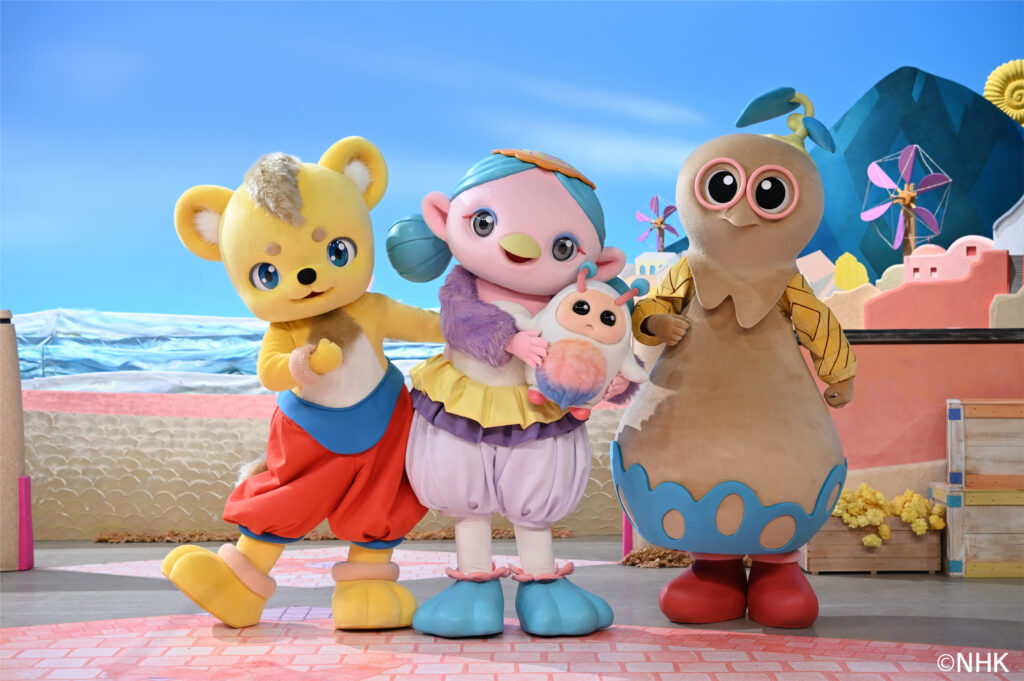
Have you ever heard of the NHK program "Okaasan to tosho"? It is produced for children, and one of its popular sections is a puppet show. In this article, we have compiled a list of puppet plays that have been aired over the years. You can tell which generation you are from by which characters you know! Which one are you familiar with?
It was the first work since the Heisei period.
Source: ja.wikipedia.org
During the final year of the program, from April 1999 (1999) to April 2000 (2000), the program was broadcast in parallel with the predecessor of the successor, "Gu-choco-lantern," "Spsu to Gatarat," and the broadcast time was shifted from the opening of "Okaasan to Issho" to the middle of the program, starting with the name of the character being called by Ryoko Tsunoda, the Akihiro Sugita of Onii-san and Oi-san of Uta at that time.
Source: freestyle0.exblog.jp
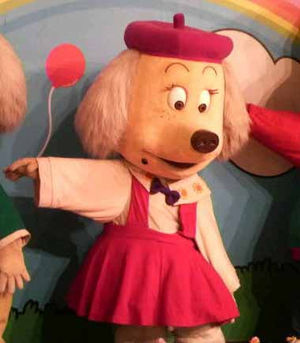
Mido Waon (Mido)
Fuado's twin sister, a poodle girl.
He's a good boy. He hates losing. He's active. He hates staying still. He's the leader of a group of four. He takes care of three dogs that are always not sure if they are motivated or not.
When he gets angry or frustrated, he shouts "Woonda!"
Source: dounatsujima.blog51.fc2.com
[[PDEFINE ~ RFFS _ FLAGWARON]]
He was a twin brother and a Poodle boy.
In contrast to his elder sister, he is quiet and weak. He is skillful with his hands. He is good at time and calculation. He is weak at deduction and can't resist.
He is not good at physical activities such as sports, but he is good at hand work and repairing broken things.
Source: ameblo.jp
[[PDEFINE ~ RFFS _ REONUDOS]] [[PDEFINE ~
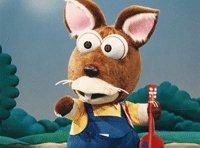
The boy of the Kinobori kangaroo. The former prince of Madatuskal.
"Good-bye, I wish I were a former prince," he said.
Because he was a prince, he was ignorant of the world and selfish, but he became a hard worker, taking care of cows and feeding swans at a ranch. Because of his pride as a former prince, he worked hard day and night to earn a living without help from others.
Source: www.drillspin.com
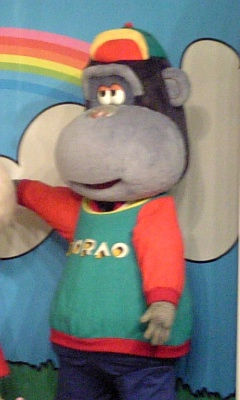
Aoi 空男 (Sorao)
Gorilla boy. Former resident of Golilin village. First person is "Ora".
He is gentle and powerful. He moves slowly. He rarely gets angry when he's fooled or teased.
I have a habit of sleeping standing.
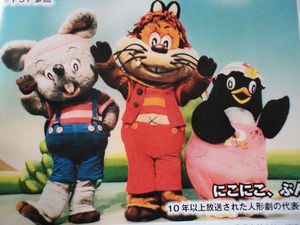
Nikoniko Pun (1982 - 1992)
Source: blogs.yahoo.co.jp
SMILE
April 5, 1982 - October 2, 1992
Set in the "Niko-niko Island" beyond the universe
The three characters, "Jyajamaru," "Pikkoro," and "Porori,"
Laughing, crying, fighting, adventuring
It is a story full of courage and friendship.
It was broadcast for ten years and six months, the longest of all the puppet shows in "Okaasan to Issho" (seven and a half years for the next show, "Doleifa do Nattsu!" and nine years for "Gu-choco-lantern").
Source: ja.wikipedia.org
Since the era name was changed to Heisei on January 7, 1989 during the broadcast, this was the last puppet play of the Showa period and the first puppet play of the Heisei period.
The biggest difference from traditional puppet shows is that the main character is a girl.
As for character, it is set so that he always has a handicap before his special ability.
Source: ja.wikipedia.org
This is based on the author's idea that "it's easier to get along if you have faults, and each character will be lively."
The three main characters are basically set to be motherless, which is said to have been intentionally set by playwright Takao Ide in consideration of children who cannot watch TV with their mothers.
Source: ja.wikipedia.org
Source: blog.livedoor.jp
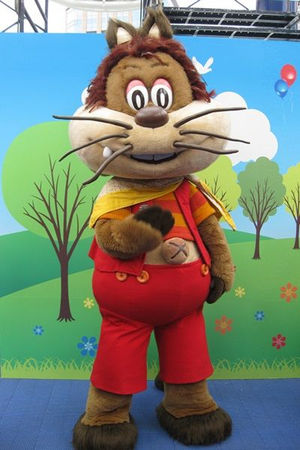
Cul-de-sac Jaja-maru
He was five years old and a son of Uraomote Yamaneko (Iriomote cat and' Uraomote' [front and back] cat).
Three leaders.
"Hey, it's Mr. Maru!" he says. The first person is "I."
He is powerful and nimble. He has a strong sense of duty and loyalty, and a friendly personality. However, he is bossy and timid, which is a flaw in his character.
Source: ja.wikipedia.org
He is often left out because of his lazy friends.
He can't write or read, and he can only count numbers up to four.
Source: ja.wikipedia.org
The mother breaks up alive, doesn't remember her face, and gets depressed every time she receives an item from her mother that occasionally reaches the other two. When you persist, you promise to shout, "Kaa-chan! Oi, OO! (For example:' Even if I am made a fool of because I can't read' or' Even if a summer greeting card doesn't come'), I will live strong!"
Source: ja.wikipedia.org
Some of them do not look like children, such as delivering milk early in the morning.
Source: torend505.blog.so-net.ne.jp
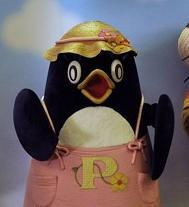
[[PDEFINE ~ RFFS _ NORMALCY _ PICCOLO]]
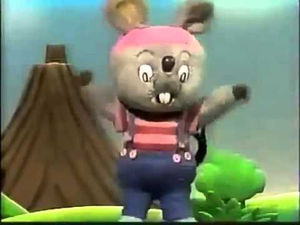
A three year-old Bolt penguin girl.
"Hi, I'm Piccolo," he said, and his first person was "I."
He is a good talker and a good drinker. He takes good care of others, but he is very strong.
When they get angry, they shout "ピッコ!" and jump at the same time to make a rumbling sound (using the camera to make it look like the ground is shaking) and make the two of them stagger (this action is called "Donpyon"). The two of them don't have a head for her.
Source: ja.wikipedia.org
I can't swim with a hammer, and I'm often made fun of by Jagamaru about it.
Since his hands are horizontal, he can only play paper rock-paper-scissors.
Source: www.youtube.com
Porori Kajiriacci III (Porori)
Rat boy. Four years old.
"Hello, I'm Porori," he said.
She is smart, modest and gentle, but she is weak and has no patience.

Related Articles
Here is a summary of "Rekishi Puppet Show" by Okaasan to Tosho.
Here is a summary of the beloved "puppet plays" of each era, Okaasan to tosho "Puppet Plays.
Read Article
![With Mom] Surprisingly unknown? A special feature on the "song sisters" and what happened to them afterwards! Takumi Mitani](https://renote.net/files/blobs/proxy/eyJfcmFpbHMiOnsiZGF0YSI6NzY3NjEzNSwicHVyIjoiYmxvYl9pZCJ9fQ==--4151e031a698acd6d7f3902ddf0cf9c4bad5360f/145.jpg)
With Mom] Surprisingly unknown? A special feature on the "song sisters" and what happened to them afterwards! Takumi Mitani
NHK's children's program "OKAASAN ITSYO" is famous for its "Uta no Onee-san" corner where the "Uta no Onee-san" sings with the children. 2016, Takumi Mitani, aka "Takumi Onee-san," regrettably retired as "Uta no Onee-san. In 2016, Takumi Mitani, a.k.a. "Takumi Onee-san," regrettably retired as "Uta no Onee-san. Here we introduce what has happened to the "song ladies" of the past.
Read Article
Keizo Nakanishi on "With Mom" Christmas Special! He sang live!
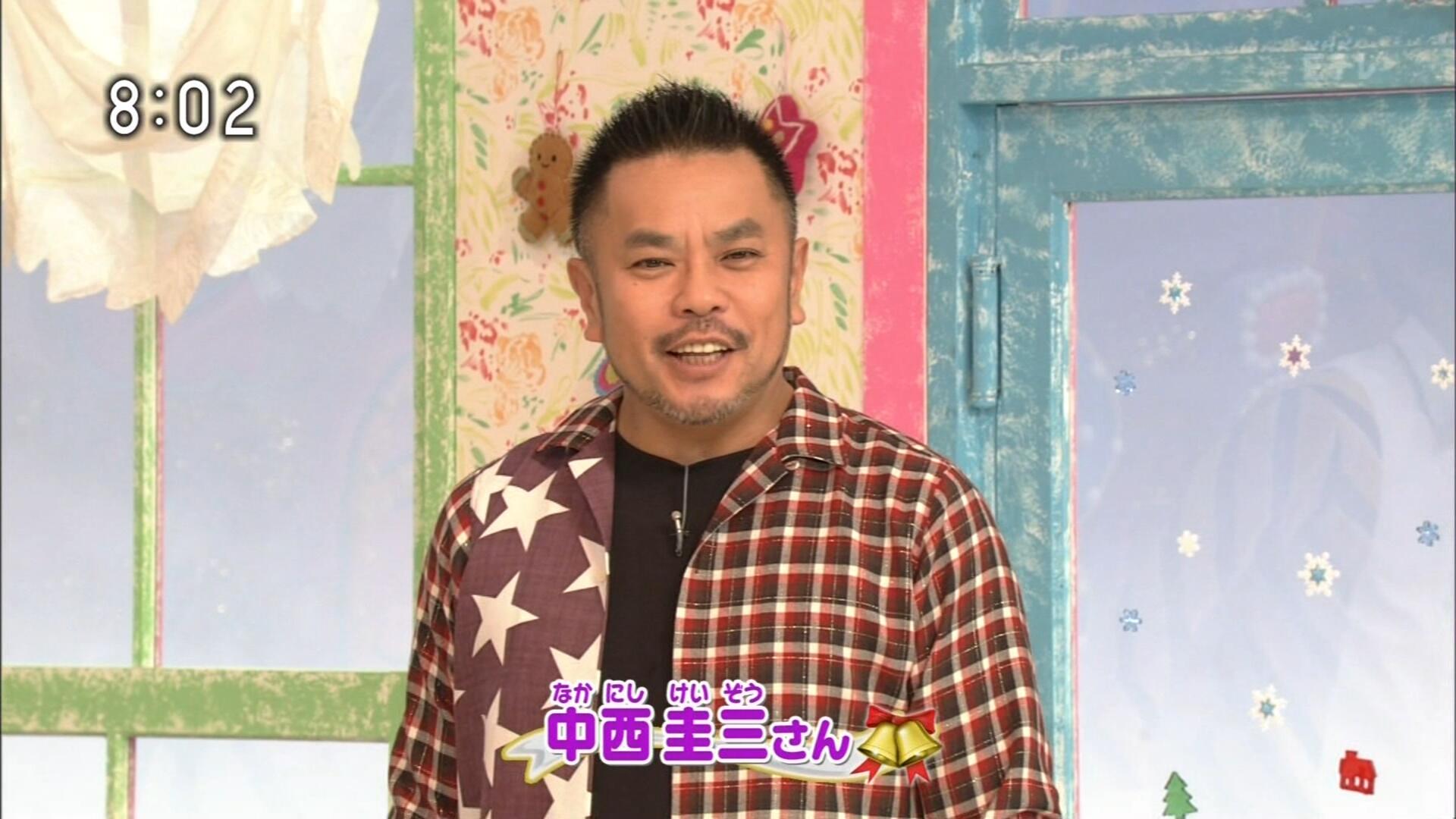
Singer-songwriter Keizo Nakanishi appeared on the Christmas special of "With Mom" broadcast in December 2013. Keizo Nakanishi performed "Pawapu Taiso," a song used in the show's exercises. The children reacted coldly, "Who is this person? while many families said their parents were excited to see him.
Read Article

A summary of the past "Okaasan to tosho" singing brothers! Daisuke Yokoyama finally graduates!
We have compiled a list of the singing brothers who have appeared on NHK's popular program "Okaasan to tosho" since then. Introduced here are a total of seven members, including Seiji Tanaka, the first generation, Osamu Sakata, who has written many famous songs as a lyricist and composer, and Daisuke Yokoyama, who has brought songs and smiles to children for nine years. Their activities in the program are also described.
Read Article
Tags
Contents
- Outline of "With Mommy
- About Puppet Theater
- Puppet Show "With Mommy
- Garapicopu (2016 - 2022)
- Pocopotato (2011 - 2016)
- Monolan Monolan (2009 - 2011)
- Spoo and Gutterat → Gu - Choco Lantern (2000 - 2009)
- Doremifa Doonutsu! (1992 - 2000)
- Nikoniko Pun (1982 - 1992)
- Boom Boom Taimu (1979 - 1982)
- Mew meow meow meow (1979 - 1983)
- Golonta Theater (1976 - 1979)
- Ugoke Bokounoe (1974 - 1976)
- Tondeke Butchie (1971 - 1974)
- Tonchinko Bozu (1969 - 1971)
- Dat-kun (1967 - 1969)
- Boo hoo hoo (1960 - 1967)