
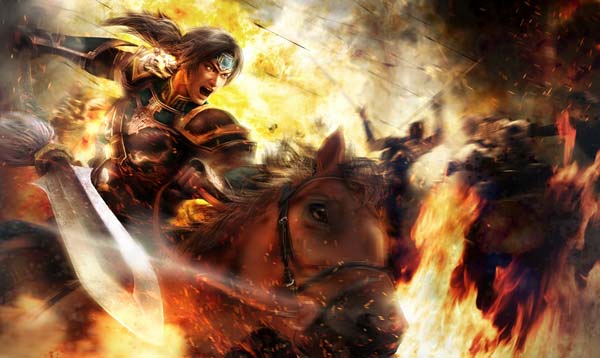
In Koei Tecmo Games' "Shin-Sangoku Musou" series, players control the warriors from "Sangokushi" to battle through numerous battlefields. This game is the seventh in the series. Later, "Shin Mikuni Musou 7 with Toushouden" was released as the first PS4 version of the series, which was bundled with "Shin Mikuni Musou 7 with Toushouden".
The basic storyline is based on historical facts, but the main feature of this title is that players can advance to an IF route depending on their actions. The number of warriors in the game is 77, the most ever in the series.
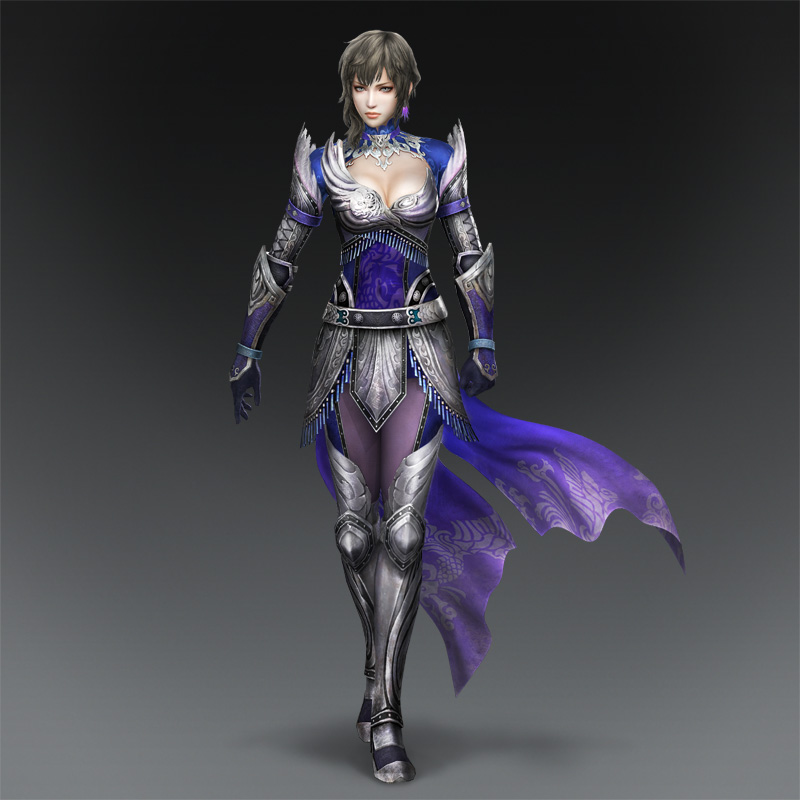
Member of: Wei Specialty Weapon: Brush Fork, Ema Stab (7 Empires) Height: 170cm CV: Houko Kuwashima
She is the only woman who is recorded to have participated in battle in the authentic history of the Three Kingdoms. She is the wife of Zhao Gao, a general of the Wei Dynasty, who supported her husband in his battle against Ma Chao and successfully defended the castle until reinforcements arrived. She was not only brave but also resourceful, participating in all nine strategies her husband devised against Ma Chao, as well as offering advice. There are many other anecdotes that demonstrate her resourcefulness and courage. Although she appears in "Sanguozhi Yanyi" under the name Wang, her military prowess and wits are not mentioned much in the official history.
In the game's original setting, his family was destroyed by the Xiliang warlords, and he supposedly joined the Wei army to take revenge on Ma Chao, a powerful Xiliang warlord. He has a calm and collected personality, but his hatred for Ma Chao is so strong that he himself describes it as "a feeling akin to love. According to a soldier who knew Wang Yi in the past, he used to have a completely different personality.
The motif of the armor design used in this work is feathers, with flowing lines. The large earrings and the wide-open chest design give the armor an alluring and bewitching appearance.
Houtoku
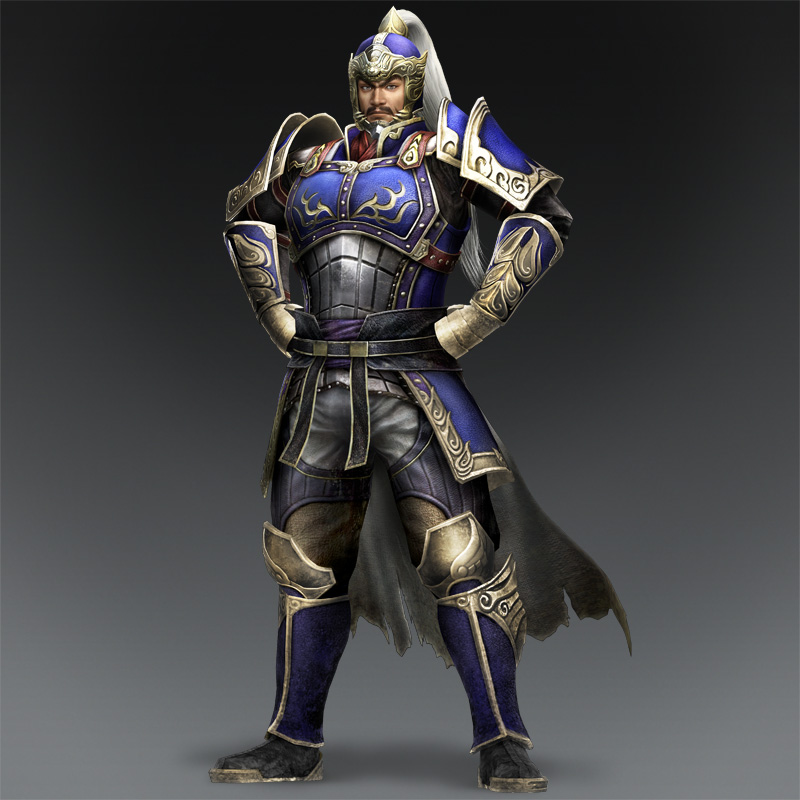
Character: Reimei Affiliation: Wei Wei Weapon of choice: Wolf Fang Stick Height: 205 cm CV: Seiichi Morita
A general from Liangzhou, he served under Ma Teng and Ma Chao, and after separating from Ma Chao, he served under Cao Cao. Although he served Cao Cao for only a short period of time, he was praised as a loyal general because his final days were so terrible.
He was praised for his numerous achievements and his valor was the best in Ma Teng's army. After Ma Teng's death, he followed Ma Chao and fought against Cao Cao, but was defeated. He and Ma Chao fell into the Han Dynasty. At that time, Han China was under the influence of Cho-ro, the leader of the religious group "Wudome-do", and Ma Chao followed him. Ma Chao later left Chang Lu to serve Liu Bei, but Peng De remained under Chang Lu. When Zhang Lu surrendered to Cao Cao, Peng De also followed Zhang Lu and became a subordinate of Cao Cao.
He was soon stationed in Fancheng to prepare for Guan Yu in Shu, but not a few people were suspicious of Peng De, who was a newcomer and whose former lord was in Shu. Therefore, in order to show his loyalty, Bengtoku is said to have said, "I will defeat Guan Yu within this year. And indeed, he showed his loyalty at the risk of his life in this battle.
During the battle against Sekiu's forces, the long rains caused the rivers to overflow and submerge the plains. While Bongde's army was isolated without boats, Guan Yu's army, which had prepared boats for crossing the river, was able to launch an attack. Bongde fought valiantly, slaying his men who tried to surrender, and climbing a hill that was not submerged to fight back with his bow, but he was finally captured by Guan Yu's forces.
Guan Yu advised him to surrender, but Peng De chose to be executed, saying, "I may become a national devil, but I will not become a bandit general. When Cao Cao heard Peng De's last words, he wept and was saddened. In "The Legend of the Three Kingdoms," he is depicted as a loyal and brave general. In the battle against Guan Yu, he prepared his own coffin before going into battle to show his resolve. After that, he was executed for his loyalty, just as in the historical record.
In the game, he is a fierce general who fights with the conviction to fulfill his duty as a warrior. He is a quiet man who is seldom violent, but his will is strong, and once he sets his sights on a goal, he never wavers in his actions toward its completion. In the "Battle of Fancheng" in the historical route of "Biography of Wei," he is seen carrying a coffin on his back in the battle.
Zhou Yu
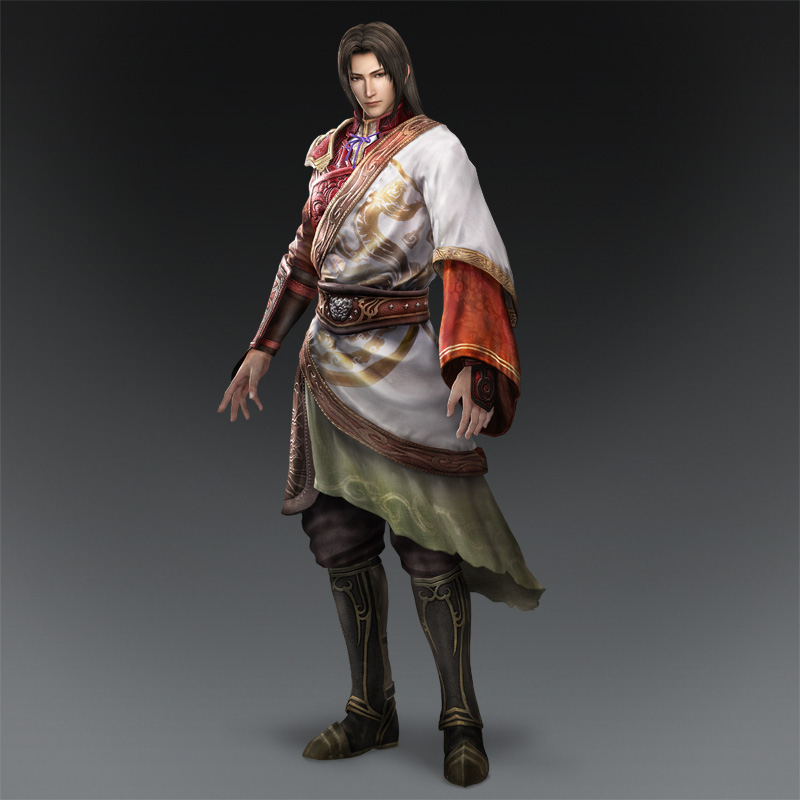
Character: Gong Jin (公瑾) Affiliation: Wu Weapon of Choice: Cudgel Height: 178cm CV: Takahiro Yoshimizu
He is a famous commander who supported Sun Quan and Sun Quan and defeated Cao Cao's army in the Battle of Red Cliffs. He was not only a man of wisdom and military prowess, but also a man of good looks and a generous personality who excelled at winning the hearts of the people. According to the "Records of the Three Kingdoms," he was also a talented musician, and even when he was drunk, he was able to recognize the slightest mistake.
After the Battle of Red Cliff, he formed an alliance with Ma Chao and had a far-reaching plan to attack Cao Cao from Xiangyang, but he died suddenly in the middle of his plan. When Sun Quan ascended to the throne, he praised his achievements and lamented his untimely death, saying, "Without Zhou Yu, I would not have become emperor.
In "Sanguozhi Yanyi," he is portrayed as an extraordinary man of exceptional military talent and a beautiful man called "Bi Zhourou," but he is often seen as a complement to Zhu-ge Liang.
In the present work, as in the historical facts and the play, he is portrayed as a handsome man of both literary and military prowess. Although his position as the first governor of Wu has led him to speak in a stern and rigid manner, he is by nature a gentle man. With the arrival of his successor, Lu Su, he is now portrayed as a senior figure who guides the young generals of Wu and entrusts them with great ambitions. However, he sometimes goes a little crazy when his wife Xiao Qiao is involved, and in the "Searching for Reijin," an external stage of "7 Toushouden," he is seen going out of control when he hears Xiao Qiao's selfishness.
His survival is one of the conditions for opening the IF route in "Wu Den".
Rikuson
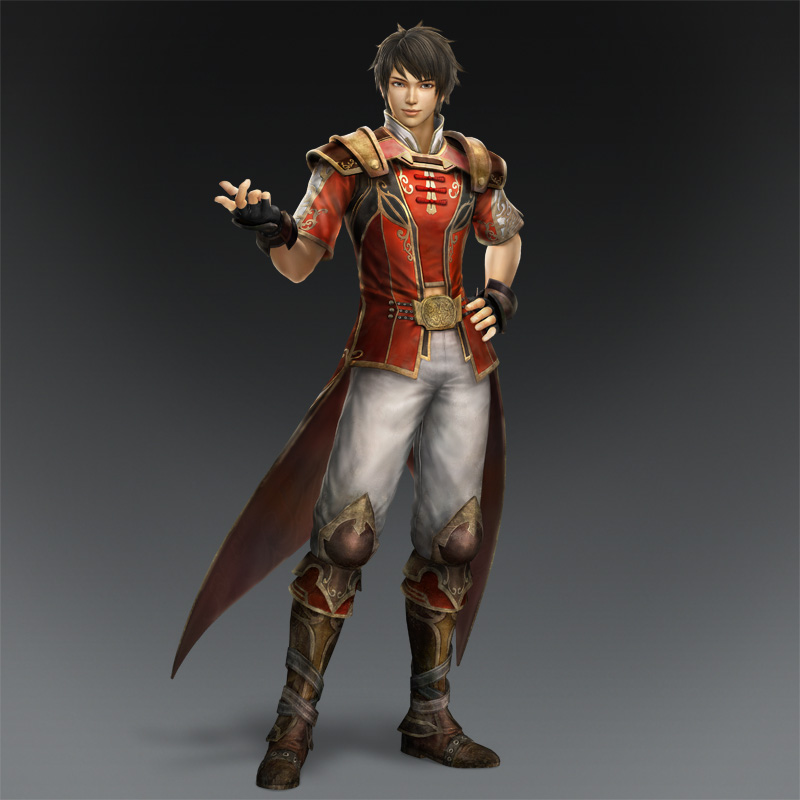
Character: Hakugen Affiliation: Wu Weapon of choice: Flying Sword Height: 171cm CV: Kenji Nojima
He served Sun Quan and was successful in defeating foreign tribes in his younger days. In the battle to defeat Guan Yu, he sent a humble letter to Guan Yu to make him let his guard down and supported Lu Meng's defeat of Guan Yu. Later, when Liu Bei led a large army to attack Wu to avenge Guan Yu and recapture Jingzhou, Sun Quan appointed him as the governor of the capital. Rikujun brilliantly lived up to Sun Quan's expectations and greatly defeated the Shu forces using fire attacks at Yiling. He continued to support Wu in both domestic and military affairs and rose to the position of prime minister, but in his later years he became embroiled in a dispute over Sun Quan's succession and died in a fit of rage.
In "Sanguozhi Yanyi," he appears as a handsome man with an imposing physique. In addition, "Sanguozhi Yanyi" does not mention the issue of Sun Quan's successor, and as a result, the tragedy of Lu Bei's later years is also assumed to have never happened.
In the game, he is portrayed as a serious, polite, and thoughtful young man. Because he is the last of Wu's four governors, he is very conscious of learning from his seniors. On the other hand, he has a hard time reading the atmosphere and often makes comments that confuse Lu Su and Lu Meng. He is famous for his fire plan in the Battle of Yiling, but he is also known as an "arsonist" by some of his fans because of his frequent use of fire in other situations and comments.
Sun Shang Xiang
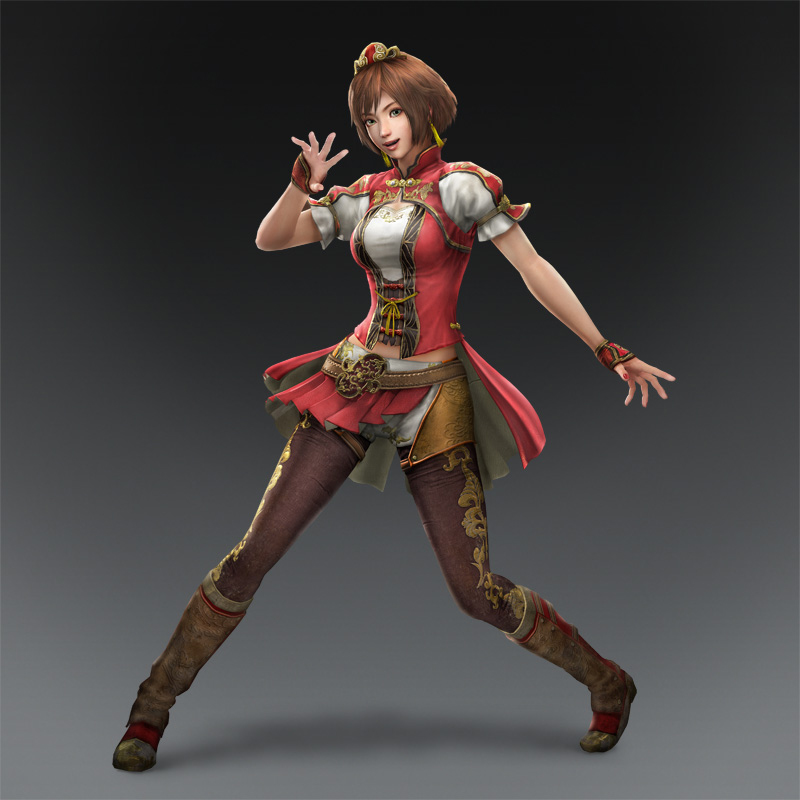
Strength: Wu Weapon of choice: sphere Height: 167cm CV: Emi Uwakawa
Daughter of Sun Jian and younger sister of Sun Quan. Her real name is unknown. The name "Shangxiang" was given in the Peking Opera based on the "Records of the Three Kingdoms," and in the "Sanguozhi Yanyi" the name is "Sun Ren.
She married Liu Bei through a political marriage, but as she was an extremely volatile woman, she was constantly in trouble with those around her. She also brought her soldiers from Wu, but they all behaved badly and sometimes broke the law, so much so that Zhao Yun was assigned to watch over them. It is written in the "Records of the Three Kingdoms" that Zhu-ge Liang considered Mrs. Sun to be as dangerous as Cao Cao and Sun Quan. Naturally, the couple did not get along well, and it is written that she returned to Japan when Liu Bei had conquered Yizhou. After that, their whereabouts are unknown.
In "Sanguozhi Yanyi," contrary to the historical fact, the couple is portrayed as a close couple, but they returned to Japan when the relationship between Liu Bei and Sun Quan deteriorated. The story of what happened after that differs from book to book, but the famous ending is that they threw themselves into the Yangtze River in despair after hearing the false news that Liu Bei had died in Yiling. Incidentally, the popular nickname "Princess Yumikoshi" comes from Eiji Yoshikawa's "Sangokushi" (The History of the Three Kingdoms).
She is one of the oldest characters in the "Dynasty Warriors" series, having appeared in the PS version of "Sangoku Musou. She is a very manly princess warrior with the nickname "Princess Bow and Waist," and takes to the battlefield to help her father and older brothers. She and Liu Bei are portrayed as a married couple who get along well, and in "Shin-Sangoku Musou 5" and later, she is often on the Shu side in Yiling.
Taishiji
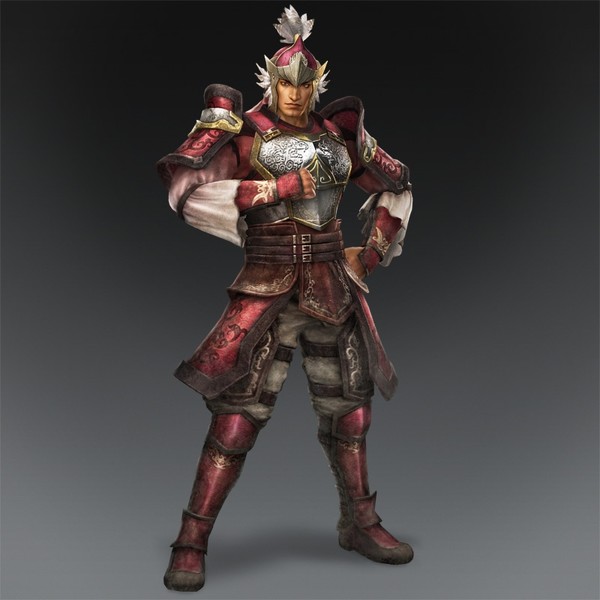
Character: Shigi Affiliation: Wu Weapon of choice: twin whips Height: 190 cm CV: Hirohiko Kakegawa
Shigi was an expert archer with a strong military spirit, but he also loved learning and was a man of principle from his youth. The official history records that when his mother's benefactor was besieged by the remnants of the Yellow Turban bandits, he broke the siege with his own ingenious plan and saved his benefactor's life.
Later, he served Yangzhou's assassin, Liu You, for the sake of friendship with his hometown, but then Sun Zedong's army attacked. Taishiji was given a scouting mission, and he encountered Sun Strategy, who was also on a scouting mission, and the two engaged in single combat, but neither could reach a decision and both retreated.
In the end, Liu Ye was defeated by Sun Ce and Taishi was captured, but Sun Ce, recognizing Taishi's bravery in single combat, forgave him and he fought under Sun Ce's command from then on.
He continued to be a great warrior, and was used by both Sun Strategy and Sun Quan. He was known for his valor even before he became a general of Wu, and was once invited by Cao Cao, but he refused on the grounds of his loyalty to Sun Quan. However, he was not blessed with a long life span and died at the age of 41 in 206, before the Battle of Red Cliff.
In "Sanguozhi Yanyi," he was still alive at the time of the Battle of Red Cliffs and played a very active role, but he died from an arrow wound sustained during a night attack on Zhang Liao at the Battle of Hefei.
In the game, he is portrayed as a fierce general who valued faith and righteousness, and considered the fulfillment of righteousness through military actions to be his path. He was the most heavily armed general among the Wu generals, many of whom were lightly armed. In the historical route, he dies in the "Battle of Hefei" stage, but in the IF route, in which all the players aim for the kingdom, he fights to the end.
Yellow lid
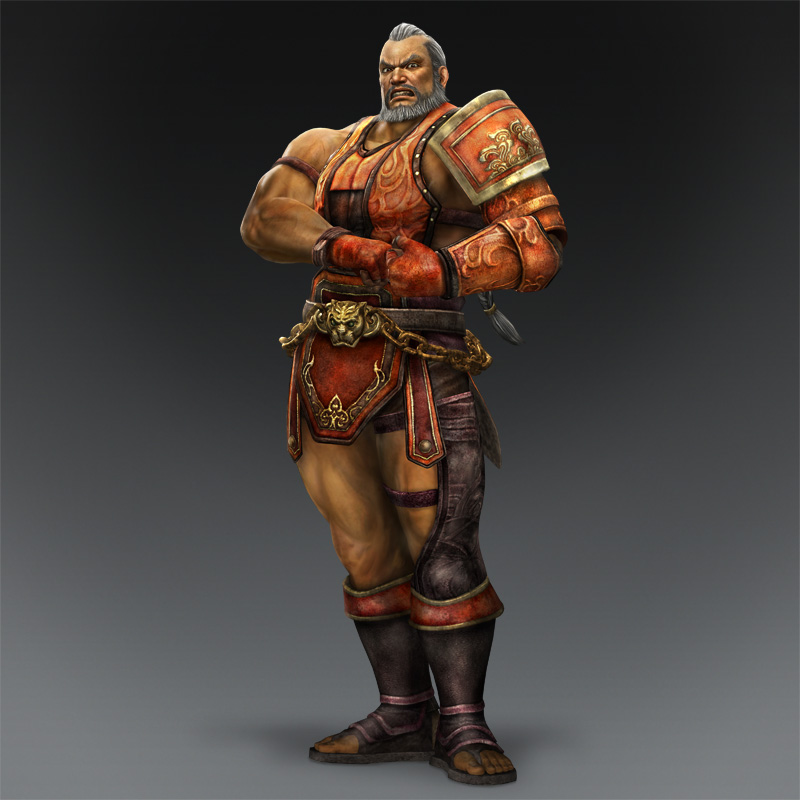
Character: Koufuku Force: Wu Weapon of Choice: Tesshu (iron boat) Height: 187 cm CV: Toru Inada
One of the oldest generals to serve in the Sun family for three generations. His father died when he was young, so his life was poor, but he always had great ambitions and devoted himself to his studies. When Sun Jian raised a righteous army, he followed his example and was active in suppressing rebellions and defeating Dong Zhuo. After Sun Jian's death, he followed Sun Tsu's conquest of Koto. Later, he served Sun Quan, who succeeded Sun Tsu's sudden death, well, and made great achievements in defeating foreign tribes and in civil administration.
Huangfu is particularly famous for the Battle of Red Cliffs, in which he used a false surrender to attack the firewall. He contributed to Wu's victory by burning Cao Cao's ships and shore camps with fire using false surrender. This scene is one of the greatest shows in "Sanguozhi Yanyi". However, in the "Records of the Three Kingdoms," he was hit by a stray arrow during a fire attack and fell into the Yangtze River. Fortunately, Hwangto found him and treated him, and he was able to live for the rest of his life.
In the game, he is portrayed as an old general who has spent his entire life fighting on the front lines and watching his young generals grow up as if he were looking at his grandchildren. He has a muscular physique that belies his old age, and his costume design emphasizes the muscles he has developed over the course of the series.
Another major feature is that all of his special moves and special attacks, such as the Musou Ranbu, are wrestling-specific. In particular, Musou Ranbu 2, in which he performs a powerful finishing hold while being cheered on by soldiers, is a popular special move known as the "Yellow Cover Buster" or "Shogun Buster" by some fans.
Kanyeong
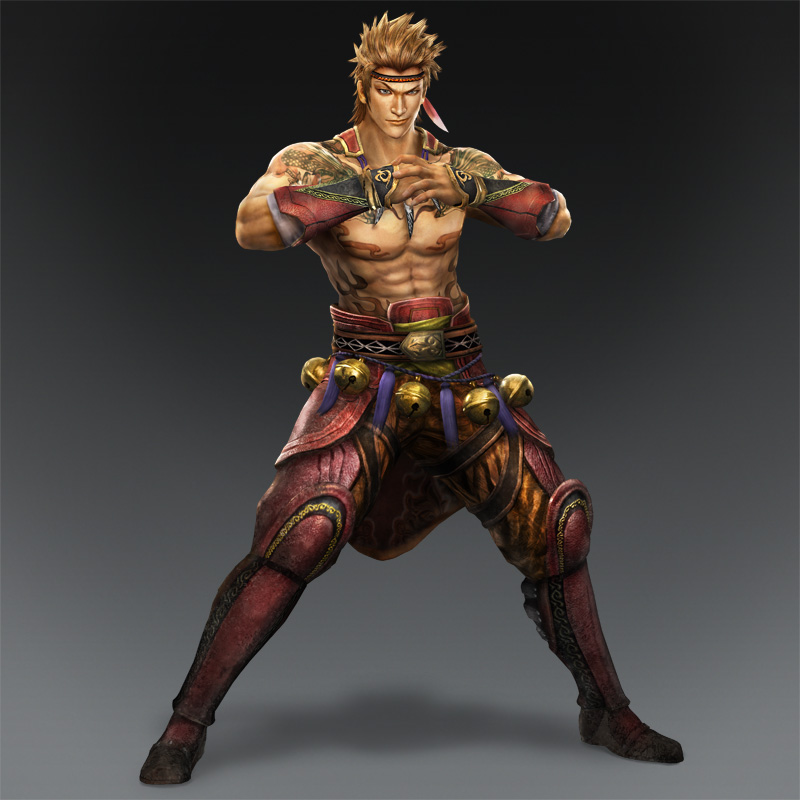
Character: Koha Affiliation: Wu Weapon of Choice: Chain Weights Height: 181cm CV: Shoro Miura
From a young age, he liked to play the chivalrous game and roamed the land and waterways with his clique. All of his companions wore feather ornaments and carried bells, which became their trademark. Eventually, he washed his hands of the chivalrous life, studied hard, and mastered the art of war. He then served under Liu Meng of Jingzhou and Huang Zu, the governor of Jiangxia under Liu Meng, but none of them respected him, and Huang Zu even treated him coldly. One of King Huang's subordinates, Su Fei, was the only one who appreciated Gan Ning and admonished King Huang to give Gan Ning more importance, but he was not heeded. So Gan Ning, with the help of Su Fei, surrendered to Sun Quan. Later, when Sun Quan's army defeated King Huangdu, Su Fei was captured, but was forgiven when Gan Ning desperately pleaded for her former benefactor's life.
He continued to play an active role in the battles of Red Cliff and Hefei. In the Battle of Nureskou in 216, in particular, he recruited a determined force of about 100 men and successfully carried out a surprise attack on Cao Cao's army with great success. At this time, Sun Quan said, "Cao Cao has Zhang Liao, but I have Gan Ning. They are well matched." He praised Gan Ning's bravery and boldness.
Ganning had a very short temper and a rough temperament, but he was a man with an exhilarating personality full of chivalry and an excellent eye for strategy. The "Records of the Three Kingdoms" describes him as a man with no greed for money, who spent his personal fortune to honor his samurai and inspire his soldiers, attracting many excellent subordinates and brave soldiers. In "Sanguozhi Yanyi," he was one of Wu's most active generals, but was killed in the Battle of Yiling. The actual date and cause of his death are unknown.
In the game, he was praised as "a possible rival to Wei's Zhang Liao," and was a fierce general who excelled in water battles. He is called "Ganning of Bell" because he always wears a bell. He is a good-natured man who is loved by his subordinates because he takes good care of them, although he has a violent temper and a short temper.
Throughout the series, he is often associated with Lu Meng, with whom he has a close relationship in the historical record, with Yu Tong, with whom he has a deep history, and with Lu Jun, who succeeded Lu Meng. In this work, too, he has a comic exchange with Lu Meng and Li Dong in the historical route.
Lu Meng

Related Articles
An in-depth look at the hot new Musou series, "Arslan Senki x Musou"!
The newest addition to the Musou series, "Arslan Senki x Musou". The Musou series has collaborated with various works such as Hokuto Musou, Pirate Musou, and Zelda Musou, and now they have decided to collaborate with "Arslan Senki"!
Read Article
Spoiler commentary and discussion of MUSOU OROCHI (Mujiru / The Second Coming of the Demon King / Z)
Musou OROCHI" is an action game released by Koei to commemorate the 10th anniversary of the "Musou" series. The game is a crossover between the "Shin-Sangoku Musou" series and the "Sengoku Musou" series, and the main feature of the game is that players can control more than 70 warriors, including the original characters from this game. The co-starring of the Warriors and the Sengoku was so well received by fans that a sequel, "Warriors OROCHI: The Second Coming of the Demon King," was later released. The worlds of the Three Kingdoms and the Warring States are fused together by the sudden appearance of the Demon King Enrochi. The warlords of the Three Kingdoms and Sengoku fight together and against each other, but eventually unite to overthrow Toorochi.
Read Article
Spoiler commentary and discussion of Shin Mikuni Warriors 2 (2 Resshouden)
Shin-Sangoku Musou 2" is an action game released by Koei (now Koei Tecmo Games) in 2001, and is the second title in the Shin-Sangoku Musou series. The game was a huge hit, with the content greatly enhanced and the dissatisfactions of the previous title resolved. The game features 41 characters based on the generals who appeared in "Sanguozhi" (The History of the Three Kingdoms). The main objective of the game is to unify the three kingdoms by leading your army to victory with the generals you have chosen.
Read Article
Spoiler commentary and discussion of Shin-Sangoku Musou 8 (game)
Shin-Sangoku Musou 8" is the eighth title in the "Shin-Sangoku Musou" series, an action game in which players control the warriors from "Sangokushi" to develop the story. This is the first numbered title in five years. The main feature of this title is the adoption of an open world system, a first for the "Dynasty Warriors" series. With the addition of the new generals, the number of playable Musou generals finally exceeds 90. In the main mode, each warlord has a separate scenario, and the player follows the life of the warlord as he or she progresses through his or her own story.
Read Article
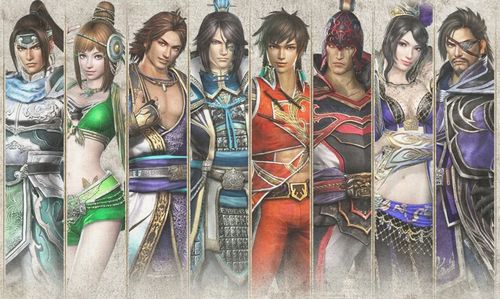
Spoiler commentary and discussion of Shin-Sangoku Musou 6 (6 Resshouden / 6Empires)
Shin-Sangoku Musou 6" is the sixth title in the "Shin-Sangoku Musou" series released by Koei Tecmo Games in March 2011. Up until now, the story has focused on the three kingdoms of Wei, Shu, and Wu, but this title finally introduces the fourth country, Jin, which ended the Three Kingdoms period in historical fact. With this, the story of the latter half of the "Romance of the Three Kingdoms," which has not been depicted much in past works, is also focused on in this work. The number of generals has also been greatly increased, with a record number of 62 generals participating in the game.
Read Article
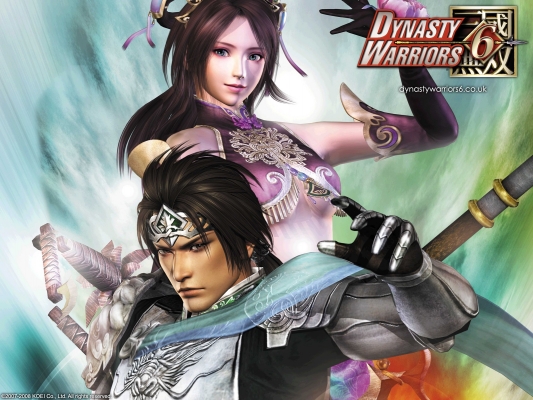
Spoiler commentary and discussion of Shin-Sangoku Musou 5 (5Special / 5Empires)
Shin-Sangoku Musou 5" is the fifth title in the "Shin-Sangoku Musou" series of games based on "The Legend of the Three Kingdoms" released by Koei (now Koei Tecmo Games) in November 2007. It was the first game in the series for the PS3. The new medium brought about unprecedented attempts at character visuals, a drastically revamped action system, and enhanced strategic elements. It can be said that this was a turning point for the series, with various experiments being conducted in all aspects.
Read Article
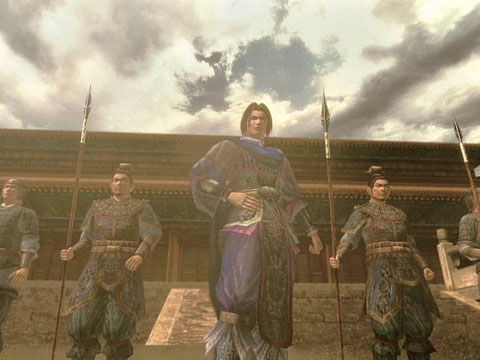
Spoiler commentary and discussion of Shin Mikuni Warriors 4 (4 Resshouden / 4Empires)
Shin-Sangoku Musou 4" is the fourth title in the "Shin-Sangoku Musou" series of action games in which players control the generals from "Sangokushi" to lead their armies to victory. There are 48 generals available, and each general has his own Musou mode. The introduction of a new graphical engine has greatly improved the stealth and processing lag that have long been a problem, allowing the player to experience the thrill of the "one-hit warslayer" experience.
Read Article
Spoiler commentary and discussion of Shin-Sangoku Musou 3 (3 Resshouden / 3Empires)
Shin-Sangoku Musou 3" is a video game released by Koei (now Koei Tecmo Games) in February 2003, and is the third title in the "Shin-Sangoku Musou" series. The player assumes the role of a general and aims for victory in his own army. There are 42 generals available. While the previous game's Musou mode was based on generals, this game's Musou mode is based on forces, and a major feature of this game is that the player can change generals midway through the game.
Read Article
Spoiler commentary and discussion of Shin-Sangoku Musou (the game).
Shin-Sangoku Musou (Dynasty Warriors 2) is a video game released by Koei (now Koei Tecmo Games) in August 2000, and is the first title in the Shin-Sangoku Musou series. The genre of the game is an action game. The main feature and appeal of the game is its "one-man warriors" action, in which a single player can defeat multiple enemies.
Read Article
Which character is your favorite? Summary of Sengoku Warlords in Shin-Sangoku Musou 8
Shin-Sangoku Musou 8 is an open-world game set in mainland China, released in 2018. The characters in the game are inspired by the Three Kingdoms, and each of them has a different performance. This article will introduce the characters in "Shin-Sangoku Musou 8", including their performance and usability, along with images.
Read Article
Spoiler commentary and discussion of Sengoku Musou - Sanadamaru (game)
Sengoku Musou: Sanadamaru" is a game title released in November 2016. It is part of the "Sengoku Musou" series and is also an official tie-in with the 2016 NHK historical drama "Sanadamaru". Based on the "Sengoku Musou 4" series, the main feature of this game is that the story focuses on the Sanada family. The drama of the turbulent Sengoku period unfolds with father and son Masayuki and Yukimura Sanada as the main characters. In addition, the game features a number of new challenges, such as long-term battles, the concept of day and night, and changes in appearance with the passage of time.
Read Article
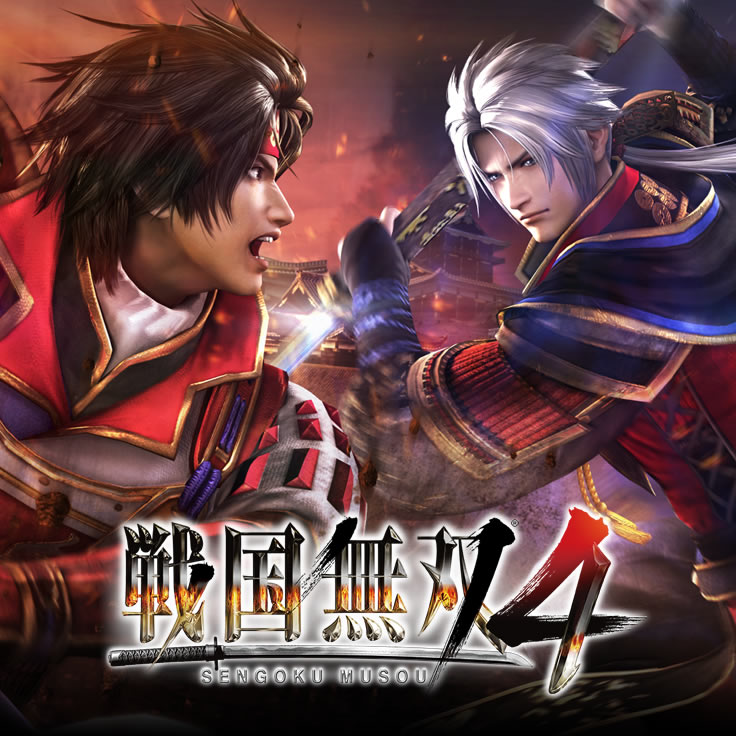
Spoiler commentary and discussion of Sengoku Musou 4 (4-II / 4Empires / 4DX)
Samurai Warriors 4" is the fourth PS3 game in the "Sengoku Musou" series, released in March 2014. It is also the 10th anniversary title of the series, which is set in the Sengoku Period and features a number of warriors in action. A PS4 version was later released. Various dramas unfold in the turbulent Sengoku period, centering on the bond and rivalry between Yukimura Sanada, the main character of the series, and Yukimura's elder brother Nobuyuki, who joins the series for the first time in this title.
Read Article
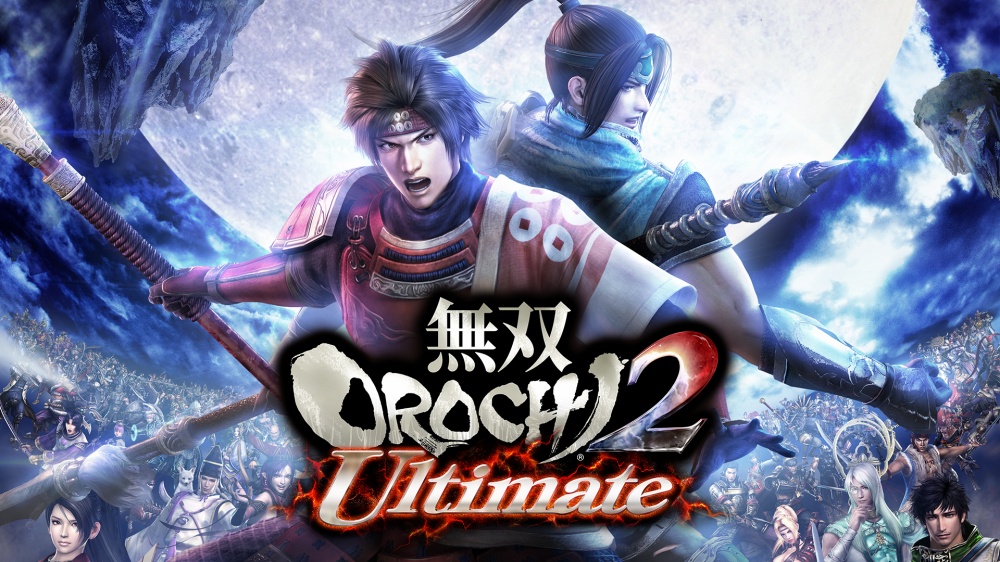
Spoiler commentary and discussion of Warriors Orochi 2 (Warriors Orochi 3)
Musou OROCHI 2" is an action game title released by Koei Tecmo Games on December 22, 2011. It is a sequel to "Musou OROCHI". The main feature of this game is that not only characters from "Sangoku & Sengoku Musou" but also characters from other works by Koei Tecmo and other manufacturers participate in the game. The setting is an alternate world where several years have passed since the previous game. The world is on the verge of extinction when a monster, the "Yokeserpent," appears out of nowhere. The surviving heroes face a battle that transcends time and space in order to regain their lost friends and save the world.
Read Article
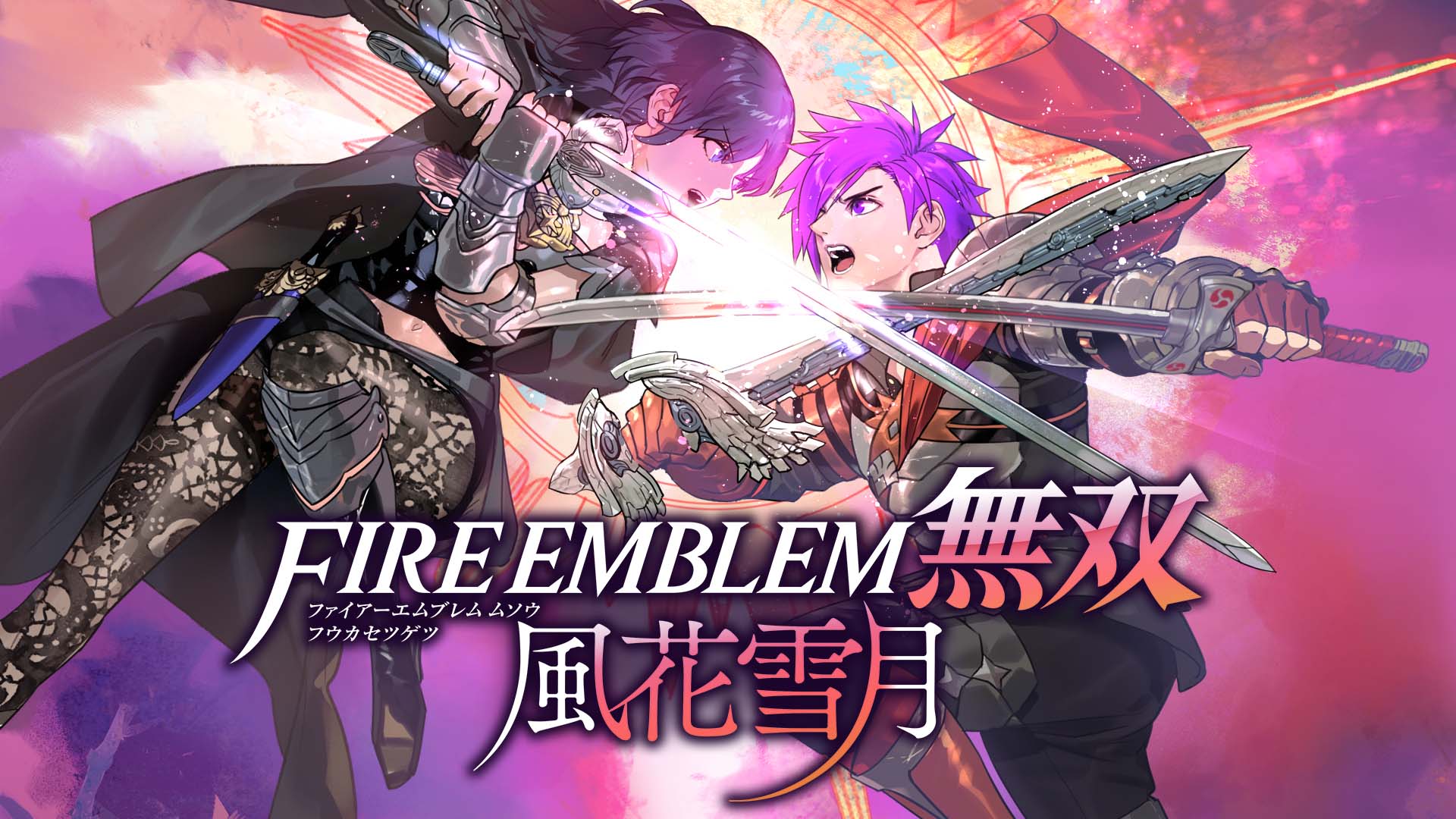
Fire Emblem Warriors: Fuuka Yukigetsu (game) spoiler commentary and discussion.
Fire Emblem Musou: Fuuka Yukigetsu" is an action simulation game released by Koei Tecmo Games for the Nitendo Switch. The game allows players to enjoy exhilarating action while controlling the main character and his companions, who are original characters in the game. The main character is a mercenary who, together with his friends, must fight a battle for Fodora in order to defeat his sworn enemy, the "Gray Devil".
Read Article
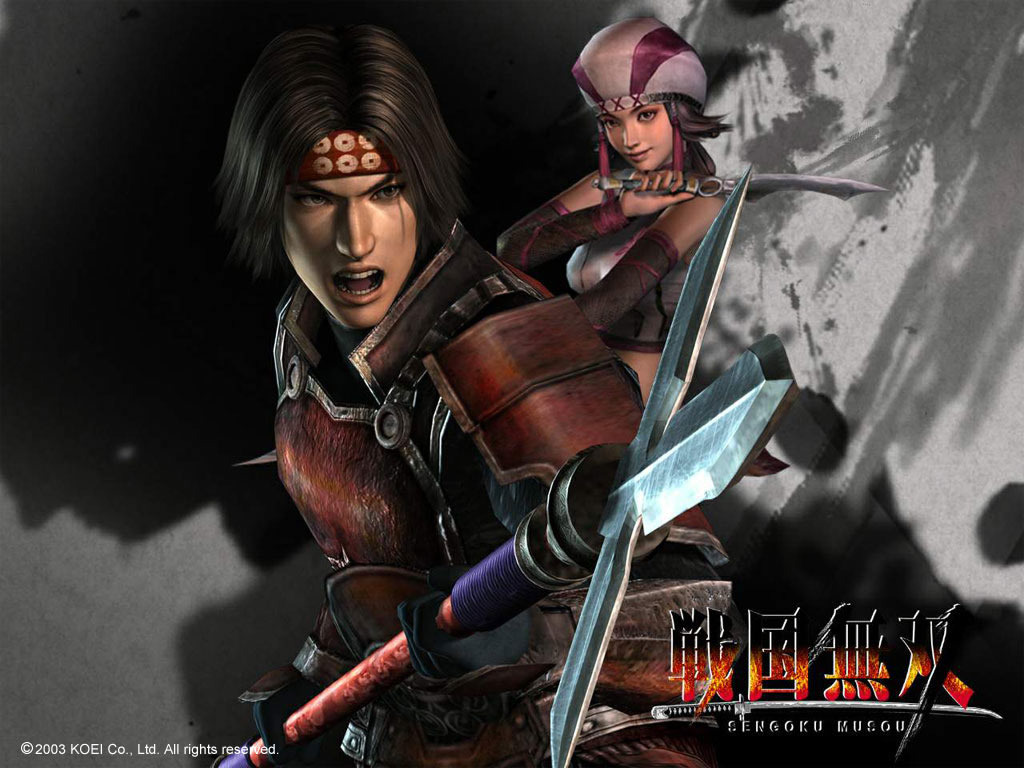
Spoiler commentary and discussion of Sengoku Musou 1 (1 Tetsusho Den)
Sengoku Musou" is the first game in the "Sengoku Musou" series, released by Koei on February 11, 2004. It is also a sister title to "Shin-Sangoku Musou" series. The game takes place during the Warring States Period in Japan, where warlords who have left their mark on history run through various battlefields. The game features a multi-ending system in which the story of each general has a different ending, and a new history can be spun out depending on the player's actions.
Read Article
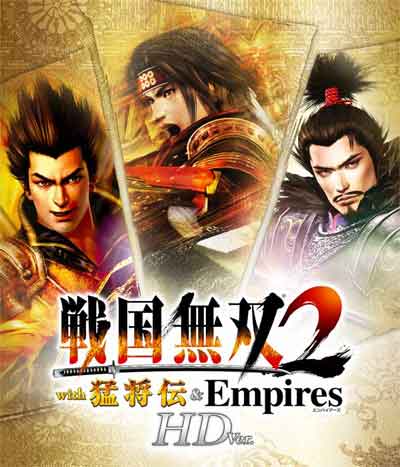
Spoiler commentary and discussion of Sengoku Musou 2 (2Empires / 2Takeshouden)
Sengoku Musou 2 (Samurai Warriors 2) is the second title in the "Sengoku Musou" series of action games set in Japan's Warring States period. In contrast to the previous game, which focused on the age of the rivalry between the warring factions, the story of "Samurai Warriors 2" centers on the battle of Sekigahara. Later, "Empires" and "Takerushoden" were also released. It is also highly regarded as the work that established the "Sengoku Musou" series in all aspects, including action and systems.
Read Article
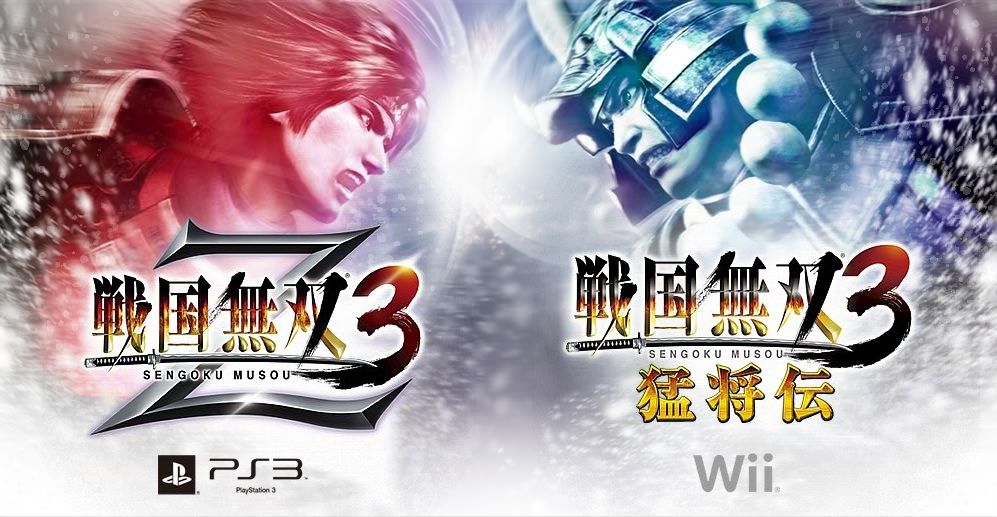
Spoiler commentary and discussion of Sengoku Musou 3 (3 Resshouden / 3Empires)
Samurai Warriors 3" is a Wii exclusive game released in December 2009, with a PS3 version released later. It is the third title in the "Samurai Warriors" series, which is set in the Warring States period and tells the story of a number of generals. The game focuses on the various forms of "bonds" among the warlords and is characterized by its three main storylines: "Kanto Sangokushi," "Sengoku no Sanketsu," and "Sekigahara no Wakamusha.
Read Article
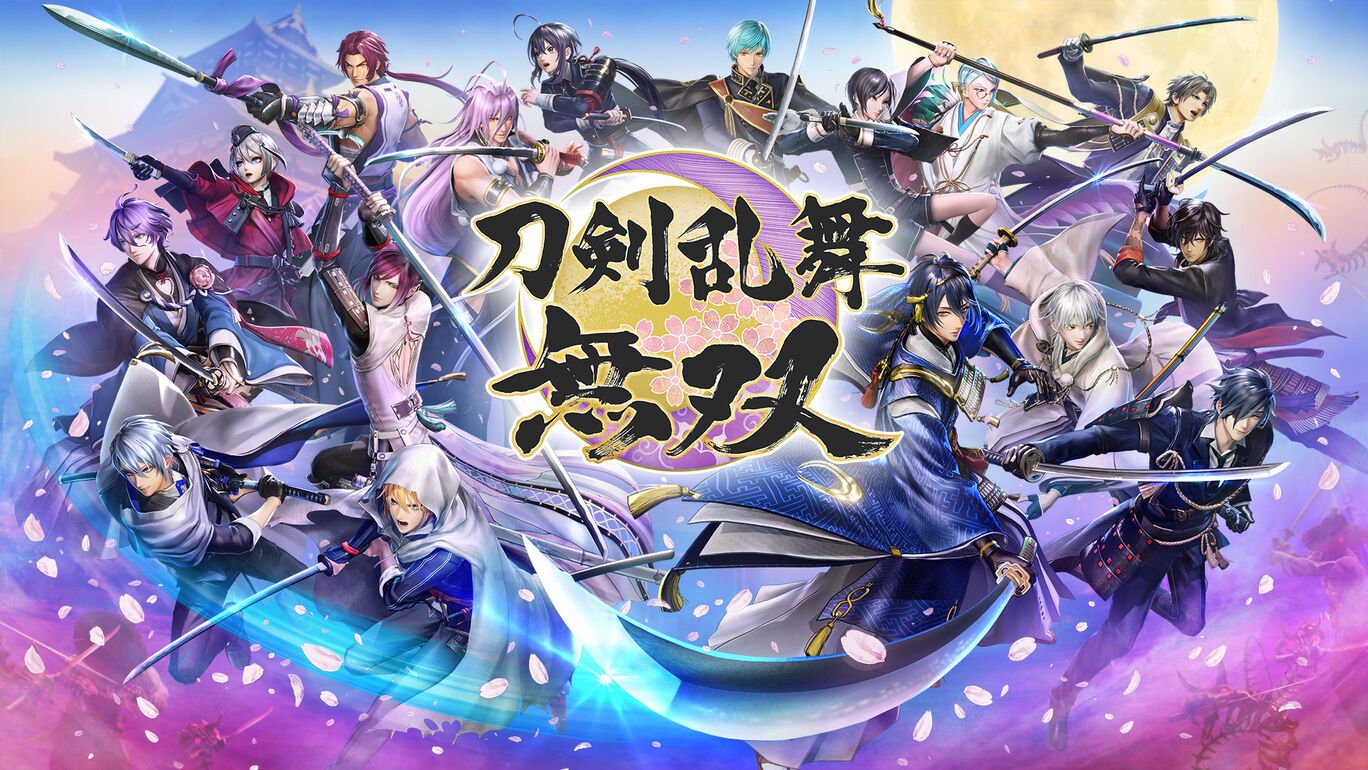
Spoiler commentary and discussion of Sword Warriors (Tousou Musou, Tourabu Musou).
Toukendanbu Musou" is a tactical action game based on the sword training simulation game "Toukendanbu". It is also a collaboration between the "Musou" game series and "Sword Dance". The story takes place in the year 2205 AD. The story depicts the battles of "Toushi," 15 mourning gods of swords who have lost their masters, who are sent by the government to investigate a plot by "historical revisionists" to change the history of Japan.
Read Article
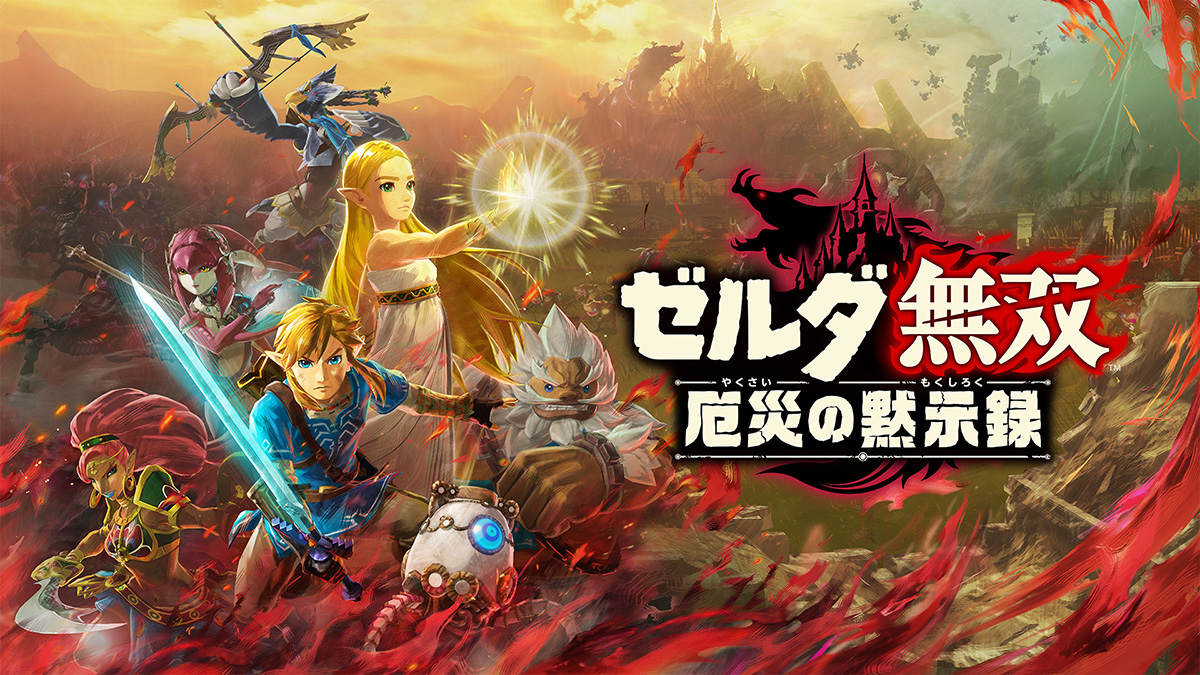
Zelda Warriors: Apocalypse of Evil (game) spoiler commentary and discussion.
Zelda Warriors: Apocalypse of Evil" is an action game developed by Koei Tecmo Games and released in 2020, and is a collaboration between "The Legend of Zelda" and the "Warriors" series. The game is based on the "Great Disaster" that occurred 100 years before "The Legend of Zelda: Breath of the Wild," and allows players to enjoy the exhilarating action that only the "Warriors" series can provide. The ability to control not only Link, but also other familiar characters from "The Legend of Zelda: Breath of the Wild" is one of the charms of this game.
Read Article
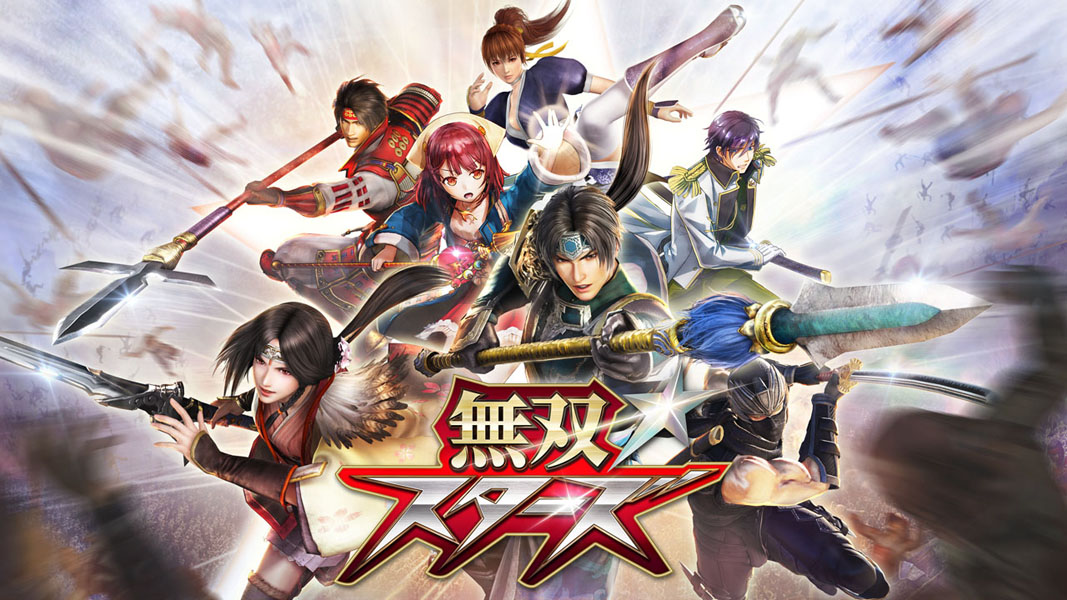
Spoiler commentary and discussion of Muso☆Stars (game)
Musou Stars" is a game title released by Koei Tecmo Games in March 2017. It is also an all-star game in which characters from the company's brand titles fight together. The setting is a certain other world. One day, the heroes are suddenly summoned to another world, where they meet three royal families, each of whom begs for their cooperation. The heroes are then caught up in a three-way struggle in a strange world. One of the major features of this title is that the story's development and ending depend on the player's choices, as it adopts a multiple ending system.
Read Article
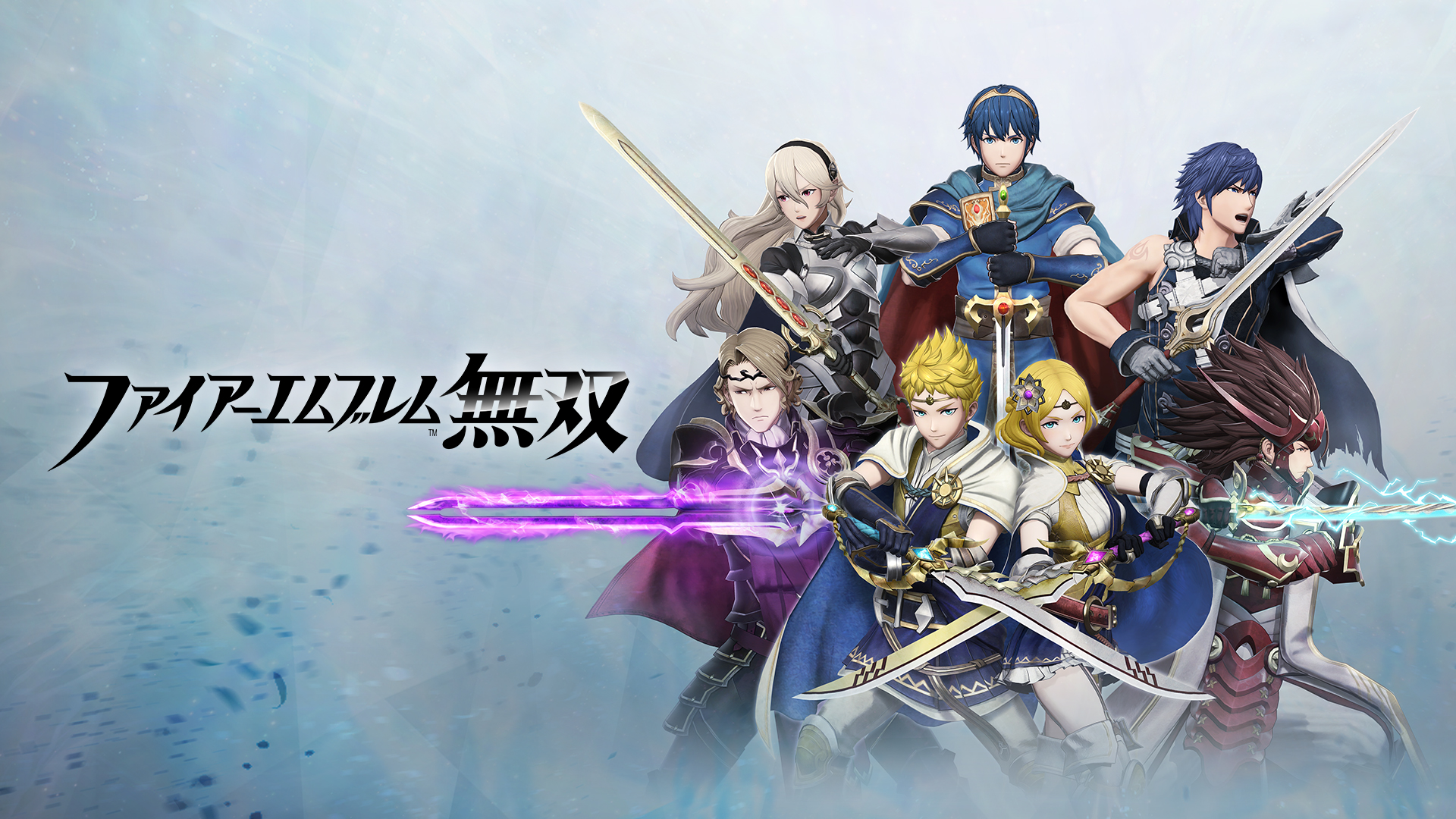
Fire Emblem Warriors (game) spoiler commentary and discussion.
Fire Emblem Warriors" is an action game released by Koei Tecmo Games in 2017. Players can enjoy exhilarating action by controlling characters from previous "Fire Emblem" games. There are also elements that allow players to develop their characters and deepen their friendship with other characters, and all of the game is fully voiced. The kingdom of Aitolis has been plunged into darkness after the castle fell due to demons that appeared from the gates of the Otherworld. Theon and Lian, the children of the previous king, who succeeded in escaping from the castle, travel with the successive protagonists to confront the mighty darkness.
Read Article
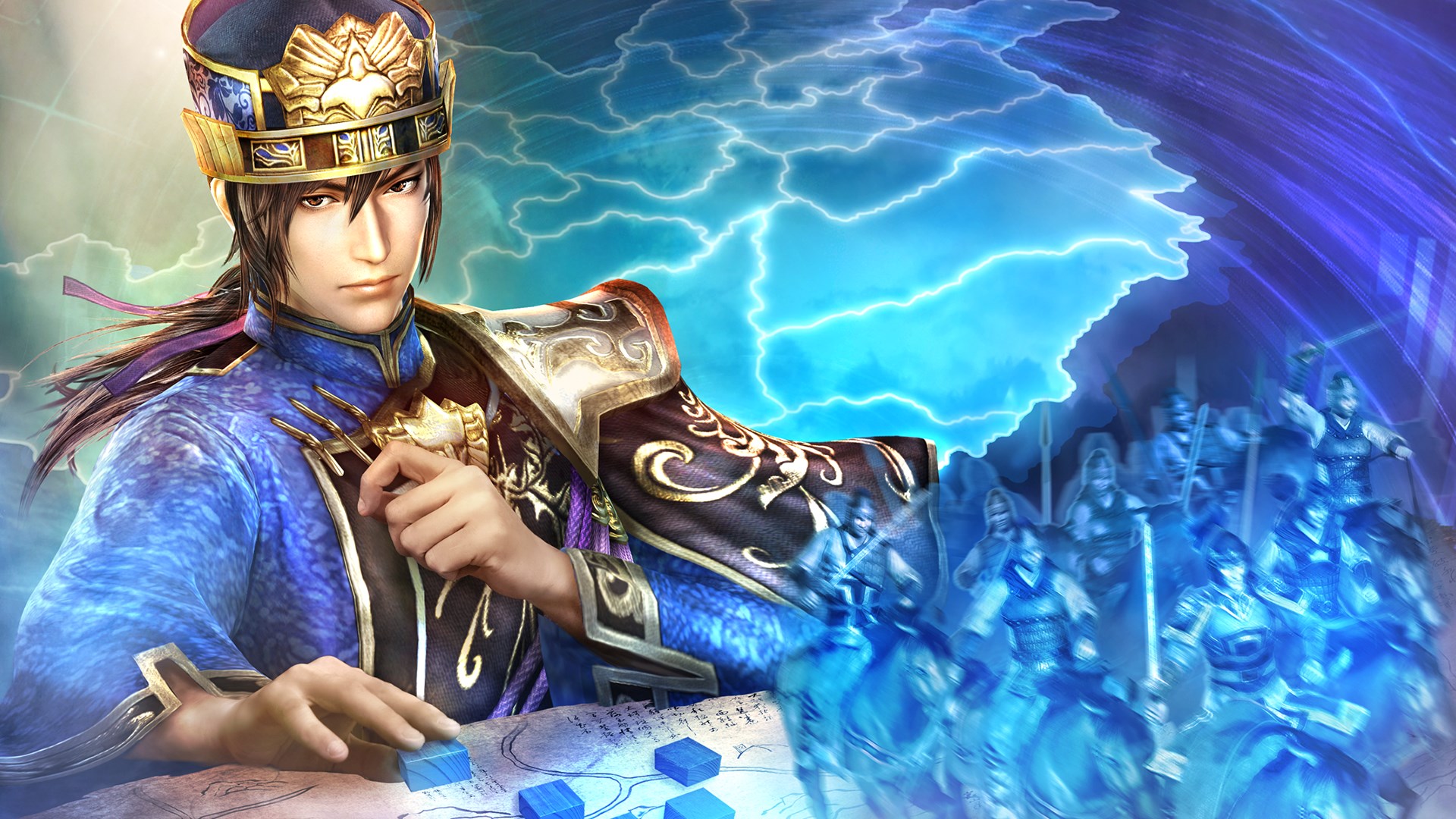
A collection of strategy information and wikis for Shin-Sangoku Musou 7 Empires!
This is a collection of strategy information and wikis for "Shin-Sangoku Musou 7 Empires". This title is a version of "Shin-Sangoku Musou 7 Empires" that replaces the "Musou Mode (Story Mode)" of "Shin-Sangoku Musou 7" and includes the "Contention Mode" in which you create your own original character and aim for heaven with the forces you belong to. A new general, Yuyu, and new weapon systems have been added.
Read Article
![Sengoku Musou] Summary of derivative works of the hit title, "Musou" series [Sengoku Musou].](https://renote.net/files/blobs/proxy/eyJfcmFpbHMiOnsiZGF0YSI6Mjg1ODAsInB1ciI6ImJsb2JfaWQifX0=--86b3ceb2ca5c6e5bca104a5556fad5232300897f/img59268495.jpg)
Sengoku Musou] Summary of derivative works of the hit title, "Musou" series [Sengoku Musou].
This is a compilation of derivative works of the "Shin-Sangoku Musou" series, a popular work that was a big hit for Koei and established the "Musou action" genre. From "Shin-Sangoku Musou", which started it all, to "TROY Musou" released on PS3, "Hokuto Musou" and "Zelda Musou", which are collaborations with popular manga, are introduced.
Read Article
Collection of images of female characters from the Musou series [Shin Mikuni Musou/Sengoku Musou
Shin-Sangoku Musou" depicts the Three Kingdoms period in China, and "Sengoku Musou" depicts the Sengoku period in Japan, both of which feature a number of female generals. The only one who is said to have actually appeared on the battlefield is Wang Yi of Wei in the Three Kingdoms period, but the series has added glamour by using princesses and original characters as generals. Here we have compiled a list of female characters and characters from "Shin-Sangoku Musou" and "Sengoku Musou.
Read Article
Comparative summary of Shu character designs in the Shin-Sangoku Warriors series [from 1 to 7].
In the Shin-Sangoku Musou series, the design of the warlord characters differs depending on the numbering system. In some cases, the costume changes are subtle, while in other cases, the hairstyle changes to give a very different impression. Here is a comparison of the Shu characters' designs.
Read Article
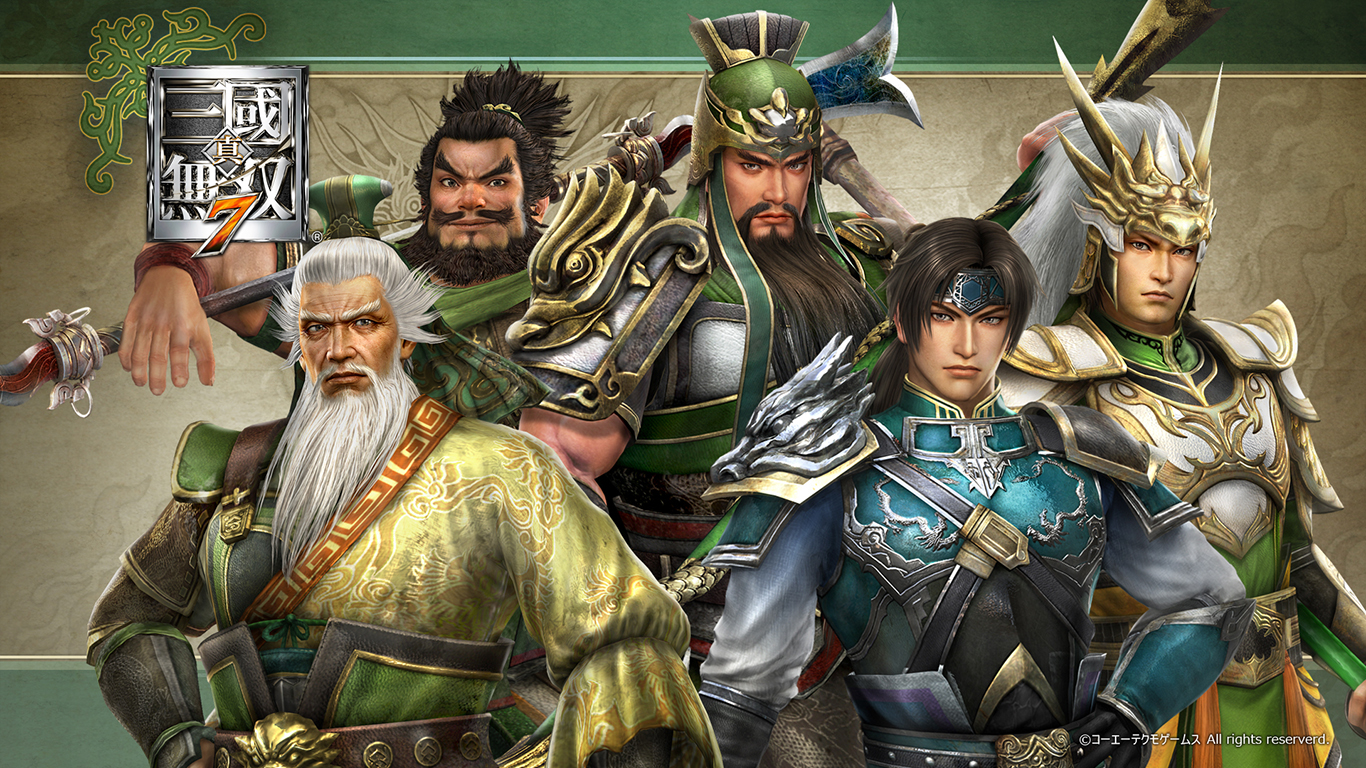
Summary of Warlord Characters in the Shin-Sangoku Musou Series [Includes Weapons and Costumes!
The "Shin-Sangoku Musou" series is an action game set in the Three Kingdoms period of China. The number of military commanders in the series has increased as the series progresses, reaching 90 in "Shin-Sangoku Musou 8". Here we have compiled a list of the military commanders and characters in the "Shin-Sangoku Musou" series.
Read Article
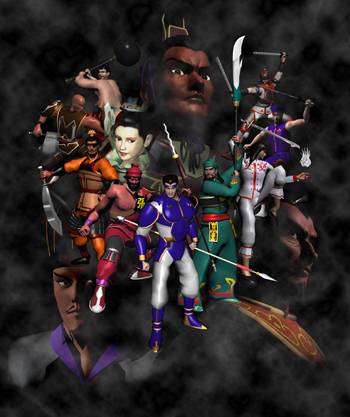
The first title in the "Dynasty Warriors" series was a fighting game! About the weapon fighting action "Warriors of the Three Kingdoms
The first game in the Warriors series, "Samurai Warriors", was a "gaming" game. The game that started the Ikkitousen action series was a "gaming" game.
Read Article
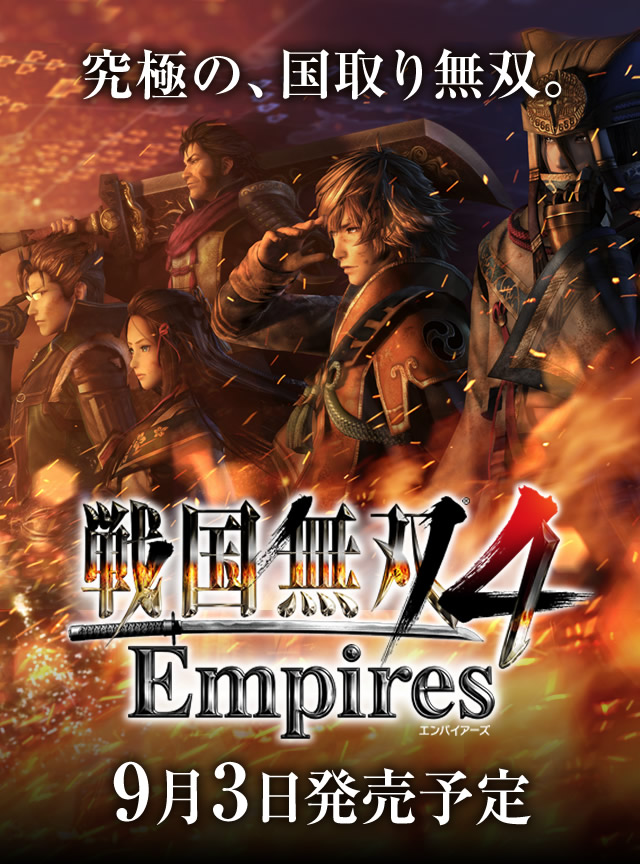
The Definitive Edition of Empires! Summary of basic information on "Sengoku Musou 4 Empires".
Basic information about "Sengoku Warriors 4 Empires," scheduled for release on September 3, 2015.
Read Article
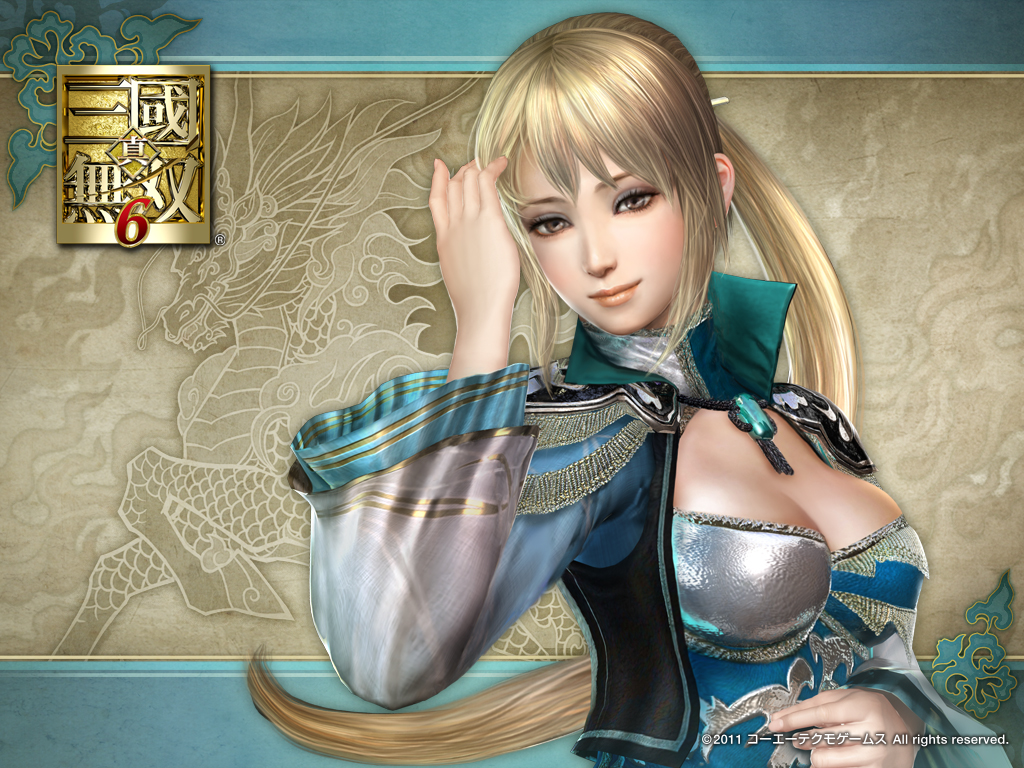
![Shin-Sangoku Musou 6] Images of beautiful women and beautiful characters [Shin-Sangoku Musou series].](https://renote.net/files/blobs/proxy/eyJfcmFpbHMiOnsiZGF0YSI6NTM5OTQ5LCJwdXIiOiJibG9iX2lkIn19--0416d05cfe6d4268d236489563c4a14297e1efac/a07fa07f.jpg)
Shin-Sangoku Musou 6] Images of beautiful women and beautiful characters [Shin-Sangoku Musou series].
Shin-Sangoku Musou 6" is the sixth game in the Shin-Sangoku Musou series. The game depicts the warfare of the Three Kingdoms period in China with additional game-like effects, and female warriors also appear in the game. Some of the characters are original to the game and do not appear in the historical facts, which adds a touch of elegance to the Shin-Sangoku Musou series. Here, we have compiled a list of these beautiful women who daintily dance on the battlefield.
Read Article

Human! Robot! An android that appeared at the Tokyo Game Show was so realistic that the audience panicked!
The Tokyo Game Show is widely recognized as one of the largest game events in Japan. Makuhari Messe, a well-established venue, is lined with the hottest new products from game companies and numerous game items using the latest technology. One android exhibited at a certain booth was so realistic that it caused a panic in the hall. In this article, we will introduce the "too-real android" in detail, including tweets from people who actually "met" the android.
Read Article
[MH] Similar atmosphere? Summary of games recommended for MonHun players [MonHun Double Cross and others].
The "Monster Hunter" series of games allows players to enjoy hunts together with other players from around the world. In addition to elements of monster hunts, this work also includes elements of fishing games and "mission games" in which players clear missions one after another. This article will recommend to players of the "Monster Hunter" series a collection of works with similar worldviews and elements.
Read Article
Summary of "Sengoku Musou 4-II" strategy sites and wikis
Here we have compiled a list of strategy sites and wikis for "Sengoku Musou 4-II" released by Koei Tecmo Games. It is a minor-changed version of "Sengoku Musou 4," with Ii Naomasa as a new character. It also sells scenarios focusing on each character.
Read Article
Contents
- Outline of "Shin-Sangoku Musou 7
- What is "Shin-Sangoku Musou 7"?
- What is "Shin Mikuni Musou 7 Takeshouden"?
- What is "Shin-Sangoku Musou 7 with Takeru Den"?
- What is "Shin-Sangoku Musou 7 Empires"?
- The story of "Shin-Sangoku Musou 7
- Shin-Mikuni Warriors 7
- Shin-Sangoku Musou 7 Takeshouden
- Shin Mikuni Musou 7 with Takeru Den
- Shin-Sangoku Musou 7 Empires
- Game System of "Shin-Sangoku Musou 7
- Shuseido mode
- free mode
- one's special weapon
- natural talents
- Weapon compatibility
- storm rush
- variable counter
- skill
- awakening
- Empires
- New generals added in Shin-Sangoku Musou 7
- Li Teng
- Rakushin
- Lushuku
- Hantou
- Guanxing
- Guan Yin Pei
- Zhang Bao
- Jia Zhong
- mandarin duck
- Chunhua Zhang
- New generals added in Shin-Sangoku Musou 7 Takeshouden
- Usubin (于禁)
- Shu Zhen
- Hosei
- Chen Palace
- Ling Ki Lu
- New generals added in Shin-Sangoku Musou 7 Empires
- Yuyu
- Existing generals
- Xia Hou Jun
- Ten'i
- Zhang Liao
- Cao Cao
- Xia Hou Yuan
- "Zhang Ye" (Chinese character meaning "to tell")
- Xu Chao
- Soujin
- Xu Koh
- Cao Hi.
- Princess Jiangqi
- Princess Tsai Wen-ki
- 賈詡
- Kakujia
- King's Rebellion
- Houtoku
- Zhou Yu
- Rikuson
- Sun Shang Xiang
- Taishiji
- Yellow lid
- Kanyeong
- Lu Meng
- Sun Yat-sen
- Sun Strategy (Sun Yat-sen)
- Sun Quan
- Zhou Tai
- Ling Tong
- Da Qiao
- Xiao Qiao
- Ding-Hou
- Nenshi
- Zhao Yun
- Guan Yu
- Zhang Fei
- Liu Bei
- Zhuge Liang
- Tsukihi (moon of the moon)
- Houtou
- Xu Xu Xu Xu
- Huang Zhong
- Wei Yan
- Ma Chou
- Batai
- Kanpei
- Star Colors
- Jiang Wei
- Liu Zen
- Kanzaku
- Abalone Three Daughters
- Shiba Ii
- Shiba Shishi
- Shiba Sho
- Princess Wang Yuanqi (Princess Wang Yuanqi)
- Deng Moxa
- Shokai
- Kakuwai (people)
- Birth of Zhu-ge-ge
- Xia Hou Hao
- Diao Chosen
- Lu Bu
- Toutaku
- Yuan Shao
- Tangkaku
- Meng Hao
- (a) celebration of the birth of a child
- left-hand guardian dog at a Shinto shrine
- Backstories, Trivia, and Minor Stories/Episodes/Anecdotes from "Shin-Sangoku Musou 7" (Japanese only)
- memorial
- theme song
- survey
- Chakaman (brand-name of rechargeable lighter)
- Neoroma Musou