
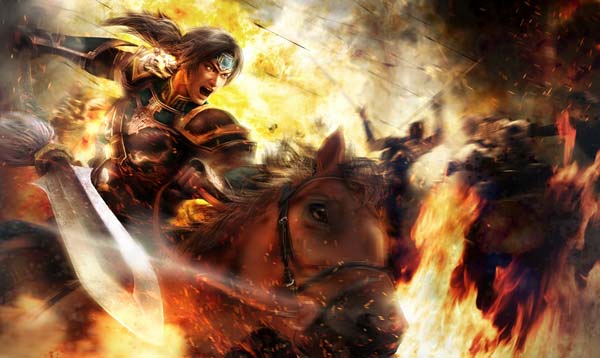
In Koei Tecmo Games' "Shin-Sangoku Musou" series, players control the warriors from "Sangokushi" to battle through numerous battlefields. This game is the seventh in the series. Later, "Shin Mikuni Musou 7 with Toushouden" was released as the first PS4 version of the series, which was bundled with "Shin Mikuni Musou 7 with Toushouden".
The basic storyline is based on historical facts, but the main feature of this title is that players can advance to an IF route depending on their actions. The number of warriors in the game is 77, the most ever in the series.
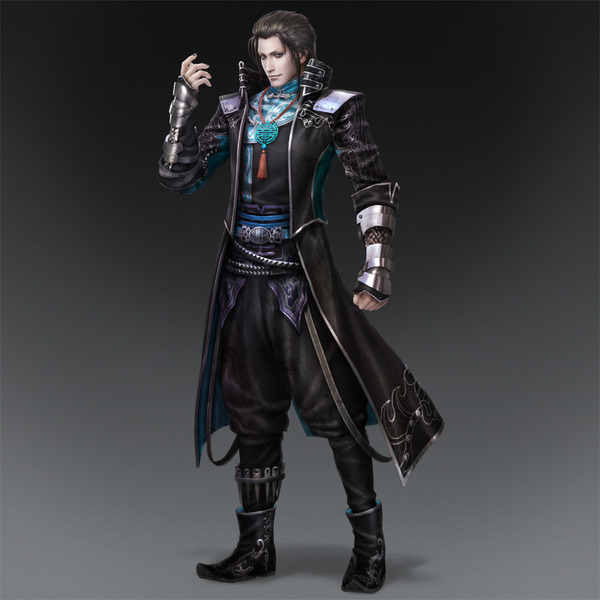
Character: Gongryeo Affiliation: Jin Weapon of choice: Mai-throwing blade Height: 185cm CV: Hiroki Takahashi
A military commander and politician active from the late Three Kingdoms period to the Jin dynasty. He served under Shiba Shi, Shiba Zhao, and Shiba Yan (Shiba Zhao's son and the first emperor of the Jin Dynasty, Emperor Wu), and contributed to the destruction of Wei and the founding of the Jin Dynasty. His father, Kaki (賈逵), was such a distinguished Wei retainer that Cao Cao said, "If all the Taiji were like Kaki, there would be nothing to worry about.
Although he had excellent political skills and made many achievements, including the enactment of the Taishi Code, which is regarded as the first code of laws and regulations, he was involved in many incidents and conspiracies, such as reporting Zhuge Natsu's rebellious intentions to Sima Zhao and provoking him to revolt, the murder of Wei emperor Cao Shuo, and later the death of the second emperor of the Jin Dynasty, Cao Shuo. His daughter, who became the Empress of Emperor Hui-hui (the son of Sima-yuan), was the cause of a great upheaval that shortened the life span of the country and was not well received in later generations.
In the game's original setting, she is a close friend of Sima Zhao. Although he often admonishes Shiba Shou for his laziness and lenient nature, he recognizes his talent and generalship from early on, and acts with the aim of making him a king who will rule the whole country. In the historical route, he repeatedly makes dark attempts to make Shiba Shou the ruler of the country, even at the cost of destroying the relationship between them as best friends.
If Shiba Sho is positioned as the light, he is positioned as the shadow, so he was designed with black as his base color. The shadows under his eyes and his cruel smile give him a ruthlessness that is not easy to pull off.
mandarin duck
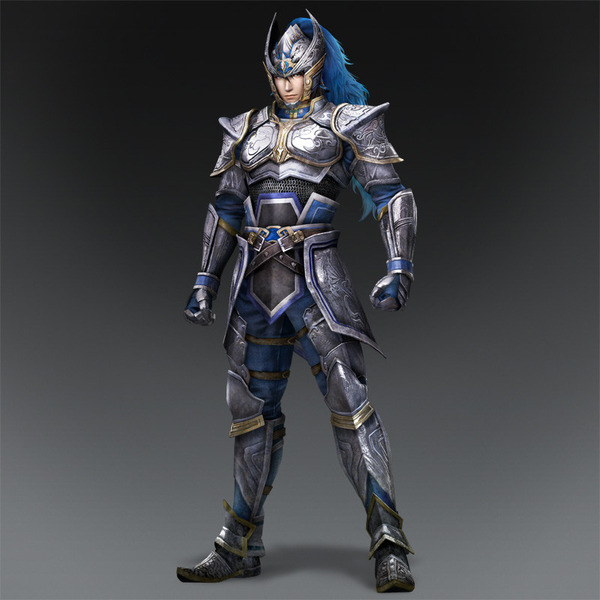
Character: Jiken Affiliation: Jin Weapon of choice: grenade spear Height: 198 cm CV: Tomoki Ono
He is the son of Wen Qin, a military commander of the Wei Dynasty. His real name is Wen Yoshi (文俶), a nickname derived from his childhood name of Ahang (阿鴦). It is recorded in historical books that he possessed extraordinary courage and strength from an early age.
His father, Wen Qin, was a man of valor, but he was arrogant and unpolite and unpopular. He was disliked by many of his colleagues, including Zhu-ge Natsu, because of his many problematic actions, such as sitting in on an attempted coup d'état by a man named Wei Fu and padding his reports. It can be said that his father's presence in his life was a major factor in his fate.
When Shima Shih's regime was overthrown, Wen Qin teamed up with his colleague Ye Qiu Qian to revolt, and Wen Ducks joined his father in the army. Wen Yang fought hard against Shi Bashi's large army, but was eventually defeated and went into exile with his father to Wu.
At that time, Shiba Shi had undergone surgery for a malignant eye tumor, which had not fully healed. The wound had opened up due to his overexertion during the fierce battle with Wen Dangs, and he died shortly afterwards. This cast a dark shadow over the future of Wen Ducks.
When Zhuge Natsu rebelled against Shiba Zhao, Ducks and his father and brother rushed to the city as reinforcements for Wu. However, they are unable to break through Shiba Zhao's siege tactics, and as the war worsens, Zhuge Nativity and Wen Qin, who were originally on bad terms, begin to confront each other, and Zhuge Nativity finally kills Wen Qin. When Wenyang learned that his father had been killed, he and his younger brother surrendered to Sima Zhao and were reinstated as generals of the Wei Dynasty.
Later, when the Jin Dynasty was established, Wen Ducks served as a general of the Jin Dynasty, and was successful in defeating foreign tribes on the frontier. Later, after the death of Sima Yan, a coup d'etat broke out during the reign of the second emperor, who was famous for his dark and foolish ways, and the tragedy of the Wen Ducks became decisive when a man named Shibayou joined the coup d'etat.
Shibayo was the grandson of Zhuge Liang, and he feared that Wen Ducks would come to take revenge on him for his grandfather's murder. He framed the Ducks as rebels and had them executed by killing all three families. In "Sanguozhi Yanyi," he is depicted as a brave general comparable to Zhao Yun in terms of his valor. Incidentally, he does not appear in Yokoyama Mitsuteru's version of "Sanguozhi.
In the game, he is called "the second coming of Zhao Yun" because of his extraordinary bravery and youthful vigor. He is a serious and thoughtful young man, and is rumored to have been "a steeplejack who gave birth to a hawk" compared to his father, whose reputation is just as bad as in historical fact.
He is one of the people involved in the opening of the IF route in "Jinden. One of the conditions for opening the IF route is to have him return to Shiba Shi.
Chunhua Zhang
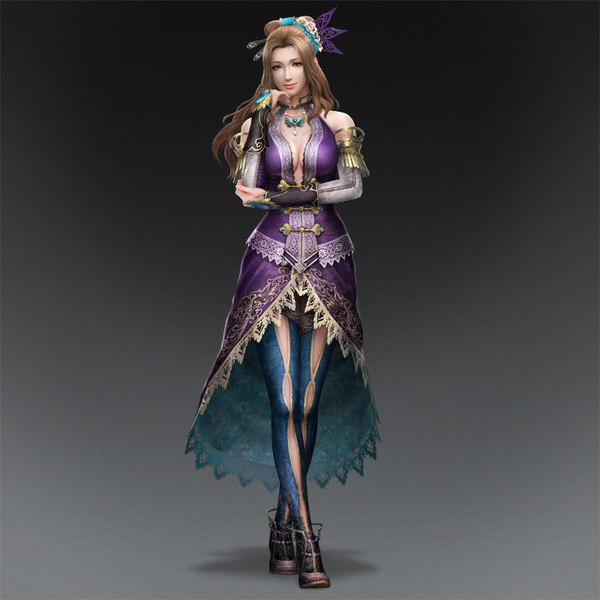
Member of: Shin Specialty Weapon: Mantis Iron Thread Height: 170 cm CV: Masumi Asano
The wife of Shiba Ii and the mother of the brothers Shiba Shi and Shiba Shou, she was known for her erudition from an early age. It is written in historical books that she was known for her erudition from an early age.
On the other hand, there are extreme anecdotes about her, such as the murder of a maid to keep her mouth shut when she found out that Shibamayi's illness was a lie when Shibamayi was refusing Cao Cao's invitation to serve him by using a temporary illness, and her attempt to take her life by fasting involving her two sons in protest against their verbal abuse when she visited her husband who had fallen ill. She is often described as a so-called "devil's daughter-in-law" because of her anecdotes.
In the game "Jang Chun-hua", she is a woman with a gentle demeanor who is highly praised as a good wife and a wise mother, and always keeps a soft smile on her face. In fact, she is feared by her husband and sons, who say that she is "scary when she is angry," and is rumored to be the shadowy ruler of the Shiba family. Incidentally, the Shiba family is the only family in the "Warriors" series in which the father, mother, and children are all controllable generals.
As the mother of Shiba Shou, she was designed with his characteristic soft hair and drooping eyes in mind. The costume is based on purple, the color of Shiba Sho's image, to give the couple a set look.
New generals added in Shin-Sangoku Musou 7 Takeshouden
Usubin (于禁)
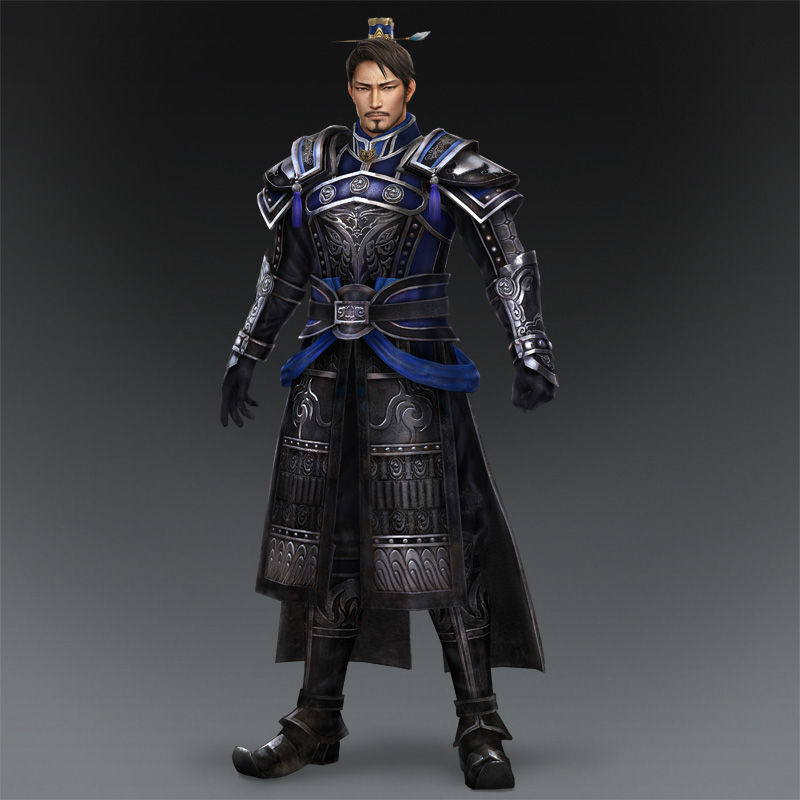
Character: Bunsoku Affiliation: Wei Wei Weapon of choice: three-pointed sword CV: Atsushi Miyauchi
While Guan Yu, Zhang Fei, Zhao Yun, Ma Chao, and Huang Zhong are called the "Five Tiger Generals" or "Five Tiger Generals," Wei has five generals who are called the "Five Generals" or "Five Great Generals. Zhang Liao, Lejin, Yu Ban, Zhang Ko, and Xu Ko are the five generals who made the most achievements during Cao Cao's reign. With the addition of Yu Ban in "Shin-Sangoku Musou 7: Gaishouden," all five Wei generals are now available. However, Yu Ban is not rated highly among the five generals. This is because he could not complete his last battle.
During the Yellow Turban Rebellion, when a fellow countryman named Bao Xin recruited volunteer soldiers, Yu Ban joined him, and that was the beginning of his career as a general. After Bao Xin was killed in battle against the Yellow Turban rebels, Yu Ban entered the service of Cao Cao, who was a close friend of Bao Xin. Yu Ban was a dignified and honest man with a dignified character, strictly observing laws and military regulations. However, he was too concerned with the law and not warm-hearted enough, and his soldiers and people were not fond of him because they were afraid of him, according to the official history "Records of the Three Kingdoms.
In the Battle of Fancheng, he and Pengde rushed to the rescue of Cao Ren, the defender of Fancheng, who was surrounded by Guan Yu, but they were trapped by a flood. Therefore, he and the 30,000 soldiers he was leading surrendered to Guan Yu out of necessity. Meanwhile, Peng De was also caught in the flood and captured by Guan Yu, but he did not surrender until the end and was executed. Soon after, Guan Yu was defeated by the Wu forces, and Yu Ban, who had been a prisoner of war, was taken into custody by Sun Quan of Wu. Hearing this story, Cao Cao said, "It has been 30 years since I have known Yu Ban. I did not think that I would be able to match the newcomer Peng De in the face of crisis," he lamented.
Yu Ban returned to Wei after Cao Cao's death, but it is said that he was emaciated, with white hair and beard, and no longer the regal figure he once was. Cao Pi praised Yu Ban and asked him to visit Cao Cao's mausoleum, which depicted a scene of Yu Ban surrendering to Guan Yu at Cao Pi's order, and Peng De refusing to surrender. Yu Ban fell ill from shame and anger and died as he did. Having surrendered after being defeated in the final battle and having no opportunity to pour out his stigma, he had lost all his achievements and fame. In "Sanguozhi Yanyi," Cao Cao is portrayed as a villain, and is depicted as an agent of evil, such as when he undertakes an assassination mission and doubts Bongde's loyalty.
In the game, Yu Yin is more like an orthodox warlord, who is respected and honest, and is feared by his soldiers because of his strict attitude and emphasis on obeying the law. He has the appearance of an orthodox general, and is characterized by the wrinkles between his eyebrows. The stage in "7: The Warlord's Legend" in which he appears is an "IF" scenario, in which the player can experience a reversal of events as if he were avenging his historical wrongdoings.
Shu Zhen
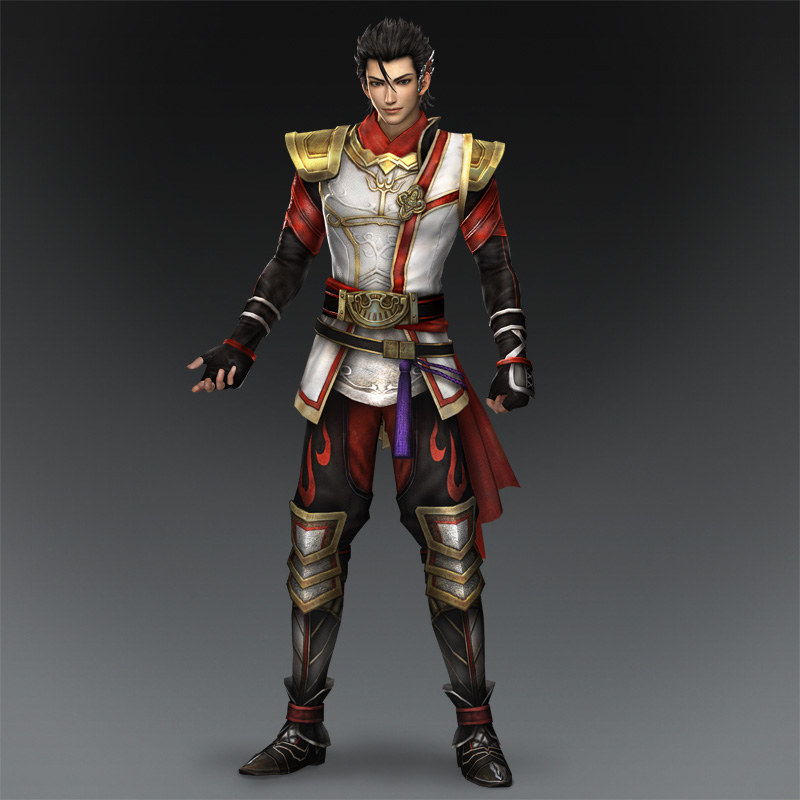
Character: Gifeng Affiliation: Wu Specialty Weapon: Flaming Bow CV: Tetsuya Kakihara
Gifeng is the nephew of Wu's chief general Juji, and was adopted by Juji, who had no children. Since he and Sun Quan were schoolmates, he was taken up as a military officer when Sun Quan succeeded Sun Tsuaku. Zhu-ji responded brilliantly to Sun Quan's selection and made numerous achievements, including defeating foreign tribes and defensive battles. He followed Lu Meng in the battle to defeat Guan Yu, and together with his colleague Panzhang, he achieved great success in capturing Guan Yu alive.
Later, when he fell ill, Lu Meng evaluated Jhu Ran as having "more than enough decisiveness and executive power," and recommended him as his successor. In the end, Lü Jun succeeded Lü Meng by Sun Quan, but it was actually Jhu Ran who was nominated by Lü Meng as his successor.
In the Battle of Yiling, he led a detachment to defeat the Shu spearhead and cut off the Shu army's retreat, forcing it to retreat in defeat. At this time, there was a strong opinion within the army to pursue Liu Bei, but Zhu Ran was wary of Cao Pi of Wei and advocated caution, and Lu Yangyue and Sun Quan also agreed. Zhu Ran's concerns were right, and Cao Pi began his invasion of Wu with an army of nearly 100,000 men. Zhu Ran, who was in charge of the defense of Jiangling, was forced to fight hard against ten or twenty layers of siege tactics and an epidemic that broke out at the wrong time, but he managed to defend the castle, and it is recorded in the official history that Zhu Ran's name became famous not only in Wu, but in Wei as well. He continued to support Sun Quan as a meritorious retainer of Wu, and died of illness in 249. Sun Quan's trust in Zhu Ran remained unchanged to the end, and at his funeral, he is said to have wailed wholeheartedly (a ceremony to weep for the dead).
On the other hand, his treatment in "Sanguozhi Yanyi" is disastrous. Other than the capture of Guan Yu, he did not play a prominent role in the story, and was slain by Zhao Yun in the Battle of Yiling, leading to his death 27 years earlier than in the historical account.
In the game, he appears as a brilliant young man who was selected at a young age. He is a man with a clean and honest character who bows his head when he feels wronged, although he is sometimes seen as cocky because he expresses his feelings in straightforward words. He is a good friend of Sun Quan's, and soldiers at his base tell anecdotes about him, but in scenarios, he is often associated with Lu Yang.
He also has an unusual fondness for fire plans, and almost all of his dialogue is related to fire and fire plans. In the "Shogun's Star" mode, he has a conversation with Lu Bei, which is titled "Long live the fire plan," and the content is a discussion about the excellence of fire plans. There is also a scene in a stage added in 7 Takeshogun Den in which he and Lujun are practicing fire-planning together.
Hosei
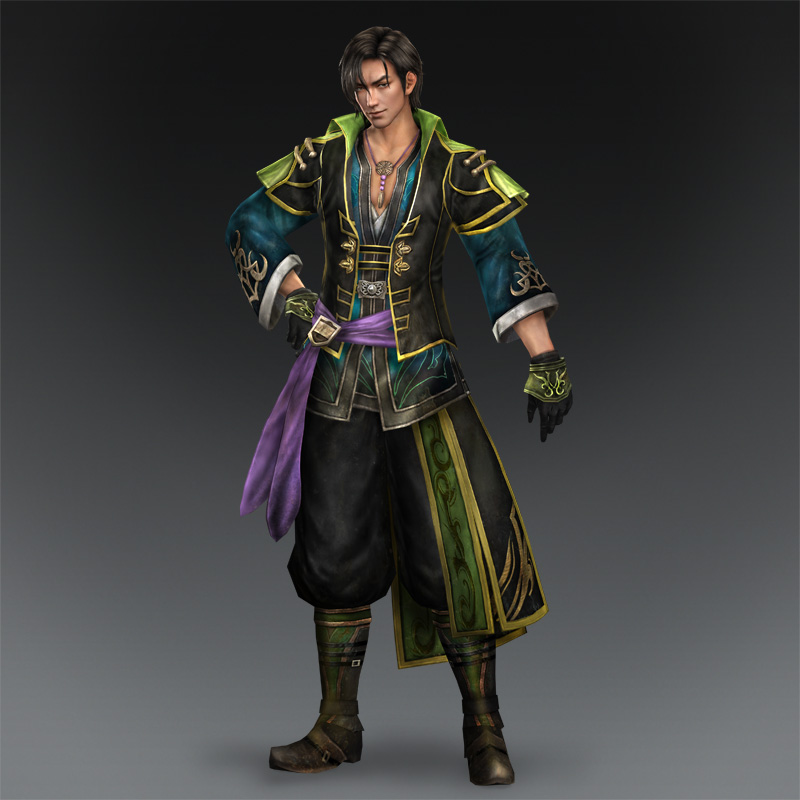
Character: Kouchoku, Strength: Shu, Weapon of Chain: Shu, Cloth CV: Tomohisa Hashizume
He initially served under Liu Zhang of Yizhoumu, who ruled the Shu region, but he was not highly valued by him. He also thought that Liu Zhang was not capable of great deeds, so he cooperated with Liu Bei and contributed to the founding of Shu. He continued to work together with Zhuge Liang in central government, and contributed to the victory of the battle of Dingjunshan by offering Liu Bei a plan. However, he died of illness in 220 at the young age of 45. Liu Bei mourned his death for many days, and sent him the posthumous title "Wing Hou" (翼侯). The only person who was given a posthumous title directly by Liu Bei was Fa Zheng. Surprisingly, Liu Bei did not give posthumous titles to Guan Yu, Zhang Fei, or Peng Tong, who was killed in battle during the I Chu invasion.
Although he was a man of unquestionable abilities and accomplishments, he had a major personality problem. He was a vindictive person and never forgot even the smallest grudge. After Liu Bei conquered Yizhou, he executed one after another his superiors who had treated him poorly during the Liu Zhang era, as well as those who had personal grudges against him. Some people, angered by this action, appealed to Zhu-ge Liang, but he turned down their appeal, citing Fa Zheng's merits. Even Zhuge Liang, who was a strict law-abiding man, treated Fa Zheng in a special way. The fact that Zhuge Liang lamented about the Battle of Yiling that took place after Fa Zheng's death, saying that "if Fa Zheng had lived, he would have been able to stop it, and even if not, it would not have been a great defeat," in the authentic history of the Three Kingdoms, shows how capable he was and how trusted Liu Bei was by him.
The game's Fa Zheng is a thoroughgoing ingratiation and retributionist who rewards even the smallest favor or smallest grudge. He is aware of his own bad character and calls himself a "scoundrel. Although he calls Liu Bei a "softy," he admires his benevolence and capacity and is loyal to him to repay the favors he has received from him. However, because of his outrageous words and actions, such as speaking without restraint even to his lord Liu Bei and being willing to use his lord as bait for victory, many of his allies such as Zhao Yun, Xingcai, and Zhuge Liang do not think well of him as a person, although they recognize his abilities.
In addition to the battle of Dingjun Mountain, in which he played an active role in the history of the game, there is also an IF stage called the "Yiling Revenge Battle" in "7 Takeru Den". In this battle, which is an avenging battle for Guan Yu, he fights in a very lively manner, as he thinks it is natural to return the favor and avenge a grudge.
Chen Palace
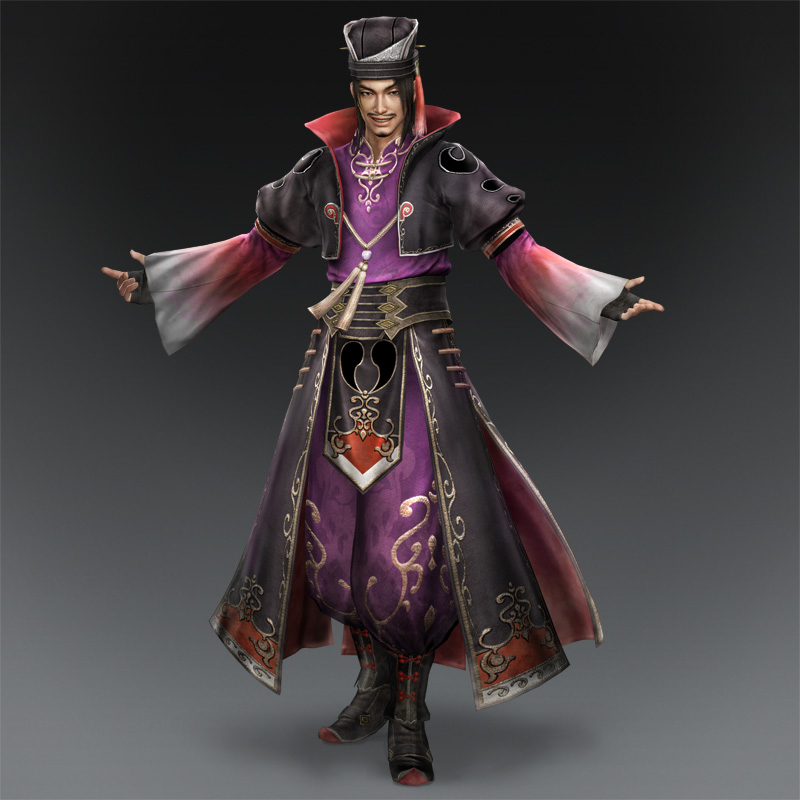
Character: Koudai Affiliation: Others Weapon of choice: Houhoujian CV: Hiromu Miyazaki
He first served Cao Cao, but later betrayed him and joined Lu Bu. The reason for his betrayal of Cao Cao is unknown, as it is only recorded in the official history "Records of the Three Kingdoms" that he "harbored suspicions toward Cao Cao. He took advantage of the opportunity provided by Cao Cao's departure to defeat Xuzhou and launched a rebellion with Lu Bu, but was unable to break the defenses of Yu Yu, Xia Hou Jun, and others. He was also defeated in a battle with the returning Cao Cao and fell back on Liu Bei.
Again, he betrayed Liu Bei, took the castle, and succeeded in driving out Liu Bei's forces, but Cao Cao soon led a large force to attack Lu Bu's army, and he was quickly driven into a tight corner. Chen Gong made various proposals to Lu Bu to break the deadlock, but none of them were adopted. He was defeated at the Battle of Xiaochong. Chen Gong was captured and brought before Cao Cao.
Cao Cao asked Chengong why this had happened, and Chengong replied that it was because Lu Bu had not taken up his plan. Cao Cao further asked him what he planned to do with his family, and he replied, "I have heard that those who rule under heaven do not kill people's parents or discontinue their rituals. The lives of my mother, wife, and children depend on your heart," he replied. When Cao Cao tried to ask him again, he said, "I hope you will quickly execute yourself and clarify the military law," and went straight to the execution site. Cao Cao saw him off with tears in his eyes, but Chengong never looked back. The "Annals of the Three Kingdoms" states that Cao Cao took in Chengong's family and treated them well, and even took care of Chengong's daughter until she married.
In "Sanguozhi Yanyi," he aided Cao Cao Cao in his failed attempt to assassinate Dong Zhuo and helped him escape, but in the end, he was disgusted by Cao Cao's selfishness and parted company with him. After that, the general flow of events, including his interactions with Cao Cao before his execution, is almost the same as in historical fact.
In the game, he was a member of Cao Cao's army when he met Lu Bu at the Battle of Tiger Prison Pass and was attracted to Lu Bu. He has a funny personality and a habit of repeating the same word twice at key points, such as "Exactly, exactly~" and "What the hell, what the hell~," and his speech is characterized by a rather theatrical manner. In fact, he is a very ambitious man, and his goal is to leave his wisdom and wisdom to future generations. He joined Lu Bu because he saw in Lu Bu's military prowess a place to utilize his talents in the assassination of Dong Zhuo, which even Cao Cao had failed to accomplish.
In the historical route, his dedication plan is not adopted and he and Lu Bu go on the path of destruction, but in the IF route, he is trusted as a military strategist of Lu Bu's army and plays a very active role in the story.
Ling Ki Lu
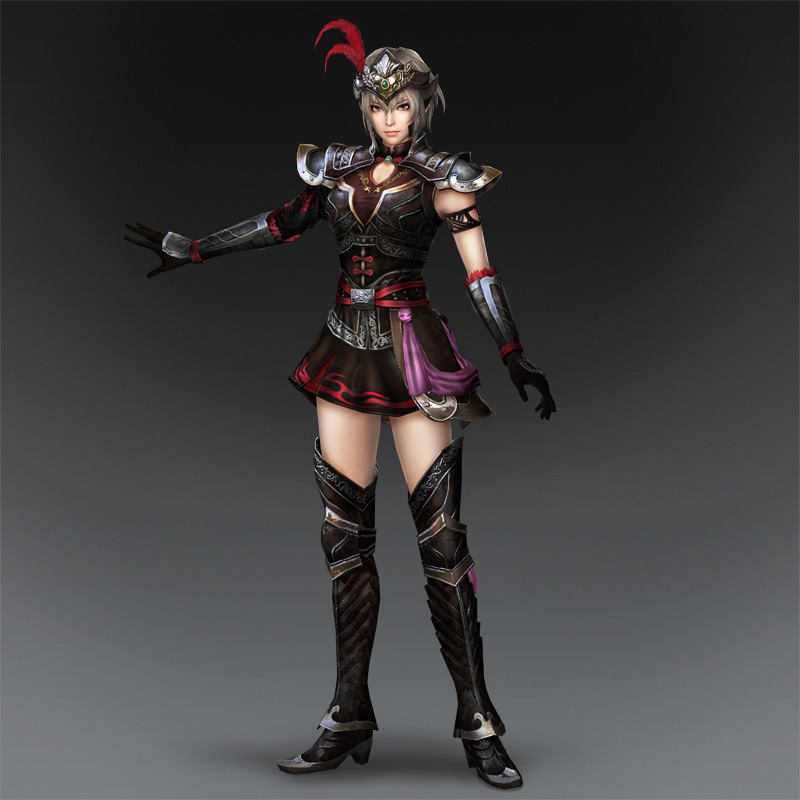
Member of: others Weapon of choice: cross-firearms CV: Yuko Ushida
Daughter of Lu Bu. According to the official history, Yuan Ji, one of the group's warlords, proposed marriage between his son and Lu Bu's daughter for the sake of an alliance with Lu Bu. Lu Bu once agreed, but later broke the engagement and brought back his daughter. There is little else written about her, and details such as her birth mother and name have not been passed down. In "Sanguozhi Yanyi," the story is almost the same, but in this story, her birth mother is Lu Bu's daughter.
In the game, she appears in the historical route of the story mode "Lu Bu's Legend," and is a dignified, beautiful girl with silver hair and black armor. She calls herself "Daughter of the Demon God" and takes the lead in battle. She is a brave female general who inspires her allies with her father's martial arts, and is adored by her soldiers. On the other hand, despite her stout character, she has a side that fears loneliness. Her signature weapon, the cross-fighting weapon, was also used by Lu Bu in "Shin-Sangoku Musou 5".
The name "Ling Ki" was created by Koei Tecmo Games. As a side note, Koei Tecmo Games also gave the same name to Lu Bu's daughter in the PS2 game "Sangokushi Senki 2" released in 2003.

Related Articles
An in-depth look at the hot new Musou series, "Arslan Senki x Musou"!
The newest addition to the Musou series, "Arslan Senki x Musou". The Musou series has collaborated with various works such as Hokuto Musou, Pirate Musou, and Zelda Musou, and now they have decided to collaborate with "Arslan Senki"!
Read Article
Spoiler commentary and discussion of MUSOU OROCHI (Mujiru / The Second Coming of the Demon King / Z)
Musou OROCHI" is an action game released by Koei to commemorate the 10th anniversary of the "Musou" series. The game is a crossover between the "Shin-Sangoku Musou" series and the "Sengoku Musou" series, and the main feature of the game is that players can control more than 70 warriors, including the original characters from this game. The co-starring of the Warriors and the Sengoku was so well received by fans that a sequel, "Warriors OROCHI: The Second Coming of the Demon King," was later released. The worlds of the Three Kingdoms and the Warring States are fused together by the sudden appearance of the Demon King Enrochi. The warlords of the Three Kingdoms and Sengoku fight together and against each other, but eventually unite to overthrow Toorochi.
Read Article
Spoiler commentary and discussion of Shin Mikuni Warriors 2 (2 Resshouden)
Shin-Sangoku Musou 2" is an action game released by Koei (now Koei Tecmo Games) in 2001, and is the second title in the Shin-Sangoku Musou series. The game was a huge hit, with the content greatly enhanced and the dissatisfactions of the previous title resolved. The game features 41 characters based on the generals who appeared in "Sanguozhi" (The History of the Three Kingdoms). The main objective of the game is to unify the three kingdoms by leading your army to victory with the generals you have chosen.
Read Article
Spoiler commentary and discussion of Shin-Sangoku Musou 8 (game)
Shin-Sangoku Musou 8" is the eighth title in the "Shin-Sangoku Musou" series, an action game in which players control the warriors from "Sangokushi" to develop the story. This is the first numbered title in five years. The main feature of this title is the adoption of an open world system, a first for the "Dynasty Warriors" series. With the addition of the new generals, the number of playable Musou generals finally exceeds 90. In the main mode, each warlord has a separate scenario, and the player follows the life of the warlord as he or she progresses through his or her own story.
Read Article
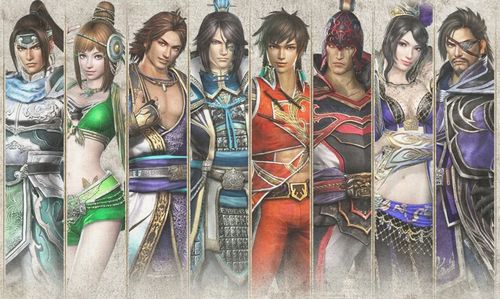
Spoiler commentary and discussion of Shin-Sangoku Musou 6 (6 Resshouden / 6Empires)
Shin-Sangoku Musou 6" is the sixth title in the "Shin-Sangoku Musou" series released by Koei Tecmo Games in March 2011. Up until now, the story has focused on the three kingdoms of Wei, Shu, and Wu, but this title finally introduces the fourth country, Jin, which ended the Three Kingdoms period in historical fact. With this, the story of the latter half of the "Romance of the Three Kingdoms," which has not been depicted much in past works, is also focused on in this work. The number of generals has also been greatly increased, with a record number of 62 generals participating in the game.
Read Article
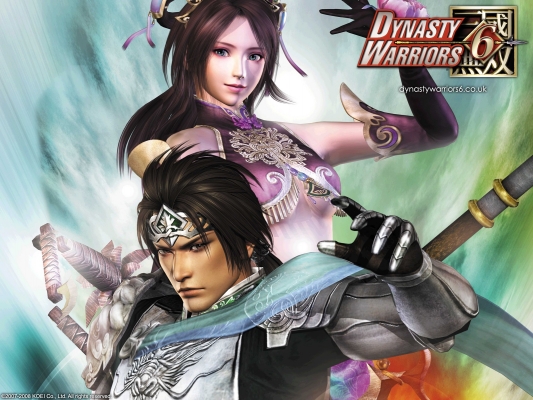
Spoiler commentary and discussion of Shin-Sangoku Musou 5 (5Special / 5Empires)
Shin-Sangoku Musou 5" is the fifth title in the "Shin-Sangoku Musou" series of games based on "The Legend of the Three Kingdoms" released by Koei (now Koei Tecmo Games) in November 2007. It was the first game in the series for the PS3. The new medium brought about unprecedented attempts at character visuals, a drastically revamped action system, and enhanced strategic elements. It can be said that this was a turning point for the series, with various experiments being conducted in all aspects.
Read Article
Spoiler commentary and discussion of Shin Mikuni Warriors 4 (4 Resshouden / 4Empires)
Shin-Sangoku Musou 4" is the fourth title in the "Shin-Sangoku Musou" series of action games in which players control the generals from "Sangokushi" to lead their armies to victory. There are 48 generals available, and each general has his own Musou mode. The introduction of a new graphical engine has greatly improved the stealth and processing lag that have long been a problem, allowing the player to experience the thrill of the "one-hit warslayer" experience.
Read Article
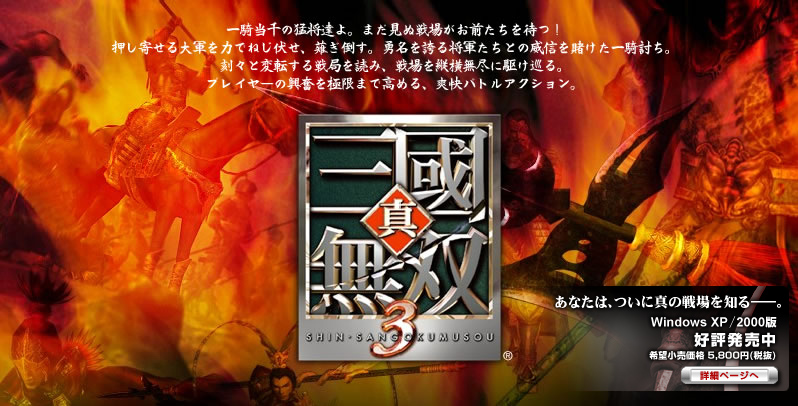
Spoiler commentary and discussion of Shin-Sangoku Musou 3 (3 Resshouden / 3Empires)
Shin-Sangoku Musou 3" is a video game released by Koei (now Koei Tecmo Games) in February 2003, and is the third title in the "Shin-Sangoku Musou" series. The player assumes the role of a general and aims for victory in his own army. There are 42 generals available. While the previous game's Musou mode was based on generals, this game's Musou mode is based on forces, and a major feature of this game is that the player can change generals midway through the game.
Read Article
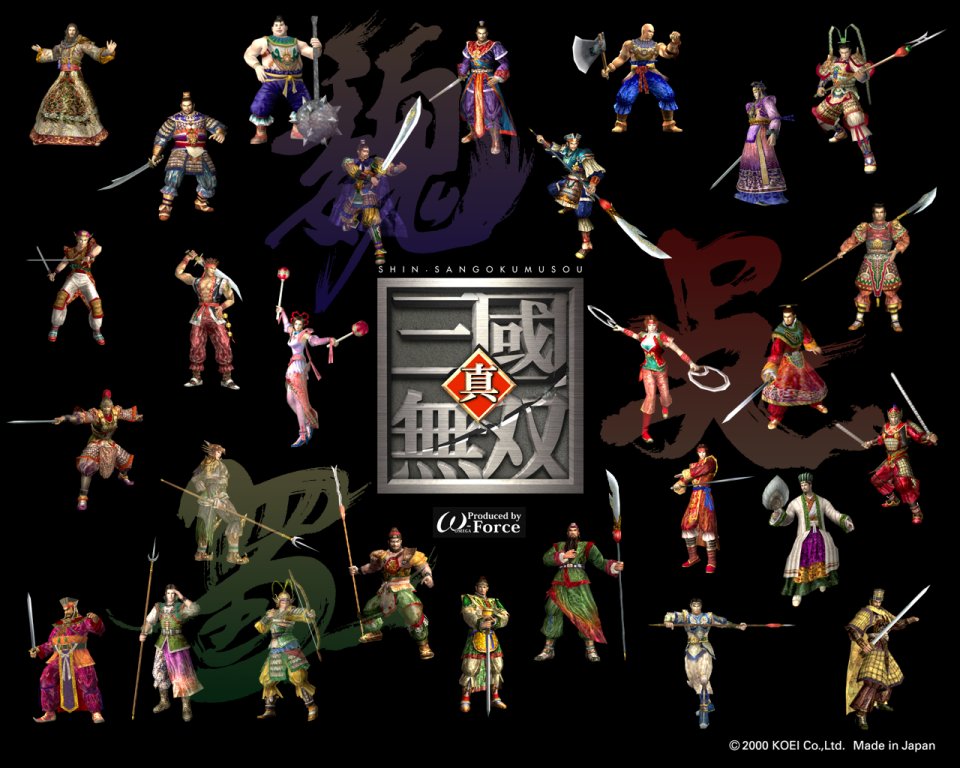
Spoiler commentary and discussion of Shin-Sangoku Musou (the game).
Shin-Sangoku Musou (Dynasty Warriors 2) is a video game released by Koei (now Koei Tecmo Games) in August 2000, and is the first title in the Shin-Sangoku Musou series. The genre of the game is an action game. The main feature and appeal of the game is its "one-man warriors" action, in which a single player can defeat multiple enemies.
Read Article
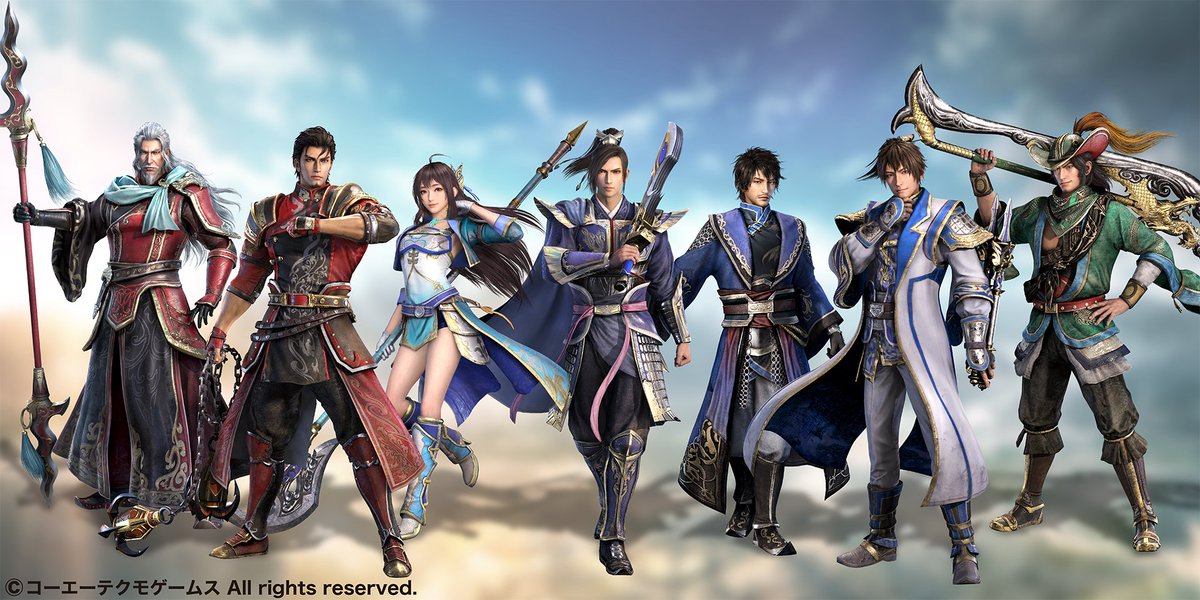
Which character is your favorite? Summary of Sengoku Warlords in Shin-Sangoku Musou 8
Shin-Sangoku Musou 8 is an open-world game set in mainland China, released in 2018. The characters in the game are inspired by the Three Kingdoms, and each of them has a different performance. This article will introduce the characters in "Shin-Sangoku Musou 8", including their performance and usability, along with images.
Read Article
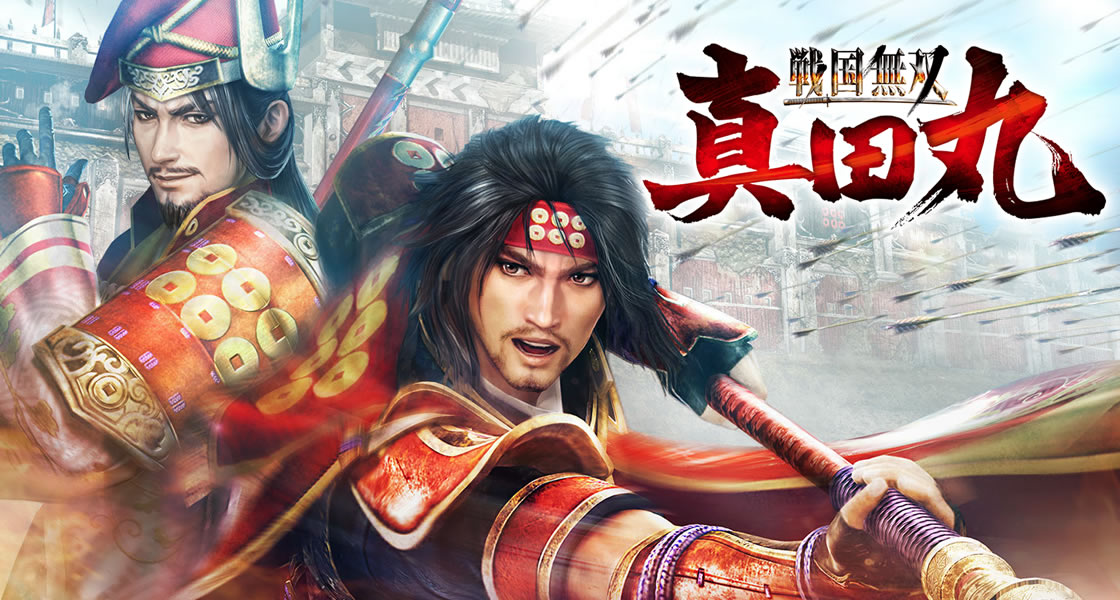
Spoiler commentary and discussion of Sengoku Musou - Sanadamaru (game)
Sengoku Musou: Sanadamaru" is a game title released in November 2016. It is part of the "Sengoku Musou" series and is also an official tie-in with the 2016 NHK historical drama "Sanadamaru". Based on the "Sengoku Musou 4" series, the main feature of this game is that the story focuses on the Sanada family. The drama of the turbulent Sengoku period unfolds with father and son Masayuki and Yukimura Sanada as the main characters. In addition, the game features a number of new challenges, such as long-term battles, the concept of day and night, and changes in appearance with the passage of time.
Read Article
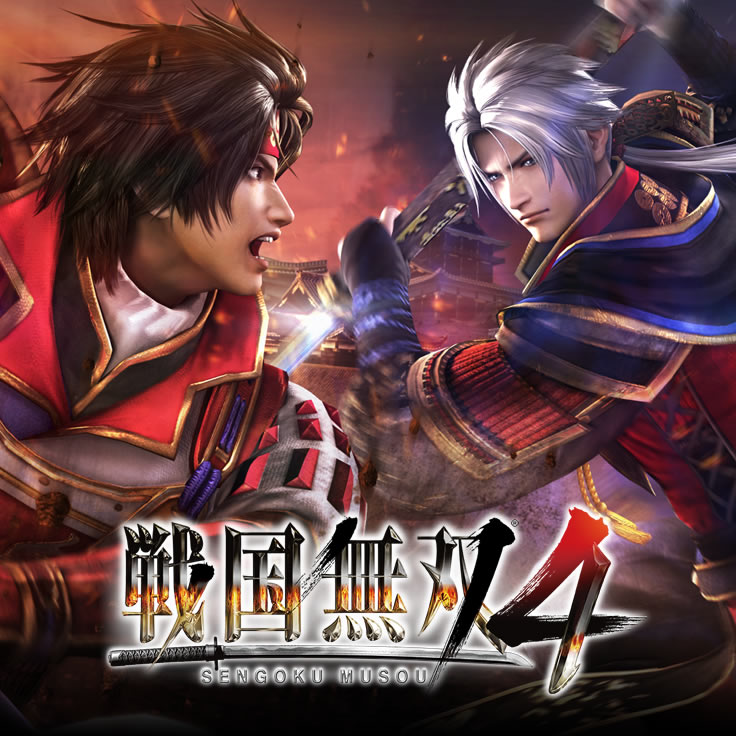
Spoiler commentary and discussion of Sengoku Musou 4 (4-II / 4Empires / 4DX)
Samurai Warriors 4" is the fourth PS3 game in the "Sengoku Musou" series, released in March 2014. It is also the 10th anniversary title of the series, which is set in the Sengoku Period and features a number of warriors in action. A PS4 version was later released. Various dramas unfold in the turbulent Sengoku period, centering on the bond and rivalry between Yukimura Sanada, the main character of the series, and Yukimura's elder brother Nobuyuki, who joins the series for the first time in this title.
Read Article
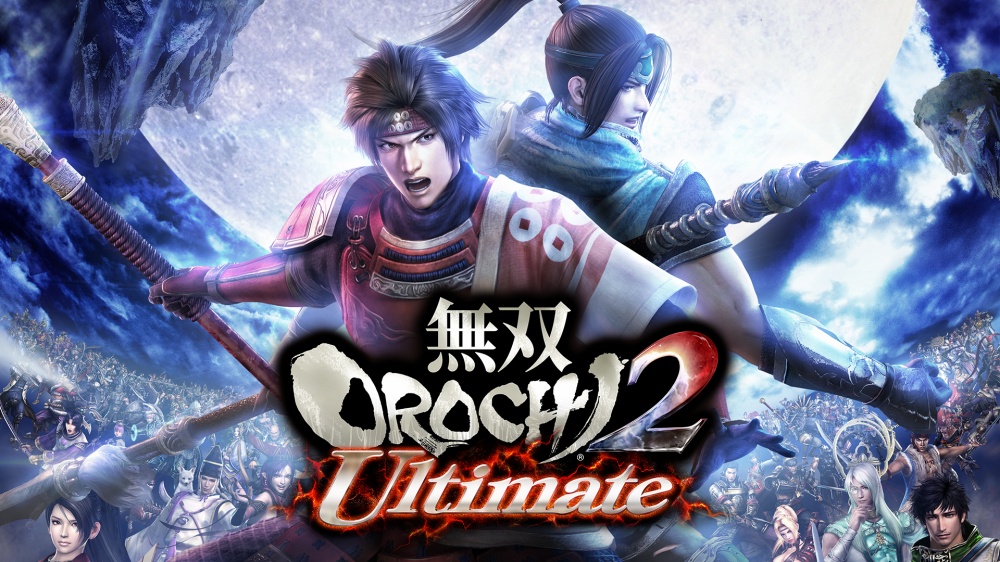
Spoiler commentary and discussion of Warriors Orochi 2 (Warriors Orochi 3)
Musou OROCHI 2" is an action game title released by Koei Tecmo Games on December 22, 2011. It is a sequel to "Musou OROCHI". The main feature of this game is that not only characters from "Sangoku & Sengoku Musou" but also characters from other works by Koei Tecmo and other manufacturers participate in the game. The setting is an alternate world where several years have passed since the previous game. The world is on the verge of extinction when a monster, the "Yokeserpent," appears out of nowhere. The surviving heroes face a battle that transcends time and space in order to regain their lost friends and save the world.
Read Article
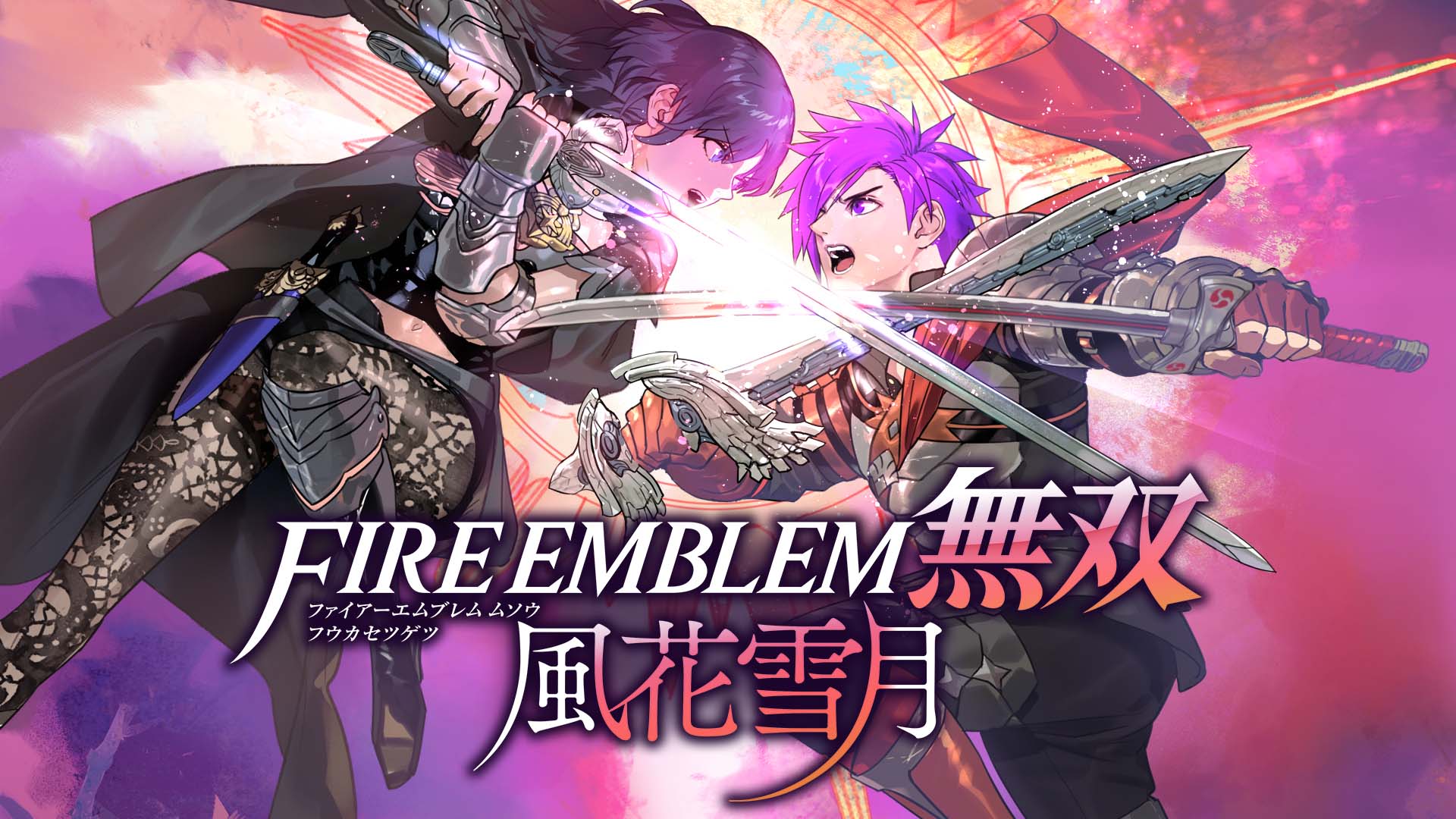
Fire Emblem Warriors: Fuuka Yukigetsu (game) spoiler commentary and discussion.
Fire Emblem Musou: Fuuka Yukigetsu" is an action simulation game released by Koei Tecmo Games for the Nitendo Switch. The game allows players to enjoy exhilarating action while controlling the main character and his companions, who are original characters in the game. The main character is a mercenary who, together with his friends, must fight a battle for Fodora in order to defeat his sworn enemy, the "Gray Devil".
Read Article
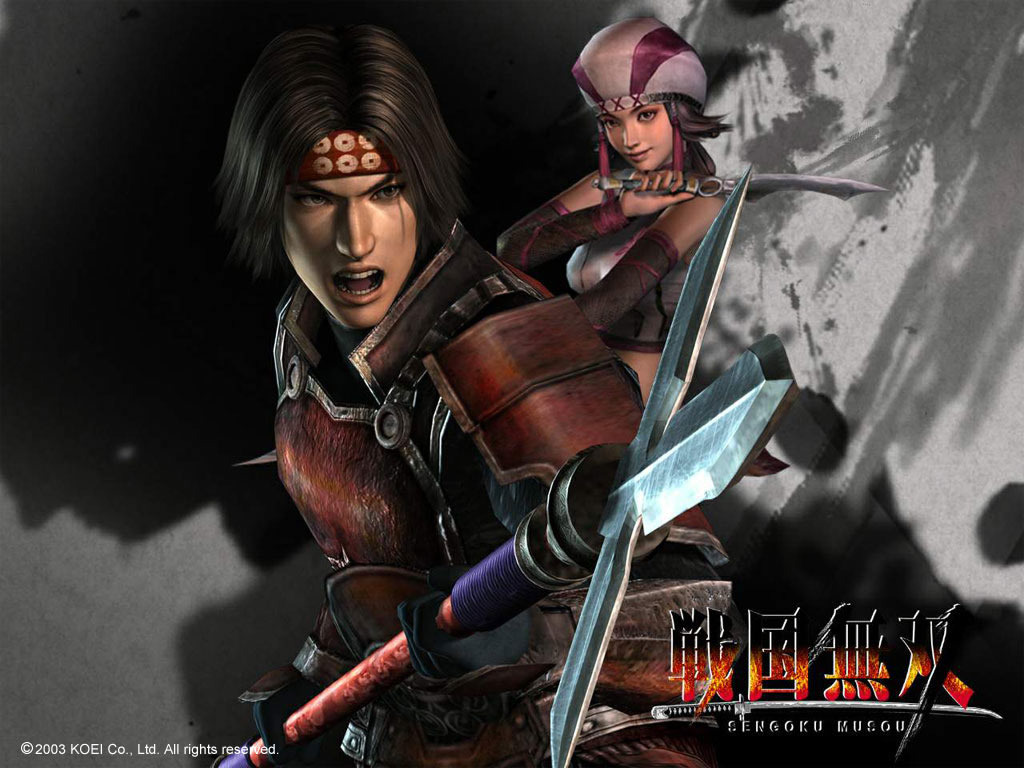
Spoiler commentary and discussion of Sengoku Musou 1 (1 Tetsusho Den)
Sengoku Musou" is the first game in the "Sengoku Musou" series, released by Koei on February 11, 2004. It is also a sister title to "Shin-Sangoku Musou" series. The game takes place during the Warring States Period in Japan, where warlords who have left their mark on history run through various battlefields. The game features a multi-ending system in which the story of each general has a different ending, and a new history can be spun out depending on the player's actions.
Read Article
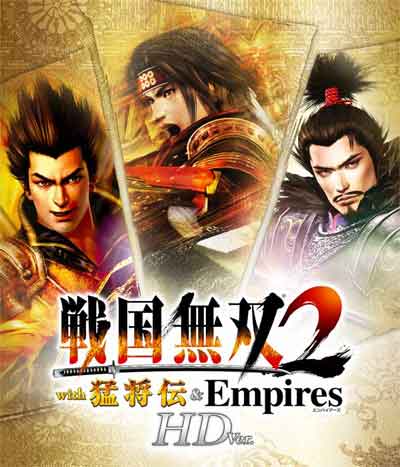
Spoiler commentary and discussion of Sengoku Musou 2 (2Empires / 2Takeshouden)
Sengoku Musou 2 (Samurai Warriors 2) is the second title in the "Sengoku Musou" series of action games set in Japan's Warring States period. In contrast to the previous game, which focused on the age of the rivalry between the warring factions, the story of "Samurai Warriors 2" centers on the battle of Sekigahara. Later, "Empires" and "Takerushoden" were also released. It is also highly regarded as the work that established the "Sengoku Musou" series in all aspects, including action and systems.
Read Article
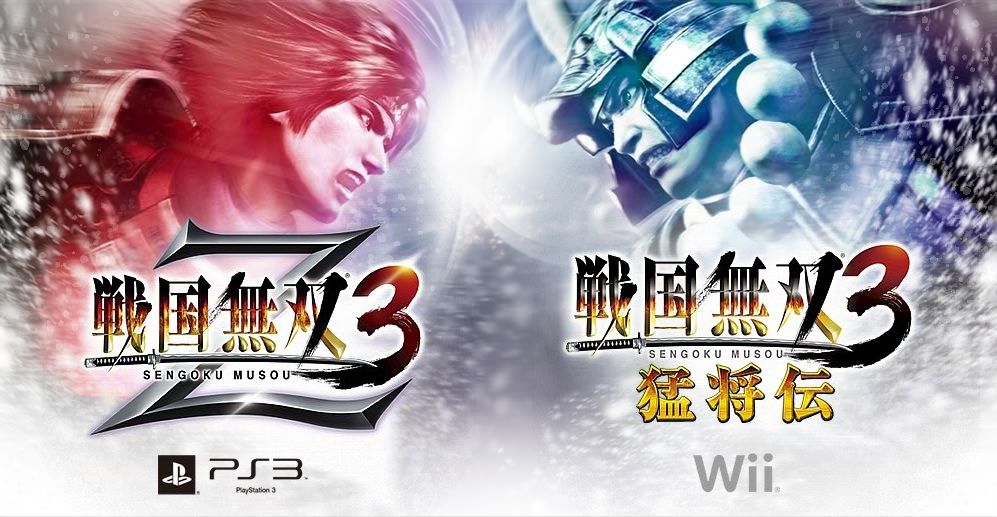
Spoiler commentary and discussion of Sengoku Musou 3 (3 Resshouden / 3Empires)
Samurai Warriors 3" is a Wii exclusive game released in December 2009, with a PS3 version released later. It is the third title in the "Samurai Warriors" series, which is set in the Warring States period and tells the story of a number of generals. The game focuses on the various forms of "bonds" among the warlords and is characterized by its three main storylines: "Kanto Sangokushi," "Sengoku no Sanketsu," and "Sekigahara no Wakamusha.
Read Article
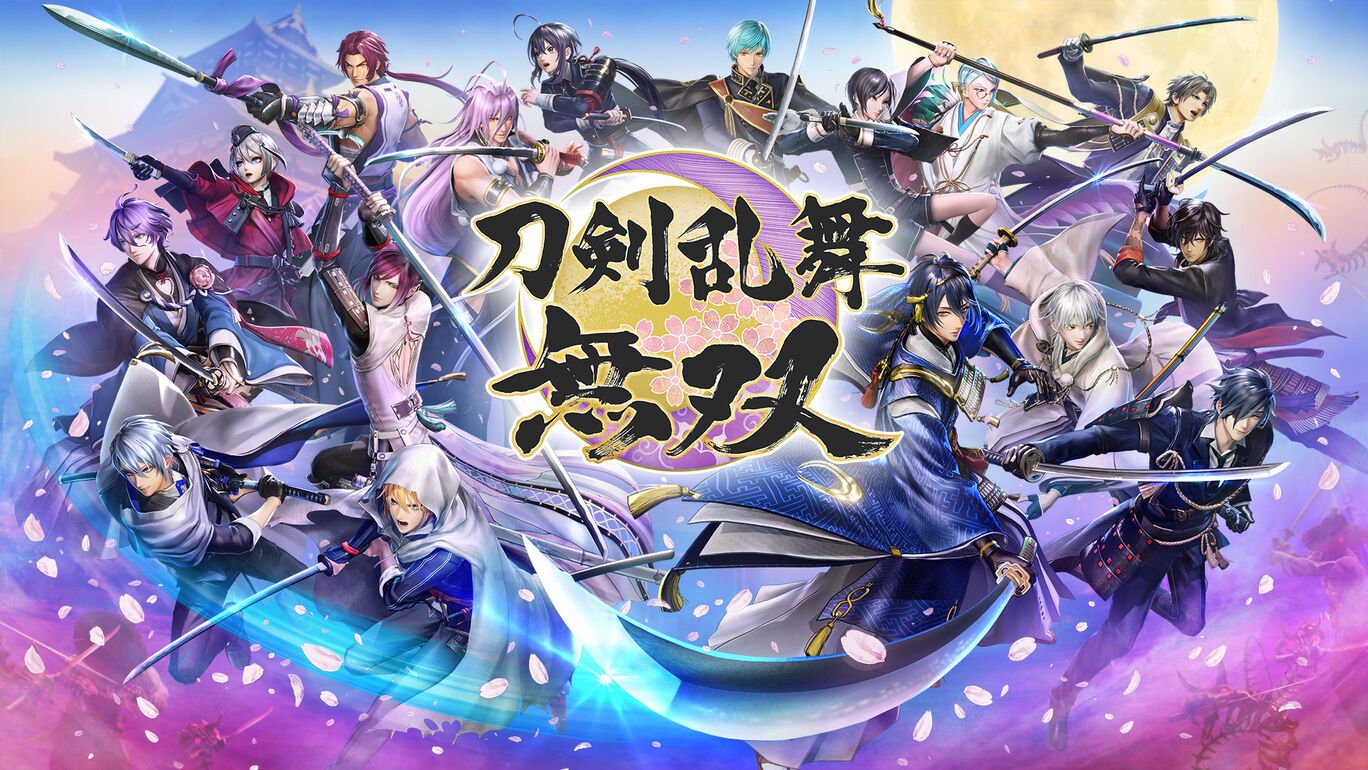
Spoiler commentary and discussion of Sword Warriors (Tousou Musou, Tourabu Musou).
Toukendanbu Musou" is a tactical action game based on the sword training simulation game "Toukendanbu". It is also a collaboration between the "Musou" game series and "Sword Dance". The story takes place in the year 2205 AD. The story depicts the battles of "Toushi," 15 mourning gods of swords who have lost their masters, who are sent by the government to investigate a plot by "historical revisionists" to change the history of Japan.
Read Article
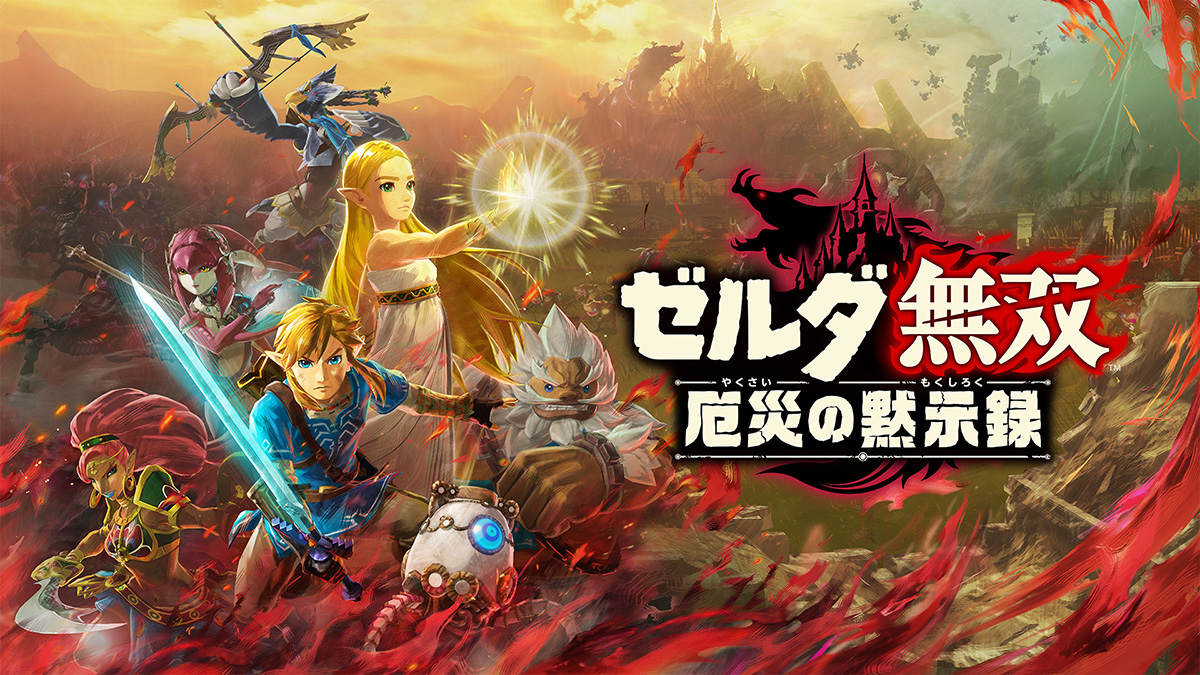
Zelda Warriors: Apocalypse of Evil (game) spoiler commentary and discussion.
Zelda Warriors: Apocalypse of Evil" is an action game developed by Koei Tecmo Games and released in 2020, and is a collaboration between "The Legend of Zelda" and the "Warriors" series. The game is based on the "Great Disaster" that occurred 100 years before "The Legend of Zelda: Breath of the Wild," and allows players to enjoy the exhilarating action that only the "Warriors" series can provide. The ability to control not only Link, but also other familiar characters from "The Legend of Zelda: Breath of the Wild" is one of the charms of this game.
Read Article
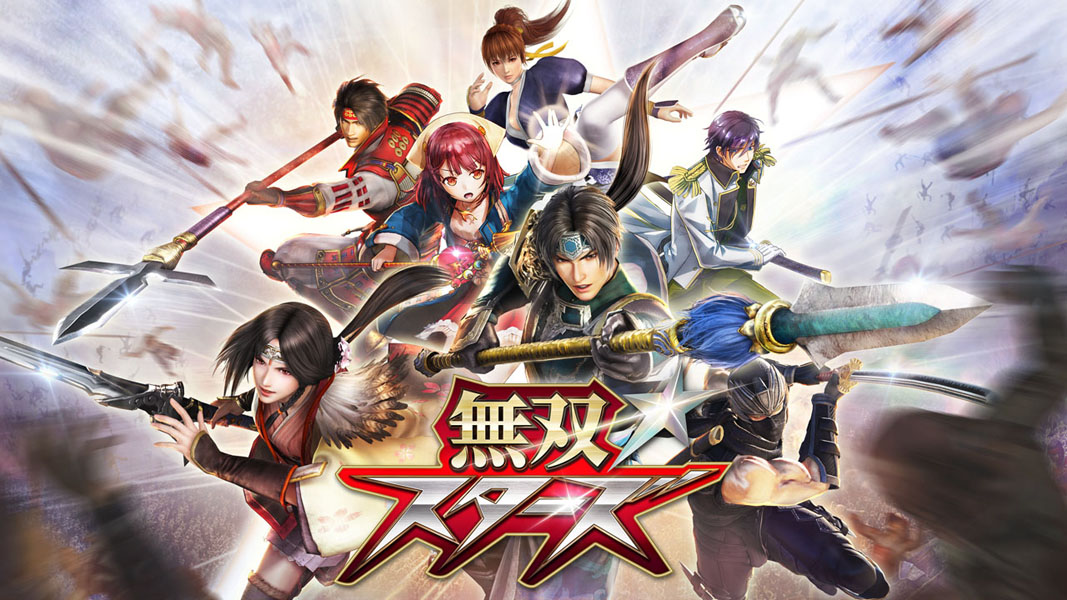
Spoiler commentary and discussion of Muso☆Stars (game)
Musou Stars" is a game title released by Koei Tecmo Games in March 2017. It is also an all-star game in which characters from the company's brand titles fight together. The setting is a certain other world. One day, the heroes are suddenly summoned to another world, where they meet three royal families, each of whom begs for their cooperation. The heroes are then caught up in a three-way struggle in a strange world. One of the major features of this title is that the story's development and ending depend on the player's choices, as it adopts a multiple ending system.
Read Article
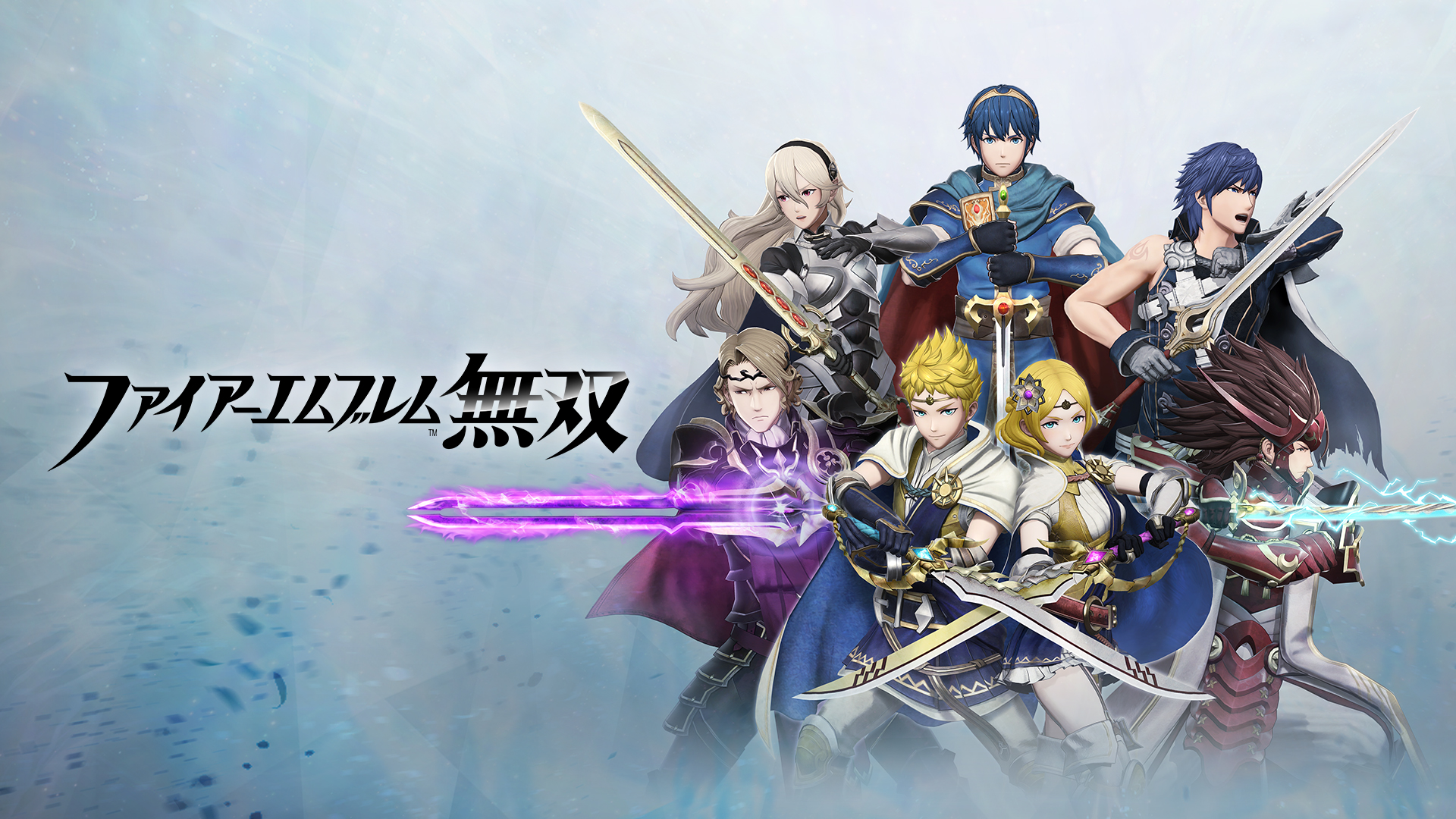
Fire Emblem Warriors (game) spoiler commentary and discussion.
Fire Emblem Warriors" is an action game released by Koei Tecmo Games in 2017. Players can enjoy exhilarating action by controlling characters from previous "Fire Emblem" games. There are also elements that allow players to develop their characters and deepen their friendship with other characters, and all of the game is fully voiced. The kingdom of Aitolis has been plunged into darkness after the castle fell due to demons that appeared from the gates of the Otherworld. Theon and Lian, the children of the previous king, who succeeded in escaping from the castle, travel with the successive protagonists to confront the mighty darkness.
Read Article
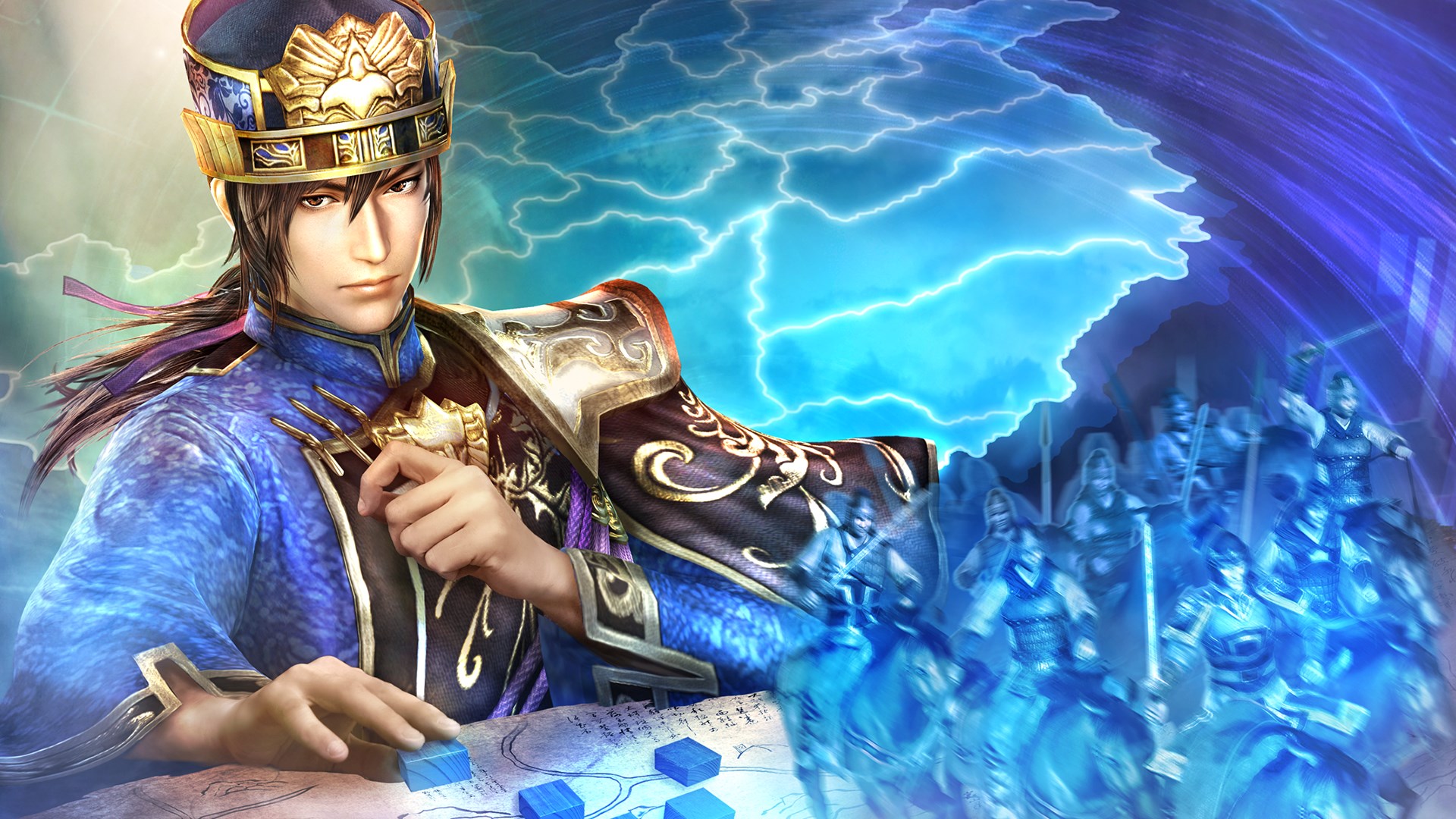
A collection of strategy information and wikis for Shin-Sangoku Musou 7 Empires!
This is a collection of strategy information and wikis for "Shin-Sangoku Musou 7 Empires". This title is a version of "Shin-Sangoku Musou 7 Empires" that replaces the "Musou Mode (Story Mode)" of "Shin-Sangoku Musou 7" and includes the "Contention Mode" in which you create your own original character and aim for heaven with the forces you belong to. A new general, Yuyu, and new weapon systems have been added.
Read Article
![Sengoku Musou] Summary of derivative works of the hit title, "Musou" series [Sengoku Musou].](https://renote.net/files/blobs/proxy/eyJfcmFpbHMiOnsiZGF0YSI6Mjg1ODAsInB1ciI6ImJsb2JfaWQifX0=--86b3ceb2ca5c6e5bca104a5556fad5232300897f/img59268495.jpg)
Sengoku Musou] Summary of derivative works of the hit title, "Musou" series [Sengoku Musou].
This is a compilation of derivative works of the "Shin-Sangoku Musou" series, a popular work that was a big hit for Koei and established the "Musou action" genre. From "Shin-Sangoku Musou", which started it all, to "TROY Musou" released on PS3, "Hokuto Musou" and "Zelda Musou", which are collaborations with popular manga, are introduced.
Read Article
Collection of images of female characters from the Musou series [Shin Mikuni Musou/Sengoku Musou
Shin-Sangoku Musou" depicts the Three Kingdoms period in China, and "Sengoku Musou" depicts the Sengoku period in Japan, both of which feature a number of female generals. The only one who is said to have actually appeared on the battlefield is Wang Yi of Wei in the Three Kingdoms period, but the series has added glamour by using princesses and original characters as generals. Here we have compiled a list of female characters and characters from "Shin-Sangoku Musou" and "Sengoku Musou.
Read Article
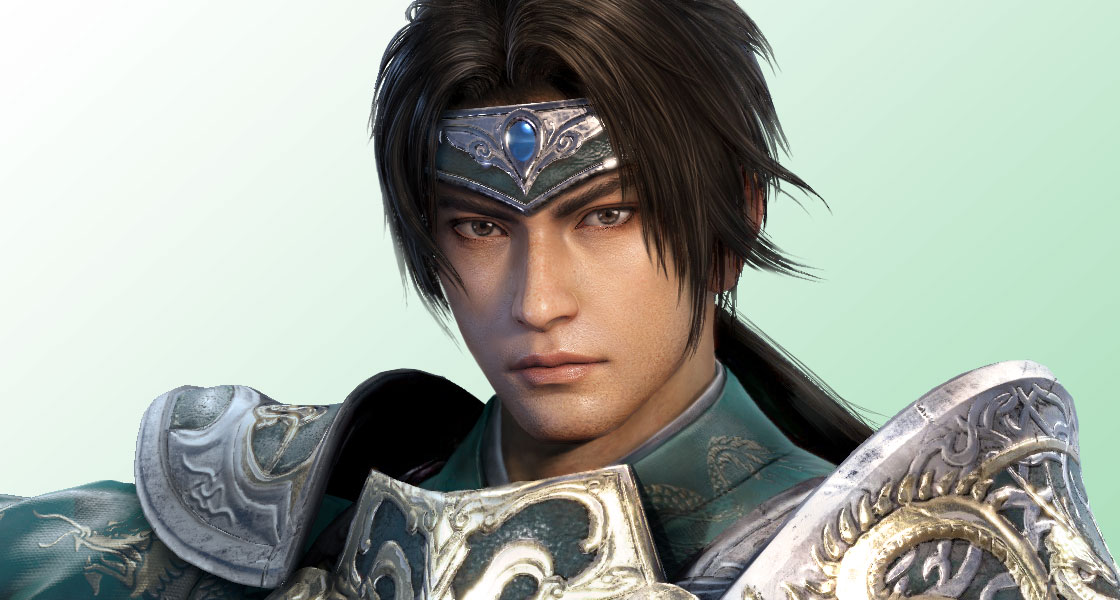
Comparative summary of Shu character designs in the Shin-Sangoku Warriors series [from 1 to 7].
In the Shin-Sangoku Musou series, the design of the warlord characters differs depending on the numbering system. In some cases, the costume changes are subtle, while in other cases, the hairstyle changes to give a very different impression. Here is a comparison of the Shu characters' designs.
Read Article
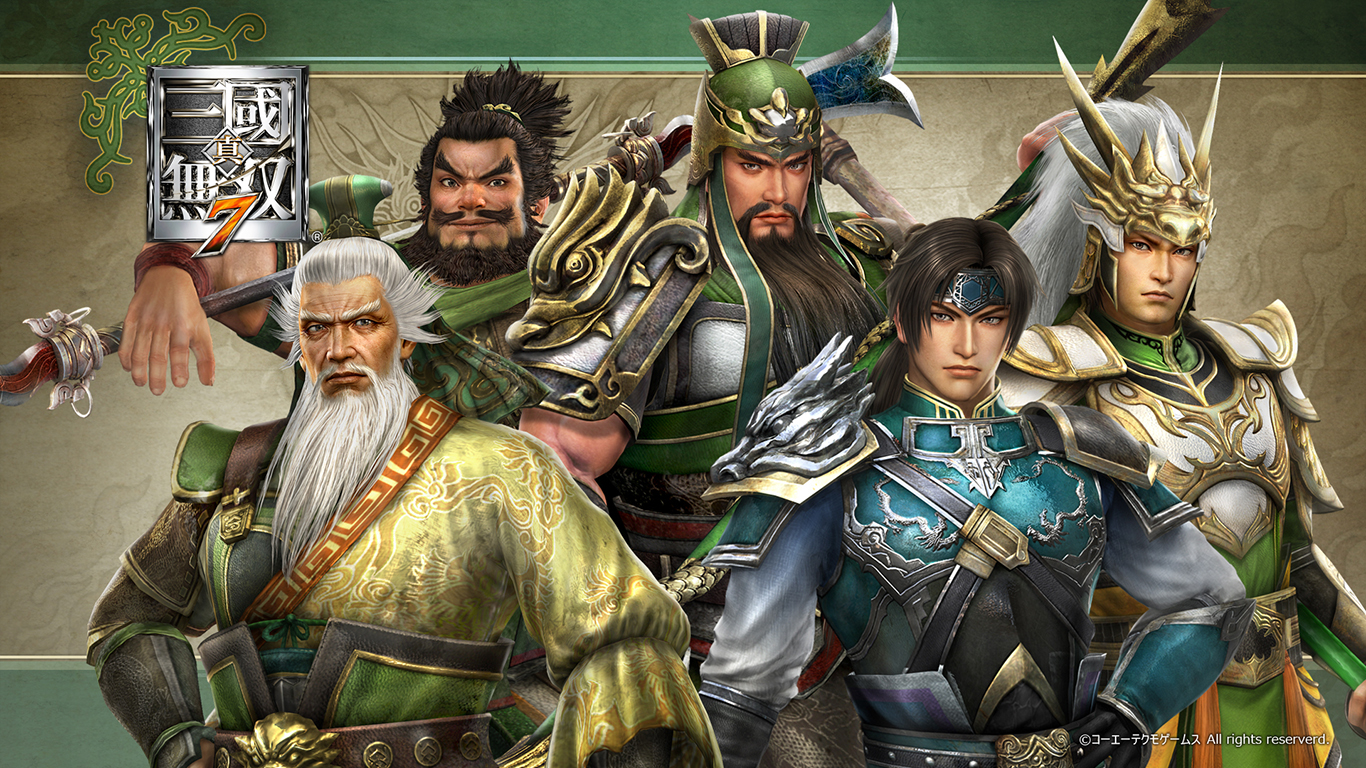
Summary of Warlord Characters in the Shin-Sangoku Musou Series [Includes Weapons and Costumes!
The "Shin-Sangoku Musou" series is an action game set in the Three Kingdoms period of China. The number of military commanders in the series has increased as the series progresses, reaching 90 in "Shin-Sangoku Musou 8". Here we have compiled a list of the military commanders and characters in the "Shin-Sangoku Musou" series.
Read Article
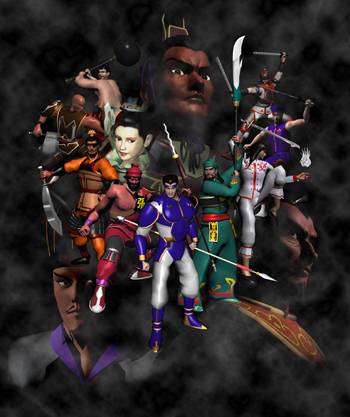
The first title in the "Dynasty Warriors" series was a fighting game! About the weapon fighting action "Warriors of the Three Kingdoms
The first game in the Warriors series, "Samurai Warriors", was a "gaming" game. The game that started the Ikkitousen action series was a "gaming" game.
Read Article
The Definitive Edition of Empires! Summary of basic information on "Sengoku Musou 4 Empires".
Basic information about "Sengoku Warriors 4 Empires," scheduled for release on September 3, 2015.
Read Article
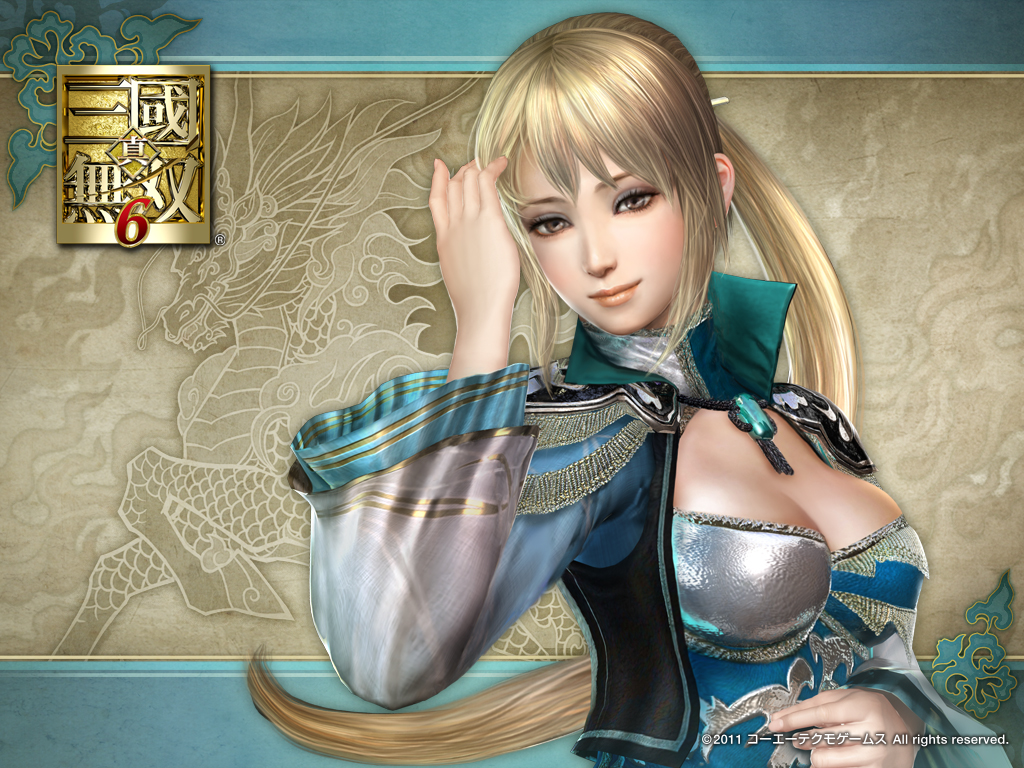
![Shin-Sangoku Musou 6] Images of beautiful women and beautiful characters [Shin-Sangoku Musou series].](https://renote.net/files/blobs/proxy/eyJfcmFpbHMiOnsiZGF0YSI6NTM5OTQ5LCJwdXIiOiJibG9iX2lkIn19--0416d05cfe6d4268d236489563c4a14297e1efac/a07fa07f.jpg)
Shin-Sangoku Musou 6] Images of beautiful women and beautiful characters [Shin-Sangoku Musou series].
Shin-Sangoku Musou 6" is the sixth game in the Shin-Sangoku Musou series. The game depicts the warfare of the Three Kingdoms period in China with additional game-like effects, and female warriors also appear in the game. Some of the characters are original to the game and do not appear in the historical facts, which adds a touch of elegance to the Shin-Sangoku Musou series. Here, we have compiled a list of these beautiful women who daintily dance on the battlefield.
Read Article

Human! Robot! An android that appeared at the Tokyo Game Show was so realistic that the audience panicked!
The Tokyo Game Show is widely recognized as one of the largest game events in Japan. Makuhari Messe, a well-established venue, is lined with the hottest new products from game companies and numerous game items using the latest technology. One android exhibited at a certain booth was so realistic that it caused a panic in the hall. In this article, we will introduce the "too-real android" in detail, including tweets from people who actually "met" the android.
Read Article
[MH] Similar atmosphere? Summary of games recommended for MonHun players [MonHun Double Cross and others].
The "Monster Hunter" series of games allows players to enjoy hunts together with other players from around the world. In addition to elements of monster hunts, this work also includes elements of fishing games and "mission games" in which players clear missions one after another. This article will recommend to players of the "Monster Hunter" series a collection of works with similar worldviews and elements.
Read Article
Summary of "Sengoku Musou 4-II" strategy sites and wikis
Here we have compiled a list of strategy sites and wikis for "Sengoku Musou 4-II" released by Koei Tecmo Games. It is a minor-changed version of "Sengoku Musou 4," with Ii Naomasa as a new character. It also sells scenarios focusing on each character.
Read Article
Contents
- Outline of "Shin-Sangoku Musou 7
- What is "Shin-Sangoku Musou 7"?
- What is "Shin Mikuni Musou 7 Takeshouden"?
- What is "Shin-Sangoku Musou 7 with Takeru Den"?
- What is "Shin-Sangoku Musou 7 Empires"?
- The story of "Shin-Sangoku Musou 7
- Shin-Mikuni Warriors 7
- Shin-Sangoku Musou 7 Takeshouden
- Shin Mikuni Musou 7 with Takeru Den
- Shin-Sangoku Musou 7 Empires
- Game System of "Shin-Sangoku Musou 7
- Shuseido mode
- free mode
- one's special weapon
- natural talents
- Weapon compatibility
- storm rush
- variable counter
- skill
- awakening
- Empires
- New generals added in Shin-Sangoku Musou 7
- Li Teng
- Rakushin
- Lushuku
- Hantou
- Guanxing
- Guan Yin Pei
- Zhang Bao
- Jia Zhong
- mandarin duck
- Chunhua Zhang
- New generals added in Shin-Sangoku Musou 7 Takeshouden
- Usubin (于禁)
- Shu Zhen
- Hosei
- Chen Palace
- Ling Ki Lu
- New generals added in Shin-Sangoku Musou 7 Empires
- Yuyu
- Existing generals
- Xia Hou Jun
- Ten'i
- Zhang Liao
- Cao Cao
- Xia Hou Yuan
- "Zhang Ye" (Chinese character meaning "to tell")
- Xu Chao
- Soujin
- Xu Koh
- Cao Hi.
- Princess Jiangqi
- Princess Tsai Wen-ki
- 賈詡
- Kakujia
- King's Rebellion
- Houtoku
- Zhou Yu
- Rikuson
- Sun Shang Xiang
- Taishiji
- Yellow lid
- Kanyeong
- Lu Meng
- Sun Yat-sen
- Sun Strategy (Sun Yat-sen)
- Sun Quan
- Zhou Tai
- Ling Tong
- Da Qiao
- Xiao Qiao
- Ding-Hou
- Nenshi
- Zhao Yun
- Guan Yu
- Zhang Fei
- Liu Bei
- Zhuge Liang
- Tsukihi (moon of the moon)
- Houtou
- Xu Xu Xu Xu
- Huang Zhong
- Wei Yan
- Ma Chou
- Batai
- Kanpei
- Star Colors
- Jiang Wei
- Liu Zen
- Kanzaku
- Abalone Three Daughters
- Shiba Ii
- Shiba Shishi
- Shiba Sho
- Princess Wang Yuanqi (Princess Wang Yuanqi)
- Deng Moxa
- Shokai
- Kakuwai (people)
- Birth of Zhu-ge-ge
- Xia Hou Hao
- Diao Chosen
- Lu Bu
- Toutaku
- Yuan Shao
- Tangkaku
- Meng Hao
- (a) celebration of the birth of a child
- left-hand guardian dog at a Shinto shrine
- Backstories, Trivia, and Minor Stories/Episodes/Anecdotes from "Shin-Sangoku Musou 7" (Japanese only)
- memorial
- theme song
- survey
- Chakaman (brand-name of rechargeable lighter)
- Neoroma Musou