
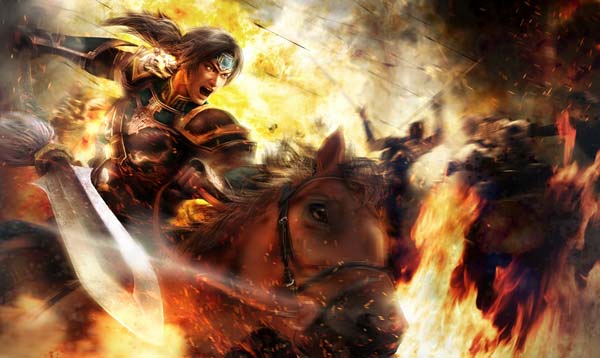
In Koei Tecmo Games' "Shin-Sangoku Musou" series, players control the warriors from "Sangokushi" to battle through numerous battlefields. This game is the seventh in the series. Later, "Shin Mikuni Musou 7 with Toushouden" was released as the first PS4 version of the series, which was bundled with "Shin Mikuni Musou 7 with Toushouden".
The basic storyline is based on historical facts, but the main feature of this title is that players can advance to an IF route depending on their actions. The number of warriors in the game is 77, the most ever in the series.
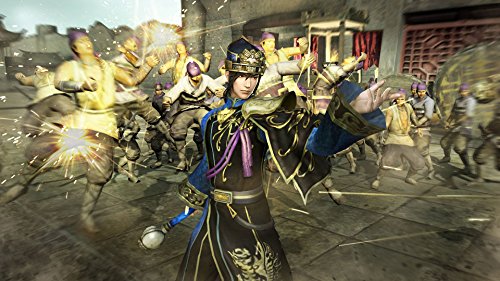
Players select a scenario and a general to play at the start of the game. The main mode, "Contention Mode," offers scenarios from different eras such as "Yellow Turban Rebellion" and "Battle of Red Cliffs," and allows players to choose from more than 800 generals, including those available in the series as well as general generals.
The player basically performs commands such as "military council," which determines the policies of the forces to which he belongs and the goals of his generals, and "military strategy," which executes domestic affairs and diplomacy. Whether you want to contribute to the unification of your forces by accumulating achievements and rising through the ranks, or aim for supremacy, the best part of "Empires" is that you can create your own unique story according to your play style.
The edit mode, which allows players to create their own original generals, has been further enhanced to include not only generals, but also their own soldiers, horses, and banners. In addition, with the introduction of scenario editing, players can create new scenarios by editing their own force maps.
In battle, "secret plans" can be used to influence the outcome of the war in various ways. There are various types of "secret plans," ranging from those that directly damage the enemy or enemy bases to those that increase the power of the player's generals or change the weather. Up to five "secret plans" can be equipped, and each secret plan can be activated by consuming the "secret plan gauge" set for each secret plan. Some "secret plans" cannot be used for a certain period of time once they are activated. In addition, the larger the effect, the longer it takes to activate, and the higher the risk that some of the allied corps will withdraw to prepare for it.
Friendship is set between a player general and other generals and is increased by accomplishing requests or helping them in battle. As the friendship level increases, they can become brothers-in-law or, in the case of generals of the opposite sex, get married. In addition, married generals can have children.
Game System of "Shin-Sangoku Musou 7
Shuseido mode
This is the other main mode of the game. The ultimate goal is to develop a deserted town into a base, build a palace called "Dojadai" and invite the emperor to visit.
In order to develop the base, you will need fame, friends, and facility materials. These can be acquired through various battles.
Many of the facilities that can be built within the base are extremely useful for developing and strengthening the generals, such as the "academy," where experience and status can be increased by paying money, and the "weapon shop," where weapons can be modified and strengthened. In addition, since generals' data is the same as that of the story mode, it is possible to challenge a more difficult stage after having them grow and strengthened in the Shogun mode.
In addition, you can deepen the bond with the generals you have joined. As the bond deepens, conversational events occur in stages, and when the bond is maxed out, special dialogue can be heard.
In "7 Takeru Den," after inviting the emperor, players can challenge a new battle, the "Local Pacification" battle.
free mode
This is a mode that has appeared in the "Shin-Sangoku Musou" series since the first title, in which players can play any stage with their favorite generals. It was omitted in the previous title, but has been restored in this title. In the story mode, multiple generals are prepared for each stage, and the player selects a general from among them to clear the stage, but in the free mode, the player can select any general.
In addition, depending on the chosen general and stage, you can hear dialogue that is only available in Free Mode, and in some stages, "backstage scenarios" that do not appear in Story Mode may appear.
one's special weapon
This is one of the elements that have been adopted from the previous work, and is a unique weapon that is set for each warlord. The attack motion of the Ex attack differs depending on the general.
In the previous two games, there was only one Ex attack, but a second Ex attack was added in "7 Takeshouden".
natural talents
There are four types of weapon systems: light skill, whirlwind, no-shadow leg, and transmutation. The weapon aptitude of each general corresponds directly to these four types, and the specifications increase attack power according to the level of aptitude.
Weapon compatibility
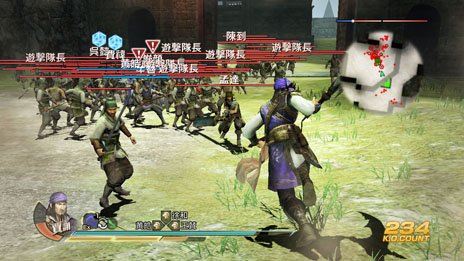
This is one of the new elements added to weapons in this work. There are three attributes: "Heaven is strong against earth and weak against man," "earth is strong against man and weak against heaven," and "man is strong against heaven and weak against earth. This three-way relationship has a great impact on attack power and actions.
The compatibility of your weapon with your opponent's weapon can be checked by looking over his head. If your weapon affinity is favorable, a blue hexagonal gauge called the "spirit gauge" will be displayed above your opponent's head; if it is unfavorable, a "! mark is displayed above the opponent's head if he is at a disadvantage.
For this reason, although it is possible to equip two weapons, the basic rule is to bring weapons with different weapon affinities.
storm rush
A high-speed continuous attack that can be launched when your weapon affinity is favorable. The spirit gauge displayed above the opponent's head decreases as the attacker continues. When the gauge is reduced to zero, the Storm Rush can be triggered to drive the opponent back at once.
variable counter
A counterattack action that can be activated when your weapon affinity is unfavorable. If your affinity is unfavorable, you will not be able to turn your opponent upside down, but if you are close enough, your opponent's charge attack will be slowed down. Pressing the R1 button when the opponent is about to unleash a charge attack will trigger a powerful counterattack, a variable counterattack, which floats the opponent right above you.
skill
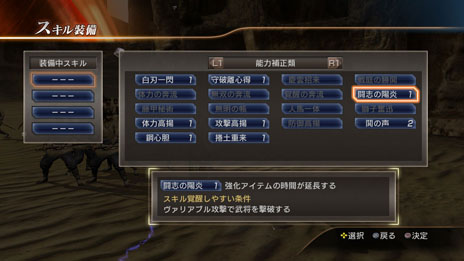
Skills that can be equipped to the general you control to boost his abilities and give him an advantage in battle. A maximum of four can be equipped.
There are two types of skills: "ability correction skills," which correct the general's abilities and give him an advantage in battle, and "special action opening skills," which allow him to activate powerful techniques regardless of his weapon system. Both of these skills can be acquired by meeting certain conditions during battle. In addition, "Ability Correction Skills" have levels, and their effectiveness increases with the level of the skill.
awakening
In addition to the Musou Gauge, the player warlord has an Awakening Gauge, which accumulates only with his attacks. When the Awakening Gauge is full, pressing the L3 button activates it, which restores the Musou Gauge to its maximum and greatly increases all abilities and attack speed for a certain period of time. Furthermore, if you activate Musou Ranbu while Awakened, it becomes a powerful special move called "Kakusei Ranbu," which is different from the normal Musou Ranbu and can inflict heavy damage on many enemy generals and soldiers.
In addition, if a certain number of hits are earned in Kakusei Ranbu, it becomes even more powerful "Shin Kakusei Ranbu," which can destroy more enemies.
Empires

Related Articles
An in-depth look at the hot new Musou series, "Arslan Senki x Musou"!
The newest addition to the Musou series, "Arslan Senki x Musou". The Musou series has collaborated with various works such as Hokuto Musou, Pirate Musou, and Zelda Musou, and now they have decided to collaborate with "Arslan Senki"!
Read Article
Spoiler commentary and discussion of MUSOU OROCHI (Mujiru / The Second Coming of the Demon King / Z)
Musou OROCHI" is an action game released by Koei to commemorate the 10th anniversary of the "Musou" series. The game is a crossover between the "Shin-Sangoku Musou" series and the "Sengoku Musou" series, and the main feature of the game is that players can control more than 70 warriors, including the original characters from this game. The co-starring of the Warriors and the Sengoku was so well received by fans that a sequel, "Warriors OROCHI: The Second Coming of the Demon King," was later released. The worlds of the Three Kingdoms and the Warring States are fused together by the sudden appearance of the Demon King Enrochi. The warlords of the Three Kingdoms and Sengoku fight together and against each other, but eventually unite to overthrow Toorochi.
Read Article
Spoiler commentary and discussion of Shin Mikuni Warriors 2 (2 Resshouden)
Shin-Sangoku Musou 2" is an action game released by Koei (now Koei Tecmo Games) in 2001, and is the second title in the Shin-Sangoku Musou series. The game was a huge hit, with the content greatly enhanced and the dissatisfactions of the previous title resolved. The game features 41 characters based on the generals who appeared in "Sanguozhi" (The History of the Three Kingdoms). The main objective of the game is to unify the three kingdoms by leading your army to victory with the generals you have chosen.
Read Article
Spoiler commentary and discussion of Shin-Sangoku Musou 8 (game)
Shin-Sangoku Musou 8" is the eighth title in the "Shin-Sangoku Musou" series, an action game in which players control the warriors from "Sangokushi" to develop the story. This is the first numbered title in five years. The main feature of this title is the adoption of an open world system, a first for the "Dynasty Warriors" series. With the addition of the new generals, the number of playable Musou generals finally exceeds 90. In the main mode, each warlord has a separate scenario, and the player follows the life of the warlord as he or she progresses through his or her own story.
Read Article
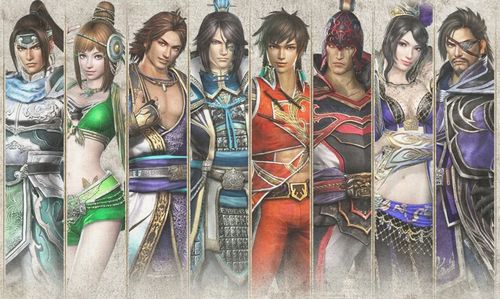
Spoiler commentary and discussion of Shin-Sangoku Musou 6 (6 Resshouden / 6Empires)
Shin-Sangoku Musou 6" is the sixth title in the "Shin-Sangoku Musou" series released by Koei Tecmo Games in March 2011. Up until now, the story has focused on the three kingdoms of Wei, Shu, and Wu, but this title finally introduces the fourth country, Jin, which ended the Three Kingdoms period in historical fact. With this, the story of the latter half of the "Romance of the Three Kingdoms," which has not been depicted much in past works, is also focused on in this work. The number of generals has also been greatly increased, with a record number of 62 generals participating in the game.
Read Article
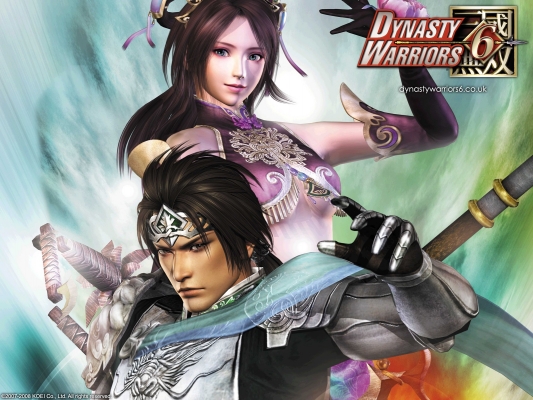
Spoiler commentary and discussion of Shin-Sangoku Musou 5 (5Special / 5Empires)
Shin-Sangoku Musou 5" is the fifth title in the "Shin-Sangoku Musou" series of games based on "The Legend of the Three Kingdoms" released by Koei (now Koei Tecmo Games) in November 2007. It was the first game in the series for the PS3. The new medium brought about unprecedented attempts at character visuals, a drastically revamped action system, and enhanced strategic elements. It can be said that this was a turning point for the series, with various experiments being conducted in all aspects.
Read Article
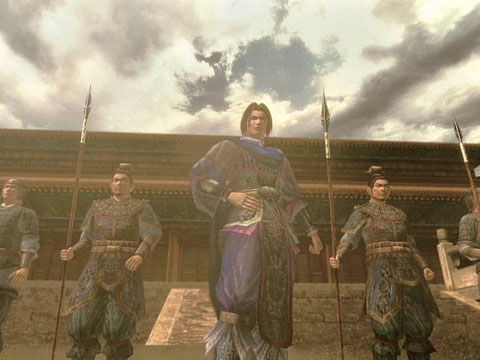
Spoiler commentary and discussion of Shin Mikuni Warriors 4 (4 Resshouden / 4Empires)
Shin-Sangoku Musou 4" is the fourth title in the "Shin-Sangoku Musou" series of action games in which players control the generals from "Sangokushi" to lead their armies to victory. There are 48 generals available, and each general has his own Musou mode. The introduction of a new graphical engine has greatly improved the stealth and processing lag that have long been a problem, allowing the player to experience the thrill of the "one-hit warslayer" experience.
Read Article
Spoiler commentary and discussion of Shin-Sangoku Musou 3 (3 Resshouden / 3Empires)
Shin-Sangoku Musou 3" is a video game released by Koei (now Koei Tecmo Games) in February 2003, and is the third title in the "Shin-Sangoku Musou" series. The player assumes the role of a general and aims for victory in his own army. There are 42 generals available. While the previous game's Musou mode was based on generals, this game's Musou mode is based on forces, and a major feature of this game is that the player can change generals midway through the game.
Read Article
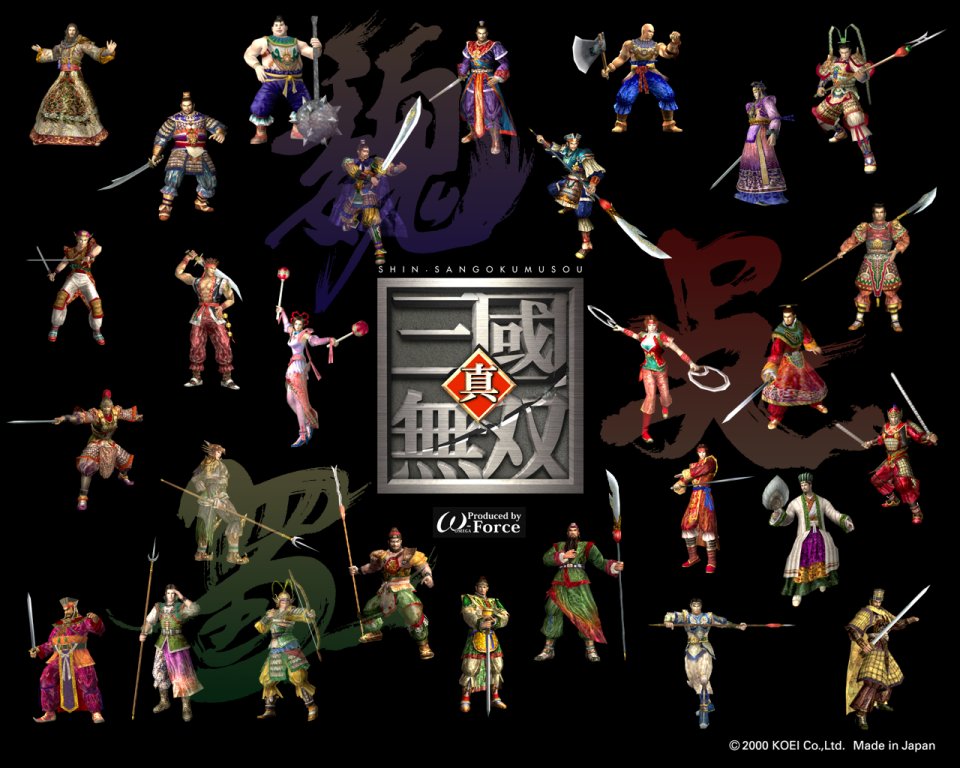
Spoiler commentary and discussion of Shin-Sangoku Musou (the game).
Shin-Sangoku Musou (Dynasty Warriors 2) is a video game released by Koei (now Koei Tecmo Games) in August 2000, and is the first title in the Shin-Sangoku Musou series. The genre of the game is an action game. The main feature and appeal of the game is its "one-man warriors" action, in which a single player can defeat multiple enemies.
Read Article
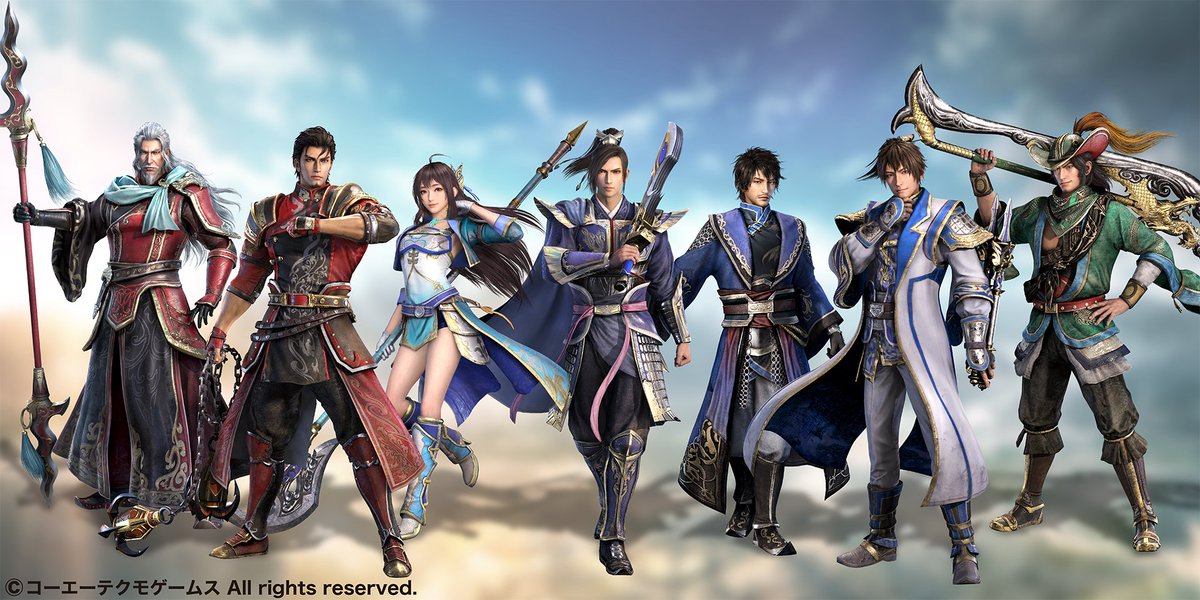
Which character is your favorite? Summary of Sengoku Warlords in Shin-Sangoku Musou 8
Shin-Sangoku Musou 8 is an open-world game set in mainland China, released in 2018. The characters in the game are inspired by the Three Kingdoms, and each of them has a different performance. This article will introduce the characters in "Shin-Sangoku Musou 8", including their performance and usability, along with images.
Read Article
Spoiler commentary and discussion of Sengoku Musou - Sanadamaru (game)
Sengoku Musou: Sanadamaru" is a game title released in November 2016. It is part of the "Sengoku Musou" series and is also an official tie-in with the 2016 NHK historical drama "Sanadamaru". Based on the "Sengoku Musou 4" series, the main feature of this game is that the story focuses on the Sanada family. The drama of the turbulent Sengoku period unfolds with father and son Masayuki and Yukimura Sanada as the main characters. In addition, the game features a number of new challenges, such as long-term battles, the concept of day and night, and changes in appearance with the passage of time.
Read Article
Spoiler commentary and discussion of Sengoku Musou 4 (4-II / 4Empires / 4DX)
Samurai Warriors 4" is the fourth PS3 game in the "Sengoku Musou" series, released in March 2014. It is also the 10th anniversary title of the series, which is set in the Sengoku Period and features a number of warriors in action. A PS4 version was later released. Various dramas unfold in the turbulent Sengoku period, centering on the bond and rivalry between Yukimura Sanada, the main character of the series, and Yukimura's elder brother Nobuyuki, who joins the series for the first time in this title.
Read Article
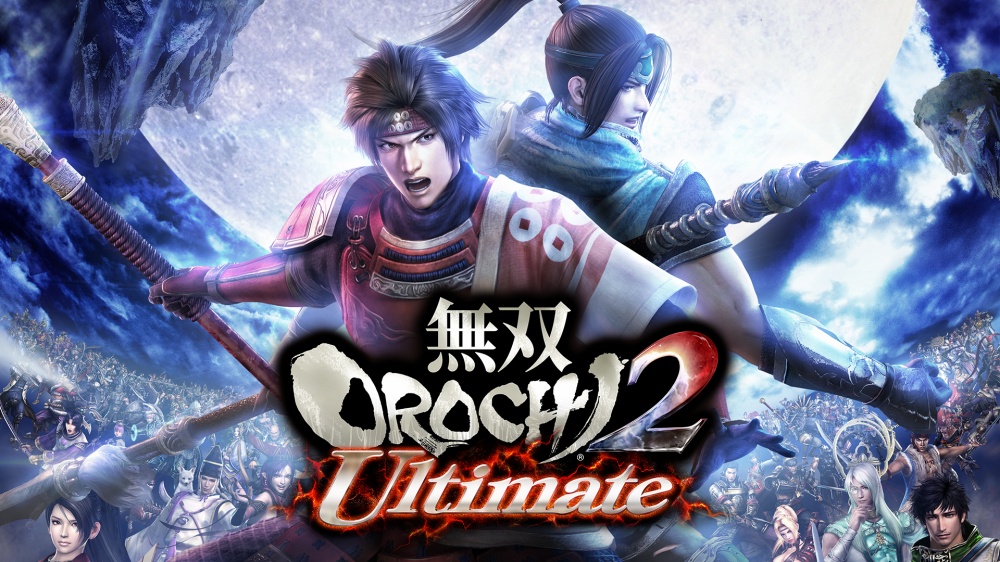
Spoiler commentary and discussion of Warriors Orochi 2 (Warriors Orochi 3)
Musou OROCHI 2" is an action game title released by Koei Tecmo Games on December 22, 2011. It is a sequel to "Musou OROCHI". The main feature of this game is that not only characters from "Sangoku & Sengoku Musou" but also characters from other works by Koei Tecmo and other manufacturers participate in the game. The setting is an alternate world where several years have passed since the previous game. The world is on the verge of extinction when a monster, the "Yokeserpent," appears out of nowhere. The surviving heroes face a battle that transcends time and space in order to regain their lost friends and save the world.
Read Article
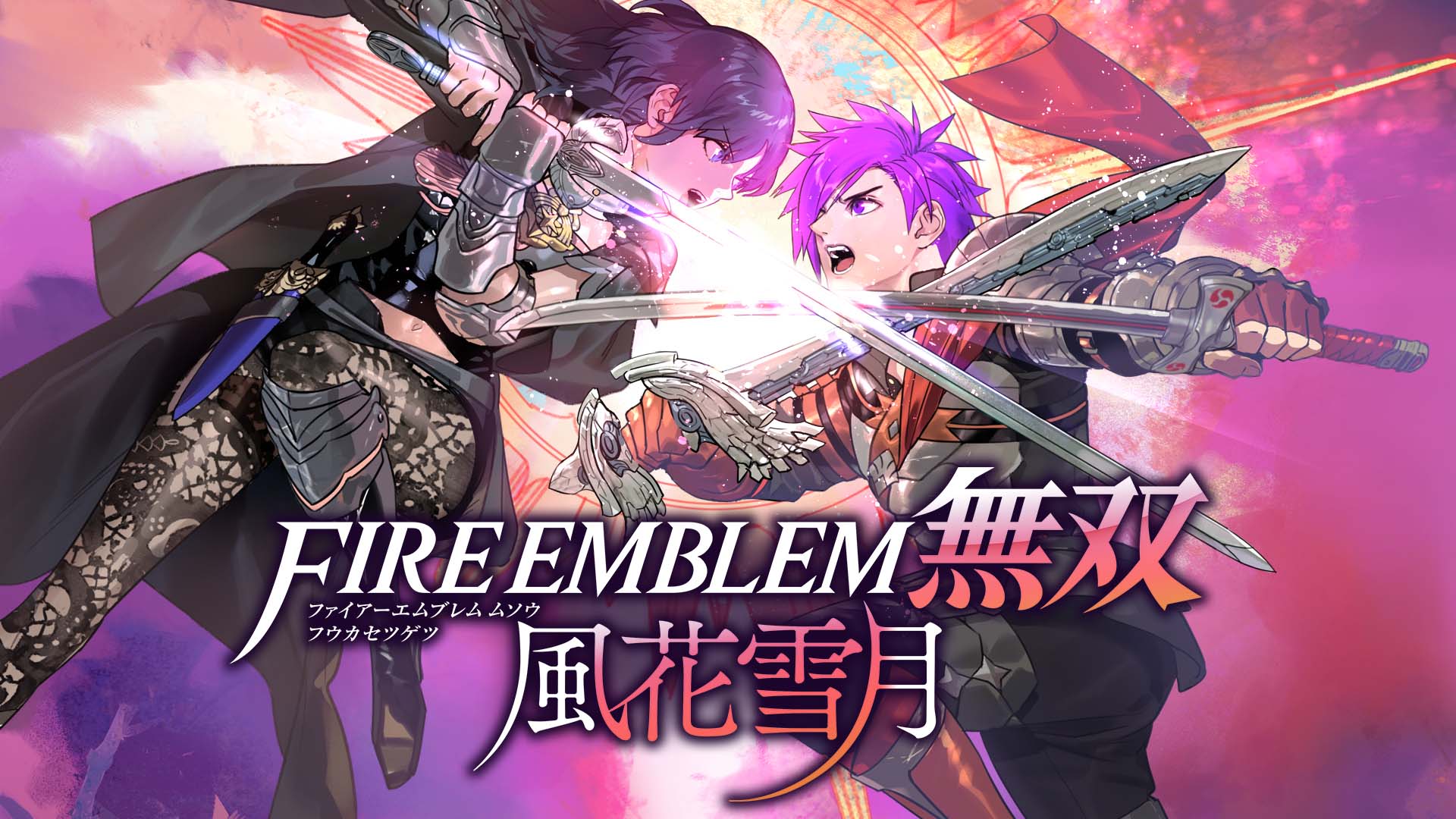
Fire Emblem Warriors: Fuuka Yukigetsu (game) spoiler commentary and discussion.
Fire Emblem Musou: Fuuka Yukigetsu" is an action simulation game released by Koei Tecmo Games for the Nitendo Switch. The game allows players to enjoy exhilarating action while controlling the main character and his companions, who are original characters in the game. The main character is a mercenary who, together with his friends, must fight a battle for Fodora in order to defeat his sworn enemy, the "Gray Devil".
Read Article
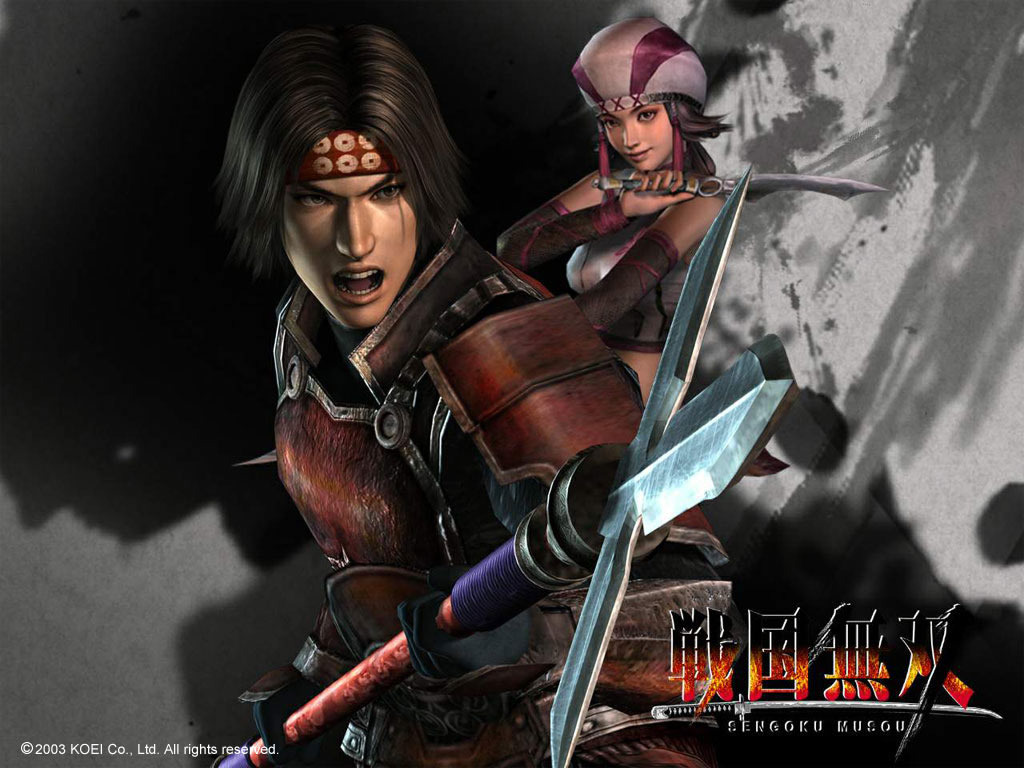
Spoiler commentary and discussion of Sengoku Musou 1 (1 Tetsusho Den)
Sengoku Musou" is the first game in the "Sengoku Musou" series, released by Koei on February 11, 2004. It is also a sister title to "Shin-Sangoku Musou" series. The game takes place during the Warring States Period in Japan, where warlords who have left their mark on history run through various battlefields. The game features a multi-ending system in which the story of each general has a different ending, and a new history can be spun out depending on the player's actions.
Read Article
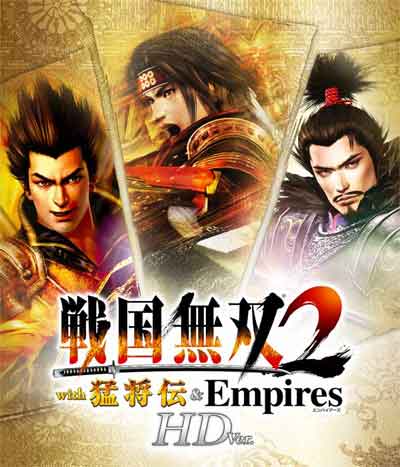
Spoiler commentary and discussion of Sengoku Musou 2 (2Empires / 2Takeshouden)
Sengoku Musou 2 (Samurai Warriors 2) is the second title in the "Sengoku Musou" series of action games set in Japan's Warring States period. In contrast to the previous game, which focused on the age of the rivalry between the warring factions, the story of "Samurai Warriors 2" centers on the battle of Sekigahara. Later, "Empires" and "Takerushoden" were also released. It is also highly regarded as the work that established the "Sengoku Musou" series in all aspects, including action and systems.
Read Article
Spoiler commentary and discussion of Sengoku Musou 3 (3 Resshouden / 3Empires)
Samurai Warriors 3" is a Wii exclusive game released in December 2009, with a PS3 version released later. It is the third title in the "Samurai Warriors" series, which is set in the Warring States period and tells the story of a number of generals. The game focuses on the various forms of "bonds" among the warlords and is characterized by its three main storylines: "Kanto Sangokushi," "Sengoku no Sanketsu," and "Sekigahara no Wakamusha.
Read Article
Spoiler commentary and discussion of Sword Warriors (Tousou Musou, Tourabu Musou).
Toukendanbu Musou" is a tactical action game based on the sword training simulation game "Toukendanbu". It is also a collaboration between the "Musou" game series and "Sword Dance". The story takes place in the year 2205 AD. The story depicts the battles of "Toushi," 15 mourning gods of swords who have lost their masters, who are sent by the government to investigate a plot by "historical revisionists" to change the history of Japan.
Read Article
Zelda Warriors: Apocalypse of Evil (game) spoiler commentary and discussion.
Zelda Warriors: Apocalypse of Evil" is an action game developed by Koei Tecmo Games and released in 2020, and is a collaboration between "The Legend of Zelda" and the "Warriors" series. The game is based on the "Great Disaster" that occurred 100 years before "The Legend of Zelda: Breath of the Wild," and allows players to enjoy the exhilarating action that only the "Warriors" series can provide. The ability to control not only Link, but also other familiar characters from "The Legend of Zelda: Breath of the Wild" is one of the charms of this game.
Read Article
Spoiler commentary and discussion of Muso☆Stars (game)
Musou Stars" is a game title released by Koei Tecmo Games in March 2017. It is also an all-star game in which characters from the company's brand titles fight together. The setting is a certain other world. One day, the heroes are suddenly summoned to another world, where they meet three royal families, each of whom begs for their cooperation. The heroes are then caught up in a three-way struggle in a strange world. One of the major features of this title is that the story's development and ending depend on the player's choices, as it adopts a multiple ending system.
Read Article
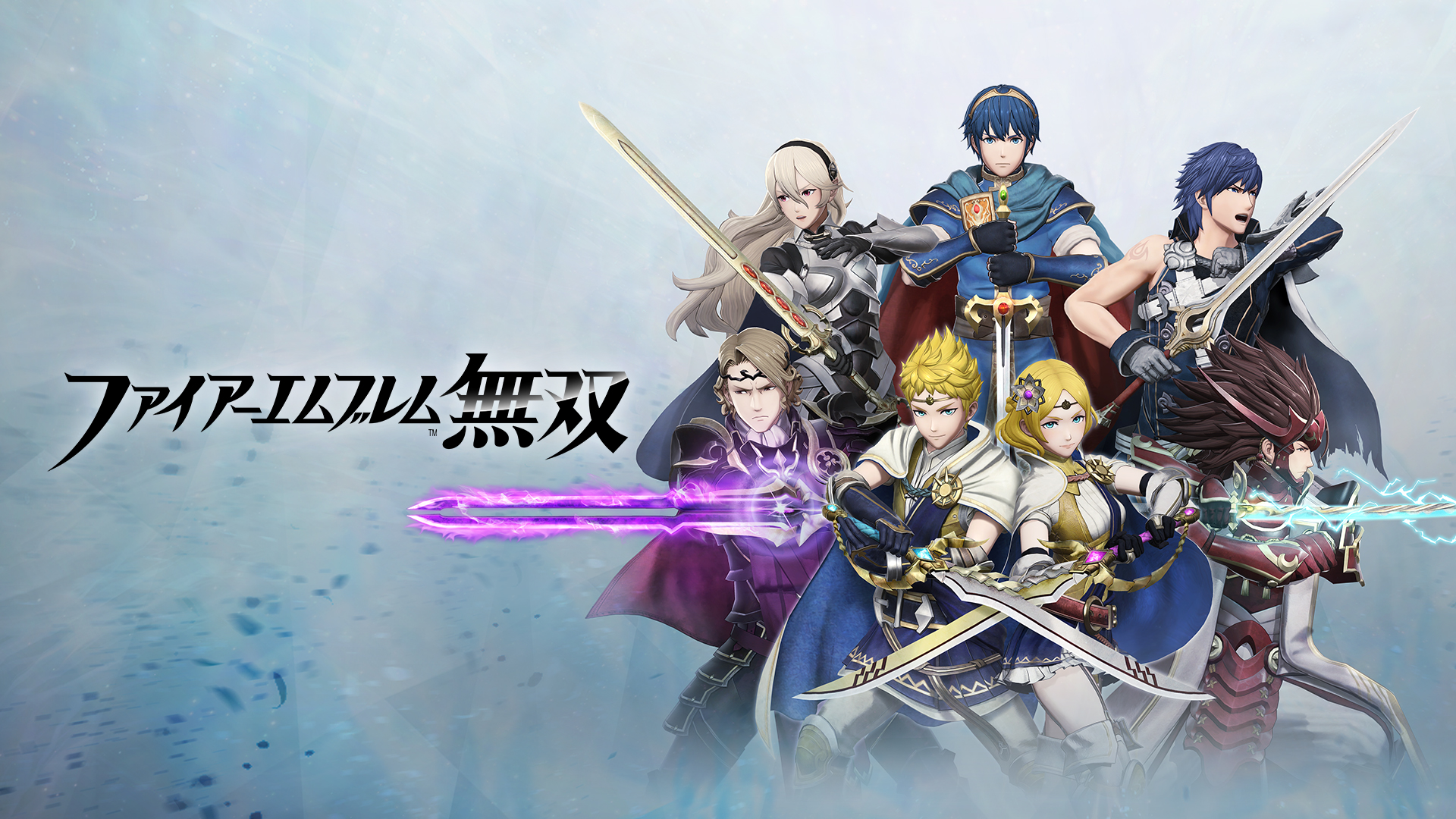
Fire Emblem Warriors (game) spoiler commentary and discussion.
Fire Emblem Warriors" is an action game released by Koei Tecmo Games in 2017. Players can enjoy exhilarating action by controlling characters from previous "Fire Emblem" games. There are also elements that allow players to develop their characters and deepen their friendship with other characters, and all of the game is fully voiced. The kingdom of Aitolis has been plunged into darkness after the castle fell due to demons that appeared from the gates of the Otherworld. Theon and Lian, the children of the previous king, who succeeded in escaping from the castle, travel with the successive protagonists to confront the mighty darkness.
Read Article
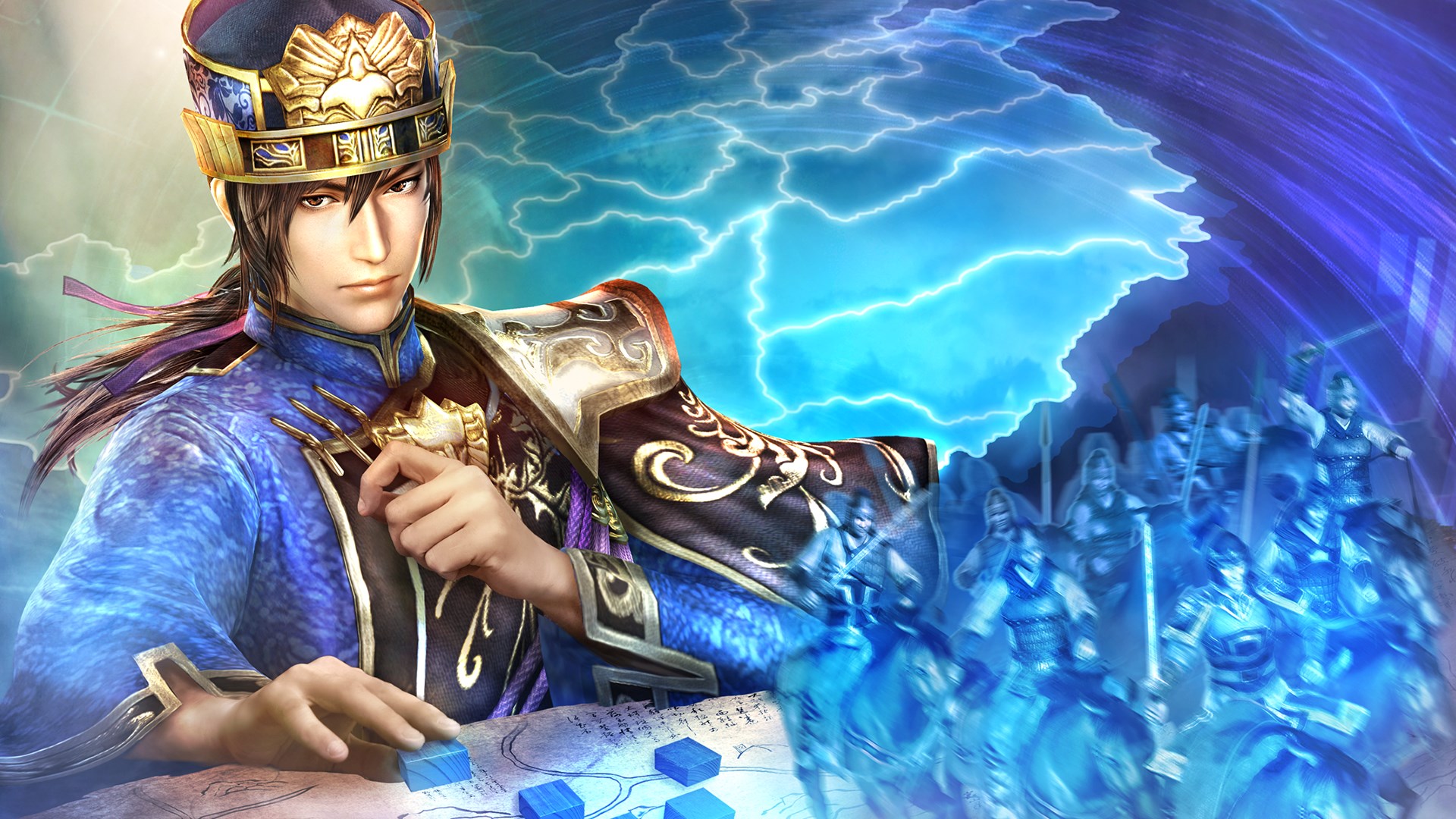
A collection of strategy information and wikis for Shin-Sangoku Musou 7 Empires!
This is a collection of strategy information and wikis for "Shin-Sangoku Musou 7 Empires". This title is a version of "Shin-Sangoku Musou 7 Empires" that replaces the "Musou Mode (Story Mode)" of "Shin-Sangoku Musou 7" and includes the "Contention Mode" in which you create your own original character and aim for heaven with the forces you belong to. A new general, Yuyu, and new weapon systems have been added.
Read Article
![Sengoku Musou] Summary of derivative works of the hit title, "Musou" series [Sengoku Musou].](https://renote.net/files/blobs/proxy/eyJfcmFpbHMiOnsiZGF0YSI6Mjg1ODAsInB1ciI6ImJsb2JfaWQifX0=--86b3ceb2ca5c6e5bca104a5556fad5232300897f/img59268495.jpg)
Sengoku Musou] Summary of derivative works of the hit title, "Musou" series [Sengoku Musou].
This is a compilation of derivative works of the "Shin-Sangoku Musou" series, a popular work that was a big hit for Koei and established the "Musou action" genre. From "Shin-Sangoku Musou", which started it all, to "TROY Musou" released on PS3, "Hokuto Musou" and "Zelda Musou", which are collaborations with popular manga, are introduced.
Read Article
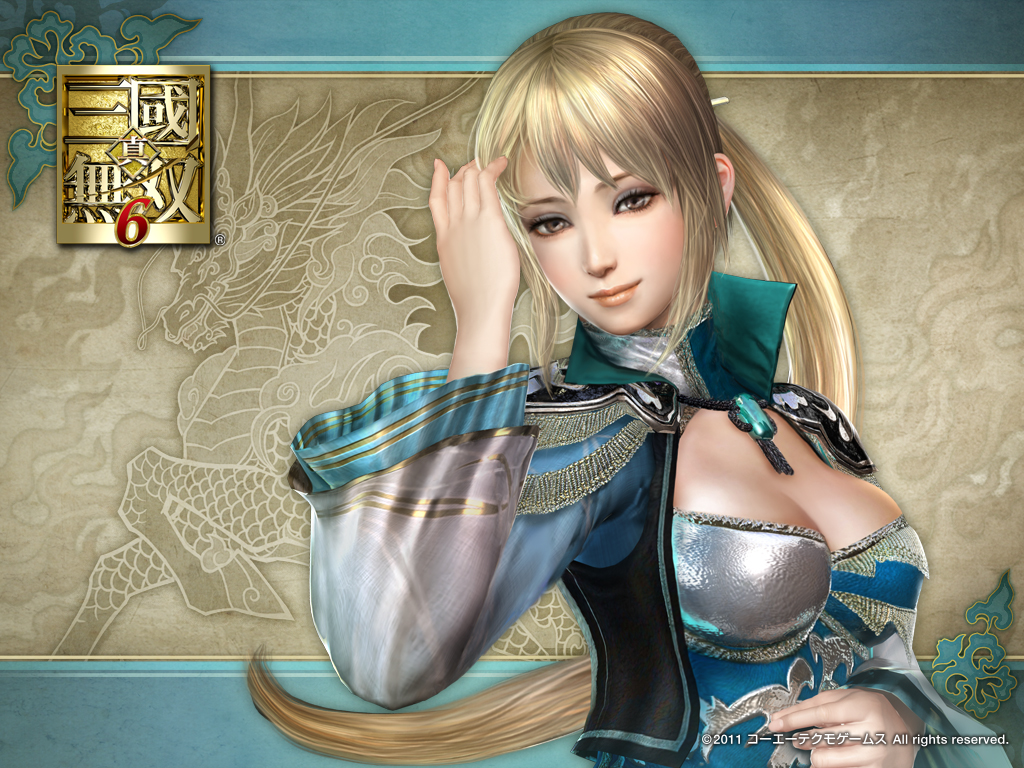
Collection of images of female characters from the Musou series [Shin Mikuni Musou/Sengoku Musou
Shin-Sangoku Musou" depicts the Three Kingdoms period in China, and "Sengoku Musou" depicts the Sengoku period in Japan, both of which feature a number of female generals. The only one who is said to have actually appeared on the battlefield is Wang Yi of Wei in the Three Kingdoms period, but the series has added glamour by using princesses and original characters as generals. Here we have compiled a list of female characters and characters from "Shin-Sangoku Musou" and "Sengoku Musou.
Read Article
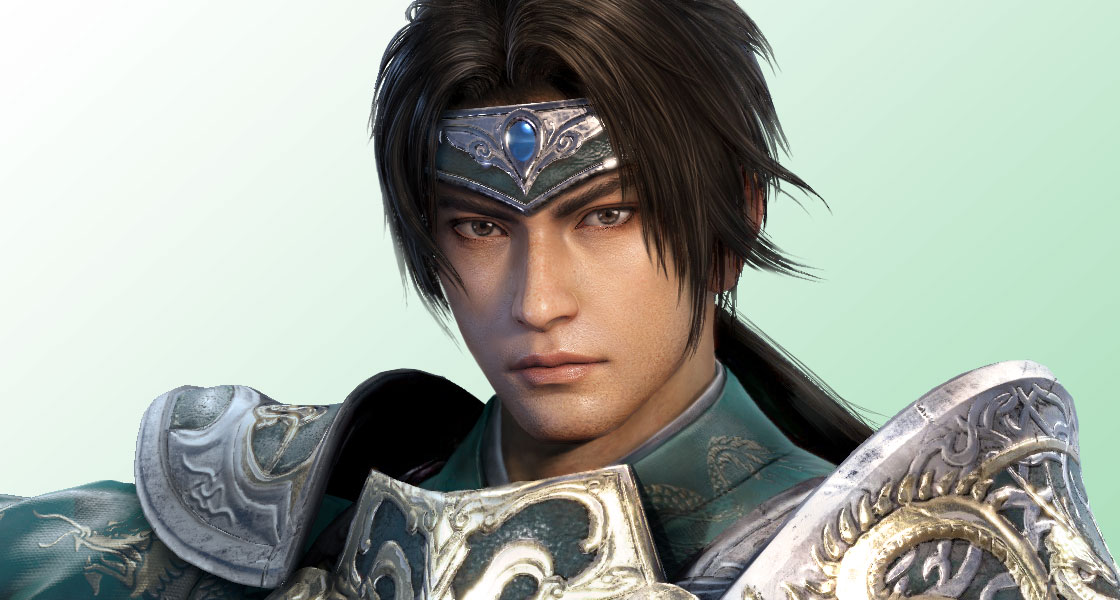
Comparative summary of Shu character designs in the Shin-Sangoku Warriors series [from 1 to 7].
In the Shin-Sangoku Musou series, the design of the warlord characters differs depending on the numbering system. In some cases, the costume changes are subtle, while in other cases, the hairstyle changes to give a very different impression. Here is a comparison of the Shu characters' designs.
Read Article
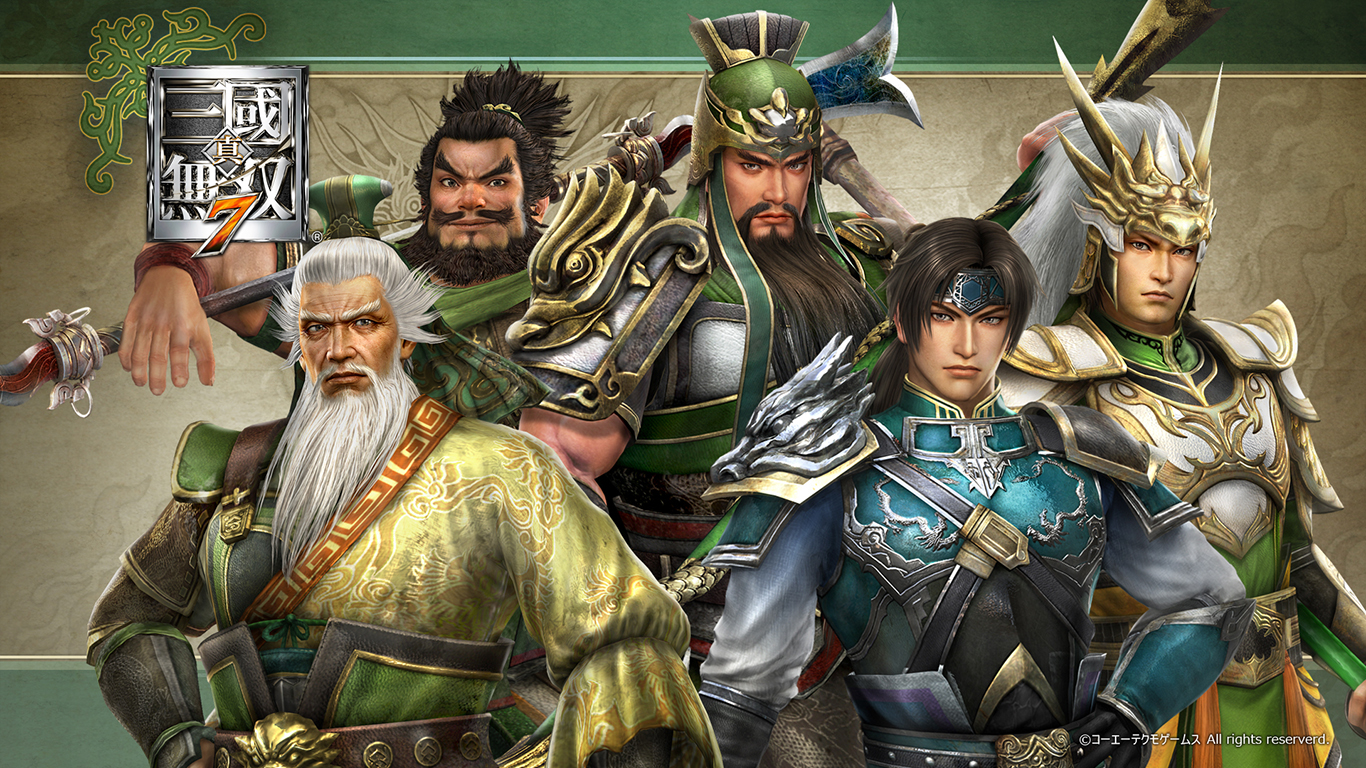
Summary of Warlord Characters in the Shin-Sangoku Musou Series [Includes Weapons and Costumes!
The "Shin-Sangoku Musou" series is an action game set in the Three Kingdoms period of China. The number of military commanders in the series has increased as the series progresses, reaching 90 in "Shin-Sangoku Musou 8". Here we have compiled a list of the military commanders and characters in the "Shin-Sangoku Musou" series.
Read Article
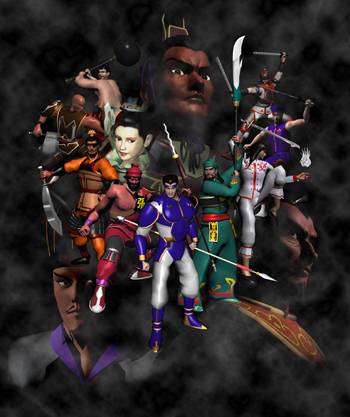
The first title in the "Dynasty Warriors" series was a fighting game! About the weapon fighting action "Warriors of the Three Kingdoms
The first game in the Warriors series, "Samurai Warriors", was a "gaming" game. The game that started the Ikkitousen action series was a "gaming" game.
Read Article
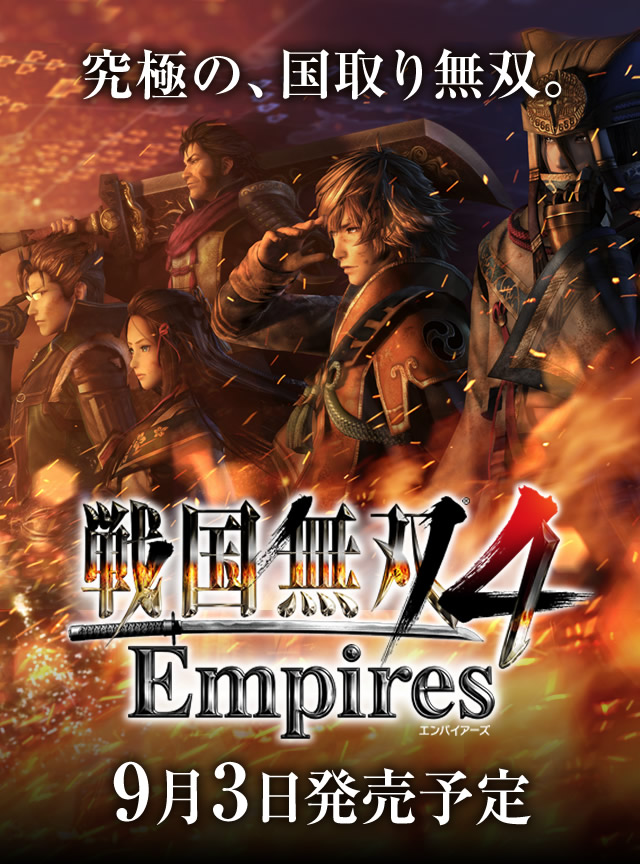
The Definitive Edition of Empires! Summary of basic information on "Sengoku Musou 4 Empires".
Basic information about "Sengoku Warriors 4 Empires," scheduled for release on September 3, 2015.
Read Article
![Shin-Sangoku Musou 6] Images of beautiful women and beautiful characters [Shin-Sangoku Musou series].](https://renote.net/files/blobs/proxy/eyJfcmFpbHMiOnsiZGF0YSI6NTM5OTQ5LCJwdXIiOiJibG9iX2lkIn19--0416d05cfe6d4268d236489563c4a14297e1efac/a07fa07f.jpg)
Shin-Sangoku Musou 6] Images of beautiful women and beautiful characters [Shin-Sangoku Musou series].
Shin-Sangoku Musou 6" is the sixth game in the Shin-Sangoku Musou series. The game depicts the warfare of the Three Kingdoms period in China with additional game-like effects, and female warriors also appear in the game. Some of the characters are original to the game and do not appear in the historical facts, which adds a touch of elegance to the Shin-Sangoku Musou series. Here, we have compiled a list of these beautiful women who daintily dance on the battlefield.
Read Article

Human! Robot! An android that appeared at the Tokyo Game Show was so realistic that the audience panicked!
The Tokyo Game Show is widely recognized as one of the largest game events in Japan. Makuhari Messe, a well-established venue, is lined with the hottest new products from game companies and numerous game items using the latest technology. One android exhibited at a certain booth was so realistic that it caused a panic in the hall. In this article, we will introduce the "too-real android" in detail, including tweets from people who actually "met" the android.
Read Article
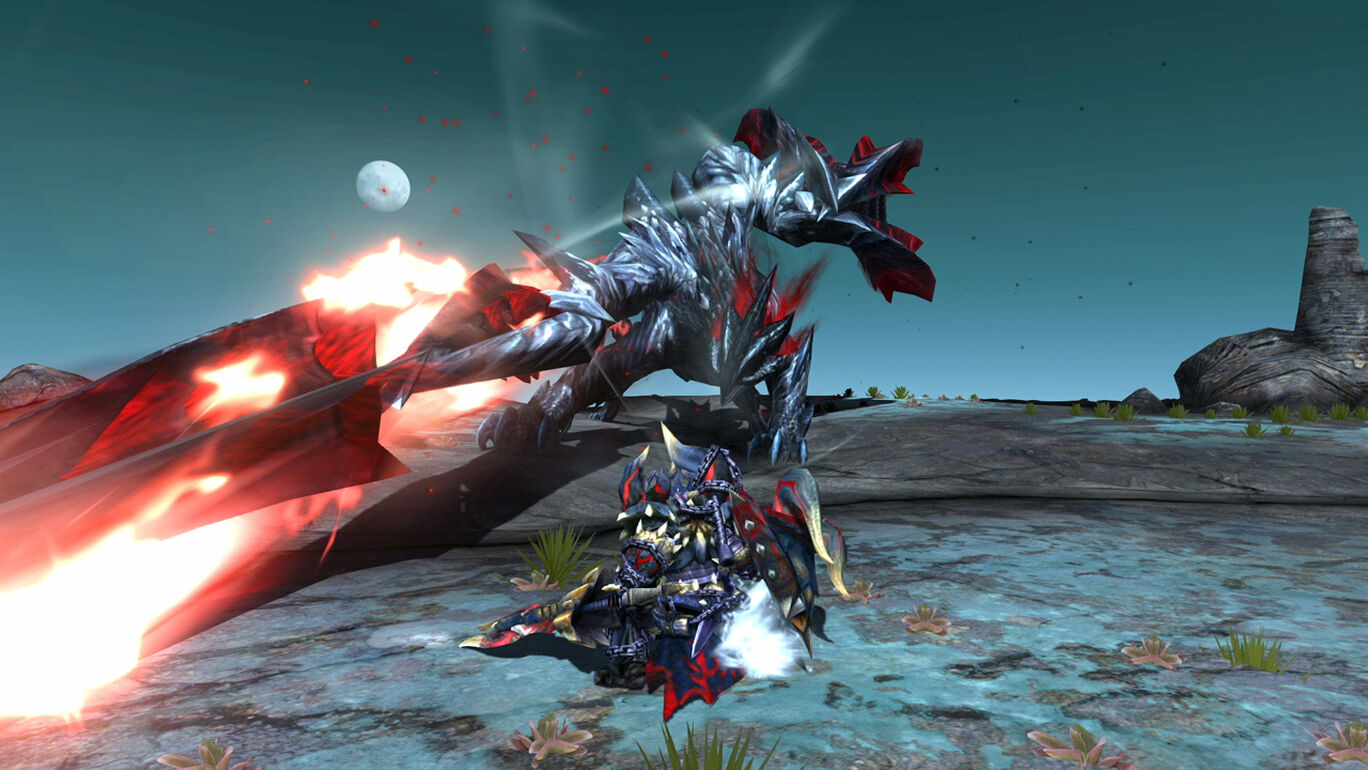
[MH] Similar atmosphere? Summary of games recommended for MonHun players [MonHun Double Cross and others].
The "Monster Hunter" series of games allows players to enjoy hunts together with other players from around the world. In addition to elements of monster hunts, this work also includes elements of fishing games and "mission games" in which players clear missions one after another. This article will recommend to players of the "Monster Hunter" series a collection of works with similar worldviews and elements.
Read Article
Summary of "Sengoku Musou 4-II" strategy sites and wikis
Here we have compiled a list of strategy sites and wikis for "Sengoku Musou 4-II" released by Koei Tecmo Games. It is a minor-changed version of "Sengoku Musou 4," with Ii Naomasa as a new character. It also sells scenarios focusing on each character.
Read Article
Contents
- Outline of "Shin-Sangoku Musou 7
- What is "Shin-Sangoku Musou 7"?
- What is "Shin Mikuni Musou 7 Takeshouden"?
- What is "Shin-Sangoku Musou 7 with Takeru Den"?
- What is "Shin-Sangoku Musou 7 Empires"?
- The story of "Shin-Sangoku Musou 7
- Shin-Mikuni Warriors 7
- Shin-Sangoku Musou 7 Takeshouden
- Shin Mikuni Musou 7 with Takeru Den
- Shin-Sangoku Musou 7 Empires
- Game System of "Shin-Sangoku Musou 7
- Shuseido mode
- free mode
- one's special weapon
- natural talents
- Weapon compatibility
- storm rush
- variable counter
- skill
- awakening
- Empires
- New generals added in Shin-Sangoku Musou 7
- Li Teng
- Rakushin
- Lushuku
- Hantou
- Guanxing
- Guan Yin Pei
- Zhang Bao
- Jia Zhong
- mandarin duck
- Chunhua Zhang
- New generals added in Shin-Sangoku Musou 7 Takeshouden
- Usubin (于禁)
- Shu Zhen
- Hosei
- Chen Palace
- Ling Ki Lu
- New generals added in Shin-Sangoku Musou 7 Empires
- Yuyu
- Existing generals
- Xia Hou Jun
- Ten'i
- Zhang Liao
- Cao Cao
- Xia Hou Yuan
- "Zhang Ye" (Chinese character meaning "to tell")
- Xu Chao
- Soujin
- Xu Koh
- Cao Hi.
- Princess Jiangqi
- Princess Tsai Wen-ki
- 賈詡
- Kakujia
- King's Rebellion
- Houtoku
- Zhou Yu
- Rikuson
- Sun Shang Xiang
- Taishiji
- Yellow lid
- Kanyeong
- Lu Meng
- Sun Yat-sen
- Sun Strategy (Sun Yat-sen)
- Sun Quan
- Zhou Tai
- Ling Tong
- Da Qiao
- Xiao Qiao
- Ding-Hou
- Nenshi
- Zhao Yun
- Guan Yu
- Zhang Fei
- Liu Bei
- Zhuge Liang
- Tsukihi (moon of the moon)
- Houtou
- Xu Xu Xu Xu
- Huang Zhong
- Wei Yan
- Ma Chou
- Batai
- Kanpei
- Star Colors
- Jiang Wei
- Liu Zen
- Kanzaku
- Abalone Three Daughters
- Shiba Ii
- Shiba Shishi
- Shiba Sho
- Princess Wang Yuanqi (Princess Wang Yuanqi)
- Deng Moxa
- Shokai
- Kakuwai (people)
- Birth of Zhu-ge-ge
- Xia Hou Hao
- Diao Chosen
- Lu Bu
- Toutaku
- Yuan Shao
- Tangkaku
- Meng Hao
- (a) celebration of the birth of a child
- left-hand guardian dog at a Shinto shrine
- Backstories, Trivia, and Minor Stories/Episodes/Anecdotes from "Shin-Sangoku Musou 7" (Japanese only)
- memorial
- theme song
- survey
- Chakaman (brand-name of rechargeable lighter)
- Neoroma Musou