
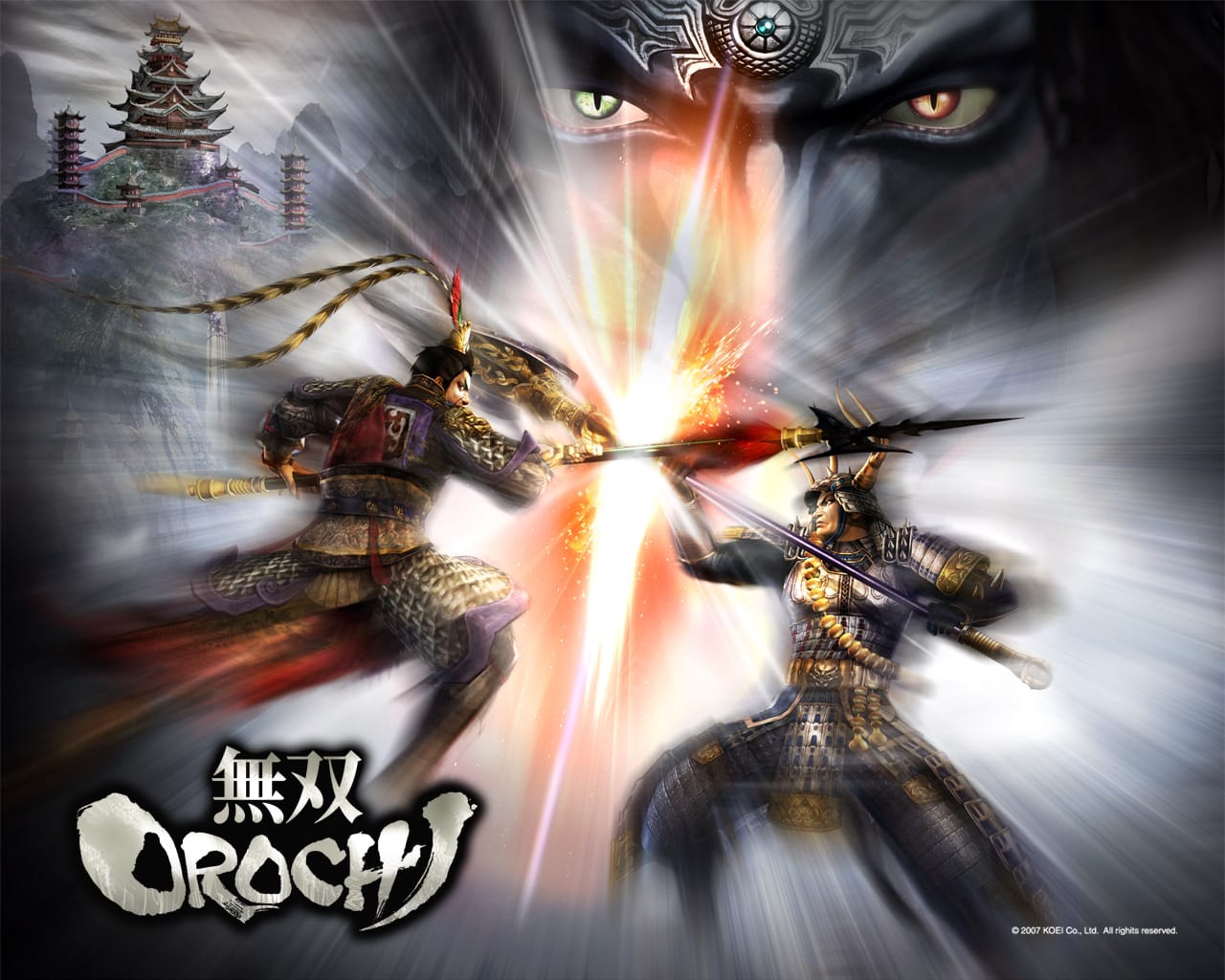
Musou OROCHI" is an action game released by Koei to commemorate the 10th anniversary of the "Musou" series. The game is a crossover between the "Shin-Sangoku Musou" series and the "Sengoku Musou" series, and the main feature of the game is that players can control more than 70 warriors, including the original characters from this game. The co-starring of the Warriors and the Sengoku was so well received by fans that a sequel, "Warriors OROCHI: The Second Coming of the Demon King," was later released. The worlds of the Three Kingdoms and the Warring States are fused together by the sudden appearance of the Demon King Enrochi. The warlords of the Three Kingdoms and Sengoku fight together and against each other, but eventually unite to overthrow Toorochi.
Overview of "Musou OROCHI
Musou OROCHI
ω-Force 20th] "Musou OROCHI" OP collection of successive generations
Musou OROCHI" is an action game developed and marketed by Koei (now Koei Tecmo Games) to commemorate the 10th anniversary of the "Musou" series. The Windows version was released on March 20, 2008. The catch copy is "Is that enemy a real enemy?
The game is an all-star game that brings together the generals of the "Shin-Sangoku Musou" and "Sengoku Musou" series. The game is set in a world where the world of the Three Kingdoms and the world of the Warring States are fused together by the original character of this title, the Demon King Tohrochi, and the warriors battle it out in this world. Forty-eight characters from the "Shin Mikuni Musou" series appeared in "Shin Mikuni Musou 4", and twenty-six characters from the "Sengoku Musou" series appeared in "Sengoku Musou 2", plus three characters from "Sengoku Musou", Goemon Ishikawa, Kunoichi, and Yoshimoto Imagawa. With the addition of the original characters Tohrochi and Akumi, the total number of playable characters is 79, making it a large group of characters from the first game.
The game's unique system, such as team battles, its unique storyline, and above all, the dreamlike competition between the generals from the "Shin-Mikuni Warriors" and "Sengoku Musou" series, were well received by many fans, and later sequels, such as "Musou OROCHI: The Second Coming of the Mahou" were created to continue the series.
Musou OROCHI: The Second Coming of the Demon King
Musou OROCHI: The Second Coming of the Demon King Opening Movie
Musou OROCHI: The Second Coming of the Mahou" is an action game produced and released as a sequel to "Musou OROCHI" and was released for PS2 on April 3, 2008. The Xbox 360 version was released on September 4, 2008, and the PSP version on November 27, 2008. The catch copy is "The nightmare returns. Set about a month after the defeat of Tohrochi in the previous game, the game depicts the battles and dramas of the warlords of Mikuni and Sengoku that begin again.
New settings and characters have been added. The original characters in this title include Taigongmang, Fuseki, Meiwa, Minamoto no Yoshitsune, Taira no Kiyomori, Himiko, Sun Wukong, and Shin Enrochi. Toshiie Maeda, Motochika Chosokabe, Garasha, Kojiro Sasaki, and Katsuie Shibata from "Sengoku Musou 2: Takeshouden" have been newly added, bringing the total number of playable characters to 94. Yoshimoto Imagawa, who did not appear in "Sengoku Musou 2" but was revived in "Sengoku Musou 2: Takeshouden," has been redesigned for "Sengoku Musou 2: Takeshouden. Incidentally, many characters from periods unrelated to the Three Kingdoms and Sengoku began to appear in this title. Furthermore, in the new "Versus Mode" and "Survival Mode" modes added in this title, two enemy demon soldiers, "Ushi Oni" and "Hyakume Oni," can be used.
If you have saved data from the previous title, you can start the game with the first of each warrior's special skills mastered, although data cannot be transferred.
Musou OROCHI Z
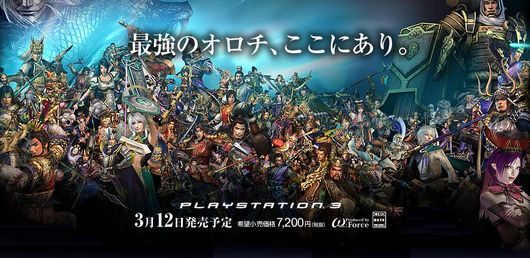
Musou OROCHI Z" is a game that includes "Musou OROCHI" and its sequel "Musou OROCHI: The Second Coming of the Mahou," and adds new characters and other features. The PS3 version was released on March 12, 2009, and the Windows version (compatible with 7) on November 27, 2009. The basic game system is based on "Musou OROCHI: The Second Coming of the Mahou", and the techniques and tactics added in "Musou OROCHI: The Second Coming of the Mahou" can be used in the "Musou OROCHI" stages.
However, even if you have cleared the conditions for using the Warriors in "Musou OROCHI", you must clear the conditions specified separately in "Musou OROCHI: The Second Coming of Maou" in order to play the story in "Musou OROCHI: The Second Coming of Maou". When using a character in a story that has already been cleared or in free mode, as long as one of the conditions has been cleared, the character can be used without problems.
Sanzo Houshi and Benkei are new characters in this title. In "Musou OROCHI: The Second Coming of the Mahou", Ushi Oni and Hyakume Oni, who could only be used in Versus Mode and Survival Mode, can now also be used in Story Mode, bringing the total number of playable characters to 96.
The story of "Musou OROCHI
Musou OROCHI
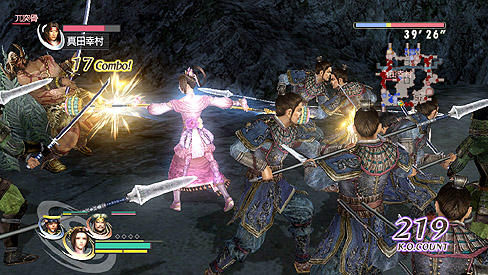
Diao Chan kicks his enemies to the curb.
The story takes place in a world where the worlds of the Three Kingdoms and the Warring States were fused by the sudden appearance of the demon king Enrochi. The warlords of the Three Kingdoms and Sengoku were defeated by the overwhelming power of Tohrochi's invading forces. The generals are divided into various forces, fighting together or against each other, but eventually united in their will to defeat Tohrochi and go to the final battle.
The story mode is divided into four different scenarios: Wei, Wu, Shu, and Sengoku. No matter which scenario you choose, you will eventually rally your allies to settle the score with Tohrochi at the final stage, "Koshi Castle.
The stages are a mixture of the worlds of the Three Kingdoms and Sengoku, but only the final stage, "Koshi Castle," is completely original to this title. The stories of Wei, Wu, Shu, and Sengoku seem to be independent, but in fact they are closely connected and take place almost simultaneously on the same time axis. The casual conversations among the generals often foreshadow other scenarios.
In addition to the main scenario, each story also has an external story stage, which can be played by clearing a specific stage or by meeting certain conditions.
Wei story mode
The Wei story mode centers on Cao Pi. Cao Pi, who is in charge of the Wei army in place of his father, Cao Cao, who is still alive, is fighting rebel forces in various regions under the orders of Yuan Lu Ji's close aide. On the way, he was also ordered by Nuuki to take a general named Ishida Mitsunari as his chief of staff. However, behind the scenes, Cao Pi was steadily preparing to rebel against Tohruchi by increasing the number of his comrades who would help him defeat Tohruchi. And Sansei also dared to join Tohrochi's army, aiming for its internal collapse. Perhaps due in part to their shared goals, a strange friendship develops between the two. Eventually, Cao Pi rebelled against Yuan Lu Ji's army and declared the independence of Cao Wei. Cao Cao, who had been dead or alive, returns to the battlefield and joins Sansei and his comrades in the final battle, "Koshi Castle," in order to settle the score with Tohrochi.
Wu Story Mode
In Wu's story mode, Sun Strategy plays the leading role. After his family and vassals are taken hostage, he is forced to become a subordinate of Enrochi's army, and together with Tokugawa Ieyasu, who is following Enrochi's army for the same reason, he goes to suppress the rebel army ordered as a condition for the release of the hostages. When Sun Strategy learns where his father Sun Jian is imprisoned, he attempts to rescue him, but fails and is himself declared a traitor. He then fights with his younger brother Sun Quan and sister Sun Shang Xiang and the rest of Tohruchi's army. However, with the cooperation of the Tokugawa forces, who left the Yuan Lu Ji forces at the same time as Sun Strategy, and the chief vassals of Wu, he succeeds in rescuing Sun Jian and his men, and the Sun family reunites. The Sun family and their comrades who have fought together with them, after many twists and turns, are united again and proceed to the final battle site, "Koshi City," to achieve their two long-cherished goals of "overthrowing Tohru Ji" and "restoring Sun Wu.
Shu story mode
The story mode of Shu progresses around Zhao Yun. After the battle with Tohrochi, Shu was destroyed and his lord Liu Bei was lost, Zhao Yun was taken prisoner in Ueda Castle. Then Zaji, Hoshisai, and Shimazu Yoshihiro appear to rescue him. When they informed Zhao Yun that Liu Bei was alive, he regained his will to fight and escaped from Ueda Castle. He is forced to join the Enrochi army after Liu Bei is taken as a hostage. However, Zhuge Liang was secretly working in the dark to rescue Liu Bei and weaken the Yuan Lu Ji forces. It was actually Zhu-ge Liang who sent Hoshi-sai and his men to rescue Zhao Yun. It is revealed that Liu Bei is being held prisoner in "Koshi Castle". Zhao Yun, together with Guan Yu and three others who have rejoined the Shu army to rescue Liu Bei, and his comrades who have fought with him up to this point, head for "Koshi Castle," the site of the final battle, to defeat Tohruchi and get Liu Bei back.
Sengoku Story Mode
The story mode of the Warring States progresses around Nobunaga Oda. The invasion of Tohrochi's army has changed the world of the Warring States period. Under such circumstances, Oda Nobunaga, the High King of the Warring States, unites those who resist Enrochi and decides to defeat him. Starting with the rescue of Guan Ping and Huang Zhong in Jingzhou, he added those who resisted Enrochi to his ranks one after another on the battlefields of various regions. At the same time, he moved the Takeda-Uesugi allied forces, the largest of the resistance forces in various regions, and Sun Strategy, who was following Tohrochi's forces due to unavoidable circumstances, and strengthened ties that transcended the boundaries between the forces. Finally, Nobunaga cornered the Enrochi forces in their stronghold of "Koshi Castle" and challenged them to a final decisive battle in order to defeat them.
Musou OROCHI: The Second Coming of the Demon King
This title is set in a world about a month after the previous "Warriors OROCHI". On the surface, the world appears to be at peace, but the seeds of conflict still remain, such as the remnants of Yuan Lu Ji's army. In the meantime, Taigongmang, Fushiguang, and Naba arrive from the Immortal Realm to capture Sukemi and her army. Furthermore, an ancient young warrior, Minamoto no Yoshitsune, is summoned to this world by a half-human, half-demon monk, Taira no Kiyomori, who is enchanted by Tohrochi. They ally themselves with the various forces for their own purposes. Eventually, there are signs that Tohrochi, who was supposed to have been defeated, is coming back to life, and the various forces will once again cooperate to confront him.
The story mode of this title is divided into five forces (scenarios): Wei, Wu, Shu, Sengoku, and Enroute. While the story mode of the previous title was linked to each force, this title is characterized by its almost completely independent story structure. The scenario of Tohrochi is further in the past than the previous work, i.e., the story of the time when Tohrochi organized his forces and attacked the heroes. This scenario reveals why Tohrochi summoned the heroes to another world and created the situation in the previous work.
This is also the first game in the Musou series to be a "legitimate sequel" to the previous game. Therefore, some generals may be in a different power than in the previous work. For example, the Tokugawa forces, which were with Wu in the previous game, are with the Shu forces in this game. And generals like Cao Cao and Liu Bei, who were initially missing or taken hostage in the previous work and did not have much to do in the previous work, are now involved in the story from the beginning and can be used early in this work. In contrast, generals such as Cao Pi, who played a leading role in the previous game, appear less frequently in the story mode than in the previous game.

Related Articles
An in-depth look at the hot new Musou series, "Arslan Senki x Musou"!
The newest addition to the Musou series, "Arslan Senki x Musou". The Musou series has collaborated with various works such as Hokuto Musou, Pirate Musou, and Zelda Musou, and now they have decided to collaborate with "Arslan Senki"!
Read Article
Spoiler commentary and discussion of Sengoku Musou - Sanadamaru (game)
Sengoku Musou: Sanadamaru" is a game title released in November 2016. It is part of the "Sengoku Musou" series and is also an official tie-in with the 2016 NHK historical drama "Sanadamaru". Based on the "Sengoku Musou 4" series, the main feature of this game is that the story focuses on the Sanada family. The drama of the turbulent Sengoku period unfolds with father and son Masayuki and Yukimura Sanada as the main characters. In addition, the game features a number of new challenges, such as long-term battles, the concept of day and night, and changes in appearance with the passage of time.
Read Article
Spoiler commentary and discussion of Shin Mikuni Warriors 2 (2 Resshouden)
Shin-Sangoku Musou 2" is an action game released by Koei (now Koei Tecmo Games) in 2001, and is the second title in the Shin-Sangoku Musou series. The game was a huge hit, with the content greatly enhanced and the dissatisfactions of the previous title resolved. The game features 41 characters based on the generals who appeared in "Sanguozhi" (The History of the Three Kingdoms). The main objective of the game is to unify the three kingdoms by leading your army to victory with the generals you have chosen.
Read Article
Spoiler commentary and discussion of Sengoku Musou 4 (4-II / 4Empires / 4DX)
Samurai Warriors 4" is the fourth PS3 game in the "Sengoku Musou" series, released in March 2014. It is also the 10th anniversary title of the series, which is set in the Sengoku Period and features a number of warriors in action. A PS4 version was later released. Various dramas unfold in the turbulent Sengoku period, centering on the bond and rivalry between Yukimura Sanada, the main character of the series, and Yukimura's elder brother Nobuyuki, who joins the series for the first time in this title.
Read Article
Spoiler commentary and discussion of Shin-Sangoku Musou 7 (7 Resshouden / 7Empires)
In Koei Tecmo Games' "Shin-Sangoku Musou" series, players control the warriors from "Sangokushi" to battle through numerous battlefields. This game is the seventh in the series. Later, "Shin Mikuni Musou 7 with Toushouden" was released as the first PS4 version of the series, which was bundled with "Shin Mikuni Musou 7 with Toushouden". The basic storyline is based on historical facts, but the main feature of this title is that players can advance to an IF route depending on their actions. The number of warriors in the game is 77, the most ever in the series.
Read Article
Spoiler commentary and discussion of Shin-Sangoku Musou 8 (game)
Shin-Sangoku Musou 8" is the eighth title in the "Shin-Sangoku Musou" series, an action game in which players control the warriors from "Sangokushi" to develop the story. This is the first numbered title in five years. The main feature of this title is the adoption of an open world system, a first for the "Dynasty Warriors" series. With the addition of the new generals, the number of playable Musou generals finally exceeds 90. In the main mode, each warlord has a separate scenario, and the player follows the life of the warlord as he or she progresses through his or her own story.
Read Article
Spoiler commentary and discussion of Warriors Orochi 2 (Warriors Orochi 3)
Musou OROCHI 2" is an action game title released by Koei Tecmo Games on December 22, 2011. It is a sequel to "Musou OROCHI". The main feature of this game is that not only characters from "Sangoku & Sengoku Musou" but also characters from other works by Koei Tecmo and other manufacturers participate in the game. The setting is an alternate world where several years have passed since the previous game. The world is on the verge of extinction when a monster, the "Yokeserpent," appears out of nowhere. The surviving heroes face a battle that transcends time and space in order to regain their lost friends and save the world.
Read Article
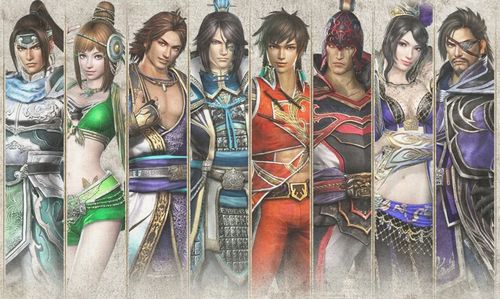
Spoiler commentary and discussion of Shin-Sangoku Musou 6 (6 Resshouden / 6Empires)
Shin-Sangoku Musou 6" is the sixth title in the "Shin-Sangoku Musou" series released by Koei Tecmo Games in March 2011. Up until now, the story has focused on the three kingdoms of Wei, Shu, and Wu, but this title finally introduces the fourth country, Jin, which ended the Three Kingdoms period in historical fact. With this, the story of the latter half of the "Romance of the Three Kingdoms," which has not been depicted much in past works, is also focused on in this work. The number of generals has also been greatly increased, with a record number of 62 generals participating in the game.
Read Article
Fire Emblem Warriors: Fuuka Yukigetsu (game) spoiler commentary and discussion.
Fire Emblem Musou: Fuuka Yukigetsu" is an action simulation game released by Koei Tecmo Games for the Nitendo Switch. The game allows players to enjoy exhilarating action while controlling the main character and his companions, who are original characters in the game. The main character is a mercenary who, together with his friends, must fight a battle for Fodora in order to defeat his sworn enemy, the "Gray Devil".
Read Article
Spoiler commentary and discussion of Sengoku Musou 1 (1 Tetsusho Den)
Sengoku Musou" is the first game in the "Sengoku Musou" series, released by Koei on February 11, 2004. It is also a sister title to "Shin-Sangoku Musou" series. The game takes place during the Warring States Period in Japan, where warlords who have left their mark on history run through various battlefields. The game features a multi-ending system in which the story of each general has a different ending, and a new history can be spun out depending on the player's actions.
Read Article
Spoiler commentary and discussion of Shin-Sangoku Musou 5 (5Special / 5Empires)
Shin-Sangoku Musou 5" is the fifth title in the "Shin-Sangoku Musou" series of games based on "The Legend of the Three Kingdoms" released by Koei (now Koei Tecmo Games) in November 2007. It was the first game in the series for the PS3. The new medium brought about unprecedented attempts at character visuals, a drastically revamped action system, and enhanced strategic elements. It can be said that this was a turning point for the series, with various experiments being conducted in all aspects.
Read Article
Spoiler commentary and discussion of Shin Mikuni Warriors 4 (4 Resshouden / 4Empires)
Shin-Sangoku Musou 4" is the fourth title in the "Shin-Sangoku Musou" series of action games in which players control the generals from "Sangokushi" to lead their armies to victory. There are 48 generals available, and each general has his own Musou mode. The introduction of a new graphical engine has greatly improved the stealth and processing lag that have long been a problem, allowing the player to experience the thrill of the "one-hit warslayer" experience.
Read Article
Spoiler commentary and discussion of Sengoku Musou 2 (2Empires / 2Takeshouden)
Sengoku Musou 2 (Samurai Warriors 2) is the second title in the "Sengoku Musou" series of action games set in Japan's Warring States period. In contrast to the previous game, which focused on the age of the rivalry between the warring factions, the story of "Samurai Warriors 2" centers on the battle of Sekigahara. Later, "Empires" and "Takerushoden" were also released. It is also highly regarded as the work that established the "Sengoku Musou" series in all aspects, including action and systems.
Read Article
Spoiler commentary and discussion of Shin-Sangoku Musou 3 (3 Resshouden / 3Empires)
Shin-Sangoku Musou 3" is a video game released by Koei (now Koei Tecmo Games) in February 2003, and is the third title in the "Shin-Sangoku Musou" series. The player assumes the role of a general and aims for victory in his own army. There are 42 generals available. While the previous game's Musou mode was based on generals, this game's Musou mode is based on forces, and a major feature of this game is that the player can change generals midway through the game.
Read Article
Spoiler commentary and discussion of Sengoku Musou 3 (3 Resshouden / 3Empires)
Samurai Warriors 3" is a Wii exclusive game released in December 2009, with a PS3 version released later. It is the third title in the "Samurai Warriors" series, which is set in the Warring States period and tells the story of a number of generals. The game focuses on the various forms of "bonds" among the warlords and is characterized by its three main storylines: "Kanto Sangokushi," "Sengoku no Sanketsu," and "Sekigahara no Wakamusha.
Read Article
Spoiler commentary and discussion of Sword Warriors (Tousou Musou, Tourabu Musou).
Toukendanbu Musou" is a tactical action game based on the sword training simulation game "Toukendanbu". It is also a collaboration between the "Musou" game series and "Sword Dance". The story takes place in the year 2205 AD. The story depicts the battles of "Toushi," 15 mourning gods of swords who have lost their masters, who are sent by the government to investigate a plot by "historical revisionists" to change the history of Japan.
Read Article
Zelda Warriors: Apocalypse of Evil (game) spoiler commentary and discussion.
Zelda Warriors: Apocalypse of Evil" is an action game developed by Koei Tecmo Games and released in 2020, and is a collaboration between "The Legend of Zelda" and the "Warriors" series. The game is based on the "Great Disaster" that occurred 100 years before "The Legend of Zelda: Breath of the Wild," and allows players to enjoy the exhilarating action that only the "Warriors" series can provide. The ability to control not only Link, but also other familiar characters from "The Legend of Zelda: Breath of the Wild" is one of the charms of this game.
Read Article
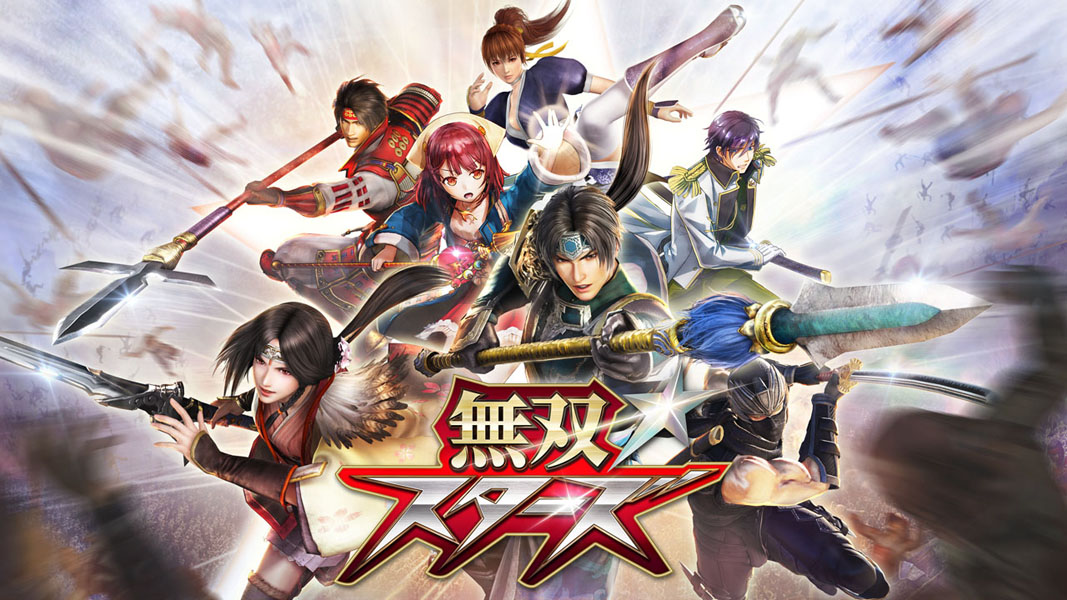
Spoiler commentary and discussion of Muso☆Stars (game)
Musou Stars" is a game title released by Koei Tecmo Games in March 2017. It is also an all-star game in which characters from the company's brand titles fight together. The setting is a certain other world. One day, the heroes are suddenly summoned to another world, where they meet three royal families, each of whom begs for their cooperation. The heroes are then caught up in a three-way struggle in a strange world. One of the major features of this title is that the story's development and ending depend on the player's choices, as it adopts a multiple ending system.
Read Article
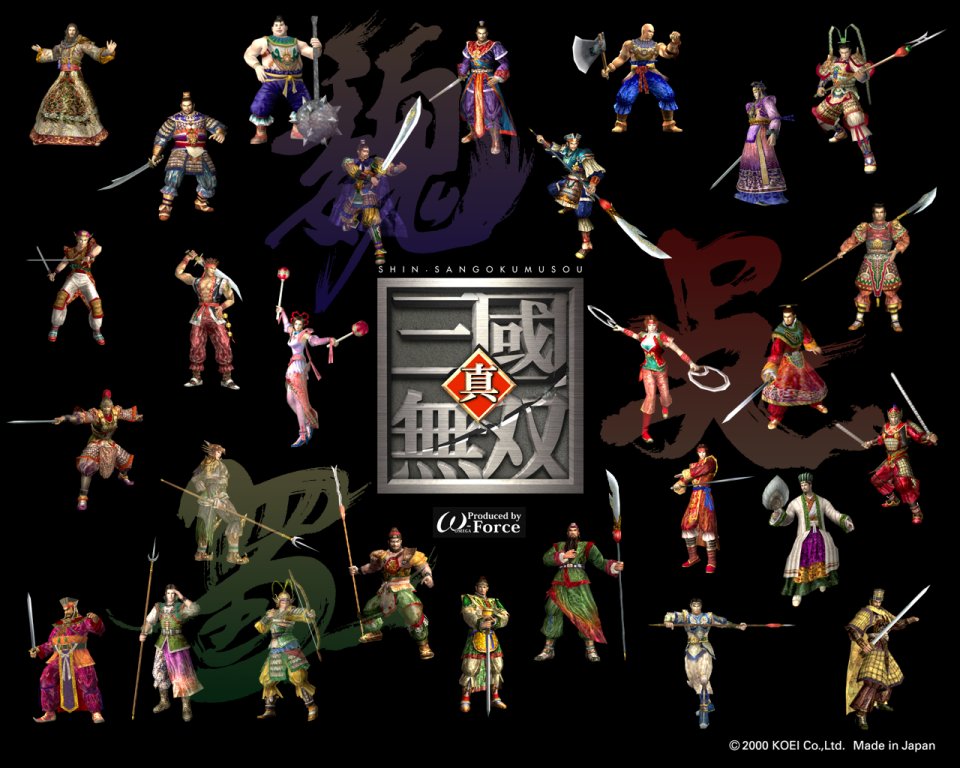
Spoiler commentary and discussion of Shin-Sangoku Musou (the game).
Shin-Sangoku Musou (Dynasty Warriors 2) is a video game released by Koei (now Koei Tecmo Games) in August 2000, and is the first title in the Shin-Sangoku Musou series. The genre of the game is an action game. The main feature and appeal of the game is its "one-man warriors" action, in which a single player can defeat multiple enemies.
Read Article
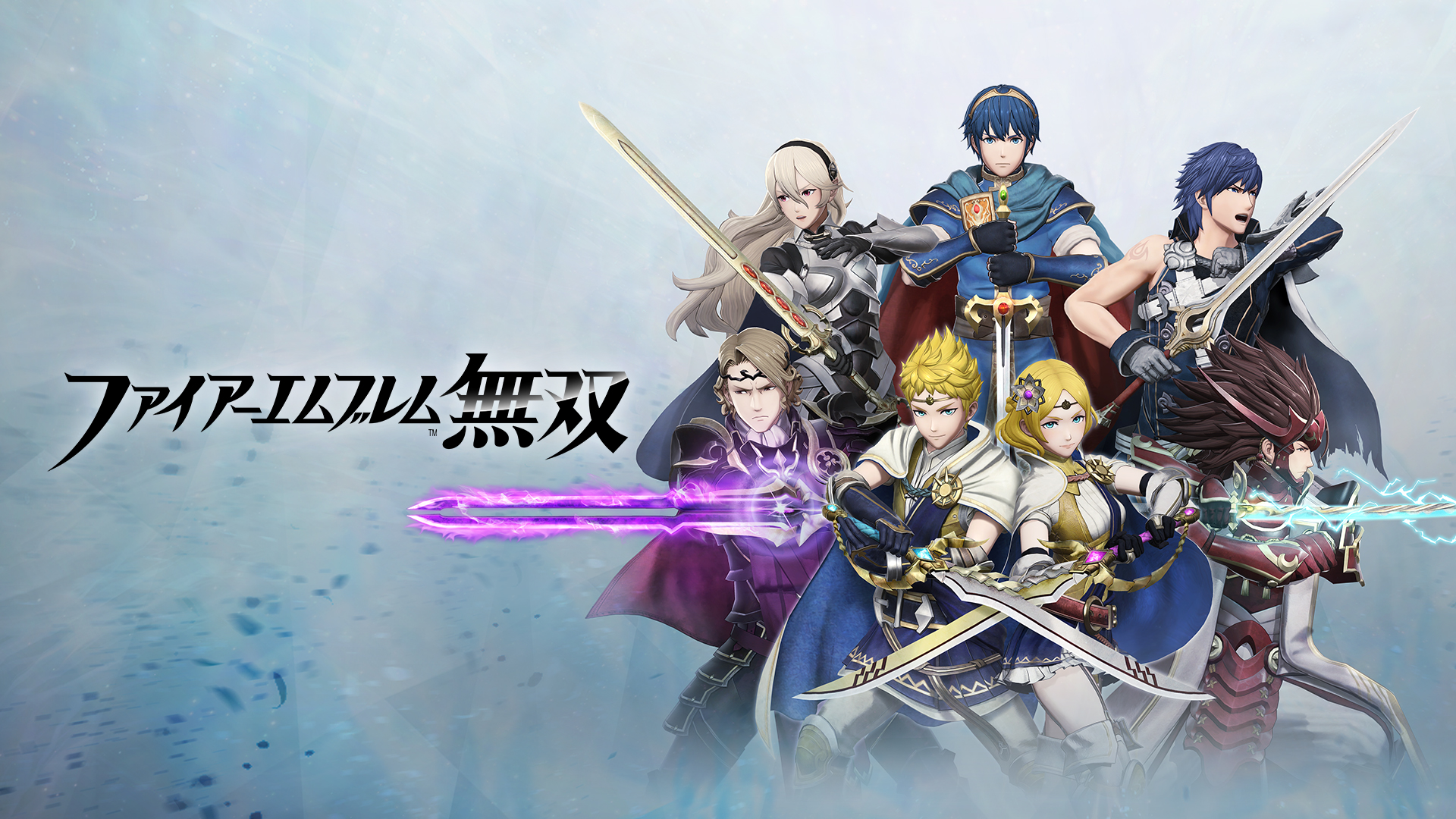
Fire Emblem Warriors (game) spoiler commentary and discussion.
Fire Emblem Warriors" is an action game released by Koei Tecmo Games in 2017. Players can enjoy exhilarating action by controlling characters from previous "Fire Emblem" games. There are also elements that allow players to develop their characters and deepen their friendship with other characters, and all of the game is fully voiced. The kingdom of Aitolis has been plunged into darkness after the castle fell due to demons that appeared from the gates of the Otherworld. Theon and Lian, the children of the previous king, who succeeded in escaping from the castle, travel with the successive protagonists to confront the mighty darkness.
Read Article
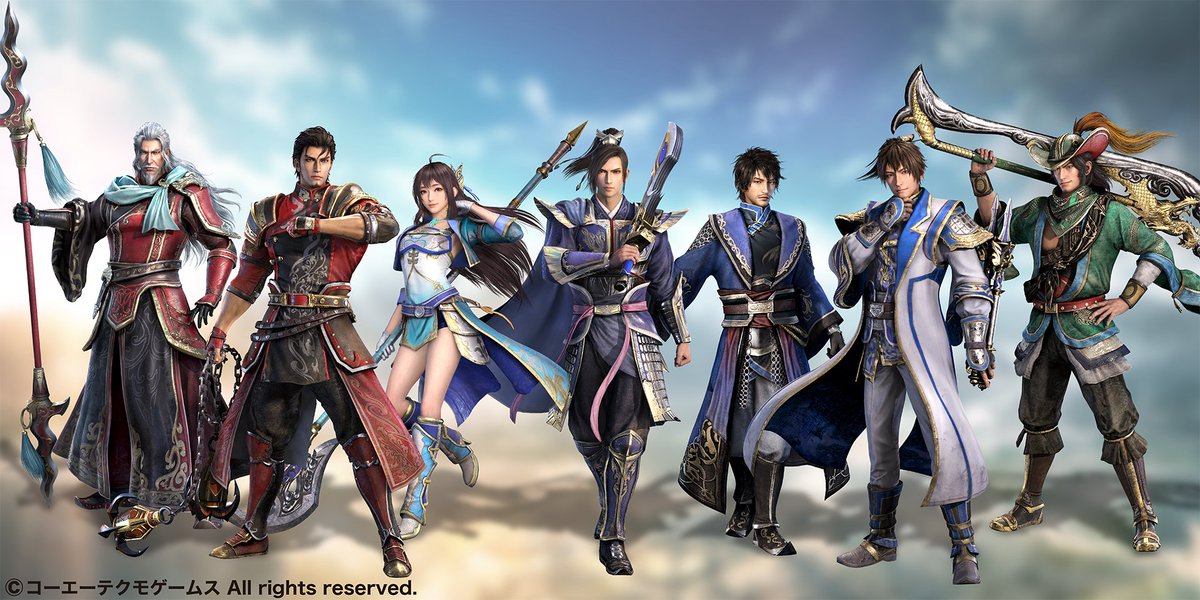
Which character is your favorite? Summary of Sengoku Warlords in Shin-Sangoku Musou 8
Shin-Sangoku Musou 8 is an open-world game set in mainland China, released in 2018. The characters in the game are inspired by the Three Kingdoms, and each of them has a different performance. This article will introduce the characters in "Shin-Sangoku Musou 8", including their performance and usability, along with images.
Read Article
Collection of images of female characters from the Musou series [Shin Mikuni Musou/Sengoku Musou
Shin-Sangoku Musou" depicts the Three Kingdoms period in China, and "Sengoku Musou" depicts the Sengoku period in Japan, both of which feature a number of female generals. The only one who is said to have actually appeared on the battlefield is Wang Yi of Wei in the Three Kingdoms period, but the series has added glamour by using princesses and original characters as generals. Here we have compiled a list of female characters and characters from "Shin-Sangoku Musou" and "Sengoku Musou.
Read Article
The first title in the "Dynasty Warriors" series was a fighting game! About the weapon fighting action "Warriors of the Three Kingdoms
The first game in the Warriors series, "Samurai Warriors", was a "gaming" game. The game that started the Ikkitousen action series was a "gaming" game.
Read Article
The Definitive Edition of Empires! Summary of basic information on "Sengoku Musou 4 Empires".
Basic information about "Sengoku Warriors 4 Empires," scheduled for release on September 3, 2015.
Read Article
![Sengoku Musou] Summary of derivative works of the hit title, "Musou" series [Sengoku Musou].](https://renote.net/files/blobs/proxy/eyJfcmFpbHMiOnsiZGF0YSI6Mjg1ODAsInB1ciI6ImJsb2JfaWQifX0=--86b3ceb2ca5c6e5bca104a5556fad5232300897f/img59268495.jpg)
Sengoku Musou] Summary of derivative works of the hit title, "Musou" series [Sengoku Musou].
This is a compilation of derivative works of the "Shin-Sangoku Musou" series, a popular work that was a big hit for Koei and established the "Musou action" genre. From "Shin-Sangoku Musou", which started it all, to "TROY Musou" released on PS3, "Hokuto Musou" and "Zelda Musou", which are collaborations with popular manga, are introduced.
Read Article
![Shin-Sangoku Musou 6] Images of beautiful women and beautiful characters [Shin-Sangoku Musou series].](https://renote.net/files/blobs/proxy/eyJfcmFpbHMiOnsiZGF0YSI6NTM5OTQ5LCJwdXIiOiJibG9iX2lkIn19--0416d05cfe6d4268d236489563c4a14297e1efac/a07fa07f.jpg)
Shin-Sangoku Musou 6] Images of beautiful women and beautiful characters [Shin-Sangoku Musou series].
Shin-Sangoku Musou 6" is the sixth game in the Shin-Sangoku Musou series. The game depicts the warfare of the Three Kingdoms period in China with additional game-like effects, and female warriors also appear in the game. Some of the characters are original to the game and do not appear in the historical facts, which adds a touch of elegance to the Shin-Sangoku Musou series. Here, we have compiled a list of these beautiful women who daintily dance on the battlefield.
Read Article
Human! Robot! An android that appeared at the Tokyo Game Show was so realistic that the audience panicked!
The Tokyo Game Show is widely recognized as one of the largest game events in Japan. Makuhari Messe, a well-established venue, is lined with the hottest new products from game companies and numerous game items using the latest technology. One android exhibited at a certain booth was so realistic that it caused a panic in the hall. In this article, we will introduce the "too-real android" in detail, including tweets from people who actually "met" the android.
Read Article
[MH] Similar atmosphere? Summary of games recommended for MonHun players [MonHun Double Cross and others].
The "Monster Hunter" series of games allows players to enjoy hunts together with other players from around the world. In addition to elements of monster hunts, this work also includes elements of fishing games and "mission games" in which players clear missions one after another. This article will recommend to players of the "Monster Hunter" series a collection of works with similar worldviews and elements.
Read Article
A collection of strategy information and wikis for Shin-Sangoku Musou 7 Empires!
This is a collection of strategy information and wikis for "Shin-Sangoku Musou 7 Empires". This title is a version of "Shin-Sangoku Musou 7 Empires" that replaces the "Musou Mode (Story Mode)" of "Shin-Sangoku Musou 7" and includes the "Contention Mode" in which you create your own original character and aim for heaven with the forces you belong to. A new general, Yuyu, and new weapon systems have been added.
Read Article
Summary of "Sengoku Musou 4-II" strategy sites and wikis
Here we have compiled a list of strategy sites and wikis for "Sengoku Musou 4-II" released by Koei Tecmo Games. It is a minor-changed version of "Sengoku Musou 4," with Ii Naomasa as a new character. It also sells scenarios focusing on each character.
Read Article
Contents
- Overview of "Musou OROCHI
- Musou OROCHI
- Musou OROCHI: The Second Coming of the Demon King
- Musou OROCHI Z
- The story of "Musou OROCHI
- Musou OROCHI
- Wei story mode
- Wu Story Mode
- Shu story mode
- Sengoku Story Mode
- Musou OROCHI: The Second Coming of the Demon King
- Wei story mode
- Wu Story Mode
- Shu story mode
- Sengoku Story Mode
- Tohrochi Story Mode
- Musou OROCHI Z
- Game System of "Musou OROCHI
- team battle
- attacker type
- Power Type
- speed type
- Technique type
- skill level
- call in a horse
- burst of unison
- special skill
- Combined technique (Second Coming of the Demon King)
- Covering attack (Demon King Revisited)
- Tactics (The Second Coming of the Demon King)
- Alchemy ability (Demon King Revisited)
- Dramatic Mode (Second Coming of the Demon King)
- Versus Mode (Second Coming of the Demon King)
- Survival Mode (Second Coming of the Demon King)
- Items from "Musou OROCHI
- arms
- Character-specific items
- Alchemical materials (Second Coming of the Demon King)
- Terms of "Musou OROCHI
- dwelling place of hermits
- The Crimes of Tohrochi
- Characters in "Musou OROCHI
- Original character ("Musou OROCHI")
- Orochi
- Dakki
- Characters from the "Shin-Sangoku Musou" series ("Musou OROCHI")
- Zhao Yun
- Guan Yu
- Zhang Fei
- Zhuge Liang
- Liu Bei
- Ma Chou
- Huang Zhong
- Jiang Wei
- Wei Yan
- Houtou
- Tsukihi (moon of the moon)
- Kanpei
- Star Colors
- Xia Hou Jun
- Ten'i
- Xu Chao
- Cao Cao
- Xia Hou Yuan
- Zhang Liao
- Shiba Ii
- Xu Koh
- "Zhang Ye" (Chinese character meaning "to tell")
- Princess Jiangqi
- Soujin
- Cao Hi.
- Houtoku
- Zhou Yu
- Rikuson
- Taishiji
- Sun Shang Xiang
- Sun Yat-sen
- Sun Quan
- Lu Meng
- Kanyeong
- Yellow lid
- Sun Strategy (Sun Yat-sen)
- Da Qiao
- Xiao Qiao
- Zhou Tai
- Ling Tong
- Diao Chosen
- Lu Bu
- Toutaku
- Yuan Shao
- Tangguh (Chinese character for "horn")
- Meng Hao
- (a) celebration of the birth of a child
- left-hand guardian dog at a Shinto shrine
- Characters from the "Sengoku Musou" series ("Musou OROCHI")
- Yukimura Sanada
- Keiji Maeda
- Nobunaga Oda
- Mitsuhide Akechi
- Ishikawa Goemon
- Kenshin Uesugi
- Oichi.
- Okuni
- female ninja
- Magoichi Saika
- Shingen Takeda
- Masamune Date
- Princess Nohime
- Hattori Hanzo
- Ranmaru Mori
- Hideyoshi Toyotomi
- Yoshimoto Imagawa
- Tadakatsu Honda
- Inahime
- Tokugawa Ieyasu
- Mitsunari Ishida
- Nagamasa Asai
- Sakon Shima
- Yoshihiro Shimazu
- Tachibana Ginchiyo
- Kanetsugu Naoe
- bed-time (for a baby)
- Kotaro Fuuma
- Musashi Miyamoto
- Original character (added in "Musou OROCHI: The Second Coming of the Demon King")
- sacrificing a sacrifice
- Jiang'an (女媧)
- Taikoubou
- Yoshitsune Minamoto
- Kiyomori Taira
- Himiko (Himiko)
- Sun Wukong
- Shin Orochi
- Characters from the "Sengoku Musou" series (added in "Musou OROCHI: The Second Coming of the Demon King")
- Toshie Maeda
- Motochika Chosokabe
- Garasha (Garasha)
- Kojiro Sasaki
- Katsuie Shibata
- Original character (added in Musou OROCHI Z)
- Sanzo Houshi
- Benkei.
- Beef demon
- Dodomeki
- Backstories, Trivia, and Small Stories/Episodes/Anecdotes of "Warriors OROCHI" (Japanese only)
- Fushiken and Onnafu had already appeared in the "Shin-Sangoku Musou" series.
- Generals officially called "righteous warriors".
- There is a stage called the Itsukushima Marathon.
- General demon warlord Mizuchi, who somehow became popular.
- Theme songs and insert songs for "Musou OROCHI
- Musou OROCHI" CM image song: UVERworld "Zero no Sore" (Answer to Zero)
- Musou OROCHI: The Second Coming of the Mahou" TVCM Song: HIGH and MIGHTY COLOR "TOXIC