
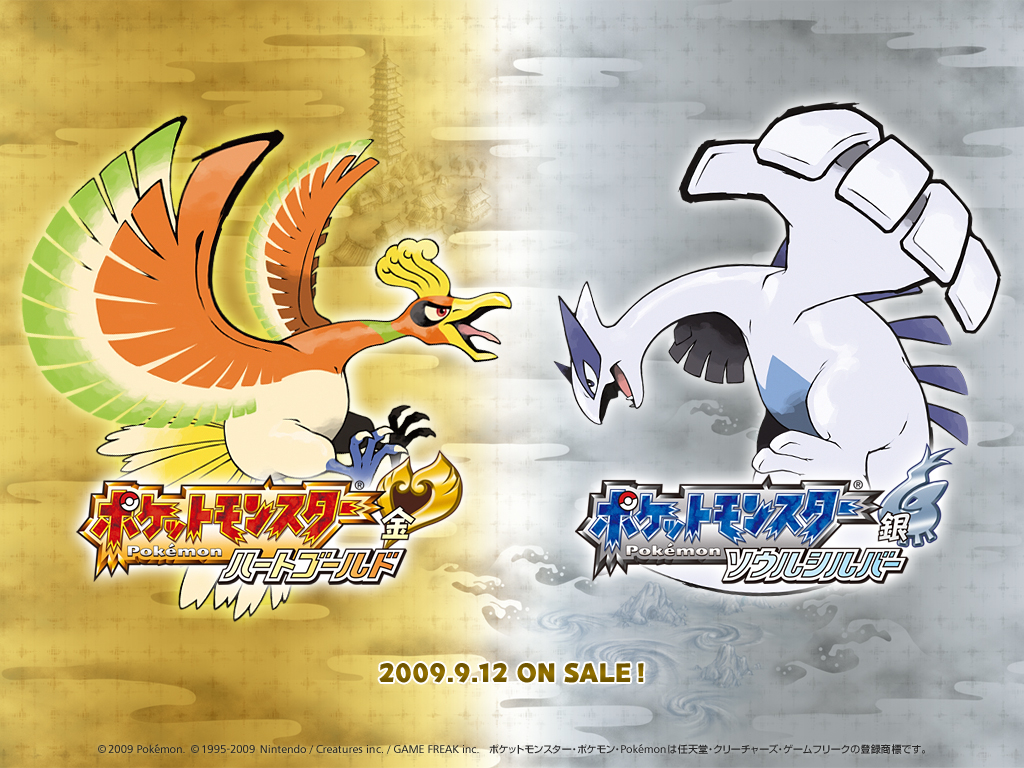
Pokémon: Gold, Silver, Crystal, HeartGold, SoulSilver" is part of the "Pokémon" role-playing game series, with "Gold, Silver, Crystal" being the second game and "HeartGold, SoulSilver" being a remake of "Gold, Silver, Crystal. The "Heart Gold" and "Soul Silver" are remakes of "Gold, Silver and Crystal". The game takes players on adventures in the Johto and Kantou regions, where they aim to complete the Pokémon Pictorial Book and conquer the Pokémon League. They will fight against the Rockettes, an evil organization that appeared in the previous "Pokémon: Red, Green, Blue, Pikachu".
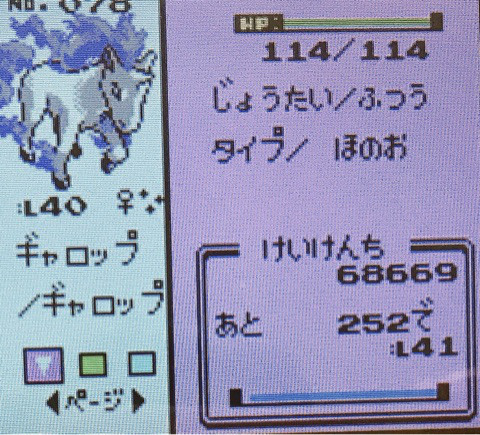
The color difference of the gallop is the darker color of the flames on the body compared to normal.
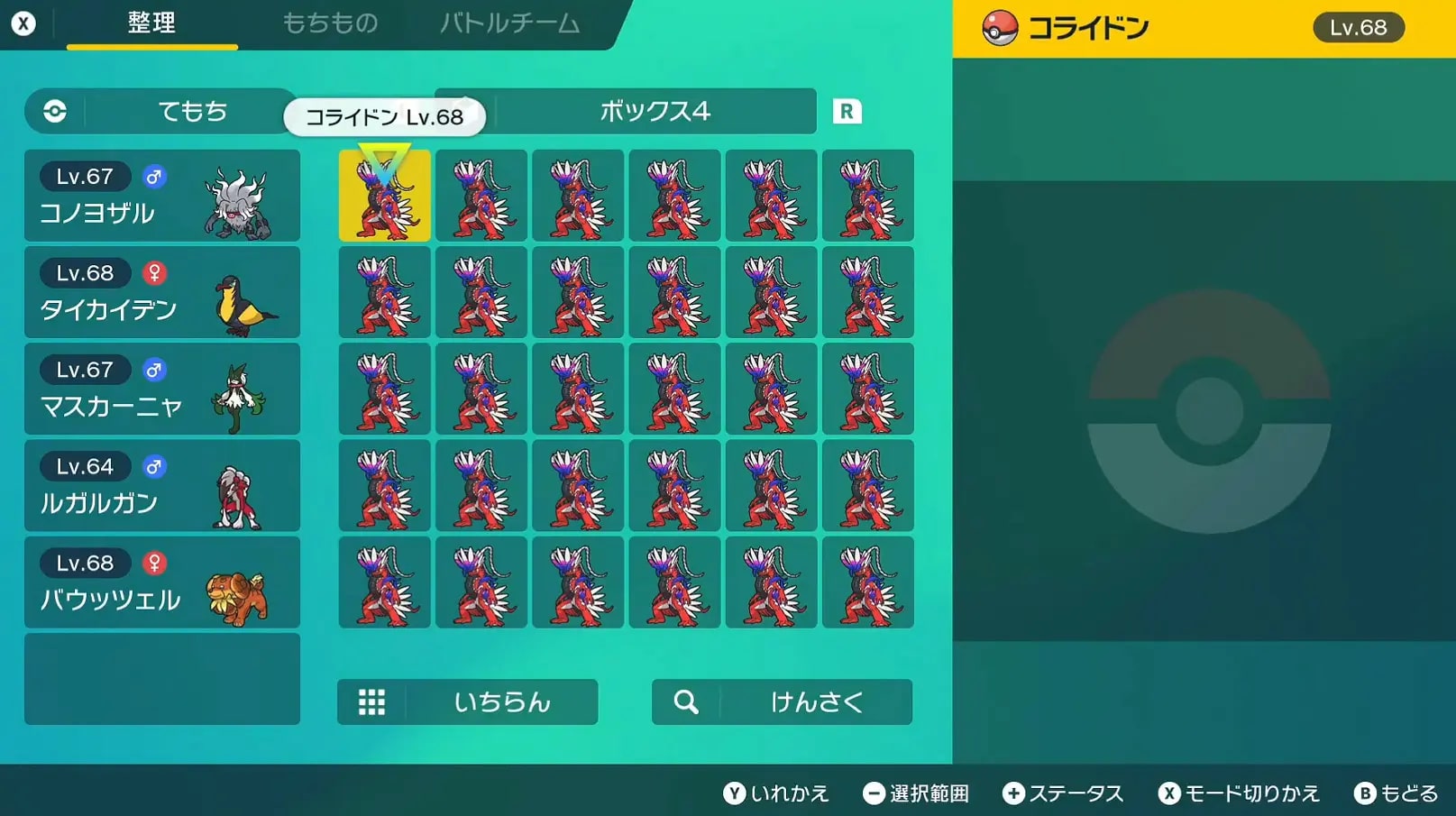
A Pokémon with a different color than its normal color. Wild Pokémon, Pokémon born from eggs, and Pokémon revived by restoring Kaseki may appear in a different color.
The probability of a different-colored Pokémon appearing is extremely rare, and a different-colored Pokémon will glow when it is sent into battle or when its Pokémon status is checked in the field (only in "Heart Gold and Soul Silver").
A red Gyarados of a different color that appears in the Anchor Sea will always be battled in the event.
battle format
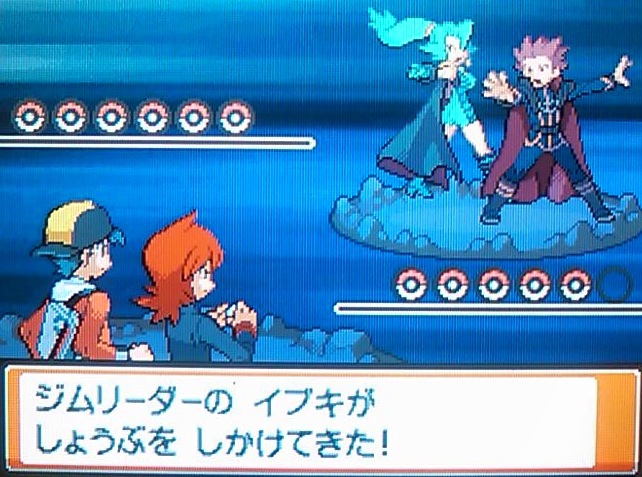
In "Heart Gold and Soul Silver," players can team up with rivals and engage in multi-battles with Wataru and Ibuki.
During the game, battles with wild Pokémon and opposing trainers always occur, but basically the battle is a single battle between two Pokémon, and this is the most common form of battle. The same applies to Gym Battles, Four Heavenly Kings Battles, and Champion Battles.
In "Gold, Silver, and Crystal" only single battles are available, while double battles, multi-battles, and mixed battles (described below) are available in "HeartGold and SoulSilver.
In "HeartGold and SoulSilver," if you have to battle with a pair of trainers (Twins, Double Team, etc.), the battle will be a Double Battle, in which two Pokémon are sent out to fight each other.
Also, if you decide to battle two trainers at the same time, or if you and another character tag team to battle two trainers, it will be a Multi Battle, in which each trainer will send out one Pokémon to battle.
In Double Battles and Multi Battles, unlike in Single Battles, the effect ranges of some moves and special characteristics are changed from "one opponent" to "two opponents" or "all opponents," and the damage to the opponent by moves other than "Jibaku" and "Dai Bakuhatsu" is reduced by 25% compared to normal.
In addition, it becomes possible to use moves that target allied Pokémon, such as "Teodatsuke" and "Kono Yubitomare".
In Battle Frontier, single battles, double battles, and multi-battles (when teaming up with Fir, Gen, or other players, or when teaming up with other players via communication) are possible at all facilities. However, you can challenge Frontier Brain only in single battles.
In Communication Battles, single battles can be played in the Pokémon Wireless Club Union Room, and single battles, double battles, mixed battles, and multi-battles can be played in the Pokémon Communication Club Coliseum. Mixed Battles are battles in which players exchange one of their Pokémon with each other. In Pokémon Wi-Fi Club, battles can be single and double battles.
art
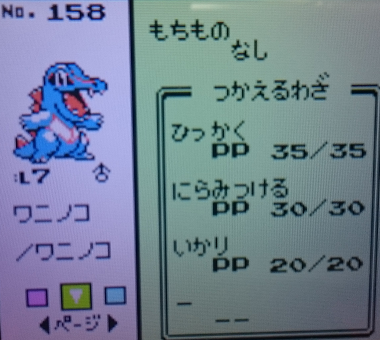
The status screen of "Gold, Silver, and Crystal. Currently learned techniques are displayed on the right side, and PP (power points), the number of times a technique can be used, is shown below each technique.
In battle, you attack by instructing the Pokémon in your hand to attack with a move it has learned. The moves are classified by type, classification (Battlestick, Special, and Change), PP (Power Points: the number of times a move can be used), power (the standard damage value expressed as a number; the higher the number, the more damage it deals), hit rate (the probability that the move will hit the opponent Pokémon), attack range (usually one opponent, two in a Double Battle, and some moves change to all or part of the opponent's body), and whether the move is a direct attack (touches the opponent) or not. (Normally, one opponent, but in Double Battles, two opponents, and some moves change to the entire opponent, etc.), whether the move directly attacks (touches the opponent), and the priority (the order in which moves are activated) are set.
In "Gold, Silver, and Crystal," the attack range and direct attack are not set.
The moves learned by Pokémon are determined by the Pokémon and are often learned when the Pokémon levels up. In addition, Pokémon born from eggs sometimes learn the same moves as their parents as "Tamago Moves.
You can also have Pokémon learn moves by using the Magic Machine and the Power Machine, or by having a character in the game teach them to you.
Only in "Heart Gold and Soul Silver," if you ask the "Dexterity Oshiero-Mania" in Husove City, in exchange for heart scales, he will remind you of techniques that you have learned up to your current level but have already forgotten.
You can only learn up to four techniques, and if you want to learn a new technique, you must forget one of your existing techniques. However, the techniques learned by the Hiden machine cannot be forgotten.
If you ask a "Forgetful Old Man" in Husube City, you can make your Pokémon forget all the moves it has learned, including the ones learned by a Pokémon Learning Machine.
When a Pokémon entrusted to a Pokémon Breeder levels up, it automatically learns the moves it learned at that level-up. If a Pokémon learns a new move when it levels up after learning four moves, the move at the top is automatically forgotten. The new moves are placed at the bottom, and the existing moves are moved up each time a new move is learned.
Some techniques (e.g. those learned with the Hiden machine) can be used in the field.
Classification and attributes of techniques
Battling Moves: Attack moves that are based on a Pokémon's Strike and Vigilance. The higher the Attack, the more damage the move inflicts, and the higher the Vigilance, the less damage the move inflicts.
In "Gold, Silver, and Crystal," the applicable types of Pokémon are normal, kakuto, poison, jimen, hikou, mushi, iwa, ghost, and hagane. In "Heart Gold and Soul Silver," every type has a Battling Technique.
Special Move: An attack move that refers to a Pokémon's Tokkou and Tokubou. The higher the Tokuko, the more damage the move inflicts, and the higher the Tokubou, the less damage the move inflicts.
In "Gold, Silver, and Crystal", the applicable types of Pokémon are "Honoo", "Mizu", "Denki", "Kusa", "Koori", "Esper", "Dragon", and "Aku" type Pokémon. In "Heart Gold and Soul Silver," all types of Pokémon have the Shushu technique.
Transformations: Techniques that do not directly damage the Pokémon, such as changing its ability or activating an anomaly or condition change.
Direct Attacks: Attacks that touch the target Pokémon, such as "Strike" and "Scratch," which appeared in "Heart Gold and Soul Silver. Some special characteristics, such as "poisonous spikes" and "Sei-denki," as well as items such as "sticking burrs" are related to direct attacks.
Techniques that can be used in the field
Iaigiri: Cut down a specific tree in the field. Requires an insect badge.
Flying through the sky: Fly to a town you have already visited. Requires a Shock Badge.
Naminori": Move on the water. Requires a Phantom Badge.
Diving: Moves large rocks in the field. Requires a regular badge.
Flash": Brightly illuminates the inside of certain caves. Requires wing badge for Gold, Silver, and Crystal.
Uzushio": Makes vortexes in the sea passable. Requires the Ice Badge.
Tachinobori": Moves up and down waterfalls. Requires a Rising Badge.
Rock Slam: Breaks breakable rocks in the field. In "Heart Gold and Soul Silver", Wing Badge is required.
Rock Climb: Appears only in "Heart Gold and Soul Silver". Climbing up and down cliffs. Requires Green Badge.
Hole Hole: Allows you to escape from caves and return to the entrance.
Amai Kaori: Use this in grassy areas to make wild Pokémon appear. It will fail in places where the field has a specific weather condition, such as when it is raining or snowing.
Mottoki: Wild Pokémon appear when used on certain trees in the field.
Egg Umbiosis: This option heals a Pokémon by sharing one-fifth of its maximum HP with another Pokémon in its hand.
Teleport: Move to the front of the last Pokémon Center you used.
Milk Drink: Gives one-fifth of its maximum HP to another Pokémon in its hand to heal.
Hit and Evasion Ratio
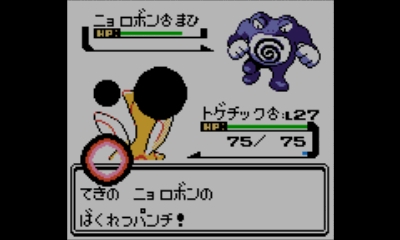
Battle screen from "Gold, Silver, and Crystal. The "Bakuretsu Punch" used by the opposing Nyorobon not only inflicts damage, but also puts the opponent into a state of "Keran," but the hit rate is as low as 50%.
The hit rate is the probability that the technique will hit the opponent Pokémon. The hit rate varies depending on the technique and ranges from 30% to 100%. The evasion rate is the probability that the Pokémon is less likely to be hit by the technique.
The hit rate and evasion rate can be increased or decreased by up to six levels from the normal value as a correction value. In "Heart Gold and Soul Silver," they are affected by techniques, special characteristics, field conditions, and items.
Some special characteristics, some items, and the state of the field do not raise or lower the correction value by ○ steps, but by a certain percentage.
Whether a move hits or not depends on the hit rate of the move used, the hit rate correction value, and the opponent Pokémon's evasion rate. If the Pokémon's hit ratio (hit ratio and correction value of the move) is high or the opponent Pokémon's evasion ratio is low, the move is likely to hit.
A move with a hit rate of "-" will always hit regardless of the hit rate of the Pokémon using it or the evasion rate of the opponent Pokémon, unless it uses "Mamoru.
Some special characteristics do not reduce the hit rate correction value.
vital point (critical place to make a move in the game of Go)
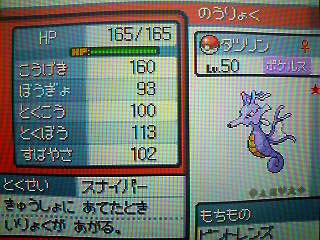
Status screen from "Heart Gold and Soul Silver". Some special traits increase the damage when a technique hits a vital spot.
A state in which more damage is inflicted than normal when attack techniques (bump and thrust techniques) are used. It occurs randomly during battles, and the message "You hit the target! is displayed.
In the Gold, Silver, and Crystal editions, the damage is doubled, and in the Gold, Silver, and Crystal editions, if the "attack" and "special attack" of the side using the technique are higher (or at the same level) than the "defense" and "special attack" of the side receiving the technique are higher (or at the same level) than the "attack" and "special attack" of the side using the technique are raised or lowered by X number of levels. and the increase/decrease in the defense and defensive abilities of the recipient of the technique are ignored, as are the effects of the reflector and the light wall (field status), which halve the damage from bumping and special techniques.
Also, if the attacker's defense is higher (or at the same position) than the attacker's defense is higher (or at the same position), the attacker's attack is reduced when the attacker is in a "burn" state.
Damage calculations for the "Gold, Silver, and Crystal" kyakusho are performed in this state.
In "Heart Gold and Soul Silver," the attacker's "Strike" and "Special Attack" abilities are reduced, the attacker's "Defense" and "Special Defense" abilities are increased, and the effects of "Reflector" and "Light Wall," which halve the damage from Battling and Special Moves, are also ignored. Damage calculations are performed.
If a Pokémon whose special trait is the Jar of Light is hit by a Acute Move, its Strike is increased to the maximum (six levels).
Some special traits also prevent the opponent Pokémon's attack from hitting a vital spot.
The probability of being hit by a vital spot is low in the normal state, but it increases with the effects of moves, special traits, and items. Some techniques are more likely to hit vital points than others, and some techniques do not hit vital points at all.
degree of relative priority
It is a numerical value that indicates the order in which the techniques are activated. The technique with the first numerical value (higher priority) can be activated first, regardless of its quickness. When techniques with the same numerical value (the same priority) are used, the techniques are activated in the order of their quickness.
The priority is determined for each technique, and techniques with a positive priority can be performed before most techniques, while techniques with a negative priority are performed after most techniques. 0 is the normal priority, and the higher the priority, the earlier the technique is performed. The higher the priority, the higher the priority, the higher the priority, and the lower the priority, the lower the priority.
If a positive or negative priority is given to a technique by using "shake," "mimicry," or "cat's paw" (each with priority "0"), the technique will be activated at the timing of priority 0.
Priority of techniques ("Gold, Silver and Crystal")
+2: "Hold", "Mamoru", "Mimiri".
1: Shinsuke, Denko Sekka, Mach Punch
0: Other techniques
-1: Aim and retreat, counter, mirror coat, wipe away, bark
Technique priority (Heart Gold and Soul Silver)
+5: Teidekake
+4: Magic Coat, Yokodori
+3: Konohyubito Mare, Koragarai, Mamoru, Mimikiri
+2: Feint
+1: Aqua Jet, Shade Strike, Ice Blast, Shinkuuha, Shinsaku, Shindokusen, Denko Sekka, Bullet Punch, Mach Punch, Neko Dama, Neko Deception, Fuuchi-Uchi, Garantee
0: Other techniques
-1: Aim and aim
-3: Kiai Punch
-4: Yukinadare, Revenge
-5: Counter, Mirror Coat
-6: Blow away, bark
-7: Trick Room
field conditions
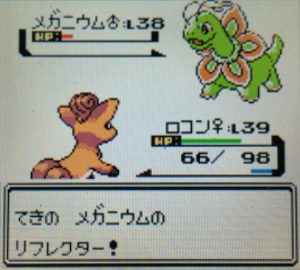
Battle screen from "Gold, Silver, and Crystal". Using Reflector halves the damage of "Bump" techniques for 5 turns, making it stronger against "Bump" techniques.
A field condition that affects your or your opponent's Pokémon or both Pokémon during battle. It is activated by techniques, special characteristics, items, and field conditions (weather).
Once activated, the effect lasts for several turns and then disappears, but some of them are permanent until the end of the battle. Some techniques can also cancel certain field conditions.
Field states have a variety of effects, such as ability changes, abnormalities, state disables, damage reduction, weather changes, and so on.
Field states can be duplicated, but some of them cannot. For example, weather conditions (such as heavy rain, rain, hail, hailstorm, and snowstorm) cannot be duplicated, and are overwritten by the last condition generated by the last technique or attribute.
The following is a description of the main field conditions.
fair or favorable wind (favourable)
Caused by the "Oikaze" technique, which doubles a Pokémon's Quickness for three turns. Appears only in Heart Gold and Soul Silver.
Maimibishi, Dokubishi, Stealth Rock
Each of them is caused by the techniques "Makibishi", "Dokubishi", and "Stealth Rock", and the effect is permanent. In Gold, Silver, and Crystal, only Makibishi appears.
Makiibishi deals one-eighth of its maximum HP damage to the Pokémon it replaces. In "Heart Gold and Soul Silver," it can be used twice, increasing the damage to one-sixth and one-quarter of its maximum HP.
It is not effective against Pokémon of the Flying type, Pokémon with the Fuyu or Magic Guard traits, or Pokémon that have used Electro-Fuyu.
Dokibishi turns an opponent's Pokémon into a "poison" state. It can be used repeatedly to turn the other Pokémon into a "poisoned" Pokémon.
It is not effective against Pokémon of the Doku and Hagane types, Pokémon with the Fuyu, Menseki, Magic Guard, or Leaf Guard (when it has a strong knee) traits, or Pokémon that have used Electro-Fuyu.
Stealth Rock deals damage equal to one-eighth of its maximum HP to an opponent Pokémon that has taken a turn. The damage increases or decreases depending on the Pokémon's compatibility with its Iwa type.
Not effective against Pokémon with Magic Guard.
It can be cancelled by Kiribarai or Kousoku Spin.
Reflector, Wall of Light, Shinpi no Mamoru

Related Articles
Pokemon (Pokemon) Monster Ball Summary
Pokémon" is a video game series published by Pokémon Inc. In this game, players explore the world with imaginary creatures called "Pokemon" as their partners, competing with wild Pokemon and Pokemon of their trainers. The tool used to catch Pokémon is the Monster Ball. When the first "Red, Green, and Blue" were first released, there was a rumor that if you hit the button repeatedly after throwing the ball, the capture rate would increase.
Read Article
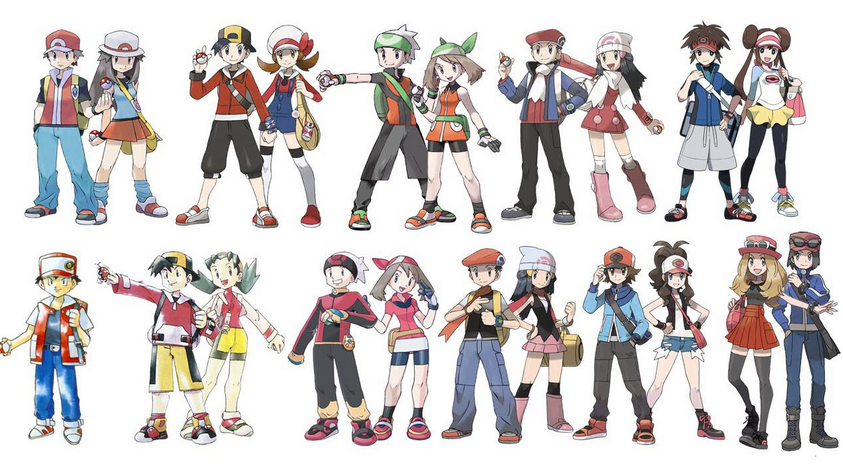
Summary of successive protagonists of Pokémon (Pokémon)
The main character in the "Pokémon" series can be named freely by the player. In the original "Red, Green, Blue, and Pikachu," there was only a male protagonist, but as the generations progressed, the gender, appearance, clothing, and hairstyle of the protagonist could be selected and changed to the player's liking, allowing for more freedom. The improved graphics made it possible to clearly see the main character's appearance in the game, and when a new game appeared, people began to pay attention not only to the Pokémon but also to the design of the main character.
Read Article
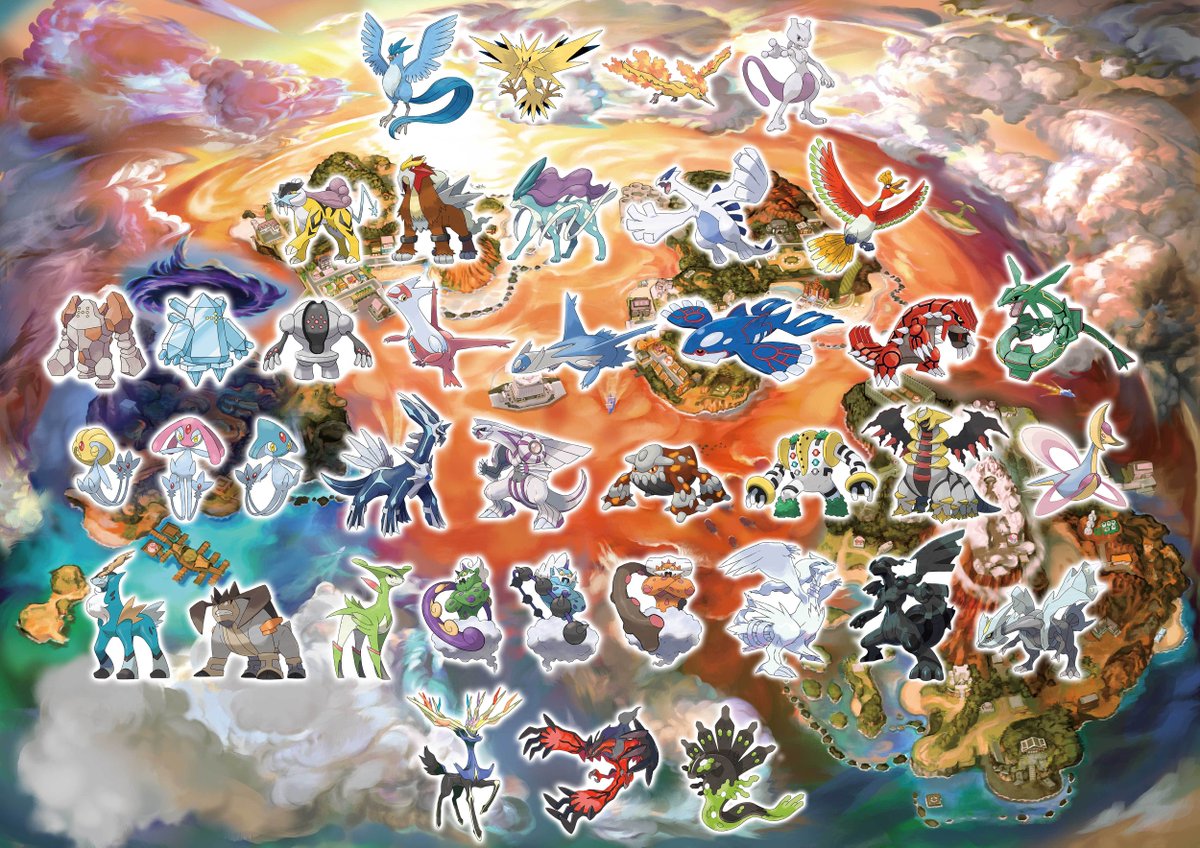
Pokémon Legendary Pokémon Summary
Pokémon" is the name of a video game series released by Pokémon (originally Nintendo). The abbreviated name is "Pokemon. The player becomes a trainer and travels with a creature called a "Pokémon" as a partner. Legendary Pokémon, according to the official description, are "precious Pokémon that can rarely be seen in each region," and are basically a generic term for Pokémon that appear only once in the game. Multiple legendary Pokémon have appeared in each generation.
Read Article
![Pokémon] List of the three generations of the Pokémon family.](https://renote.net/files/blobs/proxy/eyJfcmFpbHMiOnsiZGF0YSI6NzIwNDIyLCJwdXIiOiJibG9iX2lkIn19--ef0ac0b72cc8b04b30392dfdbc087a2d25c294a0/687d5798.jpg)
Pokémon] List of the three generations of the Pokémon family.
The following is a list of the three families of the Pokémon series. It covers the first generation of Red, Green and Blue, the second generation of Gold and Silver, the third generation of Ruby and Sapphire, the fourth generation of Diamond and Pearl, the fifth generation of Black and White, and the sixth generation of X and Y.
Read Article
A little creepy! Pokémon with disappointing visuals [Pokémon].
Cute and cool monsters tend to attract attention in Pokemon, but there are some Pokemon that are considered "creepy"... Here is a list of Pokémon whose visual appearance is a little disappointing. In a way, it may be said that the creepy parts are attractive.
Read Article
![Pokémon] Introduction of Characters in Pokémon [Gym Leader, Four Heavenly Kings, Champion].](https://renote.net/files/blobs/proxy/eyJfcmFpbHMiOnsiZGF0YSI6MTAzODI1NywicHVyIjoiYmxvYl9pZCJ9fQ==--28d9070ad3714207b2bd90936e624bcfa5c561d1/5de054b8.jpg)
Pokémon] Introduction of Characters in Pokémon [Gym Leader, Four Heavenly Kings, Champion].
This is a list of Gym Leaders, Four Heavenly Kings, Champions, and other characters that appear in the Pokémon series of games. They are introduced by region from the first generation to Black and White. Memorable and unique characters are another major attraction of the Pokemon series.
Read Article
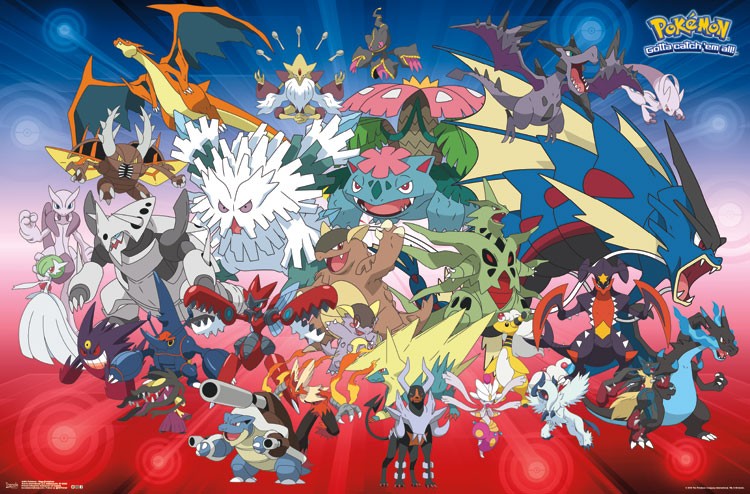
Pokémon (Pokémon) Mega-Shinker and Genshi-Kaiki Summary
Pokemon" is a series of role-playing games published by Pokemon Co. The aim is to capture and train creatures called pocket monsters (Pokémon) to become the champion of an institution called the Pokémon League. Mega Shinka is a new element added in "Pokémon X and Y". This system was added under the concept of "picking up Pokémon from the old series again. Similar to Mega Shinka, there is also Genshikaiki, in which legendary Pokémon Gladon and Chiogre return to their ancient forms.
Read Article
Summary of Pokemon (Pokémon) Types
Pokemon" is an RPG series developed by Game Freak and published by Pokemon Co. In this game, players travel around the world with imaginary creatures called "Pokemon," aiming to complete the Pokemon Pictorial Book and become the champion of the Pokemon League. In this title, each Pokémon and technique has a "type," which is a kind of attribute. These types determine the compatibility between Pokémon. At first, there were 15 types, but two types were added in "Gold and Silver" and one type was added in "X and Y".
Read Article
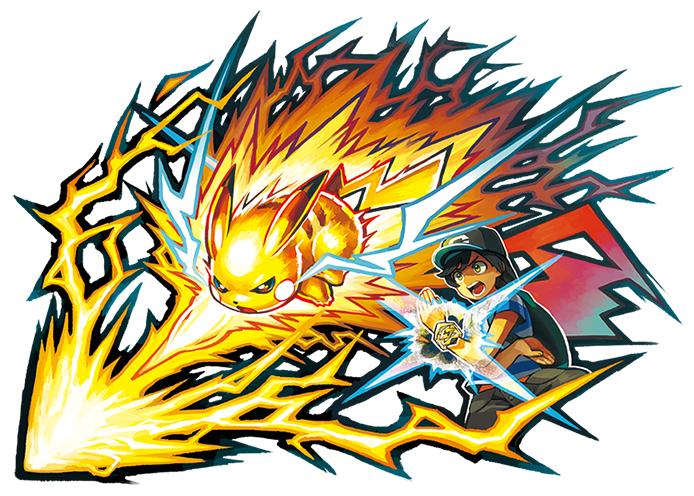
Summary of Z-Waza and Z-Techniques for Pokemon (Pokémon)
Z-Waza (Z-technique)" is an element introduced in Pokemon Sun Moon, a special move that can be used only once during a battle. It was introduced as a remedy for Pokémon other than some that can adapt to the inflated battle environment. Although there are some problems and lack of adjustment, the introduction of Z-Waza has given all Pokémon the opportunity to play an active role.
Read Article
![Pokémon] Evil organizations and their members in Pokémon.](https://renote.net/files/blobs/proxy/eyJfcmFpbHMiOnsiZGF0YSI6NzQwNzQ2LCJwdXIiOiJibG9iX2lkIn19--c6164432744a5cc22c14bb99b56dc39981f03fd3/maxresdefault.jpg)
Pokémon] Evil organizations and their members in Pokémon.
Pokemon] We have compiled a list of bosses and members of evil organizations in the Pokemon series of games. There are many fascinating villains such as the Rockettes, Aqua-dan, Magma-dan, Ginga-dan, Platinum-dan, and Flare-dan. Which is your favorite evil organization?
Read Article
Summary of Pokémon (Pokémon) characteristics
Pocket Monsters is the name of a video game series developed by Game Freak. The abbreviated name is Pokemon. Although it is a long-lived series that celebrated its 20th anniversary, the basics of its battle system have not changed since the first generation, "Pokemon Red and Green. In this article, we will discuss "special characteristics," a new element added in the third generation (Ruby and Sapphire).
Read Article
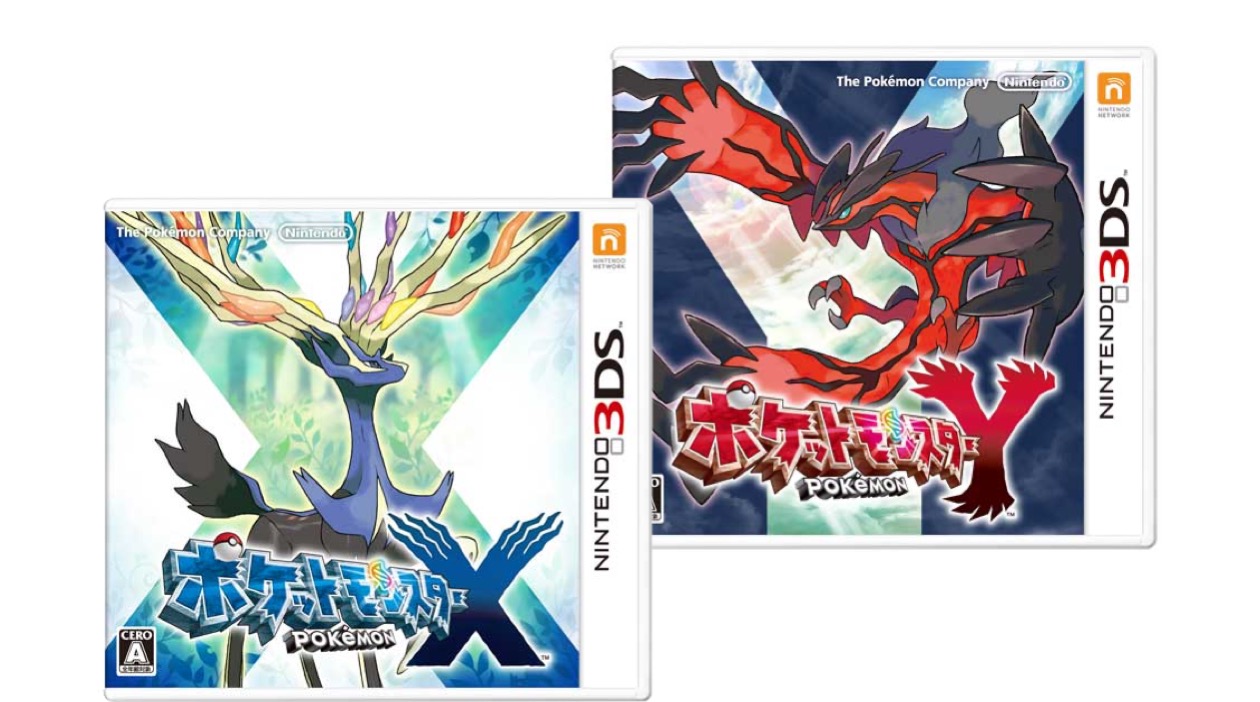
Images of previous generations of packages in the Pokémon series [Pokémon].
The popular game [Pokemon] series has released a variety of derivative works. Attractive packaging is an important element that successfully stimulates excitement for adventure and desire to purchase. Here we introduce a collection of images of the numerous past packages of the Pokémon series.
Read Article
Summary of Pokemon (Pokemon) tricks and bugs
Pokemon" is an RPG series released by Pokemon Co. It depicts the adventures of a Pokémon trainer who partners with a mysterious creature called "Pocket Monster" (Pokémon) and battles Pokémon against each other. The "Pokémon" series has a number of tricks and bugs. The first generation is particularly famous for having many bugs, probably due to the complexity of the program that was added to the first generation. In the first generation, the phantom Pokémon Mew was hidden in the internal data, and a situation developed in which Mew was distributed because it was exposed to the public through a bug.
Read Article
Summary of Branching Evolution of Pokemon (Pokémon)
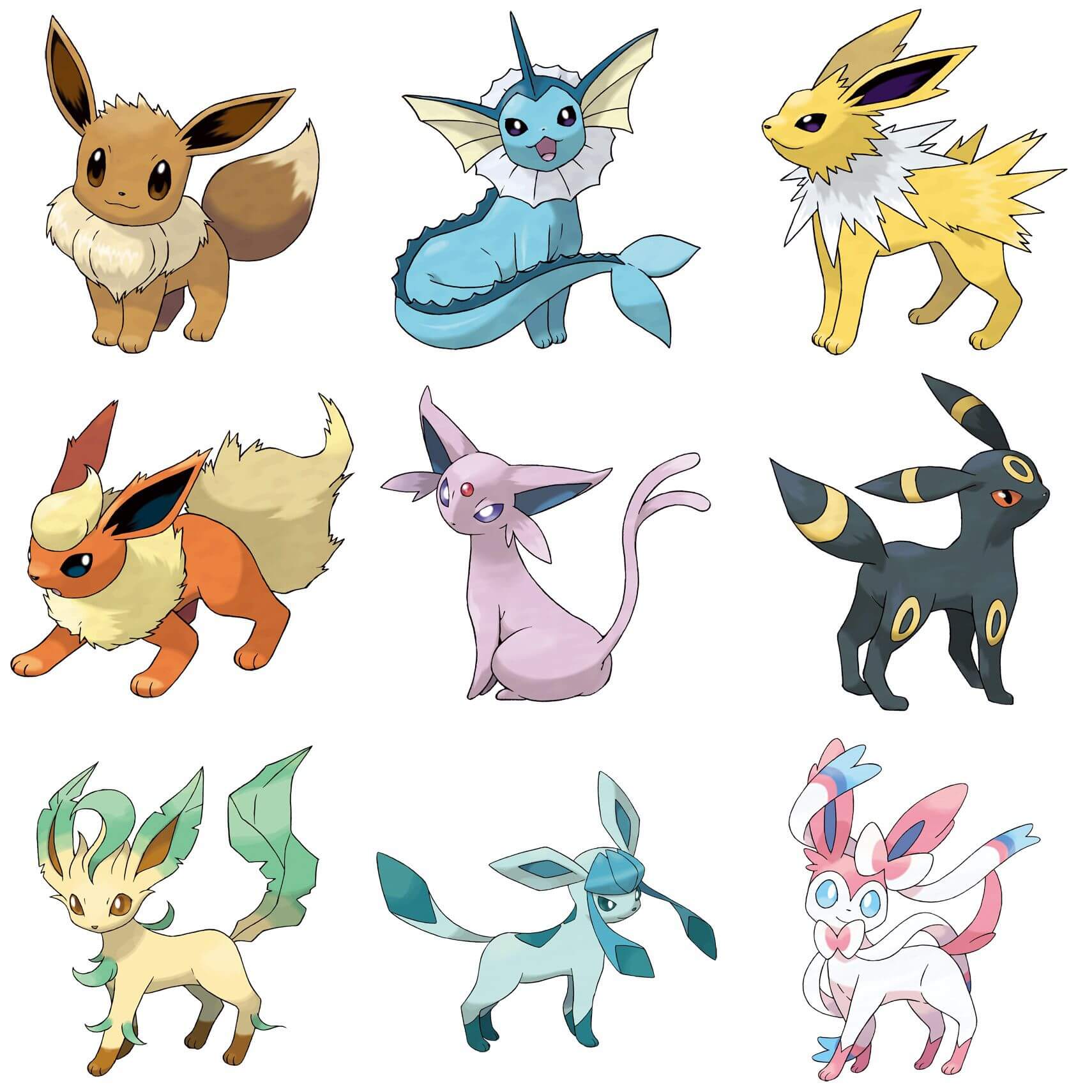
Pokemon" is an RPG series released by Pokemon Co. Set in a world of mysterious creatures called "pocket monsters" (Pokémon), players set out on an adventure to become Pokémon League champions. Many Pokémon can evolve and change their appearance when certain conditions are met. Some Pokémon evolve to different destinations depending on the conditions. Eevee, which is classified as a "Shinka Pokémon," can evolve into as many as eight different types of Pokémon.
Read Article
Summary of Satoshi's handheld Pokémon
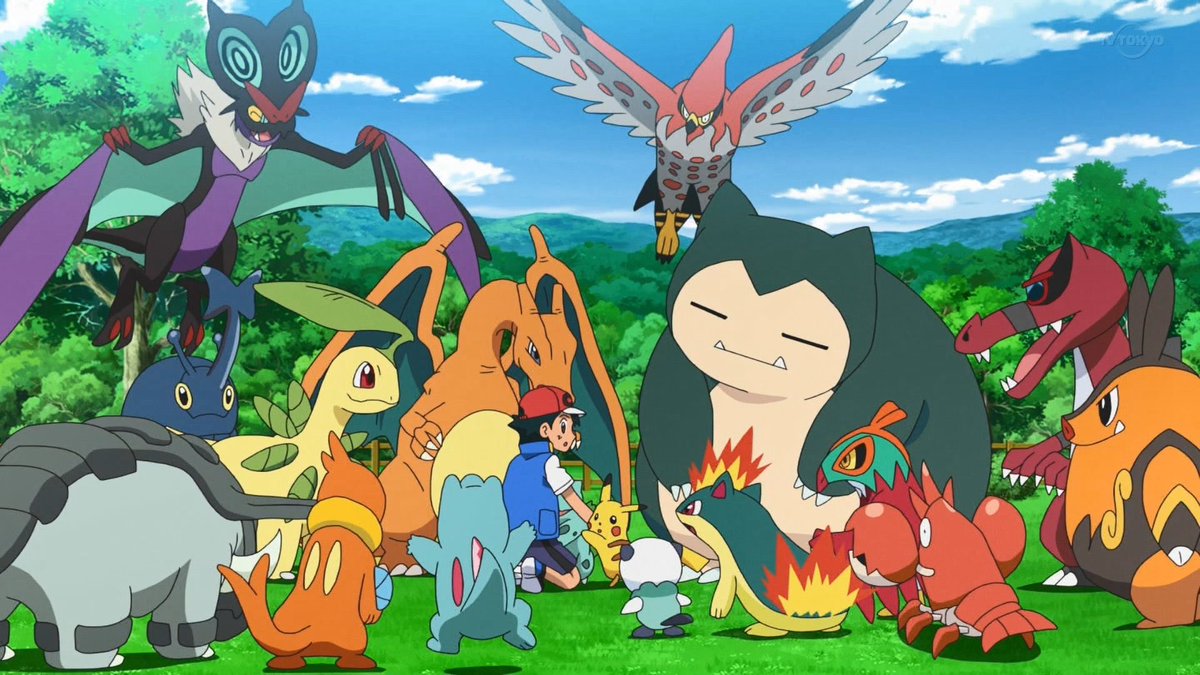
Pokemon" is an RPG series released by Pokemon Co. In addition to video games, the series has been developed in a variety of media, including anime and manga. Satoshi, the main character of the anime from 1997 to 2023, basically travels to a new region with only his partner, Pikachu, and his Pokémon handheld is renewed each time the series changes. Another highlight of the anime is what kind of Pokémon Satoshi gets.
Read Article
ポケットモンスター(ポケモン)のバグポケまとめ
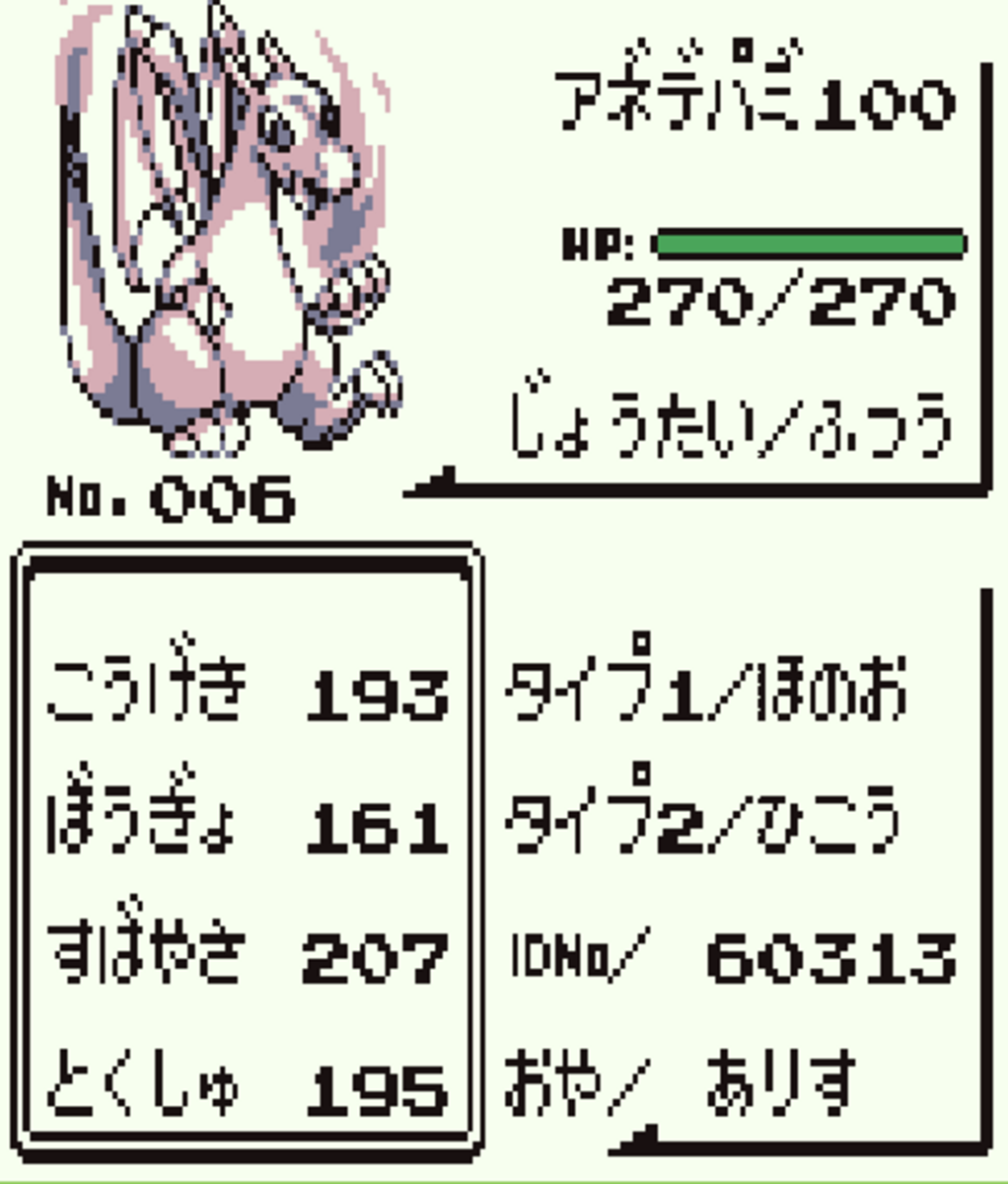
『ポケットモンスター(ポケモン)』とは、任天堂が発売しているゲームである。1996年2月27日に携帯ゲーム機「ゲームボーイ」用ソフトとして発売開始され、その後次々に続編が制作されている。オーソドックスなRPG(ロールプレイングゲーム)であり、「ポケモン」と呼ばれるゲーム内の架空の生物の収集や交換、育成などを進めていく。その中でも、通常プレイでは入手できず、ストーリーの進行にも影響はないが、裏技によって入手できるのが、「バグポケ」である。
Read Article
Summary of Stone Evolution, Item Evolution, and Communication Evolution for Pokemon (Pokémon)
Pokemon" is a video game series released by Pokemon Co. It is an RPG in which players adventure with mysterious creatures called "Pokemon" as their partners. Pokémon evolve when they reach a certain level. However, some Pokémon evolve by using evolution stones or similar items, and some Pokémon evolve through communication exchanges.
Read Article
Summary of Pokemon (Pokemon) Rivals
Pokémon" is an RPG series published by Pokémon Inc. It depicts the adventures of a Pokémon trainer who has a mysterious creature called a "pocket monster" (Pokémon) as a partner. Rivals are mainly trainers who, like the main character, acquire Pokémon in the early stages of the game and fight with them in various locations. They sometimes antagonize the main character and sometimes cooperate with him as he grows up. In the beginning of the series, it was common to choose a Pokémon from the three families of Pokémon as a partner that is compatible with the Pokémon that the main character obtains.
Read Article
Summary of accidents and incidents related to Pocket Monsters (Pokemon)
Pokémon" is a video game series released by Pokémon Inc. It has also been developed into various media, including animation. While "Pokemon" has become a popular content, various accidents and incidents have occurred. 1997 saw the "Pokemon Shock," which became a major topic of conversation in Japan. The worldwide popularity of "Pokemon GO" has also led to accidents around the world that are thought to have been caused by people walking around with their phones on.
Read Article
Summary of Conditional Level-Up Evolution of Pokemon (Pokémon)
Pokémon" is a video game series published by Pokémon Inc. It is an RPG in which players adventure with mysterious creatures called "Pokemon" (Pokemon) as their partners. Pokémon evolve when they reach a certain level, but some Pokémon are accompanied by other conditions, such as a degree of familiarity, friendliness, or location. Even if these Pokémon have reached a level at which they can evolve, they cannot evolve unless they meet other conditions.
Read Article
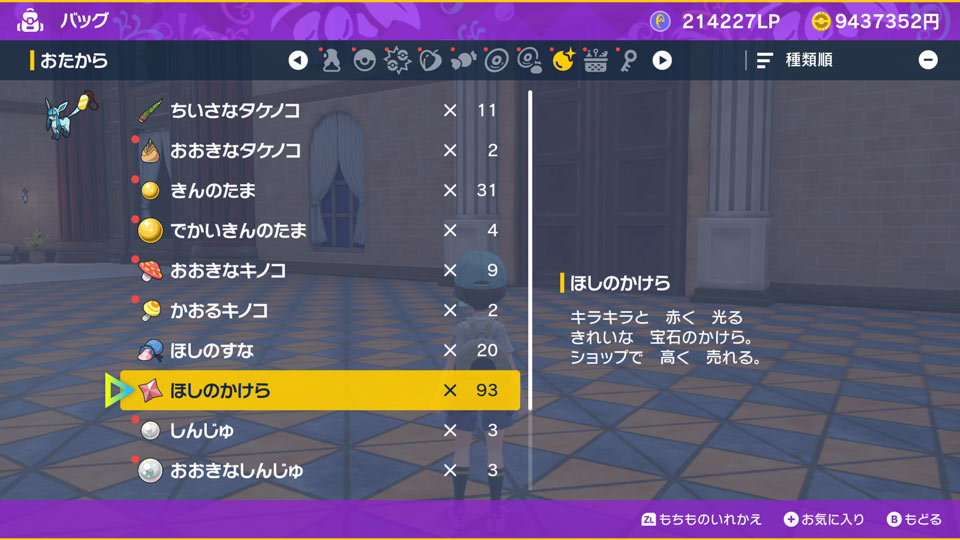
Summary of Pocket Monsters (Pokémon) otakara and cash items
Pokémon" is an RPG series released by Pokémon Co. It depicts the adventures of "Pokémon Trainers" who battle Pokémon with mysterious creatures called "Pocket Monsters" (Pokémon) as their partners. In "Pokémon," there is a category of tools called "otakara. This category mainly includes cash items that have no other use than to be sold, but some works also include items such as "Gin no Oukan" that are effective when given to a specific person.
Read Article

Summary of Pokemon (Pokémon) Ph.
Pokemon" is an RPG series released by Pokemon Co. Players go on adventures with mysterious creatures called "pocket monsters" (Pokémon) as their partners and aim to become champions of the Pokémon League. In "Pokémon," a doctor is a person who researches the ecology of Pokémon and is also called Dr. Pokémon. Until "Sun and Moon," it was standard practice to receive the first Pokémon and an illustrated book to register Pokémon from Dr. Pokémon.
Read Article
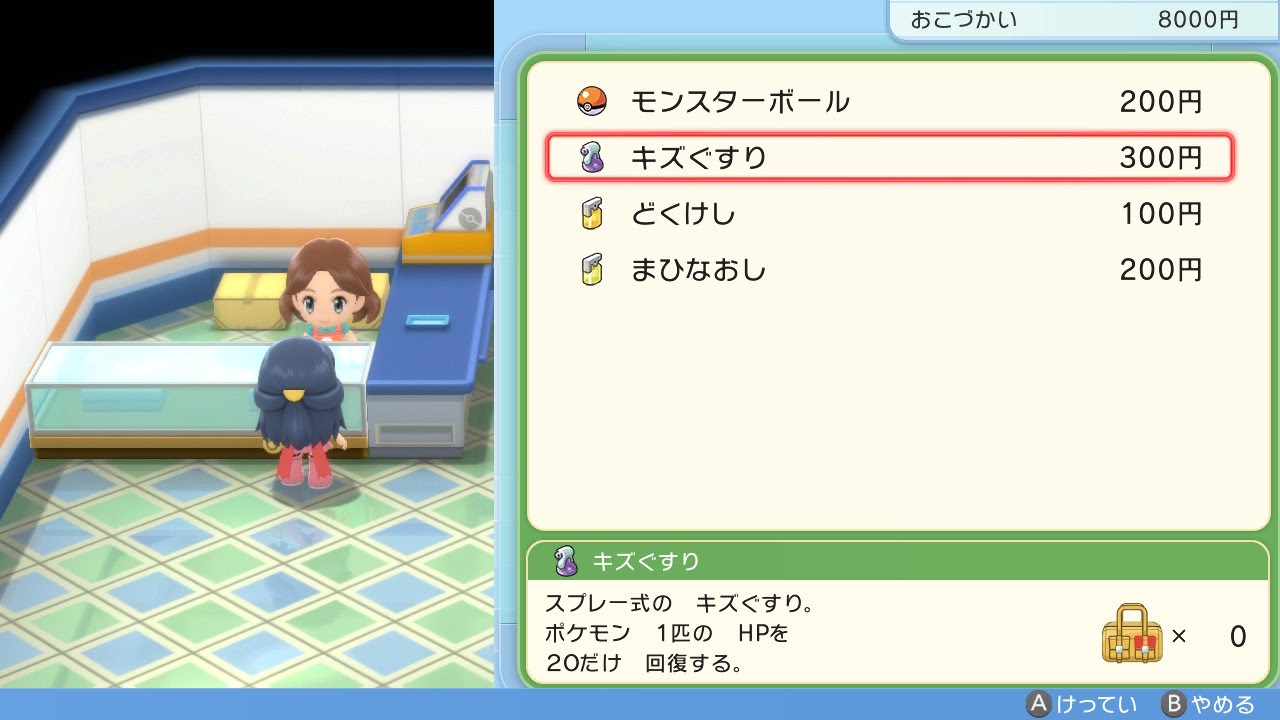
Summary of recovery items for Pokemon (Pokémon)
Pokemon" is an RPG series released by Pokemon Co. It depicts the adventures of "Pokémon Trainers," who battle Pokémon against each other, using mysterious creatures called "Pocket Monsters" (Pokémon) as partners. In battle, Pokémon's HP may decrease or they may suffer from abnormal conditions. You can recover your Pokémon by stopping by a Pokémon Center, but if there is no Pokémon Center nearby, you will have to rely on recovery items.
Read Article
Urban legends, trivia, and backstories of Pokemon (Pokemon)
Pokemon" is the name of a video game series developed by Game Freak. It is abbreviated as "Pokemon. It is an RPG in which players collect, raise, and battle creatures called Pokémon, following the concept of "collect, raise, and fight. Pokémon" rarely fails to send chills down the spine, and the longevity of the series, which celebrated its 20th anniversary in 2016, has given rise to all sorts of backstories and urban legends.
Read Article
Summary of Pokémon (Pokémon) Strength Transitions
Pokémon (Pokémon) is a long-lived series that has been around for over 20 years. The history of the series is long, and with each new release, various elements have been introduced into the battles. As a result, the battle environment for players who enjoy Pokémon battles has also changed. This section describes these changes.
Read Article
Summary of different colors of Pokemon (Pokemon)
Pokemon" is an RPG series developed by Game Freak in 1996, starting with "Red and Green. Players travel with a mysterious creature called a "pocket monster" (Pokémon) as their partner, aiming to become the champion of the Pokémon League. Color-matched Pokémon were introduced in the second generation "Gold and Silver," and are Pokémon with different body colors from the norm. When a different-colored Pokémon is seen on the status screen or when it is sent into battle, a glowing effect appears, so it is also called a "glowing Pokémon.
Read Article
Pokémon Ruby, Sapphire, Emerald, Omega Ruby, Alpha Sapphire (Pokémon RSE and ORAS) Spoilers and Discussion Summary
Pokémon Ruby, Sapphire, Emerald, Omega Ruby, Alpha Sapphire (Pokémon RSE and ORAS)" is part of the "Pokémon" role-playing game series. Omega Ruby Alpha Sapphire" is a remake of "Ruby, Sapphire, and Emerald". In this adventure through the Houen region, players aim to complete the Pokémon Pictorial Book and win the Pokémon League. During the storyline, players will fight against the "Magma and Aqua Clan" organizations in various locations.
Read Article
Pokémon Sun, Moon, Ultra Sun, and Ultra Moon (Pokémon SM and USUM) Spoilers and Discussion Summary
Pokémon Sun Moon and Ultra Sun Ultra Moon are part of the "Pokémon" role-playing game series, with "Sun Moon" being the seventh game and "Ultra Sun Ultra Moon" being a version of "Sun Moon" with some additional stories and systems. Ultra Sun Ultra Moon" is a version of "Sun Moon" with some story and systems added. Players explore the Alola region, which consists of four islands and one man-made island, and go on an "island tour" to complete the Pokémon Pictorial Book and win the Pokémon League. During the story, they will battle organizations such as the Skull Clan and the Aether Foundation.
Read Article
Summary of Pokémon Ultra Sun Ultra Moon's appeal
Ultra Sun Ultra Moon is an upgraded version of the previous title, Pokemon Sun Moon, with new elements. As in the previous title, the story follows the main character as he embarks on a journey called "island-hopping" to overcome a number of challenges and become a champion, but there are also many new elements added from the previous title, so you won't get bored just because you have played the previous title. In this issue, we take a closer look at the charms of Pokémon Ultra Sun Ultra Moon.
Read Article
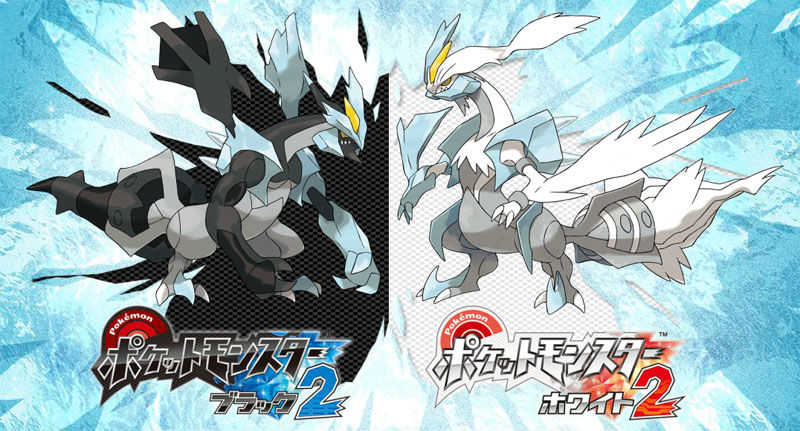
Pokémon Black 2 and White 2 (Pokémon BW2) Spoilers and Discussion Summary
Pokémon Black 2 and Pokémon White 2" is a sequel to "Pokémon Black and White" and takes place two years after the first game in the Ish region. The main goal of the game is to complete the Pokémon Pictorial Book and win the Pokémon League (Hall of Fame). The Plasma Clan, which appeared in the previous game, is back in this game and fights in various locations during the story. The growth of the trainers is also depicted, and we can see the growth of N (N), who was a rival in the previous work, and Belle and Cheren, who went on a journey together.
Read Article
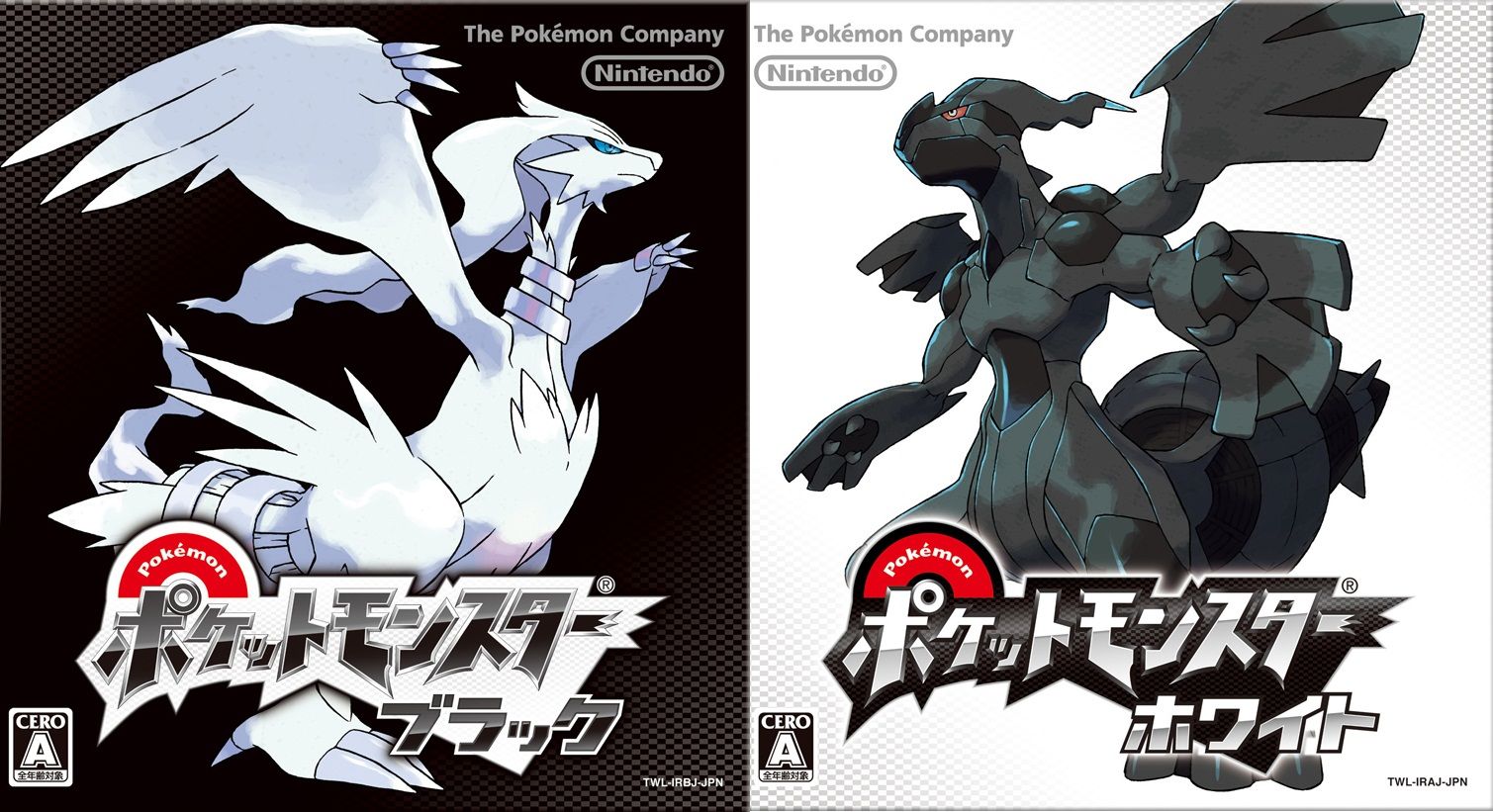
Pokémon Black and White (Pokémon BW) Spoilers and Discussion Summary
Pokémon Black and White" is the fifth title in the Pokémon role-playing game series released by Pokémon (Nintendo Co., Ltd.). The main goal of the game is to complete the Pokémon Pictorial Book and win the Pokémon League (induction into the Pokémon Hall of Fame) in the Ish region. In this title, an organization called the Plasma Squad appears, which "appeals for the liberation of Pokémon in order to free them," and fights in various locations during the story. The theme of this work is "diversity," which is reflected in the characters, Pokémon, and storyline in the game.
Read Article
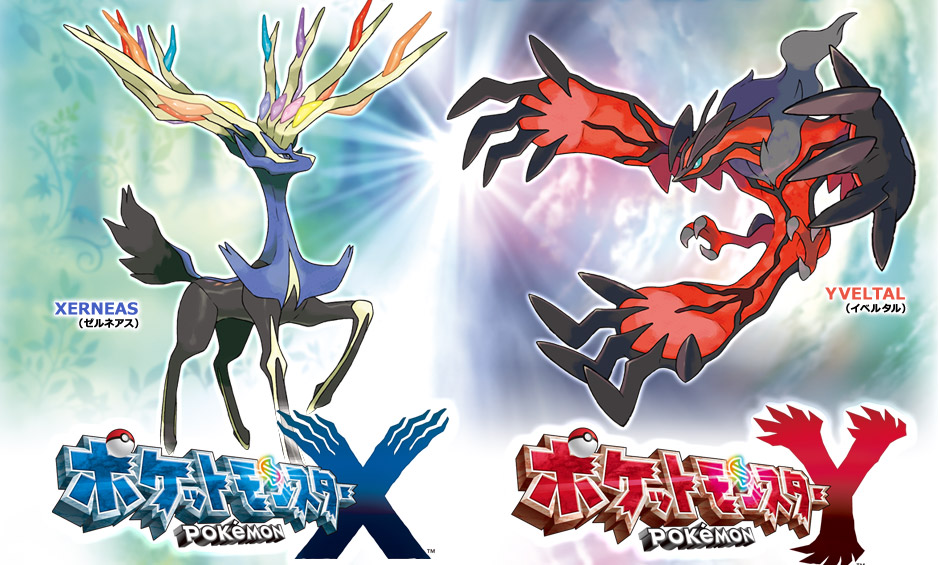
Pokémon X and Y (Pokémon XY) Spoiler Commentary and Discussion Summary
Pokémon X and Y" is the sixth title in the "Pokémon" role-playing game series. The platform has been moved to the 3DS, and the scenario, game system, fields, and battle scenes are now displayed in full 3D, greatly increasing the volume of the game. The main character is involved in a case involving a legendary Pokémon that governs "life and destruction" and the fate of the Kalos region, but he overcomes this by strengthening his bonds with his friends and Pokémon. Mega-Synchka, a Pokémon power-up element that differs from normal evolution, was introduced for the first time.
Read Article
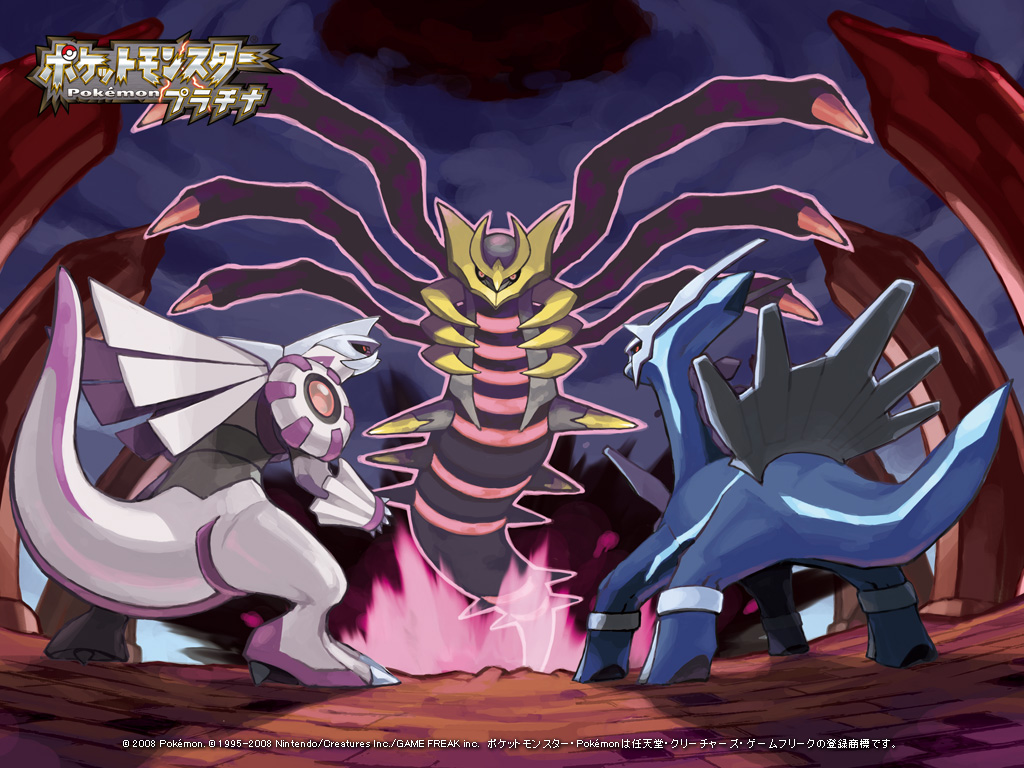
Pokémon Diamond, Pearl, and Platinum (Pokémon DPt) Spoilers and Discussion Summary
Pokémon Diamond, Pearl, and Platinum" is the fourth title in the "Pokémon" role-playing game series released by Pokémon (Nintendo) Co. Pokémon Diamond Pearl" was released, and later "Pokémon Platinum" was released with new elements added. The adventures take place in the Shin-Ou region, and the main goals of the game are to complete the Pokémon Pictorial Book and to win the Pokémon League.
Read Article
Pokémon Red, Green, Blue, Pikachu, Fire Red, and Leaf Green (Pokémon RGBP and FRLG) Spoilers and Discussion Summary
Pokémon: Red, Green, Blue, Pikachu, Fire Red, Leaf Green" is one of the "Pokémon" role-playing game series. "Red, Green, Blue, Pikachu" is a remake of the first game, and "Fire Red, Leaf Green" is a remake of "Red and Green" with various elements added. Fire Red and Leaf Green" are remakes of "Red and Green" with various elements added. Players will adventure through the Kantou region, aiming to complete the Pokémon Pictorial Book and conquer the Pokémon League. During the storyline, players will fight against the Rockettes, an evil organization that plans to take over the world.
Read Article
Spoiler commentary and discussion of Pokémon SPECIAL (PokéSP and PokéSP)
Pokémon SPECIAL" is a manga based on the game "Pokémon" published by Shogakukan, written by Hidenori Kusaka and drawn by Satoshi Yamamoto. The series was first serialized in Shogakukan's Shogakugakusei Shogakunen, Shogakugakusei Gosei, and Shogakugakusei Rokunen in 1997, and then in Coro Coro Coro Ichiban! and "Club Sunday," and in 2021 the series celebrated its 25th year.
Read Article
Pokémon Sword Shield (Pokémon Sword Shield) Spoilers and Discussion Summary
Pokémon Sword and Shield is a role-playing game for Nintendo Switch released by Pokémon Inc. on November 15, 2019, with two simultaneous releases of Pokémon Sword and Pokémon Shield in the Pokémon series. It will be the eighth title in the series. The official abbreviation is "Pokémon Sword and Shield". In the Garal region, the setting of this work, the main character challenges the Pokémon League, the highest level of Pokémon battles, and aims to become the champion. He also tries to solve the mystery of the Dymax phenomenon, in which Pokémon become huge.
Read Article
Tags
Contents
- Overview of "Pokémon Gold, Silver, Crystal, Heart Gold, Soul Silver
- Pokémon: Gold, Silver, Crystal, Heart Gold, and Soul Silver" Synopsis and Story
- Wakabata Town - Asagi City
- Chojitown - Pokemon League Challenge
- Encounter with Houou Lugia ("Heart Gold and Soul Silver")
- Adventures in the Canton Region
- Game System of "Pokémon Gold, Silver, Crystal, Heart Gold, Soul Silver
- Initial settings for "Pokémon Gold, Silver and Crystal".
- Initial Settings for "Heart Gold and Soul Silver
- In-game time
- Pocket money/savings
- ID
- rearranging
- making the rounds
- type
- ability
- home page
- denunciation
- defense
- special efficacy
- moral influence
- speed
- peculiarity
- state anomaly
- poison/toxin
- palsy
- burn
- sleep
- district (of 2-20 50-home neighbourhoods or townships, in the ritsuryo period)
- (on the) verge of death
- state change
- chaos
- madly in love
- siesta
- tighten
- gastric juice
- mistletoe (esp. European mistletoe, Viscum album)
- Completed Pokémon Pictorial Book
- Catching Wild Pokémon
- evolve
- lay eggs
- Restore the kaseki
- Received from a person in the game
- Exchange communication with other players
- Use Pal Park
- To be inducted into the Hall of Fame
- Raising Pokemon
- Pokemon Breeder
- Compete with Pokémon trainers
- gymkhana
- Four Heavenly Kings / Fighting Champions
- Battle Tower (Crystal)
- battle frontier
- battle tower
- Battle Factory
- battle stage
- battle roulette
- battle castle
- trainer house
- insect-control party
- Safari Zone
- pokeathlon
- performance
- Bond link
- dash hurdle
- steel flag
- change relay
- break block
- push circle
- smash goal
- shooting snow
- ring-out fight
- bound field
- catch-saucer
- Photo
- Communication Functions
- cable communications
- time capsule
- infrared data communication
- DS Wireless Communication
- Wi-Fi communication
- global terminal
- Global Trade Station (GTS)
- Trainer Ranking
- battle video
- Box shot and dress-up shot
- Pocket Pikachu Color with Gold and Silver!
- Pocketwalker
- Characters from "Pokémon: Gold, Silver, Crystal, Heart Gold, Soul Silver
- Main characters and their relations
- Main character (Kotone/Hibiki)
- rival
- Dr. Utsugi.
- Dr. Orchid.
- gym leader
- chayat
- thrush (esp. the dusky thrush, Turdus naumanni)
- madder (red color)
- pine needle
- Lyophyllum shimeji (species of edible mushroom)
- mandarin orange (esp. the satsuma mandarin, Citrus unshiu)
- willow (any tree of genus Salix)
- Chinese juniper (Juniperus chinensis)
- elm bark clothes traditionally worn by the Ainu
- kasumi
- matisse
- Erica.
- Chinese date
- rose of Sharon (Hibiscus syriacus)
- Japanese Judas tree (Cercidiphyllum japonicum)
- green
- Four Heavenly Kings/Champions
- white-bellied woodpecker (Dryocopus javensis)
- jiao (monetary unit of China; one-tenth of a yuan)
- Japanese white birch (Betula platyphylla var. japonica)
- flowering quince (of genus Chaenomeles) (Pseudocydonia sinensis)
- wataru (Ischikauia steenackeri) (freshwater fish of the carp family)
- rocket brigade
- lance
- lambda
- Athena (Greek goddess)
- (Project) Apollo
- Japanese spirea (Spiraea Japonica)
- Frontier Brain
- Eleocharis kuroguwai (species of spikerush)
- china spoon
- Kate.
- dahlia (Dahlia pinnata)
- Cochrane
- cattleya (type of orchid)
- Other Persons
- Pokemon Grandpa
- ganter (esp. species Gantera ganteri)
- Japanese spindletree (Euonymus japonicus)
- walnut
- mallow (any plant of family Malvaceae)
- baoba
- demimondaine
- minakaki (Japanese sweet pastry made from egg whites and almonds)
- apprentice entertainer
- DIGO
- white rape (Brassica rapa var. amplexicaulis)
- red
- Items from "Pokémon Gold, Silver, Crystal, Heart Gold, Soul Silver
- Pokegear (Pokemon Gear)
- Clock function
- telephone function
- Map function
- radio function
- ball
- Balls appearing in Gold, Silver, Crystal, Heart Gold and Soul Silver
- Balls that appear only in "Heart Gold and Soul Silver
- HP recovery item
- Abnormality recovery items
- item to recover from a poor state of health
- PP (power point) recovery items
- Battle Support Items
- glass
- point-up items
- nut
- KINOMI in "Gold, Silver, Crystal
- Berries appearing in Heart Gold and Soul Silver
- common fig (Ficus carica)
- Items that increase the power of abilities and techniques (items to be carried by Pokémon)
- Items appearing in Gold, Silver, Crystal, Heart Gold and Soul Silver
- Items appearing only in "Gold, Silver, and Crystal
- Items appearing only in Heart Gold and Soul Silver
- Battle aid items (items to be carried by Pokémon)
- Items appearing in Gold, Silver, Crystal, Heart Gold and Soul Silver
- Items appearing only in Heart Gold and Soul Silver
- Items that activate recovery and abnormalities (items to be carried by Pokémon)
- plate (often as in "tectonic plate")
- scandalous conduct
- will of a god
- trinkets of the gods
- spray
- Pokemon Breeding Items
- casein
- night soil
- Machines for special purposes and electric machines
- Gold, Silver, and Crystal" move machines
- The "Heart Gold and Soul Silver" Deed Machines
- Hiden machine (Gold, Silver, Crystal)
- Solar Power Machine (Heart Gold and Soul Silver)
- mail (usu. in phrases like "e-mail", "text message", etc.)
- Mail appearing in "Gold, Silver, and Crystal
- Mail appearing in "Heart Gold and Soul Silver
- most important thing
- runner-up
- fishing rod
- dowsing machine
- blue card (pre-paid ticket)
- battle recorder
- seal case
- tree planter
- Zeni Gatame Chiller
- accessory case
- Bonguri case
- coin purse
- scaly scales
- unknown note
- fried rice dumplings in a sweet soy sauce broth
- boat ticket
- Ticket/linear paths
- friend bookkeeper
- GB Player
- Rainbow-colored catapult / Silver-colored catapult
- Tomei na tin / Uminari no tin
- blue-colored egg / red-colored egg
- flame-colored egg
- Glacidean nose
- mystery aquarium
- GS ball
- Other Items
- Items appearing in Gold, Silver, Crystal, Heart Gold and Soul Silver
- Items appearing in "Gold, Silver, and Crystal
- Items appearing in Heart Gold and Soul Silver
- Terms for Pokémon Gold, Silver, Crystal, Heart Gold, and Soul Silver
- character
- individuality
- degree of familiarity
- form change
- poignon
- deoxys
- Minomuch Minomadam
- chelim
- roto-
- Giratina.
- shami
- Arceus
- egg group
- Basic Points
- pokealus
- ribbon
- differently colored
- battle format
- art
- Hit and Evasion Ratio
- vital point (critical place to make a move in the game of Go)
- degree of relative priority
- field conditions
- fair or favorable wind (favourable)
- Maimibishi, Dokubishi, Stealth Rock
- Reflector, Wall of Light, Shinpi no Mamoru
- weather
- trick room
- region
- Johto region (i.e. southwestern region of Honshu)
- Cantho Region
- Towns in Johto Region
- Wakabatatown
- Yoshino City
- Keogh City
- Hiwadatown
- kogane city
- Enju City
- Asagi City
- Tamba City
- Chojitown
- Husbe City
- Towns in Cantho Region
- Masala Town
- Tokiwa City
- nivicity
- Hanada City
- Kuchibashi City
- Zion Town
- Tamamushi City
- Yamabuki City
- sekichiku city
- Glen Town
- Forests, caves, facilities, etc. (Johto Region)
- darkness cave
- Madatsubomi no Toukai (ferry that has been taking passengers across the Edo river for nearly 400 years)
- Alphean fossil
- den of thieves
- Yadon's Throne
- swift's nest (used to make bird's nest soup)
- nature park
- Pocket Slot Dome
- votive lantern
- decorative black flagpole tassel made from tail hair (of a yak, horse, ox, etc.)
- nighttime passerine lamprey (Lampetra fluviatilis)
- battle frontier
- spiral
- cliff gate
- impregnable cave
- Safari Zone
- remnants of a defeated army
- Vespula flaviceps (species of yellowjacket)
- Japan's first circulated coinage (minted in 708 CE)
- path through the forest
- vulva (child)
- Taraxacum albidum (species of white pine)
- sint
- Forests, caves, facilities, etc. (Cantho Region)
- Tokiwa-no-Mori
- building where one rests on the imperial palace grounds
- red-light district
- DIGDA hole
- rocky mountain tunnel
- Cantor power station
- parking lot (esp. a park)
- twin-lined island
- water pepper (Persicaria hydropiper, Polygonum hydropiper)
- champion road
- Sekiyei light source
- Facilities (common)
- Pokemon Center
- friendly store
- Backstories, Trivia, and Anecdotes about "Pokémon: Gold, Silver, Crystal, Heart Gold, and Soul Silver
- A story three years after "Pokémon: Red, Green, Blue, Pikachu
- Bonguri = Monster Ball
- Kaillieu's "Haikoukousen"
- pun on a name
- Game Freak is in the game!