
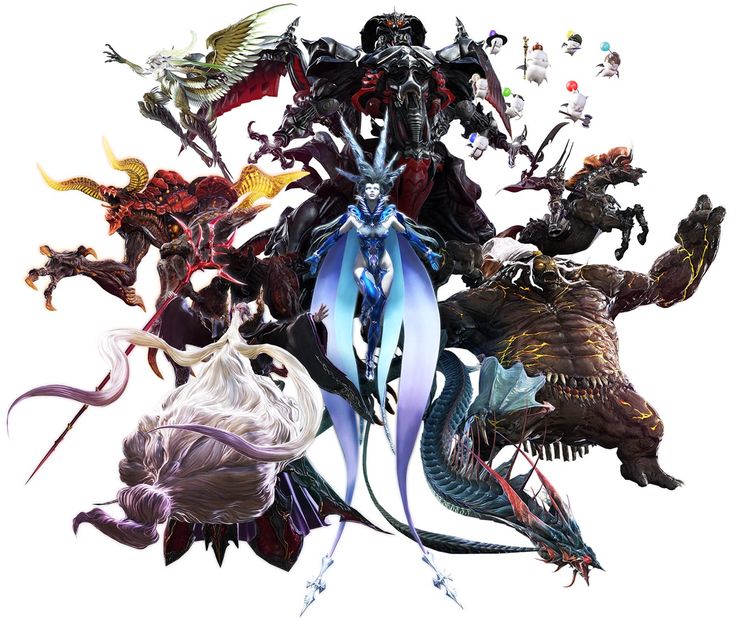
Summoners are deformed beings that appear in the popular RPG "Final Fantasy (FF)" series. They have a great influence on the storyline of some titles.
Summoners come in a wide variety of forms, including humanoid and monstrous, and they fight as reassuring allies to the player or sometimes appear as powerful enemies to liven up the game.
Outline of FINAL FANTASY (FINAL FANTASY, FF)
Final Fantasy (FF) is one of Japan's most popular computer RPGs.
Since the first title, "Final Fantasy," was released in 1987, a series of titles has been released one after another.
The beautiful computer graphics inserted into the games, stylish characters, a different world setting and difficult story structure for each work, and innovative game systems that change with each work, all distinguish the series from conventional RPGs. Furthermore, the summoned beast system introduced in "FF3" established a unique line of its own.
In recent years, the series has attracted fans around the world with its depiction of the realistic world and characters of FF in magnificent and beautiful full 3DCG.
Titles that consist of "FINAL FANTASY" plus a number are called officially numbered titles, while other titles bearing the FF name are considered Gaiden or derivative works.
The abbreviations of each title are as follows.
Numbering titles
Final Fantasy" - "Final Fantasy XV" → "FF" - "FF15
Sequels to numbered titles
Final Fantasy X-2", "Final Fantasy XIII-2", "Final Fantasy XIII LightningReturns" → "FF10-2", "FF13-2", "FF13LR
Final Fantasy IV The After -The Return of the Moon-" → "FF4TA
Final Fantasy XII: Revenant Wing" - "FF12RW
Derivative works of "FF7
Before Crisis Final Fantasy VII" - "BC FF7
Dage of Cerberus Final Fantasy VII" - "DC FF7
Crisis Core Final Fantasy VII" → "CC FF7
Works that share the same mythology as "FF13
Final Fantasy Zero" → "FF Zero
The first simulation RPG in the FF series.
Final Fantasy Tactics" and "Final Fantasy Tactics Advance" → "FFT" and "FFTA
Final Fantasy Tactics A2: Grimoire of Sealed Holes" → "FFTA2
This is an action RPG that sets itself apart from the conventional FF series released by Nintendo.
Final Fantasy Crystal Chronicles" → "FFCC
A 3D action game in which players control successive FF characters.
Dissidia Final Fantasy: DFF
Dissidia Duodecim Final Fantasy: DDFF
What is a summoner?
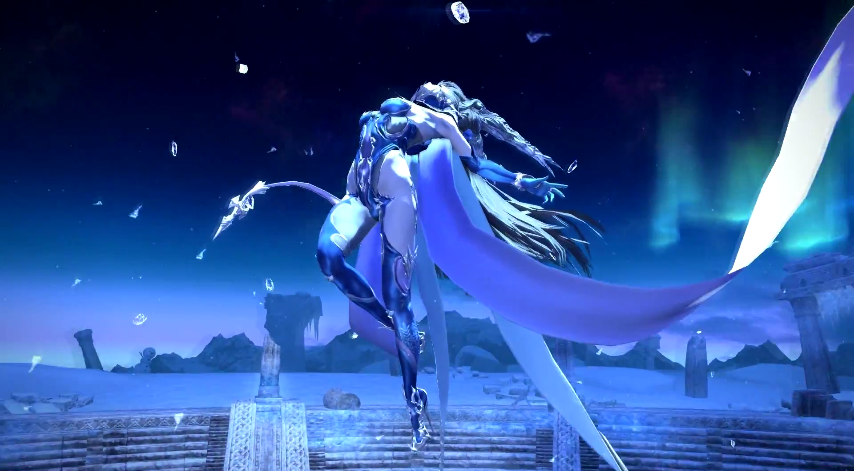
Shiva's summoning scene
Summoned beasts are the trump cards in battle in the FF series.
Summoned beasts in many FF titles are summoned from other worlds or distant places by summoning magic, and they ally themselves with the player.
When summoned, the summoned beast turns into the player's character and fights against the enemy.
In most cases, the summoned summoner will use a unique technique against the enemy only once and then leave, but some summons, such as those in "FF10," can be controlled as the player character during battle.
The summoner's unique techniques are the magic and special skills that each summoner possesses, such as high-firepower attack techniques that damage enemies, recovery techniques that restore allies' strength, etc., and support techniques that improve the player's abilities.
In order to summon a summoner, one must first acquire or make a contract with the summoner.
In order to do so, certain conditions must be met, such as winning a battle with the summoner.
However, in some cases, such as in "FF13," each character is assigned a special summoner from the start.
The summons acquired are often sealed in various items in each work.
In "FF6" they are magic stones, in "FF7" they are materia, and in "DFF" and "DDFF" they are summoning stones.
Sealed summons can be summoned using summoning magic in most cases, with a few exceptions.
In some works, it is necessary to be a specific occupation (job) such as summoner, magician, illusionist, etc. in order to use summoning magic.
Most summoners are spirits or monsters, such as "Sylph" and "Bahamut," but some summoners, such as "Gilgamesh," once appeared as enemies in the FF series.
There are also those that take the form of humans, such as "Ramu," and speak with them during the story.
Summoners first appeared in "FF3," but it was not until "FF5" that they began to be called "summons" in the series.
Summoners are sometimes called spirits or monsters in "FF3", phantoms in "FF4" and "FF6", Guardian Force (G.F.) in "FF8", and military gods in "FF0".
The appearance and names of summons are often modeled after mythological and legendary creatures and characters from around the world.
The number of summoners in the FF series is more than 130, including those that appear in Gaiden and derivative works, those that appear as enemies, and those that are not controllable by the player.
In this section, those that can be summoned by the player are introduced as summoners.
List of summons in the FF series
"a" column or row of the kana syllabary
Ark.
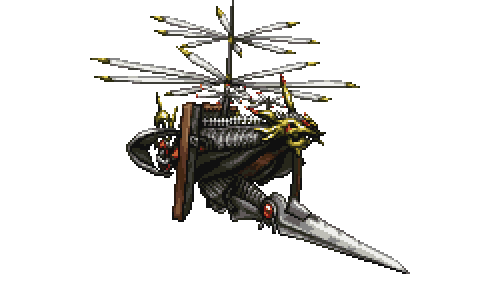
A summoner similar to an airship, summoned by Garnet, the heroine of "FF9.
It uses "Dark Fate," which inflicts dark damage to all enemies.
When summoned, the battleship-shaped Ark appears from space, and when it enters the ground, it transforms into a humanoid form and attacks in a spectacular fashion.
The movie version of the summoning takes less than two minutes, making it one of the longest in the series.
This lengthy presentation irritated players, and many of them cut out the second and subsequent presentations after watching it once.
Appearance: "FF9
Asra
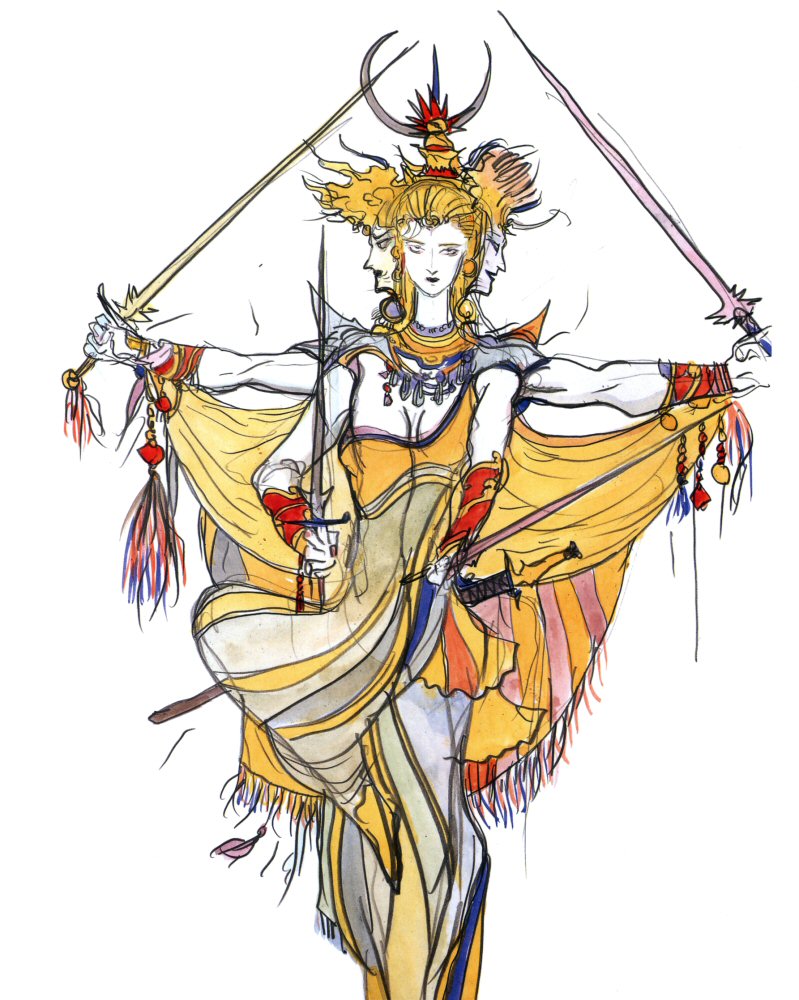
A female summoner with three faces and six arms.
She uses her three faces at random, and when she has an angry face, she casts "Proteus," a magic to increase defense; when she has a benevolent face, she casts "Cairda," a recovery magic; and when she smiles, she casts "Raise," a revival magic, on all allies.
In "FF4," he lives in the Phantom Realm with other phantoms, and usually takes the form of a human.
She is the wife of Leviathan, the king of the Phantom Realm.
She is the wife of Leviathan, the king of the Phantom Realm, and was originally named after Asura, a Buddhist guardian deity.
Appearance: "FF9" and "DFF
Atmos
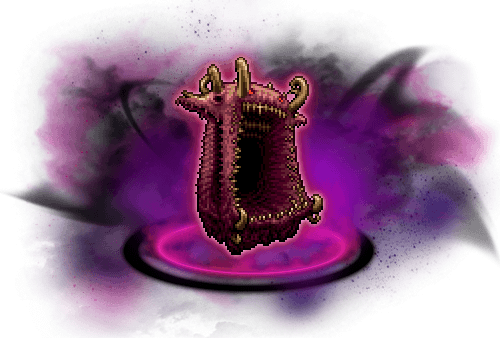
First appearing in "FF9" as a summoner, this huge-mouthed summoner is summoned by Garnet, the heroine of the same title.
With its large mouth, it can suck in opponents and then spit them out.
Its unique technique is called "Gravity Object 199," which inflicts a certain amount of damage depending on the enemy's maximum hit points (HP).
In "FF5," it appears as an enemy boss character.
Appearances: "FF9", "FF11", "FF12RW", "DFF".
Adramelech
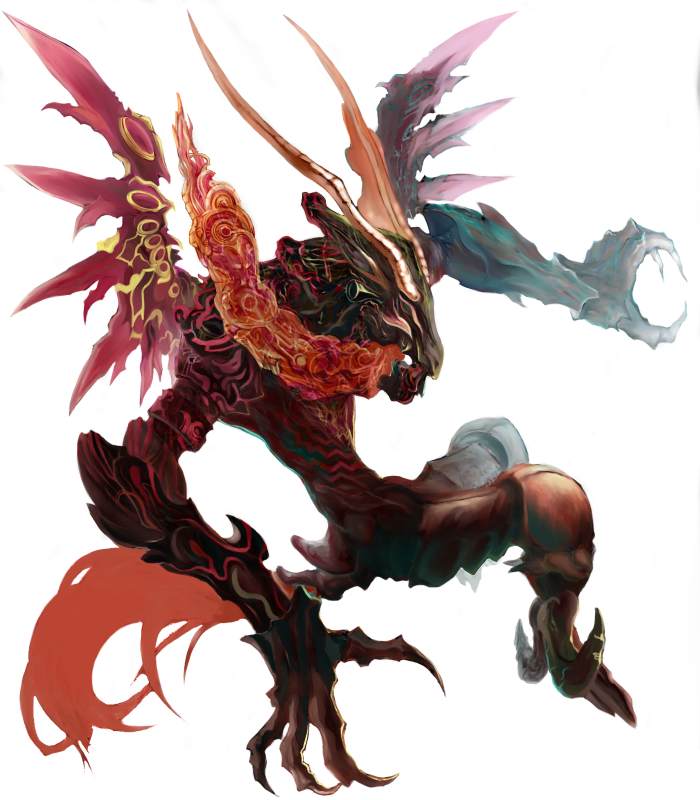
A demon summoner in the form of a dragon with a goat's head that first appears in "FF12".
It is called "Adramelech, the Spirit Emperor of Rage.
It possesses the lightning attribute magic "Sanger" and "Flash Roar".
When summoned, its unique technique is "Thunder of Judgment," which is the same as Ramu's unique technique in other FF series.
Appearances: "FF12" and "FFTA
Anima
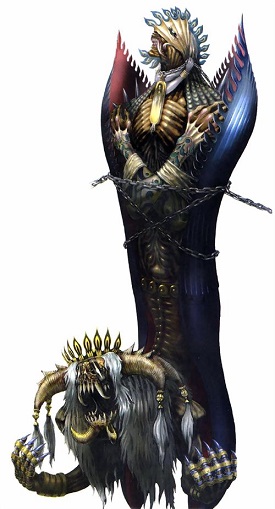
A summoner appearing in "FF10" with a horrifying appearance, bound by chains.
Its unique technique is "Pain," which deals damage to a single target and instant death, and its special move, the Overdrive technique, is "Chaotic D," which inflicts nonattribute damage to the entire target.
The horror of the blood spurting out every time "Pain" is uttered is almost traumatizing to the player.
It is a hidden summoner, and its strength is also ace-level.
It was originally the summoned beast of Seymour, an enemy boss in "FF10," and during the storyline, players sometimes fought Anima while she was summoned by Seymour.
Appearance: "FF10
Ultima

Related Articles
Final Fantasy (FF) Back and Hidden Bosses Summary
Back bosses and hidden bosses are boss monsters that do not need to be defeated in the storyline. Basically, they are strong enough to destroy you in an instant if you challenge them without knowing it, and you need to take countermeasures or strengthen your character, such as by leveling up. In the past Final Fantasy series, there are also backstage bosses and hidden bosses, and all of them are powerful monsters.
Read Article
Summary of Final Fantasy (FF) Rust Bosses
The last enemy of the popular RPG "Final Fantasy (FF)" series. His appearance is often unique and peculiarly deformed, and he sometimes leaves famous lines. He is not just a villain, but the emotions and story behind him are also carefully depicted, capturing the hearts and minds of players. As the performance of video game consoles improved, so did the graphics, resulting in more realistic depictions of the ruthless bosses.
Read Article
Summary of Final Fantasy (FF) heroines and female main characters
The heroines of the popular RPG "Final Fantasy (FF)" series are strong and beautiful and color the story. Heroines play a leading role or support the hero. Sometimes they fall in love, sometimes they experience separation, and sometimes they face a harsh fate. Each work features a different heroine with various charms that will fascinate players.
Read Article
Final Fantasy (FF) Heroes and Male Main Characters Summary
The heroes of the popular RPG series "Final Fantasy (FF)" play key roles in the story, but their charms differ from one work to another, with some suffering sad fates and others betraying their characters. The feature of the series is that many of them are beautifully shaped. The visuals, which become more and more realistic with each series, are unrivaled.
Read Article
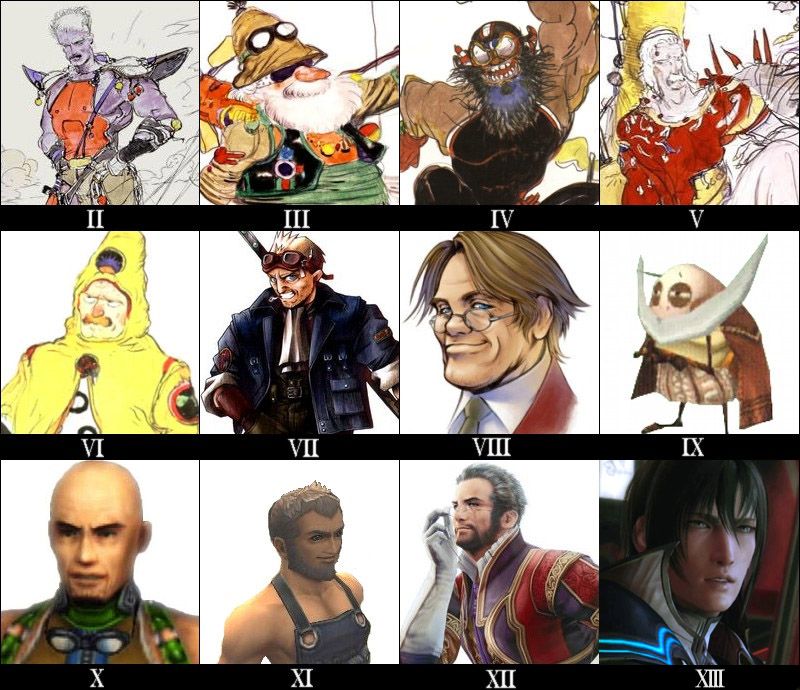
Final Fantasy (FF) summary of successive generations of Cid
Cid is a well-known character in the Final Fantasy (FF) series. Although he shares only the name "Cid," his appearance, age, and settings differ in each series. He is also known for his involvement with the "airships" that frequently appear in the "FF" series. Here, we will introduce the character of Cid in each of the "FF" numbered series.
Read Article
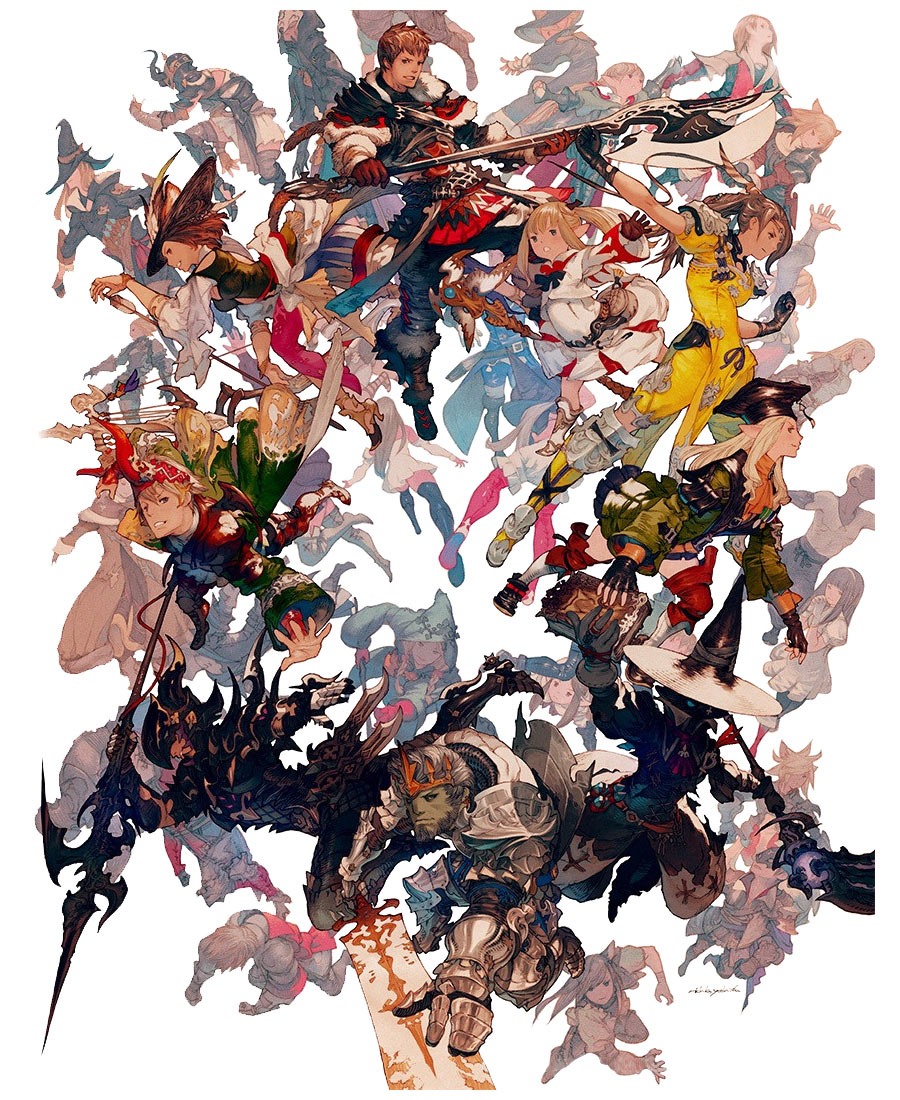
Final Fantasy (FF) Job Summary
Jobs in the Final Fantasy series are a system in which players arbitrarily determine the job (role) of their characters and use their abilities to battle and conquer dungeons. Typical examples are Knight, Monk, White Mage, and Black Mage. Switching jobs depending on the situation is called "job changing," and the game system for acquiring and switching jobs is called the "job system" or "job change system.
Read Article
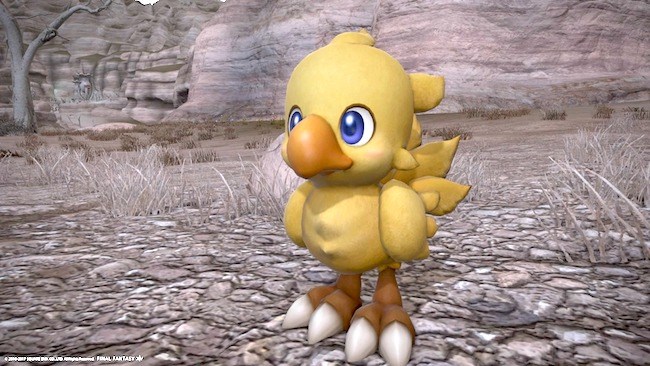
Final Fantasy (FF) Chocobo Summary of the Past
Chocobo is a fictional bipedal bird that appears in the "Final Fantasy (FF)" series and is a representative mascot character of the series. Chocobos are often used as vehicles in the games, and there are various arranged versions of the chocobo theme song, which is the background music when riding a chocobo. Various types of chocobos appear in each series, and they can join the series, appear as summoned beasts, or fight as enemies.
Read Article
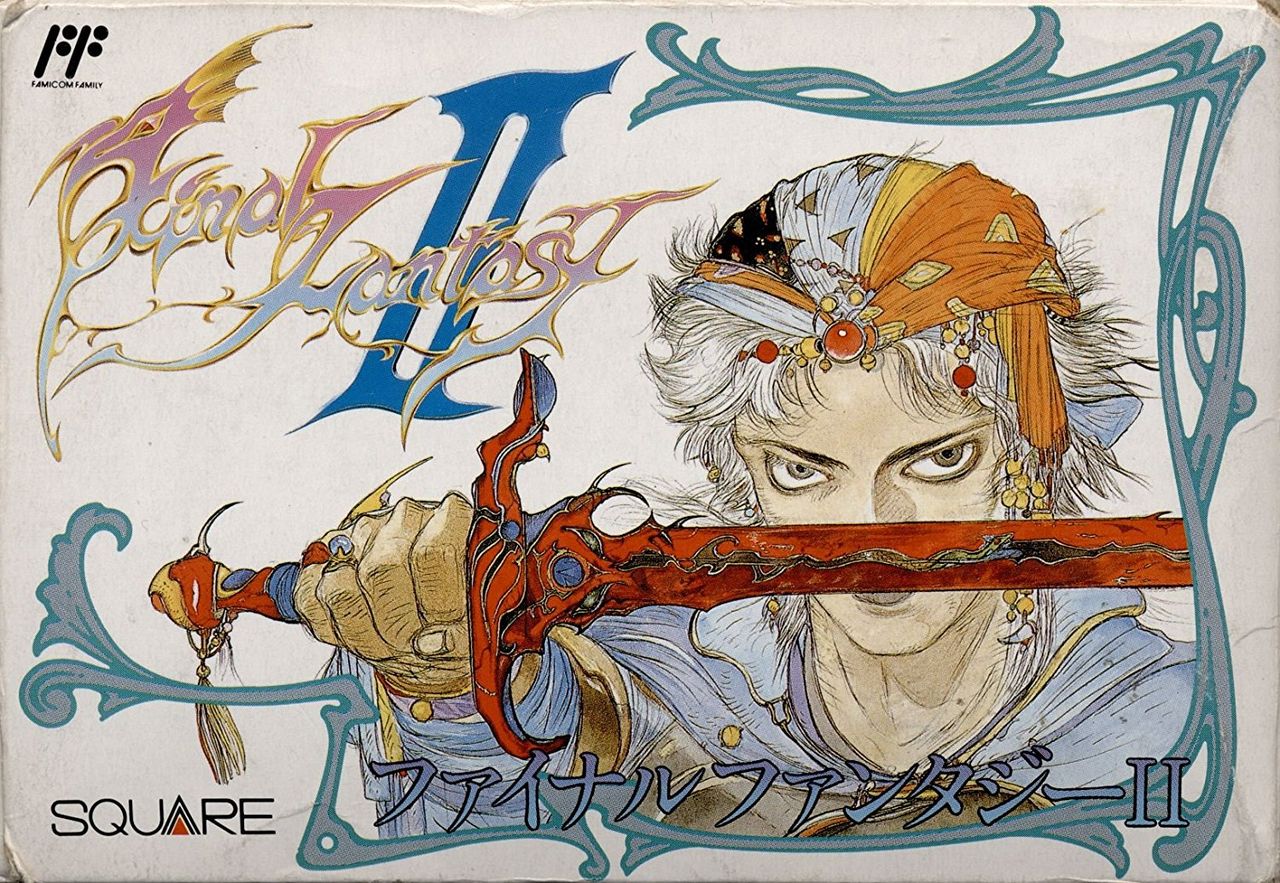
Images of previous packages of the FF series [FINAL FANTASY].
A fantastical world of swords, magic, crystals, and cities in the air. The Final Fantasy series has become a hit and very popular series with its deep story and unique characters. The package that symbolizes the series is the first thing you see when you purchase a game. Here is a collection of images of the packaging of the Final Fantasy series over the years.
Read Article
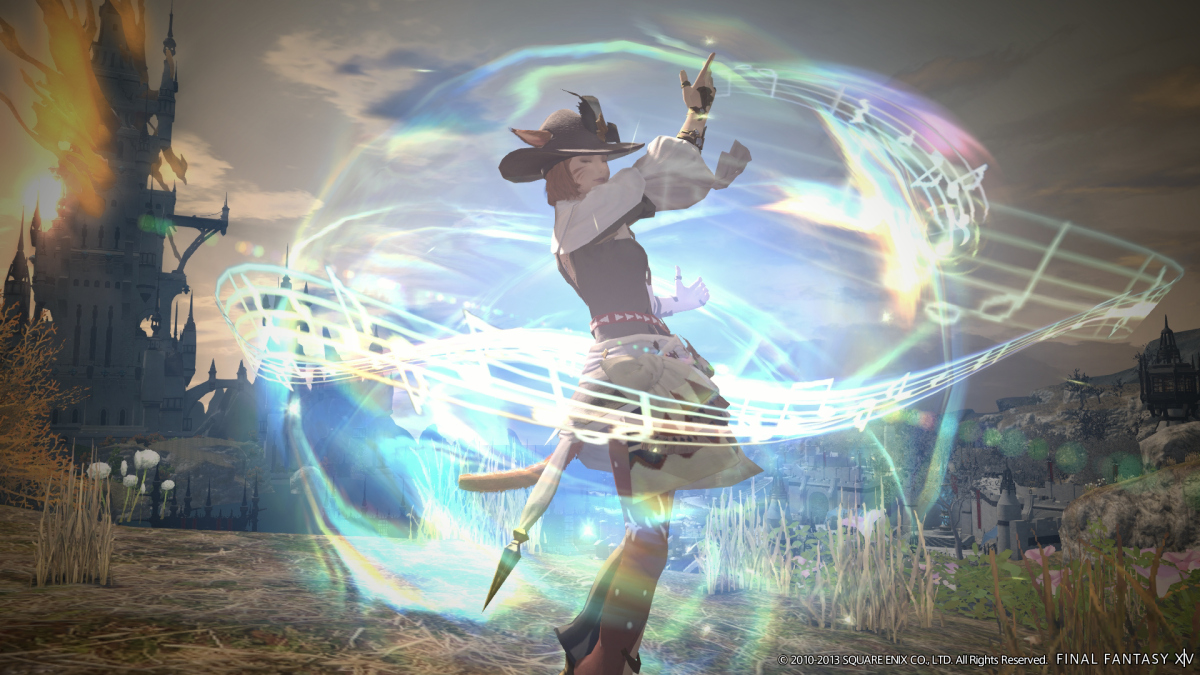
Final Fantasy (FF) Magic Summary
The Final Fantasy series, developed and released by Square Enix, will celebrate its 30th anniversary in 2017. With a total of 87 titles, it was recognized by Guinness World Records in 2017 as the RPG series with the largest number of titles. As such a long-lived series, Final Fantasy has a number of magic characters.
Read Article
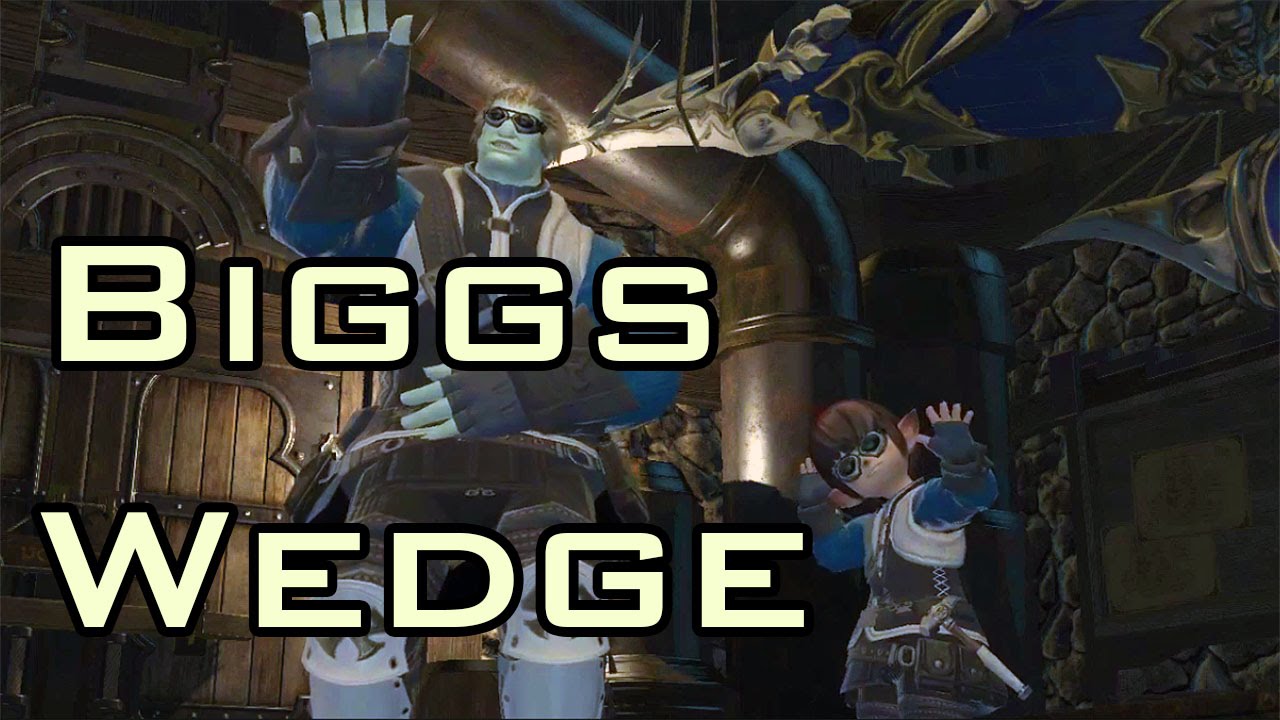
Final Fantasy (FF) Bigs & Wedges summary of all time
Biggs and Wedge are a pair of sub-characters in the Final Fantasy (FF) series. They first appeared in "FF6" and have since appeared as supporting characters in most of the series, making them familiar to "FF" fans. Here we introduce the activities of Biggs & Wedge in each numbered title.
Read Article
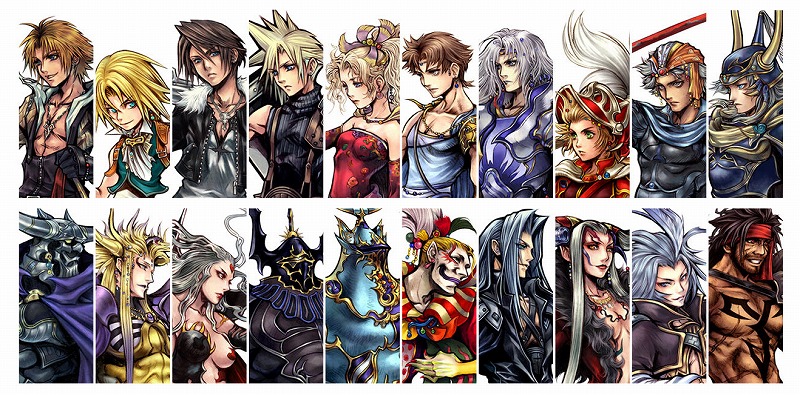
Final Fantasy (FF) Abilities Summary
The Final Fantasy ability system is a combat and training system in the Final Fantasy series (FF series) of Japanese RPGs that allows players to customize their "commands" and "characteristics. Abilities in the Final Fantasy series refer to techniques that characterize a job or character, and abilities can be used to give a character a unique personality.
Read Article
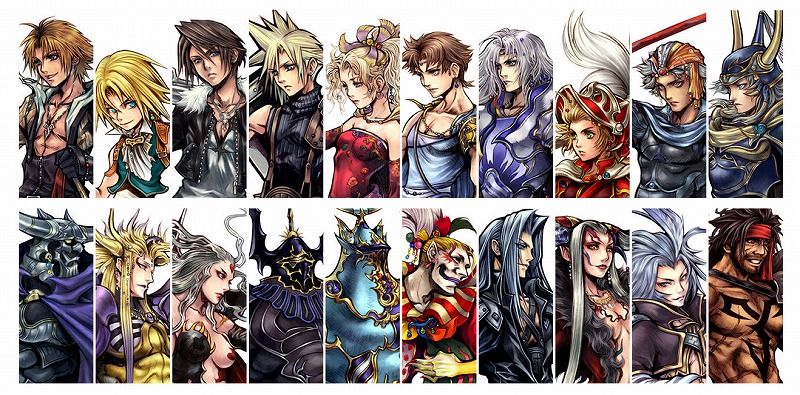
Final Fantasy (FF) Trauma Summary
There are many unforgettable scenes in the "FINAL FANTASY" series, but the more painful the experience, the more memorable it is. In this section, we will introduce scenes in the games of the numbered titles in the "FF" series that were so difficult, scary, or sad that they became traumatic.
Read Article
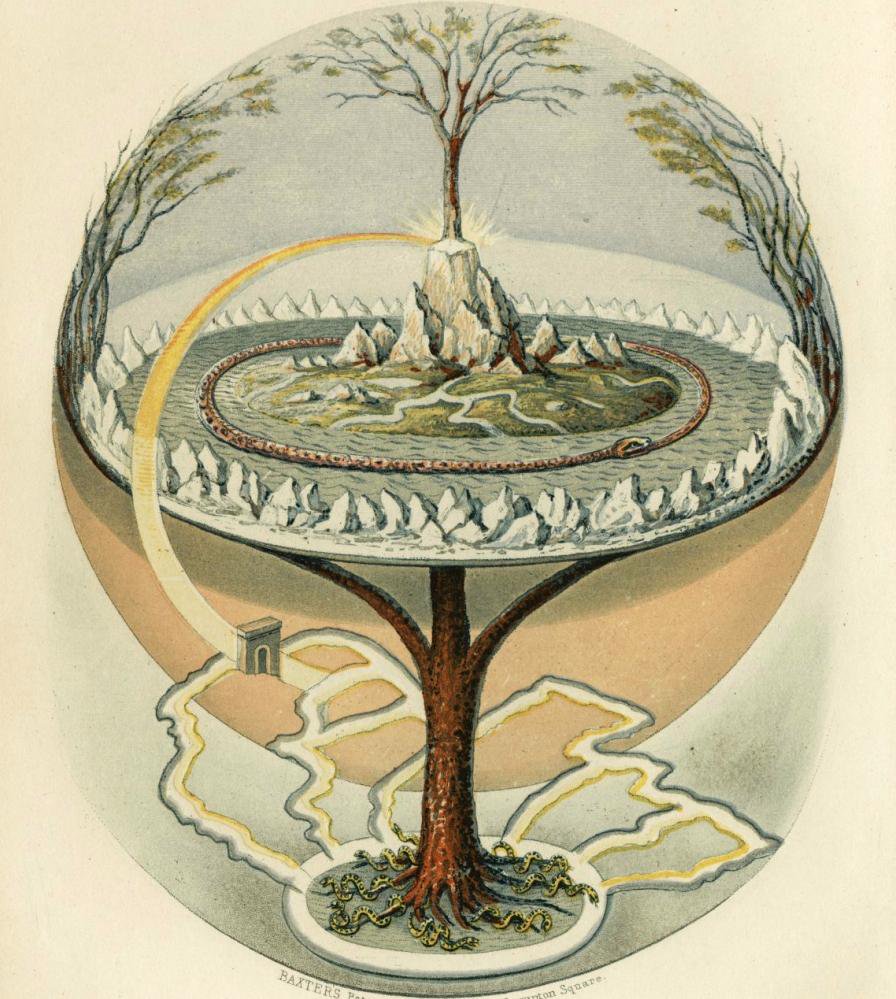
A thorough explanation and discussion of Norse mythology! Interesting and easy to understand!
Norse mythology is a mythological system that was believed by the Norse people before the spread of Christianity. It is also called Scandinavian mythology because the Norse had the Scandinavian Peninsula as their sphere of influence. The myths were passed down orally, but around the 13th century, the Icelandic poet Snorri Sturluson compiled them into a book titled Edda. The story depicts the rise and fall of gods whose "doom of destruction" has been decreed, and many of the episodes have a dark overall impression. The story as a whole is highly accomplished, and it is often used as a subject in modern creative works such as comic books.
Read Article
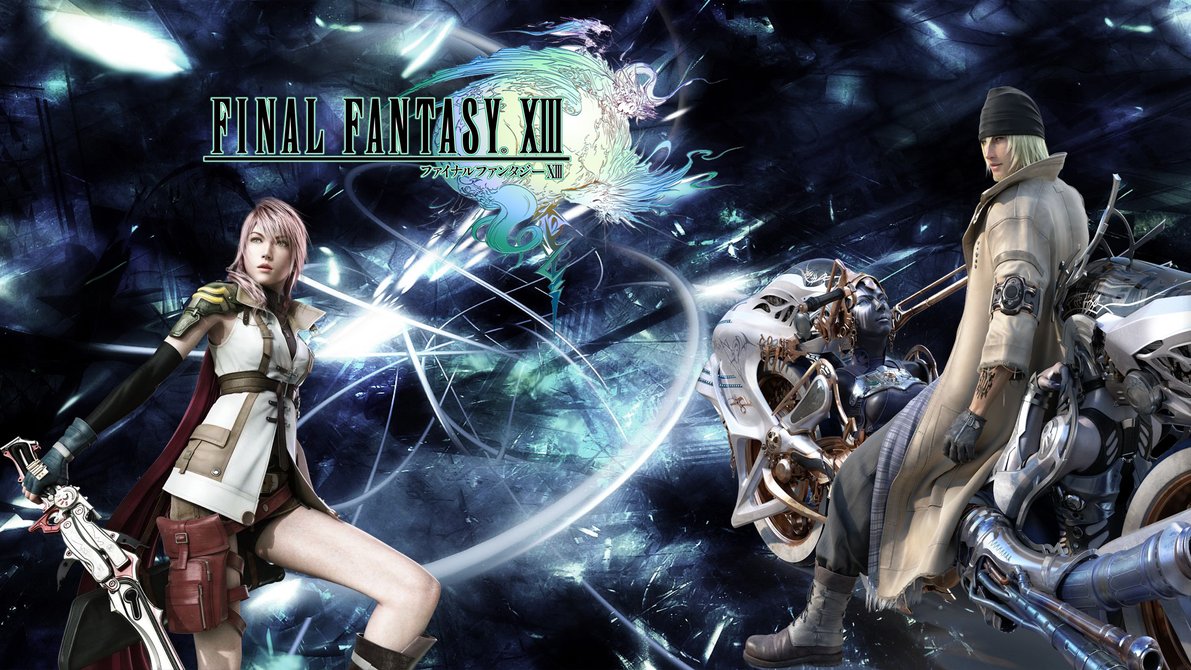
Final Fantasy XIII (FF13) Spoilers and Discussion Summary
FINAL FANTASY XIII (FF13) is the 13th installment of the FF series released by Square Enix for the PlayStation 3 (PS3) and Xbox 360 multiplatforms. It is one of the projects that share the mythological world of FABULA NOVA CRYSTALLIS. Lightning and his team fight against the "god-like" existence Farsi in the two worlds of Pulse and Cocoon.
Read Article
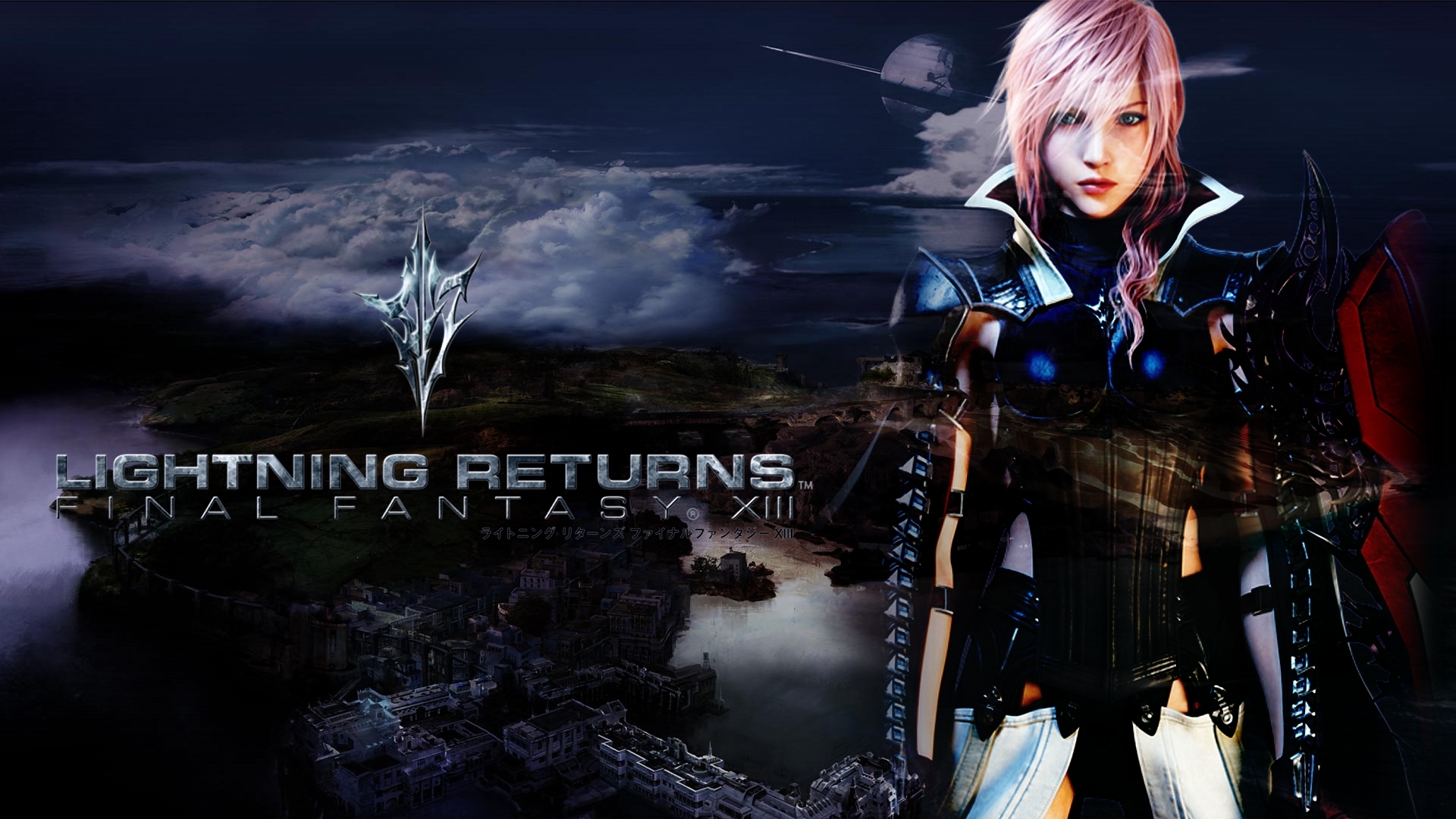
Lightning Returns Final Fantasy XIII (LRFF13) Spoilers and Discussion Summary
Lightning Returns Final Fantasy XIII" (LRFF13) was released by Square Enix in 2013 for the PlayStation 3 and Xbox 360. It is the sequel to "FF13-2" and the final chapter in the trilogy that began with "FF13. Lightning, the protagonist of "FF13," once again takes the lead role and fights to save the people in a world headed toward the apocalypse 500 years after the previous game.
Read Article
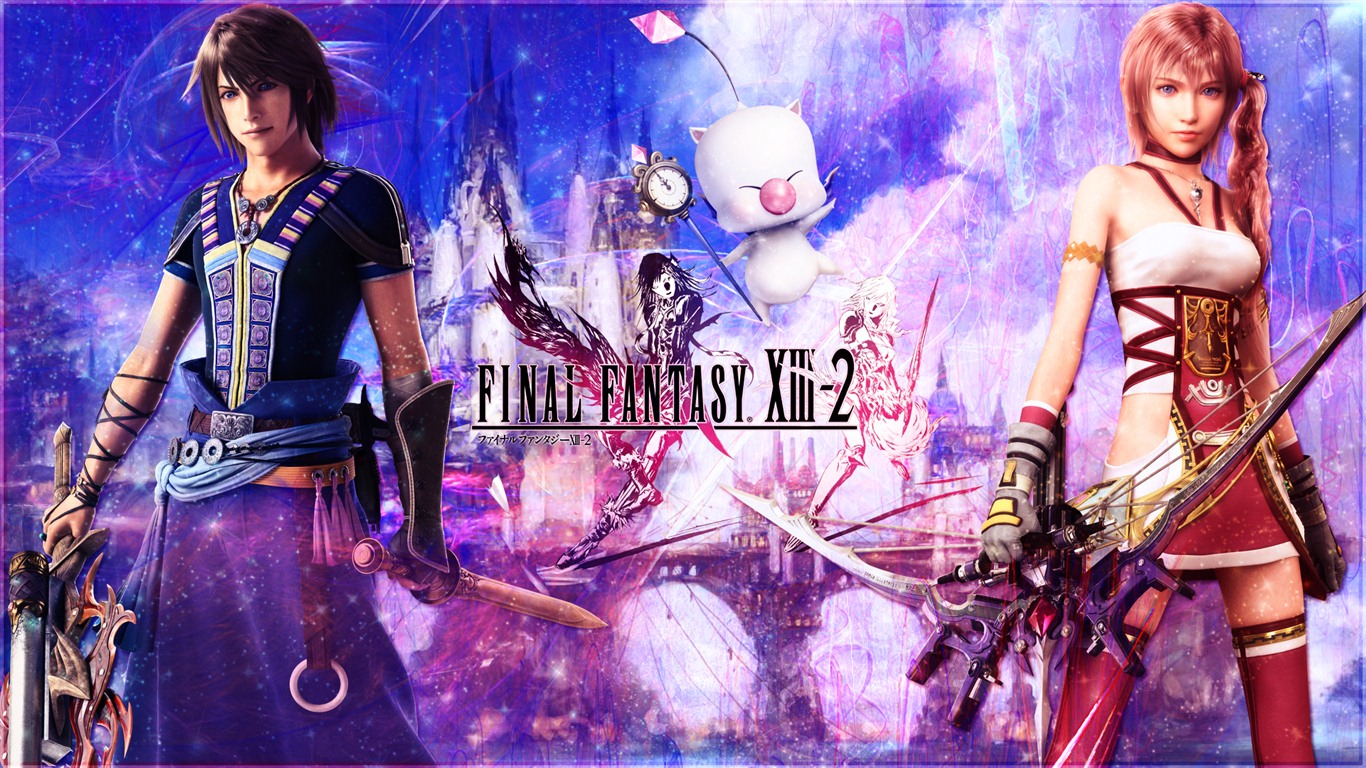
Final Fantasy XIII-2 (FF13-2) Spoilers and Discussion Summary
FINAL FANTASY XIII-2" (FF13-2) is a game software for PlayStation 3 and Xbox 360 released by Square Enix in 2011, and is a sequel to "FF13". FF13-2" begins after the ending of "FF13. In this game, Lightning's younger sister Sera, who was the main character in "FF13," becomes the main character and embarks on a journey through time and space with Noel, who has come from the future, in order to correct the distortion of space-time.
Read Article
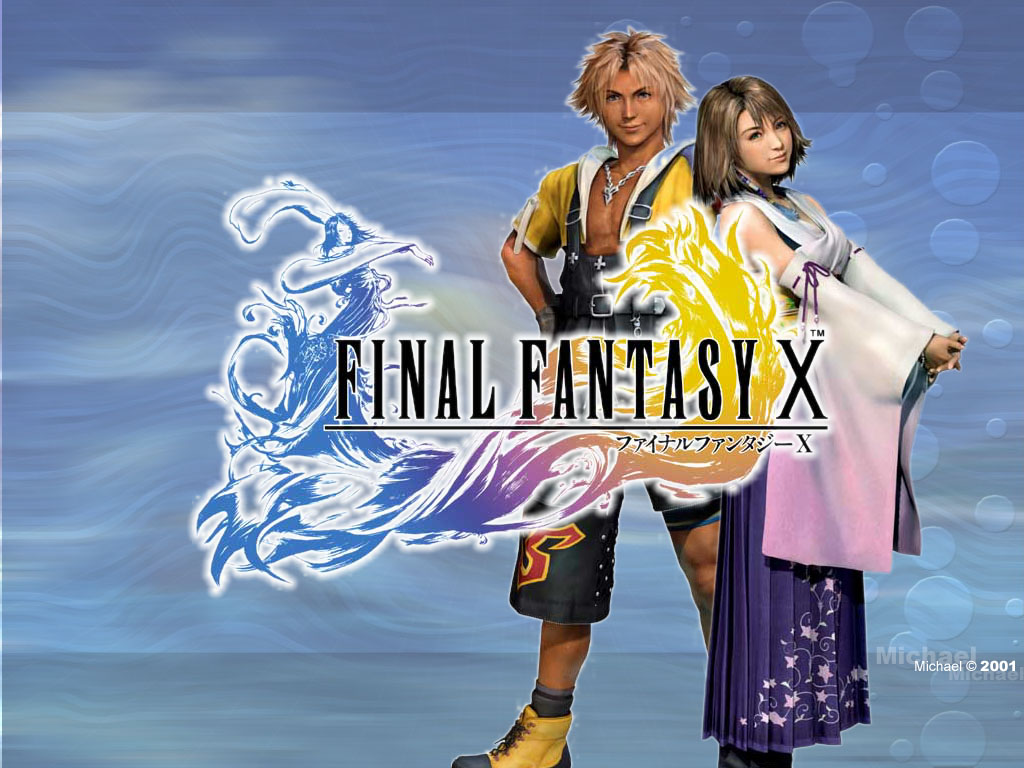
Final Fantasy X (FF10) Spoilers and Discussion Summary
Final Fantasy X" (FF10) is a role-playing game (RPG) released by Square Enix for the PlayStation 2 in July 2001, and is the 10th title in the FF numbering series. One day, Teeda, a young man living in Zanarkand, is transported to the other world of "Spira. Together with Yuna, a summoner he meets there, he embarks on a journey to defeat the threat of this world, "Sin.
Read Article
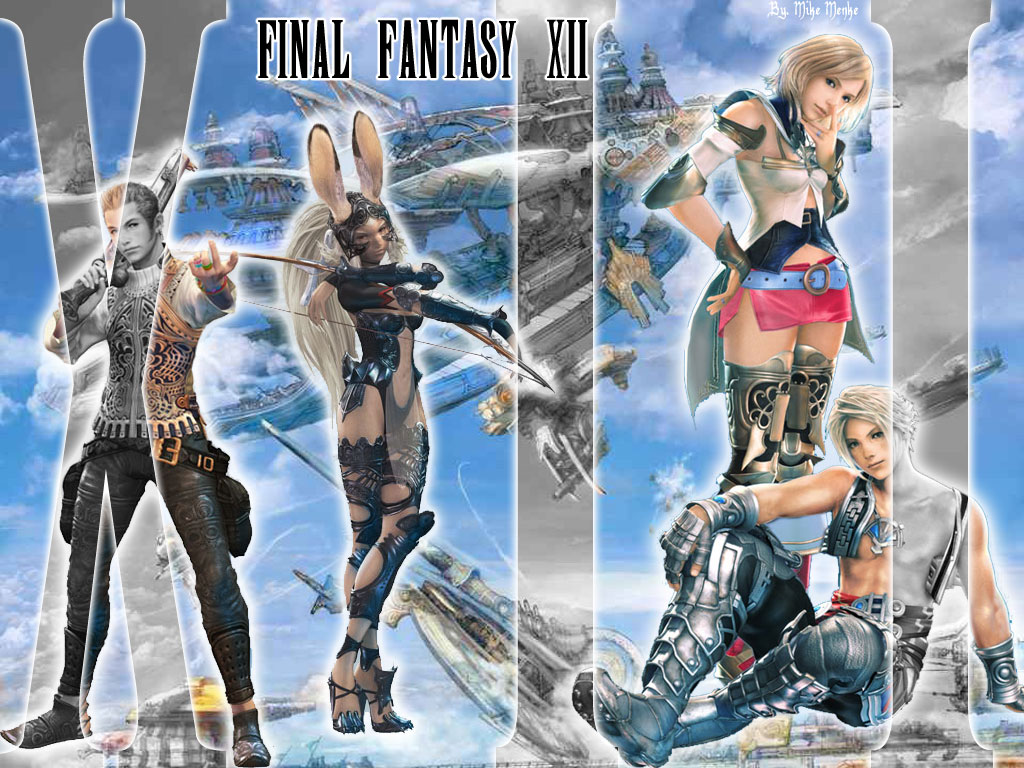
Final Fantasy XII (FF12) Spoilers and Discussion Summary
Final Fantasy XII (FF12) is a role-playing game released in 2006 exclusively for the PlayStation 2 and the 12th in the FF series.On July 13, 2017, a remastered version of Final Fantasy XII The Zodiac Age will be available for the PS4 . Van, a young boy living in a small country under the control of the Empire, gets caught up in a war between major powers when he sneaks into the royal palace for the purpose of stealing things.
Read Article
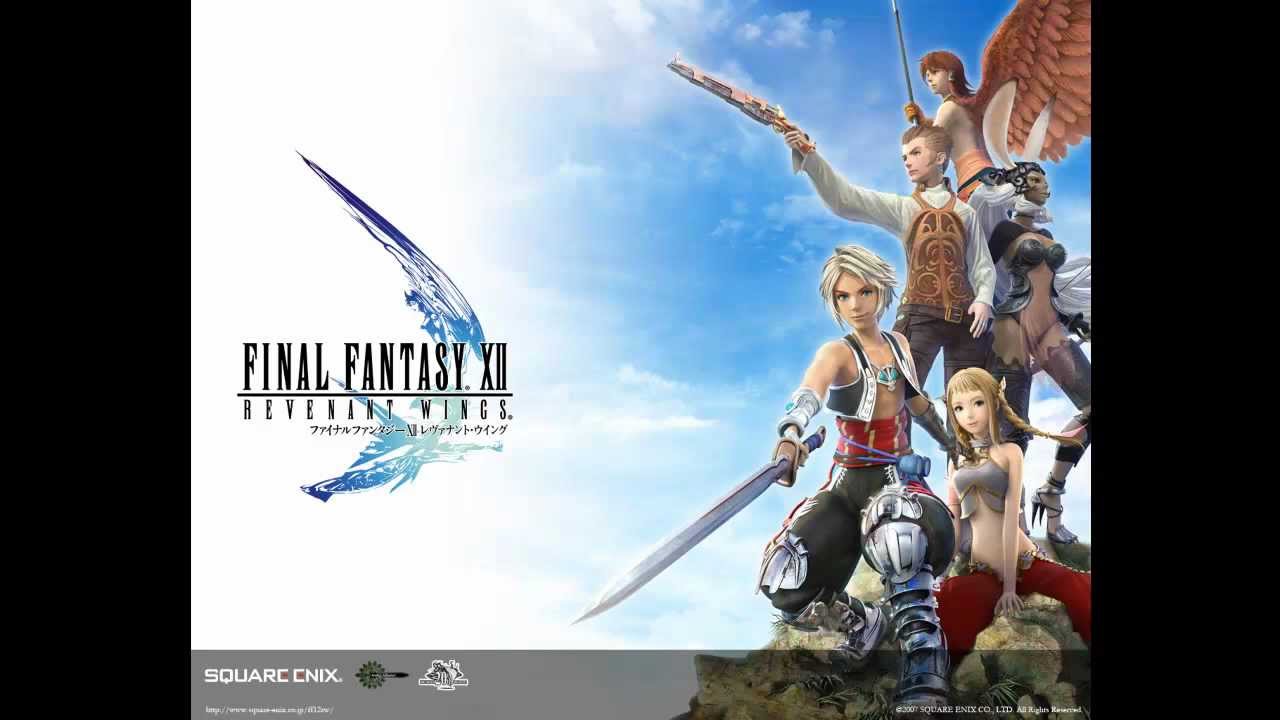
Final Fantasy XII Revenant Wing (FF12RW) Spoilers and Discussion Summary
Final Fantasy XII: Revenant Wing" (FF12RW) is a video game for the Nintendo DS released by Square Enix in 2007. It is a derivative work of "FINAL FANTASY XII" (FF12). This handheld game uses a stylus and is a role-playing game (RPG) that can be played easily. It depicts the new adventures of Van, the main character of "FF12," in the floating continent of Lemraeth.
Read Article
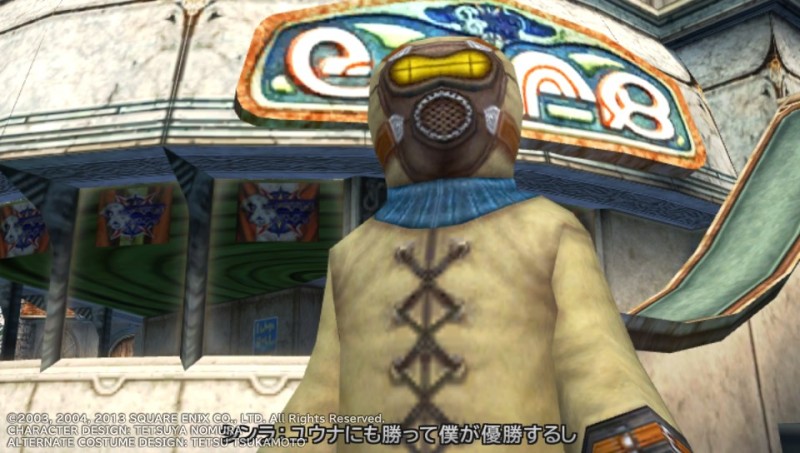
Spoiler commentary and discussion of the relationship between FFX-2 "Shinra-kun, the seagull group's information officer" and FF7 "Shinra Company".
In FFX-2, the main character Yuna and her friends Luc and Pine belong to the Seagulls, a group of sphere hunters. One of them, Shinra-kun, an information officer, had an unusual relationship with the Shinra Company of FF7. Shinra-kun had actually accomplished something big. It involved a different story over a long, long period of time. It is not just the similarity of the names, but the backstory revealed by the official. Its contents and explanation.
Read Article
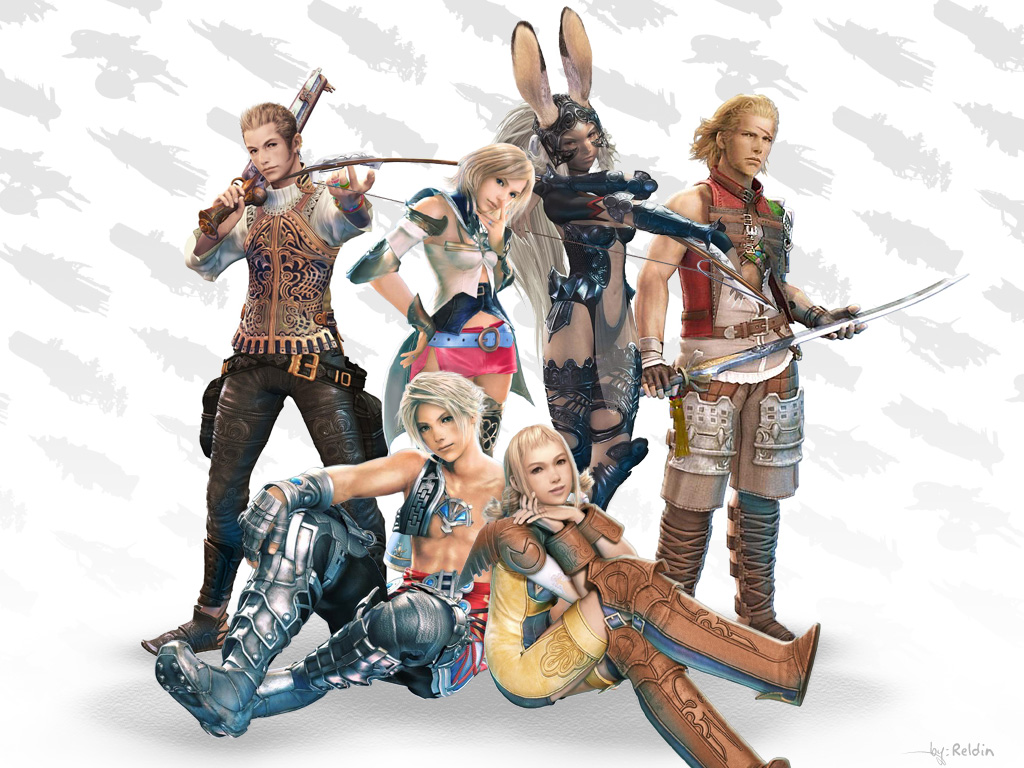
Final Fantasy XII (FF12) Quotes and Lines of Wisdom / Great Scenes and Scenes
Final Fantasy XII (FF12) is the 12th title in the FF series released in 2006. Van, a young boy living in downtown Dalmasca, sneaks into the royal palace to take a swing at the empire that rules his homeland, and becomes embroiled in a great destiny that will shake the world. In the history of Ivalice, each of the characters has a memorable line in the story.
Read Article
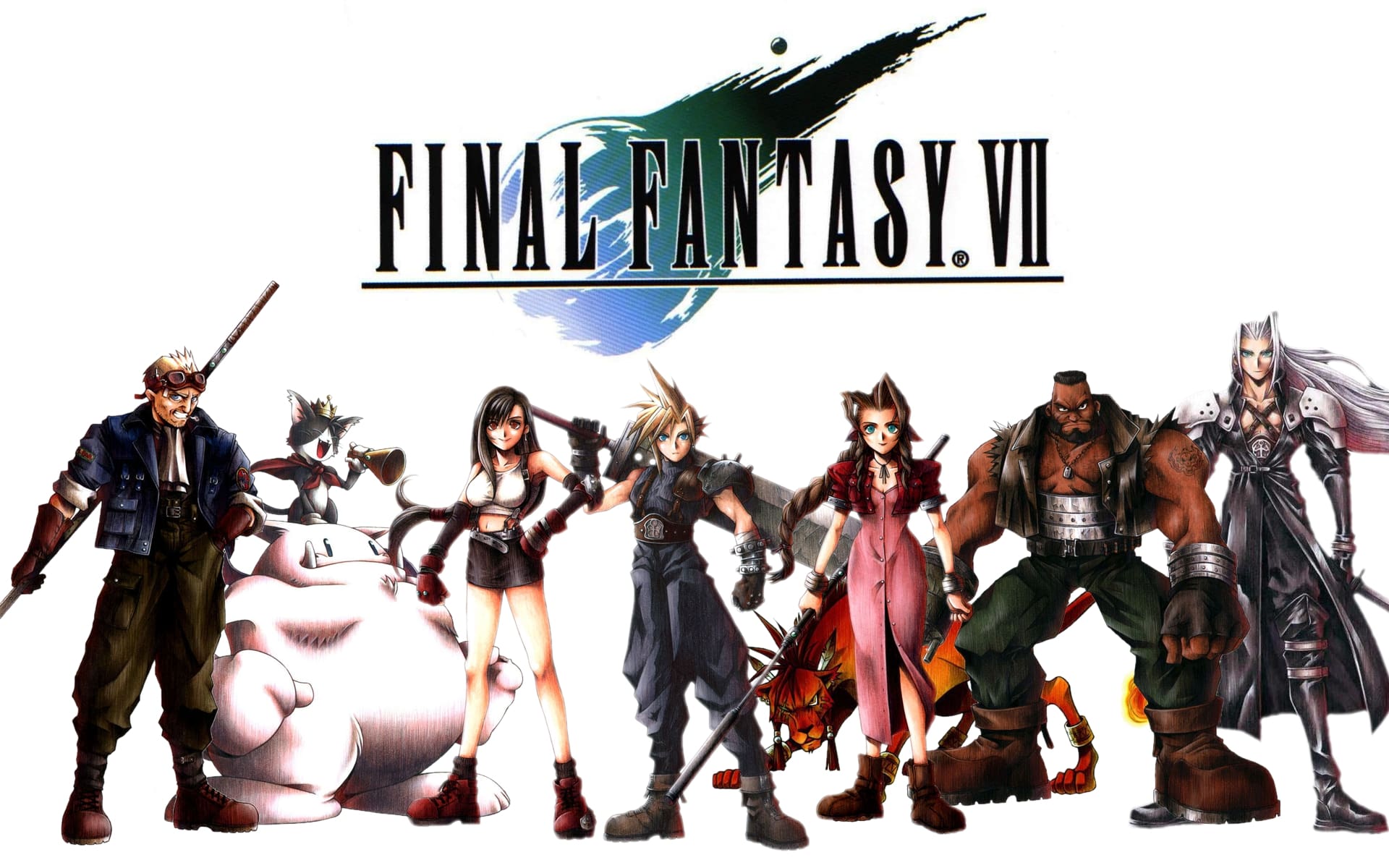
Final Fantasy VII (FF7) Spoilers and Discussion Summary
Final Fantasy VII" is the first role-playing game (RPG) for PlayStation (PS), released by Square (now Square Enix) in 1997. It is the seventh title in the series. It was the first in the series to feature all maps in 3D and to incorporate CG movies into its presentation, ushering in a new era of RPGs. The story follows the battle between Sephiroth, who is trying to destroy the stars, and Cloud, the hero who is trying to stop him.
Read Article
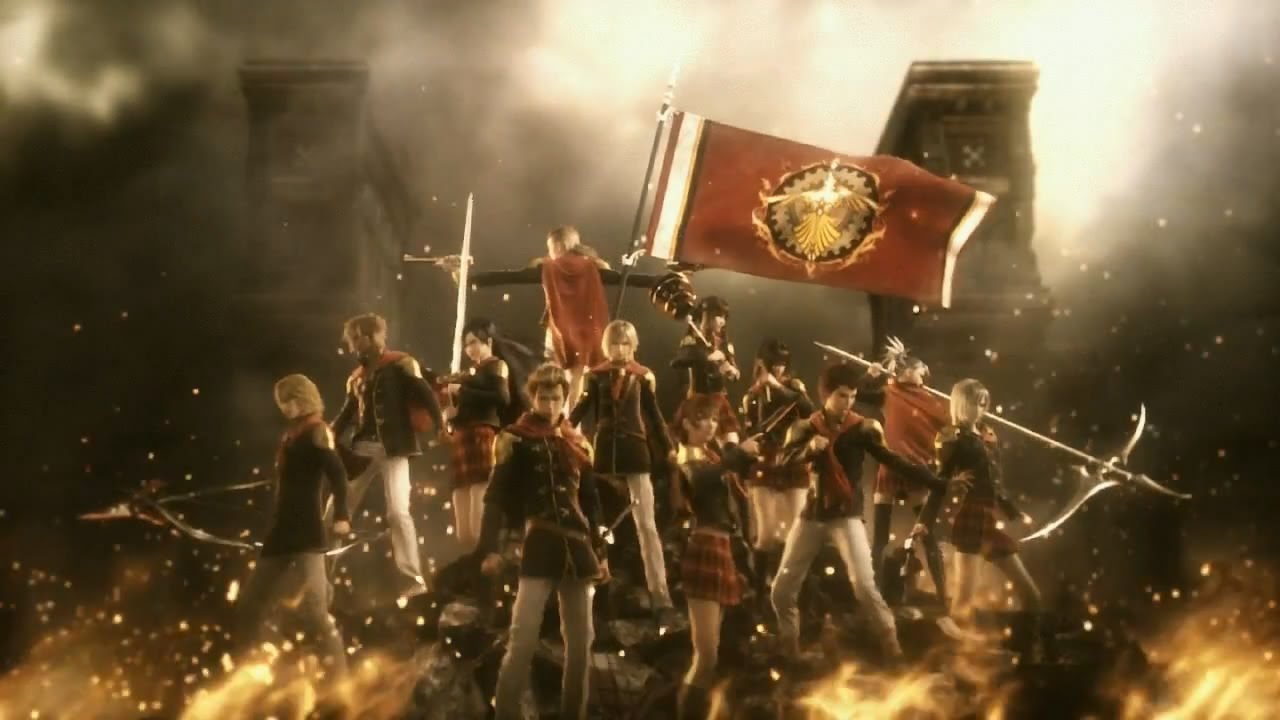
Final Fantasy Zero (FF Zero) Spoiler Commentary and Discussion Summary
FINAL FANTASY ZERO SHIKI is a role-playing game (RPG) for the PlayStation Portable (PSP) released by Square Enix in 2011. It is an extravaganza of the FF series, with the theme of war and the story of crystals and gods, and human life and death. The setting is a world called "Oriens," where 14 boys and girls, the main characters, go through severe training to become saviors called "Agito" and throw themselves into war.
Read Article
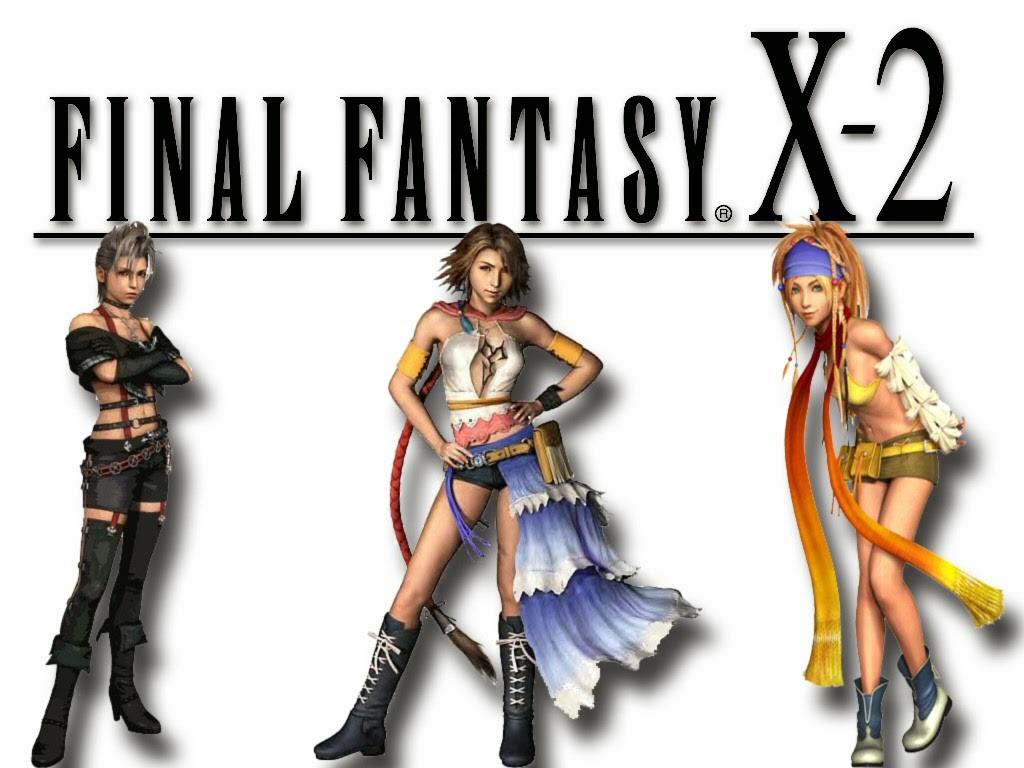
Final Fantasy X-2 (FF10-2) Spoilers and Discussion Summary
Final Fantasy X-2" (FFX-2) is an RPG released by Square Enix for the PlayStation2 in 2003, and is a legitimate sequel to "FFX. The worldview is taken over from "X," but the character presentation and other aspects of the game are much lighter. It has new systems such as dress-up. Two years after "FFX," Yuna sees a sphere showing a young man who looks like Tida and sets off on a journey again.
Read Article
Final Fantasy VIII (FF8) Spoilers and Discussion Summary
Final Fantasy VIII (FF8) is a role-playing game (RPG) released by Square (now Square Enix) for the PlayStation in 1999, the eighth in the series. This title featured the first theme song in the series, and its theme song "Eyes On Me" sold over 500,000 copies. The story is about a young man named Squall, who belongs to a soldier training school, and his friends who fight witches that pose a threat to the world.
Read Article
Final Fantasy Tactics (FFT) Spoilers and Discussion Summary
Final Fantasy Tactics (FFT) is a simulation role-playing game (RPG) released by Square (now Square Enix) for the PlayStation in 1997. The story depicts the glory and darkness of the main character Ramza, who played an active role behind the scenes during the civil war known as the Lion's War, and his close friend Dirita.
Read Article
Final Fantasy I (FF1) Spoilers and Discussion Summary
FINAL FANTASY (FF)" is a video game for the Family Computer (FC) released in 1987. The genre is role-playing game (RPG). Since then, it has been remade for various game consoles. This is the memorable first title in the FF series. In a world shrouded in darkness, four young men appear with a crystal in their hands. As "Warriors of Light," they embark on an adventurous journey to dispel the darkness and restore peace to the world.
Read Article
Final Fantasy IX (FF9) Spoilers and Discussion Summary
FINAL FANTASY IX" (FF9) is the ninth title in the FF series, released by Square (now Square Enix) in 2000 for the PlayStation®. The theme of this game is a return to the origin. In addition to a medieval European-style royal fantasy worldview, the game contains elements that pay homage to past titles in the series. The story questions the importance of life and bonds and the meaning of life through the struggle between the protagonist Zitan and Kuja, who is trying to destroy the world.
Read Article
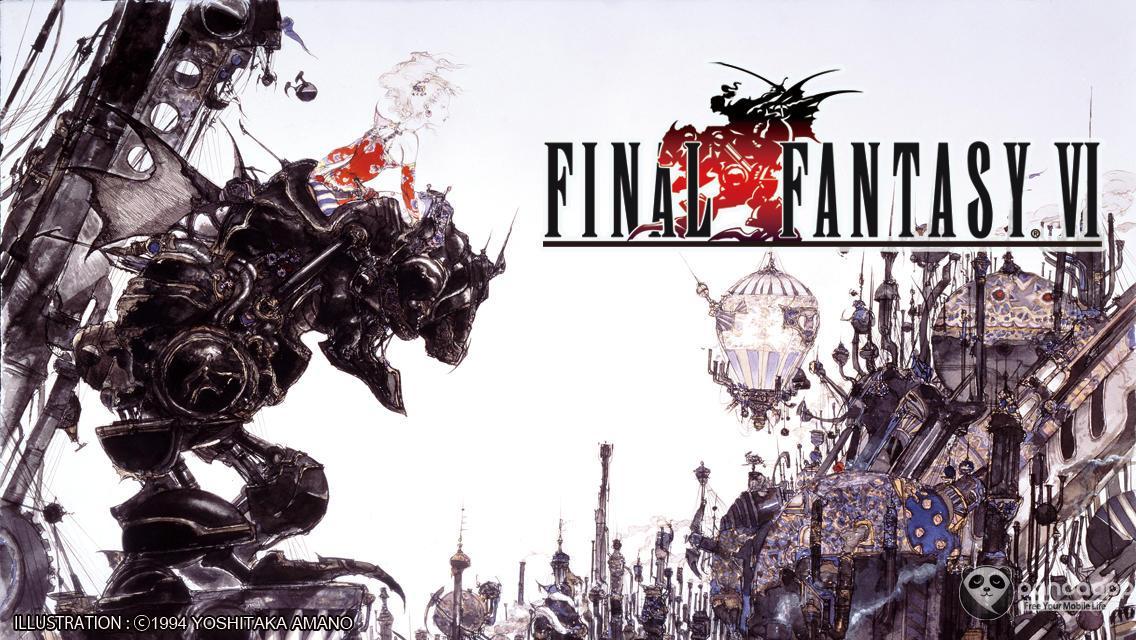
Final Fantasy VI (FF6) Spoilers and Discussion Summary
This is the sixth title in the FF series, released by Square (now Square Enix) for the Super Famicom (SFC) in 1994. This title follows the system up to FF5, but presents an ensemble drama with an emphasis on character-driven storytelling. The setting is a world of lost magic, fantastic beasts, and mechanical civilization. This ensemble drama depicts the battle between the Gastra Empire, which is attempting to conquer the world, and those who belong to a resistance organization that stands up against it.
Read Article
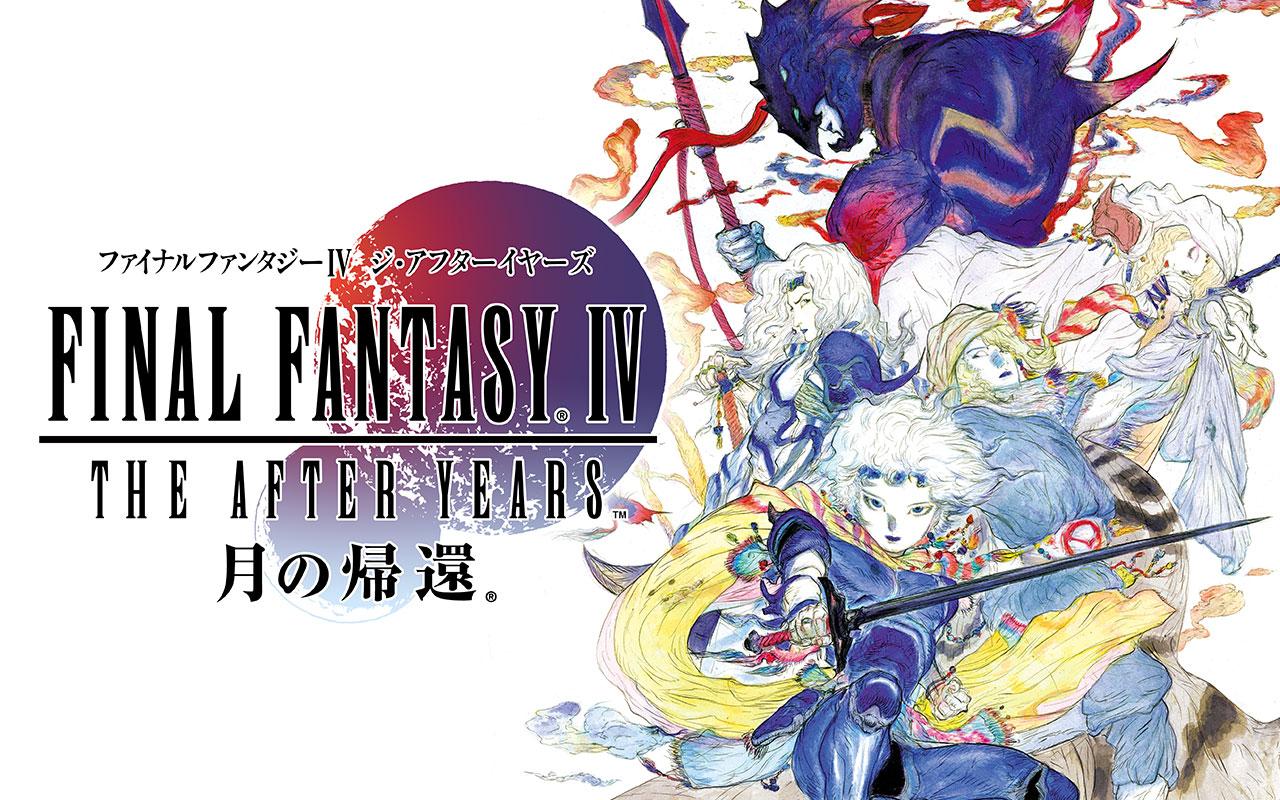
Final Fantasy IV The After - Return of the Moon - (FF4TA) Spoilers and Discussion Summary
Final Fantasy IV The After - Return of the Moon - (FF4TA) is a role-playing game (RPG) distributed and released by Square Enix. It was originally distributed as a cell phone application, followed by a smartphone version, and was also released as a portable game console software. The main character is Theodore, the son of FF4's main character Cecil, who sets out on a journey to save the world from a crisis with his former friends.
Read Article
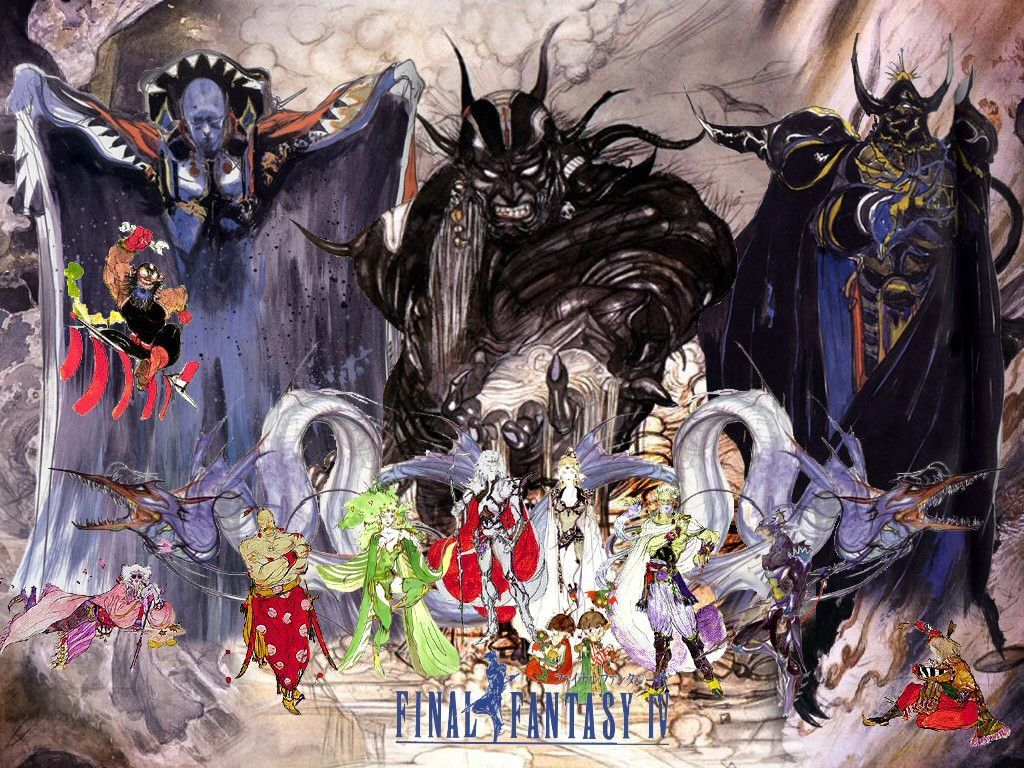
Final Fantasy IV (FF4) Spoilers and Discussion Summary
FINAL FANTASY IV (FF4) is the fourth title in the series, released in 1991 for the Super Famicom (SFC). It was the first game to introduce "ATB" (Active Time Battle), and shaped the basic system that has been used to this day. Cecil, the captain of the Baron Kingdom's flying squadron, is ordered on an unreasonable mission by the king. Cecil, who has suspicions about the king, is relieved of his position as captain and goes on a new mission with his best friend Cain.
Read Article
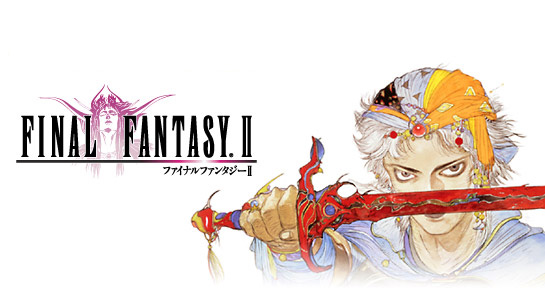
Final Fantasy II (FF2) Spoilers and Discussion Summary
FINAL FANTASY II is the second title in the FF series. FF2 is an ambitious work that eliminates the concepts of level and experience that existed in previous games and adopts a new system that allows players to develop their characters as they wish based on the actions they take during battle. In a world where the Palamekian Empire is about to invade the world, the story of encounters, partings, and the bonds of life unfolds around the battles between the imperial army and the rebel army.
Read Article
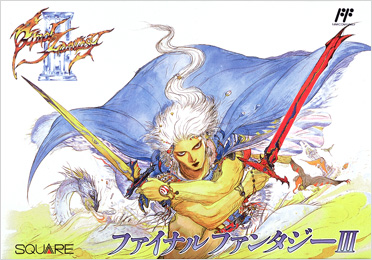
Final Fantasy III (FF3) Spoilers and Discussion Summary
This is the third title in the series released in 1990 for the Family Computer. This game is full of challenging elements, with graphics that have greatly evolved from the previous two games, a vast map, and more jobs for the characters, incorporating the maximum system available at the time. The four orphans receive a crystal revelation and set out on a journey as "warriors of light" to dispel the darkness in the world.
Read Article
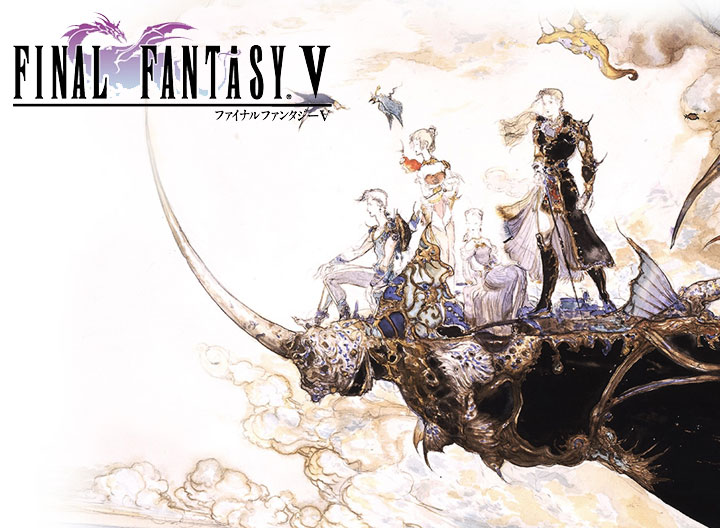
Final Fantasy V (FF5) Spoilers and Discussion Summary
FINAL FANTASY V (FF5)" is the fifth game released by Square (now Square Enix) for the Super Nintendo Entertainment System (SFC), and the fifth in the series. It further evolved the Active Time Battle (ATB) system adopted from FF4, and new jobs were added. In order to protect the four crystals of wind, water, fire, and earth, the warriors of light, who have inherited the hearts and powers of the crystals, fight against the dark mage Exdeath.
Read Article
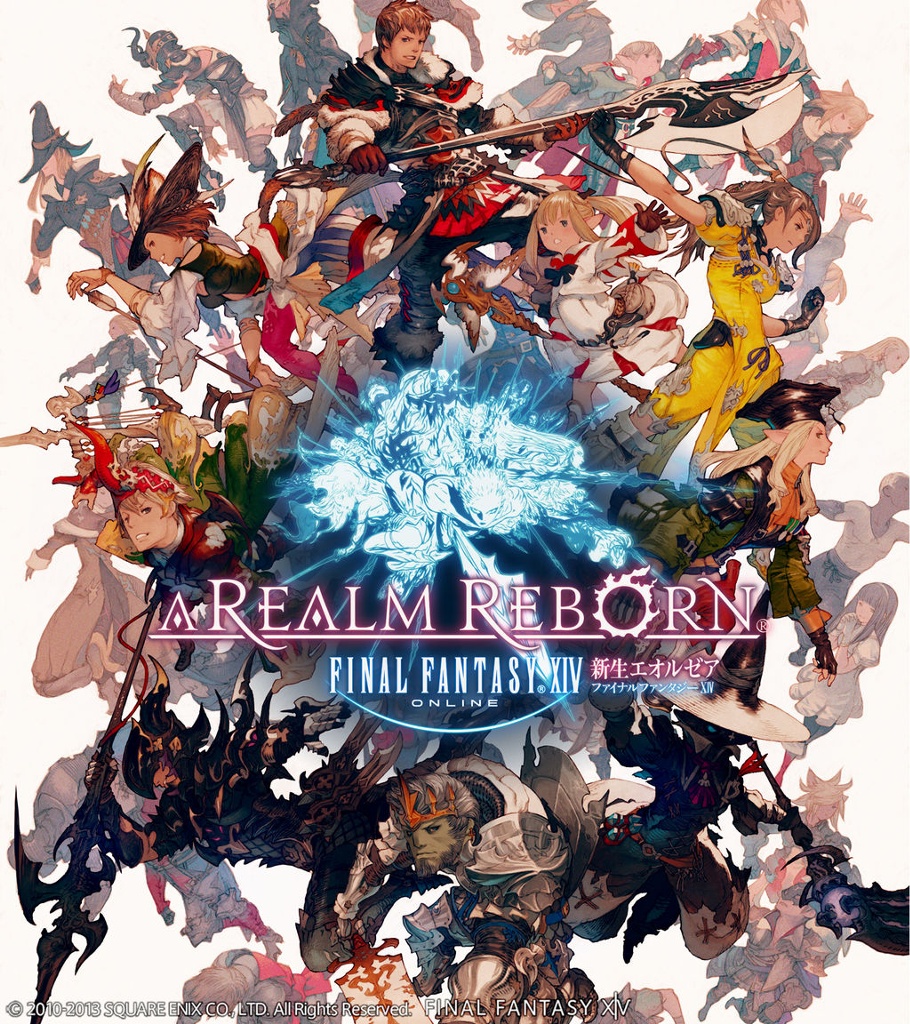
Final Fantasy XIV (FF14) Spoilers and Discussion Summary
Final Fantasy XIV (FF14) is an online game developed and marketed by Square Enix, the 14th in the FF series. The first FF14 was released in 2010, and the service was terminated after two years due to flaws in the game. Then, in 2013, the game was significantly renewed and released as the new FF14, while inheriting the story and worldview. Players freely explore the world of Eorzea and fight against the empire that is trying to invade the world.
Read Article
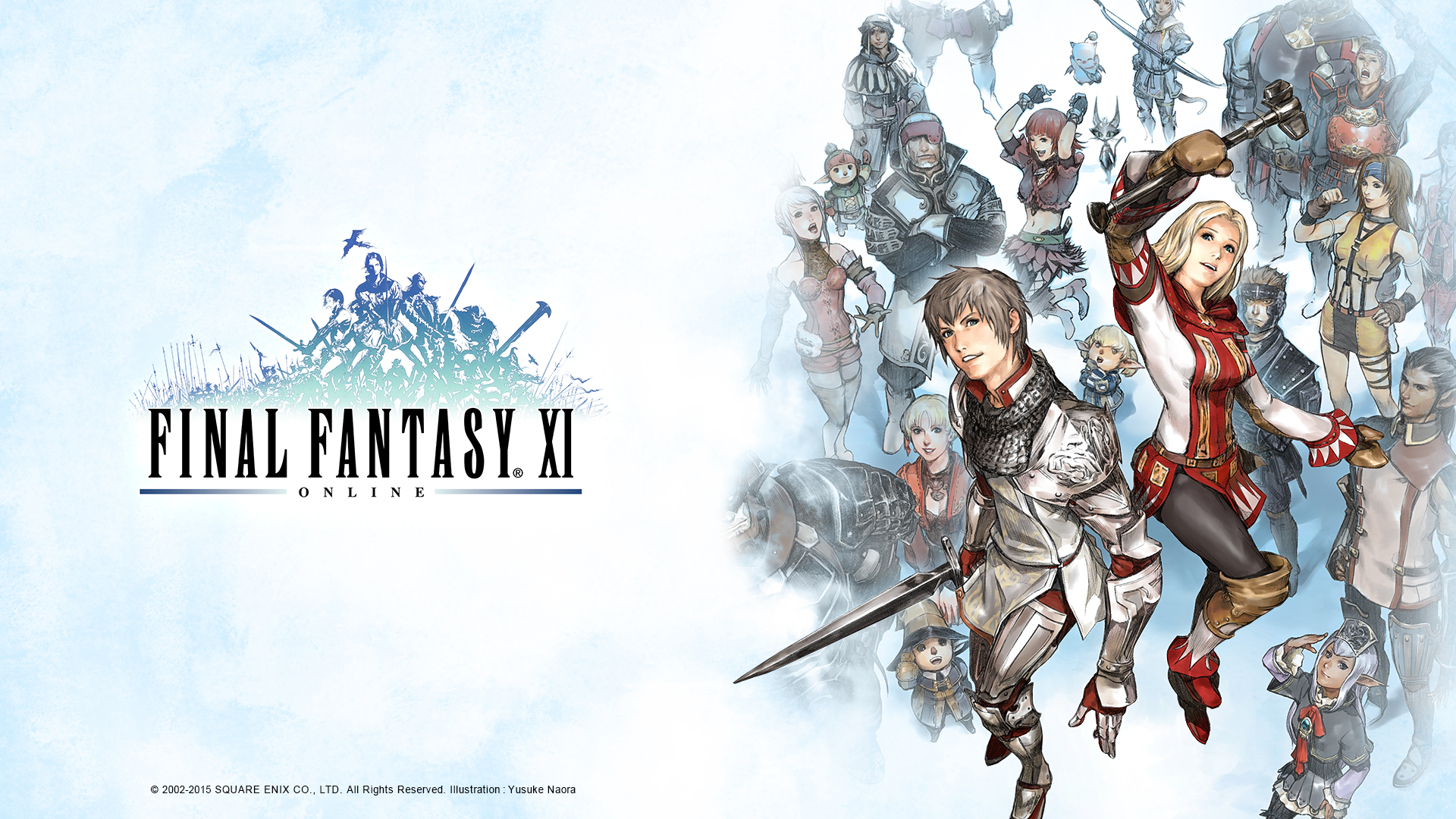
Final Fantasy XI (FF11) Spoilers and Discussion Summary
Final Fantasy XI (FF11) is an MMORPG (Massively Multiplayer Role Playing Game) developed by Square Enix for PlayStation2, Xbox360 and Windows. Currently, only the Windows version is still in service. Players become adventurers in a world called Vana'diel and complete various quests while communicating with other players.
Read Article
Contents
- Outline of FINAL FANTASY (FINAL FANTASY, FF)
- What is a summoner?
- List of summons in the FF series
- "a" column or row of the kana syllabary
- Ark.
- Asra
- Atmos
- Adramelech
- Anima
- Ultima
- Ultima Weapon
- Alraune
- Alexander
- Ixion
- Ifrit
- Valigarmanda
- Valfor
- Exdeath
- Eggman
- Eden
- Odin
- "ka" column or row of the kana syllabary
- Chaos
- Carbuncle
- Catobleps
- Calcobrina
- Cuchulainn
- Kirin
- Gilgamesh
- Cu Sith
- Kujata (Kuyutha)
- Glasya Labolas
- Clops
- Quetzalcoatl
- Quetzalcoatl
- Quetzalli
- Cait Sith
- Kerberos
- Golem
- Cockatrice
- Black Dragon
- Child Chocobo
- Goblin
- Child Moogle
- The big four of Golbez
- "sa" column or row of the kana syllabary
- Sagittarius (Sagittarius)
- Sabotender, Cactuar
- Salamander
- Zalera
- Shiva
- Jihad
- Shemhaza
- Syldra
- Sylph
- Seiren
- Seraphim
- Zeromus
- Zodiark
- Zone Seeker
- "ta" column or row of the kana syllabary
- Titan
- Darling Shiva
- Chocobo
- Chocobo & Moogle
- Diabolos
- Typhon
- Dragon
- Tonberry
- classification for Japanese verb with the dictionary form ending in "nu
- Knights of Round
- gnome
- "ha" column or row of the kana syllabary
- Hades
- Hashmalim (Hashmal)
- Bahamut
- Giant of Babil
- Pandemonium
- Bismarck
- Famfrit
- Phantom
- Phoenix
- Fairy
- Fenrir
- Brunhild
- Brothers
- Baby Shiva
- Hecatoncheir
- Belias
- Pochika
- Bomb
- classification for Japanese verb with the dictionary form ending in "mu
- MindF (MindF)
- Magic Pot
- Mateus
- Madin
- Madeen
- Midgardsormur
- Moomba
- The Magus Sisters
- Moogle
- "ya" column or row of the kana syllabary
- Unicorn
- Yojimbo
- "ra" column or row of the kana syllabary
- Rydeen
- Raiden
- Lakshmi
- Ragnarok
- Lamia
- Lammy
- Ramuh
- Landworm
- Leviathan
- Rich (Lich)
- Remora
- "wa" column or row of the kana syllabary
- Wyvern
- Back story, trivia, small stories/episodes, anecdotes
- Why Odin uses a slashing sword
- Was Bahamut a behemoth?