
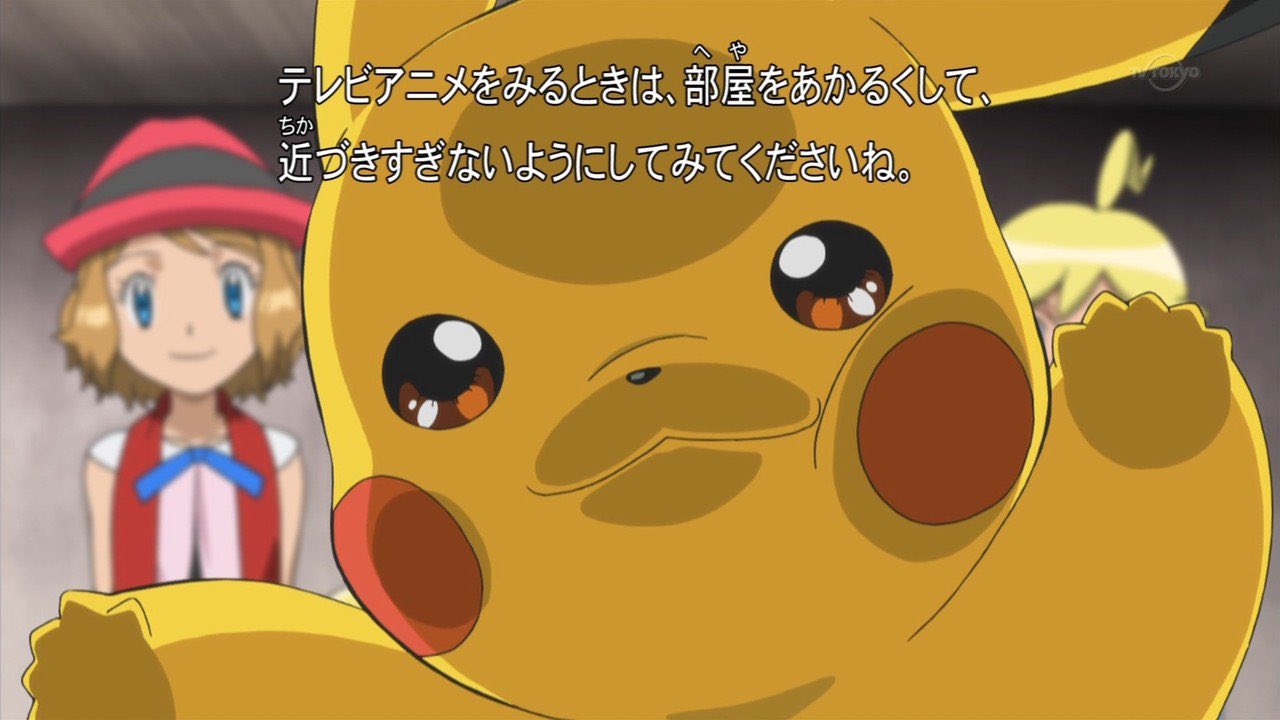
Pokémon" is a video game series released by Pokémon Inc. It has also been developed into various media, including animation.
While "Pokemon" has become a popular content, various accidents and incidents have occurred. 1997 saw the "Pokemon Shock," which became a major topic of conversation in Japan. The worldwide popularity of "Pokemon GO" has also led to accidents around the world that are thought to have been caused by people walking around with their phones on.
Outline of "Pokemon
Pokémon" is a video game software series published by Pokémon Inc. It is an RPG series that began with "Pokémon Red and Green" released on February 27, 1996, and has been expanded into various media, including animation. The developer is Game Freak. The game depicts the adventures of a Pokémon trainer who partners with a mysterious creature called "Pocket Monster" (Pokémon) and battles Pokémon against Pokémon.
There are various ways to enjoy the game, such as completing a Pokémon book, acquiring rare Pokémon, and communicating and exchanging Pokémon, and the game is loved around the world by men and women of all ages.
Basically, the story starts when the main character receives his first Pokémon. The hero, now a Pokémon trainer, goes on an adventure and grows through various encounters and repeated battles with rivals.
Accidents and Incidents
The "Pokemon" content is enjoyed around the world in various forms. On the other hand, various accidents and incidents have occurred. There have been criticisms about the design of Pokémon, and problems have occurred at game competitions. In the free app "Pokémon GO," users capture, train, exchange, and battle Pokémon characters by moving around while using the GPS function, and this has caused problems with people walking around the world, some of which have resulted in fatal accidents. In "Pokemon Cards," the price of cards has skyrocketed, resulting in many incidents of robbery and theft.
Incidents and accidents in "Pokémon
Pokemon seizure incident (Dec. 16, 1997)
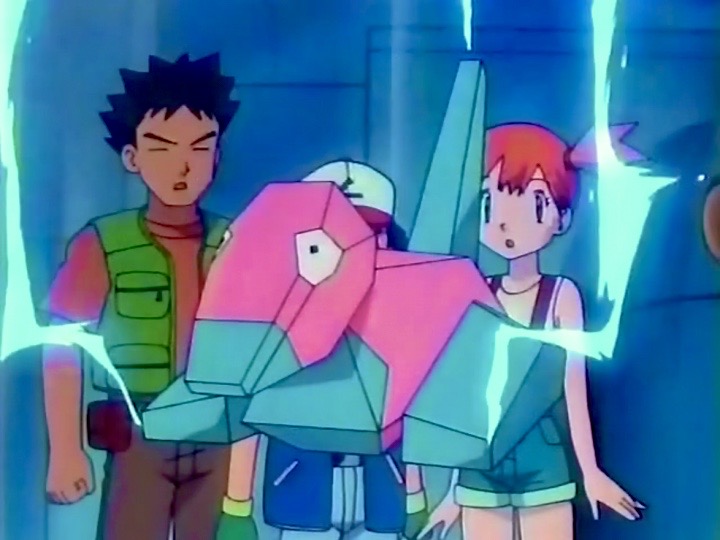
An incident in which some viewers of the December 16, 1997, episode 38 "Dennou Senshi Polygon" of the anime "Pokémon" suffered photosensitive seizures and other symptoms. Also called "Polygon Shock" or "Pokemon Panic.
In this story, the main character Satoshi and his friends entered an electronic world to repair the Pokémon Center's Pokémon transfer system, which had malfunctioned. To express this worldview, many techniques were used, such as "pakapakka," a technique in which the background colors blink violently during scenes such as vaccine software attacks in the cyber world. Especially in the scene where Satoshi's Pikachu intercepts a missile, the blinking was used prominently. Some of the viewers complained of photosensitive seizures and were taken to hospitals, and this was widely reported on TV and in newspapers. Ninety percent of the people transported were elementary and junior high school students, with the oldest being 58 years old from Kanagawa. The oldest was 58 years old from Kanagawa, Japan. Three people were seriously injured. Including those who did not go to the hospital, 10,000 people were said to have suffered symptoms, and the damage was confirmed throughout Japan. As a result, this episode was recognized by Guinness World Records as the Most Photosensitive Epileptic Seizures Caused by a Television Show.
Due to this incident, animation was suspended until April 16, 1998. Guidelines for Animation and Other Visual Techniques" were newly established, and at the beginning of animated programs, a warning message was played, warning viewers to lighten the room and move away from the TV when watching the program. There was also criticism and bashing of "Pokemon" in some news reports. However, the criticism and bashing of "Pokemon" gradually subsided when it became clear that similar accidents had occurred or were likely to occur on all animated programs.
Episode 38, which was the start of the incident, was omitted from the series, and various media outlets excluded this episode only. The Pokémon of the same name, Polygon, has not appeared since then, including its evolutionary lineage. It may appear briefly in the movie version.
The airing dates of "Pokémon the Movie: Mewtwo Strikes Back" and "Pikachu's Summer Days," which were planned to be linked to the TV broadcast, have been postponed significantly. The postponement of the scheduled release date of the Game Boy Color is also said to have been affected by this incident.
American animated programs such as "The Simpsons" and "South Park" have included jokes and parodies of the incident. However, these episodes have not been broadcast in Japan.
Pokemon Doujinshi Incident
A case in which a woman who published an adult-oriented doujinshi of Pokemon in January 1999 was charged and arrested by Nintendo, Game Freak, and Creatures for violating copyright laws. Also known as the Pikachu case. Along with the "Doraemon" last story doujinshi issue, this case is widely known as an example of copyright infringement in doujinshi that has become a problem.
In the summer of 1998, an adult-oriented manga featuring Pikachu and other characters was sold by a woman. In the fall of that year, a member of the general public provided Nintendo with information about this fanzine. Nintendo purchased the manga to verify its contents, and Nintendo and Game Freak Creatures subsequently filed a lawsuit against the woman on January 5, 1999. On the 13th of the same month, the woman was arrested for violation of the Copyright Act (infringement of reproduction rights). The woman was charged in summary judgment and ordered to pay a fine of 100,000 yen.
Regarding the decision to file the complaint without warning, Nintendo cited as one of the reasons that this was not the first time the company had published a series of similar contents from an informant. However, although the company had published parody doujinshi, the only one that resulted in the incident was the only Pokémon doujinshi it had published. Other reasons given were that there was no guarantee that warnings would be sent to doujinshi authors who used pen names, that even if warnings were given, there was a possibility that doujinshi would be published under other names, and that it was impossible to check whether there was some kind of organization behind the publication.
This is a major case in which the judiciary has entered a kind of gray area called "doujinshi.
Nazi problem
A Jewish organization once sued Nintendo because they were offended by the swastika on the image used in the Japanese version of the "Kyou Secret, Changemi no Jutsu" in the "Pokemon Card Game. The Nazi symbol is a reverse swastika, but swastikas tend to be disliked in Europe. The distributor was aware of this and replaced the swastika on the English version when it was first published. However, after complaints from collectors about the problem of private imports, the Japanese version was replaced as well.
The images of the Pokémon register stills are also different between the Japanese and European versions, because they appear to be taking the Nazi-style salute. After "Platinum," all language versions were unified with the European version.
Lawsuits by Christian fundamentalist organizations
Several Christian fundamentalist groups have complained that "Pokemon" is tied to Satanism. Pokémon are similar to demons in that they are ordered to work after being caught, they are controlled by spells (gym badges), evolution is denied in fundamentalist Christianity, they require magical stones for evolution, many Pokémon have supernatural powers granted by demons, such as the Esper type, and Pokémon were born in Japan. Pokémon were born in Japan and thus embody East Asian religious and mythological concepts.
Around the year 2000, there was growing concern among Christians about "Pokemon," leading the Vatican to issue a statement. The Vatican stated that the "Pokemon" game has no "morally harmful side effects," is a story based on "deep bonds of friendship," and is a work of "ingenuity and imagination. It is a story based on "deep bonds of friendship" and is "full of creativity and imagination.
Jewish Conspiracy Theories in the Arab World
There are Islamic fundamentalists who claim that "Pokemon" is a Jewish plot to convert Muslims, and in 2001, the highest religious authority in Saudi Arabia issued a proclamation banning the sale of "Pokemon" products because they "promote Zionism, including the design of the Star of David on par with religious symbols such as the Eye of Providence of Freemasonry, and encourage gambling. The decree banned the operation of "Pokemon" products on the grounds that they "promote the act of gambling. Subsequently, Islamic authorities in Kuwait and Egypt expressed their agreement. In response, a Jordanian newspaper published a satirical cartoon of Israeli Prime Minister Ariel Sharon in a tank, laughing at Arabs who chase Pokemon around. This implies that the Arabs are being distracted from their conflict with the Israelis by Pokemon.
This wiped out "Pokemon"-related products, especially card games, from the Saudi Arabian market, but the games are being sold normally again. A few years later, "Pokémon card games" were also being sold again.
Ruggera body color

In the early years of the series, the Rougera Pokémon's face and skin was black. However, this became a major issue when cultural critic Carol Boston Weatherford claimed that Rougera was a racist stereotype of African Americans. As a result, scenes featuring Rougeaura were cut from the animated series, and her official skin color was changed to purple. From "Ruby Sapphire" onward, the color is unified in purple. The anime broadcast before that, and the goods sold before that, were also repainted purple.
However, it is not clear what the intention behind the black color was, as some believe that Rougera's black color was not based on black stereotypes, but rather on ganguro.
Uri Geller Trial

In "Pokemon," there is a Pokemon named Yun Geller, who holds a spoon in one hand. Uri Geller, who claims to be a psychic, has demanded compensation from Nintendo for the theft of his image, referring to this Yun Geller, and has filed a lawsuit in the United Kingdom in December 1999 for 60 million pounds and in the United States in November 2000 in the District Court for the Central District of California in Los Angeles for damages of approximately 100 million dollars. In addition to the lawsuits he filed, it was reported that he was preparing to file lawsuits in other countries around the world.
The lawsuit was reportedly triggered by his discovery of Jungelaar's Pokémon card in Tokyo. Jungelaar was not a bad Pokémon, but the presence of a star on its head and a lightning bolt-like mark on its belly led him to claim that these were indicative of the Nazi armed SS.
A trial in the District Court for the Central District of California accepted Nintendo's argument that Geller was an Israeli-British national living in England and therefore outside the jurisdiction of the state of California. The case was dismissed in 2003 on the grounds that the distribution of Pokémon cards was predominantly in Japan, and that to apply U.S. trademark law, it was necessary to prove that trademark rights were infringed under Japanese trademark law. Since there is no record of the Japanese court case in the judgment database, it is believed that the case was settled, withdrawn, or never filed in the first place.
It is also rumored that during the trial, Nintendo's lawyer said, "Jungelaar is a character who can bend spoons with his psychic power. If you say he is similar to Jungelaar, could you bend a spoon with your psychic power right now?
On November 29, 2020, Uri Geller announced that he had informed Nintendo that he was withdrawing his request to Nintendo to drop the ban on issuing Jungela cards. Geller also released a letter purportedly received from Tsunekazu Ishihara, president of Pokémon Inc. in December 2020, stating that he had received a positive response. The letter is on display at the Uri Geller Museum in Israel.
After the lawsuit was filed, no Yungerer cards appeared after the August 23, 2002 release, but after the settlement, the first Yungerer card appeared on June 16, 2023, for the first time in 20 years.
gambling problem
One group has sued Nintendo and Wizards of the Coast, claiming that the collectible nature of Pokémon cards and the fact that they are random packs are illegal gambling. Earlier games such as "Gold and Silver" actually featured slots and such, but in the remakes they were replaced by other games and the gambling nature was eliminated. After the fifth generation, such gaming areas are no longer available, and in "Omega Ruby Alpha Sapphire," the game section has been closed as well.

Related Articles
Pokemon (Pokemon) Monster Ball Summary
Pokémon" is a video game series published by Pokémon Inc. In this game, players explore the world with imaginary creatures called "Pokemon" as their partners, competing with wild Pokemon and Pokemon of their trainers. The tool used to catch Pokémon is the Monster Ball. When the first "Red, Green, and Blue" were first released, there was a rumor that if you hit the button repeatedly after throwing the ball, the capture rate would increase.
Read Article
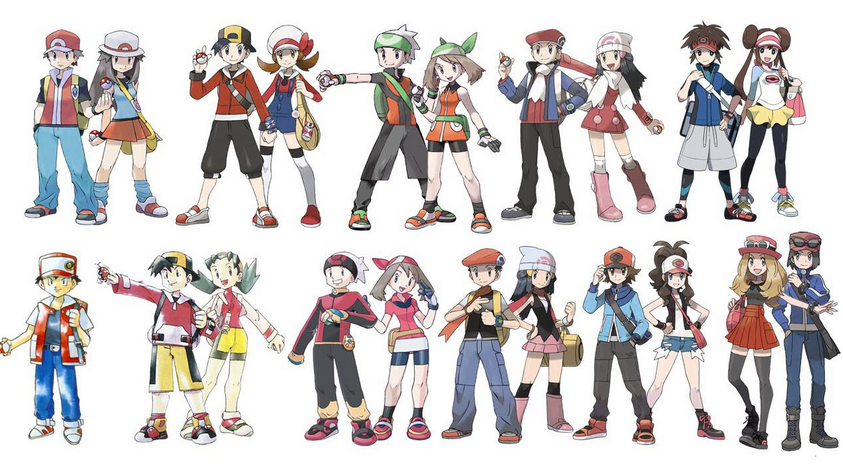
Summary of successive protagonists of Pokémon (Pokémon)
The main character in the "Pokémon" series can be named freely by the player. In the original "Red, Green, Blue, and Pikachu," there was only a male protagonist, but as the generations progressed, the gender, appearance, clothing, and hairstyle of the protagonist could be selected and changed to the player's liking, allowing for more freedom. The improved graphics made it possible to clearly see the main character's appearance in the game, and when a new game appeared, people began to pay attention not only to the Pokémon but also to the design of the main character.
Read Article
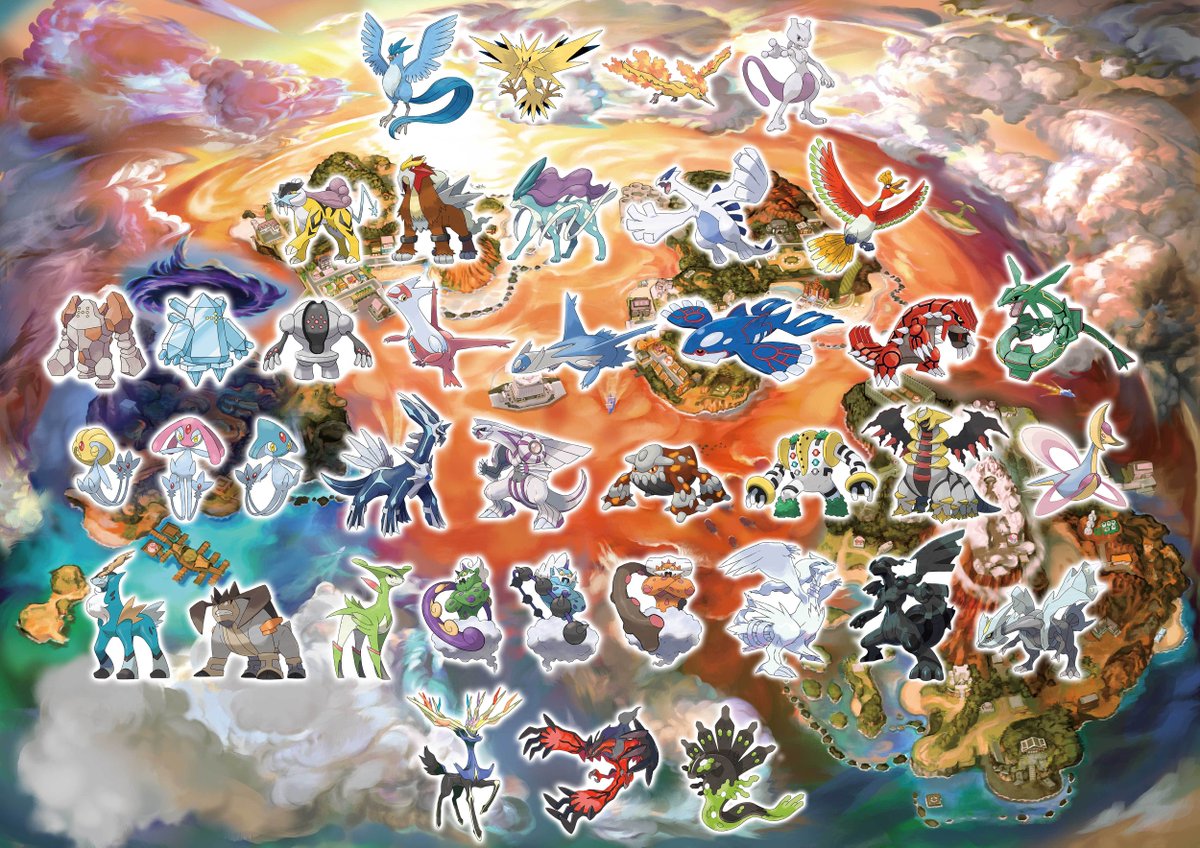
Pokémon Legendary Pokémon Summary
Pokémon" is the name of a video game series released by Pokémon (originally Nintendo). The abbreviated name is "Pokemon. The player becomes a trainer and travels with a creature called a "Pokémon" as a partner. Legendary Pokémon, according to the official description, are "precious Pokémon that can rarely be seen in each region," and are basically a generic term for Pokémon that appear only once in the game. Multiple legendary Pokémon have appeared in each generation.
Read Article
![Pokémon] List of the three generations of the Pokémon family.](https://renote.net/files/blobs/proxy/eyJfcmFpbHMiOnsiZGF0YSI6NzIwNDIyLCJwdXIiOiJibG9iX2lkIn19--ef0ac0b72cc8b04b30392dfdbc087a2d25c294a0/687d5798.jpg)
Pokémon] List of the three generations of the Pokémon family.
The following is a list of the three families of the Pokémon series. It covers the first generation of Red, Green and Blue, the second generation of Gold and Silver, the third generation of Ruby and Sapphire, the fourth generation of Diamond and Pearl, the fifth generation of Black and White, and the sixth generation of X and Y.
Read Article
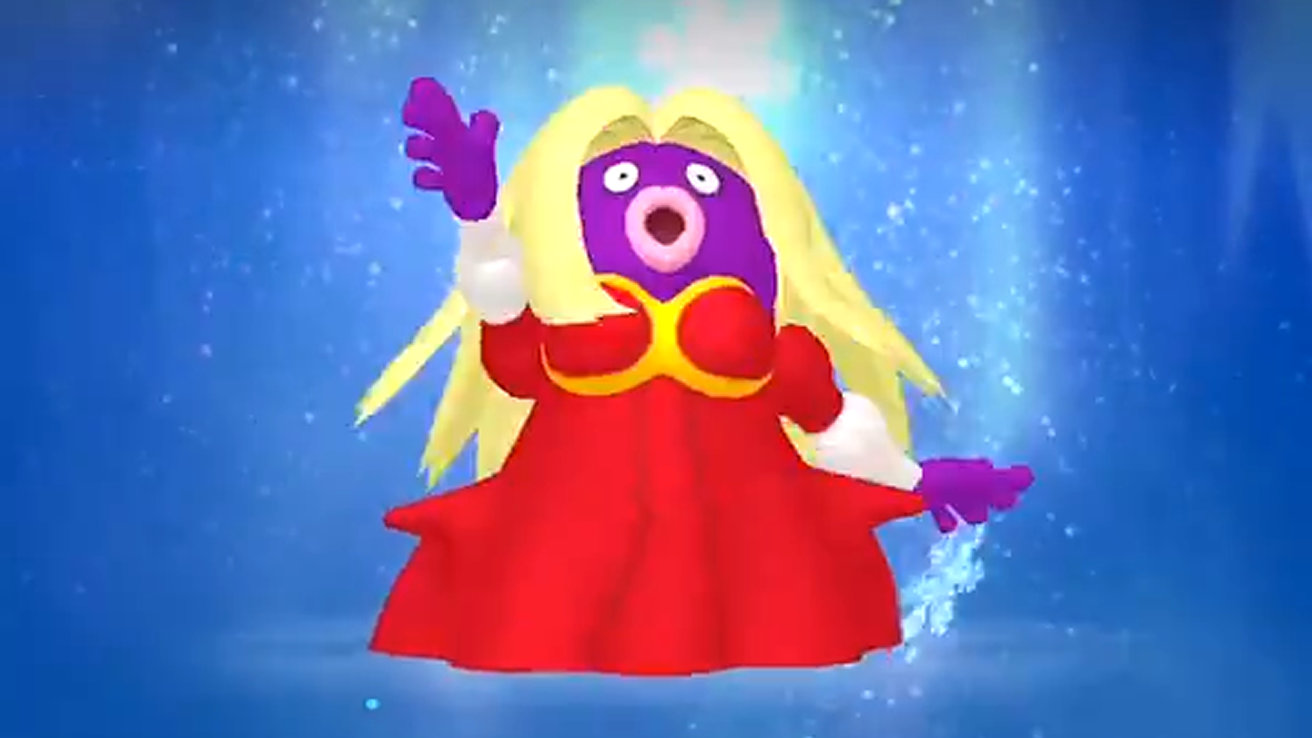
A little creepy! Pokémon with disappointing visuals [Pokémon].
Cute and cool monsters tend to attract attention in Pokemon, but there are some Pokemon that are considered "creepy"... Here is a list of Pokémon whose visual appearance is a little disappointing. In a way, it may be said that the creepy parts are attractive.
Read Article
![Pokémon] Introduction of Characters in Pokémon [Gym Leader, Four Heavenly Kings, Champion].](https://renote.net/files/blobs/proxy/eyJfcmFpbHMiOnsiZGF0YSI6MTAzODI1NywicHVyIjoiYmxvYl9pZCJ9fQ==--28d9070ad3714207b2bd90936e624bcfa5c561d1/5de054b8.jpg)
Pokémon] Introduction of Characters in Pokémon [Gym Leader, Four Heavenly Kings, Champion].
This is a list of Gym Leaders, Four Heavenly Kings, Champions, and other characters that appear in the Pokémon series of games. They are introduced by region from the first generation to Black and White. Memorable and unique characters are another major attraction of the Pokemon series.
Read Article
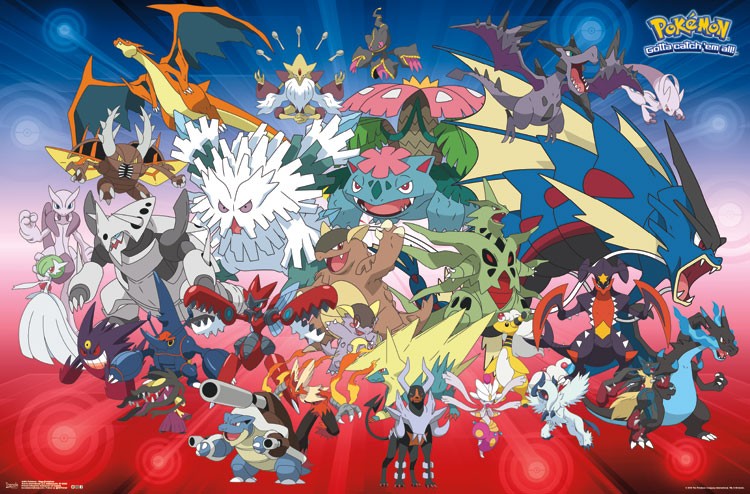
Pokémon (Pokémon) Mega-Shinker and Genshi-Kaiki Summary
Pokemon" is a series of role-playing games published by Pokemon Co. The aim is to capture and train creatures called pocket monsters (Pokémon) to become the champion of an institution called the Pokémon League. Mega Shinka is a new element added in "Pokémon X and Y". This system was added under the concept of "picking up Pokémon from the old series again. Similar to Mega Shinka, there is also Genshikaiki, in which legendary Pokémon Gladon and Chiogre return to their ancient forms.
Read Article
Summary of Pokemon (Pokémon) Types
Pokemon" is an RPG series developed by Game Freak and published by Pokemon Co. In this game, players travel around the world with imaginary creatures called "Pokemon," aiming to complete the Pokemon Pictorial Book and become the champion of the Pokemon League. In this title, each Pokémon and technique has a "type," which is a kind of attribute. These types determine the compatibility between Pokémon. At first, there were 15 types, but two types were added in "Gold and Silver" and one type was added in "X and Y".
Read Article
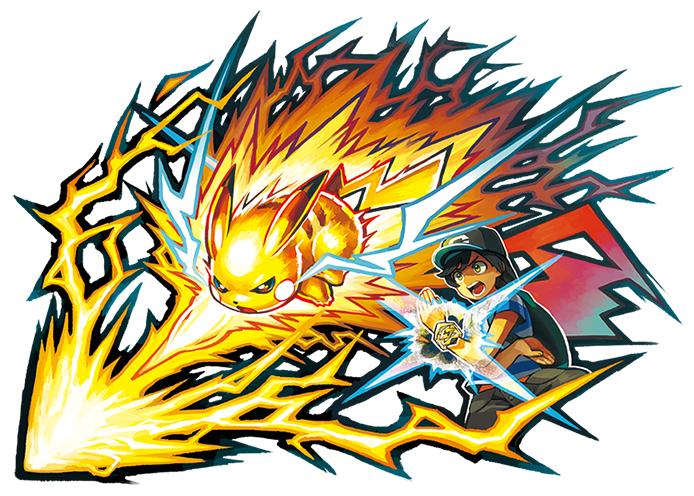
Summary of Z-Waza and Z-Techniques for Pokemon (Pokémon)
Z-Waza (Z-technique)" is an element introduced in Pokemon Sun Moon, a special move that can be used only once during a battle. It was introduced as a remedy for Pokémon other than some that can adapt to the inflated battle environment. Although there are some problems and lack of adjustment, the introduction of Z-Waza has given all Pokémon the opportunity to play an active role.
Read Article
![Pokémon] Evil organizations and their members in Pokémon.](https://renote.net/files/blobs/proxy/eyJfcmFpbHMiOnsiZGF0YSI6NzQwNzQ2LCJwdXIiOiJibG9iX2lkIn19--c6164432744a5cc22c14bb99b56dc39981f03fd3/maxresdefault.jpg)
Pokémon] Evil organizations and their members in Pokémon.
Pokemon] We have compiled a list of bosses and members of evil organizations in the Pokemon series of games. There are many fascinating villains such as the Rockettes, Aqua-dan, Magma-dan, Ginga-dan, Platinum-dan, and Flare-dan. Which is your favorite evil organization?
Read Article
Summary of Pokémon (Pokémon) characteristics
Pocket Monsters is the name of a video game series developed by Game Freak. The abbreviated name is Pokemon. Although it is a long-lived series that celebrated its 20th anniversary, the basics of its battle system have not changed since the first generation, "Pokemon Red and Green. In this article, we will discuss "special characteristics," a new element added in the third generation (Ruby and Sapphire).
Read Article
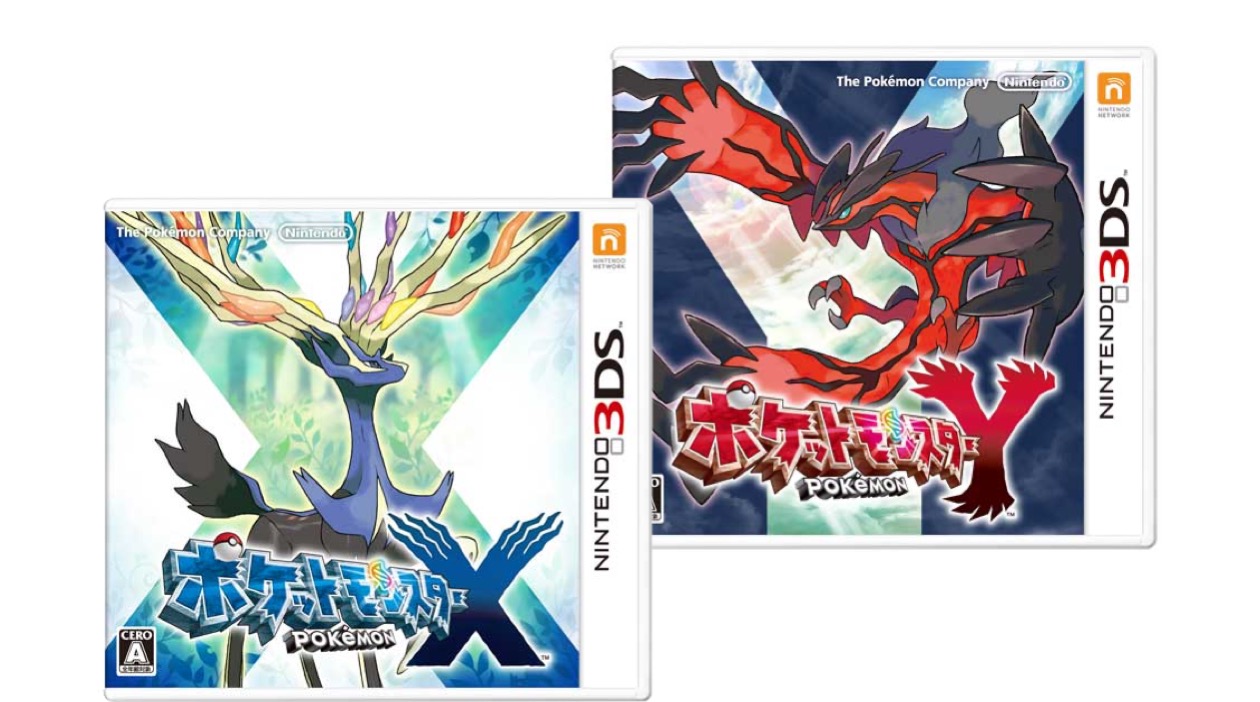
Images of previous generations of packages in the Pokémon series [Pokémon].
The popular game [Pokemon] series has released a variety of derivative works. Attractive packaging is an important element that successfully stimulates excitement for adventure and desire to purchase. Here we introduce a collection of images of the numerous past packages of the Pokémon series.
Read Article
Summary of Pokemon (Pokemon) tricks and bugs
Pokemon" is an RPG series released by Pokemon Co. It depicts the adventures of a Pokémon trainer who partners with a mysterious creature called "Pocket Monster" (Pokémon) and battles Pokémon against each other. The "Pokémon" series has a number of tricks and bugs. The first generation is particularly famous for having many bugs, probably due to the complexity of the program that was added to the first generation. In the first generation, the phantom Pokémon Mew was hidden in the internal data, and a situation developed in which Mew was distributed because it was exposed to the public through a bug.
Read Article
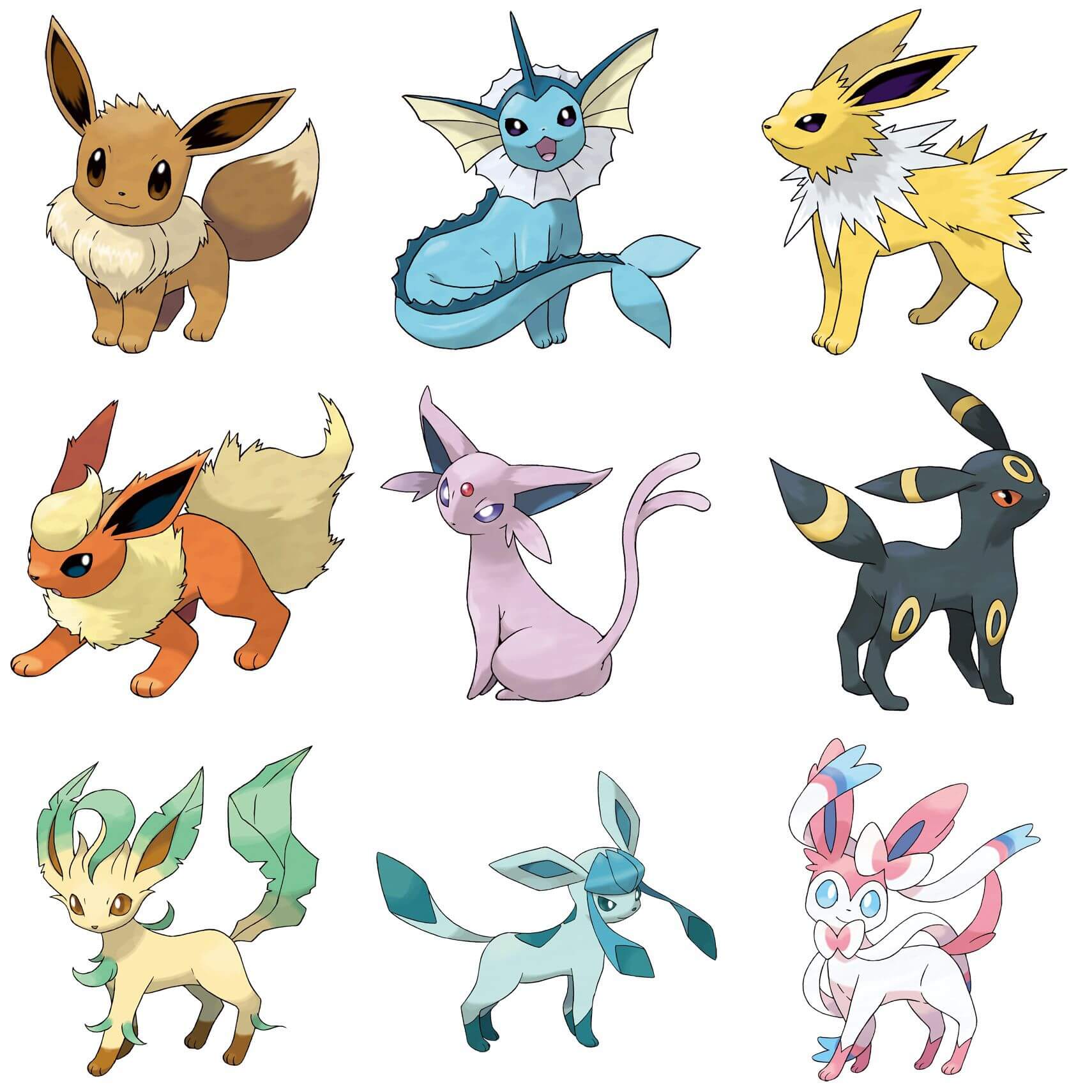
Summary of Branching Evolution of Pokemon (Pokémon)
Pokemon" is an RPG series released by Pokemon Co. Set in a world of mysterious creatures called "pocket monsters" (Pokémon), players set out on an adventure to become Pokémon League champions. Many Pokémon can evolve and change their appearance when certain conditions are met. Some Pokémon evolve to different destinations depending on the conditions. Eevee, which is classified as a "Shinka Pokémon," can evolve into as many as eight different types of Pokémon.
Read Article
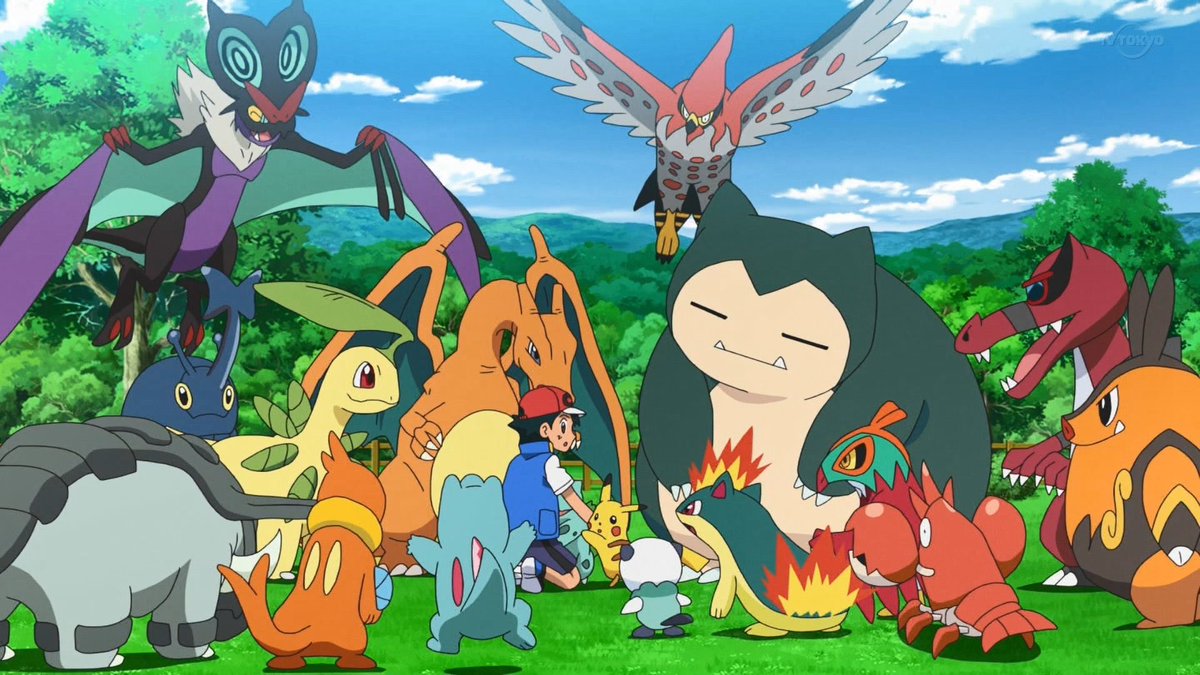
Summary of Satoshi's handheld Pokémon
Pokemon" is an RPG series released by Pokemon Co. In addition to video games, the series has been developed in a variety of media, including anime and manga. Satoshi, the main character of the anime from 1997 to 2023, basically travels to a new region with only his partner, Pikachu, and his Pokémon handheld is renewed each time the series changes. Another highlight of the anime is what kind of Pokémon Satoshi gets.
Read Article
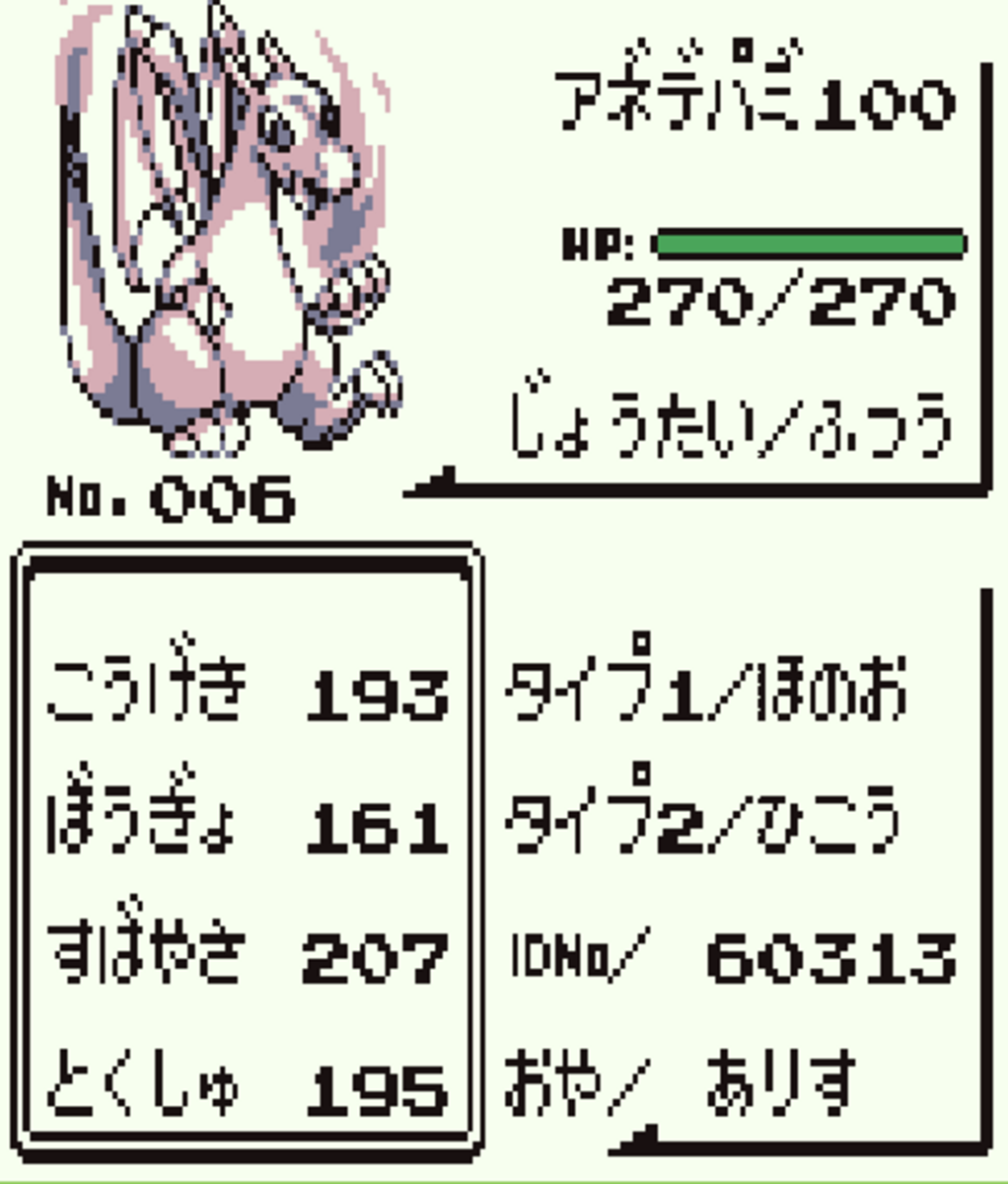
ポケットモンスター(ポケモン)のバグポケまとめ
『ポケットモンスター(ポケモン)』とは、任天堂が発売しているゲームである。1996年2月27日に携帯ゲーム機「ゲームボーイ」用ソフトとして発売開始され、その後次々に続編が制作されている。オーソドックスなRPG(ロールプレイングゲーム)であり、「ポケモン」と呼ばれるゲーム内の架空の生物の収集や交換、育成などを進めていく。その中でも、通常プレイでは入手できず、ストーリーの進行にも影響はないが、裏技によって入手できるのが、「バグポケ」である。
Read Article
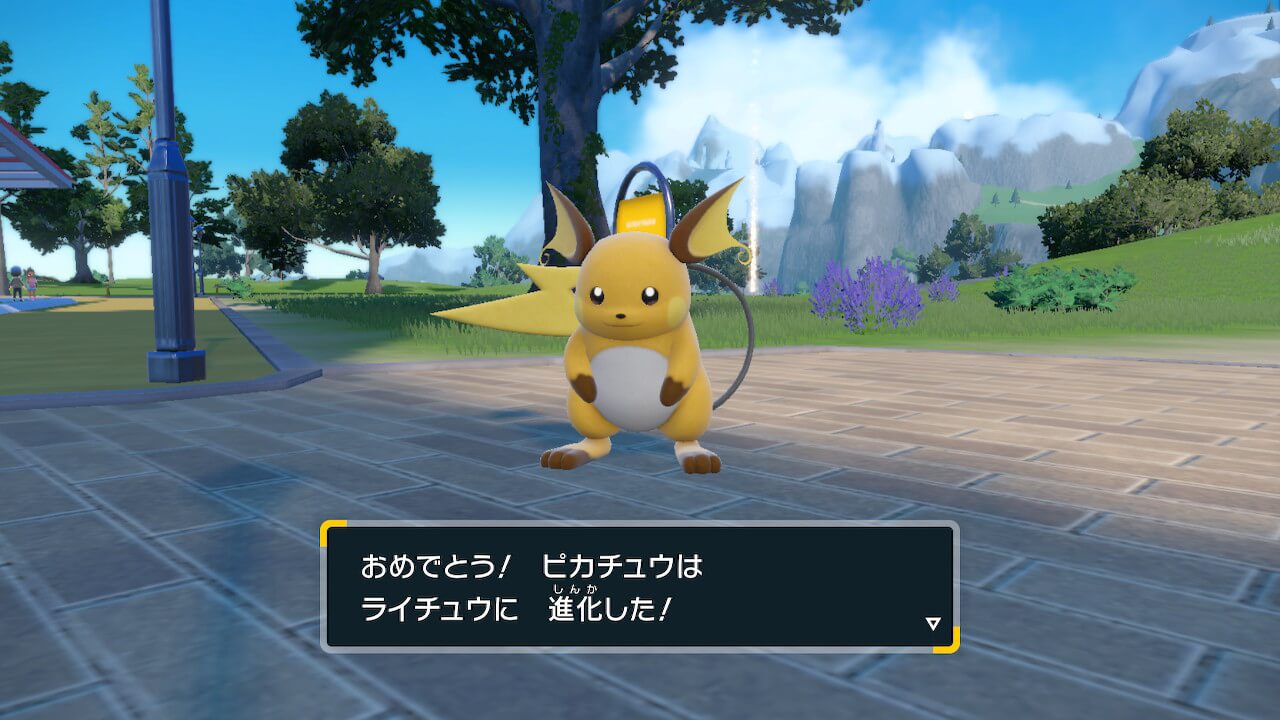
Summary of Stone Evolution, Item Evolution, and Communication Evolution for Pokemon (Pokémon)
Pokemon" is a video game series released by Pokemon Co. It is an RPG in which players adventure with mysterious creatures called "Pokemon" as their partners. Pokémon evolve when they reach a certain level. However, some Pokémon evolve by using evolution stones or similar items, and some Pokémon evolve through communication exchanges.
Read Article
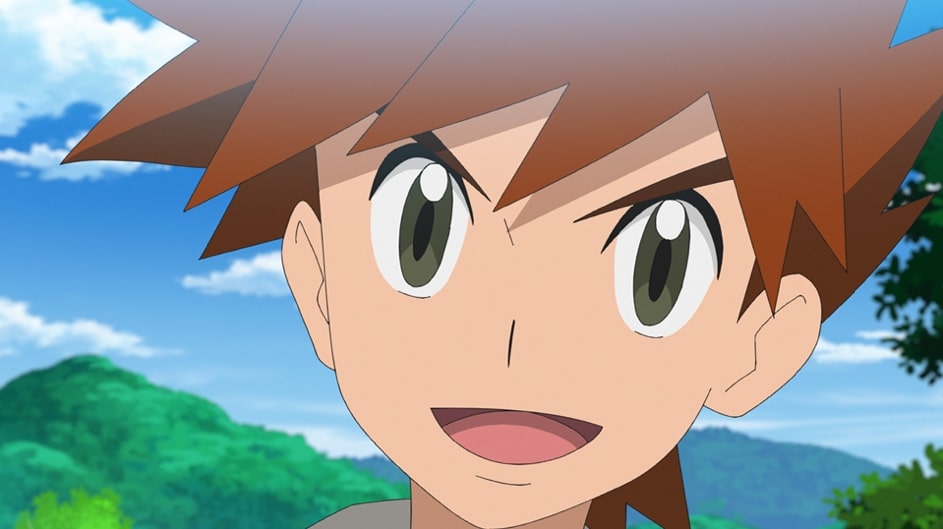
Summary of Pokemon (Pokemon) Rivals
Pokémon" is an RPG series published by Pokémon Inc. It depicts the adventures of a Pokémon trainer who has a mysterious creature called a "pocket monster" (Pokémon) as a partner. Rivals are mainly trainers who, like the main character, acquire Pokémon in the early stages of the game and fight with them in various locations. They sometimes antagonize the main character and sometimes cooperate with him as he grows up. In the beginning of the series, it was common to choose a Pokémon from the three families of Pokémon as a partner that is compatible with the Pokémon that the main character obtains.
Read Article
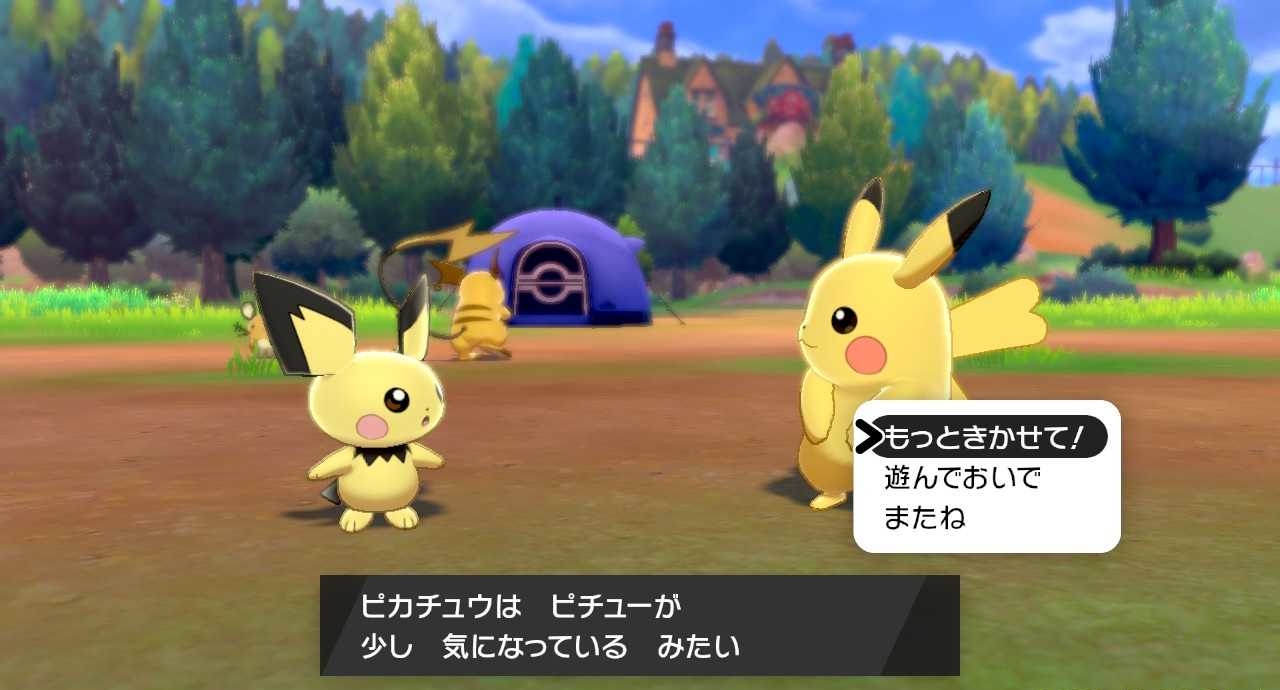
Summary of Conditional Level-Up Evolution of Pokemon (Pokémon)
Pokémon" is a video game series published by Pokémon Inc. It is an RPG in which players adventure with mysterious creatures called "Pokemon" (Pokemon) as their partners. Pokémon evolve when they reach a certain level, but some Pokémon are accompanied by other conditions, such as a degree of familiarity, friendliness, or location. Even if these Pokémon have reached a level at which they can evolve, they cannot evolve unless they meet other conditions.
Read Article
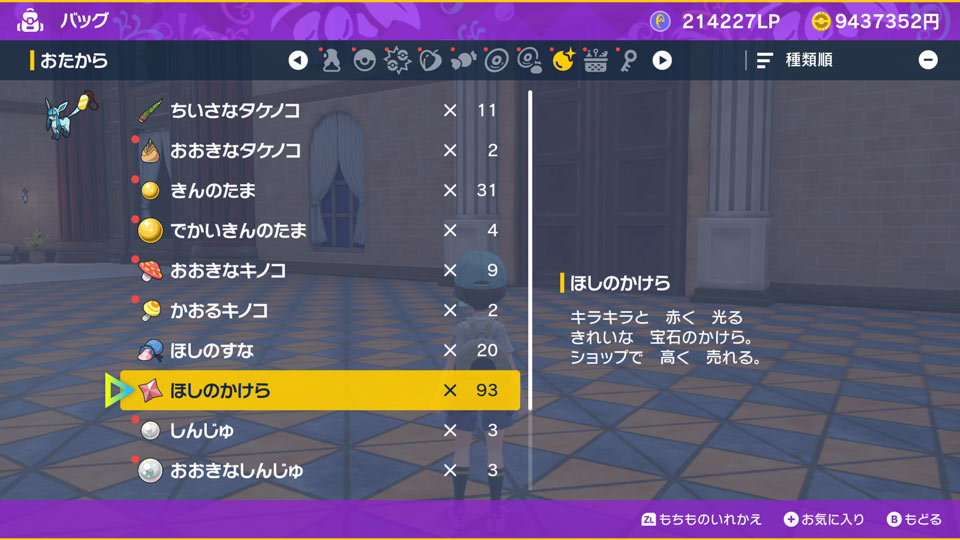
Summary of Pocket Monsters (Pokémon) otakara and cash items
Pokémon" is an RPG series released by Pokémon Co. It depicts the adventures of "Pokémon Trainers" who battle Pokémon with mysterious creatures called "Pocket Monsters" (Pokémon) as their partners. In "Pokémon," there is a category of tools called "otakara. This category mainly includes cash items that have no other use than to be sold, but some works also include items such as "Gin no Oukan" that are effective when given to a specific person.
Read Article

Summary of Pokemon (Pokémon) Ph.
Pokemon" is an RPG series released by Pokemon Co. Players go on adventures with mysterious creatures called "pocket monsters" (Pokémon) as their partners and aim to become champions of the Pokémon League. In "Pokémon," a doctor is a person who researches the ecology of Pokémon and is also called Dr. Pokémon. Until "Sun and Moon," it was standard practice to receive the first Pokémon and an illustrated book to register Pokémon from Dr. Pokémon.
Read Article
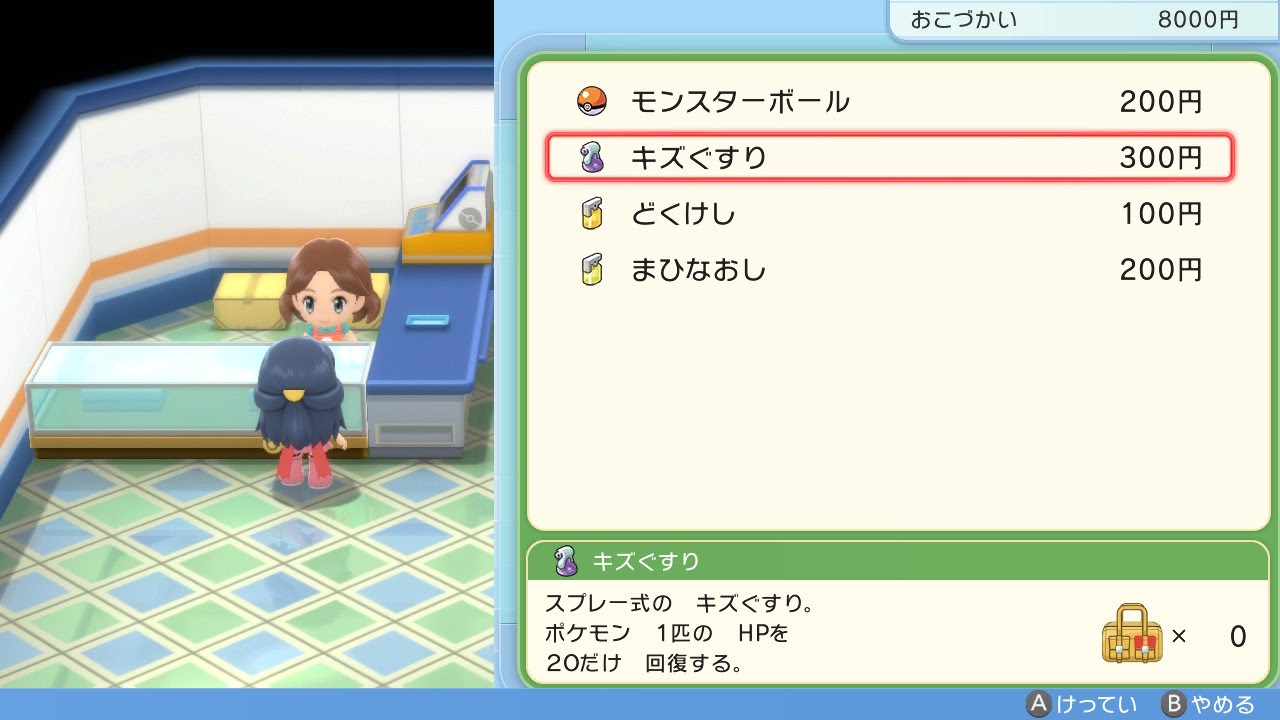
Summary of recovery items for Pokemon (Pokémon)
Pokemon" is an RPG series released by Pokemon Co. It depicts the adventures of "Pokémon Trainers," who battle Pokémon against each other, using mysterious creatures called "Pocket Monsters" (Pokémon) as partners. In battle, Pokémon's HP may decrease or they may suffer from abnormal conditions. You can recover your Pokémon by stopping by a Pokémon Center, but if there is no Pokémon Center nearby, you will have to rely on recovery items.
Read Article
Urban legends, trivia, and backstories of Pokemon (Pokemon)
Pokemon" is the name of a video game series developed by Game Freak. It is abbreviated as "Pokemon. It is an RPG in which players collect, raise, and battle creatures called Pokémon, following the concept of "collect, raise, and fight. Pokémon" rarely fails to send chills down the spine, and the longevity of the series, which celebrated its 20th anniversary in 2016, has given rise to all sorts of backstories and urban legends.
Read Article
Summary of Pokémon (Pokémon) Strength Transitions
Pokémon (Pokémon) is a long-lived series that has been around for over 20 years. The history of the series is long, and with each new release, various elements have been introduced into the battles. As a result, the battle environment for players who enjoy Pokémon battles has also changed. This section describes these changes.
Read Article
Summary of different colors of Pokemon (Pokemon)
Pokemon" is an RPG series developed by Game Freak in 1996, starting with "Red and Green. Players travel with a mysterious creature called a "pocket monster" (Pokémon) as their partner, aiming to become the champion of the Pokémon League. Color-matched Pokémon were introduced in the second generation "Gold and Silver," and are Pokémon with different body colors from the norm. When a different-colored Pokémon is seen on the status screen or when it is sent into battle, a glowing effect appears, so it is also called a "glowing Pokémon.
Read Article
Pokémon Gold, Silver, Crystal, Heart Gold, and Soul Silver (Pokémon GSC and HGSS) Spoilers and Discussion Summary
Pokémon: Gold, Silver, Crystal, HeartGold, SoulSilver" is part of the "Pokémon" role-playing game series, with "Gold, Silver, Crystal" being the second game and "HeartGold, SoulSilver" being a remake of "Gold, Silver, Crystal. The "Heart Gold" and "Soul Silver" are remakes of "Gold, Silver and Crystal". The game takes players on adventures in the Johto and Kantou regions, where they aim to complete the Pokémon Pictorial Book and conquer the Pokémon League. They will fight against the Rockettes, an evil organization that appeared in the previous "Pokémon: Red, Green, Blue, Pikachu".
Read Article
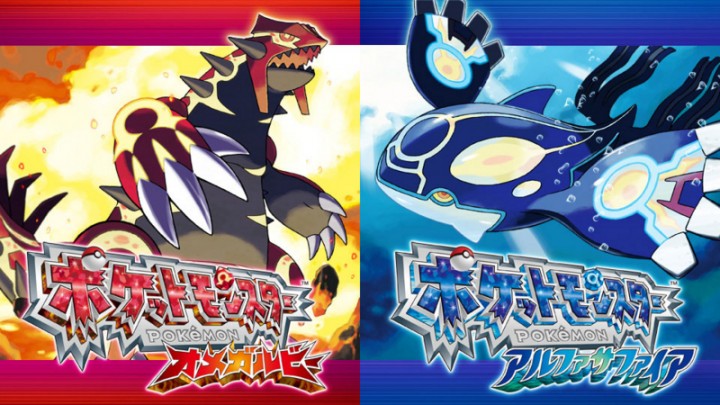
Pokémon Ruby, Sapphire, Emerald, Omega Ruby, Alpha Sapphire (Pokémon RSE and ORAS) Spoilers and Discussion Summary
Pokémon Ruby, Sapphire, Emerald, Omega Ruby, Alpha Sapphire (Pokémon RSE and ORAS)" is part of the "Pokémon" role-playing game series. Omega Ruby Alpha Sapphire" is a remake of "Ruby, Sapphire, and Emerald". In this adventure through the Houen region, players aim to complete the Pokémon Pictorial Book and win the Pokémon League. During the storyline, players will fight against the "Magma and Aqua Clan" organizations in various locations.
Read Article
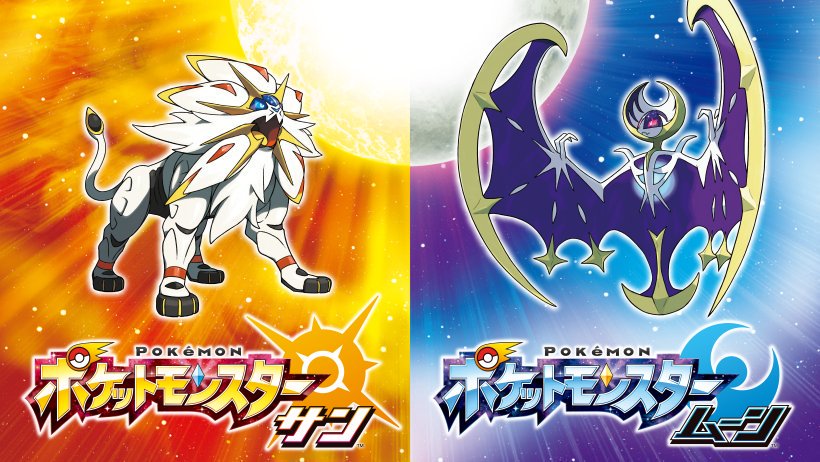
Pokémon Sun, Moon, Ultra Sun, and Ultra Moon (Pokémon SM and USUM) Spoilers and Discussion Summary
Pokémon Sun Moon and Ultra Sun Ultra Moon are part of the "Pokémon" role-playing game series, with "Sun Moon" being the seventh game and "Ultra Sun Ultra Moon" being a version of "Sun Moon" with some additional stories and systems. Ultra Sun Ultra Moon" is a version of "Sun Moon" with some story and systems added. Players explore the Alola region, which consists of four islands and one man-made island, and go on an "island tour" to complete the Pokémon Pictorial Book and win the Pokémon League. During the story, they will battle organizations such as the Skull Clan and the Aether Foundation.
Read Article
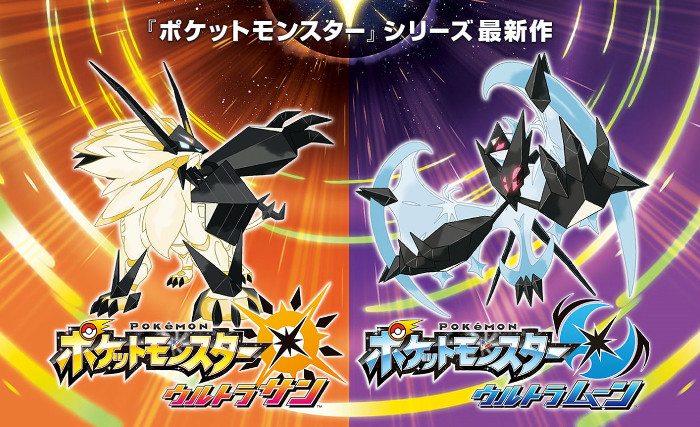
Summary of Pokémon Ultra Sun Ultra Moon's appeal
Ultra Sun Ultra Moon is an upgraded version of the previous title, Pokemon Sun Moon, with new elements. As in the previous title, the story follows the main character as he embarks on a journey called "island-hopping" to overcome a number of challenges and become a champion, but there are also many new elements added from the previous title, so you won't get bored just because you have played the previous title. In this issue, we take a closer look at the charms of Pokémon Ultra Sun Ultra Moon.
Read Article
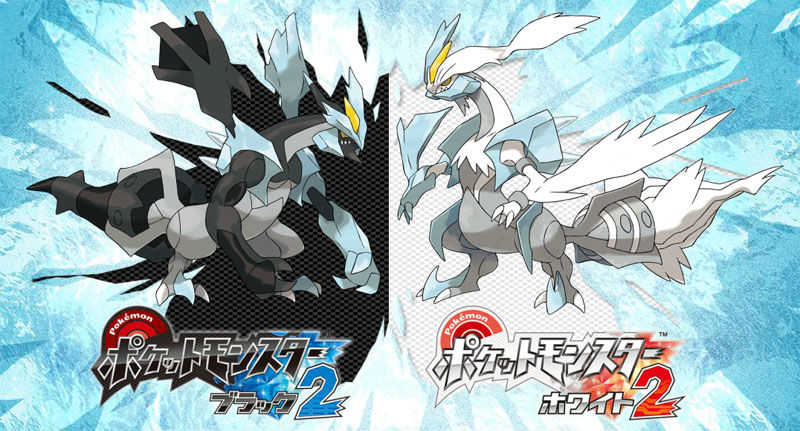
Pokémon Black 2 and White 2 (Pokémon BW2) Spoilers and Discussion Summary
Pokémon Black 2 and Pokémon White 2" is a sequel to "Pokémon Black and White" and takes place two years after the first game in the Ish region. The main goal of the game is to complete the Pokémon Pictorial Book and win the Pokémon League (Hall of Fame). The Plasma Clan, which appeared in the previous game, is back in this game and fights in various locations during the story. The growth of the trainers is also depicted, and we can see the growth of N (N), who was a rival in the previous work, and Belle and Cheren, who went on a journey together.
Read Article
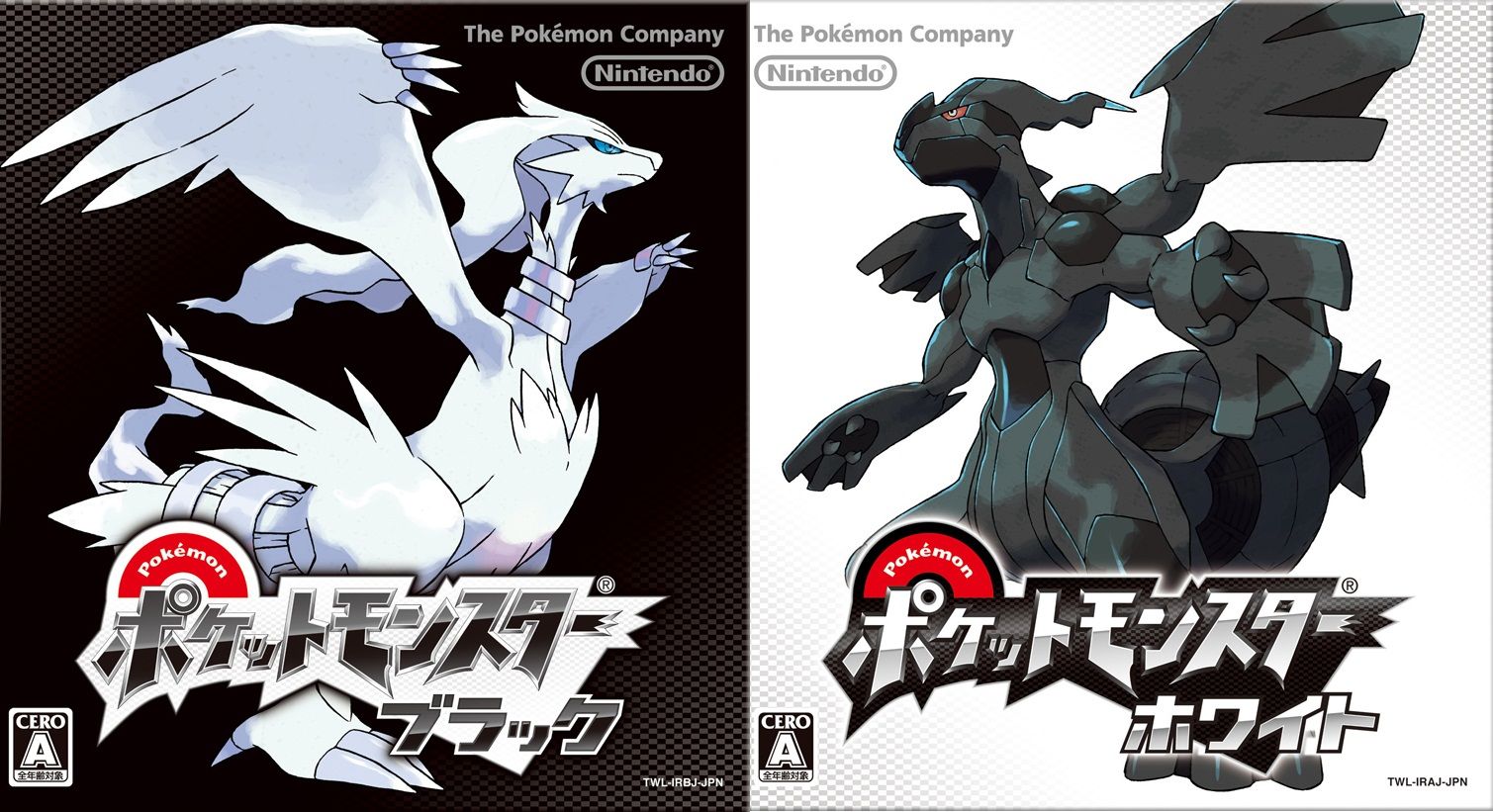
Pokémon Black and White (Pokémon BW) Spoilers and Discussion Summary
Pokémon Black and White" is the fifth title in the Pokémon role-playing game series released by Pokémon (Nintendo Co., Ltd.). The main goal of the game is to complete the Pokémon Pictorial Book and win the Pokémon League (induction into the Pokémon Hall of Fame) in the Ish region. In this title, an organization called the Plasma Squad appears, which "appeals for the liberation of Pokémon in order to free them," and fights in various locations during the story. The theme of this work is "diversity," which is reflected in the characters, Pokémon, and storyline in the game.
Read Article
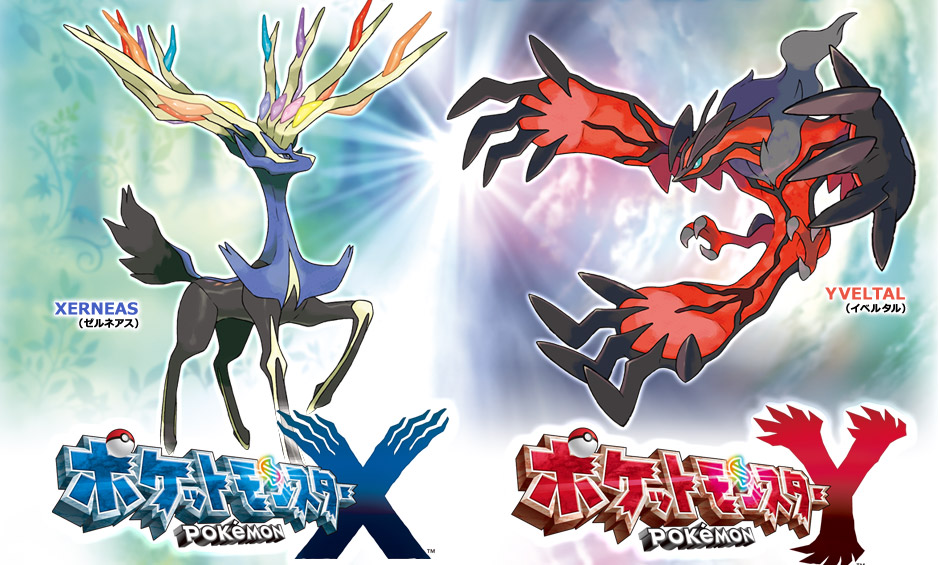
Pokémon X and Y (Pokémon XY) Spoiler Commentary and Discussion Summary
Pokémon X and Y" is the sixth title in the "Pokémon" role-playing game series. The platform has been moved to the 3DS, and the scenario, game system, fields, and battle scenes are now displayed in full 3D, greatly increasing the volume of the game. The main character is involved in a case involving a legendary Pokémon that governs "life and destruction" and the fate of the Kalos region, but he overcomes this by strengthening his bonds with his friends and Pokémon. Mega-Synchka, a Pokémon power-up element that differs from normal evolution, was introduced for the first time.
Read Article
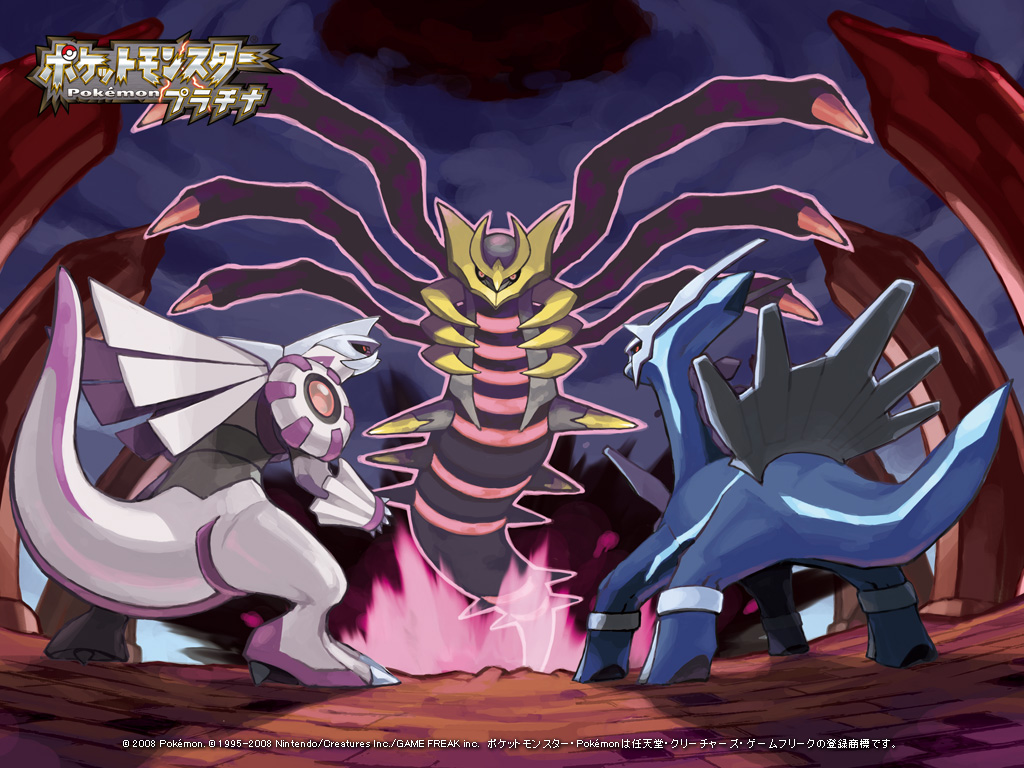
Pokémon Diamond, Pearl, and Platinum (Pokémon DPt) Spoilers and Discussion Summary
Pokémon Diamond, Pearl, and Platinum" is the fourth title in the "Pokémon" role-playing game series released by Pokémon (Nintendo) Co. Pokémon Diamond Pearl" was released, and later "Pokémon Platinum" was released with new elements added. The adventures take place in the Shin-Ou region, and the main goals of the game are to complete the Pokémon Pictorial Book and to win the Pokémon League.
Read Article
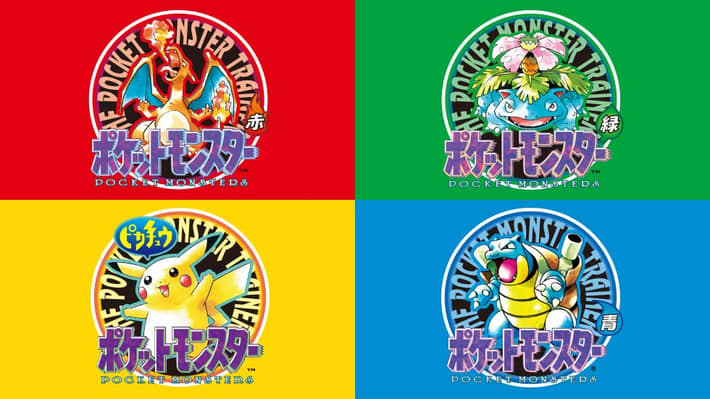
Pokémon Red, Green, Blue, Pikachu, Fire Red, and Leaf Green (Pokémon RGBP and FRLG) Spoilers and Discussion Summary
Pokémon: Red, Green, Blue, Pikachu, Fire Red, Leaf Green" is one of the "Pokémon" role-playing game series. "Red, Green, Blue, Pikachu" is a remake of the first game, and "Fire Red, Leaf Green" is a remake of "Red and Green" with various elements added. Fire Red and Leaf Green" are remakes of "Red and Green" with various elements added. Players will adventure through the Kantou region, aiming to complete the Pokémon Pictorial Book and conquer the Pokémon League. During the storyline, players will fight against the Rockettes, an evil organization that plans to take over the world.
Read Article
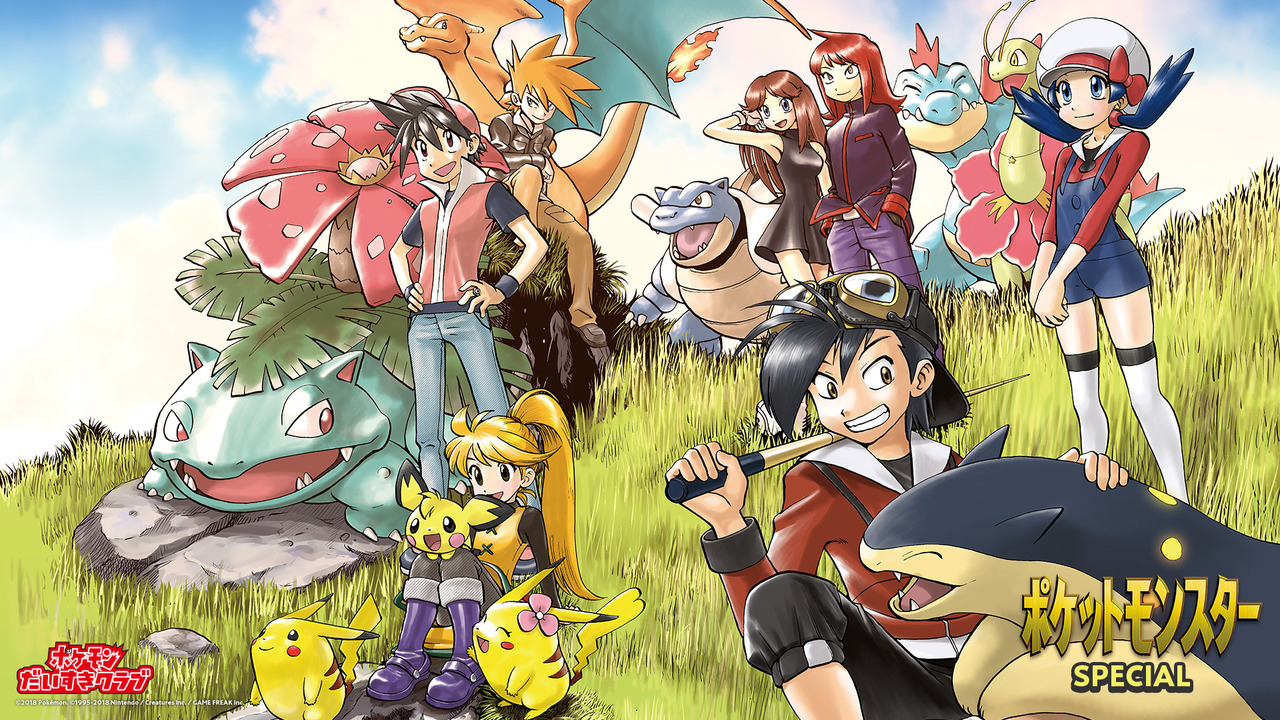
Spoiler commentary and discussion of Pokémon SPECIAL (PokéSP and PokéSP)
Pokémon SPECIAL" is a manga based on the game "Pokémon" published by Shogakukan, written by Hidenori Kusaka and drawn by Satoshi Yamamoto. The series was first serialized in Shogakukan's Shogakugakusei Shogakunen, Shogakugakusei Gosei, and Shogakugakusei Rokunen in 1997, and then in Coro Coro Coro Ichiban! and "Club Sunday," and in 2021 the series celebrated its 25th year.
Read Article
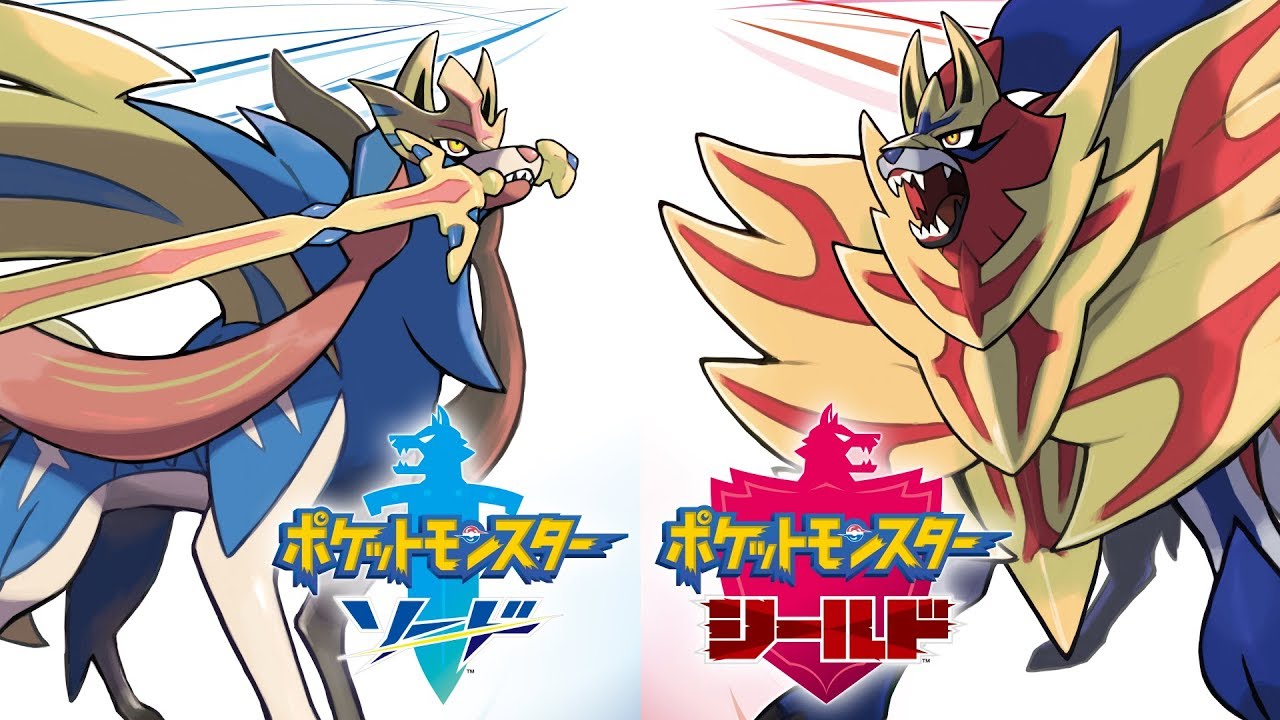
Pokémon Sword Shield (Pokémon Sword Shield) Spoilers and Discussion Summary
Pokémon Sword and Shield is a role-playing game for Nintendo Switch released by Pokémon Inc. on November 15, 2019, with two simultaneous releases of Pokémon Sword and Pokémon Shield in the Pokémon series. It will be the eighth title in the series. The official abbreviation is "Pokémon Sword and Shield". In the Garal region, the setting of this work, the main character challenges the Pokémon League, the highest level of Pokémon battles, and aims to become the champion. He also tries to solve the mystery of the Dymax phenomenon, in which Pokémon become huge.
Read Article
Contents
- Outline of "Pokemon
- Accidents and Incidents
- Incidents and accidents in "Pokémon
- Pokemon seizure incident (Dec. 16, 1997)
- Pokemon Doujinshi Incident
- Nazi problem
- Lawsuits by Christian fundamentalist organizations
- Jewish Conspiracy Theories in the Arab World
- Ruggera body color
- Uri Geller Trial
- gambling problem
- Accidental swallowing of a toy monster ball
- Cried a lot in the final of the 2nd Pokémon Ryuoh Tournament
- Threats to the World Convention
- A player who attempts to play the tournament final using only "shake your finger" is disqualified.
- Disqualified from the World Championships WCS after being found to have cheated.
- Cancellation of the preliminary round of the official tournament "Pokémon Ryuoh Tournament
- The social phenomenon of "Pokemon GO
- walking smartly
- Play while driving
- Inappropriate or inappropriate place to play
- trespassing
- spoofing application
- Theft of Pokémon cards
- Garigari-kun Stick Counterfeiting Incident (Counterfeit Stick Counterfeiting Incident)
- Seizure of counterfeit Pokémon cards