
Pokémon (Pokémon) is a long-lived series that has been around for over 20 years. The history of the series is long, and with each new release, various elements have been introduced into the battles. As a result, the battle environment for players who enjoy Pokémon battles has also changed. This section describes these changes.
About the battle system of the "Pokémon" series
Basic System
The player has six Pokémon in his or her hand, and chooses one or two Pokémon (depending on the battle rules) to put on the field.
Each turn, the player chooses one of the following options: "choose a move to use on the Pokémon," "switch Pokémon to fight," "use a tool," or "run away from the battle. The "run away" option is only available in battles with wild Pokémon, and in Communication Battles, the "run away" option changes to "give up. Note that you cannot use tools in a battle over the air.
When you choose an action, it consumes a turn to execute it. The opponent also chooses the same action, and a turn is counted as one until both players finish their actions and move on to the next action selection.
Both Pokémon perform moves on each other and fight until one of them has no HP. If the battle is with a wild Pokémon, the battle ends at this point.
If it is a battle between trainers, the Pokémon is forcibly returned to the Monster Ball when it becomes "Hinky. Then, a Pokémon that is not in Hinky status is sent out, and the battle ends when all the Pokémon in either player's hand are in Hinky status.
battle rules
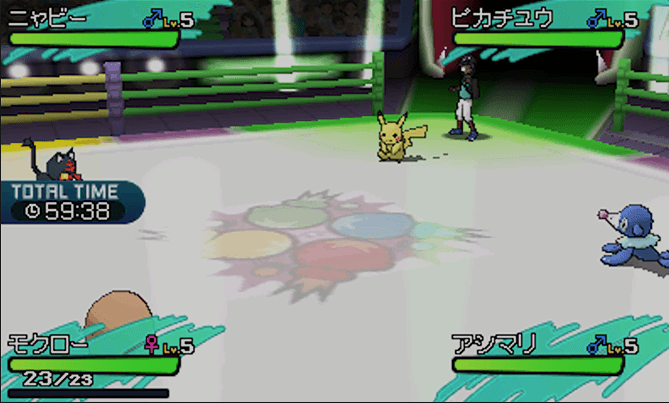
Various battle systems exist for Pokémon battles.
The basic battle rules are single battles, in which Pokémon fight one against one, double battles, in which two players fight two against two, and triple battles, in which three players fight three against three.
There are also Multi Battles, in which four players put one Pokémon on the field each and fight 2 vs. 2; Battle Royale, in which four players put one Pokémon on the field each and fight 1 vs. 1 vs. 1 (unlike Multi Battles, these are not tag-team battles); and Rotation Battle, in which three Pokémon switch positions each turn in a single-battle format. Rotation Battles, etc., in which three Pokémon switch positions every turn in the form of a single battle.
In "Sun and Moon," these battle formats were reorganized and reduced to four: Single Battle, Double Battle, Multi Battle, and Battle Royale.
What is a Battle Facility?
About battles with NPCs
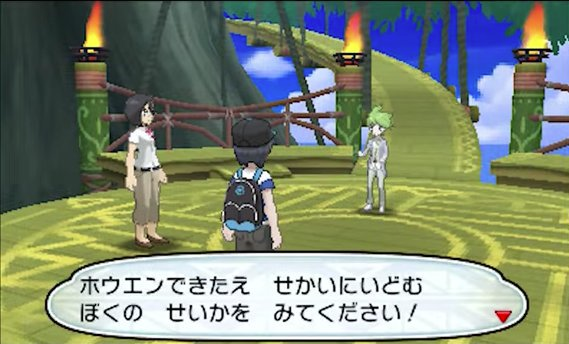
After completing the storyline, players can challenge facilities named "Battle~" such as "Battle Tower" and "Battle Frontier.
Here, you can battle NPCs under certain rules, and you can fight against stronger opponents than those you have fought in previous scenarios.
The basic rules are as follows, although they differ slightly depending on the work.
Pokémon that are level 50 or higher are temporarily changed to level 50 (They return to their original level when they leave the battle facility. (When the Pokémon leaves the battle facility, it returns to its original level, and its status is recalculated to that of the Pokémon at Level 50.)
Legendary Pokémon such as Mewtwo, Lugia, and Houou cannot be used.
Tools cannot be used in battle. You can use tools that you have given to your Pokémon.
Pokémon are restored after each battle, and their statuses are restored.
You can participate in a battle with three Pokémon in a single battle, four Pokémon in a double battle, and two Pokémon each in a multiple battle. The player selects which of his or her animals will participate in the battle, and once the battle has begun, the player cannot change his or her selection.
After winning 50 battles in a row, you will face the owner of that battle facility, and if you win, you will receive a title. If you win, you will be awarded a title. Depending on the work, you may have to fight again at the 100th win in a row.
Because of these special rules, the level of difficulty is such that it is impossible for a Pokémon that has just finished the story to conquer the facility.
Therefore, you must raise new Pokémon to clear this battle facility, and use them to conquer it.
Communication battle between players
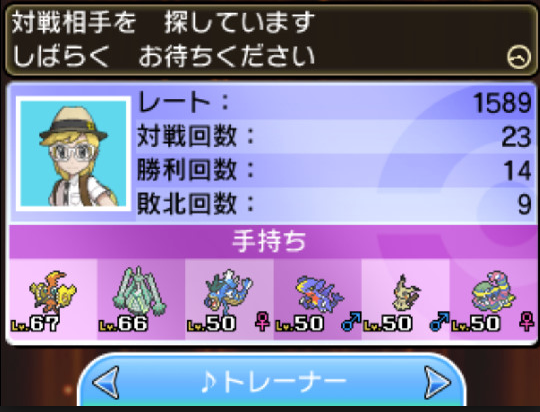
Since "Red and Green," players have been able to battle Pokémon through a communication cable connection.
The function to battle against players around the world via Wi-Fi is called "Battle Spot". The function to play against players around the world using Wi-Fi is called "Battle Spot".
The basic rules for battles via Quick Communication are the same as those for battles against NPCs at battle facilities, but there are two minor differences: "Normal Rules" and "Flat Rules.
These differ in that you may or may not be able to use Pokémon that are banned, such as legendary Pokémon, or Pokémon of the same type.
There are two modes for battles in Battle Spots: "Rated Battle" and "Free Battle.
Rating Battles are battles in which you compete for a rating, which goes up or down depending on whether you win or lose. The opponent is automatically selected from a list of players whose rating is close to your own. In regular rated battles, the use of legendary Pokémon and other items is prohibited.
Free Battle is a mode in which there is basically no win, loss, or score. In Free Battle, there are no prohibited Pokémon, so you can enjoy casual battles.
What is a competitive environment?
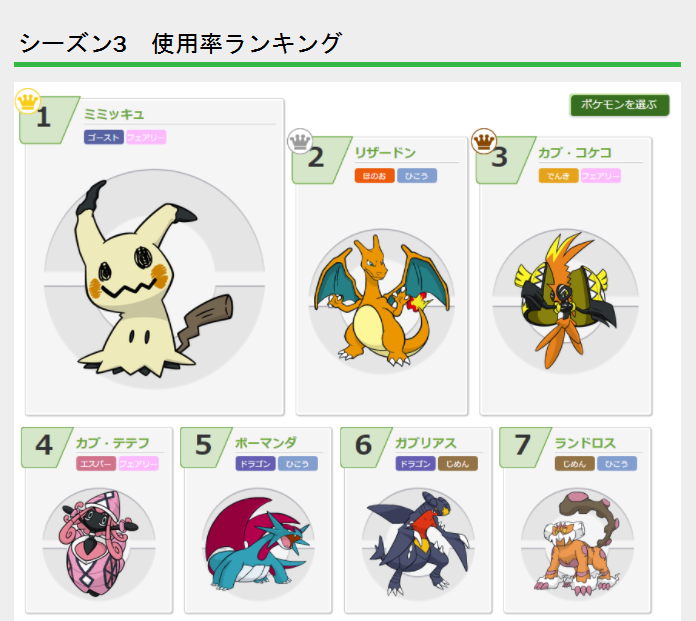
When we talk about "battles" among players, we generally refer to communication battles over Wi-Fi (regardless of whether it is a rating battle or free battle mode).
This "battle" world is crowded with players who have been playing Pokémon for a long time.
The trends and trends related to Pokémon, how to raise Pokémon, and the tactics used in Pokémon battles are called the "environment," and the environment in Wi-Fi communication battles is called the "battle environment.
The environment for free and rated battles differs from each other. The environment in a free game and in a rated game also differs depending on the rating.
Pokémon and techniques that are strong in battles are called "Pokémon suited to the battle environment" and "techniques suited to the battle environment. Players who have been playing hard against Pokémon and Pokémon that do not fit in the environment are called "unfavorable Pokémon" and "unfavorable techniques.
Although they are called "unfavorable," some Pokémon are useful in some scenarios, so being unfavorable in a competitive environment does not mean that it is weak or unusable. It only means that they are unfavorable in competitive games, but every Pokémon and technique has its place.
1st generation competitive environment
The first generation refers to the "Red/Green," "Blue," and "Pikachu" versions. Collectively, these works are referred to as "Generation 1" and "First Generation.
Characteristics of Pokémon that were considered strong in the first generation include high speed and high attack. Pokémon with Esper-Type and Ice-Type were also strong Pokémon.
Esper-type Pokémon had virtually no weaknesses due to the low power of its weak insect-type move and the fact that users of insect-type moves are generally weak against Esper. In addition, only Espertype could halve the power of the strong Espertype moves. For this reason, the competitive environment of the first generation was dominated by Esper-types.
Ice-types are not frozen due to their type characteristics, and there are few users of fire, fighting, and rock-type moves, which are their weak points. In the first generation, once it entered the "Koori" state, it would not be released unless it was hit by a fire-type move, making it possible to completely disable the opponent.
The winner of the official 1998 tournament won the tournament by putting the opponent in the "Koori" state and then beating them unilaterally.
The probability of hitting the vital points of "Kirisaku" and "Happa Cutter" was also high. The probability was a whopping 255/256, which meant that the opponent was almost guaranteed to hit the vital spot.
When a target is hit by a sharp point, the increase in defense can be ignored, no matter how high the defense is raised. Therefore, moves such as "Kirisaku" and "Happa Cutter" did more damage than their indicated power.
The evasion rate of "Kage Bunshin" is abnormally high, and one use of this technique rendered the attacker's attacks almost impossible to hit.
Unlike the current 50% rate for one-hit kill moves such as Ji-Ware and Tsunedrill, the hit rate for these moves depended on the Pokémon's own speed, and if the Pokémon's speed was lower than the opponent's, it would never hit the opponent.
Since it also took one turn to recover from the "Sleep" state, it was possible to set up a loop: put the opponent to sleep with "Saiminjutsu," a move that puts the opponent into a "Sleep" state; the opponent is asleep and cannot move; you attack; the opponent wakes up; you put him to sleep again with "Saiminjutsu"; and so on.
Because of this unbalanced game balance, Pokémon with high speed, high attack strength, and an Esper type of Ice type were sought after in competitive games.
All major Pokémon in the competitive environment met at least one of these conditions.
Typical Pokémon in the competitive environment of the first generation
As mentioned earlier, the conditions for a strong Pokémon (a Pokémon that is strong in a competitive environment) were high speed, high attack strength, and an Esper type that is an Ice type.
The only way to play against Pokémon was to play face to face, and since there were no Wi-Fi communication battles, the population of competitive players was small and the Pokémon used were highly skewed.
For this reason, in the official tournaments of 1999, the latter half of the first generation, popular Pokémon from the previous year and the previous year's tournaments were all but eliminated from the competition, as the organizers wanted players to use a variety of Pokémon.
The major Pokémon in the competitive environment throughout the first generation were Gengar, Centaur, Thunders, Starmie, Dugtrio, Naschy, Houdin, and Marmine. Starmie, Laplace, Sleeper, and Kabigon also often appeared in the competitive environment, although their appearance rates were lower than those of these Pokémon.
someone who swears off one's opponent's belt
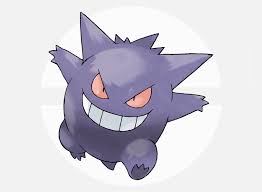
Gengar is the fastest Pokémon that can learn "Saiminjutsu," and its combo with "Yumeikiri," which damages Pokémon in the "Nemuri" state, attracted attention.
In the first generation, Pokémon slower than Gengar could be attacked unilaterally by "Saiminjutsu" because they could not act on the turn they awakened from the "Sleep" state (the turn was consumed by the action "Awakened from the 'Sleep' state").

Related Articles
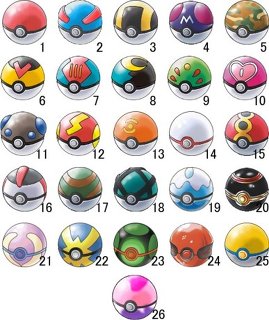
Pokemon (Pokemon) Monster Ball Summary
Pokémon" is a video game series published by Pokémon Inc. In this game, players explore the world with imaginary creatures called "Pokemon" as their partners, competing with wild Pokemon and Pokemon of their trainers. The tool used to catch Pokémon is the Monster Ball. When the first "Red, Green, and Blue" were first released, there was a rumor that if you hit the button repeatedly after throwing the ball, the capture rate would increase.
Read Article
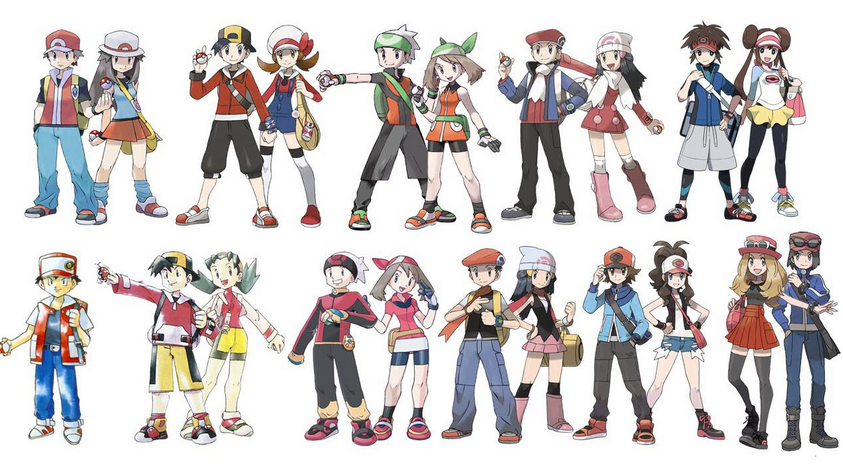
Summary of successive protagonists of Pokémon (Pokémon)
The main character in the "Pokémon" series can be named freely by the player. In the original "Red, Green, Blue, and Pikachu," there was only a male protagonist, but as the generations progressed, the gender, appearance, clothing, and hairstyle of the protagonist could be selected and changed to the player's liking, allowing for more freedom. The improved graphics made it possible to clearly see the main character's appearance in the game, and when a new game appeared, people began to pay attention not only to the Pokémon but also to the design of the main character.
Read Article
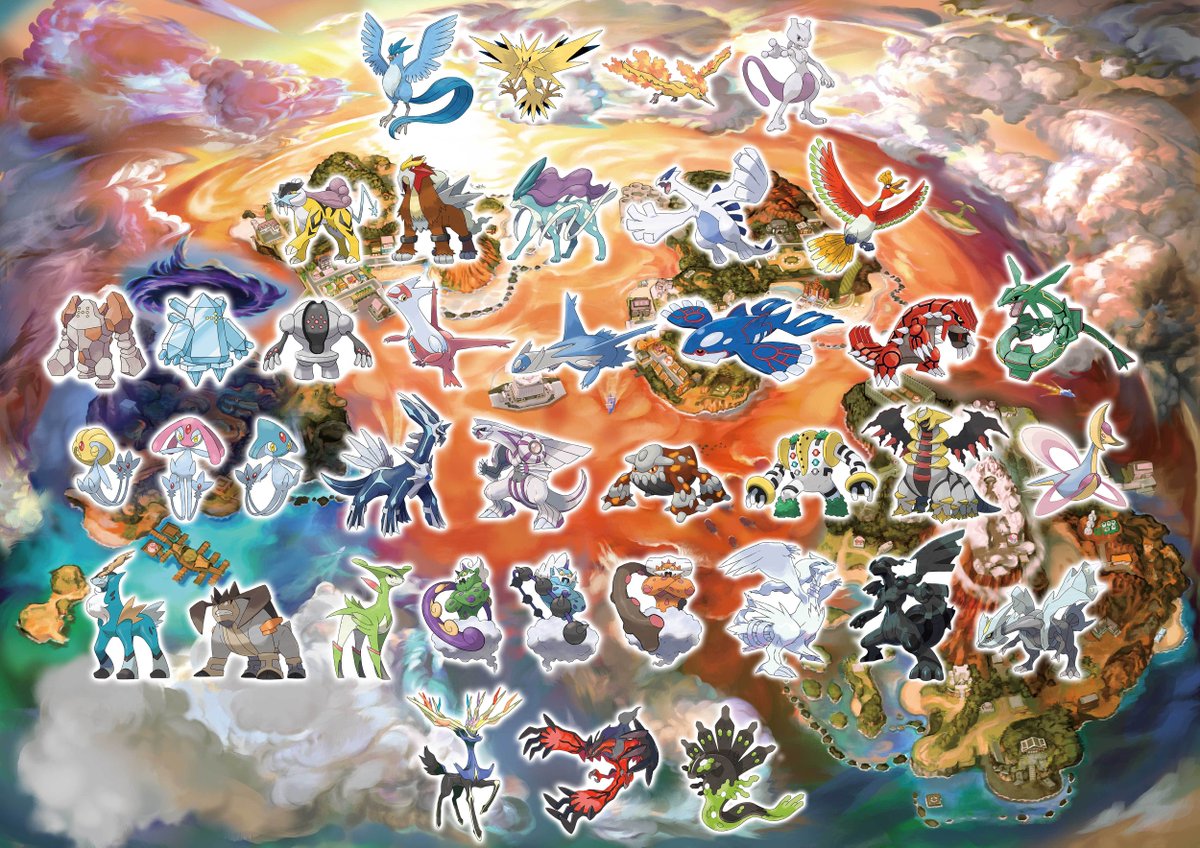
Pokémon Legendary Pokémon Summary
Pokémon" is the name of a video game series released by Pokémon (originally Nintendo). The abbreviated name is "Pokemon. The player becomes a trainer and travels with a creature called a "Pokémon" as a partner. Legendary Pokémon, according to the official description, are "precious Pokémon that can rarely be seen in each region," and are basically a generic term for Pokémon that appear only once in the game. Multiple legendary Pokémon have appeared in each generation.
Read Article
![Pokémon] List of the three generations of the Pokémon family.](https://renote.net/files/blobs/proxy/eyJfcmFpbHMiOnsiZGF0YSI6NzIwNDIyLCJwdXIiOiJibG9iX2lkIn19--ef0ac0b72cc8b04b30392dfdbc087a2d25c294a0/687d5798.jpg)
Pokémon] List of the three generations of the Pokémon family.
The following is a list of the three families of the Pokémon series. It covers the first generation of Red, Green and Blue, the second generation of Gold and Silver, the third generation of Ruby and Sapphire, the fourth generation of Diamond and Pearl, the fifth generation of Black and White, and the sixth generation of X and Y.
Read Article
A little creepy! Pokémon with disappointing visuals [Pokémon].
Cute and cool monsters tend to attract attention in Pokemon, but there are some Pokemon that are considered "creepy"... Here is a list of Pokémon whose visual appearance is a little disappointing. In a way, it may be said that the creepy parts are attractive.
Read Article
![Pokémon] Introduction of Characters in Pokémon [Gym Leader, Four Heavenly Kings, Champion].](https://renote.net/files/blobs/proxy/eyJfcmFpbHMiOnsiZGF0YSI6MTAzODI1NywicHVyIjoiYmxvYl9pZCJ9fQ==--28d9070ad3714207b2bd90936e624bcfa5c561d1/5de054b8.jpg)
Pokémon] Introduction of Characters in Pokémon [Gym Leader, Four Heavenly Kings, Champion].
This is a list of Gym Leaders, Four Heavenly Kings, Champions, and other characters that appear in the Pokémon series of games. They are introduced by region from the first generation to Black and White. Memorable and unique characters are another major attraction of the Pokemon series.
Read Article
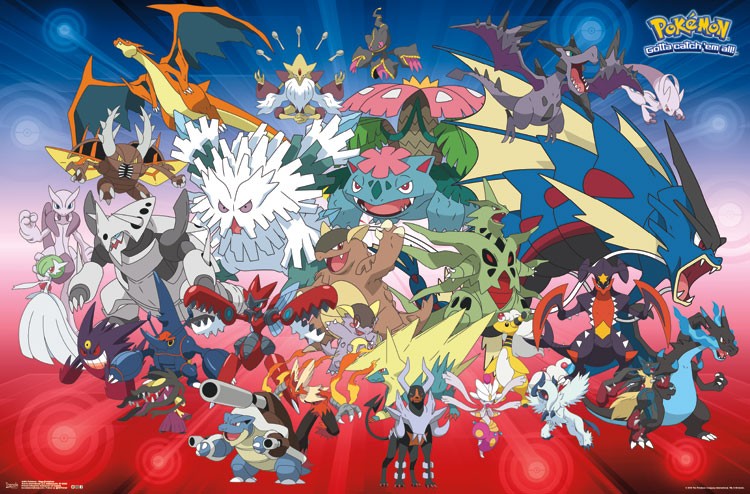
Pokémon (Pokémon) Mega-Shinker and Genshi-Kaiki Summary
Pokemon" is a series of role-playing games published by Pokemon Co. The aim is to capture and train creatures called pocket monsters (Pokémon) to become the champion of an institution called the Pokémon League. Mega Shinka is a new element added in "Pokémon X and Y". This system was added under the concept of "picking up Pokémon from the old series again. Similar to Mega Shinka, there is also Genshikaiki, in which legendary Pokémon Gladon and Chiogre return to their ancient forms.
Read Article
Summary of Pokemon (Pokémon) Types
Pokemon" is an RPG series developed by Game Freak and published by Pokemon Co. In this game, players travel around the world with imaginary creatures called "Pokemon," aiming to complete the Pokemon Pictorial Book and become the champion of the Pokemon League. In this title, each Pokémon and technique has a "type," which is a kind of attribute. These types determine the compatibility between Pokémon. At first, there were 15 types, but two types were added in "Gold and Silver" and one type was added in "X and Y".
Read Article
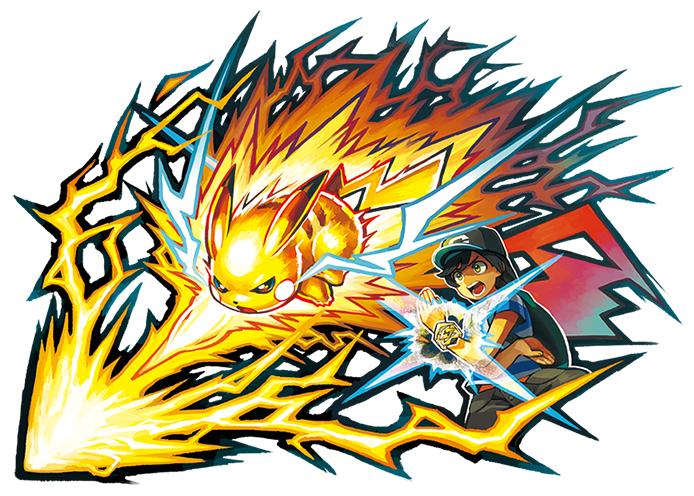
Summary of Z-Waza and Z-Techniques for Pokemon (Pokémon)
Z-Waza (Z-technique)" is an element introduced in Pokemon Sun Moon, a special move that can be used only once during a battle. It was introduced as a remedy for Pokémon other than some that can adapt to the inflated battle environment. Although there are some problems and lack of adjustment, the introduction of Z-Waza has given all Pokémon the opportunity to play an active role.
Read Article
![Pokémon] Evil organizations and their members in Pokémon.](https://renote.net/files/blobs/proxy/eyJfcmFpbHMiOnsiZGF0YSI6NzQwNzQ2LCJwdXIiOiJibG9iX2lkIn19--c6164432744a5cc22c14bb99b56dc39981f03fd3/maxresdefault.jpg)
Pokémon] Evil organizations and their members in Pokémon.
Pokemon] We have compiled a list of bosses and members of evil organizations in the Pokemon series of games. There are many fascinating villains such as the Rockettes, Aqua-dan, Magma-dan, Ginga-dan, Platinum-dan, and Flare-dan. Which is your favorite evil organization?
Read Article
Summary of Pokémon (Pokémon) characteristics
Pocket Monsters is the name of a video game series developed by Game Freak. The abbreviated name is Pokemon. Although it is a long-lived series that celebrated its 20th anniversary, the basics of its battle system have not changed since the first generation, "Pokemon Red and Green. In this article, we will discuss "special characteristics," a new element added in the third generation (Ruby and Sapphire).
Read Article
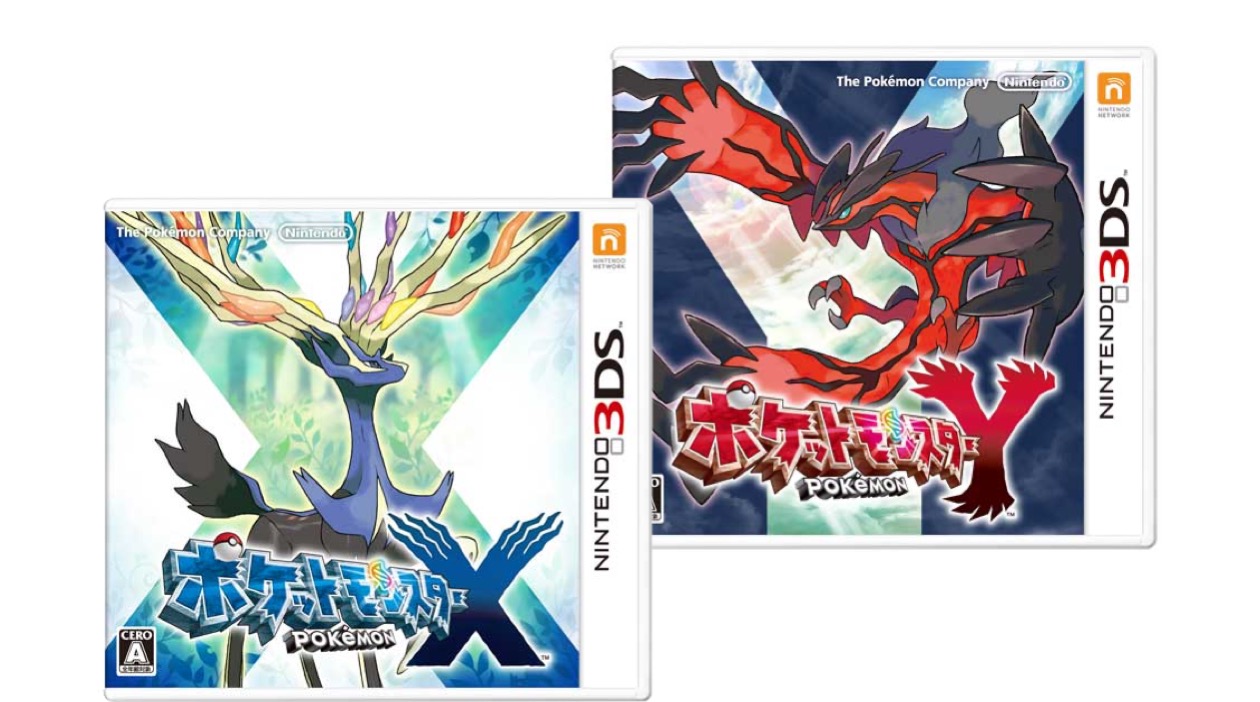
Images of previous generations of packages in the Pokémon series [Pokémon].
The popular game [Pokemon] series has released a variety of derivative works. Attractive packaging is an important element that successfully stimulates excitement for adventure and desire to purchase. Here we introduce a collection of images of the numerous past packages of the Pokémon series.
Read Article
Summary of Pokemon (Pokemon) tricks and bugs
Pokemon" is an RPG series released by Pokemon Co. It depicts the adventures of a Pokémon trainer who partners with a mysterious creature called "Pocket Monster" (Pokémon) and battles Pokémon against each other. The "Pokémon" series has a number of tricks and bugs. The first generation is particularly famous for having many bugs, probably due to the complexity of the program that was added to the first generation. In the first generation, the phantom Pokémon Mew was hidden in the internal data, and a situation developed in which Mew was distributed because it was exposed to the public through a bug.
Read Article
Summary of Branching Evolution of Pokemon (Pokémon)
Pokemon" is an RPG series released by Pokemon Co. Set in a world of mysterious creatures called "pocket monsters" (Pokémon), players set out on an adventure to become Pokémon League champions. Many Pokémon can evolve and change their appearance when certain conditions are met. Some Pokémon evolve to different destinations depending on the conditions. Eevee, which is classified as a "Shinka Pokémon," can evolve into as many as eight different types of Pokémon.
Read Article
Summary of Satoshi's handheld Pokémon
Pokemon" is an RPG series released by Pokemon Co. In addition to video games, the series has been developed in a variety of media, including anime and manga. Satoshi, the main character of the anime from 1997 to 2023, basically travels to a new region with only his partner, Pikachu, and his Pokémon handheld is renewed each time the series changes. Another highlight of the anime is what kind of Pokémon Satoshi gets.
Read Article
ポケットモンスター(ポケモン)のバグポケまとめ
『ポケットモンスター(ポケモン)』とは、任天堂が発売しているゲームである。1996年2月27日に携帯ゲーム機「ゲームボーイ」用ソフトとして発売開始され、その後次々に続編が制作されている。オーソドックスなRPG(ロールプレイングゲーム)であり、「ポケモン」と呼ばれるゲーム内の架空の生物の収集や交換、育成などを進めていく。その中でも、通常プレイでは入手できず、ストーリーの進行にも影響はないが、裏技によって入手できるのが、「バグポケ」である。
Read Article
Summary of Stone Evolution, Item Evolution, and Communication Evolution for Pokemon (Pokémon)
Pokemon" is a video game series released by Pokemon Co. It is an RPG in which players adventure with mysterious creatures called "Pokemon" as their partners. Pokémon evolve when they reach a certain level. However, some Pokémon evolve by using evolution stones or similar items, and some Pokémon evolve through communication exchanges.
Read Article
Summary of Pokemon (Pokemon) Rivals
Pokémon" is an RPG series published by Pokémon Inc. It depicts the adventures of a Pokémon trainer who has a mysterious creature called a "pocket monster" (Pokémon) as a partner. Rivals are mainly trainers who, like the main character, acquire Pokémon in the early stages of the game and fight with them in various locations. They sometimes antagonize the main character and sometimes cooperate with him as he grows up. In the beginning of the series, it was common to choose a Pokémon from the three families of Pokémon as a partner that is compatible with the Pokémon that the main character obtains.
Read Article
Summary of accidents and incidents related to Pocket Monsters (Pokemon)
Pokémon" is a video game series released by Pokémon Inc. It has also been developed into various media, including animation. While "Pokemon" has become a popular content, various accidents and incidents have occurred. 1997 saw the "Pokemon Shock," which became a major topic of conversation in Japan. The worldwide popularity of "Pokemon GO" has also led to accidents around the world that are thought to have been caused by people walking around with their phones on.
Read Article
Summary of Conditional Level-Up Evolution of Pokemon (Pokémon)
Pokémon" is a video game series published by Pokémon Inc. It is an RPG in which players adventure with mysterious creatures called "Pokemon" (Pokemon) as their partners. Pokémon evolve when they reach a certain level, but some Pokémon are accompanied by other conditions, such as a degree of familiarity, friendliness, or location. Even if these Pokémon have reached a level at which they can evolve, they cannot evolve unless they meet other conditions.
Read Article
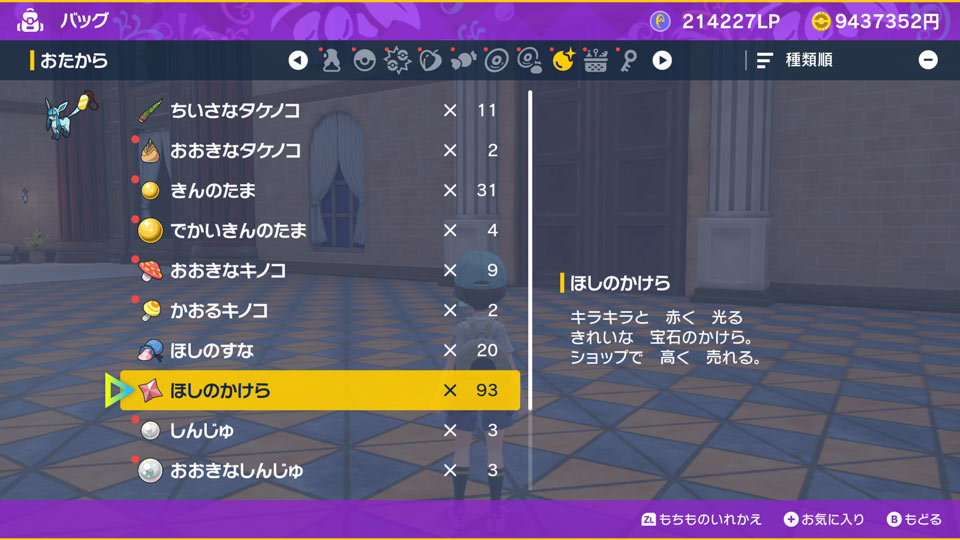
Summary of Pocket Monsters (Pokémon) otakara and cash items
Pokémon" is an RPG series released by Pokémon Co. It depicts the adventures of "Pokémon Trainers" who battle Pokémon with mysterious creatures called "Pocket Monsters" (Pokémon) as their partners. In "Pokémon," there is a category of tools called "otakara. This category mainly includes cash items that have no other use than to be sold, but some works also include items such as "Gin no Oukan" that are effective when given to a specific person.
Read Article

Summary of Pokemon (Pokémon) Ph.
Pokemon" is an RPG series released by Pokemon Co. Players go on adventures with mysterious creatures called "pocket monsters" (Pokémon) as their partners and aim to become champions of the Pokémon League. In "Pokémon," a doctor is a person who researches the ecology of Pokémon and is also called Dr. Pokémon. Until "Sun and Moon," it was standard practice to receive the first Pokémon and an illustrated book to register Pokémon from Dr. Pokémon.
Read Article
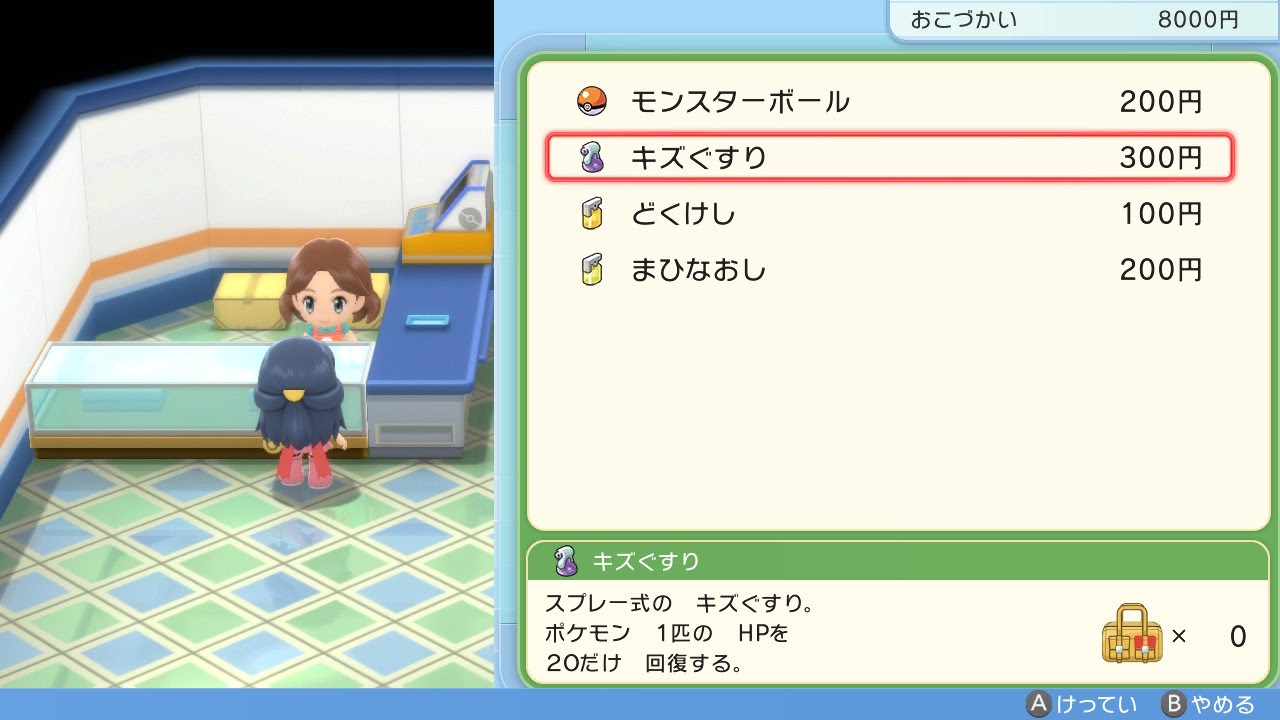
Summary of recovery items for Pokemon (Pokémon)
Pokemon" is an RPG series released by Pokemon Co. It depicts the adventures of "Pokémon Trainers," who battle Pokémon against each other, using mysterious creatures called "Pocket Monsters" (Pokémon) as partners. In battle, Pokémon's HP may decrease or they may suffer from abnormal conditions. You can recover your Pokémon by stopping by a Pokémon Center, but if there is no Pokémon Center nearby, you will have to rely on recovery items.
Read Article
Urban legends, trivia, and backstories of Pokemon (Pokemon)
Pokemon" is the name of a video game series developed by Game Freak. It is abbreviated as "Pokemon. It is an RPG in which players collect, raise, and battle creatures called Pokémon, following the concept of "collect, raise, and fight. Pokémon" rarely fails to send chills down the spine, and the longevity of the series, which celebrated its 20th anniversary in 2016, has given rise to all sorts of backstories and urban legends.
Read Article
Summary of different colors of Pokemon (Pokemon)
Pokemon" is an RPG series developed by Game Freak in 1996, starting with "Red and Green. Players travel with a mysterious creature called a "pocket monster" (Pokémon) as their partner, aiming to become the champion of the Pokémon League. Color-matched Pokémon were introduced in the second generation "Gold and Silver," and are Pokémon with different body colors from the norm. When a different-colored Pokémon is seen on the status screen or when it is sent into battle, a glowing effect appears, so it is also called a "glowing Pokémon.
Read Article
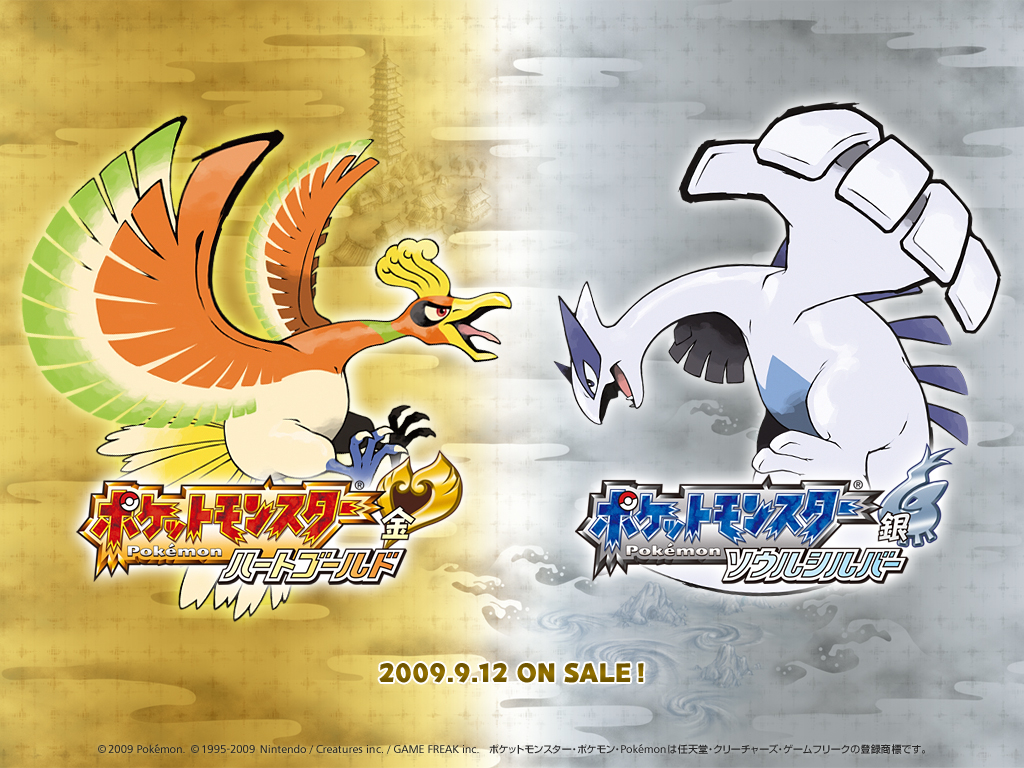
Pokémon Gold, Silver, Crystal, Heart Gold, and Soul Silver (Pokémon GSC and HGSS) Spoilers and Discussion Summary
Pokémon: Gold, Silver, Crystal, HeartGold, SoulSilver" is part of the "Pokémon" role-playing game series, with "Gold, Silver, Crystal" being the second game and "HeartGold, SoulSilver" being a remake of "Gold, Silver, Crystal. The "Heart Gold" and "Soul Silver" are remakes of "Gold, Silver and Crystal". The game takes players on adventures in the Johto and Kantou regions, where they aim to complete the Pokémon Pictorial Book and conquer the Pokémon League. They will fight against the Rockettes, an evil organization that appeared in the previous "Pokémon: Red, Green, Blue, Pikachu".
Read Article
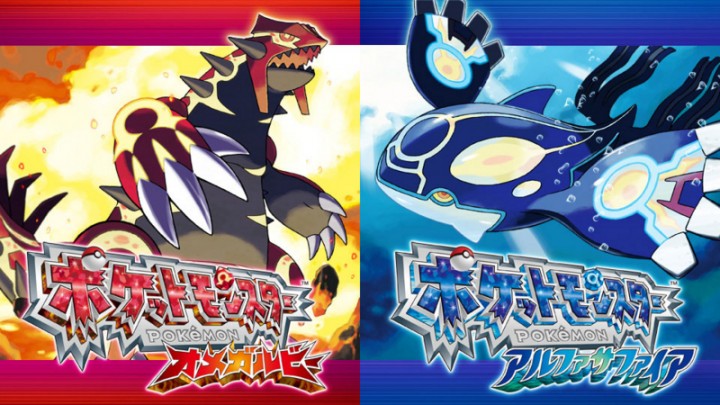
Pokémon Ruby, Sapphire, Emerald, Omega Ruby, Alpha Sapphire (Pokémon RSE and ORAS) Spoilers and Discussion Summary
Pokémon Ruby, Sapphire, Emerald, Omega Ruby, Alpha Sapphire (Pokémon RSE and ORAS)" is part of the "Pokémon" role-playing game series. Omega Ruby Alpha Sapphire" is a remake of "Ruby, Sapphire, and Emerald". In this adventure through the Houen region, players aim to complete the Pokémon Pictorial Book and win the Pokémon League. During the storyline, players will fight against the "Magma and Aqua Clan" organizations in various locations.
Read Article
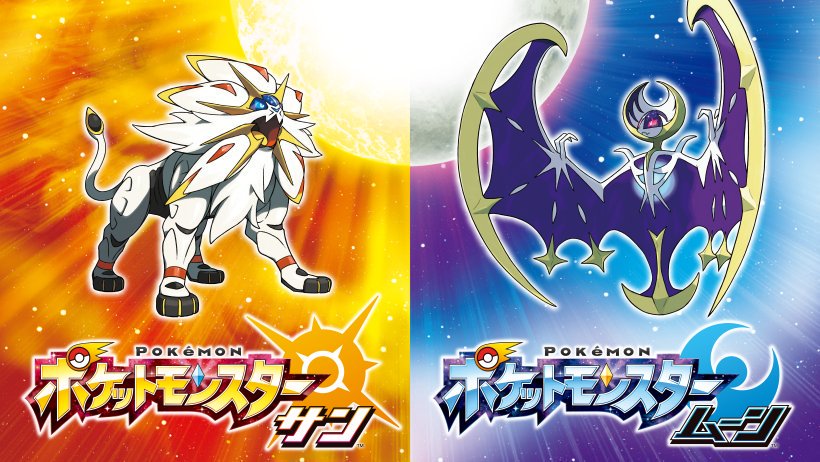
Pokémon Sun, Moon, Ultra Sun, and Ultra Moon (Pokémon SM and USUM) Spoilers and Discussion Summary
Pokémon Sun Moon and Ultra Sun Ultra Moon are part of the "Pokémon" role-playing game series, with "Sun Moon" being the seventh game and "Ultra Sun Ultra Moon" being a version of "Sun Moon" with some additional stories and systems. Ultra Sun Ultra Moon" is a version of "Sun Moon" with some story and systems added. Players explore the Alola region, which consists of four islands and one man-made island, and go on an "island tour" to complete the Pokémon Pictorial Book and win the Pokémon League. During the story, they will battle organizations such as the Skull Clan and the Aether Foundation.
Read Article
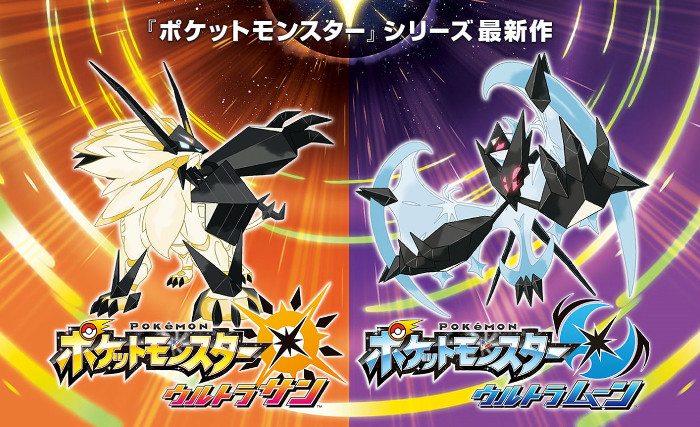
Summary of Pokémon Ultra Sun Ultra Moon's appeal
Ultra Sun Ultra Moon is an upgraded version of the previous title, Pokemon Sun Moon, with new elements. As in the previous title, the story follows the main character as he embarks on a journey called "island-hopping" to overcome a number of challenges and become a champion, but there are also many new elements added from the previous title, so you won't get bored just because you have played the previous title. In this issue, we take a closer look at the charms of Pokémon Ultra Sun Ultra Moon.
Read Article
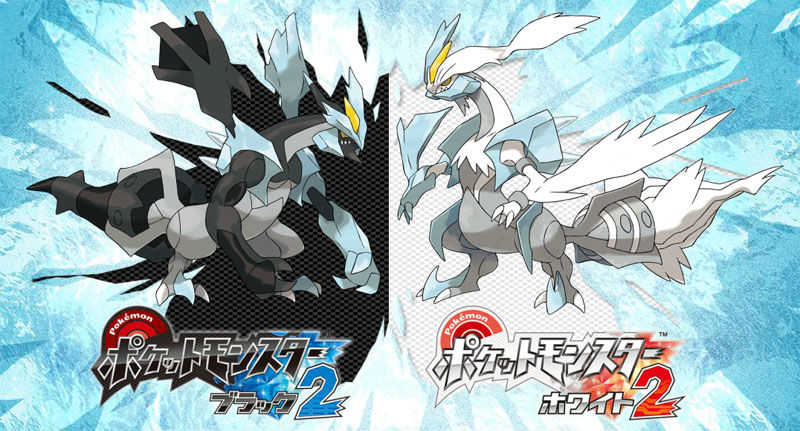
Pokémon Black 2 and White 2 (Pokémon BW2) Spoilers and Discussion Summary
Pokémon Black 2 and Pokémon White 2" is a sequel to "Pokémon Black and White" and takes place two years after the first game in the Ish region. The main goal of the game is to complete the Pokémon Pictorial Book and win the Pokémon League (Hall of Fame). The Plasma Clan, which appeared in the previous game, is back in this game and fights in various locations during the story. The growth of the trainers is also depicted, and we can see the growth of N (N), who was a rival in the previous work, and Belle and Cheren, who went on a journey together.
Read Article
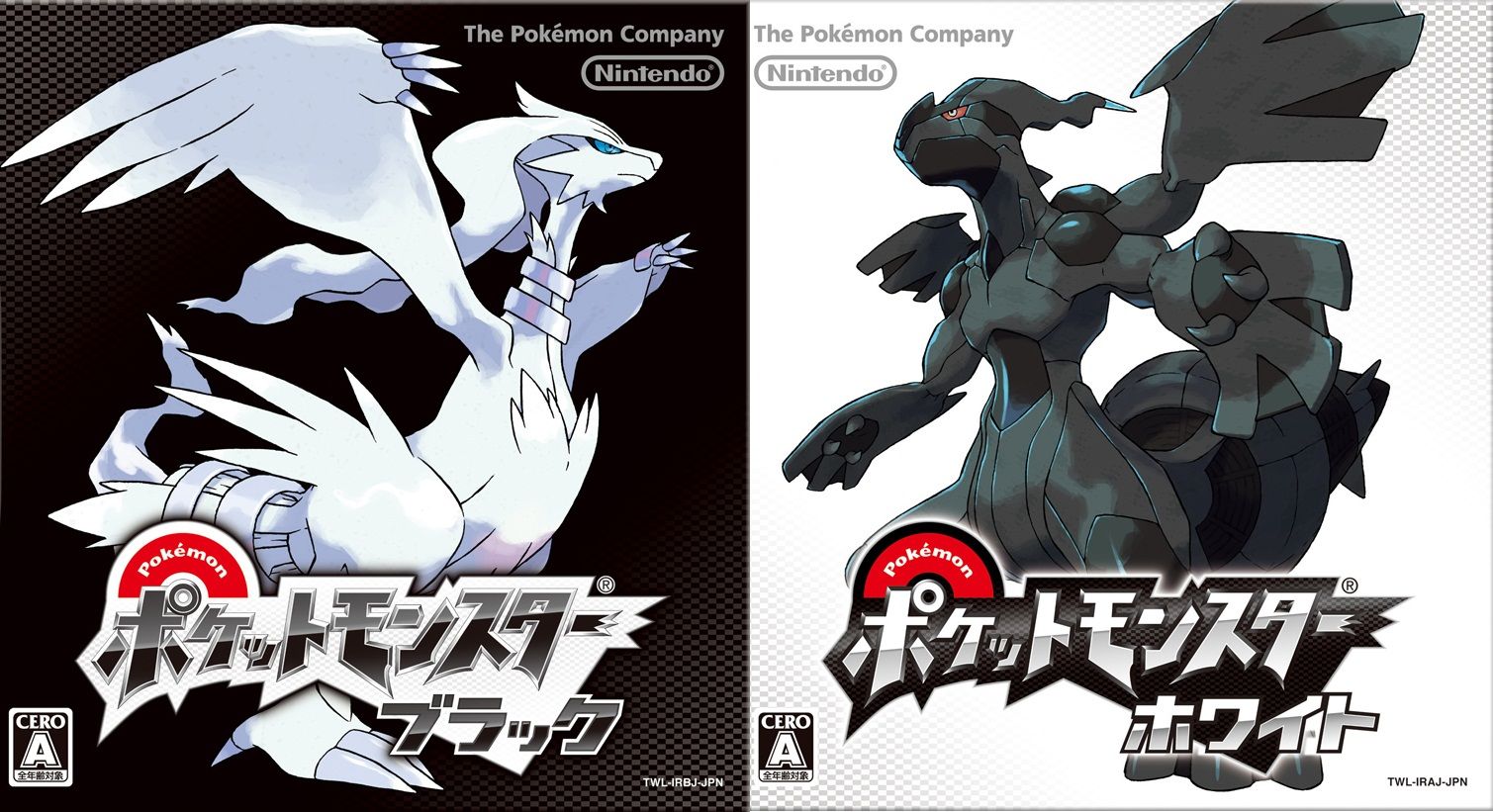
Pokémon Black and White (Pokémon BW) Spoilers and Discussion Summary
Pokémon Black and White" is the fifth title in the Pokémon role-playing game series released by Pokémon (Nintendo Co., Ltd.). The main goal of the game is to complete the Pokémon Pictorial Book and win the Pokémon League (induction into the Pokémon Hall of Fame) in the Ish region. In this title, an organization called the Plasma Squad appears, which "appeals for the liberation of Pokémon in order to free them," and fights in various locations during the story. The theme of this work is "diversity," which is reflected in the characters, Pokémon, and storyline in the game.
Read Article
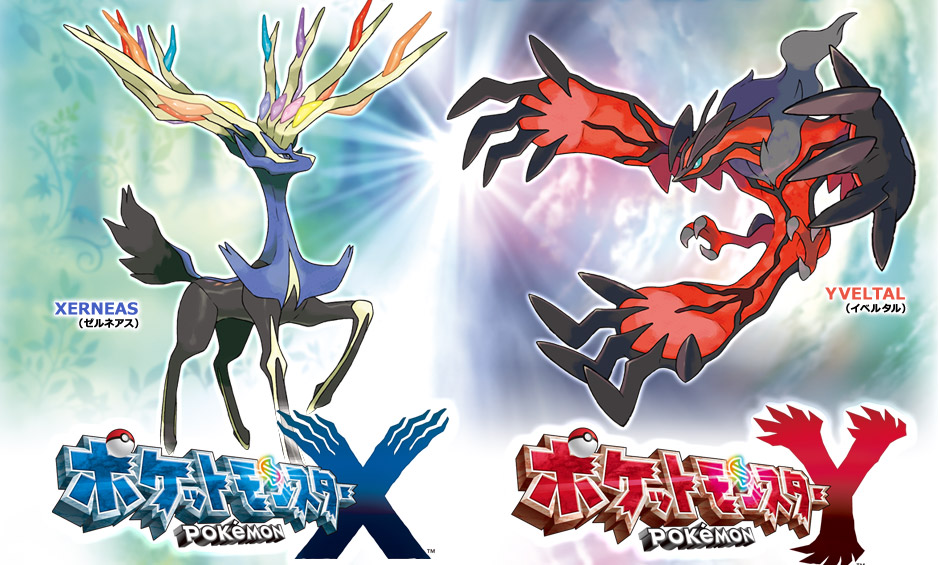
Pokémon X and Y (Pokémon XY) Spoiler Commentary and Discussion Summary
Pokémon X and Y" is the sixth title in the "Pokémon" role-playing game series. The platform has been moved to the 3DS, and the scenario, game system, fields, and battle scenes are now displayed in full 3D, greatly increasing the volume of the game. The main character is involved in a case involving a legendary Pokémon that governs "life and destruction" and the fate of the Kalos region, but he overcomes this by strengthening his bonds with his friends and Pokémon. Mega-Synchka, a Pokémon power-up element that differs from normal evolution, was introduced for the first time.
Read Article
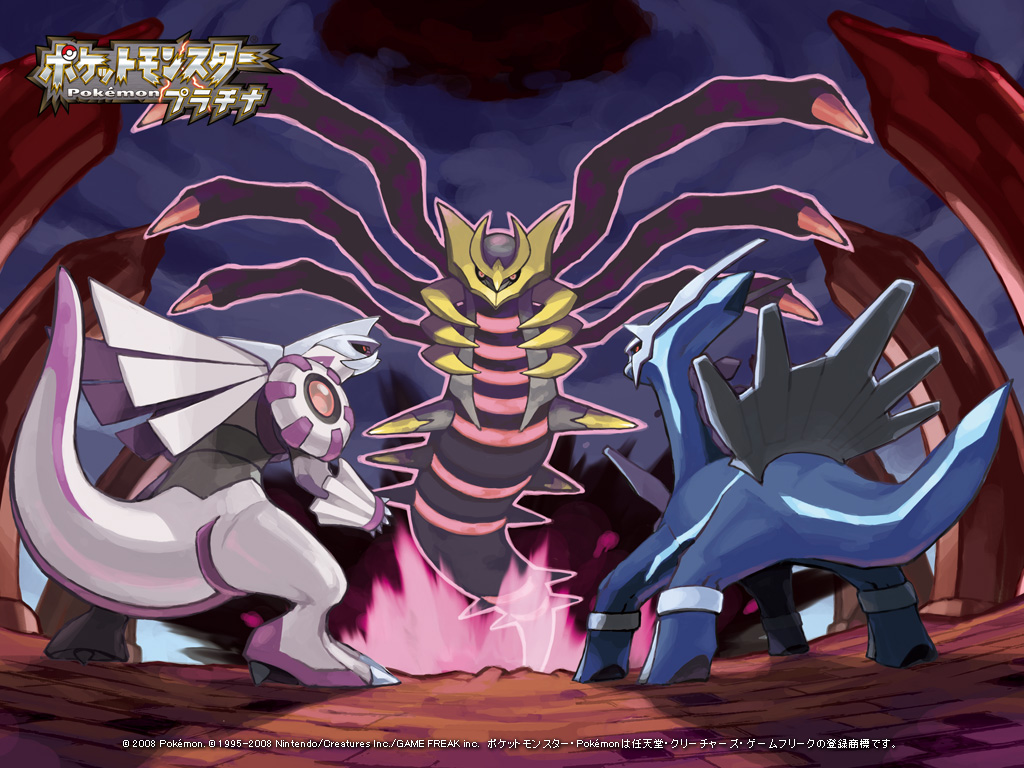
Pokémon Diamond, Pearl, and Platinum (Pokémon DPt) Spoilers and Discussion Summary
Pokémon Diamond, Pearl, and Platinum" is the fourth title in the "Pokémon" role-playing game series released by Pokémon (Nintendo) Co. Pokémon Diamond Pearl" was released, and later "Pokémon Platinum" was released with new elements added. The adventures take place in the Shin-Ou region, and the main goals of the game are to complete the Pokémon Pictorial Book and to win the Pokémon League.
Read Article
Pokémon Red, Green, Blue, Pikachu, Fire Red, and Leaf Green (Pokémon RGBP and FRLG) Spoilers and Discussion Summary
Pokémon: Red, Green, Blue, Pikachu, Fire Red, Leaf Green" is one of the "Pokémon" role-playing game series. "Red, Green, Blue, Pikachu" is a remake of the first game, and "Fire Red, Leaf Green" is a remake of "Red and Green" with various elements added. Fire Red and Leaf Green" are remakes of "Red and Green" with various elements added. Players will adventure through the Kantou region, aiming to complete the Pokémon Pictorial Book and conquer the Pokémon League. During the storyline, players will fight against the Rockettes, an evil organization that plans to take over the world.
Read Article
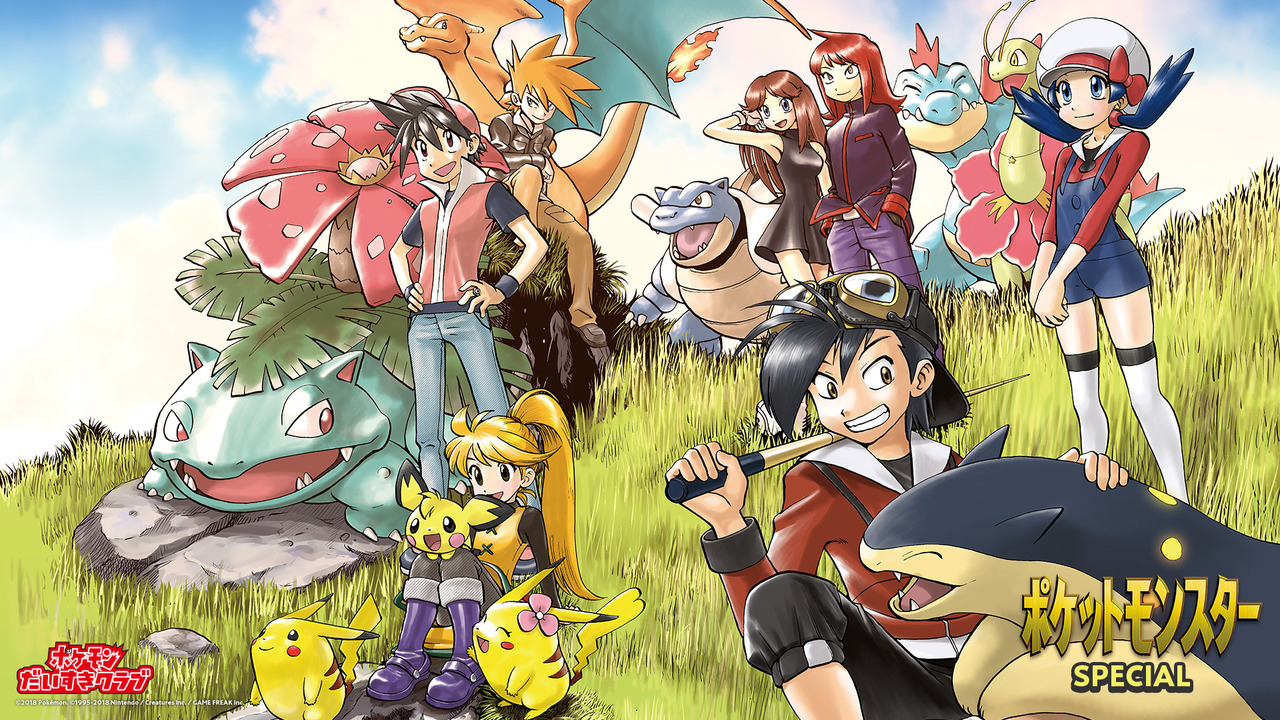
Spoiler commentary and discussion of Pokémon SPECIAL (PokéSP and PokéSP)
Pokémon SPECIAL" is a manga based on the game "Pokémon" published by Shogakukan, written by Hidenori Kusaka and drawn by Satoshi Yamamoto. The series was first serialized in Shogakukan's Shogakugakusei Shogakunen, Shogakugakusei Gosei, and Shogakugakusei Rokunen in 1997, and then in Coro Coro Coro Ichiban! and "Club Sunday," and in 2021 the series celebrated its 25th year.
Read Article
Pokémon Sword Shield (Pokémon Sword Shield) Spoilers and Discussion Summary
Pokémon Sword and Shield is a role-playing game for Nintendo Switch released by Pokémon Inc. on November 15, 2019, with two simultaneous releases of Pokémon Sword and Pokémon Shield in the Pokémon series. It will be the eighth title in the series. The official abbreviation is "Pokémon Sword and Shield". In the Garal region, the setting of this work, the main character challenges the Pokémon League, the highest level of Pokémon battles, and aims to become the champion. He also tries to solve the mystery of the Dymax phenomenon, in which Pokémon become huge.
Read Article
Contents
- About the battle system of the "Pokémon" series
- Basic System
- battle rules
- What is a Battle Facility?
- About battles with NPCs
- Communication battle between players
- What is a competitive environment?
- 1st generation competitive environment
- Typical Pokémon in the competitive environment of the first generation
- someone who swears off one's opponent's belt
- Centaur
- Sanders.
- Starmie.
- dugtrio
- Nassy.
- fudin
- Marmine.
- Second Generation Competitive Environment
- Newly introduced Pokémon that attracted attention in the competitive environment of the second generation
- air-made
- artificial intelligence (AI)
- Hassam
- Tsubo Tsubo, Hapinas
- vanguilas
- Heracross
- Pokémon that have been enhanced in the competitive environment of the second generation from the previous one.
- Kylikie
- Rattle, Pikachu.
- northern sea nettle (Chrysaora melanaster)
- fire
- Pokémon that were weakened in the competitive environment of the second generation
- All Pokémon that were major players in the previous competitive environment
- Esper type, all ice-type Pokémon
- Poison-type Pokémon in general
- 3rd Generation Competitive Environment
- Newly introduced Pokémon that attracted attention in the competitive environment of the third generation
- yellow-headed gull (Larus ridibundus)
- kinogassa
- kecking
- nukenin
- metagross
- Milokaros (member of a genus of predatory bony fish)
- Latios
- Pokémon that have been enhanced in the competitive environment of the third generation from the previous one.
- air-made
- Heracross
- Pokémon that were weakened in the competitive environment of the third generation
- toad (esp. the Japanese toad, Bufo japonicus)
- vanguilas
- 4th generation competitive environment
- Newly introduced Pokémon that attracted attention in the competitive environment of the 4th generation
- Gabrias (pseudonym used by film directors who wish to disown a project)
- Gracia.
- Yukino O
- Macaque monkey (Cercopithecus cephus)
- dhotakul (two-stringed Japanese musical instrument played with a bow)
- kiss with a thorn
- cresceria
- Pokémon that have been enhanced in the competitive environment of the fourth generation from the previous one.
- Pokémon with flame-type techniques
- Pokémon that were weakened in the competitive environment of the 4th generation
- kecking
- toad (esp. the Japanese toad, Bufo japonicus)
- acupuncture points
- nukenin
- Fifth Generation Competitive Environment
- Newly introduced Pokémon that attracted attention in the competitive environment of the 5th generation
- archaeos
- Vulgamos (Roman goddess of agriculture)
- elfoon
- Ononokus (genus of unicornfishes)
- sazandra
- nut ray
- Sarcocheillichthys variegatus variegatus (species of minnow)
- Pokémon that have been enhanced in the competitive environment of the 5th generation from the previous generation
- All Pokémon with the characteristic "Power-oriented
- cucumber
- rumpappa
- kecking
- louse (esp. a sucking louse)
- elephant seal (Mirounga spp.)
- Pokémon that were weakened in the competitive environment of the 5th generation
- All Pokémon that incorporate the "Sleep" state into their combos
- All Pokémon that use the "Jibaku" and "Dai Bakuhatsu" techniques
- nukenin
- PELAP
- 6th generation competitive environment
- Newly introduced Pokémon that attracted attention in the competitive environment of the 6th generation
- on-burn
- Gilgard
- clefi
- Gekkoga
- nimphire
- firelaw
- Pokémon that have been enhanced in the competitive environment of the 6th generation from the previous generation
- PELAP
- galula
- Triglochin maritima var. asiatica (variety of seaside arrowgrass)
- lizardon
- Pokémon that were weakened in the competitive environment of the 6th generation
- All steel-type Pokémon
- All dragon-type Pokémon
- All grass, rock, and ice type Pokémon
- All Pokémon that relied on the effect of increasing the power of moves with the tool "Jewel".
- Seventh Generation Competitive Environment
- Newly introduced Pokémon that attracted attention in the competitive environment of Generation 7.
- Pokémon called "Ultra Beasts."
- CAP-COCA-CO
- Kapu Tetev.
- worst-ever
- mimicry (esp. biological)
- Pokémon that have been enhanced in the competitive environment of the seventh generation from the previous one.
- flygon
- perriper
- All steel-type Pokémon
- All flame-type Pokémon
- Weakened Pokémon in the competitive environment of Generation 7
- firelaw
- galula
- All rock- and ice-type Pokémon
- All dragon-type Pokémon