
There are instruments called "vintage," and there are keyboards that are also so called. For those who know them, it may seem nostalgic, "Oh, that instrument. For those who don't know it, "What's that? for those who don't know it. I would like to introduce such vintage keyboards. We will start with two monophonic models released in the early days of synthesizers.
Small and "Big" Minimoog
In the early days of synthesizers, the monophonic type, which could only produce single notes, was the mainstream. There were polyphonic synthesizers that could produce chords, but they were too large to be portable. The Moog, created by the late Dr. Robert Moog, was no exception. The "IIIC," a polyphonic modular synthesizer known as the one used by YMO in its early days, was so large that it was nicknamed a "wardrobe," and was not something that could be carried by one person.
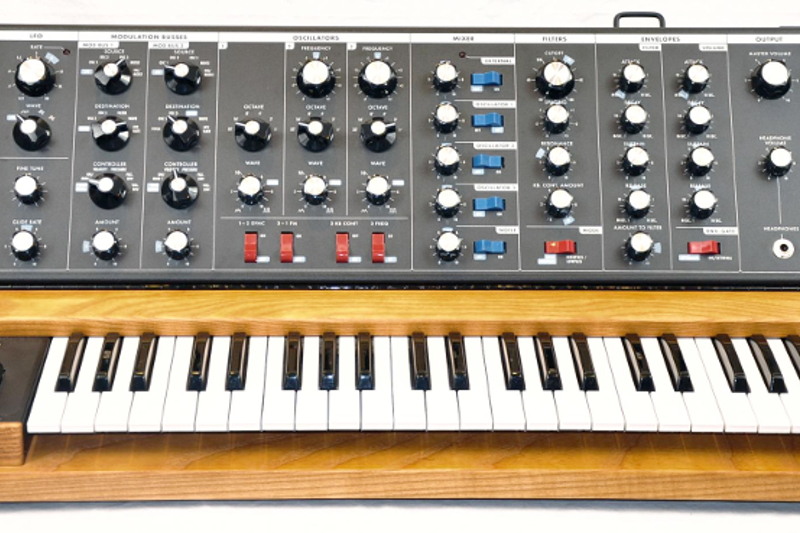
Minimoog was developed as a small monophonic synthesizer in order to make it small enough to be carried by a person. It was developed in 1970, and because it had only 37 keys, it was a portable type, which was rare at that time. The reason why it was made monophonic was because the technology of the time did not allow the development of a polyphonic synthesizer of a level that could be carried by humans.
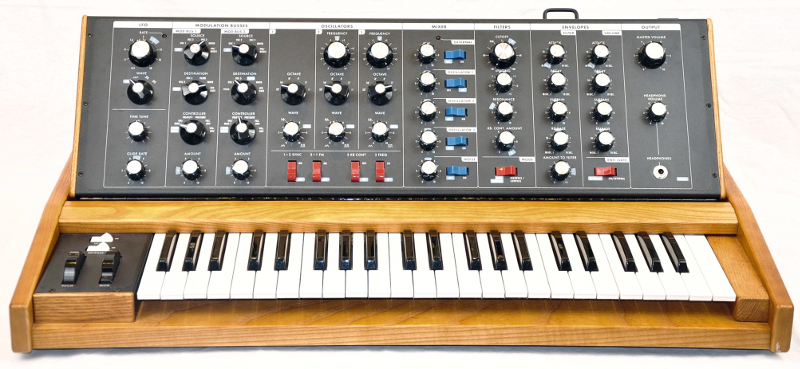
Notably, it was equipped with three oscillators, which produced a very thick sound. The sound lacked versatility because it had too much character, but at the time, this presence was a selling point.
In fact, many musicians loved Minimoog, perhaps because they thought it had to be Minimoog. I won't go into detailed names because there are too many, but this official Moog video includes performances by Rick Wakeman, Chick Corea, and Ralph Hütter of Kraftwerk.
Stylish and colorful Odyssey
And along with Minimoog, the ARP Odyssey is also well known. This model could play up to two notes, so strictly speaking it was duophonic, but it could not play chords like polyphonic instruments, so it could be considered practically monophonic. It was released in 1972, two years after Minimoog. It has the same number of keys (37), so it may have been made with Minimoog in mind.
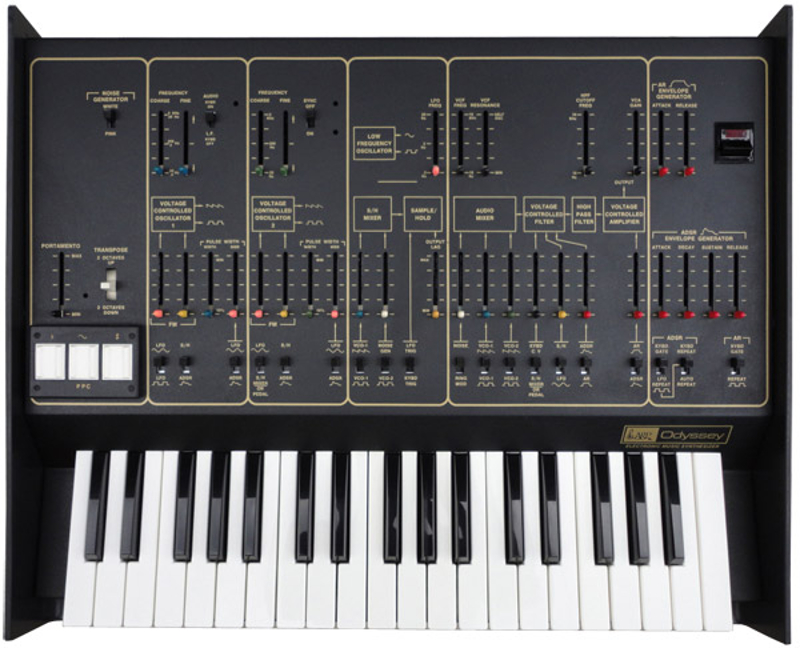
While Minimoog had a dial control system, Odyssey has a slide system. The image shows the Mark II, which was on the market for three years from 1975. The slide is colorful and may look a little stylish and sophisticated.
The Odyssey was also loved by many musicians, but the best known is Herbie Hancock's "Chameleon. The distinctive synth bass sound is said to be unique to Odyssey.
Vintage keyboard genes passed down to the present day
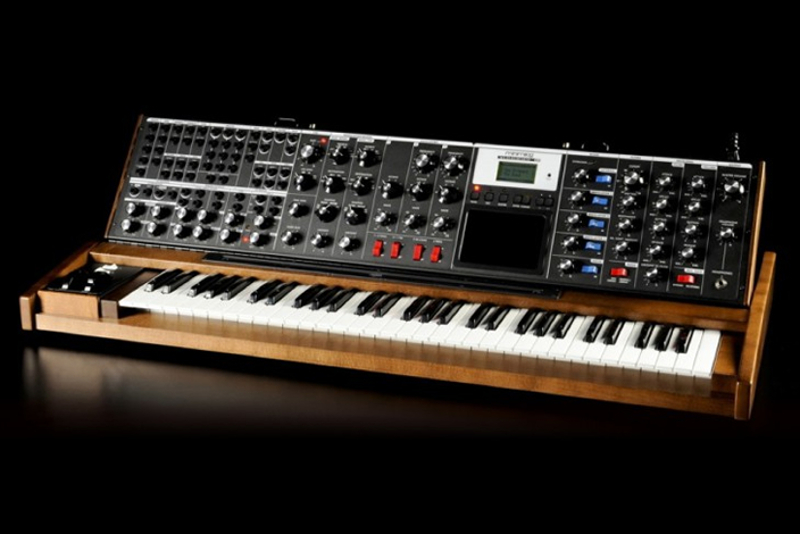
Minimoog's successor is now available from the original Moog. The name is "Minimoog Voyager. The sound is that of a Minimoog, as one would expect from a Minimoog (not sure what that means). The problem is the price, which is $4995 (about 600,000 yen), as expected of a real Minimoog.
Hey, Doctor, isn't this too expensive?
On the other hand, Odyssey's successor does not exist since the original ARP went bankrupt...you would have thought. In fact, there is a company that has reissued this vintage keyboard in the modern age. The name of the company is Korg Inc. Yes, that Korg. The price is around 100,000 yen, which is considerably more affordable than the Minimoog. Japan is a country that is proud of its craftsmanship.
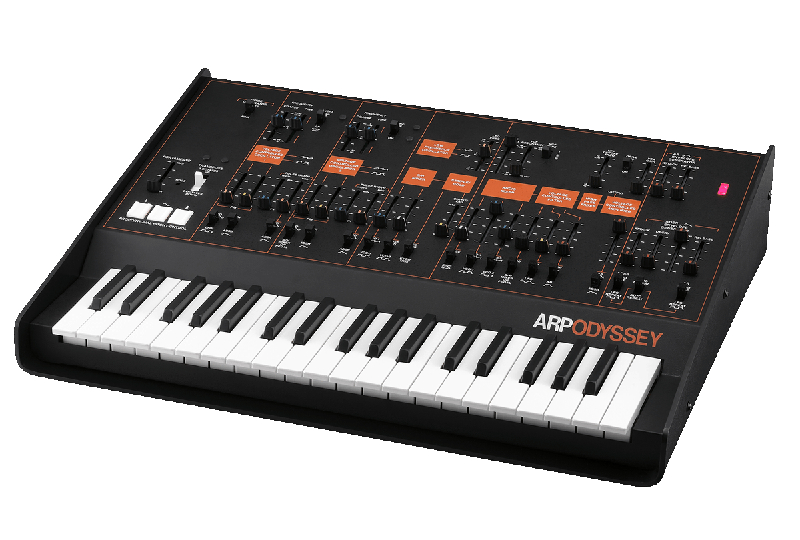
However, there may be people who still think it is too expensive. For such people, we recommend a soft synth that simulates both models.
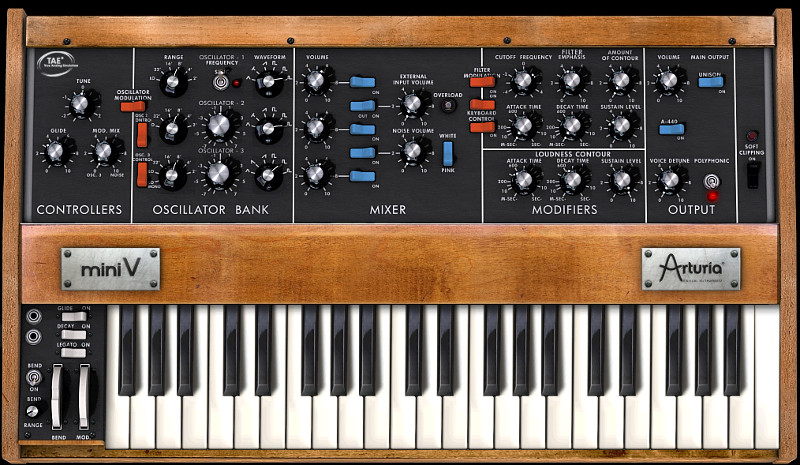
Minimoog has released the Mini V2 from Arturia, a French company. The price is $99 (about 12,000 yen). However, this one is polyphonic with the ability to produce chords, so there are a few differences from the actual device.
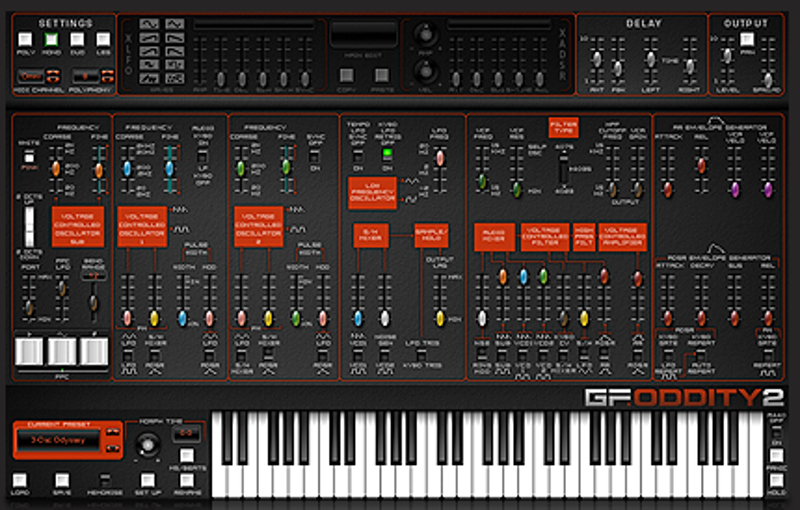
On the other hand, the Odyssey is the "Oddity2" from GFORCE, which also has an interface reminiscent of the Odyssey. The price is slightly higher at 116 pounds (about 19,000 yen), but if you enjoy the atmosphere, it is "possible.
Related Articles
Useless Poop on Vintage Keyboards - Foreign Polyphonic - RENOTE
renote.net
At first, most synthesizers were monophonic, producing only single notes, but polyphonic ones, capable of producing chords, gradually decreased in size. Then came two vintage keyboards that became world-famous: the Prophet-5 and the OB-Xa. Even if you don't know the names of the instruments themselves, you may feel nostalgic when you hear the music they are used for.
Useless Poop on Vintage Keyboards - Domestic Polyphonic - RENOTE
renote.net
The vintage keyboards introduced so far have all been made overseas, but Japanese-made keyboards are no slouches either. Roland's Jupiter-8, introduced here, is said to be the best Japanese-made polyphonic synthesizer, and YAMAHA's CS-80 has been used by many famous musicians, both of which are worthy of the name "vintage keyboards. These are all worthy of the name "vintage keyboards." Here we introduce some of the best machines that symbolize "Monozukuri (manufacturing) Japan.
Useless Poop on Vintage Keyboards - Price Destruction - RENOTE
renote.net
The price of polyphonic synthesizers, which had once been the height of luxury, gradually dropped to the level affordable by amateurs. It was not foreign products that brought about this wave of price destruction, but the domestically produced "Polysix" and "JUNO-106.
