
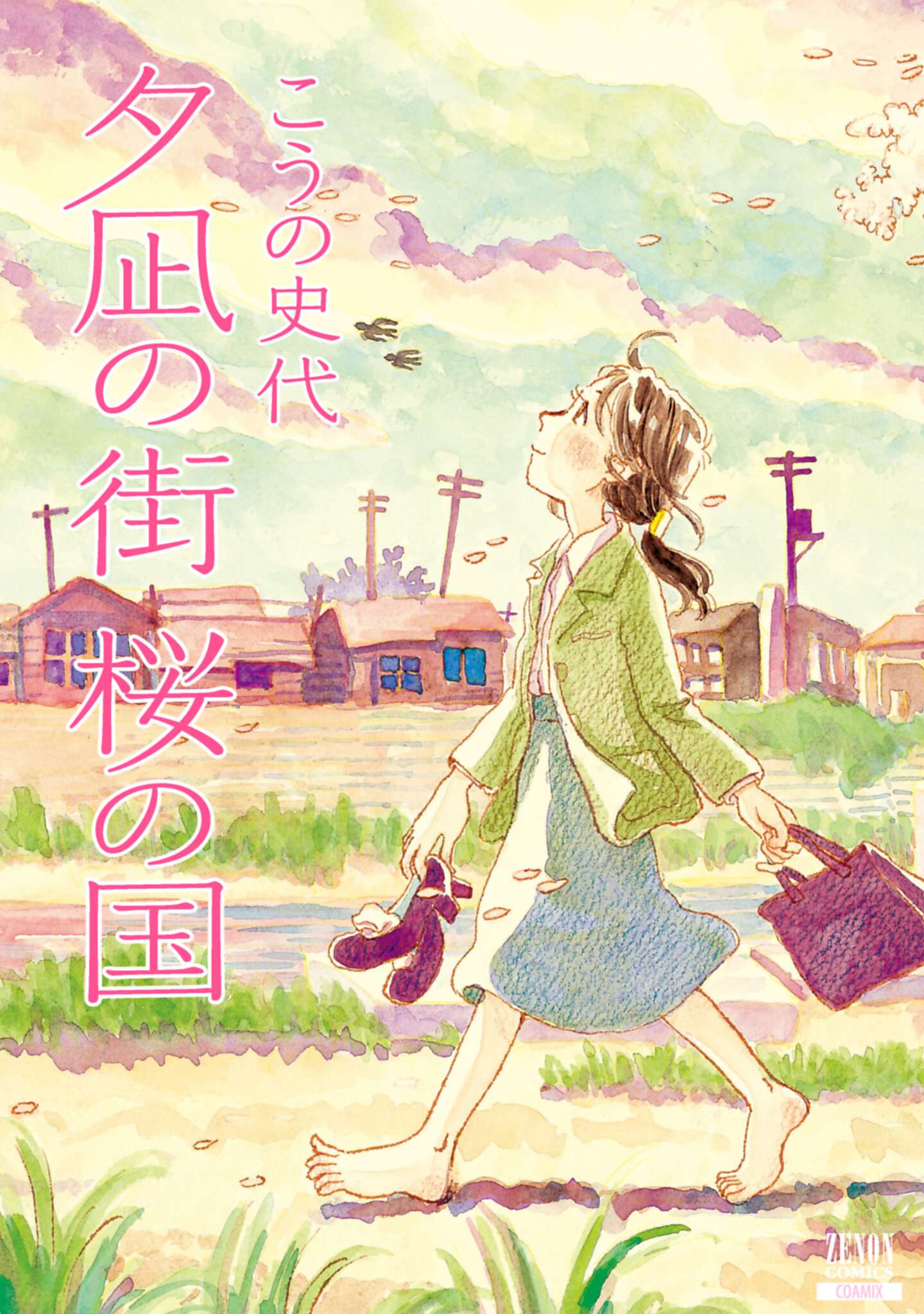
Yunagi City, Sakura Country" is a manga work published in 2004 by Fumiyo Kono. It is a trilogy consisting of "Yunagi City," "Cherry Blossom Country (1)," and "Cherry Blossom Country (2).
It has also been adapted into a number of media mixes, including a film, a novelization, and a TV drama.
The story focuses on the lives of people after the war, who were tormented by the atomic bombing, but lived happily and robustly, and has a gentle and warm atmosphere that is appealing and not just a "tragic war story.
The protagonist of "Cherry Blossom Country (I) (II)," she was born in 1976 and is the daughter of Asahi of "Yunagi City," the niece of Minami, and the grandson of Fujimi. In "Cherry Blossom Country (1)" she is a fifth grader, and in "Cherry Blossom Country (2)" she is a 28-year-old office worker.
He has a manly personality and played shortstop on his elementary school baseball team. He was a fan of the Hiroshima Toyo Carp, and his nickname was "Goemon" because his last name was "Ishikawa. She longed to be a quiet girl like her best friend Toko, and tried to play the role of a quiet girl at her new school, but was soon frustrated. Her father, Asahi, says that she has a trace of Minami.
Nagio Ishikawa
He is Nanami's younger brother by one or two years. In "Cherry Blossom Country (I)," Nanami is in a frail state as an elementary school student and is hospitalized for asthma, but in "Cherry Blossom Country (II)," he is in good health and becomes a resident doctor. He falls in love with Toko, whom he meets again at the hospital where he is assigned, but Toko's parents are against it. Nagio writes a letter and says goodbye to Higashiko, but when Nanami learns of the situation and forcefully calls him out, he decides to face Higashiko again.
Fujimi Hirano
She is the grandmother of Nanami and Nagio, and the mother of Minami and Asahi. When her son Asahi got married, she left the A-bombed slum where she lived with Minami and moved to a town lined with cherry trees. She lost her husband and three daughters in the atomic bombing and feels guilty that she is the only survivor.
In 1987, while nursing her grandson Nagio, she became ill and died at the age of 80. In his final days, he confused Nanami with a friend of his youngest daughter Midori and asked, "Why did you survive? and left a lump in Nanami's heart.
Asahi Ishikawa
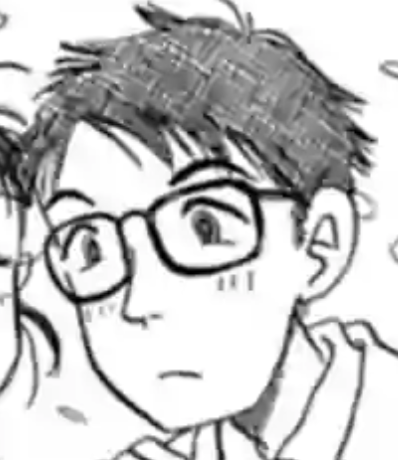
He is the father of Nanami and Nagio and the son of Minami's brother, Fujimi. He was adopted by the Ishikawa family when he was evacuated, and has continued to use the family name Ishikawa ever since.
He went to Hiroshima for college, where he and Fujimi started living in the A-bombed slum. He met Kyoka, who later became his wife, there, and upon their marriage, they moved with Fujimi to the town of Sakura Namiki.
In "Cherry Blossom Country (2)," he has already retired, but his cell phone bill has increased and he is sometimes away from home for several days, causing Nanami to suspect something and follow him. It later turns out that he had actually been going to Hiroshima many times to visit acquaintances to find out how Minami was doing before her death.
She is worried about Nanami, who shows no signs of finding a boyfriend, but wishes more than anyone else for the happiness of her daughter, who still bears the image of her deceased sister.
Kyoka Ishikawa
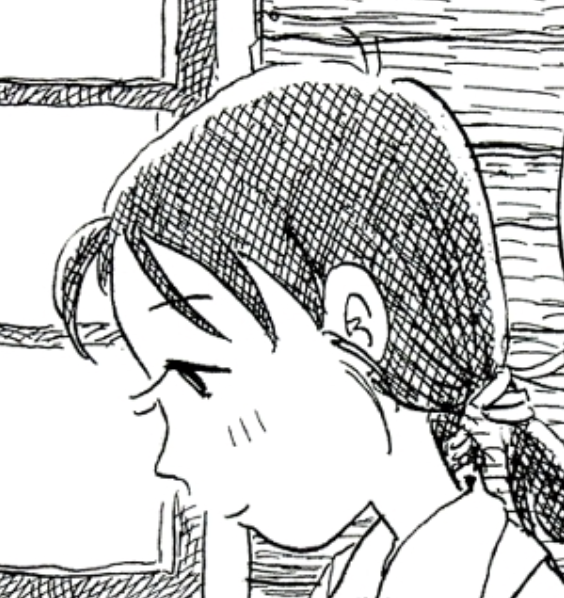
She is the mother of Nanami and Nagio, and her maiden name is Ota. She was exposed to the atomic bomb when she was a baby, and lived with her brother in the same A-bomb slum as Minami and Fujimi. She was "a little bit fragile" in Fujimi's eyes, but because of her dexterity, she began to help Fujimi with her dressmaking work. After that, she got a job at a western clothing store and worked as a live-in seamstress. In 1983, Nanami found her lying on the floor vomiting blood when she came home from elementary school, and she died that year. Nanami says of her mother's death, "No one told me if she had A-bomb disease or not.
Toko Tone
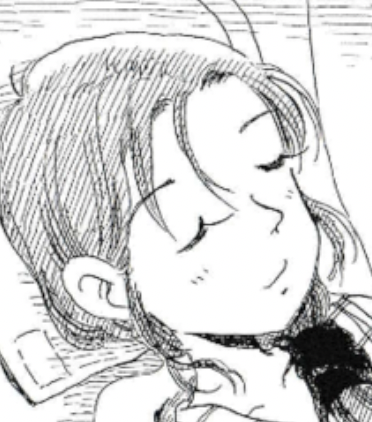
A classmate of Nanami. She lived in a house across the street from the apartment complex where the Ishikawa family lives. In elementary school, she was a graceful girl who was good at playing the piano. She and Nanami, who had opposite personalities, were best friends, but after Nanami moved away, they never saw each other again for the next 17 years.
In "Cherry Blossom Country (2)," she becomes a nurse and falls in love with Nagio, who has been assigned to her as a resident doctor. However, because Nagio is a second-generation A-bomb survivor and suffered from asthma as a child, her parents disapprove of their relationship, and Nagio himself breaks up with her in a letter.
On her way to see Nagio, she meets Nanami by chance and they decide to go to Hiroshima together. In Hiroshima, she is offended by an exhibition at the Peace Museum, which she sees for the first time, but she understands the city of Hiroshima and the past of the Ishikawa family, and decides to accept the reality that Nagio and his family were exposed to the atomic bombing.
Terms for "Yunagi City, Sakura Country
A-bomb slum
The slum where Minami and Fujimi lived and where Asahi and Kyoka would later meet.
It was originally a section where many military facilities such as division headquarters and army hospitals were located, but it was burnt to the ground immediately after the atomic bombing.
The residents were survivors of the atomic bombing, such as Minami and Fujimi, as well as those who had returned from evacuation and repatriation, such as Asahi, who lived in barracks built with burnt-out tin sheets and shingles. Minami and Fujimi are also described as suffering from leaks.
In "Yunagi City," the atomic bomb slum of 1955 is depicted. In 1949, the year before the atomic bombing, there was a huge fire that burned down 100 private homes and about 500 stores, and the city of Hiroshima demanded that the residents be evicted from their illegal barracks. The residents protested and negotiations were difficult. In the scene of Minami's return home, she wrote, "I oppose eviction! and "Absolutely against eviction," posters are shown being put up in the barracks.
These illegal barracks were removed between 1969 and 1974, and today the area is lined with eight- to 20-story high-rise residential buildings.
atomic-bomb sickness
An aftereffect of the atomic bombing that took the lives of Kasumi two months after the bombing and of Minami and Kyoka more than 10 years after the bombing. It refers to a disorder that develops due to radiation when an atomic bomb explodes.
In some cases, the onset of the disease occurs immediately after the bombing, while in others, such as Minami and Kyoka, it occurs more than 10 years after the bombing. In most cases, the patients experience a feeling of lethargy, followed by loss of vision and pain all over the body, and then death. Minami died after feeling weak and unable to stand up, coughing up blood, and losing her eyesight. At the time, even the medical community did not know much about radiation, and the doctors who treated Minami were unable to determine what was wrong with her.
In "Cherry Blossom Country," Kyoka and Fujimi died of their illnesses more than 20 years after the bombing, and Nanami says of their deaths, "No one told me if my mother and grandmother died of A-bomb disease or not.
World Conference Against Atomic and Hydrogen Bombs
Minami died in the summer of 1955, just as the convention was being held. Minami died in the summer of 1955, just as the conference was being held.
In the scene after Minami's death, the leaflets of the World Conference Against Atomic and Hydrogen Bombs (WCAB) are seen flying in the wind, and in the scene at the beginning of the film when Minami returns home, a sign appears that reads, "On the 10th anniversary of the atomic bombing, let's make the conference against atomic and hydrogen bombs a success by all hands.
Contemporary history researcher Tatsu Morishita considers the author Fumiyo Konno's intention in depicting the leaflet of the convention in the last scene of "Yunagi City" as "to express the fact that Minami could not be involved in the citizens' movement for the atomic bomb ban until her death.

Related Articles
Spoiler commentary and discussion of "In This Corner of the World" (manga, anime, drama)
Kono Sekai no Katasumi ni (In a Corner of the World)" is a manga work by Fumiyo Kono, as well as a drama and anime film based on it. The manga was serialized in Futabasha's "Manga Action" from 2007 to 2009. The drama was broadcast on Nippon Television in 2011, and the movie was released nationwide in November 2016.
Read Article
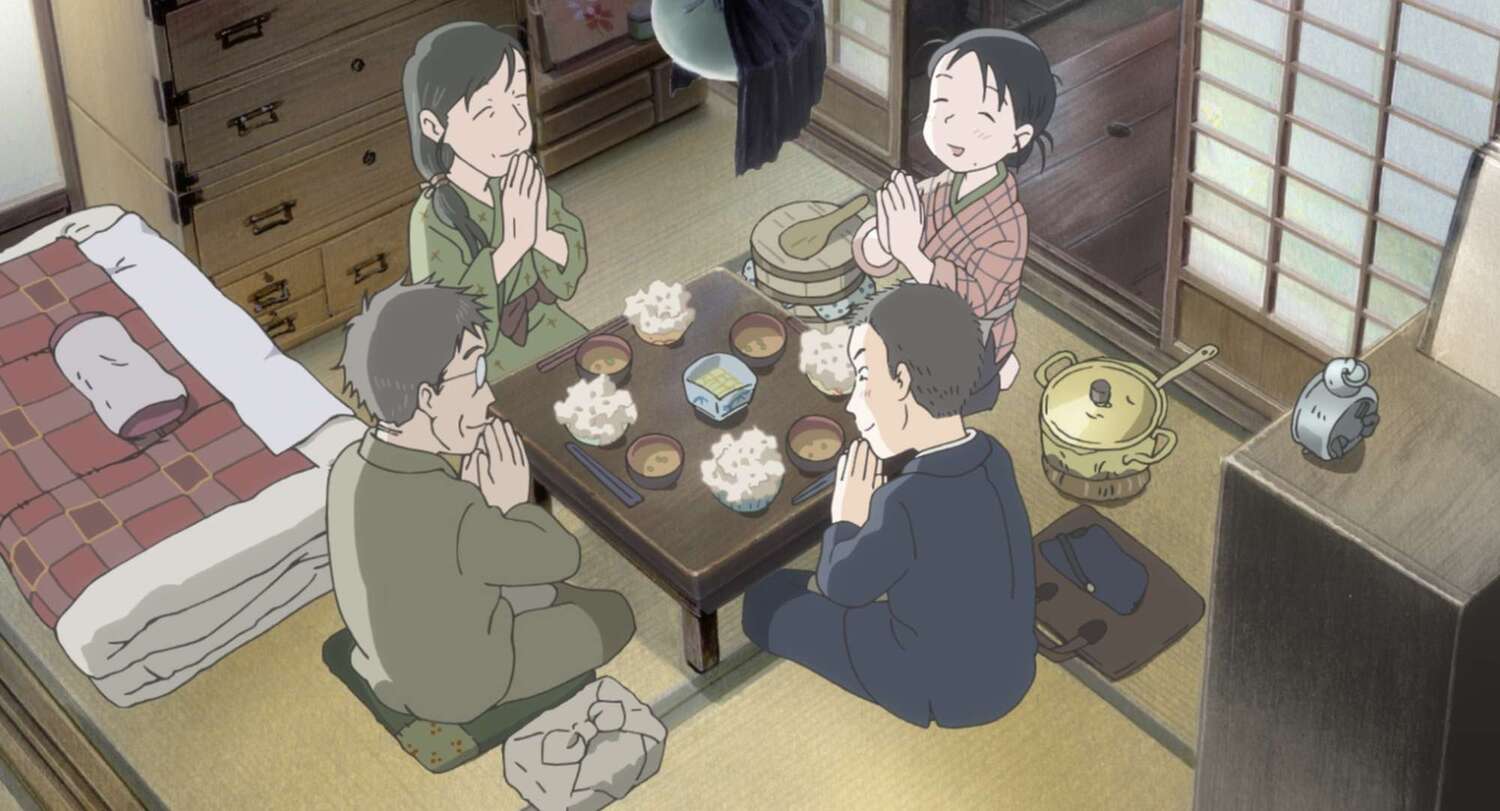
Summary of Cooking, Meals, Food, Sweets, and Drinks in This Corner of the World
Kono Sekai no Katasumi ni (In a Corner of the World)" is a manga series written by Fumiyo Kono, serialized in the manga magazine "Manga Action" since 2007, and published in book form in 2008. Many media mix works, such as TV dramas and animated movies, have also been developed. The story follows Suzu Urano/Hojo Suzu, who marries from Hiroshima to the military port town of Kure, and lives a modest life in the midst of World War II. Some of Suzu's home-cooked meals are accompanied by detailed recipes, providing a glimpse into the dietary habits of the time.
Read Article
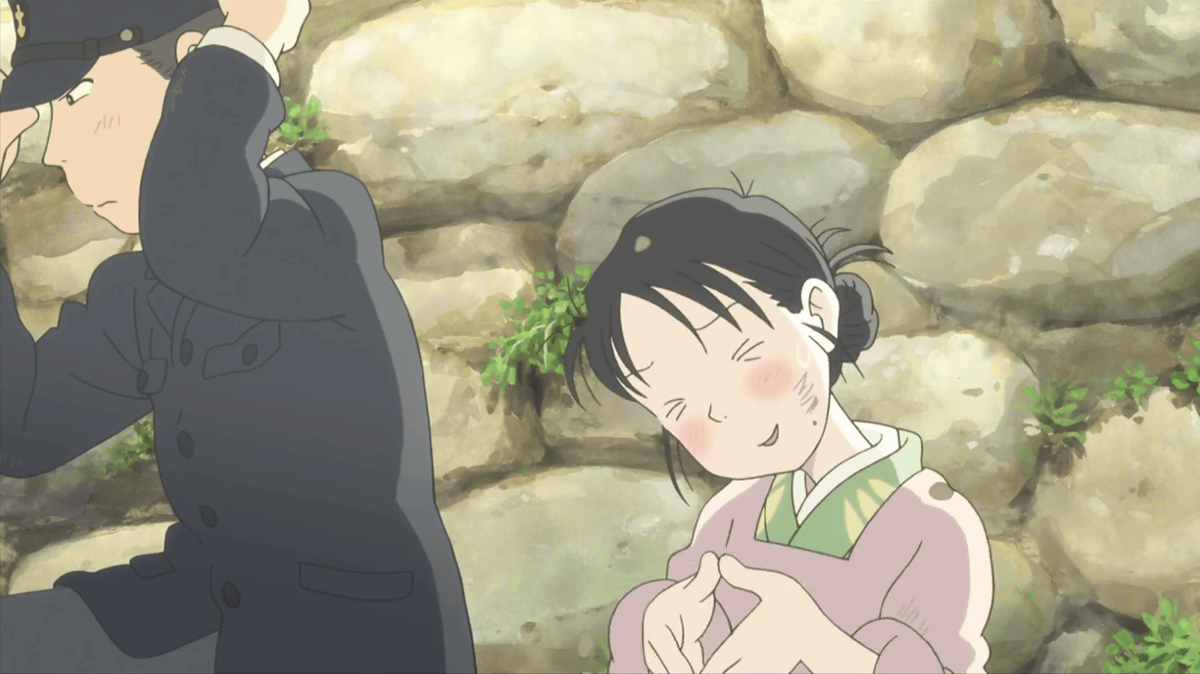
A compilation of famous quotes, lines/scenes and scenes from "In This Corner of the World
Kono Sekai no Katasumi ni (In a Corner of the World)" is a Japanese manga by Fumiyo Kono and a drama/anime film based on it. Set in Kure, Hiroshima, during World War II, the film depicts the everyday life of the main character, Suzu Urano, who is married to Shusaku Hojo, in a light-hearted, sometimes comical, sometimes cruel manner. The film's positive dialogue and its depiction of the way the protagonist, Suzu, devises ways to get by despite the difficulties of life in a war-torn country move and encourage many people, young and old alike.
Read Article
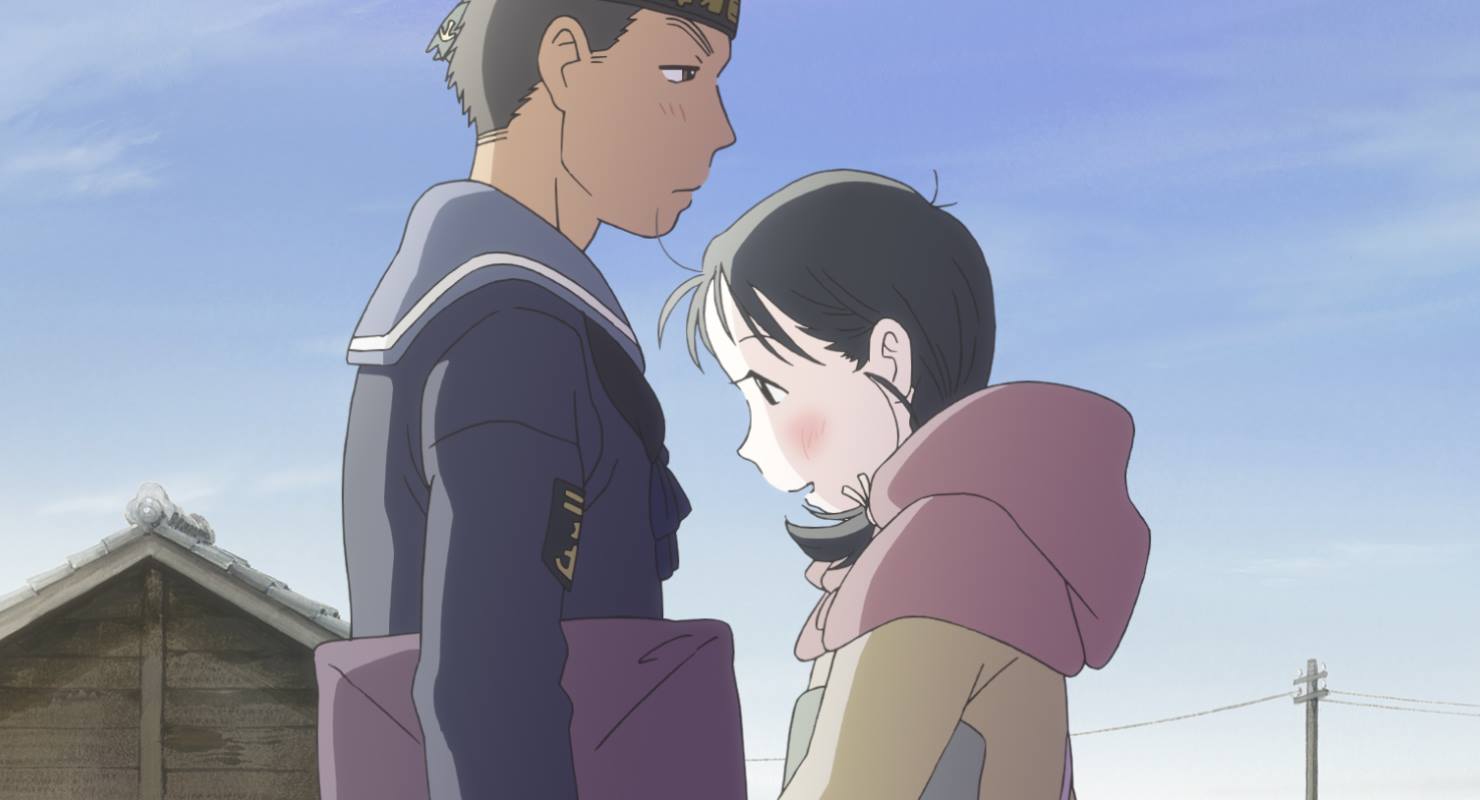
Spoilers and discussion of "In This Corner of the World"! Also explains the identity of the Zashiki-do that played an important role in the story.
This article presents a collection of spoiler explanations and discussions about the manga written by Fumiyo Kouno and the film "In a Corner of the World," directed by Sunao Katabuchi, which was based on the manga. Many yokai, including the Zashiki-do, appear in the manga, and they play a very important role in the film. The article also details the true identity of the Zashikido and the differences between the original work and the movie.
Read Article
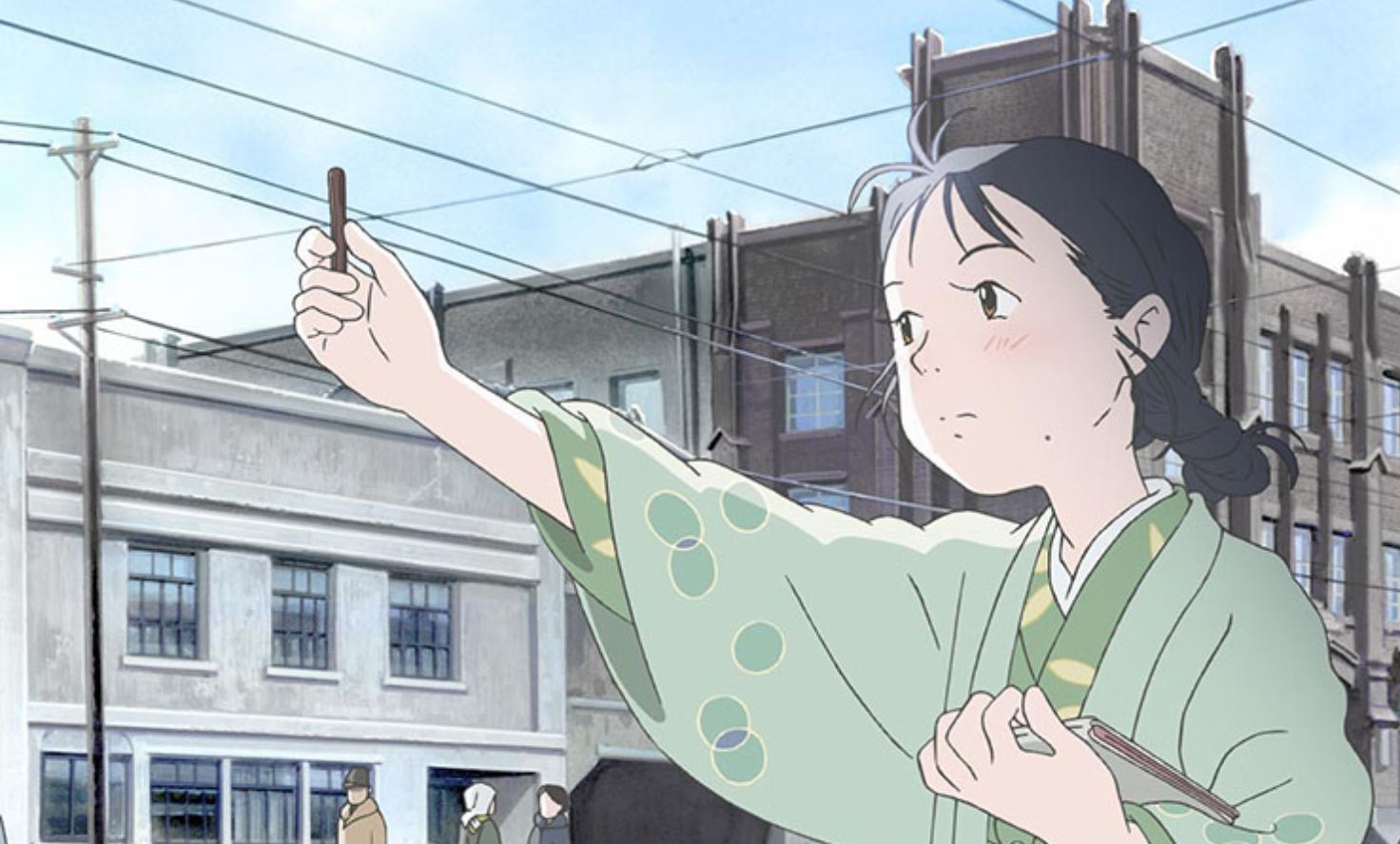
Sunao Katabuchi, director of "In This Corner of the World" and Studio Ghibli have a deep relationship. In fact, he was supposed to shoot "The Witch's Delivery Service"!
This article presents a summary of the deep relationship between Sunao Katabuchi, director of "In This Corner of the World," a film made about the Pacific War, and Studio Ghibli. Katabuchi was originally slated to direct the Ghibli film "The Witch's Delivery Service," but due to sponsorship issues, he had been assigned to assist director Hayao Miyazaki in the past. The article also introduces the secret story behind the production of "In a Corner of the World," the points he focused on, and the reputation of the film.
Read Article
![In This Corner of the World] Tear-jerker is inevitable! A gem of an anime feature for those of you who haven't cried yet [Your Name is...].](https://renote.net/files/blobs/proxy/eyJfcmFpbHMiOnsiZGF0YSI6NzE3NTEyOCwicHVyIjoiYmxvYl9pZCJ9fQ==--3c05fbc3918e58a34246ca45644891dab9ad50f6/i-img1200x675-1583986230otekhn533374.jpg)
In This Corner of the World] Tear-jerker is inevitable! A gem of an anime feature for those of you who haven't cried yet [Your Name is...].
Have you cried lately? Many people think that crying is something to be ashamed of, but it is not true. It is rather refreshing to cry as much as you can when you want to. In this article, we have compiled a list of anime masterpieces that are sure to make your teary glands burst. If you can't cry in front of others, why don't you cry out loud once in a while at home?
Read Article
Contents
- Outline of "Yunagi City, Sakura Country
- The story of "Yunagi City, Sakura Country
- The story behind "Yunagi City."
- Minami and Fujimi, mother and daughter, living in Hiroshima 10 years after the atomic bombing
- Courtship from colleague Uchikoshi and revived memories of the past
- Minami's illness and death
- The Story of "Cherry Blossom Country (I)
- Friendship between Nanami, Toko, and Nagio
- Fujimi's death and the Ishikawa family's move
- The Story of "The Land of the Cherry Blossoms (II)
- Father Asahi's suspicious movements and reunion with Toko
- Nanami and Higashiko visit Hiroshima
- Cherry-tree-lined streets and recollections of the Ishikawa family's past
- Nanami is confident of a bright future for Nagio and Toko
- Characters in "Yunagi City, Sakura Country
- Characters in "Yunagi City"
- Minami Hirano
- Fujimi Hirano
- Asahi Ishikawa
- Yutaka Uchikoshi
- Sachiko Furuta
- Hirano Tenma
- Kasumi Hirano
- Midori Hirano
- Characters and characters in "Cherry Blossom Country
- Nanami Ishikawa
- Nagio Ishikawa
- Fujimi Hirano
- Asahi Ishikawa
- Kyoka Ishikawa
- Toko Tone
- Terms for "Yunagi City, Sakura Country
- A-bomb slum
- atomic-bomb sickness
- World Conference Against Atomic and Hydrogen Bombs
- second-generation atomic bomb survivors
- Famous quotes, lines, scenes and scenes from "Yunagi City, Sakura Country
- Yutaka Uchikoshi: "You're not going to return that handkerchief, are you?"
- Yutaka Uchikoshi: "Thank you for keeping me alive."
- Nanami Ishikawa: "And sure enough, I decided to choose these two to be born."
- Backstory, Trivia, and Small Stories/Episodes/Anecdotes of "Yunagi City, Sakura Country" (Japanese only)
- Author Fumiyo Konno is from Hiroshima
- The meaning behind the title
- The names of the characters are from the names of towns in Hiroshima City.
- Song in the play "Yunagi City, Sakura Country
- Song: "Otomi-san" by Hachiro Kasuga
- Song: "Tsuki ga tomo ao kara" (Because the moon is very blue) by Tsujiko Sugawara