
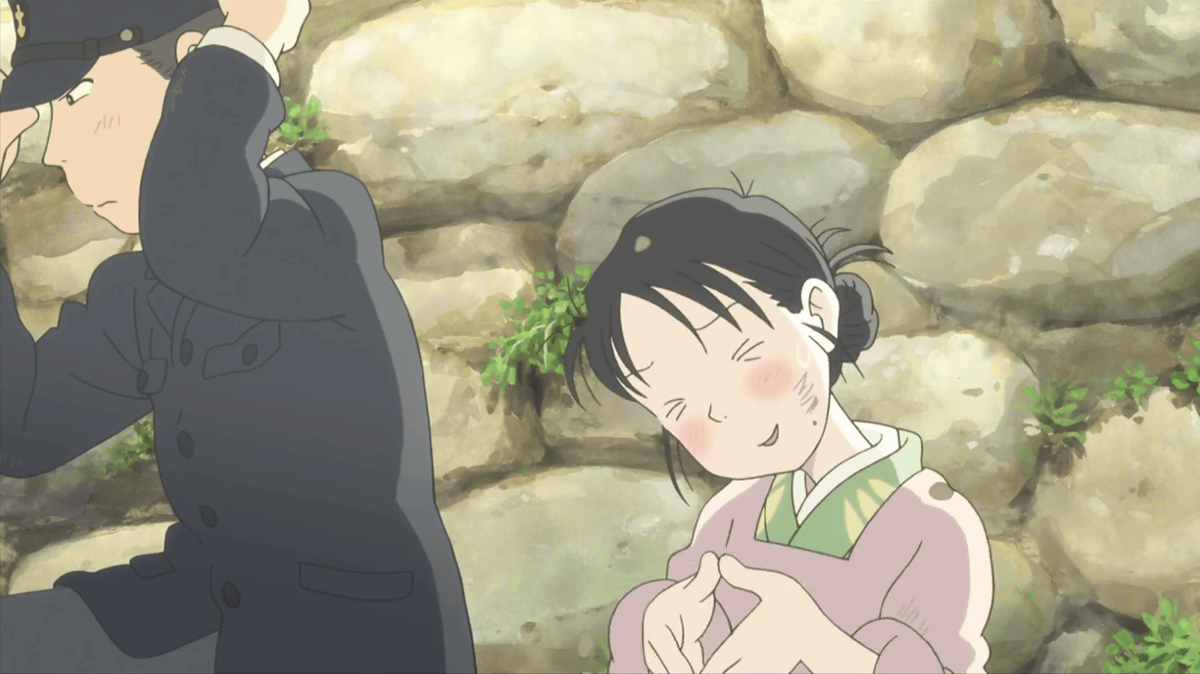
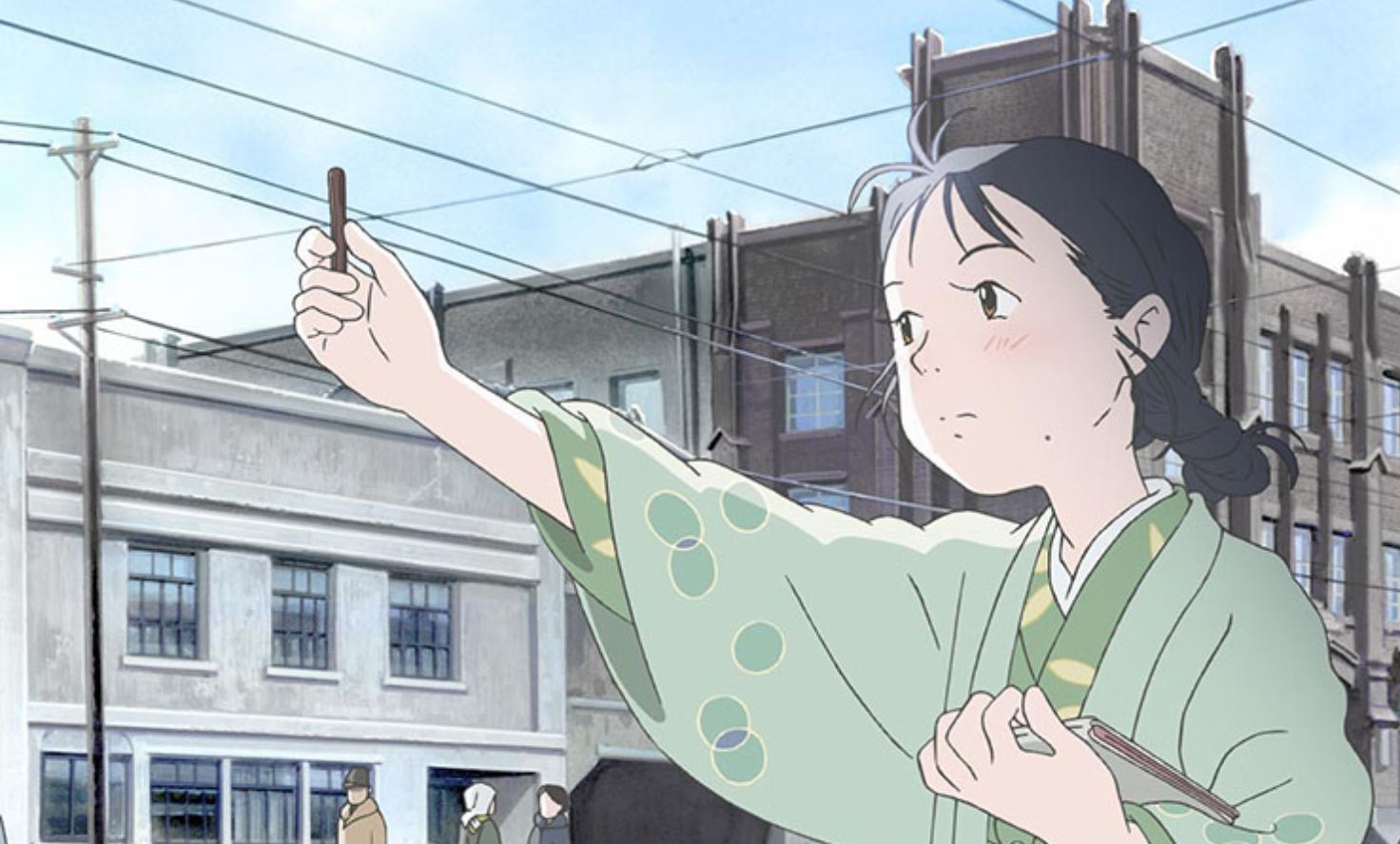
Kono Sekai no Katasumi ni (In a Corner of the World)" is a Japanese manga by Fumiyo Kono and a drama/anime film based on it. Set in Kure, Hiroshima, during World War II, the film depicts the everyday life of the main character, Suzu Urano, who is married to Shusaku Hojo, in a light-hearted, sometimes comical, sometimes cruel manner. The film's positive dialogue and its depiction of the way the protagonist, Suzu, devises ways to get by despite the difficulties of life in a war-torn country move and encourage many people, young and old alike.
Overview of "In This Corner of the World
Kono Sekai no Katasumi ni" (In a Corner of the World) is a Japanese manga series by Fumiyo Kono. It was serialized in Manga Action from the January 2007 issue to the January 2009 issue, and the first, second, and third volumes were released between 2008 and 2009. In 2019, the film will be adapted as "In (several more) corners of the world," delving into scenes and episodes with Rin Shiraki that were cut out of the 2016 film for crying out loud. It is also being made into a musical in 2024.
The film is set in Kure, Hiroshima in 1944, in the midst of World War II. The film depicts the daily life of the 18-year-old protagonist "Suzu," who marries from Hiroshima City into the naval town of Kure, her husband "Shusaku Hojo," the Hojo family, and their neighbors. Suzu endures unfamiliar housework and the sarcasm of Shusaku's sister, Keiko Hojo, and uses her ingenuity to get through her difficult life in a relaxed manner. Although the work is based on war, there are few descriptions of battles, and it consistently depicts the daily life of the main character Suzu in a lighthearted, sometimes comical, sometimes cruel manner. Its dialogues and characters' actions and scenes include many positive words and heartwarming scenes in which the characters try to overcome their hardships despite their poverty.
Suzu Hojo (Suzu Hojo) Quotes, Famous Lines / Famous Scenes, Famous Scenes
Encounter with a monster who does not know whether it is a dream or reality
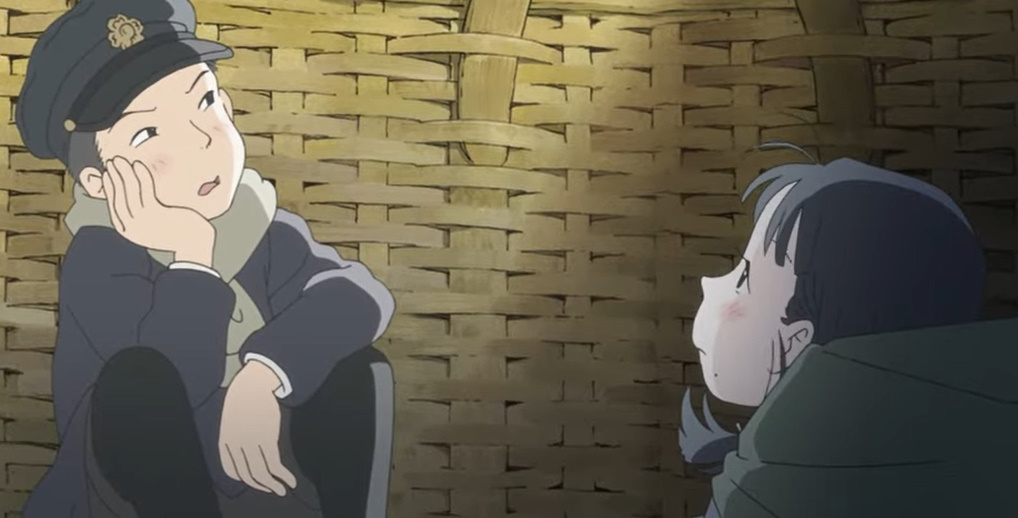
Shusaku (left) and Suzu (right) consult with each other in the basket carried by the monster.
When Suzu was still a young girl, she once went on an errand to deliver seaweed to Futaba in Nakajima Honmachi on behalf of her brother who had caught a cold. Suzu got lost on the street and met a big hairy man. He was carrying a large basket on his back and had a large mouth with pointed fangs. Suzu sits on the man's shoulder and borrows his telescope to look around the town. Suzu accidentally falls into the large basket on the big man's back, and meets a boy of about the same age wearing a school cap. The boy tells her that the big man is a kidnapper. The big man seems to be in a hurry to go home, saying that he will be in trouble at night. Suzu tactfully covered the lens of the telescope the big man had lent her with seaweed and made a few small star-shaped holes. When Suzu held the telescope up to the big man, the big man's huge body immediately fell to the ground. The big man looked through the telescope and immediately fell asleep under the illusion that it was night. The boy puts a caramel in the sleeping man's hand, thinking that the man must be hungry and in trouble. Then he said, "Thank you, Suzu Urano. Suzu Urano," he thanked Suzu and left. The boy knew Suzu's name because it was embroidered on her kimono as "Suzu Urano. The boy was Shusaku Hojo, who would later marry Suzu. Due to Suzu's admittedly vague character, it is hard to say whether this episode was a dream or a reality. If it had been reality, neither of them would have survived without Suzu's quick wit. Suzu's ability, wisdom, and ingenuity in overcoming difficulties would be of great use in their daily lives. This episode was the catalyst that brought the two together.
I wasn't sure if it was a good thing or not, but what was that caramel taste in my mouth that was spreading?"
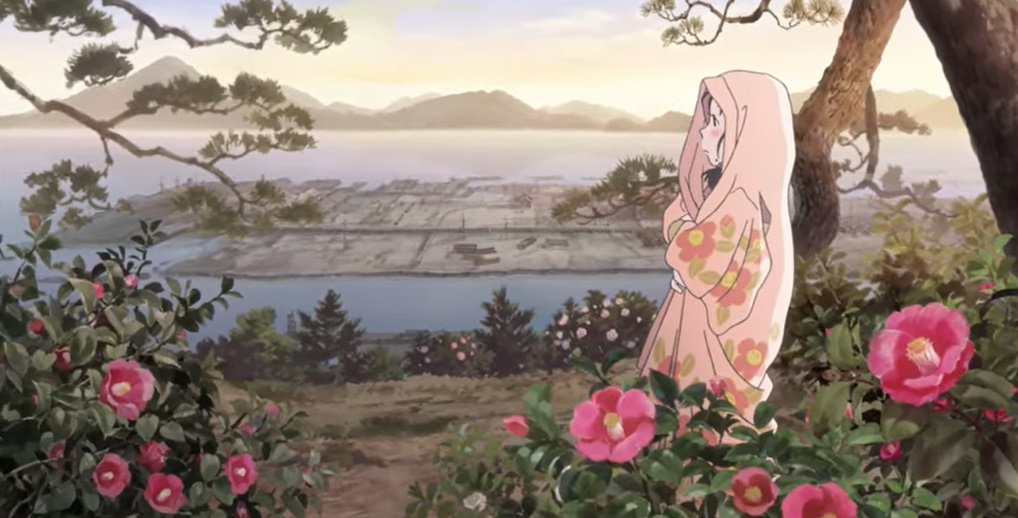
Suzu thinking about her marriage proposal
Suddenly, Suzu received an offer of marriage. It was a young man named Shusaku Hojo, who lived in Kure, Hiroshima. He had come all the way to Suzu's parents' house with her father to say hello. Suzu secretly watched Shusaku from a distance, but she was not sure if she liked him or not. If you don't like it, just say no," said the neighbor lady, but this made it difficult to make a decision. I wasn't sure if it was a good idea or not, but I felt the taste of caramel spreading in my mouth, why was that? Suzu was puzzled by the feelings she was having for the first time. She is not sure if she likes Shusaku or not, but this is the moment when Suzu develops some kind of romantic feelings for him.
Suzu's Cooking Time
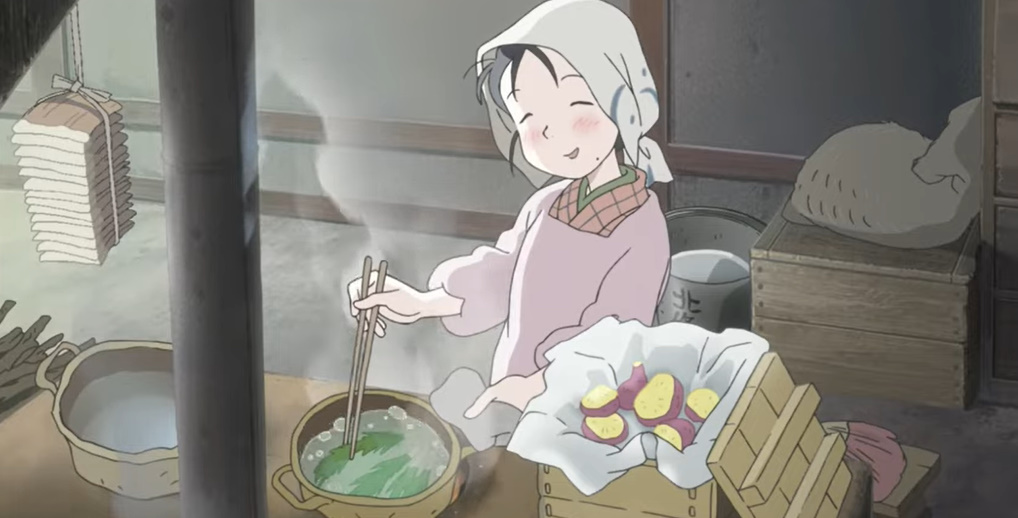
Tin to create food for saving money
As the war situation became more severe, the food situation for Suzu and the other Hojo family members also became more difficult. Prices soared, and the price of salt, sugar, and everything else went up. Suzu cooks dishes using wild plants she learns from her neighbors and Nankou-meshi, a dish invented by Lord Masanari Kusunoki, and serves them to her family. The cooking scene is joyful, and Suzu's expression is soft. Despite the poor food situation, Suzu was not a little pessimistic and was able to get along with the situation.
Distorted world as if drawn by left hand
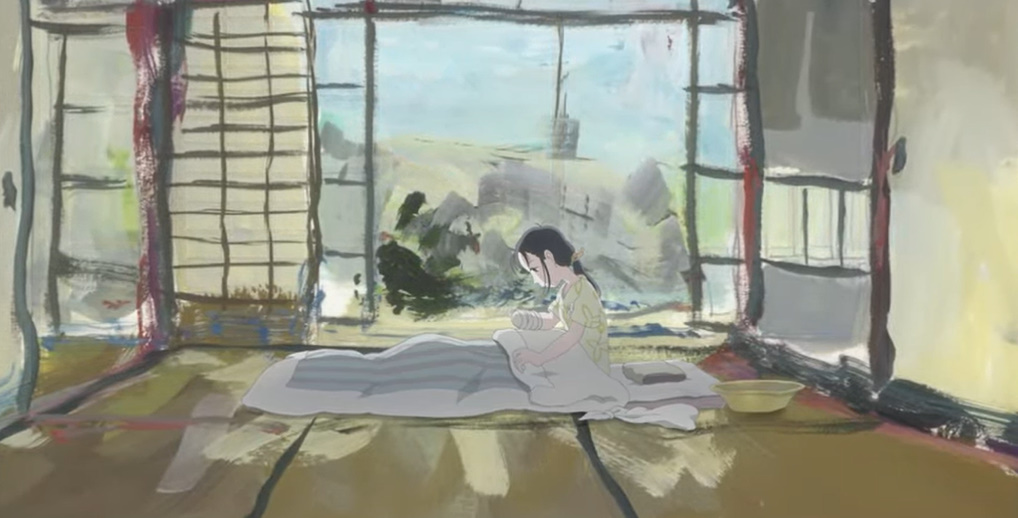
Tin looking at his lost right hand and the distorted world
Suzu lost her right hand and Harumi in an accident. As if to drive home the point, the air raid alarm rang out mercilessly. The Hojo house was almost burned to the ground by an incendiary bomb, but Suzu was able to put it out with her own strength. Suzu, who was unable to protect Harumi even though she was by her side, was bitter and frustrated. She was desperate not to let the house filled with precious memories be burned down. People kept saying, "Thank God, thank God. Suzu could not understand their words. The world seemed distorted, like a picture drawn with her left hand. Suzu could not accept the guilt of having let Harumi die and the misfortune of losing her right hand. Even when she saw people whose houses were destroyed in air raids as she passed by, Suzu would think that they would have been happy to have their houses destroyed and to have an excuse to leave. Suzu was so unhappy with Harumi and her own misfortunes that she wanted to leave the Hojo house. Suzu is so distorted that she can't stop thinking about her own misfortune, even though her younger sister, Sumi, is laying on the floor with a dead person. Suzu realized that it was she who was distorted. Suzu's emotional conflict is carefully depicted.
I wanted to die in a daze and not think about anything. I wish I had died in a daze.
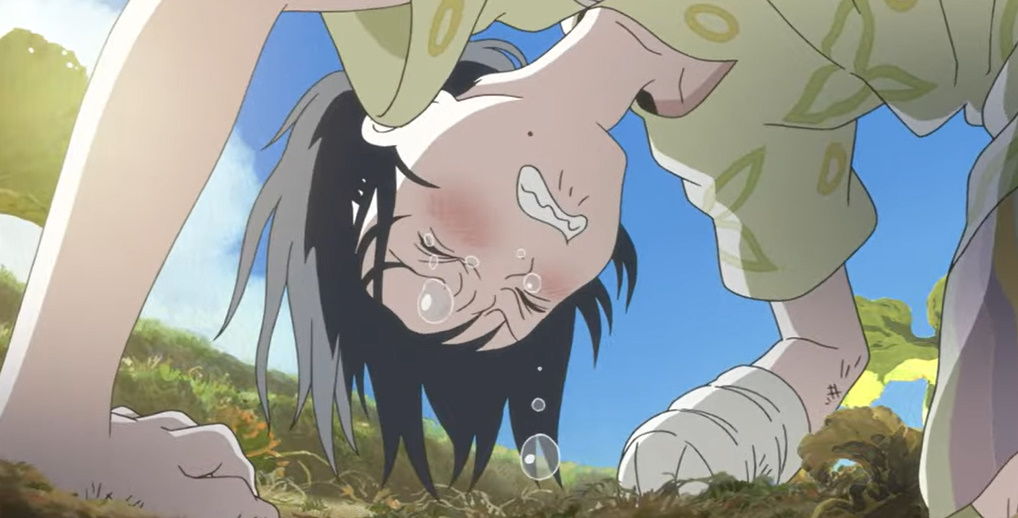
With the end of the war, the suffering and anger that Suzu had endured up to this point comes crashing down on her.
Soon after the atomic bombs were dropped on Hiroshima and Nagasaki, Japan was defeated. Suzu and her neighbors learned of Japan's defeat through the Gyokuon-broadcast. Suzu is incensed and says to her neighbors, "You're not prepared for that, are you?
I thought you were prepared for that," she said. Weren't you going to fight to the last man? There are still five of us here! I still have my left hand and both legs! He shouted. This was the moment when Suzu's anger, which had been building up over the years, exploded. Suzu continued to walk toward the field behind the house. He was flying away. Our past is flying away. That which we thought was good enough for us. That's why we've been willing to put up with it," he lamented, wondering what it was that he had been enduring all this time. Japan has ruled other countries with violence in wars. So we have to give in to violence, too, don't we? Oh, I wish I could have died in a daze, without thinking about anything," she exclaimed, tears streaming down her face. This is a scene that made Suzu realize how much she, as a citizen of Japan, had played a role in the war, and it is a famous scene that appeals to the heart.
Whether they are alive or dead, there are people we can no longer see, and there are memories of them that only we have. We can only continue to exist in this world as a vessel for those memories.
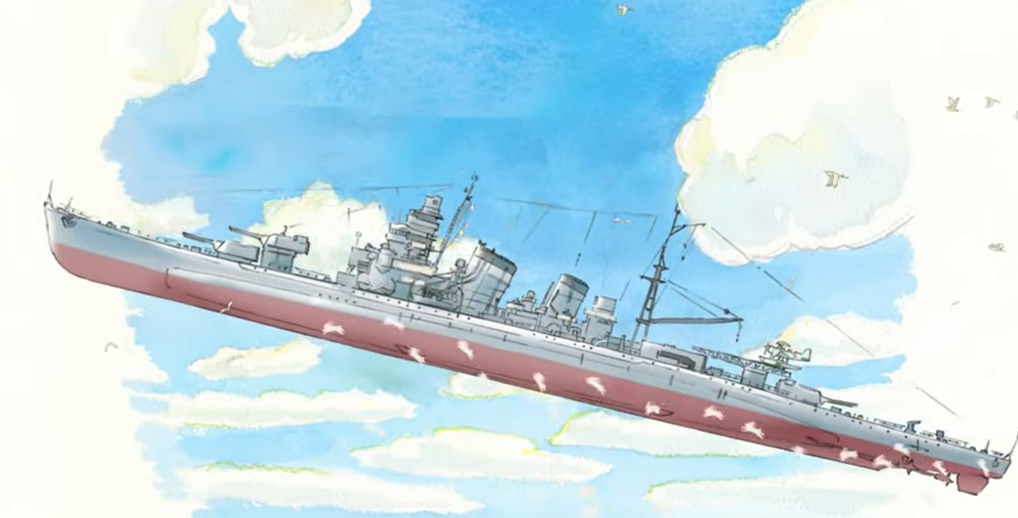
The Flying Heavy Cruiser Aoba and the White Rabbit in the White Waves
After shopping with Kariya, Suzu exchanges words with Kariya. She says, "Whether they are alive or dead, there are people we can no longer see, and there are memories of them that only we have. We can only continue to exist in this world as a vessel for those memories." Suzu sends positive words to Kariya. The war is over, and Kariya is still devastated by the loss of her son. Suzu regrets that she lost Harumi in an unforeseen accident due to her own unworthiness. Suzu vowed to remember Mizuhara and Harumi with a smile, just as Mizuhara had said in his will, "When I die, remember me with a smile. The film expresses Suzu's emotional state as she overcomes her death and tries to live positively while holding on to her memories.
"Thank you, Shusaku-san, for finding us in this corner of the world."
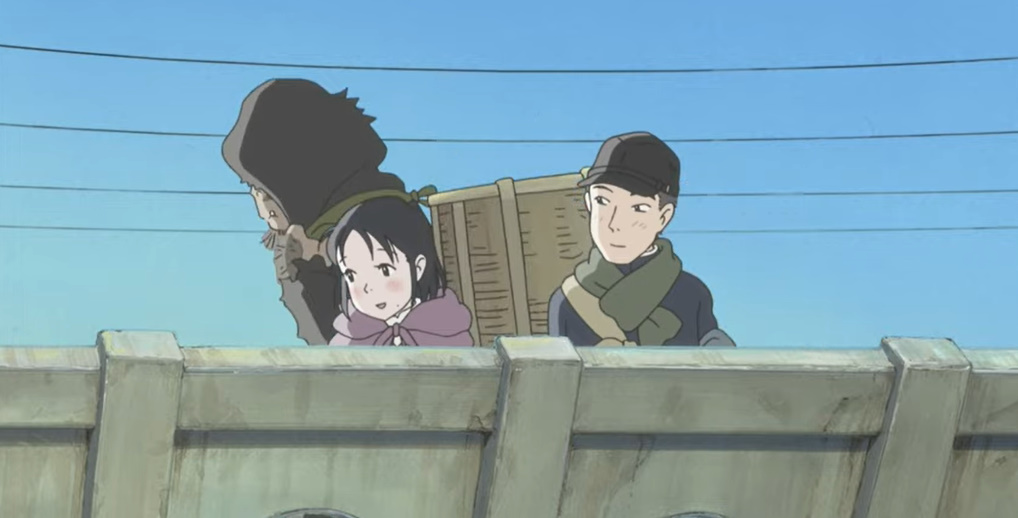
Suzu (middle) and Shusaku (right) monster (left) reunite on the Aioi Bridge
After the war, Suzu visits her younger sister Sumi in Hiroshima. After that, she walked around the city of Hiroshima, which had been transformed by the atomic bombing. Wherever she went, Suzu was approached by various people. They all seemed to be looking for someone they had lost track of. Then she meets Shusaku again. At the Aioi Bridge, where Suzu met Shusaku for the first time as a girl, the two talked. There, Suzu says, "Thank you, Shusaku-san. Thank you for finding us in this corner of the world. Please don't ever leave me, and please always stay by my side. It is a famous line that strengthened the bond between the two.

Related Articles
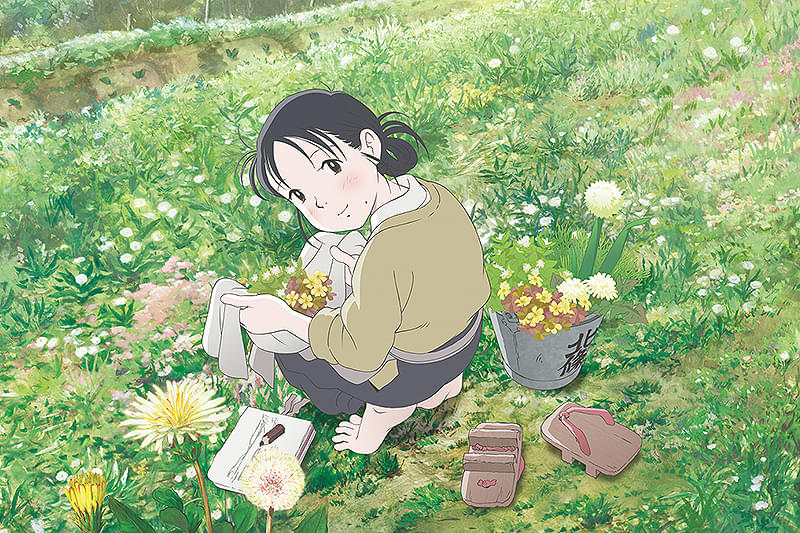
Spoiler commentary and discussion of "In This Corner of the World" (manga, anime, drama)
Kono Sekai no Katasumi ni (In a Corner of the World)" is a manga work by Fumiyo Kono, as well as a drama and anime film based on it. The manga was serialized in Futabasha's "Manga Action" from 2007 to 2009. The drama was broadcast on Nippon Television in 2011, and the movie was released nationwide in November 2016.
Read Article
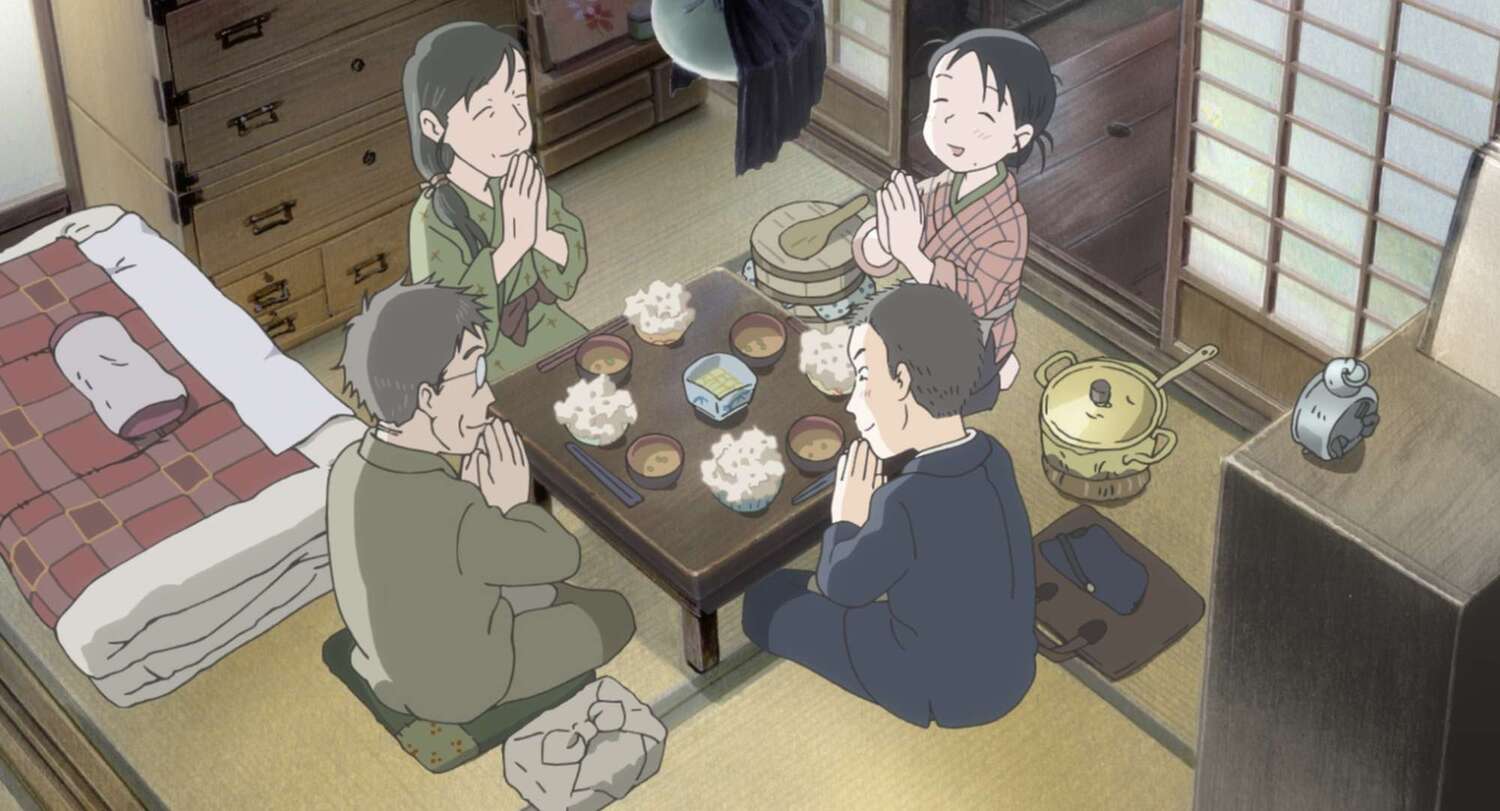
Summary of Cooking, Meals, Food, Sweets, and Drinks in This Corner of the World
Kono Sekai no Katasumi ni (In a Corner of the World)" is a manga series written by Fumiyo Kono, serialized in the manga magazine "Manga Action" since 2007, and published in book form in 2008. Many media mix works, such as TV dramas and animated movies, have also been developed. The story follows Suzu Urano/Hojo Suzu, who marries from Hiroshima to the military port town of Kure, and lives a modest life in the midst of World War II. Some of Suzu's home-cooked meals are accompanied by detailed recipes, providing a glimpse into the dietary habits of the time.
Read Article
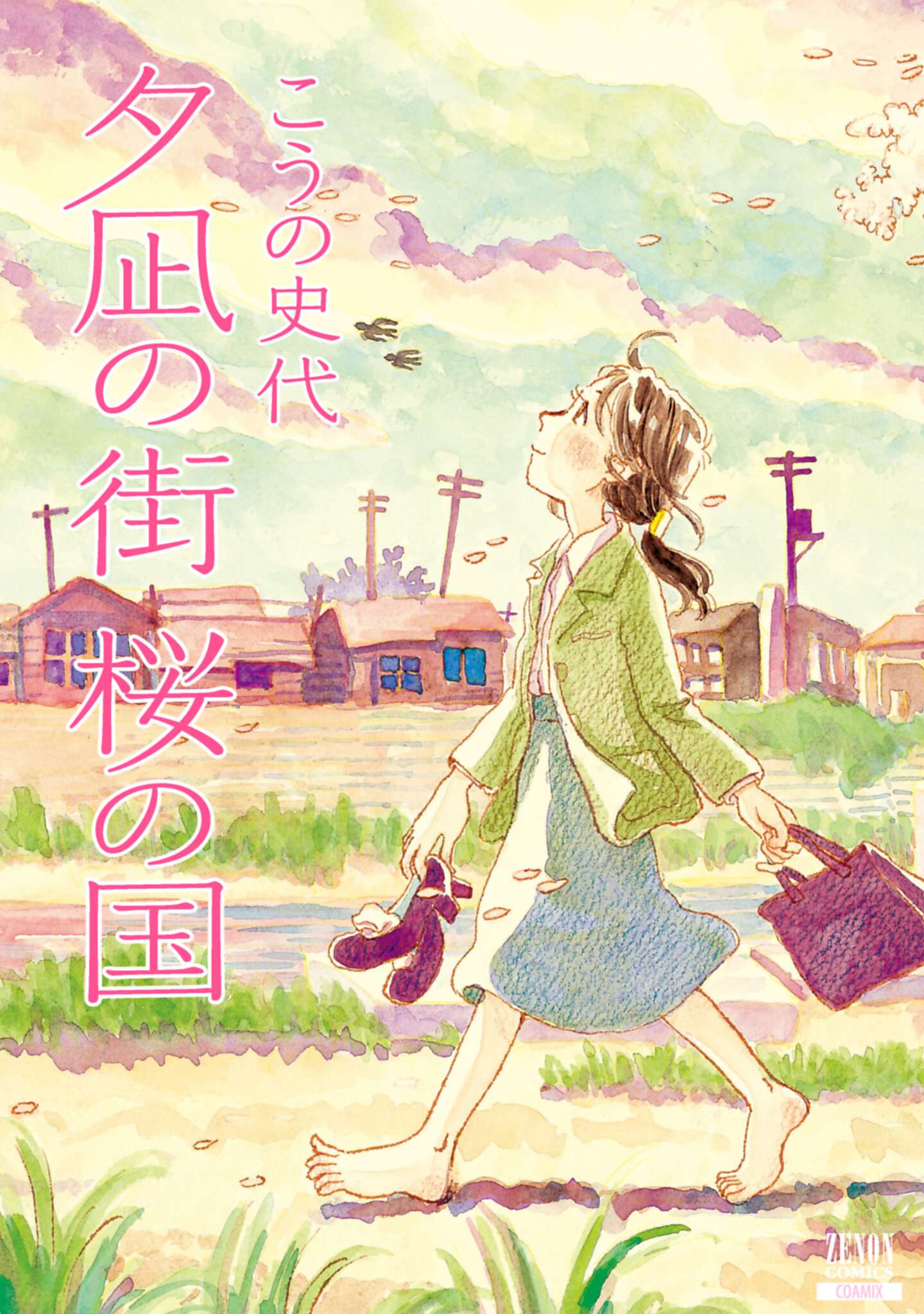
Spoiler commentary and discussion of Yunagi City, Sakura Country (Fumiyo Konno)
Yunagi City, Sakura Country" is a manga work published in 2004 by Fumiyo Kono. It is a trilogy consisting of "Yunagi City," "Cherry Blossom Country (1)," and "Cherry Blossom Country (2). It has also been adapted into a number of media mixes, including a film, a novelization, and a TV drama. The story focuses on the lives of people after the war, who were tormented by the atomic bombing, but lived happily and robustly, and has a gentle and warm atmosphere that is appealing and not just a "tragic war story.
Read Article
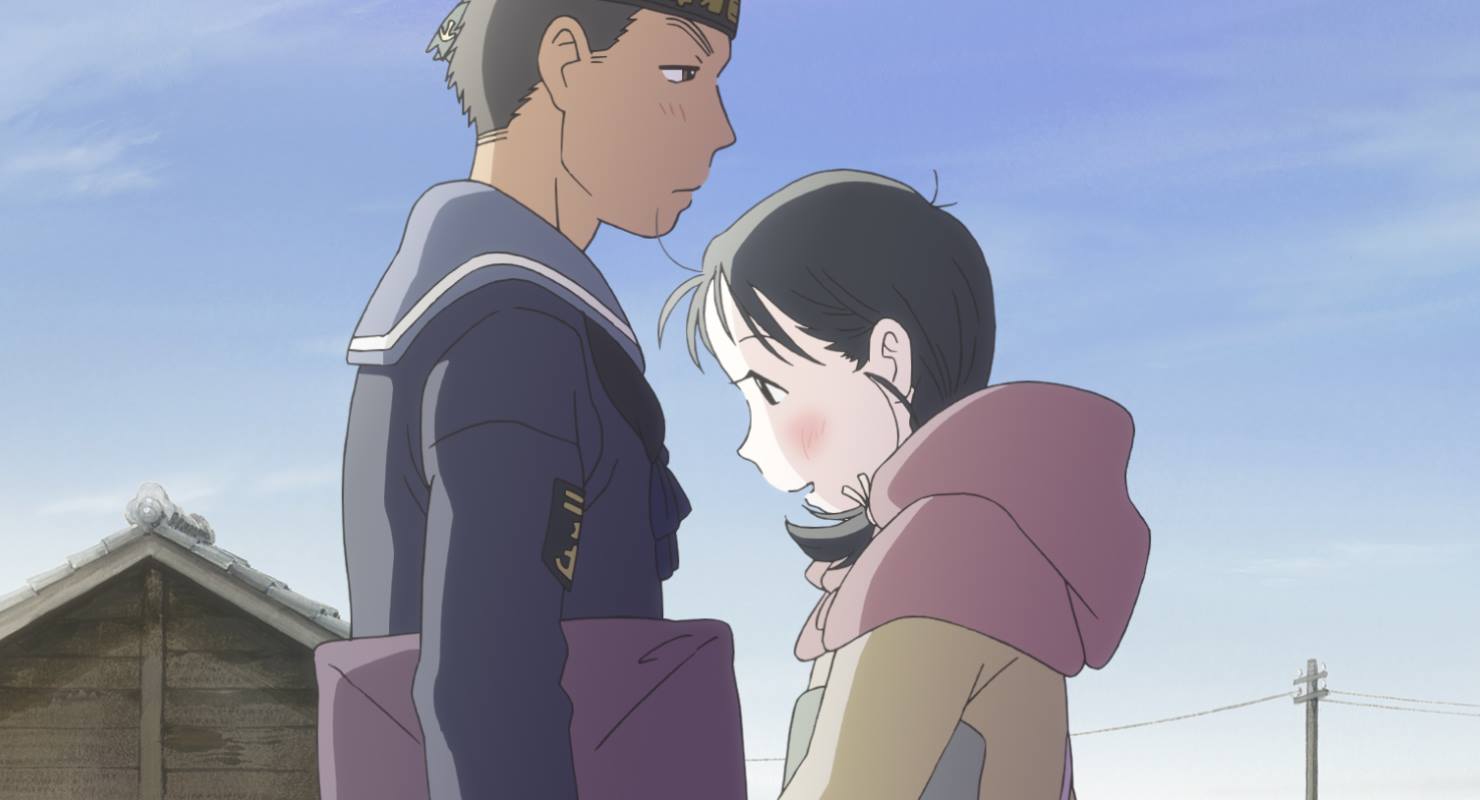
Spoilers and discussion of "In This Corner of the World"! Also explains the identity of the Zashiki-do that played an important role in the story.
This article presents a collection of spoiler explanations and discussions about the manga written by Fumiyo Kouno and the film "In a Corner of the World," directed by Sunao Katabuchi, which was based on the manga. Many yokai, including the Zashiki-do, appear in the manga, and they play a very important role in the film. The article also details the true identity of the Zashikido and the differences between the original work and the movie.
Read Article
Sunao Katabuchi, director of "In This Corner of the World" and Studio Ghibli have a deep relationship. In fact, he was supposed to shoot "The Witch's Delivery Service"!
This article presents a summary of the deep relationship between Sunao Katabuchi, director of "In This Corner of the World," a film made about the Pacific War, and Studio Ghibli. Katabuchi was originally slated to direct the Ghibli film "The Witch's Delivery Service," but due to sponsorship issues, he had been assigned to assist director Hayao Miyazaki in the past. The article also introduces the secret story behind the production of "In a Corner of the World," the points he focused on, and the reputation of the film.
Read Article
![In This Corner of the World] Tear-jerker is inevitable! A gem of an anime feature for those of you who haven't cried yet [Your Name is...].](https://renote.net/files/blobs/proxy/eyJfcmFpbHMiOnsiZGF0YSI6NzE3NTEyOCwicHVyIjoiYmxvYl9pZCJ9fQ==--3c05fbc3918e58a34246ca45644891dab9ad50f6/i-img1200x675-1583986230otekhn533374.jpg)
In This Corner of the World] Tear-jerker is inevitable! A gem of an anime feature for those of you who haven't cried yet [Your Name is...].
Have you cried lately? Many people think that crying is something to be ashamed of, but it is not true. It is rather refreshing to cry as much as you can when you want to. In this article, we have compiled a list of anime masterpieces that are sure to make your teary glands burst. If you can't cry in front of others, why don't you cry out loud once in a while at home?
Read Article
Contents
- Overview of "In This Corner of the World
- Suzu Hojo (Suzu Hojo) Quotes, Famous Lines / Famous Scenes, Famous Scenes
- Encounter with a monster who does not know whether it is a dream or reality
- I wasn't sure if it was a good thing or not, but what was that caramel taste in my mouth that was spreading?"
- Suzu's Cooking Time
- Distorted world as if drawn by left hand
- I wanted to die in a daze and not think about anything. I wish I had died in a daze.
- Whether they are alive or dead, there are people we can no longer see, and there are memories of them that only we have. We can only continue to exist in this world as a vessel for those memories.
- "Thank you, Shusaku-san, for finding us in this corner of the world."
- Shusaku Hojo's Famous Quotes, Famous Lines / Famous Scenes, Famous Scenes
- The past, the paths we didn't choose, they're all the same as waking dreams.
- Shusaku is transferred from civilian to military service and sent to the war zone.
- Shusaku rescues Suzu, who is about to be shot by enemy machine gun fire.
- Suzu and Shusaku return to Kure with war orphans
- Hojo San (Hojo San) Quotes, Famous Lines / Famous Scenes, Famous Scenes
- It would be nice if everyone could just laugh."
- Entaro Hojo Quotes, Famous Lines / Famous Scenes, Famous Scenes
- I can't see the white rice.
- KUROMURA IKIKO Quotes, Famous Quotes / Famous Scenes, Famous Lines
- As long as Suzu-san doesn't like it, her place is here.
- Harumi Kuromura Quotes, Famous Lines / Famous Scenes, Famous Scenes
- Harumi and Suzu caught in a timed detonation mine
- Sumi Urano Quotes, Famous Lines / Famous Scenes, Famous Scenes
- Sumi lying on the floor with atomic bomb sickness
- Tetsu Mizuhara Quotes, Famous Lines / Famous Scenes, Famous Scenes
- Mizuhara asks Suzu to draw a picture of the sea for homework.
- It's just as natural for Suzu to protect her home here as it is for me to protect my country in Aoba."
- Lynn Shiraki (Rin Shiraki) Quotes and Sayings / Famous Scenes and Scenes
- Everyone has their place in the world.
- When a person dies, his memory disappears and he is no more. Secrets are never kept."
- Kariya (Kariya) Quotes, Famous Lines / Famous Scenes, Famous Scenes
- It's a waste. The salt."
- The Girl from Hiroshima Quotes / Famous lines / Famous scenes / Famous scenes
- War orphans who treat Suzu like a mother