
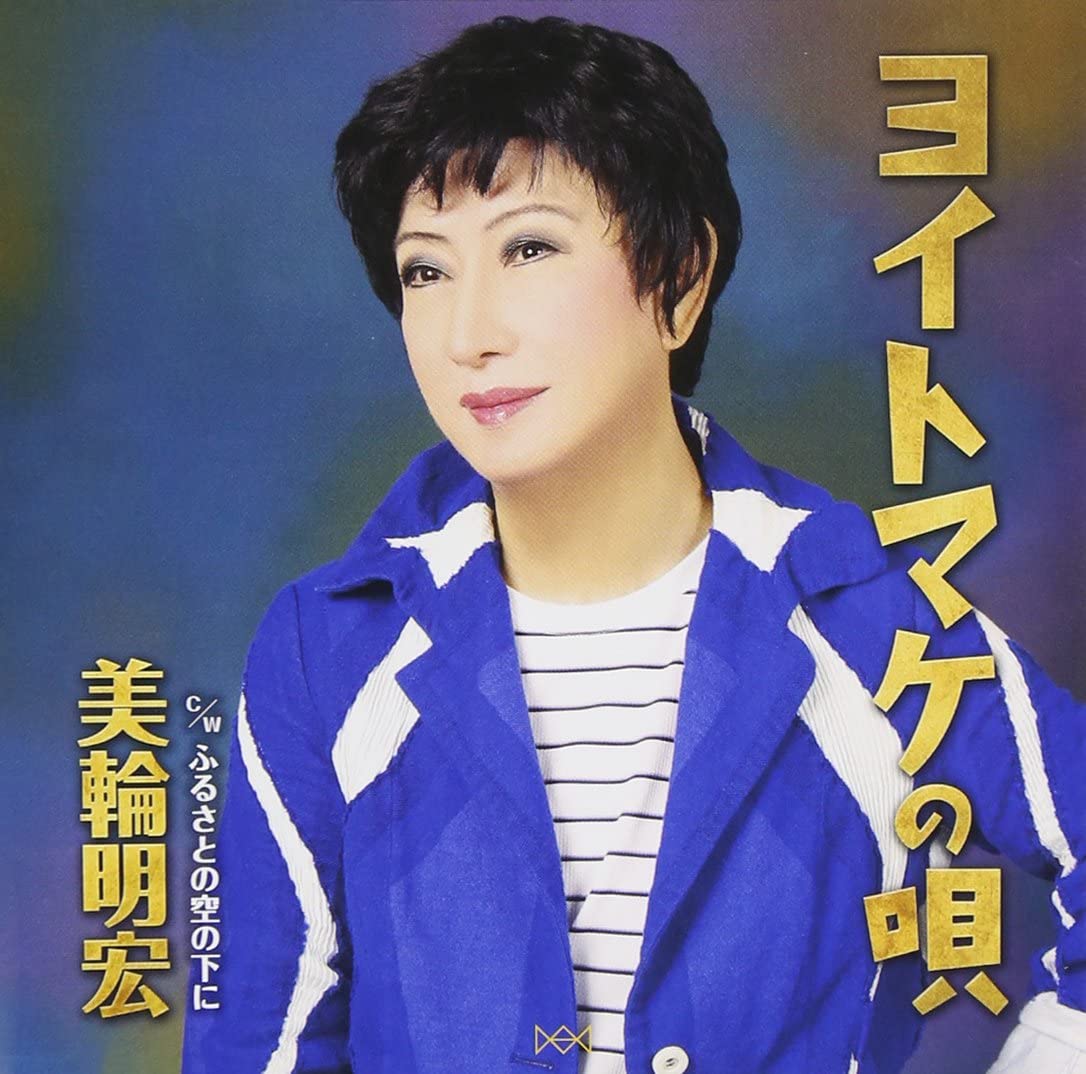
Akihiro Miwa's "Yoitomake no Uta" was impressive at the 2012 Kohaku Uta Gassen. There are songs like "Yoitmake" that have been banned from the airwaves even though they are very good songs. There are also songs that were banned in the past but are now on the public airwaves.
Here are some of these "banned" songs.
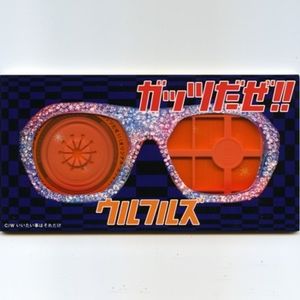
Source: j-pop-dj-move.jugem.jp
IT'S GUTS, Ulfuls!
Although it was not prohibited from broadcasting, the lyrics' I want to fall in love / I want to be framed / I want to be picked up' became a problem and Kohaku changed a part of the song and sang it.
- Wikipedia.
ja.wikipedia.org
In Kohaku, lyrics that had been deemed obscene were changed and sung.
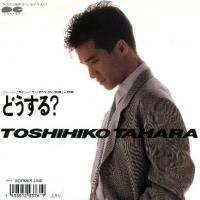
"What shall we do?" Toshihiko Tahara
Source: tayune.com
What do we do, Toshihiko Tahara?
The most widely known version is the re-released version.
The first version was canceled just before the release due to the extreme lyrics, but the lyrics were changed later.
- Wikipedia.
ja.wikipedia.org
The release of the song was hastily postponed due to the possibility that the song would be banned from broadcasting due to the fact that "the song contains obscene expressions," and it was decided to release the song after partially changing and rerecording the song [1].
MARI-CHAN: "THERE IS A WAY OF LIFE FOR A UGLY WOMAN."
Source: www1.linkclub.or.jp
THERE'S A WAY TO LIVE A UGLY LIFE, MARI-CHAN.
It was banned from broadcasting because it was bashed by women's groups.
"Mari-chan's" later made its re-debut as a unit called "Fujioka Fujimaki" with one member left behind. In 2008, it became a hit with a unit called "Fujioka Fujimaki and Nozomi Ohashi" where the theme song of the same name from the animated film "PONYO" (directed by Hayao MIYAZAKI) was played.
Mari-chan - Wikipedia
ja.wikipedia.org
When he participated in a folk contest with the song "Busu ni Busu no Ikiru Aru" (Even a Busu Has His Own Way of Living), he was scouted for the song because its lyrics "No clothes on teeth" were highly evaluated.
Although the band has been active for only two years, from 1974 to 1976, most of the songs it has released have been banned from the air. For them, it is a unique band with' Buyu-den' (Heroic Tales). In 1995, they started working as Mari-chan again. On November 23, 2005, they re-debuted as a unit called' Fujioka Fujimaki' without Ozaki.
"Kyodai shinju" (double suicide) by Hako Yamasaki
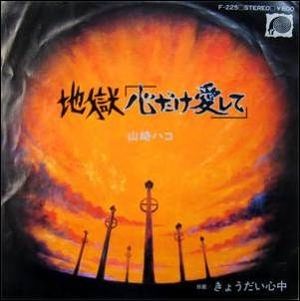
Source: www.geocities.jp
Kyodai Shinju Hako Yamasaki
The lyrics are unknown and it is written as "Goshu Ondo". It seems that the song has been sung since the old days, but it was banned from broadcasting because it sings about.
♪ Brothers and sisters double suicide Hako Yamasaki - Yahoo! Geocities
geocities.yahoo.co.jp
It was used as one of the theme songs of the film "Hell" starring Mieko Harada.
This "Kyodai Shinju" was included in the album "Ningen Magai" in 1979, but the broadcast of "Kyodai Shinju" was banned and the album itself was stopped immediately.
Kyodai Shinju / Yamazaki Hako no Lyrics - Petit Riri
petitlyrics.com
"Memorial Tree" Appa School Students
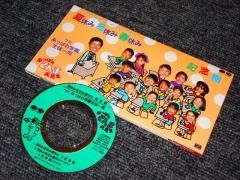
Source: muttley.blog.shinobi.jp
Memorial Tree Appa School Students
It was said that the composition of "Kinen ju" was in violation of the Copyright Act.
Memorial Tree Case - Wikipedia
ja.wikipedia.org
It was used as the ending theme of "Appa Re Sanma Daisensei" which was broadcast on Fuji TV.
In 1998 (1998), Asei Kobayashi, the composer of the song "Doko Doku Ikikou" (Let's Go Anywhere), and Kanai Ongaku Shuppan Co., Ltd., the copyright holder (arranger) of the song, filed a lawsuit against Katsuhisa Hattori, the composer of the song "Kinen Ju" (Commemorative Tree), seeking damages for infringement of the moral rights of the author (the right to maintain the identity of the author and the right to display the author's name) and the rights of the arranger on the grounds that "Kinen Ju" was an unauthorized arrangement of "Doko Doku Kiko" (Let's Go Anywhere).
"NANA" The Checkers
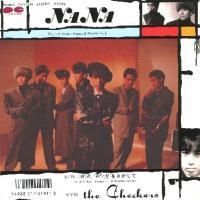
Source: blog.oricon.co.jp
NANA The Checkers
The song was banned from NHK because some of its lyrics were associated with sexual activity.
NANA - Wikipedia
ja.wikipedia.org
The song's lyrics, such as "Get wet," and "Let's do it," were banned from NHK because they were associated with sexual activity.
NANA The Checkers lyric information - goo music
music.goo.ne.jp
The Checkers lyrics: Hey, Nana, you're dying.
"Nameless Poetry" Mr. Children
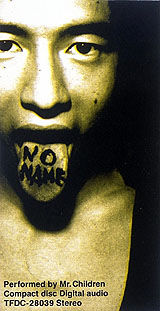
Source: hori109.blog.ocn.ne.jp
Nameless Poetry Mr. Children
"Notalin" in the lyrics is a derogatory term for the mentally disabled.
Although broadcasting is not prohibited, lyrics may be replaced in public broadcasting.
Nameless Poetry - Wikipedia
ja.wikipedia.org
Because the lyrics included' Notalin,' which was a broadcasting problem term at the time of release, Toy's Factory prepared and distributed CDs with the product number of' PR-275,' which contained songs with the lyrics of the relevant part replaced, which was different from those on the market, to broadcast stations.
Mr. Children / Lyrics: Nameless Poem / Utatappu Lyrics Free Search
www.utamap.com
Nameless Poetry, Lyrics, Kazutoshi Sakurai, Music, Kazutoshi Sakurai, Song, Mr. Children
"Tamori 3: History of Postwar Japanese Songs" by Tamori

Tags
Contents
- What is broadcasting prohibited in the first place?
- ' Yoito Make-up Song' by Akihiro Miwa (Akihiro MARUYAMA)
- Imjin River The Folk Crusaders
- Young people at the time of "Riot Squad Blues"
- "Nerikan Blues" Keiko Fuji
- "Bourbon in Penny Lane" Takuro Yoshida
- "I'll eat you," said Gachapin
- "Love Barber" Juro Kara
- "I LOVE YOU IS A ONE PERSON THING" Yuko Hara New Half Betei
- "Repent for all your songs!" Keisuke Kuwata
- "ProstitUte Kazuko" Takajin Yashiki
- "The quays, Father," said Hibari Misora
- "Motor Show Song" by Akira Kobayashi
- "Abashiri Bangaichi" Ken Takakura
- Sweetbread Bushi' Crazy Cats (Hitoshi Ueki)
- "Letters" by Nobuyasu Okabayashi
- "Phantom Folk Singer" Kazuhiko Yamahira
- "Love Me Tender" RC. Succession Kiyoshiro Imawano
- "Nuclear Gypsy" Kato Tokiko
- "Chernobyl": The Blue Hearts
- "Neverending Song": The Blue Hearts
- "S ・ O ・ S" Pink Lady
- "Carnival" Momoe Yamaguchi
- "Playback part2" Momoe Yamaguchi
- "The Tragic Battle": Kenichi Nagira
- Fuchu Torimotsu Hikae' Alfie
- "Kinta no Daibōken" Tsuboinorio
- "Oheji Obachan" Yukadan
- "Sometimes like a." Toshio Kurosawa
- "Uguisudani Music Hall" Tsuruko Shofukutei
- "From back to front," Yoko Hatanaka
- "Bunchaka bushi" Kitajima Saburo
- "Guts!" Ulfuls
- "What shall we do?" Toshihiko Tahara
- MARI-CHAN: "THERE IS A WAY OF LIFE FOR A UGLY WOMAN."
- "Kyodai shinju" (double suicide) by Hako Yamasaki
- "Memorial Tree" Appa School Students
- "NANA" The Checkers
- "Nameless Poetry" Mr. Children
- "Tamori 3: History of Postwar Japanese Songs" by Tamori